

Reflection, Reinvention, Retreat, and Restoration
Guest post by Katherine Langford
We welcome the return of guest blogger Katherine Langford, who offers insights on how music education nurtures creativity, balance, and lasting passion for learning. Her last article was “The New Model of Modern Music Education” (2025). She describes herself as “a digital marketing consultant, writer, freelancer, WordPress enthusiast, and coffee lover.” Thank you, Katherine! PKF
Music education is more than just learning notes, scales, and chords. It’s about growth, creativity, and self-discovery. Whether you’re a student, a teacher, or a lifelong learner, the journey of music unfolds through cycles of learning and renewal. The concept of the Four Rs of Music Education: Reflection, Reinvention, Retreat, and Restoration beautifully captures this ongoing process.
These four principles help musicians reconnect with their passion, refine their skills, and rediscover purpose. Let’s explore how each “R” plays a role in shaping better musicians, educators, and learners—both in classrooms and in online class help settings where flexibility meets creativity.

Reflection in Music Education
Reflection is the first step toward genuine growth in music. It’s about looking back to understand what worked, what didn’t, and what could improve. Musicians often rush through practice sessions, but without reflection, progress stalls.
Reflecting on past performances helps identify patterns and habits. Maybe your rhythm feels slightly off, or your phrasing needs more emotion. When students pause to think about their experiences, they start connecting technique with meaning. This process deepens understanding beyond mere repetition.
For teachers, reflection shapes lesson plans and teaching styles. It’s not just about evaluating students but also self-assessing methods. Asking questions like, Did my students grasp the concept? Could I have explained it better? opens new possibilities.
Practical reflection can include journaling after lessons or recording performances to analyze later. Even in music education online, where feedback may seem distant, reflection bridges that gap. Students who revisit recordings of their practice can hear their growth over time.
Reinvention in Music Education
Once reflection takes place, the next step is reinvention. Reinvention is where creativity flourishes. It encourages musicians to reshape their identity, experiment with new techniques, and explore unfamiliar styles.
Every musician reaches a plateau. Reinvention helps overcome it. Trying different genres, instruments, or teaching methods revitalizes motivation. A classical pianist might explore jazz improvisation, or a vocalist might learn digital music production. These changes broaden understanding and strengthen adaptability.
In music education, reinvention keeps learning exciting. Teachers who incorporate technology, apps, or virtual performances engage students better. Reinvention also applies to learners using online class help platforms. They can explore theory, composition, or ear training with tailored support, matching personal learning speeds.
A big part of reinvention is embracing mistakes. Growth often comes from stepping outside the comfort zone. Students who reimagine failure as feedback develop resilience. Music thrives on such transformation. Reinvention keeps passion alive, no matter how many years someone has played.
Retreat in Music Education
Retreat might sound like stepping away, but in music, it’s a necessary pause. Taking breaks gives musicians time to breathe, reset, and process what they’ve learned. Creativity demands rest as much as effort.
Many students push themselves to practice endlessly. Yet over-practicing can lead to burnout or injury. A strategic retreat helps restore energy and focus. Stepping back for a while often leads to stronger comebacks. It’s similar to letting silence enhance the beauty of a melody.
Teachers also benefit from retreating. When educators allow time for reflection and relaxation, they return with renewed enthusiasm. This creates a more balanced environment for both themselves and their students.
Retreats don’t have to be long. A short pause between lessons, a quiet walk, or even a few mindful breaths before playing can make a difference. In music education, retreats remind learners that music isn’t just performance—it’s also presence.
Even students studying through online class help programs can benefit from short retreats. Logging off for a day or switching focus from performance to listening exercises can refresh the mind. This pause often leads to more meaningful progress later.
Restoration in Music Education
Restoration is where renewal begins. After reflection, reinvention, and retreat, musicians rediscover their connection with music. It’s the emotional and spiritual healing that brings purpose back into playing or teaching.
In music education, restoration often comes through rediscovering joy. When practice feels heavy, restoring one’s motivation means reconnecting with why music mattered in the first place. Listening to old favorites, collaborating with others, or simply playing for pleasure can spark that feeling again.
For teachers, restoration also means finding balance between structure and spontaneity. Students sense when their instructor feels inspired. Restored energy flows naturally into lessons, making learning more engaging and alive.
Restoration also ties into self-care. A healthy mind and body fuel creativity. Simple habits—staying hydrated, taking breaks, and celebrating small wins—help musicians sustain passion over time. Restoration is not a one-time event but a recurring phase in every artist’s journey.
Even in digital learning, restoration is vital. Students using online class help platforms can restore focus by revisiting the joy of learning, rather than rushing toward exams or performance goals. With patience and care, their progress becomes both steady and fulfilling.
Why the Four Rs of Music Education Matter
Together, the Four Rs—Reflection, Reinvention, Retreat, and Restoration—form a continuous cycle of artistic and personal growth. They keep music education holistic, addressing both skill and soul.
This framework encourages balance. Instead of chasing perfection, it invites progress and peace. Each “R” nurtures a different part of the learning experience:
- Reflection builds awareness.
- Reinvention fuels creativity.
- Retreat restores clarity.
- Restoration renews passion.
When integrated into daily practice, these principles prevent burnout and promote sustainable growth. Whether in traditional classrooms or through online class help, the Four Rs offer a roadmap for lifelong musicianship.
How the Four Rs Apply to Online Learning
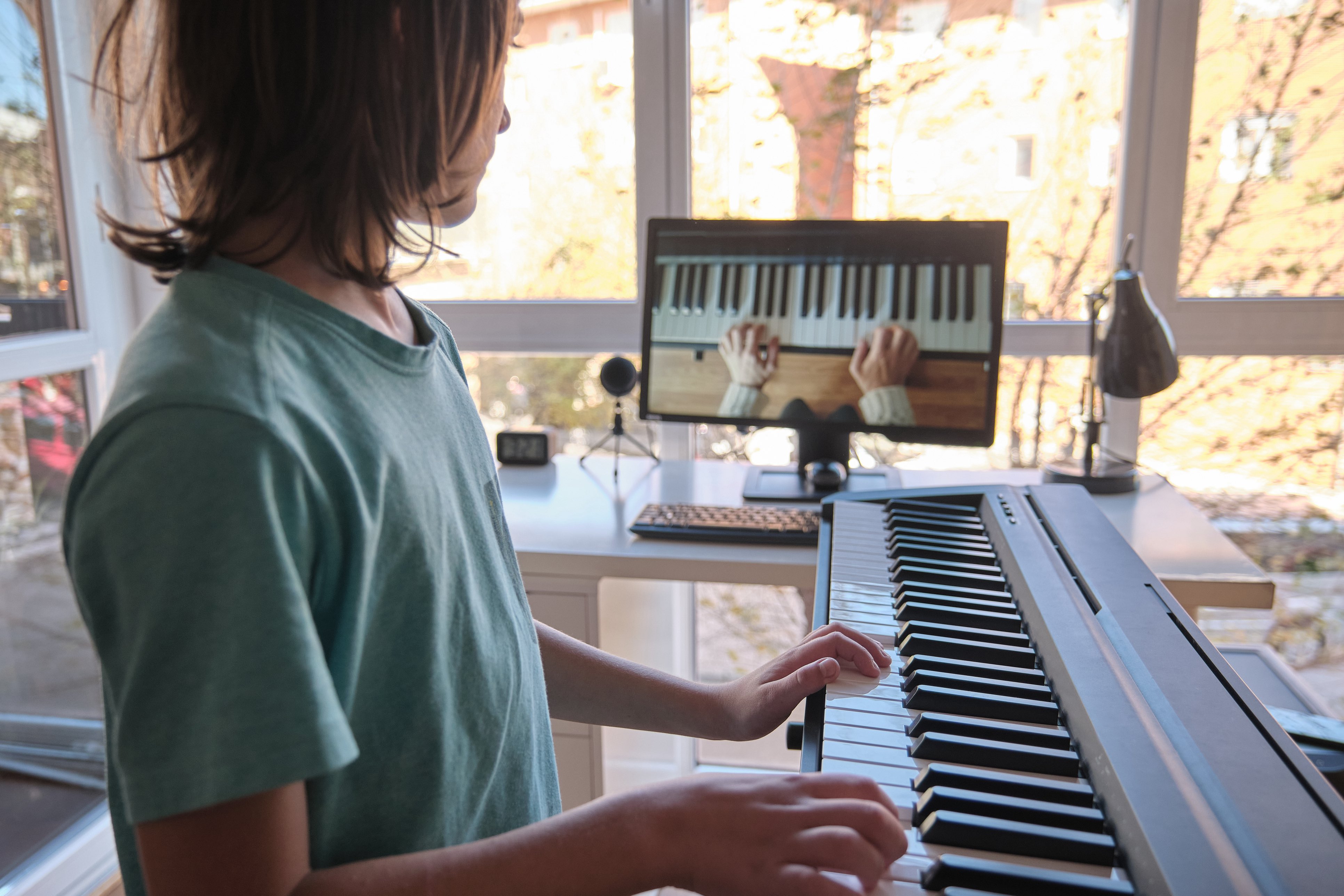
Modern music education extends far beyond physical classrooms. Online platforms allow students to learn instruments, theory, and composition from anywhere. Yet, this shift brings new challenges. Maintaining motivation and connection can be harder in virtual spaces. That’s where the Four Rs come in.
- Reflection helps students assess progress through recorded lessons and digital assignments.
- Reinvention encourages exploring online tools like digital keyboards or rhythm apps.
- Retreat prevents screen fatigue by balancing screen time with hands-on practice.
- Restoration ensures students stay inspired by joining online communities and virtual performances.
Using these principles keeps learning balanced, even in a fast-paced digital world. Whether a student says, “I need someone to take my online class,” or just wants extra support, embracing the Four Rs ensures the journey remains meaningful.
Common Reader Question: How Can Music Students Stay Motivated Long-Term?
Many learners wonder how to stay motivated when progress feels slow. The answer lies in the Four Rs. Reflection shows how far you’ve come. Reinvention keeps practice exciting. Retreat helps avoid burnout. Restoration renews joy when motivation fades.
Music is a lifelong pursuit, not a quick achievement. Balancing effort and rest keeps the journey enjoyable. Motivation isn’t constant, but using these principles ensures it always returns.
Practical Ways to Apply the Four Rs in Music Education
Let’s look at simple ways to bring the Four Rs into practice for both students and teachers.
- Daily Reflection: Spend five minutes after each session writing what worked and what didn’t.
- Creative Reinvention: Try a new piece or improvise on a familiar melody weekly.
- Mini Retreats: Take short breaks after intense sessions to refresh your focus.
- Emotional Restoration: Listen to music that inspired you to start learning.
Teachers can also schedule reflection days or host open discussions about learning challenges. For online learners, creating digital journals or participating in peer reviews builds community.
The Four Rs and Emotional Wellbeing
Music doesn’t exist in isolation. It’s deeply tied to emotion and identity. The Four Rs not only shape better musicians but also healthier humans. Reflection teaches self-awareness. Reinvention builds confidence through experimentation. Retreat prevents burnout. Restoration fosters gratitude and peace.
This emotional balance benefits students and teachers alike. When lessons include empathy and patience, the environment becomes nurturing. Learning music becomes a joyful experience rather than a stressful task.

Bringing the Four Rs into the Classroom
Incorporating these principles into music education doesn’t require a full curriculum overhaul. Small steps make a big difference. For example, dedicate time for students to reflect after performances or introduce creative projects that allow reinvention.
Encourage retreats during exam periods, reminding students that rest improves retention. Use restoration activities such as group jam sessions or collaborative projects to reignite enthusiasm.
Even in virtual classrooms, teachers can use reflective discussions, creative challenges, and feedback sessions to make learning more interactive. The Four Rs build a culture of respect and curiosity, which every classroom needs.
Why Balance Is Key in Music Education
Balance keeps passion alive. Musicians who only focus on technical mastery risk losing emotional connection. Those who only chase creativity may neglect discipline. The Four Rs bring equilibrium by blending introspection, experimentation, rest, and renewal.
Music thrives when learners stay curious and teachers stay inspired. Balance ensures that both continue growing. Whether through physical practice or online class help, balance transforms learning into a rewarding, lifelong adventure.
Conclusion
The Four Rs of Music Education: Reflection, Reinvention, Retreat, and Restoration remind us that music is not just about sound. It’s about growth, emotion, and connection. These principles guide musicians to learn deeply, teach wisely, and live creatively.
Every stage of music education benefits from these cycles. Reflection helps you understand your progress. Reinvention sparks creativity. Retreat allows you to pause and recharge. Restoration brings your heart back into music.Whether you’re attending lessons in person or seeking online class help, applying these Four Rs ensures that your musical journey stays balanced, joyful, and deeply human.
© 2026 Katherine Langford and Paul K. Fox

