The Four Rs of Music Education

Reflection, Reinvention, Retreat, and Restoration

Guest post by Katherine Langford

We welcome the return of guest blogger Katherine Langford, who offers insights on how music education nurtures creativity, balance, and lasting passion for learning. Her last article was “The New Model of Modern Music Education” (2025). She describes herself as “a digital marketing consultant, writer, freelancer, WordPress enthusiast, and coffee lover.” Thank you, Katherine! PKF

Music education is more than just learning notes, scales, and chords. It’s about growth, creativity, and self-discovery. Whether you’re a student, a teacher, or a lifelong learner, the journey of music unfolds through cycles of learning and renewal. The concept of the Four Rs of Music Education: Reflection, Reinvention, Retreat, and Restoration beautifully captures this ongoing process.

These four principles help musicians reconnect with their passion, refine their skills, and rediscover purpose. Let’s explore how each “R” plays a role in shaping better musicians, educators, and learners—both in classrooms and in online class help settings where flexibility meets creativity.

Reflection in Music Education

Reflection is the first step toward genuine growth in music. It’s about looking back to understand what worked, what didn’t, and what could improve. Musicians often rush through practice sessions, but without reflection, progress stalls.

Reflecting on past performances helps identify patterns and habits. Maybe your rhythm feels slightly off, or your phrasing needs more emotion. When students pause to think about their experiences, they start connecting technique with meaning. This process deepens understanding beyond mere repetition.

For teachers, reflection shapes lesson plans and teaching styles. It’s not just about evaluating students but also self-assessing methods. Asking questions like, Did my students grasp the concept? Could I have explained it better? opens new possibilities.

Practical reflection can include journaling after lessons or recording performances to analyze later. Even in music education online, where feedback may seem distant, reflection bridges that gap. Students who revisit recordings of their practice can hear their growth over time.

Reinvention in Music Education

Once reflection takes place, the next step is reinvention. Reinvention is where creativity flourishes. It encourages musicians to reshape their identity, experiment with new techniques, and explore unfamiliar styles.

Every musician reaches a plateau. Reinvention helps overcome it. Trying different genres, instruments, or teaching methods revitalizes motivation. A classical pianist might explore jazz improvisation, or a vocalist might learn digital music production. These changes broaden understanding and strengthen adaptability.

In music education, reinvention keeps learning exciting. Teachers who incorporate technology, apps, or virtual performances engage students better. Reinvention also applies to learners using online class help platforms. They can explore theory, composition, or ear training with tailored support, matching personal learning speeds.

A big part of reinvention is embracing mistakes. Growth often comes from stepping outside the comfort zone. Students who reimagine failure as feedback develop resilience. Music thrives on such transformation. Reinvention keeps passion alive, no matter how many years someone has played.

Retreat in Music Education

Retreat might sound like stepping away, but in music, it’s a necessary pause. Taking breaks gives musicians time to breathe, reset, and process what they’ve learned. Creativity demands rest as much as effort.

Many students push themselves to practice endlessly. Yet over-practicing can lead to burnout or injury. A strategic retreat helps restore energy and focus. Stepping back for a while often leads to stronger comebacks. It’s similar to letting silence enhance the beauty of a melody.

Teachers also benefit from retreating. When educators allow time for reflection and relaxation, they return with renewed enthusiasm. This creates a more balanced environment for both themselves and their students.

Retreats don’t have to be long. A short pause between lessons, a quiet walk, or even a few mindful breaths before playing can make a difference. In music education, retreats remind learners that music isn’t just performance—it’s also presence.

Even students studying through online class help programs can benefit from short retreats. Logging off for a day or switching focus from performance to listening exercises can refresh the mind. This pause often leads to more meaningful progress later.

Restoration in Music Education

Restoration is where renewal begins. After reflection, reinvention, and retreat, musicians rediscover their connection with music. It’s the emotional and spiritual healing that brings purpose back into playing or teaching.

In music education, restoration often comes through rediscovering joy. When practice feels heavy, restoring one’s motivation means reconnecting with why music mattered in the first place. Listening to old favorites, collaborating with others, or simply playing for pleasure can spark that feeling again.

For teachers, restoration also means finding balance between structure and spontaneity. Students sense when their instructor feels inspired. Restored energy flows naturally into lessons, making learning more engaging and alive.

Restoration also ties into self-care. A healthy mind and body fuel creativity. Simple habits—staying hydrated, taking breaks, and celebrating small wins—help musicians sustain passion over time. Restoration is not a one-time event but a recurring phase in every artist’s journey.

Even in digital learning, restoration is vital. Students using online class help platforms can restore focus by revisiting the joy of learning, rather than rushing toward exams or performance goals. With patience and care, their progress becomes both steady and fulfilling.

Why the Four Rs of Music Education Matter

Together, the Four Rs—Reflection, Reinvention, Retreat, and Restoration—form a continuous cycle of artistic and personal growth. They keep music education holistic, addressing both skill and soul.

This framework encourages balance. Instead of chasing perfection, it invites progress and peace. Each “R” nurtures a different part of the learning experience:

  • Reflection builds awareness.
  • Reinvention fuels creativity.
  • Retreat restores clarity.
  • Restoration renews passion.

When integrated into daily practice, these principles prevent burnout and promote sustainable growth. Whether in traditional classrooms or through online class help, the Four Rs offer a roadmap for lifelong musicianship.
How the Four Rs Apply to Online Learning

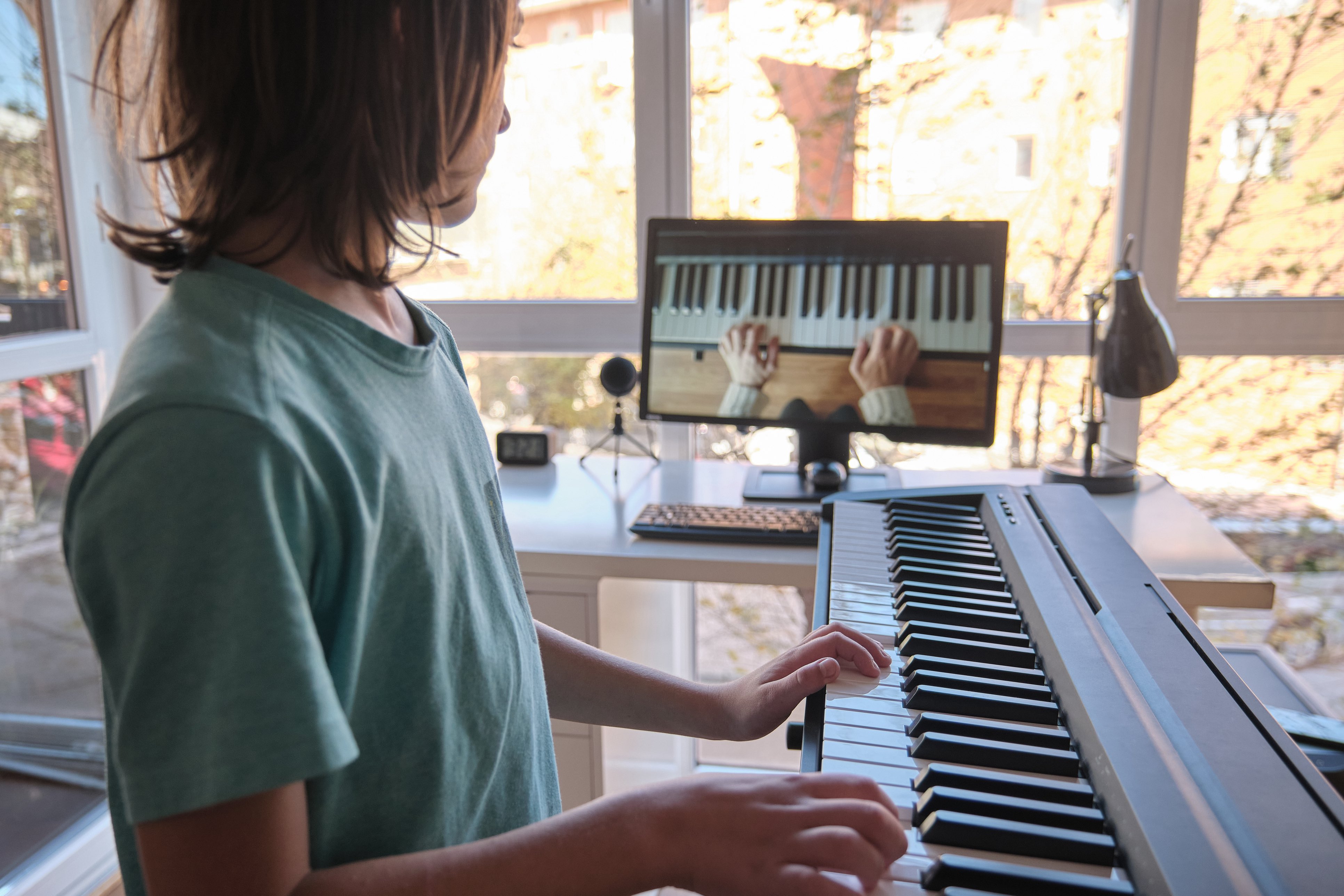
Modern music education extends far beyond physical classrooms. Online platforms allow students to learn instruments, theory, and composition from anywhere. Yet, this shift brings new challenges. Maintaining motivation and connection can be harder in virtual spaces. That’s where the Four Rs come in.

  • Reflection helps students assess progress through recorded lessons and digital assignments.
  • Reinvention encourages exploring online tools like digital keyboards or rhythm apps.
  • Retreat prevents screen fatigue by balancing screen time with hands-on practice.
  • Restoration ensures students stay inspired by joining online communities and virtual performances.

Using these principles keeps learning balanced, even in a fast-paced digital world. Whether a student says, “I need someone to take my online class,” or just wants extra support, embracing the Four Rs ensures the journey remains meaningful.

Common Reader Question: How Can Music Students Stay Motivated Long-Term?

Many learners wonder how to stay motivated when progress feels slow. The answer lies in the Four Rs. Reflection shows how far you’ve come. Reinvention keeps practice exciting. Retreat helps avoid burnout. Restoration renews joy when motivation fades.

Music is a lifelong pursuit, not a quick achievement. Balancing effort and rest keeps the journey enjoyable. Motivation isn’t constant, but using these principles ensures it always returns.

Practical Ways to Apply the Four Rs in Music Education

Let’s look at simple ways to bring the Four Rs into practice for both students and teachers.

  1. Daily Reflection: Spend five minutes after each session writing what worked and what didn’t.
  2. Creative Reinvention: Try a new piece or improvise on a familiar melody weekly.
  3. Mini Retreats: Take short breaks after intense sessions to refresh your focus.
  4. Emotional Restoration: Listen to music that inspired you to start learning.

Teachers can also schedule reflection days or host open discussions about learning challenges. For online learners, creating digital journals or participating in peer reviews builds community.

The Four Rs and Emotional Wellbeing

Music doesn’t exist in isolation. It’s deeply tied to emotion and identity. The Four Rs not only shape better musicians but also healthier humans. Reflection teaches self-awareness. Reinvention builds confidence through experimentation. Retreat prevents burnout. Restoration fosters gratitude and peace.

This emotional balance benefits students and teachers alike. When lessons include empathy and patience, the environment becomes nurturing. Learning music becomes a joyful experience rather than a stressful task.

Bringing the Four Rs into the Classroom

Incorporating these principles into music education doesn’t require a full curriculum overhaul. Small steps make a big difference. For example, dedicate time for students to reflect after performances or introduce creative projects that allow reinvention.

Encourage retreats during exam periods, reminding students that rest improves retention. Use restoration activities such as group jam sessions or collaborative projects to reignite enthusiasm.

Even in virtual classrooms, teachers can use reflective discussions, creative challenges, and feedback sessions to make learning more interactive. The Four Rs build a culture of respect and curiosity, which every classroom needs.

Why Balance Is Key in Music Education

Balance keeps passion alive. Musicians who only focus on technical mastery risk losing emotional connection. Those who only chase creativity may neglect discipline. The Four Rs bring equilibrium by blending introspection, experimentation, rest, and renewal.

Music thrives when learners stay curious and teachers stay inspired. Balance ensures that both continue growing. Whether through physical practice or online class help, balance transforms learning into a rewarding, lifelong adventure.

Conclusion

The Four Rs of Music Education: Reflection, Reinvention, Retreat, and Restoration remind us that music is not just about sound. It’s about growth, emotion, and connection. These principles guide musicians to learn deeply, teach wisely, and live creatively.

Every stage of music education benefits from these cycles. Reflection helps you understand your progress. Reinvention sparks creativity. Retreat allows you to pause and recharge. Restoration brings your heart back into music.Whether you’re attending lessons in person or seeking online class help, applying these Four Rs ensures that your musical journey stays balanced, joyful, and deeply human.

© 2026 Katherine Langford and Paul K. Fox

Psychology of Music

Why Does Music Affect Our Emotions?

by Trishna Patnaik
Author Trishna Patnaik with a view of the mountains of Darjeeling, India

This special feature reviews something all music teachers, performers, and consumers already know that’s in our DNA… the need for music to sustain our lives! Guest authored by Trishna Patnaik, this poignant message is essential during these challenging times of COVID-19 and in support of many school music/art programs currently under siege.

PKF

Can you envision a life without music?

A world where your favorite musician is a doctor or lawyer, or construction worker because music doesn’t exist?

A life where you can’t turn on your favorite workout playlist while going for a run? Or the pump-up song to boost your confidence right before your big presentation cannot happen?

If you can’t, you are definitely not alone.

Music tends to hit on us a deep level. Whether it is sad music that helps us feel relatable when we are going through hard times or joyful music that adds an extra bounce to your step, music is incredibly powerful!

But, then why is this case? Why does music impact your brain and mood so deeply?

Music is a Universal Language…

…but we don’t always pay enough attention to what it’s saying and how it’s being understood. We wanted to take an important first step toward solving the mystery of how music can evoke so many nuanced emotions. Music has a special ability to pump us up or calm us down.

Listening to music can be entertaining, and it might even make you healthier. Music can be a source of pleasure and contentment, but there are many other psychological benefits as well. Music can relax the mind, energize the body, and even help people better manage pain.

Brain regions involved in movement, attention, planning, and memory consistently showed activation when participants listened to music—these are structures that don’t have to do with auditory processing itself. This means that when we experience music, a lot of other things are going on beyond merely processing sound.

Knowing better how the brain is organized, how it functions, what chemical messengers are working, and how they’re working—that will allow us to formulate treatments for people with brain injury, or to combat diseases or disorders or even psychiatric problems.

The notion that music can influence your thoughts, feelings, and behaviors probably does not come as much of a surprise. If you’ve ever felt pumped up while listening to your favorite fast-paced rock anthem or been moved to tears by a tender live performance, then you easily understand the power of music to impact moods and even inspire action!

The psychological effects of music can be very powerful and wide-ranging. Music therapy is an intervention sometimes used to promote emotional health, help patients cope with stress, and boost psychological well-being. Your taste in music can provide insight into different aspects of your personality.

Why Do People Listen to Music?

Over the past several decades, showcase numerous functions that listening to music might fulfill. Different theoretical approaches, different methods, and different samples have left a heterogeneous picture regarding the number and nature of musical functions.

Principal component analysis suggested three distinct underlying dimensions. People listen to music to regulate arousal and mood, to achieve self-awareness, and as an expression of social relatedness. The first and second dimensions were judged to be much more important than the third—a result that contrasts with the idea that music has evolved primarily as a means for social cohesion and communication. The implications of these results are discussed in light of theories on the origin and the functionality of music listening and also for the application of musical stimuli in all areas of psychology and for research in music cognition.

The psychology of music seeks to interpret musical phenomena in terms of mental function; that is, it seeks to characterize the ways in which people perceive, remember, perform, create, and respond to music. While centred on the empirical findings and theoretical approaches of psychology, the field is highly interdisciplinary, with input from neuroscientists, linguists, geneticists, computational modellers, physicists, anthropologists, music theorists, music performers, and composers.

While the study of music has a long history, dating from the ancient Greeks, the psychology of music as an empirical science did not emerge as a full-fledged discipline until the second part of the 20th century. During the last few decades the field has advanced rapidly, and it interfaces strongly with other branches of psychology, such as the studies of perception, cognition, performance, human development, personality psychology, psycholinguistics, clinical neuropsychology, evolutionary psychology, ability testing, and artificial intelligence.

Musical activity combines perceptual, cognitive, and motor skills in real time and it can offer social and health benefits for diverse populations. While psychologists and neuroscientists probe musical activity for insights about the human mind and brain, music scholars examine its cultural, pedagogical, and theoretical aspects. Though these approaches can complement each other, scientific and humanistic studies of music are often disconnected.

This can result in experiments with flawed musical stimuli and musicological writings with problematic assumptions about human cognitive processes. The human brain contains neural mechanisms specific to music perception. It has identified a neural population in the human auditory cortex that responds selectively to sounds that people typically categorize as music, but not to speech or other environmental sounds. It has been the subject of widespread speculation.

The Benefits of Listening to Music

  1. Brain Focus is Enhanced

Any music listener will agree that music can evoke emotions such as pride, elation, or relaxation. That music does more than that for humans: it stimulates various parts of the brain and bodily responses. How do different kinds of music affect the human body physiologically and psychologically? Is the unconscious experience elicited by the autonomic nervous system analogous to what is experienced consciously through emotions?

Background music, or music that is played while the listener is primarily focused on another activity, can improve performance on cognitive tasks in older adults. One study found that playing more upbeat music led to improvements in processing speed, while both upbeat and downbeat music led to benefits in memory.

So the next time you are working on a task, consider turning on a little music in the background if you are looking for a boost in your mental performance. Do consider choosing instrumental tracks rather than those with complex lyrics, which might end up being more distracting!

  1. Music Can Reduce Stress

It has long been suggested that music can help reduce or even manage stress. Consider the trend centred on meditative music created to soothe the mind and inducing relaxation. Fortunately, this is one trend supported by research. Listening to music can be an effective way to cope with stress.

Listening to music had an impact on the human stress response, particularly the autonomic nervous system. Those who had listened to music tended to recover more quickly following a stressor.

  1. Music Can Help You Eat Less

One of the most surprising psychological benefits of music is that it might be a helpful weight-loss tool. If you are trying to lose weight, listening to mellow music and dimming the lights might help you achieve your goals.

Music and lighting help create a more relaxed setting. Since you are more relaxed and comfortable, then you may consume food more slowly and be more aware of when you began to feel full.

You might try putting this into practice by playing soft music at home while you eat dinner. By creating a relaxing setting, you may be more likely to eat slowly and, therefore, feel fuller sooner!

  1. Music Can Improve Your Memory

Some feel like listening to their favourite music improves memory, while others contend that it simply serves as a pleasant distraction.

It depends upon a variety of factors, including the type of music, the listener’s enjoyment of that music, and even how musically well-trained the listener may be. Musically naive students learned better when listening to positive music, possibly because these songs elicited more positive emotions without interfering with memory formation.

However, musically trained students tended to perform better on learning tests when they listened to neutral music, possibly because this type of music was less distracting and easier to ignore. If you tend to find yourself distracted by music, you may be better off learning in silence or with neutral tracks playing in the background.

  1. Music Can Help Manage Pain

Music can be very helpful in the management of pain. The effects of music on pain management found that patients who listened to music before, during, or even after surgery experienced less pain and anxiety than those who did not listen to music.

While listening to music at any point in time was effective, noted that listening to music pre-surgery resulted in better outcomes. Music listeners require less medication to manage their pain. There was also a slightly greater, though not statistically significant, improvement in pain management results when patients were allowed to select their own music.

  1. Music May Help You Sleep Better

Insomnia is a serious problem that affects people of all age groups. While there are many approaches to treating this problem, it has been demonstrated that listening to relaxing classical music can be a safe, effective, and an affordable remedy.​ Sleep quality is enhanced for those who listened to soothing music before going to sleep over a period of time without any intervention or breakages.

  1. Music Can Improve Motivation

There is a good reason why you find it easier to exercise while you listen to music. Listening to fast-paced music motivates people to work out harder.

Speeding up the tracks resulted in increased performance in terms of distance covered, the speed of pedalling, and power exerted. Conversely, slowing down the music’s tempo led to decreases in all of these variables.

So if you are trying to stick to a workout routine, consider loading up a playlist filled with fast-paced tunes that will help boost your motivation and enjoyment of your exercise regimen!

  1. Music Can Improve Mood

Another of the science-backed benefits of music is that it just might make you happier!  People who listen to music knew an important role in relating arousal and mood. Participants rated music’s ability to help them achieve a better mood and become more self-aware as two of the most important functions of music.

Listening to music is not directed to become happier intentionally!  However, if you do so by working to determine your own levels of happiness, you will show improvement in the moods and feeling happier.

  1. Music May Reduce Symptoms of Depression

Music therapy can be a safe and effective treatment for a variety of disorders, including depression. Music therapy was a safe, low-risk way to reduce depression and anxiety in patients suffering from neurological conditions such as dementia, stroke, and Parkinson’s disease.

While music can certainly have an impact on mood, the type of music is also important. Classical and meditation music offer the greatest mood-boosting benefits, while heavy metal and techno music are ineffective and even detrimental.

  1. Music Can Improve Endurance and Performance

Another important psychological benefit of music lies in its ability to boost performance. While people have a preferred step frequency when walking and running, scientists have discovered that the addition of a strong, rhythmic beat, such as fast-paced musical track, could inspire people to pick up the pace.

Runners are not only able to run faster while listening to music; they also feel more motivated to stick with it and display greater endurance. While research has found that synchronizing body movements to music can lead to better performance and increased stamina, the effect tends to be the most pronounced in cases of low to moderate intensity exercise. In other words, the average person is more likely to reap the rewards of listening to music more than a professional athlete might.

So why does music boost workout performance?

Listening to music while working out lowers a person’s perception of exertion. You’re working harder, but it doesn’t seem like you’re putting forth more effort. Because your attention is diverted by the music, you are less likely to notice the obvious signs of exertion such as increased respiration, sweating, and muscle soreness.

Music engages people with learning disabilities

There is evidence that music interventions can offer opportunities for creative, psychological, and social developments for individuals with mild to profound learning disabilities, addressing the disadvantages they face in respect of social outcomes.

Music can change the world

Do you ever listen to a song and find yourself moved so deeply you are almost in tears? Have you ever been to a live performance that turned your worst day into your best? Have you ever heard a song that inspired you? Music has the power to move us and to change us. Yet today’s music mostly does not seem to have the same earth-moving, society-shaping effects as that of the past. 

With today’s technology, music has become even more of a part of our life experiences: we listen to it on our drive to work, when we go to parties, while we study, when we exercise, and in so many other settings. There are, however, still musicians who hope that their words will inspire change.  

Music with a message

The combination of the right lyrics, rhythm and instruments can build a group identity, stir strong emotions, engage audiences and amass people to take action. This makes music the perfect partner for social change.

The effect of music on emotions

It is undeniable that music can stimulate our emotions, evoking different feelings like sadness, happiness, calmness, relaxing and nostalgic feelings. This emotional stimulation from music is because it activates areas in our brain that process sound features. It also activates the limbic brain areas associated with emotions and the prefrontal areas, which is connected to decision making!

One of the reasons music has a huge impact on our emotions is that our mirror neuron system is activated when music is being played. It may be due to the song’s pitch, volume, and timbre. Indeed, music plays a big part on our emotions. If we are broken hearted, we react accordingly when we hear music or songs that were connected to our failed relationships. We sometimes find ourselves in tears hearing a song that reminds us of these relational memories.

There are also points in our lives when we are feeling so low that listening to something inspirational can often alter our negative mood into a positive one.

The Effect of Music on Intellectual Capacity

Can music make people smarter?

Those who undergo musical training are said to be more cooperative and coordinated than their non-musically trained counterparts. This is probably because people who play an instrument or sing usually work with other people; hence, they learn how to interact and communicate with others, making them more open to social interaction.

People who are into music or those who have undergone musical training show an increase in brain plasticity. Brain plasticity is the innate ability of the brain to change shape and get bigger in response to learning or training.

There is a significant difference in terms of structures of auditory and motor cortices in the brain and other brain areas between musicians and non-musicians.  They found out that musicians tend to have a bigger and structured brain areas compared to non-musicians. Musical training affects other domains such as verbal intelligence and executive functions, which often lead to better academic performance.

The Effect of Music on Attainment and Creativity

Music is said to enhance one’s creativity and attainment. There is a strong association between music and attainment of tasks! Music could also make us enter into a “wandering mode.” This wandering mode enables us to daydream or imagine things, which sometimes stimulate our creative side.

Music as a Therapy

Music can improve your mood, quality of life, and self-esteem, but it is also:

  • Extremely safe
  • Non-invasive
  • Easily accessible
  • Non-expensive
  • Music Boosts Our Moods

Can your favorite songs be a form of therapy?

It was discovered that music can release dopamine in two main places in the brain, the dorsal and ventral striatum. When you are having a pleasurable experience, such as listening to your favourite song, these areas of the brain light up.

These things happen because musical patterns affect our auditory cortex, which is a part of the neural reward system and other areas involved in memory and emotion.

Music has accompanied major social events throughout the history of mankind. Major gatherings such as weddings, graduations, or birthdays are usually recognized by a familiar tune!  There is evidence that music plays a large role in emotional processes within the brain. An individual’s emotional state of mind can directly impact daily cognition and behaviour.

Studies have shown that music has the ability to regulate a wide range of both positive and negative emotions. Determining the degree of music’s influence on aggression using two extremes of genre such as: relaxing yoga music versus aggressive rap music!  It is seen that those who listened to yoga music show lower aggression, while those who listened to rap music have higher aggression. Aggressive music can make listeners more aggressive emotionally compared to other types of music!

How Many Emotions Can Music Make You Feel?

The subjective experience of music across cultures can be mapped within at least 13 overarching feelings: amusement, joy, eroticism, beauty, relaxation, sadness, dreaminess, triumph, anxiety, scariness, annoyance, defiance, and feeling pumped up.

So much is the power of music, the vibe of music is so propelling that you must enamour enormous benefits and experiential experiences of music time and again. So that you become as timeless as music itself! This is the very derivative of the psychology of music as poignant, proper and poised as music itself!

References

Guest blogger Trishna Patnaik

Trishna Patnaik is a self-taught visual artist, art therapist, workshop presenter, and full-time professional painter from Mumbai, India. She holds the degrees of BSc (Life Sciences) and MBA (Marketing). Trishna has been practicing art for over 14 years. After a professional stint in various reputed corporates, she realized that she wanted to do something more meaningful. She found her true calling was painting. She says, “It’s a road less travelled but a journey that I look forward to everyday.” Trishna offers this inspiration for the advocacy of music and art at a time we all need to support continuation of school programs in the Fine and Performing Arts, so essential to the social and emotional learning of all students during the pandemic.

© 2020 Paul K. Fox

Photo credit from Pixabay.com by Gerd Altmann: music-sheet-in-a-shadow-flute-piano.” Vector graphics by Gordon Johnson.