
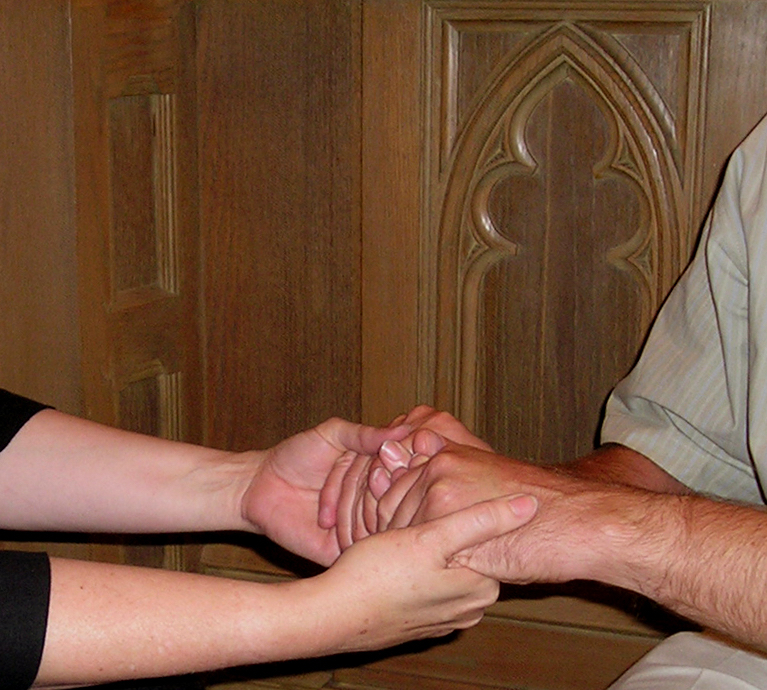
Are you a caregiver?
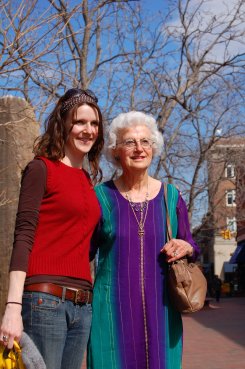 As we progress through our “golden years,” you may have noticed you had to switch roles with your parents or other elderly relatives… you’re becoming more the parent, advisor or “boss,” and they are more needy and have reverted to being the “child!”
Thanks to advancements in medical science – new and better diagnostic tools, nutrition, antibiotics and other drugs, surgical procedures, and other innovations – we are all living longer. This is bringing on what Dr. Robert N. Butler refers to as “The Longevity Revolution” (See The Longevity Revolution: The Benefits and Challenges of Living a Long Life, PublicAffairs, 2008). The Boomers (and late-boomers) have arrived in huge numbers, and plan to enjoy very long, productive, and richly meaningful lives with renewed inspiration to contribute to the betterment of society in activities of civic, social, and economic engagement – things in which they strongly believe!
And, for many of us, this means we share new responsibilities and jobs as “caregivers!”
I feel blessed to have “found” and connected with Marie Villeza and Kayla Harris at http://elderimpact.org/about-us/. Talk about their insight and generosity! This material comes at a perfect time for all teacher retirees! They have agreed to research and share many support networks and other resources for improving eldercare, senior mobility, special needs and accommodations, and general tips on health, aging, jobs, and finances.
“Lately I’ve been devoting my focus to senior health — especially since only 28-34% of Americans aged 65-74 are physically active. I’ve had the opportunity to speak with some of the elders in my community, and they said although they do want more physical activity, they feel limited in their options. Fortunately, inspiring others to get on their feet is my specialty! I’ve gathered some terrific resources on ways for seniors to lead happier, more active lives, but I need your help distributing them.” — Marie Villeza
Take some time to peruse these links:
- Transportation Options for Seniors Who Don’t Drive
- Outdoor Elderly Activities
- Retiring in Your Own Home: How Baby Boomers Can Age in Place
- The Healing Power of Pets for Elderly People
- The Grandparent’s Guide to Sharing Your Love of Classic Cars with Your Grandchild
- Volunteer Abroad Programs for Senior Travelers
- The Senior’s Guide to Becoming a Real Estate Agent in Their Golden Years
- Exercise Essentials for Healthy Aging
- Exercising with Osteoporosis: Stay Active the Safe Way
“I don’t know about you, but sometimes I feel like there is too much for us to keep track of and never enough time to get it all done. And sometimes it can be daunting knowing where to start when looking for information about buying a home, figuring out life insurance, or managing life with a disability. That’s why I’m grateful to have so many wonderful resources available on the internet. There are all kinds of resources that can help make financial planning and life in general easier for all Americans, including seniors, veterans, and those with disabilities.” — Kayla Harris
These are from Kayla Harris, also from elderimpact.org:
- Benefit Calculators from the Social Security Administration
- Grants for Home Modification: 16 Resources for Homeowners with Disabilities
- Transportation Guide for Seniors and Disabled
- Dispelling Myths About Life Insurance
- Financial Steps to Prepare for Disability
- A Guide for Disabled Homebuyers
- Financial Planning for Veterans
- Female Veterans and Drug Addiction: 15 Ways to Support their Ongoing Battle
“Some of the greatest partnerships I’ve ever seen have been between senior roommates. Whether it’s a married couple who’ve spent decades together or a pair of siblings who retired together, the care and consideration they always have for each other never ceases to inspire me. I think sometimes we spend so much time worrying about whether our seniors can take care of each other that we fail to see the amazing ways that they do.” — Marie Villeza

- Home Modifications for Specific Needs
- Disaster Safety for People with Disabilities: What to Do When Emergency Weather Strikes
- Stretching Exercises for Seniors to Improve Mobility
- Fire Prevention, Preparedness, and Recovery: Seniors
- Senior Diabetes: Signs and Diagnosis
- Overdose Response Guide: Awareness, Prevention, and Preparedness for Caregivers of Addicts
- 25 Easy Recipes for Senior Nutrition
- The Boomer’s Ultimate Guide To Adding Value To Your Home
Thanks so much, Marie and Kayla!
PKF
© 2017 Paul K. Fox
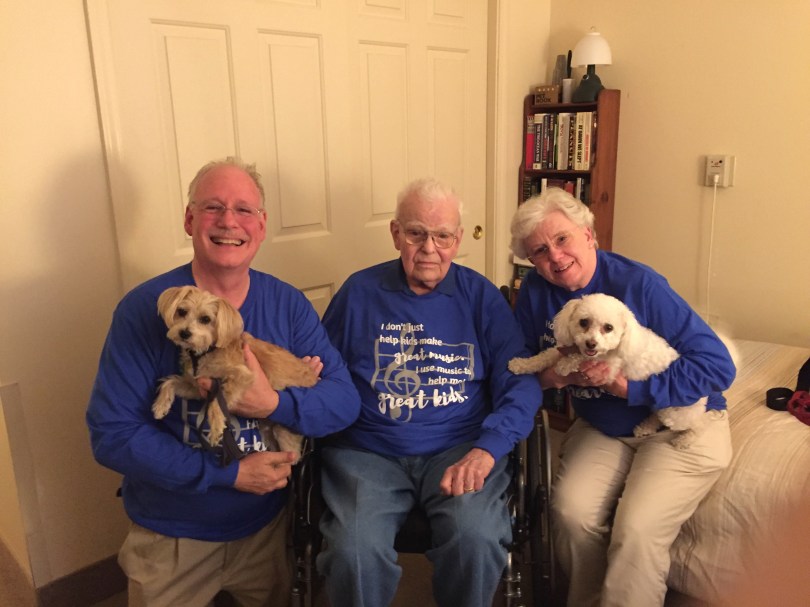
 Reprinted from the Winter 2016 PMEA News, the state journal of the Pennsylvania Music Educators Association.
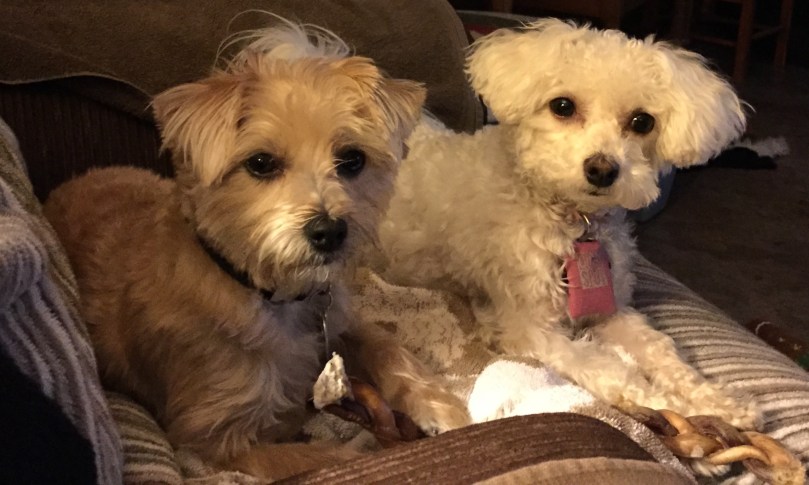 “Dogs in particular can reduce stress, anxiety, and depression, ease loneliness, encourage exercise and playfulness, and even improve your cardiovascular health.”
 Once you reach full retirement, you may find yourself with a lot more “freedom” and time “at-home” to share with your spouse, other loved ones (babysitting grandchildren/ nieces?), friends, personal music-making, hobbies, and pets! Indeed, this may be the first chance you have to go out and rescue a dog from an animal shelter. Full-time music teachers with those incredibly packed schedules of after-school/evening marching band practices, choir, band, orchestra, jazz, musical, and/or dance rehearsals and performances, their own concert gigs, private lessons, etc. may not be able to properly care for a dog by themselves. The only reservation to bringing a new dog into your home is if you plan to take a lot of long trips in retirement. Perhaps then, you can revisit the option of animal adoption after taking several cruises, safaris, and cross-country road trips. Pets need your love and attention!
 Several of my own experiences “learning and growing” with Brewster (a yorkie-poo) and Gracie (a bichon frise), “new children” added to my household immediately after retirement, are shared at
  So f
So f or what are you waiting? Go out and find a dog or cat to rescue… or at least pet one! You’ll be glad you did!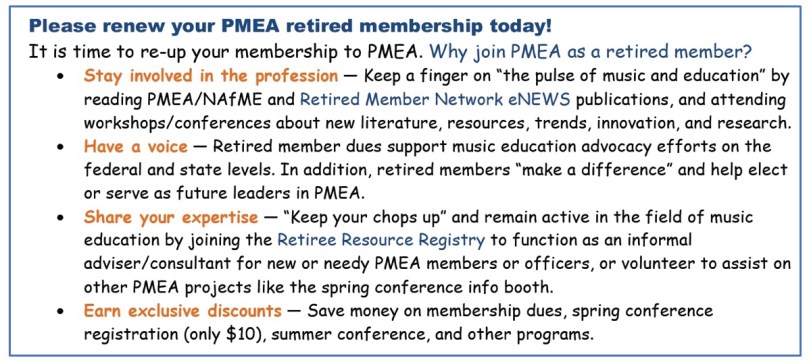

 is the most essential “tech tool” to maintain your “now busier than ever” daily/weekly plan.
 r as changing my passwords. Everyone knows, with hackers lurking around every corner of the Internet, you are supposed to do two things: have a different password for each application, and from time to time, change these passwords. They should not be something someone else could guess, like “1234” or your phone number or the nickname “foxy” for me. A “good” password should utilize numbers, capitalized letters and small-case, and special characters like $, &, or underline. Using a password manager program like
  Girls three-part movie or The Crown (Netflix), all I have to do is go into another room, fire up my computer’s browser, and check out the latest video podcast of
  One of my hobbies furthest from a career in music education has to do with collecting and reading books about World War II, particularly U.S. Navy, submarines and surface fleet. One of my fellow hospital volunteer escorts, a veteran of the Vietnam war, turned me on to the free classic online episodes of T.V. series The Silent Service, for example the 25-minute 1957 broadcast of
 Powered by artificial intelligence, other voice-activated virtual assistants and knowledge navigators including products like Google Home and Amazon Echo (with a different “girlfriend” named “Alexa”) are flooding the market. This should be no surprise… the 21st Century seems to be developing many new inventions of super-automation, not so far from the female-voiced computer interface on the USS Enterprise (Star Trek) that could control everything. Soon you may take a ride from Uber in a driver-less car or “program” the autopilot on your pure-electric Tesla. Do you foresee the time when you will accept your Amazon merchandise or pizza being delivered from the air? What were those drone-operated lights we saw in the background of Lady Gaga’s halftime performance at the 2017 Super Bowl… possible future special effects for HS musicals and marching band shows?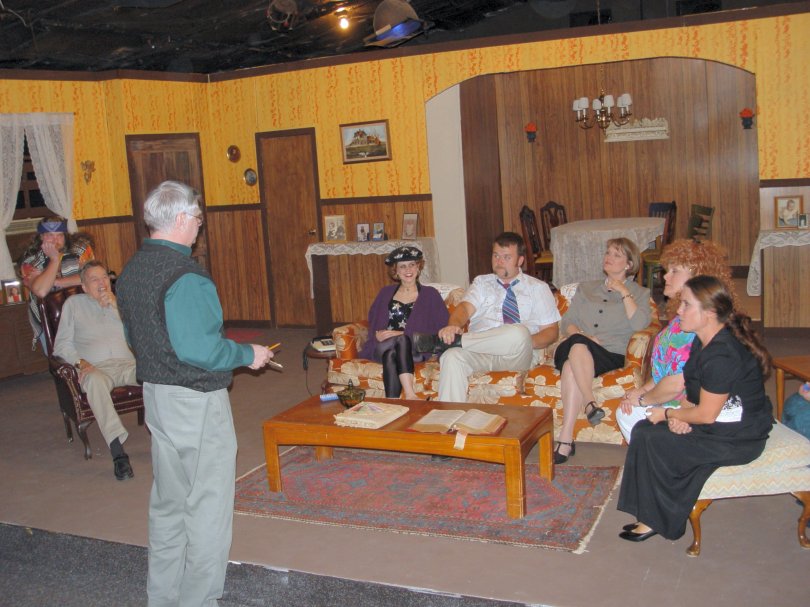
 Reprinted from the Fall 2016 PMEA News, the state journal of the Pennsylvania Music Educators Association
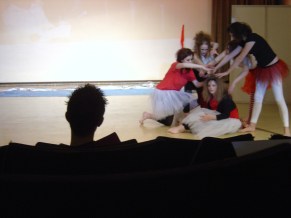 With the help of PMEA State Director of Member Engagement Joshua Gibson, PMEA retired members researched and compiled a PA community theater directory, to join the listings of bands, orchestras, and choruses posted on the PMEA retired members’ website.
 “Two essentials for successful retirement are sufficient funds to live on and sufficient things to live for. You may have the funds and a list of interests, hobbies, and leisure activities that will keep you busy. Nonetheless, if you want your retirement to be satisfying, these activities may not be enough. You may need an overriding purpose.
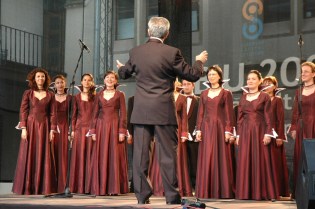 This will sound like an advertisement (it is)… for retaining one’s professionalism, keeping involved albeit less active in the profession, supporting the future of music education, and on occasion lending a hand to PMEA throughout retirement! In return, the association will provide you opportunities to record and post your career accomplishments and position assignments (past and in the future), network with your friends and colleagues retired or still “in the trenches,” and nurture your personal quest for creative self-expression and artistry… everything from guest conducting or adjudicating ensembles to writing for PMEA publications or presenting sessions at the conferences. It is all about YOU!
 Research indicates that people either LOVE retirement or HATE it, and their journey to the blessed “golden years” can have many ups and downs, especially for type-A, peak-performing individuals who (used to) spend large amounts of time and personally identified with “the job…” like many music educators. Since retiring myself from the Upper St. Clair School District in June 2013, my goal has been to help others enjoy this life-changing passage, cope with life-style changes/altered expectations, and find creative new ways to self-reinvent and thrive. Objectives for retired members in 2016-18 are:
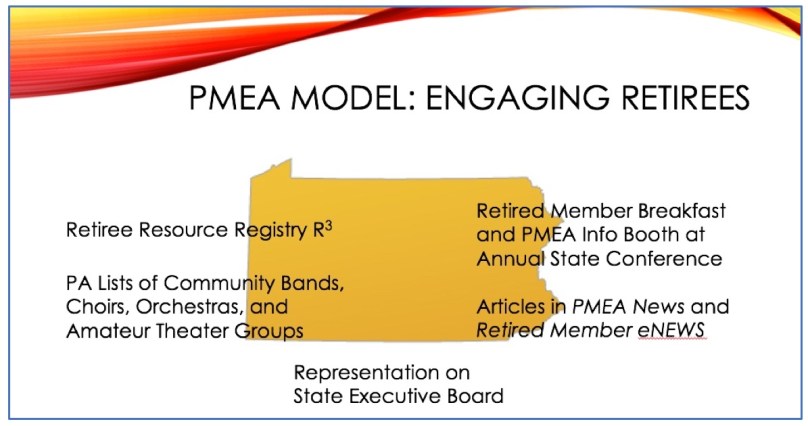
 Are you still willing to “lend a hand” on PMEA projects or share your expertise and provide a free (but priceless) consultant service to new/transferred PMEA members and officers? We constantly update and publish a Retiree Resource Registry
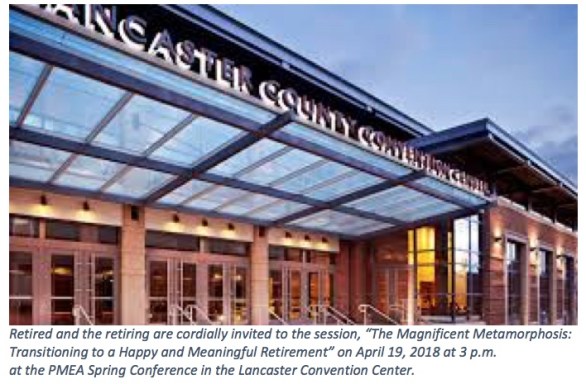
  In addition, retired member registration at the annual PMEA Spring Conference is… (drum-roll, please!) ONLY $10 early-bird! Our next spring conference will be held on April 19-21, 2018 at the Lancaster Marriott & Convention Center. Music teacher retirees get to enjoy some social time to “swap stories” with a FREE breakfast on Friday, April 20. In addition, we are looking for volunteers to help man the PMEA Info Booth… of course, “retired members to the rescue!” Invitations and more details will go out to current members next month, but check out this section on the PMEA website for more information about the conference:
  As a part of reflection and sharing of positive strategies for “Crossing the Rubicon” to a happy, healthy, and meaningful retirement, I have assembled a super-site of every website, article, book, publication, etc. of post-employment “gurus” that I could find. Visit the top menu link

 Denial


 Nope. I cannot accept these archaic definitions! My translation for what it means to face this life-style shift of changing perspectives and expectations, “Crossing the Rubicon” into retirement, is finding alternative but purposeful pursuits, fulfilling “bucket lists,” and reshaping fresh new goals leading to creative ways to self-reinvent and thrive.
 five stages of retirement that he predicts most people go through after leaving their full-time job.
  “The Five Top Stressors in Retirement and How to Cope” by Nanci Hellmich (2014) at USA TODAY

 y engaged man. One example, he transformed his backyard by moving a truckload of large rocks around his garden when he was 80 years old. I attended his 100th birthday party where he played an hour-plus recital with three generations of the Reichenfelds. He always told prospective teachers, “Surround yourself with young people and you’ll never grow old.” The comment I wrote in memory of Eugene Reichenfeld in the online guest book (legacy.com) came from the heart: “With our mentor’s passing, orchestra music and education in our area will never be the same. However, thankfully, Maestro Reichenfeld’s legacy is that he ‘passed on the baton’ and inspired so many future teachers to follow in his footsteps… sharing his love of and skill in strings for eternity! The music lives on!”


 Take a deep breath, find an easy chair, ignore your cell phone’s texts/calls, and plunge into her full website:
  As a music educator, this last title peaked my interest. We urge every retiree to revisit their creativity roots and seek renewed opportunities to enjoy music as a lifelong pursuit. (We have already posted reprints of several of my articles on this subject from PMEA News, the state journal of the Pennsylvania Music Educators Association, including
  Generally, I am not much in favor of perusing commercial websites on planning for retirement, especially those by investment counselors, but Ernie Zelinski (author of bestsellers like How to Retire Happy, Wild, and Free) sent me this link:
  The final entry at goldretiree.com, AARP is worth mentioning here
 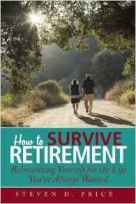 p Guides,”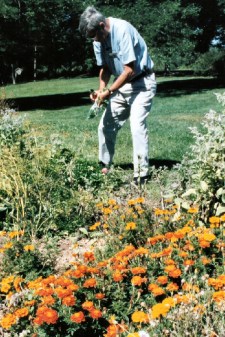

 Updates to my presentation “Surviving and Reveling in Retirement” for the PMEA Summer 2016 Conference are posted on the PMEA retired members website:

 I submit there are basically three ways to learn something new by reading about it. One is the tutorial format, a.k.a. an instrument of “programmed learning.” Another approach is the comprehensive reference manual or user guide. Finally, many people prefer a narrative story, perhaps a fictitious account that features characters exploring and revealing insights on the topic you are studying.
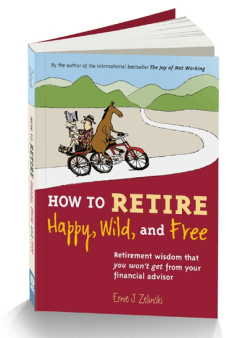
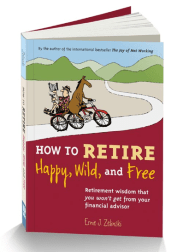 If you were looking for the reference manual, I recommend Ernie Zelinski’s How to Retire Happy, Wild, and Free (2016). The chapters are laid out by general concepts you need to understand. However, as in many user guides, you could turn to almost any page in the volume, jump around (in any order) to specific areas on which to focus, e.g. tips on travel (page 165) to health/wellness (page 109), and not lose the overall meaning.
 The contents of It’s Never Too Late to Begin Again are divided into a weekly course of study:
 The fictitious “Larry and Janice Sparks” share anecdotes of their experiences, modeling potential opportunities of retirees enhancing their relationships, stimulating their minds, revitalizing their bodies, growing spiritually… basically rekindling passion in every area of their lives.
 You will notice that all three texts cover many of the same subjects, but are vastly different in methodology, style/design, and overall structure.
 at the Seven Springs Mountain Resort in Pennsylvania on July 11-13, 2016.
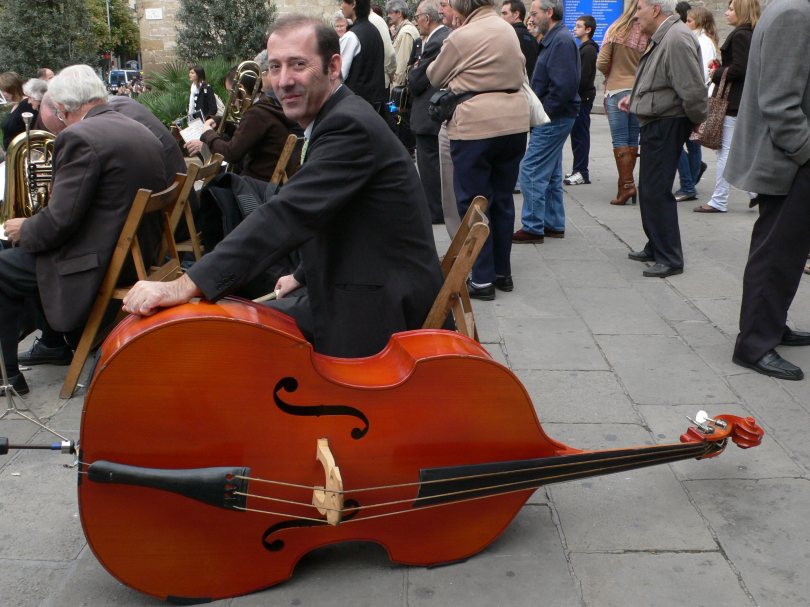
 Do music teachers ever retire? Not really!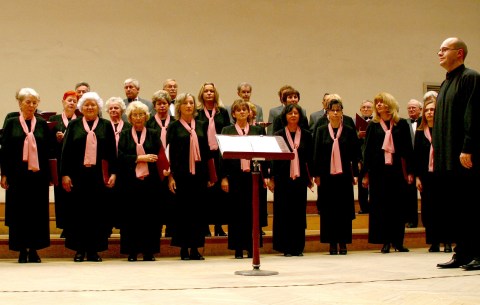

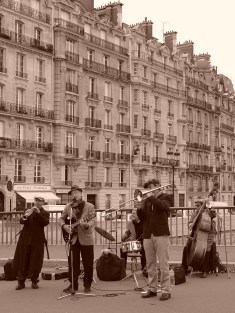 Practice and go out on a few gigs with your own jazz, rock, Barbershop, or chamber music group
 education? Of course, the best part of retirement is that you get to pick what you want to do every day for the rest of your life. So go ahead and say yes to those extra conducting gigs, writing/publishing your own “Mr. Holland’s Opus,” working with the church or community choir, accompanying a handful recitals, volunteering to help your favorite local marching band or civic theater, serving as an adjudicator for a music festival, supervising student teachers or teaching college music education methods classes, etc.
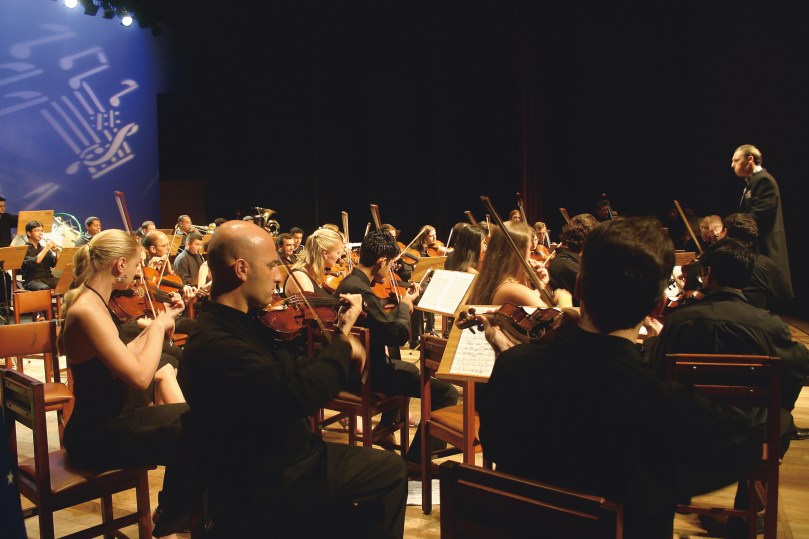 As long as I am alive, I will continue to inspire in others that music makes a difference!
