
Part II: The reinvention continues… new perspectives, recent renovations, fun pathways, and more technology
Happy Thanksgiving to all! Enjoy your time with your family and friends next week!
I feel very blessed and thankful for my health, happiness, economic stability, and relative comfort. My wife and I have “weathered” the so-called “passage to retirement” with success and grace, and continue to explore finding life’s meaning to fulfill the three most important things a job usually provides (according to best-selling author Ernie Zelinski): purpose, community, and structure.
Back in July 2015, I wrote the introduction to this “personal trek” of post-employment transitioning, coping with life-style changes/altered expectations, and personal metamorphosis to “living the dream!” (You can review all of these articles by clicking on the “For Retirees” above.) Specifically on “how retirement has changed me,” nine months ago, I wrote “Part I – One retiree’s quest for learning technology, science, and history” (https://paulkfoxusc.wordpress.com/2017/02/13/how-retirement-has-changed-me/), and can report “all is good” in progress on all of these fronts.
We all know personal growth is about curiosity, exploration and acceptance of change… so, now’s the time to report back. What have you been up to, Paul, since then?

Writing, Collaborating, and Becoming a Better Techie
Here are a few quick check-marks to add to my post-employment technology portfolio:
- I learned how to create a blog site and write blog articles
- I learned how to use Zoom online and hold committee meetings on the web
- I learned how to make a webinar video
To all current and future retirees, I strongly recommend venturing into the creative process of writing… and building a website to archive all of your “treasures.” Posting a blog is a perfect vehicle for getting something off your chest, promoting discussion on almost any topic, researching areas you always wanted to unearth, sharing your thoughts and experiences, and stating your opinion for the record using the Internet.
“The sky’s the limit” for the subjects you could present. What do you like to write about? It is probably easier to dive into the things that are closest to you, your “pet peeves” and passionate viewpoints, or perhaps drawing from the vast store of knowledge and competencies you developed in your music education career. My own “categories” on my website are “Becoming a Music Educator” (for pre-service and new music teachers), “Creativity,” “Ethics,” “Firesides” (epistles I have given to my students), and “For Retirees.”
Look into one of the free, “do-it-yourself” online sites like WordPress, Wix, Web, or Weebly.com. Unless you really want to, it is not necessary to pay for a domain name. However, if you want an easy-to-remember tagline (something everyone can remember), be creative with the title of a new Google email account (from which these web-creation services usually generate your website’s domain name). My professional email is paulkfox.usc@gmail.com, so WordPress removed the dot and created my website moniker as “paulkfoxusc.wordpress.com.”
My quest for further education in stimulating personal technological advances have included using services like “Doodle,” “Wufoo,” “Zoom” or “Go to Meeting” for collaborating with members of the Council for Teacher Training, Recruitment, and Retention, and submission of several videos which have been archived in the NAfME Academy Professional Development library (of which I am most proud):

- Marketing Your Professionalism for Collegiate Music Education Majors: Tips and Strategies to Prepare and Present Yourself for Interviewing and Landing That First Music Teacher Job (two-part video)
- Preparing for a Smooth Transition to Retirement
- Supercharge the School Musical
Non-Technological Developments
No, I’m not dead yet. Retirement has provided me many rich new set of pursuits and brain-stimulating activities. Some of these activities are intellectual, some physical, and some just wear out my wallet!
How to spend large amounts of our monthly pension? In other dimensions of personal development, my wife and I are slowly renovating our house, finally getting around to making decisions on colors, styles and its overall presentation. When I was a full-time music teacher, I didn’t spend a lot of time at my home. Now in retirement, I have discovered how much it costs to frame a picture, especially if the only criteria when choosing a frame is the beauty of the wood grain and how well you match the double matting to the lithograph. (Without asking the price, I bought a $800 frame for my $125 Charles Wysocki print!) Taking the high road, we hired a professional to securely hang things on the wall, another very expensive process when your interior decorator ($75/hour) accompanies your installer ($50/hour) to do the job, but all is “perfect” and no marital disputes erupted! After refinishing the floors, installing new windows, painting all the walls, “staging” several rooms (new transformations), and finally finishing the wall-hangings, it looks like the Foxes have a “showcase” residence.

Raising two cute dogs have become a centerpiece of my life. We need to walk them several times a day, something on which you can’t procrastinate. One would think this regular physical exercise is part of an aerobic routine that is keeping me super-fit!
I have learned so much from my day-to-day dealings with my pups Gracie and Brewster (see previous blog-post https://paulkfoxusc.wordpress.com/2015/09/22/what-i-have-learned-from-my-dogs-in-retirement/), although inspiring a few questions:
- How do they always know my mood and needs better than I?
- No matter when you glance at them, what moves them to show you unconditional “love at first sight,” instantly lowering your blood pressure, nurturing your peace-of-mind, and improving your disposition?
- Since dogs have no lips, how are they so aptly able to express a loving kiss with a simple lick of our hands?
- How is it that they are always available (24/7) to cuddle, play, sleep in your lap, explore the mysterious ends of their leashes, and follow you everywhere?
- Regardless of the mistakes you make, why are they the first to forgive you?
And all they ask in return is to “hang around with you!”

Just for fun, check out illustrator Kelly Angel’s representation of “how your dog views you” at https://www.boredpanda.com/how-you-see-yourself-vs-how-your-dog-sees-you/.
Although I volunteer as the founding director of the South Hills Junior Orchestra and teach “kids of all ages” on Saturdays every week, one of my other volunteer pursuits centers around pushing wheelchairs at the local hospital. The good news? I see so many of my students and their families at St. Clair Hospital. My favorite trip is going to the family birth center and discharging a new mother and her baby… and with surprising frequency, reuniting a former student or colleague with their “old” school music teacher or community orchestra director. Any bad news? Well, I am still puzzled why I have lost a little of my stamina and endurance since retiring. After only a little more than 3 1/2 hours of pushing wheelchairs (some of whom contain very large patients), I notice I am ready for a power nap! This does not mesh well with my employment days when I was teaching full-time, arriving to school by 6:45 in the morning, and often did not make it home until 9 PM (after-school rehearsals, meetings and performances of the marching band, fall play, and spring musical. What’s up about that?
Philosophy of Post-Employment Professional Engagement
“Ask not PMEA can do for you, but what you can do for PMEA.”
Where have you heard that before? Sounds like something from the soapbox of the PMEA Retired Member Coordinator? (Check out “PMEA in Retirement”).
The most important part of my long-term goals is to try to make a difference in other people’s lives… colleagues, collegiate or pre-service educators, and others. As for PMEA, I’m throwing my hat in the ring as your Coordinator of Retired Members. In addition, I accidentally walked into a summer meeting a little more than a year ago and was voted in as chair of the Council for Teacher Training, Recruitment, and Retention. This is an exciting time in during PMEA’s new governance and recently ratified five-year strategic plan. We have the opportunity of doing some real meaningful work for music education in the state of Pennsylvania.
I hope that you continue to participate in PMEA and NAfME yourself. Obviously, once we “Cross the Rubicon” into retirement, we need not to worry about the hectic day-to-day schedule, politics, and stress of a full-time teaching position. However, we can make a difference, acting less engaged but still on-board helping our professional associations and advocating for the success of music education. PA music teachers (the focus of many of these blogs), please consider keeping your membership up-to-date, joining the PMEA Retiree Resource Registry, volunteering for guest conducting, presenting sessions, doing other jobs for PMEA, an/or attending official events.
In a recent Retired Member Network eNEWS, I mentioned that as unofficial mentors and sage advisers, there are many ways retired members can “return the favor” of a career full of wonderfully enriching professional development and music festival resources, simply by helping PMEA out a little:
- Review the five-year PMEA Strategic Plan – posted online at https://www.pmea.net/wp-content/uploads/2012/09/PMEA-Strategic-Plan-2017-21-Final-1.pdf. Focus on possible things in which you may have the skills or interests to contribute to our profession, and propose something new “for the good of the order.” Here are sample objectives – any of these “strike a chord” with you?
- 1E. Continue to improve and find new and innovative ways to engage PMEA members in advocacy efforts including Advocacy Day in Harrisburg and Music in Our Schools Month activities (“team-up” with retiree Chuck Neidhardt, PMEA State MIOSM Coordinator).
- 2A. Explore topics of lifelong learning (music therapy, community music, service learning…)
- 2E. Focus on topics of Inclusion, Diversity, Equity, and Access by providing space for dialogue, reaching more students beyond traditional ensembles, and identifying and promoting success stories and appropriate practices.
- 3B. Investigate possibilities of various partnerships with other music associations.
- 3E. Develop leadership (e.g. retreat and training sessions).
- 4B. Promote and expand the Music Performance Assessment program (e.g. solo and chamber ensemble opportunities, virtual MPA’s, and traveling adjudicators).
- Still have your “conductor chops?” One way to encourage your colleagues to think of you in becoming a guest director or accompanist of a PMEA festival is to join the PMEA Retiree Resource Registry (see the retired member section of the website at https://www.pmea.net/retired-members/) and send an email sharing your interest and availability to the District President and the local Festival/Fest Coordinator.
- Did you know that anyone can suggest a session for a local workshop or PMEA spring and summer conference? (See the PMEA website.) What’s on your mind? What do you think is important to explore, collaborate, or exhibit? I know of few PMEA retired members who do not have a “special expertise” and passion about an area in music and education. Go ahead, “let the cat out of the bag” while it is still “fresh” in your mind!
- Submit articles or reviews to our PMEA News editorial committee chair Doug Bolasky (also a retiree) for publication consideration in our state journal. Like #3 above, this is an excellent outlet to “get something off your chest,” promote discussion on almost any topic, research areas you always wanted to unearth, share your thoughts and experiences, and state your opinion “for the record.”
- Offer to serve on a PMEA committee. For example, volunteer to serve on the listening or session evaluation committee. Prefer to stay “close to home?” Ask your District President if you can be appointed to (or be placed on the ballot for) one of the many leadership positions in need of caring, committed, and competent representatives. Also, PMEA always needs guest lecturers, panel discussion members, presiding chairs, and info booth volunteers for the spring conference.

In short… we need you, your collective wisdom, experience, and the ability to dodge problems before they become big. Sure, relax a little, personally reflect, refocus, and revitalize your goals during your retirement, but don’t retreat from “doing your bit” for “making a difference” in music education.
PKF
© 2017 Paul K. Fox
 Reprinted from the Fall 2016 PMEA News, the state journal of the Pennsylvania Music Educators Association
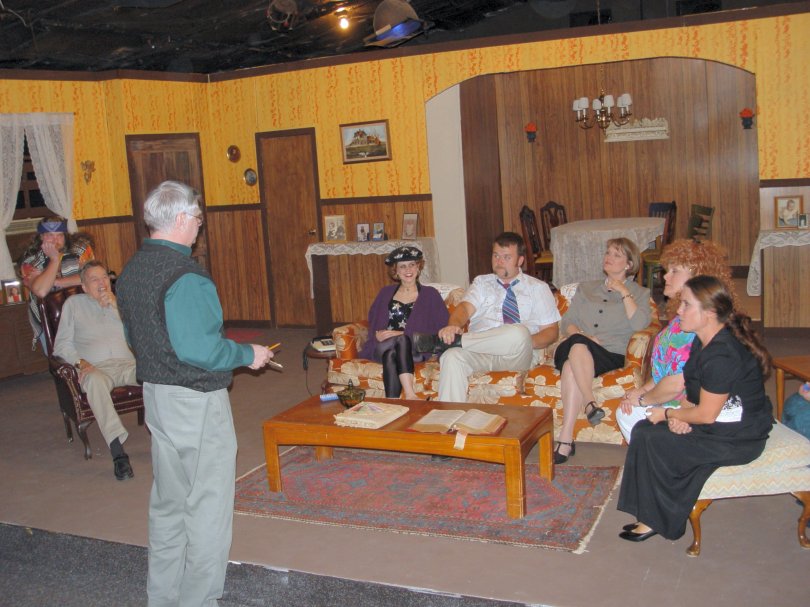
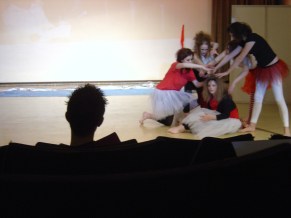 With the help of PMEA State Director of Member Engagement Joshua Gibson, PMEA retired members researched and compiled a PA community theater directory, to join the listings of bands, orchestras, and choruses posted on the PMEA retired members’ website.
 “Two essentials for successful retirement are sufficient funds to live on and sufficient things to live for. You may have the funds and a list of interests, hobbies, and leisure activities that will keep you busy. Nonetheless, if you want your retirement to be satisfying, these activities may not be enough. You may need an overriding purpose.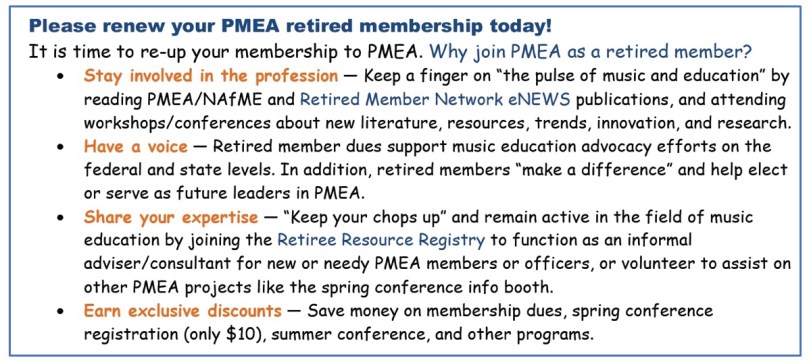
 This will sound like an advertisement (it is)… for retaining one’s professionalism, keeping involved albeit less active in the profession, supporting the future of music education, and on occasion lending a hand to PMEA throughout retirement! In return, the association will provide you opportunities to record and post your career accomplishments and position assignments (past and in the future), network with your friends and colleagues retired or still “in the trenches,” and nurture your personal quest for creative self-expression and artistry… everything from guest conducting or adjudicating ensembles to writing for PMEA publications or presenting sessions at the conferences. It is all about YOU!
 Research indicates that people either LOVE retirement or HATE it, and their journey to the blessed “golden years” can have many ups and downs, especially for type-A, peak-performing individuals who (used to) spend large amounts of time and personally identified with “the job…” like many music educators. Since retiring myself from the Upper St. Clair School District in June 2013, my goal has been to help others enjoy this life-changing passage, cope with life-style changes/altered expectations, and find creative new ways to self-reinvent and thrive. Objectives for retired members in 2016-18 are:
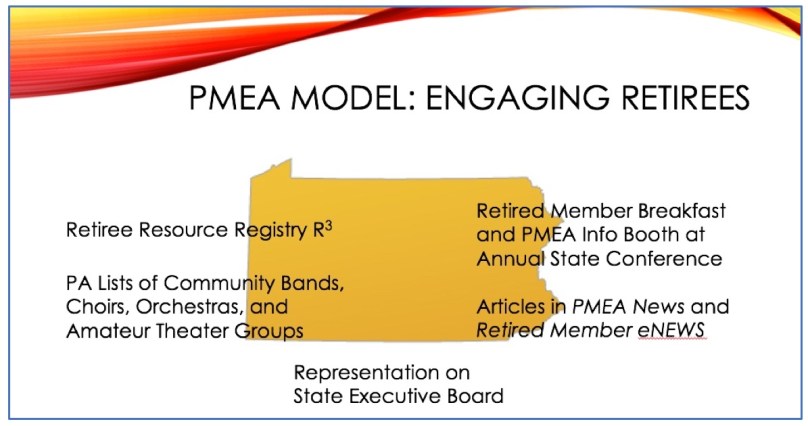
 Are you still willing to “lend a hand” on PMEA projects or share your expertise and provide a free (but priceless) consultant service to new/transferred PMEA members and officers? We constantly update and publish a Retiree Resource Registry
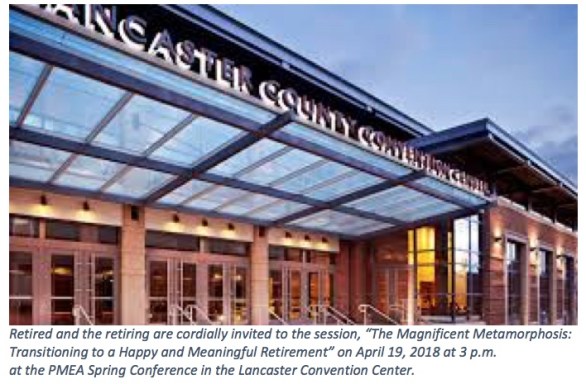
  In addition, retired member registration at the annual PMEA Spring Conference is… (drum-roll, please!) ONLY $10 early-bird! Our next spring conference will be held on April 19-21, 2018 at the Lancaster Marriott & Convention Center. Music teacher retirees get to enjoy some social time to “swap stories” with a FREE breakfast on Friday, April 20. In addition, we are looking for volunteers to help man the PMEA Info Booth… of course, “retired members to the rescue!” Invitations and more details will go out to current members next month, but check out this section on the PMEA website for more information about the conference:
  As a part of reflection and sharing of positive strategies for “Crossing the Rubicon” to a happy, healthy, and meaningful retirement, I have assembled a super-site of every website, article, book, publication, etc. of post-employment “gurus” that I could find. Visit the top menu link

 Denial


 Nope. I cannot accept these archaic definitions! My translation for what it means to face this life-style shift of changing perspectives and expectations, “Crossing the Rubicon” into retirement, is finding alternative but purposeful pursuits, fulfilling “bucket lists,” and reshaping fresh new goals leading to creative ways to self-reinvent and thrive.
 five stages of retirement that he predicts most people go through after leaving their full-time job.
  “The Five Top Stressors in Retirement and How to Cope” by Nanci Hellmich (2014) at USA TODAY

 y engaged man. One example, he transformed his backyard by moving a truckload of large rocks around his garden when he was 80 years old. I attended his 100th birthday party where he played an hour-plus recital with three generations of the Reichenfelds. He always told prospective teachers, “Surround yourself with young people and you’ll never grow old.” The comment I wrote in memory of Eugene Reichenfeld in the online guest book (legacy.com) came from the heart: “With our mentor’s passing, orchestra music and education in our area will never be the same. However, thankfully, Maestro Reichenfeld’s legacy is that he ‘passed on the baton’ and inspired so many future teachers to follow in his footsteps… sharing his love of and skill in strings for eternity! The music lives on!”


 Take a deep breath, find an easy chair, ignore your cell phone’s texts/calls, and plunge into her full website:
  As a music educator, this last title peaked my interest. We urge every retiree to revisit their creativity roots and seek renewed opportunities to enjoy music as a lifelong pursuit. (We have already posted reprints of several of my articles on this subject from PMEA News, the state journal of the Pennsylvania Music Educators Association, including
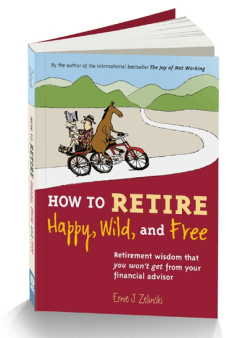
  Generally, I am not much in favor of perusing commercial websites on planning for retirement, especially those by investment counselors, but Ernie Zelinski (author of bestsellers like How to Retire Happy, Wild, and Free) sent me this link:
  The final entry at goldretiree.com, AARP is worth mentioning here
 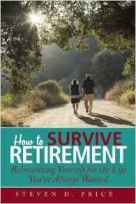 p Guides,”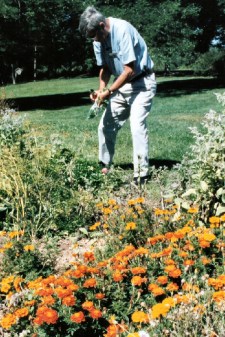

 Updates to my presentation “Surviving and Reveling in Retirement” for the PMEA Summer 2016 Conference are posted on the PMEA retired members website:

 I submit there are basically three ways to learn something new by reading about it. One is the tutorial format, a.k.a. an instrument of “programmed learning.” Another approach is the comprehensive reference manual or user guide. Finally, many people prefer a narrative story, perhaps a fictitious account that features characters exploring and revealing insights on the topic you are studying.
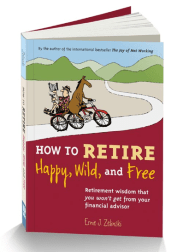 If you were looking for the reference manual, I recommend Ernie Zelinski’s How to Retire Happy, Wild, and Free (2016). The chapters are laid out by general concepts you need to understand. However, as in many user guides, you could turn to almost any page in the volume, jump around (in any order) to specific areas on which to focus, e.g. tips on travel (page 165) to health/wellness (page 109), and not lose the overall meaning.
 The contents of It’s Never Too Late to Begin Again are divided into a weekly course of study:
 The fictitious “Larry and Janice Sparks” share anecdotes of their experiences, modeling potential opportunities of retirees enhancing their relationships, stimulating their minds, revitalizing their bodies, growing spiritually… basically rekindling passion in every area of their lives.
 You will notice that all three texts cover many of the same subjects, but are vastly different in methodology, style/design, and overall structure.
 at the Seven Springs Mountain Resort in Pennsylvania on July 11-13, 2016.
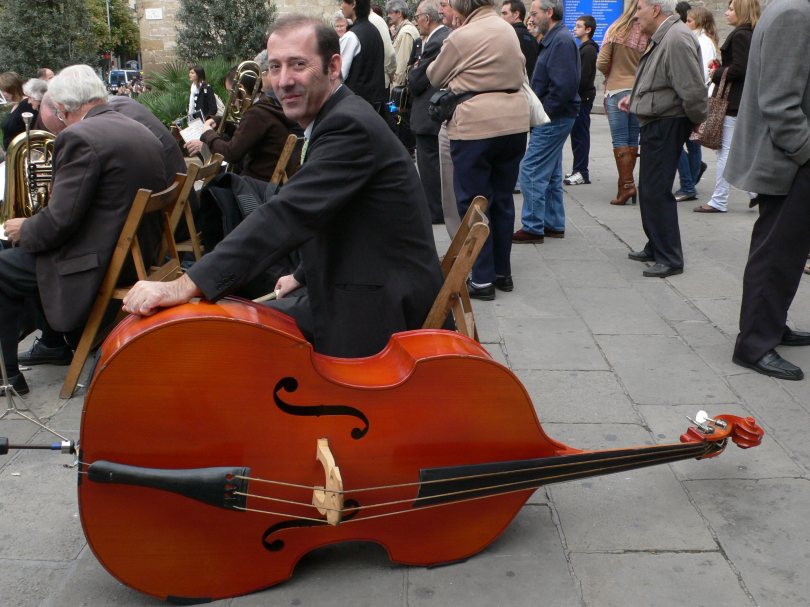
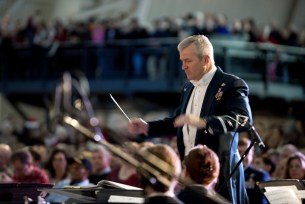 Do music teachers ever retire? Not really!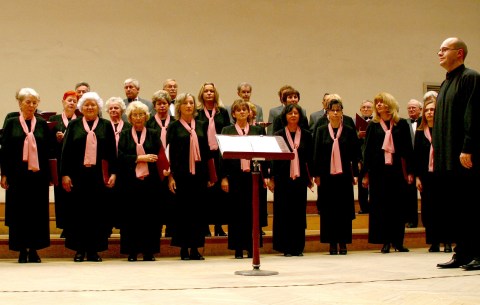

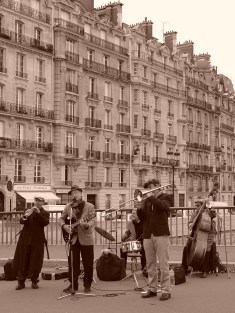 Practice and go out on a few gigs with your own jazz, rock, Barbershop, or chamber music group
 education? Of course, the best part of retirement is that you get to pick what you want to do every day for the rest of your life. So go ahead and say yes to those extra conducting gigs, writing/publishing your own “Mr. Holland’s Opus,” working with the church or community choir, accompanying a handful recitals, volunteering to help your favorite local marching band or civic theater, serving as an adjudicator for a music festival, supervising student teachers or teaching college music education methods classes, etc.
 As long as I am alive, I will continue to inspire in others that music makes a difference!
 Reprinted from the Spring 2016 issue of PMEA News, the state journal of the Pennsylvania Music Educators Association.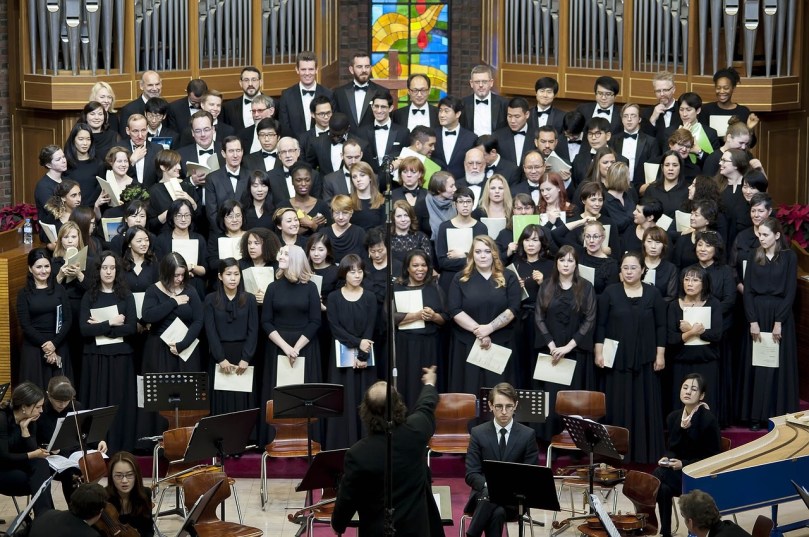
 If you’ve ever been in a choir, you’ve probably been told that the proper way to sing is from your belly.
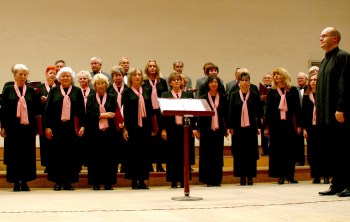
 As the popularity of group singing grows, science has been hard at work trying to explain why it has such a calming yet energizing effect on people. What researchers are beginning to discover is that singing is like an infusion of the perfect tranquilizer, the kind that both soothes your nerves and elevates your spirits.
 Regular exercising of the vocal cords can even prolong life, according to research done by leading vocal coach and singer Helen Astrid, from The Helen Astrid Singing Academy in London. “It’s a great way to keep in shape because you are exercising your lungs and heart.”
 Colette Hiller, director of Sing The Nation, is convinced that singing builds social confidence by helping individuals connect to each other, and to their environment. “Think of a football stadium with everyone singing,” she says. “There’s an excitement, you feel part of it, singing bonds people and always has done. There’s a ‘goosebumpy’ feeling of connection.”
  Studies have linked singing with a lower heart rate, decreased blood pressure, and reduced stress, according to Patricia Preston-Roberts, a board-certified music therapist in New York City. She uses song to help patients who suffer from a variety of psychological and physiological conditions.
 The seniors involved in the chorale (as well as seniors involved in two separate arts groups involving writing and painting) showed significant health improvements compared to those in the control groups. Specifically, the arts groups reported an average of:
 Okay, besides that crack about “elderly” in that last article (we’re not “old,” yet!), the evidence seems conclusive! For our general health, feelings of well-being, improved social connections, and “just having fun,” we should all be motivated TODAY to go out and find a community choir and start singing regularly in a group. Enough said?
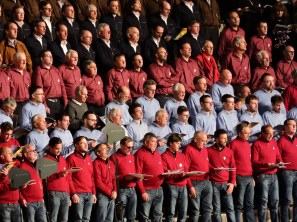 For both the instrumental and choral groups, we are most thankful to the contributions of our “dream team” of PMEA researchers and editors (as of April 13, 2016): Jan Burkett, Craig Cannon, Jo Cauffman, Deborah Confredo, Susan Dieffenbach, Timothy Ellison, Paul Fox, Joshua Gibson, Rosemary Haber, Estelle Hartranft, Betty Hintenlang, Ada Jean Hoffman, Thomas Kittinger, Chuck Neidhardt, Sarah Riggenbach, Ron Rometo, Joanne Rutkowski, Marie Weber, Lee Wesner, and Terri Winger-Wittreich. We are especially grateful to the efforts of Director of Member Engagement Joshua Gibson who located the counties and e-mail addresses in the choir directory.

 On the subject of music teachers exiting the job market, one area we have not ventured into with these blogs on “retirement resources” is the most difficult to handle – having to face a forced resignation or involuntary leave.
 Depression
 Evaluate your response to stress since you were summarily eliminated from your district. It is worth reviewing the definition of PTSD and see if it should be applied to your behavior and the emotional upheaval you are feeling (from the online blog of the Dr. Oz Show at
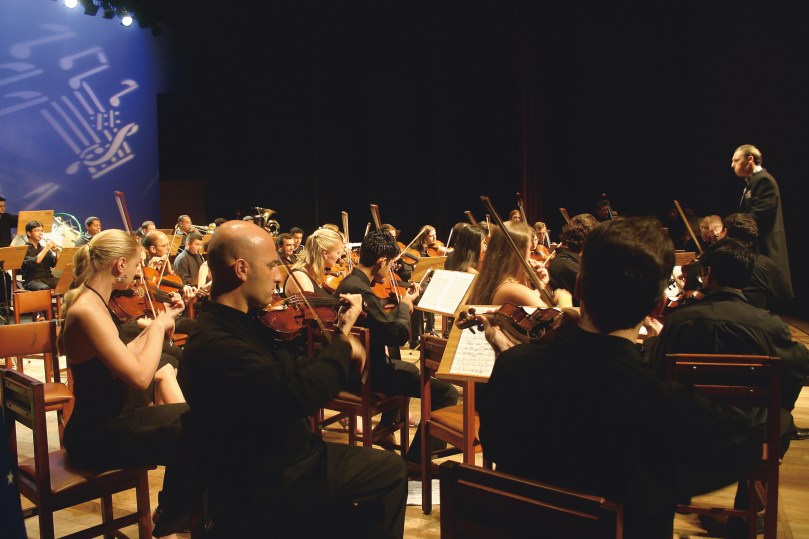
 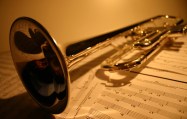 It’s time to “dust off your chops” (join a community band/orchestra)