Dispelling Five Common Misconceptions Involving One of Life’s Greatest Transitions – Perspectives from Gerontologists, Psychologists, Authors, and Other “Retiree Gurus”
Throughout my travels presenting at music educator conferences and local workshops, I discover soon-to-retire music teachers and other professionals have many preconceived notions about retirement. I hear the general acceptance of many “myths,” including these five  that seem to be the most prevalent:
- You retire FROM something.
- It’s an easy transition.
- It takes little time to prepare.
- It’s completely different from anything you’re doing now.
- Retirement is the time to downsize and move.
Let’s “troll the Internet” a little and check-in with a few leading authorities on retirement planning.


You should retire to, not from, something.
“Most people today view retirement as an opportunity to begin a new chapter in their lives, ‘not a time to wind down and move off the playing field,’ says gerontologist Ken Dychtwald, 64, the CEO of Age Wave, a research think-tank on aging issues.”
“They are trying to figure out new ways to be productive. ‘Many are wondering: What can I do with this stage of my life that is perhaps my highest purpose?’ says Dychtwald, who is also a psychologist. He has written 16 books on aging, health, and retirement issues.”
— “How to Reinvent Yourself in Retirement” by Nanci Hellmich, USA TODAY: https://www.usatoday.com/story/money/personalfinance/2014/10/12/five-stages-of-retirement/16975707/
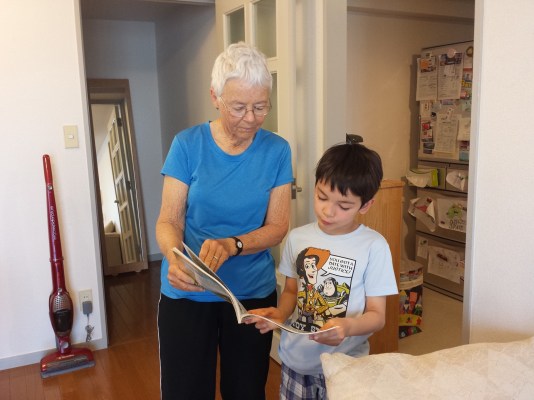

“You really should retire to something, not just retire from something… Having a notion of what you are retiring to is also a necessary early retirement planning activity. One that everyone should complete.”
“I would say that I just want the freedom to do whatever I want to do. To spend time in the garden, exercise, travel, pursue opportunities that interested me, learn new things, meet new people, etc. I had done the necessary steps of making sure that I had budgeted for my hobbies and our travel wishes. I thought that was enough. However that wasn’t going to occupy all of my retirement days.”
“Now I do want and enjoy free time where there are no obligations just as much as the next guy, but I needed to look at what I was really retiring to so I wouldn’t end up one of those unfortunate retirees who say they are bored and wished they had never retired. That is why you should plan to retire to something, not just retire from something.”
— “Retire To Something,” Leisure Freak Tommy: https://www.leisurefreak.com/non-financial-aspects-of-early-retirement/retire-to-something/

“Throughout your working years, you have probably viewed your retirement as a destination. It is a goal you are saving for and will hopefully reach one day. But once you reach this destination, then what? ”
“The perception of retirement as a destination may be why some people approach retirement with dread rather than anticipation. They view retirement as a finish line or as the end of the road.”
“But retirement is simply a milestone you pass on your journey. It’s like crossing the border from one state to the next. The road will continue to unfold before you.”
“Your life has changed in countless ways from the time you graduated from school and entered the full-time work force until the present. You have probably changed jobs and perhaps changed careers. You may have lived in numerous places, gotten married and raised a family. Friends have come and gone, your hobbies and interests have evolved and your body has changed.”
“Your retirement could easily last two or three decades. It won’t be a one-dimensional, stagnant state of being. Your life will continue to evolve in many ways after you retire. You may move, the people in your life will continue to shift and you will probably travel to new places and engage in new activities.”
— “Your Retirement is a Journey, Not a Destination” by Dave Hughes, RetireFabulously: http://retirefabulously.com/2017/05/15/your-retirement-is-a-journey-not-a-destination/

For many, retirement may not be an easy transition.
“50% of retirees will suffer some form of acute emotional distress. This is potentially a very large problem given the fact that 10,000 people are becoming eligible for Social Security every day for the next 20 years in the US alone.”
— Dr. Robert P. Delamontagne in Retiring Mind, Fairview Imprints, 2010: http://www.theretiringmind.com/

“For some people, retirement planning conjures up images of languid days free from the demands of the daily grind, but for others the prospect of leaving the workforce may be a daunting or even frightening transition.”
“For most, this major milestone will elicit a mixture of emotions that fall somewhere between anticipation and apprehension. Retirement is, in fact, a complex experience for almost everyone, characterized by gains and losses and tremendous shifts in identity and routines.”
“Unless those challenges are addressed and dealt with, the so-called ‘golden years’ can be tarnished,” says Irene Deitch, PhD, psychologist and professor emeritus at the College of Staten Island, City University of New York. “Even those who may have thought they were prepared can find that the transition is tougher once they’re actually in the throes of it.”
—”Eight Ways to Ease into Retirement” by Katherine Lee, Everyday Health: https://www.everydayhealth.com/longevity/future-planning/happy-retirement.aspx

Preparation to retirement is essential for you and your family members.
“Most gerontologists agree that a period of adjustment will occur during the first years of “interning” as a retiree. Even more crucial is the “pre-retirement” or “imagination” stage of retirement, involving your preparation six to ten years prior to “taking the big leap” to FREEDOM!”
“Have you considered a few ‘terms of transformation’ below that are all-to-common to soon-to-be-retirees undergoing that life-changing transition to ‘living their dream?’ How should you unravel these “conundrums” or mysteries of transitioning to retirement?
- Self-Identity and Change
- Free Time
- Energy and Fortitude
- Losing Control and Perpetual Care”
“The only solution to ‘softening the blow’ of the possible turmoil and incongruity brought on at this time is to follow the Boy Scout rule… BE PREPARED.”
“According to TIPS Retirement for Music Educators by Verne A. Wilson (MENC 1989), at least three years before you leave your full-time employment:
- Sit down with your spouse if you are married (and other family members) and plan ahead carefully.
- Decide when you want to retire. Estimate as accurately as possible what your economic situation will be after you retire.
- Decide where you want to live after you retire. This means not just the neighborhood, city, or state, but also the kind and style of residence… retirement community, one-floor ranch, apartment, etc.
- Set some goals regarding how you want to spend your retirement time. Focus on your talents and abilities instead of looking at the handicaps that may come with the aging process.
- Be prepared for “change” and learn how to accept it, and be willing to embrace new opportunities for personal growth, flexibility, and adaptability.
- Be sure your intentions are clearly stated in writing (wills, power of attorneys, living wills, etc.)”
— “New Dreams and Horizons” by Paul K. Fox and other sources: https://paulkfoxusc.wordpress.com/2017/08/03/new-dreams-and-horizons/

“Prior to retiring, you should make a concerted effort to prepare for ‘life after work,’ including:
- Cultivate interests outside work
- Lead a healthier lifestyle
- Revitalize family relationships
- Spend more time with spouse
- Embrace spirituality or meditation
- Nurture friendships and make new friends”
— “Retire Happy: What You Can Do Now to Guarantee a Great Retirement” by Richard Stim and Ralph Warner, USA TODAY/Nolo Series: https://www.amazon.com/dp/141330835X/ref=rdr_ext_tmb

Retirement may or may not be completely different to what you are doing right now.
“Many people want to continue to work. In fact, 72% of pre-retirees, age 50 and older, say they want to keep working after they retire, according to a recent survey sponsored by Merrill Lynch in partnership with Age Wave. Almost half (47%) of current retirees either are working, have worked, or plan to work in retirement, the survey found.”
— “Work in Retirement: Myths and Motivations,” by Merrill Lynch in partnership with Agewave: https://agewave.com/wp-content/uploads/2016/07/2014-ML-AW-Work-in-Retirement_Myths-and-Motivations.pdf

“Planning for retirement may require a focus on self-management throughout a person’s career, according to a model of career development by psychologist Harvey Sterns, PhD, the director of the Institute for Life-Span Development and Gerontology at the University of Akron.
“No two retirees are the same and multiple pathways exist to get from work to retirement.”
“There is no right way to retire,” Sterns says. “Many people think retirement is wonderful, and for people who want to retire, that’s the right thing to do. If they don’t want to, that’s the right thing, too.”
“After 26 years as a counseling psychology professor at the University of Maryland, Nancy K. Schlossberg, EdD, was ready to retire. But she was hardly ready to slow down. She looked forward to having more flexibility and freedom in her schedule to explore other interests. Still, there was the question of what her new identity would be…”
“Retirement can take many forms, Schlossberg notes. In fact, she identified the following six based on her interviews with about 100 retirees:
- Continuers stay connected with past skills and activities, but modify them to fit retirement, such as through volunteering or part-time work in their former field.
- Adventurers start new activities or learn new skills not related to their past work, such as learning to play the piano or taking on an entirely new job.
- Searchers learn by trial and error as they look for a niche; they have yet to find their identity in retirement.
- Easy gliders enjoy unscheduled time and like their daily schedule “to go with the flow.”
- Involved spectators maintain an interest in their previous field of work but assume different roles, such as a lobbyist who becomes a news junkie.
- Retreaters become depressed, retreat from life and give up on finding a new path–the only negative path in Schlossberg’s classification.”
“The path retirees choose after retirement isn’t necessarily the path they stay on either, Schlossberg says.”
“It’s an evolving part of your career development,” Schlossberg explains. “And the longer you live, the more your path will shift and change.”
— “A New Face to Retirement” by Melissa Dittman, American Psychological Association: http://www.apa.org/monitor/nov04/retirement.aspx

“After the last school bell rings, retired teachers have a leg up. Opportunities cut a broad swath from tutoring to substitute teaching to jobs a little further afield, such as fitness training.”
“Teachers have a combination of tools in their kit that many retirees don’t — solid degree credentials, expertise in a specific field and a passion for helping people learn something new.”
— “Great Jobs for Retired Teachers” by Kerry Hannon, AARP: https://www.aarp.org/work/working-after-retirement/info-04-2011/jobs-for-retired-teachers.1.html

“Most teachers spend their first year of “retirement” decompressing from the full-time teaching gig. It’s that special time you’ve looked forward to for years. You do some traveling, catch up on all those books you never had time to read, and just relax. Your days are free of ringing bells and reports. Plus, you get to spend a much larger part of your day in your pajamas. Yay! You earned it. You know you’ve arrived when Labor Day stops feeling like D-Day.”
“After a year or so, however, you may start to realize you actually miss working. Not that you miss the standardized tests, parent conferences and grade reports. But something in that work stimulated you in a way nothing else comes close to doing. Perhaps you miss the pleasure you felt creating learning units, or the joy of introducing students to a new author, or the collaborative bonds with fellow teachers. These were true enjoyments and now they are gone.”
“Once you’ve decompressed sufficiently, you might want to consider doing a career redesign. Unlike many other careerists, retired teachers have the freedom and the financial ability to put together a ‘second-act’ career, tailored to the life they want. Keep in mind, U.S. pension policies have restrictions on post-retirement income, so keep a close check on those caps.”
“If you’re feeling ready to begin again, here are ten opportunities you should definitely consider.
- Tutoring
- Specialized Test Prep
- College Application Support
- College Adjunct Teaching
- Career and Life Coach
- Tour Guide
- Writing and Editing
- Educational Consulting
- Translator
- International Schools”
— “Ten Great Encore Careers for Retired Teachers” by Peter Spellman, Nextcalling: https://nextcalling.org/wp-content/uploads/2018/01/10-Great-%E2%80%98Encore-Careers%E2%80%99-for-Retired-Teachers.pdf
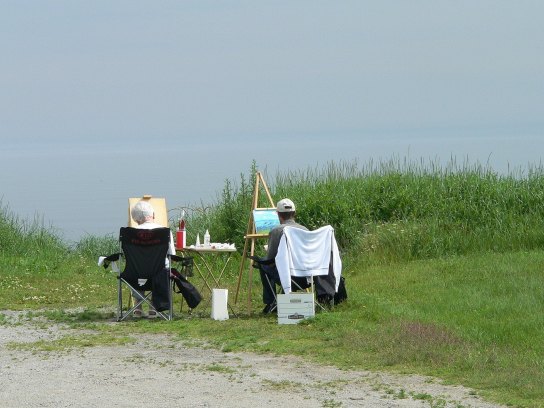
“We were fortunate to have Dr. John V. D’Ascenzo join the PMEA Retired Member Coordinator at the PMEA Summer Conference, assisting on the session “Retirement 101 – Retiree Stories and Strategies,” which was held on July 17-18, 2018 at the Red Lion Hotel in Harrisburg, PA.”
“John provided a lot of interesting perceptions and coping tips for the “soon-to-retire!” He shared new segments for consideration with references.”
“The evaluating of personal and professional paths prior to and at the time of retirement leads to behavioral changes that promote positive outcomes (Krawulski, de Oliviera Cruz, Medina, Boehs & de Toledo, 2017). Activities would include:
- Giving and/or receiving education/training.
- Volunteering roles: leadership, followership
- Pursue different career paths for remuneration or gratis.”
Retired Member Network eNEWS, August 2, 2018: https://www.pmea.net/wp-content/uploads/2018/07/Retired-Member-Network-eNEWS-080218.pdf

Retirement may or may not be the time to pull-up stakes and move from your current residence.
“The US Census Bureau reports that 49 out of 50 people over the age of 65 stay right where they are when they retire.”
“If your current hometown is affordable, close to friends and family, and near activities and entertainment you most enjoy, why move for the sake of moving? Instead, consider whether the need for change can be satisfied through more frequent brief vacations, or by purchasing an inexpensive weekend getaway home.”
— “Fine Out Where You Should Retire” by Melissa Phipps, The Balance: https://www.thebalance.com/where-should-i-retire-2894254

My next blog for this “Retirement Resources” forum will investigate this subject more closely and pose the questions, “Where Should I Retire?” and “What are the three most important factors to consider before choosing your retirement destination?”
Retirees: Do you have YOUR favorite “myth in retirement?” Please share. (Click on “comment” near the top of this article.) We would love to hear from you!
Otherwise, stay tuned for additional thoughts and tips on preparing a happy transition to retirement. You are also invited to revisit past blog-posts at this site: https://paulkfoxusc.wordpress.com/for-retirees/.
PKF
© 2018 Paul K. Fox
Photo credits (in order) from Pixabay.com: “emotional” by werner22brigitte, “knit” by foundry, “grandma” by fujidreams,”senior” by RitaE, “fisherman” by paulbr75, “old couple” by MonicaVolpin, “trumpet-player” by Hans, “fashion” by skeeze, “violin” by niekverlaan, “artist” by imaginart, “guitarist” by SplitShire, and “cottage” by MonikaDesigns.



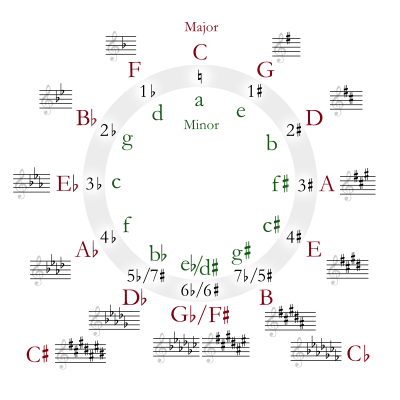 Major and minor scales, and numerous varied patterns:
 Don’t forget that the ultimate goal is not to produce the notes you see on the page as you would type in words on a keyboard—the goal is to produce beautiful music. Listen to yourself and “make music” as you practice.









 now would be the perfect time to explore supplemental resources and get a “head-start” on additional pre-service training for next fall. These tips are especially valuable to anyone entering his/her senior or final year as a music education major, finely honing in and marketing your skills as a professional in order to be prepared for finding and succeeding at your first job.


 Mix and mingle to improve your networking opportunities


 Understanding specific educational jargon and the latest approaches, applications, and technologies in the profession (e.g. Backwards Design, The Common Core, Whole Child Initiatives, Multiple Intelligences, Depth of Knowledge and Higher Order of Thinking Skills, Formative, Summative, Diagnostic, and Authentic Assessment, etc. – Do you know the meaning of these terms?)
 You need to ask yourself the question, “What are my greatest weaknesses in music education?” Or, to put it another way, “What school assignments would I feel the least confident to teach? After earning your state’s all-essential credential, your certificate will likely be general and only say “music Pre-K to Grade 12.” Administrators will expect you can “do it all” – introducing jazz improvisation at the middle school, accompany on the piano or guitar all of the songs in the grades 1-6 music textbook series, directing the marching band at the high school or the musical at the middle school, starting an elementary string program, etc.
 Since music teachers are all “fiduciaries” (do you know the meaning of the word?) and legally responsible for our “charges,” wouldn’t it be a good idea to review our state’s regulations and code of conduct, and hear about the challenges and pitfalls of ethical decision-making before we jump in and get “over our heads,” so-to-speak?
 ask your cooperating teacher (or his/her supervisor’s) permission. Some school districts have “do not photo” rosters. (However, in my district, only a few elementary students were “on the list” and most defaulted to a “permissible” status unless the parent opted out. The principal’s secretary had a record of all exceptions.) It is also suggested that you focus your camera mostly on YOU and not the students, from the back of the classroom or rehearsal facility (possibly from afar), so that the student faces are not clearly discernible. To respect their privacy, in the recorded excerpts, do not use any segment announcing the names of your students.

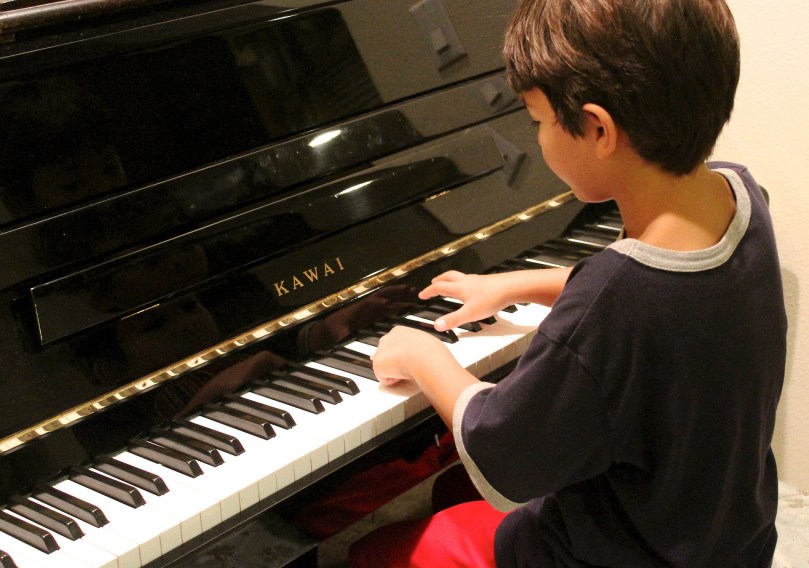

 Create four new scale variations every day and add them to your “journal.” Creative new variations should make playing scales more enjoyable. Some examples are unusual rhythms (pizza toppings, desserts, interesting proper names), more difficult slurs, scales in thirds, etc.
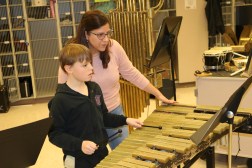 Visit the local music store and browse. Explore new publications of Classical, pop, folk, fiddle/jazz, show tunes or other styles.
 Purchase a duet book for mix or matched instruments (such as Beautiful Music for 2 Stringed Instruments by Applebaum—Book I (easy), Book II (medium), Book III advanced). Team up with another musician (band or string) and share non-transposing parts (flute or oboe with violin, trombone with cello, etc.).
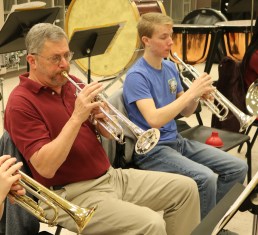 Plan a vacation or academic break around an out-of-state music workshop or concert series.
 Read books or magazine articles about famous musicians, performers, conductors or composers.


 According to the above study by Peter Webster, Scholar-in-Residence at the Thornton School of Music, University of Southern California in Los Angeles, “good music teaching” involves the practice and observation of three types of musical behaviors:
 Peter Webster’s definition of “creativity in music” is succinct: “the engagement of the mind in the active, structured process of thinking in sound for the purpose of producing some product that is new for the creator.” Furthermore, this is a thought process and “we are challenged, as educators, to better understand how the mind works in such matters — hence the term creative thinking.” (Webster, 1987)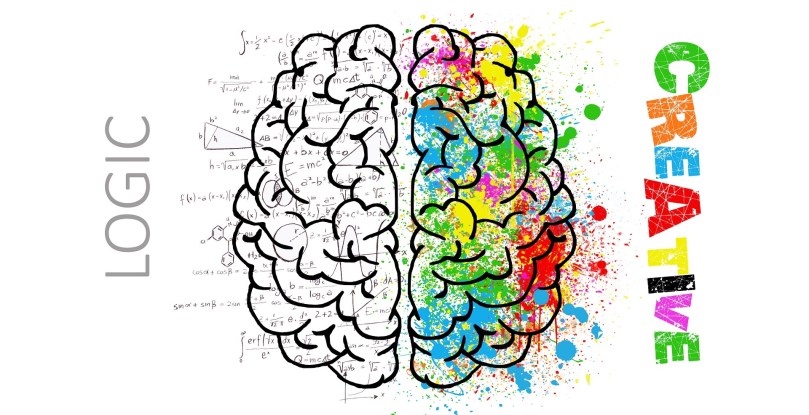
 A heighten interest in the young child and invented music notation and their discussion of it as a window to understanding the child’s knowledge (Barrett, Gromko, MacGregor)
 Related to this are the issues of teacher control: when do we step in to change something or suggest a new path.



 The “mission” is to help you with the transition to retirement and, when they are relevant, to communicate links to helpful sources of information. Many of these are not applicable to every retiring music teacher. However, if not issues for a family member, you might know of a friend, neighbor, colleague, or someone else who could use some direction in these eclectic topics:
 Several great examples, his set of
 Home Services
 Sleep disorders
 Finally, out of the blue, Jennifer Scott contacted me with “healthy ways to cope with a loss” with these resources to help grieving families:


 When MySpace and Facebook came upon the scene in 2003 and 2004, most school administrators recommended “stay away from these.” The online sharing and archiving of photos initiated the adoption of many other social media apps (Flickr and later Instagram, Tumblr, Snapchat, etc), which provoked new challenges in maintaining privacy, appropriateness, and professionalism. Danger, danger, danger!
 Communicating digitally or electronically with students may lead to the blurring of appropriate teacher-student boundaries and create additional challenges to maintaining and protecting confidentiality.
 www.gmajormusictheory.org
 Pennsylvania State Education Association (PSEA):
  posts with your school’s location.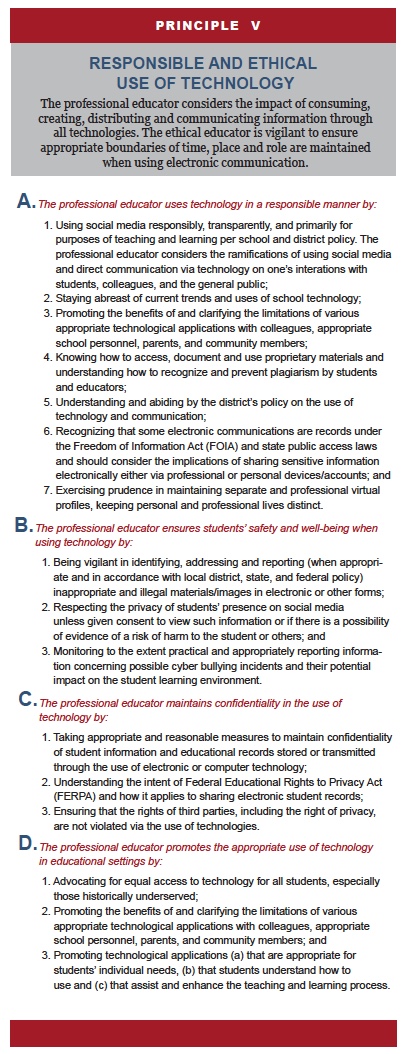

 To “wrap-up” our final segment, we will review the development of a professional “marketing plan.” This is blog #3 out of 3. (Be sure to also check out
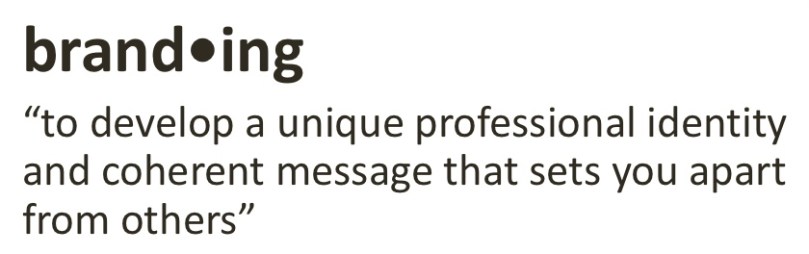
 Shama Hyder posted “7 Things You Can Do to Build an Awesome Personal Brand” at
 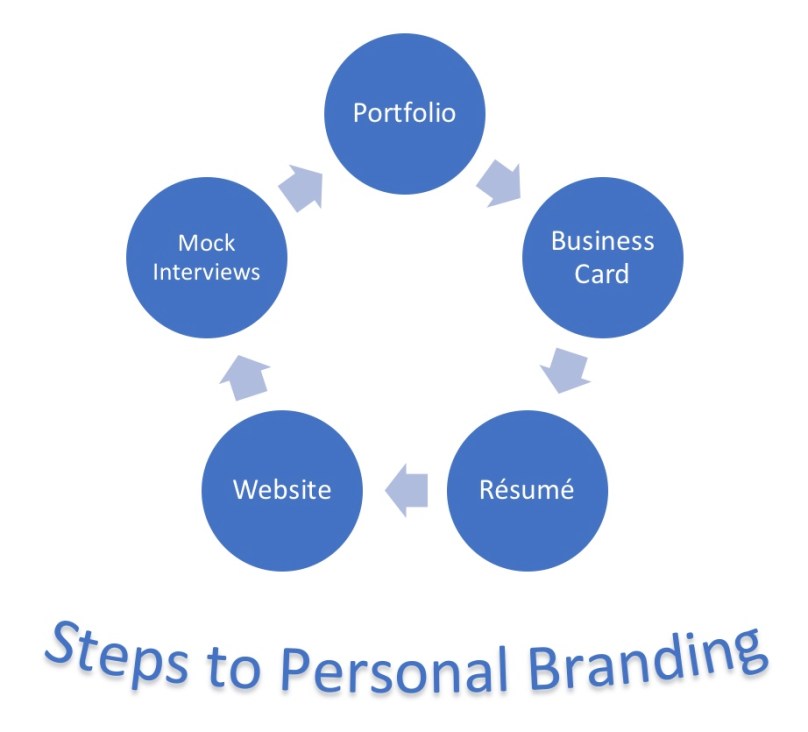 The branding process involves first developing your philosophy of music education, archiving your awards and accomplishments, documenting your grades and
  experiences, and collecting stories/personal anecdotes of your strengths. The next steps include the creation of a written and electronic portfolio, business card, resume, and website. Finally, you must compile/assemble everything together and practice (and self-assess) your “story-telling skills” to answer those important questions at well-rehearsed “mock interviews.”
 As I laid out in a previous blog “Networking Niceties: The ‘How-To Schmooze’ Guide for Prospective Music Teachers” at
  The above blog-post also explores setting up a good organizational system to manage your professional contacts.
 Self-reflection of the professional’s teaching practices and modification of these as needed to match changes in the environment and circumstances

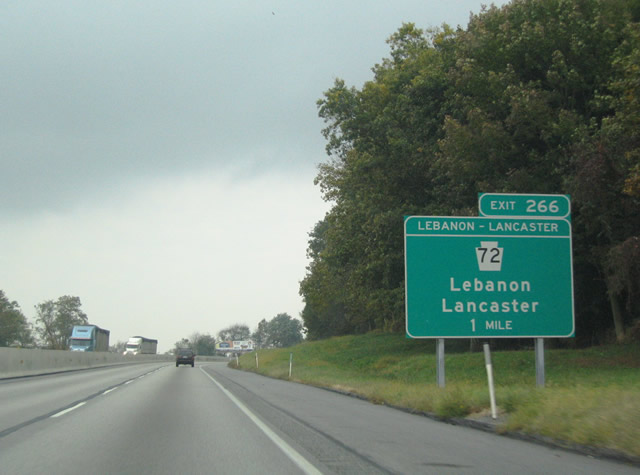
 I hate the Pennsylvania Turnpike… but I’ll get over it!
 Soon I will be attending my 51st PMEA conference (counting springs and summers). I always feel a little nostalgic this time a year when I recollect all of those PMEA District, Region State, and All-State festivals, the latter held in conjunction with the music educators conference. I’m also remembering all the times I took my students to these events, capturing memories of specific individuals, singing in their choral parts in the car, swapping old stories about previous orchestras, choirs, and conductors, and providing a few last-minute tips on how to take auditions.
 privilege of keeping “in tune” with fellow retirees, active practitioners, and even members of our PCMEA pre-service music teachers. This has stimulated my mind, kept me current, made me a better listener, and fostered a lot of moments of satisfaction knowing that I can still help dedicated professionals in the career that I devoted most of my life.