
PA Music Teacher Retirees – Renew Your Membership!
On behalf of the 375+ retired members of the Pennsylvania Music Educators Association (not to mention the nearly 4000 regular and collegiate members), let me congratulate and welcome you to retirement!
 This will sound like an advertisement (it is)… for retaining one’s professionalism, keeping involved albeit less active in the profession, supporting the future of music education, and on occasion lending a hand to PMEA throughout retirement! In return, the association will provide you opportunities to record and post your career accomplishments and position assignments (past and in the future), network with your friends and colleagues retired or still “in the trenches,” and nurture your personal quest for creative self-expression and artistry… everything from guest conducting or adjudicating ensembles to writing for PMEA publications or presenting sessions at the conferences. It is all about YOU!
When (now) Immediate Past President Dennis Emert appointed me to the position of State Retired Member Coordinator four years ago, I had no idea what I could offer… except to serve as a “cheerleader” and represent the best interests of our music teacher retirees. This blog-post is to acquaint you with the rich assortment of resources PMEA offers to its retired members, and examples of our retirees’ news, views, and rationale for continuing their participation in PMEA… even take a peek at sample Retired Member Network eNEWS issues and articles in PMEA News. That’s what’s in it for you!
 Research indicates that people either LOVE retirement or HATE it, and their journey to the blessed “golden years” can have many ups and downs, especially for type-A, peak-performing individuals who (used to) spend large amounts of time and personally identified with “the job…” like many music educators. Since retiring myself from the Upper St. Clair School District in June 2013, my goal has been to help others enjoy this life-changing passage, cope with life-style changes/altered expectations, and find creative new ways to self-reinvent and thrive. Objectives for retired members in 2016-18 are:
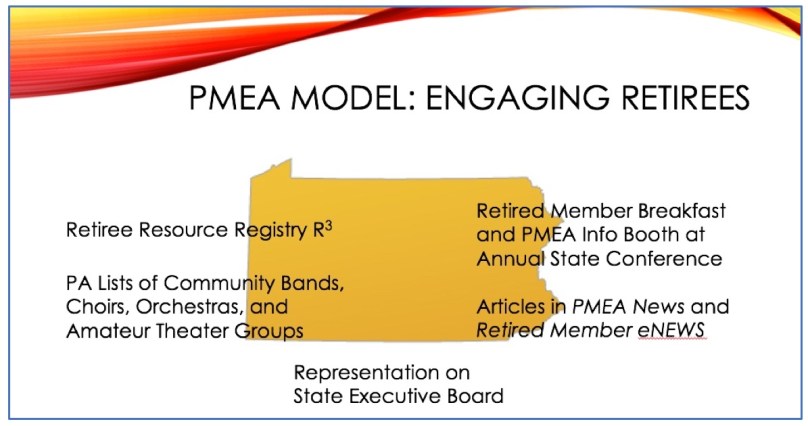
- Continuation and expansion of PMEA Retired Members’ projects started in 2015-16, including the Retiree Resource Registry (R3), PA community band, orchestra, chorus and theater group listings, opportunities to volunteer at conferences, sessions on “how to retire,” etc.
- Exploration of new and unique ways to inform, motivate, engage, and activate PMEA retired members, to enhance their feelings of value, purpose, and being “needed and useful” in support of PMEA and the music education profession: “The mission of the Pennsylvania Music Educators Association is to advance comprehensive and innovative music education for all teachers and students through quality teaching, rigorous learning, and meaningful music engagement.”
- Improvement in data tracking of retired members’ membership status and contact information in order to “keep connected”
- Publication of news, awards, appointments, and successes of retired members
- Promotion of additional tools for a smooth transition to happy retirement
Your first stop for retirement resources should be the PMEA website (look under the top menu “Focus Areas”), where we post recent editions of past issues of the digital newsletter Retired Members Network eNEWS, relevant articles in PMEA News, etc. Take a moment and “surf the net” at http://www.pmea.net/retired-members/.
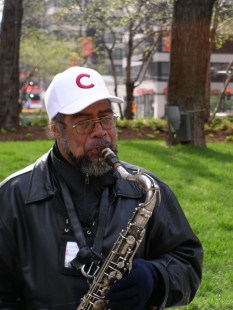
There’s so much you can do now that you are retired! Now that you have “more freedom” to seek out purposeful and “fun” activities in education (but only the things you WANT to do!), ask yourself: “How you can rekindle your expressiveness?”
- Why did you go into music and education in the first place?
- What have you always wanted to play… sing… compose… conduct… record… create?
- Have you thought about learning a new instrument, skill, or musical style?
- When will you complete your own “Mr. Holland’s Opus” and have it performed?
- When are you going to publish your songs, sonatas, warm-ups, methods, essays on pedagogy, musical plays, halftime shows… or personal memoirs?
- What is your next article, book, method, composition, drum-line feature, etc.?
- When are you going to join a community band, orchestra, chorus or theater group?
Or, if you would like to “give back” to the profession, “stimulate your brain,” and develop more association leadership, you can jump in to PMEA and explore any of the following:
- Run for local or state PMEA office or council position
- Serve as presiding chair or member of the PMEA planning or listening committees for the conference
- Participate as guest lecturer or panel discussion member at a conference, workshop, or college methods program
- Judge local/state adjudication festivals
- Help plan or manage a local PMEA festival or workshop
- Accompany, coach, or guest conduct festivals or school/community groups
- Assist the local music teacher in private teaching, piano playing, marching band charting, sectional coaching, set-up of music technology, instrument repair, etc.
- Write for PMEA or NAfME
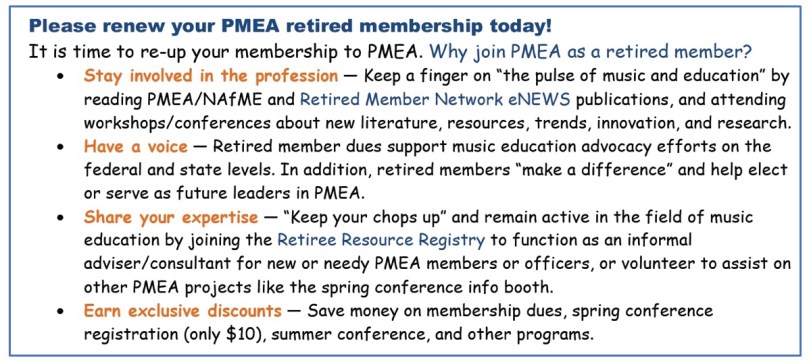
 Are you still willing to “lend a hand” on PMEA projects or share your expertise and provide a free (but priceless) consultant service to new/transferred PMEA members and officers? We constantly update and publish a Retiree Resource Registry https://www.pmea.net/wp-content/uploads/2014/10/Retired-Resource-Registry-update-02-12-18.pdf and R3 Help Index https://www.pmea.net/wp-content/uploads/2014/10/R3-Help-Index-021218.pdf on the website. This project is a “win-win” as it also allows the retired member a place to archive all of his/her achievements, awards, past and current assignments, interests, and hobbies. To join this prestigious roster of “who’s-who of past music teaching leaders in PA,” please go to https://pmea.wufoo.com/forms/pmea-retiree-resource-survey/ or the PMEA website to complete the R3 sign-up survey.
Do you know it only takes $30 to join as a PMEA Retired Member ($65 for joint membership to NAfME and receipt of their publications as well!). What a deal! The membership form is at http://www.pmea.net/membership-information/.
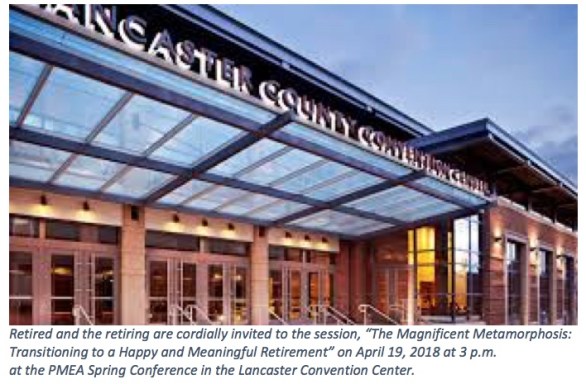
 In addition, retired member registration at the annual PMEA Spring Conference is… (drum-roll, please!) ONLY $10 early-bird! Our next spring conference will be held on April 19-21, 2018 at the Lancaster Marriott & Convention Center. Music teacher retirees get to enjoy some social time to “swap stories” with a FREE breakfast on Friday, April 20. In addition, we are looking for volunteers to help man the PMEA Info Booth… of course, “retired members to the rescue!” Invitations and more details will go out to current members next month, but check out this section on the PMEA website for more information about the conference: http://www.pmea.net/pmea-annual-in-service-conference/.
In case you are interested, a past PMEA summer conference session on retirement is posted on the retired members’ section. Feel free to download the workshop’s slides (https://www.pmea.net/wp-content/uploads/2014/10/Retirement-Planning-Its-Not-About-the-Money.pdf) and the recently revised handout https://www.pmea.net/wp-content/uploads/2014/10/ultimate-retiree-resource-guide-111717.pdf, the latter probably the most comprehensive “reading list” ever published for music teacher retirees.
 As a part of reflection and sharing of positive strategies for “Crossing the Rubicon” to a happy, healthy, and meaningful retirement, I have assembled a super-site of every website, article, book, publication, etc. of post-employment “gurus” that I could find. Visit the top menu link “For-Retirees” and come back often for updates.
Finally, since January 2017, we have published numerous retired member columns in the state journal PMEA News (access to current PMEA members is available at https://www.pmea.net/resources/pmea-news/):
- “Pet Ownership and Retirement” (Fall 2016)
- “Act Well Your Part; There the Honor Lies” (Winter 2016)
- “Tips for Music Teachers Who Are Retired, Retiring, or Soon-to-Retire” (Spring 2017)
- “What Are You Going to Be When You Grow Up?” (Summer 2017)
- “The Vocabulary of Retirement and Leisure” (Fall 2017)
- “Sailing Through a Proverbial Sea of Self-Help Books on Retirement” (Winter 2017)
Also, as a teaser, check out the archived PMEA Retired Member Network eNEWS editions… probably alone worth the discounted membership fee? (But, if you have the time and desire, perhaps you can submit better jokes and stories to “editor” Fox?): https://www.pmea.net/retired-member-network-enews-archive/.
Enjoy retirement… you have earned it! However, don’t forget the THREE BASIC NEEDS that work fulfills and which are essential to retirement, according to Ernie Zelinski, the best-selling author of How to Retire Happy, Wild, and Free:
- Purpose
- Community
- Structure
Let PMEA Retired Membership help you on the way to self-fulfillment as you take the journey towards “living your dream and finding joy in your life!”
PKF
© 2016 and 2017 Paul K. Fox
(Photo credits: FreeImages.com)


 Denial


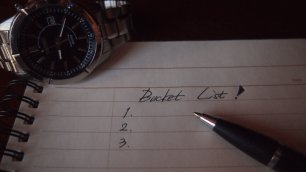 Nope. I cannot accept these archaic definitions! My translation for what it means to face this life-style shift of changing perspectives and expectations, “Crossing the Rubicon” into retirement, is finding alternative but purposeful pursuits, fulfilling “bucket lists,” and reshaping fresh new goals leading to creative ways to self-reinvent and thrive.
 five stages of retirement that he predicts most people go through after leaving their full-time job.
  “The Five Top Stressors in Retirement and How to Cope” by Nanci Hellmich (2014) at USA TODAY

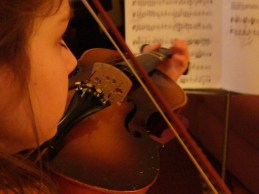 y engaged man. One example, he transformed his backyard by moving a truckload of large rocks around his garden when he was 80 years old. I attended his 100th birthday party where he played an hour-plus recital with three generations of the Reichenfelds. He always told prospective teachers, “Surround yourself with young people and you’ll never grow old.” The comment I wrote in memory of Eugene Reichenfeld in the online guest book (legacy.com) came from the heart: “With our mentor’s passing, orchestra music and education in our area will never be the same. However, thankfully, Maestro Reichenfeld’s legacy is that he ‘passed on the baton’ and inspired so many future teachers to follow in his footsteps… sharing his love of and skill in strings for eternity! The music lives on!”


 Take a deep breath, find an easy chair, ignore your cell phone’s texts/calls, and plunge into her full website:
  As a music educator, this last title peaked my interest. We urge every retiree to revisit their creativity roots and seek renewed opportunities to enjoy music as a lifelong pursuit. (We have already posted reprints of several of my articles on this subject from PMEA News, the state journal of the Pennsylvania Music Educators Association, including
  Generally, I am not much in favor of perusing commercial websites on planning for retirement, especially those by investment counselors, but Ernie Zelinski (author of bestsellers like How to Retire Happy, Wild, and Free) sent me this link:
  The final entry at goldretiree.com, AARP is worth mentioning here
  p Guides,”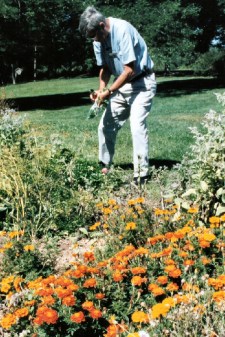

 Updates to my presentation “Surviving and Reveling in Retirement” for the PMEA Summer 2016 Conference are posted on the PMEA retired members website:

 I submit there are basically three ways to learn something new by reading about it. One is the tutorial format, a.k.a. an instrument of “programmed learning.” Another approach is the comprehensive reference manual or user guide. Finally, many people prefer a narrative story, perhaps a fictitious account that features characters exploring and revealing insights on the topic you are studying.
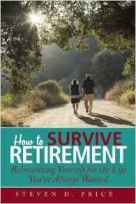
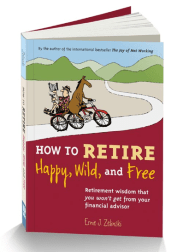 If you were looking for the reference manual, I recommend Ernie Zelinski’s How to Retire Happy, Wild, and Free (2016). The chapters are laid out by general concepts you need to understand. However, as in many user guides, you could turn to almost any page in the volume, jump around (in any order) to specific areas on which to focus, e.g. tips on travel (page 165) to health/wellness (page 109), and not lose the overall meaning.
 The contents of It’s Never Too Late to Begin Again are divided into a weekly course of study:
 The fictitious “Larry and Janice Sparks” share anecdotes of their experiences, modeling potential opportunities of retirees enhancing their relationships, stimulating their minds, revitalizing their bodies, growing spiritually… basically rekindling passion in every area of their lives.
 You will notice that all three texts cover many of the same subjects, but are vastly different in methodology, style/design, and overall structure.
 at the Seven Springs Mountain Resort in Pennsylvania on July 11-13, 2016.
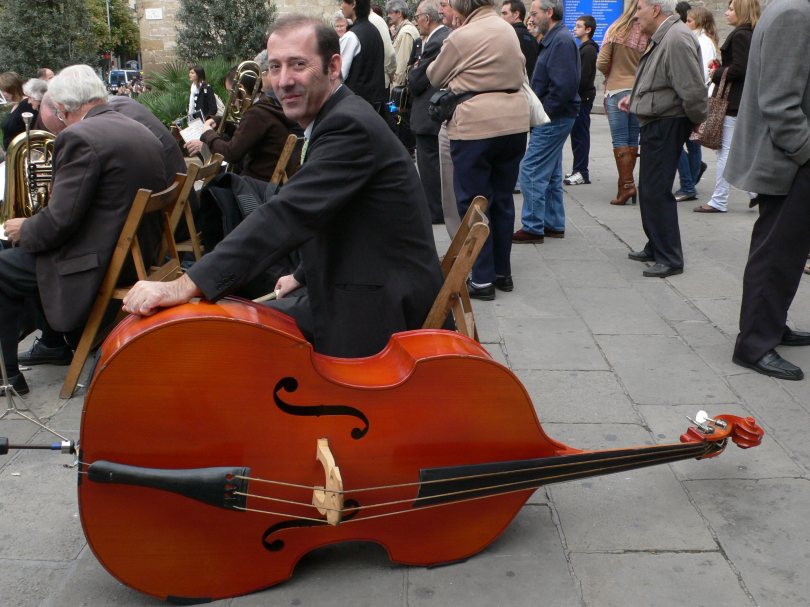
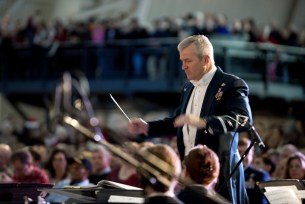 Do music teachers ever retire? Not really!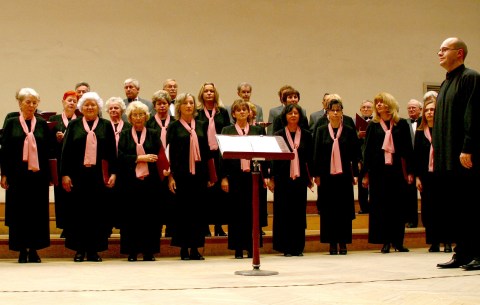

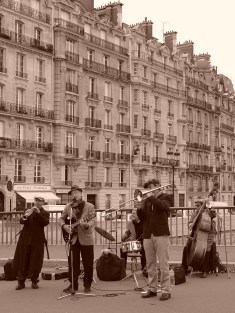 Practice and go out on a few gigs with your own jazz, rock, Barbershop, or chamber music group
 education? Of course, the best part of retirement is that you get to pick what you want to do every day for the rest of your life. So go ahead and say yes to those extra conducting gigs, writing/publishing your own “Mr. Holland’s Opus,” working with the church or community choir, accompanying a handful recitals, volunteering to help your favorite local marching band or civic theater, serving as an adjudicator for a music festival, supervising student teachers or teaching college music education methods classes, etc.
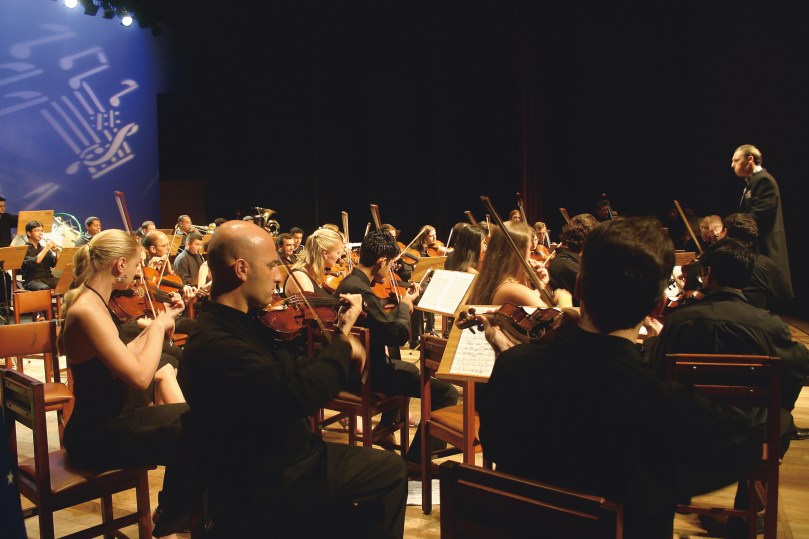 As long as I am alive, I will continue to inspire in others that music makes a difference!
 Reprinted from the Spring 2016 issue of PMEA News, the state journal of the Pennsylvania Music Educators Association.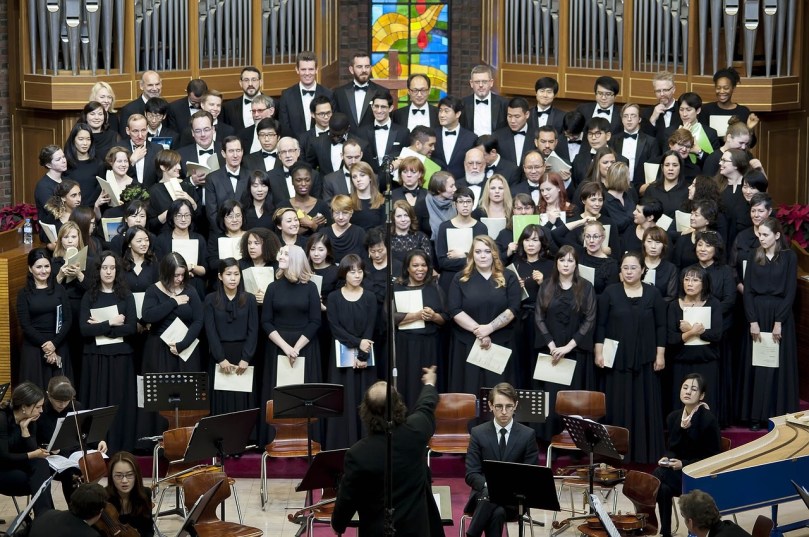
 If you’ve ever been in a choir, you’ve probably been told that the proper way to sing is from your belly.
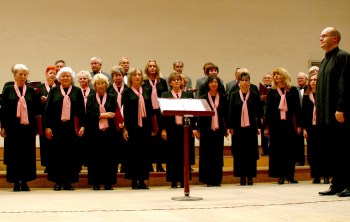
 As the popularity of group singing grows, science has been hard at work trying to explain why it has such a calming yet energizing effect on people. What researchers are beginning to discover is that singing is like an infusion of the perfect tranquilizer, the kind that both soothes your nerves and elevates your spirits.
 Regular exercising of the vocal cords can even prolong life, according to research done by leading vocal coach and singer Helen Astrid, from The Helen Astrid Singing Academy in London. “It’s a great way to keep in shape because you are exercising your lungs and heart.”
 Colette Hiller, director of Sing The Nation, is convinced that singing builds social confidence by helping individuals connect to each other, and to their environment. “Think of a football stadium with everyone singing,” she says. “There’s an excitement, you feel part of it, singing bonds people and always has done. There’s a ‘goosebumpy’ feeling of connection.”
  Studies have linked singing with a lower heart rate, decreased blood pressure, and reduced stress, according to Patricia Preston-Roberts, a board-certified music therapist in New York City. She uses song to help patients who suffer from a variety of psychological and physiological conditions.
 The seniors involved in the chorale (as well as seniors involved in two separate arts groups involving writing and painting) showed significant health improvements compared to those in the control groups. Specifically, the arts groups reported an average of:
 Okay, besides that crack about “elderly” in that last article (we’re not “old,” yet!), the evidence seems conclusive! For our general health, feelings of well-being, improved social connections, and “just having fun,” we should all be motivated TODAY to go out and find a community choir and start singing regularly in a group. Enough said?
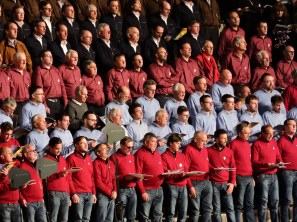 For both the instrumental and choral groups, we are most thankful to the contributions of our “dream team” of PMEA researchers and editors (as of April 13, 2016): Jan Burkett, Craig Cannon, Jo Cauffman, Deborah Confredo, Susan Dieffenbach, Timothy Ellison, Paul Fox, Joshua Gibson, Rosemary Haber, Estelle Hartranft, Betty Hintenlang, Ada Jean Hoffman, Thomas Kittinger, Chuck Neidhardt, Sarah Riggenbach, Ron Rometo, Joanne Rutkowski, Marie Weber, Lee Wesner, and Terri Winger-Wittreich. We are especially grateful to the efforts of Director of Member Engagement Joshua Gibson who located the counties and e-mail addresses in the choir directory.

 On the subject of music teachers exiting the job market, one area we have not ventured into with these blogs on “retirement resources” is the most difficult to handle – having to face a forced resignation or involuntary leave.
 Depression
 Evaluate your response to stress since you were summarily eliminated from your district. It is worth reviewing the definition of PTSD and see if it should be applied to your behavior and the emotional upheaval you are feeling (from the online blog of the Dr. Oz Show at
  It’s time to “dust off your chops” (join a community band/orchestra)


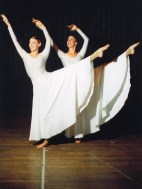 Take up a new hobby. Now that you have the time, go exploring… and the skies the limit! But don’t forget, anything worth doing “engages the mind!”
 If you have not read a previous blog of mine, “Advice from Music Teacher Retirees to Soon-To-Be Retirees,” check out the reprinted version on the Edutopia website:
  Just like a rehearsal – start off with a mind warm-up! Go to the website
  Leo the Tech Guy program and site at
  Finally, hobbyist websites are a wonderful resource. Examples: photography
  health is all about nurturing our skills/talents, exploring new pathways, facing new challenges, engaging our minds, and enjoying the “good life” after full-time employment. Nothing is stopping you from starting a new career, learning a new language, writing a book (or reading everything you always wanted to at the library), learning (better) how to act/dance/sing/play a new instrument, taking a trip to a new country (or city in the US) or journey to your backyard with a camera, and modeling the essence of the Robert Frost message, “I took the road less traveled by…. and, that has made all the difference.”
 I write these blogs to “get things off my chest.” Fair warning! Unlike other articles on this site, I may project a little negative attitude in this piece, griping in response to what I consider is unfair public opinion.
 While on this rant, I would also like to complain that I am tired of hearing how teachers only work nine months a year. Someone’s math is really bad when you look at the calendar. Most schools in Pennsylvania start by the fourth week in August for teacher in-service days (definitely before Labor Day) and end by the second week in June, depending on how many snow days or vacation breaks are scheduled in the school year. Closer to ten months?
 There will always be criticism and negative comments about the value of our teachers. Part of this is due to the fact we have all been there. Everyone knows a “bad teacher” who modeled laziness, incompetency, or neglect of duty. You may have had one of these “rotten apples,” or perhaps were forced to endure an educator or coach who demonstrated “abuse of power.”
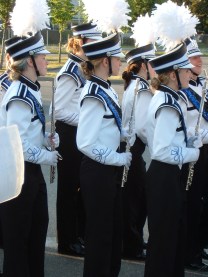 “practice” our job, applying different techniques to each unique situation, focusing on the needs of our “charges,” constantly re-assessing ourselves, retraining and updating our skills, and solving problems.
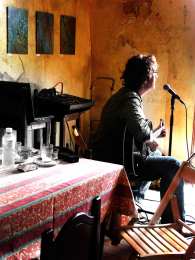 No one goes into education to make a lot of money. With the same level of post-graduate work, nearly every other entry-level job or even being self-employed will fetch much more compensation.This is why it has been hard finding math and science teachers in some localities. They would have to accept major pay-cuts declining jobs in engineering, chemistry, computer science, and the technology industry as opposed to becoming a first-year teacher.
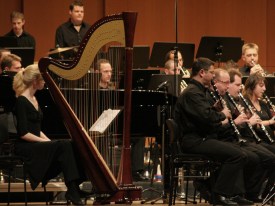 At least, we are doing something we love, and we can take “the joy of making music” to the grave!
 great potential and one for whom you have spent much time and effort helping. It was always a crushing blow to hear “Johnny wants to give up playing,” “he is bored,” or “now we will try something new like (ahem) intramural tiddly-winks.” Parents/guardians conceded that it was hard to “make him practice.” My initial response (if I have the guts to say it, but by then, it was usually too late): “Who is in charge here? Do you make your kids brush their teeth or do their math homework?”
 I was relieved that, during a time of state and local budget crunches (when many school districts were not filling retired staff positions), my administration and school directors were true to their mission statement: “Developing lifelong learners and responsible citizens for a global society is the mission of the Upper St. Clair School District, served by a responsive and innovative staff who in partnership with the community provides learning experiences that nurture the uniqueness of each child and promote happiness and success.” When I retired, they hired excellent replacements for all of my former positions: Secondary Orchestra/String Teacher, Grades 1-12 Performing Arts Curriculum Leader, and Spring Musical/Fall Play Director/Producer.
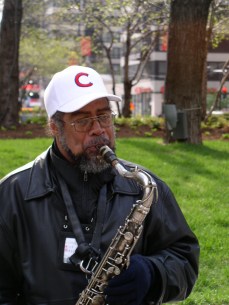 Now we can “catch-up” on travel, pets, hobbies, volunteer work, gardening, home improvements, and revisiting our “creativity roots” which got us started in the first place towards a career in music and education.
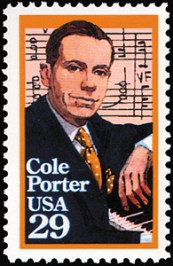 There is nothing worse than feeling that your father does not approve of who you are or what you want to do with the rest of your life. Of course, I am not alone in having this kind of parental disapproval. American composer and songwriter Cole Porter (who wrote Anything Goes) experienced a similar problem. At the insistence of his rich maternal grandfather for whom he was named after, he entered Yale University and then the Harvard Law School to become a lawyer. However, his true love was music. While at Yale (and secretively from his family), he wrote 300 songs and the words and music to six full-length student shows. Eventually he switched to studying harmony and counterpoint with the Harvard music faculty… the rest is history!
 Why choose education? Well, the status of a teacher in some cultures is at the pinnacle of the society’s most cherished and respected. In fact, in some Asian countries, tradition dictates that the eldest rules the entire family, and is often considered a master teacher. The career of a teacher is on the top of the spectrum. The merchant is at the bottom. This is exactly the opposite for today’s Western countries… a worship of wealth, stockbrokers, millionaires, “things,” etc. (Of course, it should be mentioned that, using this analogy, Asian musicians are also at the bottom… considered to be nearly useless in lower socioeconomic agrarian societies.)
 paulfox.blog