One Teacher’s Views on the Advocacy of Music in the Schools
Here are partial transcripts, excerpts, and commentary about this blogger’s perspectives on the value and benefits of music education, paraphrased from the program The Edge, produced by the Peters Township High School On-Air Talent class: Episode No. 45, “The Importance of Music Education,” — https://archive.org/details/The_Edge_-_Episode_45_-_The_Importance_of_Music_Education
 Over the years, I have been a strong advocate of equal-access to music and the arts as an essential part the education of all children. This blog will give me an opportunity to put a lot of my thoughts in one place. I am aware that there are many people “out there” who offer the premise that studying music makes you successful in other areas, and you will see that this assumption is well-supported. However, I am not a brain scientist. I cannot confirm research that seems to point to a direct correlation that “the music itself makes us smarter.” It could be that students who are attracted to and become proficient in the arts are somehow uniquely “wired,” have a greater work ethic, or are better intellectually “equipped” to become successful engineers, doctors, lawyers, educators, scientists – you name the career – and enjoy life-long happiness and self-realization. So many of those music-in-our-schools-month fliers say “music is basic,” “music is math,” “music is reading,” “music is science,” etc. and they are right! So, it’s not wrong to bring it up. But we should be fully aware that the primary goal of an education in the arts is for the development of creative self-expression.
In short: music for music’s sake.
When revising our Fine and Performing Arts mission and goals of music education for Middle States accreditation, the music and art teachers in my district centered on several primary goals. Probably the most important one was “to promote the skills of creative self-expression by using music, art, dance, and/or drama as vehicles for defining the students’ self-identity, learning concepts, communicating thoughts and feelings, and exploring mankind’s musical heritage in order to gain a broad cultural and historical perspective.” This statement was written many years ago… prior to the advent of Internet and social media, but perhaps it is even more relevant today!
However, there’s plenty of room here to provide you a wide spectrum of rationale and research from multiple vantage points.
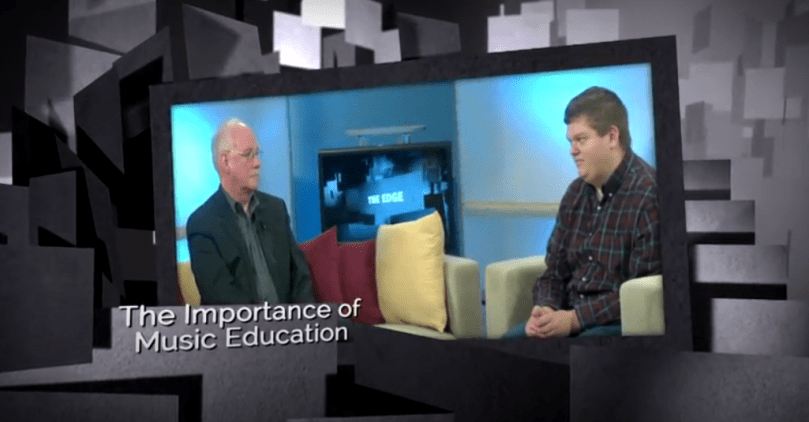
It was my joy to be interviewed by host Sam D’Addieco, a junior percussion player in my South Hills Junior Orchestra. This link takes you to a 30-minute Vimeo recorded in the Peters Township Community Television studio on May 6, 2019. Although this was his assignment for a media class, it really prompted me to do some additional introspection about “what I think I think.” These were some of the issues we discussed… by no means verbatim, but, after all, this is my website. Now I can say what I really meant…
Initial Questions and Responses
- Why did you choose to become a music educator? Music teaching is the greatest job in the world. Every day you deal with the inspirational subject matter of music, and then share it with students who want to be in your class! What could be any better? We guide students towards finding their personal identities, innate artistic and expressive potentials, and successes in making music.
- What inspired you to become a music educator in the first place? Were you always going to be a music teacher? I was one of those “goobers” who wanted to “live” in the music room… if I could, participating in band and orchestra eight periods a day! But, up to my Freshman year, I was going to be a doctor or surgeon, thinking that the field of medicine, “saving people’s lives,” would be the most exalted career. That is until my Special Biology teacher gave each of us a needle, alcohol swipe, and blood type testing strip, and I found out I was too squeamish to poke myself. What did I really want to do with my life? Share my love of music!
- How did you get started in music? Before grade school, my mother signed me up for piano lessons, and I practiced on our Howard baby grand (Baldwin brand) at home reveling in its big, beautiful tone. At school in California, I started out on the snare drum. My piano teacher also introduced me to the violin in the summer between fifth and sixth grade. After that, every new band director I had when I moved to different school districts in Western Pennsylvania switched me to a “what was needed for the band” instrument (baritone then tuba), and my private string teacher moved me to the viola, probably due to the length of my fingers, which eventually became my “major” in college.
- Did you have any mentors that helped you along the way? I was blessed with many outstanding music educators, school directors, conductors of local community orchestras, and private instructors. Probably
 the one who had the greatest influence on my going into a career of music teaching was Eugene Reichenfeld, who I saw the last period of every day in Orchestra at Penn Hills HS, at least once a week in a private lesson and rehearsals of the Wilkinsburg Civic Symphony on Thursday nights, and over the three summers at the Kennerdell Music and Arts Festival in Venango County. What a role model! Partially blind and losing his hearing, Mr. Reichenfeld played violin, cello, and guitar, and taught uninterrupted until three weeks before he died at the ripe old age of 103!
- Any regrets? Absolutely not! My classmates in college dubbed me “mister music ed.” But some of my well-meaning supporters saw other skills in me and tried to talk me into other pursuits. From my senior year in high school to four of five years enrolled in Carnegie-Mellon University, my string professor George Grossman prepared me for employment as a professional musician, even to consider auditioning for the Pittsburgh Symphony Orchestra. I said, I want to teach students! My CMU music department chair Robert Page and Fine Arts Dean Akram Midani in 1977 urged me to look into enrolling in Harvard summer arts management courses. Again: I want to teach students! Believe-it-or-not, even my own dad encouraged me to rethink my plans. After attending my first Edgewood Elementary 4th grade musical production (1979), he marveled about how much time I devoted to making music… 6-7 days a week including evenings! He asked me what were my earnings. We compared my first-year salary of $8200 vs. his position as manager in the nuclear division of Westinghouse Company (move the decimal point to the right – nearly $82,000 annual compensation). He suggested a partnership. “Why don’t you join with me, form a company together, and become entrepreneurs, and with a little luck and your obvious work ethic, we could both make a million dollars in a few years.”
 Did your father ever realize why you chose music? In December 1986, Dad came to my choral/orchestra department production of Scrooge, involving over 250 students at my second career assignment, Upper St. Clair High School. After the closing curtain, he came up to me and asked, “Did you do all of this yourself? I answered, “Well, I had a lot of help. I did prepare the students on the dialogue parts in the script, the leads’ solos, chorus harmonies, and orchestra accompaniment, but I needed a drama specialist for coaching the actors and a choreographer for the dances. And yes, I am also the show’s producer, responsible for the printing of the program and tickets, finding people to assist in sewing the costumes, building the sets, running the stage tech, and applying the make-up.” After a short pause, he said something I will never forget: “Wow! This was incredible! You really made a difference to so many of your students’ lives.” He was proud of me, and finally expressed it! (It was a good thing too… he died suddenly of a heart attack exactly two years later when I was in the middle of staging USCHS’s Joseph and the Amazing Technicolor Dreamcoat.)
Statistics in Support of Music Education
What is the purpose of music in schools? Why is it important to take a creative arts elective throughout your middle to high school education?

Okay, we can start with the huge body of research published just about everywhere that indicates “music makes you smarter.” Here are just a few examples and sample supportive documentation. (Please take the time to peruse these links!)
Other skills:
More attitudes:
Several more general links, additional literature that supports the inclusion of music in the school curriculum:
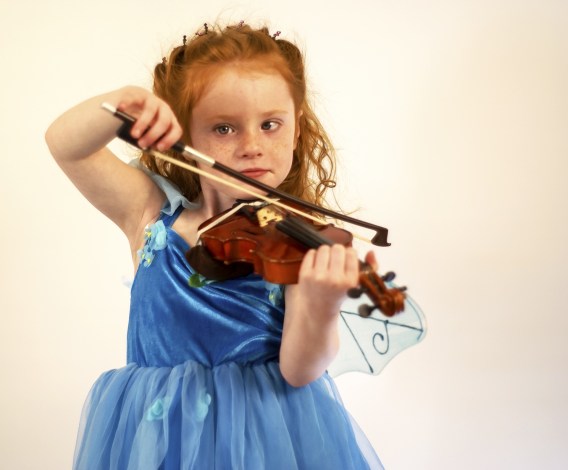
Learning Styles and “Intelligences”
Ever felt like you were a square peg trying to fit in a round hole? Now, lets dive into the concept that “music is a means to learning.”
Intelligence is often defined as our intellectual potential; something we are born with, something that can be measured, and a capacity that is difficult to change. In recent years, however, other views of intelligence have emerged. Also, more research has been applied to learning styles and preferences… all to promote better success in education.
“Many of us are familiar with three general categories in which people learn: visual learners, auditory learners, and kinesthetic learners. Beyond these three general categories, many theories of and approaches toward human potential have been developed.”
— North Illinois University: https://www.niu.edu/facdev/_pdf/guide/learning/howard_gardner_theory_multiple_intelligences.pdf
In 1983, the theory of “multiple intelligences” was formed by Dr. Howard Gardner, Professor Education at Harvard University, and widely read in his initial book offering Frames of Mind: The Theory of Multiple Intelligences.
Supported by Thomas Armstrong (books such as Multiple Intelligences in the Classroom), “the traditional notion of intelligence, based on I.Q. testing, is far too limited.” Instead, Dr. Gardner proposed nine different intelligences to account for a broader range of human potential in children and adults (the first one is my favorite):
 Musical (sound smart)
- Naturalist (nature smart)
- Logical-mathematical (number/reasoning smart)
- Existential (life smart)
- Interpersonal (people smart)
- Bodily-kinesthetic (body smart)
- Linguistic (word smart)
- Intra-personal (self smart)
- Spatial (picture smart)
“Dr. Gardner says that our schools and culture focus most of their attention on linguistic and logical-mathematical intelligence. We esteem the highly articulate or logical people of our culture. However, Dr. Gardner says that we should also place equal attention on individuals who show gifts in the other intelligences: the artists, architects, musicians, naturalists, designers, dancers, therapists, entrepreneurs, and others who enrich the world in which we live. Unfortunately, many children who have these gifts don’t receive much reinforcement for them in school. Many of these kids, in fact, end up being labeled “learning disabled,” “ADD (attention deficit disorder,” or simply underachievers, when their unique ways of thinking and learning aren’t addressed by a heavily linguistic or logical-mathematical classroom.”
— American Institute for Learning and Human Development: http://www.institute4learning.com/resources/articles/multiple-intelligences/
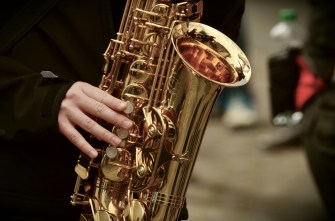 Transforming the way schools should be run, the multiple intelligences theory suggests that teachers be trained to present their lessons in a wide variety of ways using music, cooperative learning, art activities, role play, multimedia, field trips, inner reflection, and much more. This approach truly “customizes the learning” and provides eight or more potential pathways to learning.
“If a teacher is having difficulty reaching a student in the more traditional linguistic or logical ways of instruction, the theory of multiple intelligences suggests several other ways in which the material might be presented to facilitate effective learning.”
— Thomas Armstrong: http://www.institute4learning.com/resources/articles/multiple-intelligences/
“While a person might be particularly strong in a specific area, such as musical intelligence, he or she most likely possesses a range of abilities. For example, an individual might be strong in verbal, musical, and naturalistic intelligence.”
— Kendra Cherry: https://www.verywellmind.com/gardners-theory-of-multiple-intelligences-2795161
The bottom line? We need music in the schools for a variety of reasons, not the least to systemically and intentionally provide avenues of learning for “music smart” kids as well as to share resources that all teachers across the disciplines may use to enrich their lessons, differentiate the instruction, and “reach” their students.
Ever Heard of the Four C’s?
How about defending the rationale that “music makes connections, within us and from the world around us?” Easy!
Music and art courses offer great rigor in developing 21st Century learning skills:
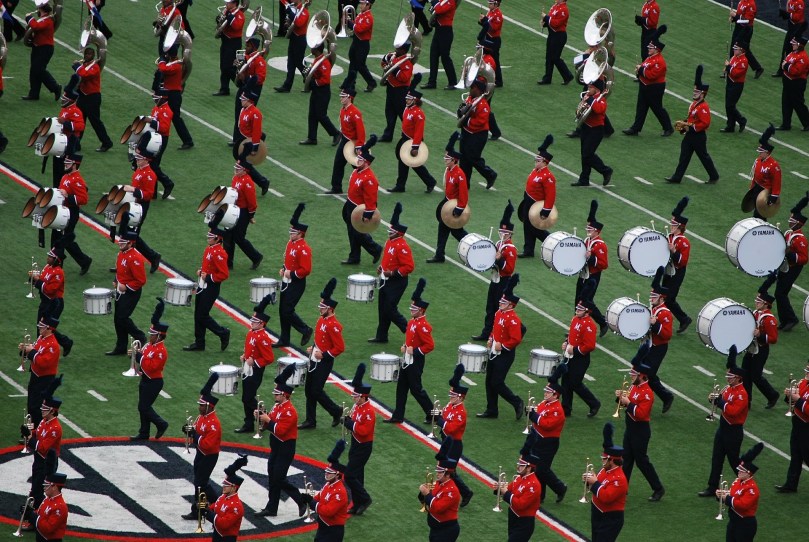
Released by the Partnership for 21st Century Skills (2010), the best resource I found when this movement made the headlines was this P21 Arts Skills Map. It was developed to “illustrate the intersection between 21st Century Skills and the Arts. The maps will enable educators, administrators and policymakers to gain concrete examples of how 21st Century Skills can be integrated into core subjects.” With so much more detail, this document provides skill definitions, core subject interactions, outcomes and examples:
- Critical Thinking and Problem Solving
- Communication
- Collaboration
- Creativity
 Innovation
- Information Literacy
- Media Literacy
- Information, Communication, and Technology Literacy
- Flexibility and Adaptability
- Initiative and Self-Direction
- Social and Cross-Cultural Skills
- Productivity and Accountability
- Leadership and Responsibility
- Interdisciplinary Themes
“The music classroom is a perfect place to teach critical thinking and problem solving,” says MENC [now NAfME] member Donna Zawatski. Instead of giving students the answers, she asks questions that will clarify the process and lead to better solutions from the students. “Students will define the problem, come up with solutions based on their previous experience, create, and then reflect on what they’ve created,” she says.
— Donna Zawatski, “4C + 1C = 1TGMT,” Illinois Music Educator, Volume 71, No. 3.
Creativity is Number One!
One of my favorite educational gurus, probably an expert on creativity in the schools, is Sir Ken Robinson. His most viewed Ted-Talk “Do Schools Kill Creativity?” (18 million+) should be required of all pre-service teachers. A great story-teller with a wonderfully dry English sense of humor, Robinson tells a narrative about a child who was not “behaving” very well in school… “coloring outside the lines” and fidgeting in class. According to the primary teacher, she was distracting the other students, and was hard to “contain” and keep her sitting in her seat.
At the insistence of school staff, the parents took the little girl to a psychiatrist. He did a battery of tests on her to find out why she was so “antsy” and… The counselor’s analysis? He said to her parents: “Your child is not sick. She is a dancer. She likes to express herself in movement. Take her to a school that emphasizes dancing.”
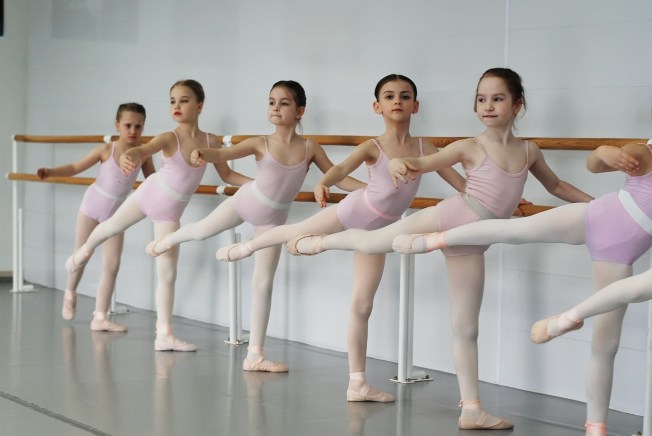
A “quick-from-the-hip” diagnosis might have resulted in prescribing drugs in order to “calm her down” and make her “fit in” better with the traditional school setting.
The rest of the story? The incident he was talking about described the childhood of the super-successful multi-millionaire English ballerina and choreographer of Cats and Phantom of the Opera on Broadway, the late Gillian Lynne.
Creativity is probably the single most essential learning skill… and I have devoted a whole section of my website on the subject, starting with “Creativity in Education” to numerous blogs here.
Flexible Thinking, Adaptability, and Problem Solving
In the interview, I asked the question, “What is 1 + 1 + 1?” What I meant to elicit was, “Besides the obvious response of 3, how many different answers can you find to solve this math problem?”
- 111
- 11 (in binary)
- 1 (draw it in the air, one vertical line and two horizontal lines making the Roman numeral I)
Living in the real world (as well as learning the arts), there are very few “one-right answers!” Unlike other subject areas and pursuits, music fosters abstract decision-making in situations where there are no standard answers, analysis of and response to nonverbal communication, and adaptations and respect of divergent styles and methods for personal expression and thinking.
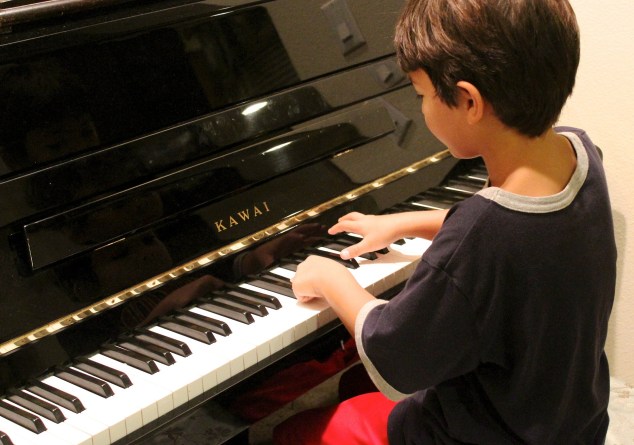
The arts foster divergent thinking (the ability to consciously generate new ideas that branch out to many possible solutions for a given problem) as well as convergent thinking (the ability to correctly hone in to a single correct solution to a problem). According to Professor Curtis Bonk on his insightful “Best of Bob” – Instructional Strategies for Thinking, Collaboration, and Motivation” website, “In creativity, convergent thinking often requires taking a novel approach to the problem, seeing the problem from a different perspective, or making a unique association between parts of the problem.”
“Knowledge is only a rumor until it lives in the muscle.”
— Proverb quoted by Brené Brown, author of Daring Greatly
Are You of the “Right Mind?”
First, take the Left-Brain/Right-Brain test at the “Best of Bob” website above.
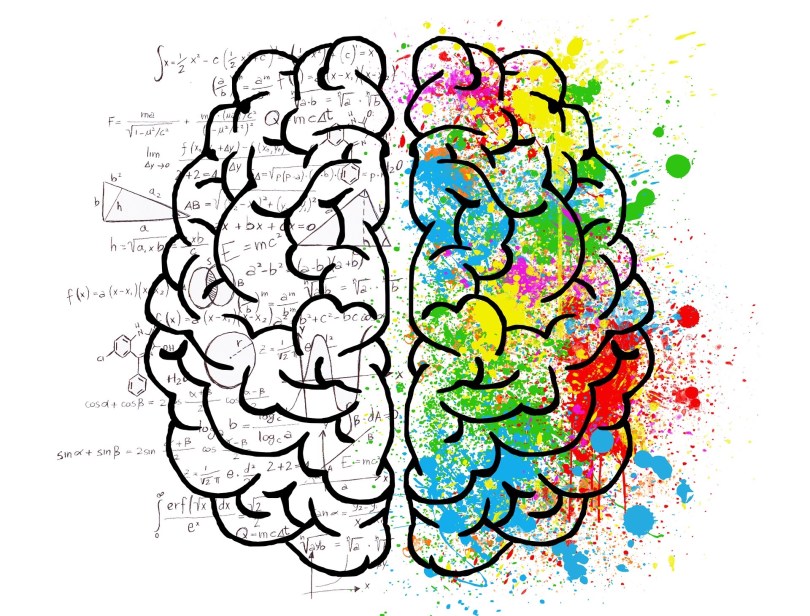
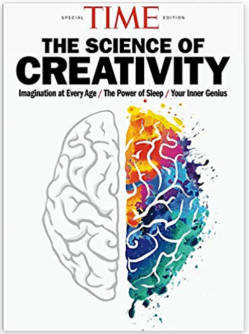
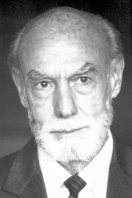 The 60s work of Nobel Peace Prize scientist Dr. Roger Sperry pointed to different sections of the brain being used for unique functions of the mind. Accordingly, the left brain is supposed to be more verbal, analytical, and orderly than the right brain. It’s sometimes called the digital brain. It’s better at things like reading, writing, and computations. In contrast, the right brain is purported to be more visual and intuitive. It’s sometimes referred to as the analog brain. It has a more creative and less organized way of thinking.
However, portions of his research, especially about brain hemisphere dominance have been disputed.
“Magnetic resonance imaging of 1,000 people revealed that the human brain doesn’t actually favor one side over the other. The networks on one side aren’t generally stronger than the networks on the other side.”
“The two hemispheres are tied together by bundles of nerve fibers, creating an information highway. Although the two sides function differently, they work together and complement each other. You don’t use only one side of your brain at a time.”
“Whether you’re performing a logical or creative function, you’re receiving input from both sides of your brain. For example, the left brain is credited with language, but the right brain helps you understand context and tone. The left brain handles mathematical equations, but right brain helps out with comparisons and rough estimates.”
— Healthline: https://www.healthline.com/health/left-brain-vs-right-brain
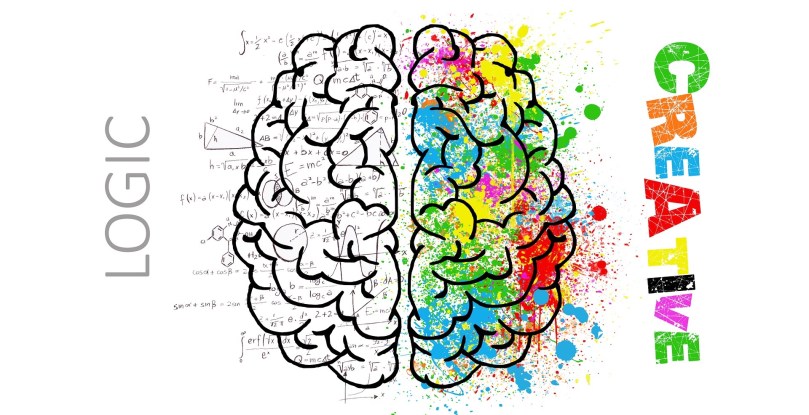
Here is what I believe. Parts of what we do in music, like interpretation, expressiveness, phrasing, aesthetic sensitivity, and perception of man’s creations around us, etc. involve imagination and intuition, and are more holistic, intuitive – I will call it “right” brained.
In his book A Whole New Mind – Why Right-Brainers Will Rule the World, Daniel Pink, formerly a lawyer and the speechwriter to Vice President Al Gore, forecast that most future careers throughout the world will involve the learning skills normally attributed to the right side of the brain – innovation, invention, ingenuity, adaptability, critical thinking and problem-solving, etc., not jobs that are dominated by predetermined or routine actions, instructions, scripting (e.g. tasks that can be done by robots, Legal Zoom for simple wills, or 1-800 tech help hotlines).
I recommend looking into Pink’s books and his “Discussion Guide for Educators.”

In conclusion, with so many memories swimming around in my mind, I was asked by Sam what I thought was the greatest achievement of my career (or perhaps he meant what single student did I “inspire” to greatness?). I replied that there were far too many to count, those blessed “AH HA” moments when a musician, singer, actor, or dancer goes for his dream and realizes his potential… “I made it!” Sometimes they don’t believe in themselves, are afraid to try, and the teacher has to nudge or encourage them. But, once it happens, you can see the sparkle in their eyes! And, even in retirement, they never let you forget their accomplishment(s) and the difference you made in their lives!
Finally, I agree wholeheartedly with the following statements regarding music’s role in everything from self-esteem development to building “symphonic” relationships and connections between seemingly unrelated or dissociated items or events – “putting the pieces of the puzzle together!”
“To be able to play a musical instrument (increasingly well), to be able to express oneself musically, to become friends with others making the same accomplishments, to reach musical goals and achievements — these things help people feel good about themselves. That has lasting value as it relates to nearly all other things in their lives, according to the music educators.”
— The Herald Paladium, September 10, 2000
Music also boosts creativity and the ability to see the relationships between seemingly unrelated things—enhancing all learning. Children who have studied music develop faster socially, mentally, and even physically.
— Woodwind Brasswind: “How Music Study Relates to Nearly Every School Discipline”
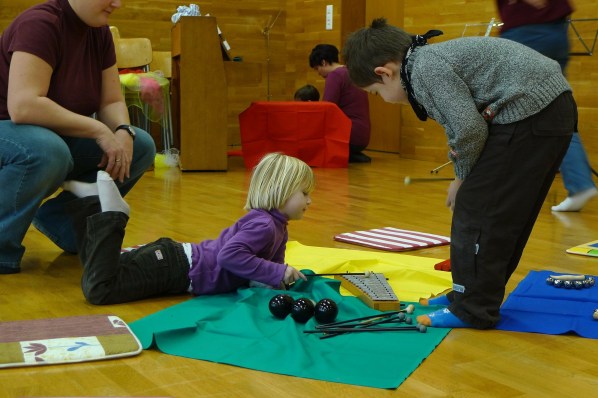
Simply put, making music in school and life-long learning as adults are FUN! It nurtures our inner voice, feelings, and self-worth. We enjoy the social interactions of participation in an ensemble. Literally, we explore our artistic “souls” and embrace the beauty within and around us. A career of 40+ years of directing orchestras, both in formalized classes and community/youth groups, has been the most inspirational and life-satisfying of pursuits… something I hope I can do for many more years until I reach Moses’ age!
PKF
Photo credits in order from Pixabay.com:

© 2019 Paul K. Fox









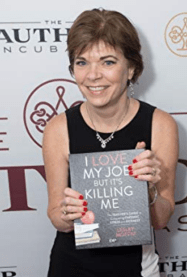 Now in her fourth decade as a high school band director, Lesley Moffat has worked with thousands of people, helping them not only achieve musical goals (including repeated performances at Carnegie Hall, Disney Theme Parks, Royal Caribbean cruise ships, and competitions and festivals all over the US and Canada), but also teaching them how to develop the long-term life skills they need to be successful in the world.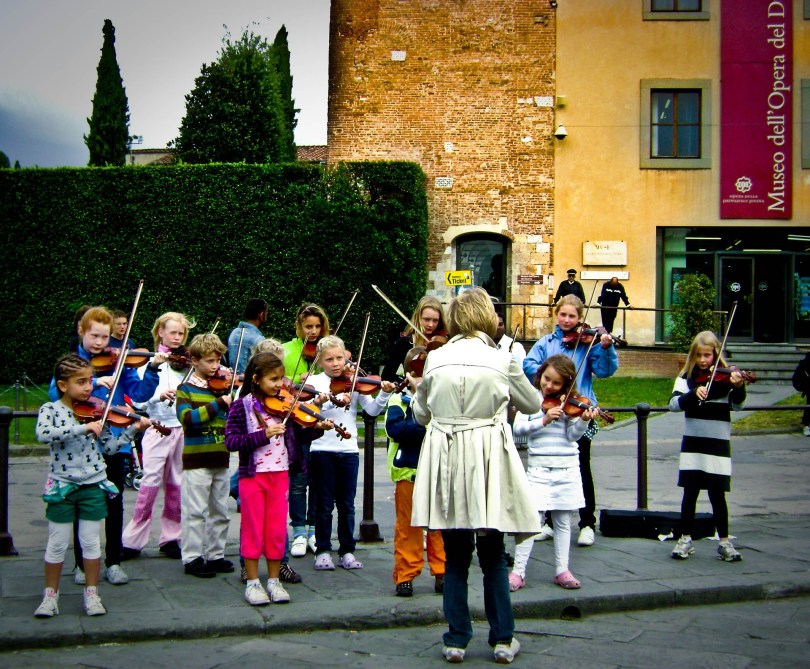


 Discounted NAfME + PMEA first-year membership: only $90. (If you are a recent college graduate in your first year of teaching, or if you are the spouse of a current or retired NAfME member, contact NAfME at 800-336-3768 or email
 Bring to any employment screening your resume, business card, and an e-portfolio referencing a professional website which archives everything in #1 and #2 above.
 Clean-up and curate your social media sites, treating your Facebook pages as another “personal branding resource.” Experts recommend that “your profile information should reflect integrity and responsibility… You should expand or add content that projects a professional image, shows a friendly, positive personality, demonstrates that you are well-rounded with wide range of interests, and models… great communication skills.”
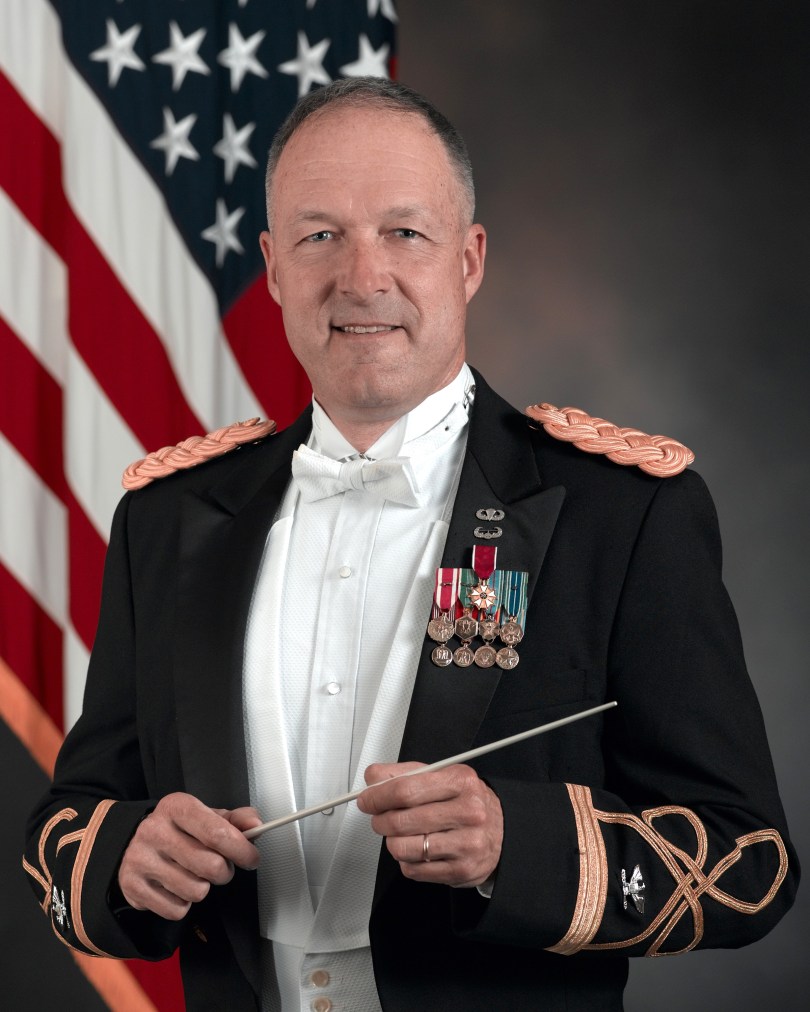


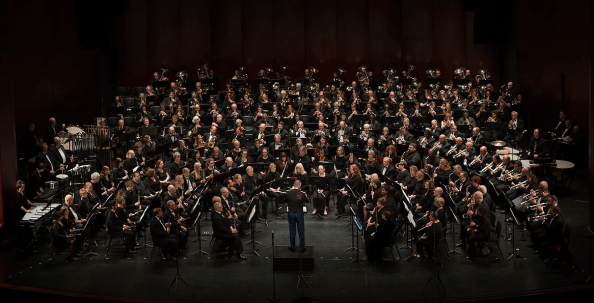
 In my case, I had over 37 years where I had established an identity as a music director and as a soldier. Prior to retirement from the army, I was the senior music director in the U.S. Armed Forces and was on speed dial of many officials in the department of defense, the Congress, and of course, the media. I received 500 to 600 emails daily from all over the world. By the way, I also was leader and commander of the US Army Band “Pershing‘s Own,” one of the largest (and busiest) military music units in the world. Then, one day I was no longer in the army, my phone wasn’t ringing constantly, the email stopped, and my schedule was mostly free. Sounds great, right? As a band or orchestra director, you were probably the most well-known and well liked person in your community. You have students, parents, and administrators who rely on you. And then suddenly, you are not that person any longer. For each of us there are emotional/psychological, social/family, and financial impacts of this transition.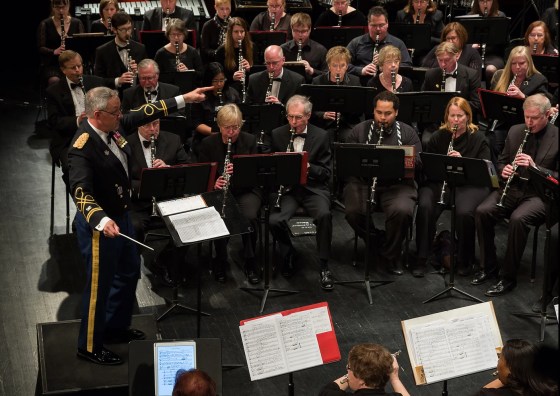
 depression is related to spending time with their spouse.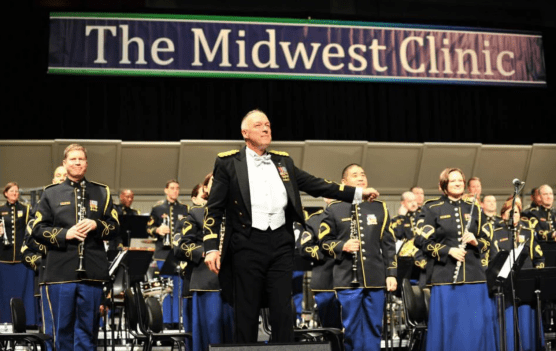







 Pete Townshend
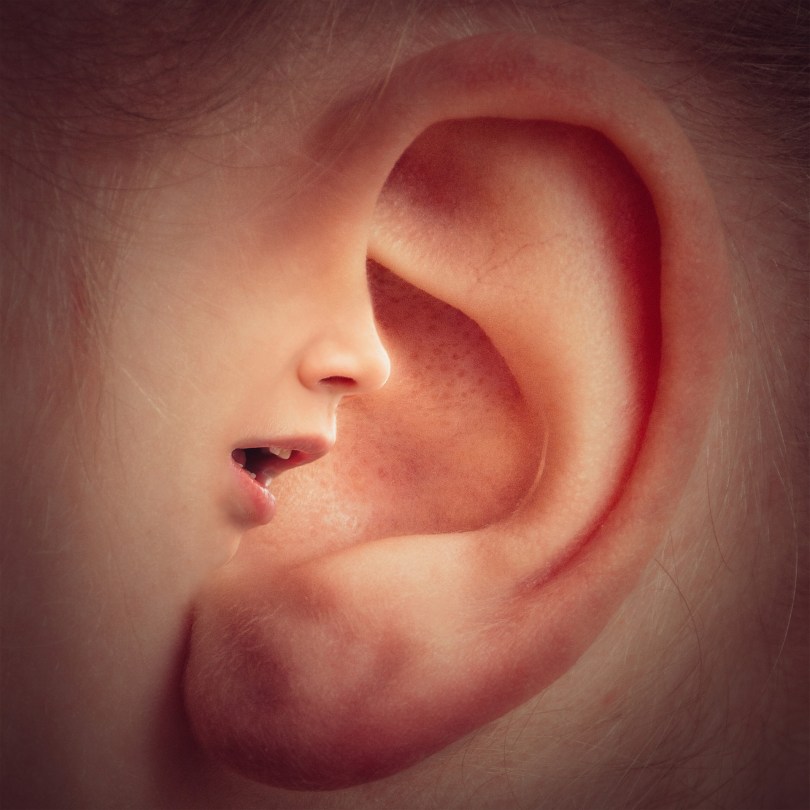
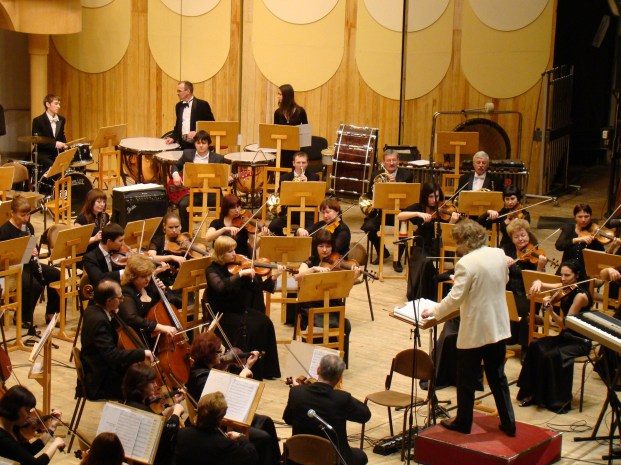
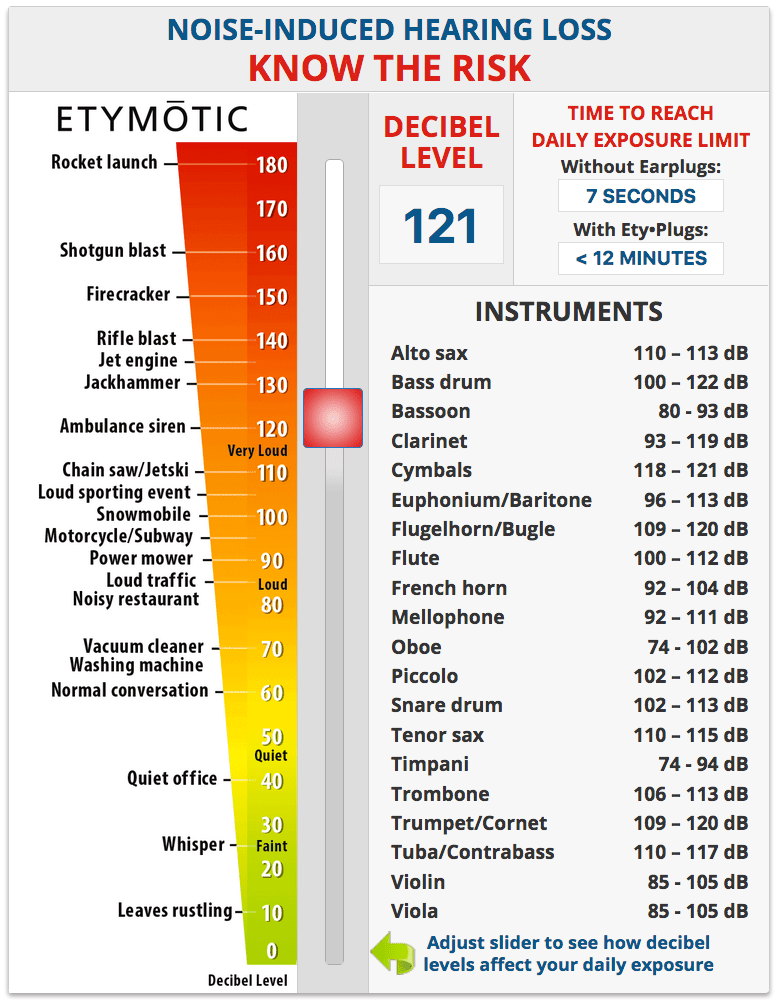
 We would not consider allowing our youth to play football without a helmet, work in chemistry lab or shop class without eye protectors. Yet everyday, we allow our children to participate in school-sponsored instrumental music activities without hearing protection.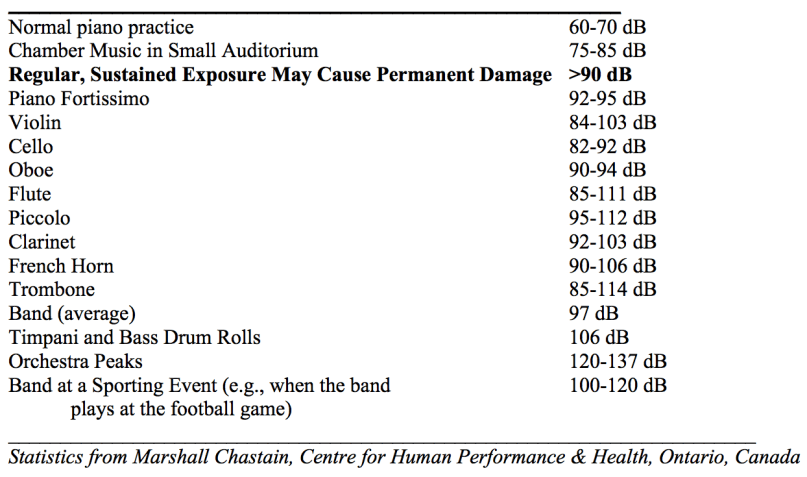

 The mission of South Hills Junior Orchestra, which rehearses and performs at the Upper St. Clair High School in Pittsburgh, PA, is to support and nurture local school band and orchestra programs, to develop knowledge, understanding, performance skills, and an appreciation of music, to increase an individual member’s self-esteem and self-motivation, and to continue to advance a life-long study of music. Members of the Orchestra learn, grow, and achieve positions of leadership to serve their fellow members.







 Okay, since retirement, for the first time in my life, I may call myself a “good neighbor!”
 Well, now I have two dogs (Gracie and Brewster) that I walk religiously several times a day. This means that, unless it is raining hard, I am “out and about” in my neighborhood, a wonderful “bedroom-community” with sidewalks and neatly manicured lawns, flower beds, and trees. One could say I have become a “watch dog” on things “coming and going.” Strangers should beware! We serve as an informal “fox and hounds” security service! The three of us know if you don’t belong on our block (although the pups love the mailman, and would probably bark first and then strain the leash to run over and kiss any other newcomer).
 Gracie, Brewster, and I don’t trespass. We try to model “good citizenship.” We do our best to honor the wishes of our neighbors, respecting any of their issues for privacy, restricted access, fears, or phobias. For the six years I have become a pet owner, only two people have told us, “Don’t let your dogs pee in my yard.”






 Introduction: Striving for the New
 Drone Improvisation
 In a more recent release of EdNote (July 2018),
 inventors vs. imitators