Pet Ownership in Retirement
Part 5 of a series of articles featuring the “Foxes-and-Hounds” pack
I’m writing this blog at 3:30 in the morning because Brewster decided he needed to go out… three hours earlier than usual! Now, in lieu of struggling to go back to sleep, I decided to sit down behind my computer with one sleeping dog in my lap and reflect on my thoughts why I feel so lucky to have my two “pups!”
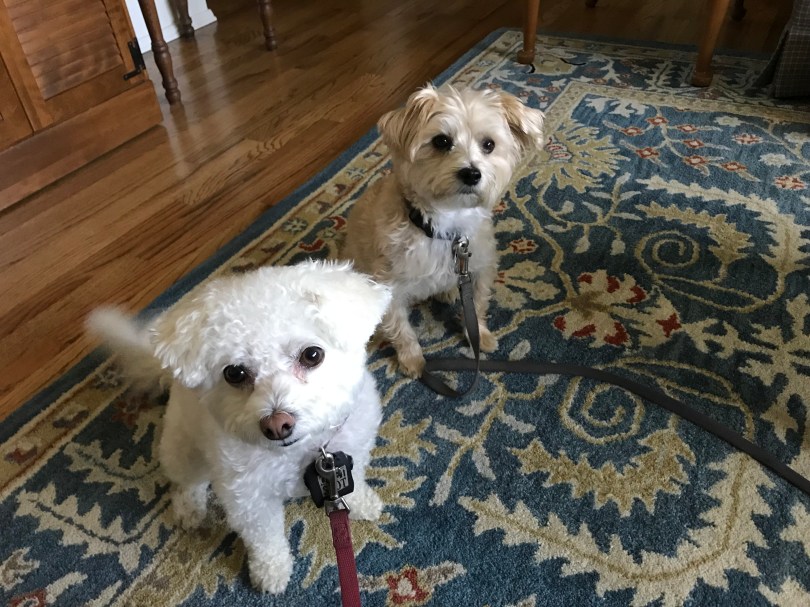
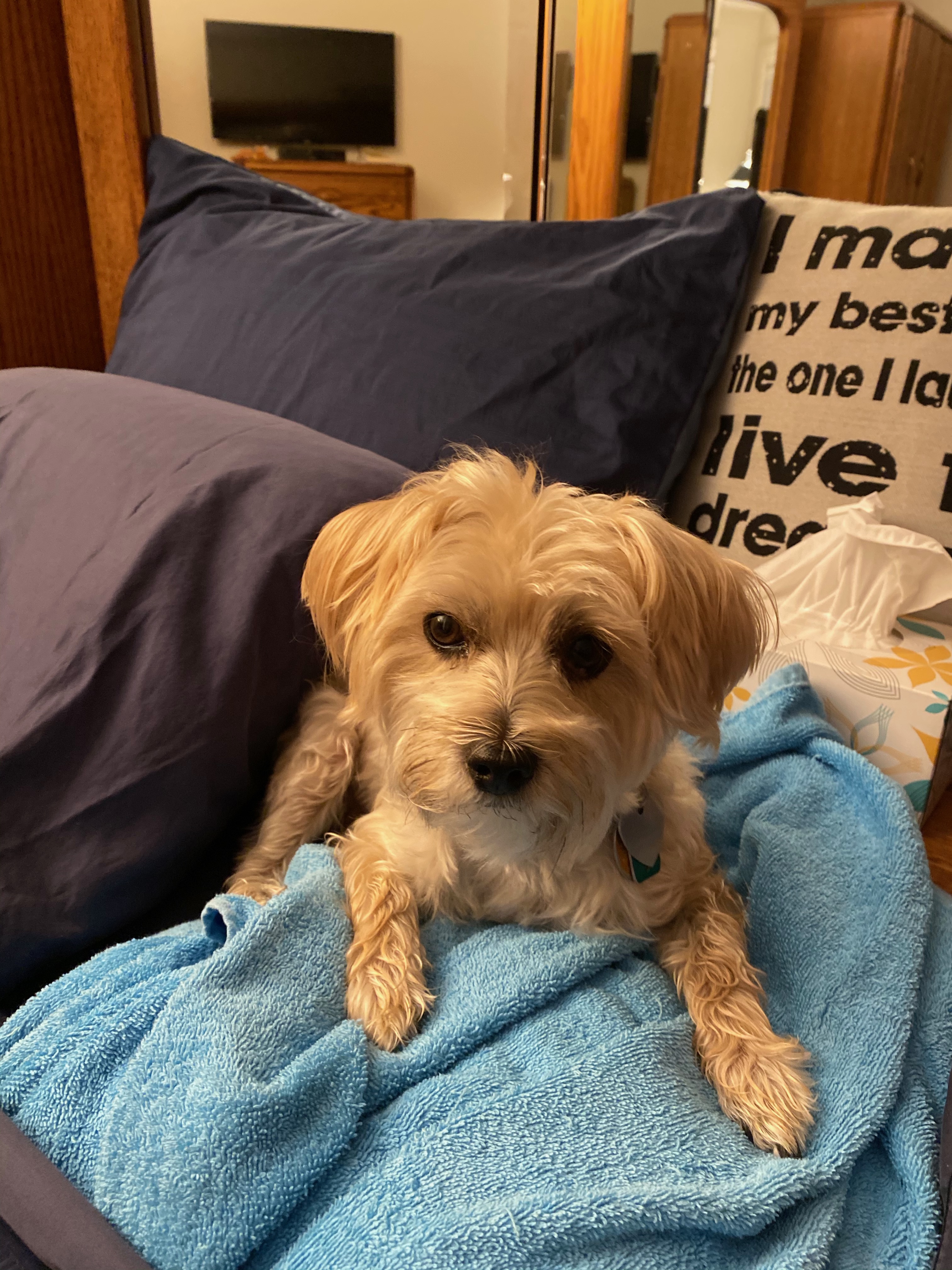
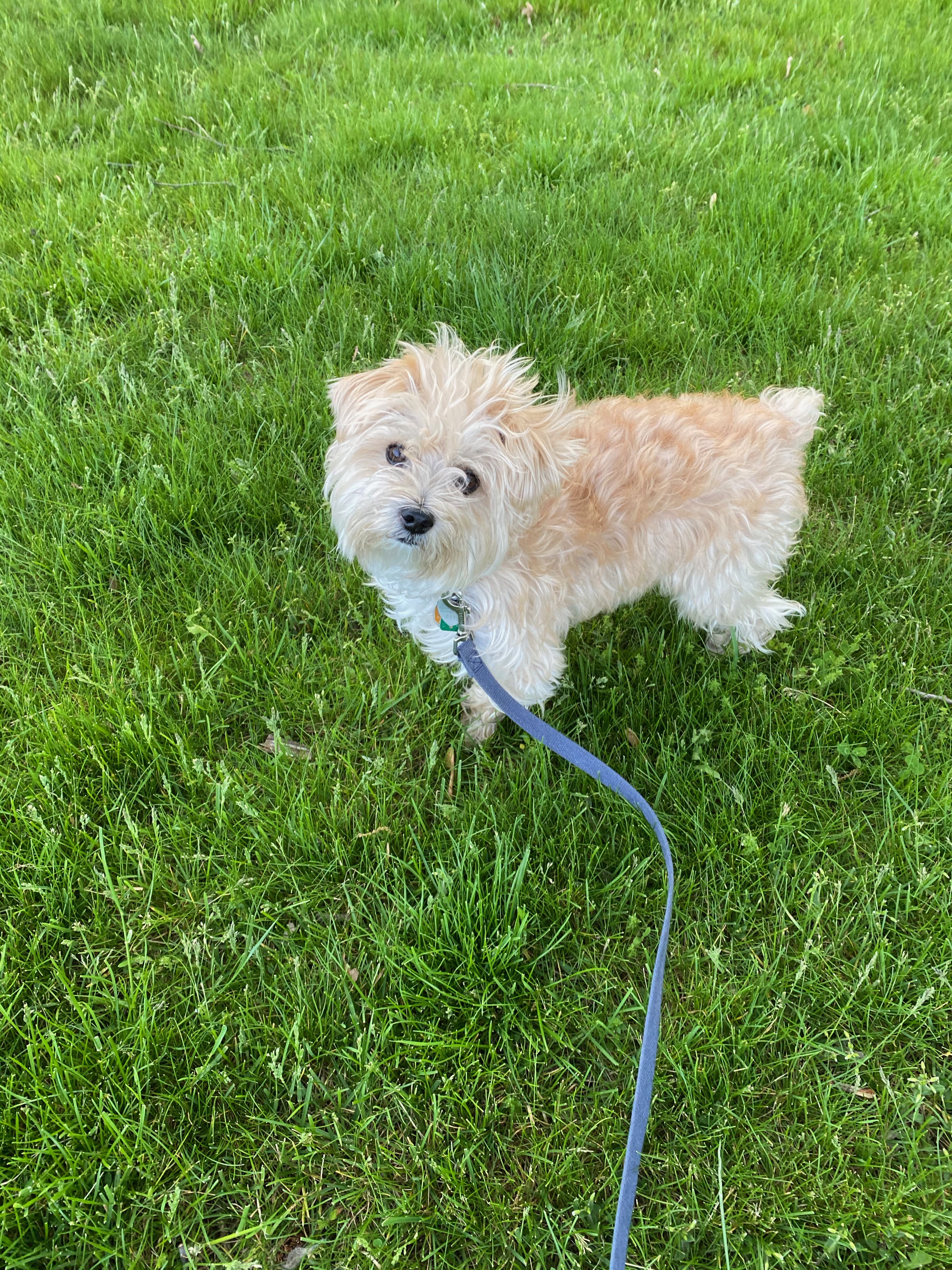
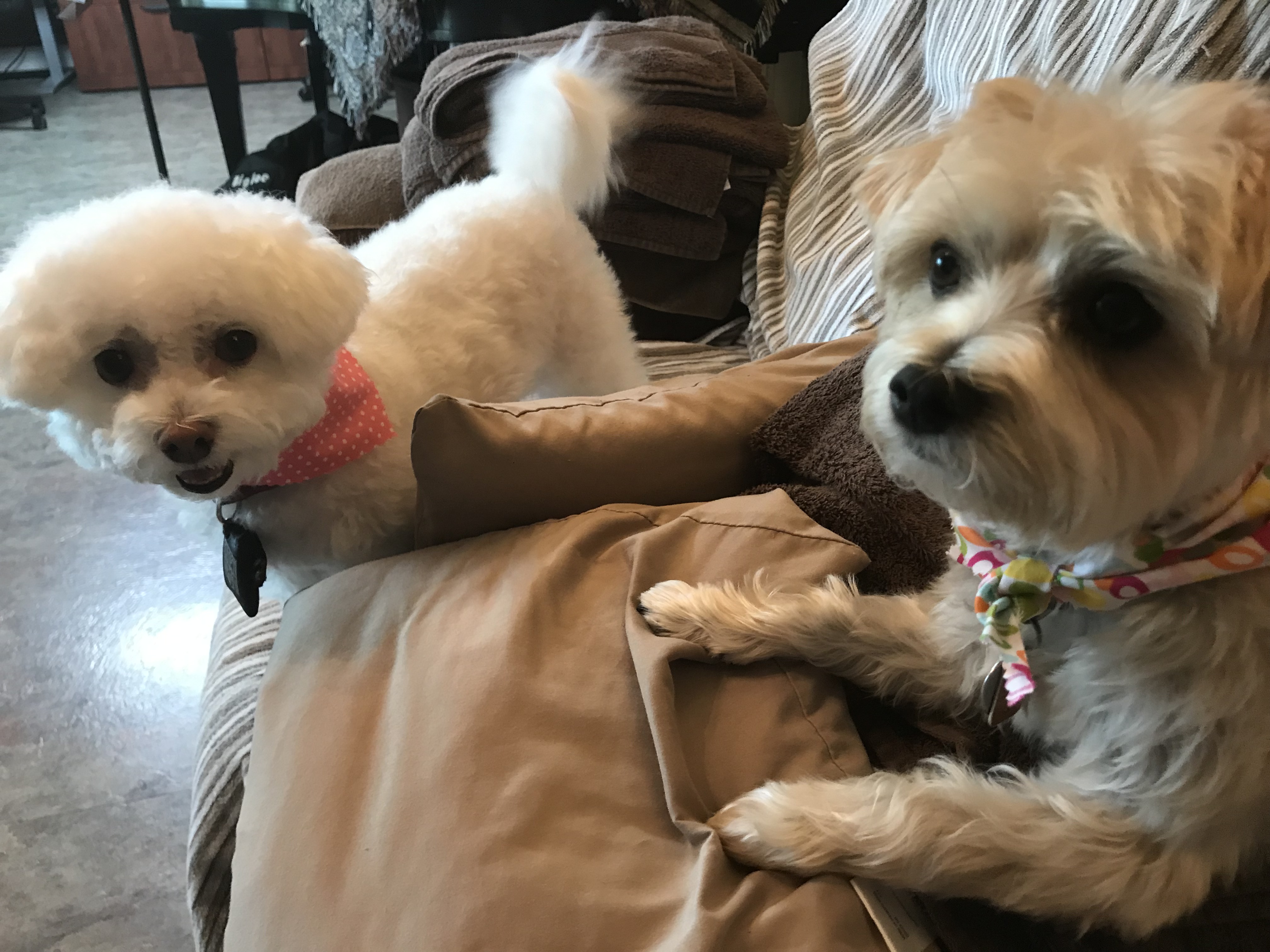
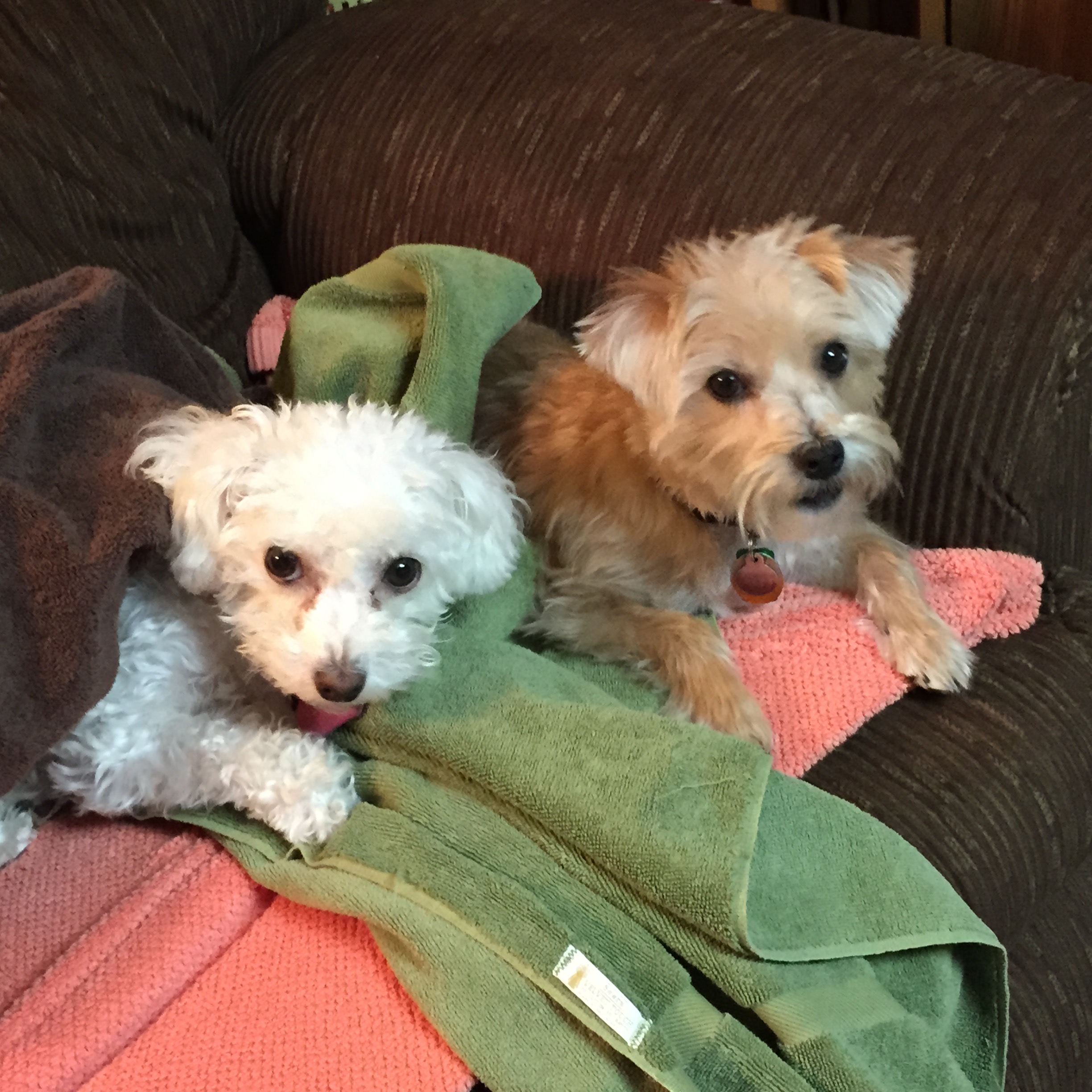
Like grandparents “bragging” about their extended family, dog owners have no compunction to stop and talk to perfect strangers and share their photographs and stories of their pets… especially the wonderful (and sometimes quirky) personality characteristics of their dogs! So, shamelessly, it’s my turn! Here are my two “love and joys” who joined our household literally months after I retired from full-time school music teaching in 2013. Get ready to smile… (and with my best marching band announcer’s voice): “We proudly present ‘Gracie’ (a female Bichon Frise) and ‘Brewster’ (a male Yorkiepoo, Yorkshire Terrier/Poodle mix).”

My wife and I would recommend to all retirees who are not planning to travel out-of-town a lot and are no longer facing that grueling 8-12 hour daily regiment of work (or volunteering) to consider caring for a dog. We knew we were going to take advantage of our major “life style” change when we left our careers… it was just a matter of what dog or dogs to pick… or which ones would pick us!
We went to a local outlet of a national pet store chain just to waste time “looking at the cute doggie beds and toys,” never expecting that they would actually sell puppies in cages from behind the glass! (Most experts would agree that to avoid the promotion of “puppy mills” and the dangers of acquiring unhealthy animals, you should only buy from a reputable breeder. But, this was an accident!) After determining there were no cat adoptions in the store (my wife is very allergic to their fur/dander), we walked in to view on the wall an amazing array of the most adorable four-legged furry companions begging for our attention. As we sat in the area designated as “pet introduction booths,” we sampled many young pups. Gracie picked my wife, and Brewster picked me – the rest is history!
Do individual dogs or breeds have personalities?
According to the American Kennel Club and other sources, these specific characteristics are common. First, for Brewster:
“The Yorkiepoo is a high-energy, happy dog who’s often enthused about life. They thrive off attention and love to keep their family entertained and be the star of the show.”
“They love to play, and will be happy to take part in a quick game of fetch — but that will almost always be followed up with a desire for a cuddle (and maybe a nap on the couch).”
“Yorkiepoos quickly attach to their family, and will happily spend the day following their ‘people’ around the home. Their families are not the only people that Yorkiepoos like—they’re happy to see anyone, and will greet both friends and strangers with the same enthusiasm.”
“If you’re willing to play a lot with your pet, a Yorkiepoo is a great match.”
The Yorkiepoo Dog Profile by Whitney Coy (Rover.com)
Now, here are the tendencies for a Brichon Frise, our “Gracie,” minus the formal (fluffy) “show cut” that some purebred enthusiasts ask from their groomers.
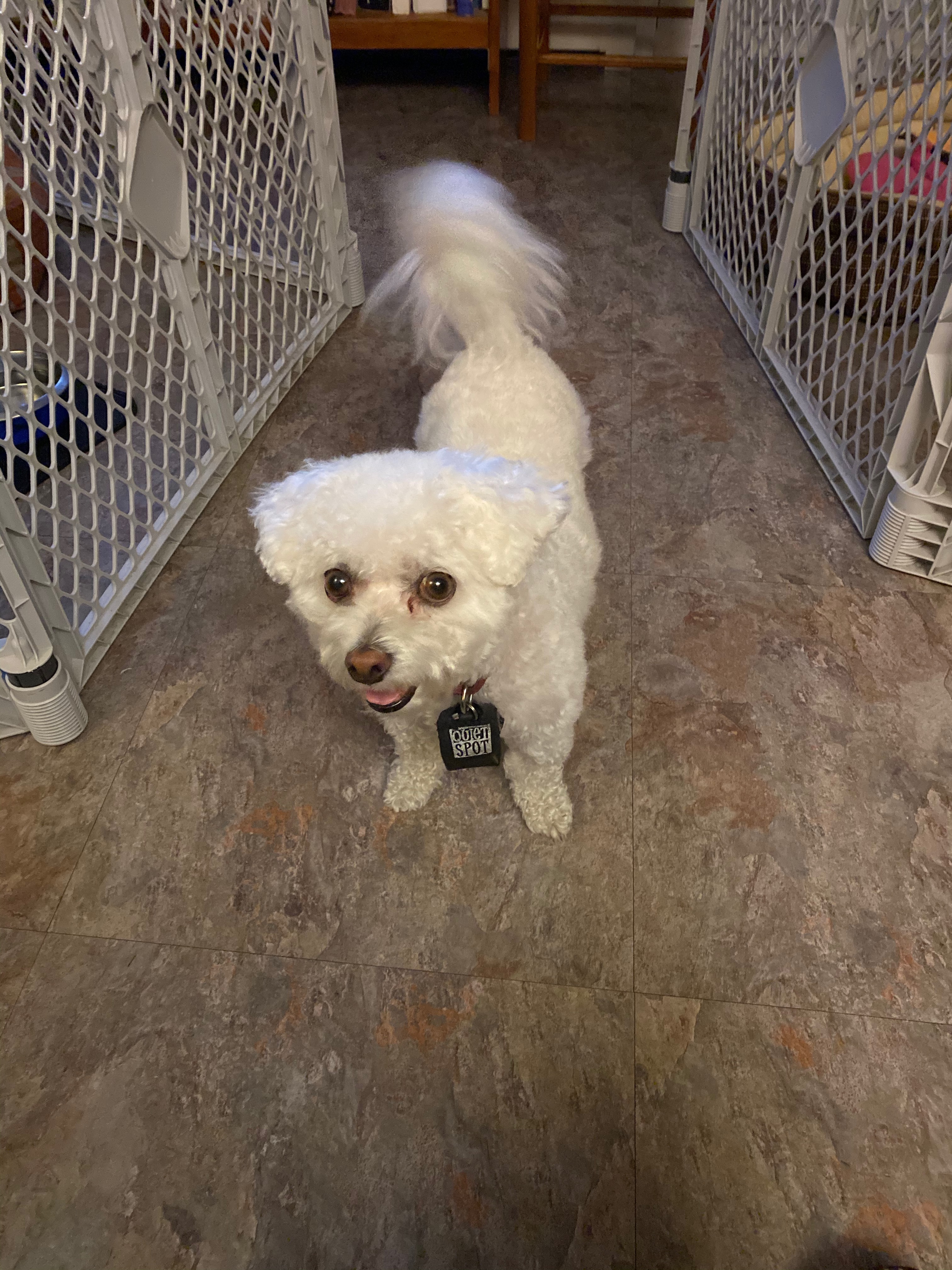
“Bichons are adaptable companions who get on well with other dogs and children. Alert and curious, Bichons make nice little watchdogs—but they are lovers, not fighters, and operate under the assumption that there are no strangers, just friends they haven’t met yet. Their confidence and size make them ideal city dogs. Bichons train nicely and enjoy performing for their loved ones. Finally, there’s the happy-go-lucky Bichon personality that draws smiles and hugs wherever they go.”
American Kennel Club
The American Kennel Club offers a lot of insight to help you match the dog breed to your own pet-ownership experience and life style. If you are thinking of rescuing or purchasing a new pet (especially if this is your first time), we recommend reviewing their dog breed selection site.
What about dog personalities?
Surfing the ‘Net, I came upon an intriguing but seemingly inactive set of websites (nonworking phone number, email address, and contact form) that propose to “analyze” dogs into these categories:
- left brain introvert – “sofa spud”
- right brain introvert – “status seeker”
- left brain extrovert – “socialite”
- right brain extrovert – “nervous nelly”
According to the mystery bloggers at (two different spellings) doganality.net and dogenlity.com, dog energy levels are critical to your pet selection.
“A dog’s energy level is a crucial component of its overall ‘Dogenality.’ Coupling their behavior with a form of temperament gives you a better idea of who your dog is, what it is that drives them, and how you should go about forming a relationship with them that will be mutually beneficial.”
https://dogenality.com/new-energy-levels/
They offer a free-trial “dogenality” assessment and even canine DNA testing. Watch Angie Wood’s video here and even peruse their other informative blogs here (posted in 2018):
- Fear’s Effect on Dogs
- Dog Psychology vs. Human Psychology
- Does Your Dog Get Enough Exercise
- Bringing Home a New Dog
- Laser Pointer Syndrome in Dogs
- Why Some Dogs Are Afraid of Men
- Seasonal Dog Allergies
- A Dog’s Work vs. Vacation
In keeping with the paulfox.blog philosophy to research sources for further study, here are more (probably more current) sites to explore:
- Dogs Have These 5 Major Personality Types by Jennifer Nelson
- Dog Personalities from A to Z: Which One is Your Pup? by Shoshi Parks
- Do Different Breeds of Dog Have Different Personalities? (Lime Trees Veterinary Clinic)
- Dog Personalities by Julie Hecht
“Dogs come in all different shapes, sizes, and personalities. That’s part of why we love them. But it can be easy to fall into the trap of seeing your dog not as what they are, but as you wish they could be, and treating them accordingly. When we assume our dogs enjoy something just because they are dogs, we not only do them a disservice and set them up for failure, we set ourselves up for frustration when they fail to live up to our expectations.”
“All dogs, regardless of their breeding, are individuals. It’s essential to look beyond your dog’s breed to try to understand the traits that make up their personality. The better you know your dog, the fewer misunderstandings you’ll have in the future. As a professional dog trainer, I convey this message constantly to my clients.”
Dog Personalities from A to Z: Which One is Your Pup? by Shoshi Parks
The happy hysteria of day-to-day doggie life!
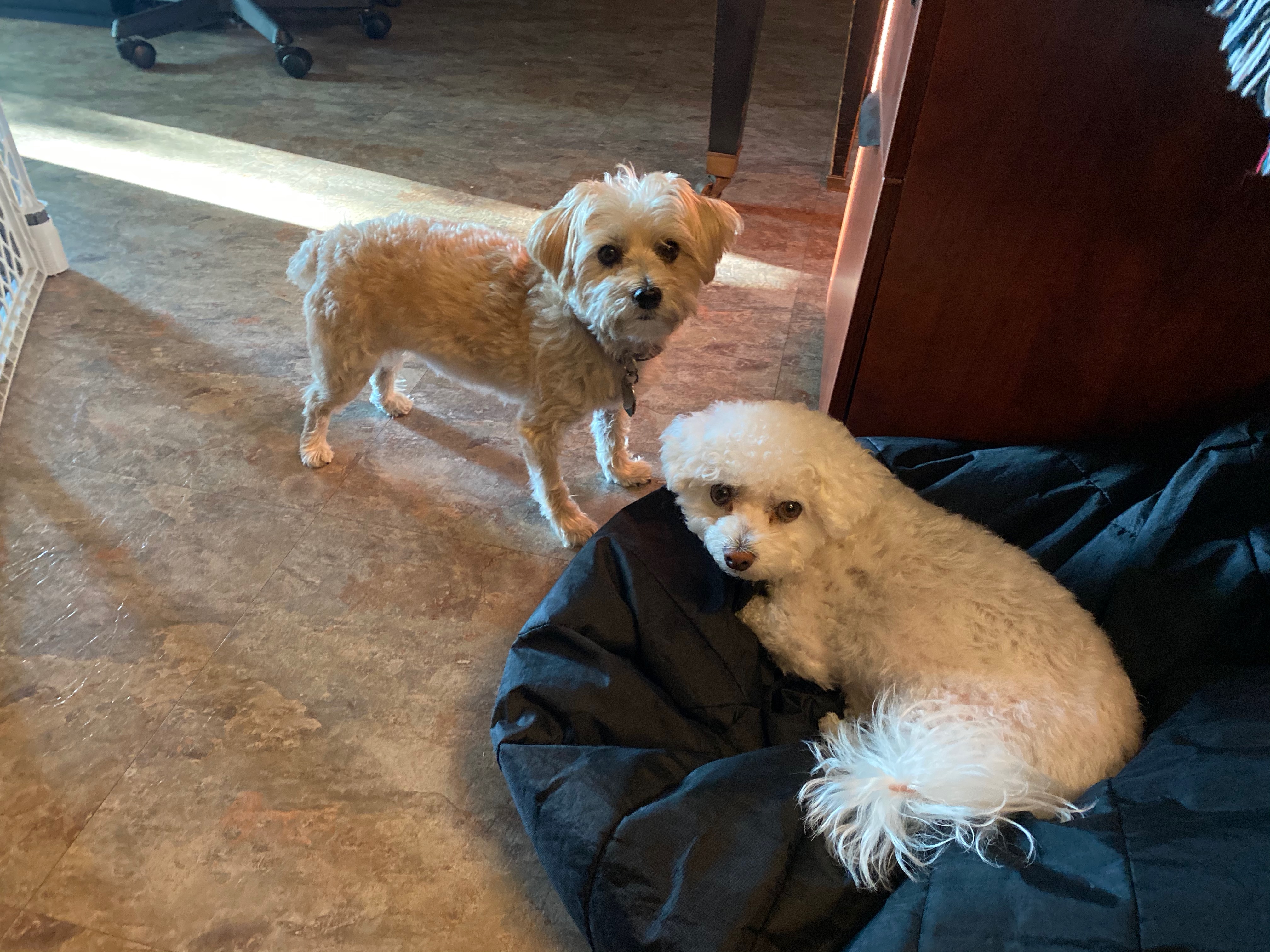
As a dog owner, you expect to live many moments of basic insanity:
- It takes years of experience for you to resolve the propensity of your two pups trying to go in opposite directions and tying you up with their leashes while taking a walk.
- You keep buying them bones until at some point you discovered their larder is ridiculously large, encompassing a reserve in multiple plastic containers in three or four rooms throughout the house.
- One of your cupboards is crammed full of treats, many of which were past purchases that were rejected “paws down.” You cater to the unique tastes of both dogs; of course, they don’t like the same things.
- “You have been trained” to give out everything in pairs. At times, you take into account the alpha dog’s competitive spirit (Gracie) and her desire to steal the bone from the easy-going one (Brewster). That means you have on-hand two identical bones. If Gracie doesn’t get the bone that Brewster has in his mouth (the only one she wants), she barks him down until he gives it up. To keep the peace, after she grabs it and sets off to consume it, you unobtrusively hand Brewster another one.
- On the day of your 40th wedding anniversary, you go out and buy one of the dogs it’s own desk chair so she can sit next to you while you’re on the computer. Yes, this means that since you have two dogs, there are two extra chairs cluttering up the space in your office.
- Your dogs have more patience with little children than you do. As you walk them up the street, they suddenly jerk to a stop and stare at the front door of a neighbor’s house, waiting for the “human critters” to come out and play with them.
- You acquiesce. One dog is frequently insisting that you pick him up and carry him with you. The other one, not as often. At times, Brewster can be stubborn and “hit the brakes” on a walk, simply refusing to go where you want him to go. Of course, as well trained as you are, you comply.
- When one of your furry friends is having a bad day, you’re having a bad day. Black or blue moods spread very easily. But, in a snap of your fingers, life is joyful again, and yippee, all is forgotten.
Who’s training whom?
Dog owners share a common vocabulary and unique language. Some of it sounds a little like baby talk… (Check out the American Kennel Club’s piece, Study Shows Dogs Really Do Respond to Baby Talk by Linda Lombardi)
- “Wanna go outside?”
- “Need to go potty?”
- “Good dog!”
- “Isn’t he cute?”
- “Did you do this?”
- “He did his number two.”
- “This is puppy heaven!”
- “She gave me a kiss!” or “Give mommy a kiss! No kiss?”
Ever count how many times YOU “cave-in” to your pet’s requests? They stare at you with those big sad eyes (“Daddy, please share a scrap of food from the table…”), and when the “alpha” spouse turns her back… (“Oh-oh, something just fell off the table!”)
Our pooches know how to distract us, reach directly into our hearts, make us smile no matter what our mood, and finagle yet one more treat out of the bag… and, yes, we love their trickery! Hey, exactly who is in charge, here?
You should read this amusing article from an obviously experienced dog trainer Casey Lomonaco writing in DogStarDaily. We dog owners only have ourselves to blame (if we even care about their “controlling behavior!”) For me: “Been there, done that, drank the Kool-Aid, and bought the t-shirt!”
FYI, I found a promising book on this subject: Who’s Training Whom? – Six Easy Lessons to Put Any Dog Owner Back in the Driver’s Seat and in Control of Their Dog. by Carols Puentes.
The best part – learning MY dogs’ quirks
There are times when Brewster’s and Gracie’s “doganalities” seem to be much more pronounced. Here are a few “fun” anecdotes!
- You would think I just gave Brewster filet mignon, witnessing all the excitement of full-throttle chasing after, pouncing on, tossing around, and eventually chewing up an ice cube!
- Gracie’s demonstrates her athleticism with a remarkable burst of energy to run up three flights of stairs to get on the bed to retrieve a bone.
- One of Brewster’s favorite things-to-do is to jump onto “good grass” (devoid of branches, acorns, or leaves) rubbing his back in semi-circles as if doing the back stroke in a swimming pool. Of course, I have to pull up on his leash to stop him. (Wife is also allergic to mold and grass!)
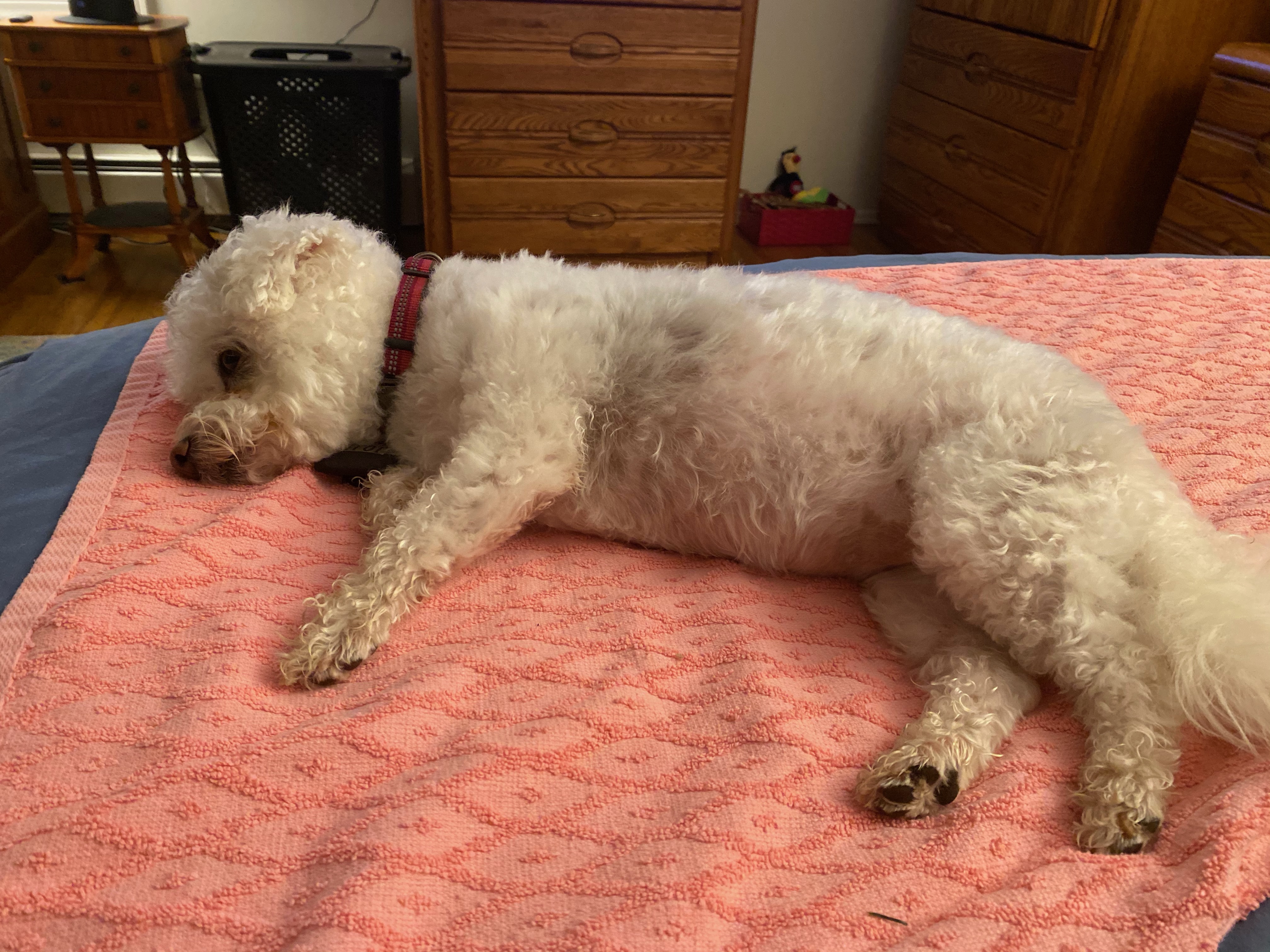
- Both Brewster and Gracie sleep with us in our queen-size bed. Did I say, they take up more than 2/3’s of the bed? Brewster needs to jam himself against me to nestle in the small of my back, while Gracie chooses a spot near my feet.
- My two dogs like to play tug-a-war with one another, albeit very briefly, fighting over a toy or Brewster grabbing one of their beds with his teeth, taunting Gracie with it, and then dragging it across the floor.
- Gracie’s internal clock is amazing, and so is her command of “people” language. At precisely 5 p.m. when she is usually fed, she jumps off the chair, stairs at one of us, and if we say, “ten minutes,” she sighs and goes over to her beanbag chair, only to return in exactly ten minutes to remind us “dinner is past due!”
- No matter how I often I do it, when I nuzzle Brewster’s ear, he repays the compliment by licking my wrist. “Thank you, Daddy!”
- To make house guests laugh (even our dog groomers), if you ever ask, “Need to go outside?” – Brewster will turn around and look at his butt.
You embrace their differences, laugh at the signature looks, gestures, and motions, and especially revel in their one-of-kind “prancing.” (Brewster hops like a kangaroo when he’s at his happiest times!) As educators, we know that “differentiation is essential.” It’s no different with dogs. And, you can always tell who’s-who in the dark by the unique sounds of their “gate” and the nails on our hardwood floors.
Unlike your human children or the students in your classes at school, you are always the centerpiece of their lives, what they live for, yearning to spend 100% of their time next to their “heroes” who can do no wrong, and (of course) they simply become the center of your life.
Recap: Rationale for fostering a furry friend!
So now that you are retired, have you settled on your self-reinvention and found the mandatory “purpose, structure, and community” referred to by best-selling author Ernie Zelinzski in How to Retire Happy, Wild, and Free?
For our Finale, these are Fox’s reasons for Finding a Forever yours pet!
- Fitness (help you to get up, get moving, and get out of the house)
- Forecasting (they seem to be able to predict your mood, the weather, or the Future, and they certainly know when something is going on outside)
- Friendliness (despite COVID-19 restrictions, they Fight isolation and Favor meeting people and getting to know your neighbors – even a random passerby!)
- One last burst of alliteration: Fun, Frivolity, Festivity, and Fascination (literally what they add to “the joy of life!”). You can’t beat that!
I invite you to revisit my other four “blogs on dogs!”
- What I Learned from My Dogs… in Retirement
- Pet Ownership and Retirement
- Unconditional Love (Dogs!)
- Pets and Citizenship
PKF
© 2020 Paul K. Fox













 that seem to be the most prevalent:


















 The music parents are another matter. I had great support of both the band/string parents and my loyal “theater angels” throughout my career, and I made sure to attend meetings as early as possible to tell them “in person” my future plans so that they did not have to rely on those “rumors on the street!” One advantage I had was I lived in the district. I promised to roll-up my sleeves and support a fund-raiser or two, and was able to attend numerous concerts and musicals to support my “extended family” as a nonjudgmental retiree.
 In Pennsylvania, we are fortunate to have the
 The “new” definition of retirement includes a unique collection of synonyms. Gone are the designations “seclusion,” “privacy,” “withdrawal,” “retreating” and “disappearing” based on archaic models of retiring when the average life expectancy at birth in the 1800s was 38 and in the 1900s was 47. (Merriam-Webster and others still show these words on their online dictionaries!) Now, some of the more creative descriptors for retirement are “renewment,” “rewirement,” “rest-of-life,” “second beginnings,” and “reinvention.”

 Feeling you were “kicked to the curb,” “downsized,” “minimized,” or somehow “forced” to resign or retire comes from many scenarios:
 In retirement, this can be frustrating. You can’t tell somebody else how to run their operation. Some people do not want to hear criticism, nor do they care what your opinion is, nor do they want to change their traditions or fine-tuned (?) step-by-step procedures. You on the other hand want things to improve, e.g. better training, more consistent application of the rules, etc., and therefore you feel “unrequited stress.”
 However, invest your time wisely. Retirees deserve a life of their own and opportunities for unstructured “time-off.” Don’t forget the other items on your “bucket lists” (like travel, “encore career,” and volunteering). Serving as your family’s childcare “safety net” is nice, but don’t let this schedule dominate everything you do in your retirement… trading one job for another… with no financial compensation (but a whole lot of fun, I know).
 Again, that focus on “first things first” (remember the book of the same name by Stephen Covey?) and “take care of yourself, too!”










 PSERS (PA pension fund) Planning: 12 months or more away from your projected retirement date, attend a “Foundations for Your Future” program (even attend it more than once), and request a retirement estimate (form PSRS-151), after which you will need to schedule the all-important “Exit Counseling Session.”

 That means, according to TIPS Retirement for Music Educators by Verne A. Wilson (MENC 1989), at least three years before you leave your full-time employment:
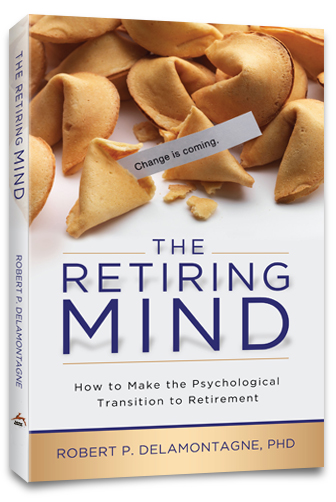 Robert Delamontagne writes in detail about using the
 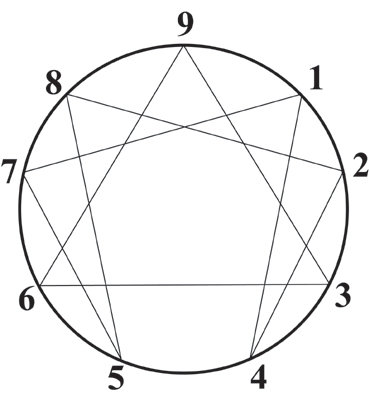 Delamontagne labels the characteristics of each E-Type. After reading his book, which ones are closest to resembling you and your spouse?
 On their book jacket, Duckworth and Langworthy promote their work as “a call to action on your own behalf” to:
 Life Themes Profiler, a comprehensive assessment tool developed by David Borchard and laid out initially in Chapter 4, will help you understand and graph the retirement themes and “your intentions for the next chapter of your life.”
 Obviously, fulfilling your “bucket lists” and goals will influence the structure of your daily/weekly schedule. According to Ernie Zelinski, with or without “a job,” you need to find a “work-life balance” and devote equal time to these essential priorities:
 Dave Hughes echoes these sentiments with his “four essential ingredients for a balanced life” in the book Design Your Dream Retirement: How to Envision, Plan for, and Enjoy the Best Retirement Possible (2015):
 Do something every day that will expand your mind, stimulate your intellect, or increase your curiosity quotient.
 Although the exact number of boomers and seniors who experience sleep problems is hard to pinpoint, a national study of our aging population suggests nearly 42 percent of those surveyed have sleep difficulties. That figure is beyond an epidemic.
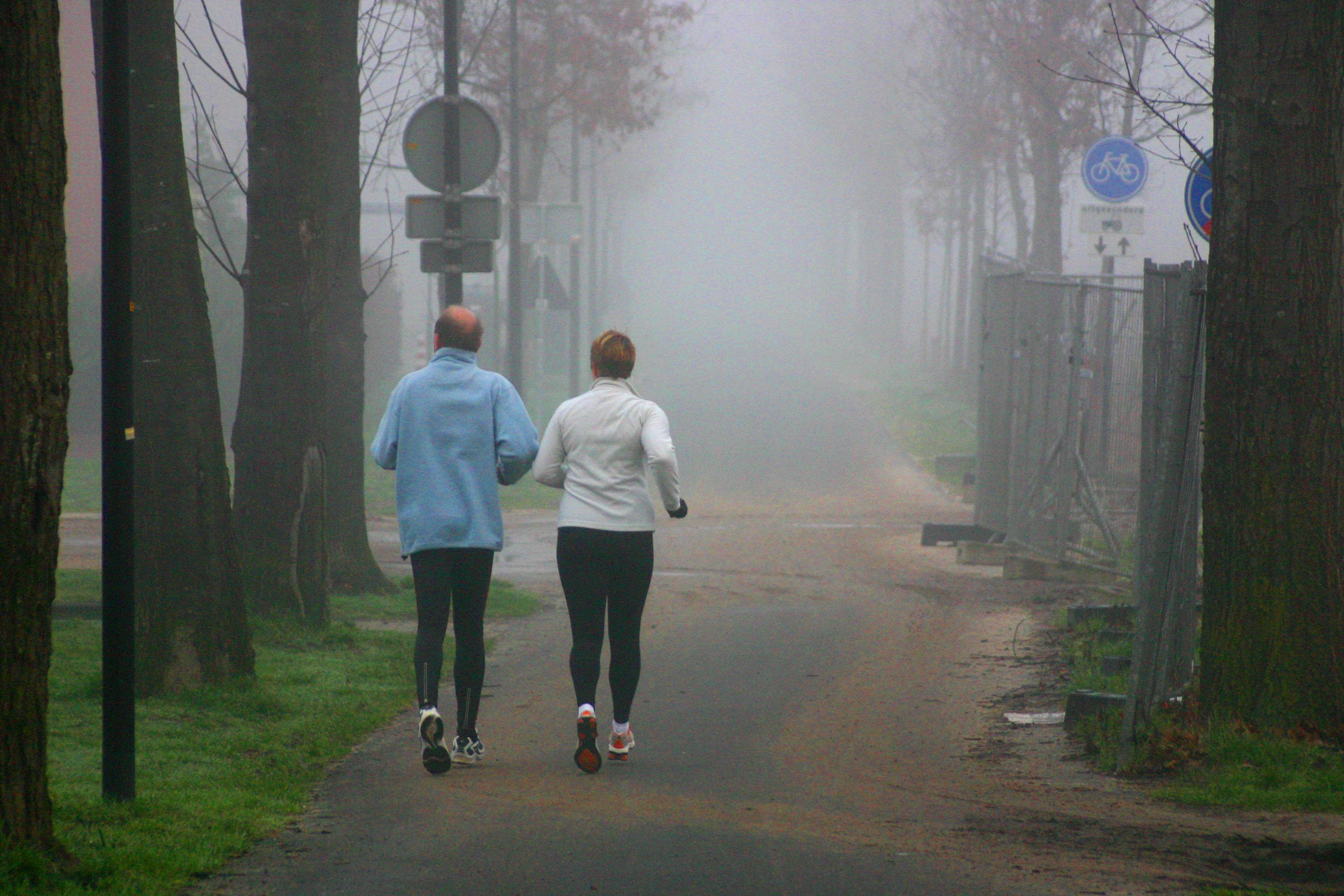 Regular physical activity is a must. Quoting from a future article I plan to submit to the state journal of Pennsylvania Music Educators Association PMEA News: “The definition of ‘exercise,’ especially in order to receive cardiovascular benefits, is to raise your heart rate for 30 minutes or more. Leaving your La-Z-Boy to let the dogs out or looking for the remote does not count!”
 This final category of “pre-retirement planning” has everything to do with living with independence and security as we grow older. Many Baby Boomers just starting their retirement journey may not actually see this as “a big deal” right now. However, developing a long term “backup plan” for maintaining our health care, mobility, and comfortable living is critical. Again… we must think ahead!
 Fifty-five percent of our respondents wanted to stay in their own homes, with help as needed, as they got older and required more care. But a recent AARP survey revealed that only about half of older adults thought their homes could accommodate them “very well” as they age; twelve percent said “not well” or “not well at all.”
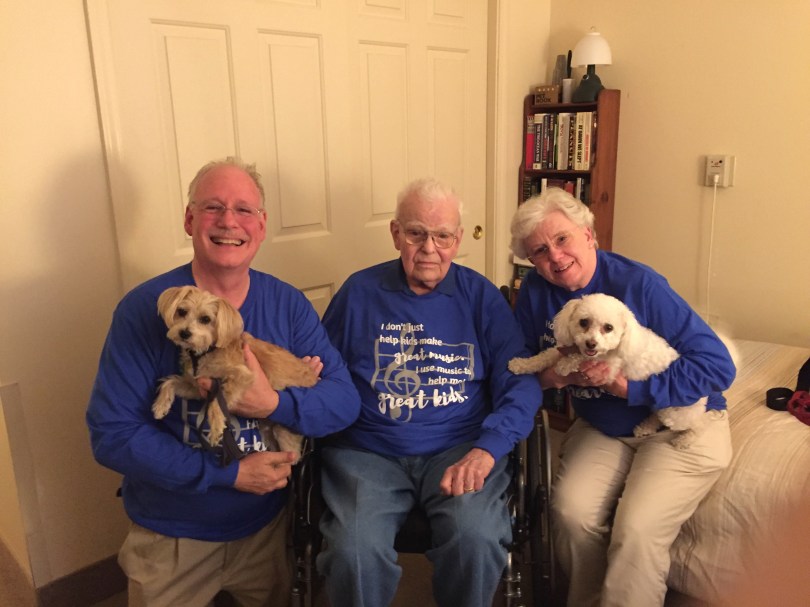
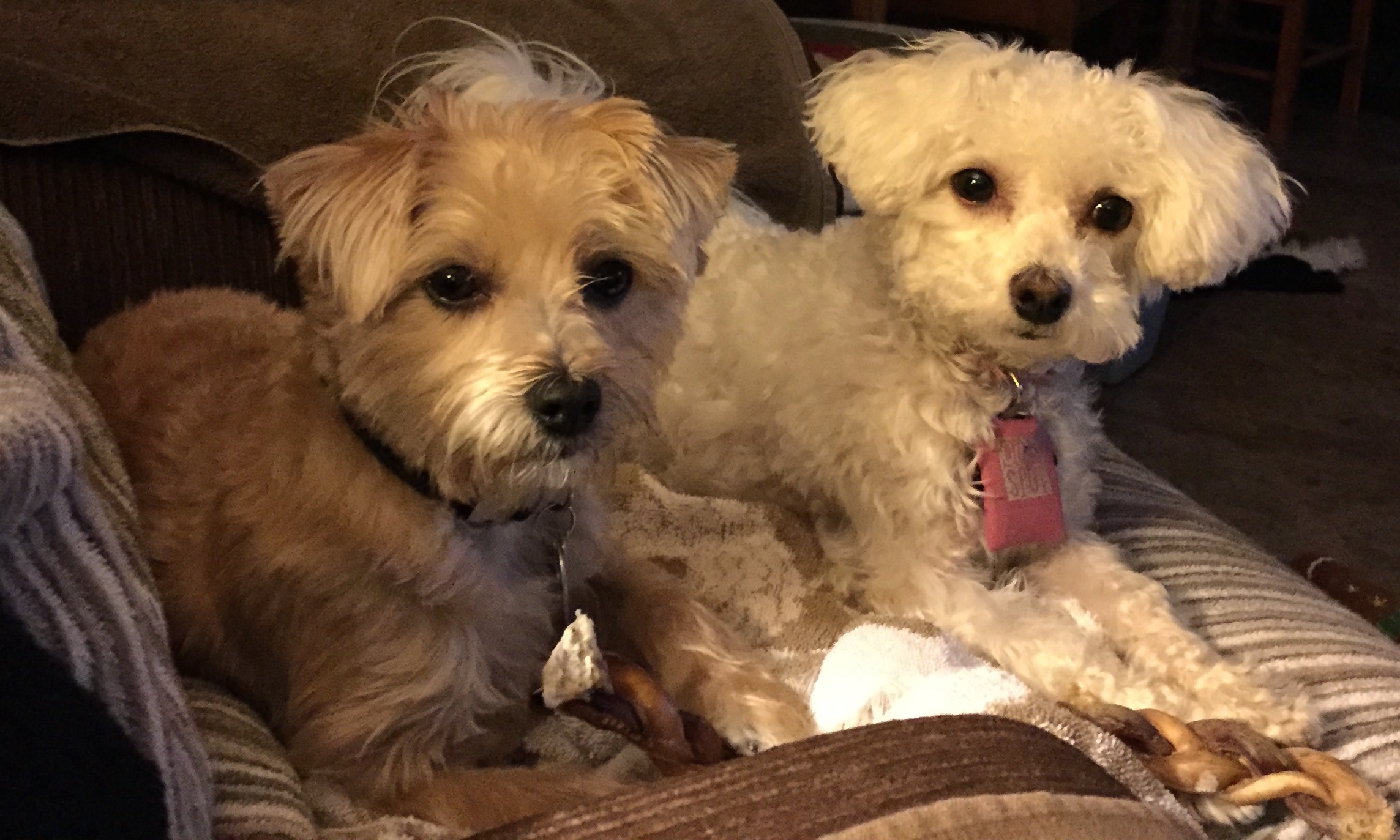 “Dogs in particular can reduce stress, anxiety, and depression, ease loneliness, encourage exercise and playfulness, and even improve your cardiovascular health.”
 Once you reach full retirement, you may find yourself with a lot more “freedom” and time “at-home” to share with your spouse, other loved ones (babysitting grandchildren/ nieces?), friends, personal music-making, hobbies, and pets! Indeed, this may be the first chance you have to go out and rescue a dog from an animal shelter. Full-time music teachers with those incredibly packed schedules of after-school/evening marching band practices, choir, band, orchestra, jazz, musical, and/or dance rehearsals and performances, their own concert gigs, private lessons, etc. may not be able to properly care for a dog by themselves. The only reservation to bringing a new dog into your home is if you plan to take a lot of long trips in retirement. Perhaps then, you can revisit the option of animal adoption after taking several cruises, safaris, and cross-country road trips. Pets need your love and attention!
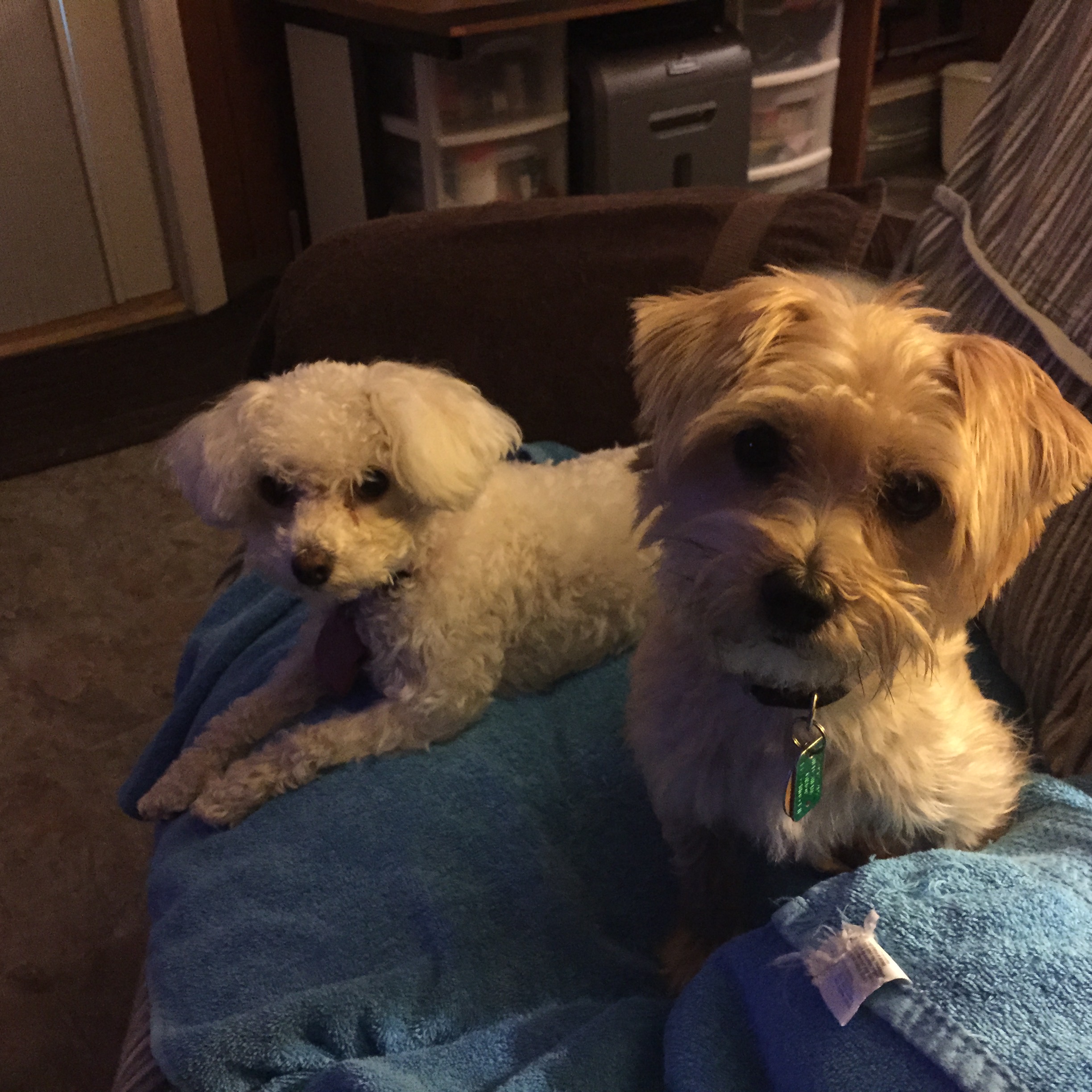 Several of my own experiences “learning and growing” with Brewster (a yorkie-poo) and Gracie (a bichon frise), “new children” added to my household immediately after retirement, are shared at
  So f
So f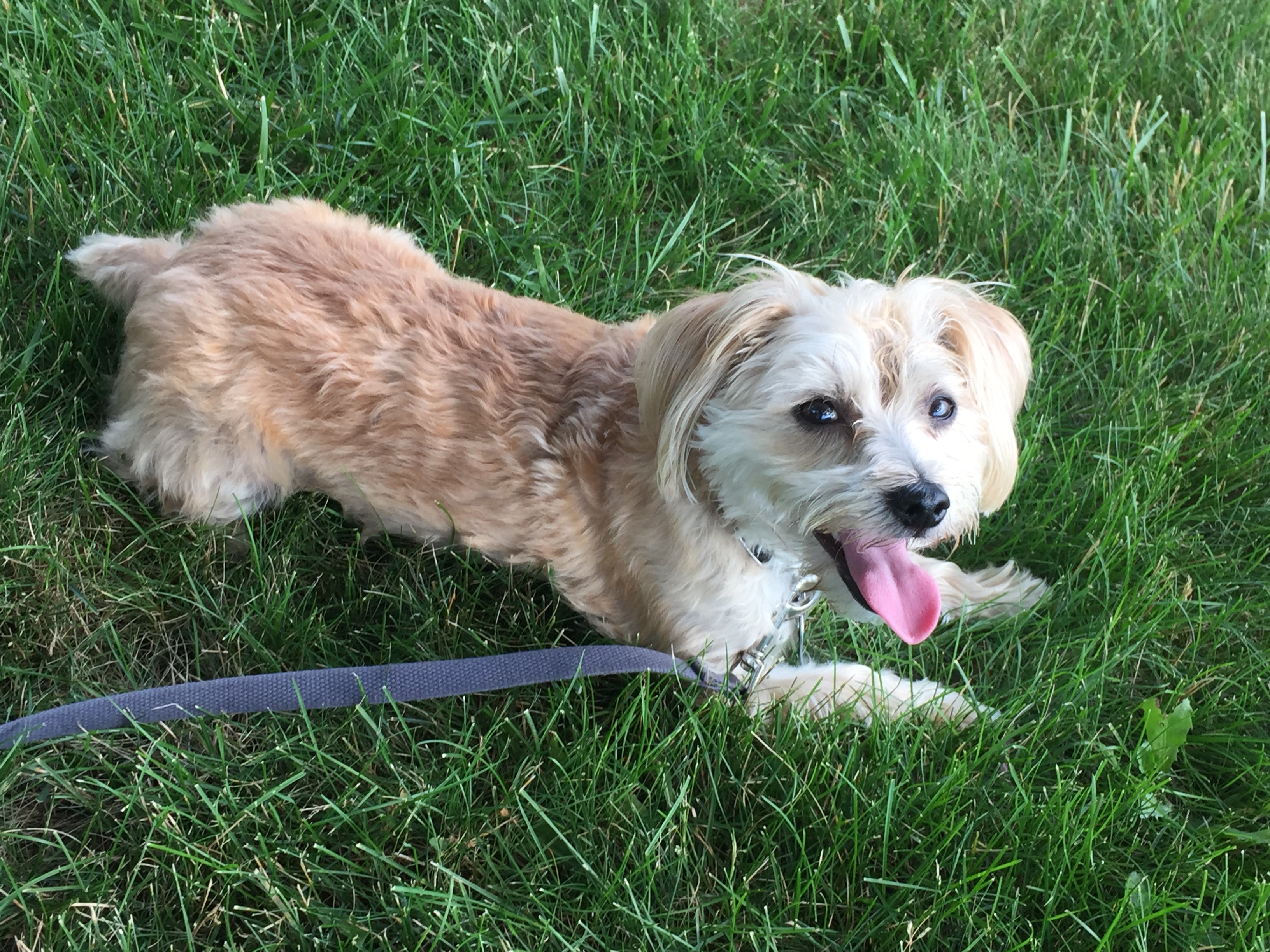 or what are you waiting? Go out and find a dog or cat to rescue… or at least pet one! You’ll be glad you did!