Guest Blog: Katherine Langford

As we get older, the meaning of the word travel seems to evolve right alongside us. The fast-paced, rush from one sightseeing opportunity to the next, which once occupied all of our time off, is soon replaced with a meaningful combination of connection, learning, and self-awareness. Many older adults find the most moving and life-affirming travels to be the journeys that let them experience the world’s universal, non-verbal form of communication, or music. Travel programs promoting exploration of a destination’s local music scene offer the opportunity for a powerful, health-promoting, and socially integrative experience, which goes far beyond the value of relocating, or an opportunity to take a break. When we step into a rhythm that is not our own, we become a part of the fabric of that community and a far cry from the passive traveler that we once used to be.
Cognitive and Emotional Advantages of Music Engagement
Music has an uncanny, almost magical quality to connect the past and the present. For the elderly, local music of all varieties meaningfully engaging, Folk stories, contemporary Jazz improvisation, global indigenous choral music, etc. stimulate portions of the brain in a coordinated fashion and serves as an exceptional tool for long-term cognitive care. When we are visitors in a new environment and attend a live performance, an amazing thing occurs, complex cognitive processes register a multitude of new sounds and organize orientational movements in three-dimensional space while figuring out the intricate details of the performance. Passive entertainment pales in comparison to the cognitive involvement and emotional engagement required. This creates an environment that maintains optimal functionality of the brain.
Beyond cognitive gains, musical immersion has a deep, restorative emotional benefit. Music-centric travel projects encourage seniors to step out of the familiar and sometimes stagnant daily routines. The combination of a social and physical environment shift, heard new and interesting melodies for the first time, can be a potent solution for the anxiety and social isolation that too often appear during retirement. Sound-directed travel projects give seniors a rewarding reason for navigating a new city. They are not traversing for naught; they are looking for the next sensational music festival, the best acoustic set, or the next hidden music spot. This purposeful step redefines the quality of aging as high and fulfilling.
Building Social Bridges Through Shared Rhythms
A common challenge for retirees is an inability to form or maintain an engaged social support network. Travel that centers on engaging with local communities via their music provides low-stakes opportunities to meet people and form community.
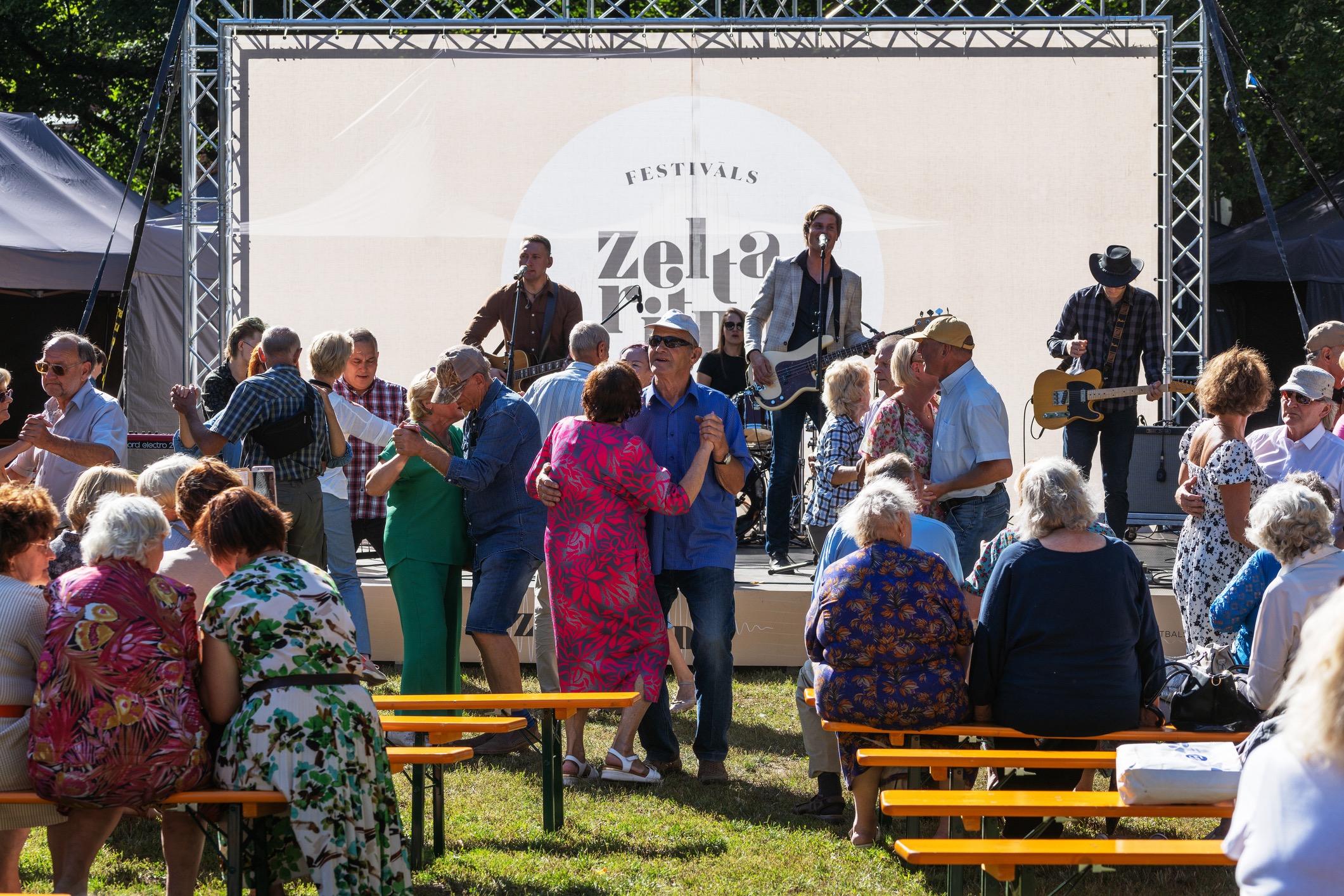
Active listening and interactivity are the hallmarks of most live music. Unlike exhibits in museums or artifacts in libraries, record shops, and music venues encourage a release of energetic expression and participatory appreciation. In an instant, two people engaging with the same live performance, no matter how distant or disconnected they may be, are unified. The challenge for performers and curators alike is that a disengaged audience will most certainly be a silent one.
Sharing a live performance of music as two strangers is an instant ice breaker. It offers immediate opportunity for a thoughtful exchange of the experience and, as often is the case, it spawns conversation about the local history, cultural expression, and personal resonance of the auditory performance to all in attendance.
This type of travel can help bridge generations in meaningful and memorable ways. Exploring the best places to visit in New Zealand allows seniors to connect with music-loving young people, local residents, and travelers of all ages through shared cultural experiences. Local music scenes create opportunities for interaction, helping to break ageism and foster a sense of unity within diverse communities. By traveling to the best places to visit in New Zealand, seniors can experience first-hand the unique blending of Maori choral songs and contemporary music, while also attending workshops and community events that highlight inclusivity. These enriching experiences demonstrate how, regardless of age or background, we are all connected as part of the same beautiful story.

Curating Your Music-Centered Journey
To get the most out of your music project, you must avoid the customary, unnecessary tourist spots and attractions. A project like this needs careful planning, some research, and a readiness to discover the unexpected. Start this process by including specific genres and instruments you have always been curious about. Consider what sounds you have come across that are representative of cultures in which you are interested or have been intrigued by. It will be worthwhile to learn the history of the music in the location you are planning to visit; learn what movements in history and struggles in society contributed to the music you are going to hear. If you learn this before you get to a new place, you will be able to hear music in a more meaningful way than someone with a casual interest.
It is important to have a balance between musical immersion and reflection. Big city festivals are fun and energizing, while small symphony concerts give space for contemplation. You can think, reflect, and further your mental state while listening to small, public, acoustic concerts. Small, curated tours, like those offered by tours New Zealand, specialize in local, artisan music, crafts, and the arts, without the usual sightseeing. With these tours, you can enjoy music while relaxing, without the stress of navigation. However, your trip is your responsibility, and the most important thing is to engage at your own comfort level. Visit local record shops and ask the owner what is popular in town. Ask hotel staff where they go when they want to see live music. The more you do what locals do, the more you will have a one-of-a-kind travel experience.

Cultivating Well-Being Through Long-Term Musical Travel
The positive effects of music-centric traveling are everlasting and continue to develop long after your return home. There is a widespread belief that for many the best part and the most enjoyable aspect of this sort of travel, continue long after the journey has ended. Many travelers snap back to their daily routines but bring back the music and the positive energy of the places they have traveled to. This results in psychologically positive connections to the places they have visited. The music combined with positive memories of this travel and the newfound confidence keeps the traveler in touch with good and positive aspects of their travel for a long time.
The act of writing a personal music travel blog or travel journal, or making a music travel playlist, is a form of therapy. This type of travel actually makes the writer organize their previously jumbled thoughts and makes them reflect on the feelings they experienced throughout their travels. This exercise not only helps the traveler strengthen their memories, but it also increases their creativity because the process incorporates writing and documenting memories. This gives the traveler the opportunity to organize their previously jumbled memories and travel experiences. This offers a traveler the opportunity to reflect on their travel experiences and the memories that have been captured through the lens of music and gives a traveler the motivation to start a new travel journey.
Travel should not only be thought of in the terms of luxury, escapism or being a distraction from the mundane; travel is investment for the traveler, involving the mind, body and soul. With a focus on the local music scenes, travel is transformed in a deeply connective and insightful act, for both the traveler and the community. We introduce new stimuli to the mind, while we challenge ourselves to build connections, both social and emotional, to experiences and places we have yet to explore. This connects not only different cultures, but also transcends language.
More cognitive function and social connections are just the beginning of the positive changes travel has on your life. Travel to discover local music will build your zest for life and a new purpose. Whether it is a long trip or a weekend away, the most important part of travel is to genuinely open your mind to the music and the people. Music has a unique way of connecting us all and reminding us of the beauty of life and that we are never too old to learn and grow.
Thank you!
We appreciate guest blogger Katherine Langford’s contribution to this forum. Click on the following to read her other submissions:
PKF
© 2026 Katherine Langford and Paul K. Fox