The “New” Model for Modern Music Education

by Katherine Langford

We welcome this month’s guest blogger, Katherine Langford, who describes herself as “a digital marketing consultant, writer, freelancer, WordPress enthusiast, and coffee lover.” Thank you, Katherine! PKF

Music education has transformed dramatically in recent years. Traditional classrooms and rigid lessons are giving way to creative, flexible learning models that blend technology, collaboration, and real-world experience. The new model for modern music education isn’t just about mastering an instrument anymore—it’s about nurturing creativity, adaptability, and digital fluency.

Whether you’re a teacher, a student, or a parent trying to understand this shift, this guide will walk you through everything you need to know about the new model for modern music education and how it’s reshaping the way we learn, teach, and perform music.

What Defines the “New” Model for Modern Music Education?

The new model for modern music education is built on accessibility, inclusivity, and innovation. In the past, learning music often required private lessons, expensive instruments, and long practice hours under strict instruction. Now, technology has made learning more interactive, affordable, and engaging.

This model integrates online platforms, digital tools, and peer learning to create a dynamic environment. Students can watch video tutorials, join virtual ensembles, or even receive online class help from experienced musicians. It allows learners to progress at their own pace while receiving instant feedback and guidance.

Another major shift is the focus on creativity over perfection. Instead of emphasizing technical mastery alone, educators now encourage improvisation, digital composition, and personal expression. This approach builds confidence and helps students connect emotionally with their craft.

The Rise of Online Learning in Music Education

Online learning has become a cornerstone of modern music education. With platforms like YouTube, MasterClass, and specialized e-learning sites, anyone can access lessons from world-class musicians. Students can now learn piano, guitar, singing, or music production without leaving home.

These online classes are highly interactive, offering personalized feedback and practice tools. Some programs include live sessions, enabling real-time interaction with instructors and classmates. The flexibility to study from anywhere attracts learners of all ages and skill levels.

Online music education also supports busy professionals and students balancing multiple commitments. Many ask, Can I take my online class for music while working full-time? The answer is yes. With self-paced modules, recorded lessons, and flexible scheduling, anyone can continue learning without disrupting daily life.

Key Features of Modern Music Education

The new model for music learning focuses on a few core features that make it different from traditional instruction.

1. Technology Integration
Modern classrooms use music software, apps, and digital instruments. Tools like GarageBand, Ableton Live, and Sibelius help students compose, record, and edit their music. This hands-on digital experience prepares them for real-world music careers.

2. Collaboration and Global Access
Students can collaborate with others worldwide through online jam sessions or group projects. This exposure broadens cultural understanding and inspires new creative styles.

3. Personalized Learning Paths
AI-driven platforms now assess student progress and customize lesson plans. Learners receive targeted exercises that focus on areas needing improvement. This keeps motivation high and ensures steady progress.

4. Performance and Portfolio Building
Instead of graded recitals, students can build online portfolios, showcasing their songs or performances. This practical experience helps them prepare for music schools or careers in the industry.

Why Modern Music Education Matters Today

Music education today goes beyond traditional training. It prepares students for an evolving creative economy where adaptability and digital literacy matter.

The new model equips students with real-world skills such as sound design, audio editing, and digital marketing for music. These are essential for anyone pursuing a career in the modern music industry.

Additionally, it nurtures emotional intelligence. Creating and performing music helps students manage stress, improve focus, and build resilience. These soft skills translate into better academic and personal outcomes.

Another reason this new approach matters is its inclusivity. Learners who once couldn’t access quality lessons due to location or cost can now participate through online classes. Music education is no longer limited to elite institutions—it’s open to everyone.

The Role of Teachers in Modern Music Education

Teachers remain at the heart of music education, but their role has evolved. Instead of being strict evaluators, they now act as mentors, facilitators, and collaborators.

Educators guide students through self-directed learning, helping them explore interests while mastering key concepts. They encourage experimentation and critical thinking rather than rote memorization.

Teachers also integrate multimedia tools into lessons, using interactive notation software, metronome apps, and virtual instruments. This keeps learning engaging and relevant.

Modern instructors understand that today’s learners consume music differently. They balance traditional techniques with contemporary styles, helping students connect classical foundations to genres like pop, jazz, or digital soundscapes.

The Impact of Technology on Music Learning

Technology has completely reshaped how music is created and taught. From recording studios to smartphone apps, innovation drives engagement and creativity.

Students can record, mix, and share their music instantly. They can join online communities, collaborate virtually, or receive detailed feedback through smart analysis tools.

Some schools use virtual reality to simulate live performance environments. This helps students overcome stage anxiety and refine their skills before performing in real-life situations.

Moreover, digital sheet music platforms make learning more interactive. Instead of flipping pages, learners can annotate, loop sections, and practice efficiently.

Technology also enables inclusive learning. Students with disabilities can use adaptive devices or apps that make instruments more accessible. This reinforces the principle that music truly belongs to everyone.

How Online Class Help Supports Music Learners

Many students struggle with consistency or technical challenges while learning online. That’s where online class help becomes valuable. Expert tutors assist learners in managing lessons, assignments, and projects.

They provide feedback, correct mistakes, and ensure students stay on track. This type of support bridges the gap between traditional mentoring and independent study.

For example, if a student is learning music theory but struggles with notation, they can seek online class help for one-on-one guidance. This approach ensures understanding without the stress of falling behind.

It’s especially useful for those pursuing formal music degrees remotely. Expert assistance ensures academic integrity while keeping the learning experience enriching.
Common Question: Is Online Music Education as Effective as In-Person Lessons?

Many learners wonder if virtual learning can match the impact of face-to-face instruction. The short answer is yes, it can be just as effective—sometimes even more.

Online music education offers flexibility and access to diverse expertise that local lessons may lack. You can study jazz composition with a teacher from New York or classical violin from a maestro in Vienna.

Additionally, digital lessons allow unlimited practice and playback. Students can review recorded sessions anytime, reinforcing understanding and mastery.

However, success depends on commitment and quality instruction. Active participation, consistent practice, and seeking feedback are key to thriving in online music education.

Challenges Facing the New Model for Modern Music Education

While modern approaches have many benefits, challenges still exist. Internet connectivity, lack of physical interaction, and screen fatigue can affect engagement.

Students may also struggle with motivation when learning alone. This is where teacher support and community involvement become crucial. Encouraging virtual collaborations and online performances helps maintain enthusiasm.

Another concern is access to instruments. Not every learner can afford quality equipment or digital tools. Schools and institutions need to bridge this gap by providing resources or scholarships for talented students.

Despite these obstacles, the benefits of digital and hybrid learning far outweigh the drawbacks. With ongoing innovation, these challenges are gradually being addressed.

The Future of Modern Music Education

The future of music education looks bright and interconnected. We’ll see more hybrid classrooms combining online and offline experiences. Students might attend physical rehearsals while collaborating digitally with international peers.

Artificial intelligence will continue shaping learning paths, analyzing performances, and suggesting improvements. Virtual and augmented reality will simulate live concerts and recording studios for immersive training.

Most importantly, inclusivity and creativity will remain the foundation of this evolving system. Every learner, regardless of background, will have the opportunity to express themselves musically.

The new model is creating musicians who not only play instruments but also understand technology, production, and storytelling. They’ll be ready to thrive in an industry that values both art and innovation.

How Students Can Get the Most Out of Modern Music Education

If you’re a student exploring the new world of music learning, here are some helpful tips:

  1. Set clear goals. Decide what you want to achieve before starting lessons.
  2. Stay consistent. Practice regularly, even if only for short sessions.
  3. Use technology wisely. Try apps, online lessons, and recording tools to track progress.
  4. Engage with others. Join online groups, perform live sessions, and exchange feedback.
  5. Seek guidance. Don’t hesitate to reach out for online class help when needed.

These small steps ensure that your learning remains enjoyable and productive.

The Cultural Shift in How We Value Music Education

In the past, music education was often viewed as a luxury. Today, it’s recognized as a vital part of cognitive and emotional development. Studies show that learning music improves memory, discipline, and communication skills.

The modern model has made music more inclusive, integrating it into mainstream education and digital life. Whether through school programs, online platforms, or personal study, students now see music as both an art and a skill for life.

Cultural acceptance has grown too. Parents now appreciate the value of creative subjects, realizing they develop critical thinking and empathy. This shift has expanded the reach of music education across age groups and professions.

Conclusion: Embracing the New Model for Modern Music Education

The new model for modern music education is more than just a trend, it’s a necessary evolution. It reflects how we live, learn, and connect in the digital age.

By combining technology, collaboration, and creativity, this approach empowers learners to explore their potential fully. Whether you’re learning to produce music, master an instrument, or compose original songs, the tools and opportunities are at your fingertips.

PKF

© 2025 Katherine Langford and Paul K. Fox

The Get-a-Job Toolbox

Preparing for Those Upcoming Employment Screenings

So much of what I do at this blog-site is to archive articles offering advice on a host of topics:

Surveying my past blogs, I feel like I had to repeat (repackage) the content until my readers reached that particular stage in their career. Once they experience first-hand that sometimes tumultuous “passage,” they would be ready to reflect on this information. But, I doubt they would closely examine it until then. As an example, for more than a decade as the PMEA Retired Member Coordinator, these past articles I wrote for PMEA News and the PMEA Annual Conference’s session Retirement 101 revisit the voluminous insight of gerontologists exploring the “who, what, when, where, and why” of retirement. Regardless at how often it is presented, you tend not to consume advice on coping with post-employment until you feel you are “ready” to retire. This is the same issue for soon-to-graduate collegiates and those transitioning to a new job; who wants to read about branding, marketing, and interviewing until they are in the middle of seeking first-time (or new) employment?

Please click on the “plethora” of links throughout this article to be redirected to these past writings. My apologies in advance to what may seem like to be a lot of duplication!

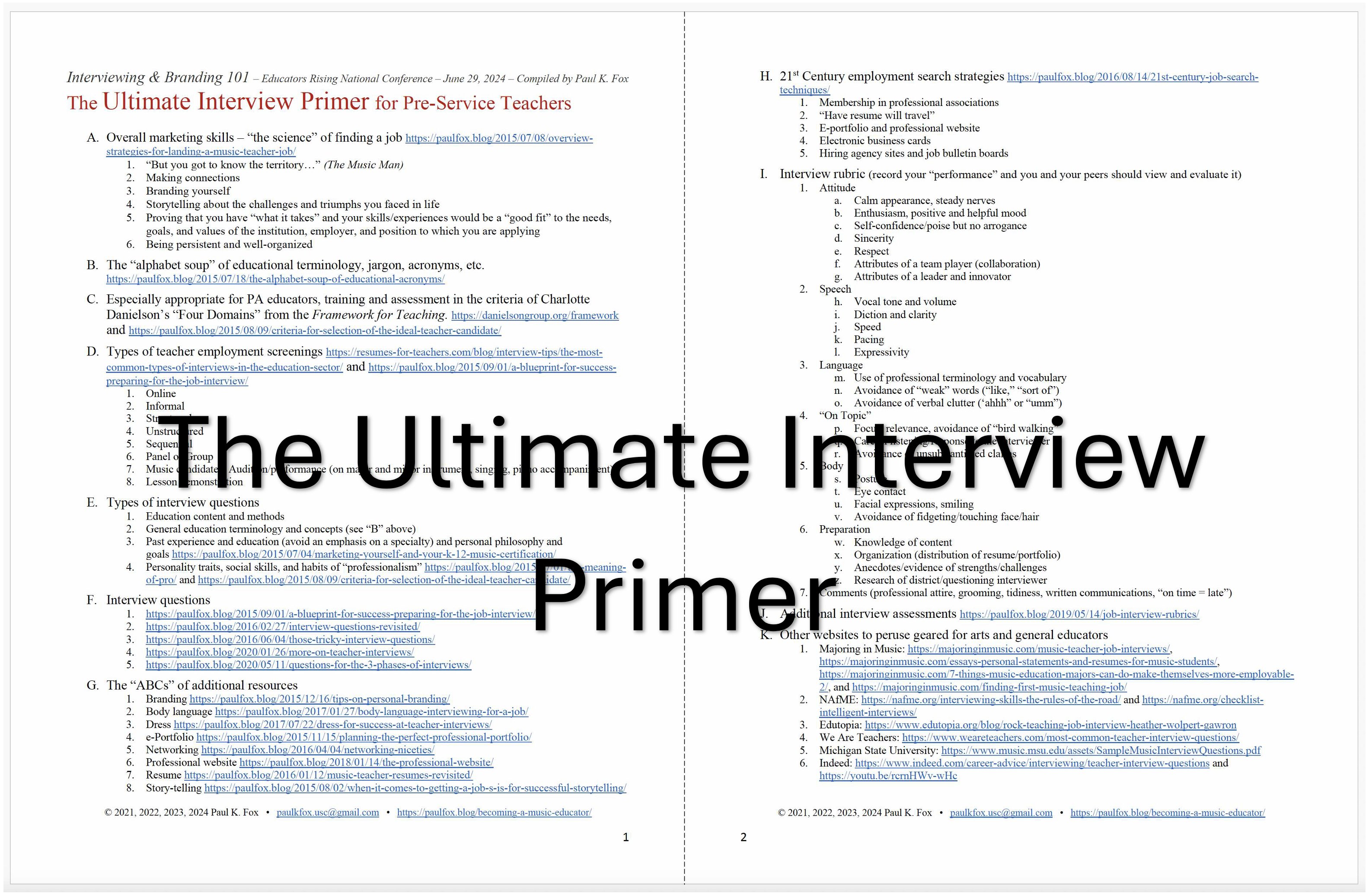
I went as far as updating the most comprehensive and “perfect” PowerPoint for collegiates: Bookends – The Life Cycle of a Successful and Happy Music Educator – portions of which I have presented several times to Professor Jessica Vaughan-Marra’s Seton Hill University music student teachers. This slide handout starts with the material from the first three bullets in the first paragraph above and then adds information about teacher health and wellness, time management, and retirement. We offer Bookends… to preservice music educators in their junior, senior, or graduate years and “rookies” to the profession. I encourage you to download this resource, visit the PCMEA website (click here/scroll down) to read past issues of Collegiate Communique, and the paulfox.blog posts. While you’re at it, acquire your own copy of the Ultimate Interview Primer. Click away before these links become inactive.

Soon it will time for graduates to enter the workforce… and boy, do we need you! By most accounts in PA and the surrounding states, we are experiencing a teacher shortage. School districts are seeking quality candidates to apply for their open positions. But, much of what happens in the job screening process seems to be influenced by chance. Collegiates, ask yourself: Are you truly prepared to market your experiences and abilities, share your brand and stories of your interactions with children in educational programs, and relate positive anecdotes of your teaching, problem solving skills, and other professional attributes? I may have been a little Type-A when I first applied for those music teaching positions back in 1978, focused on saturation publicity and persistence, and organized with a large paper portfolio of past experiences, but I was clueless in responding to those tricky interview questions and what administrators actually wanted to see in prospective new members of their staff.

One more piece advice for first-year and recent transfers to music education: Seek out a PMEA mentor and/or a member of the Retired Resource Registry (access from the PMEA Retired Member focus area after you login to your member portal)… both are groups of volunteers willing and able to help “newbies.”

Have a question about selecting music for your ensemble, a dynamic lesson plan, classroom management issue, interviewing, curriculum innovation, or a conducting tip? Stop by the “coffee and conversations” informal lounge at the PMEA Annual Conference on April 10 and “sit-a-spell” with us!

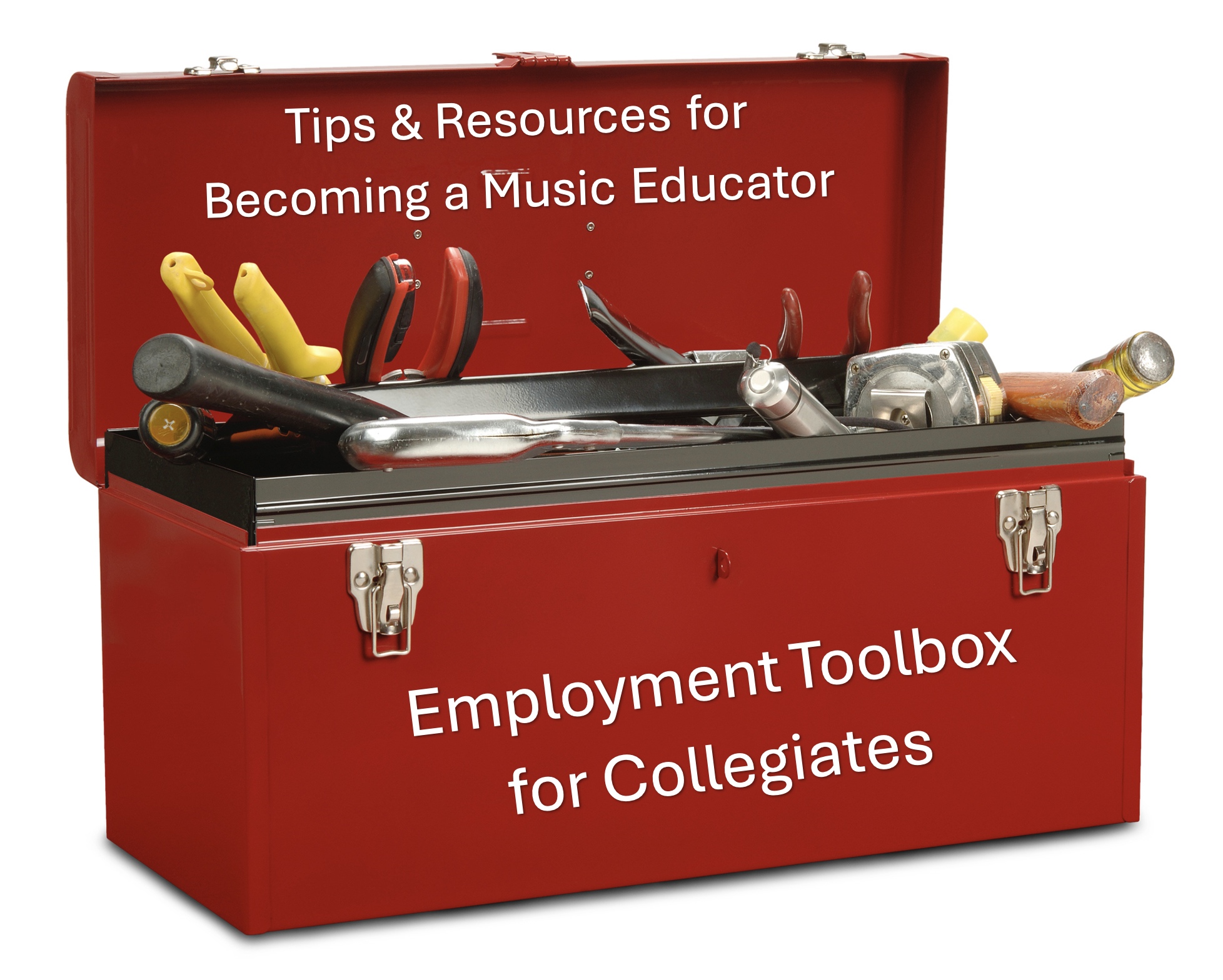
In conclusion, the following is a sequential outline – a “to-do in this order” list – a preservice toolbox of past posts and other resources for you to assemble a marketing plan. Take time to sort through these “nuts and bolts” (all links in this blog), process the information, save anything you want to read further, and then “practice, practice, practice!” This “gift” to PCMEA and music education majors embraces my best wishes for successfully finding the job you always wanted and preparing yourself for the greatest “calling” of your life – an enriching and satisfying lifelong career in music education! Good luck!

Using the Collegiate Toolbox – A Roadmap for Becoming a Music Educator

  1. Peruse everything in this and past paulfox.blog postings.
  2. Download the PDF documents to your hard drive. Review a portion of them each week!
  3. On your computer, create a “ME” file documenting your accomplishments, awards, experiences interacting with children, etc. – a library of the things you may wish to include in your future resume, professional website, and (e-)portfolio. Add to this folder throughout your college years.
  4. To reflect on your perceived strengths and weaknesses, complete a self-assessment of YOU from a typical professional evaluation form, these ideal effective teacher attributes and more criteria
  5. Prioritize what you think you need most. Write down your goals! Pobody is nerfect!
  6. While you are still attending college, work on shoring up any weak content areas or specialty skills (e.g., how is your “piano chops,” knowledge of specific methods, grade level repertoire, etc.?)
  7. Write a philosophy of school music education (overview) and your mission statement: “Why do you want to teach?”
  8. Be ready to answer the question (and defend your response), “What is your vision of the role of music education in the schools?”
  9. Be ready to define your “brand.” What are your professional attributes? What makes you unique? Why would you be a good candidate for a school music position?
  10. Begin to assemble a list of stories that would “show not tell” your positive attributes.
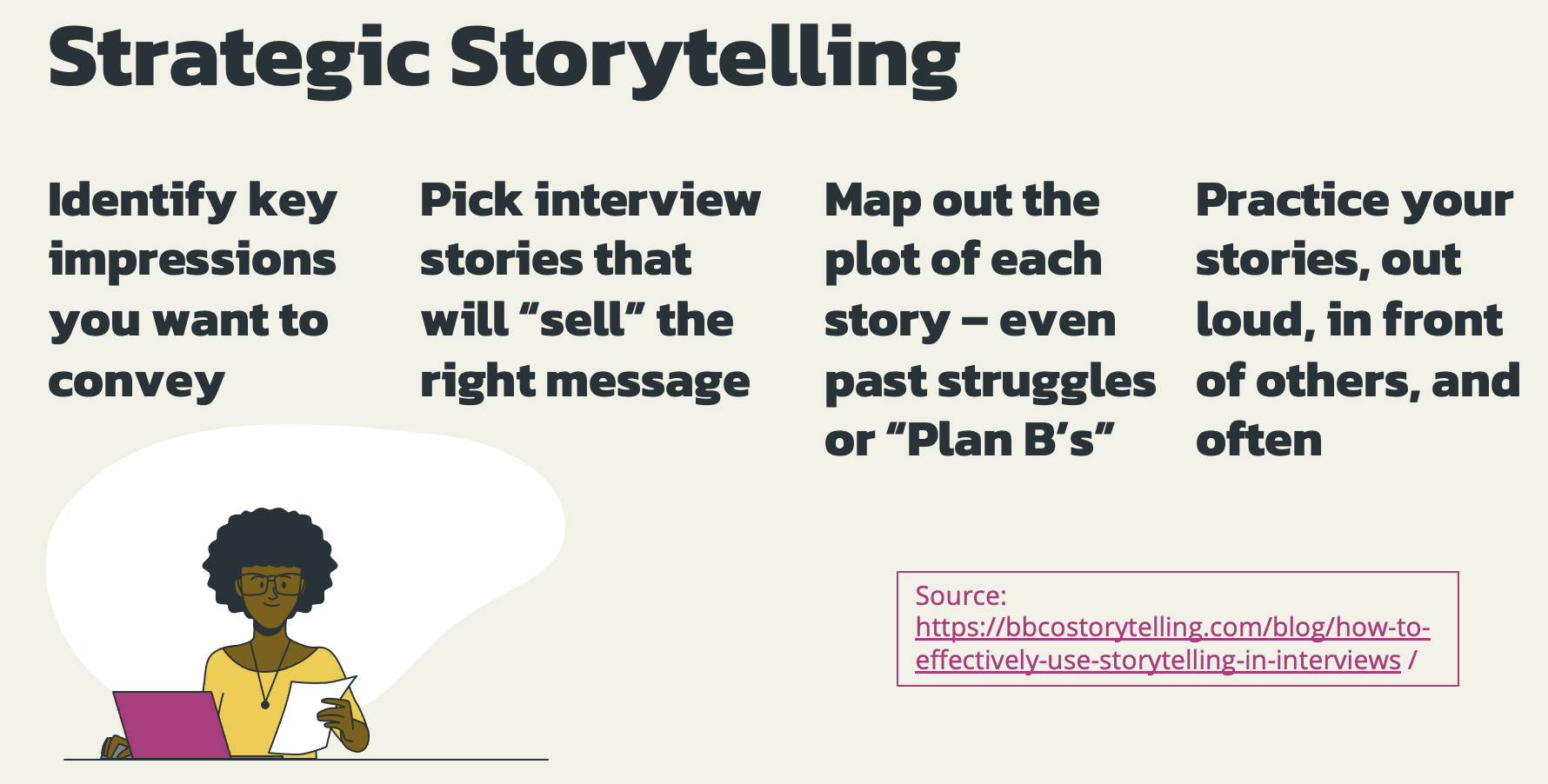
  11. Identify the impressions you want to “sell” yourself, and practice strategic storytelling.
  12. Practice answering interview questions and use a rubric to evaluate your performance. If you can, share all of this with your peers and sponsor mock interview sessions. Record/assess yourself.
  13. Get started on drafting the marketing tools you will need (e.g., your professional website, resume, portfolio, etc.)
  14. Review educational acronyms, jargon, and terminology such as this list plus these recent additions: CR-SE (Culturally Relevant & Sustaining Education), DEIB (Diversity, Equity, Inclusion, Belonging), and SEL (Social-Emotional Learning). These terms may come up at your next interview.
  15. Read cover-to-cover your PA code of conduct (CPPC) and the Model Code of Ethics for Educators.
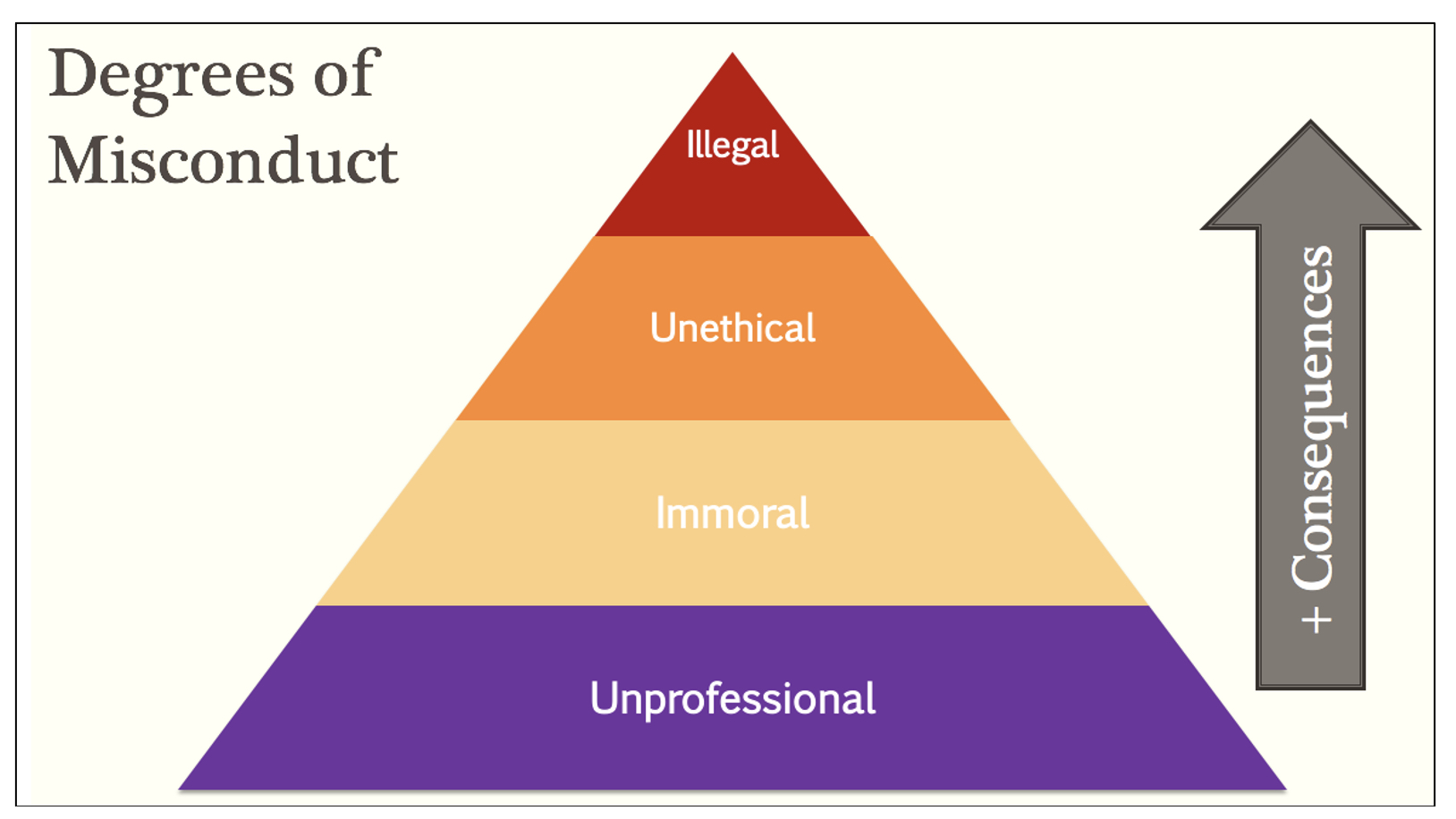
  16. Practice ethical decision-making (with your peers) by reviewing these mock scenarios, first deciding what level of misconduct (if any) is reached in each case study, and then more discussion on the incident’s effect on the students, parents, staff, and community, and what proactive steps may be taken to remediate the situation.
  17. Join and become active in appropriate music education professional organizations (renew your memberships and add new ones): ACDA, AOSA, ASTA, NAfME, NBA, PMEA, etc. to name a few.
  18. Attend a conference of your professional association(s) and network with other colleagues. For PA colleagues, register for the PMEA Annual Conference (April 9-12) at the Kalahari Resort (Poconos).

Feel free to leave comments about this blog. (See the link just below the title.) How did you use these tools? What was particularly beneficial? What suggestions would you have for future music teacher applicants?

To PCMEA chapter officers/members, music education majors, and college instructors: I am available to present Bookends or other online or in-person workshops for college students. Send me an email.

© 2025 Paul K. Fox

Rising Educators Conference

June 28-July 1, 2024
Marriott Marquis – Washington D.C

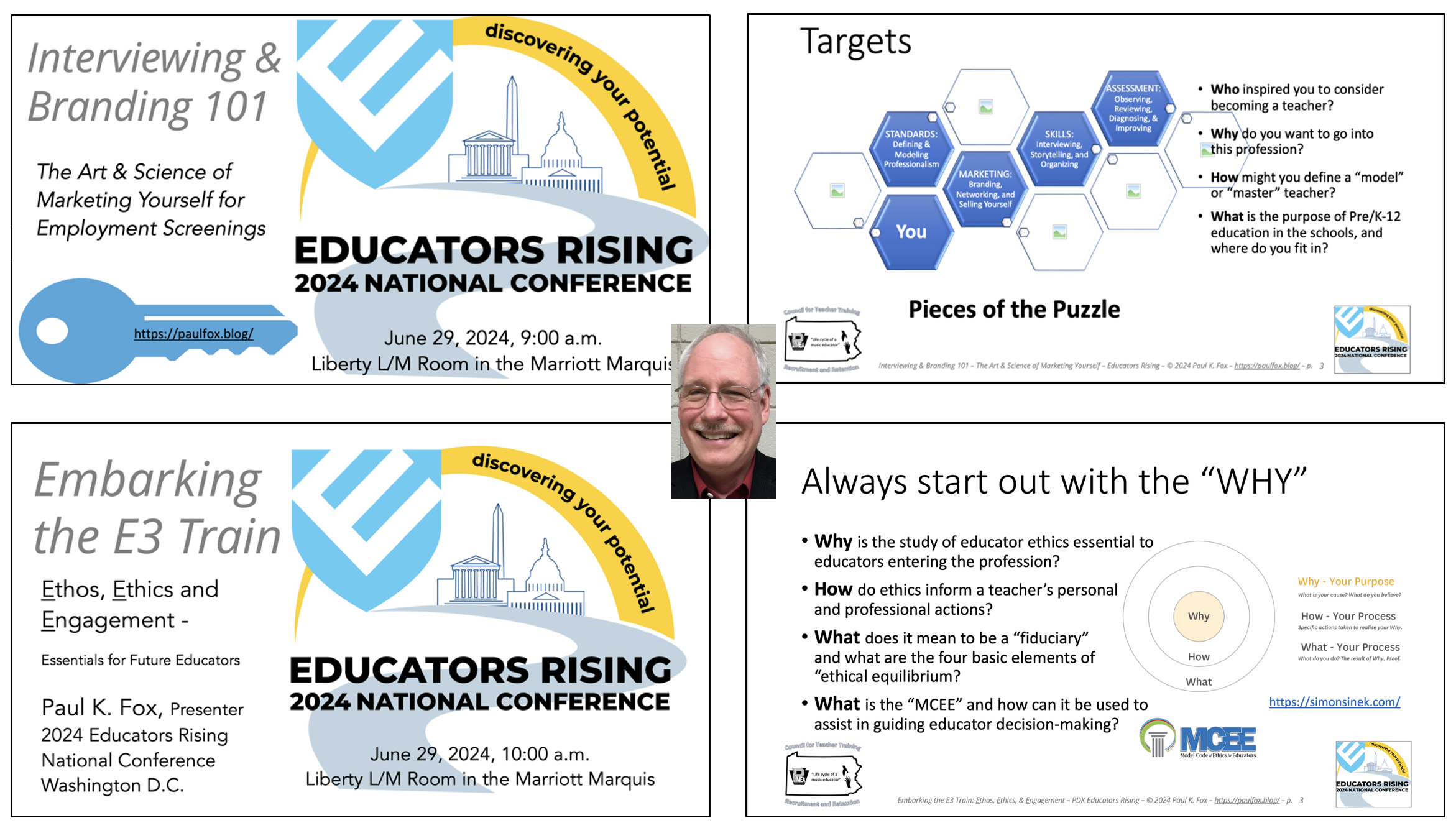
It is my pleasure to be invited to present two sessions at the Educators Rising Conference on June 29, 2024 in the Liberty L/M Room of the Marriott Marquis in Washington D.C.

This is a very unique venue, something in which I encourage other educators and clinicians to consider participating. The event brings together prospective future educators, middle to high school and college education majors, with veteran practitioners and experienced educators in the profession. This is from their website:

Each year, Educators Rising hosts a national conference to convene our network of rising educators and teacher leaders. It’s a unique opportunity for students and their teacher leaders to:

  • Connect and learn from each other through more than 40 breakout sessions;
  • Network with other members from across the country;
  • Compete for national titles in competitive events designed to allow students to develop and showcase their teaching skills; and
  • Be inspired by keynote presentations from national education leaders

Want to learn more about what you can look forward to for 2024? Check out the 2023 National Conference Program Book, 2023’s Conference Daily, and our conference highlight video to see what current and future educators experienced last year.

An outline of the conference schedule may be viewed here. Additional information may be found at the conference website here. You can still register for the event.

My two offerings will not come as a surprise to anyone who has been following my work at this site:

GETTING A JOB

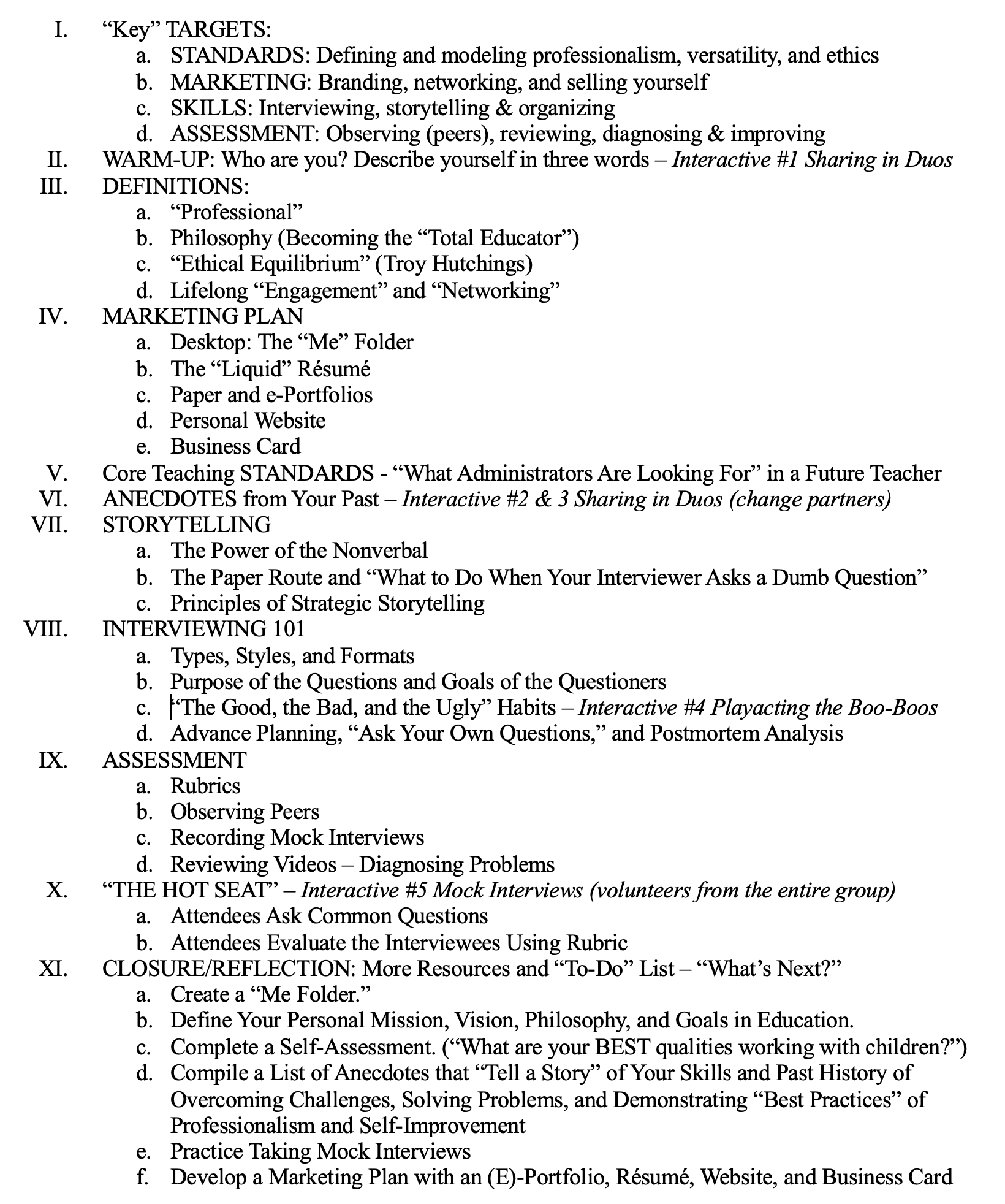
My first workshop, “Interviewing & Branding 101” (Saturday, June 29 at 9 a.m.) will provide an overview of important definitions (e.g., “professional,” “total educator,” etc.) and dive into interactive exercises to exploring the basic building blocks of personal self-assessment, building “a brand” and “marketing plan” for the job search, practicing networking and storytelling skills, and analyzing and “playacting” better interviewing techniques. Although I will need to shorten the presentation to fit in the 45-minute time block allotted and provide more focus on the interactive partner and small group exercises, this was the initial outline that was accepted by the Rising Educators Conference Session Selection Committee:

My favorite candy, Hershey Symphony bars, will be distribute as incentives for the more “brave” attendees who volunteer themselves to serve as good (as well as bad) models of the mock interviews.

In conclusion, this is “the session” I wish someone would have provided me before I went out into the labor market! We will have some fun connecting with each other, learning something new about our core values, goals, and strengths – especially those areas we want to broadcast to future employers – building a marketing plan of the essentials to promote ourselves in future employment screenings, and breaking-out into “duos” and small groups to “practice-practice-practice!” The branding and interviewing exercises and suggestions may be applied to finding any job, but will definitely be a big help for landing “the one” teaching position you always wanted.

For the participants who attend my session (facsimile of slides available after June 28), here are links to the printed handouts and other supplemental materials:

EDUCATOR ETHICS

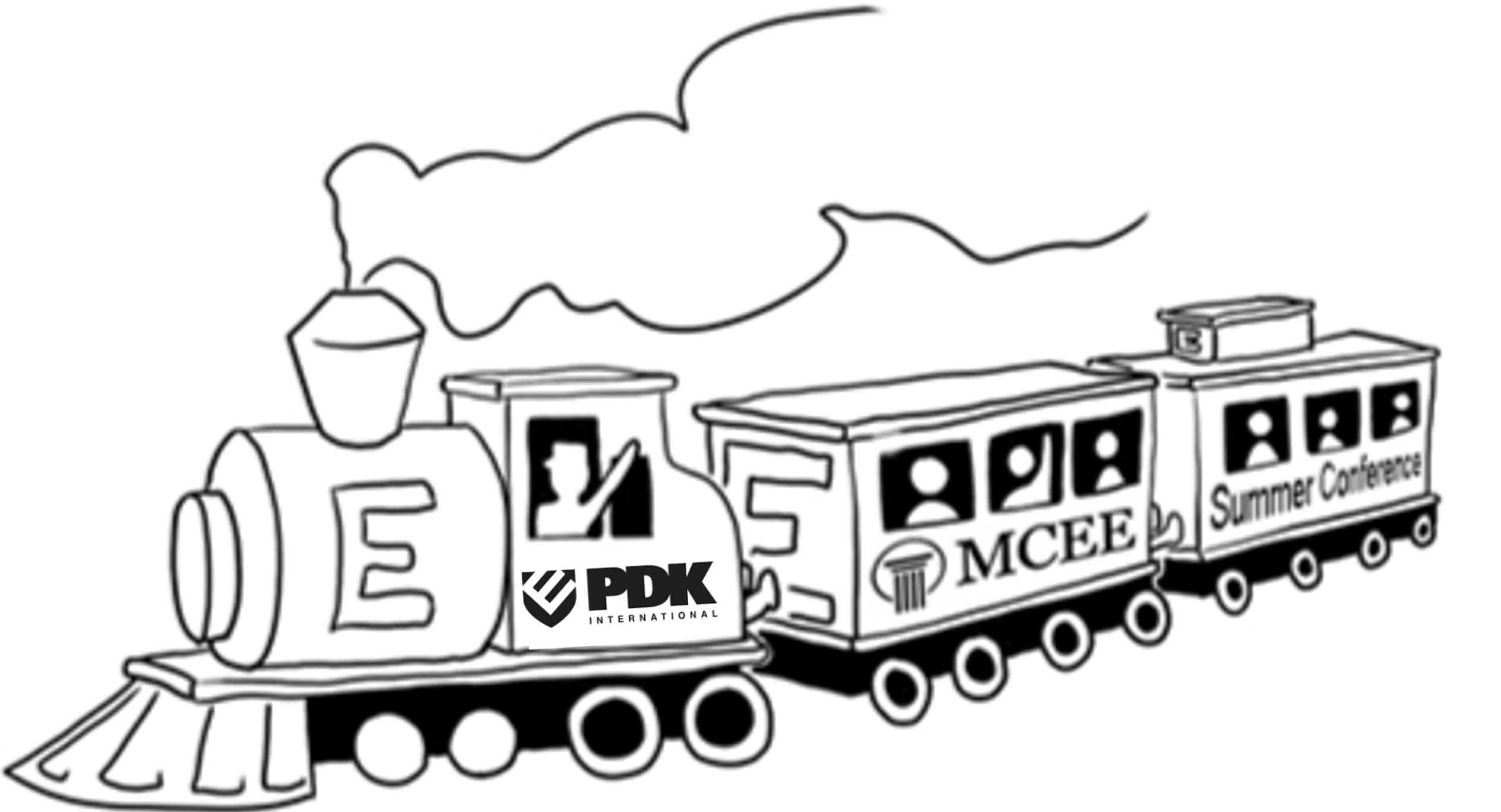
My second workshop (offered one hour later), “Embarking the E3 Train – Ethos, Ethics, & Engagement,” brings to fruition my passion for the preparation of future educators to embrace the essential ethical standards of our profession. Again, back in 1977, no college methods course nor student teaching prep covered the meaning behind such terms as “fiduciary,” “ethical equilibrium,” “moral professionalism,” etc. To be fair to my college professors, Pennsylvania had not yet written its Code of Professional Practice and Conduct which now “governs” the educators in our Commonwealth, nor had the National Association of State Directors of Teacher Education and Certification facilitated the creation of the amazing document called The Model Code of Ethics for Educators. It was not until 2017 (four years after I retired) when I was asked to research and present my first educator ethics session for PMEA District 7 did I “discover” the need for interactive, open, peer discussion of these core questions:

  • How do ethics inform a teacher’s personal and professional actions?
  • Why is the study of educator ethics essential for all educators entering the profession?
  • What does it mean to be a “fiduciary” and “moral exemplar” in the community?
  • What is the difference between a “Code of Conduct” and a “Code of Ethics?” Is one more important than the other?
  • How do you avoid any action and/or appearance of impropriety, and prevent the “slippery slope” of inappropriate student-teacher relationships, and other ethical problems?

During this presentation on Saturday, June 29 at 10 a.m., we will discuss the thousands of daily rapid-fire decisions (many snap judgments) of teachers and evaluate the potential effects of any who “stray” – “levels of misconduct + consequences.” Furthermore, we will unpack and review a portion of the five principles, 18 sections, and 86 standards in the Model Code of Ethics for Educators. Fostering open and interactive discussion, we will empanel a mock “ethics jury” (volunteers from the attendees) to assess fictitious “fact scenarios” of potential ethical issues, hazardous choices or vulnerabilities, and even tackle a few “conundrums” or problems in educator decision-making. Our jurors will receive our thanks and an Educators Rising Mock Jury t-shirt for their “willingness to serve as guinea-pigs.”

Admittedly, some of our past material on ethics was “for mature audiences only” resulting in the need for adjustments to be made to some of the hypothetical case studies (serious infractions) for group analysis. However, the majority of my work on educator ethics is available for review on this site (in reverse chronological order) by clicking here.

Here are additional case studies for group discussions of ethical dilemmas.

For the participants who attend my Washington D.C. session on June 29, 2024, a facsimile of “Embarking the E3 Train” slides are available. (CLICK HERE.)

PKF

© 2024 Paul K. Fox

Storytelling, etc. – Part 2

More on Developing Employment Marketing Skills

If you have not read it, as a warm-up, check out our first blog-post: “When It Comes to Getting a Job, ‘S’ is for Successful Storytelling.”

Since posting a plethora of resources on the job search, interview preparation and questions, branding, and networking, we came upon a few more perspectives, tips, and hands-on exercises you can use to “practice – practice – practice” landing gainful employment as a school music teacher – especially on building your capacity to “tell your own story,” who you have become, what unique qualities you bring to the mix, and how/why you have chosen music education as your “calling!”

Probably the most extensive set of links ever compiled on the subject can be downloaded from here:

But, be warned! It may take you days to read and absorb all of these past blog-posts and articles! They represent the ideal prerequisite – knowledge is power! Before going any further, take the afternoon off, find an easy chair, and focus your attention on creating a successful “action plan” for handling your upcoming employment screenings.

The Exercises

In a recent session for the Pennsylvania Music Educators Association Annual Conference in Kalahari/Poconos, we explored the following reflective/interactive activities. These work best in pairs or small groups, but you can adapt/individualize them for self-study:

  1. Close your eyes. Who had the greatest influence on you becoming a music educator? (Do you see his/her face?) What did your “model” musician or music educator have or exhibit… name at least three attractive personality or professional traits he/she had and that you would desire to develop in yourself? WRITE THEM DOWN – LIST #1. In a group setting, share at least one of these with your neighbor. (Swap!)
  2. Now it’s time to turn the attention on YOU. On a separate piece of paper, WRITE DOWN (LIST #2) YOUR three most redeeming qualities, unique professional/personal traits that any employer would be proud to know about you. Again, in a group setting, share at least one of these with your neighbor.
  3. For now, put these lists aside. There are no RIGHT or WRONG answers, but in past interview workshops, these terms often get repeated (for both Lists #1 and #2): Charisma, Creativity, Dedication, Dynamo, Excitement, Expertise, Humor, Intuition, Kindness, Leadership, Musicianship, Problem-Solver, Sensitivity, Tirelessness, Versatility, Virtuosity, and Visionary. On another piece of paper, add 1-3 more of these you may not have originally thought were among your positive attributes – WRITE THEM DOWN ON LIST #3.
  4. According to “The California BTES – Overview of the Ethnographic Study” by David Berliner and William Tikunoff, effective teachers (the ones for whom HR/employers are searching) score high on these skill sets/characteristics: Accepting, Adult Involvement, Attending, Consistency of Message, Conviviality, Cooperation, Student Engagement, Knowledge of Subject, Monitoring Learning, Optimism, Pacing, Promoting Self-Sufficiency, Spontaneity, Structuring. Do a self-assessment and apply these to yourself. WRITE DOWN 3-4 OF THESE ON LIST #4. Pick new ones you have not mentioned in #1 through #3.
  5. Now comes the FUN part. It’s time to generate stories about past experiences you have had that would model these terms. For this exercise, we recommend writing down at least one unique anecdote from each list which would “show not say” your ability, new learning, or achievement. The “plot” of your story should be concise, focused on the one trait, and when told out loud, not take longer than a minute. Instead of “bragging” you are a problem-solver or adaptable, tell that story of how you had to instantly initiate a “plan b” lesson when it was obvious that the students needed more work on a concept you thought they had already mastered. Remember how you handled your first discipline problem or a child in crisis? If you feel you have the qualities of a leader or a team player, share specific examples of your interactions with children in high school, college, field observations/student teaching, church or community groups, volunteer jobs, etc. If you have trouble coming up with these, try to remember the funny or surprising moments, or even the challenging miscues or big boo-boo’s – all okay to share as long as you resolved the situation positively, created a solution that resolved the problem, or learned a new insight or skill to handle future episodes. No one expects perfection from a new teacher, just enthusiasm, professionalism, willingness to self-assess, and commitment to the cause.
  6. Now you should have a library of stories ready to practice on your roommate, friends and fellow collegiates. You cannot bring the scripts with you, so these have to be at your fingertips: memorized, well-rehearsed, short and sweet (and if you can make them humorous, go for it!).
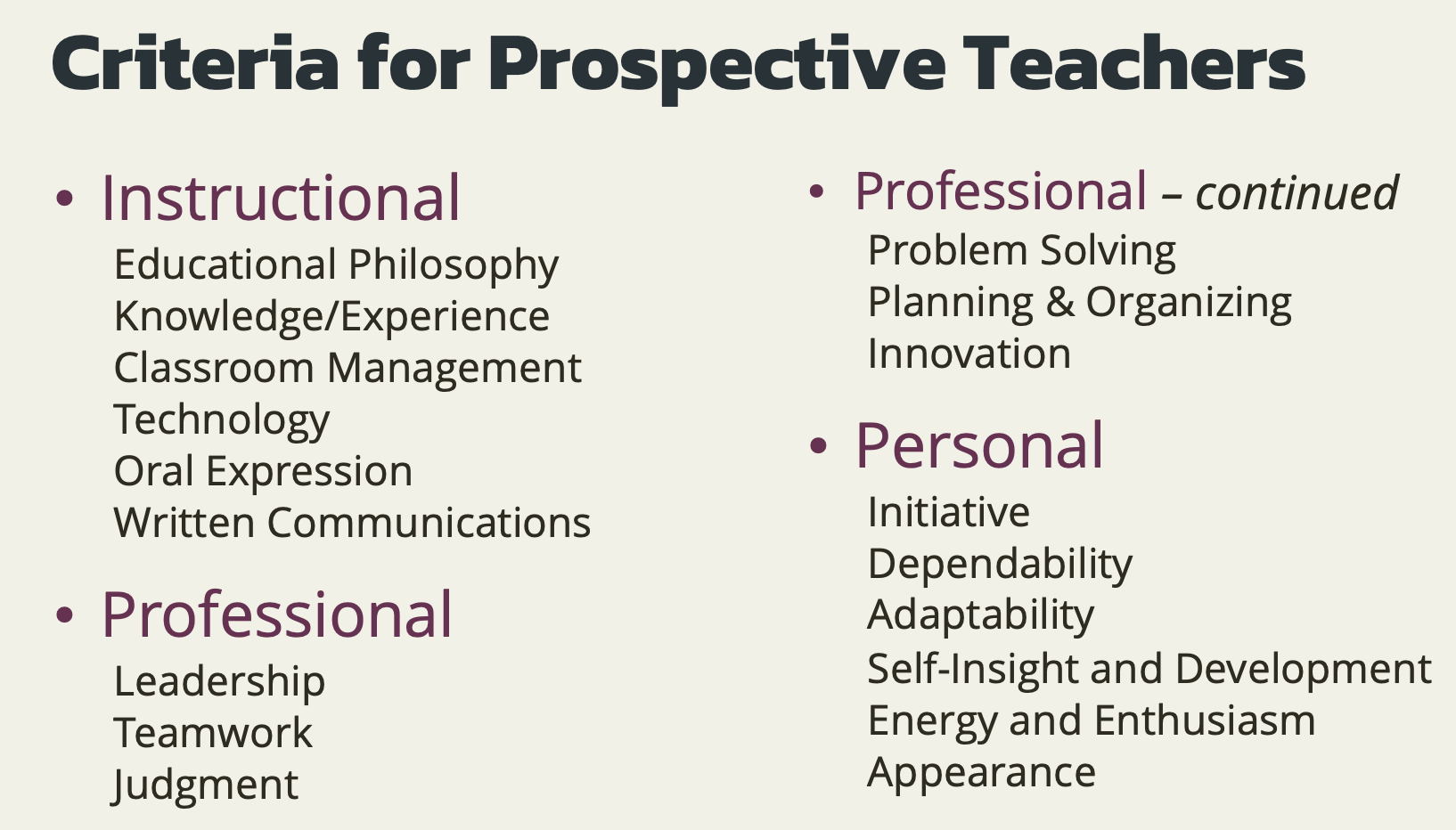
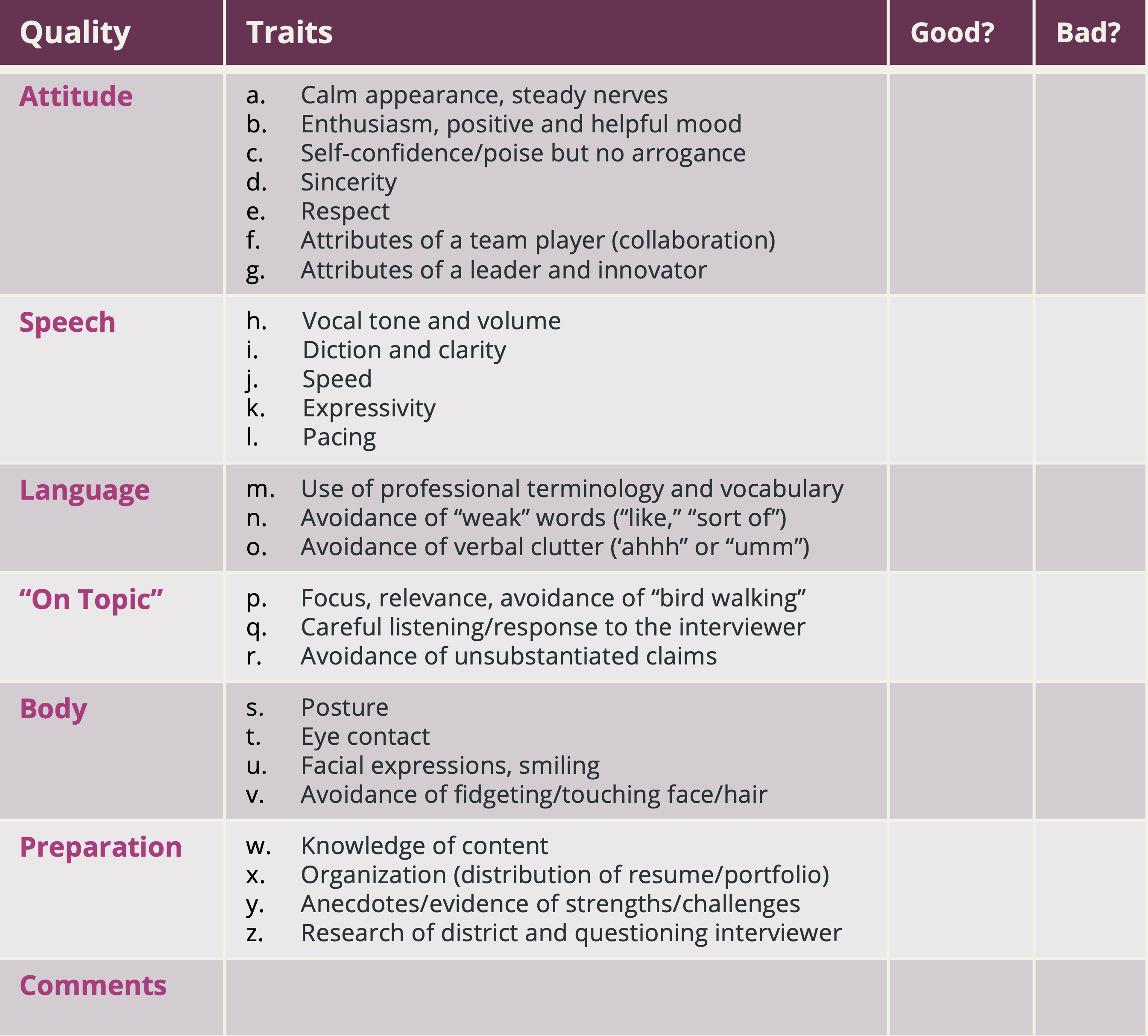
  7. Every week from now through the job search process, add new stories to your collection. Scan your (e-)portfolio for more ideas. These are the criteria used by my former school district (from where I retired) to evaluative prospective candidates. Ideally, you should have anecdotes that cover each area:

My Favorite Rubric

At some point, you are going to have to “face the music” and practice swapping these stories with family members, friends, and/or fellow job seeking students. We’re all in this together! At your next college chapter of NAfME, music education methods class, or student teachers’ wrap-up meeting, try to schedule some “down time” to appoint each other to serve as interviewers/ees. At first, it may not be easy. Using randomly selected questions from the Ultimate Interview Primer above (pull numbers out of a hat), tell a story or two to exemplify your past history, competencies, and professional traits. Your “buddy” (who will be on the hot seat next) could evaluate your performance using the following rubric. Apply the Oreo cookie format (something good first/top cookie, something needing improvement/cream in the center, and end with something positive/bottom cookie) to avoid crushing anyone’s ego. Consider recording your mock interviews for future assessment. Here is a copy of the form with sample questions.

More Odds and Ends on Storytelling

These outside sources focus on the essential skill of storytelling, the whole point of the above exercises. After reading these, you may be able to assemble more meaningful anecdotes that truly model your positive qualities and experiences by telling “short stories” – and “actions do speak louder than words!”

We found this excellent website “How to Effectively Use Storytelling in Interviews” by Bill Baker on “strategic storytelling” that is worth your perusal. It sums up everything above nicely.

On the Media from NYC Public Radio offered an interesting radio show, coincidentally aired during my 5.5 hour drive back from the 2022 PMEA Annual Conference in Kalahari/Poconos. They dove into the geometric shapes of stories… and what they have to do with reporting on the pandemic AND perhaps (my perspective) considerations for telling better narratives (including ups and downs) at job interviews: https://www.wnycstudios.org/podcasts/otm/segments/kurt-vonnegut-and-shape-pandemic2

Even the popular website indeed advises us on interview stories: “10 Storytelling Interview Questions With Sample Answers.” This STAR approach is discussed with specific examples of questions and anecdotes:

  • Situation: Describe a situation you experienced in the workplace relevant to the question.
  • Task: Mention a task you had to complete in this situation.
  • Action: Summarize the actions you took to complete the task.
  • Result: Discuss the outcome of your actions.

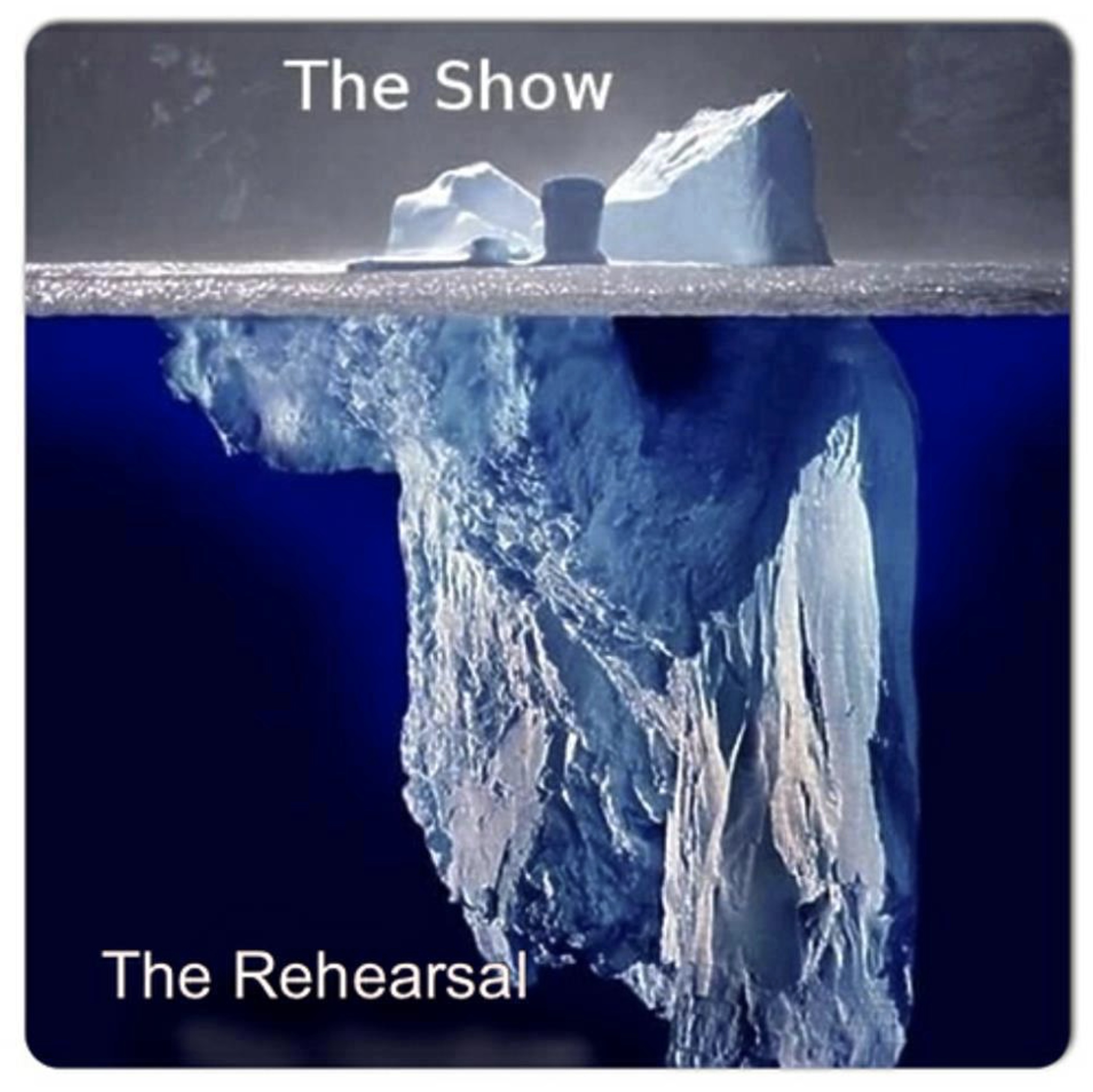
Finally, here are a handful of YouTube videos… just the tip of the iceberg. Remember that iceberg metaphor? The part that you see above the ocean is the performance, the show, the interview, the product… while the mandatory practice, rehearsals, preparations, and planning take up much more space and are almost never seen. ARE YOU READY TO TELL YOUR STORIES?

Enjoy! Now the ball is in YOUR court!

PKF

© 2022 Paul K. Fox

Becoming a School Music Educator

[A quick summary, portions reprinted from the April 17, 2019 posting on LinkedIn: https://www.linkedin.com/pulse/becoming-school-music-teacher-paul-fox/]

One of my goals after retiring from 35 years as an educator and administrator in the public schools was to reach-out to college music education majors and offer some tips and techniques for preparing for this honorable career.

I have assembled a library of blog-posts on a variety of topics at my website (https://paulfox.blog/), and invite you to peruse the section “Becoming a Music Educator” at https://paulfox.blog/becoming-a-music-educator/.

If you are a junior or senior in college, assigned to field experiences or student teaching, or a recent graduate or transfer looking for a job or otherwise unemployed, I hope I can help you!

Please review the following categorized outlines of links to articles and other resources.

big-band-1608691_1920_KeithJJ


Student Teaching

First stop: Tips on Student Teaching.

Also check out these past issues of PMEA Collegiate Communique:


“Secrets” for that First Year

  1. maestro-3020019_1920_mohamed_hassanDiscounted NAfME + PMEA first-year membership: only $90. (If you are a recent college graduate in your first year of teaching, or if you are the spouse of a current or retired NAfME member, contact NAfME at 800-336-3768 or email memberservices@nafme.org) to find out if you qualify for a reduced rate.
  2. PMEA Mentor or other state’s MEA support program for new teachers.
  3. R3 = Retiree Resource Registry for PA music teachers.
  4. PMEA Webinars.
  5. NAfME Academy of numerous videos (only a $20 annual subscription).
  6. Professional development credits just for reading an article in NAfME Music Educators Journal
  7. Model Curriculum Framework (Have to be a PMEA member)
  8. What a deal! PMEA summer conference  as little as $30/person. Check out your own state’s MEA discounts and offers for collegiate members and new teachers!
  9. Numerous helpful blog posts from NAfME Music in a Minuet and paulfox.blog.


logo 2

Everything… Including the Kitchen Sink

Check out the online resources on the PMEA Council for Teacher Training, Recruitment, and Retention website, free/open to all music teachers. Especially take note of the supplemental links on a variety of topics posted here.


Job Seekers

A summary of my re-occurring themes on marketing your professionalism and a few “pet peeves” include the following:

  1. Create a multi-media digital portfolio, video recording excerpts of your memorable solo, chamber, and ensemble performances, teaching experiences, and other opportunities you have had in working with children of all ages. To the interviews, bring both a printed version and jump drive (the latter to leave with the screening committee) of these artifacts and a list of your other activities, awards, accomplishments, mission/vision, transcripts, music education and class management philosophies, recommendations, etc.
  2. Take the time to assemble “the stories of your life, work, and teaching experiences” (both successes and the “glitches” or “snags” along the way which you had to resolve) that demonstrate your competencies, relationships with students, personality traits, acquired skills, problem-solving, and maturity.
  3. woman-613309_1920_jsotoBring to any employment screening your resume, business card, and an e-portfolio referencing a professional website which archives everything in #1 and #2 above.

  4. Avoid one-word responses or short answers to most interview questions. Instead, seek ways to incorporate the anecdotes you have made ready at your fingertips (#1 above) that model those characteristics a prospective employer is seeking in a music teacher.
  5. If you want to be the one “in control” of the possible jobs that may come your way, avoid marketing your skills as a “music specialist” (e.g. band director or elementary music teacher). Most degree programs prepare the students for teaching certification in “Music Grades Pre-K to 12.” If you are looking to expand your opportunities, don’t limit your capabilities or options upfront. You CAN teach all forms and levels of music!
  6. music-818459_1920-thedanwClean-up and curate your social media sites, treating your Facebook pages as another “personal branding resource.” Experts recommend that “your profile information should reflect integrity and responsibility… You should expand or add content that projects a professional image, shows a friendly, positive personality, demonstrates that you are well-rounded with wide range of interests, and models… great communication skills.” Source: https://paulfox.blog/2019/03/01/collegiates-clean-up-your-social-media/.
  7. How to your get to Carnegie Hall? Practice, practice, practice! How do you ace your interview? Practice, practice, practice! Put yourself through “mock interviews” and record and later assess your “performance.” Sample questions are posted at my blog-site.

choir-458173_1920_intmurr

 Collegiates, welcome to the profession!

“Break a leg” at your employment interviews!

PKF


Photo credits in order from Pixabay.com:


wooden-train-2066492_1920_Couleur

© 2019 Paul K. Fox

Reference Letters: What To Do?

Reprinted from “A View from the Podium” (Upper St. Clair High School, 2015) for current South Hills Junior Orchestra members and other students seeking recommendation letters from their music teachers.

foxsfiresides

If you are requesting a letter of recommendation from any teaching staff member, administrator, minister, coach, or activity sponsor for college entrance, scholarships, awards, or job placement, please follow the instructions of your school counselor AND review/complete the steps below.

Do you have an updated “me-file” on your computer’s desktop? Maintain a bulleted list of accomplishments with dates. Scan archives of awards, programs, commendations, special honors, and significant assessments. This will become the basis for the creation of résumés or portfolios, and background for your college or employment essays.

In person, ask the teacher from whom you want the letter if he/she is willing to do this. This should be an adult in whom you have a great deal of trust and with whom you have had frequent contact. If you have any doubt or misgivings like “Does this professional like me?” or “Will he/she give me a fair rating?” – then you should ask someone else. If you are a current member of SHJO, anyone asking Mr. Fox should have no fear. He will tell you immediately if there is any problem in writing a positive letter.

In my opinion, if you choose the right person to do your letter, you can sign-off your rights to see it before submission to the institution. A student checking “yes” to waiving his/her access to/examination of the reference may look better to the evaluator. Although not required, some may send you a copy of it for your files. That is my standard practice.

Know your deadlines. BY WHEN do you need the reference letters or common app teacher recommendations?

seriestoshare-logo-01As a courtesy to the writer (and modeling good preparation on your part), give at least two to three weeks’ notice (more is better). Remember: “Lack of planning on your part does not constitute an emergency on the teacher’s part.” It would also be polite to “gently remind” the staff member about the final deadline of the recommendation (at least one weekend’s notice). For SHJO, one Saturday ahead of the final deadline would be ideal.

Unless it is an online application or digital reference, the individual requesting the recommendation should provide in advance a pre-stamped self-addressed envelope to be signed, sealed, and mailed directly to any school or organization.

To facilitate “anecdotal references” and confirm accurate data/details, email a mini-résumé of your achievements, particularly those things that can be mentioned in the letter. Try to complete as many of these as possible:

  1. When did you first begin your musical (or other academic specialty) study? When did you join SHJO or other music group?
  2. What classes, ensembles, and/or productions have you participated at school?
  3. What music or academic leadership positions have you served (give specific dates)?
  4. What are your outside activities?
  5. What have you done as community service?
  6. How are you unique? Describe yourself in three to five words.
  7. What qualities or strengths have you exhibited that the staff member, from working with you, could corroborate in the letter?
  8. Can you remember any funny or significant class or rehearsal anecdote that demonstrated growth in your musical technique, expressiveness, student leadership, “team” or ensemble building, or the 21st Century learning skills of creativity, communications, critical thinking, collaboration, and global understanding?
  9. What is your planned major or minor in college, and how did your association with the staff member (his/her classes or activities) help you gain the experience, insight, or confidence to go into this field?

Good luck! PKF  Revised 3/18/19

hi-res logo 2018

The mission of South Hills Junior Orchestra, which rehearses and performs at the Upper St. Clair High School in Pittsburgh, PA, is to support and nurture local school band and orchestra programs, to develop knowledge, understanding, performance skills, and an appreciation of music, to increase an individual member’s self-esteem and self-motivation, and to continue to advance a life-long study of music. Members of the Orchestra learn, grow, and achieve positions of leadership to serve their fellow members.

(For more information about SHJO, please visit www.shjo.org.)

This and all Fox’s Fireside blog-posts are free and available to share with other music students, parents, directors, and supporters of the arts.

Click here for a printable copy of Reference Letters: What to Do?

Other “Fox Firesides” are available at https://paulfox.blog/foxs-firesides/.


© 2019 Paul K. Fox


Photo credit from Pixabay.com: “Fireside” by pixeldust


Interviews

READY TO HIRE: Strategies to Land a Job

For all future music teachers everywhere, especially members of a PCMEA or NAfME collegiate chapter, we post these handouts from past NAfME and PMEA music teacher conference sessions, all moderated by Scott Sheehan, Immediate Past President of NAfME Eastern Division and Past State President of PMEA.

As a tradition at the annual state conference, the session “Ready to Hire: Interviewing Strategies to Land a Job” has offered “tried & true tips to assist promising music education majors with developing interviewing skills to successfully land their dream job.” One of the features of the clinic is the set-up of a “hot seat” where volunteer candidates are put through one or more questions in a “mock interview,” and then assessed on their “performance.” The guest panelists often distribute a “takeaway” with valuable tips on interview techniques and questions, and developing personal branding, networking, and marketing skills.

These suggestions are offered as a way to “practice” taking employment interviews.

Best wishes on your job search. Now go out there and “nail” the interview!


NAfME Logo_eastern_division

NAfME Biennial Eastern Division/PMEA State Spring Conference

April 4-7, 2019 in Pittsburgh, PA


Sheehan: Interview Session Handout

Metelsky: Interview Worksheet

Pearlberg: Ready to Hire Interview Strategies

Fox: Job Interview Playbook


PMEA conferences.png

Pennsylvania Music Education Association Annual Spring Conference

(various years)


Basalik: Ready-Set-Interview

Baxter: Music Interviews

Fox: A to Z Job Interview Checklist

Fox: Marketing Your Professionalism


pcmea

Additional Resources

PMEA Job Board

NAfME:

Sullivan Interview Strategies that Work

Older blog-posts at this site:


Acknowledgments:

  • Sue Basalik
  • Howard Baxter
  • Marc Greene
  • Susan Metelsky
  • Alicia Mueller
  • Henry Pearlberg
  • Kathy Sanz
  • Scott Sheehan
  • Jill Sullivan
  • Lucy White

Image by Tumisu from Pixabay


© 2019 Paul K. Fox

All rights reserved by the individual authors of this material

Collegiates – Clean Up Your Social Media

banner-935469_1920_geralt

Getting Ready to Apply for a Job? It’s Time to Curate Your Social Media!

[Portions of this blog-post were first published in the January 31, 2019 issue of the Collegiate Communique sponsored by the PMEA State Council for Teacher Training, Recruitment, and Retention.]


Have you ever gone on the Internet and searched for your name? Have you assessed tree-1148032_1920_geraltwhat your image (and “personal brand”) say about you on all the social media platforms?


According to a McAfee family safety blog, in anticipation of future employers researching you and everything with your name on it, you should make a concerted effort to “launder” your online presence.

People are watching you right now. Like it or not — agree with the intrusion or not — you are being Googled, judged, and analyzed by the body of content you’ve posted online. Whether you are applying to a college, for a summer job, or even currently employed, you can bet someone who matters to your future is on your digital trail.

 “10 Easy Ways to Clean Up & Curate Your Social Media” by Toni Birdsong


laptop-3087585_1920_jeshoots-com_

Also recommended by Birdsong, the new “best practice” is to A) clean up any questionable content from all social profiles and B) design your social content in a way that “reflects your best self.” This means you should delete permanently from Facebook and other platforms:

  • Provocative or inappropriate photographs, videos, or posts
  • Posts or photos that include drinking or using drugs
  • Discriminatory comments related to race, religion, gender, etc.
  • Content that complains about a previous employer or colleague
  • Posts that are overly cynical, grumpy, or mean

notebook-614213_1920_firmbeeInstead, your profile information should reflect integrity and responsibility, so you should expand or add content that:


  • Projects a professional image
  • Shows a friendly, positive personality
  • Demonstrates that you are well-rounded, with wide range of interests
  • Models that you have great communication skills

Think the whole “future employers checking your social media accounts” thing is just an annoying urban legend? Think again.

It turns out that one in three employers have rejected candidates based on something they found out about them online.

“How to Clean Up Your Social Media During the Job Search” by Lily Herman

personal-3139194_1920_geralt

The McAfee blog really does a good job summing up ten steps to a better online presence:

  1. Make a hit list
  2. Think like the decision maker.
  3. career-3478983_1920_mohamed_hassanStreamline your selfies.
  4. Review past blogs.
  5. Google yourself.
  6. Inventory all social profiles.
  7. Edit your Twitter feed.
  8. Secure names and URLs.
  9. Change your online persona – for good.
  10. Start a career-focused Blog.

There are many samples for that last tip, my favorite from a former student of mine freely sharing his professional website at daviddockan.com. (Use “Music” for the password.) David included his resume, philosophy of music education, employment history, and photo/video samples of his teaching… a very powerful digital portfolio and marketing/branding technique… and of course, he landed his first music teacher job immediately after graduating from West Virginia University!

online-3412473_1920_kreatikarIf you need more than ten suggestions or a lot more detailed instructions based on the specific social media platforms, check out 30 Quick Tips to Spring Clean Your Social Media Presence” by Yvonne Dutchover.

Related articles previously posted at this site:


Employers can learn a lot about you from your resume and interview, but sometimes it takes a little bit more to sell yourself (although there’s a delicate balance between selling yourself and being transparent in the hiring process). Take advantage of the benefits of social media – it’s an often-needed extra step to show what you bring to the table, a way to add flair to your application, and make a lasting impression on your potential employers.

– “How to Clean Up Your Social Media Presence Before the Job-Search” by Lauren McAdams

job-3790033_1920_tumisu

In short, keep it clean and professional! “Police” your social media image and brand. And, as they say, “break a leg” at your interviews! Good luck in job hunting!

PKF

© 2019 Paul K. Fox


Photo credits in order from Pixabay.com: “social media” by Alexas_Fotos, “banner” and “tree” by geralt, “laptop” by JESHOOTS-com, “notebook” by FirmBee, “personal” by geralt, “career” by mohamed_hassan, “online” by kreatikar, and “job” by Tumisu.

Summertime Prep for Music Ed Majors

Collegiates: You snooze, you lose!

After a well-deserved break from your academics and other college or work deadlines, music-2674872_1920_kevinbismnow would be the perfect time to explore supplemental resources and get a “head-start” on additional pre-service training for next fall. These tips are especially valuable to anyone entering his/her senior or final year as a music education major, finely honing in and marketing your skills as a professional in order to be prepared for finding and succeeding at your first job.

Actually I hate to admit it, I enjoy assigning college students a little “homework!” But, most of this you can do from the comfort of your patio, beach blanket, swimming pool lounge chair, or couch in the game room. With the exception of “getting your feet wet” and diving into enriching music teaching field experiences and a summer workshop or two, all you need is a pencil to take notes and a device with access to the Internet.

There’s a lot to-do right now, and you only have the rest of July and August. Please try to “keep your eyes on the target” and squeeze in a few of these self-improvement plans around your vacation trips (seven lessons – see sections below) :

  1. Summer practicum
  2. Conferences
  3. Online research
  4. Skill gap-filling
  5. Ethics training
  6. Digital archiving
  7. Interview prep


orchestra-2496505_1920_HeungSoon


1. Are you really ever “on vacation” from music education?

Most veteran music educators would respond with “NEVER!” We maintain our professionalism by participating in workshops, reading teacher journals and online articles, perusing lesson materials and new music, practicing and advancing our personal musicianship, undergoing technology “tune-ups,” and focusing on other career development. This is a 12-month, even 7-day process, and academic breaks when they appear on our calendar allow us to “double-down” in areas we need the most help.

“Hands-on” training not only “fills-up your resume” with primary employment/volunteer sources, but more importantly, exposes you to realistic opportunities to expand your skills and knowledge of the “best practices” in music education and leadership training, while building techniques for handling student motivation and discipline best learned from “the school of hard knocks.”music-3090204_1920_brendageisse

These placements don’t always come “knocking at your door.” Go out and seek a little adventure! For leads, talk to your high school band, string, or choir director. Your purpose is to find something that allows you some contact with children… free (usually) or paid, in or outside the field of music and the arts. Here are a few ideas:

  • Coach summer band sectionals, field rehearsals, marching or dance practices, etc.
  • “Put up your shingle” and teach private or small class music lessons.
  • Offer to arrange music or or provide choreography for local school drum-lines, marching bands and/or auxiliary units, or theater groups.
  • Sing in a community or church choir, and offer to help accompany, vocal coach, or conduct.
  • Sign-up to assist in local youth ballet, modern dance, or drama programs.
  • Sing, play, or teach solo or chamber music for summer religion or music camps, childcare facilities, hospitals, or senior citizen centers.
  • Volunteer (in almost any capacity) at a preschool or daycare center.


kids-1093758_1920_klimkin


2. The tools of the trade – CONFERENCES!

Summer is a GREAT time to grow your network of valuable opportunities for future collaboration, do a little goal setting, and “push the envelope” with professional development of the “latest and greatest” and “state of the art” music and methods.  The primary source for professional development is the education conference. There still may be time for you to find one close to you, perhaps in conjunction with a little sightseeing or visits with friends and relatives in the same city, like the following:

Thanks to www.takeflyte.com/reasons-to-attend-conferences, we know that attending workshop sessions are “good for you!” Participating in a conference helps you to…

  • Sharpen the saw (sharpen your skills – Stephen Covey’s seventh habit of highly effective people)
  • Meet experts and influencers face-to-face
  • pmeaMix and mingle to improve your networking opportunities


  • Find new tools and innovations
  • Learn in a New Space
  • Break out of your comfort zone
  • Be exposed to new tips and tactics
  • Relearn classic techniques with greater focus
  • Share experiences with like-minded individuals
  • Discover the value of the serendipity in a random workshop
  • Invest in yourself
  • Have fun!

If you really need any additional rationale for spending the money, click on the blog-post “Getting the Most Out of Music Conferences” at https://majoringinmusic.com/music-conferences/.

Finally, believe-it-or-not, you can bring the conferences to YOU! For the annual $20 subscription fee, you can view NAfME Academy professional development videos on almost any topic you can imagine. Check out the NAfME library of webinars: https://nafme.org/community/elearning/.


marching-band-1404489_1920_sam99929


3a. A winning website

The aforementioned Majoring in Music website is an excellent place to visit. It is amazingly extensive. You should read these articles for your “final year of prep.”


3b. These “awesome” resources are brought to you by NAfME

Besides the broad-based music subject matter and specific teaching skills, here’s some valuable advice, including how to “run a music program” (first link). I hope I am not stating the obvious: You should become a member of this national association for the advancement of music education.


Amplify

I also want to point you to the community discussion social media platform called Amplify, a benefit of NAfME membership. We are stockpiling a lot articles for college music education students, as well as sharing dialogue on everything from pedagogical issues to music equipment purchasing recommendations in both the collegiate member group and “music education central.” Go to https://nafme.org/introducing-amplify-largest-community-music-educators-country/.


guitar-2922536_1920_sunawang


4. “Filling in the gaps”

Your music education methods courses and other college classes were never expected to provide 100% of the necessary tools to become a competent teacher in every setting. This spotlights the need for professionalism. Once you land a job, you will have to “catch-up” and seek additional training to improve those areas in which you feel inadequate or unfamiliar. You can begin NOW to explore a few of these areas while enjoying your less stressful off-campus schedule:

  • child-621915_1920_skeezeUnderstanding specific educational jargon and the latest approaches, applications, and technologies in the profession (e.g. Backwards Design, The Common Core, Whole Child Initiatives, Multiple Intelligences, Depth of Knowledge and Higher Order of Thinking Skills, Formative, Summative, Diagnostic, and Authentic Assessment, etc. – Do you know the meaning of these terms?)
  • Teaching outside your “major” area or specialty (e.g. instrumental music for voice students, etc.)
  • Comprehending behavior management techniques and suggestive preventive disciplinary procedures
  • Mastering the use of valid assessments (e.g. can you give specific examples of diagnostic, authentic, formative, and summative assessments?) as well as a variety of music rubrics and evaluative criteria
  • Knowing the provisions of the Family Educational Rights and Privacy Act and other confidentiality statutes, Individual Education Plans and service agreements, and accommodating students with disabilities

flute-2245032_1920_congerdesignYou need to ask yourself the question, “What are my greatest weaknesses in music education?” Or, to put it another way, “What school assignments would I feel the least confident to teach? After earning your state’s all-essential credential, your certificate will likely be general and only say “music Pre-K to Grade 12.” Administrators will expect you can “do it all” – introducing jazz improvisation at the middle school, accompany on the piano or guitar all of the songs in the grades 1-6 music textbook series, directing the marching band at the high school or the musical at the middle school, starting an elementary string program, etc.

Figure out and face your greatest fears or worse skill areas. Work on them now! Take a few lessons, join a new ensemble of the “uncomfortable specialty,” ask help from your peers, etc.

More about this was printed in a previous post: https://paulkfoxusc.wordpress.com/2018/03/11/transitioning-from-collegiate-to-professional-part-ii/.


microphone-1804148_1920_klimkin2


5. The ABC’s of professional ethics

So far, have you been given any ethics training in college? Most pre-service educators only receive a cursory introduction to such things as codes of conduct, moral professionalism, guidelines to avoid conflicts in relationships with students, use of social media, confidentiality regulations, copyright infringement, pedagogical and economic decision-making, etc.

Now in my 46th year working in the field of music education (although retired from the public schools in 2013), I unblushingly admit I never had a full-blown course in ethics. Music colleagues have confirmed to me that it was barely (or not at all) touched-on in music methods classes, introduction to student teaching, school district orientation or induction sessions, or back-to-school in-service programs. choir-458173_1920-intmurrSince music teachers are all “fiduciaries” (do you know the meaning of the word?) and legally responsible for our “charges,” wouldn’t it be a good idea to review our state’s regulations and code of conduct, and hear about the challenges and pitfalls of ethical decision-making before we jump in and get “over our heads,” so-to-speak?

I can offer you two ways to immerse yourself into music education ethics. If you are a PCMEA or PMEA member and an “auditory learner,” you might prefer the FREE PMEA online webinar video (two-part) plus handouts at https://www.pmea.net/webinars/. Otherwise, visual learners and others may like this five-part blog series:


band-1850616_1920_Pexels


6. “A picture says a thousand words” in marketing yourself

Have you been archiving your last several year’s of field assignments? Have you recorded numerous moments of teaching, music directing, performing, and working with students? Are you prepared for the coming year’s student teaching, getting ready to take still photos, audio samples, and video excerpts?

“We cannot emphasize the power of pictures enough when it comes to portfolios. During interviews, committee members are trying to get to know you and trying to envision you teaching. Don’t trust their imaginations to do so, give them pictures… photos or newspaper articles of you teaching students in the classroom, with students on field trips, learning excursions or outside class activities, with children while you are serving in adviser roles, with your students at musical or athletic events, coaching or working with children in a coaching capacity, as a leader and role model.” – http://www.theeduedge.com/top-five-must-haves-top-five-could-haves-your-teacher-interview-portfolio/

As I mentioned in a previous blog, be careful to obtain permission in advance to video record students for your e-portfolio. During your field experiences or student teaching, little-girl-3043324_1920_Atlantiosask your cooperating teacher (or his/her supervisor’s) permission. Some school districts have “do not photo” rosters. (However, in my district, only a few elementary students were “on the list” and most defaulted to a “permissible” status unless the parent opted out. The principal’s secretary had a record of all exceptions.) It is also suggested that you focus your camera mostly on YOU and not the students, from the back of the classroom or rehearsal facility (possibly from afar), so that the student faces are not clearly discernible. To respect their privacy, in the recorded excerpts, do not use any segment announcing the names of your students.
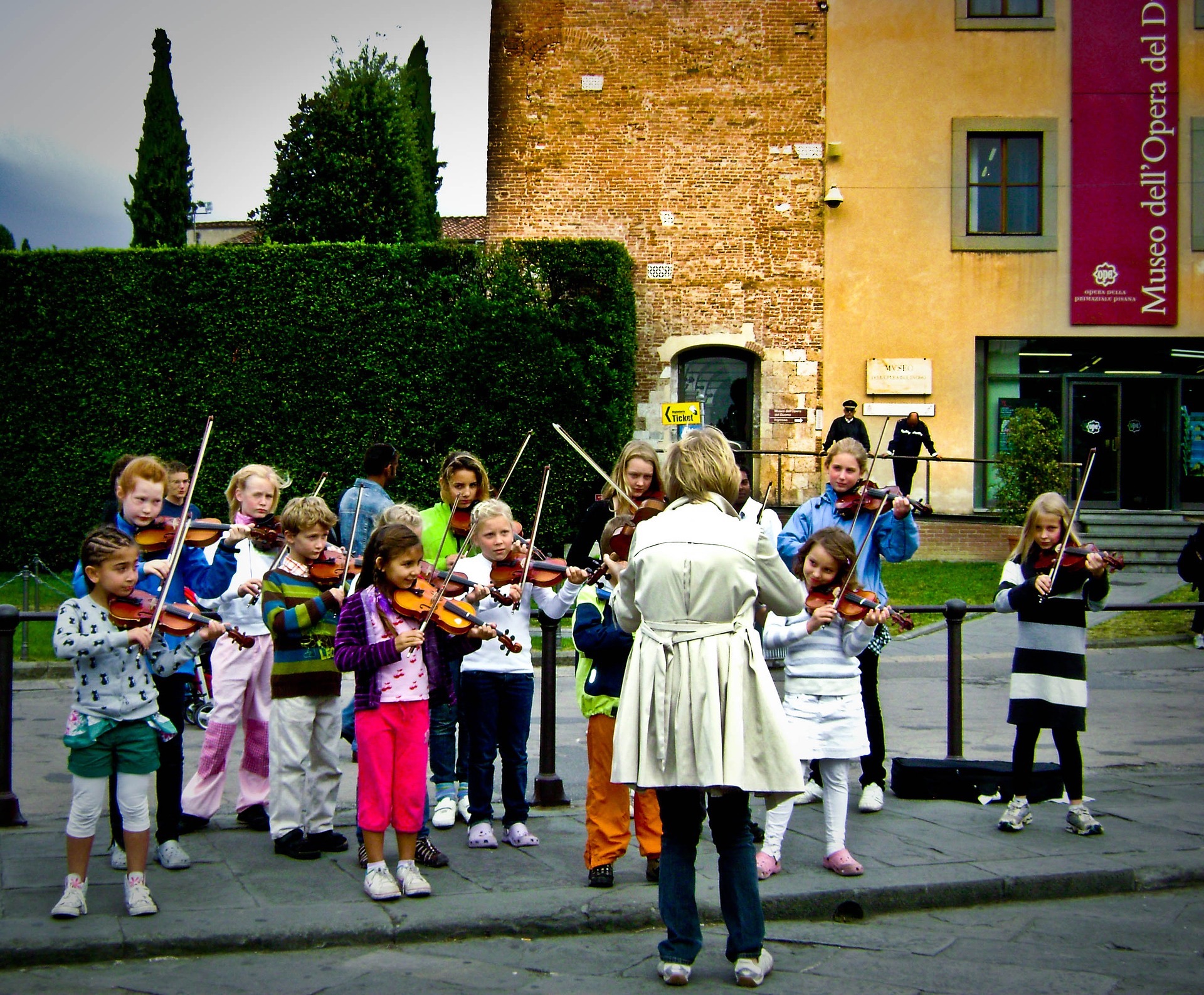
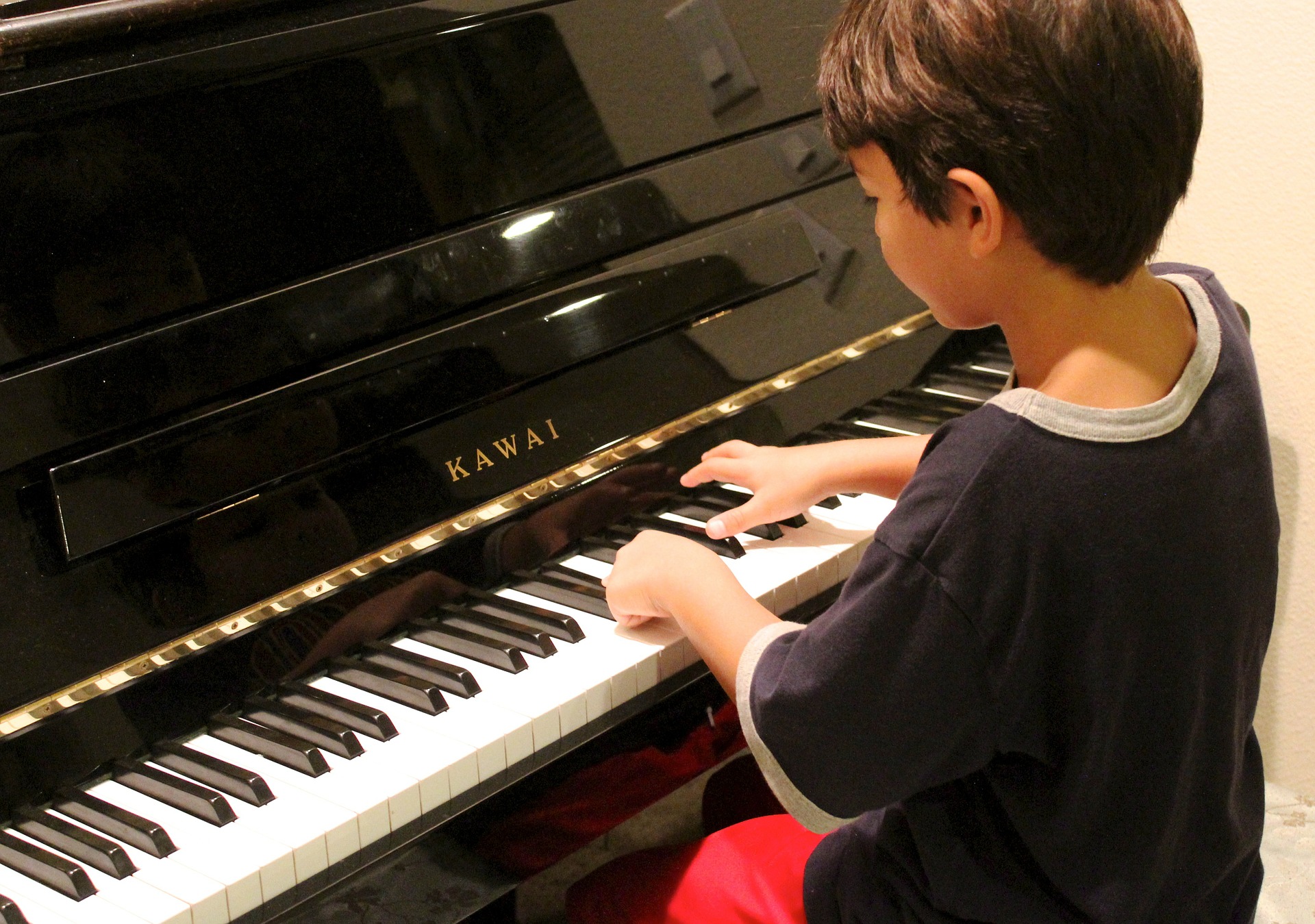
What would be ideal to place on/in your website/e-portfolio? Show a wide spectrum of experience and training: elementary and/or middle school general music, band, choral and string ensembles (all grades), marching band, musicals, dance, music technology, piano and guitar accompanying, Dalcroze eurhythmics, Orff instruments, etc. Competency, versatility, and being well-rounded are the keys here.


boy-273279_1920_Silberfuchs


7. Teacher interviews – “practice makes perfect”

I have written a lot on the subjects of assembling a collection of your teaching anecdotes and stories, marketing your “personal brand,” and preparing for the employment screening process. (Have you wandered through the comprehensive listing at https://paulkfoxusc.wordpress.com/becoming-a-music-educator/?)

However, I recently came upon several new-to-me online articles that summarize the basics. Please take a look at these:

After reading all of these (and compile your own list of interview questions), you should get together informally with your fellow juniors and seniors and hold mock interviews, record them, and jointly assess the “try out” of your interviewing skills to land a job.

Finally, have you recently updated your resume, and created (or revised) your professional business card, website, and e-portfolio?

children-2685070_1920_mochilazocultural


Okay, I admit it. I got a little carried away. You would need TEN SUMMERS to cover everything above. What’s that saying? “There’s never enough hours in a day…”

Hopefully these resources  and recommendations are helpful “food for thought!” You cannot accomplish anything by procrastination… or just “sleeping in!”


Many have said that aspiring to be a music educator is a lot like a “calling.” Using your summer “free time” is all about “professional engagement.” One of my superintendents said he expected prospective new music teacher recruits to show high energy, enthusiasm, sense of purpose, and dedication during the interview… even a supposed willingness to “lay down in front of a school bus” or “do whatever it takes” to make the students (and the educational program) successful. Regardless of the hyperbole, that’s engagement!

So, what are you waiting for? Pass the sunscreen and the ice tea. Then, after a quick swim, jog, round of golf, or game of tennis, get started on your summer assignments!

PKF


piano-78492_1920_nightowl


© 2018 Paul K. Fox


Photo credits (in order) from Pixabay.com: “music” by ArtsyBee, “music” by KevinBism, “orchestra” by HeungSoon, “music” by brendageisse, “kids” by klimkin, “marching band” by sam99929, “guitar” by sunawang, “child” by skeeze, “flute” by congerdesign, “microphone” by klimkin, “choir” by intmurr, “band” by Pexels, “little girl” by Atlantios, “boy” by Silberfuchs, “children” by mochilazocultural, and “piano” by nightowl.

The Professional Website

Pre-Service Music Educators Looking for Employment: Build a Web Platform to Promote Your “Brand”

beautiful-15728_1920_PublicDomainPictures

According to Wikipedia, “an electronic portfolio (also known as an eportfolio, e-portfolio, digital portfolio, or online portfolio) is a collection of electronic evidence assembled and managed by a user, usually on the Web. Such electronic evidence may include input text, electronic files, images, multimedia, blog entries, and hyperlinks. E-portfolios are both demonstrations of the user’s abilities and platforms for self-expression. If they are online, users can maintain them dynamically over time. One can regard an e-portfolio as a type of learning record that provides actual evidence of achievement…”

A couple years ago, I wrote a blog about the “perfect portfolio” for getting a job at https://paulkfoxusc.wordpress.com/2015/11/15/planning-the-perfect-professional-portfolio/. As a review, these elements were endorsed for inclusion in an e-portfolio:

  • Educational philosophy
  • Résumé or Curriculum Vitaeinternet-1181586_1920_the digitalartist
  • Letters of recommendation
  • College transcripts
  • Praxis® exam results
  • Copy of teaching certificate(s)
  • Artifacts of student work
  • Classroom observation documents/evaluations
  • Statement about class management theory (discipline) and the steps that you would take inside your classroom to create a safe and orderly environment
  • Letters from parents commending the work you did with their children
  • Samples of student assessments/rubrics
  • Excerpts (short video or audio recordings) of you performing on your major instrument/voice, solo and chamber recitals, piano accompanying, playing in college ensembles, and especially teaching in as many settings as possible: small and large group instrumental (band and strings), choral ensembles, elementary classroom lessons, extracurricular activities like marching band and musical, private lessons, etc.
  • Pictures (quote from http://www.theeduedge.com/top-five-must-haves-top-five-could-haves-your-teacher-interview-portfolio/): “We cannot emphasize the power of pictures enough when it comes to portfolios. During interviews, committee members are trying to get to know you and trying to envision you teaching. Don’t trust their imaginations to do so, give them pictures… photos or newspaper articles of you teaching students in the classroom, with students on field trips, learning excursions or outside class activities, with children while you are serving in adviser roles, with your students at business-15822_1920_PublicDomainPicturesmusical or athletic events, coaching or working with children in a coaching capacity, as a leader and role model.”

As I said in my article, all of this is “perfect fodder for marketing yourself” at future employment interviews. Do you have “what it takes” to be a professional music teacher?” In your opinion, what makes you qualified (“a good fit”) for a position in our institution?”

I also recommend you revisiting my blog-post “Tips on Personal Branding” at https://paulkfoxusc.wordpress.com/2015/12/16/tips-on-personal-branding/ for steps on warehousing the elements of your “professional brand.”

If your college does not set you up with a free online site, consider a “do-it-yourself” website creator from one of these, and read the rest of this blog-post:

  • WordPress.com
  • Wix.com
  • Weebly.com
  • SquareSpace.com
  • Web.com
  • Yola.com
  • GoDaddy.com
  • eHost.com
  • Site123.com

WordPress is a popular “open source” solution. This means you will need to independently set up a server, download a third party template, manage updates, set up a domain name, and configure everything on your own. This is what I did for this paulkfoxusc blog-site, and I paid zero for a domain name… but more on that later.


turn-on-3064510_1920_geralt


The Essential Step-by-Step Guide to Making Your Own Website

One of my favorite online “instruction manuals” for building a website comes from Christopher Heng’s “How to Start / Create a Website: The Beginner’s A-Z Guide” at  https://www.thesitewizard.com/gettingstarted/startwebsite.shtml. Their steps:

  1. Get Your Domain Name.
  2. Choose a Web Host and Sign Up for an Account.
  3. Designing your Web Pages.
  4. Testing Your Website.
  5. Collecting Credit Card Information, Making Money (not needed for us?).
  6. Getting Your Site Noticed.

This should be required reading… but take it slow, and click on all of the secondary links.

Some website builders and managers offer e-commerce and other special features. For a professional website to post your experience and accomplishments, you can avoid the extra cost of these nonessential additional web tools.

web-1738168_1920_CyberRabbitIf you can afford it, purchasing a simple domain name like your first and last name (something easy to remember) would be a great idea. Prospective employers will not have to write down a bunch of numbers, know your birthday, learn your nickname, etc. to find your e-portfolio. If you have an unique middle name or surname, you might luck out and be able to snag (and register) the perfect domain name. This was not possible for me! Do you know how many Paul Fox’s (even Paul K. Fox) are “out there” already taken?

In the process of obtaining an available email label, if needed, try rearranging your name (e.g. listing the last name first?), placing dots between the first and last name, etc.


Strategies for Saving Money and Seeking Tech Help

If you are like me, lacking a little confidence about advanced online technology or mastering a complicated website building program, read the following article for a general review of the process and terminology. Take the afternoon off (order a pizza, too) and totally consume it and “A Beginner’s Guide to Creating a WordPress Website” at https://www.smashingmagazine.com/2016/02/beginners-guide-creating-wordpress-website/#article-wpcom-wporg.

I suppose it would be fair to say that college students are not “made out of money,” so going to a professional website designer is probably “out of the picture,” even though this is one of your most essential tools for successfully communicating your brand! Are you going to lay out some big bucks for an impressive looking resume and business card?

However, have you considered the alternative of asking for help from your roommate, class buddy, or other student acquaintance who is majoring in communications? (Would “free pizza” be enough incentive for someone to sit down with you and get you started?)

The most cost-effective approach may be to sign-up for their FREE plan and self-hosting within the WordPress.com environment. (I am still amazed that this entire blog-site of mine, now archiving more than 73 articles, has been 100% free!)

If you desire more features, a free domain name, and no advertising on your site, you can upgrade to a monthly plan for WordPress (or any of the above providers).


WordPress.com plans


For me, WordPress was/is an easy application to use. You do not have to learn a programming language or fancy commands to format your menus and text. There are a lot of samples you can (almost literally) copy. The hard part is just… GETTING STARTED!

One of the first decisions you have to make is to establish a domain name. If you decide to be “cheap” (like me), just create a Google email account with a suitably professional name. If it is available, you set-up one like “first name” + “middle name” + “last name” + “music educator” or something else appropriate. Dots can be inserted as dividers in an email address. Shortly before I retired (and would lose my school email account), I found that paulkfox.usc@gmail.com was available. (USC is where I taught and continue to live.)

It should be noted here that “partying tuba player” and “crazy singer” are probably not good “professional names.” If you need help, just ask your grandmother what she thinks is appropriate. Remember: teaching is one of the most conservative of professions!

WordPressTo create your web site’s identity, WordPress will remove the dots and add their company’s moniker “.wordpress.com” at the end of your email name. That is how https://paulkfoxusc.wordpress.com was born!

Your next choice will be the theme, style, and features of your website… probably challenging because there are so many free templates available. Check these out:

As an example, for this site, I use the FREE “Nucleare” theme by CrestaProject. Their description is the following: “Nucleare is a classic blog theme with a crisp, elegant design and plenty of handy features. A built-in search box, links to your favorite social networks, four widget areas, and beautifully styled post formats make this an ideal theme for your personal blog.” Nucleare also supports the following features:

  • Site logo
  • Social Links Menu
  • Post Formats
  • Custom Menus
  • Widgets
  • Custom Header
  • Custom Background
  • Full-Width Page Template


ipad-820272_1920_fancycrave1


A Model Music Teacher Website

Educators love it when one of their students leave their classroom and choose to become a significant contributing member to our “exalted” profession! I felt blessed and privileged to have had the opportunity of teaching David Dockan, a trumpet player in both our Upper St. Clair High School orchestra and marching band. He validated some of my advice for marketing himself to land a job, and has created a super website. Go to http://www.daviddockan.com/ and use the password “Music” to view his e-portfolio.

His menu sections:

  • Home (Introduction)
  • Teaching (General, Choral, Instrumental, assigned schools, Private Lessons)
  • Philosophy
  • Musicianship (Performance, Conducting)
  • Resume
  • Contact

A trumpet teacher colleague of mine, Ryan Wolf, messaged me on Facebook after he read the initial posting of this blog. He said he had great success hosting his professional website on Yola.com, but he maintains his e-portfolio on his Google Drive to make it easy to share.

In conclusion, I offer a few more recommendations for your consideration:

  1. Proofread your online presence very carefully… misspellings, bad punctuation, grammar mistakes, or poorly formatted displays would be negative PR and a detriment to your marketing plan.
  2. Websites require frequent updates. Keep yours up-to-date at all times!
  3. Print the link to your professional website on your business card and resume.
  4. Consider placing a Q-Code on your business card that, if scanned on a smartphone, would redirect your contact or prospective employer to your website.
  5. Be careful to obtain permission in advance to video record students for your e-portfolio. During your field experiences or student teaching, ask your cooperating teacher (or his/her supervisor’s) permission. Some schools have “do not photo” rosters. (However, in my district, only a few elementary students were “on the list” and most defaulted to a “permissible” status unless the parent opted out. The principal’s secretary had a record of all exceptions.) It is also suggested that you focus your camera mostly on YOU and not the students, from the back of the classroom or rehearsal facility (possibly from afar), so that the student faces are not clearly discernible. To respect their privacy, in the recorded excerpts, do not use any segment announcing the names of your students.

  6. maintenance-2422172_1920_geraltShowing your versatility, try to assemble a collection of still photos, audio examples, and videos that ideally represent all specialties in music education: choral, dance, general music, concert band and string instrumental, marching band, jazz, theater, etc., and demonstrate your proficiency in multiple settings at all grade levels.

  7. There are many blog-sites with tips on “curb appeal” – layout and design, style, overall impact, style, user-friendliness, etc. Since this involves a cross between artistry and efficiency, these advisors may not agree (one says use large images, another suggests smaller pictures mean faster loading speeds). A few samples:

If you were introducing a new “widget” to the market or promoting a sales campaign, you would spend a lot of time (and money) on advertising. A website and e-portfolio are a job hunter’s advertisement tool. Take advantage of any chance you have to present your personal brand, “sell yourself,” and connect with colleagues in the field of education. Archive your training, successes, and goals. Show off your professionalism, proficiency, and personality to prospective HR people and the decision-makers that hire future staff. Be sure to provide “live demos” of your traits of artistry, collaboration, commitment, discipline, even-temperament, initiative, leadership, mastery of music and education, organization, positive outlook, style, tact, and teamwork.

Good luck!!

PKF

© 2018 Paul K. Fox

people-3042093_1920_Akshay93

Photo credits (in order) from Pixabay.com: “men” by photoshootings, “beautiful” by PublicDomainPictures, “internet” by thedigitalartist, “business” by PublicDomainPictures, “turn-on” by geralt, “web” by CyberRabbit, “iPad” by fancycrave1, “maintenance” by geralt, and “people” by Akshay93.