A Musician’s Guide to Staying Curious and Creative
by Ed Carter
For musicians, educators, professionals and soon-to-be retirees everywhere, guest blogger Ed Carter returns with this article on exploring new pastimes and adventures while “living the dream” during and after full-time employment. What are you planning to be (or do) when you grow up? PKF
Musicians are lifelong learners by nature. Whether you’re a touring guitarist, a bedroom producer, or a choir director, you already know that growth happens when curiosity meets practice. Learning new skills and hobbies isn’t just a way to pass the time—it’s a way to deepen musicianship, prevent burnout, and build a richer creative life. From hands-on crafts to movement and language, the right skill can feed your music in surprising ways.
The Fast Takeaway Most Musicians Need
Learning something new works best when it’s low-pressure, connected to your existing creative instincts, and practiced in short, repeatable sessions. Choose skills that train your ears, hands, body, or sense of story. Let progress be uneven. Consistency matters more than talent.
Skills That Pair Surprisingly Well With Music
Here’s a quick, varied list of skills and hobbies that musicians often enjoy—and actually benefit from:
Cooking: Teaches timing, improvisation, and sensory awareness
Gardening: Builds patience, seasonal thinking, and long-term care
Photography: Sharpens composition, contrast, and mood
Sewing or basic clothing repair: Encourages precision and rhythm
Dancing: Improves mood, posture, and body awareness
Visual art (drawing, painting, collage): Expands emotional expression
Learning a new language: Trains listening, phrasing, and memory
Playing a second (or third) instrument: Resets beginner’s mind
Each of these taps into skills musicians already use—just in a different form.
A Simple How-To for Learning Any New Skill
Use this checklist-style approach to avoid overwhelm and keep momentum:
Start smaller than you think Commit to 10–15 minutes a few times a week. That’s enough to build a habit.
Choose tools, not perfection One good knife, one sketchbook, one dance class, one app. Avoid overbuying.
Practice in public (a little) Share a photo, cook for a friend, attend a beginner class. Light accountability helps.
Connect it back to music Ask: How does this change how I listen, move, or think creatively?
Let yourself be bad Beginners progress faster when they’re not trying to impress anyone.
Learning Skills Side-by-Side: A Comparison
When a Hobby Turns Into a Calling
Sometimes a skill stops being “just for fun.” You fall in love with it, invest more time, and start wondering if it could become part of your career. Many musicians eventually return to school to formalize a passion—whether that’s audio engineering, education, therapy, or technology. Finding a program that supports your interests matters; for example, if you want to build skills in IT, programming, and computer science theory, earning a computer science degree can open doors, and this may be a good option. Online programs can be especially helpful for busy musicians, allowing you to study around rehearsals, gigs, and tours.
A Resource Worth Exploring
If you’re curious about picking up creative skills at your own pace, Skillshare offers beginner-friendly classes in photography, illustration, writing, productivity, and more. Many courses are short, project-based, and taught by working creatives.
Frequently Asked Questions
Do I need to be “talented” to start a new hobby? No. Skill comes from repetition, not personality traits.
How many hobbies is too many? If you feel scattered or stressed, scale back. One or two at a time is plenty.
What if I quit? Quitting is data. You learned what didn’t fit—and that still counts.
Final Thoughts
Learning new skills and hobbies keeps musicians adaptable, curious, and creatively healthy. You don’t need a master plan—just a willingness to start small and stay open. Some skills will quietly support your music; others may change your direction entirely. Either way, the act of learning itself keeps you in tune with growth.
We welcome this month’s guest blogger, Katherine Langford, who describes herself as “a digital marketing consultant, writer, freelancer, WordPress enthusiast, and coffee lover.” Thank you, Katherine! PKF
Music education has transformed dramatically in recent years. Traditional classrooms and rigid lessons are giving way to creative, flexible learning models that blend technology, collaboration, and real-world experience. The new model for modern music education isn’t just about mastering an instrument anymore—it’s about nurturing creativity, adaptability, and digital fluency.
Whether you’re a teacher, a student, or a parent trying to understand this shift, this guide will walk you through everything you need to know about the new model for modern music education and how it’s reshaping the way we learn, teach, and perform music.
What Defines the “New” Model for Modern Music Education?
The new model for modern music education is built on accessibility, inclusivity, and innovation. In the past, learning music often required private lessons, expensive instruments, and long practice hours under strict instruction. Now, technology has made learning more interactive, affordable, and engaging.
This model integrates online platforms, digital tools, and peer learning to create a dynamic environment. Students can watch video tutorials, join virtual ensembles, or even receive online class help from experienced musicians. It allows learners to progress at their own pace while receiving instant feedback and guidance.
Another major shift is the focus on creativity over perfection. Instead of emphasizing technical mastery alone, educators now encourage improvisation, digital composition, and personal expression. This approach builds confidence and helps students connect emotionally with their craft.
The Rise of Online Learning in Music Education
Online learning has become a cornerstone of modern music education. With platforms like YouTube, MasterClass, and specialized e-learning sites, anyone can access lessons from world-class musicians. Students can now learn piano, guitar, singing, or music production without leaving home.
These online classes are highly interactive, offering personalized feedback and practice tools. Some programs include live sessions, enabling real-time interaction with instructors and classmates. The flexibility to study from anywhere attracts learners of all ages and skill levels.
Online music education also supports busy professionals and students balancing multiple commitments. Many ask, Can I take my online class for music while working full-time? The answer is yes. With self-paced modules, recorded lessons, and flexible scheduling, anyone can continue learning without disrupting daily life.
Key Features of Modern Music Education
The new model for music learning focuses on a few core features that make it different from traditional instruction.
1. Technology Integration Modern classrooms use music software, apps, and digital instruments. Tools like GarageBand, Ableton Live, and Sibelius help students compose, record, and edit their music. This hands-on digital experience prepares them for real-world music careers.
2. Collaboration and Global Access Students can collaborate with others worldwide through online jam sessions or group projects. This exposure broadens cultural understanding and inspires new creative styles.
3. Personalized Learning Paths AI-driven platforms now assess student progress and customize lesson plans. Learners receive targeted exercises that focus on areas needing improvement. This keeps motivation high and ensures steady progress.
4. Performance and Portfolio Building Instead of graded recitals, students can build online portfolios, showcasing their songs or performances. This practical experience helps them prepare for music schools or careers in the industry.
Why Modern Music Education Matters Today
Music education today goes beyond traditional training. It prepares students for an evolving creative economy where adaptability and digital literacy matter.
The new model equips students with real-world skills such as sound design, audio editing, and digital marketing for music. These are essential for anyone pursuing a career in the modern music industry.
Additionally, it nurtures emotional intelligence. Creating and performing music helps students manage stress, improve focus, and build resilience. These soft skills translate into better academic and personal outcomes.
Another reason this new approach matters is its inclusivity. Learners who once couldn’t access quality lessons due to location or cost can now participate through online classes. Music education is no longer limited to elite institutions—it’s open to everyone.
The Role of Teachers in Modern Music Education
Teachers remain at the heart of music education, but their role has evolved. Instead of being strict evaluators, they now act as mentors, facilitators, and collaborators.
Educators guide students through self-directed learning, helping them explore interests while mastering key concepts. They encourage experimentation and critical thinking rather than rote memorization.
Teachers also integrate multimedia tools into lessons, using interactive notation software, metronome apps, and virtual instruments. This keeps learning engaging and relevant.
Modern instructors understand that today’s learners consume music differently. They balance traditional techniques with contemporary styles, helping students connect classical foundations to genres like pop, jazz, or digital soundscapes.
The Impact of Technology on Music Learning
Technology has completely reshaped how music is created and taught. From recording studios to smartphone apps, innovation drives engagement and creativity.
Students can record, mix, and share their music instantly. They can join online communities, collaborate virtually, or receive detailed feedback through smart analysis tools.
Some schools use virtual reality to simulate live performance environments. This helps students overcome stage anxiety and refine their skills before performing in real-life situations.
Moreover, digital sheet music platforms make learning more interactive. Instead of flipping pages, learners can annotate, loop sections, and practice efficiently.
Technology also enables inclusive learning. Students with disabilities can use adaptive devices or apps that make instruments more accessible. This reinforces the principle that music truly belongs to everyone.
How Online Class Help Supports Music Learners
Many students struggle with consistency or technical challenges while learning online. That’s where online class help becomes valuable. Expert tutors assist learners in managing lessons, assignments, and projects.
They provide feedback, correct mistakes, and ensure students stay on track. This type of support bridges the gap between traditional mentoring and independent study.
For example, if a student is learning music theory but struggles with notation, they can seek online class help for one-on-one guidance. This approach ensures understanding without the stress of falling behind.
It’s especially useful for those pursuing formal music degrees remotely. Expert assistance ensures academic integrity while keeping the learning experience enriching.
Common Question: Is Online Music Education as Effective as In-Person Lessons?
Many learners wonder if virtual learning can match the impact of face-to-face instruction. The short answer is yes, it can be just as effective—sometimes even more.
Online music education offers flexibility and access to diverse expertise that local lessons may lack. You can study jazz composition with a teacher from New York or classical violin from a maestro in Vienna.
Additionally, digital lessons allow unlimited practice and playback. Students can review recorded sessions anytime, reinforcing understanding and mastery.
However, success depends on commitment and quality instruction. Active participation, consistent practice, and seeking feedback are key to thriving in online music education.
Challenges Facing the New Model for Modern Music Education
While modern approaches have many benefits, challenges still exist. Internet connectivity, lack of physical interaction, and screen fatigue can affect engagement.
Students may also struggle with motivation when learning alone. This is where teacher support and community involvement become crucial. Encouraging virtual collaborations and online performances helps maintain enthusiasm.
Another concern is access to instruments. Not every learner can afford quality equipment or digital tools. Schools and institutions need to bridge this gap by providing resources or scholarships for talented students.
Despite these obstacles, the benefits of digital and hybrid learning far outweigh the drawbacks. With ongoing innovation, these challenges are gradually being addressed.
The Future of Modern Music Education
The future of music education looks bright and interconnected. We’ll see more hybrid classrooms combining online and offline experiences. Students might attend physical rehearsals while collaborating digitally with international peers.
Artificial intelligence will continue shaping learning paths, analyzing performances, and suggesting improvements. Virtual and augmented reality will simulate live concerts and recording studios for immersive training.
Most importantly, inclusivity and creativity will remain the foundation of this evolving system. Every learner, regardless of background, will have the opportunity to express themselves musically.
The new model is creating musicians who not only play instruments but also understand technology, production, and storytelling. They’ll be ready to thrive in an industry that values both art and innovation.
How Students Can Get the Most Out of Modern Music Education
If you’re a student exploring the new world of music learning, here are some helpful tips:
Set clear goals. Decide what you want to achieve before starting lessons.
Stay consistent. Practice regularly, even if only for short sessions.
Use technology wisely. Try apps, online lessons, and recording tools to track progress.
Engage with others. Join online groups, perform live sessions, and exchange feedback.
Seek guidance. Don’t hesitate to reach out for online class help when needed.
These small steps ensure that your learning remains enjoyable and productive.
The Cultural Shift in How We Value Music Education
In the past, music education was often viewed as a luxury. Today, it’s recognized as a vital part of cognitive and emotional development. Studies show that learning music improves memory, discipline, and communication skills.
The modern model has made music more inclusive, integrating it into mainstream education and digital life. Whether through school programs, online platforms, or personal study, students now see music as both an art and a skill for life.
Cultural acceptance has grown too. Parents now appreciate the value of creative subjects, realizing they develop critical thinking and empathy. This shift has expanded the reach of music education across age groups and professions.
Conclusion: Embracing the New Model for Modern Music Education
The new model for modern music education is more than just a trend, it’s a necessary evolution. It reflects how we live, learn, and connect in the digital age.
By combining technology, collaboration, and creativity, this approach empowers learners to explore their potential fully. Whether you’re learning to produce music, master an instrument, or compose original songs, the tools and opportunities are at your fingertips.
Leadership lessons for the classroom or staff development
This blog is a follow-up resource for my Empowering Educator and Student Leadership presentation at the PA Department of Education SAS INSTITUTE state conference on December 9, 2025 and provides a “fill-in-the-gap” narrative about many of the concepts we have already presented at this blog site:
If you would like to review my PDF slide summary from the SAS INSTITUTE, click here.
Did the main title (above) get your attention? What on earth could “leaders flush” have to do with this topic? In teaching (and modeling) leadership skills to my students, we discuss what it means to Faire sans Dire or “do without saying,” the English translation to this crest:
Heraldry coat of arms emblem: Earl of Ilchester
In other words, if you see something that needs to be done (flush the toilet?), don’t assume it’s someone else’s job. A true leader embraces the philosophy Carpe Diem (“seize the day”), identifies the problem and its solution, rolls up his/her sleeve, and “gets it done!”
Why teach leadership in the curriculum & extracurricular activities?
“Leadership is an essential skill that extends beyond the classroom, shaping how students engage with the world around them. Whether leading a group project, organizing an event, or voicing their opinions in discussions, leadership skills empower students to take initiative and make meaningful contributions. These abilities are not only beneficial during school years but also serve as the foundation for lifelong personal and professional success.” — Bloomster
In the past, I have used a multitude of opportunities and settings to teach these life skills in summer leadership camps, section leader and student conductor seminars, drum major and marching band captain auditions, student director, producer, and musical crew head staff meetings, and for 25+ years, preparing student counselors for a comprehensive, six-day, grades 8-12 Township String Camp program.
To sum it up, teaching leadership in Grades K-12 and college settings will:
Develop communication skills
Build confidence & self-awareness
Enhance problem-solving abilities
Encourage teamwork & collaboration
Shape future success
Why teach leadership to educators?
My December session at SAS Institute was geared to school/system leaders, department heads, and other administrators, but actually the focus on leadership as a skill set necessary for school/staff/individual professional improvement is essential for all educators and school support staff.
From district administrators and school principals to instructional coaches and curriculum coordinators, leaders in education have a direct impact on the learning outcomes of all students. According to UNESCO, educational leadership is considered one of the most influential factors on student outcomes, falling just behind engaging teaching. As a result, leadership training for educators has become an essential part of the professional development experience for teachers at all levels of education. — “Building Leadership Skills – From Classroom Teacher to Educational Leader”
The literature suggests that empowering educators with leadership training will:
Improve student achievement
Empower and retain teachers
Support new staff members
Drive innovation and adaptability
Bridge the gap between instruction and administration
Build/model a positive attitude
Enhance strategic thinking and decision-making
Promote a positive and collaborative school climate
Develop soft skills such as communication, conflict resolution, and building trust… both in and outside the classroom
Leadership assessments
“A leadership skills assessment is a formal evaluation used to identify and measure a person’s leadership potential and competencies, such as communication, decision-making, and emotional intelligence. These assessments can be used by organizations to evaluate current leaders, identify high-potential candidates for promotions, and inform hiring decisions. Common methods include personality tests, scenario-based assessments, and 360-degree feedback, with tools like CliftonStrengths, Hogan Assessments, and DISC being popular examples.” — “Leadership Assessment Test – A Complete Guide 2025”
There is a large body of information out there, especially commercial resources, for evaluating the leadership quotient and achievement of corporate managers, CEOs, CFOs, etc. I was impressed with the scope and depth of the research, including these sample firms advertising the availability of third-party consultants and advisors.
One night I randomly scanned through a handful of YouTube reels of company fraud and mismanagement (e.g., “Revenge of the Coffee Pot,” “Revenge with Karen,” and “Silent Revenge”), painting (fictitious) stories of bosses stealing intellectual property or assuming credit for the innovations/achievements of their subordinates, patent infringement, nepotism or incompetent hirings… all with arrogance, lack of professionalism, the total disregard of employee morale, and blatant patterns of poor executive decision-making, communication, emotional intelligence, strategic thinking, and the ability to influence and guide a team. “Emotional intelligence” (as defined above by Daniel Goleman in What Makes a Leader? also attributed to the United Nations Staff College) should include the “best practices” of self-awareness, self regulation, motivation, empathy, and social skills. Added to these YouTube (fake) scripted deficiencies are the mitigating effects of corporate politics, inconsistent application of compliance or HR policies, unclear contract language, and problems in the chain of command… with the eventual result of the boss receiving a fall from grace, termination, and other legal consequences. Most of these episodes imply only the Board of Directors evaluates the top executives (like school superintendents?), and even with the inclusion of employee satisfaction surveys, staff retention data, third-party auditors, and whistle-blower protections in some instances, the catastrophic actions of these leaders nearly destroy the businesses. For these videos, it seems that leadership assessments and goals are never ongoing, the benchmarks are seldom reviewed, and nothing is PROACTIVE… and therefore not preventive. Therefore, for the school district and corporate worlds alike, we need to intentionally provide formative assessments of our leaders (and ourselves). Exactly what do we need to know and do to improve?
In my blog Growing Student Leaders and the SAS Institute 2025 presentation, I offered the above image as an informal personal checklist to evaluate leadership traits. Coincidentally, while I was writing this article, a scholarship committee of the Community Foundation of Upper St. Clair (for which I serve as Communications Director and Arts Chair) was developing an assessment rubric for ranking applications of a new student leadership scholarship. Although still under development, here are a few of the categories being considered:
Communication: Includes listening skills, clarity in speaking, and the ability to make others feel heard.
Integrity: Acting ethically, being trustworthy, and aligning actions with words.
Accountability: Taking ownership of actions and commitments.
Collaboration: Working effectively with others, valuing different perspectives, and resolving conflicts.
Self-awareness: Understanding one’s own strengths, weaknesses, and biases.
Drive/Initiative: A bias for action and the ability to move projects forward.
Courage: The bravery to speak truthfully, admit shortcomings, and make difficult decisions.
Humility: Recognizing the contributions of others and remaining a lifelong learner.
The University of Massachusetts Lowell developed the above rubric for their River Hawk Experience Distinction Leadership Program, defining specific criteria with a clear description of what each trait should look like at different performance levels, in order to provide a standardized way of measuring and assessing leadership skills
My favorite inspirational speaker Simon Sinek has also weighed in on this topic of “What Makes a Great Leader?” refining/simplifying it to just three traits:
Courage
Integrity
Communication
Additional resources
If you are an educator looking for supplemental material on developing leadership skills in your students, besides these SAS INSTITUTE 2025 slides (of which the original PowerPoint file is available to download for free in order to adapt for your classroom – please email me), I recommend perusing the full-blown “Building Leaders for Life” (second edition) curriculum (94 lessons in five subject areas, 355 pages of lesson materials, 137 student handouts) created by the Association of Washington Student Leaders (a division of the Washington School Principals’ Education Foundation). Click here to view their website. They also have a middle school and elementary series!
If you attend my SAS INSTITUTE workshop on December 9, 2025 (starting at 9:40 a.m. in Magnolia C, Hershey Lodge & Convention Center), ask me to see sample materials from their high school course of study.
Finally, here is the “homework for future leaders” I provided at the SAS INSTITUTE and during a 2024 summer camp at Upper St. Clair High School, providing additional links to many inspiring minds. Enjoy!
Leadership is not about being in charge. It is about taking care of those in your charge. — Simon Sinek
A leader is one who knows the way, goes the way, and shows the way. — John C. Maxwell
Do not follow where the path may lead. Go instead where there is no path and leave a trail. — Ralph Waldo Emerson
The greatest leader is not necessarily the one who does the greatest things. He is the one who gets people to do the greatest things. — Ronald Reagan
What you do has far greater impact than what you say. — Stephen Covey
We welcome back guest blogger Ed Carter and his article on a subject I know next-to-nothing about… except that I, too, am a consumer of online media. We thank him for his research and insight! (Featured image by Freepik). PKF
TL;DR
Musicians today are diversifying income streams far beyond traditional gigs and streaming royalties. From sync licensing and sample packs to branded teaching content and micro- niche merch, the modern artist’s toolkit is packed with opportunity. Below, we explore 10 ways to earn more — creatively, sustainably, and independently.
Host Micro-Events and “Living Room” Concerts
Forget stadium tours. Many fans crave intimacy. Many online platforms let artists perform in unconventional venues — apartments, cafes, or backyards. You can set your own prices, meet new fans directly, and keep the lion’s share of the door revenue.
Checklist for a Successful Small Show:
Pick a host with good acoustics and space for 20–40 people
If you’re ready to formalize your music venture — whether selling courses, beats, or branded merch — start it as a small business entity.
Launching a business might sound intimidating, but it doesn’t have to be. With an all-in-one platform like ZenBusiness, you can form an LLC, manage compliance, create your website, and even track finances in one place. A structured setup means tax deductions, legal protection, and scalable growth.
License Your Music for Sync (Film, TV & Games)
Sync licensing has exploded. Sites like Epidemic Sound connect independent artists with producers, ad agencies, and filmmakers. A single placement can earn $500–$5,000. Pro Tip: Tag your tracks with clear mood and genre descriptors (e.g., uplifting cinematic pop) so curators find you faster.
Offer Fan Subscriptions
Platforms like Bandzoogle let musicians monetize loyalty, not just streams. Offer behind- the-scenes videos, early demos, or private songwriting sessions.
Create & Sell Sample Packs
If you produce, you can sell your drum kits, synth presets, and loops. Marketplaces like Noiiz let you upload your sounds and get royalties whenever producers use them.
How-To (Mini Guide):
Curate your 50–100 best loops or hits.
Label by BPM, key, and genre.
Include a “demo track” showing them in action.
Submit to platforms or sell directly on your site.
Teach (Without Leaving Your Studio)
Music education is booming online. Start by offering short video lessons on YouTube. Build a following, then convert viewers into paying students.
Bullet List: Why Teaching Works
Generates recurring income
Builds your authority as a musician
Introduces new fans to your music
License Your Merch to Other Creators
Many artists overlook merch licensing. Your designs, logos, or slogans can appear on third- party apparel via dropship sites like Redbubble.
YouTube creators and podcasters constantly need affordable background music. Sites like AudioJungle pay per download or license. Even better: some offer recurring revenue if your track gets consistent usage.
Sell Exclusive Content NFTs or Digital Collectibles
Though the NFT buzz has cooled, niche fan communities still buy one-of-a-kind assets — unreleased demos, lyric art, or collectible stems. Marketplaces like Zora make it musician- friendly again.
Offer Mixing, Mastering, or Session Work
You don’t have to be touring to make great money. Offer your technical expertise on SoundBetter. Even basic editing jobs can supplement your main income stream — and help you network globally.
FAQ: Quick Answers for Indie Artists
Do I need a large following to make real money? No. Many creators with <1,000 dedicated fans make sustainable income by diversifying — think 10 income streams, not 10,000 followers. What’s the best income path for producers? Sync licensing and sample packs. They scale globally without physical touring. Should I register my brand name as a business? Yes, especially if you sell products or hire collaborators. Forming an LLC can protect your personal finances and simplify taxes.
Glossary
Fan Subscriptions: Ongoing payments from fans for exclusive content.
LLC: A “Limited Liability Company” — a legal structure separating your business and personal assets.
Micro-Sync: Low-cost music licensing for YouTubers, podcasts, and small ads.
NFT (Non-Fungible Token): A unique digital identifier recorded on a blockchain that serves as a public certificate of ownership and authenticity for a specific digital or physical asset. Artists and creators can use NFTs to distribute their work, engage with fans, and potentially earn royalties from secondary sales, providing a new revenue stream.
Sample Pack: A bundle of sounds and loops producers can buy and reuse.
Sync Licensing: Letting TV, film, or brands use your music for a fee.
Conclusion
The modern musician’s mantra? Don’t wait for discovery — build income like an entrepreneur. With smart licensing, direct-to-fan models, and structured business tools, you can turn your creativity into stability — one micro stream at a time.
Check out other articles by Guest Author Ed Carter at this blog site:
Although several of the cited research links may have expired (for example, PA Department of Education modified most of their website’s URLs), these provided the foundations of background information and references for the presentation I prepared for the DCMEA Virtual Conference in 2020 (during COVID) and serve as the starting point for the workshop I will share in-person at the DCMEA Winter Conference in January 2026. This blog provides updates and additional perspectives. Taken in combination with the above sources, you will be able to identify the benefits, positive models, precautions, and dangers of social media, social networks, professional learning networks, and sample emerging technologies as they apply to teachers’ professional development and education of students.
“THE WHY”
Before every clinic or publication I develop, I always try to spotlight the theme of “THE WHY” as preached by one of my favorite authors and motivational speakers – Simon Sinek! According to him, for organizations and individuals alike, “THE WHY” (rationale and priority) is more important than “THE WHAT” and “THE HOW.” (See this video.)
WHY is a collaborative discussion on social media essential? Why now?
”There’s a growing body of evidence suggesting that educators are facing increasing scrutiny regarding their social media use. Concerns include unprofessional conduct, inappropriate interactions with students, and the potential for cyberbullying and other negative impacts on student well-being.”
As always, our goal is to promote ethical practices in maintaining professionalism in the digital world.
“THE WHAT” — Review of Definitions
“Social Media”
Social media are “websites and applications that enable users to create and share content or to participate in social networking.” — Oxford Lexico.com online dictionary
“Social Network”
A social network is, 1. a network of social interactions and personal relationships.; 2. a dedicated website or other application which enables users to communicatewith each other by posting information, comments, messages, images, etc. — Oxford Lexico.com online dictionary
“Professional Learning Community” (PLC)
A PLC is “a group of educators who meet regularly…” (usually in-person) “…to strategically enhance their teaching skills and improve student outcomes.”
versus “Professional Learning Network” (PLN)
A PLN is “a group of educators who gather more informally…” (usually in online communications) “…to problem-solve and generate ideas to enhance classroom practices. A PLN… often takes the form of an open forum, where participants can ask and answer questions based on their experiences.” —https://edtechmagazine.com/k12/article/2024/08/pln-vs-plc-perfcon
However, educators must exercise “sound judgment” and proper professional boundaries when using social media/networks with students. While the introduction of new technology provides many opportunities for teaching and learning, it is important to establish clear rules for appropriate student-teacher communication. In order to promote safety and appropriate boundaries while transitioning to a virtual teaching and learning environment, the Pennsylvania Professional Standards and Practices Commission offers suggestions to help educators protect themselves and their students.
All technological resources and applications should be school entity-approved and only used in the manner prescribed. Ensure that you are familiar with the tools you are using in order to use them properly.
Communication with students should occur at designated times, consistent with traditional school day hours. Maintain transparency and protect yourself by keeping a record of all communications with students.
Clearly communicate when and how students should contact you and provide a timeframe for when students should expect responses to questions.
Avoid one-to-one interactions with students in chatrooms, FaceTime, Skype, or any other online space. School psychologists, school counselors and others providing one-to-one services to students should consult with school administration about the best mode of communication.
Use approved forms of communication by your school entity to connect with students and parents (i.e. Remind), use only your school email to communicate, and copy administration when communicating with parents or students.
When creating content or interacting in an online space with students, conduct yourself as you would if you were in school. If appearing on camera, dress professionally and be mindful of your surroundings and the camera’s view.
Do not “friend” or follow students on social media and do not allow students to “friend” or follow you on your personal social media. Remember, you do not have a “social” relationship with your students.
Keep your personal and professional lives separate. Do not share overly personal information about yourself with students.
While exercising responsibility to maintain a respectful, safe, online environment, there are many benefits for the application of social media for students in the classroom:
Real-time communications can increase student engagement, collaboration, communication and overall participation
Many students may find it easier to participate in online discussions that in the classroom
Students can easily ask each other or their teacher questions about assignments outside of class
Students & teachers can quickly share resources at any time.
Teachers can easily share class announcements.
Social media can provide a contingency plan for last minute remote learning scenarios.
Students can organize school events with each other or with the help of a teacher.
Teachers can augment an online-only class by establishing a social media page or account simply for building community.
Students can practice using social platforms responsibly, including maintaining a respectful online discourse.
Teachers can communicate directly with parents as needed, and parents can stay informed of school news via a convenient, easily accessible platform.
However, please watch out for these potential drawbacks:
Social media can be a major distraction, especially if students are accessing their personal accounts independently.
If students primarily use social platforms to participate in class discussions, they can miss out on practicing face-to-face conversations and respectful in-person discourse.
Some students may see social media assignments as an opportunity to cyberbully their classmates, and there is always a risk of someone posting inappropriate content or language.
Balancing the positives and negatives and taking into account all of these precautions in order to maintaining professional boundaries, the integration of new technology into the classroom may offer excellent enrichment and increase student motivation for advanced learning. This may take many forms. Here are a few interesting models.
Prior to preparing for the DCMEA online session in 2020, I stumbled upon a truly inspiring post from Derek Muller, a gifted teacher, physicist, filmmaker, and founder of the YouTube channel Vertiasium which has captured millions of subscribers. He offers one of the BEST models of using social media to enrich the understanding of learning math and science (applicable to all fields of study), while at the same time, provides warnings against unbridled use of so-called “innovation for innovation’s sake.”
“I feel like people over the years are invariably drawn to use these words: revolutionizeand education. And there’s this sort of amnesia that we’ve had a hundred years’ worth of these predictions, worth of really groundbreaking technologies that have transformed other areas in our lives but have failed to fundamentally change the way we do education. So, I stand here today as a voice of caution, to think that the future of education is not one of revolutions…”
As one example, in the middle of preparing music for my community orchestra, we were shut down in 2020. No in-person rehearsals at the school. I then pivoted to creating my own online platform called SHJOOLA (South Hills Junior Orchestra Online Academy) in 2021 using MusicFirst. For a nominal yearly subscription fee, I was able to continue my Saturday morning classes (synchronous) as well as asynchronous (on-their-own time) learning using excellent applications in a virtual environment: MusicFirst Classroom, Focus on Sound, PracticeFirst, Sight-Reading Factory, Musition, Auralia, a web-based music notation program, and a huge library of method books and ensemble music. Several past blogs showed how we rolled out SHJOOLA:
The latter link above also provided a comprehensive list of supplementary resources (at the time) for online music education. Please peruse these even though some of them may have now gone inactive. We will provide supplemental links at the bottom of this article.
Another direction accented by the onslaught of the pandemic was digital streaming performances, incorporating technology in both the solo and ensemble settings. The following are two of my favorite examples of these to be viewed on YouTube:
Circle of Life from Disney’s Lion King (2015-18) by Sam Robson, arranger, innovator and performer using multitrack recording of a single performer mixing as many as 50 voices at one time.
Cloudburst, a Virtual & Live Choir and TEDTALK (2013) by Eric Whitacre
Well… sorry this blog has grown to be so large! If you admit to understanding the potential hazards of and precautions for integrating social media, social networks and other technologies into education, we’ll close with the following bibliography of additional resources for further study. If that is not enough to whet your curiosity, stop back in several months to download a copy of my slide summary for the session I will present at the DCMEA Winter Conference on January 30, 2026.
Be careful — stay safe and professional — but ENJOY!
Editor’s Note: I am taking several weeks off (a retiree’s summer vacation?) from writing articles and creating new material or proposals for workshop presentations on “the life cycle of a music educator – from preservice training to retirement.” Frequent guest contributor Ed Carter (see his past blogs here, here,and here) has graciously offered the piece below on advice for musicians to promote/market their music. Thanks for your insight, Ed!
In today’s digital age, getting your music discovered isn’t just about creating great art; it’s about strategic visibility and connection. For musicians, the realm of possibilities is expansive, yet selecting the right path can significantly influence your success. This article shared courtesy of Paul K. Fox delves into practical strategies to amplify your presence, engage with your audience, and carve a distinctive niche in the bustling world of music.
Dive into the Heart of Your Community
Embracing local music festivals and events can be a game-changer for your music career. These gatherings are not just events but a vibrant ecosystem of music lovers eager to explore new sounds. By participating, you’re not merely performing; you’re immersing yourself in a community that thrives on discovery. The connections made here, both with fans and other artists, can lead to collaborations and opportunities that extend far beyond the festival grounds.
Creating a Website
In the era of streaming, the significance of owning your distribution channel cannot be overstated. Setting up your own website brings your music directly to fans without intermediaries. This approach not only boosts your earnings but also strengthens your relationship with your audience. Offering exclusive content or merchandise can further personalize the experience, making your listeners feel like part of a special circle.
Crafting the Perfect Pitch
Waiting for discovery is a path of uncertainty. Seize the initiative by reaching out to publishing and media outlets with your music. Crafting a compelling pitch requires understanding what makes your music unique and conveying it in a way that resonates with journalists and bloggers. This proactive approach can lead to coverage that boosts your visibility exponentially, attracting new listeners and opening doors to new opportunities.
Mastering the Business of Music
Consider bridging the gap between music and marketing by going back to school for a business degree to sharpen your business acumen, essential for marketing and selling your art. A business degree equips you with vital skills in marketing strategies and financial management, crucial for a sustainable career in the arts. The convenience of online degree programs allows you to pursue education while continuing to create. Indeed, this could be the ticket to not just creating art but making a living from it.
Develop a Press Kit
A well-crafted press kit can be your passport to gaining attention in the music industry. This toolkit should encapsulate your music, personality, and achievements, providing a comprehensive snapshot to journalists and industry insiders. High-quality photos, a compelling bio, and standout music samples can make your press kit an irresistible introduction to your sounds.
Hosting Your Own Event
Why wait for an invitation when you can create your own event? Hosting your own event or showcase puts you in the driver’s seat, allowing you to present your music exactly as you envision it. This initiative not only demonstrates your entrepreneurial spirit but also creates a buzz around your work, attracting both fans and industry professionals to see what you’re all about.
Harmony and Philanthropy
Aligning your music with charitable causes is a powerful way to expand your reach while contributing to the greater good. Offering your talents for charity events or auctions showcases your commitment to social causes and can endear you to a broader audience. This approach not only elevates your profile but also enriches your musical journey with meaningful connections and experiences.
The journey to getting your music discovered is multifaceted, requiring creativity not just in your art but in your approach to marketing and community engagement. By exploring local music festivals, leveraging your online presence, and engaging directly with the media, you’re building a foundation for success. Supplementing your artistic talents with business skills and giving back to the community add depth to your career, making your music resonate on a deeper level. With dedication and strategic effort, your sound can rise above the noise, connecting with fans and opening doors to new opportunities.
The following course content, outline and supplemental materials were presented at the Upper St. Clair High School Leadership Academy on July 24, 2024.
As a follow-up to my workshop for the attendees and to grant full access to important links, a facsimile of the slide presentation, and printable handouts, please download the PDF documents below.
Below is a comprehensive summary of “Leadership 101.”
7/27/24 Update – Leadership Presentation
At the invitation of Upper St. Clair High School (USCHS) German teacher and summer leadership instructor Jacob Reis, it was my pleasure to meet and share my thoughts on “Leadership 101” with students in phase 2 of the USCHS Leadership Academy on Wednesday, July 24, 2024.
The national award-winning USCHS Leadership Academy is a one-week summer workshop offering students exposure to leadership concepts and practices. Students identify their leadership strengths and learn how these skills may be used to make them successful in all stages of life. Through experiential learning strategies, group projects, and hands-on activities, students experience the application of leadership skills, building confidence in their abilities and enhancing their capacity to serve in leadership roles. https://www.uscsd.k12.pa.us/Page/495
I enjoyed my interactions with about 30 rising sophomores who demonstrated they were already well on their way to becoming significant student leaders… and the proof was taking a week off from their summer vacation to enroll in the academy and then enthusiastically participating in my 45-minute workshop right after lunch! (Instead of nap time?) Hopefully, I was able to provoke some new thinking on the further development of their advancing leadership skills.
The only negative comment about the day is that I did not fully cover everything I intended (probably needing at least a full hour but would have enjoyed a half-day!)… thus the rationale for creating this blog-post. I only hope these budding “future leaders” will revisit this material and devote more time on it in research and self-analysis… and complete my optional homework to explore more perspectives on “the definitions of, distinctions in, and directions to becoming a dynamic and dedicated leader.”
Let the Games Begin
With a backdrop of more than 52 years in the field of education (beginning with my own HS days offering private lessons) and incorporating the experiences of an ongoing 44-year relationship in the Upper St. Clair schools, I was able to share philosophies, “best practices,” and anecdotes of lessons learned in working with countless past Fine and Performing Arts student leaders… so many “cream of the crop” drum majors, section leaders, concertmasters, producers, directors, rehearsal assistants, crew heads, leads, etc. Several of the hands-on interactive exercises we have explored in past student staff meetings and even at PMEA/PCMEA conferences were beneficial (“doing” works better than “saying!”), including:
The Clapping Game (stepping outside your comfort zone): “Put your hands together, clap and hold. Is your right thumb over your left or vice versa? Now try it the opposite way… until you can do it just as confidently! Now you have expanded your comfort zone! This is how we GROW!”
We reviewed some common “leadership vocabulary” during the session. Recognizing that there is a wide divergence in opinion on what makes a great leader, I chose to focus on portraying three triple-threat skill types that LEADERS ARE…
Visionaries
Coaches
Managers
I have always felt that leaders need to embrace change, not be afraid to “upset the apple cart,” foster a shift in new directions, create goals, and make improvements to the status quo… to bravely go out and figuratively “break something!” Things to do with a problem:
Ignore it
Resist it
Define it
Enjoy it
Find a use for it
Find a bigger problem
Numerous giants in the field of coaching and education have shared these one-line gems:
Leaders embrace new ideas or challenges.
Leaders are catalysts for change.
Leaders make goals and define targets.
Leaders model commitment and passion.
Leadership is all about creativity, innovation, and problem solving.
Leadership is about taking risks.
Leaders have positive self-esteem.
Leaders master good listening skills.
Extra handouts: Last week, I was not able to distribute these leadership quotes or the stuff and tasks of leadership, including words of wisdom from “leader luminaries” like the late great Babe Ruth, Abraham Lincoln, Vince Lombardi, Theodore Roosevelt, and my first USC school administrator and mentor Thomas Harshman.
At the Leadership Academy session, we did enjoy taking an insightful quiz about left or right brain hemispheric dominance (although we were unable to finish scoring it), something which was first introduced to me at a teacher in-service led by USC Supervisor of Curriculum John Small, and many years later, shared in a virtual session of my community orchestra during the pandemic. Examples of the type of questions: Would you choose to complete a crossword puzzle (left-brain) or a jigsaw puzzle (right-brain), or view a movie (right) or read a book (left)?
This test introduces “thinking styles” and a taste of lateral brain research. (Disclaimer: There has been a lot of scientific debate on whether there is any value in measuring brain dominance. In addition, a true test of hemispheric brain dominance would take hours, MANY MORE questions, and still only offer a few generalizations! This exercise is only provided to give us a little more understanding in the way we think and how others may respond to our attempts to lead them.) I concluded with the following statement:
Now apply this to the “types” of people you may lead. The lefty “analyticals” may want meetings to start and end on time, keep to the agenda, follow Robert’s Rules of Order, receive written documentation, etc. “Righties” (a.k.a. “spatials”) may arrive late, prefer more time for free discussion (“bird-walking?”), enjoy more charts/graphs, demonstrations, and “hands-on,” offer good brainstorming… but fewer restrictions or rules to organizing the meeting.
More Self-Reflection Exercises and the “Oreo Cookie Technique”
Back to interactive “show-don’t-tell” FUN activities! We introduced several tools to motivate additional self-analysis (insights into current leadership skills/tendencies and future needs):
Brainstorming of Leadership Habits: “Close your eyes and visualize a ‘model leader’ you have known and admired. What were his/her outstanding personality characteristics? In 30 seconds, write down as many of these traits and others that would define a great leader.”
Step #2 Brainstorming: “Circle three of these qualities you feel are the most important for success.
Step #3 Brainstorming: “Highlight, underline, or star two of these traits that YOU model – your most developed skills. Now print these in the top two bubbles of the pink graphic below.
Step #4 Brainstorming: “Review the EI chart of the Union Nations Systems Staff College, outline of AWSL leadership skills, and the types of thinking/leading skills (above), and add one or two characteristics you feel YOU are well on your way to mastering (understanding that, as my wife would remind me, ‘pobody is nerfect!’ and there’s always room for even more work on them.”
Step #5 Brainstorming: “Once you have completed a self-analysis of the material covered in this session (blog-post + handouts + slides), select up to four ‘challenges’ you would consider for further study or goals for self-improvement.”
Now, the process for “peeling back the onion skin” and doing a deep dive into a critique of an individual’s strengths and weaknesses (without crushing egos) is best done by first using positive reinforcement (what are the good things already accomplished?), followed by the problem(s), need(s), or trait(s) that resoundly land “outside the comfort zone.” This punch list of one or more items will be the basis for generating an action plan for making positive changes. Finally, you should always end everything with the positive… a reflection on the progress that has already been made, observation of past achievements or gifts, and confidence that a set of recently adopted S.M.A.R.T. goals (below) would be attainable:
Specific
Measurable
Achievable
Relevant
Time-bound
The Oreo cookie symbolizes layers, a progression from top to bottom, starting with the chocolate cookie (dunk it in milk if you wish!) which represents “the positives,” next going to the cream which depicts a “focus on improvements,” and then finishing off the bottom cookie (return to “the positives”). This is relevant for self-analysis as well as a model for the care and motivation of team members. The experienced and empathetic leader knows that “you catch more flies with honey than with vinegar…” and most people respond better to positive-first feedback along with a little sensitivity and diplomacy when pointing out their shortcomings. Whenever you can, “sandwich” the cocoa’s good things (“keeps”) around the cream’s criticism (“fixes”)… for yourself and in others within all work/school settings!
Coda: Personal Inventory Profile
I hope throughout this workshop attendees will self-assess their leadership potential and make a few plans for ongoing personal development. The above checklist outlining my USCHS leadership academy content was provided in this handout to help examine areas of interest and to formulate new goals. I also recommend taking time to peruse the homework for future leaders and especially read a few of my past posts on creativity in education and leadership showcasing several exemplary models of leadership… outstanding visionaries, coaches, and managers:
Are you retiring soon? Thinking about “taking the plunge” and “Crossing the Rubicon” into your “second beginnings” or “next chapter” of senior life?
No matter how busy you are now, you need to “take five” from your work or personal to-do’s and review the following recommendations from past blog posts at this site. Consider this a personal toolbox for the retired and soon-to-retire professional… and assigned HOMEWORK!
Now the top-ten list – a well-balanced collection of online essays. The more you read, the better you will be able to embrace a healthy transition through this major life passage!
1. Plan ahead for retirement: “It’s Not Only About the Money”
It is agreed that a period of adjustment will occur during the first years of “interning” as a retiree, especially critical during the “pre-retirement” stage (believe-it-or-not, as many as six to ten years prior to “taking the big leap” to FREEDOM!). The solution to a smooth transition is to be prepared: communicate your intentions with your family members, and reflect on the vast considerations of the “who, what, when, where, how, and why” of retirement. This prep to your “golden years” is the perfect time for a little self-assessment and self-reinvention in finding new purpose, meaning, and fulfillment in your life.
2. Identify and take steps to alleviate the stress of leaving your job: “The Good, The Bad, and The Ugly”
The phases of retirement are discussed in greater depth here, as well as different departure scenarios and the usual post-employment “cycles of emotions.” This piece is particularly good if you have ever felt pushed into early retirement or experienced being unappreciated, disrespected, uninspired, unsupported, or “burned out” in your career.
3. Are you really ready? “Signs it is time to retire… OR “Signs is NOT okay.”
This “countdown to retirement” article poses the essential question “Are you psychologically (or emotionally) prepared to retire?” and offers a “road map” of seven easy steps towards closure for prospective music teacher retirees.
This early blog post proposed several factors to consider for the choice of where you want to live in retirement… both geography and floor plans. Another good source to read on this topic is the book that was published two years later by the retirement guru and former PMEA session presenter Dave Hughes:The Quest for Retirement Utopia – How to Find the Retirement Spot That’s Right for You.
5. Maintain your professional associations: “Ask not what PMEA can do for you, but what you can do for PMEA!”
A retired educator is a valuable resource. If you care about the profession, there are many ways you can continue to contribute your experience and wisdom, albeit less stressful and time-consuming moments, but still assist your colleagues who continue to “fight the good fight” in the field.
6. Acquire a more carefree attitude: “It’s Not Your Sandbox”
It may be at times a challenge to surrender your urge to continue as “an agent of change” or, as E.A. Wynne has written in “The Moral Dimension of Teaching” (Teaching: Theory into Practice, 1995), habits of “moral professionalism.” Learn how chill out and NOT to stress out over someone else’s supposedly poorly run “sandbox” and limit the need to provide unsolicited advice or major problem-solving for other organizations.
7. Make music: “Dust off your chops” and 8. “Sing your heart out…”
What led you to select a career in (and the “calling” of) music education? Retirement is the perfect place and time to expand on your love and skills in creative self-expression. When a music educator retires, among the many joys and fruits of his/her career in the arts is a sudden life-style change – the glorious transformation of being set free from those things you no longer want nor need to do (routine day-to-day drudgery, paperwork, meetings, etc.), embarking on new journeys to explore and embrace revised personal goals – hopefully including a renewed refocus on making your own music!
9. Explore mind-stimulating engagements: “Have you fed your brain today?”
The mind is a terrible thing to waste, even during retirement. Discover something new every day! Maximize your “brain health” with a host of these ideas to consider for your bucket list.
10. Take time to “give back” and volunteer: “What does it mean to be eleemosynary?”
In the scheduling our free time in retirement, it is important to feel “needed” and find activities that foster “mattering” to promote a positive self-esteem, good mental health, and stable life balance. Are you making choices to contribute to the musical and personal success and welfare of others? For the realization of the mission of this blogger’s retirement pastime: “I refuse to sit idle, binge-watch movies on Netflix, or view hours of boring TV.” To quote the song’s lyrics, this “senior citizen” will never lament…
Life is so unnerving For a servant who’s not serving He’s not whole without a soul to wait upon Ah, those good old days when we were useful Suddenly those good old days are gone Ten days we’ve been rusting Needing so much more than dusting Needing exercise, a chance to use our skills Most days we just lay around the castle Flabby, fat, and lazy You walked in and oops-a-daisy!
PMEA Annual Conference April 6-9, 2022 at the Kalahari Resort (Poconos)
PMEA retired members, please take note of these special events especially geared to YOU:
Free Retired Member Breakfast Meeting (including take-away gifts) on April 8 at 8 a.m.
Retirement 101 session on April 8 at 11:30 a.m. – Retired music teachers are encouraged to participate on the guest panel to “tell your own story” to help any interested soon-to-retire colleagues.
Three keynote speakers will join this year’s event: Dr. Tim Lautzenheiser, Lesley Moffat, and David Wish.
The U.S. Army Band “Pershing’s Own” will be featured on Thursday evening (April 7).
Author Trishna Patnaik with a view of the mountains of Darjeeling, India
This special feature reviews something all music teachers, performers, and consumers already know that’s in our DNA… the need for music to sustain our lives! Guest authored by Trishna Patnaik, this poignant message is essential during these challenging times of COVID-19 and in support of many school music/art programs currently under siege.
PKF
Can you envision a life without music?
A world where your favorite musician is a doctor or lawyer, or construction worker because music doesn’t exist?
A life where you can’t turn on your favorite workout playlist while going for a run? Or the pump-up song to boost your confidence right before your big presentation cannot happen?
If you can’t, you are definitely not alone.
Music tends to hit on us a deep level. Whether it is sad music that helps us feel relatable when we are going through hard times or joyful music that adds an extra bounce to your step, music is incredibly powerful!
But, then why is this case? Why does music impact your brain and mood so deeply?
Music is a Universal Language…
…but we don’t always pay enough attention to what it’s saying and how it’s being understood. We wanted to take an important first step toward solving the mystery of how music can evoke so many nuanced emotions. Music has a special ability to pump us up or calm us down.
Listening to music can be entertaining, and it might even make you healthier. Music can be a source of pleasure and contentment, but there are many other psychological benefits as well. Music can relax the mind, energize the body, and even help people better manage pain.
Brain regions involved in movement, attention, planning, and memory consistently showed activation when participants listened to music—these are structures that don’t have to do with auditory processing itself. This means that when we experience music, a lot of other things are going on beyond merely processing sound.
Knowing better how the brain is organized, how it functions, what chemical messengers are working, and how they’re working—that will allow us to formulate treatments for people with brain injury, or to combat diseases or disorders or even psychiatric problems.
The notion that music can influence your thoughts, feelings, and behaviors probably does not come as much of a surprise. If you’ve ever felt pumped up while listening to your favorite fast-paced rock anthem or been moved to tears by a tender live performance, then you easily understand the power of music to impact moods and even inspire action!
The psychological effects of music can be very powerful and wide-ranging. Music therapy is an intervention sometimes used to promote emotional health, help patients cope with stress, and boost psychological well-being. Your taste in music can provide insight into different aspects of your personality.
Why Do People Listen to Music?
Over the past several decades, showcase numerous functions that listening to music might fulfill. Different theoretical approaches, different methods, and different samples have left a heterogeneous picture regarding the number and nature of musical functions.
Principal component analysis suggested three distinct underlying dimensions. People listen to music to regulate arousal and mood, to achieve self-awareness, and as an expression of social relatedness. The first and second dimensions were judged to be much more important than the third—a result that contrasts with the idea that music has evolved primarily as a means for social cohesion and communication. The implications of these results are discussed in light of theories on the origin and the functionality of music listening and also for the application of musical stimuli in all areas of psychology and for research in music cognition.
The psychology of music seeks to interpret musical phenomena in terms of mental function; that is, it seeks to characterize the ways in which people perceive, remember, perform, create, and respond to music. While centred on the empirical findings and theoretical approaches of psychology, the field is highly interdisciplinary, with input from neuroscientists, linguists, geneticists, computational modellers, physicists, anthropologists, music theorists, music performers, and composers.
While the study of music has a long history, dating from the ancient Greeks, the psychology of music as an empirical science did not emerge as a full-fledged discipline until the second part of the 20th century. During the last few decades the field has advanced rapidly, and it interfaces strongly with other branches of psychology, such as the studies of perception, cognition, performance, human development, personality psychology, psycholinguistics, clinical neuropsychology, evolutionary psychology, ability testing, and artificial intelligence.
Musical activity combines perceptual, cognitive, and motor skills in real time and it can offer social and health benefits for diverse populations. While psychologists and neuroscientists probe musical activity for insights about the human mind and brain, music scholars examine its cultural, pedagogical, and theoretical aspects. Though these approaches can complement each other, scientific and humanistic studies of music are often disconnected.
This can result in experiments with flawed musical stimuli and musicological writings with problematic assumptions about human cognitive processes. The human brain contains neural mechanisms specific to music perception. It has identified a neural population in the human auditory cortex that responds selectively to sounds that people typically categorize as music, but not to speech or other environmental sounds. It has been the subject of widespread speculation.
The Benefits of Listening to Music
Brain Focus is Enhanced
Any music listener will agree that music can evoke emotions such as pride, elation, or relaxation. That music does more than that for humans: it stimulates various parts of the brain and bodily responses. How do different kinds of music affect the human body physiologically and psychologically? Is the unconscious experience elicited by the autonomic nervous system analogous to what is experienced consciously through emotions?
Background music, or music that is played while the listener is primarily focused on another activity, can improve performance on cognitive tasks in older adults. One study found that playing more upbeat music led to improvements in processing speed, while both upbeat and downbeat music led to benefits in memory.
So the next time you are working on a task, consider turning on a little music in the background if you are looking for a boost in your mental performance. Do consider choosing instrumental tracks rather than those with complex lyrics, which might end up being more distracting!
Music Can Reduce Stress
It has long been suggested that music can help reduce or even manage stress. Consider the trend centred on meditative music created to soothe the mind and inducing relaxation. Fortunately, this is one trend supported by research. Listening to music can be an effective way to cope with stress.
Listening to music had an impact on the human stress response, particularly the autonomic nervous system. Those who had listened to music tended to recover more quickly following a stressor.
Music Can Help You Eat Less
One of the most surprising psychological benefits of music is that it might be a helpful weight-loss tool. If you are trying to lose weight, listening to mellow music and dimming the lights might help you achieve your goals.
Music and lighting help create a more relaxed setting. Since you are more relaxed and comfortable, then you may consume food more slowly and be more aware of when you began to feel full.
You might try putting this into practice by playing soft music at home while you eat dinner. By creating a relaxing setting, you may be more likely to eat slowly and, therefore, feel fuller sooner!
Music Can Improve Your Memory
Some feel like listening to their favourite music improves memory, while others contend that it simply serves as a pleasant distraction.
It depends upon a variety of factors, including the type of music, the listener’s enjoyment of that music, and even how musically well-trained the listener may be. Musically naive students learned better when listening to positive music, possibly because these songs elicited more positive emotions without interfering with memory formation.
However, musically trained students tended to perform better on learning tests when they listened to neutral music, possibly because this type of music was less distracting and easier to ignore. If you tend to find yourself distracted by music, you may be better off learning in silence or with neutral tracks playing in the background.
Music Can Help Manage Pain
Music can be very helpful in the management of pain. The effects of music on pain management found that patients who listened to music before, during, or even after surgery experienced less pain and anxiety than those who did not listen to music.
While listening to music at any point in time was effective, noted that listening to music pre-surgery resulted in better outcomes. Music listeners require less medication to manage their pain. There was also a slightly greater, though not statistically significant, improvement in pain management results when patients were allowed to select their own music.
Music May Help You Sleep Better
Insomnia is a serious problem that affects people of all age groups. While there are many approaches to treating this problem, it has been demonstrated that listening to relaxing classical music can be a safe, effective, and an affordable remedy. Sleep quality is enhanced for those who listened to soothing music before going to sleep over a period of time without any intervention or breakages.
Music Can Improve Motivation
There is a good reason why you find it easier to exercise while you listen to music. Listening to fast-paced music motivates people to work out harder.
Speeding up the tracks resulted in increased performance in terms of distance covered, the speed of pedalling, and power exerted. Conversely, slowing down the music’s tempo led to decreases in all of these variables.
So if you are trying to stick to a workout routine, consider loading up a playlist filled with fast-paced tunes that will help boost your motivation and enjoyment of your exercise regimen!
Music Can Improve Mood
Another of the science-backed benefits of music is that it just might make you happier! People who listen to music knew an important role in relating arousal and mood. Participants rated music’s ability to help them achieve a better mood and become more self-aware as two of the most important functions of music.
Listening to music is not directed to become happier intentionally! However, if you do so by working to determine your own levels of happiness, you will show improvement in the moods and feeling happier.
Music May Reduce Symptoms of Depression
Music therapy can be a safe and effective treatment for a variety of disorders, including depression. Music therapy was a safe, low-risk way to reduce depression and anxiety in patients suffering from neurological conditions such as dementia, stroke, and Parkinson’s disease.
While music can certainly have an impact on mood, the type of music is also important. Classical and meditation music offer the greatest mood-boosting benefits, while heavy metal and techno music are ineffective and even detrimental.
Music Can Improve Endurance and Performance
Another important psychological benefit of music lies in its ability to boost performance. While people have a preferred step frequency when walking and running, scientists have discovered that the addition of a strong, rhythmic beat, such as fast-paced musical track, could inspire people to pick up the pace.
Runners are not only able to run faster while listening to music; they also feel more motivated to stick with it and display greater endurance. While research has found that synchronizing body movements to music can lead to better performance and increased stamina, the effect tends to be the most pronounced in cases of low to moderate intensity exercise. In other words, the average person is more likely to reap the rewards of listening to music more than a professional athlete might.
So why does music boost workout performance?
Listening to music while working out lowers a person’s perception of exertion. You’re working harder, but it doesn’t seem like you’re putting forth more effort. Because your attention is diverted by the music, you are less likely to notice the obvious signs of exertion such as increased respiration, sweating, and muscle soreness.
Music engages people with learning disabilities
There is evidence that music interventions can offer opportunities for creative, psychological, and social developments for individuals with mild to profound learning disabilities, addressing the disadvantages they face in respect of social outcomes.
Music can change the world
Do you ever listen to a song and find yourself moved so deeply you are almost in tears? Have you ever been to a live performance that turned your worst day into your best? Have you ever heard a song that inspired you? Music has the power to move us and to change us. Yet today’s music mostly does not seem to have the same earth-moving, society-shaping effects as that of the past.
With today’s technology, music has become even more of a part of our life experiences: we listen to it on our drive to work, when we go to parties, while we study, when we exercise, and in so many other settings. There are, however, still musicians who hope that their words will inspire change.
Music with a message
The combination of the right lyrics, rhythm and instruments can build a group identity, stir strong emotions, engage audiences and amass people to take action. This makes music the perfect partner for social change.
The effect of music on emotions
It is undeniable that music can stimulate our emotions, evoking different feelings like sadness, happiness, calmness, relaxing and nostalgic feelings. This emotional stimulation from music is because it activates areas in our brain that process sound features. It also activates the limbic brain areas associated with emotions and the prefrontal areas, which is connected to decision making!
One of the reasons music has a huge impact on our emotions is that our mirror neuron system is activated when music is being played. It may be due to the song’s pitch, volume, and timbre. Indeed, music plays a big part on our emotions. If we are broken hearted, we react accordingly when we hear music or songs that were connected to our failed relationships. We sometimes find ourselves in tears hearing a song that reminds us of these relational memories.
There are also points in our lives when we are feeling so low that listening to something inspirational can often alter our negative mood into a positive one.
The Effect of Music on Intellectual Capacity
Can music make people smarter?
Those who undergo musical training are said to be more cooperative and coordinated than their non-musically trained counterparts. This is probably because people who play an instrument or sing usually work with other people; hence, they learn how to interact and communicate with others, making them more open to social interaction.
People who are into music or those who have undergone musical training show an increase in brain plasticity. Brain plasticity is the innate ability of the brain to change shape and get bigger in response to learning or training.
There is a significant difference in terms of structures of auditory and motor cortices in the brain and other brain areas between musicians and non-musicians. They found out that musicians tend to have a bigger and structured brain areas compared to non-musicians. Musical training affects other domains such as verbal intelligence and executive functions, which often lead to better academic performance.
The Effect of Music on Attainment and Creativity
Music is said to enhance one’s creativity and attainment. There is a strong association between music and attainment of tasks! Music could also make us enter into a “wandering mode.” This wandering mode enables us to daydream or imagine things, which sometimes stimulate our creative side.
Music as a Therapy
Music can improve your mood, quality of life, and self-esteem, but it is also:
Extremely safe
Non-invasive
Easily accessible
Non-expensive
Music Boosts Our Moods
Can your favorite songs be a form of therapy?
It was discovered that music can release dopamine in two main places in the brain, the dorsal and ventral striatum. When you are having a pleasurable experience, such as listening to your favourite song, these areas of the brain light up.
These things happen because musical patterns affect our auditory cortex, which is a part of the neural reward system and other areas involved in memory and emotion.
Music has accompanied major social events throughout the history of mankind. Major gatherings such as weddings, graduations, or birthdays are usually recognized by a familiar tune! There is evidence that music plays a large role in emotional processes within the brain. An individual’s emotional state of mind can directly impact daily cognition and behaviour.
Studies have shown that music has the ability to regulate a wide range of both positive and negative emotions. Determining the degree of music’s influence on aggression using two extremes of genre such as: relaxing yoga music versus aggressive rap music! It is seen that those who listened to yoga music show lower aggression, while those who listened to rap music have higher aggression. Aggressive music can make listeners more aggressive emotionally compared to other types of music!
How Many Emotions Can Music Make You Feel?
The subjective experience of music across cultures can be mapped within at least 13 overarching feelings: amusement, joy, eroticism, beauty, relaxation, sadness, dreaminess, triumph, anxiety, scariness, annoyance, defiance, and feeling pumped up.
So much is the power of music, the vibe of music is so propelling that you must enamour enormous benefits and experiential experiences of music time and again. So that you become as timeless as music itself! This is the very derivative of the psychology of music as poignant, proper and poised as music itself!
Trishna Patnaik is a self-taught visual artist, art therapist, workshop presenter, and full-time professional painter from Mumbai, India. She holds the degrees of BSc (Life Sciences) and MBA (Marketing). Trishna has been practicing art for over 14 years. After a professional stint in various reputed corporates, she realized that she wanted to do something more meaningful. She found her true calling was painting. She says, “It’s a road less travelled but a journey that I look forward to everyday.” Trishna offers this inspiration for the advocacy of music and art at a time we all need to support continuation of school programs in the Fine and Performing Arts, so essential to the social and emotional learning of all students during the pandemic.
The corona-virus crisis has created a new stay-at-home environment for all of us. With the exception of healthcare appointments, grocery pick-ups, and mail deliveries (as well as a few other essential services), we have been banished to indoors for the most part, allowing only an occasional excursion to go get take-out or walk the dogs.
And, many of us feel a bit claustrophobic and worried about the future!
Do not underestimate the cognitive and emotional load that this pandemic brings, or the impact it will have on your productivity, at least in the short term. Difficulty concentrating, low motivation and a state of distraction are to be expected. Adaptation will take time. Go easy on yourself. As we settle into this new rhythm of remote work and isolation, we need to be realistic in the goals we set, both for ourselves and others in our charge.
The purpose of this blog is to reflect on the measures we can bolster our sense of well being, stimulate new directions of personal growth, and endure the unpredictable “ups and downs” of this period of mandatory confinement.
Self-Care and COVID-19
According to mental health providers and experts in wellness such as Geisinger Health, it is important to your overall health to make time for personal self-care.
From watching the news every hour to scrolling social media a little too much, it’s easy to get lost in the noise of what’s going on around us.
And you’re not alone in this.
If you’ve found yourself in an extended state of self-quarantine, there are some simple steps you can take to protect your mental health, in addition to your physical health.
Geisinger recommends these practices of self-care during a quarantine:
Make time to unwind.
Exercise to promote good health.
Be mindful to support your immune system.
Take breaks from the news.
Remind yourself why you are in isolation.
Here are a few more websites that might help if you are feeling depressed, confused, or just not coping well with all the “corona chaos…” (like us all):
If truth be told, as a writer and a musician, I personally don’t mind having all of this extra time to focus on creative self-expression.
Think about it…
What have you always wanted to explore… play… sing… compose… record… conduct… create?
When will you finish your own “Mr. Holland’s Opus,” prepare the parts, and eventually have it taught, performed, and/or recorded?
When are you going to publish your next song, article, book, warm-ups, instrumental method, essays on pedagogy, musical, drumline feature or halftime show… or write your personal memoirs?
Well, what’s stopping you from devoting yourself to it RIGHT NOW?
As retired music teachers, we have an advantage… avoiding most of the stress that our still-employed colleagues are experiencing, suddenly having to “catch-up” with the technology, search for online music learning tools and lessons for their classes, and facing even more mostly unanswered challenges:
How can I care for my music students and the school program from home?
What essential learning can/should I offer during the school/activity closures?
How can I rehearse my music ensembles?
How can we provide meaningful feedback? Should we assess their work?
How do I motivate my students to continue their practice or music enrichment?
How will I find the mental, emotional, and physical stamina to serve my students during this lock-down without becoming overwhelmed?
Costs and Risks Associated with All of This “Social Distancing”
Yes, we have ways to stay in touch electronically via text, email, videoconferencing, and social media, but it is not the same. In fact, many studies indicate that the more time we spend on social media, the less happy, less empathetic, and more envious we are.
The very act of meeting face-to-face, making eye-contact, and physically touching nourishes us but also exposes us to the coronavirus. We all know of the infant mortality research that shows babies deprived of physical touch experience development limitations. It is no different for adults. The Atlantic quotes Tiffany Field, the founder of the Touch Research Institute at the University of Miami, in describing the power of physical touch:
“…any pressure or movement on the skin helps increase the activity of the Vagus nerve, which connects to every major organ in the human body. Touch from another human slows down the heart. It goes to the GI tract and helps digestion. It helps our emotional expressions—our facial expressions and our vocal expressions. It enhances serotonin, the natural antidepressant in our system. That vagal activity can also lower a body’s levels of the stress hormone cortisol; cortisol is known to harm the ‘natural killer cells’ that can fight viral, bacterial, and cancer cells.”
Field concludes that as people are now especially stressed over the consequence of the virus, they have even greater need of these valuable effects of touch, now that they are afraid to hug or shake hands as usual.
Indeed, what I do miss most is the human interaction… the ability to share two-way verbal and musical communication in an ensemble. I long for sharing music with the players in my community orchestra – the South Hills Junior Orchestra – who before the outbreak, rehearsed every Saturday for two hours at my former employment placement, the Upper St. Clair High School. I have to settle for sending them more of my “how-to” music articles (Fox’s Firesides) and basically low-tech “distance learning opportunities” discussed in my last blog here.
Go-To-Meeting, Google Hangouts/Meeting, or Zoom.com
Zoom is not a great vehicle for a “free and easy” exchange of ideas or being able to “monitor and adjust” the learning of a group of students. We use it, and other choices like Go-To-Meeting and Google Hangouts, because we have to use them. It’s better than nothing. It’s important to at least “check in” with the members of your community, church, or school band, orchestra, or choral ensemble, and give them a chance to talk to one another, if only by allowing the use of the chat feature or unmuting all of their mikes at once. (But, get ready for a loud cacophony of sound!)
Zoom is offering a package that is free as long as you stay under 40 minutes for your virtual meetings of more than two people. The sound (delayed and designed for voice not music) is not great, and you will need to do a quick study of how to adjust the technology to fit your needs. Several websites offer some advice on adaptations for music educators:
If you are thinking about holding online private music lessons, take a look at my string colleague Susanna Sonnenberg’s article.
Don’t Become a “Couch Potato!” Get Active and Stay Active!
What we don’t want to do during this emergency is to spend most of our time watching television. Besides being totally unhealthy, sitting in your easy chair like a lump and watching hours upon hours of generally, in my opinion, totally uninspiring programming, will drain the gray matter from your brain. I don’t know if I could stand watching another PBS broadcast rerun, National Geographic episode, or “Nature” program.
The bottom line: being solitary is not being alone. And even if you are left alone at a given moment, you should not be bored!
“Boredom isn’t good or bad,” said John Eastwood, who runs the Boredom Lab at York University in Canada and is co-author of Out of My Skull, a forthcoming book on boredom. “It’s what we do with that signal.”
That’s a confusing moment, especially amid the pandemic, with news outlets and social media publishing endless lists of things to do with all the newfound time, from the juiciest TV to downloading hours of podcasts — a digital bounty that Newton, thankfully, didn’t encounter.
“When you don’t have a lot going on, you might say, ‘Wow, I’m going to binge watch Netflix. This is perfect,’ ” Eastwood said. “That will get rid of the feeling in the short term. But treating yourself like an empty vessel to fill with a compelling experience makes you more ripe for boredom down the road.”
Why?
“Because what you’ve done,” Eastwood said, “is you’ve failed to become the author of your own life.”
So, here are my ten things-to-do when stranded at home during any period of forced inactivity or voluntary self-quarantine:
Use Skype, FaceTime, Zoom, etc. to “call” several loved ones, friends, coworkers, or neighbors in your life, and “check in” with them to see how they’re doing. They would appreciate hearing from you!
Feeling lonely or a little down yourself? Reach out to someone. Studies show that when we connect with someone, we release the hormone oxytocin, a chemical that can actually help repair your heart. Simply talking about our problems and sharing our emotions (positive and negative) with someone you trust can be profoundly healing—reducing stress, strengthening our immune system, and reducing physical and emotional distress.
Practice.No matter your choice of instrumental or vocal self-direction, or exposure to the self-exploration of other art forms like painting, drawing, sculpture, sewing, woodworking, photography, or writing, now is the perfect time to develop greater levels of personal artistry, proficiency, and self-confidence… even to establish new goals/pursuits. I have found that mornings work best for me with anything that requires creativity. (Brainstorming for this blog occurred at 8:20 AM one morning, after sleeping in a little, watching the news, and having my breakfast and coffee).
Go outdoors and exercise. Get your body moving… a little every day! If you are lucky to have a furry pet or two, venture into the neighborhood with them… of course, maintaining “safe social distancing” (even the dogs have to stay 6 feet apart from the two-legged mammals) and adhere to the essential rules of pet walking etiquette and citizenship (mentioned here).
Return to those “old fashioned” leisure activities: listen to your favorite music or read a book. Revisit something from that Hornblower (C. S. Forester) or Tom Clancy series (my frequent “gems”). When I needed a break in college (100+ years ago?), I took the afternoon off, ordered myself a medium pizza (yes – I ate it all!), and then walked to the Oakland branch of Carnegie Library to sit in those wonderfully comfortable high-back leather chairs and pull out one of my “old friends” to read.
Puzzle doing or making can be a relaxing pastime. Some people like to create them (I drew mazes when I was in grade school), while others try to solve them. My wife can sit for hours completing crossword puzzles or assembling the pieces of a virtual jigsaw puzzle on her iPad. If you like making word games, look at websites like http://puzzlemaker.discoveryeducation.com/ or https://www.puzzle-maker.com.
If you are in a “tidy mood,” now would be a great time to reorganize,de-clutter, or sort through your closets, cupboards, or drawers. Put aside unused or unneeded clothing for Goodwill or the Salvation Army. Have you indexed your record/CD/DVD collection? One year I alphabetized (by author) and reordered the entire collection of sea books on the shelves in my library (100’s of fiction and nonfiction editions). Do librarians or data base managers get bored easily?
If you are lucky enough to be a pensioner and can rely on a somewhat safe monthly income coming in, you might be surprised that this might be a good opportunity to save money.My wife and I have suddenly stopped going out to our favorite restaurants, which was our usual practice 3-5 times a week. Cooking and eating at home, although raising our grocery budget, has brought down our overall food expenses. Put away a little green every month while eating those healthy greens! And, if you can tolerate the stock market doing it’s “roller coaster ride,” consider planning a few new long-term investments if/when you decide the prices are low or discounted enough during the economic crisis.
Finally, schedule a virtual field trip. During our careers and now retirement, my wife and I were never much into traveling around the country or the world. Professional responsibilities (string camp, music workshops, youth orchestra tours, and the extended marching band season) usually precluded taking cruises or long vacations. There are a lot of places on the planet to which we have not journeyed. One thing a lot of people have discovered during these shelter-in-place restrictions is the amazing number of FREE online resources that transport us to museums, galleries, architecture “wonders of the world,” online films of Met operas and Broadway musicals, etc. Plan to take a handful of these wonderful “Internet trips.” (Special thanks for the advance “legwork” of many of these destinations done by Andrea Romano at https://www.travelandleisure.com/attractions/museums-galleries/museums-with-virtual-tours).

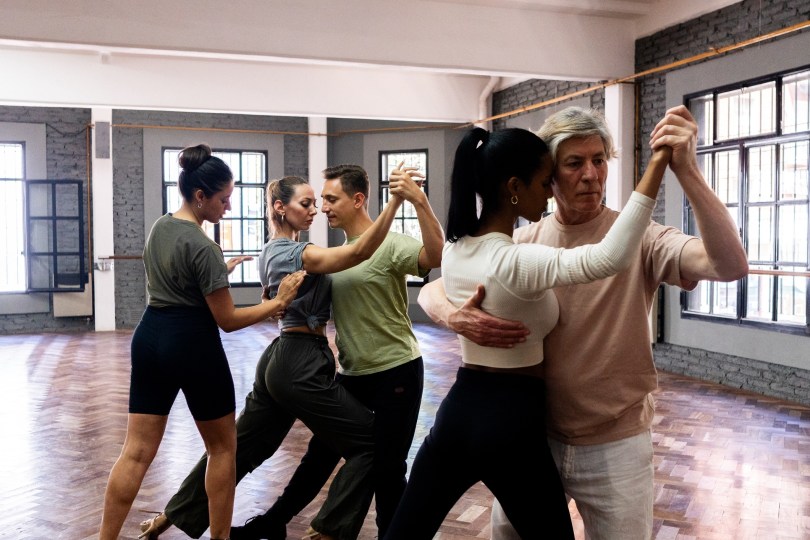


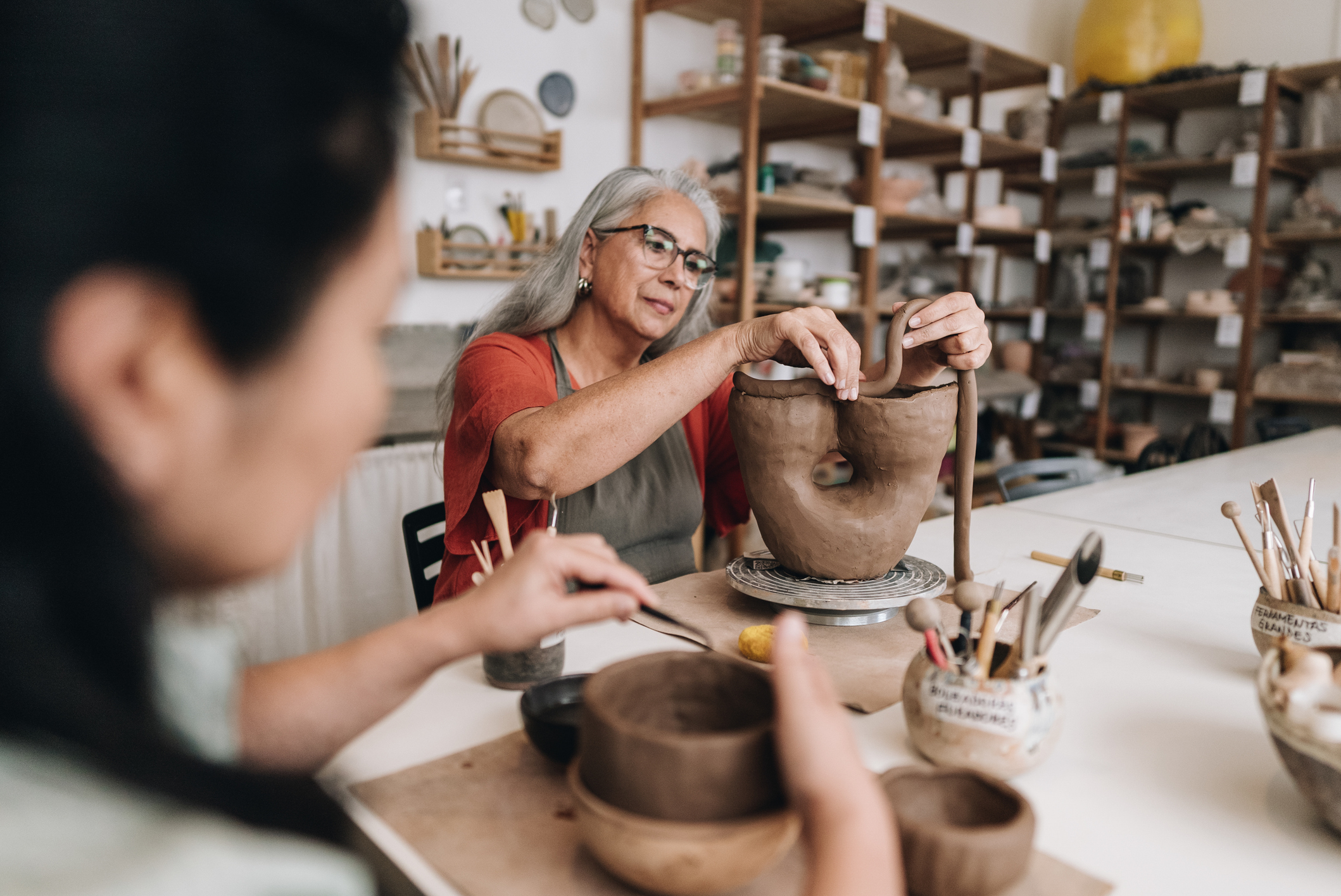
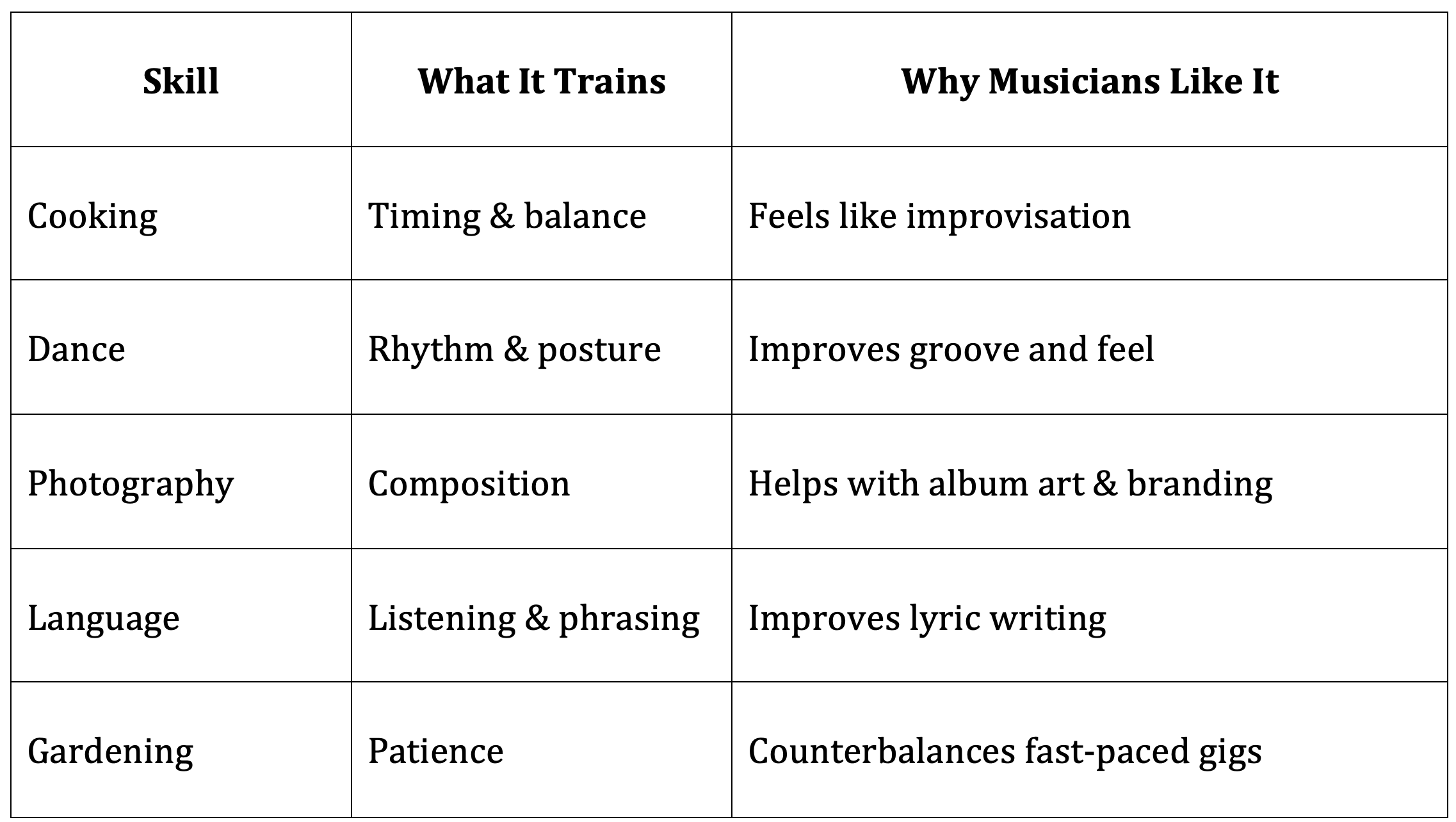
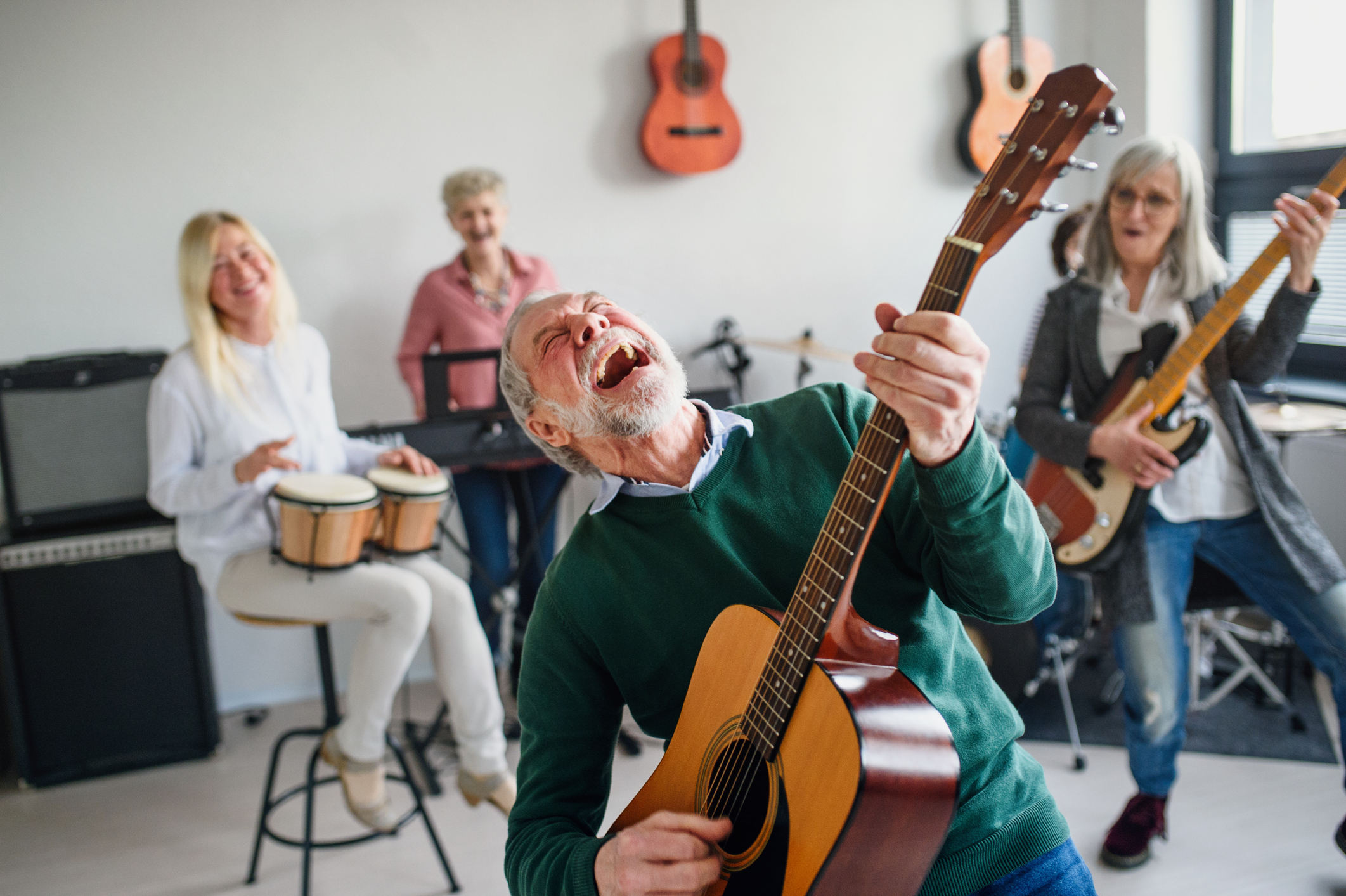

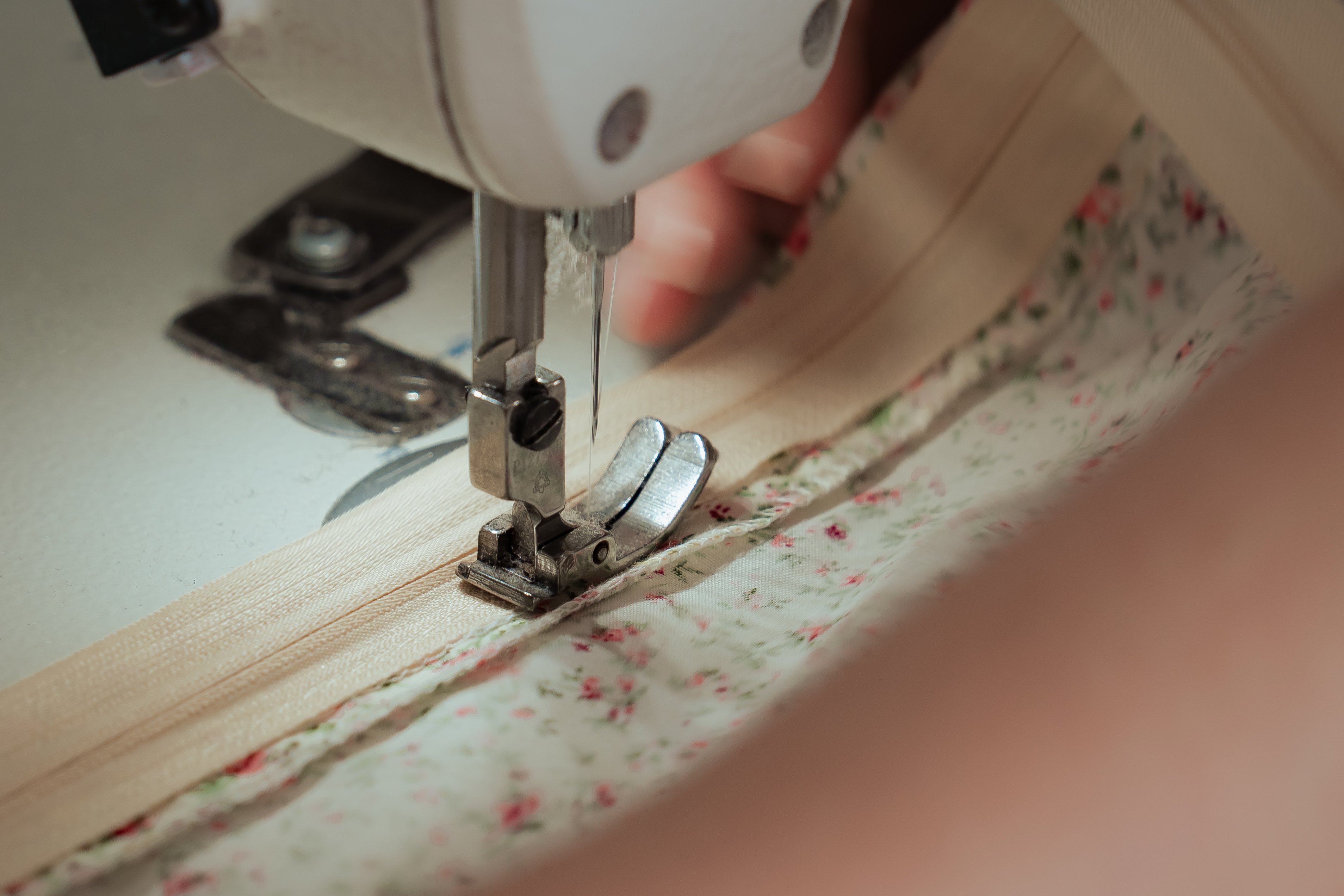

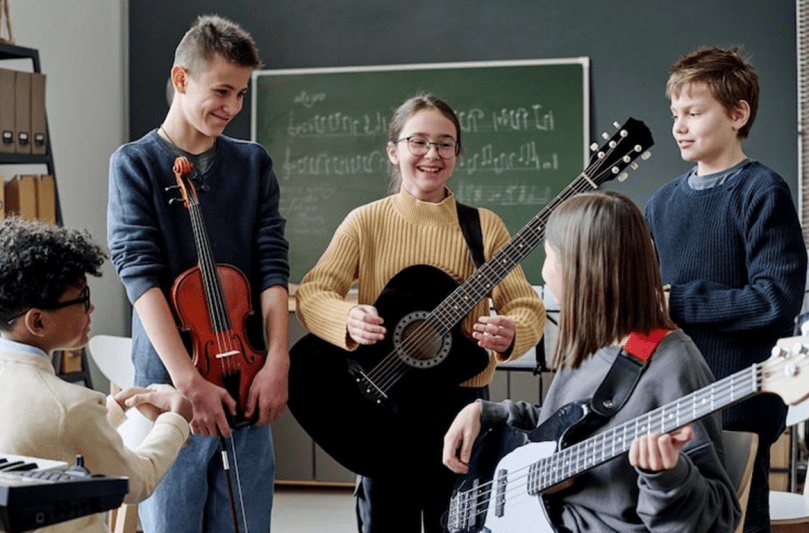


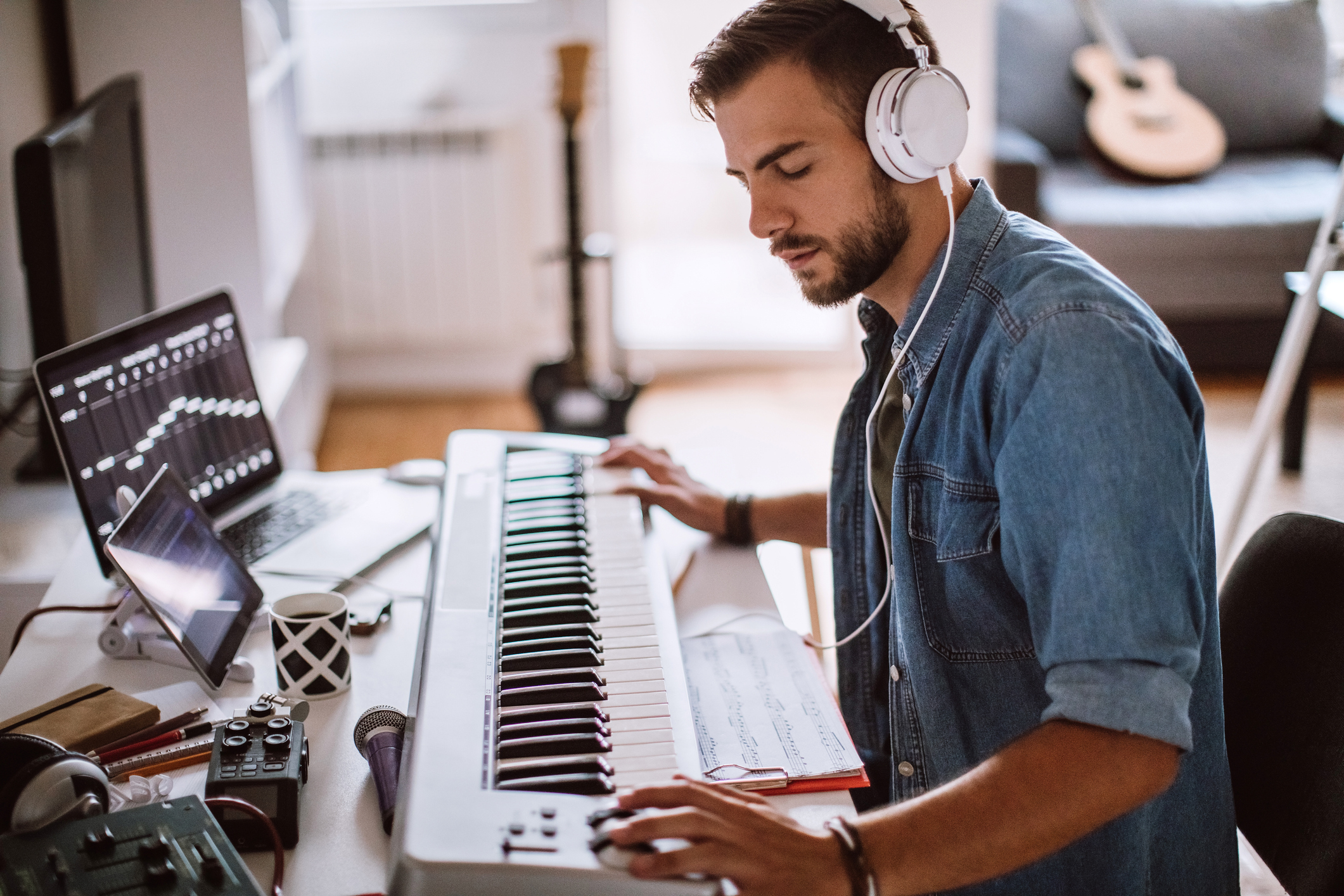
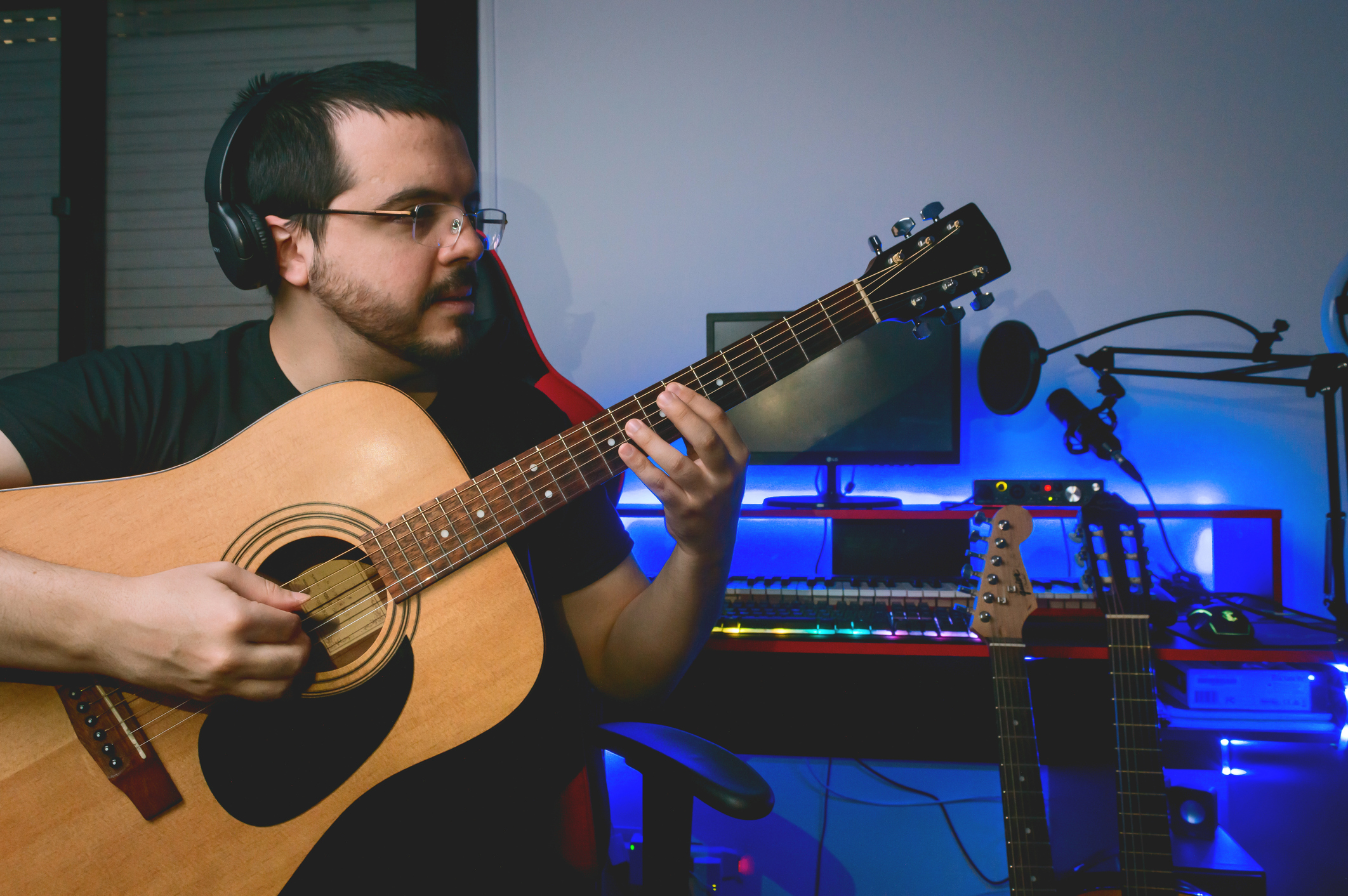
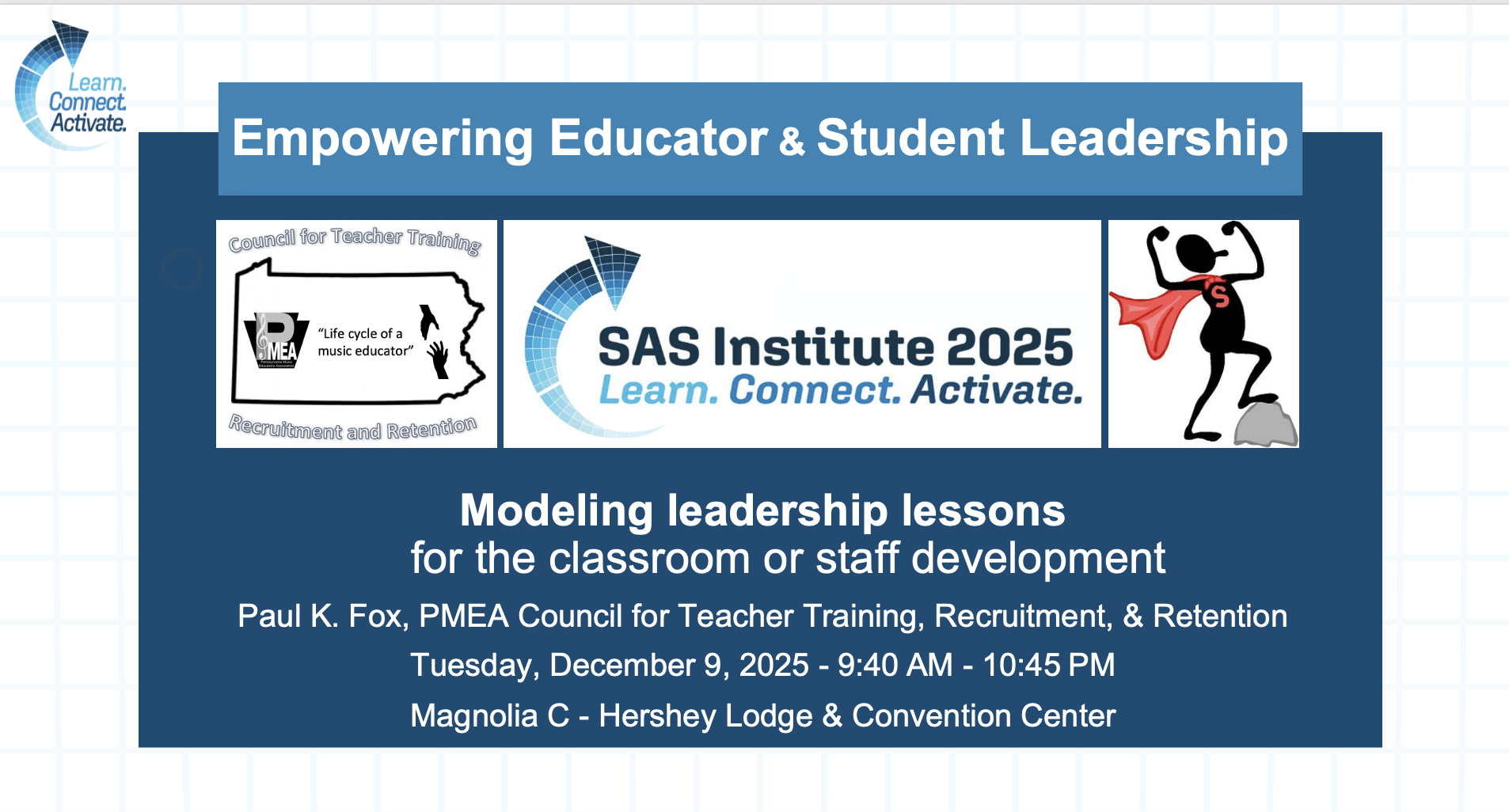

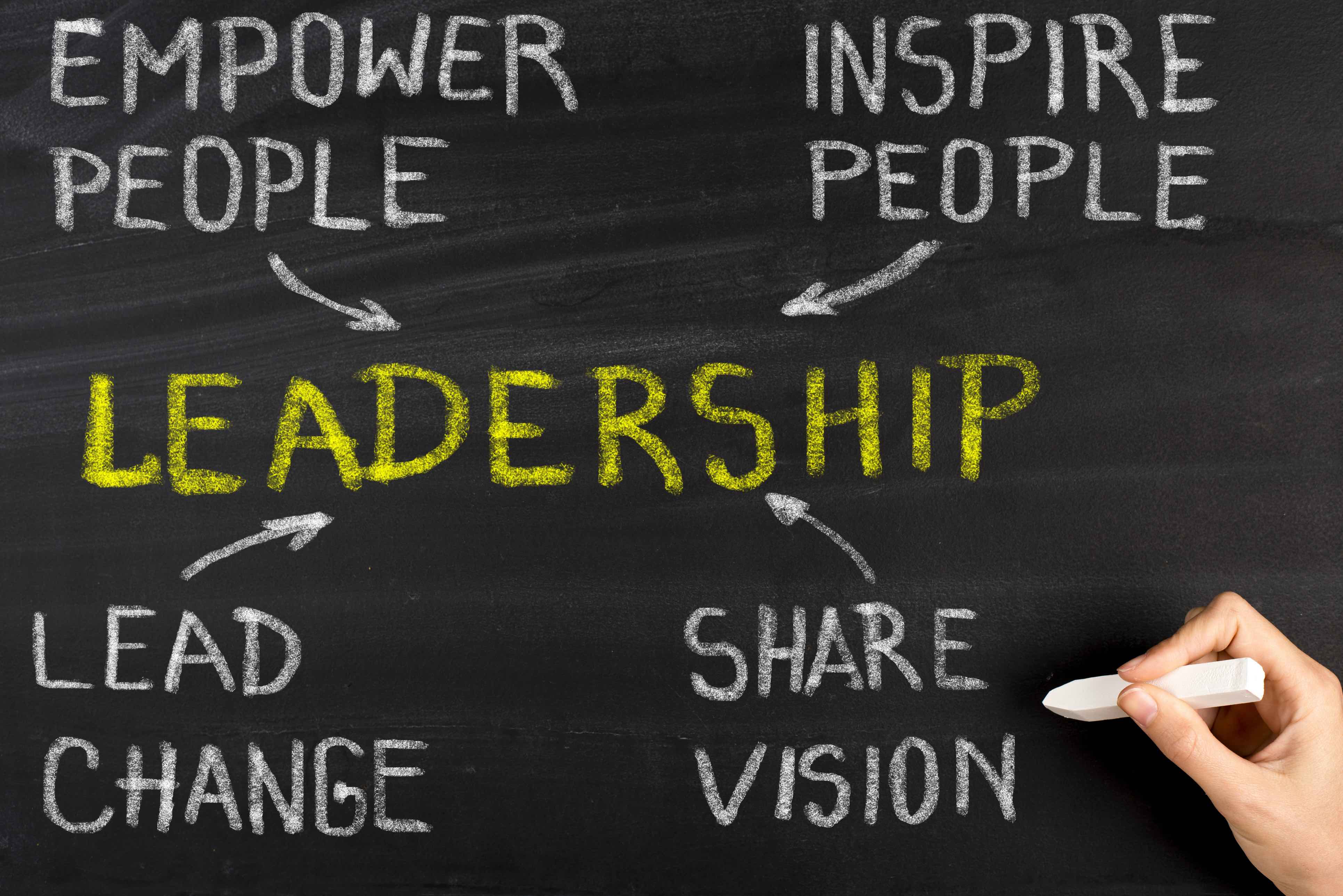
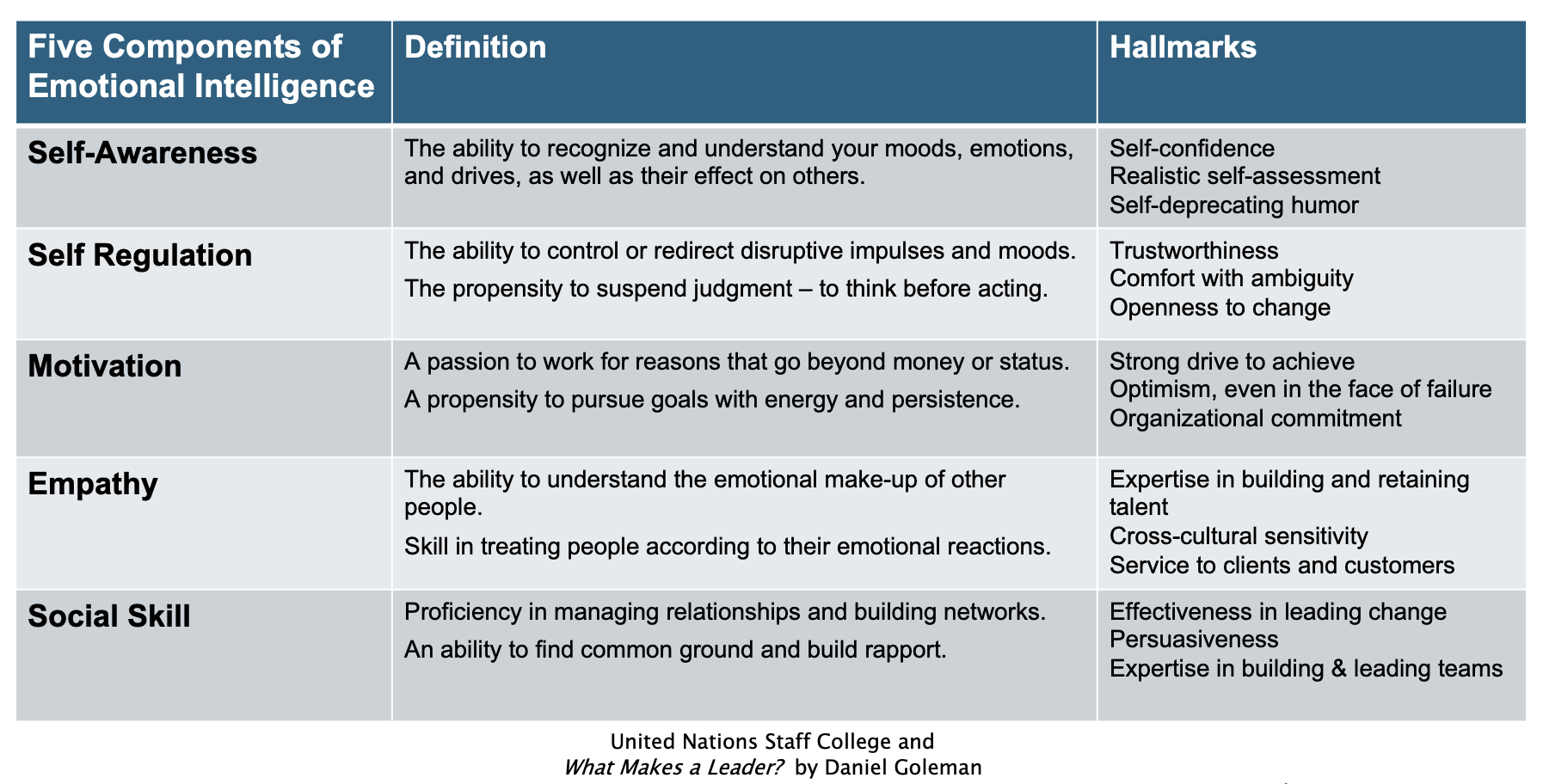
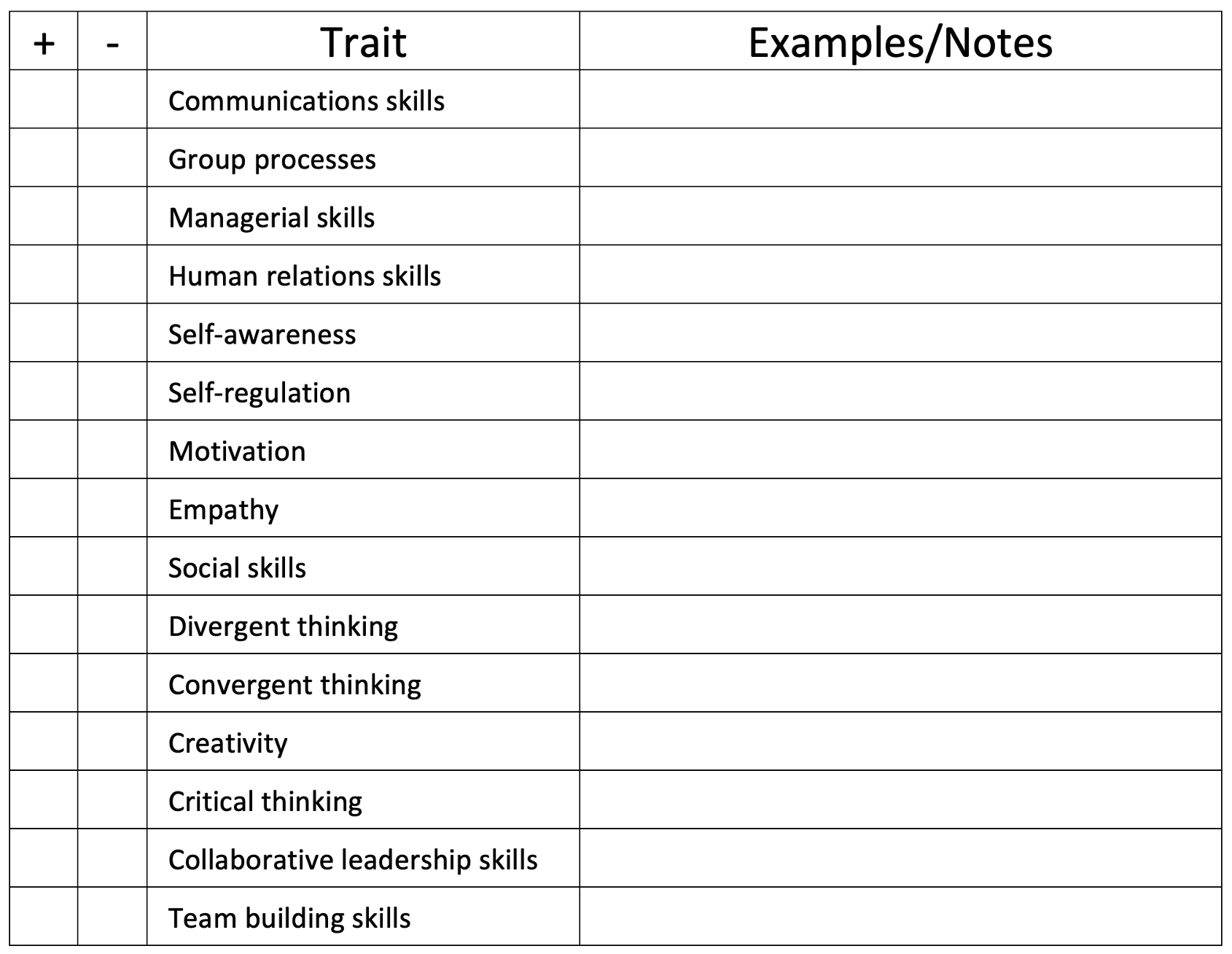
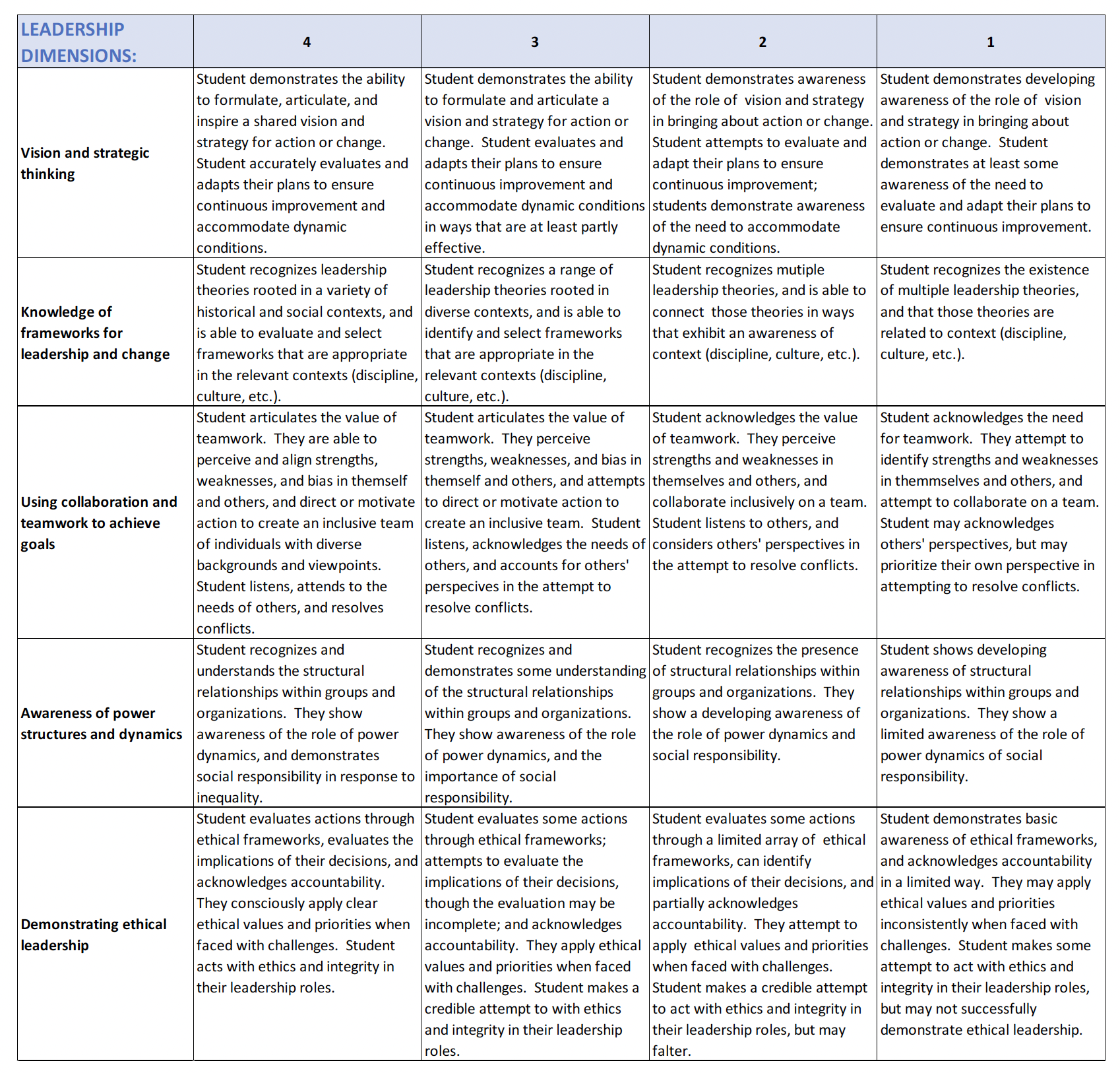
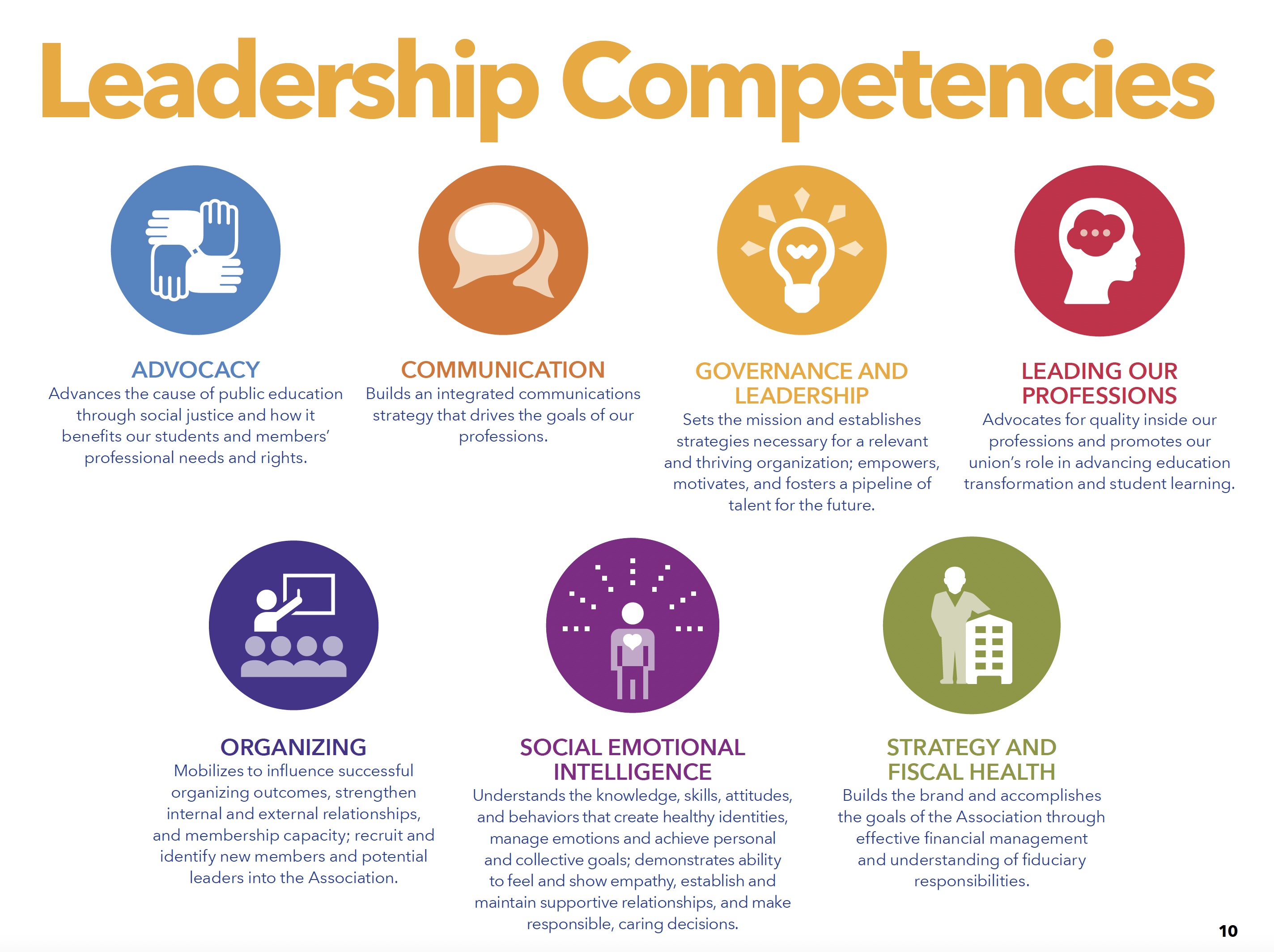
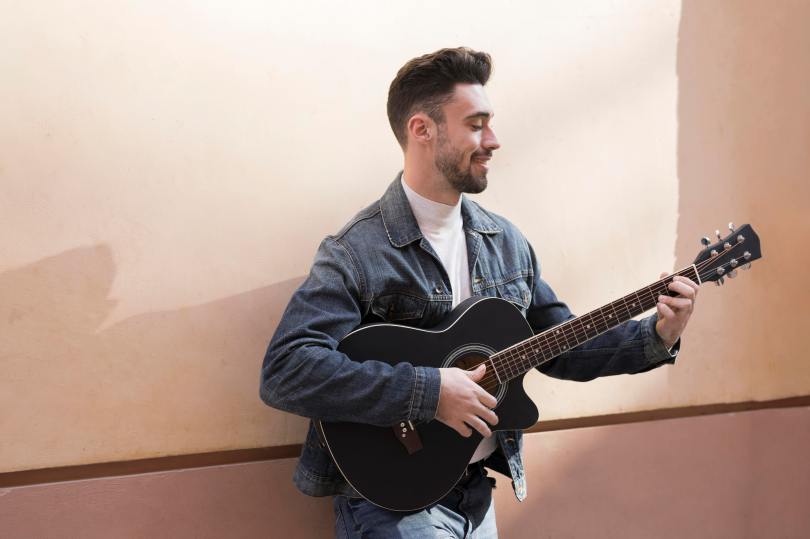
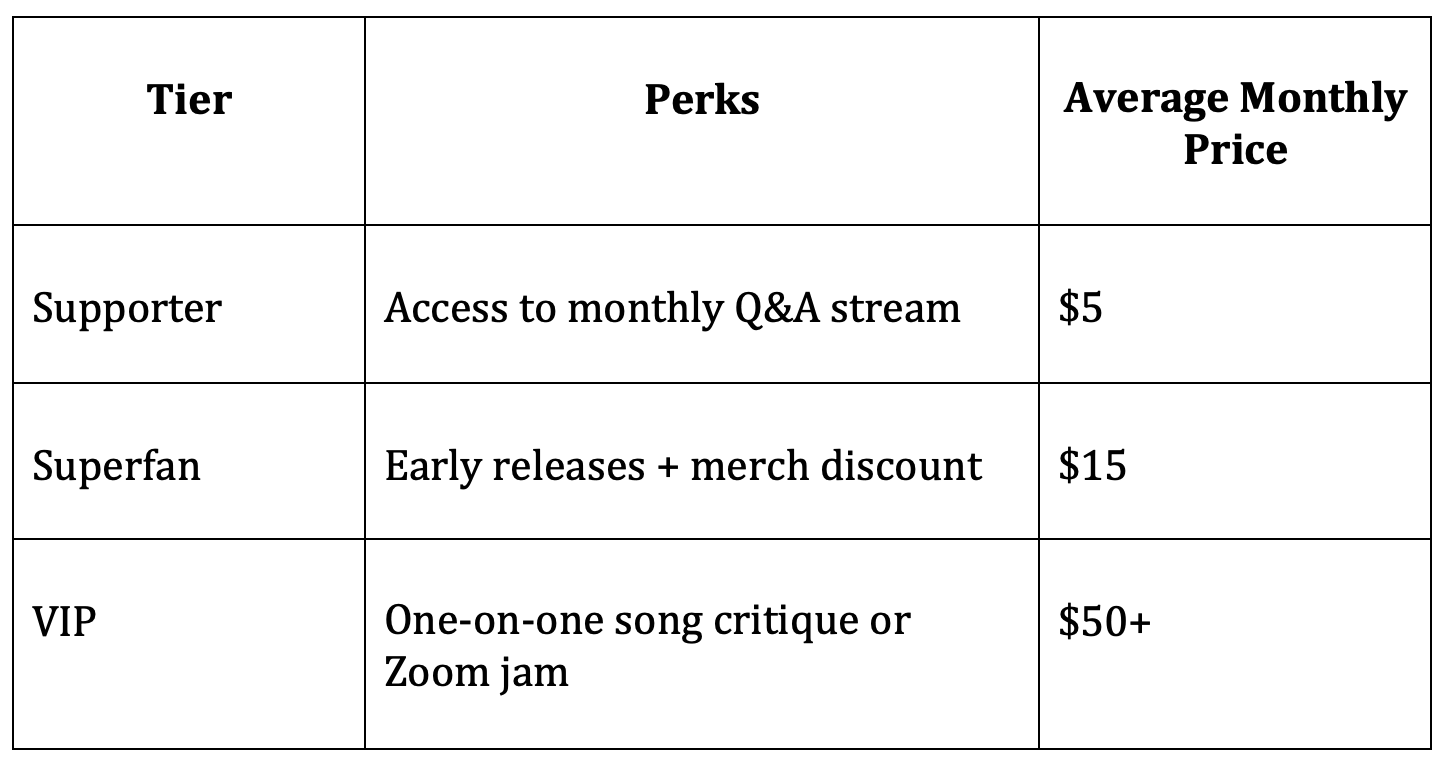
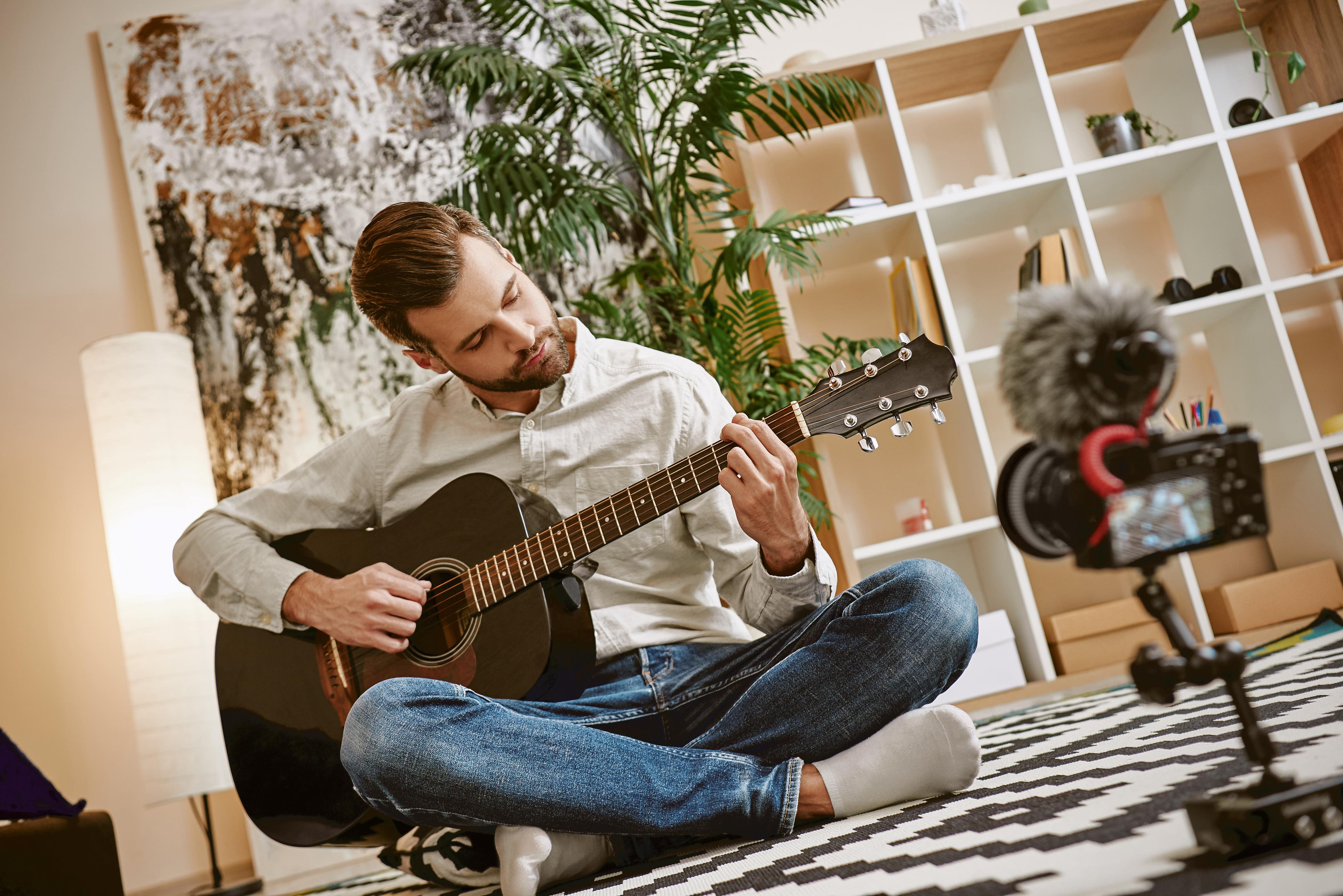
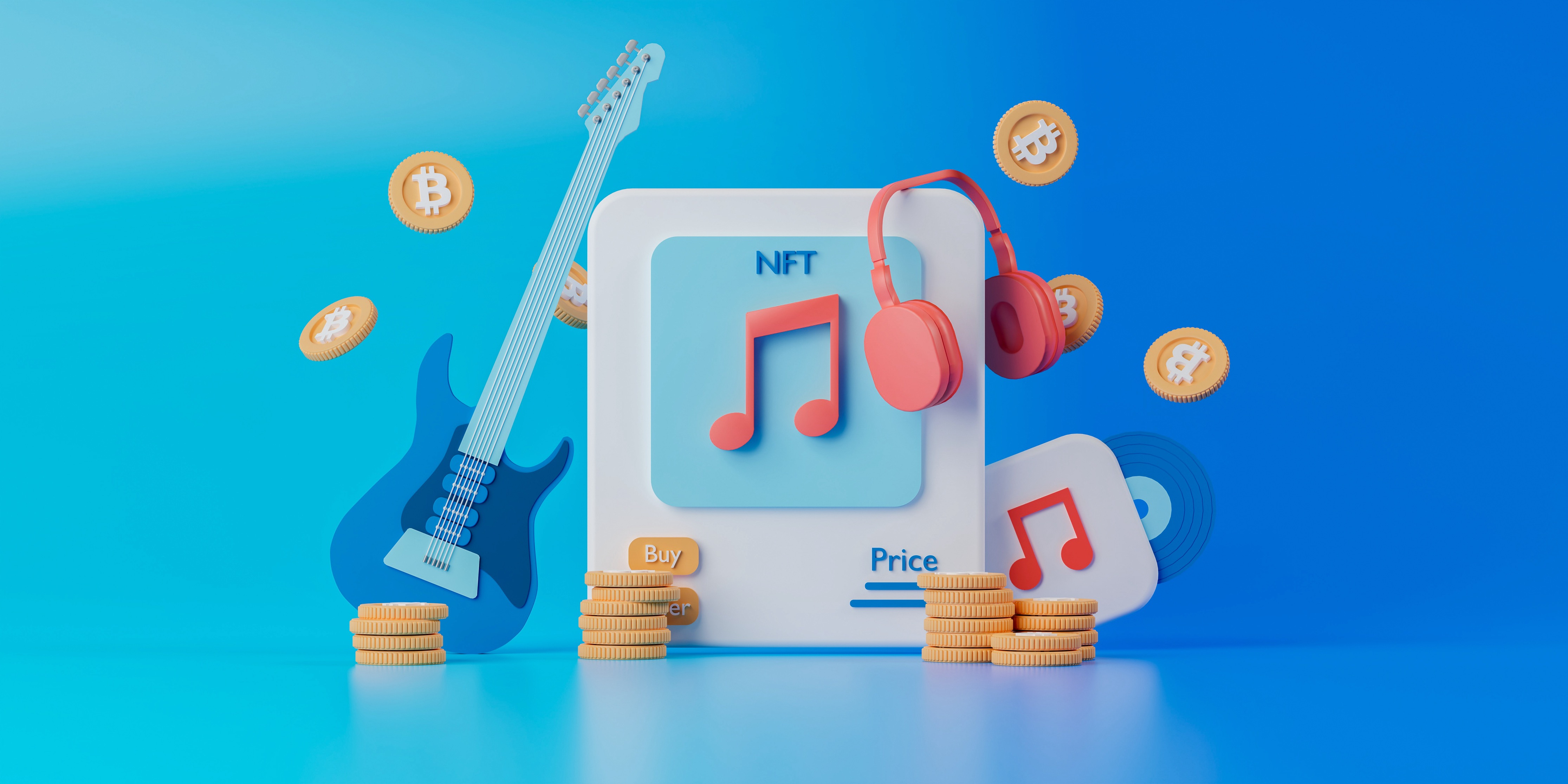


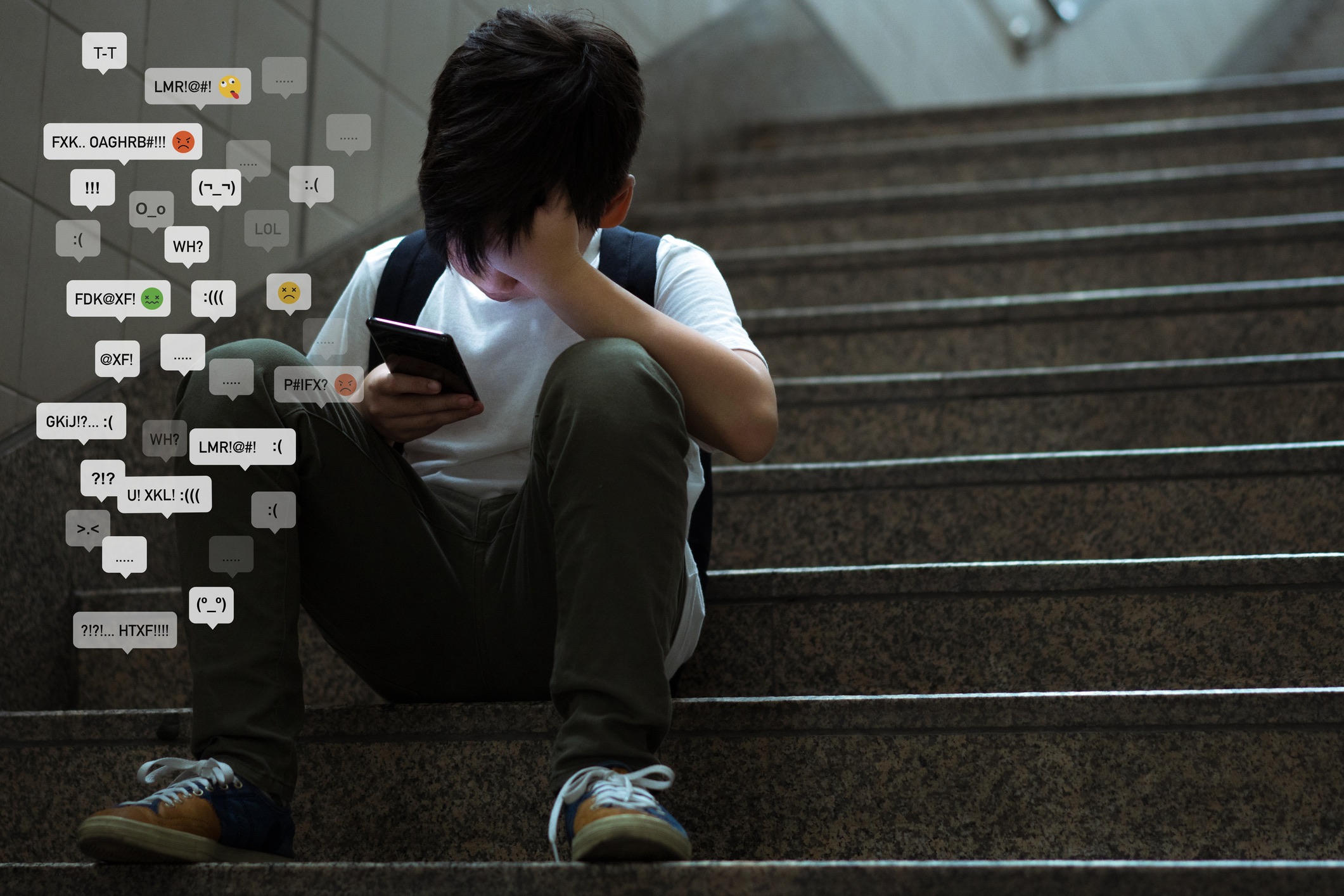
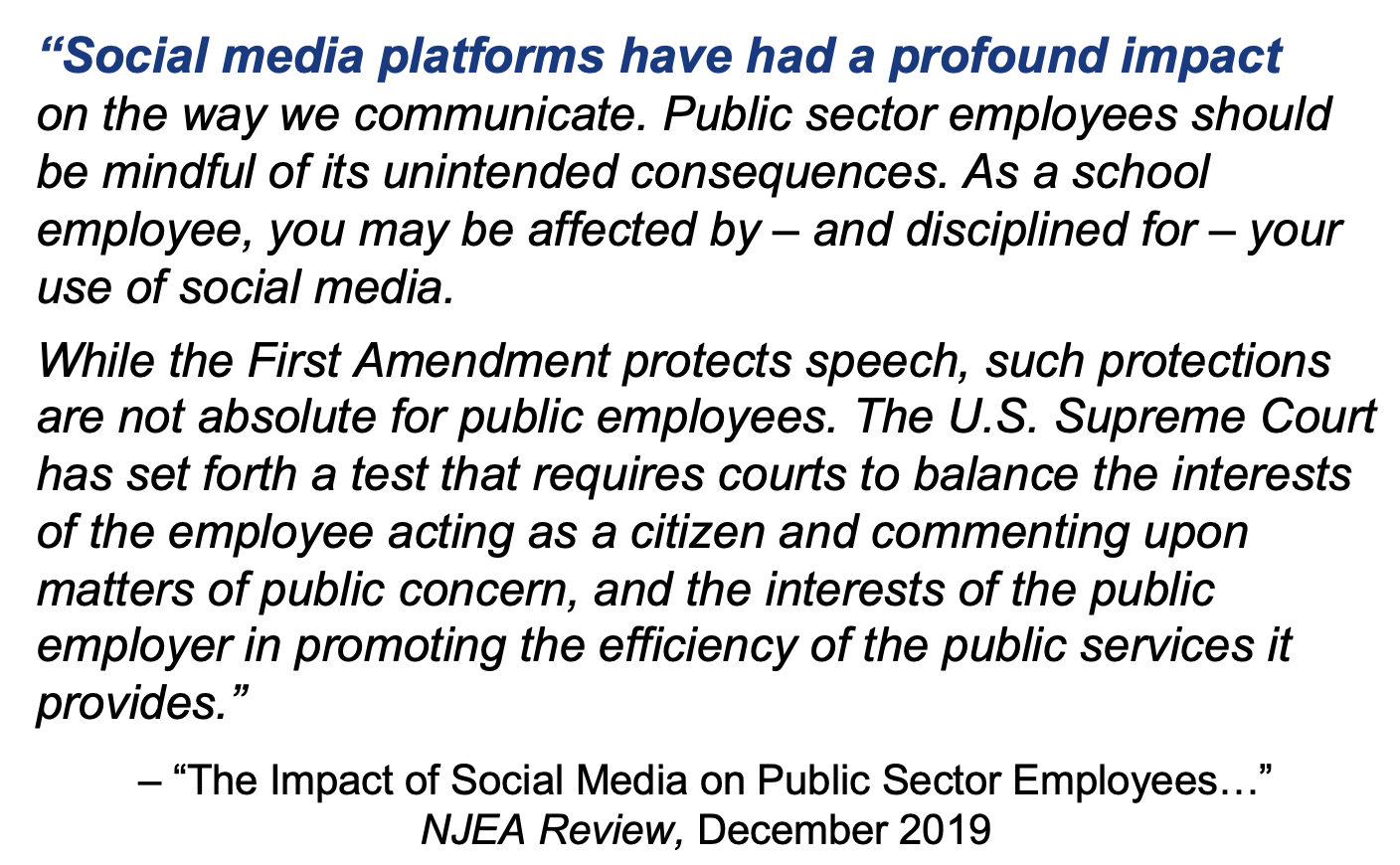
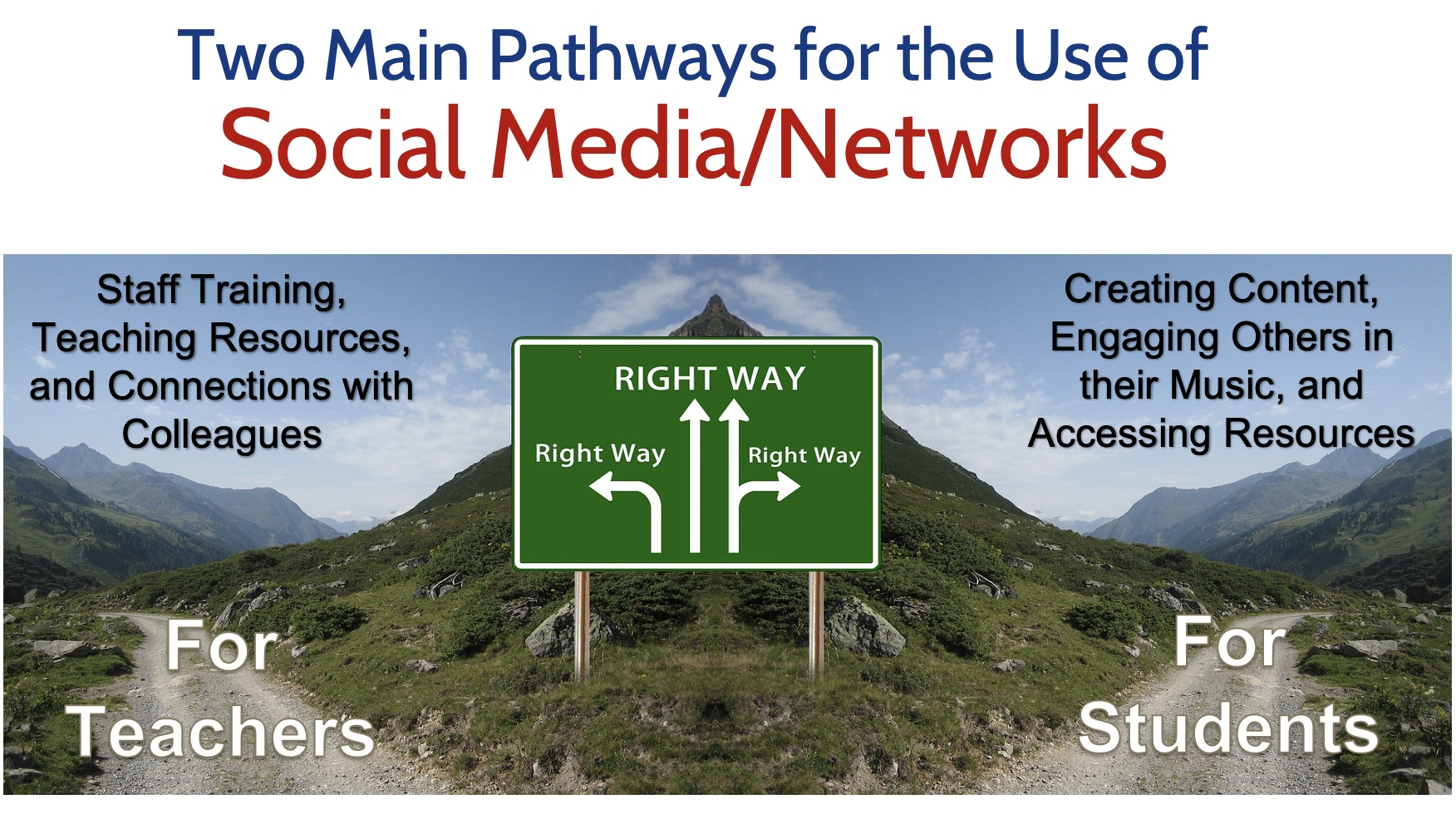
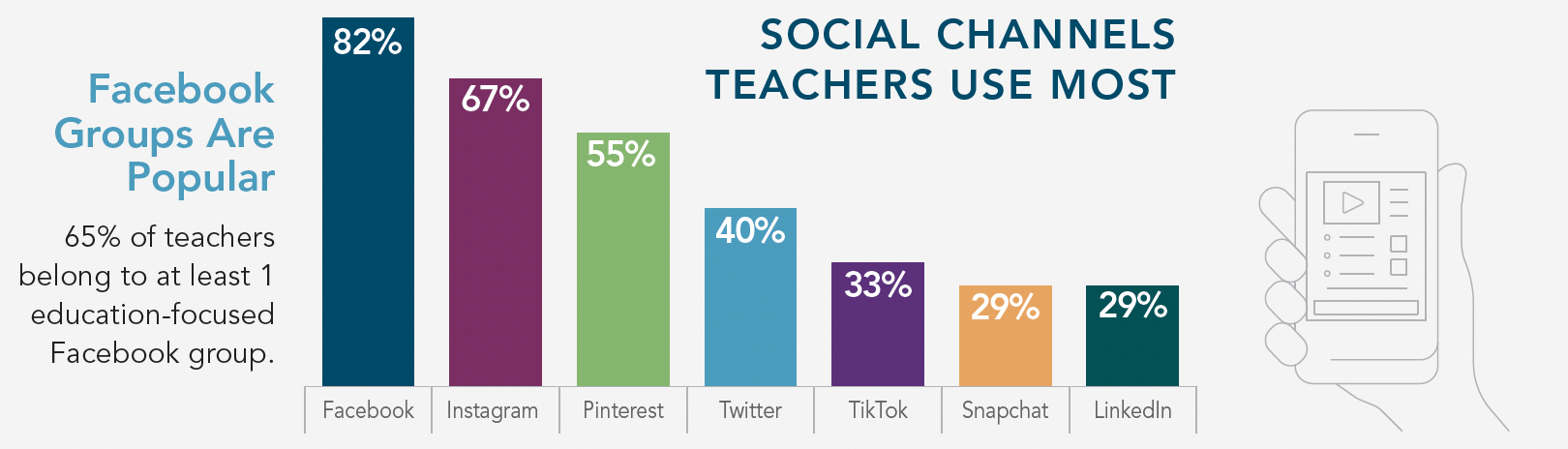
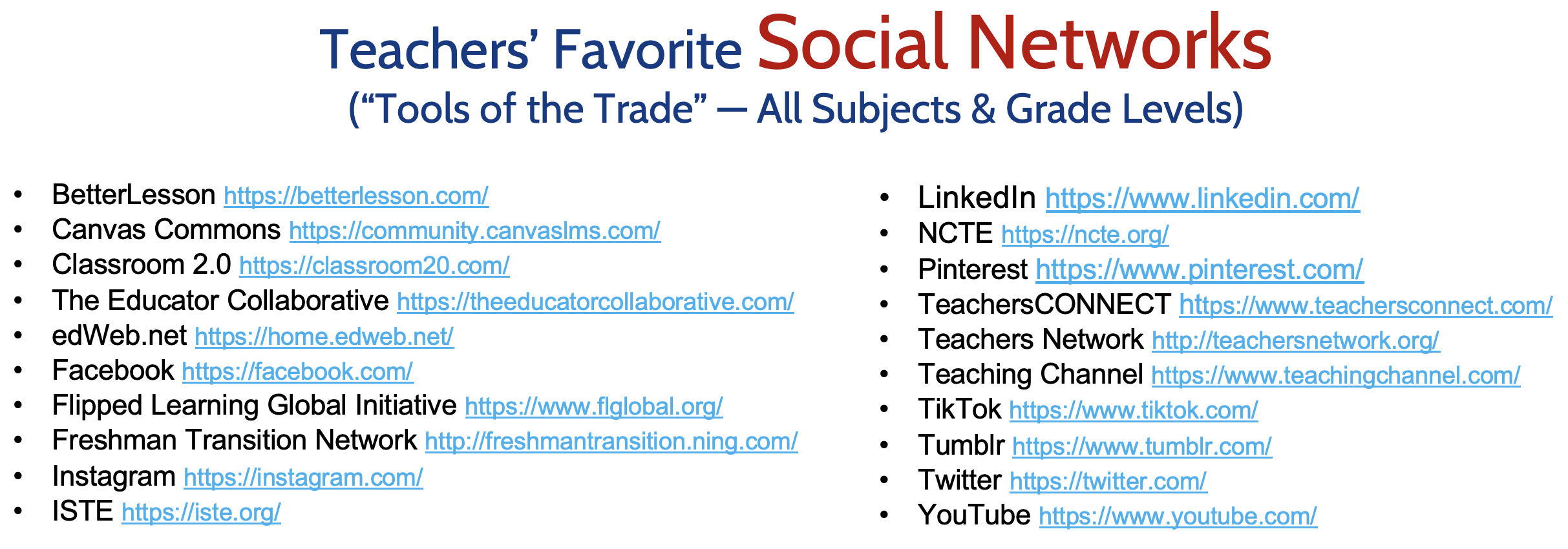




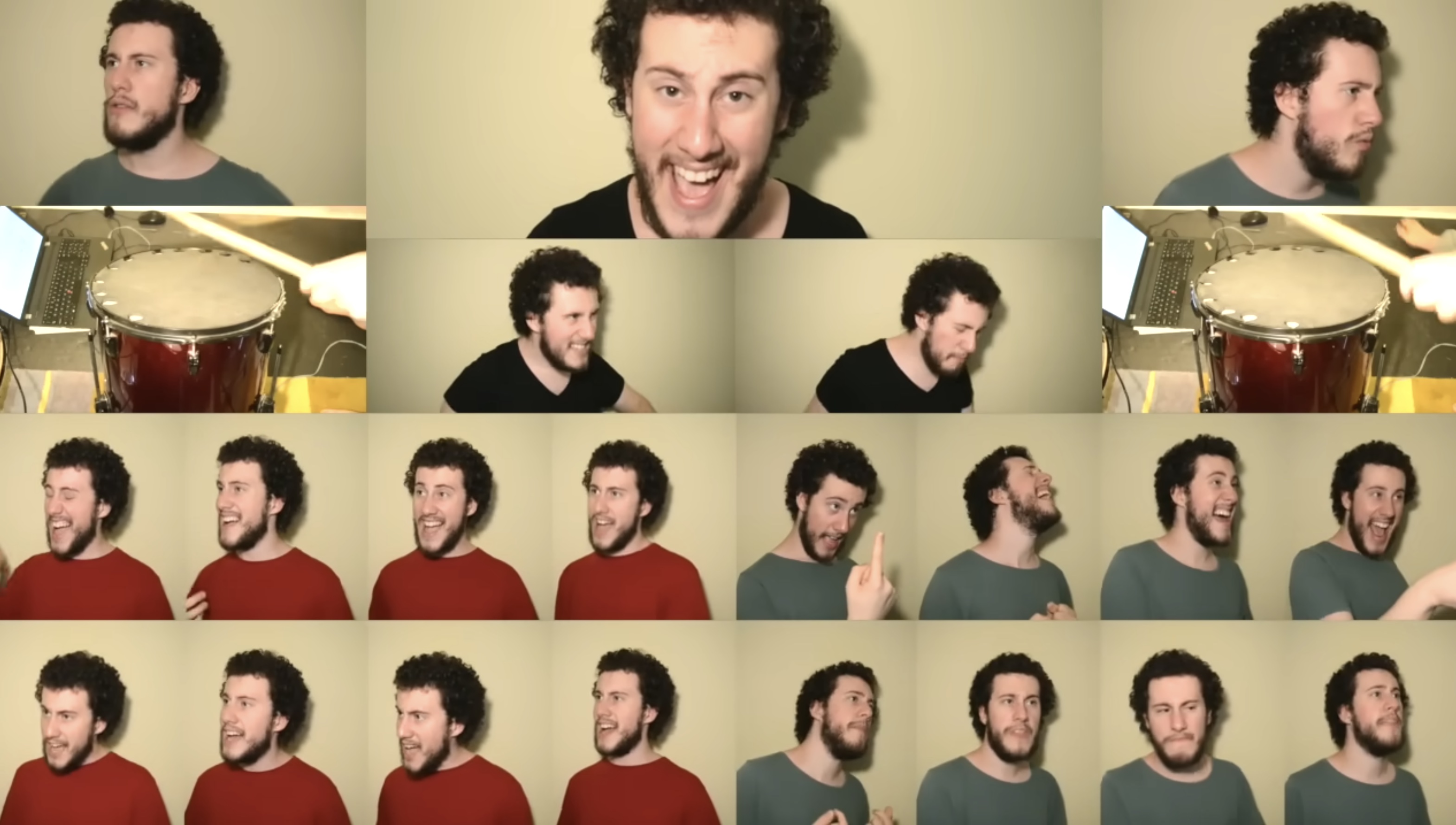
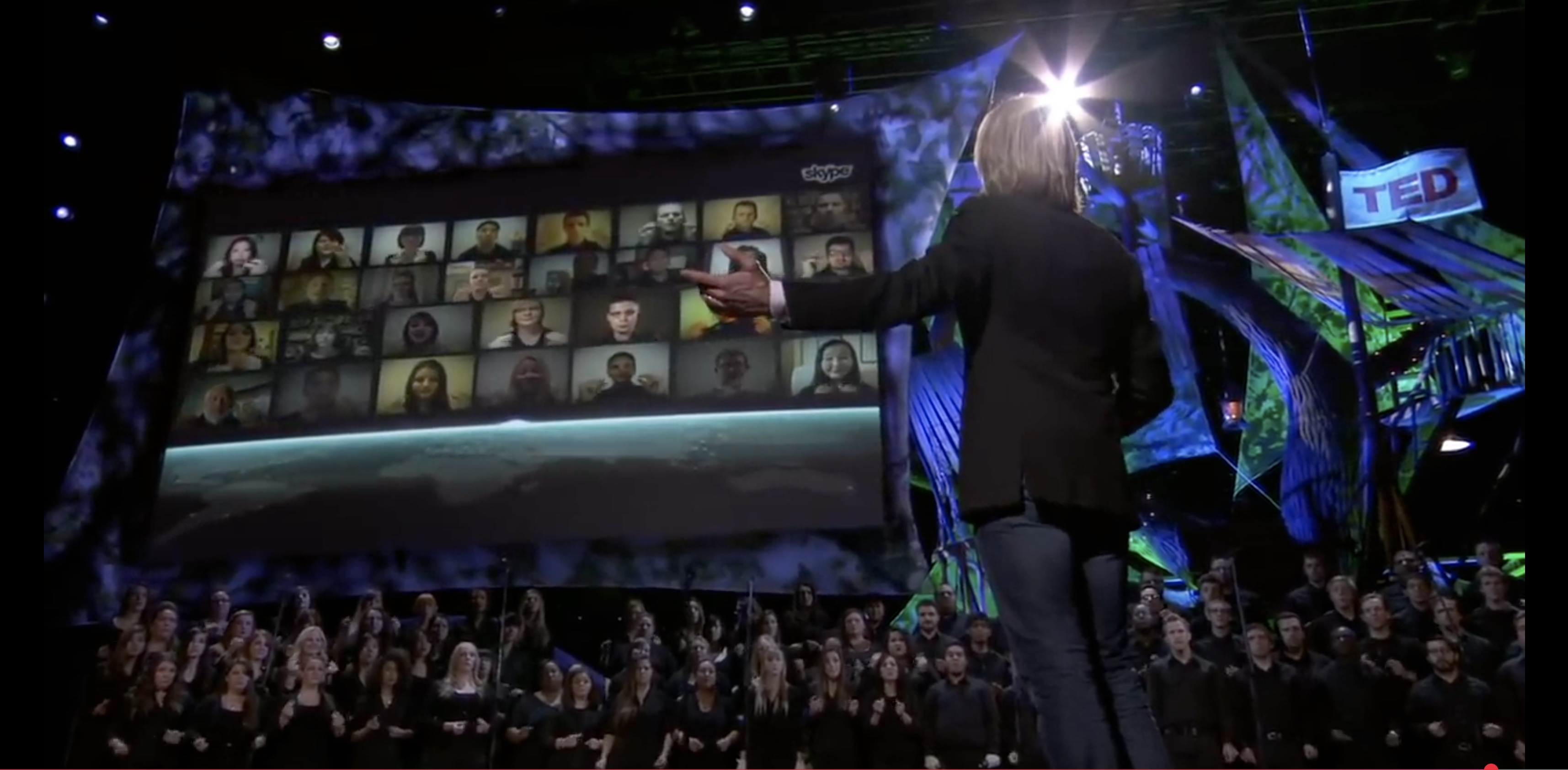


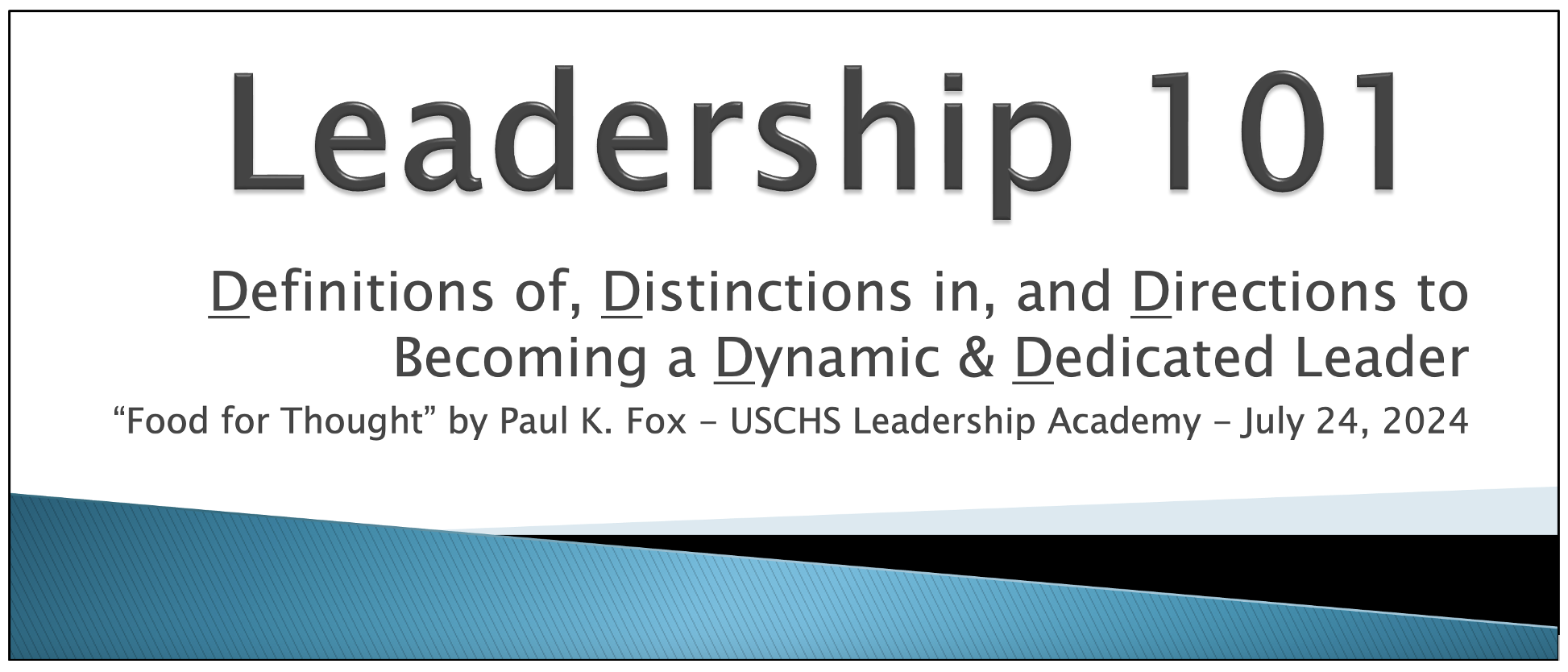
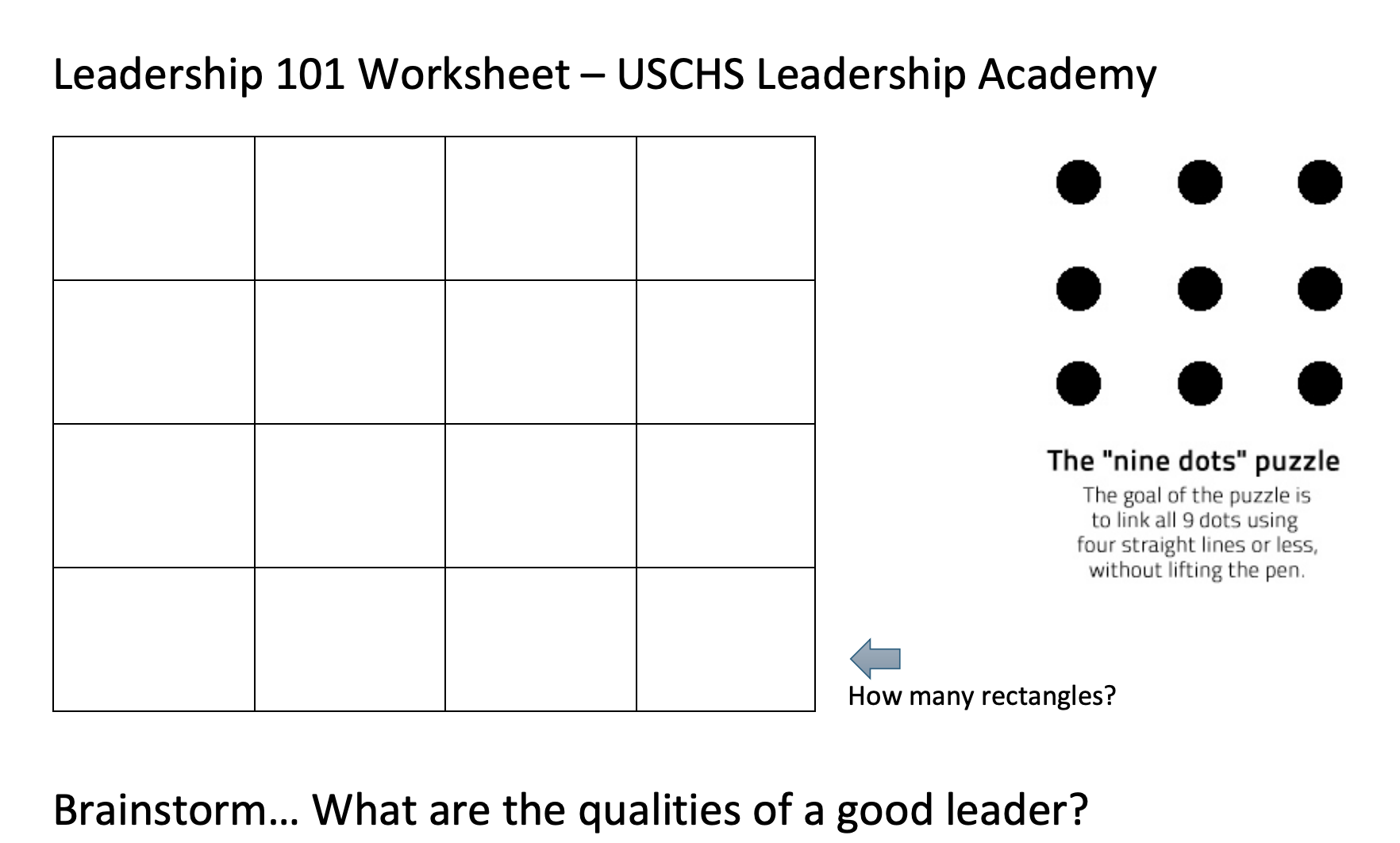
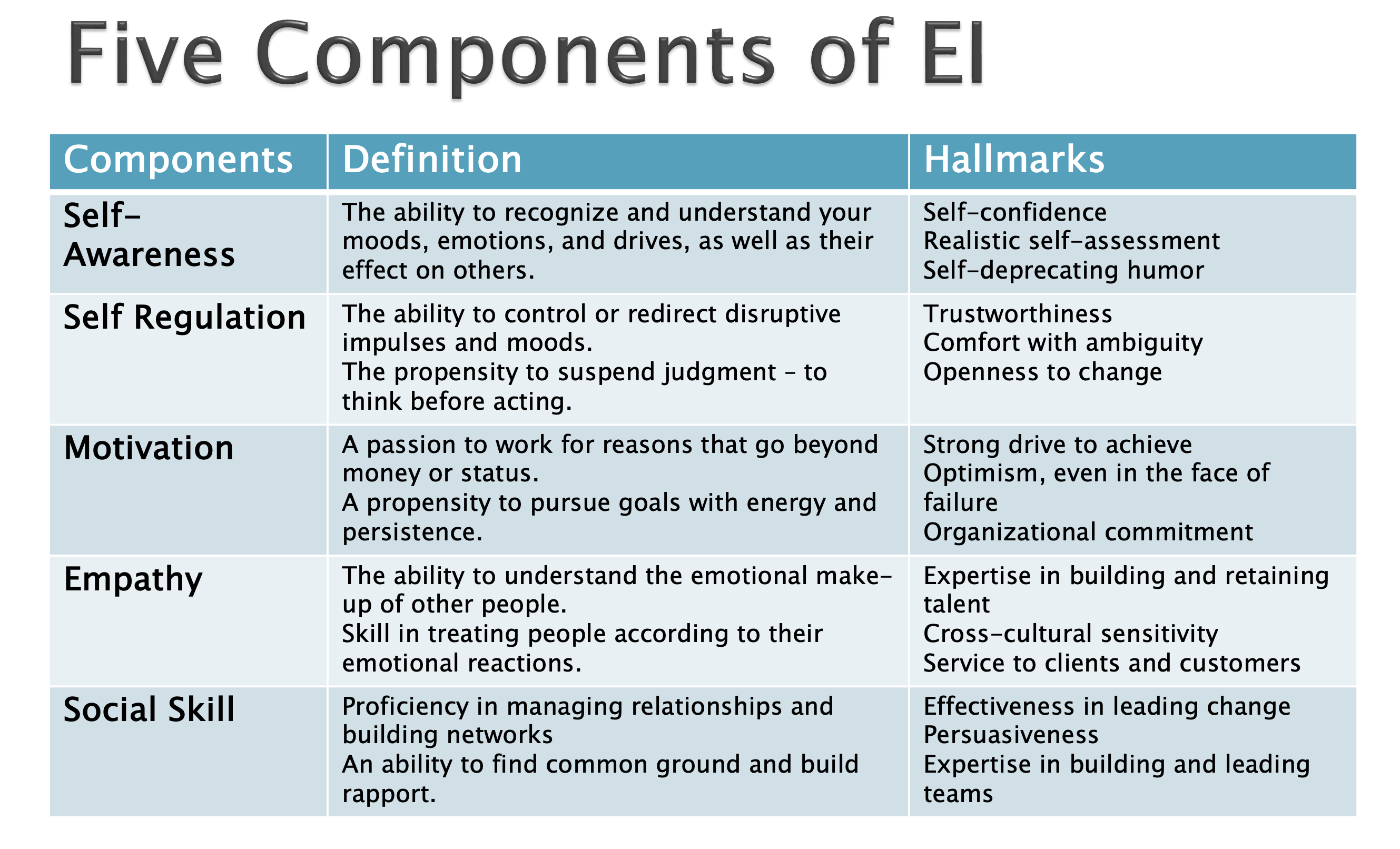
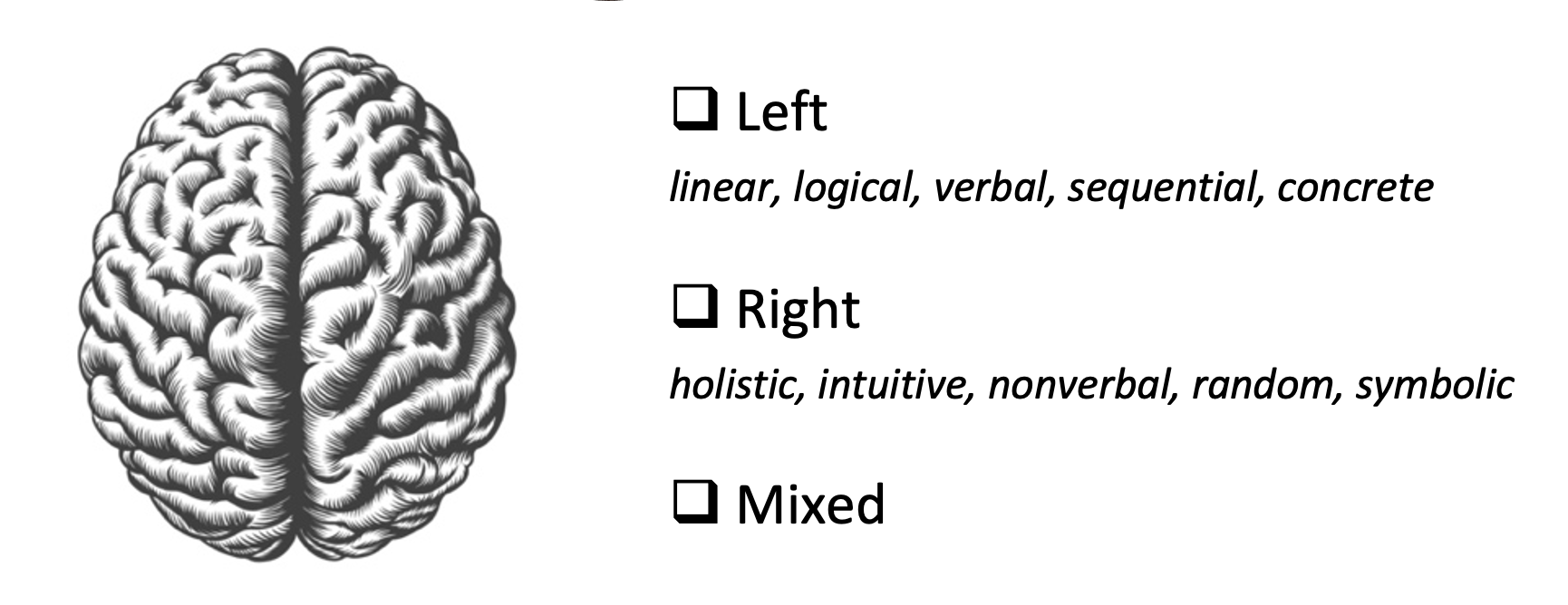
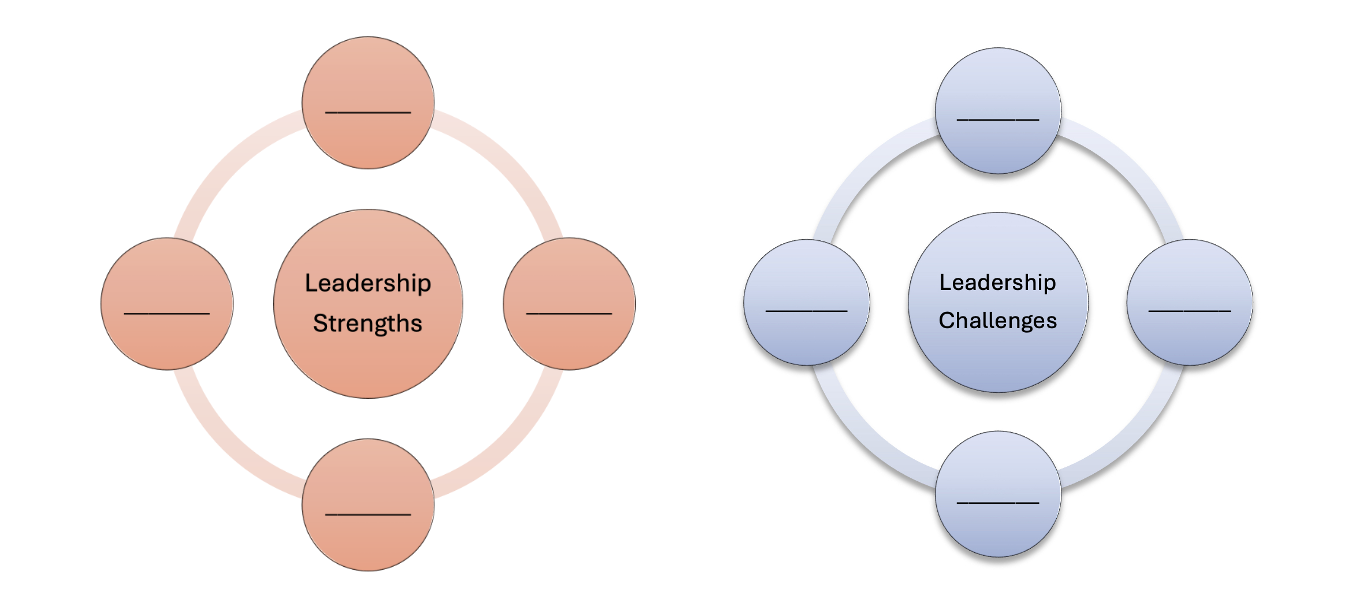
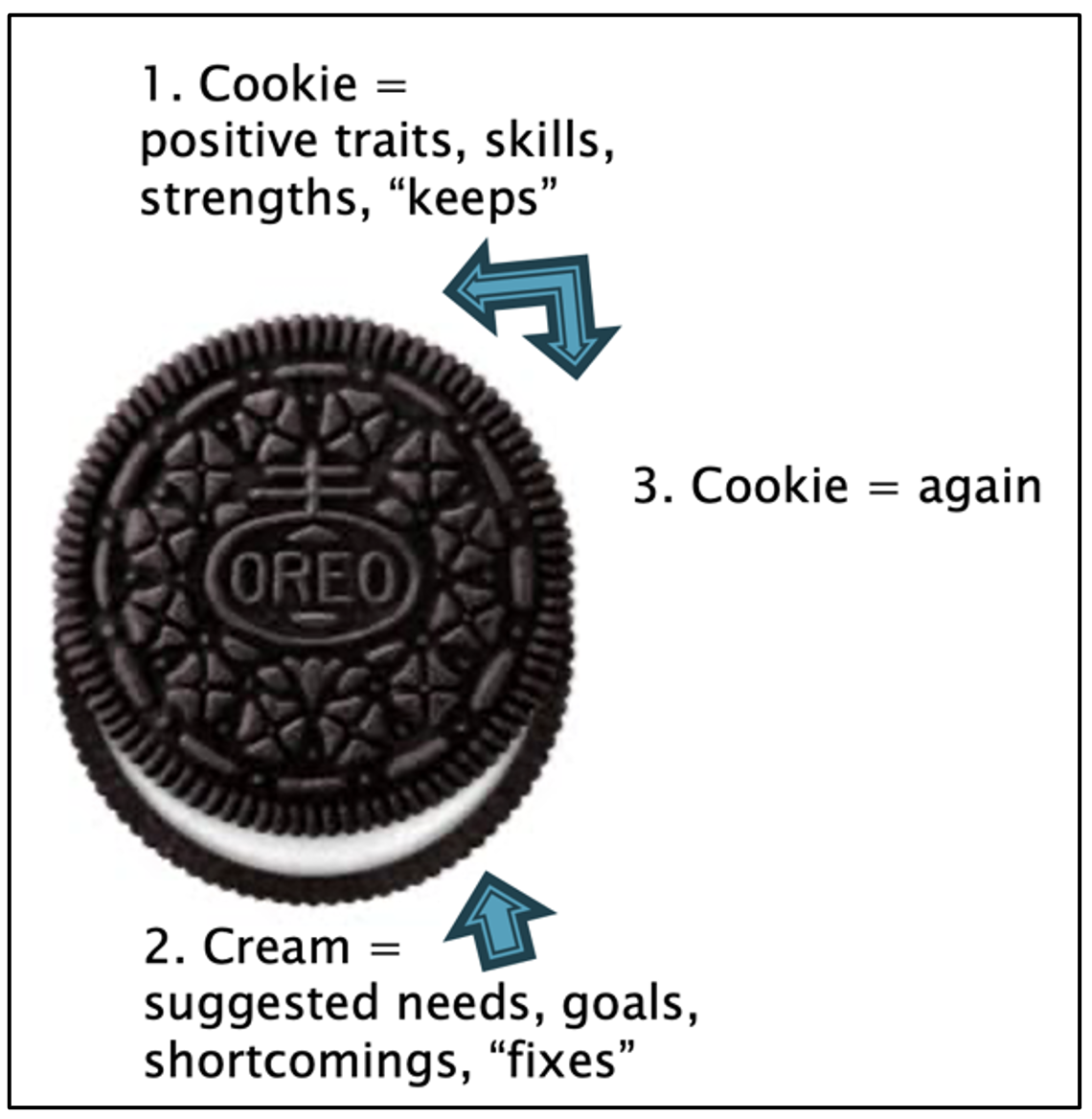





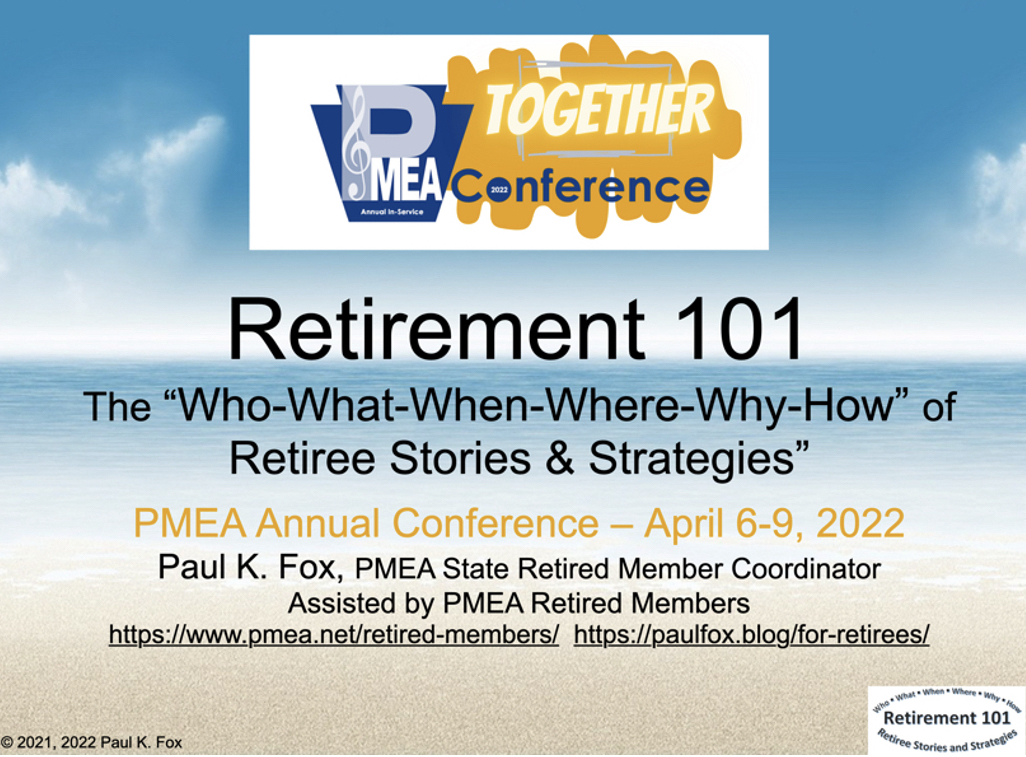











 paulfox.blog