
Teacher Retirees: Not to be morose, but have you undergone a little soul-searching and introspection into how you want to leave your mark on this world? Since you’ve departed from your full-time career, do you feel your past/current goals and pursuits will make a difference?
How will you be remembered once you’re gone?
If someone else was to “put me on the spot” and ask me this, my quick rejoinder would be, “Music and education are my life!”
How about you?

Let’s start with a review of the broad definition from Merriam-Webster:
noun: 1. a gift by will especially of money or other personal property, 2. something transmitted by or received from an ancestor or predecessor or from the past
adjective: of, relating to, associated with, or carried over from an earlier time, technology, business, etc.
synonyms: bequest, birthright, heritage, inheritance, patrimony
Legacy is [how] most people… want to be remembered, loved, and revered.
A legacy is not something that we have complete control over. After all, we cannot control how other people perceive us, we can only control our own actions.
So how can we leave the world with a legacy of our choosing?
What we must do is inspire through our own actions. If you go back through time and analyze the most influential legacies, you’ll see that they all inspired action through their own action. They didn’t just think about doing things, or tell others to do them; they went out and got things done on their own!
These legacies began while they were still alive, except I’m sure they weren’t thinking about them in those terms. Their ACCOMPLISHED GOALS became their legacy, which lives on today.
— Amy Clover in Strong Inside Out

It may boil down to two thought-provoking inquiries posed in “What Will Be Your Legacy?” What do you want to leave for the world that will affect it when you are gone? AND How do you want to change the future?
Thanks to blogger Marelisa Fabrega, here’s more food for thought and self-examination:
- What do you want your life to stand for?
- How do you want to be remembered by your family and friends?
- What will those beyond your circle of family friends remember you for?
- What kind of impact do you want to have on your community?
- How will the world be a better place because you were in it?
- What contributions do you want to make to your field?
- Whose lives will you have touched?
- What lessons would you like to pass on to future generations?
- What do you want to leave behind?
- How can you serve?
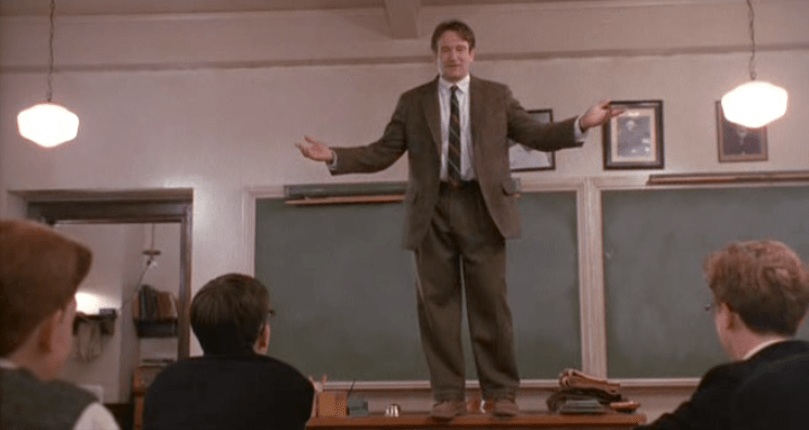
In her article “How to Leave a Lasting Legacy,” Fabrega also shares several activities for the creation of a personal legacy, everything from the Stephen Covey exercise on writing your own obituary or designing the words you want etched on your tombstone to adding your own “meaning of life” verse to the Walt Whitman poem Oh Me Oh Life as English teacher John Keating (played by Robin Williams) taught in the film Dead Poets Society.
Your legacy is putting your stamp on the future. It’s a way to make some meaning of your existence: “Yes, world of the future, I was here. Here’s my contribution, here’s why I hope my life mattered.”
— Bart Astor in Forbes

Getting Your Affairs in Order
A legacy is more than a large donation to your favorite church, foundation, or charity. Of course, this process should begin with self-reflection, advance planning, hiring an attorney, and making your financial intentions and final instructions clear in writing.
Do you have a legal will, ethical will, living trust, Power of Attorney, and advance directive? Have you updated your important documents to take care of the needs of your family? Have you notified your spouse, adult children, and other relatives where they can find these legal papers, passwords, and other digital files? If not, please review my blog “Estate Planning.”
But, legacy is so much more, including strategies for passing on your values and goals after you are no longer here!
13 years ago, I first learned about an ancient tradition for passing on personal values, beliefs, blessings, and advice to future generations called an “ethical will.” At a subconscious level, I must remember the custom, because when my father was diagnosed with lung cancer in 1990, I asked him to write a letter about the things that he valued. About a month before he died, my dad gave me two hand-written pages in which he spoke about the importance of being honest, getting a good education, helping people in need, and always remaining loyal to family. That letter – his ethical will – meant more to me than any material possession he could have bequeathed.
— Barry K. Baines in Ethical Wills
As we have also noted in a previous blog-post, you should reflect on what you would say to those nearest and dearest to you if you couldn’t (or didn’t) tell them in person. Consider writing individual letters to your partner, children, or other family members “as a way of leaving a few last words.” Check out Frish Brandt’s “Last[ing] Letters.”

Your Contributions “In Memoriam”
The idea of leaving a legacy is the need or the desire to be remembered for what you have contributed to the world. In some cases, that contribution can be so special that the universe is unalterably changed. However, for most of us mere mortals walking this earth, we will leave a more modest legacy that doesn’t necessarily change the world but does leave a lasting footprint that will be remembered by those whose lives you touched.
You hope your life matters in some way. I know I do. I’ve been teaching since the age of 22 and teaching is my legacy, my contribution that hopefully enlightened the lives of my students whether they became actors, scientists, doctors, mothers or yogis. My teaching is a gift that keeps on giving because it leads me to other learning and knowing experiences that I share with others.
— Joan Moran in HUFFPOST
(I bolded “teaching is my legacy” in the above quote because I hope that will be considered as my own preeminent legacy.)
To borrow from the inspiration and expertise of others, I found this insightful and stimulating self-help article offering “Five Ways to Leave a Great Legacy” by Joan Moran.
Moran describes in detail these tips:
 Support the people and causes that are important to you.
- Reflect and decide what is most important to you in your life.
- Share your blessings with others.
- Be a mentor to others.
- Pursue your passions because they are infectious.
She sums it up succinctly: “Leaving a legacy is an important part of your life’s work. A legacy develops from a life dedicated to self-reflection and purpose. What will be revealed and what will endure is a truthful and value driven body of living.”
The straightforward way to live a life of significance is simply to share your three t’s: time, talent, and treasure. Our lives are meant to give away – to significant causes, to loving families, to friends in need, to lasting relationships. Find a way that your gifts can serve others. Your time, energy, and money are precious resources – they are limited, and you are the sole owner. If you spend them in one area you can’t spend them in another. When we say “yes” to one thing, by default we saying “no” to something else. The key to winning is to say “yes” to the significant things in your life.
— Lee Colan in Inc.

Giving Back… Getting Personal
adjective: of, relating to, or supported by charity
synonyms: altruistic, beneficent, benevolent, charitable, do-good, good, humanitarian, philanthropic
Fancy SAT vocabulary term! No, we do not need a visit from Charles Dickens’ three ghosts to learn altruism! Everyone should want to be remembered as eleemosynary or generous souls! Especially during my retirement years (2013 to the present), I want to model volunteerism:
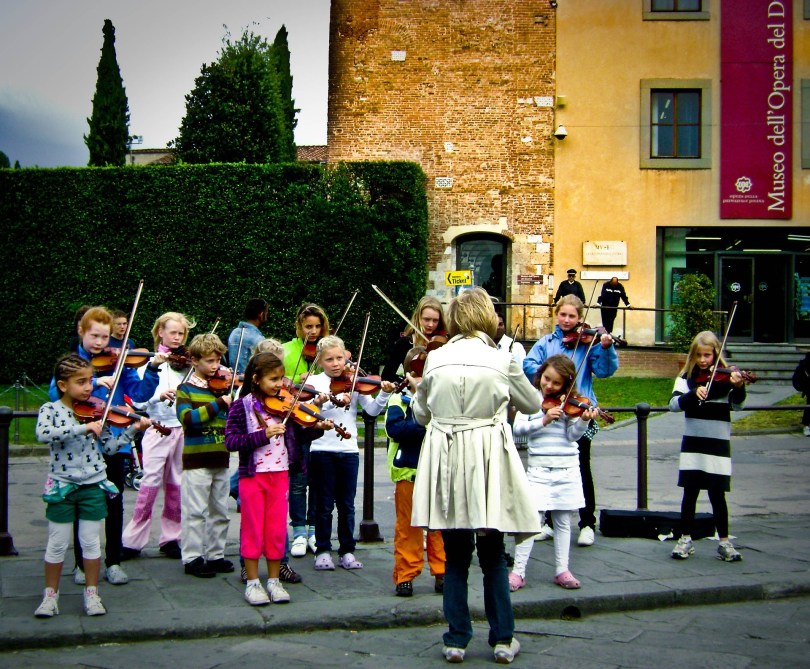
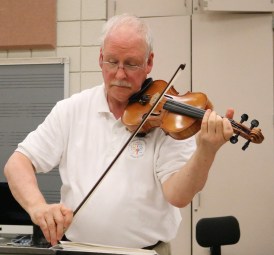 Directing the South Hills Junior Orchestra (non-salaried sharing of my teaching)
- Serving as a volunteer escort for the St. Clair Memorial Hospital (three days/week)
- Promoting communications and marketing strategies of the Community Foundation of Upper St. Clair
- Supporting the Pennsylvania Music Educators Association in various projects including teacher training, recruitment, retention, and retirement prep.
- Writing articles and presenting workshops/webinars that help other teachers
These wishes will need to be updated from time to time, just like revising mission/vision statements, goals and objectives.
In addition, future monetary bequeaths from “what’s left” of our remaining assets will serve as “random acts of kindness from the grave” in support our current values, funding hereafter projects and pursuits (subscribing Moran’s tips #1-3 above) that matter to us.


How to Make an Educator Smile
My wife and I never had kids, so admittedly we live vicariously when we “bump into” our former students and revel in their major life-passages and accomplishments. It warms a retired music teacher’s heart to “catch-up” with a combined 53+-year history of past pupils from our music classes, choirs, bands, orchestras, and musical/play productions, and learn that they are happy, healthy, prosperous, and thriving. It gives us a special thrill to hear they are still “making music” and/or passing on their love of the arts to their own kids. That is indeed part of every teacher’s wish for a lasting legacy.
During our retirement, we continue to attend many concerts, recitals, weddings, receptions, Eagle Scout ceremonies, etc. of our former “charges.” We feel blessed to be invited to participate in these special occasions to share in their joy, love, and success.
In some small way, we fervently hope our efforts to bring creative self-expression and the appreciation of the arts have made a difference to our students’ lives and their development into caring, responsible, and “artistic” adults.


In Conclusion: The Fox Vision and Values — “These Things I Believe”
- Equal-access to high quality and meaningful music education programs is an essential part to the intellectual, emotional, and artistic development of all children.
- The primary goal of an education in the arts is to nurture creative self-expression.
- Regardless of talent or privilege, every individual on earth can find inspiration and success in some form of music or the arts.
- Our life purpose involves relationships. It is more about people than about things.
- We were put on this planet to understand and help others, to foster more than a mere tolerance for diverse individuals and perspectives, rather to emphasize the values and practices of acceptance, respect, empathy, and collaboration.
- Our primary goal is to empower volunteerism, to make a difference in the lives of others less fortunate or experienced, and to give freely of our time, talents, passions, and resources.
PKF
Photo credits (in order) from Pixabay.com
- “welcome-to-class-classroom-teacher” by “Tumisu”
- “school-board-music-blackboard,” “place-name-sign-thing-experience,” and “hand” by Gerd Altmann – “geralt”
- “flower-hands-giving-give-gift” by “GLady”
- “ornament-brad-christmas-colors” by Laurențiu Mihai Badea – “xsonicchaos”
- “the-conference-lecture-lecture-hall” by “PhotoMIX-Company”
- “violin-student-music-instrument” by Ana Krach – “ottawagraphics”
- “violin-music-instrument-musical” by T Dube – “lakitsi”
- “fiddler-concert-violin-music-asia” by “jiawei333”
- “trumpet” by “congerdesign”
- “Taiwan-guitar-girl-music-life” by “catandway”
Photo of Robin Williams portraying John Keating in the movie Dead Poets Society was by bardfilm.blogspot.com
© 2020 Paul K. Fox


 The famous “10,000 Hour Rule” was described in the book Outliers: The Story of Success written by Malcolm Gladwell, Based on
 The 10,000 hour rule was also cited in a book by Sean Patrick: Nikola Tesla – Imagination and the Man That Invented the 20th Century:
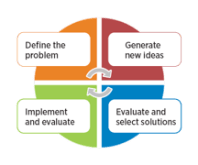
 Here are the “three buckets” (principles) of Simmon’s 5-hour rule:





 Focus

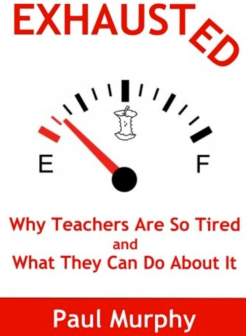 Why even good days with your students leave you drained.




 But then a group of British and dutch researchers asked an interesting question. They wondered if everyone had it backwards. Did the discomfort of physical fatigue cause the runners to think negatively, like everyone assumed, or did the runners negative thoughts make them more physically tired and sore? It was a chicken and egg question.

 6:30 a.m. an hour of cardio
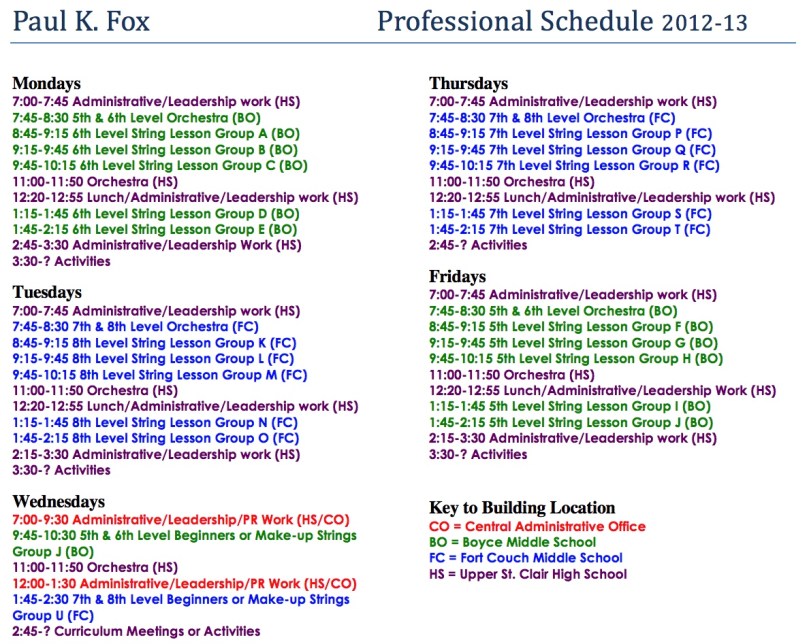
 sake of the music program, add a new ensemble, schedule after-school time to teach a solo or instrumental part, and plan more weekend and evening “learning activities” or events beyond the scope of most other academic subject teachers. It was not unusual for me to be at school by 6:45 a.m., eat lunch in my car on the way to my second or third assignment as an itinerant, stop for a quick “date” and dinner out with my wife, return to school for band, orchestra, or musical practices, and not get home until 9 or or 10 p.m. As a retiree, I now ask, “What ever happened to all of this stamina and endurance?” Pushing wheel chairs only four hours a day three times a week at a local hospital, I sometimes find myself wanting to take a “power nap” when I get home! Never you fear: the healthy “calendar of a retired music teacher” is as busy (and hectic) as full-time employment… We always say, “I wonder how I ever had the time to do all of these things and work at the same time!”


 html
 The other day, I watched on CBS This Morning an interview of World Series Champion Washington National’s star outfielder Gerardo Parra
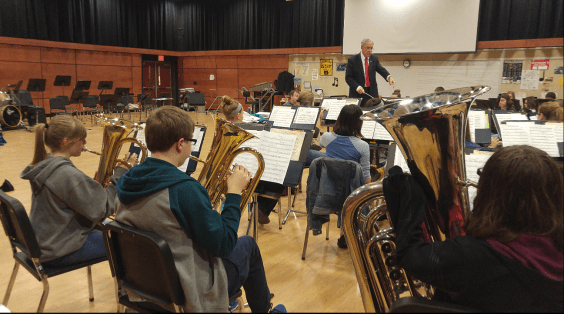
 The mission of South Hills Junior Orchestra, which rehearses and performs at the Upper St. Clair High School in Pittsburgh, PA, is to support and nurture local school band and orchestra programs, to develop knowledge, understanding, performance skills, and an appreciation of music, to increase an individual member’s self-esteem and self-motivation, and to continue to advance a life-long study of music. Members of the Orchestra learn, grow, and achieve positions of leadership to serve their fellow players.





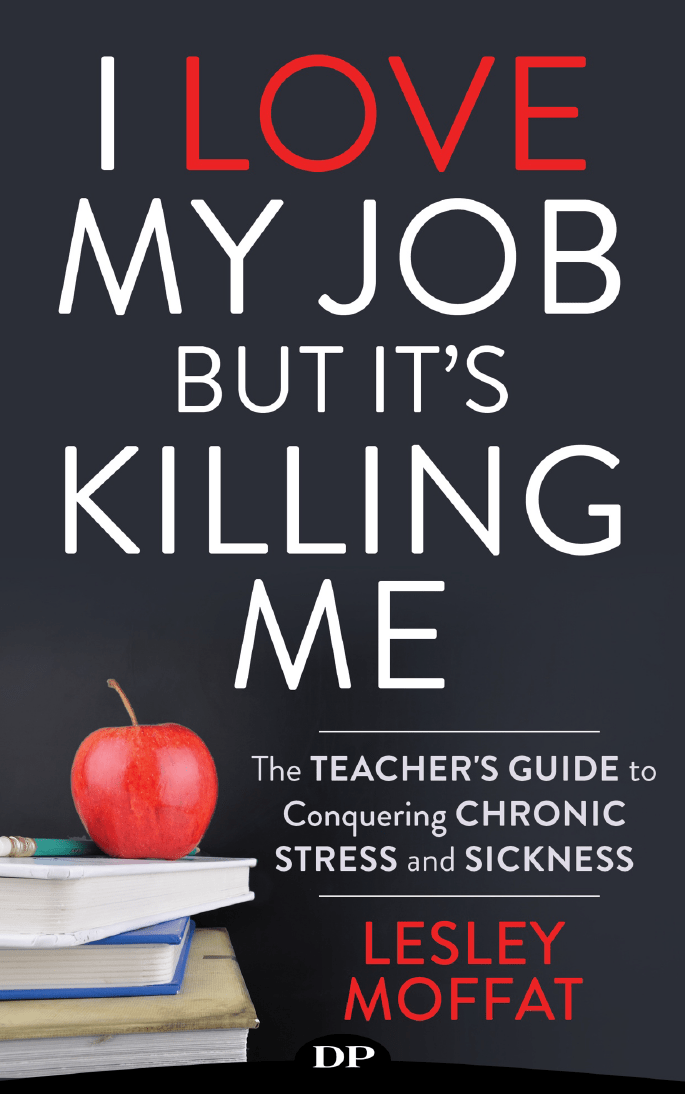


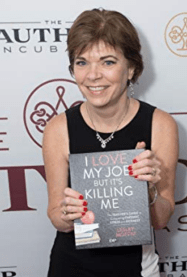 Now in her fourth decade as a high school band director, Lesley Moffat has worked with thousands of people, helping them not only achieve musical goals (including repeated performances at Carnegie Hall, Disney Theme Parks, Royal Caribbean cruise ships, and competitions and festivals all over the US and Canada), but also teaching them how to develop the long-term life skills they need to be successful in the world.


 Discounted NAfME + PMEA first-year membership: only $90. (If you are a recent college graduate in your first year of teaching, or if you are the spouse of a current or retired NAfME member, contact NAfME at 800-336-3768 or email
 Bring to any employment screening your resume, business card, and an e-portfolio referencing a professional website which archives everything in #1 and #2 above.
 Clean-up and curate your social media sites, treating your Facebook pages as another “personal branding resource.” Experts recommend that “your profile information should reflect integrity and responsibility… You should expand or add content that projects a professional image, shows a friendly, positive personality, demonstrates that you are well-rounded with wide range of interests, and models… great communication skills.”
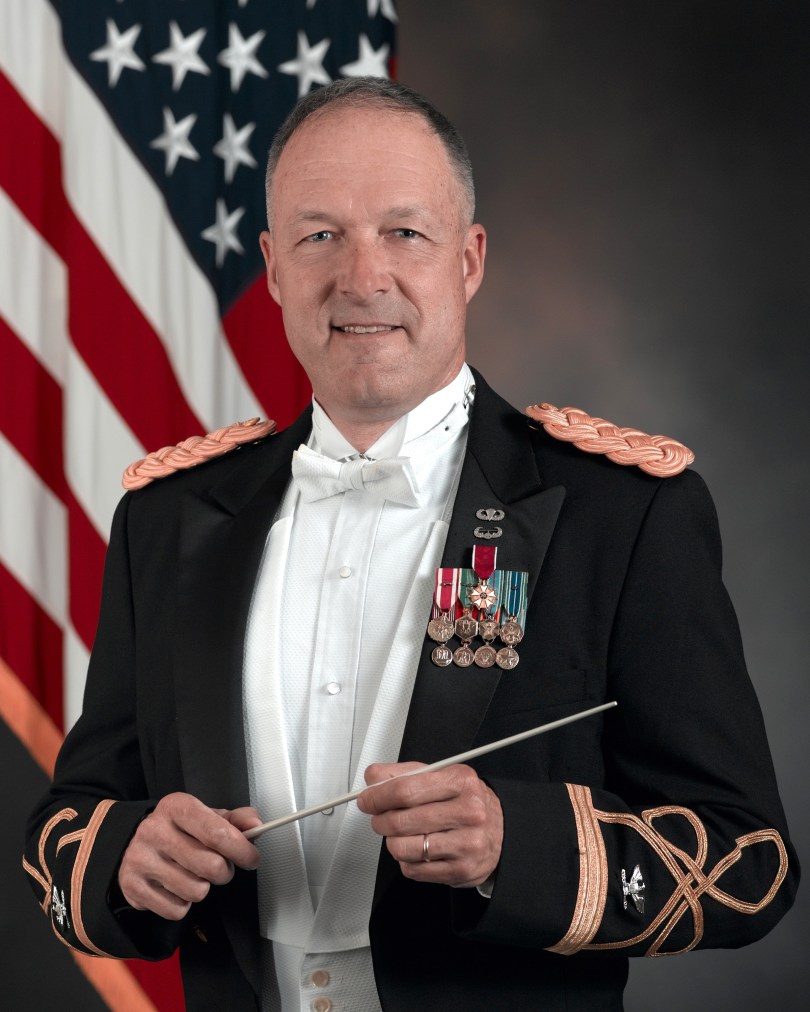


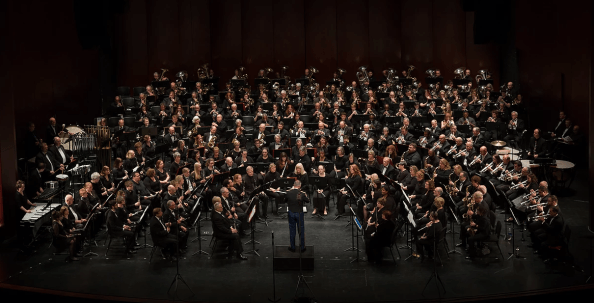
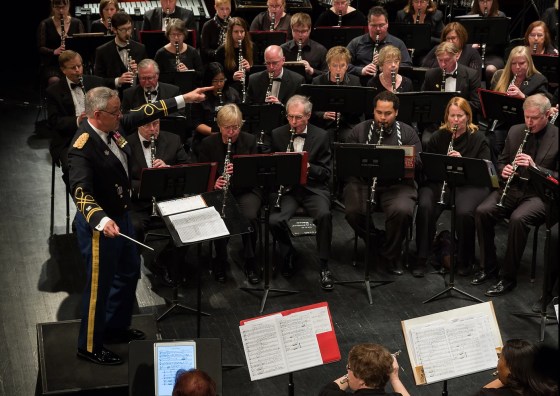
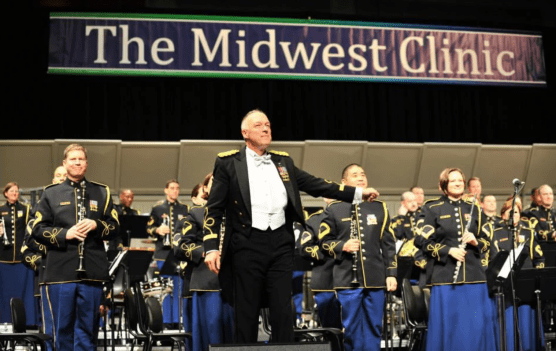
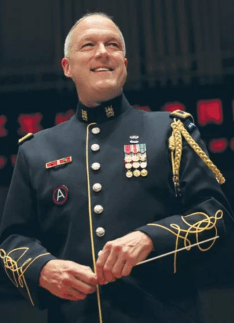
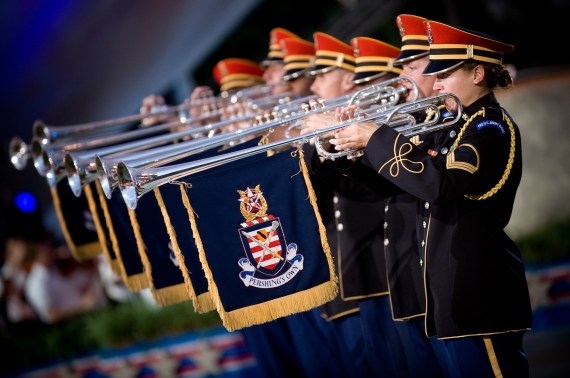
 In my case, I had over 37 years where I had established an identity as a music director and as a soldier. Prior to retirement from the army, I was the senior music director in the U.S. Armed Forces and was on speed dial of many officials in the department of defense, the Congress, and of course, the media. I received 500 to 600 emails daily from all over the world. By the way, I also was leader and commander of the US Army Band “Pershing‘s Own,” one of the largest (and busiest) military music units in the world. Then, one day I was no longer in the army, my phone wasn’t ringing constantly, the email stopped, and my schedule was mostly free. Sounds great, right? As a band or orchestra director, you were probably the most well-known and well liked person in your community. You have students, parents, and administrators who rely on you. And then suddenly, you are not that person any longer. For each of us there are emotional/psychological, social/family, and financial impacts of this transition.
 depression is related to spending time with their spouse.







 Pete Townshend
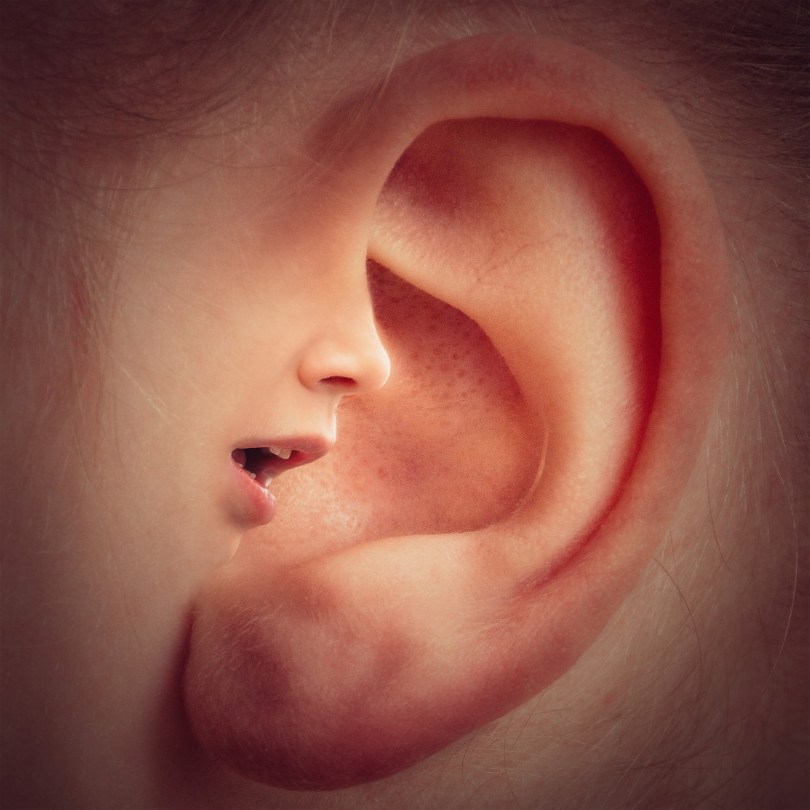
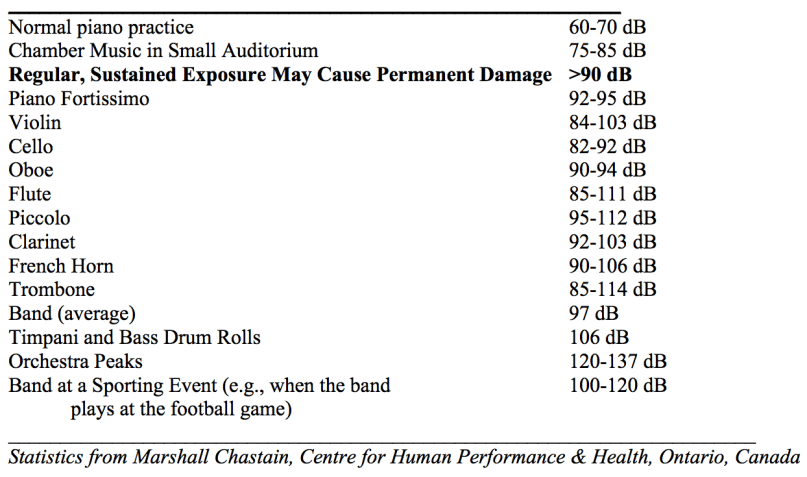
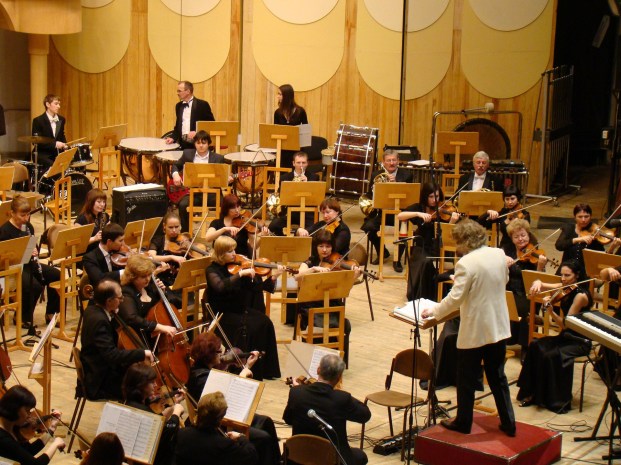
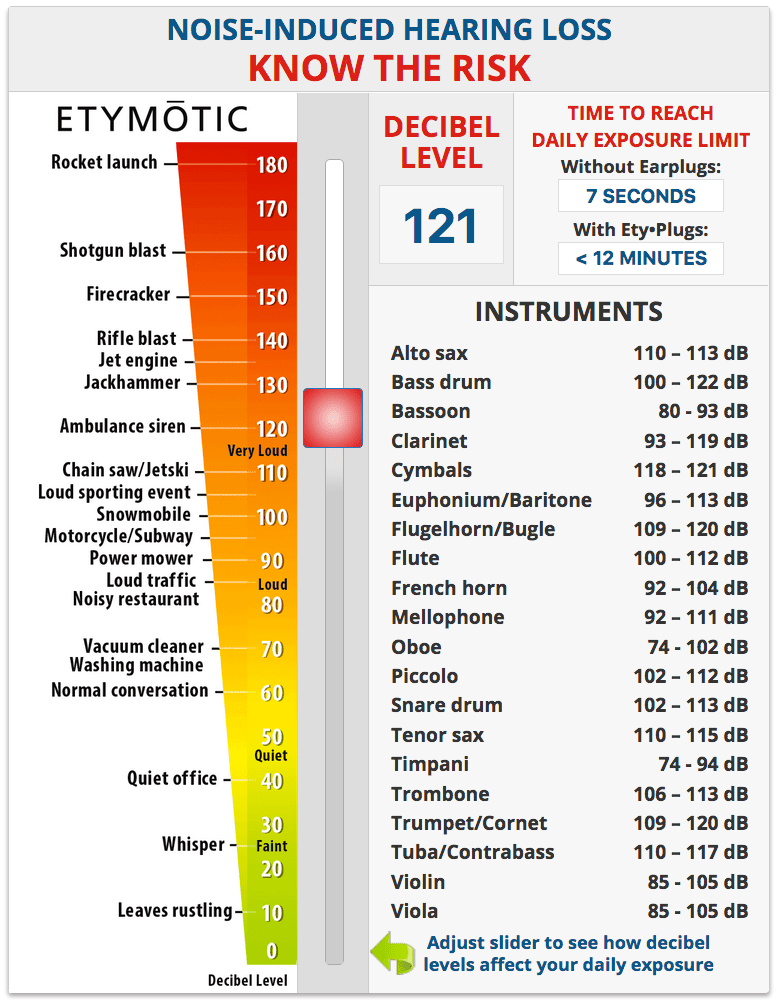
 We would not consider allowing our youth to play football without a helmet, work in chemistry lab or shop class without eye protectors. Yet everyday, we allow our children to participate in school-sponsored instrumental music activities without hearing protection.

 The mission of South Hills Junior Orchestra, which rehearses and performs at the Upper St. Clair High School in Pittsburgh, PA, is to support and nurture local school band and orchestra programs, to develop knowledge, understanding, performance skills, and an appreciation of music, to increase an individual member’s self-esteem and self-motivation, and to continue to advance a life-long study of music. Members of the Orchestra learn, grow, and achieve positions of leadership to serve their fellow members.

