In Case You’re Worried… the Status of “The Fox”

If you are a frequent visitor to this blog site, you may have noticed that, for some reason, I haven’t posted anything for almost two whole months. Cat got my tongue? Nothing to add? Busy with other things?

We have been doing what comes naturally! The most important “stuff!” Although hectic at times and in a frenzied pace, all is well! My wife and I are healthy, happy, actively engaged in the projects that matter to us, and mastering those all-essential ingredients in a healthy lifestyle (retired or not): “finding purpose, structure, and community” (reference to the book How to Retire Happy, Wild, and Free by Ernie Zelinski).

Well, I can tell you I am still vested in volunteering my expertise, experiences, and services on a number of fronts. Normally extremely verbal, I just have not had a couple hours to spare to write anything down or contribute to the voluminous material to what has become a massive archive of articles (editorials and how-to’s), links, and other resources.

What have I been doing lately?
First off, we are just finishing up our marching band season. As the official admin and announcer for the “Pride of Upper St. Clair” Marching Band (I spend my time inside, not directing practices on the fields), I attend all rehearsals as attendance bookkeeper, forms manager, librarian, quasi-nurse, and when necessary, act as a sounding board or shoulder to lean on for “the band director.” This was our first year going “competitive,” participating in regional festivals of Pennsylvania Interscholastic Marching Band Association (PIMBA), and by all accounts, “we” achieved excellence. The band is unrecognizable from past years – the students are much more committed and focused – but we still have a ways to go!

Of course, all during this, our football team made it to the playoffs. On Friday, we will support our team in the “first round” WPIAL Class 5A match at Gateway HS. The extended season brings with it challenges of its own (keeping the band members on-task and embracing new goals), but the rewards outweigh the extra rehearsals. And, all through this, we are making plans (and building excitement) for the launch of the first-ever USCHS winter guard and drumline programs!
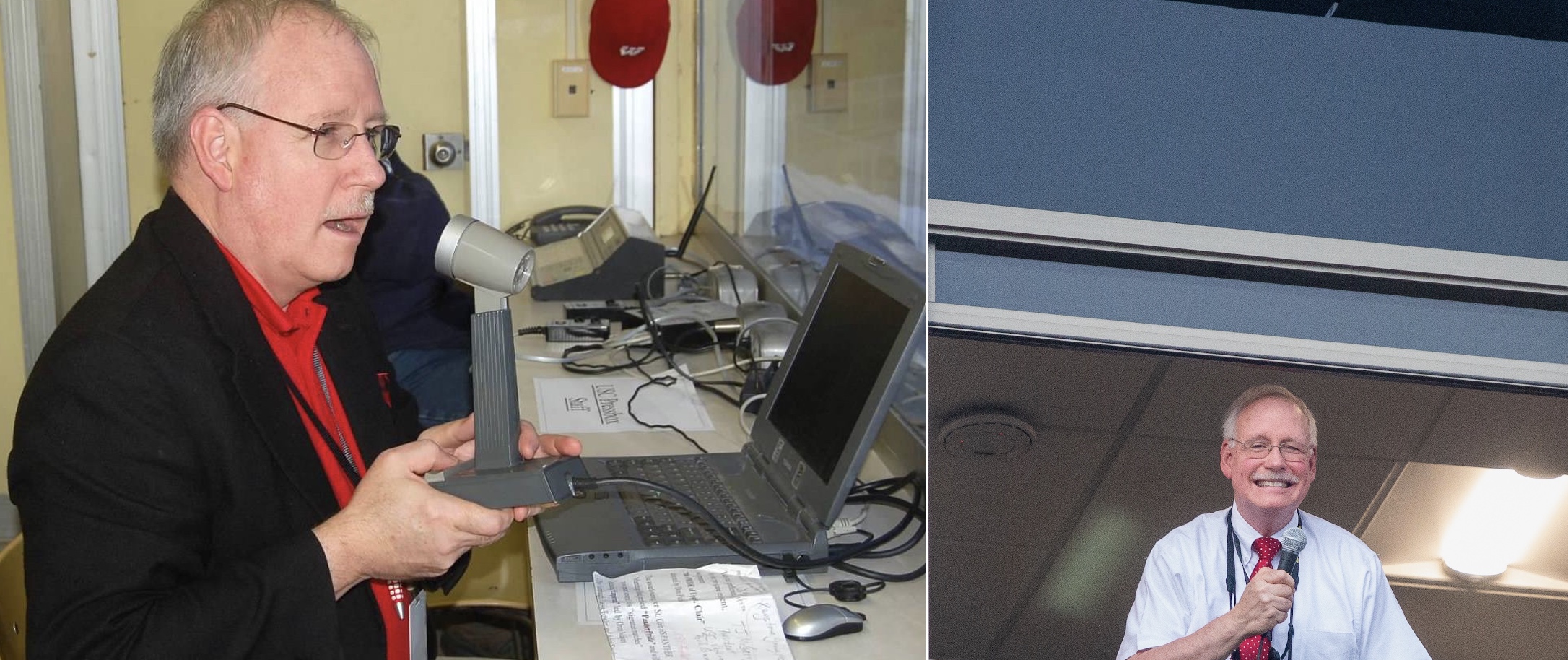
Funny thing! I’m now a part of the band’s “brand.” For 38+ years, I have been “the voice” announcing the pregame and halftime shows for Upper St. Clair High School. I’ve also emceed a couple dozen of the USCHS Marching Band Festivals, plus senior recognitions, USC Halls-of-Fame exhibitions in the stadium, and outside music invitationals. It is truly a joy to “cheerlead” our musicians… and my wife would tell you, I have a very loud broadcaster’s voice! And now, ladies and gentlemen…

In two weeks, I will conduct the fall concert of our community ensemble South Hills Junior Orchestra, now in its 40th year. Although COVID did its best to wipe out our enrollments and recruitment efforts, our online academy kept things going, and we now support a small but dedicated chamber group. (Surprisingly, I have a good balance of instrumentation including sometimes rarely-found musicians on French Horn, bassoon, bass clarinet, electric bass, and piano, but one of my trumpet players is having to read clarinet parts.) Our theme is in support of Ukraine. We just “stumbled upon” several appropriate folk songs from the region, including the tribal tunes of Russian Fantasy (Robert Bennett Brown), the ever-popular Ukrainian Bell Carol, Dance of the Slave Maidens from “Prince Igor” (by Borodin, part of the “Russian Five”), and Slovakian Folk Songs (bordering Ukraine).
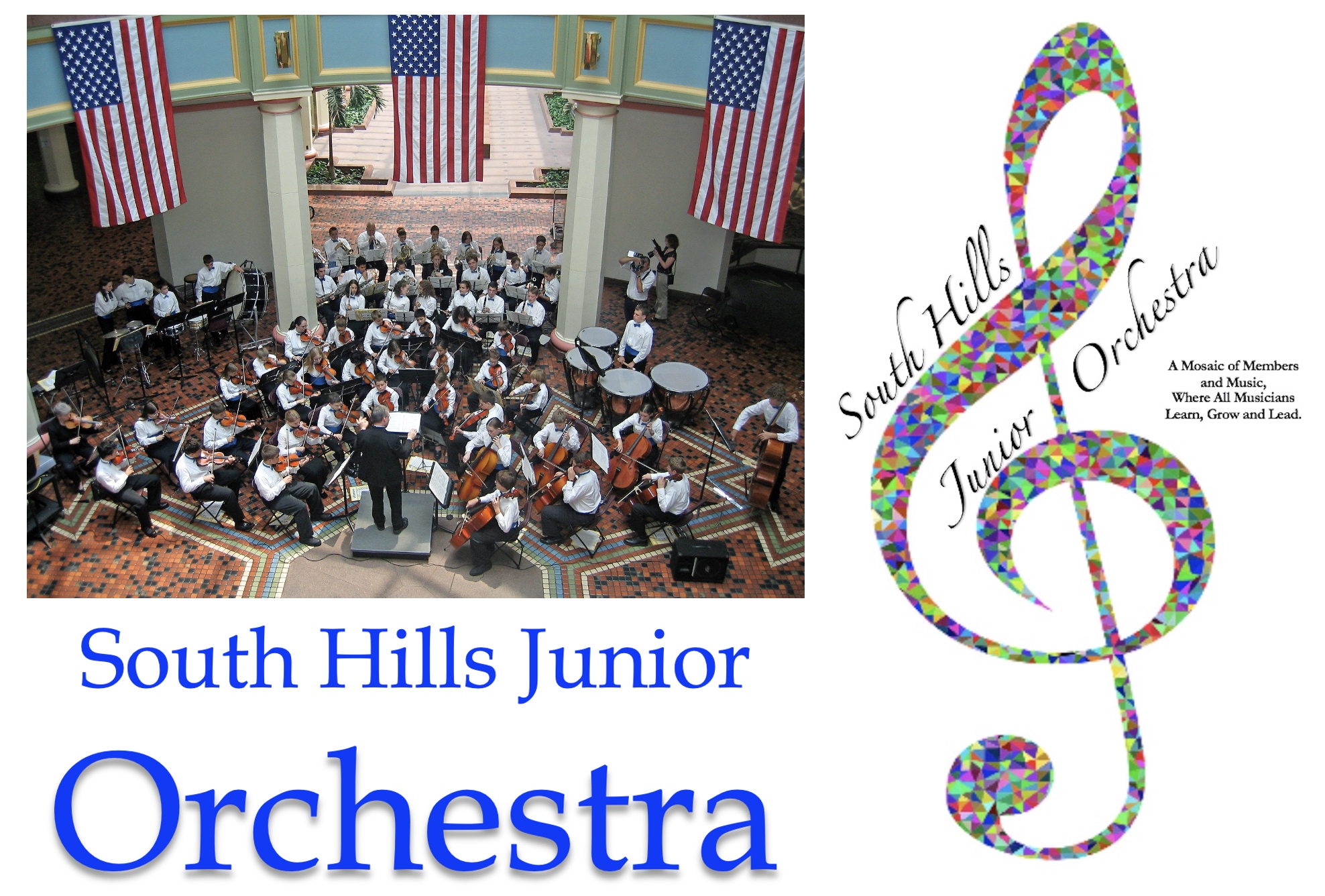
After this concert, we will prepare a holiday program for a nearby assisted-living facility with most of the SHJO members each taking a turn to conduct the sing-along of carols and seasonal favorites.

If interested, we warehoused a lot of our old SHJO Online Academy media and lessons here. (Use the password symphony.)

Staying involved in my professional associations, I am happy to report I was accepted to present at two conferences, the National Association for Music Education (NAfME) Eastern Division event in Rochester, NY on April 13-16, 2023 and the Pennsylvania Music Educators Association (PMEA) Annual In-Service at the Kalahari Resort/Poconos on April 20-22, 2023. I have been asked to do my interview clinic session at both conferences and a workshop for PMEA on music educator burnout remediation, self-care, health and wellness.

In the meanwhile, not to let any grass grow under my feet (or more leaves to fall on my head), locally I have been giving teacher ethics presentations at Slippery Rock University of Pennsylvania (a wonderful class of 44 freshman music education majors – the future looks good!) and Washington & Jefferson College undergraduate and graduate education majors.
I open my session offering to give a hundred dollar bill to the first student who can correctly name the exact title of their educator’s code of conduct (PA Code of Professional Practice and Conduct – CPPC) and identify the agency which enforces it (PA Professional Standards and Practices Commission – PSPC). No one ever guesses it. (I could also likely get away with this challenge at any school faculty meeting in the Commonwealth! Educators seldom receive formal ethics training in our state – that’s why I am sharing these recent updates from the PA Department of Education!) Now that I have publicized “the big question,” I guess I’d better put away that C-note for good!

A sampling of my slides and handouts are available for perusal from the top section of the “Training/Jobs” menu bar link here, or you can find past blogs on the subject of educator decision-making presented in reverse chronological order here.

In a similar vein (and with equal passion), I have teamed-up with retired social studies teacher and attorney-at-law Thomas Bailey to sponsor continuing education classes for both educators and administrators. I am inspired by Tom’s knowledge of the PA regulation framework and school law. We just finished an excellent 25-hour approved non-PDE Act 45 course for school system leaders. You should visit his informative website here, and especially check out his court case blog here. If you are a school superintendent or administrator, our next series of online classes will begin on November 29; register for the course here.
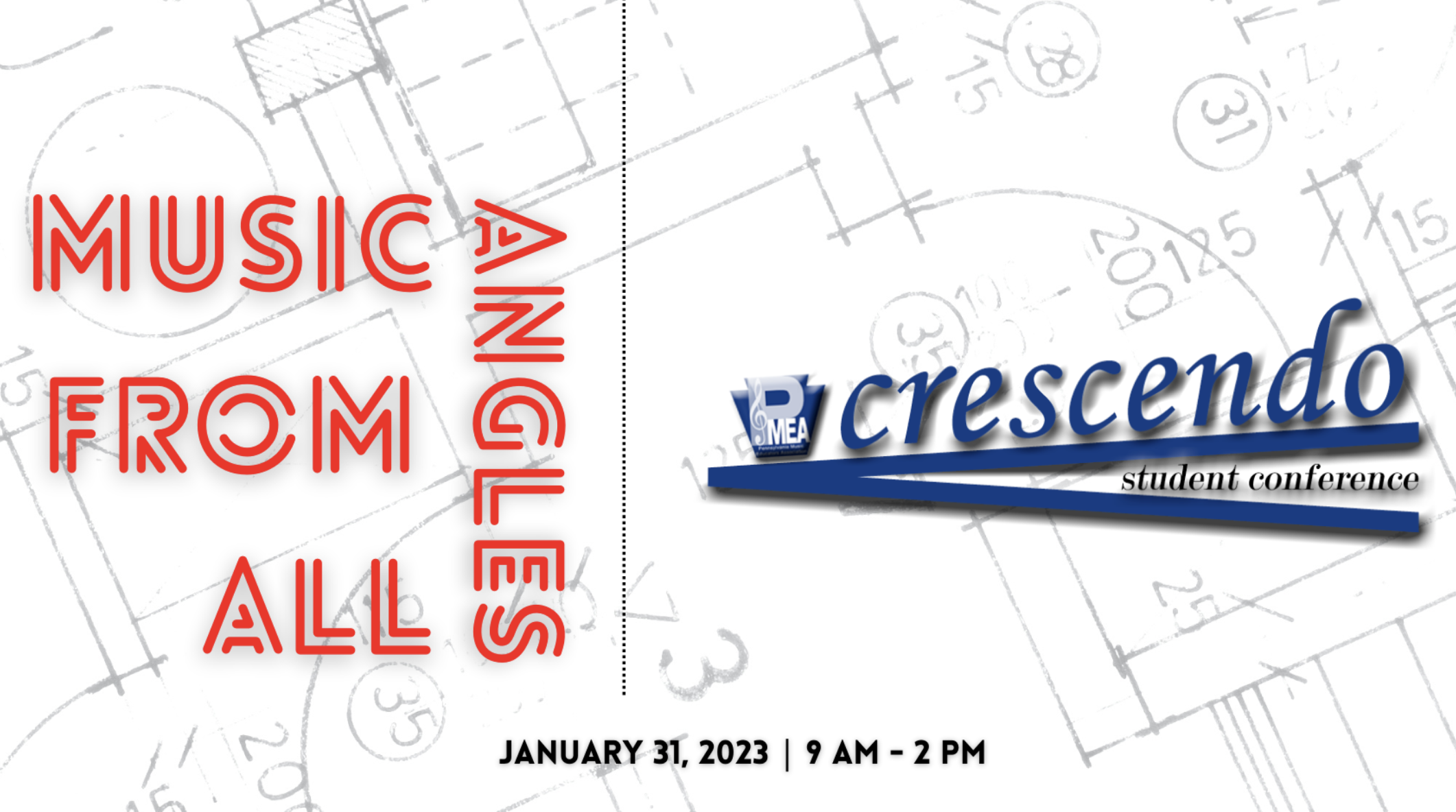
Additional future projects include assisting on the PMEA Strategic Planning committee for “member engagement,” planning for the PMEA CRESCENDO virtual student conference scheduled for January 31, 2023 (more info here), and serving on the PMEA Council for Teacher Training, Recruitment, and Retention (I am state chair) – “the life cycle of an educator.” A wealth of free information for music educators (which I try to revise frequently) is available on sections of the PMEA website: the Council TTRR focus area (click here) and Retired Members (click here).

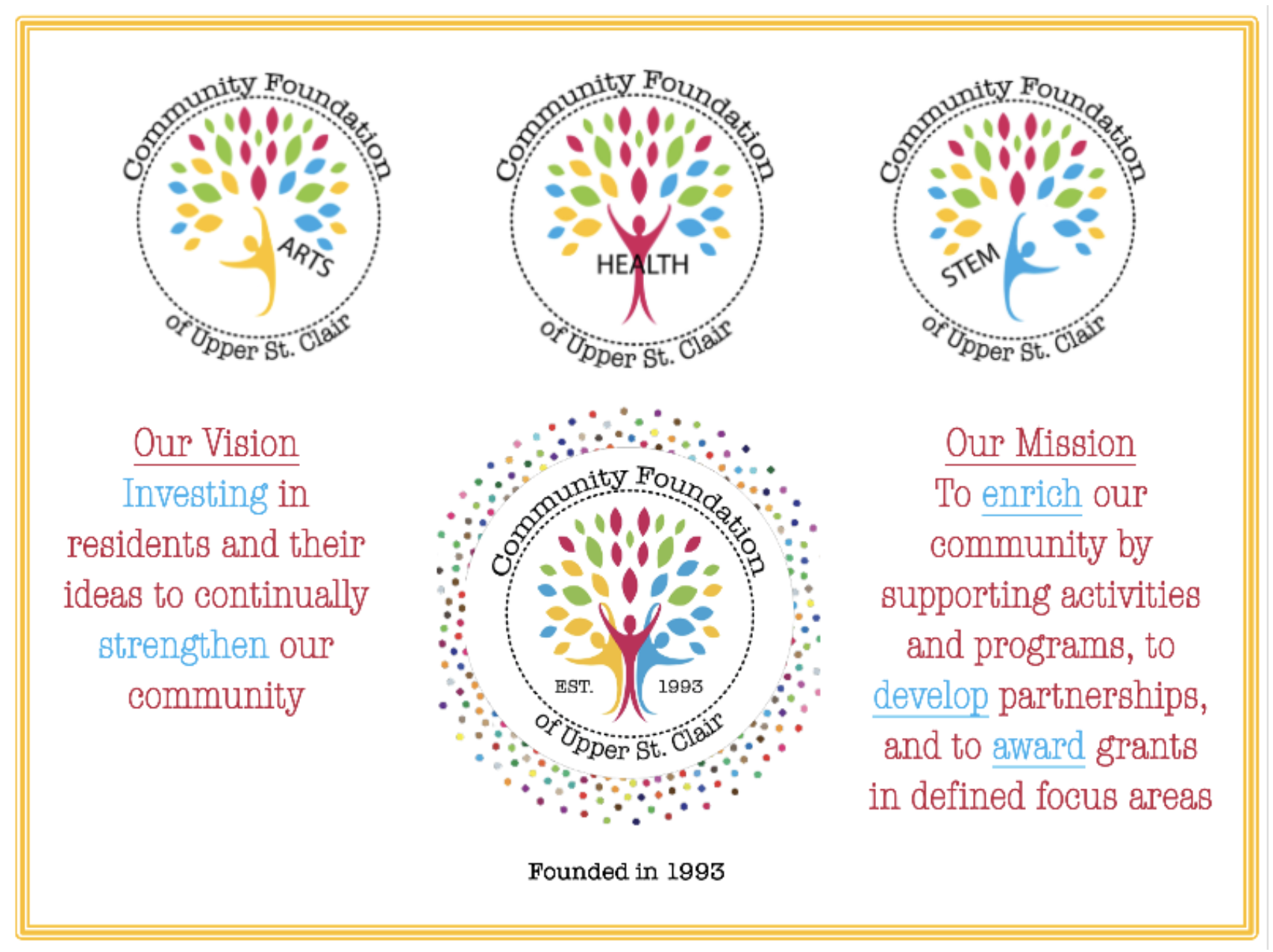
Outside the scope of teaching profession, I have been active as Communications Director, Fine and Performing Arts Chair, and Trustee of the Community Foundation of Upper St. Clair (CFUSC). I publicize a weekly eUPDATE (samples on the website here) to announce our township events for donors and supporters, serve as “the duck maestro” – the mascot for the annual duck races on USC Community Day, and look forward to organizing “a really big party” in celebration of the CFUSC’s 30th anniversary on April 21, 2023 at the St. Clair Country Club… although I will be in the Poconos on the same date doing a PMEA workshop! The Fox calendar is bursting with a few overlapping dates!
Besides all of the above, I am still volunteering at the hospital several days a week, pushing wheelchairs to/from procedure rooms at St. Clair Health. One thing you realize helping out in your hometown (the place you taught all those years)… you will run into many of your former students now grown up with kids of their own. It is a real joy to see them again (albeit due to the need for a colonoscopy or surgical procedure), and catch up with all those memories, their life’s successes, and future dreams.

The only personal goal that remains unfinished is consideration on how I can better distribute (dare I say “promote”) the numerous blogs that remain timely and relevant at this website. It’s just a little too overwhelming (and dense) for some passersby. A few of the links in the earlier postings may have expired and need to be updated. However, a lot of my insight, hard earned perspective (with sweat and tears), and past experiences have been poured into these writings, and I could only hope many of them could become useful tools for college music education majors, the rookie educator, those feeling challenged by today’s post-COVID times, or anyone recently transferring into the profession. Here’s another list of menus… go ahead, sight-see and enjoy the journey!

As you can see, I am not really retired… perhaps a better term would be “refired” or “redirected” or “reinvented.” If you are already “living the dream” in your post-full-time employment years or anticipate this happening in the near future, that’s how it’s done. That’s what I wish for you, too! Do you want to live-it-up to Moses’ age – supposedly 120 years old? Then, you better plan to be physically and mentally active and engaged! After all, a mind is a terrible thing to waste!

PKF

© 2022 Paul K. Fox

RECAP – Retirement Resources

A Treasure Chest of Tips for Living the Dream!

Are you retiring soon? Thinking about “taking the plunge” and “Crossing the Rubicon” into your “second beginnings” or “next chapter” of senior life?

No matter how busy you are now, you need to “take five” from your work or personal to-do’s and review the following recommendations from past blog posts at this site. Consider this a personal toolbox for the retired and soon-to-retire professional… and assigned HOMEWORK!

A good starting point would be to pick-up “The Myths of Retirement” and “Three Exit Lanes to Self-Help Retirement Guides,” or if you prefer to tackle everything at once, check out the omnibus “monster” resource guide posted here.

Now the top-ten list – a well-balanced collection of online essays. The more you read, the better you will be able to embrace a healthy transition through this major life passage!

1. Plan ahead for retirement: “It’s Not Only About the Money”

Read the entire article here.

It is agreed that a period of adjustment will occur during the first years of “interning” as a retiree, especially critical during the “pre-retirement” stage (believe-it-or-not, as many as six to ten years prior to “taking the big leap” to FREEDOM!). The solution to a smooth transition is to be prepared: communicate your intentions with your family members, and reflect on the vast considerations of the “who, what, when, where, how, and why” of retirement. This prep to your “golden years” is the perfect time for a little self-assessment and self-reinvention in finding new purpose, meaning, and fulfillment in your life.

2. Identify and take steps to alleviate the stress of leaving your job:
“The Good, The Bad, and The Ugly”

Read the entire article here.

The phases of retirement are discussed in greater depth here, as well as different departure scenarios and the usual post-employment “cycles of emotions.” This piece is particularly good if you have ever felt pushed into early retirement or experienced being unappreciated, disrespected, uninspired, unsupported, or “burned out” in your career.

3. Are you really ready? “Signs it is time to retire… OR “Signs is NOT okay.”

Read the entire article here.

This “countdown to retirement” article poses the essential question “Are you psychologically (or emotionally) prepared to retire?” and offers a “road map” of seven easy steps towards closure for prospective music teacher retirees.

For more insight, you should also peruse “When Should You Retire.”

4. Determine your retirement destination:
“Do you know where you’re going to…?”

Read the entire article here.

This early blog post proposed several factors to consider for the choice of where you want to live in retirement… both geography and floor plans. Another good source to read on this topic is the book that was published two years later by the retirement guru and former PMEA session presenter Dave Hughes: The Quest for Retirement Utopia – How to Find the Retirement Spot That’s Right for You.

5. Maintain your professional associations:
“Ask not what PMEA can do for you, but what you can do for PMEA!”

Read several articles:

A retired educator is a valuable resource. If you care about the profession, there are many ways you can continue to contribute your experience and wisdom, albeit less stressful and time-consuming moments, but still assist your colleagues who continue to “fight the good fight” in the field.

6. Acquire a more carefree attitude: “It’s Not Your Sandbox”

Read the entire article here.

It may be at times a challenge to surrender your urge to continue as “an agent of change” or, as E.A. Wynne has written in “The Moral Dimension of Teaching” (Teaching: Theory into Practice, 1995), habits of “moral professionalism.” Learn how chill out and NOT to stress out over someone else’s supposedly poorly run “sandbox” and limit the need to provide unsolicited advice or major problem-solving for other organizations. 

7. Make music: “Dust off your chops” and 8. “Sing your heart out…”

Read the both articles here and here.

What led you to select a career in (and the “calling” of) music education? Retirement is the perfect place and time to expand on your love and skills in creative self-expression. When a music educator retires, among the many joys and fruits of his/her career in the arts is a sudden life-style change – the glorious transformation of being set free from those things you no longer want nor need to do (routine day-to-day drudgery, paperwork, meetings, etc.), embarking on new journeys to explore and embrace revised personal goals – hopefully including a renewed refocus on making your own music!

9. Explore mind-stimulating engagements: “Have you fed your brain today?”

Read the entire article here.

The mind is a terrible thing to waste, even during retirement. Discover something new every day! Maximize your “brain health” with a host of these ideas to consider for your bucket list.

10. Take time to “give back” and volunteer:
“What does it mean to be eleemosynary?”

Read both of these articles here and here.

In the scheduling our free time in retirement, it is important to feel “needed” and find activities that foster “mattering” to promote a positive self-esteem, good mental health, and stable life balance. Are you making choices to contribute to the musical and personal success and welfare of others? For the realization of the mission of this blogger’s retirement pastime: “I refuse to sit idle, binge-watch movies on Netflix, or view hours of boring TV.” To quote the song’s lyrics, this “senior citizen” will never lament…

Life is so unnerving
For a servant who’s not serving
He’s not whole without a soul to wait upon
Ah, those good old days when we were useful
Suddenly those good old days are gone
Ten days we’ve been rusting
Needing so much more than dusting
Needing exercise, a chance to use our skills
Most days we just lay around the castle
Flabby, fat, and lazy
You walked in and oops-a-daisy!

– “Be Our Guest” from Beauty and the Beast

Stay Connected with PA Music Education

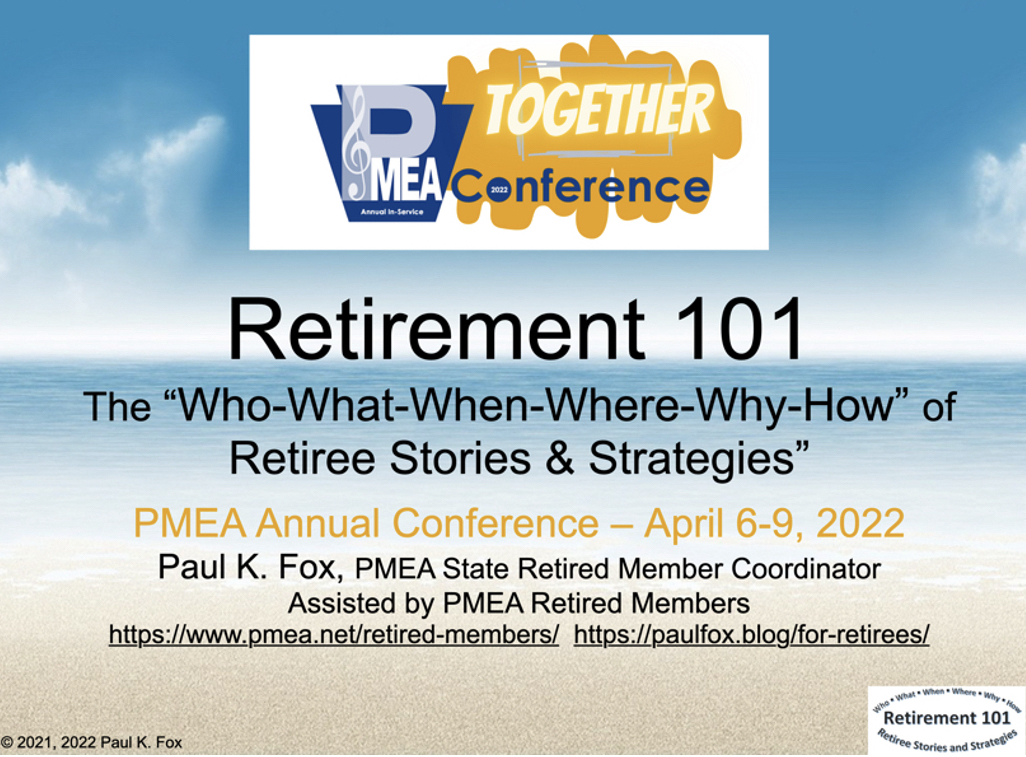
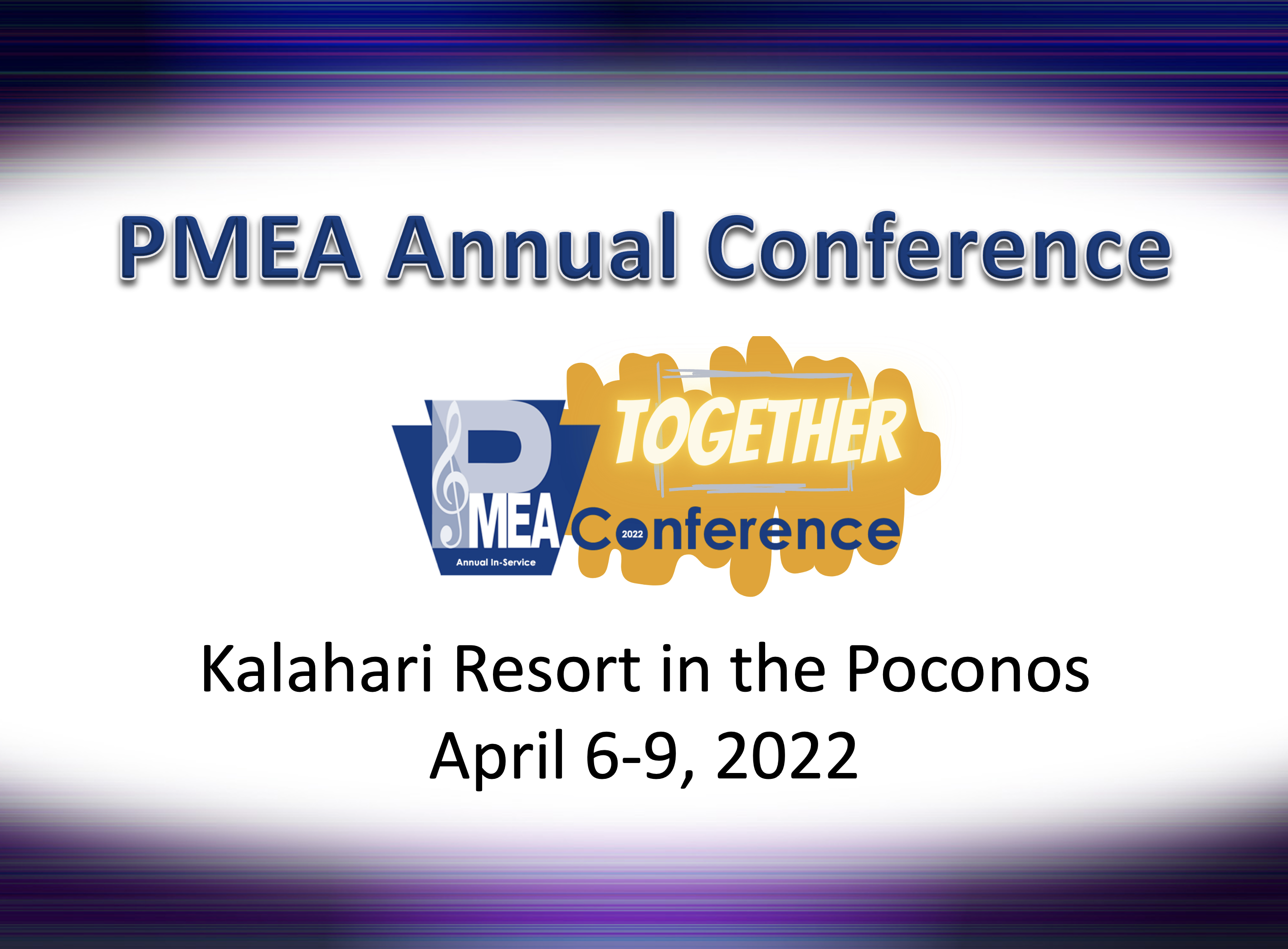
PMEA Annual Conference April 6-9, 2022 at the Kalahari Resort (Poconos)

PMEA retired members, please take note of these special events especially geared to YOU:

  • Free Retired Member Breakfast Meeting (including take-away gifts) on April 8 at 8 a.m.
  • Retirement 101 session on April 8 at 11:30 a.m. – Retired music teachers are encouraged to participate on the guest panel to “tell your own story” to help any interested soon-to-retire colleagues.
  • Three keynote speakers will join this year’s event: Dr. Tim Lautzenheiser, Lesley Moffat, and David Wish.
  • The U.S. Army Band “Pershing’s Own” will be featured on Thursday evening (April 7).
  • See last month’s blog for more details on the conference, tentative session schedule and exhibitors, AND the PMEA website.

PKF

© 2022 Paul K. Fox
Graphics from Pixabay.com:

PMEA’s Unique “Together” Conference

The return of in-person gatherings of PA music educators and students!

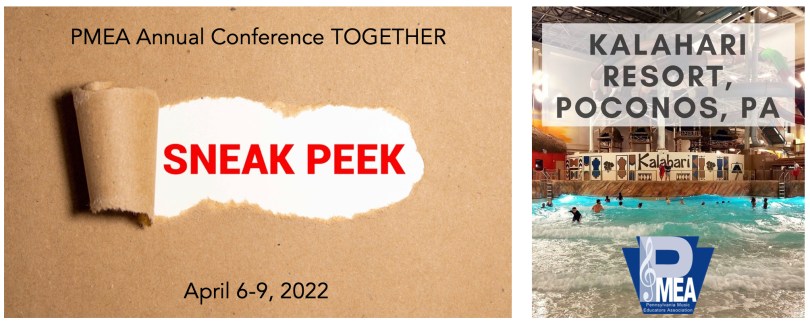
Here’s a “sneak preview” of the upcoming annual professional development convention for members of the Pennsylvania Music Educators Association (PMEA) and Pennsylvania Collegiate Music Educators Association (PCMEA).

https://www.pmea.net/pmea-annual-in-service-conference/

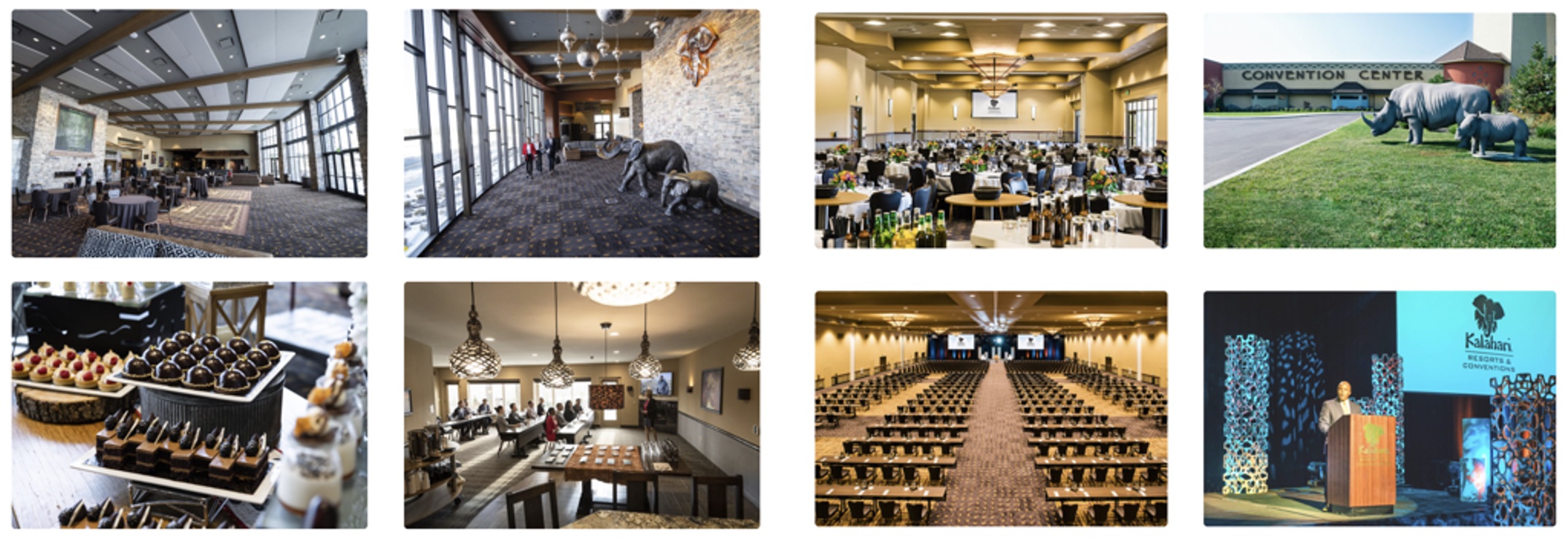
After being “hunkered down” for two years of online workshops, virtual conferences, digital music industry exhibits, and Zoom rehearsals of PMEA All-State ensembles, we can now “crush COVID-19” with “face-to-face” meetings of the PMEA TOGETHER CONFERENCE on April 6-9, 2022 at the Kalahari Resort in the Poconos.

Not just a “play on words,” this LIVE event brings TOGETHER the awesome and inspiring vision and efforts of the PMEA Professional Development Council, state officers, and staff, along with a twist from tradition – offering a place to getaway from it all!

Ask your spouse or “significant other,” children or grandchildren, nieces or nephews, other fun-loving family members, or close friends if they are available to join you for a three-day escape to the Poconos – “the world’s largest indoor waterpark” at Kalahari Resort! Experience great music, career development sessions, catching-up with colleagues, reconnection with your loved-ones, and entertainment for all ages – all wrapped up in one location.

https://www.kalahariresorts.com/pennsylvania/

Bring the family? Each spacious hotel room comes equipped with two double beds, a pullout sofa, microwave, and refrigerator, and the discounted $149/night conference rate allows you to register up to four people with access to all the resort’s amenities for no extra charge!

What resort amenities? Enjoy rides and slides (lots to “splash in” or just relax on the lazy river), a “big game” room, mini golf, mini bowling, 7-D motion theater, gourmet restaurants, spa, salon, fitness center, and amazing shopping and sightseeing excursions in PA’s northeastern region. While YOU are attending PMEA keynote sessions, clinics, concerts, and exhibits, the rest of your party could be “living it up” on as many as 29 waterpark thrills (from “mild” to “wild,” check out all of them on their website):

  • Anaconda
  • Barreling Baboon
  • Bugs Burrow
  • Cheetah Race
  • Coral Cove
  • Elephant’s Trunk
  • Flowrider
  • Indoor Outdoor Spas
  • Kenya Korkscrew
  • Lazy RIver
  • Lost Lagoon
  • Outdoor Pool
  • Rippling Rhino
  • Sahara Sidewinders
  • Screaming Hyena
  • Shark Attack
  • Splashdown Safari
  • Tiko’s Watering Hole
  • Victoria Falls
  • VR Waterslide
  • Wave Pool
  • Wild Wildebeest
  • Zig Zag Zebra

Source: Pocono Mountains Visitor Bureau

A joyful car trip to local scenes and attractions? The word “Pocono” means “the stream between two mountains.” This region encompasses 2,400 square miles of lakes, rivers, and woodlands just waiting to be discovered. Just how adventurous are you?

  • Explore numerous opportunities to hike, bike, bird watch, ski, fish, and photograph the wildlife, waterfalls, and other breathtaking landscapes.
  • Peruse the various exhibits of local artists at the White Mills Art Factory, 736 Texas Palmyra Highway (Route 6) from 10 a.m. to 5 p.m. (closed Wednesdays).
  • Try your luck at the Mount Airy Casino Resort Spa.
  • Or be a “wandering tourist” and visit nearby Stroudsburg, Milford, Jim Thorpe Honesdale, Lake Wallenpaupack, Hawley, Skytop, Bushkill, Lake Harmony, or Tannersville.
  • Check out this Poconos Mountains interactive map: https://www.poconomountains.com/interactivemap/.

Keynote speakers David Wish and Lesley Moffat

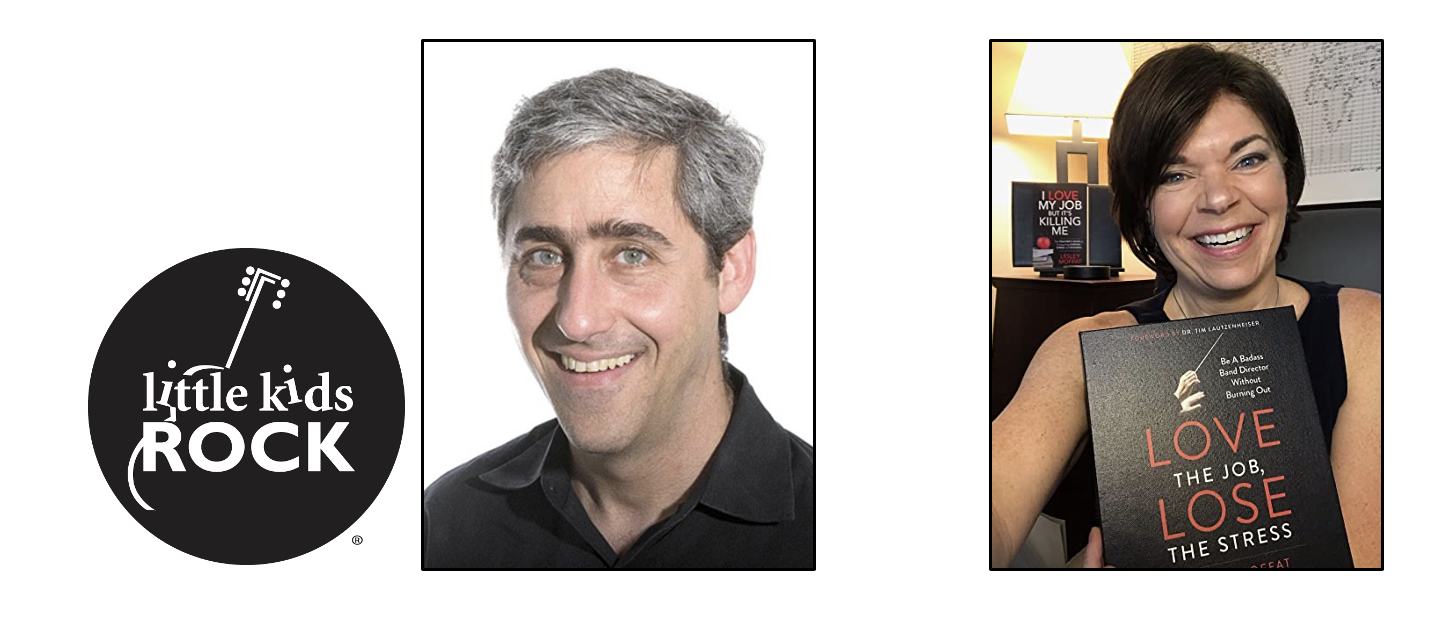
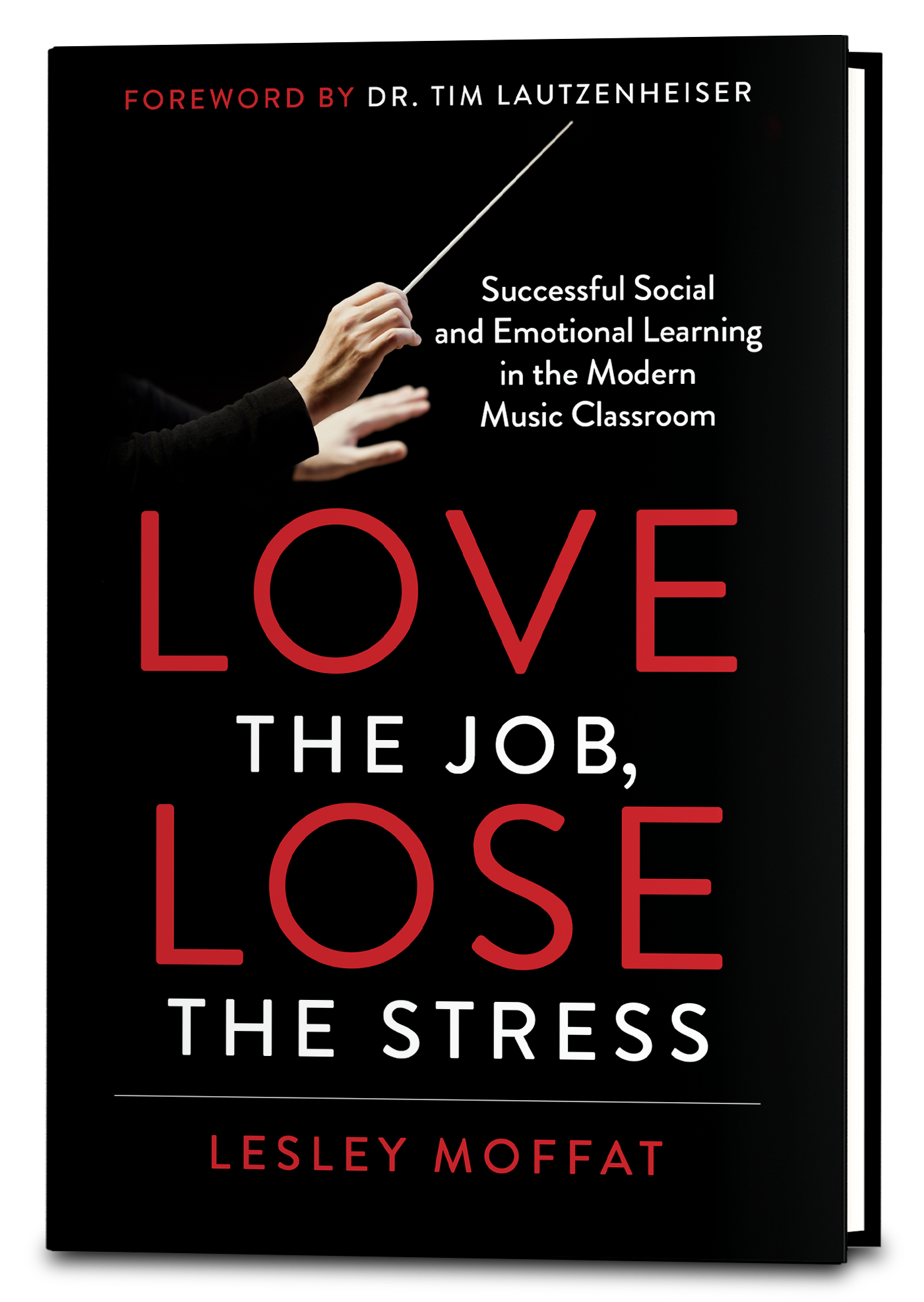
Now down to the business of professional development! In your free time from the above refreshing and re-invigorating moments of “down time,” you won’t want to miss the PMEA general sessions featuring keynoters David Wish of Little Kids Rock and Lesley Moffat, author of Love the Job, Lose the Stress. After opening the music industry and collegiate exhibits, numerous workshops, interactive demonstrations, and panel discussions will be hosted on a variety of “state-of-the-art” and timely topics:

  • Adjudication
  • Assessment
  • Career Development
  • Choral
  • Collegiate
  • Curriculum Development
  • Diversity/Equity/Inclusion
  • Exceptional Learners
  • Health and Wellness
  • Instrumental
  • Leadership/Mentoring
  • Modern Band
  • Music Technology

Draft of proposed 2022 PMEA Conference sessions

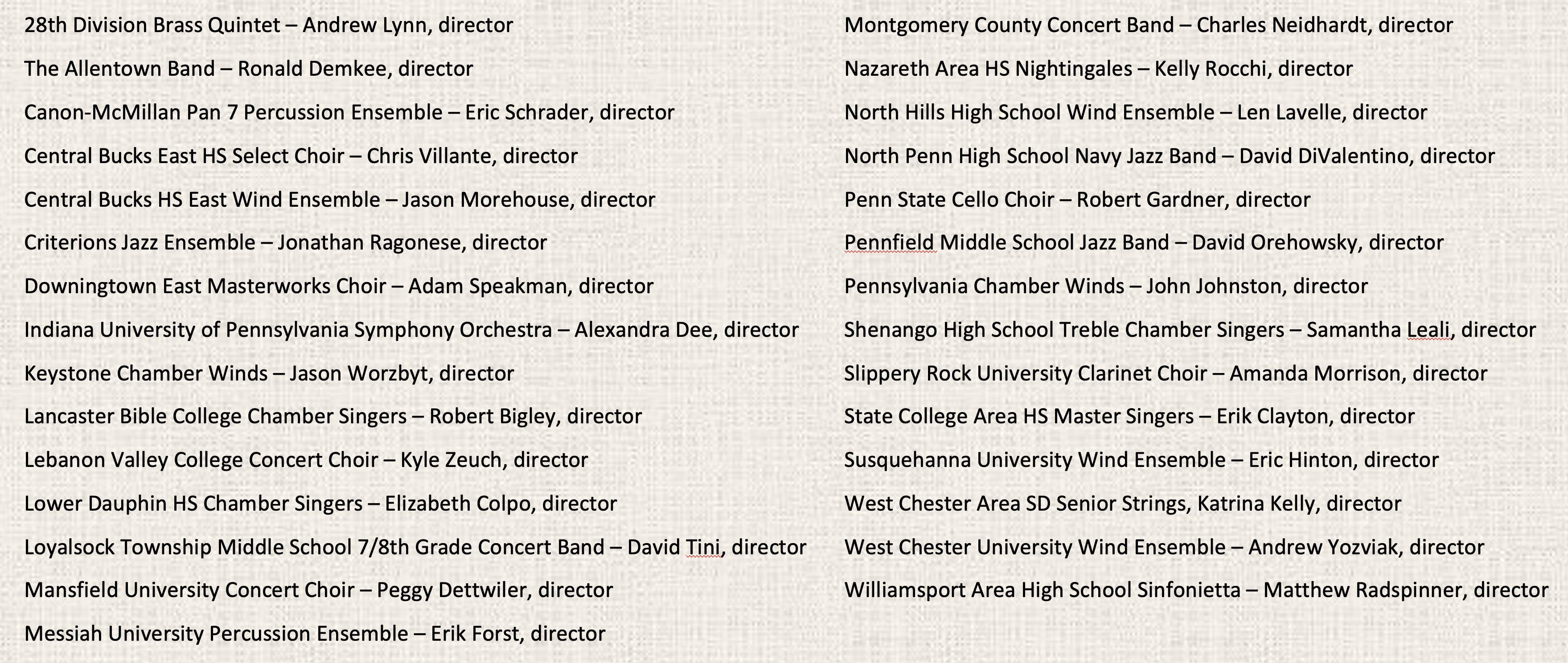
Sandwiched in between these clinics and meetings of PCMEA, PA Society for Music Teacher Education, PMEA Council for Teacher Training, Recruitment, and Retention, PMEA Retired Members, Pennsylvania-Delaware String Teachers Association, and others will be opportunities to observe rehearsals and performances of the PMEA All-State Band, Chorus, Jazz, Orchestra, and Vocal Jazz, and attend concerts of guest performing ensembles – among “Pennsylvania’s finest.” Congratulations to:

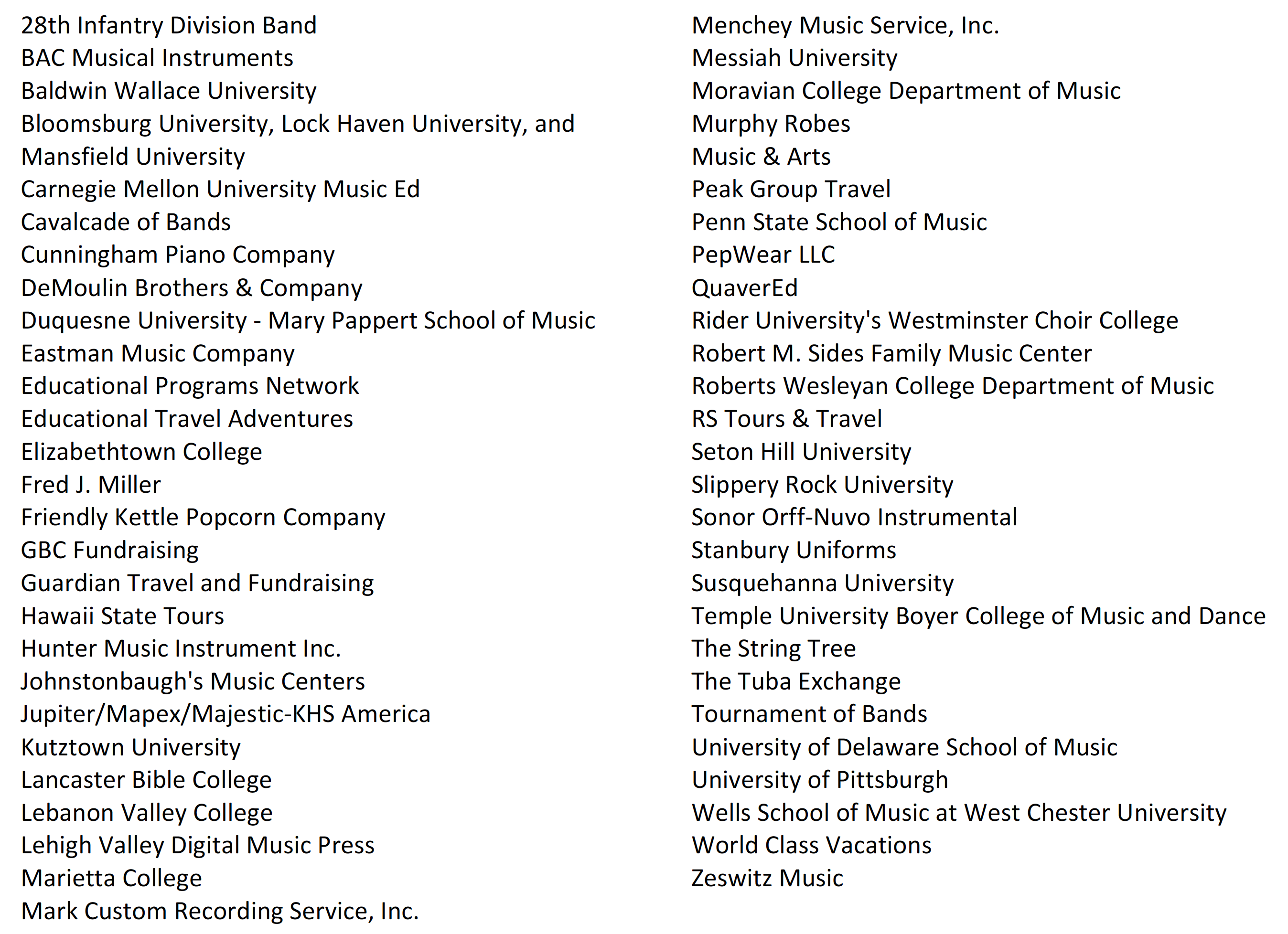
Looking for that new classroom accessory, concert selection, educational travel group, fundraiser, instrument, technology tool, or uniform, or seeking to talk to representatives from music schools? Take time to visit the exhibits. PMEA thanks the continuing support of its PMEA Corporate Sponsors.

Early-bird registration of 2022 PMEA Conference Exhibitors

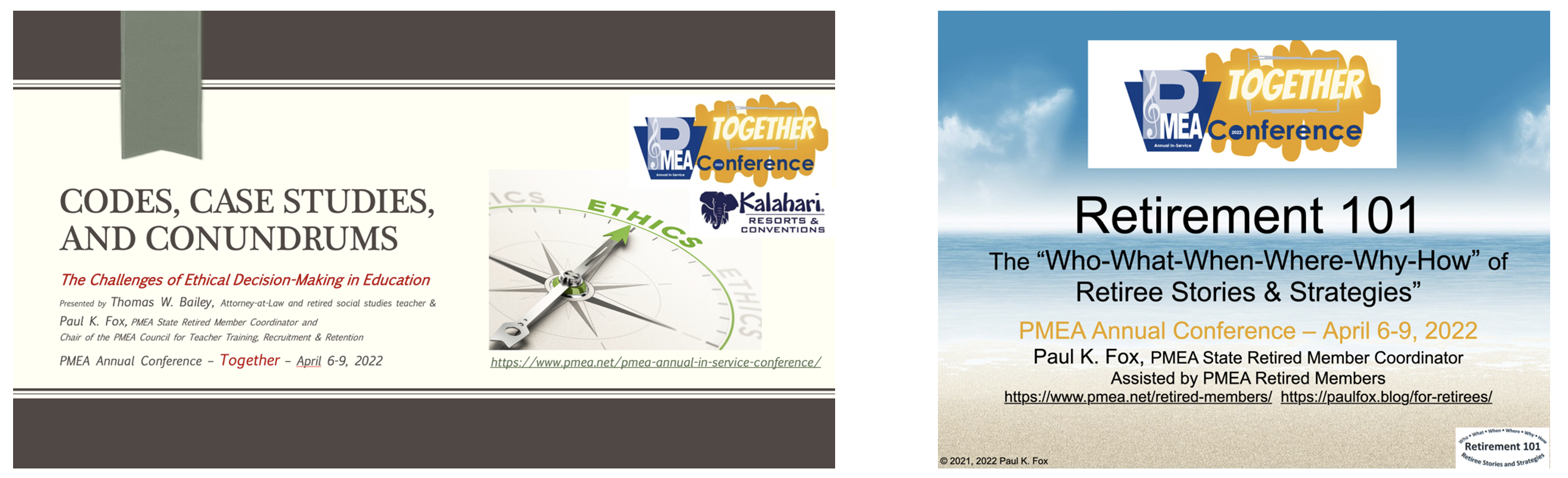
Yours truly (blogger) is proud to announce he is presenting three sessions at the conference:

  • CODES, CASE STUDIES, and CONUNDRUMS – The Challenges of Ethical Decision-Making in Education
  • THE INTERVIEW CLINIC – Practicing and Playacting to Improve Your Performance at Employment Screenings
  • RETIREMENT 101 – The Who, What, When, Where, Why, & How of Preparing for Post-Employment

PMEA will need volunteers to assist as presiding chairs or to serve at the INFO BOOTH near registration. In addition, the PMEA Retired Member Coordinator is seeking retirees to help serve on a guest panel of “semi-experts” for the retirement session.

It’s still a little early for much additional detail. However, check out this MOVIE TRAILER preview of the 2022 Conference, featuring The Pennsylvania March composed by PMEA retired member Ron DeGrandis.

As of January 17, 2022 (Martin Luther King Jr. Day), Kalahari Resort room reservations are open! The link to conference registration will be coming soon. For more information, please visit the PMEA website. Keep your eye out for revisions in future PMEA News, UPDATES, and other e-publications.

PKF

© 2022 by Paul K. Fox

New Year’s Resolutions for Retirees

Do you believe in formulating annual goals or drafting a couple “New Year’s Resolutions?”

THE STATS DON’T LIE

Every year around this time, the web highlights many so-called experts touting the benefits of making personal improvement plans… and is just as quick to admonish us for breaking them. The statistics are not encouraging:

Success/Failure rates over the first 6 months

  • Of those who make a New Year’s resolution, after 1 week, 75% are still successful in keeping it.
  • After two weeks, the number drops to 71%.
  • After 1 month, the number drops again to 64%.
  • And after 6 months, 46% of people who make a resolution are still successful in keeping it.
  • In comparison, of those people who have similar goals but do not set a resolution, only 4% are still successful after 6 months.

Overall success/failure rates

  • According to a 2016 study, of the 41% of Americans who make New Years resolutions, by the end of the year only 9% feel they are successful in keeping them.
  • An earlier study in 2007 showed that 12% of people who set resolutions are successful even though 52% of the participants were confident of success at the beginning.

Reasons for failure

  • In one 2014 study, 35% of participants who failed their New Year’s Resolutions said they had unrealistic goals.
  • 33% of participants who failed didn’t keep track of their progress.
  • 23% forgot about their resolutions.
  • About one in 10 people who failed said they made too many resolutions.

https://discoverhappyhabits.com/new-years-resolution-statistics/

Of course, it does not have to be this way! Last year, yours truly made a promise to “practice what music teachers preach” and “make meaningful music” at least a little every day on his instrument. How did it go? Success! I made it to the middle of July without missing a day (until I sprained my left hand). But the goal led me to playing better than I have for decades, more self-confidence, a lot of fun polishing off movements from my favorite sonatas and concertos, and even the purchase of a new viola. Now? It is time for me to find a tuba, dive into my past “brass flame,” and join a community band! 

As we succeed in everything else for our lives, the process of setting aside time to analyze our personal pathways, assessing our needs, and making new goals is healthy. For the eternal pursuit of happiness and self-fulfillment in retirement, I found these secrets to a ”winning” set of New Year’s Resolutions in the “Top-10 List” by the UAB School of Medicine:

  1. Start with specific micro-goals. (Keep them small, simple, and easy to accomplish.)
  2. Set resolutions for the right reasons. (Choose what is important to you, not someone else’s expectations.)
  3. Document your progress. (Write it down.)
  4. Practice patience and forgiveness. (No one is perfect. Just keep at it despite the curve balls thrown at you.)
  5. Schedule time to achieve goals. (Dedicate the necessary resolve and resources to accomplish them.)
  6. Embrace the buddy system. (Share in collaborating on group goals. You don’t have to achieve them alone!)
  7. Consider your budget. (Finances may play a role. Stay within your means.)
  8. Slow down and meditate. (Breathe, refocus, and be mindful.)
  9. Reward yourself for achievements. (No matter how big or small, treat yourself for reaching your targets.)
  10. Ask others to keep you accountable. (Publicize your intentions. They might help you achieve your goals.)

https://www.uabmedicine.org/-/10-secrets-of-people-who-keep-their-new-year-s-resolutions

SAMPLE RESOLUTIONS

You probably do not need someone to suggest things-to-do in 2022 or ways to self-improve. Effective goals and action plans must come from within yourself. However, there are countless advisors “out there” offering ideas to motivate you:

  • Keep a Positive Mindset
  • Commit to at least 10 Minutes of Exercise Daily
  • Make Better Dietary Choices
  • Stay Young-at-Heart – Surround Yourself with Young People
  • Stimulate Your Mind
  • Get Enough Sleep
  • Reach Out to Old Friends and Make New Ones
  • Kick Your Bad Habits
  • Maintain Your Purpose in Life as You Age
  • Give Back – Explore New Volunteer Opportunities

— Example sites: https://www.luthermanor.org/new-years-resolutions-for-seniors/ and https://www.healthinaging.org/tools-and-tips/tip-sheet-top-10-healthy-new-years-resolutions-older-adults 

Pennsylvania Music Educators Association (PMEA)

ENGAGEMENT, ADVOCACY, & ASSOCIATION IN MUSIC EDUCATION

Modeling PROFESSIONALISM, these terms promote the power of “collaboration” and connections among music education colleagues and stakeholders (music students, parents, and the general public). To foster a broader picture and devise “bigger than self” New Year’s Resolutions, we should embrace forming partnerships throughout our pre-service, in-service, and retirement years with enhanced goals of active engagement, advocacy, and support of our professional associations.

In many past blog posts here and articles in PMEA News, Retired Member Network eNEWS, and NAfME Music in a Minuet, we have addressed ways that retirees can share their awesome “musical gifts,” know-how, and perspective to promote creative self-expression. If you are looking to adopt a 2022 New Year’s Resolution to “make a difference” in the music education profession, revisit this free archive here: https://www.pmea.net/wp-content/uploads/2021/09/PMEA-Retired-Member-Network-eNEWS-s090721.pdf and also peruse this link: https://paulfox.blog/2021/11/10/giving-back-to-the-association/.

On a personal note, besides getting back to my viola practice and resuming my love of playing the tuba, I resolve to continue a focus on “giving back” whenever possible to my local community, PMEA, and the music education profession. How will I do this in 2022? By bestowing the gifts of SERVICE:

  • Chair of the PMEA Council for Teacher Training, Recruitment, and Retention
  • Coordinator of PMEA Retired Members
  • Artistic Director of the South Hills Junior Orchestra
  • Trustee and Communications Director of the Community Foundation of Upper St. Clair
  • Volunteer Escort for the St. Clair Health
  • Author, clinician, and workshop presenter on the topics of educator ethics, interviewing and job search, professional standards, retirement, and self-care

Additional blog posts on the topic of New Year’s Resolutions and helping others in retirement:

PKF

© 2021 Paul K. Fox
iStockphoto.com graphic: Merry Christmas and Happy New Year by Tasha Art

Pixabay.com graphics:

Merry Christmas and Happy New Year from the Fox Household!

Do You Have a “Side Gig?”

4 Tips for Artists Seeking an Extra Income Stream

by Ed Carter

Editor’s Note: This month’s blog will feature guest writer Ed Carter, a retired financial planner. (See his website here.) His piece intrigued me, and also made me reflect on the numerous music educators who do freelance work. Even for retired music educators, it is important to continue our active involvement in the field of “creative self-expression” – (what inspired us to go into music in the first place?) – regardless of whether it is for pay or pro bono and now part-time: private teaching, church directing or accompanying, performing in or conducting music ensembles or musical theater, adjudicating festivals, coaching, composing, or arranging for school groups, teaching in higher education, or serving in the music industry. How are you “making music” today?

Research shows that about 45 percent of Americans have a side gig, and they do this for many reasons. It’s obviously a great way to ease financial strain, but it’s also a chance to delve deeper into something that you enjoy, hone skills, and change up your network.

Artists, who often experience economic instability, are one party that might find themselves supplementing revenue from their artwork with a secondary job. On the flip side, you might be considering flexing your creative muscles by engaging in an artistic moonlighting opportunity.

If you need or are interested in earning extra cash while pursuing art, a side hustle may be the way to go. Here are four tips to help you get started. 

1. Do a Cost-Benefit Analysis

There are many profitable avenues you can pursue on the side, from blogging and data entry to making balloon animals at parties and walking dogs. A number of gigs even allow you to express your creative side while making a profit and leaving time for you to practice the art that is your main passion, such as selling items on Etsy. You need to pick a job that meets three criteria:

  • You get what you need from it
  • You can do it, and
  • You have what you need to do it.

List the options that appeal to you the most. Research startup costs, competition and markets. Look at each potential gig and ask yourself a few questions:

  • Does this give you enough flexibility?
  • Is the initial time and money investment something you can afford?
  • Do you have the skills and ability to keep doing the work long enough for it to pay off?
  • Is there enough profit potential to justify the effort, not just physically but emotionally and mentally?
  • What are the risks?

Tally up the costs and benefits and decide if the side gig is worth it. 

2. Start With a Trial Run 

If you are still inclined to take a chance on a side hustle after reviewing the above-mentioned aspects, don’t immediately throw everything you have into it. Do a test run instead; offer services for a limited period or only produce a set amount of product to see if your plan is feasible and if you enjoy it enough to stick with it. 

3. Don’t Underestimate the Importance of Organization

Keep your side gig details separate from other parts of your life. Use a different email, different files, and possibly even a different bank account. As the source Company Bug points out, the latter helps with filing taxes and looking professional.

Check out automation for bookkeeping and invoicing purposes. Keep detailed records with online backups, and consider adding an app that makes it easy to stay on top of your finances and share data with your accountant.

4. Manage Your Energy Efficiently

Everyone has a finite amount of energy. Managing your time and energy carefully helps you be more effective and happier as you go about your daily tasks. As Todoist recommends, write down a to-do list each morning and schedule out blocks of time so that you can stay abreast of your obligations. Consider planning ahead by weeks and months as well. If you need a break, though, be sure to take it to avoid burnout and waning motivation. 

Doing your art for art’s sake is one thing, and doing it as a business is another. When starting a side gig, it is important to make sure you understand what you are getting into and that you have the resources to do it. Being aware of the risks and costs, organizing and doling out energy cautiously can help you secure success. 

© 2021 Paul K. Fox
Photo from Pexels by MART PRODUCTION 
Images from Pixabay by Brenda Geisse (flute), artesitalia (conductor), Vlad Vasnetsov (guitar teaching), and Светлана Бердник (dance lesson)

Those Were the Good Ol’ Days

The “E” in RETIREMENT is for Energy, Engagement, Excitement, and Endurance

This blog is all about how to stay young and vibrant – BECOMING A VOLUNTEER! Geared to those of us who have retired, this is very personal and unique to every individual, no matter what the age!

Do you remember the song, “Those Were the Days” performed by Mary Hopkins (1968), the Fifth Dimension (1969), and even Dolly Parton (2000)?

Those were the days my friend
We thought they’d never end
We’d sing and dance forever and a day
We’d live the life we choose
We’d fight and never lose
For we were young and sure to have our way.
La la la la
Those were the days, oh yes those were the days

In June 2021, I went back to work. Well, not exactly full-time… but it felt that way!

Remember the times as music educators we spent 15-18 hours a day or more thinking, planning, creating, teaching, problem-solving, schlepping stuff, sweating, and working out beyond the regular school day and during summer months with major music projects like the marching band, spring musical, music adjudication trip, etc.?

Asked by my friend and current Upper St. Clair School District performing arts curriculum leader/HS band director Dr. John Seybert, I signed on to the newly-expanded extracurricular activity (ECA) position as administrative assistant and announcer of the marching band for the school from which I had retired. Filling in the gaps, taking attendance, handling mounds of paperwork, interacting with a whole new generation of music students, and learning a few new software applications along the way like FamilyID, Canvas, Remind, and the district’s Blackboard website, I threw my hat in the ring, not just to continue to serve as the voice of the “Pride of Upper St. Clair” at football games halftime shows (now in my 36th year), but to manage the full schedule of rehearsals, meetings, performances, and blessedly (?) exhausting 24/7 week-long band camp. I forgot how it felt to get up at 6 a.m. and return home around 9:30 p.m.

It has been exhilarating. It has been exhausting!

On another stage, when the local COVID stats fell two months ago, I was invited back to our local community hospital to serve as a volunteer – discharging patients from their rooms or escorting them from the outpatient surgery or endoscopy units. Yes, I was called upon to somehow restore the physical demands I (used-to) place on my personal stamina. Fully fatigued and expended after a shift of 4-7 hours of driving my wheelchair taxis (sometimes carrying over-sized people even though we’re only supposed to move those weighing 250 pounds or less), I find myself yearning for a retiree “power-nap,” only to regroup for the next day’s challenging schedule and another early-morning wake-up.

The best part of these 8-15 hours per week? Choosing one of the finest medical facilities in our metropolitan area – St. Clair Hospital (now “Health”) – I have the chance to meet former music students (grown up), their kids, parents and grandparents, friends, and other acquaintances at their greatest need. And, there’s almost no finer escort “call” than going to the family birth center and bringing to the car a new mommy and two-day-old baby… sharing that special moment with an alum or school staff member!

It has been exhilarating. It has been exhausting!

WHAT

In past articles on a satisfying retirement, I often quote the book How to Retire Happy, Wild, and Free, the search for self-reinvention and new avenues for fulfilling those essential needs of “purpose, structure, and community” that employment had previously provided us. Author Ernie Zelinski’s definition of “purpose” are these goals:

  • To make a difference in people’s lives
  • To make a contribution
  • To find creative expression
  • To take part in discovery
  • To help preserve the environment
  • To accomplish or achieve a challenging task
  • To improve health and well-being

We learn from Revitalizing Retirement: Reshaping Your Identity, Relationships, and Purpose by Nancy Schlossberg that for retirees it is important to feel “needed” and that pursuits that foster “mattering” are crucial to a positive self-esteem, good mental health, and stable life balance.

It has been suggested that one problem of retirement is that one no longer matters; others no longer depend on us…

The reward of retirement, involving a surcease from labor, can be the punishment of not mattering. Existence loses its point and savor when one no longer makes a difference.”   

– Rosenberg and McCullough

The opposite of “mattering” is feeling “marginalized.” I would rather feel worn-out than useless/ignored/discarded!

In his book Design Your Dream Retirement, Dave Hughes recaps with his four essential ingredients of life balance:

  1. Physical activity
  2. Mental stimulation
  3. Social interaction
  4. Personal fulfillment

If you read my bio in the “about” tab above, I think all would agree: mission accomplished! I’ve made myself extremely busy. (Perhaps I “matter” a little too much?) “It’s a good thing I am retired… I would not have enough time to do all of these things if I still had a job!”

Yes, it FEELS good!

WHY

Now some rationale from the online pundits. First, review the article “Why Elderly People Should Volunteer.” According to the “experts,” volunteering is:

  • Socially beneficial
  • Good for mental cognition
  • Giving back to the community
  • Physically engaging
  • An opportunity to learn something new
  • Flexible
  • A strategy to fill up your day
  • The reason you get out of bed in the morning

Of course, one has to be careful and follow your doctor’s advice on what tasks will not overwhelm you! The CDC and other medical professionals urge adopting a “safe” routine of regular physical activity as a part of an older adult’s life. Check out websites like https://www.cdc.gov/physicalactivity/basics/activities-olderadults.htm and https://www.cdc.gov/mmwr/preview/mmwrhtml/00001482.htm. Besides keeping your mind active, increasing your physical activity as a volunteer while “living the dream” in retirement will:

  • Reduce the risk of serious illnesses (heart disease, type II diabetes, and depression
  • Help you manage a “healthy weight”
  • Improve your balance and coordination
  • Decrease the risk of falls or other injuries

Talk with your doctor to find out if your health condition limits, in any way, your ability to be active. Then, work with your doctor to come up with a physical activity plan that matches your abilities. If your condition stops you from meeting the minimum recommended activity levels, try to do as much as you can. What’s important is that you avoid being inactive.

Centers for Disease Control and Prevention

Volunteering is all about being more eleemosynary (adjective defined as “generous, charitable, gratuitous, or philanthropic”). In my workshops on retirement transitioning, I frequently quote two gurus on the benefits of “giving back.”

With a frequently untapped wealth of competencies and experiences, older people have much to give. This fact, coupled with fewer requirements for their time, gives them unique opportunity to assume special kinds of helping roles.

– Mary Baird Carlsen – Meaning-Making: Therapeutic Processes in Adult Development

Our increased longevity and generally better health has opened our eyes to new and increased opportunities to contribute to the betterment of society through civic, social, and economic engagement in activities we believe in.

– Jo Ann Jenkins, CEO of AARP – Disrupt Aging

HOW

But you already knew all of this, right? There are so many ways to “bring it on” and “make a difference” in your “golden years.” (Wow – three cliches in a row!)

There are so many directions you can go to offer your free time to volunteer:

  • Escort at local hospital or nursing home
  • Walk dogs at animal shelter
  • Serve in charitable fund-raising projects
  • Assist food banks and meals-on-wheels agencies
  • Enlist as special advocate for abused or neglected children
  • Work as hospice volunteer
  • Maintain parks, trails, nature habitats, or recreation centers
  • Host an international student
  • Become a youth director, mentor, or scout leader
  • Teach summer school, night classes or Performing Arts workshops
  • Give guided tours or lectures as a docent at a local museum
  • Apply office management and clerical skills to benefit libraries and other nonprofit associations
  • Run a school club (share your hobby)

As trained music educators, we can share our precious skills in creative self-expression :

  • Accompany, coach, or guest conduct school/community groups, college ensembles, or music festivals.
  • Run for office or chair a committee or council of your state or local MEA association
  • Serve as presiding chair or member of the your state’s MEA planning committee or listening committees for the music in-service conferences
  • Participate as guest lecturer or panel discussion member at a conference, workshop, or college methods program
  • Judge adjudication festivals
  • Help plan or manage a local festival or workshop
  • Assist the local music teacher in private teaching, piano playing, marching band charting, sectional coaching, set-up of music technology, instrument repair, etc.
  • Write for your professional organizations’ publications (like PMEA or NAfME)

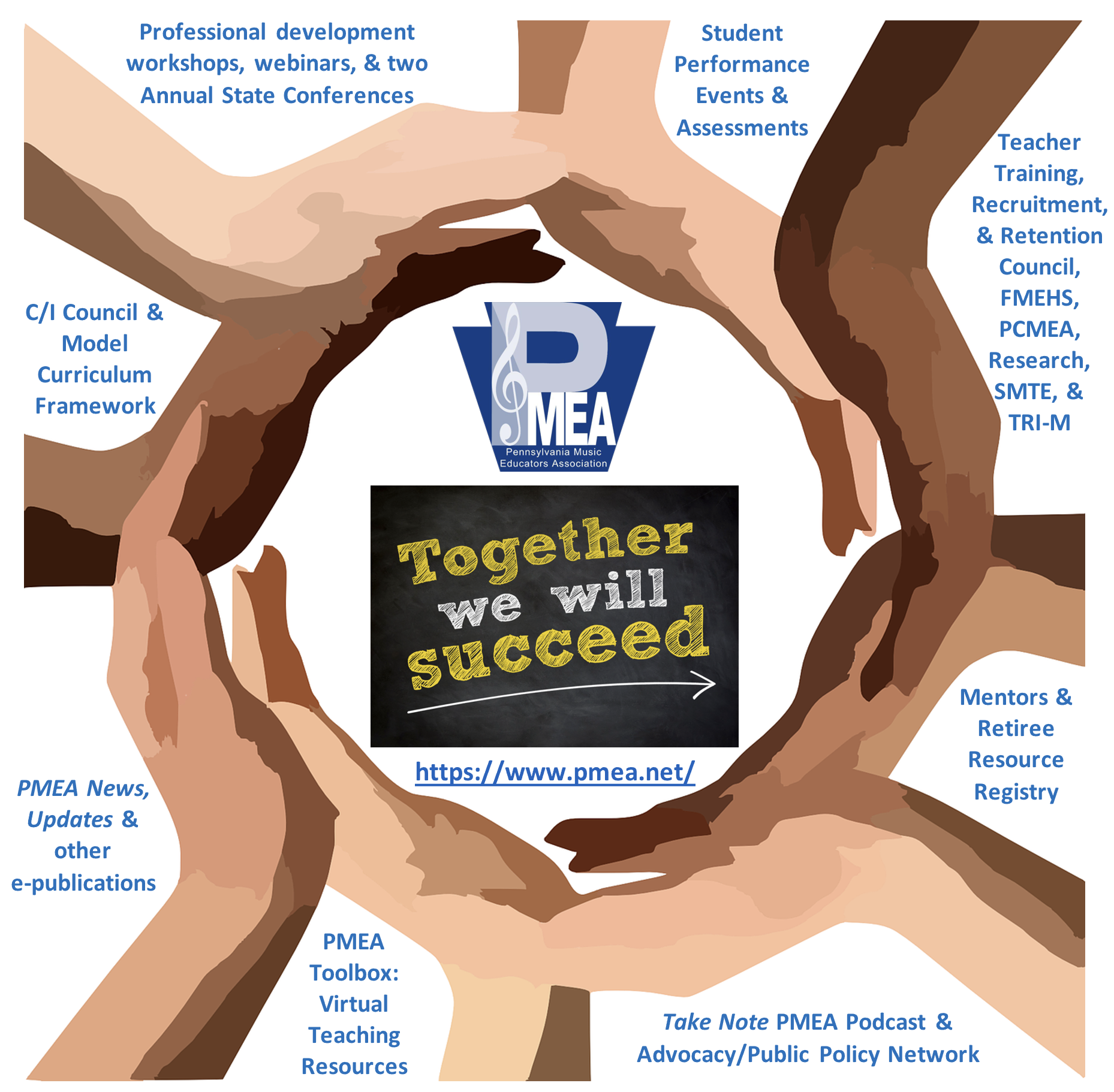
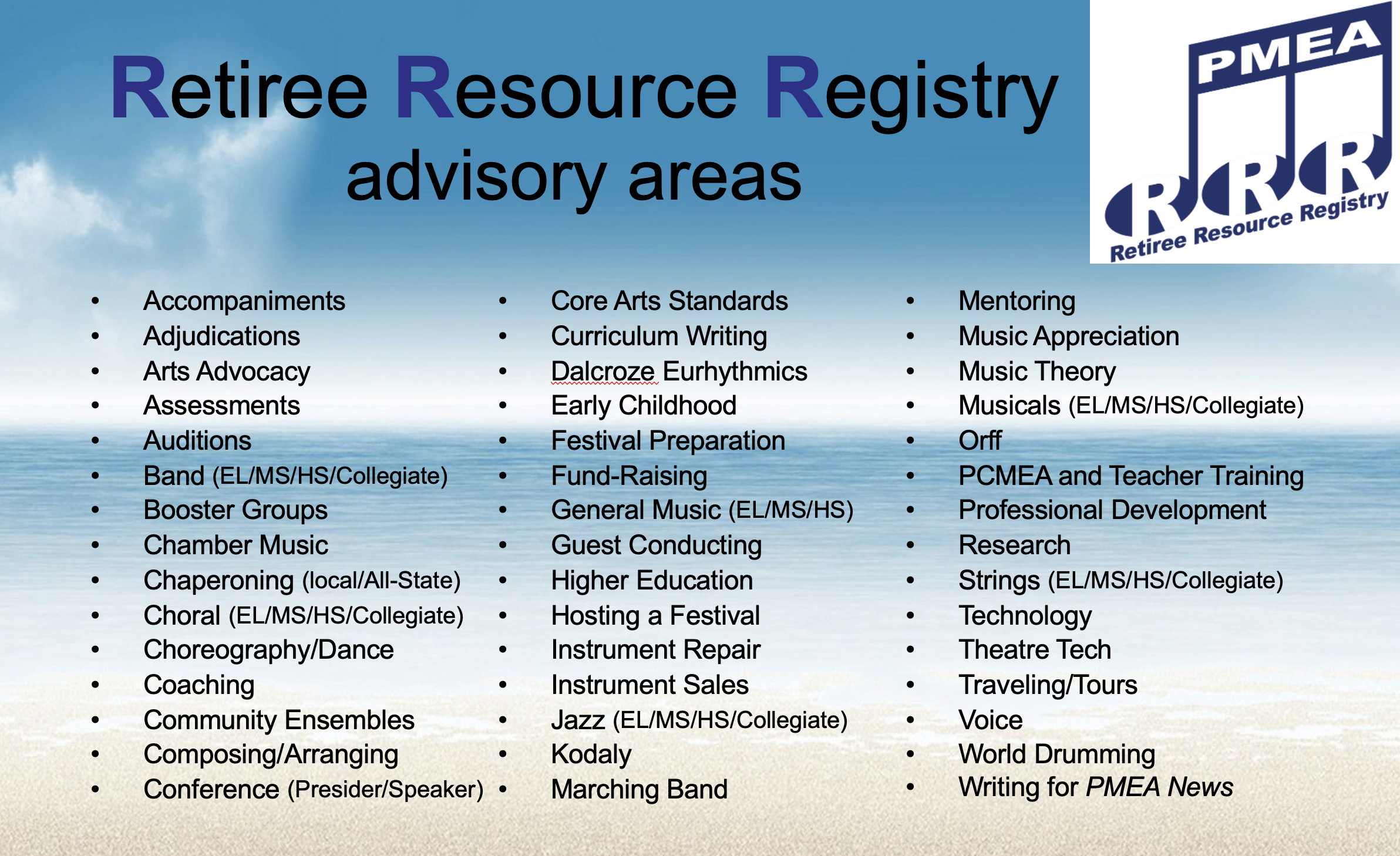
If you are a retired music teacher and member of PMEA, you could sign-up for the Retiree Resource Registry and serve as an informal consultant to others still “slugging it out” in the trenches. Go to the PMEA retired member focus area for more information.

More sources to peruse on this subject:

Anyway, back to a little “bragging!” At least “yours truly” is holding his own and hopefully contributing what he can to the success and welfare of others! Are you? In my retirement pastime, I refuse to sit idle, binge-watch movies on Netflix, or view hours of boring TV. To quote another song’s lyrics, this “senior citizen” will never lament…

Life is so unnerving
For a servant who’s not serving
He’s not whole without a soul to wait upon
Ah, those good old days when we were useful
Suddenly those good old days are gone
Ten days we’ve been rusting
Needing so much more than dusting
Needing exercise, a chance to use our skills
Most days we just lay around the castle
Flabby, fat, and lazy
You walked in and oops-a-daisy!

“Be Our Guest” from Beauty and the Beast

So, what’s your story?

PKF

iStock by Getty images:

Images from Pixabay:

© 2021 Paul K. Fox
Spring is for… Music Conferences!

In our neck of the woods (Allegheny County in Western PA), we are thawing out from what was a pretty mild winter, and welcome the sounds of birds chirping and sights of flowers blooming and grass turning green! Spring is the time for re-birth and growth… including professional development of all kinds for music educators – everyone from pre-service (future music educators) to in-service teachers and even retirees!

Let’s get recharged, re-energized, and re-inspired! Sign-up for one or more of these conferences.

COVID-19 has placed restrictions on all of our PMEA and NAfME venues, and so far, 2021 conferences will be held in a “virtual” platform. This is both good and bad news. The disadvantage remains that we cannot “get close and personal,” shake hands, network, collaborate, and “catch-up” with our friends and colleagues, meet new people, and sight-see places like the Poconos, Erie, Reading, or Pittsburgh! However, the advantage of these online events is that all sessions are being offered “on-demand” for at least several months after each closing event. In the virtual setting, you can take the time and view every workshop at your leisure!

If you have never attended a music education conference, take a moment and review one of these articles:

Yours truly is privileged to present several sessions on some of his “favorite topics” previously posted on this site:

  • Self-Care Cookbook – Reflections, Recipes, and Resources for Teachers (PMEA ANNUAL CONFERENCE)
  • Countdown to Retirement – Preparations for “Living-the-Dream” (PMEA ANNUAL CONFERENCE)
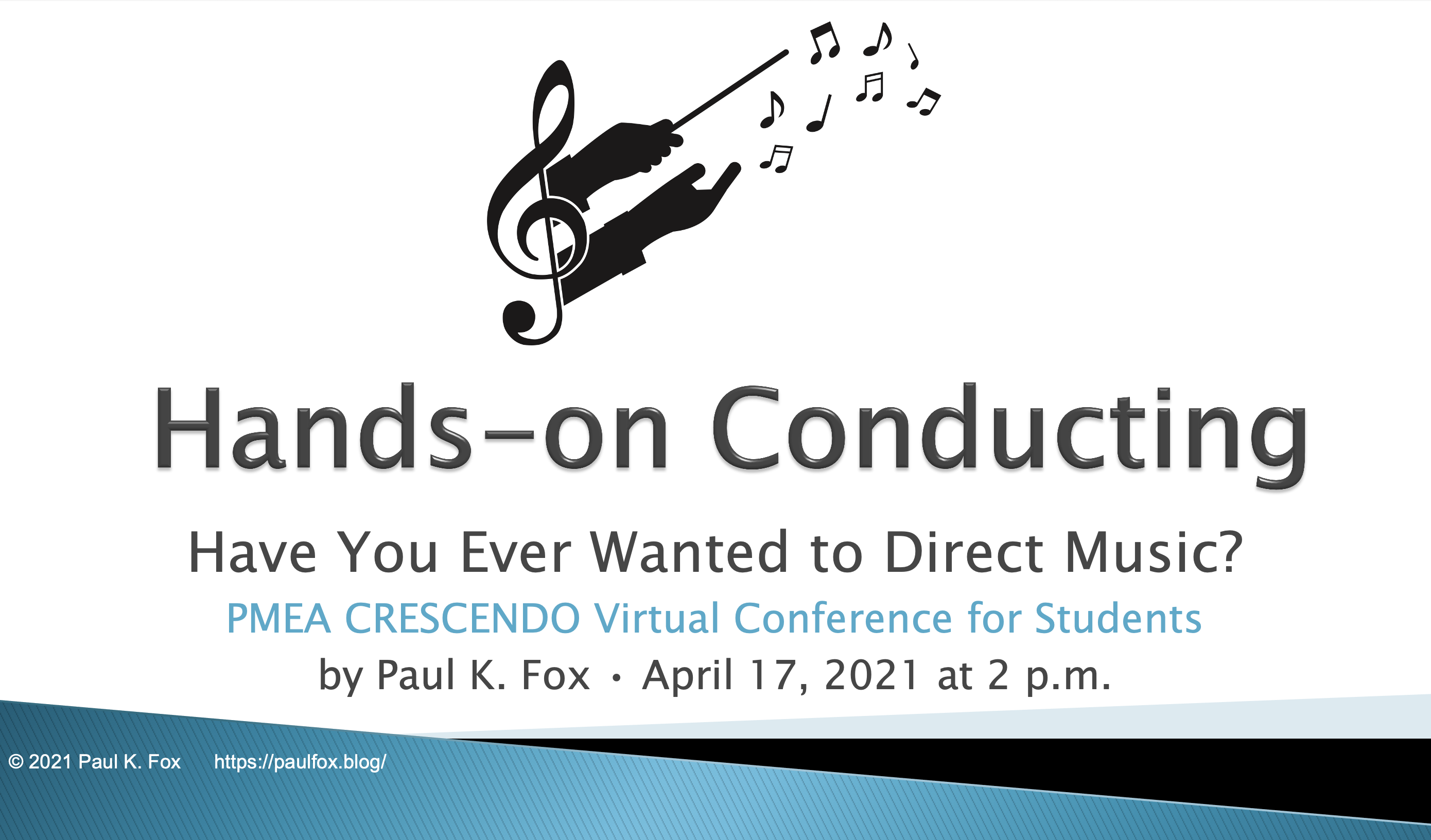
  • Hands-On Conducting (PMEA CRESCENDO FOR STUDENTS)
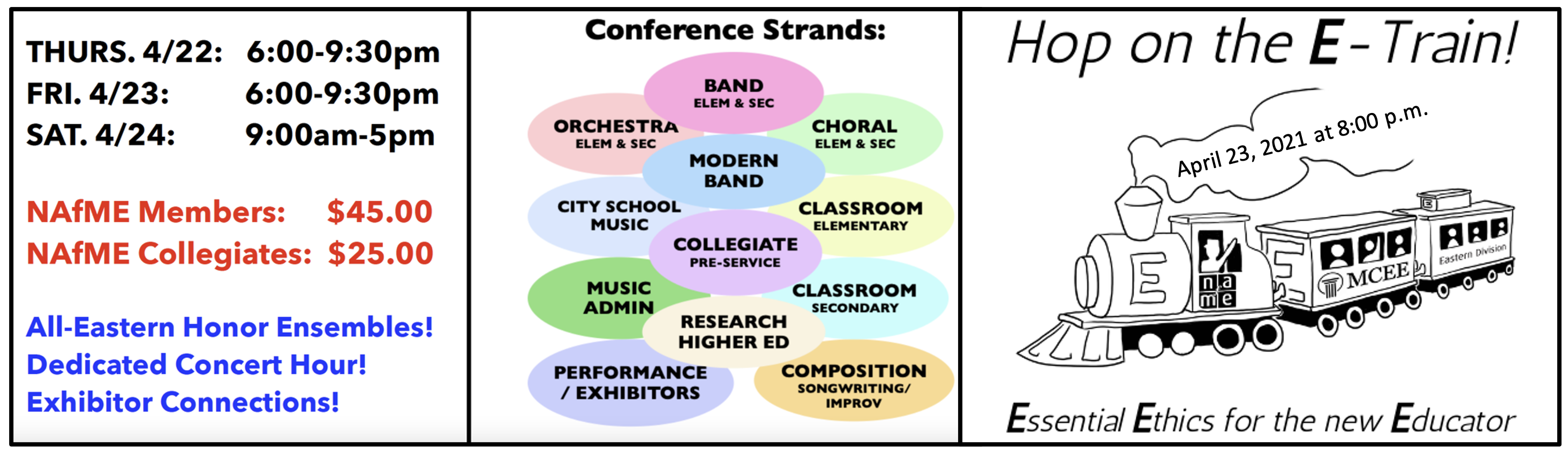
  • Hop on the E-Train – Essential Ethics for the new Educator (NAfME EASTERN DIVISION)

Update on 5/27/21:

PMEA Summer Conference 2021 – Rejuvenate!

The 2021 PMEA Summer Conference will be held virtually beginning Wednesday, July 21 and concluding on Friday, July 23. Most sessions will be presented live and will be recorded for attendees to access at a later time. 

For more information, go to https://www.pmea.net/pmea-summer-conference/.

PMEA Annual Conference 2021 – Renew!

The PMEA Annual Conference kicks-off on April 14, 2021 for three days and four nights of professional development activities.

PMEA will utilize the same online platform for this event as it did for its 2020 Summer Conference. The virtual annual conference will also include a virtual exhibit hall. With the theme of Renew, the 2021 Conference invites music educators to use this time together to Renew the way you think about music education, to Renew plans for the 2021-22 school year, to Renew connections with fellow music educators, to Renew our hope for a return to making music together, and to Renew our collective passion for the power of music education. All registrants will have access to the majority of the conference content for 90 days. Online registration is available. 

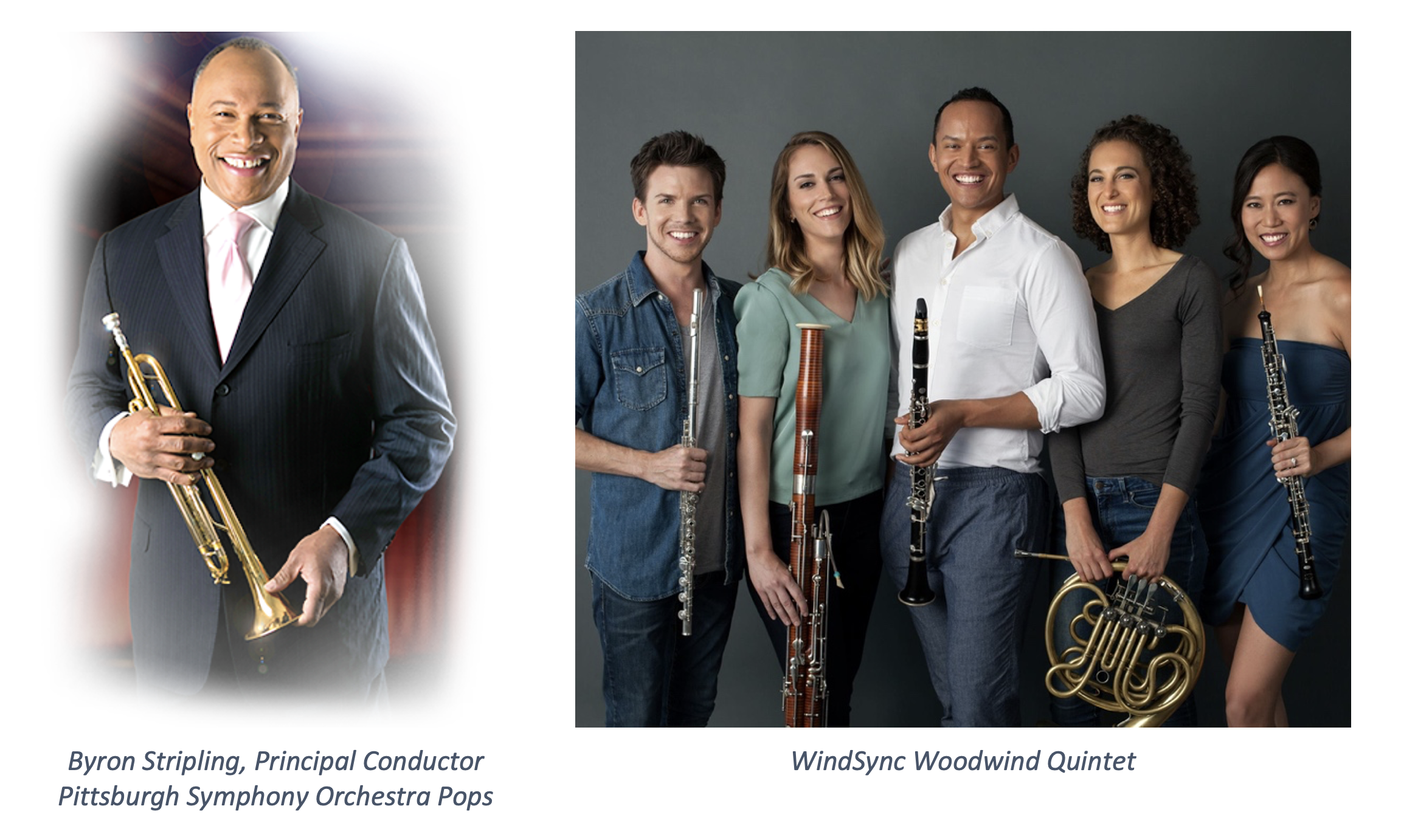
Thursday evening will feature synchronous open forum discussions and an Invited Researcher session with Elizabeth Parker, Temple University, as well as a keynote presentation by Byron Stripling, Principal Pops Conductor, Pittsburgh Symphony Orchestra. The evening will end with college/university receptions, held in the virtual space this year.

Synchronous research sessions will also be available on Friday in the late afternoon/early evening. The Saturday schedule includes a performance by the woodwind quintet WindSync and a presentation by Julie Duty, Founder & Executive Director of United Sound, an organization which offers the solution for music educators who desire to include students with disabilities in their music programs but struggle with the “how” and the “when.”

This year’s event will also include opportunities to network with fellow attendees, as well as an online Music Education Marketplace (exhibit hall) – allowing participants to connect directly with exhibitors within the platform. While the exhibit hall will be “open” the duration of the event, there will be specific hours, beginning Wednesday evening and concluding Saturday afternoon, when the exhibitors will be available for live interaction.

CRESCENDO Virtual Conference for Students

Students in grades 8-12 are invited to participate in the first-of-its-kind PMEA CRESCENDO, an online event to be held on April 17, 2021. Designed for student musicians who are interested in learning about opportunities to make music or find a career in music, the one-day conference will bring together some of the best speakers and teachers from a variety of music worlds.

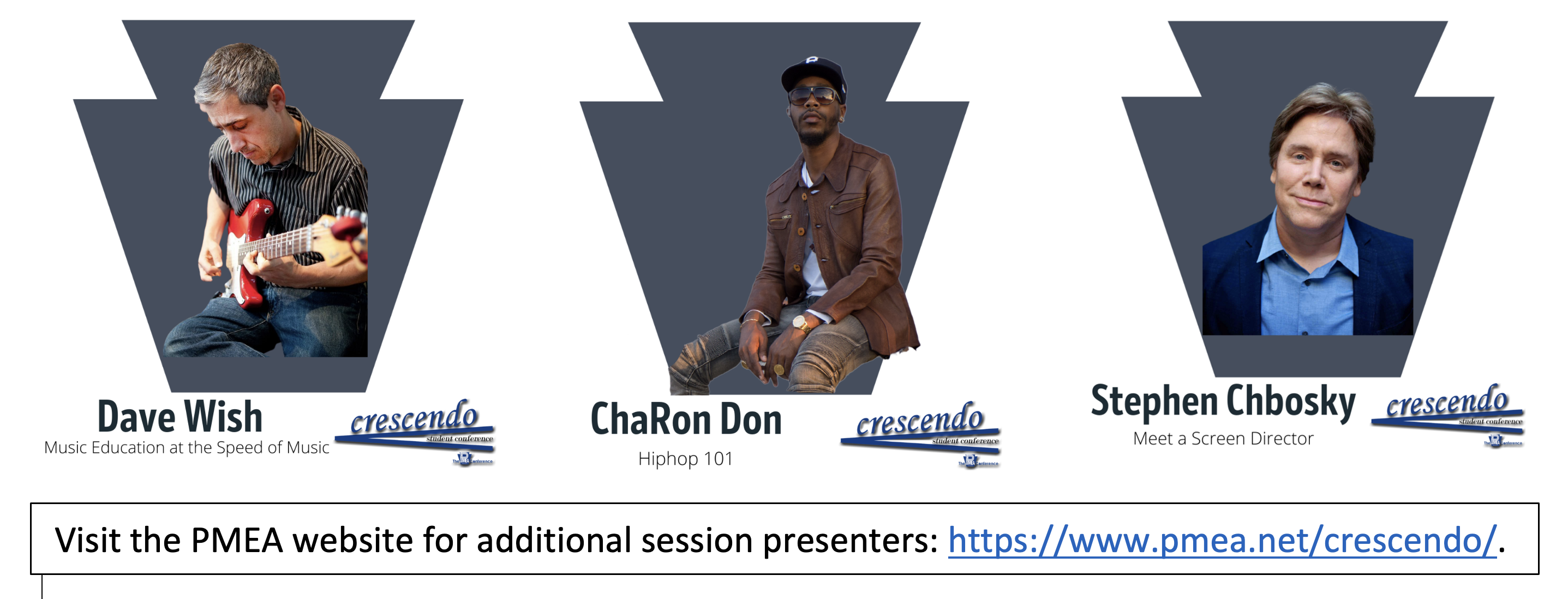
Keynoters will feature Dave Wish, founder/CEO of Little Kids Rock, and ChaRonDon, rapper/hip-hop artist.

Sessions will include:

  • Careers in music (areas like music therapy, musical theatre, music education, military careers, music performance, music publishing, composition, retail and repair, and music production)
  • Breakout sessions (learning about drum corps, conducting, meet a composer, music technology, song writing, yoga for musicians, rap/hip hop, vocal jazz, leadership, and more!)
  • Masterclasses from experts on their instruments. Students will have the chance to spend some time learning more about their instrument or vocal performance area and get tips from the pros in unique online masterclass settings.

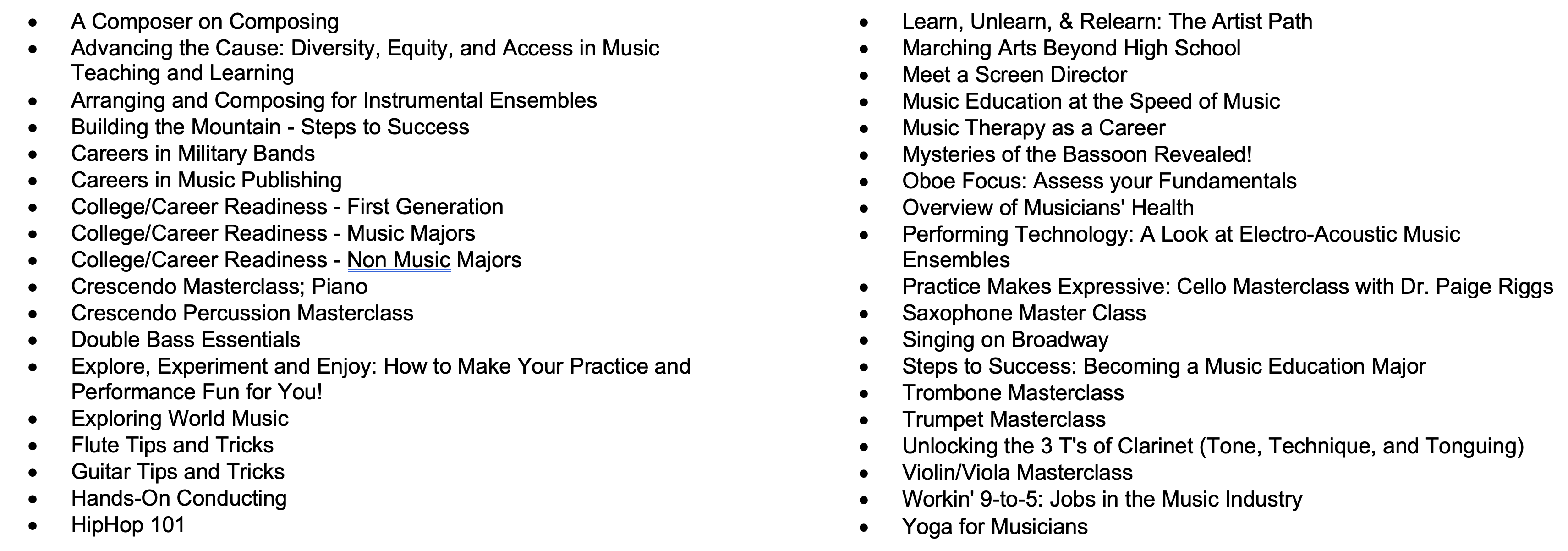
Proposed mini-workshops:

PA STUDENTS interested in participating in PMEA CRESCENDO should fill out this form.

PA MUSIC EDUCATORS recommending a student for this conference should fill out this form.

57th Biennial NAfME Eastern Division Conference

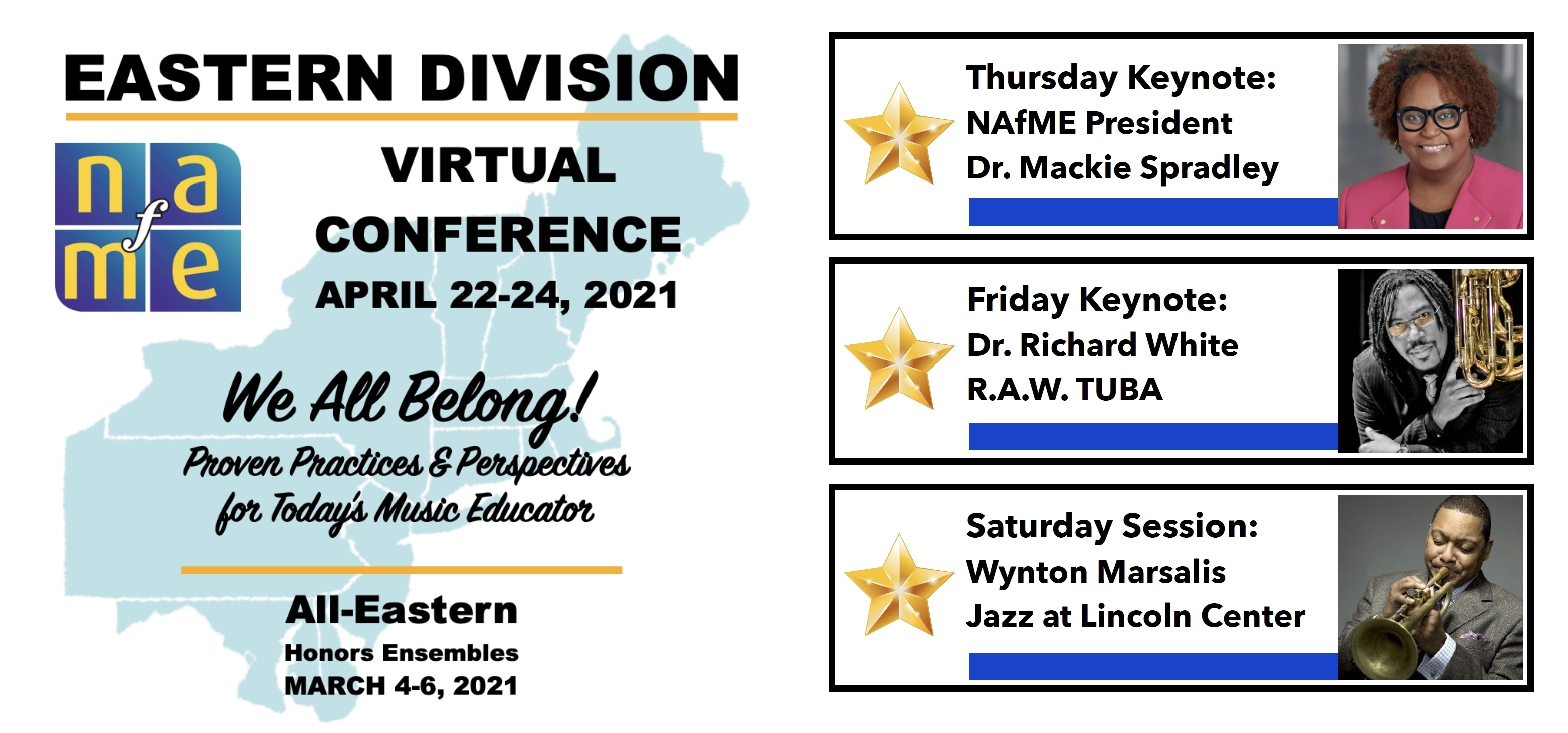
Finally, you won’t want to miss the following week’s frenzy of enriching and enlightening professional development, the 57th Biennial NAfME Eastern Division Virtual Conference!

In addition to the NAfME workshop sessions being only 30-minutes (colleagues sharing quick “tips, techniques, and solutions” and more opportunities to peruse additional sessions), there will be a designated Thursday evening “concert time” with 5 programs to play at 8:45 p.m. (Orchestra, Chorus, Band, Jazz, Modern Band) along with performances from the Division’s colleges and universities. 

The master schedule is posted here. Registration can be completed here. Hope to “see” you there!

© 2021 Paul K. Fox
Coming Soon… Books to Put on Your Reading List

Pixabay spring picture: Crocus-Flower-Spring by MichaelGaida

Shun Away from Shams, Scams, and Spam

PART I: Financial Fraud

Every day in the news, we hear of another sad story of someone being tricked into giving up some of his/her hard-earned green-stuff… numerous successful fraudulent schemes to get you to part with your $$$ willingly or simply steal it right out from under you without you even knowing it! Even the FBI has devoted a webpage on elder-fraud which we should all review: https://www.fbi.gov/scams-and-safety/common-scams-and-crimes/elder-fraud. With losses as high as $3 billion annually, this is a problem we all must become better informed.

My blog-posts are provided to educate and inform retired music teachers and other professionals… and there’s never a reason to “reinvent the wheel” if I can share something “as is” that is totally “on the mark!”  Before you do anything else, for you and your family’s personal financial security, education, and peace-of-mind, take a 15-minute break and read the entire Birch Gold Group Scam Protection Resource Guide on this website here: https://www.birchgold.com/scam-protection-resource-guide/.

Below is an outline of their recommendations with the hopes to better illuminate the problem, define types of fraud and methods to avoid them, and warn you about the “booby-traps” that are out there ready to pounce on the unwary. More resources are also offered for “homework.”

The Birch Gold Group guide is designed to “provide investors with the info necessary to identify fraudulent activity and common-sense solutions to avoid being scammed.” 

Six warning signs of a scam:

  1. Sounds too goods to be true
  2. High-pressured sales tactics
  3. Complex investment strategies
  4. Limited account control
  5. Insider info, faked credibility
  6. Overseas opportunities

Six tips to avoid fraud:

  1. Ask the salesperson tough questions
  2. Do your own research
  3. Beware of unsolicited offers
  4. Protect yourself online and on social media
  5. End the conversation
  6. Know what to look for

Nine prominent types of scams:

  1. Pyramid schemes
  2. Ponzi schemes
  3. Pump-and-dump schemes
  4. Advance fee scam
  5. Foreign currency trading (Forex)
  6. Affinity fraud
  7. Offshore scams
  8. Binary options
  9. High-yield investment programs (HYIPs)

Also from Birch Gold are these additional investment “scams” for which you should be on the lookout:

(Permission was granted for reprinting portions from the Birch Gold website.)

More Advice on Blocking Financial Scams

“Year after year, a destructive flood of fraud sweeps the nation, leaving countless victims in its wake. Unfortunately, new and improved technology only gives fraudsters an edge, making it easier than ever for scam artists to nab financial data from unsuspecting consumers. In fact, swindlers and hackers pinched $16 billion from 15.4 million U.S. consumers in 2016, according to Javelin Strategy & Research’s 2017 Identity Fraud Study. To make matters worse, the Identity Theft Resource Center reports there were 1,473 recorded data breaches in 2019.2 But even in these uncertain times, there are things consumers can do to protect themselves from greedy, increasingly crafty fraudsters.” — Investopedia

Amy Bell contributed a helpful article to the Investopedia blog “on topic” with the following title: “Ten Tips to Avoid Common Financial Scams,” This is another excellent resource you should peruse detailing her “top ten list.”

  1. Never Wire Money to a Stranger
  2. Don’t Give Out Financial Information
  3. Never Click on Hyperlinks in Emails
  4. Use Tough-to-Crack Passwords
  5. Never Give Out Your Social Security Number
  6. Install Antivirus and Spyware Protection
  7. Don’t Shop with Unfamiliar Online Retailers
  8. Don’t Download Software from Pop-Up Windows
  9. Make Sure the Websites You Visit Are Safe
  10. Only Donate to Known Charities

Additional Websites for Your Review:

Coming soon…

Part II: Other Types of Fraud and Remedies

PKF

Pixabay.com graphics by Mohamed Hassan:

© 2021 Paul K. Fox
COVID-19 vs. New Year’s Resolutions?

How to “Make a Difference” in 2021

Of those who make a New Year’s resolution, after 1 week 75% are still successful in keeping it. After two weeks, the number drops to 71%. After 1 month, the number drops again to 64%. And after 6 months, 46% of people who make a resolution are still successful in keeping it. In comparison, of those people who have similar goals but do not set a resolution, only 4% are still successful after 6 months.

New Year’s Resolutions Statistics (Updated 2020) from Discover Happy Habits

Although we may be seeing the first signs of “the light at the end of the tunnel” with the distribution of the vaccines, coronavirus still has its grip on us… off-the-chart infection rates, record-breaking hospital admissions, schedule disruptions, restrictions on restaurants and small businesses, mandatory mask wearing, social distancing, precautionary self-isolation, etc. By all accounts, mindfulness, self-care, patience, and a positive outlook for the future are keys to making personal and professional goals as the pandemic rages on…

This article spotlights an age-old but usually neglected perspective – “think first” before you formulate any New Year’s Resolutions! For this to really work, you need a little research and reflection… and then COMMIT TO YOUR GOALS! Read on!

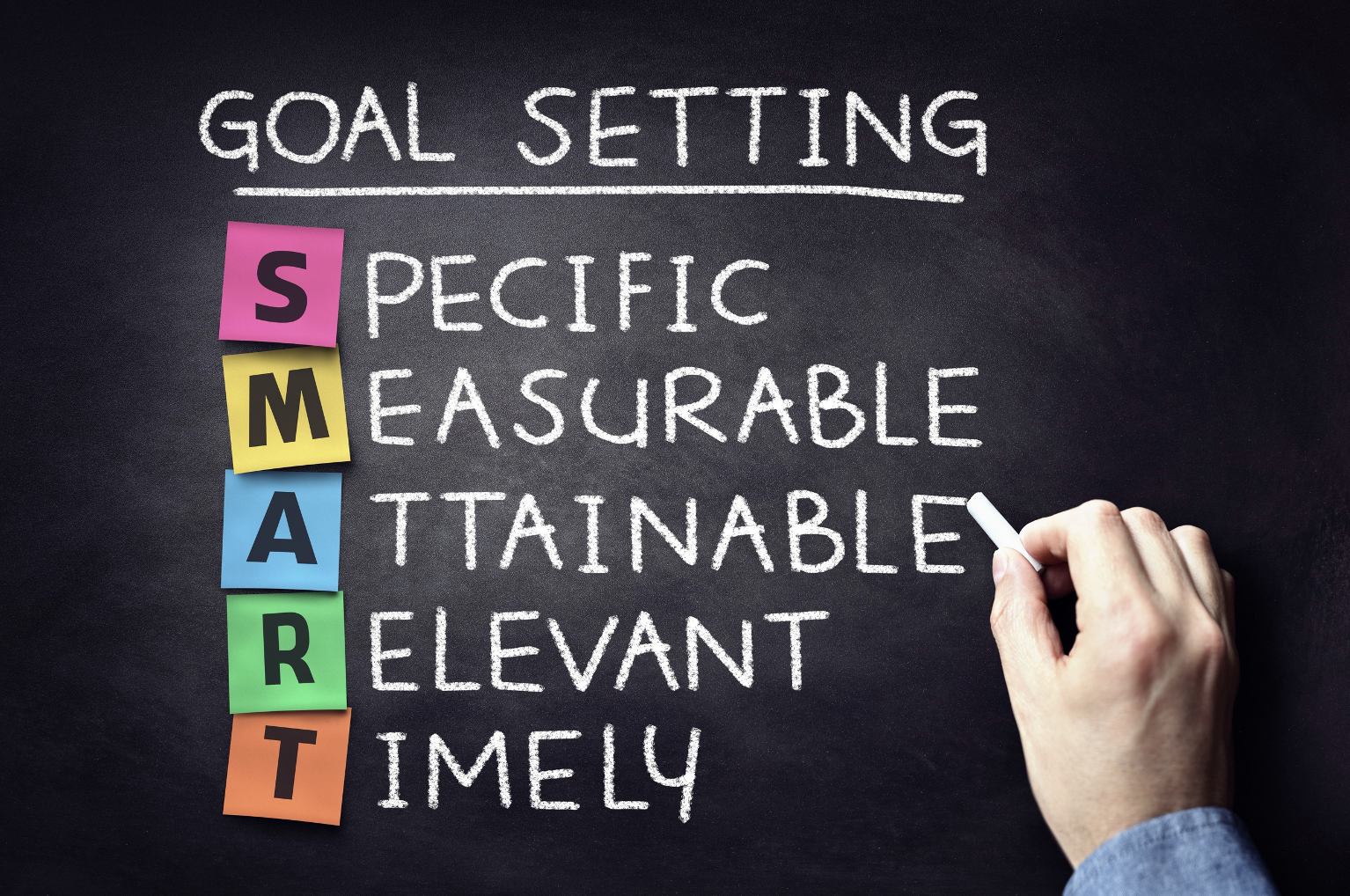
Start Out by Being S.M.A.R.T.

Admittedly, 44+ years in teaching has affected how I view goal-setting – “make it intention!” Adopt the often published S.M.A.R.T. approach to any plan. Make goals that are…

  • Specific
  • Measurable
  • Achievable
  • Relevant
  • Time-Bound

What goals do you want to satisfy in 2021? “Keep it simple” and S.M.A.R.T. Like lesson plans, write your resolution(s) in behavioral terms… “by the end of this class, the students will…” For example, the easiest way to limit the intake of fried food in your diet is to write on a post-it note, “I will not eat anything fried this week” and place it on your bathroom mirror.

A lot of these resolutions fail because they’re not the right resolutions. And a resolution may be wrong for one of three main reasons: 1) It’s a resolution created based on what someone else (or society) is telling you to change. 2) It’s too vague. 3) You don’t have a realistic plan for achieving your resolution.

How to Make and Keep a New Year’s Resolution by Jen A. Miller (New York Times)

Review the Usual Ones…

According to Brad Zomick in his GoSkills blog, these are the most common New Year’s Resolutions:

  • Exercise more
  • Lose weight
  • Get organized
  • Learn a new skill or hobby 
  • Live life to the fullest
  • Save more money / spend less money
  • Quit smoking
  • Spend more time with family and friends
  • Travel more
  • Read more

Just as important to WHAT you choose is HOW you approach it. In his article, Zomick provides a “how-to” roadmap to success, if you follow his steps:

  1. Mentally prepare for change.
  2. Set a goal that motivates you.
  3. Limit resolutions to a manageable amount.
  4. Be specific.
  5. Break up big goals into smaller goals.
  6. Write down your goals.
  7. Share your resolutions with others.
  8. Automate when possible.
  9. Review your resolution regularly.
  10. If you fall off track, get back on quick.

Do these recommendations sound familiar? They should if you are a disciple of the aforementioned S.M.A.R.T plan. Also, the concept of “writing down your goals” should ring a bell if you recall the supposed 1979 Harvard Business School MBA Study on Goal Setting (urban legend?) reviewed by Wanderlust Worker here:

Have you set written goals and created a plan for their attainment? Prior to graduation, it was determined that 84% of the entire class had set no goals at all. 13% of the class had set written goals but had no concrete plans. 3% of the class had both written goals and concrete plans. The results? Well, you’ve likely somewhat guessed it. 10 years later, the 13% of the class that had set written goals but had not created plans, were making twice as much money as the 84% of the class that had set no goals at all. However, the apparent kicker is that the 3% of the class that had both written goals and a plan, were making ten times as much as the rest of the 97% of the class. 

The Harvard MBA Study on Goal Setting from Wanderlust Worker

Whether the Harvard (or Yale) study is fact or faction is probably irrelevant. The point here is that to improve the odds for accomplishing our goals, we need to take the time to write them down, announce our intentions (your spouse or significant-other), and define the details with “action plans.”

The Glass Is Half Full

Have you heard the joke about the identical twins, one an optimist and the other a pessimist?

A psychiatrist has one son who is a total pessimist, and another who is a complete optimist.  He decides on an experiment.  For Christmas he fills the pessimist’s room with hundreds of beautifully wrapped gifts, and dumps a heap of horse manure in the optimist’s room. On Christmas morning he sees the pessimist boy sitting motionless at the center of his room, eyeing his gifts suspiciously. But over in the optimist’s room he sees his boy filled with joy, digging happily in the odorous pile. He asks the kid what he’s doing and he answers:  “Daddy, with all this horse dung, there’s gotta be a pony in here someplace.”

The Center for Optimism

It’s time to cheer-up, look to the future, and embrace HOPE for tomorrow!

Are you kidding? You want me to “put on a happy face” after all the pandemic has done? YES!

One remedy for “losing the blue funk” is to reject all “blame and complain” speech or behavior! It is so easy to get caught up in negativity… family adversity or “challenges” of a medical or employment nature, or simply being forced to remain distant from each other, daily news media reports about COVID-19, political dissension and the polarization of viewpoints, angry rants on social media, etc. literally fanning the flames of an unprecedented perpetual global “bad mood!” I even found myself in the throes of periodic bouts of public distemper, griping on Facebook about a Dial for Men product that made my hair dry (my FB friends responded, “Thanks for the heads-up” – ha, ha!), or grumbling about the roll-out of new revisions of WordPress and Constant Contact program editors that are not backwards-compatible nor fail to support the “look and feel” of previous versions. The effect of exposure to or expression of all of these “B” words (badmouth, beef, bellyache, bemoan, bicker, b*tch) is to make you even more bitter… not fostering the “can-do’s” for taking steps towards helping others, self-renewal, or an optimistic attitude.

Do you find your emotions swinging rapidly from sadness to elation to anger or fear during the lockdown? If your mood is all over the place at the moment, that’s completely understandable. This is not a normal situation. It’s a hugely disruptive, sudden change to our daily lives that nobody was prepared for. It isn’t surprising that many people are experiencing unpredictable moods. “It is going to affect everyone’s mood in many, and sometimes unexpected, ways,” reveals psychotherapist Mark Bailey. “Whether it’s worry, anxiety, feeling overwhelmed, discombobulated, angry and even perhaps unexpected emotions like relief as we accept some of our current situation, it’s useful to know that as we experience one emotion it doesn’t nullify or negate another.”

COVID-19: How to Manage Mood Swings... by Natalie Healey

Get Inspired by Good Role Models and “Positive Gurus”

Many music educators attend the keynote addresses at state MEA/NAfME conferences to “recharge their batteries.” A few of my favorite “master motivators” are Tim Lautzenheiser, Peter Boonshaft, and Fran Kick. As a sample, check out this video (sponsored by MusicFirst) that featured “Dr. Tim” – One Person Can Make a Difference!

Who can have a positive influence on us or serve as a “catalyst for change” to help us realize our resolutions? Practically anyone! I bumped into this provocative article by Professor Dr Ger Graus: Good Role Models – How Has COVID-19 Changed Pupils’ Career Aspirations? He relates these criteria “to elevate a person or profession to role model status” (at least in the eyes of a child) – possibly an excellent framework for creating your plan.

  1. Demonstrate passion for what you do and have the capacity to infect others with it.
  2. Show a clear set of values and live them in their world. Lead by example. Children admire people who act in ways that support their beliefs. It helps them understand how their own values are part of who they are and how they might seek fulfilling roles as adults.
  3. Demonstrate commitment to community. Be others-focused as opposed to self-focused. Freely give your time and talents to benefit people.
  4. Show selflessness and acceptance of others who are different to you. Be fair.
  5. Demonstrate the ability to overcome obstacles. Young people admire those who show them that success is possible.

Someone who has recently become inspirational to me is the wonderfully uplifting Lesley Moffat, probably an expert on the search for “mindfulness” in personal life and even during her band warmups. In my opinion, her transformative stories provide the blueprint for happiness and wellbeing! She now has two published books (you need to read both) – I Love My Job But It’s Killing Me, and Love the Job, Lose the Stress, and if you are still teaching music full-time, you need to peruse her website: https://mpowerededucator.com/. For a good laugh, view her recent “rap” – Moffat’s HamJam for Band – for which she performed for her music students.

Apply the concepts of social and emotional learning (SEL), EMPATHY, and “corona kindness” to yourself and loved-ones! Seek out advice from a few of these experts: Manju Durairaj, Scott N. Edgar, Bob Morrison, and Edward Varner.

Social and emotional learning (SEL) is the process through which children and adults acquire and effectively apply the knowledge, attitudes, and skills necessary to understand and manage emotions, set and achieve positive goals, feel and show empathy for others, establish and maintain positive relationships, and make responsible decisions. The key components of SEL are self-awareness, social awareness, responsible decision-making, self-management, and relationship skills.

Finding Sanctuary – Social and Emotional Learning and Visual and Performing Arts by Edward Varner

Sum it Up – Fox’s “Top-Ten Tips”

  1. Renew your efforts to intentionally reach-out, connect, and engage with people, albeit virtually for now.
  2. Focus on the things you can control.
  3. Remind yourself about the good things in your life and your personal resilience.
  4. Start small and change one behavior at a time.
  5. Don’t beat yourself up when things get a little rocky
  6. Don’t be afraid to ask for help.
  7. Seek creative new ways to reduce your stress.
  8. Exercise, meditate, go outside, and plan better meals.
  9. Share your experiences with family and friends.
  10. Implement one or two S.M.A.R.T. goals and embrace the “spirit” of self-improvement.

It’s easy to become an idealist when the new year rolls around, but it’s important to remember that New Year’s resolutions are ultimately a tool to help you grow into the person you want to be. Take some time this New Year’s Eve to really consider who you want to be in the future, and then employ S.M.A.R.T. goals to help you fulfill your vision. Making a resolution to live your life with purpose and passion is a beautiful and exciting thing, not something to dread.

How to Keep Your New Year’s Resolutions by Using S.M.A.R.T. Goals by Mary McCoy

PKF

© 2020 Paul K. Fox
Resources

Credits:

iStock.com photos (in order): “2021” #1280953227 by phototechno, “SMART Goals” #1134658098 by BrianAJackson, “New Years Goals List 2021” #1266648329 by Olena Sakhnenko, “Half Empty to Half Full” #1128990168 by Fokusiert, “Lead by Example” #849367144 by Michail_Petrov-96, and “2021 Happy New Year” #1273431483 by Weedezign

“Happy Face” VectorStock.com/467693 

Giving Thanks

Take a moment.

Close your eyes.

Take a deep breath.

Reflect on the people for whom you are thankful to know.

Think about the things for which you are thankful to have.

Stop all the backstabbing, badmouthing, belly-aching, and bickering!

The glass is half-full… the sun will come up tomorrow… the future is great!

No complaining… or blaming!

Make Thanksgiving a “no-rant” day!

Just today, forget about your fears, troubles, or problems.

Focus on the positive: Why are YOU so blessed?

We gather on this day to be thankful for what we have, the family we love, the friends we cherish, and the blessings that will come.

Soon we will all depart from the challenging year of 2020! Hurray!

Have trust…

Faith…

Hope!

From my family to yours – best wishes for the attainment of all of the essential “R’s” during the coming winter break – a refreshing, restful, reawakening, reviewing, recreating, reviving, rejuvenating, replenishing, and re-invigorating New Year!

PKF

© 2020 Paul K. Fox
Past special-occasion blogposts

Tips for Retirees on Managing Stress During the Coming Winter Celebrations

Random Acts and Other Resolutions

Happy Thanksgiving, Newbies!

Resolutions for Retirees

Embracing the Intangibles and my LinkedIn post

We are grateful to John Hain for his Pixabay.com graphics