A Musician’s Guide to Staying Curious and Creative
by Ed Carter
For musicians, educators, professionals and soon-to-be retirees everywhere, guest blogger Ed Carter returns with this article on exploring new pastimes and adventures while “living the dream” during and after full-time employment. What are you planning to be (or do) when you grow up? PKF
Musicians are lifelong learners by nature. Whether you’re a touring guitarist, a bedroom producer, or a choir director, you already know that growth happens when curiosity meets practice. Learning new skills and hobbies isn’t just a way to pass the time—it’s a way to deepen musicianship, prevent burnout, and build a richer creative life. From hands-on crafts to movement and language, the right skill can feed your music in surprising ways.
The Fast Takeaway Most Musicians Need
Learning something new works best when it’s low-pressure, connected to your existing creative instincts, and practiced in short, repeatable sessions. Choose skills that train your ears, hands, body, or sense of story. Let progress be uneven. Consistency matters more than talent.
Skills That Pair Surprisingly Well With Music
Here’s a quick, varied list of skills and hobbies that musicians often enjoy—and actually benefit from:
Cooking: Teaches timing, improvisation, and sensory awareness
Gardening: Builds patience, seasonal thinking, and long-term care
Photography: Sharpens composition, contrast, and mood
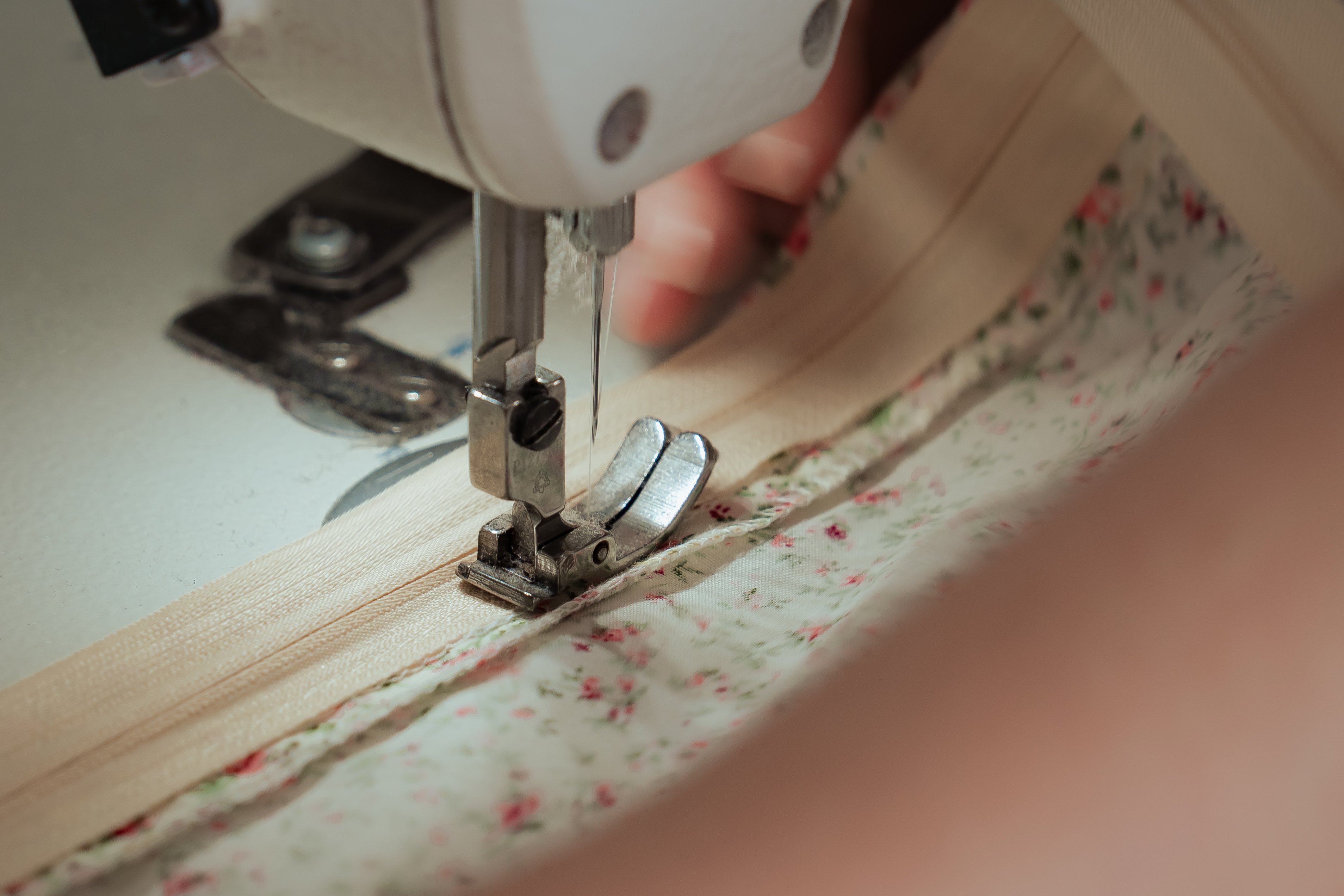
Sewing or basic clothing repair: Encourages precision and rhythm
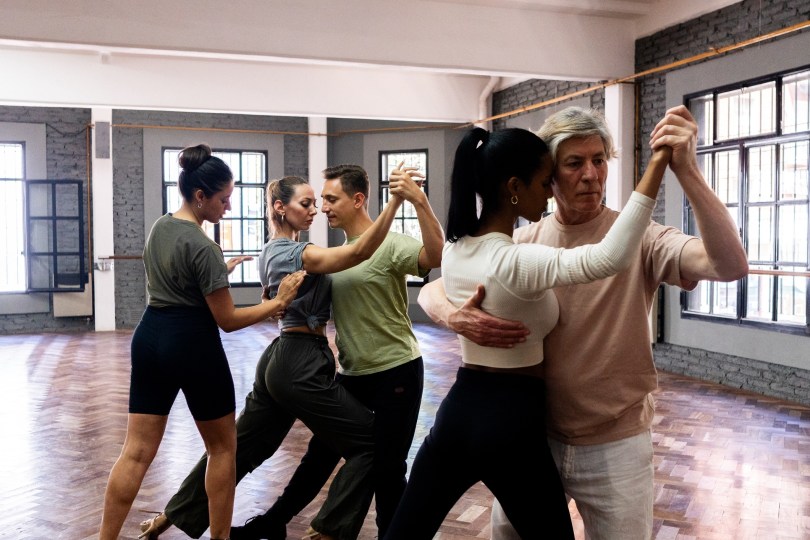
Dancing: Improves mood, posture, and body awareness
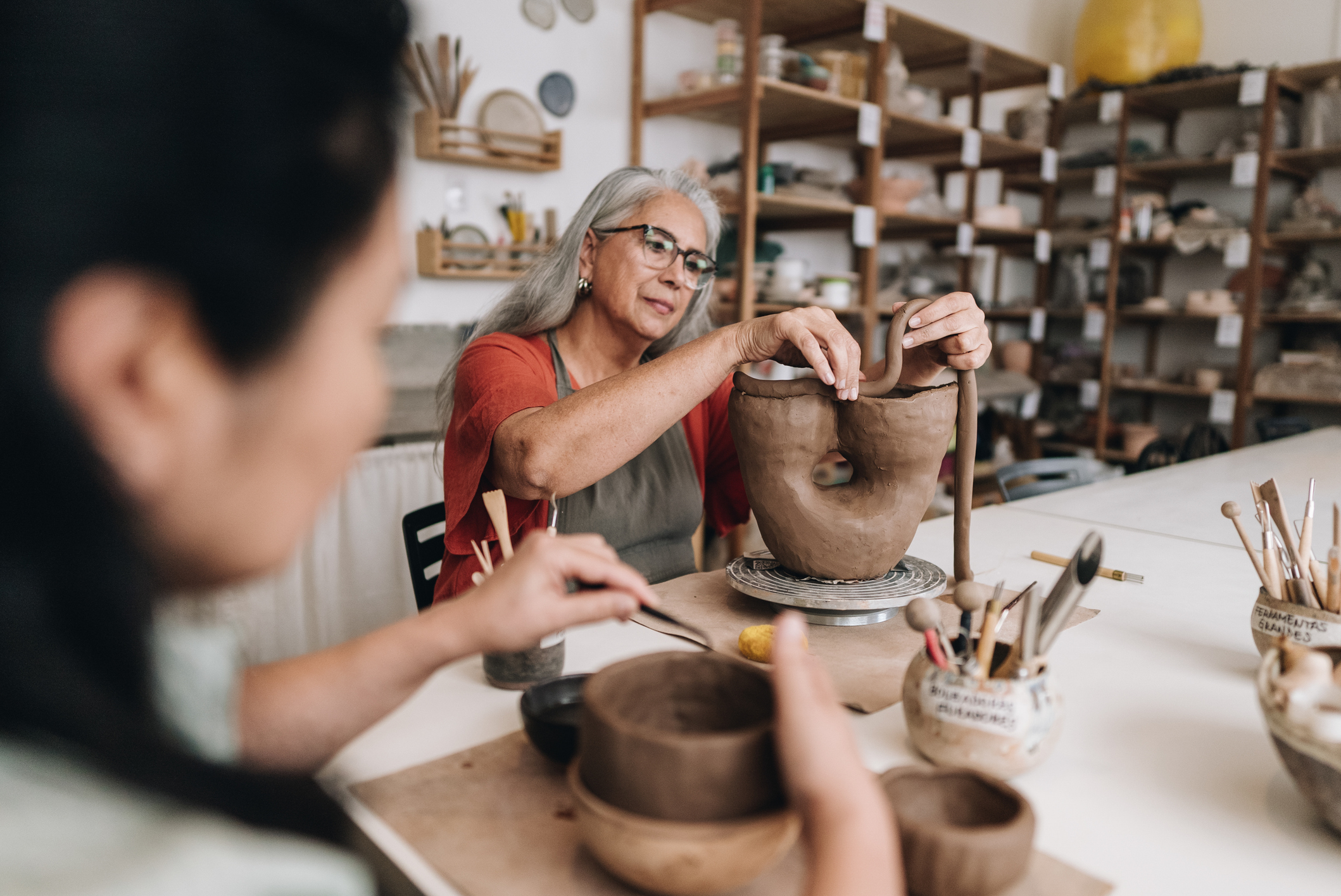
Visual art (drawing, painting, collage): Expands emotional expression
Learning a new language: Trains listening, phrasing, and memory
Playing a second (or third) instrument: Resets beginner’s mind
Each of these taps into skills musicians already use—just in a different form.
A Simple How-To for Learning Any New Skill
Use this checklist-style approach to avoid overwhelm and keep momentum:
Start smaller than you think Commit to 10–15 minutes a few times a week. That’s enough to build a habit.
Choose tools, not perfection One good knife, one sketchbook, one dance class, one app. Avoid overbuying.
Practice in public (a little) Share a photo, cook for a friend, attend a beginner class. Light accountability helps.
Connect it back to music Ask: How does this change how I listen, move, or think creatively?
Let yourself be bad Beginners progress faster when they’re not trying to impress anyone.
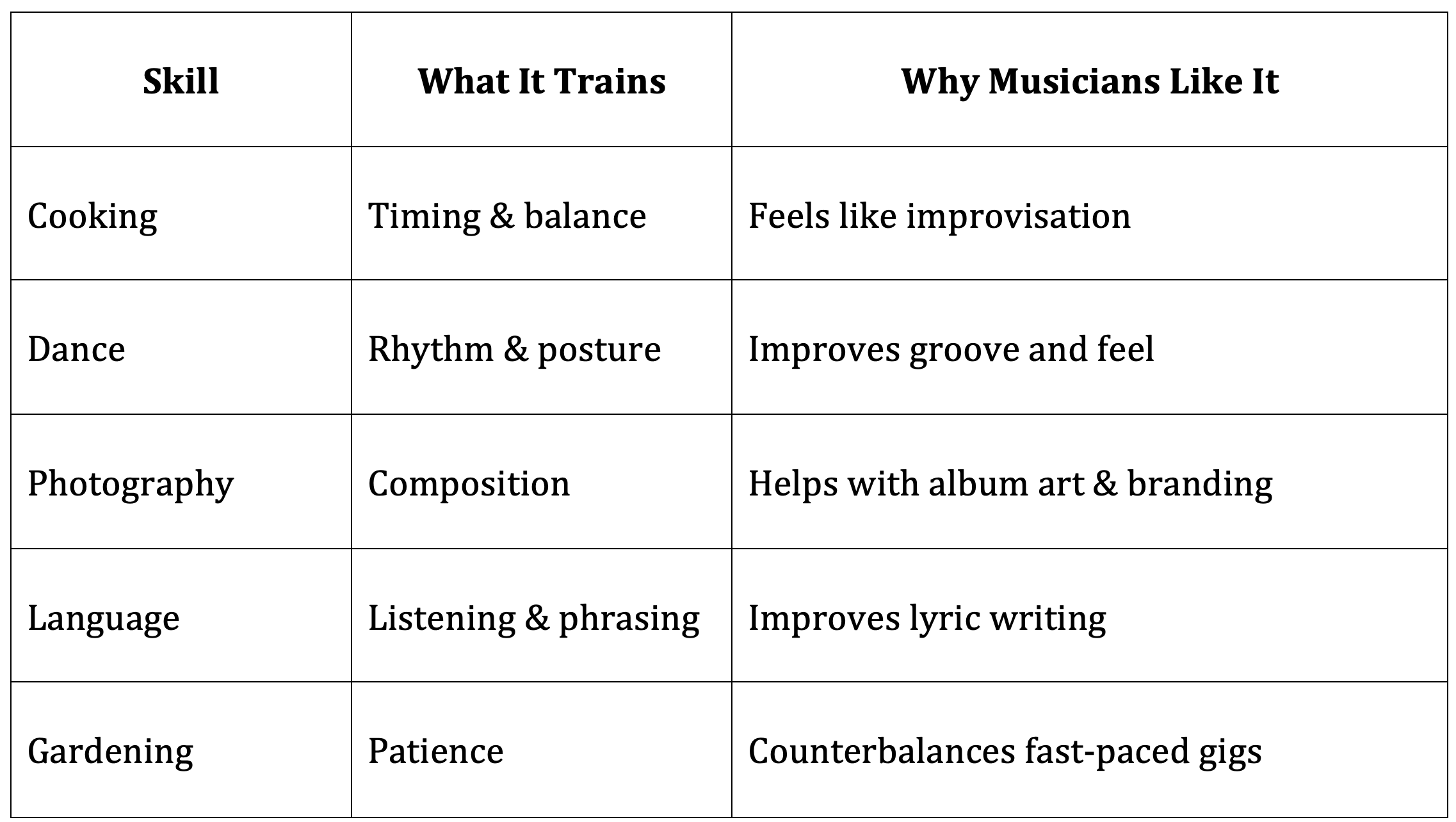
Learning Skills Side-by-Side: A Comparison
When a Hobby Turns Into a Calling
Sometimes a skill stops being “just for fun.” You fall in love with it, invest more time, and start wondering if it could become part of your career. Many musicians eventually return to school to formalize a passion—whether that’s audio engineering, education, therapy, or technology. Finding a program that supports your interests matters; for example, if you want to build skills in IT, programming, and computer science theory, earning a computer science degree can open doors, and this may be a good option. Online programs can be especially helpful for busy musicians, allowing you to study around rehearsals, gigs, and tours.
A Resource Worth Exploring
If you’re curious about picking up creative skills at your own pace, Skillshare offers beginner-friendly classes in photography, illustration, writing, productivity, and more. Many courses are short, project-based, and taught by working creatives.
Frequently Asked Questions
Do I need to be “talented” to start a new hobby? No. Skill comes from repetition, not personality traits.
How many hobbies is too many? If you feel scattered or stressed, scale back. One or two at a time is plenty.
What if I quit? Quitting is data. You learned what didn’t fit—and that still counts.
Final Thoughts
Learning new skills and hobbies keeps musicians adaptable, curious, and creatively healthy. You don’t need a master plan—just a willingness to start small and stay open. Some skills will quietly support your music; others may change your direction entirely. Either way, the act of learning itself keeps you in tune with growth.
According to the Smithsonian, 2026 is “The Year of the Fire Horse.”
The Chinese Lunar New Year begins February 17, 2026, and starts the Spring Festival season that ends fifteen days later on the evening of the Lantern Festival. The Chinese zodiac rotates through a 12-year cycle of animals and the traditional five elements: wood, fire, earth, metal, and water… The horse ushers in the seventh year of the 12-year cycle, following the Year of the Snake. Different regions across Asia celebrate Lunar New Year in many ways and may follow a different zodiac. – Smithsonian
The Horse embodies enthusiasm, speed and fieriness, bringing a year focused on bold moves and exploration, according to Chengxin Li from Astrala. Those born in a Year of the Horse are often seen as confident, agreeable, and responsible, although they also tend to dislike being reined in by others. Celebrities born in a Year of the Horse include Nelson Mandela, Paul McCartney, Barbra Streisand, Calvin Klein, Jerry Seinfeld, Jackie Chan, John Travolta, Janet Jackson, Usher, Kobe Bryant and Jennifer Lawrence. “In their zodiac year, Horses experience highs and lows in love, work, and health. Breakthroughs are possible through persistence, while balanced self-care and steady finances ensure long-term success,” according to Sophie Song from Astrala. – Lauren Kobley
Colligating these online sources, one might say that this could be the year we all embrace “enthusiasm,” “exploration,” “breakthroughs,” “boldness,” and “persistence.” In other words – “professional development!”
I heartily recommend you remain actively involved in your professional music/education association and attend at least one state or national conference or regional workshop every year. Yes, this suggestion is good for pre-service (collegiate or soon-to-be) educators and retirees, too! This often-repeated quote from a past issue of PMEA Retired Member Network eNEWS clearly states “the why” (“rationale” – the focal point of many keynoter Simon Sinek’s presentations) to participate in continuing professional development sessions:
For some of us, it’s a just chance to catch-up with our colleagues, see our friends, and socialize. Others are more focused and take advantage of the near-perfect opportunity to network with other professionals, perhaps seeking new working relationships, partnerships, or even employment. Many are on a look-out for newly published music, that perfect music lesson or teaching strategy, technology tools, fundraisers, advance educational venues, or much-needed equipment to purchase for our ensembles or classrooms. Most come to hear/see the “state of the art” in music education – concerts, demonstrations, keynote speeches, panel discussions, exhibits, research presentations, and workshops. PMEA’s PD Council would likely submit that the primary purpose of a conference is for professional self-improvement… What did Stephen Covey call it? His Habit #7 of “sharpening the saw” – to build a balanced program of self-renewal in the four areas of your life: physical, social/emotional, mental, and spiritual. Covey would insist we embrace “the process that empowers us to move on an upward spiral of growth and change, of continuous improvement.” So, in short, conferences help us “grow” – to revive, re-inspire, re-energize, rejuvenate, re-direct, and re-motivate all of us – pre-service, active in-service, and retired teachers towards making successful new connections, updating our knowledge and skills, and forming new goals. This is how we “keep up” with all the new standards, benchmarks, and cutting-edge advances, and meet the “movers-and-shakers,” visionaries, and leaders in the profession!
Where to go? What to see? What’s YOUR pleasure? Pick a location: Washington D.C., Baltimore, or The Poconos in Northeastern Pennsylvania! I’ll be attending all three!
DCMEA
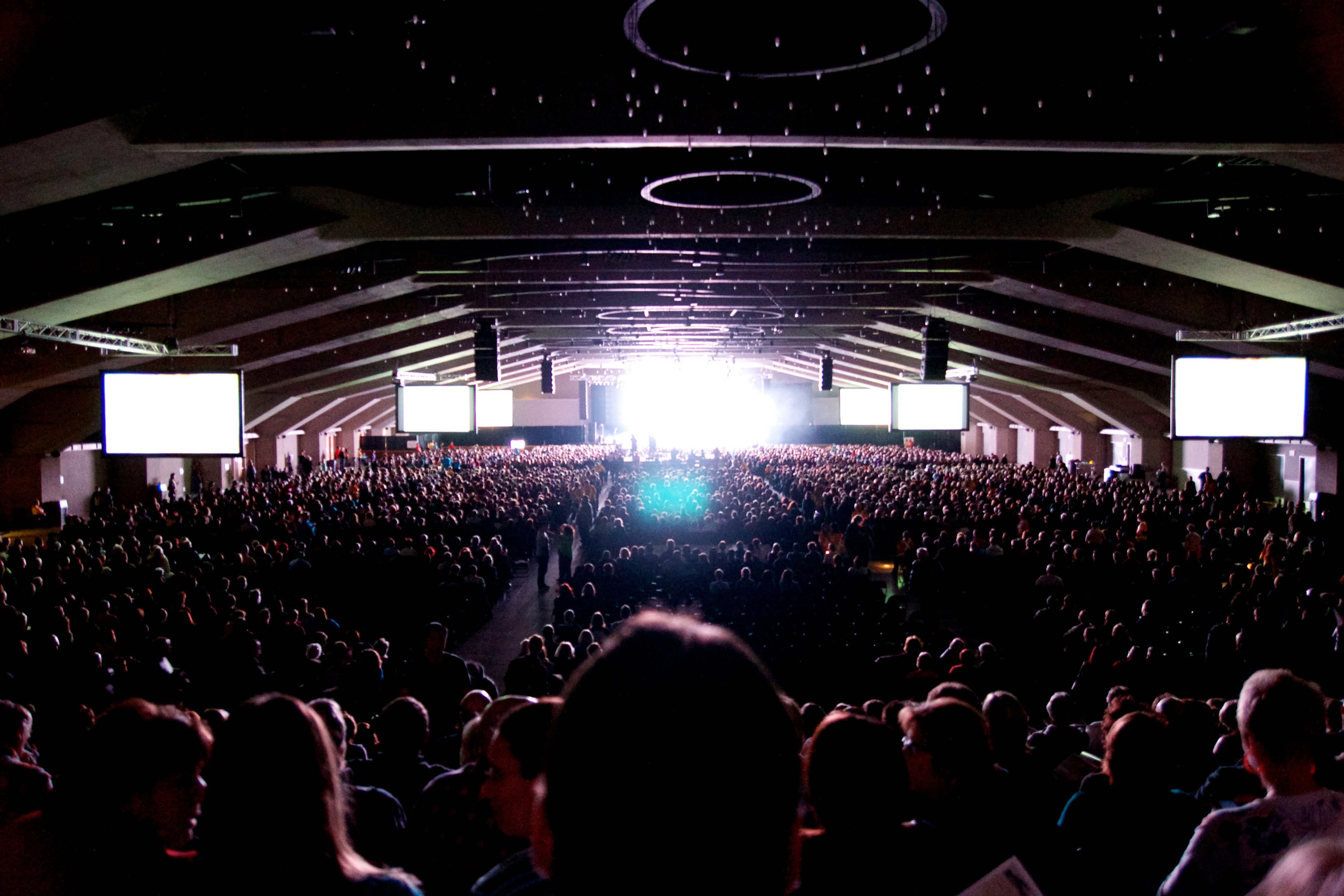
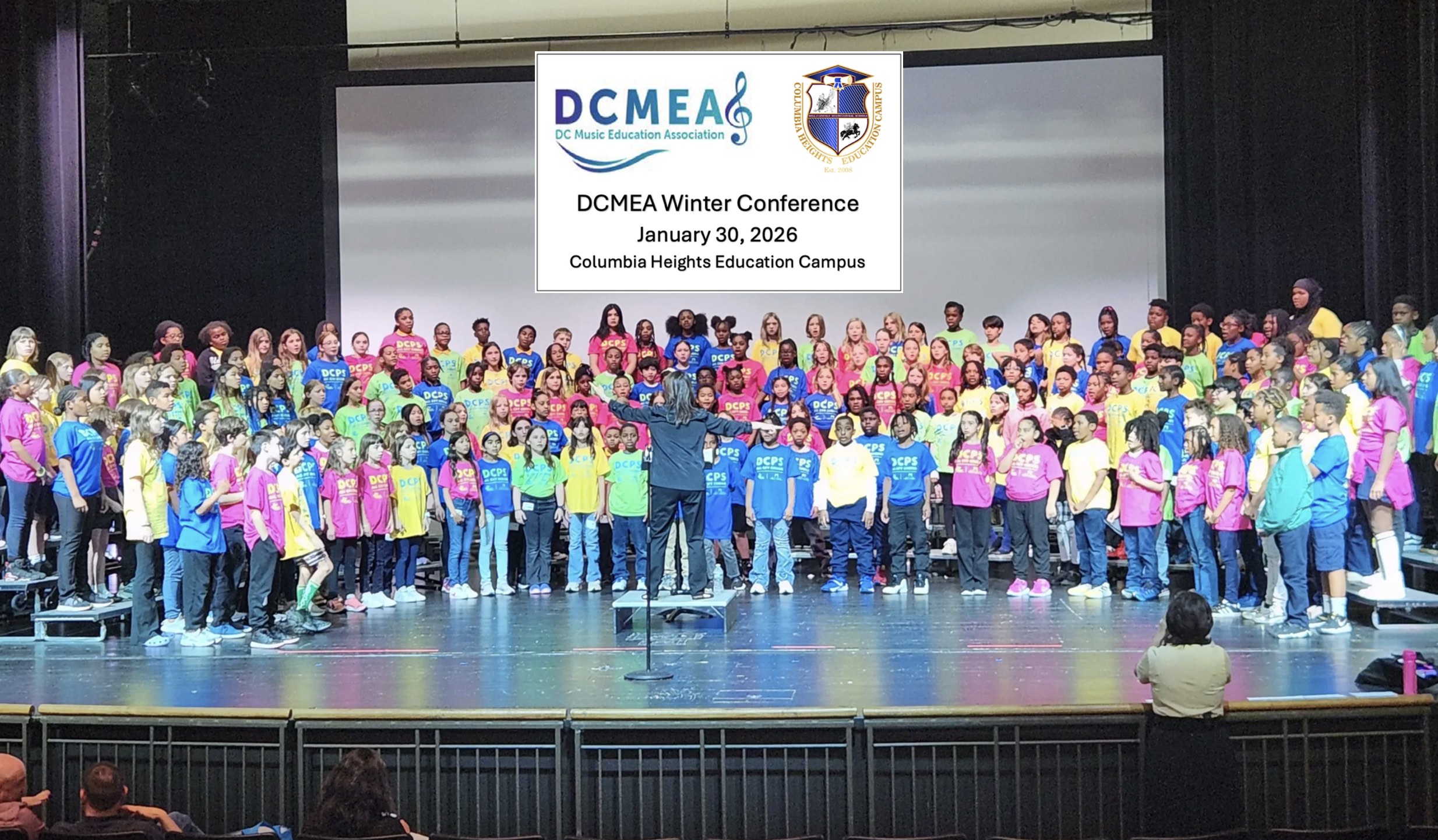
The earliest conference workshop series on my docket for 2026 is coming up in three weeks: DCMEA Winter Conference. For out-of-town attendees, DCMEA offers a discounted hotel stay at the Line Hotel D.C.
Keynote Speaker: Nationally recognized leader, educator, and advocate, NAfME Past President Scott Sheehan will present ideas to ignite your passion and commitment to a fulfilling career in music education.
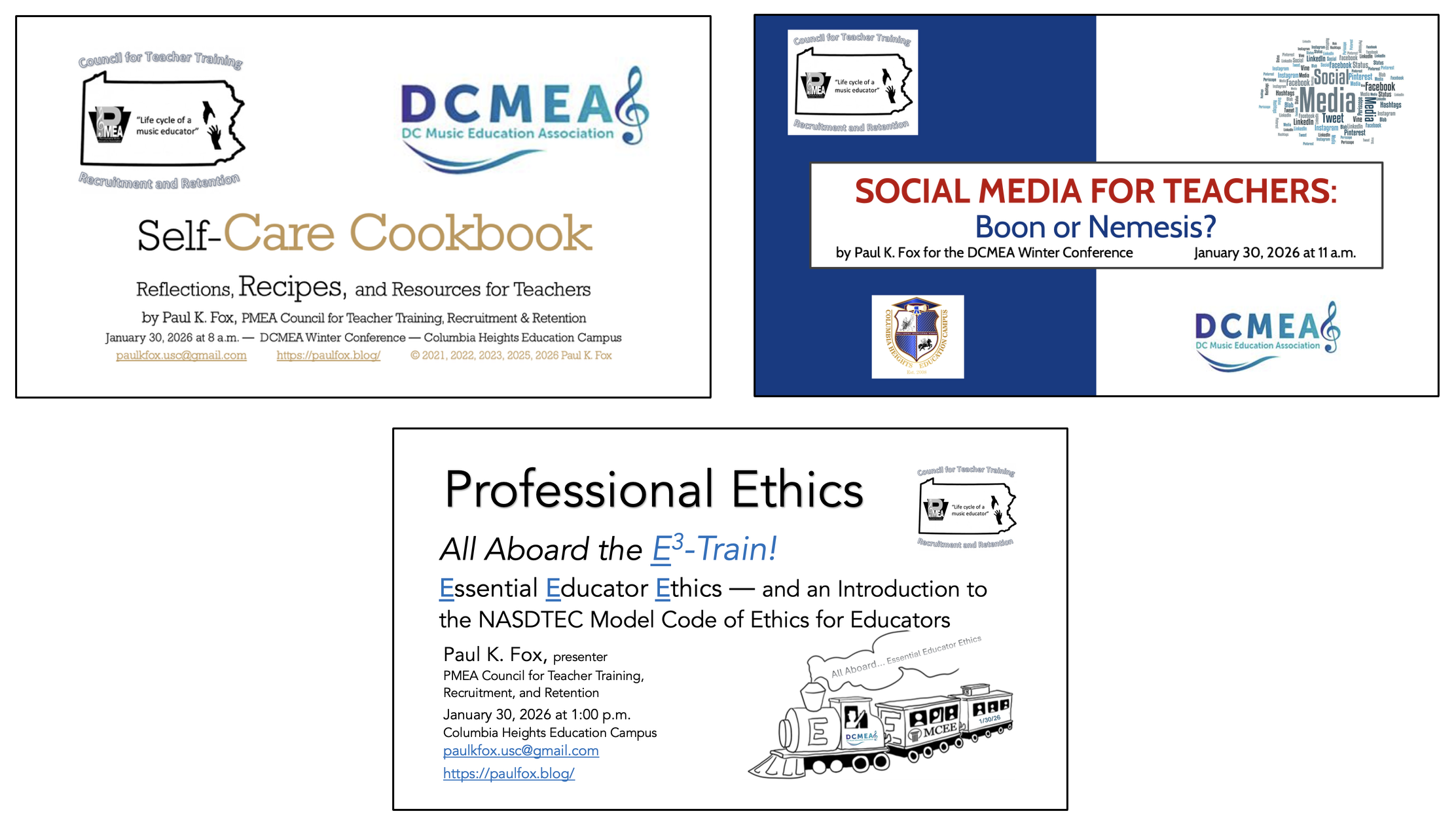
I feel privileged to have been invited to present the following three sessions at DCMEA Winter Conference.
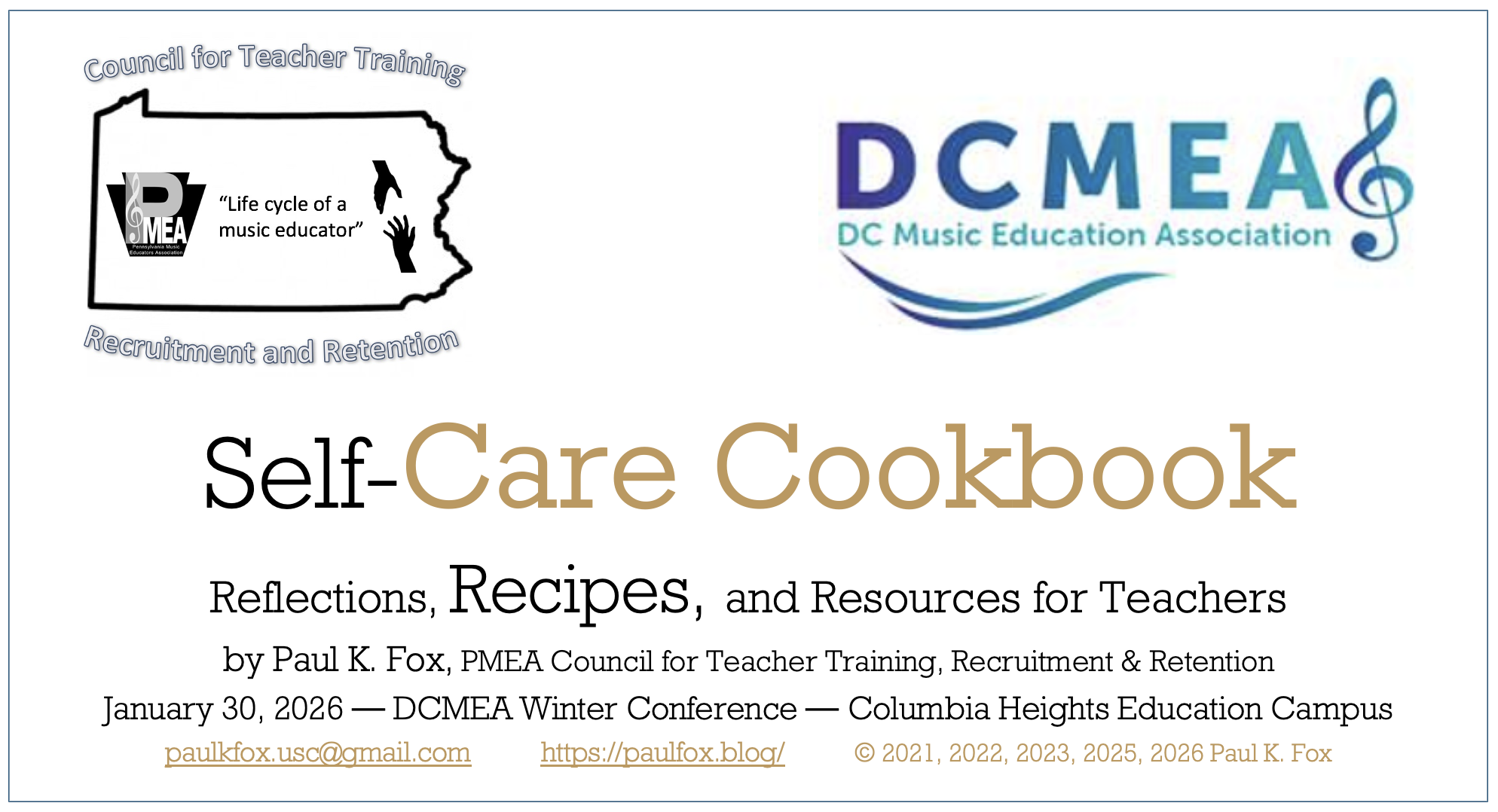
Self-Care Cookbook – Reflections, Recipes, and Resources
Description: The purpose of this session is to empower teachers with skills and attitudes needed to make informed decisions to promote their own lifelong health and wellbeing, and to remediate stress and burnout. With the introduction of new resources for self-assessment and study, we will explore these essential questions:
What are suggestions, strategies, and samples for the development of a personal self-care plan?
Why is it essential to personal health to achieve balance in our lives, and how can we achieve it?
How does dedication to wellness impact the risk of illness, injury, and the quality of a person’s life?
What are the consequences of our choices in terms of time and stress management?
How do effective decision-making skills and goal setting influence healthier lifestyle choices?
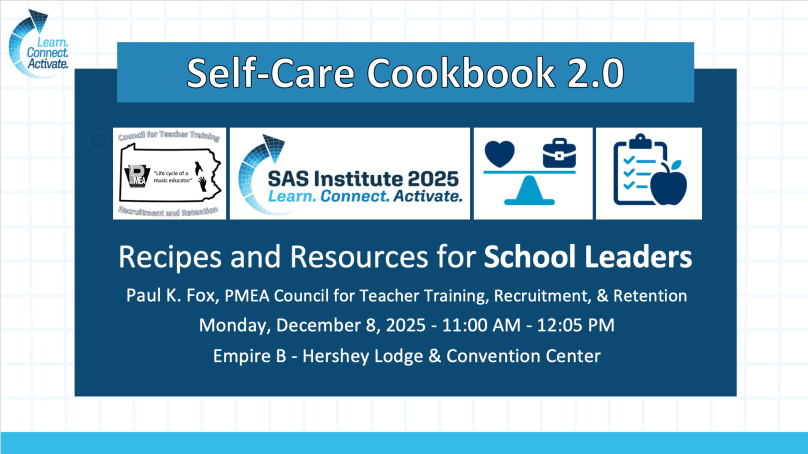
This workshop will provide the takeaway of “two-for-one” follow-up slide decks: Self-Care (1.0) to foster in the individual teachers themselves the acquisition of new techniques for self-assessment, self-care goal setting, and work/life balance, and the other, Self-Care 2.0 recently presented at the PA Department of Education’s state conference SAS INSTITUTE for school leaders to cultivate in their staff better habits of health and wellness and to improve school climate and culture.
Description: The presentation will touch-on various legal issues, the ethical framework necessary to guide teacher decision-making and the avoidance of unacceptable “appearances or actions,” and precautions for the use of digital communications and social networks. Sample success stories, “exemplars,” and resources for the safe use of tech tools and applications of social media/remote/alternative/distance learning will be shared.
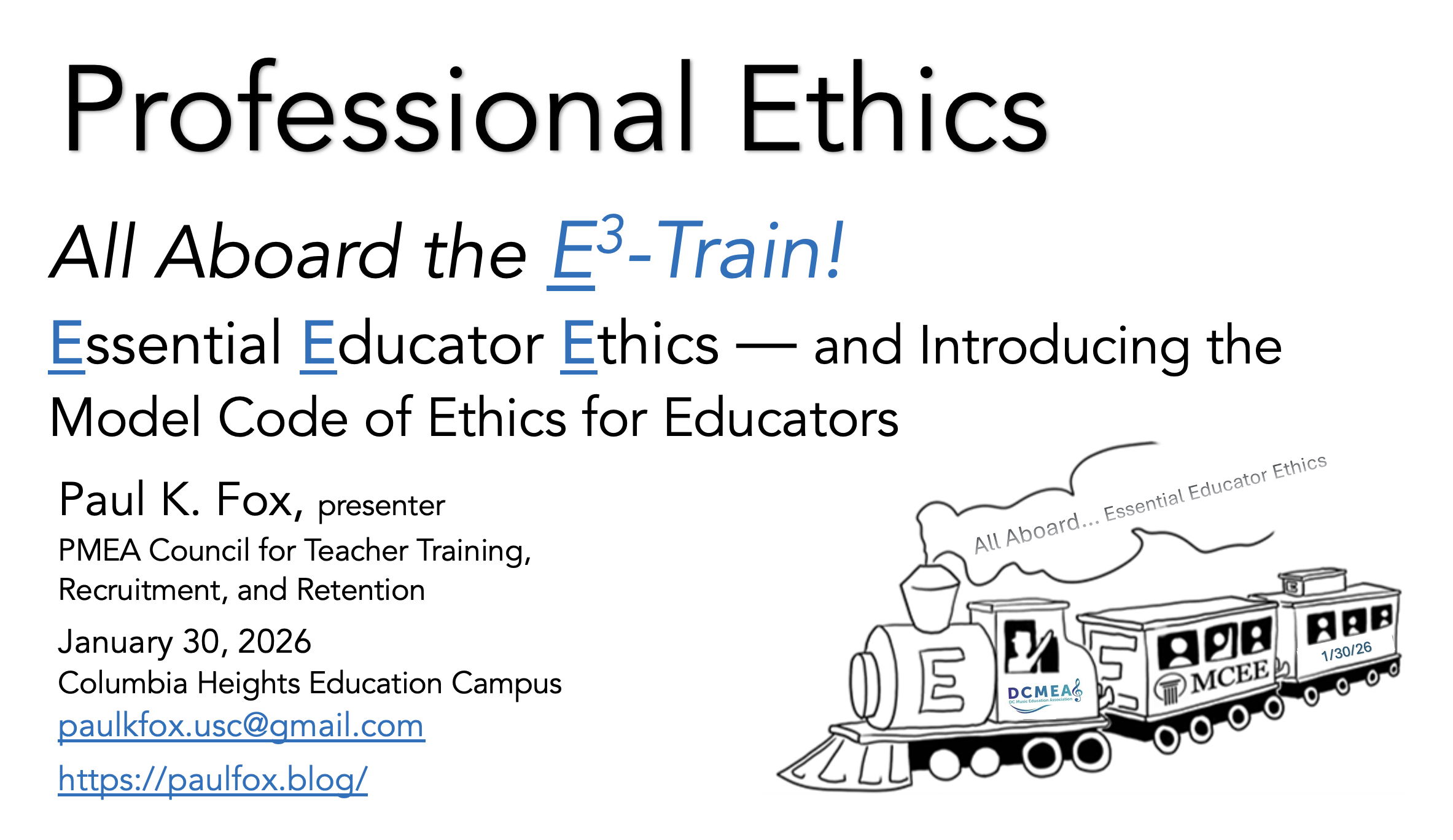
All Aboard the E3-Train! ⏤ Essential Educator Ethics…
and introducing NASDTEC’s Model Code of Ethics for Educators
Description: Teachers make thousands of decisions every day resolving conflicts in pedagogy, enforcement, resource allocation, relationships, and diversity. Many of these are “snap judgments” relying on gut feelings, intuition, past experiences, and a personal moral compass. And, although Johnny Cash may have sung “I walk the line…” in his love song, in education it is often a perilous “fine line” to maintain the standards and appearances of professionalism, integrity, and ethical codes both in and outside the school community.
This workshop will foster interactive facilitated discussions on risk assessment and resolution of ethical disputes and “conundrums” both in and outside the workplace. We will introduce the National Association of State Directors of Teacher Education and Certification Model Code of Ethics for Educators (MCEE) and empanel a mock jury of volunteer attendees to analyze and judge sample (real or hypothetical – “what would you do?”) scenarios for new perspectives in managing day-to-day decision-making in music education.
MMEA
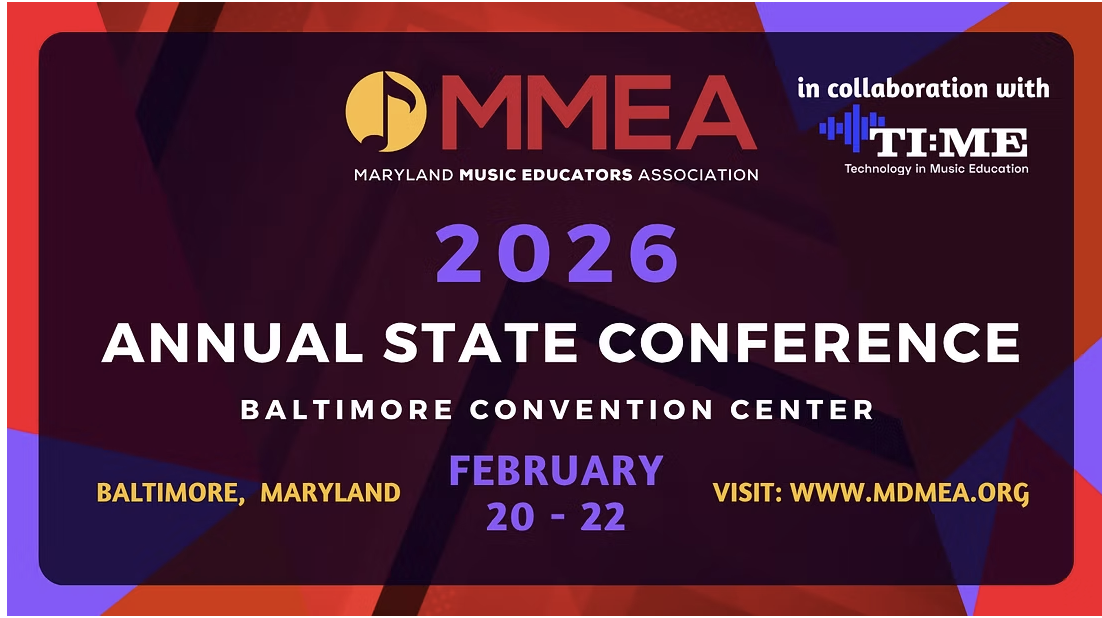
Our next professional development journey takes us to the three-day MMEA Annual State Conference in Baltimore.
Keynote Speaker: John Jacobson, a celebrated author and composer whose musicals have been performed by millions of children worldwide. Session is sponsored by Musicplay.
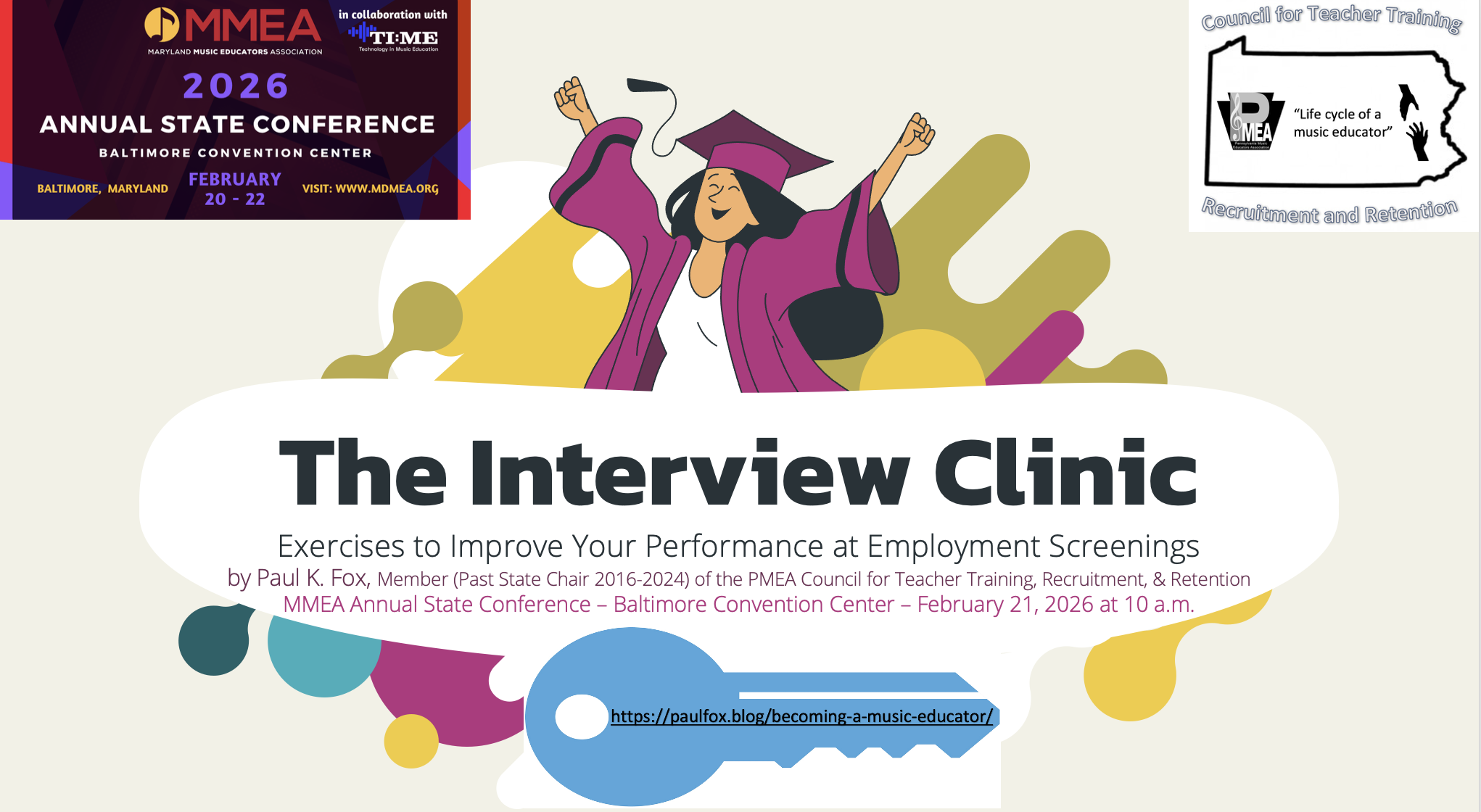
My session The Interview Clinic will be presented on Saturday, February 21 at 10:00 a.m. in Room 325. Geared to the coaching of college music majors, pre-service, unemployed, educators in transition, or those teachers seeking new positions, this workshop will provide hands-on interactive exercises to improve candidate performance at employment screenings.
Description: How do you get to Carnegie Hall? Practice, practice, practice! How do you succeed at job interviews? Practice, practice, practice! Are you looking for your first job over the next year or so? Or, are you trying to “move up” to a better position? This workshop will provide hands-on tips, tricks, techniques, and trial exercises for developing skills in professional marketing, branding, storytelling, and networking.
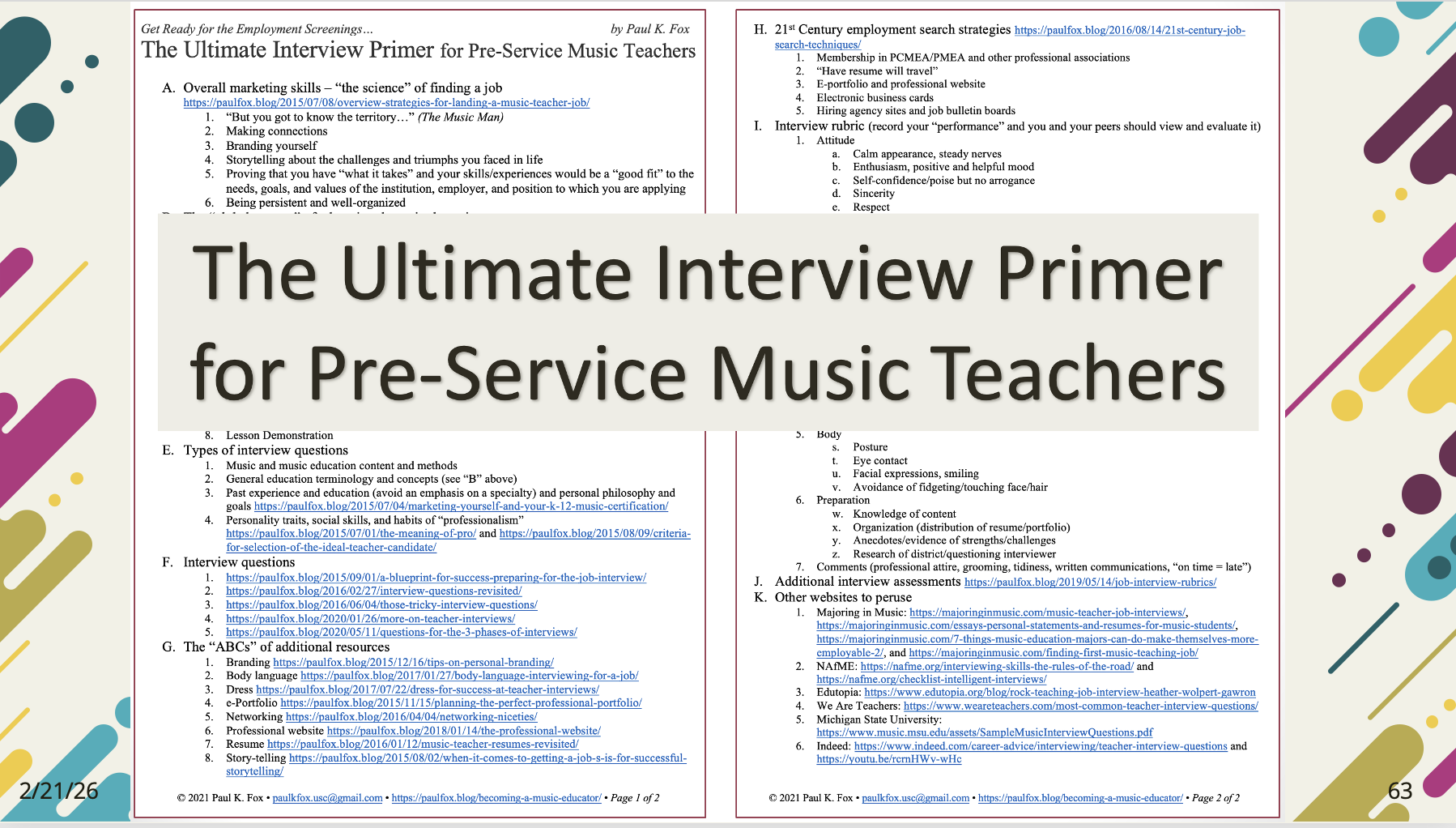
The valuable resource, The Ultimate Interview Primer for the Preservice Music Teacher, will be shared archiving an extensive library of supplemental self-help links to interview questions, good/bad habits at employment screenings, and additional strategies for landing the job you always wanted.
PMEA
It probably will not come as a surprise to readers of this blog that my favorite professional development venue is the Pennsylvania Music Educators Association Annual Conference… of which I have missed perhaps only three of these “celebrations” over nearly five decades of involvement in music education, all starting with my HS participation in PMEA All-State Band (tuba) and PMEA All-State Orchestra (viola). PMEA Annual Conference is the main event providing “state of the art” keynoters, clinicians, educators, expert innovators, performers, curriculum designers, and supportive vendors, and more than any other source, probably has had the greatest influence on sustaining my growth as a music educator. Like many other “diversified colleagues,” throughout my career I had to go through transitions of teaching new grade levels and content specialties (although orchestra and strings were my “thing,” new job assignments required retooling and fostering renewed skills in music theory, technology, choral, musicals, and even elementary band)… and PMEA’s professional development offerings were always my “go to!”
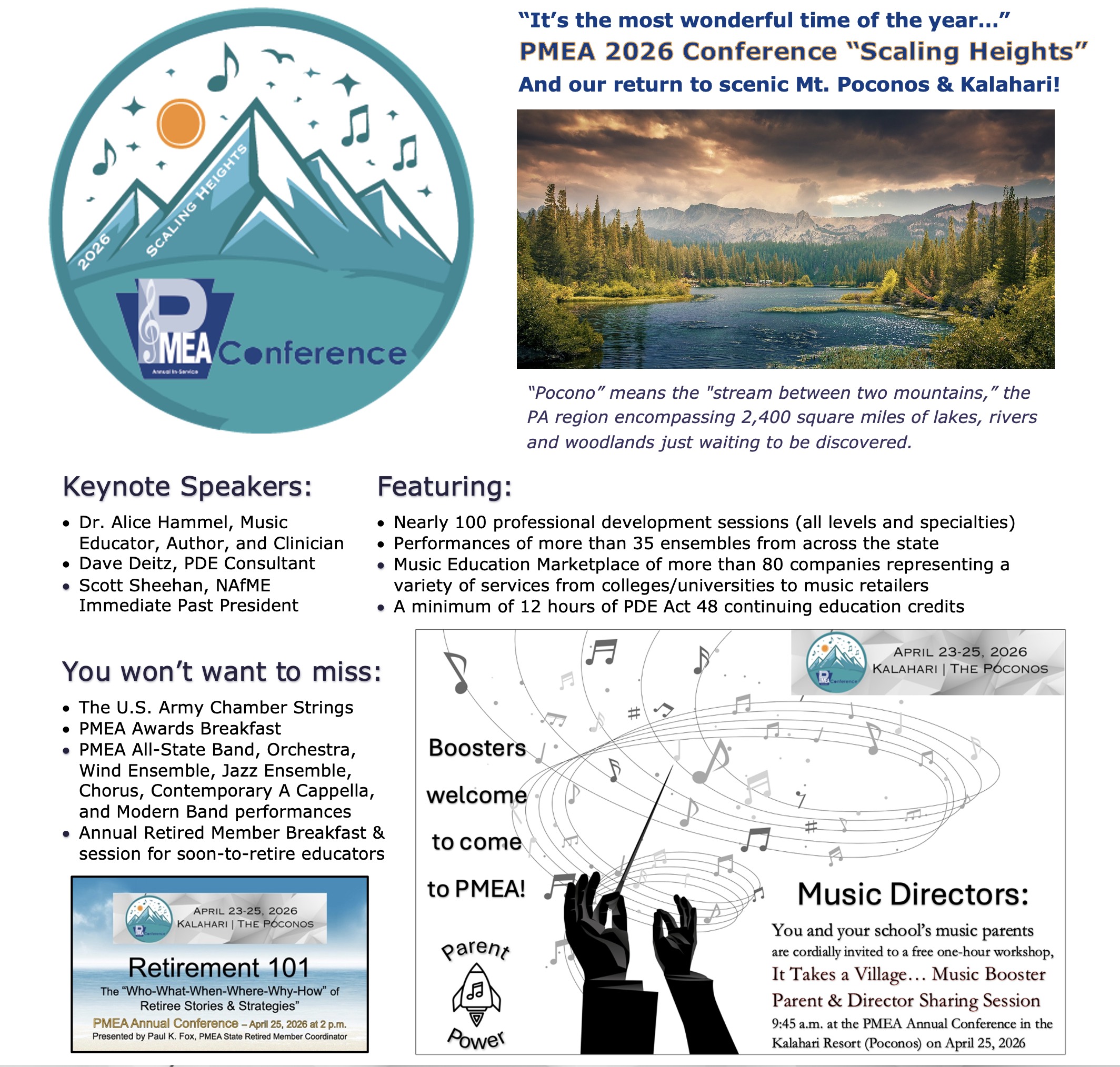
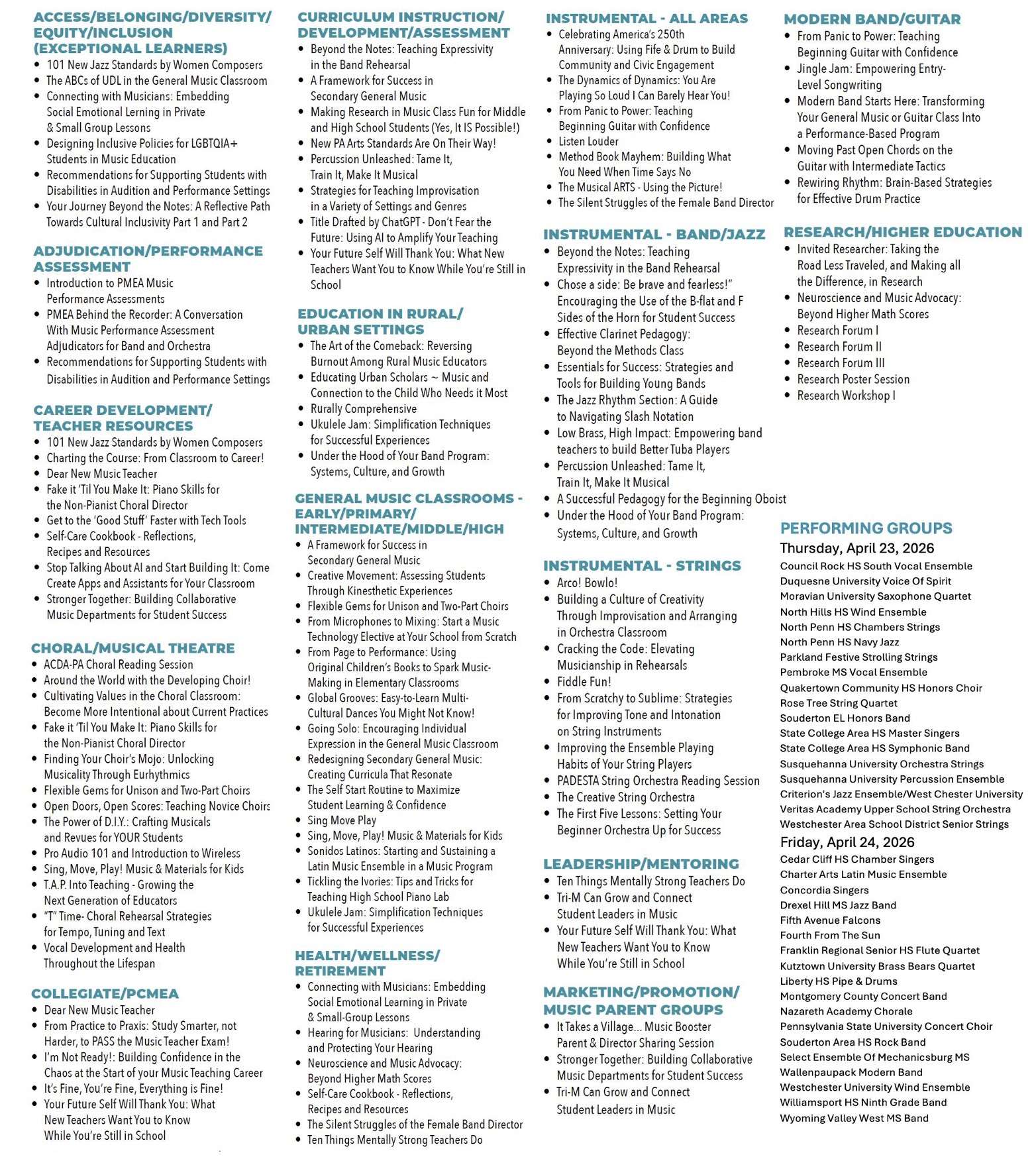
If you live in or near the Commonwealth, you should drop everything today and register for the PMEA Annual Conference at the Kalahari Resort in the Poconos.
I am happy to announce that I will present/facilitate several sessions at PMEA’s Scaling Heights 2026:
April 23: Self-Care Cookbook – Reflections, Recipes, and Resources
April 24: Retirement 101 – Retiree Stories and Strategies
April 25: It Takes a Village – Music Booster Parent and Director Sharing Session
More details about these session will be coming in future blog posts.
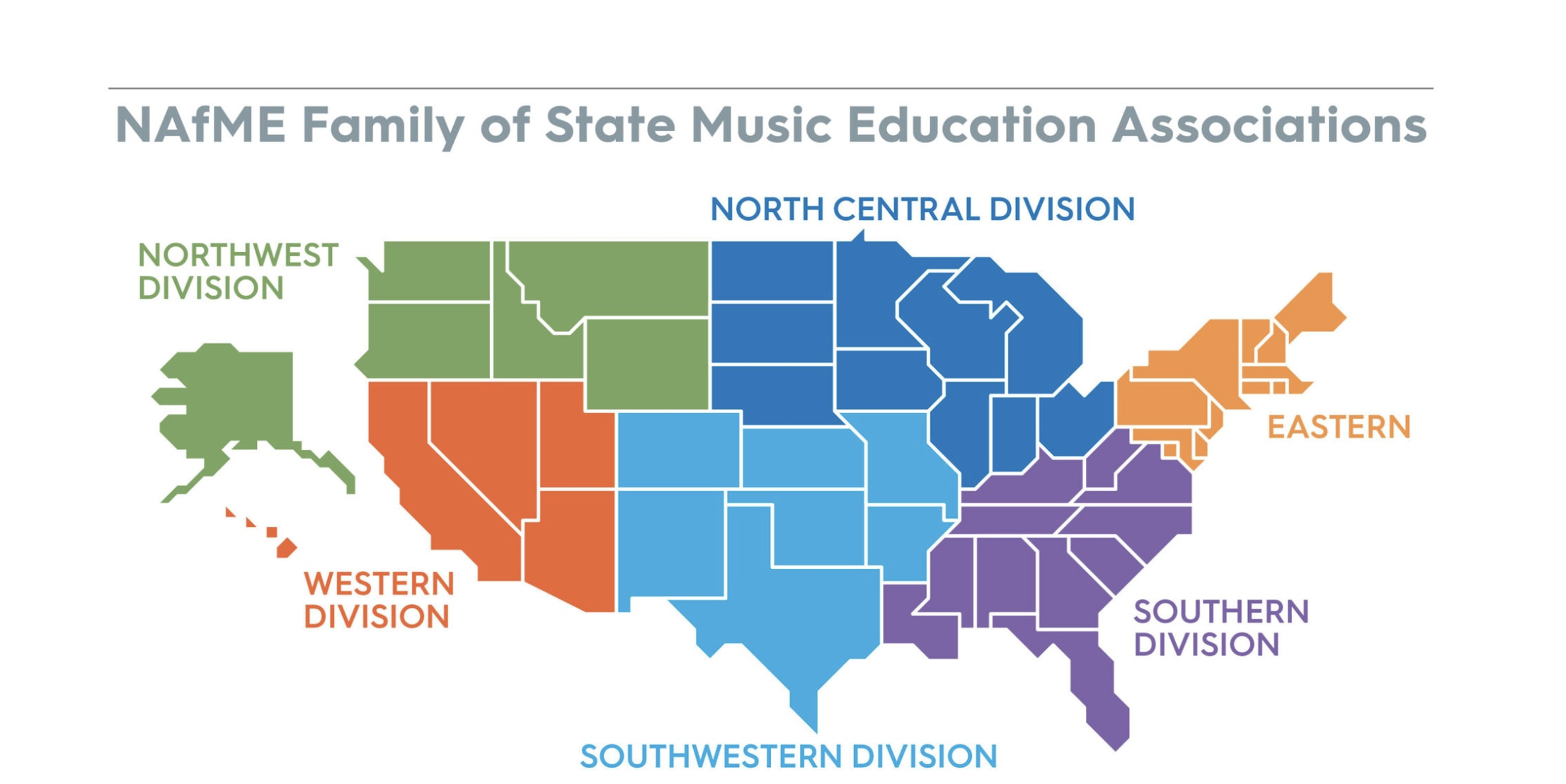
These conferences are only the tip of the iceberg! If you need to consider other MEA sites or more convenient locations to where you live, peruse the NAfME website here, where there is a quick count of more than 52 (state) music education associations, most with one or more conferences per year!
So, now are you interested in galloping or just trotting through The Year of the Fire Horse? Make a New Year’s Resolution to attend one MEA event in 2026. Apathy is not an option! Excuses will NOT be accepted!
Rebuilding instrumental technique after a long break
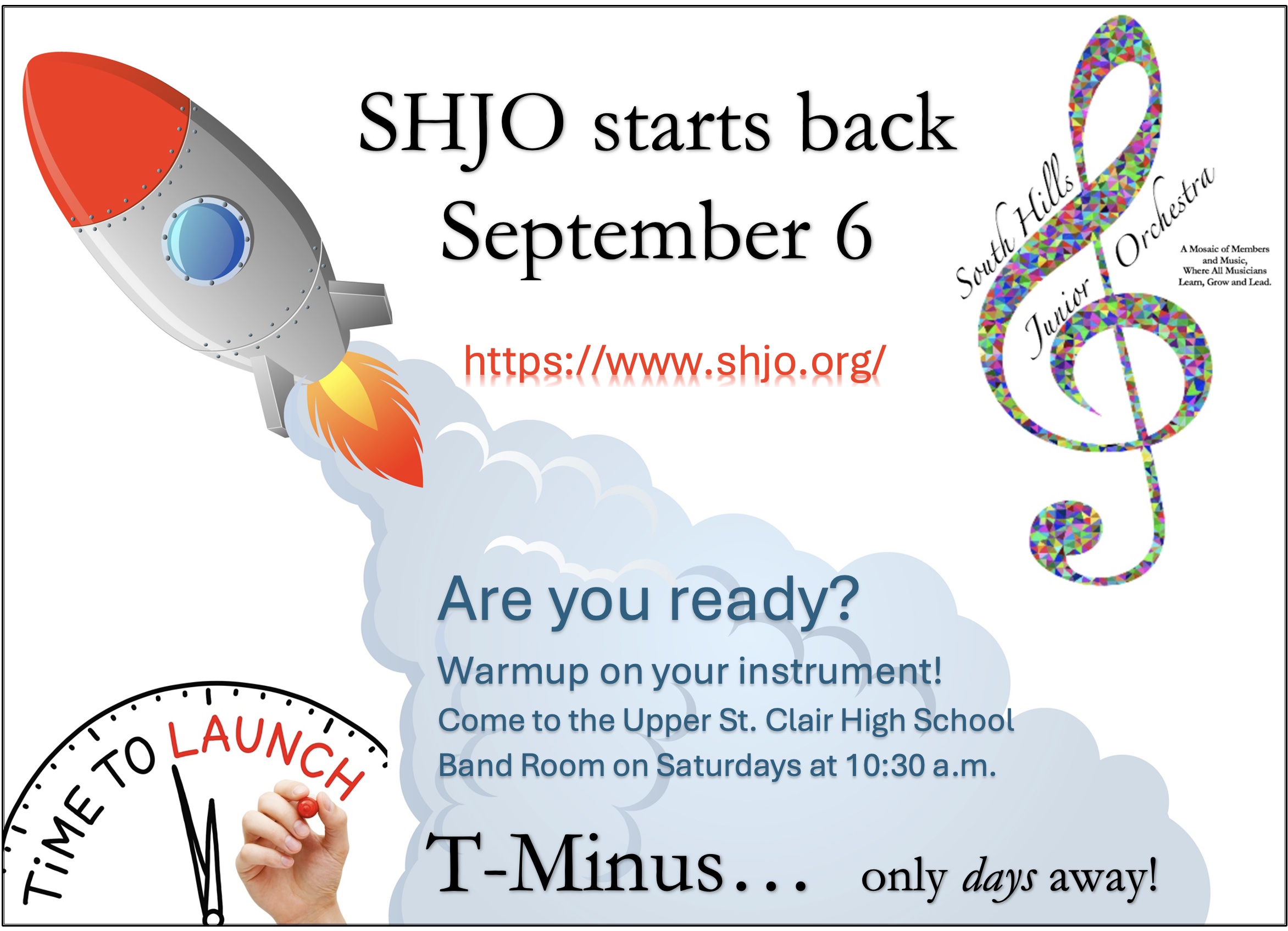
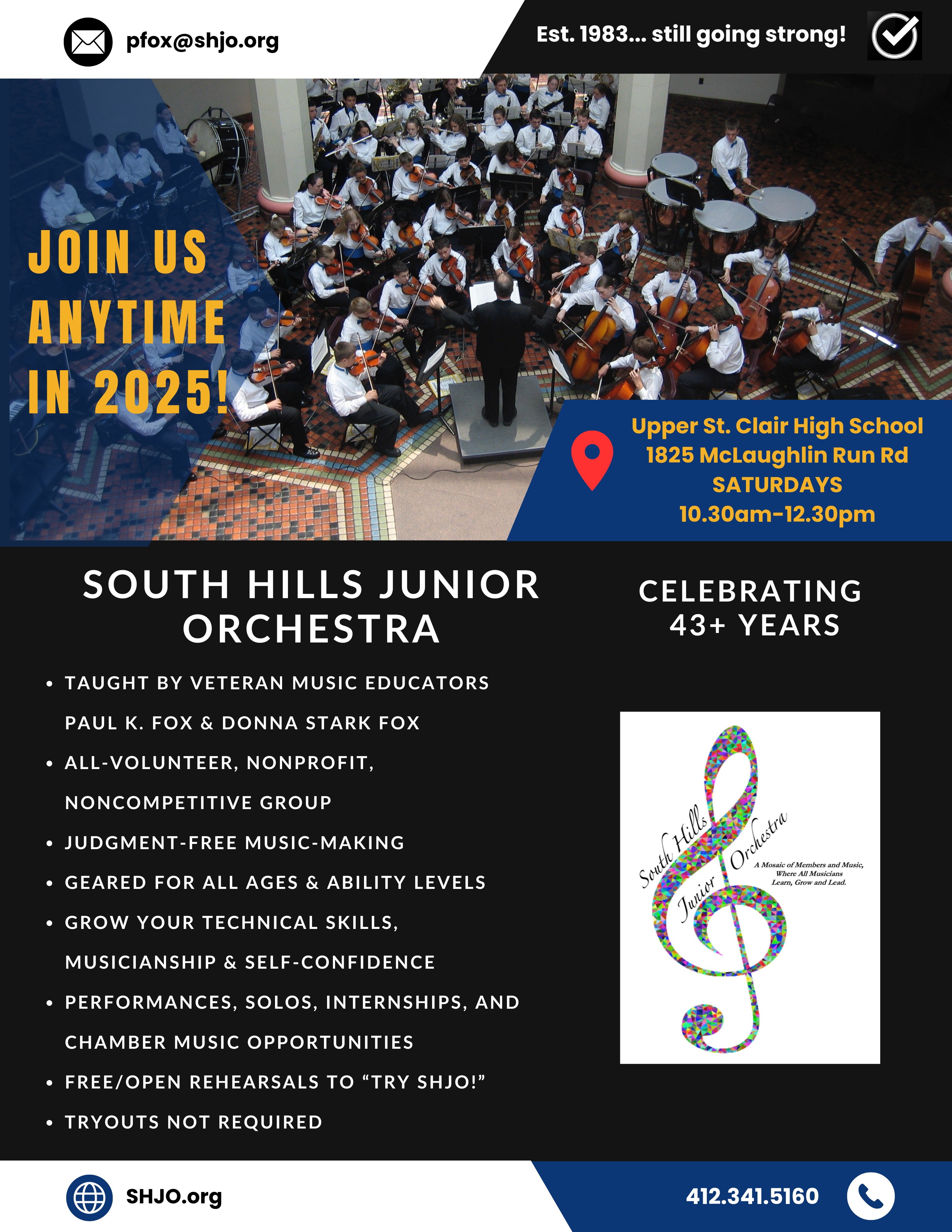
Director’s Note: This is the week to get ready for the return of the South Hills Junior Orchestra after all our vacations! If you live in the Southwestern PA area, we hope you will consider this a personal invitation to “TRY SHJO” and participate in several free and open rehearsals of our community orchestra – a totally “judgment-free” place for creative self-expression of all ages and ability levels. Practices are held in the Upper St. Clair High School Band (1825 McLaughlin Run Road, Pittsburgh, PA 15241) on Saturdays from 10:30 a.m. to 12:30 p.m.
A Google search on my computer fetched the following “AI Overview,” a nearly perfect summary for wind players to recover their “chops” and bring back good tone, intonation, breath support, flexibility of the embouchure, key literacy, and practice habits. For players of all orchestral instrumental sections, I recommend revisiting other articles in the Fox’s Fireside Library to develop a “practice plan” and adopt new musical goals. PKF
To rebuild your brass and woodwind instrumental technique after a long break, focus on the following gradual, three-stage process: first, restore your tone and response, then regain flexibility and dexterity, and finally, rebuild range and endurance. Prioritize short, consistent practice sessions, and avoid pushing too hard too early to prevent injury and bad habits.
Stage 1: Restore tone and response
Your primary goal is to reacquaint your body with the fundamentals of playing by focusing on soft dynamics and your lowest register.
Breathing exercises: Start without your instrument. Practice deep, diaphragmatic breathing to re-engage your respiratory system and expand your lung capacity. You can use simple routines like inhaling for four counts and exhaling for eight, or try the “pinwheel” exercise to visualize steady airflow.
Buzzing: Brass players should spend time buzzing with just their mouthpiece to get their lips vibrating efficiently again.
Long tones: On your instrument, play sustained, steady notes at a soft volume in your lower-to-middle range. Focus on producing a clear, characteristic tone. Use a tuner to monitor your pitch stability.
Short practice sessions: Limit your initial sessions to 5–20 minutes, with plenty of rest in between. This prevents over-straining your facial muscles and embouchure.
Stage 2: Regain flexibility and dexterity
Once your tone and response feel stable, you can begin to expand your comfortable playing range and improve finger speed.
Scales and arpeggios: Practice basic scales and arpeggios at a slow, controlled tempo. This helps rebuild muscle memory for your fingers while keeping the focus on even, beautiful tone.
Slurred partials (brass) and lip slurs (woodwind): Practice smoothly transitioning between notes without using your tongue. This strengthens your embouchure and improves air control.
Simple music: Play easy, melodic pieces you know well. This helps you focus on phrasing and musicality without the pressure of a difficult score.
Increase session length gradually: Slowly add time to your practice sessions, perhaps moving to 15–30 minutes at a time. Continue to take frequent breaks.
Stage 3: Rebuild range and endurance
After re-establishing your fundamentals, you can begin to increase the intensity and duration of your playing to return to your previous level.
Expand your range: Gently start working your way into your upper and lower registers, but maintain a soft dynamic level. Only increase volume once you can play a note softly with a good tone.
Louder dynamics: Once your full range is accessible, begin practicing with louder dynamics. This is physically demanding, so continue to take frequent rests.
Articulation: Incorporate tonguing exercises. Start with basic single tonguing before adding more complex techniques like double and triple tonguing.
Listen to your body: Your body will be the ultimate guide. If you feel any pain or unusual fatigue, ease up and incorporate more rest into your routine.
Mental preparation and practical tips
Listen to music: Remind yourself of what inspires you and listen to your favorite players to reconnect with the joy of playing.
Record yourself: Objectively evaluate your progress by listening back to recordings. This helps you identify areas that need work and celebrate your improvements.
Revisit old notebooks: Look back at any old lesson journals for useful reminders and insight into your past tendencies.
Service your instrument: A leaky pad or sticky valve can make returning to your instrument unnecessarily difficult. Have a technician give your instrument a “clean, oil, and adjust” to ensure it’s in prime playing condition.
Be patient: You are not expected to be at your former playing level immediately. Trust that your muscle memory will return with consistent, smart practice.
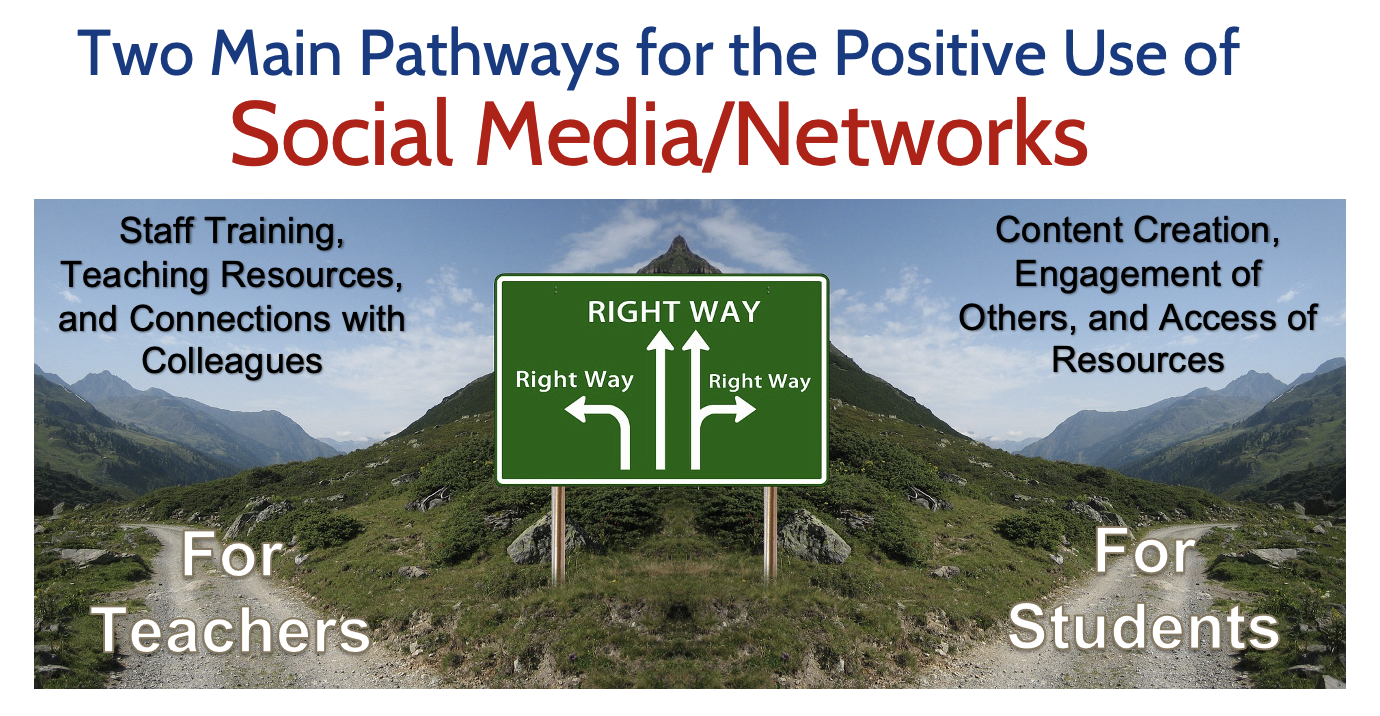
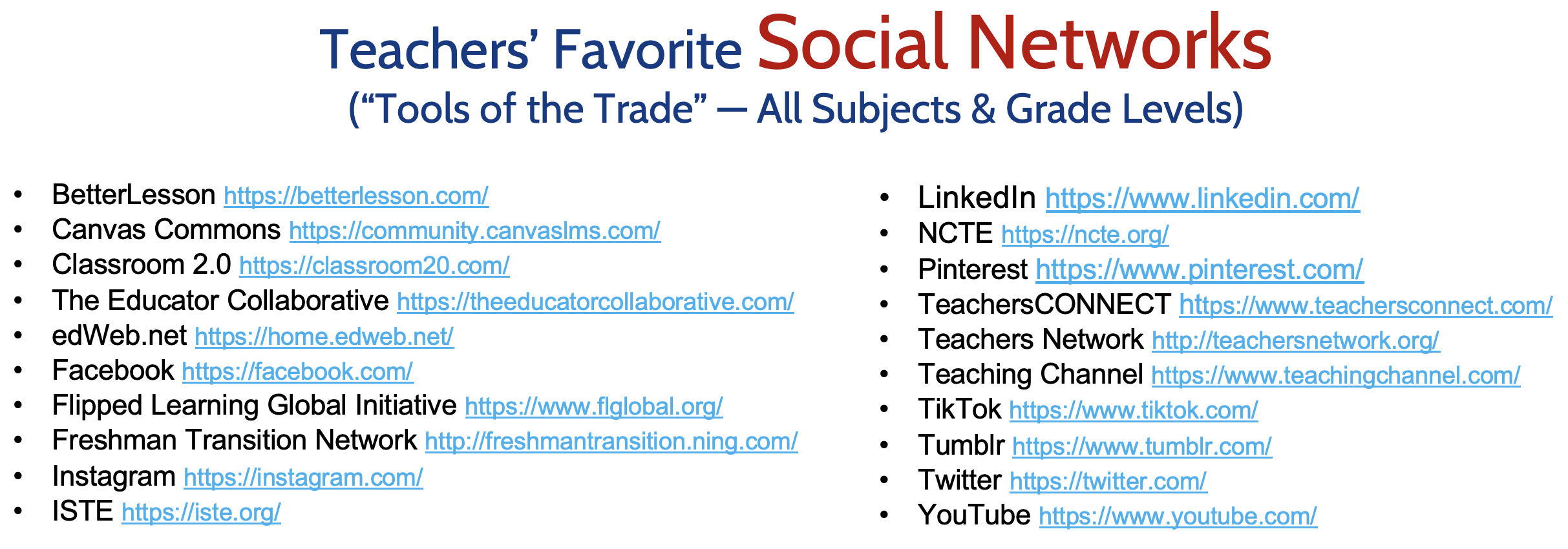
Although several of the cited research links may have expired (for example, PA Department of Education modified most of their website’s URLs), these provided the foundations of background information and references for the presentation I prepared for the DCMEA Virtual Conference in 2020 (during COVID) and serve as the starting point for the workshop I will share in-person at the DCMEA Winter Conference in January 2026. This blog provides updates and additional perspectives. Taken in combination with the above sources, you will be able to identify the benefits, positive models, precautions, and dangers of social media, social networks, professional learning networks, and sample emerging technologies as they apply to teachers’ professional development and education of students.
“THE WHY”
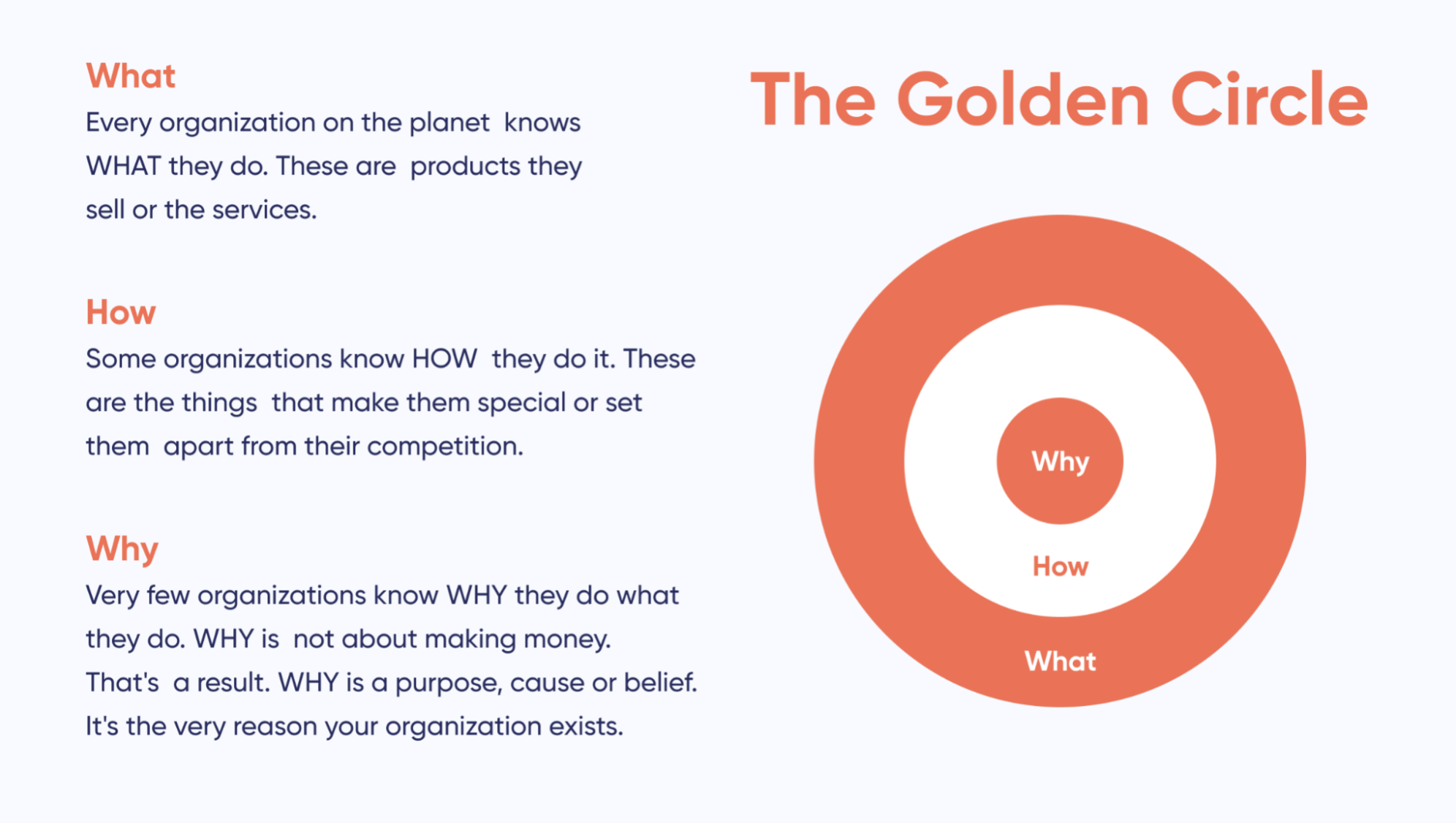
Before every clinic or publication I develop, I always try to spotlight the theme of “THE WHY” as preached by one of my favorite authors and motivational speakers – Simon Sinek! According to him, for organizations and individuals alike, “THE WHY” (rationale and priority) is more important than “THE WHAT” and “THE HOW.” (See this video.)
WHY is a collaborative discussion on social media essential? Why now?
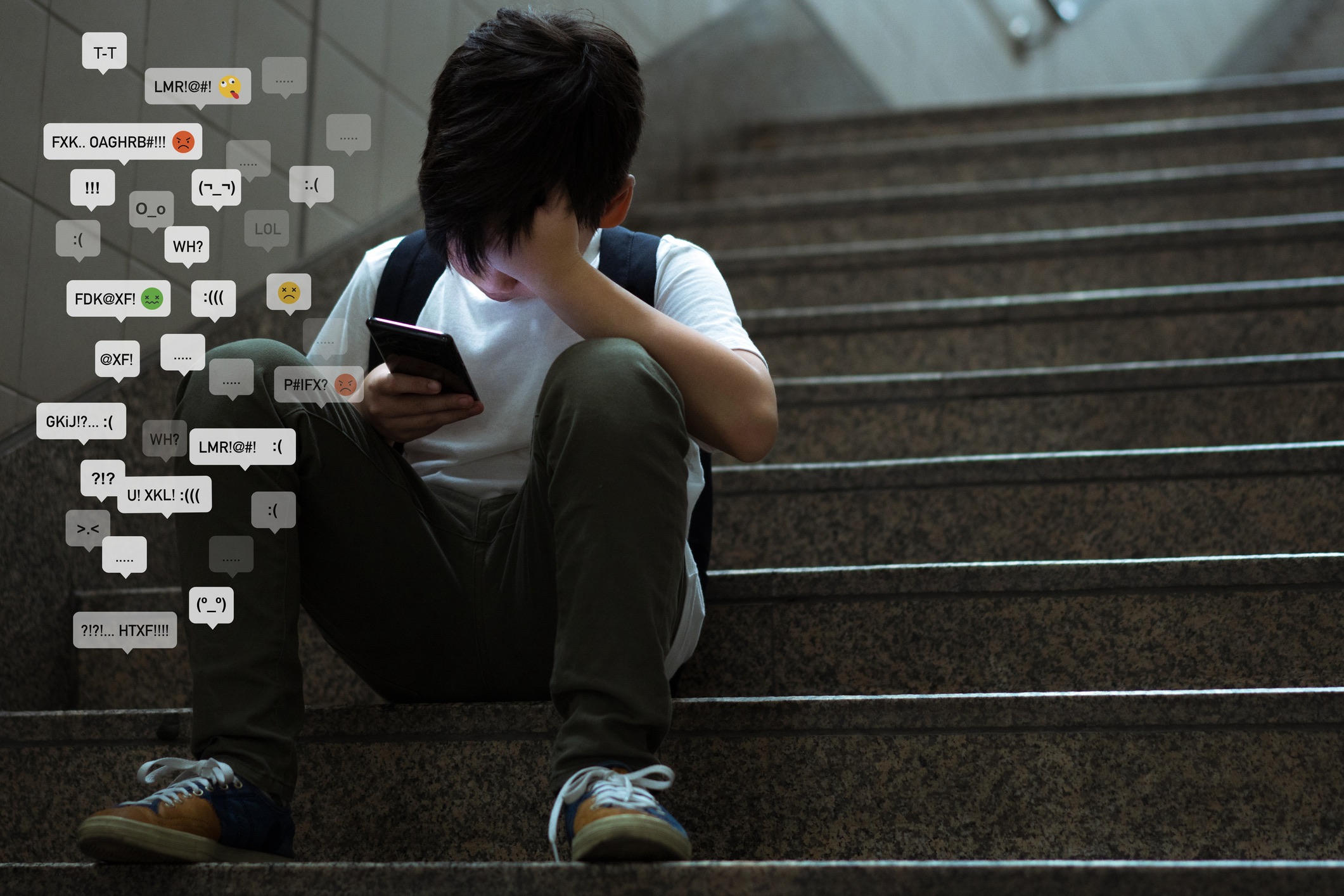
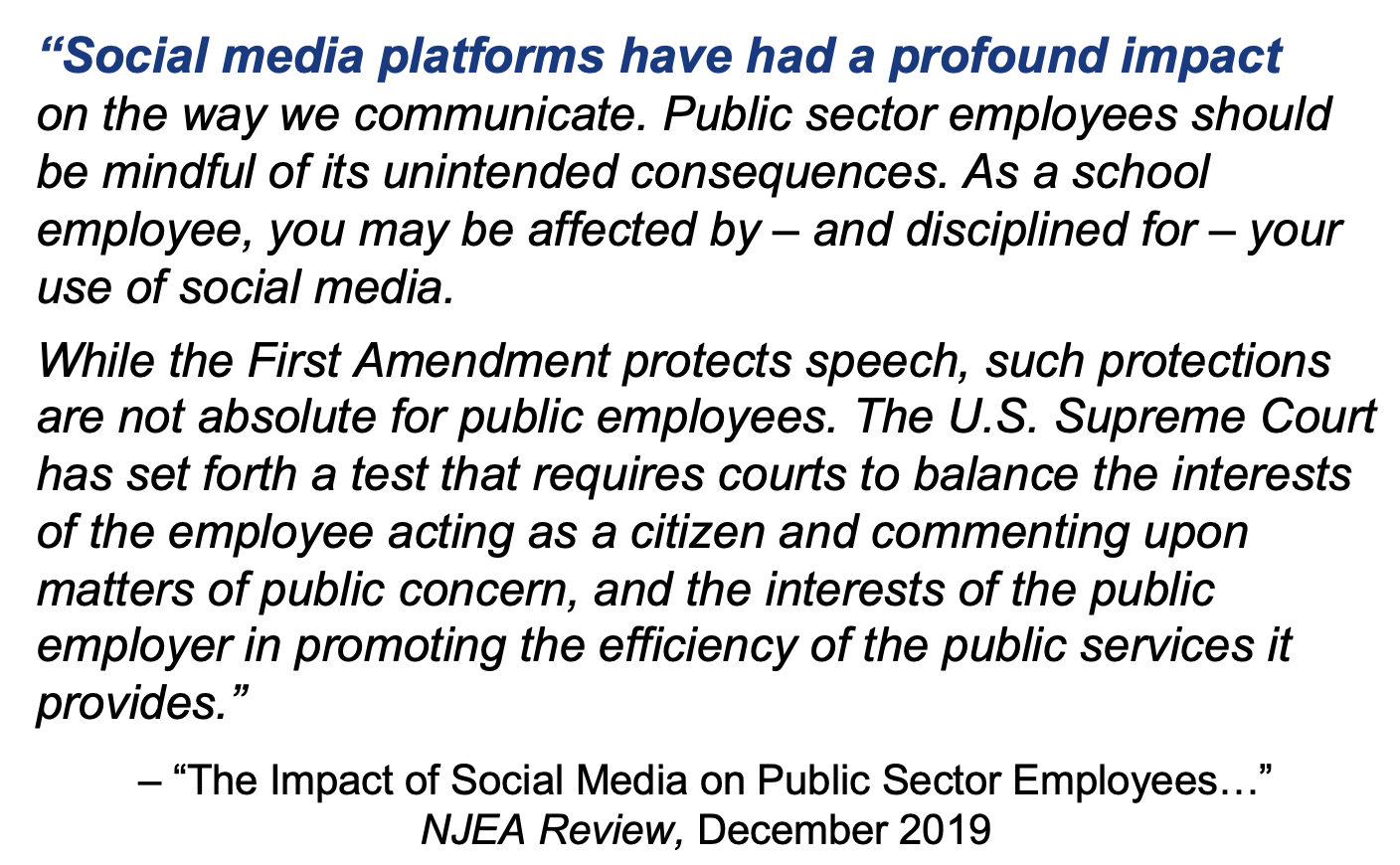
”There’s a growing body of evidence suggesting that educators are facing increasing scrutiny regarding their social media use. Concerns include unprofessional conduct, inappropriate interactions with students, and the potential for cyberbullying and other negative impacts on student well-being.”
As always, our goal is to promote ethical practices in maintaining professionalism in the digital world.
“THE WHAT” — Review of Definitions
“Social Media”
Social media are “websites and applications that enable users to create and share content or to participate in social networking.” — Oxford Lexico.com online dictionary
“Social Network”
A social network is, 1. a network of social interactions and personal relationships.; 2. a dedicated website or other application which enables users to communicatewith each other by posting information, comments, messages, images, etc. — Oxford Lexico.com online dictionary
“Professional Learning Community” (PLC)
A PLC is “a group of educators who meet regularly…” (usually in-person) “…to strategically enhance their teaching skills and improve student outcomes.”
versus “Professional Learning Network” (PLN)
A PLN is “a group of educators who gather more informally…” (usually in online communications) “…to problem-solve and generate ideas to enhance classroom practices. A PLN… often takes the form of an open forum, where participants can ask and answer questions based on their experiences.” —https://edtechmagazine.com/k12/article/2024/08/pln-vs-plc-perfcon
However, educators must exercise “sound judgment” and proper professional boundaries when using social media/networks with students. While the introduction of new technology provides many opportunities for teaching and learning, it is important to establish clear rules for appropriate student-teacher communication. In order to promote safety and appropriate boundaries while transitioning to a virtual teaching and learning environment, the Pennsylvania Professional Standards and Practices Commission offers suggestions to help educators protect themselves and their students.
All technological resources and applications should be school entity-approved and only used in the manner prescribed. Ensure that you are familiar with the tools you are using in order to use them properly.
Communication with students should occur at designated times, consistent with traditional school day hours. Maintain transparency and protect yourself by keeping a record of all communications with students.
Clearly communicate when and how students should contact you and provide a timeframe for when students should expect responses to questions.
Avoid one-to-one interactions with students in chatrooms, FaceTime, Skype, or any other online space. School psychologists, school counselors and others providing one-to-one services to students should consult with school administration about the best mode of communication.
Use approved forms of communication by your school entity to connect with students and parents (i.e. Remind), use only your school email to communicate, and copy administration when communicating with parents or students.
When creating content or interacting in an online space with students, conduct yourself as you would if you were in school. If appearing on camera, dress professionally and be mindful of your surroundings and the camera’s view.
Do not “friend” or follow students on social media and do not allow students to “friend” or follow you on your personal social media. Remember, you do not have a “social” relationship with your students.
Keep your personal and professional lives separate. Do not share overly personal information about yourself with students.
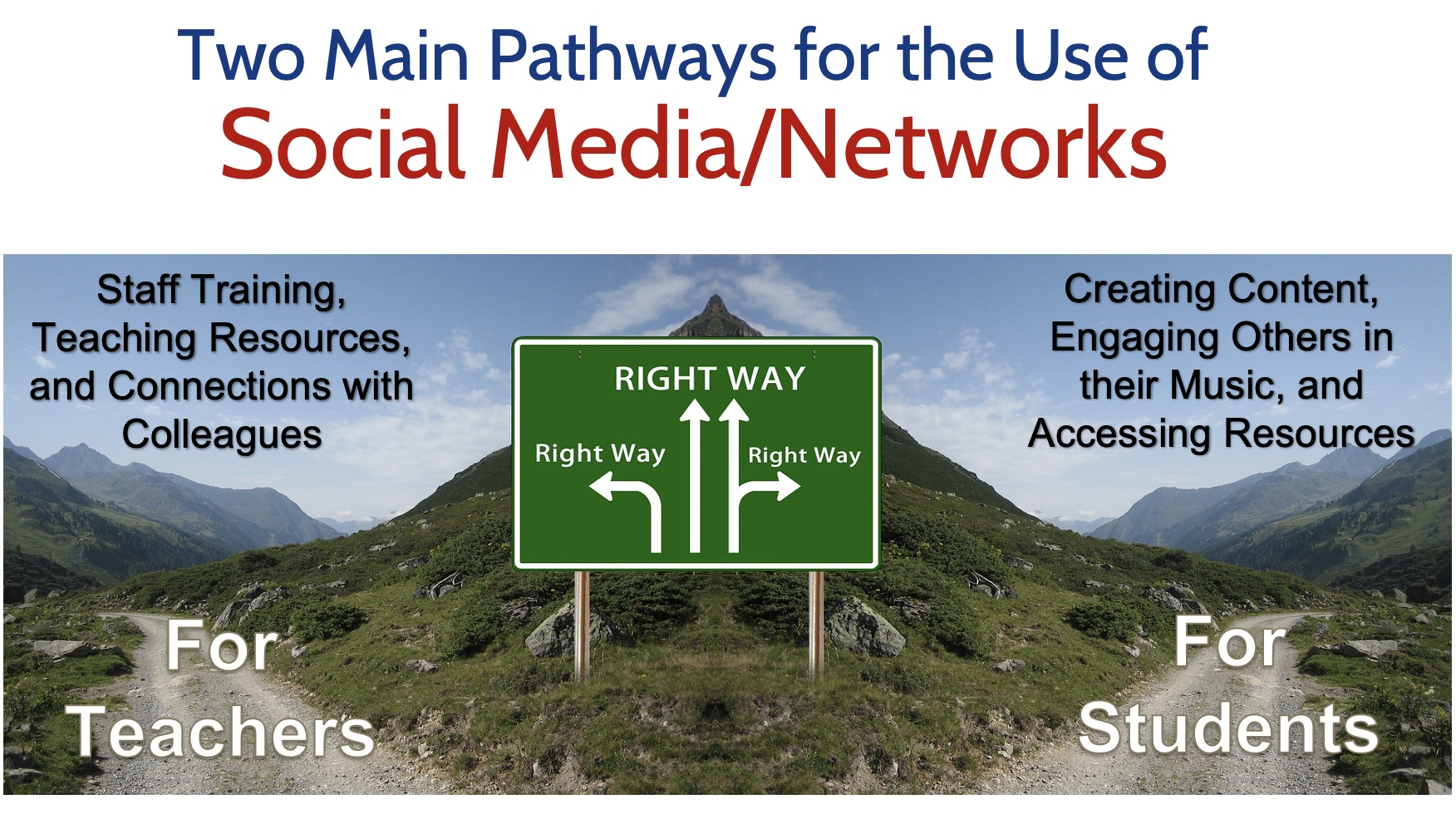
While exercising responsibility to maintain a respectful, safe, online environment, there are many benefits for the application of social media for students in the classroom:
Real-time communications can increase student engagement, collaboration, communication and overall participation
Many students may find it easier to participate in online discussions that in the classroom
Students can easily ask each other or their teacher questions about assignments outside of class
Students & teachers can quickly share resources at any time.
Teachers can easily share class announcements.
Social media can provide a contingency plan for last minute remote learning scenarios.
Students can organize school events with each other or with the help of a teacher.
Teachers can augment an online-only class by establishing a social media page or account simply for building community.
Students can practice using social platforms responsibly, including maintaining a respectful online discourse.
Teachers can communicate directly with parents as needed, and parents can stay informed of school news via a convenient, easily accessible platform.
However, please watch out for these potential drawbacks:
Social media can be a major distraction, especially if students are accessing their personal accounts independently.
If students primarily use social platforms to participate in class discussions, they can miss out on practicing face-to-face conversations and respectful in-person discourse.
Some students may see social media assignments as an opportunity to cyberbully their classmates, and there is always a risk of someone posting inappropriate content or language.
Balancing the positives and negatives and taking into account all of these precautions in order to maintaining professional boundaries, the integration of new technology into the classroom may offer excellent enrichment and increase student motivation for advanced learning. This may take many forms. Here are a few interesting models.
Prior to preparing for the DCMEA online session in 2020, I stumbled upon a truly inspiring post from Derek Muller, a gifted teacher, physicist, filmmaker, and founder of the YouTube channel Vertiasium which has captured millions of subscribers. He offers one of the BEST models of using social media to enrich the understanding of learning math and science (applicable to all fields of study), while at the same time, provides warnings against unbridled use of so-called “innovation for innovation’s sake.”
“I feel like people over the years are invariably drawn to use these words: revolutionizeand education. And there’s this sort of amnesia that we’ve had a hundred years’ worth of these predictions, worth of really groundbreaking technologies that have transformed other areas in our lives but have failed to fundamentally change the way we do education. So, I stand here today as a voice of caution, to think that the future of education is not one of revolutions…”
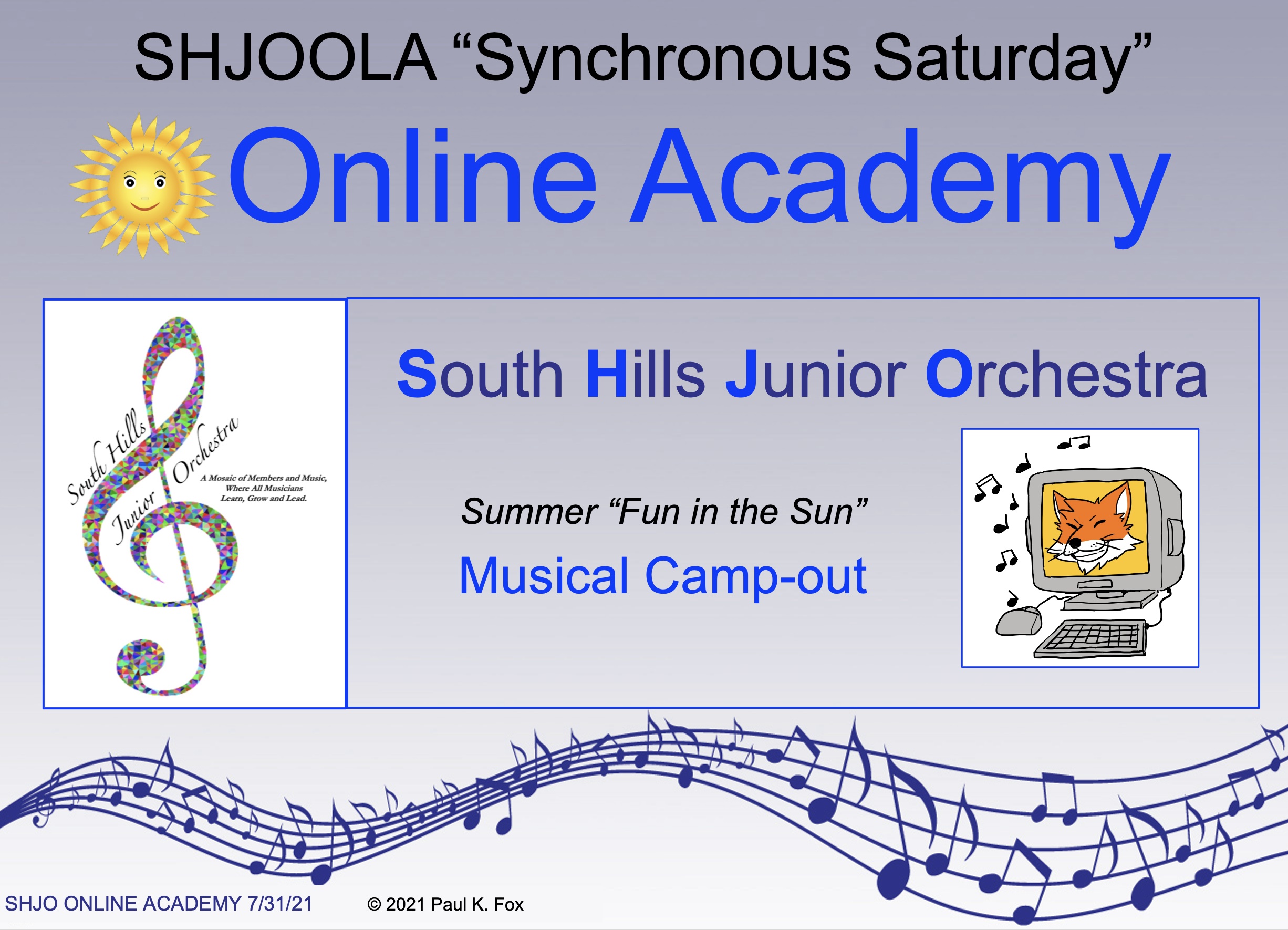
As one example, in the middle of preparing music for my community orchestra, we were shut down in 2020. No in-person rehearsals at the school. I then pivoted to creating my own online platform called SHJOOLA (South Hills Junior Orchestra Online Academy) in 2021 using MusicFirst. For a nominal yearly subscription fee, I was able to continue my Saturday morning classes (synchronous) as well as asynchronous (on-their-own time) learning using excellent applications in a virtual environment: MusicFirst Classroom, Focus on Sound, PracticeFirst, Sight-Reading Factory, Musition, Auralia, a web-based music notation program, and a huge library of method books and ensemble music. Several past blogs showed how we rolled out SHJOOLA:
The latter link above also provided a comprehensive list of supplementary resources (at the time) for online music education. Please peruse these even though some of them may have now gone inactive. We will provide supplemental links at the bottom of this article.
Another direction accented by the onslaught of the pandemic was digital streaming performances, incorporating technology in both the solo and ensemble settings. The following are two of my favorite examples of these to be viewed on YouTube:
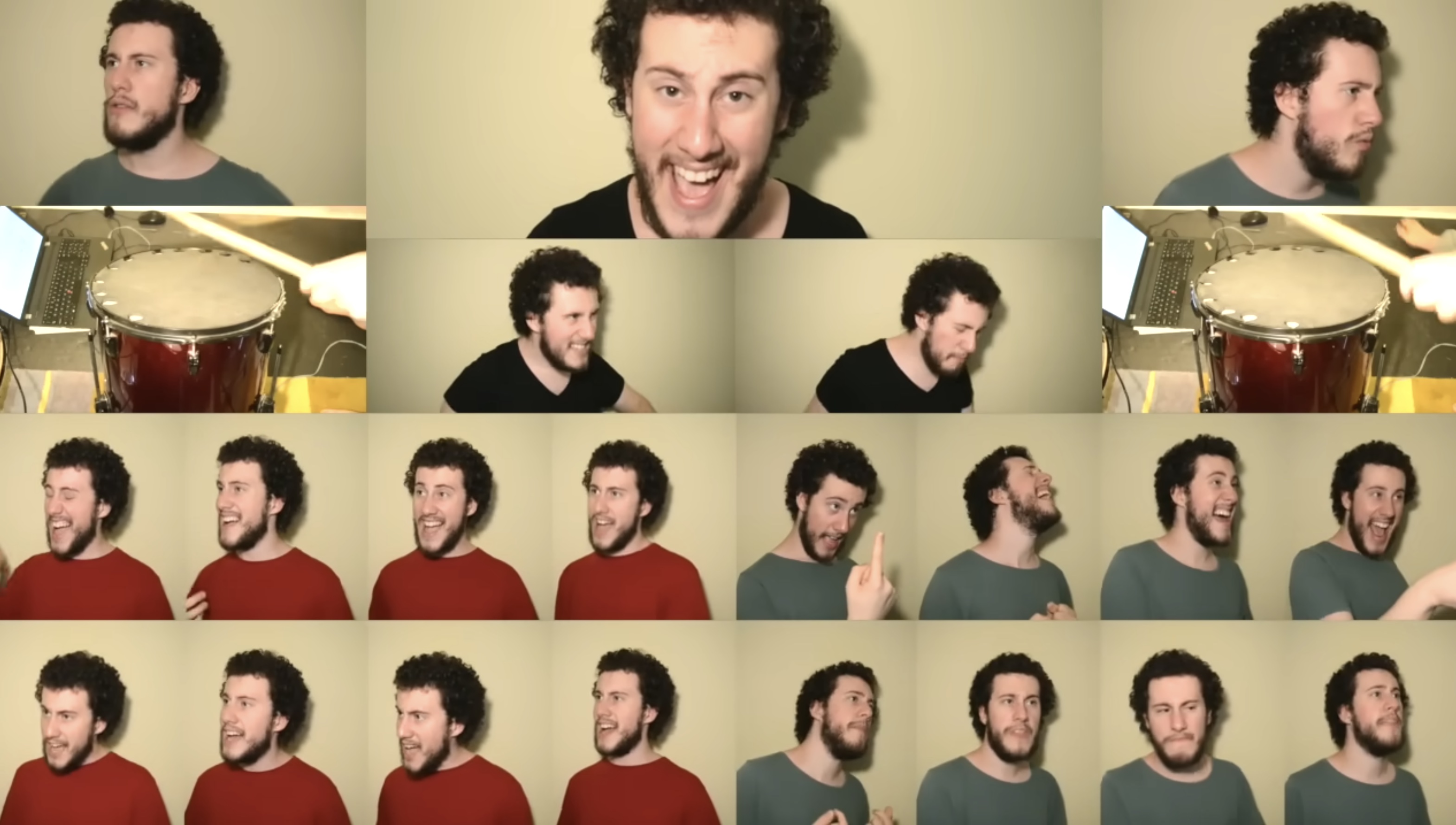
Circle of Life from Disney’s Lion King (2015-18) by Sam Robson, arranger, innovator and performer using multitrack recording of a single performer mixing as many as 50 voices at one time.
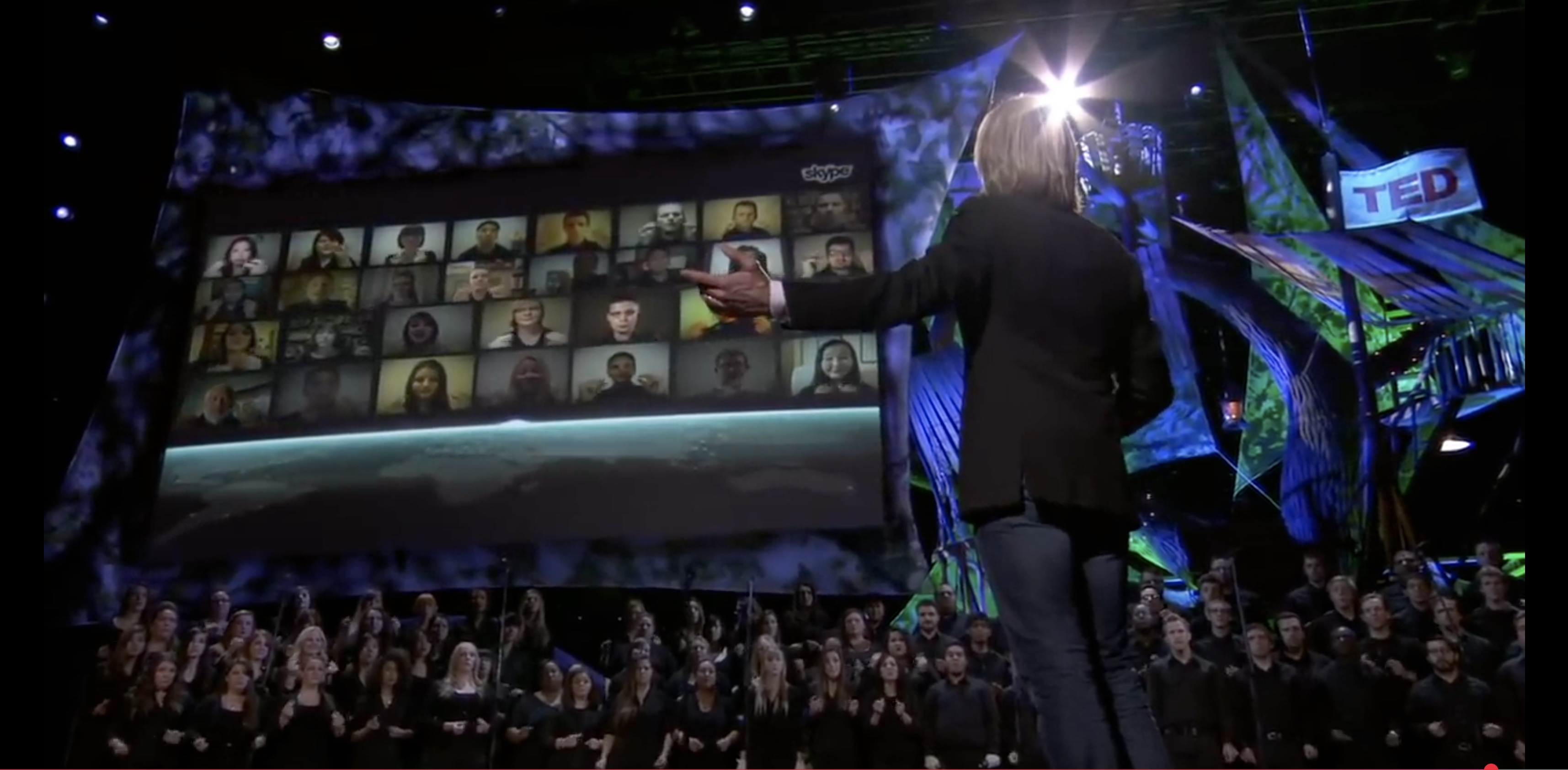
Cloudburst, a Virtual & Live Choir and TEDTALK (2013) by Eric Whitacre
Well… sorry this blog has grown to be so large! If you admit to understanding the potential hazards of and precautions for integrating social media, social networks and other technologies into education, we’ll close with the following bibliography of additional resources for further study. If that is not enough to whet your curiosity, stop back in several months to download a copy of my slide summary for the session I will present at the DCMEA Winter Conference on January 30, 2026.
Be careful — stay safe and professional — but ENJOY!
“There is no joy in possession without sharing.” — Erasmus
“Share your knowledge. It is a way to achieve immortality.” — His Holiness the Dalai Lama
“There is no delight in owning anything unshared.” — Seneca
“The miracle is this: The more we share the more we have.” — Leonard Nimoy
This is a quick blog-post to announce my upcoming professional development initiatives, and an invitation to share your own pet peeves or “thoughts, theories, and teachings.” Of course, I will give you full credit for any contributions, “tips and techniques,” background research, or “quotables” provided!
It has been a challenge motivating any reactions to these articles. Although they would be most welcomed, we typically receive very few online remarks. (If you would like to voice your opinion or add anything to the conversation, PLEASE click on the “comment” button next to the title at the top of the page.)
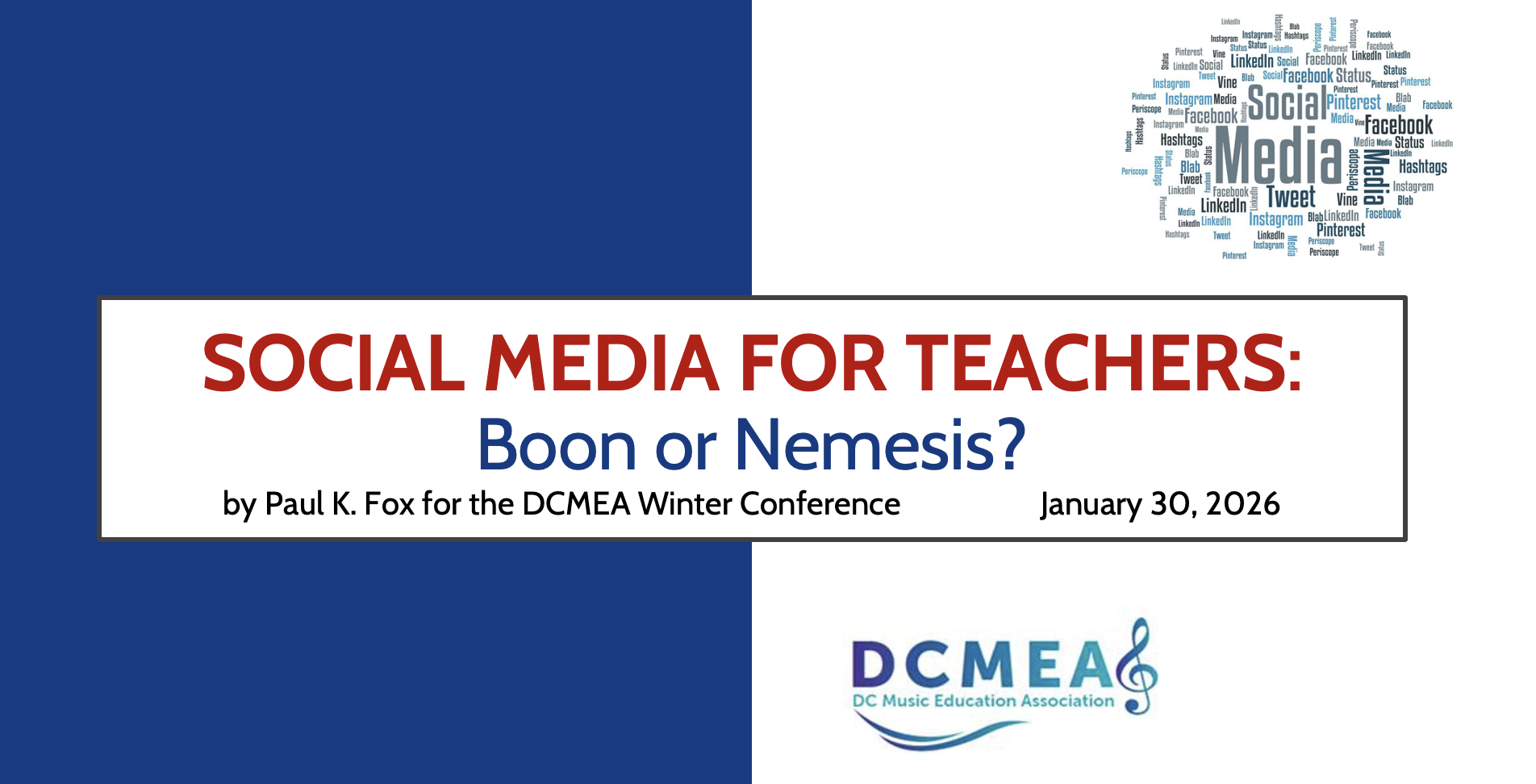
I feel privileged to have been asked to present three sessions at the DCMEA Winter Conference at the Columbia Heights Education Campus (3101 16th St NW, Washington, DC 20010) on January 30, 2026. These are for music educators undergoing pre- and in-service training and include the following:
SOCIAL MEDIA – Boon or Nemesis?
ALL ABOARD THE E3 TRAIN – Essential Ethics for Educators
SELF-CARE COOKBOOK – Reflections, RECIPES, and Resources for Music Teachers
I would especially appreciate learning about any of YOUR “success stories” or resources on…
Favorite examples of “safe and meaningful” social media for teaching music students.
Anecdotes of ethical “conundrums” or issues in the daily decision-making of music educators.
Sample “stress-reducers,” time management tips, and other self-care strategies to avoid music teacher burnout.
In addition, I am in the process of updating my INTERVIEW 101 and EMPOWERING EDUCATOR & STUDENT LEADERSHIP clinics for future blog posts and clinics. Any thoughts?
Finally, I would also love to hear from you if you have any feedback on a proposed future sharing session for the parents of music students called ADVICE TO MUSIC BOOSTERS. If you have ever sponsored a music parents advocacy group for your school music program, what suggestions would you give to your colleagues and booster officers?
Feel free to reach out to me via email here. Thank you for your willingness to help our profession!
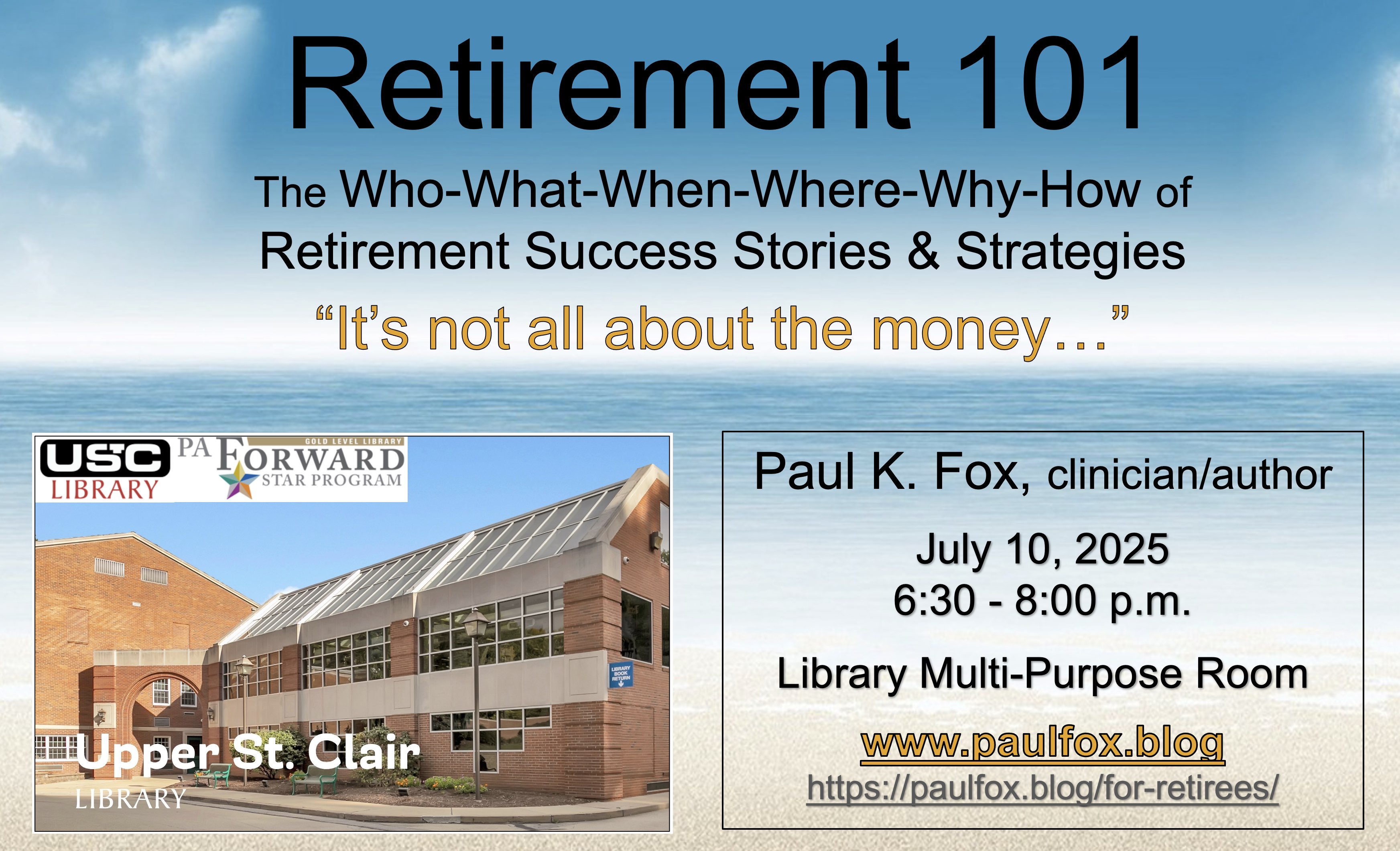
Editor’s Note (things to look forward to): In mid-July, our next blog for this series geared to “the life cycle of a music educator” will be from guest author Ed Carter entitled “Bigger Dreams, Bigger Home: How Retirees Can Upsize for Homesteading and Hosting.” In addition, I plan to share links to materials of the “Retirement 101 – It’s Not All About the Money,” a free workshop I am presenting to residents at the Upper St. Clair Township Library on July 10, 2025.
Education, ethics, professionalism, and lifelong learning.
Hope you are enjoying the winter season and, for many of you, the anticipation of warmer weather returning soon! Sorry, skiers! I am sick of shoveling snow!!
Here’s a quick “catch-up” on things going on in educator professional development.
For PA School Administrators & Educators
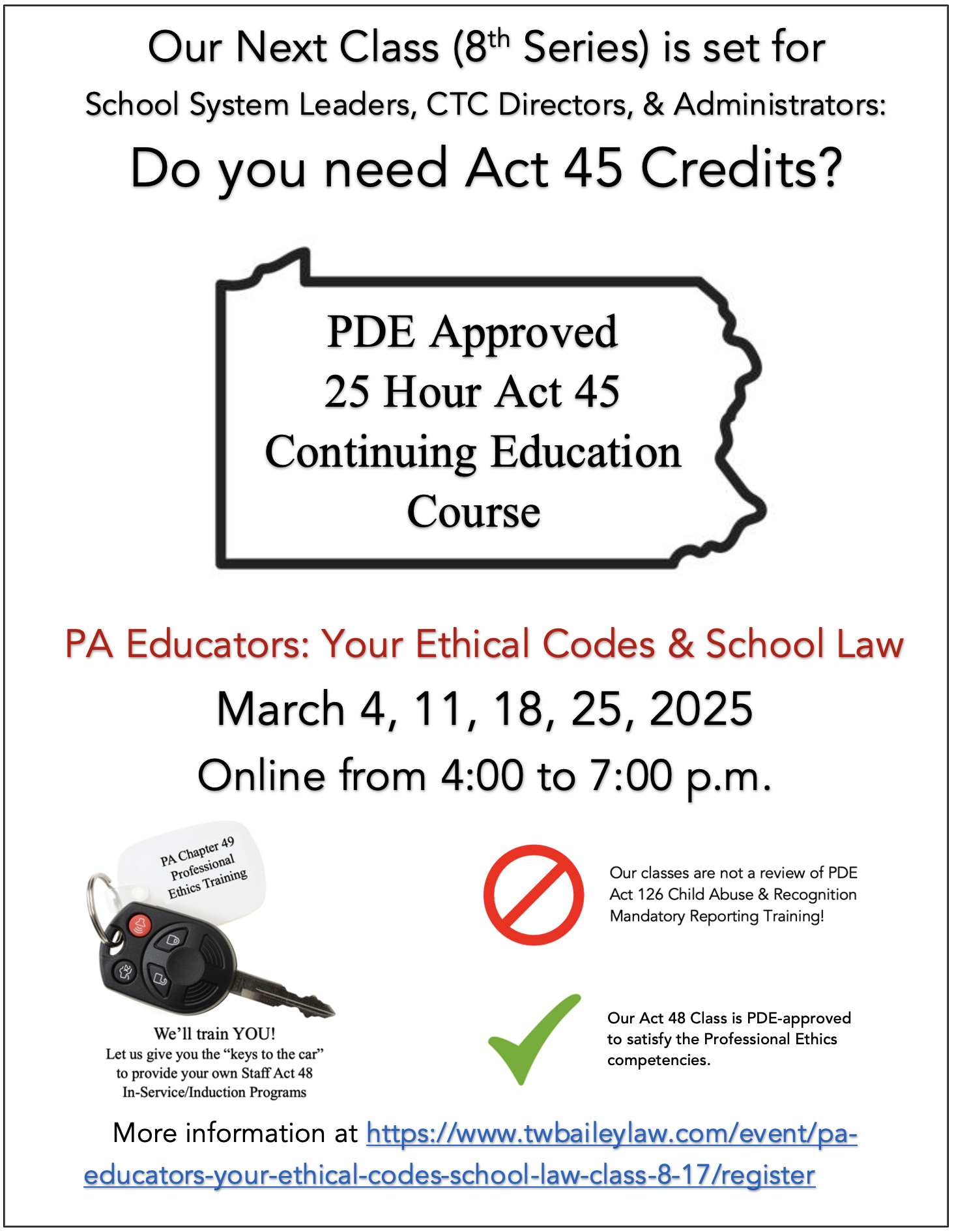
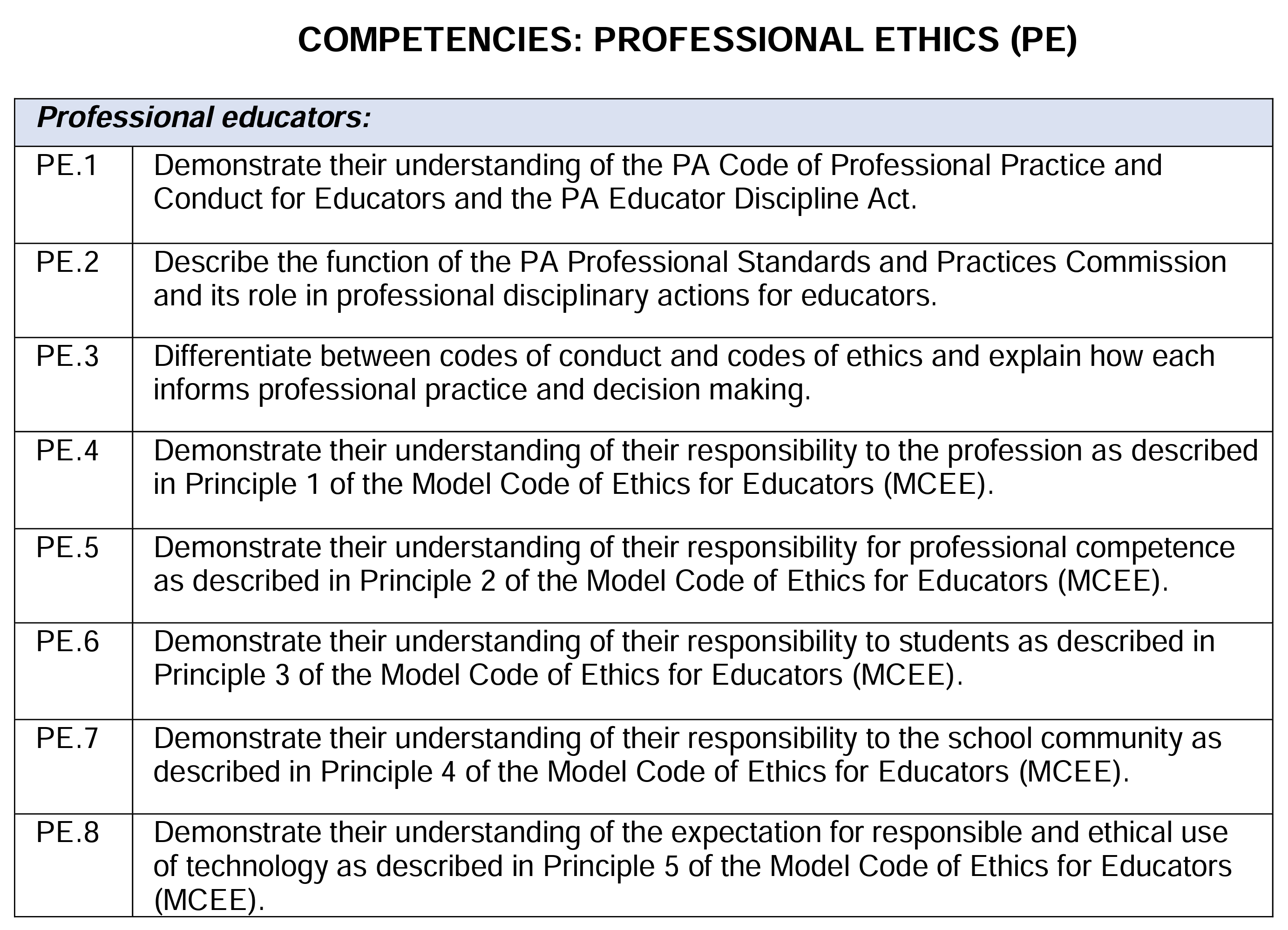
There is still time to register for the upcoming 25-hour, PDE-approved, Act 45 course, “PA Educators: Your Ethical Codes & School Law,” which will cover the recently mandated PA Title 22 Chapter 49 (Certification) Professional Ethics Competencies. The next online series of Act 45 classes will be held Tuesday afternoons in March, and provide “the keys to the car” planning for your own school district’s future continuing education and induction programs in ethics training as required by the PDE.
Now sponsoring our eighth series of classes, I am designated a “qualified instructor” in partnership with the course’s creator/facilitator, retired social studies teacher and attorney Thomas W. Bailey. For more information, please click on these links to his website:
In addition, since over the past year PDE revised their website (and changed most of the content links), I compiled a super-index of “places-to-go” and “things-to-read,” sites of supplemental resources on school ethics here. I recommend visiting this blog if you are interested in our library of links to the Pennsylvania Code of Professional Practice and Conduct, the Model Code of Ethics for Educators, the PA Educators Discipline Act, and research and citations from the PDE, PA Professional Standards and Practices Commission, Connecticut State Department of Education, and Iowa Board of Educational Examiners, among many others.
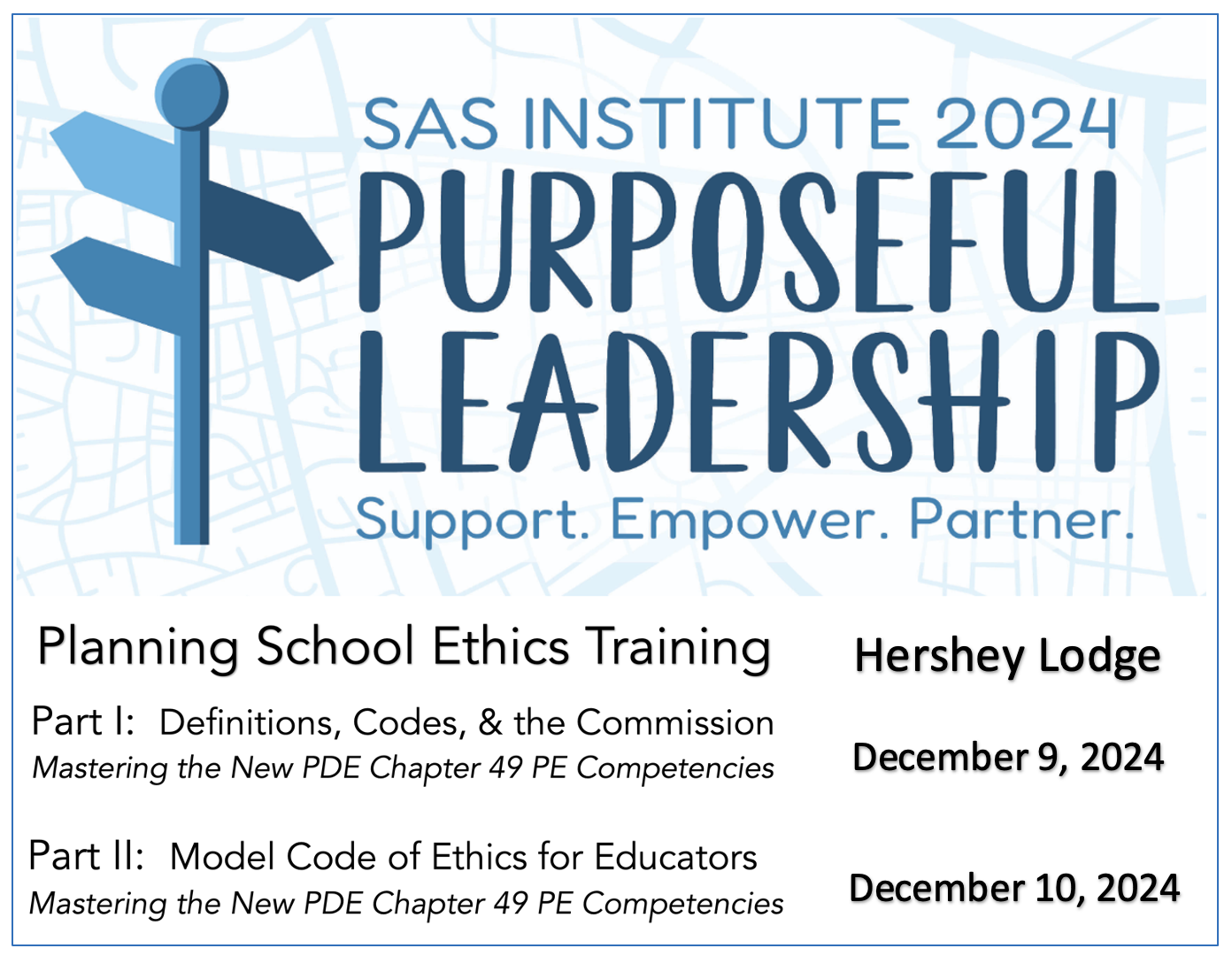
If you would like to see the kind of things we cover in these classes, take a look at the slide summaries I posted from my presentation at the PDE SAS Institute “Purposeful Leadership” state conference last December:
It’s that time of the year… again! The PMEA Annual Conference on April 9-12, 2025 will be held in the family-friendly, perfect-for-a-mini-vacation spot in northeastern PA: the Kalahari Resort in the Poconos.
There is still time to register! (Click here.) If you would like to see a summary of the sessions and performances, go to the PMEA website here or download this PDF brochure.
Why attend the conference? In my five-plus decades in education, I may have missed only two or three of the annual PMEA state events, and heartily recommend you remain actively involved in your professional association. This is what I wrote about it in a recent PMEA Retired Member Network eNEWS:
For some of us, it’s a just chance to catch-up with our colleagues, see our friends, and socialize. Others are more focused and take advantage of the near-perfect opportunity to network with other professionals, perhaps seeking new working relationships, partnerships, or even employment. Many are on a look-out for newly published music, that perfect music lesson or teaching strategy, technology tools, fundraisers, advance educational venues, or much-needed equipment to purchase for our ensembles or classrooms. Most come to hear/see the “state of the art” in music education – concerts, demonstrations, keynote speeches, panel discussions, exhibits, research presentations, and workshops. PMEA’s PD Council would likely submit that the primary purpose of a conference is for professional self-improvement… What did Stephen Covey call it? His Habit #7 of “sharpening the saw” – to build a balanced program of self-renewal in the four areas of your life: physical, social/emotional, mental, and spiritual. Covey would insist we embrace “the process that empowers us to move on an upward spiral of growth and change, of continuous improvement.” So, in short, conferences help us “grow” – to revive, re-inspire, re-energize, rejuvenate, re-direct, and re-motivate all of us – pre-service, active in-service, and retired teachers towards making successful new connections, updating our knowledge and skills, and forming new goals. This is how we “keep up” with all the new standards, benchmarks, and cutting-edge advances, and meet the “movers-and-shakers,” visionaries, and leaders in the profession!
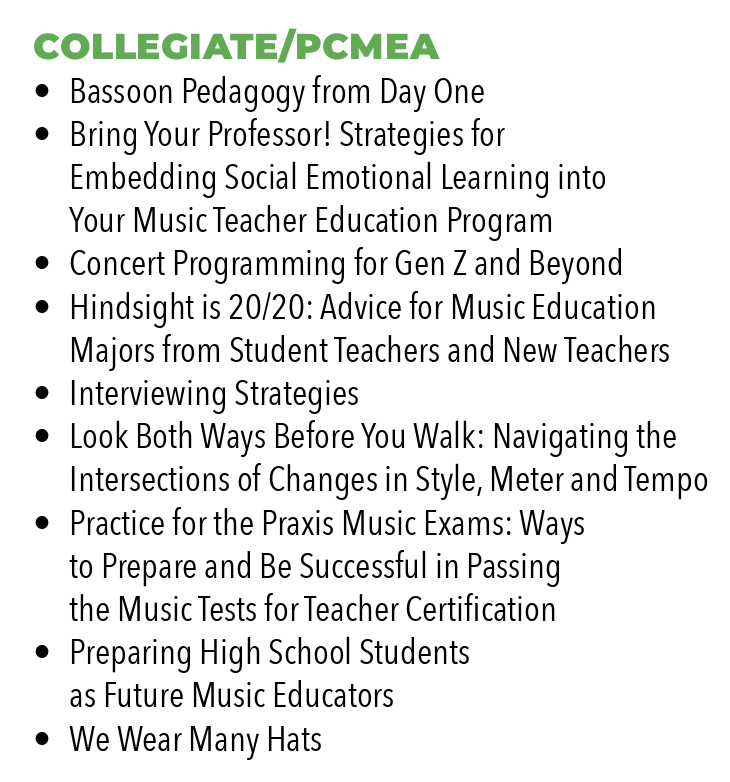
There’s a lot in store for college music education majors. Besides the aforementioned state meetings, concerts, clinics, and keynote addresses no one should miss, the music industry exhibits (new innovations in sheet music, instruments, technology, summer school and graduate programs, etc.), and the chance to introduce yourself to other music colleagues (aren’t some of you looking for a job soon?), there will be a “coffee and connections” informal lounge to ASK-AN-EXPERT on Thursday afternoon to pick-the-brains of PMEA mentors and retirees on any subject. Do you have a question about conducting technique, musical literature, lesson plan idea, classroom or time management tip, or teaching method? And, just take look these sessions the PMEA Professional Development Council has targeted specifically for YOU:
For Retirees… They are special, too!
PMEA Retired Members, consider this your personal invitation to join us at the Kalahari Resort in the Poconos for the chance to catch-up, connect, collaborate and communicate with other colleagues throughout the Commonwealth! (a plethora of “C’s!”)
As usual, we will “break bread” together Friday morning (April 11, 2025) with the annual retiree breakfast. Be sure to register soon for the PMEA Annual Conference (now only $25) and check the “yes” box that you will attend our meeting. Those in attendance will be treated to some “conference swag!”
Retirees are a valuable resource to PMEA! Our experienced retired members are among the best-trained (unofficial) mentors in PMEA. Facing many years of “boots on the ground,” we have at our fingertips numerous strategies to solve problems in education. Frankly, in my opinion, we have a lot to offer “the future of the profession!”
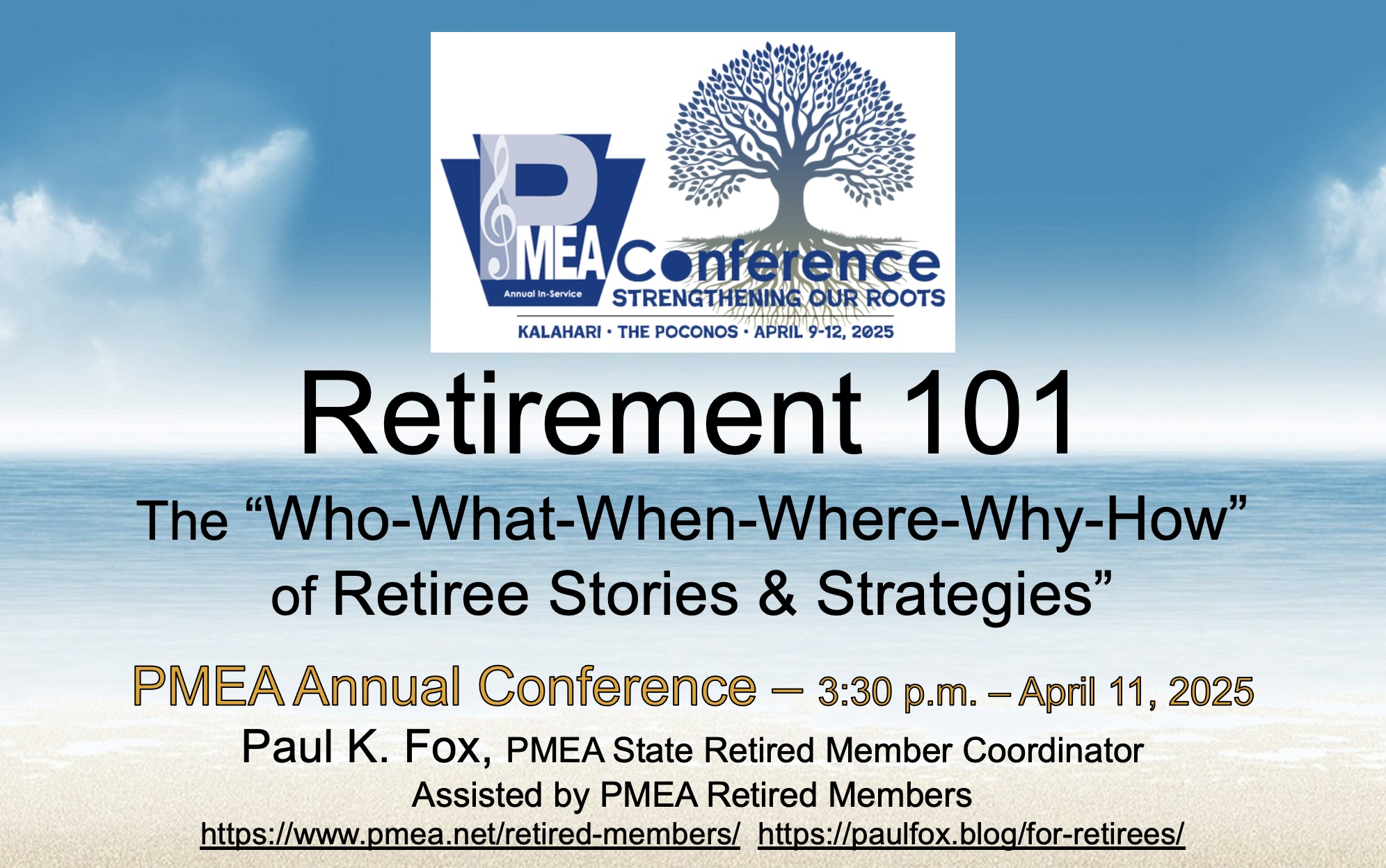
On Friday, April 11, at 3:30 p.m., we are offering a special sharing session for soon-to-retire teachers… the annual one-hour Retirement 101 workshop joined by a panel of experienced retirees: Rick Coulter, Jeffrey Dent, Sister Kathleen Doutt, Dan Klingbeil, Chuck Neidhardt, and Louise & Richard Victor. Active educators who plan to retire over the 1-5 years can learn valuable techniques from us for a smooth transition to post-full-time employment and successfully reinvent, reprogram, and “recharge” themselves to modifying those essential elements of purpose, structure, and community throughout their “golden years!”
My Professional Advertisement
You may have noticed in my last blog-post an outline of past article topics archived at this site, and a complaint that I feel I must repeat myself (or repackage the material) to meet the changing personalized “bookends” – life cycles – specific passages of my readers. The earlier February post was mostly for job seekers. If you were not looking for employment or coming fresh out of college, it may have seemed irrelevant. The same goes for specialty articles on self-care, ethics training, or retirement transitioning… WHEN WOULD YOU BE MOTIVATED TO STUDY THESE?
I have decided to maintain a comprehensive index of my writings (see “Inside” link in the top menu bar). Please visit the sections of this blog-site that matter to you most… and, when things change, come back and look again. You may find something that “hits the spot” or satisfies the needs of your new journey in education or personal/professional life.
I remain willing and able (aka “very interested”) in doing in-person or online sessions for college methods classes, PCMEA chapter meetings, PMEA festival directors’ meetings, PMEA District or Regional PD workshops, or school district/department inservices. Just give me a call. My contact information can be found in the top “About” link. Please visit this section for catalogs of my presentations and articles. FYI, I created this trifold of some of my past work.
Best wishes on your future successes in career development and professional goal setting.
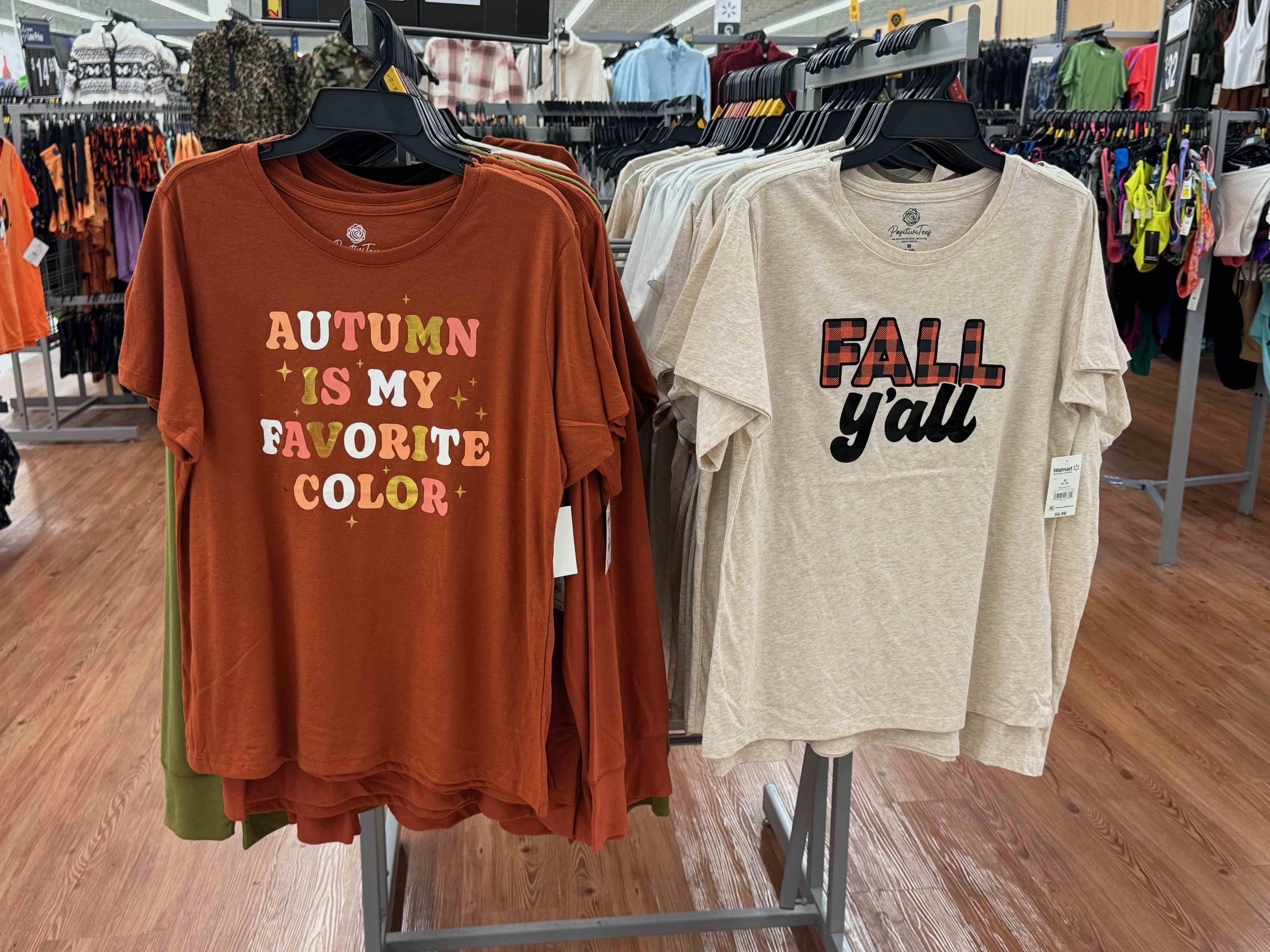
As summer draws to a close and schools begin to reopen, we look forward to the coming autumn season (and hopefully some relief from the scorching weather). After all, tomorrow will be the first day of classes at my former place of employment (and the dress rehearsal for Friday’s marching band senior show). Soon we’ll enjoy one of my favorite transitions of the year! In Western Pennsylvania, deciduous trees will gradually change color (some bright red, orange and yellow) and then shed their leaves… the perfect metaphor for the final sections of my “Bookends” series.
(Yes, fall is a month away… but, as you can see, the stores are way ahead in anticipation of the changing seasons!)
Autumn is a season of harvest, a time to reap the rewards of our hard work and reflect on the blessings in our lives. The Fall Equinox is a reminder for us to assess our accomplishments instead of our shortcomings.
We return to a discussion first introduced last October in Bookends – Part One – The Life Cycle of a Successful and Happy Music Educator, exploring:
Stage 4: Veteran/Sustaining Years (this blog)
Stage 5: Next Chapter/Living the Dream (future blog)
When do we become “experts” in our field? When are we “master teachers?” Do we ever reach the apex of our achievements, the crowning glory of our career, or the pinnacle of our profession?
Never! You snooze, you lose. If you stop expanding on your knowledge and skills, forgo exploring new ideas, methods, and media, or become stagnant and settling into a rut at work, you might as well RETIRE (“Stage 5”). Instead, I direct you to revisit “Stage 3” in Bookends II here. As dedicated educators, the focus must be on constant retooling… reviewing/revising “best practices,” setting new goals, and building on the existing networks and engagement in the profession. These have always been the essential elements of a true professional.
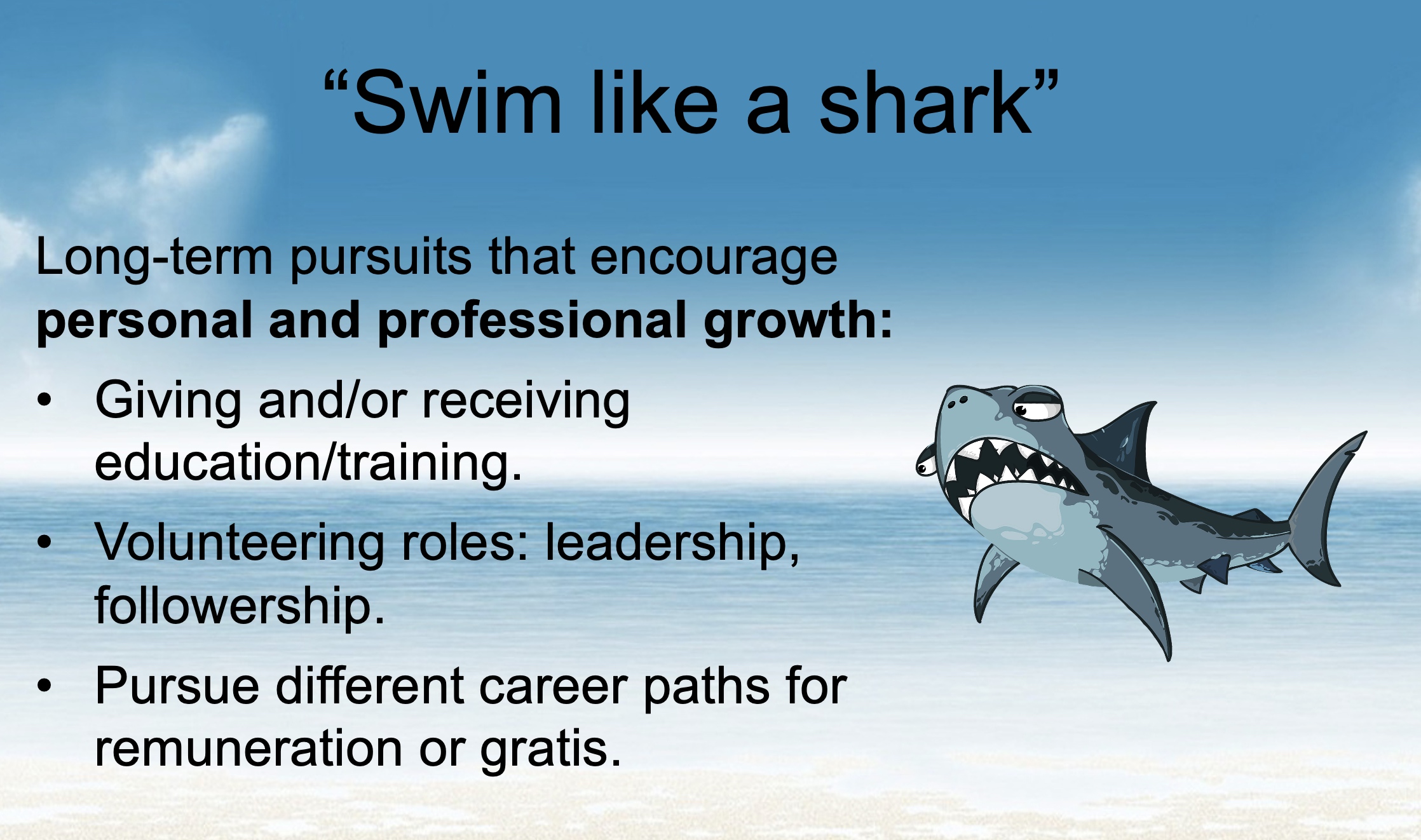
Now I should mention that during our middle-years, we sometimes return to education, get advanced degrees, new certifications or teaching specialties, apply for new job assignments, etc. When my PMEA colleague and fellow music teacher retiree John D’Ascenzo left full-time teaching, he went on to pursue a doctorate degree. Also appropriate for our next Bookends section, I have often quoted his analogy for all career stages to “swim like a shark” (since a shark never stops moving, even when it is sleeping). Sage advice for us all!
During my whirlwind of more than five decades in the field of music education, I went through several “first-year-of-teaching” passages, such as accepting my first job in general music at Edgewood School District (1978-1980), then being hired to direct strings (grades 6-12) at Upper St. Clair School District in 1979 followed by a 16-year appointment to the USCHS choral program of over 200 singers in 1980 on… transitions requiring massive job retraining and revitalized professional development. I may have not appreciated the stress of these “hurry up and relearn” periods at the time, but these periodic challenges made me GROW. In the end, I “lived” and embraced Robert Frost’s poem, “The Road Not Taken.” It may have not been the initial pathway I imagined for myself when I started in music education, but “I took the one less traveled by, And that has made all the difference.”
To this day, this violist and orchestra director has NO REGRETS teaching so many years outside of his so-called “specialty” or emphasis! It comes back to me every time I run into former choral or musical students, those I taught in those early years of being a vocal novice (at times when I felt less prepared). My past instrumentalists/singers/actors reminisce a little and literally rave about their musical experiences and what they meant to them.
My emphasis to foster success in our “veteran years” is also on teacher self-care: health and wellness, burnout prevention or remediation, stress and time management, and personal life and work balance.
Let’s start with examining the probable causes of STRESS in TEACHERS:
Overwhelming workload, long hours, and/or challenging classroom situations
Lack of administrative or social supports
Feeling a lack of respect, loss of job autonomy, or not being valued or appreciated in the organization or assignment
Dysfunctional or hostile work environment
Inconsistent hydration and consumption of a balanced diet and healthy quantities (length, depth, and frequency) of rest and sleep
Irregular amounts of daily aerobic physical exercise
Misuse of the voice at work and inadequate hearing conservation and protection from over-exposure to sound
Deficient scheduling of opportunities for mindfulness, meditation, and/or reflection
Deprivation of personal outlets for creative self-expression (not related to job) and the lack of time to explore hobbies, interests, and socialization with family and friends
Infrequent use of sick days or vacations even when they are needed for restorative health
We all have experienced at least a few of these “bumps along the road” (but hopefully NOT most of them). Although I generally had very supportive administrators throughout my years in the public schools (and no one would claim I exhibited any symptoms of “burnout”), I did model a few of the inconsistent habits of personal health (diet, sleep, etc.) and an unbalanced work/personal life schedule. And, perhaps it could be said that I did some of my best work totally exhausted!
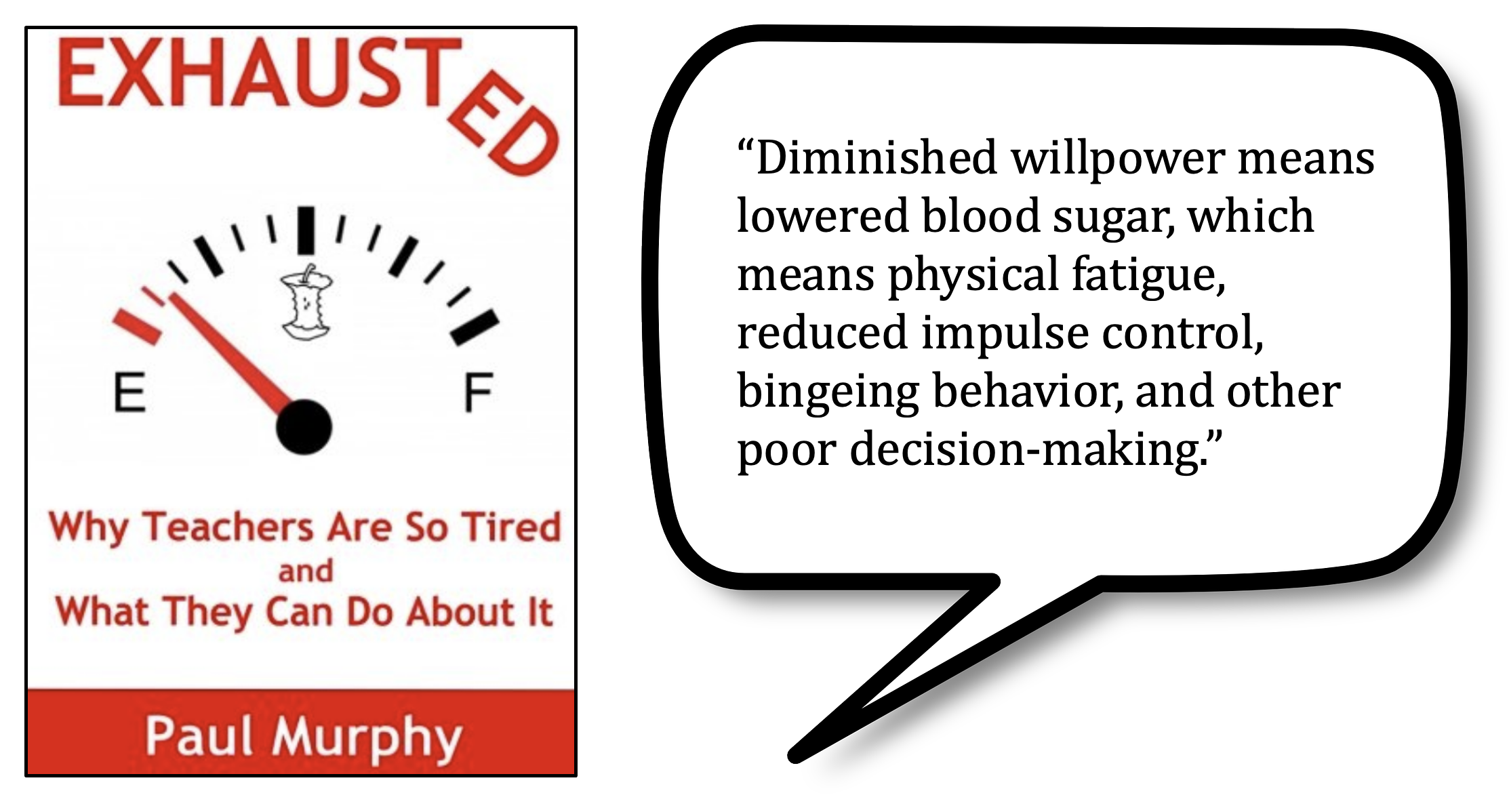
Besides being aware of your “body chemistry” (especially what the challenges of constant willpower, deferred gratification, and relentless scheduling can do to lower your blood glucose levels later in the day), to quote Murphy, some of his suggestions for remediation are NOT so easy to follow:
Work less/fewer hours
Time before school is worth more than twice as much as time after school
Use class time to check work
Leverage technology
Don’t grade everything
Stop assigning things
Sorry! My wife and I modeled the behavior of “more-than-full-time” music teachers with after-school rehearsals of marching bands, musicals, community orchestras, chamber ensembles, private lessons, music festival preparation, etc. How in the world do you work fewer hours? Also, since most music teachers do not assign “paper” homework requiring teacher correction, “checking for understanding” and in-class formative assessment could improve efficiency. Sometimes we are own worst enemies… We should “keep it simple” and focus on the priorities. That brings us to time management.
My favorite strategies for organizing our time and fostering a better work/life balance involve these resources (click on links below to past blogs at this site). PLEASE STUDY THESE!
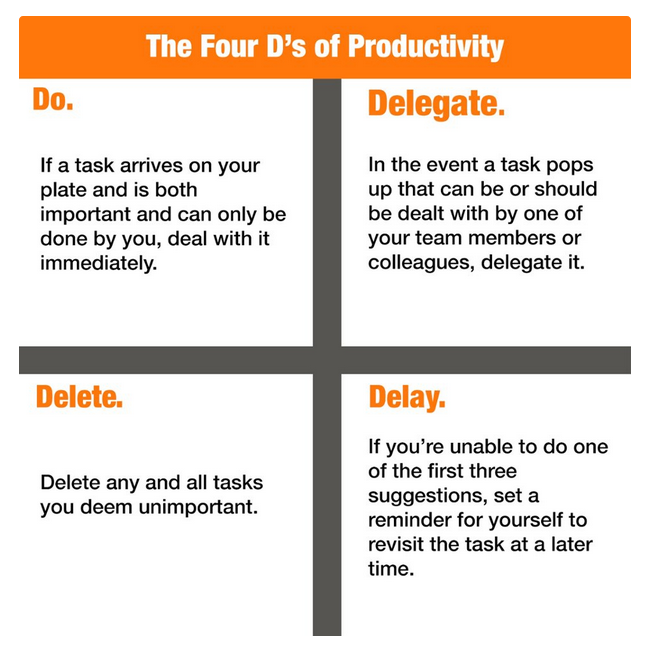
I return to the “Four D’s” concepts several times in past writings, and the “system” can be applied digitally as well… as long as you make a concerted effort to take the necessary time (10-20 minutes) every day to manage the up-front decision-making to “do immediately,” file, or weed out most of the “voluminous noise” (distractions) you get in email, texts, voicemail, snail-mail, etc. Get ready to push the “delete” button… over and over again!
Also, if you are a member of NAfME (National Association for Music Education), search their vast library of related blogs here, several articles to which I was fortunate to have contributed.
Final thoughts for the “sustaining years” of your profession and to avoid any touches of BURNOUT is to develop a self-care plan. My first go-to for building meaningful wellness habits comes from “What Self-Care Is and What it Isn’t.” In past health and wellness workshops, I echo these “basics.”
Promote a nutritious, healthy diet, and hydrate often.
Get enough sleep.
Exercise.
Follow-up with medical care.
Use relaxation exercises and/or practice meditation.
Spend enough time with loved ones.
Do at least one relaxing activity every day, whether it’s taking a walk or spending 30 minutes unwinding.
Do at least one pleasurable activity every day, from going to the cinema, cooking, or meeting with friends.
Find opportunities to laugh.
Self-care can take many forms, such as physical, spiritual, and emotional self-care. It’s an important factor in maintaining health and well-being.
Self-care might range from a hot soak and yoga to everyday activities like preparing meals you want to eat or dressing in your choice of style.
Self-care is not an indulgence. The WHO recognizes it as a crucial aspect of health maintenance.
Tailoring self-care for your budget, season in life, and personal needs for whole body wellness, inside and out, can be energizing and exciting in itself.
Veteran full-time educators: To sustain and nurture success in the middle to twilight years of your career (Stage 4), seek to understand and practice personal wellness and work/life balance while continuing your pursuits in self-motivation, self-assessment, self-energizing, self-(re)invention, and “growing” personally and professionally, and if it becomes necessary, promote the diagnosis, prevention and self-remediation of debilitating stress and burnout.
The Life Cycle of a Successful & Happy Music Educator
“There are no secrets to success. It is the result of preparation, hard work, and learning from failure.”
Colin Powell
I feel blessed to have spent five decades in the field of music education. No other career has offered so much personal satisfaction, discoveries and growth of hidden potentials and skills I never knew I had, sharing my love of creative self-expression, and facilitating others to seek their own connections to music. I am trying to follow my own “retirement” advice, remaining active in the profession in ways that matter, helping others find their own success, and embracing author Ernie Zelinski’s mantra to “find purpose, structure, and community” throughout my years as a retiree.
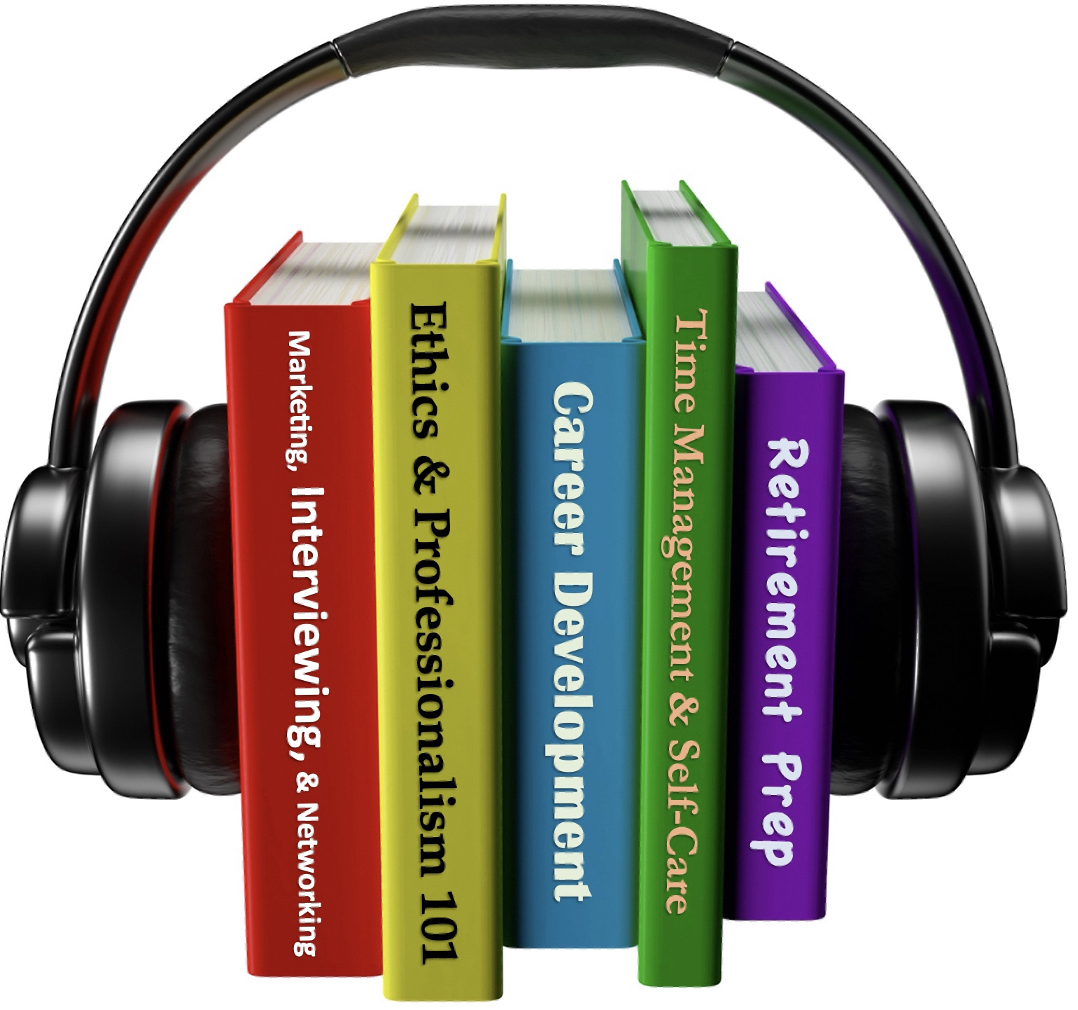
Parallel to the mission of the Pennsylvania Music Educators Association Council for Teacher Training, Recruitment, and Retention, serving “the life cycle of a music educator,” this blog site is my “gift” to future and current music educators and those contemplating retirement. Recently, I presented a workshop on this topic for student teachers in music education at Seton Hill University (Westmoreland County, Greensburg, PA), summarizing a framework for “professional development for life” in order to foster these goals and nurture meaningful successes of pre-service music educators. No “road map” (or to retain the analogy in my title, “library” of resources) is applicable to everyone nor will the journeys/readings be the same… but since my collections of past blogs over ten years are now vast, I offer this simplified checklist for any “newbie” interested to seek their own pathway. Happy travels!
However, here’s a shamelessly offered advertisement. It would make more sense to see this “in-person” or online with my moderation. I would be happy to present this session (giving me at least an hour to allow for more interactive discussion) to collegiate members, a music education methods class, a regional workshop, or festival meeting via Zoom or in-person (in PA). If interested or to inquire, please send me an email here.
Now… the checklists. Depending on your current status and interests, peruse the following resources. It is possible a few of the links contained within these blogs have gone inactive, but I believe enough is there for you to gain the insight, tools and motivation to achieve “professional development for life.”
Stage 1 – Preservice/Training Years
The focus during our early years in any profession is learning the “shtick” and getting ready for the job search and interviewing. Probably before anything, we revisit our inspiration and what Simon Sinek directs us to “the why” of any organization… in this case, “the why” of becoming a music educator – our philosophy, mission, vision, and understanding of the purpose/role of music education n the schools.
[ ] 1. The Meaning of Pro:Are you a professional? Do you have the skills, habits, and attitudes of a professional in the field of education?
[ ] 2. Marketing Yourself and Your Pre-K to 12 Music Certification: What is your professional “brand?” Do you plan to “sell” yourself as a specialist, e.g., “band director” or “elementary general music teacher, etc.? To those potential job candidate screeners, promote the image of being proficient – “a total music educator” – and don’t emphasize your major/emphasis or perceived skill or experience limitations. The only thing that really matters is whether you are the “right fit” for a particular opening, and of course, deciding whether or not to accept the offer. Your license (certification) implies that you do indeed have the necessary training to teach all K-12 music classes. Don’t sell yourself short!
[ ] 3. Criteria for Selection of the “Ideal” Teacher Candidate: The best way to prepare for a job interview is to become aware of how you will be judged in comparison with your peers. What are the standards (or behaviors or criteria) of outstanding teachers? For what are administrators looking to fill the vacancies and build/maintain a quality staff?
[ ] 4. “S” is for Successful Storytelling: The number one method to land a job is “SHOW, don’t TELL!” Stories are up to 22 times more effective than facts alone. Identify the key impressions you want to convey. Pick interview stories that will “sell” the right message. Learn how to share unique personal examples of your interactions with children, colleagues, and music programs. These additional resources can be shared about “strategic storytelling” and how to prepare (a.k. practice) telling your anecdotes:
[ ] 5. The Ultimate Interview Primer for Pre-Service Music Teachers: This super-packet has a collection of more tips on marketing yourself and mastering the “science” of finding a job, interview strategies and sample questions, evaluative rubrics, follow-ups, “bad habits” to avoid, etc. Take the time to download and explore these excellent tools!
Homework for Stage 1 – Developing a Marketing Plan
Standards: Define your personal mission, goals, and philosophy for teaching music, modeling the highest ideals of professionalism, and becoming the “total music educator.”
Marketing: Design and distribute a “state-of-the-art” résumé, e-portfolio, website, and business card.
Skills: Compile a list of anecdotes and true stories of you overcoming challenges, solving problems, and demonstrating “best practices” of professionalism and self-improvement.
Assessment: Practice, record, and evaluate yourself answering job interview questions.
Stage 2 – Rookie/Practicing Years
[ ] 6. Ethics for Music Educators – Part I, Part II, and Part III: You may think that the primary focus for our early years as a novice teacher would be the reinforcement of what we learned about education – curriculum, content, methods, classroom management, and assessment, but something else trumps all! Before we ever step foot in a classroom, rehearsal room, or stage, it is essential we first review those ethical standards in education, terminology, philosophy, and “the codes” that bind us. We should be able to show in depth understanding of these concepts:
Fiduciary
Moral Standard
Ethical Standard
Ethical Equilibrium
Moral Professionalism
Differences Between a Code of Conduct and a Code of Ethics
Student-Teacher Boundaries and the Slippery Slope of Ambiguous Relationships
Function/Relevance of “The Codes” to Daily Teacher Decision-Making
For nearly every presentation I do on “ethics for pre-service music educators,” I hold up a fifty dollar bill and ask, “Who wants this? Can you name the exact title of your state’s code of conduct for educators and the government agency that enforces it?” So far, no one has made me $50 poorer. Indeed, few active teachers “in the trenches” have read their “codes,” and frankly, that is surprising. Violation of any major provision in our code of conduct will result in a serious reprimand, being fired, losing one’s certificate to teach anywhere, and/or criminal/civil prosecutions. Wouldn’t you think all of us would be intimately familiar with the “rules” of our professional?
For my Pennsylvania colleagues, please download and READ these:
[ ] 7. Ethical Scenarios (and More): The study of morality in professional decision-making is essential to pre- and in-service training of music teachers. Our goal should be to reinforce recommendations for the avoidance of inappropriate behavior (or even the appearance of impropriety), and defining and modeling the “best practices” of a serving as a “fiduciary” by promoting trust, fostering a safe environment for learning, acting in the best interests of our students, and upholding the overall integrity of the profession.
What possible issues/concerns might this scenario raise?
How could this situation become a violation of the law, the “Code” or other school/district policies?
In this situation, what are some potential negative consequences for the teacher, students, parents, and/or school staff?
How would this episode affect a teacher’s efficacy in his/her classroom, demean the employing school entity, or damage her position as a moral exemplar in the community?
Please visit link #7 (above) for sources of ethical scenarios to study, including my “conundrum series.”
Homework for Stage 2 – Are you an Ethical Educator?
Self-assess your own habits of professionalism, and identify goals for at least two “personal improvement projects.”
Read “cover-to-cover” any documents relating to your own state’s code of conduct and the NASDTEC Model Code of Ethics for Educators.
Discuss the ramifications of “choices” and teacher decision-making in context by reading a few of the fictitious scenarios highlighting ethical precautions, disputes, and “conundrums.”
“Doing My Thing…” — Professional Development Conferences for Music Educators
It’s been awhile since I posted here… arguably the longest editorial break I have taken since retirement and starting this blog-site. What’s that line retirees often say? “It’s a good thing I am retired from my job; otherwise I would not have enough time to do everything!”
This has been an extremely busy couple months of renovating three bathrooms, promoting the 30th Anniversary Gala Celebration of the Community Foundation of Upper St. Clair featuring a CASINO NIGHT & the local band NO BAD JUJU (to which I can’t even go because it is on the same day as PMEA), staffing a transition of new editors and an office manager for the UPPER ST. CLAIR TODAY community magazine, “keeping my hand in” by conducting a small nonprofit community ensemble (now in our 40th season of the South Hills Junior Orchestra), volunteering at the hospital (see my Tales from a Wheelchair Jockey article), developing new PDE Act 45 and 48 programs on ethics (school system leaders and educators respectively), and… (deep breath): preparing four PowerPoint presentations for two music conferences in April. Yes, and loving every minute of this frenzied activity!
Pennsylvania and Eastern Division music education colleagues: Hopefully by now, you have registered for the coming conferences on the horizon:
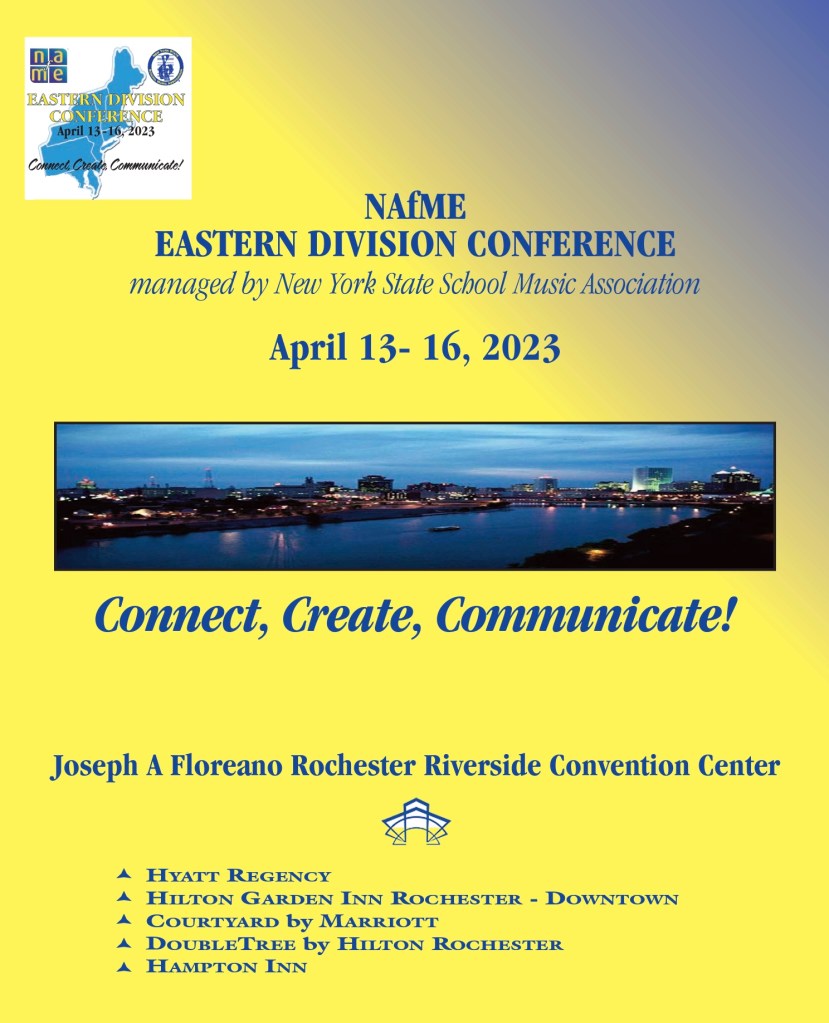
NAfME Eastern Division Conference, April 13-16, 2023, Rochester, NY
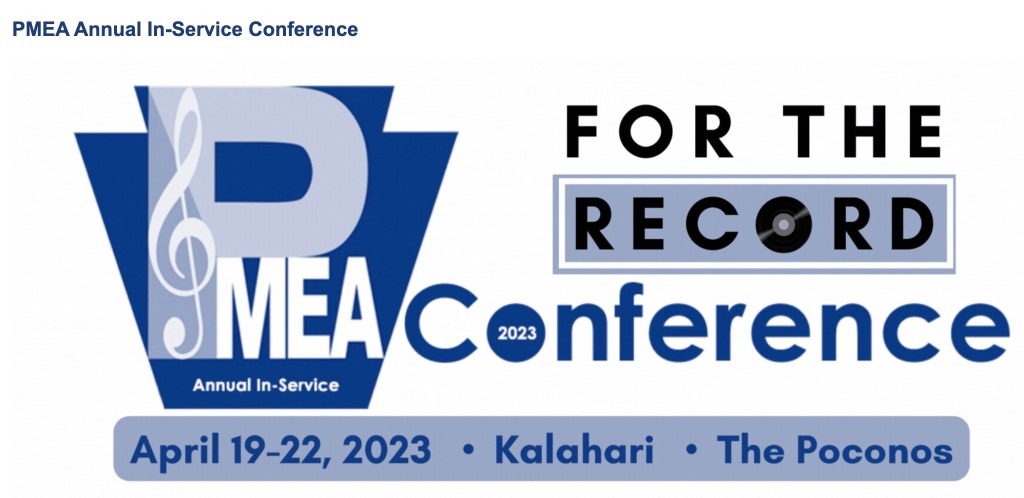
PMEA Annual Conference, April 19-22, 2023, in the Poconos
Now to quote the inspiration of Simon Sinek — his theory of value proposition to ‘start with why’ — how leaders can inspire cooperation, trust, and change based on research into how the most successful organizations think, act, and communicate if they start with why. Check out his rationale with The Golden Circle:
The “why” of attending your professional development conferences, “sharpening your saw” (self-renewal by Stephen Covey) aka “recharging your batteries,” learning what’s new and innovative on the forefront of “the state of the art,” and networking with colleagues, and has been addressed often in past blogs:
Simply put — to maintain your mastery of music and methods and build on your “best practices” and professionalism, you MUST attend as many educational conferences and workshops as possible!
Now to my “bags of tricks” for April 2023
Mark your calendars:
April 15, 2023 at 10:45 a.m. in Hyatt Susan B. Anthony (NAfME) – OR – April 21, 2023 at 11:30 p.m. in Kalahari Suite 40/50 (PMEA)
I was blessed to have been asked to present THE INTERVIEW CLINIC — Practicing & Playacting to Improve Your Performance at Employment Screenings at both the NAfME and PMEA conferences. This will be FUN! Perfect for college music education majors, soon-to-be or recent graduates, new transfers to the profession, teachers seeking to change positions while openings seem to be “heating up,” or first-timers looking for employment, the session targets will provide interactive exercises to build self-confidence and develop better insights, practices, and strategies to successfully land a job. “The key is in the preparation” of:
Standards—Defining/modeling professionalism, versatility, and ethics
Marketing—Branding, networking, and selling yourself
Skills—Interviewing, storytelling, and organizing
Assessment—Observing, reviewing, diagnosing, and improving
Interactive exercises, you say? Yes! Get ready to meet new people and perhaps dive into a few activities slightly outside your “comfort zone!” (We promise NOT to embarrass anyone!) We will break up into small groups or “duet partners,” and explore defining our professional “essence,” telling anecdotes about our strengths and past problems we have “crushed,” and focusing on learning “the golden gift of gab” — storytelling.
As always, articles, resources, and slide summaries will be posted under the “Training/Jobs” menu tab (above).
Mark your calendars:
April 20, 2023 at 3:00 p.m. in Kalahari Suite 30 (PMEA)
How many of you feel at times a little overwhelmed, exhausted,stressed out,disorganized, demoralized, or disenfranchised?
Are you at the end of your rope and wondering how you’re going to “keep it all together” over the next week, month, year?
Is your health is interfering with your ability to do your job and find success, balance, and meaning in your personal life and relationships? Then… it is time for a change.
We are still dealing with the effects of the pandemic which has brought on a “gap year” to most of our music programs, the stress of “working harder not smarter,” more teacher burnouts, and the resulting bail outs, staff shortages, and/or job cuts. We need to embrace NEW strategies for personal self-care and SEL (social and emotional learning). Do you still enjoy teaching? How have you coped with all of the changes? How will you achieve a better work/life balance and skills in time/priority management and personal health and wellness?
The prescriptions and RECIPES towards stress reduction and developing a self-care plan are here! Doug Sands, a consulting hypnotist and founder of AnywhereHypnosis.com, joins me to “throw in everything and the kitchen sink” to alleviate these problems, with NO cookie-cutter, “one-size-fits-all” solutions from the chefs:
What has COVID done to all of us?
Instant personal online stress assessment
Taking an inventory of the ingredients towards a healthier lifestyle
Definitions, symptoms, and remediations for teacher stress and burnout
Why teachers are so exhausted and what to do about it
Time management tips
Breathe like a Navy SEAL
Coping and learning “acceptance”
How to “coach overwhelm!”
The role of meals, movement, music, and mindfulness (thank you, Lesley Moffat!)
From MEJ: A suggested self-care plan and “cognitive distortions” to avoid
Focusing on ONE self-care strategy from a “sea of solutions”
We’re in this together… so we need to join forces and SHARE the secret recipes for a happier life! Add your own “baking tips,” and I promise, you’ll leave with a better understanding of how we all can celebrate the coming year or decades in music education!
By the way, my “mindfulness partner” for this workshop, Doug Sands, promises us he will not hypnotize any of us during this session (although he could!).
For more about his work, including “15 Rapid Tools (and Counting) to Wipe Out Anxiety, Stress, and Panic,” please go to his website here.
You are invited to stop in to see him at his PMEA booth in the Kalahari exhibit hall.
POST-CONFERENCE NOTE: Doug sent us his Anti-Panic Toolkit entitled, 15 Rapid Tools (and Counting) to Wipe out Anxiety, Stress, and Panic – Wherever They Strike! Click here.
If you would like a sneak preview of the revised handout for the Self-Care workshop, go to the Care menu section at the top menu bar.
Taking a peek at our recent past…
Workshop for Orchestra & String Teachers
In case you missed the PMEA District 5 Professional Development Day, my wife Donna and I presented “Plucking Our Minds” at Grove City College on February 20, 2023.
We were privileged to “share some of our secret sauces” gleaned from over 80 combined years of experience on a variety of topics:
CommUNITY Music-Making
Online Academy
Summer String Camp
Assessment Projects
Collaborative/Creativity Projects
Library of “Fox Firesides”
If would be a shame to waste these resources… and reading them could inspire new adaptations to your instrumental program.
Click here for a copy of the slide handouts. Feel free to comment (above) or send an email to me (paulkfox.usc@gmail.com) if you have any questions.
Our Crystal Ball
Future Accredited Workshops on Ethics in Education
Are you aware that the Pennsylvania Department of Education (PDE) has recently revised the PA educators’ Code of Professional Practice and Conduct AND adopted the Model Code of Ethics for Educators developed by the National Association of State Directors for Teacher Education and Certification? Have you seen the new Professional Ethics Program Framework Guidelines? PA Chapter 49 requires instruction in professional ethics to be integrated in educator preparation, induction, and continuing professional development programs as follows:
Continuing professional development programs must integrate the professional ethics competencies no later than the 2023-24 academic year.
Educator preparation and induction programs must integrate the professional ethics competencies no later than the 2024-25 academic year.
Not one to let grass grow (or mud sink) under his feet, retired social studies teacher, current attorney-at-law, and past PMEA conference presenter Thomas Bailey has partnered with me to design new ethics training classes for school system leaders (25-hour Act 45 PIL course) and educators (four-hour Act 48 continuing education course). In addition, we are introducing a new “hybrid” program for school administrators involving four-hour pre-recorded asynchronous webcasts (site license), along with a three-hour synchronous webinar using the webcast videos and adding facilitated interactive discussions of three ethical case studies either via Zoom OR in-person follow-up workshops led by both clinicians.
More Tips, Tricks, & Techniques to Help You Organize
As you can see, it has been awhile since I shared a blog-post. It looks like I went on vacation and skipped the entire month of July!
Well, truth be told, familiar to many of my band director friends, we are hitting the streets with a plethora of summer clinics, rehearsals, and camps to prepare for and usher in the season of parades, halftime shows, pre-games, festivals, competitions, etc., and although I am officially “retired,” I chose to re-up as “admin” to the “Pride of Upper St. Clair” – the marching band of the school from which I left in 2013. Serving as announcer for now more than 37 years, I decided to “put the pedal to the metal” and join the “band leadership team” to discover the joy of watching our ensemble “hatch” their new shows from scratch, re-awaken and build on their technique, inspire and grow their membership, and focus on “practice-practice-practice” and “making music!” I just finished a grueling week of those 12-14 hour band camp days spent in close partnership with 100+ of my favorite high school musicians.
Fantastic? Yes. Exhausting? Absolutely! It reminds me of 30-years-worth of nonstop days and nights of leading the annual spring musical as director/producer, including missing meals, dragging myself home to re-acquaint myself with my wife (who went through this, too), and dropping into bed. I have always said, quoting Ernie Zeliniski in his book How to Retire Happy, Wild and Free, it is important to find PURPOSE, structure, and community in retirement… but this hectic pace of frenzied activity at times tests my endurance. And, it feels a little like I never left teaching….
Therefore, I thought it would be appropriate to share some “advice from the experts” in terms of organizational tools and quick fixes or “hacks.” (See Part 1 on this topic.) This is only a gourmet “taste” of their ideas to simplify your life, work, and teaching. You should do yourself a favor and take more time to research the websites below for a complete explanation of their recommendations. We appreciate their generosity and willingness to be “free and open” to permit us to repeat their ideas in this forum.
“Use rubber pencil grips as inexpensive thumb rest cushions on clarinets by cutting them in thirds. (see photo)
Pink erasers work well as emergency rock stops for your cello and bass players
Purchase golf pencils on the cheap to keep in the classroom so that forgetting a pencil never becomes an excuse. Kids won’t love using these short, little pencils, so they are less likely to walk away at the end of class.
Three ring binders with sheet protectors help students keep organized and also cut down on lost music. If you want to be super-organized, add a pencil pouch and tab dividers in the binder.
Strips of velcro on the carpeting work well as guides to where chairs should go and allow your students to quickly and easily straighten up the rows. (see photo)
Print a sign with important information that your students frequently need (music store phone number, website addresses, etc.) and have them take a picture with their phone so they won’t have to ask you in the future. Do the same for important dates, locker combinations or anything else that is easily forgotten.
Locker mirrors can be purchased cheaply during school supply sales. Buy a class set and use them to check embouchure and more!
Did a clarinet or sax player forget their ligature? Or worse. . . it got stepped on and now it is as flat as a pancake! Use a rubber band to hold the reed on the mouthpiece until the student can get a new one.
Does your baton get buried under all your conductor scores? Use a binder clip on the side of your music stand, and it will always be handy! (see photo)
Do your beginning flute players have trouble remembering which keys the fingers of their left hand go on? Use “Avery Dot” stickers to mark the keys. You can do the same with clarinet pinky keys. Color code the keys on the right and left hand to assist students in learning their alternate fingerings. (see photo)”
There are a lot more “why didn’t I think of that” time management hints throughout the article. Also, be sure to check out her interesting Microsoft Word and Excel templates to use for your seating and locker assignments.
The middle school band directors in South Carolina got together and created a brainstorming session to share teaching tips and strategies with each other in order to improve their music programs. According to Mike Doll, editor of one of the blog posts Band Directors Talk Shop, “After the success of the first meeting, we decided to continue this on a regular basis, and we now do this 2-3 times a year for the past 10 years. These ‘best practices’ gatherings have been very informative, and we always walk away with several new ideas to try in our classrooms.”
1. Music sorter stick “One of our directors shared a neat way to sort music back into score order without multiple piles of different parts scattered around them on the floor. If you go online and search for Plastic Sort All, you will find the tool they use for this trick.”
“The director then used a label maker and created labels for each instrument in score order and attached them to the sorter in place of the letters and numbers on the end. “
2. Lines/tape on the floor for easy chair placement “One director, with a tile floor, mentioned they would check with their maintenance folks and find out when the wax would be stripped from the floor. At that point, they would tie a string to their director stand and measure the distance to the first row. They would then attach a sharpie to the other end of the string and use it like a compass to draw arcs on the floor. Once the floor was waxed, the lines never came up. Gaffers tape also works on carpeted floors. At the end of each class, the director would have everyone look down to make sure the front chair legs were on the arc. Clean neat rows in seconds at the end of each period.”
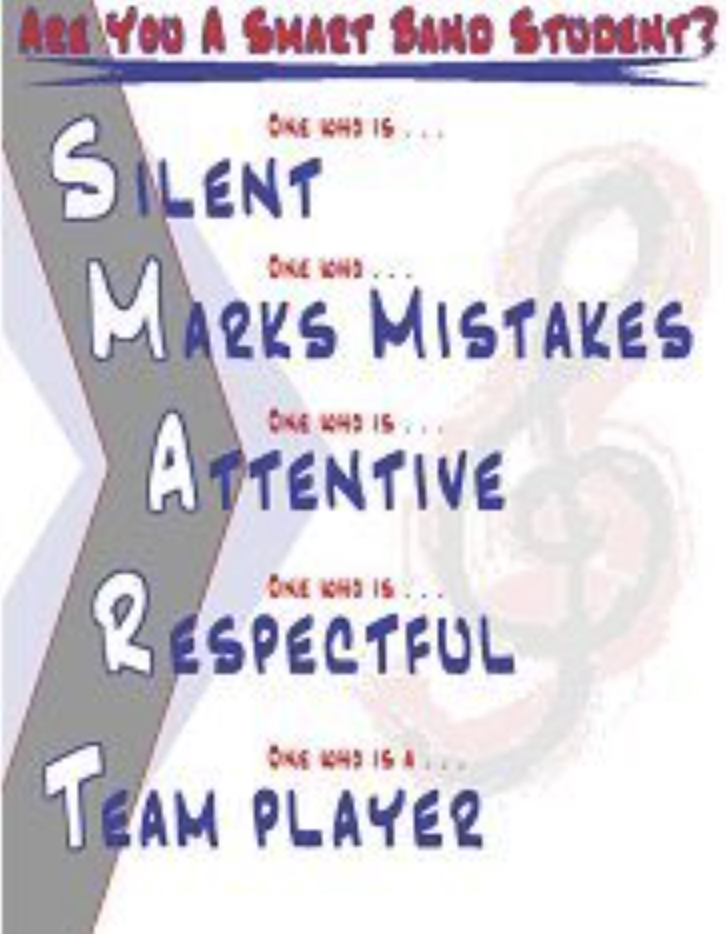
5. SMART Band Student.
“Quick and clean set of expectations for your band students. A SMART band student is one who is:
Silent
Marks Mistakes
Attentive
Respectful
Team Player”
The article’s “Tip #4” on Band Binders is reminiscent of what I had applied to my grades 5-8 string program. My wife utilizes something similar for her online music lessons. Rookie or new teachers, especially, check it out!
In addition, you should peruse their website for an inspiring collection of articles on a host of other topics:
How timely and appropriate! I stumbled on this Pinterest site, Band Room Hacks, a collection by Julia Arenas, and since I did not get advance permission to reprint her library of images, I will invite you to go explore them for yourself. At a quick glance, I see she has assembled from music colleagues a lot of excellent storage solutions as well as music teaching tools that may inspire you to modify/add your own new time-saving shortcuts.
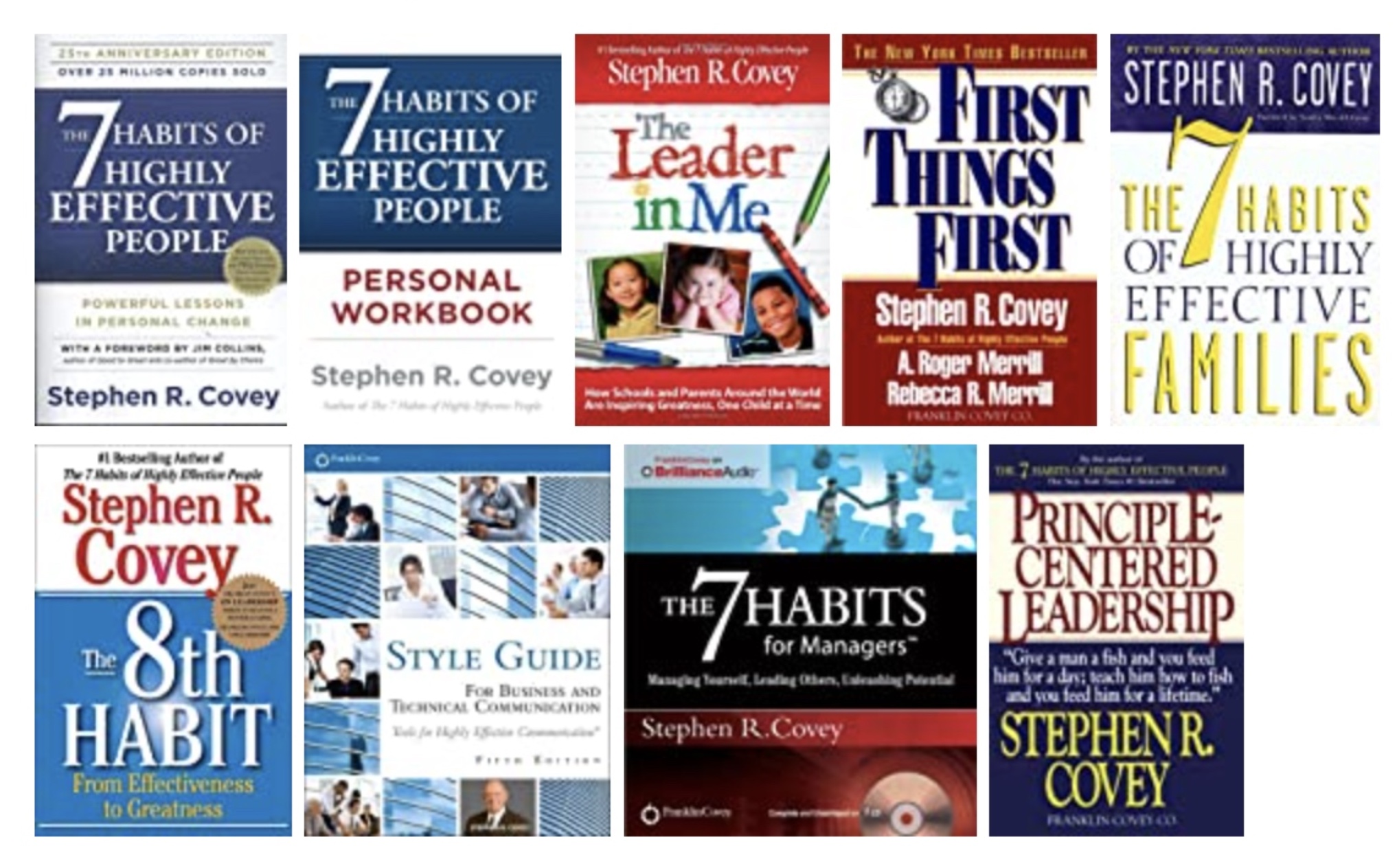
Although productivity experts like Stephen Covey in Seven Habits of Highly Effective People and the originators of the aforementioned (in Part 1) Priority Management System (a favorite of mine) may be most helpful, we can all learn from Ashley as she sums things up with these tips on supercharging ourselves in planning for a good start to the school year. (You’ll have to visit her post to get the full gist of what to do!)
Put all your to-do’s in one place.
Track your time.
Batch related tasks.
Limit social media.
Divide your work-day into time blocks.
Set aside time to send and respond to emails.
Close documents and browser tabs you are not currently using.
Go into meetings with an agenda or outline.
Make templates.
I particularly love this introduction to her article:
“One thing I hear over and over from church musicians and music educators (well, everyone, really) is that there never seems to be enough time to get it all done.”
Time to teach Time to rehearse Time to write Time to practice Time to be with family Time to be a good friend Time to read Time to exercise Time to learn
“We’re always looking for new ways to be more productive, get more done in the little time we seem to have, and save time in places where, like money, we might be overspending. Am I right?”
“That’s one of my favorite ways to think about time – as money. It’s a commodity. We all have the same number of hours in the day – it’s how we spend them that makes the difference.”
“Where (and how) do you want to spend your time? What’s important to you?“
“Once you can answer this question, you’ll be motivated to make it happen – to take control of how you’re spending your time and look for ways to save it, where you can.”








































 paulfox.blog