
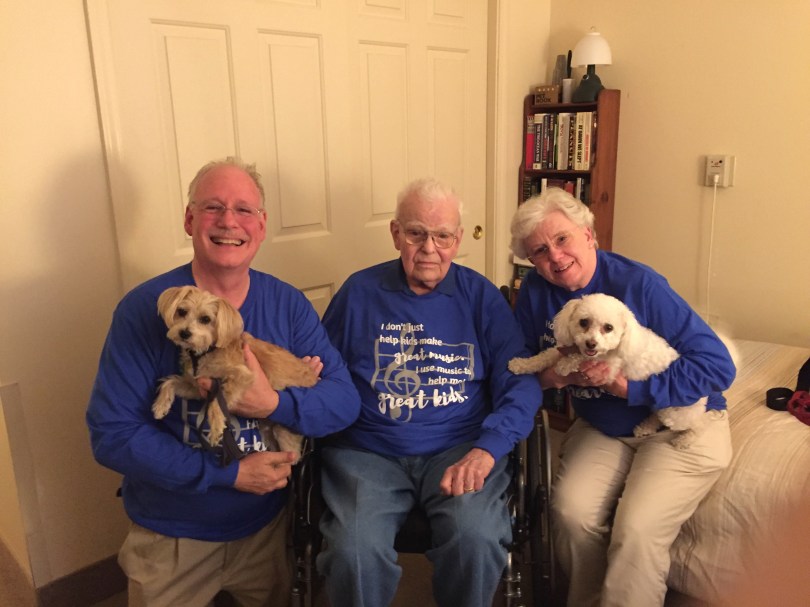
 Reprinted from the Winter 2016 PMEA News, the state journal of the Pennsylvania Music Educators Association.
Many of us already know the immediate joys of dog or cat ownership – how much fun, affection, and meaning they can bring into our lives. According to HelpGuide.org International, a nonprofit tax-exempt 501(c)3 organization of “digital mental health pioneers,” pets also provide numerous benefits for your health and well-being, and even your longevity. Quoting from their website (http://www.helpguide.org/articles/emotional-health/the-health-benefits-of-pets.htm):
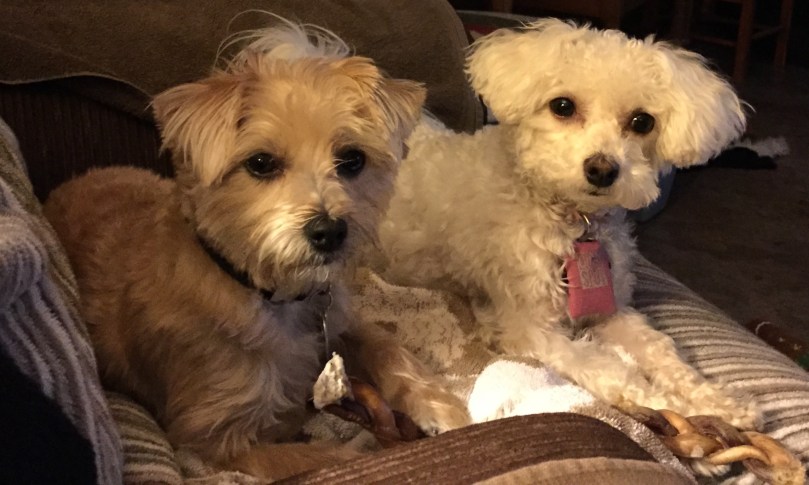 “Dogs in particular can reduce stress, anxiety, and depression, ease loneliness, encourage exercise and playfulness, and even improve your cardiovascular health.”
Studies have found that dogs improve our mood and health:
- Pet owners are less likely to suffer from depression than adults without pets.
- People with dogs have lower blood pressure in stressful situations than those without pets
- Playing with a dog or cat can elevate your levels of serotonin and dopamine, which calm and relax.
- Pets can help lower triglyceride and cholesterol levels (indicators of heart disease).
- According to the American Heart Association, heart attack patients who have dogs survive longer than those without.
- Pet caretakers over the age 65 make 30 percent fewer visits to their doctors than those without pets.
 Once you reach full retirement, you may find yourself with a lot more “freedom” and time “at-home” to share with your spouse, other loved ones (babysitting grandchildren/ nieces?), friends, personal music-making, hobbies, and pets! Indeed, this may be the first chance you have to go out and rescue a dog from an animal shelter. Full-time music teachers with those incredibly packed schedules of after-school/evening marching band practices, choir, band, orchestra, jazz, musical, and/or dance rehearsals and performances, their own concert gigs, private lessons, etc. may not be able to properly care for a dog by themselves. The only reservation to bringing a new dog into your home is if you plan to take a lot of long trips in retirement. Perhaps then, you can revisit the option of animal adoption after taking several cruises, safaris, and cross-country road trips. Pets need your love and attention!
Having a dog or cat as a retiree will support many healthy lifestyle changes, such as (from HelpGuide.org):
- Increasing exercise
- Providing companionship
- Staying connected and meeting new people
- Reducing anxiety
- Adding structure and routine to your day
- Providing sensory stress relief
- Helping you find meaning and joy in life
- Boosting vitality

You need to read the entire HelpGuide.org blog-post and Harvard Health Publications for more information about dog ownership and issues dealing with heart-health, weight-loss, boosting your immune system, bipolar disorder, PTSD, Alzheimer’s patients, and children with learning disorders. They provide additional tips on choosing a pet, and the costs and commitment associated with them. Other excellent online resources include:
- Humane Society of Canada: https://www.humanesociety.com/images/pdfs/silverpawshealthreport.pdf#sthash.mgy17Fnv.dpuf
- Live Science: http://www.livescience.com/35463-seven-surprising-health-benefits-dog-ownership-110209.html
- USA Today: http://www.usatoday.com/story/money/personalfinance/2014/09/02/owning-pets-in-retirement/14436947/
- The Seattle Times: http://www.seattletimes.com/health/pets-can-reduce-stress-cholesterol-obesity/
- The New York Times: http://www.nytimes.com/2015/05/14/business/retirementspecial/retirees-love-their-pets.html?_r=0
 Several of my own experiences “learning and growing” with Brewster (a yorkie-poo) and Gracie (a bichon frise), “new children” added to my household immediately after retirement, are shared at https://paulkfoxusc.wordpress.com/2015/09/22/what-i-have-learned-from-my-dogs-in-retirement/. Here are a few of the intangibles… “rules for healthy living” our pets model and we realize by having them:
- Life is all about taking a long walk, smelling the roses (and everything else), bamboozling another treat from “daddy,” and getting your ears scratched or belly rubbed.
- Live enthusiastically in the “here and now.”
- Forgive unequivocally and immediately, and always run to greet loved ones when they come home.
- Whenever possible, fearlessly explore the fringe (almost beyond the reach of the leash).
- Relax and snuggle with someone you love as often as possible.
 So f
So f or what are you waiting? Go out and find a dog or cat to rescue… or at least pet one! You’ll be glad you did!
PKF
© 2015, 2016 and 2017 Paul K. Fox


 The annual PMEA Spring Conference will be held on April 19-22, 2017 at the Erie Bayfront Convention Center. These sessions may be “perfect for PCMEA!”
 First things first! Prepare yourself in advance. Grab your winter or spring issue of PMEA News. Review the program of sessions which is usually laid out in chronological order and also by content strands (e.g. advocacy, choral, classroom music, collegiate, curriculum development/assessment, higher education research, instrumental, music technology, World Music, and special interest topics), as well as the list of keynote speakers, guest clinicians, showcase (music industry) demonstrations, association meetings (like PCMEA), and performances. Using an “old-fashioned” 20th century tool, mark up the conference schedule with two different colors of highlighter marking pens, first targeting “high interest” areas in yellow, and then “must attend” events in hot pink or other favorite color.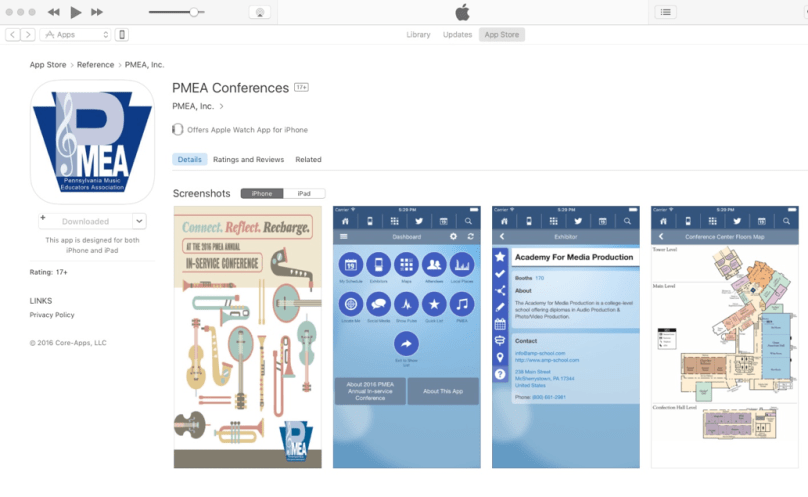
 DON’T focus exclusively on attending sessions or concerts in your specialty or most proficient areas, such as band if you’re a woodwind, brass or percussion major, orchestra if you are a string player, general music/choral if you are a vocalist or pianist. DO go to sessions that are not directly related to your major. You might be surprised at the connections you discover or the new interests that arise. Imagine “they” want to hire you next year as the next middle school jazz coach, HS marching band show designer, choreographer for the elementary musical, conductor of the string orchestra, teacher of AP music theory, etc. Could you select music for an elementary band (or choral) concert, create a bulletin board display for a middle school general music unit, set-up a composition project, or lead folk dancing at the kindergarten level?
 DON’T be shy! A conference is no place for being timid or afraid to start up a discussion with a more experienced music teacher. PMEA is all about circulating and introducing yourself, exhibiting your “charming self,” exploring resources and who are the experts/leaders in music education, getting the “lay of the land,” and adding as many names and emails to your professional contact data base as possible. Of course, DO follow-up with anyone who suggests that there may be a future employment posting from their school district!
 elf and ask a thoughtful question on some issue about which you are curious or found interesting.
 Reprinted from the Fall 2016 PMEA News, the state journal of the Pennsylvania Music Educators Association
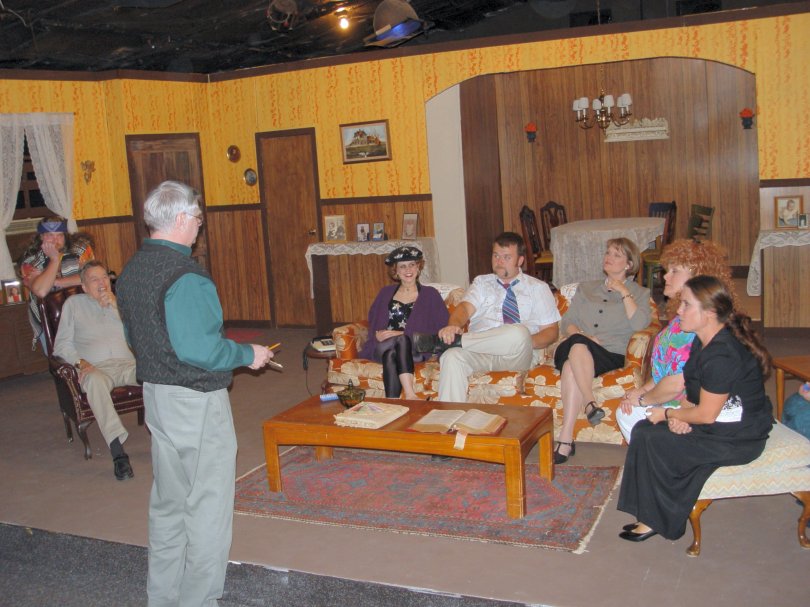
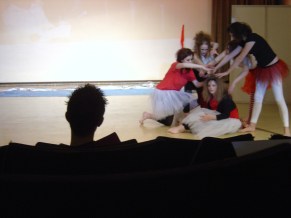 With the help of PMEA State Director of Member Engagement Joshua Gibson, PMEA retired members researched and compiled a PA community theater directory, to join the listings of bands, orchestras, and choruses posted on the PMEA retired members’ website.
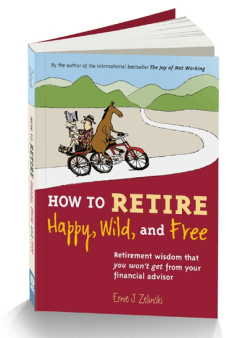 “Two essentials for successful retirement are sufficient funds to live on and sufficient things to live for. You may have the funds and a list of interests, hobbies, and leisure activities that will keep you busy. Nonetheless, if you want your retirement to be satisfying, these activities may not be enough. You may need an overriding purpose.
 This will sound like an advertisement (it is)… for retaining one’s professionalism, keeping involved albeit less active in the profession, supporting the future of music education, and on occasion lending a hand to PMEA throughout retirement! In return, the association will provide you opportunities to record and post your career accomplishments and position assignments (past and in the future), network with your friends and colleagues retired or still “in the trenches,” and nurture your personal quest for creative self-expression and artistry… everything from guest conducting or adjudicating ensembles to writing for PMEA publications or presenting sessions at the conferences. It is all about YOU!
 Research indicates that people either LOVE retirement or HATE it, and their journey to the blessed “golden years” can have many ups and downs, especially for type-A, peak-performing individuals who (used to) spend large amounts of time and personally identified with “the job…” like many music educators. Since retiring myself from the Upper St. Clair School District in June 2013, my goal has been to help others enjoy this life-changing passage, cope with life-style changes/altered expectations, and find creative new ways to self-reinvent and thrive. Objectives for retired members in 2016-18 are:
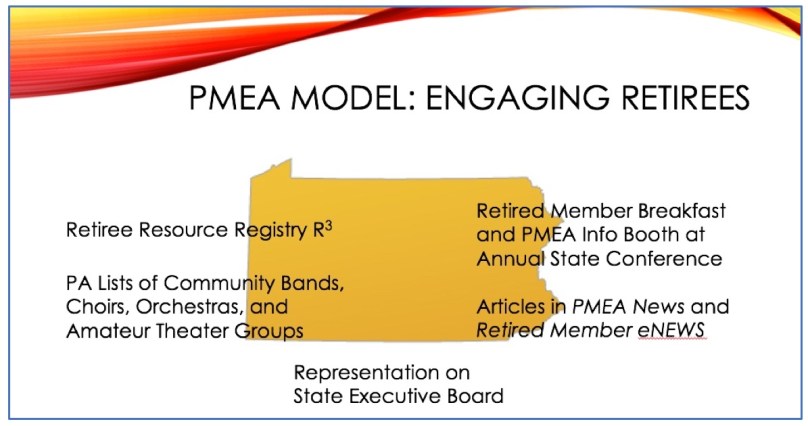
 Are you still willing to “lend a hand” on PMEA projects or share your expertise and provide a free (but priceless) consultant service to new/transferred PMEA members and officers? We constantly update and publish a Retiree Resource Registry
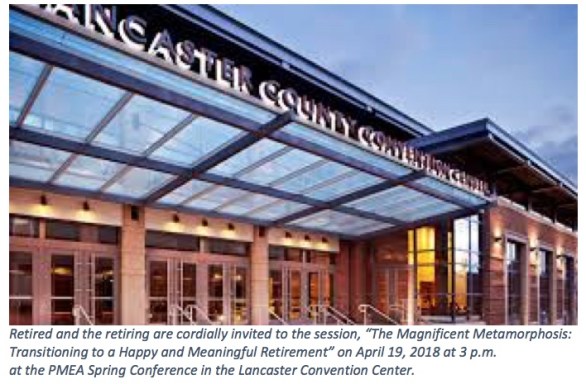
  In addition, retired member registration at the annual PMEA Spring Conference is… (drum-roll, please!) ONLY $10 early-bird! Our next spring conference will be held on April 19-21, 2018 at the Lancaster Marriott & Convention Center. Music teacher retirees get to enjoy some social time to “swap stories” with a FREE breakfast on Friday, April 20. In addition, we are looking for volunteers to help man the PMEA Info Booth… of course, “retired members to the rescue!” Invitations and more details will go out to current members next month, but check out this section on the PMEA website for more information about the conference:
  As a part of reflection and sharing of positive strategies for “Crossing the Rubicon” to a happy, healthy, and meaningful retirement, I have assembled a super-site of every website, article, book, publication, etc. of post-employment “gurus” that I could find. Visit the top menu link

 Denial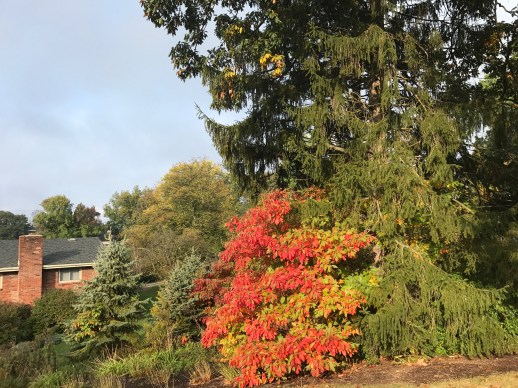


 The number one “tool” for finding a job is not a tool at all – it is all about modeling professionalism, networking with other college students and music teachers, and becoming actively engaged in your state/national music education associations (click on the acronyms to go to their websites) – National Association for Music Education
  Your “travel document” (paper copy you bring to the interview or “one-of-kind” attachment in response to email application) should be easy-to-modify based on the specific job posting to which you are applying. Your philosophy, goals, education, and teaching experience should focus on and reflect your competencies in alignment with the requirements for the music position. Your professional website and online resume should be more “general” and not rule out being considered for employment assignments outside your major. The PA teaching certificate states you are licensed to teach music in grades pre-K to 12… which means you should be qualified for any opening in elementary, middle, and high school general music, band, choir, jazz, keyboard lab, and strings, right?
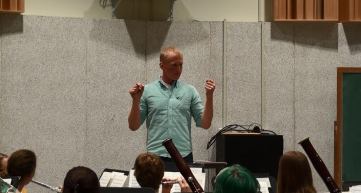
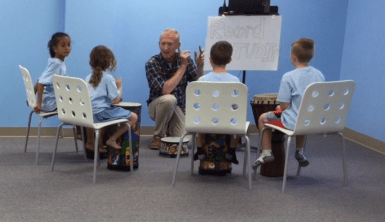 band for a year, conducting a small instrumental ensemble to accompany your youth church choir, giving a few summer lessons to the bell players in the local drum line where you live, etc. In addition, prior to the first employment screening and mock lesson at the interviews, you could “bone up” on your instrumental methods, suitable middle and elementary band warmups/literature, the meaning/concept of “middle school education,” and perhaps even pull out and brush up playing a few scales on that flute (or whatever) in your closet.
 Another great reason you should be a member of your professional association (PMEA or PCMEA) if you are looking for a job in PA is… the PMEA Job Board. Many PMEA members have relied on the Job Board for the most recent information when it comes to available PA music teacher positions.

 Reprinted from the Spring 2016 issue of PMEA News, the state journal of the Pennsylvania Music Educators Association.
 If you’ve ever been in a choir, you’ve probably been told that the proper way to sing is from your belly.
 As the popularity of group singing grows, science has been hard at work trying to explain why it has such a calming yet energizing effect on people. What researchers are beginning to discover is that singing is like an infusion of the perfect tranquilizer, the kind that both soothes your nerves and elevates your spirits.
 Regular exercising of the vocal cords can even prolong life, according to research done by leading vocal coach and singer Helen Astrid, from The Helen Astrid Singing Academy in London. “It’s a great way to keep in shape because you are exercising your lungs and heart.”
 Colette Hiller, director of Sing The Nation, is convinced that singing builds social confidence by helping individuals connect to each other, and to their environment. “Think of a football stadium with everyone singing,” she says. “There’s an excitement, you feel part of it, singing bonds people and always has done. There’s a ‘goosebumpy’ feeling of connection.”
  Studies have linked singing with a lower heart rate, decreased blood pressure, and reduced stress, according to Patricia Preston-Roberts, a board-certified music therapist in New York City. She uses song to help patients who suffer from a variety of psychological and physiological conditions.
 The seniors involved in the chorale (as well as seniors involved in two separate arts groups involving writing and painting) showed significant health improvements compared to those in the control groups. Specifically, the arts groups reported an average of:
 Okay, besides that crack about “elderly” in that last article (we’re not “old,” yet!), the evidence seems conclusive! For our general health, feelings of well-being, improved social connections, and “just having fun,” we should all be motivated TODAY to go out and find a community choir and start singing regularly in a group. Enough said?
 For both the instrumental and choral groups, we are most thankful to the contributions of our “dream team” of PMEA researchers and editors (as of April 13, 2016): Jan Burkett, Craig Cannon, Jo Cauffman, Deborah Confredo, Susan Dieffenbach, Timothy Ellison, Paul Fox, Joshua Gibson, Rosemary Haber, Estelle Hartranft, Betty Hintenlang, Ada Jean Hoffman, Thomas Kittinger, Chuck Neidhardt, Sarah Riggenbach, Ron Rometo, Joanne Rutkowski, Marie Weber, Lee Wesner, and Terri Winger-Wittreich. We are especially grateful to the efforts of Director of Member Engagement Joshua Gibson who located the counties and e-mail addresses in the choir directory.


 The Romans giving tribute to the god Janus, for whom the month of January is named.
 my top-ten recommendations to help you “grow” and enjoy a glorious 2016!
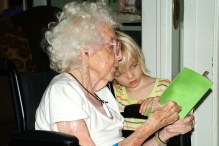 grandchildren (your own or adopted ones), enjoy them! Not only is your generous super-competent babysitting services providing ever-so-essential care-taking of your love-ones, “playing with the kids” is wonderful for your own mood and mental health. “Keep around young people and you will stay forever young!” However, invest your time wisely. You deserve a life of your own and unstructured time off. It is easy to be taken advantage of, so don’t let this childcare schedule dominate everything you do in your retirement.
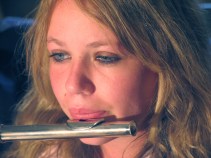 The single most satisfying pastime for all of us is to be or do something creative. With few exceptions, every day you need to find venue(s) to express yourself. This could mean pulling out your instrument or singing, with a renewed focus on exploring your musicianship, interpretation, composition, or improvisational skills. Creating new musical works, like adding to your own “Mr. Holland’s Opus,” can “make your day!” Other projects in creativity could involve conducting, acting, dancing, creating two or three-dimensional artworks, sewing, gardening, and my personal favorite, writing. Whether it is fiction or nonfiction, articles, books, poems, letters-to-editors – the activity is very personal – and possibly profitable? Try to assemble in words your long-practiced insights and experiences acquired working as a teacher. I am particularly inspired by the prospects of creating and posting blogs on just about any subject that motivates or moves me. Check out the opportunities that WordPress.com can give you. (I am not too shy to refer you to my own website, showing off my articles and “pet peeves” on the subjects of creativity in education, marketing professionalism, and retirement resources:
 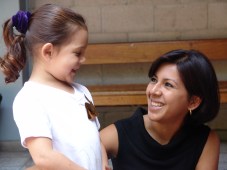 Every week for the rest of your life, spend some time “giving back!” Volunteer or share your hobbies, interests, or expertise helping out wherever it is most needed… in local churches, hospitals, charitable organizations, schools, pet sanctuaries, or senior care centers. I never understood why some enterprising entrepreneur does not buy a large piece of land to build a combined animal shelter, childcare center, and assisted-living facility, connected with easy access to each other… mutually beneficial opportunities for needy children, lonely seniors, and rescued pets for interaction with each other! That’s a “win-win-win!”
 Stay involved in PMEA. Help new or recently transferred music teachers by joining the PMEA Retiree Resource Registry, the free (but priceless!) adviser/ consultant service



 paulfox.blog