ALL ABOARD THE E-TRAIN… Embarking and Embracing a Journey of Essential Educator Ethics
The wheels of the train go round and round…
“All black, well stacked, goin’ down the track clickety clack” = the train looked good on the visual roll-by inspection.
“Highball it out of here” = proceed at maximum permissible speed
“Let’s pull the pin and roll” = uncouple so we can get out of here
The fall season is bringing upon us a series of ethical workshops, classes, and the creation of other resources, and the perfect time to warehouse everything at the main rail terminal! Take an excursion below to learn more about “staying on track” with research on the responsibilities and “regs” for serving as an educator.
Can you name the exact title of your Code of Conduct? What agency enforces it? Do educators have a Code of Ethics? Are school teachers fiduciaries or model exemplars? What does allof this mean?
First, let’s take a pretest of your knowledge and experience on the subject of school ethics. Which of the following statements has the least validity?
Moral professionalism involves being well informed about students, education, and content, confronting parents of underachieving students, cooperating with colleagues to observe school policies, and criticizing unsatisfactory policies and proposing constructive improvement.
Teachers, attorneys, doctors, nurses, counselors, therapists, and the clergy have “fiduciary” duties: own the highest legal duties of good faith and trust and are bound ethically to act in another party’s best interest.
Although not always defined in exact terms of school law or policies, professional ethics are “standards that assist practitioners within situation and systemic contexts in choosing the best course-of-action.”
A code of ethics outlines a set of principles that affect decision making, while a code of conduct delineates specific behaviors that are required or prohibited and governs actions.
The primary goal of professional ethics training is to emphasize the “minimum standards of acceptable behavior” and focus on specific illegal and unethical actions that may result in disciplinary actions.
After a thorough exploration of the materials below, you should feel confident in responding to this question. (If you need help, scroll down to answer at the end of this blog-post.)
Classes and Conferences on Ethics, Oh My!
I am looking forward to sharing insights on ethical issues and especially the seeming “conundrums” or conflicts in the myriad of snap judgments of daily decision-making, both in and outside of our classrooms. Upcoming opportunities are on the ethics e-train schedule.
Currently, we are completing the sixth series of our 25-hour PDE-approved Act 45/PIL online course for school/system leaders, career and technical center directors, and other administrators. Sponsored by my colleague Thomas W. Bailey (check out his website here), the next class “PA Educators: Your Ethical Codes & School Law” begins on October 22 for four consecutive Tuesdays from 4:30 to 7:30 p.m.
Thomas Bailey and I were also invited to present this Act 45/PIL course for the Northeastern Intermediate Unit #19 as a two-day workshop on November 19 and December 16, 2024. Visit http://www.iu19.org or click here to register.
I am venturing out of the Western PA to Eagleville, PA (near Valley Forge) to provide a 70-minute in-service, a school ethics “refresh” for the faculty at Methacton School District on October 14, 2024. Click here to download a copy of the slide summary with all links active.
Finally, I am happy to report that I was invited back to the PDE SAS Institute to do two sessions: “Planning School Ethics Training, Part I – Definitions, Codes, and the Commission” and Planning School Ethics Training, Part II – Model Code of Ethics for Educators. My proposal to present the session “CATCH THE E-TRAIN – Codes, Case Studies, and the Challenges of Ethical Decision-Making” was not approved for the 2025 PMEA Annual Conference in Kalahari Resort (Poconos). However, a facsimile of similar slides from past NAfME/PMEA workshops and webinars on educator ethics is available here.
Supplemental Resources for the Study of Codes, Case Studies, and the Challenges of Daily Decision-Making in Education
And now, the grand daddy of school ethics destinations…
Especially for Pennsylvania educators, pre-service students, and newcomers to the Commonwealth (citing the PA Professional Practices and Standards Commission website)
A code of ethics sets a higher threshold than regulatory codes of conduct or even a nonprofit organization’s bylaws and compliance rules enforced by the government. A code of conduct, such as the Pennsylvania “Code of Professional Practices and Conduct” of the PSPC, provides absolutes for employment, licensure, and/or civil/criminal sanctions. In contrast, the Model Code of Ethics for Educators document serves more as a general compass to help steer professionals towards sound judgment in their daily decision-making. What is unique about a true code of ethics vs. a code of conduct is that the principles are not defined in exact terms of law or policies, nor do they necessarily model family morals or values on which we as individual educators have been raised. The proposed standards are not about definite issues of right/wrong or black/white, but shades of grey. They are more open-ended, offering opportunities to discuss recommendations for consideration from a set of possible choices based on the circumstances of each ethical dilemma or resolution.
– excerpt from “The Ethical Music Educator,” Winter 2020 issue of PMEA News
Teachers are ethical professionals. Our moral aspirations, the “codes” and “standards” we subscribe to, and our professionalism are important to us, our students, our programs, and our communities. Essentially, these are the beliefs for which we stand, the values and behavior we model in our day-to-day decision-making to “make a difference” in the lives of our students, and the overall integrity of the profession. Therefore, the answer to the PRETEST above is #5. (#1-4 are TRUE!) But, as stated in #5, the goal of meaningful ethics training is NOT to emphasize the minimum standards of acceptable behavior or to focus on specific illegal and unethical actions that may result in disciplinary actions.
Do you have anything to add to this collection? ALL ABOARD! The conductor would appreciate feedback! Please feel free to make a comment to this blog (see link next to the title).
June 28-July 1, 2024 Marriott Marquis – Washington D.C
It is my pleasure to be invited to present two sessions at the Educators Rising Conference on June 29, 2024 in the Liberty L/M Room of the Marriott Marquis in Washington D.C.
This is a very unique venue, something in which I encourage other educators and clinicians to consider participating. The event brings together prospective future educators, middle to high school and college education majors, with veteran practitioners and experienced educators in the profession. This is from their website:
Each year, Educators Rising hosts a national conference to convene our network of rising educators and teacher leaders. It’s a unique opportunity for students and their teacher leaders to:
Connect and learn from each other through more than 40 breakout sessions;
Network with other members from across the country;
Compete for national titles in competitive events designed to allow students to develop and showcase their teaching skills; and
Be inspired by keynote presentations from national education leaders
An outline of the conference schedule may be viewed here. Additional information may be found at the conference website here. You can still register for the event.
My two offerings will not come as a surprise to anyone who has been following my work at this site:
GETTING A JOB
My first workshop, “Interviewing & Branding 101” (Saturday, June 29 at 9 a.m.) will provide an overview of important definitions (e.g., “professional,” “total educator,” etc.) and dive into interactive exercises to exploring the basic building blocks of personal self-assessment, building “a brand” and “marketing plan” for the job search, practicing networking and storytelling skills, and analyzing and “playacting” better interviewing techniques. Although I will need to shorten the presentation to fit in the 45-minute time block allotted and provide more focus on the interactive partner and small group exercises, this was the initial outline that was accepted by the Rising Educators Conference Session Selection Committee:
My favorite candy, Hershey Symphony bars, will be distribute as incentives for the more “brave” attendees who volunteer themselves to serve as good (as well as bad) models of the mock interviews.
In conclusion, this is “the session” I wish someone would have provided me before I went out into the labor market! We will have some fun connecting with each other, learning something new about our core values, goals, and strengths – especially those areas we want to broadcast to future employers – building a marketing plan of the essentials to promote ourselves in future employment screenings, and breaking-out into “duos” and small groups to “practice-practice-practice!” The branding and interviewing exercises and suggestions may be applied to finding any job, but will definitely be a big help for landing “the one” teaching position you always wanted.
For the participants who attend my session (facsimile of slides available after June 28), here are links to the printed handouts and other supplemental materials:
My second workshop (offered one hour later), “Embarking the E3 Train – Ethos, Ethics, & Engagement,” brings to fruition my passion for the preparation of future educators to embrace the essential ethical standards of our profession. Again, back in 1977, no college methods course nor student teaching prep covered the meaning behind such terms as “fiduciary,” “ethical equilibrium,” “moral professionalism,” etc. To be fair to my college professors, Pennsylvania had not yet written its Code of Professional Practice and Conduct which now “governs” the educators in our Commonwealth, nor had the National Association of State Directors of Teacher Education and Certification facilitated the creation of the amazing document called The Model Code of Ethics for Educators. It was not until 2017 (four years after I retired) when I was asked to research and present my first educator ethics session for PMEA District 7 did I “discover” the need for interactive, open, peer discussion of these core questions:
How do ethics inform a teacher’s personal and professional actions?
Why is the study of educator ethics essential for all educators entering the profession?
What does it mean to be a “fiduciary” and “moral exemplar” in the community?
What is the difference between a “Code of Conduct” and a “Code of Ethics?” Is one more important than the other?
How do you avoid any action and/or appearance of impropriety, and prevent the “slippery slope” of inappropriate student-teacher relationships, and other ethical problems?
During this presentation on Saturday, June 29 at 10 a.m., we will discuss the thousands of daily rapid-fire decisions (many snap judgments) of teachers and evaluate the potential effects of any who “stray” – “levels of misconduct + consequences.” Furthermore, we will unpack and review a portion of the five principles, 18 sections, and 86 standards in the Model Code of Ethics for Educators. Fostering open and interactive discussion, we will empanel a mock “ethics jury” (volunteers from the attendees) to assess fictitious “fact scenarios” of potential ethical issues, hazardous choices or vulnerabilities, and even tackle a few “conundrums” or problems in educator decision-making. Our jurors will receive our thanks and an Educators Rising Mock Jury t-shirt for their “willingness to serve as guinea-pigs.”
Admittedly, some of our past material on ethics was “for mature audiences only” resulting in the need for adjustments to be made to some of the hypothetical case studies (serious infractions) for group analysis. However, the majority of my work on educator ethics is available for review on this site (in reverse chronological order) by clicking here.
Here are additional case studies for group discussions of ethical dilemmas.
For the participants who attend my Washington D.C. session on June 29, 2024, a facsimile of “Embarking the E3 Train” slides are available. (CLICK HERE.)
Implementing the NEW PDE Chapter 49 “PE” Competencies – “The WHO, WHAT, WHY, & HOW!”
Blogger’s Note: We will return to Part II of “Bookends” next month to explore:
Stage 3: Inservice/Growing Years
Stage 4: Veteran/Sustaining Years
Stage 5: Next Chapter/Living the Dream
Instead, our November blog will share methods, modes, media, and other materials to provide meaningful professional development on ETHICS for EDUCATORS in the Commonwealth, resources from my upcoming presentation to school administrators at the Pennsylvania Department of Education’s SAS Institute – Successful Leadership – Shaping Your School’s Story to be held in the Hershey Lodge and Convention Center on December 11-13, 2023. Click below for my handouts.
Interested in joining us at the Hershey Lodge on December 11-13, 2023? Please click herefor more information or to register.
A Summary of My SAS Institute Ethics Session
To paraphrase the wisdom of one of my favorite recent visionaries and online workshop presenters, Simon Sinek, “Every organization should begin with “the WHY!” According to SmartInsights, Sinek’s Golden Circle theory explains “how leaders can inspire cooperation, trust and change in a business based on his research into how the most successful organizations think, act and communicate if they start with why.” On his website, he declares his own WHY: “We are here to inspire people to do the things that inspire them so that, together, each of us can change our world for the better.” I love his mission!
“Your WHY is your purpose, cause, or belief. WHY does your company exist? WHY do you get out of bed every morning? And WHY should anyone care about the work you do?” – Simon Sinek
So… lets ask the questions that define our own golden circle, my session, and this article:
WHY should we be so concerned about professional development in ethics for PA educators? (Why should you even be reading this blogpost?)
HOW should we train our staff?
WHAT should be introduced and reinforced over the long term?
And, I will add one additional question: WHO is responsible for all of this?
Well, the quick response to that last query is EVERYONE in the profession. However, this blog is particularly geared to school system leaders, career and technical center directors, and administrators charged with the responsibility of continuing education/professional development and induction programs for their PA educators.
The “WHY!”
Quick. Calling on all PA teachers! Without looking on the Internet, can you identify the exact title of your “code of conduct” (1)? Do you know the PA agency responsible for writing this code and adjudicating its rules (2)? Can you name the “code of ethics” recently adopted by PDE and the Board of Education which provides school staff comprehensive guidance in professional decision-making based on context (3)?
Hints? How about a few acronyms?
CPPC
PSPC
MCEE?
Don’t you think “we” should at least be familiar with the commission that grants us the license to teach in PA as well as the document that “governs” our behavior, violations of which could remove us from our job or revoke our certificate?
Of course, six years ago, even I didn’t know we had a PA “code of conduct!” (I started teaching in the public schools in 1978 and it wasn’t written until 1992!) After retiring from full-time teaching in 2013, I was asked to present my first ethics workshop back in 2017 for a Pennsylvania Music Educators Association (PMEA) Regional In-Service Program. Already scheduling me for two other sessions, the organizer came to me, “Could you add a presentation on educator ethics?” My first reaction was, WHY? Why would this be necessary? I promised him I would do a little research before getting back to him… and found these (now updated) statistics. Here’s the WHY in a nutshell!
HORRIBLE! These are the number of PA educators by year who had misconduct complaints filed against them. Sure, a majority of their cases were not always fully prosecuted nor did they all result in a “guilty” verdict or plea, as this glimpse of educator disciplinary resolutions for 2016 (out of 672) for comparison shows (statistics from PDE):
But, if you can read the above graphic, that means that in 2016, 156 educators surrendered their license or had their certificate suspended or revoked! Obviously, no matter how you interpret the stats, this is a SERIOUS PROBLEM! And it may be due to a lack of training or understanding of the regulations and principles of ethical decision-making!
Why is this topic crucial for all pre-service, “rookie,” AND experienced professional educators? It is essential… not so much to serve as a reminder of the penalties for ethical infractions or spotlighting the occurrences you read or hear about in the news… but, because ETHICS are what we all stand for, the values we exhibit in our day-to-day decision-making, the integrity of the profession, and our “making a difference” in the lives of the students.
Ignorance of the law is no excuse for breaking it.
(Oliver Wendell Holmes)
The “WHAT!”
My colleague Thomas W. Bailey, a retired social studies teacher who reinstated his law license, and I set ourselves the goal of creating continuing education courses to provide REAL ethics training for PA educators. Thomas applied to the Pennsylvania Department of Education and received approval for a four-hour online Act 48 continuing education course for all PA educators (earning credits in PERMS) and a 25-hour online Act 45 PIL continuing education course for school system leaders, career and technical center directors, and other administrators responsible for planning the professional development of their school staff. The dates for our next two series of classes with open for enrollment in January 2024 are:
“Chapter 49 requires instruction in professional ethics to be integrated in educator preparation, induction, and continuing professional development programs as follows.
Continuing professional development programs must integrate the professional ethics competencies no later than the 2023-24 academic year.
Educator preparation and induction programs must integrate the professional ethics competencies no later than the 2024-25 academic year.“
Our Act 45 and Act 48 courses cover the following subjects, definitions, and applications of these terms:
Fiduciary
Ethical Equilibrium
Personal Morality
Regulations of Law
Professional Ethics
Professional Dispositions
Moral Professionalism
Differences Between Moral and Ethical Standards (with Examples)
Codes of Conduct (Examples)
Codes of Ethics (Examples)
Differences Between a Code of Conduct and a Code of Ethics
PA Professional Standards and Practices Commission
Paths of Educator Discipline in PA (Local and State)
Loudermill Hearings
State Discipline System (from Misconduct Complaint to Appeals)
PA Code of Professional Practice and Conduct
The Educator Discipline Act
National Association of State Directors of Teacher Education and Certification
In my SAS presentation, I review several different modes of case study analysis, from simple to comprehensive, modeling small group interactive peer review, encouraging healthy discussions of diverse opinions in an “open,” non-threatening environment. The following approaches could be adapted to your setting of in-service programs or inductions:
MOCK JURY
Degree of Misconduct, scenarios for learning the PA Code of Professional Practice and Conduct (CPPC): For more details, revisit the application of my misconduct rubric and explanation in the blog “Ethical Scenarios” here.
In collegiate sessions, I have used color-coded popsicle sticks and handouts of different hypothetical case studies for “the jury” to evaluate the behavior and “find the relevant code” in the CPPC.
VOICES IN MY HEAD
Random Bad Attitudes for review of the standards in the Model Code of Ethics for Educators: I doubt (or sincerely hope) you would not hear too many of these directly from the school staff, but comments like, “Don’t ask for permission, beg for forgiveness” are NOT ethical precepts! Let’s dissect these bad boys!
SEARCH FOR THE STANDARDS
Hybrid Approach for using “the negative voices” and researching appropriate provisions in both the CPPC and MCEE: Select a single bad attitude and break off into two or three teams, each focused on corroborating related ethical principles in CPPC, MCEE, and even the PA Educator Discipline Act (EDA).
What possible issues/concerns might this scenario raise?
How could this situation conflict with school policy, CPPC, EDA, MCEE, or case law?
In this situation, what are some potential negative consequences for the educator’s students, fellow educators, and the school community-at-large?
What responses/actions will result in a more positive outcome and/or what proactive measures might be considered?
A single hypothetical scenario would first be presented to the full group, and then the educators would break off into 4-6 smaller groups to review these questions. Individuals may or may not all agree. A group leader is usually appointed to record their responses and then upon reconvening, report back to “the whole.” Here is a sample case study (painful reading; fictitious but based on actual past incidents):
The moderator may promote further discussion (sample answers below) and even pose additional questions like the following:
What if the relationship was always of mutual consent?
What if the teacher never taught the student while she was enrolled in his school?
What if the relationship did not start until after the student graduated?
What if his student was over the age of 18 during the time of the relationship?
It deserves mention here that this final training mode, representing perhaps the highest degree of scaffolding of the learning for the ethics training of your staff, proposes the establishment of a permanent school district Professional Learning Community (PLC) or ethics committee. We know from our past experiences in providing continuing professional development of educators that promote free, open, healthy sharing of potential professional decision-making conflicts or ethical “conundrums” – “what would you do” scenarios – will foster lasting long-term benefits. Danielson Framework for Teaching (Domain 4) and CSDE reinforce this philosophy of peer collaboration.
“Teachers must engage in district-facilitated conversations that focus on ethical and professional dilemmas and their professional responsibility to students, the larger school/district educational community, and to families.”
My educator ethics mentor and “hero” Troy Hutchings, Senior Policy Advisor to the National Association of State Directors of Teacher Education and Certification, admitted that in his early years of teaching, he felt a little reticent about going to his principal for advice in handling a situation of a student developing a “romantic crush” on him. To paraphrase his remarks during his webinar, “I was concerned that my supervisor might think I was encouraging the girl… Who could I turn to?” Sharing these anecdotes and talking informally with other faculty members will go far in building teamwork, mentor-mentee relationships, and intra-building trust in allowing more peer review towards enhanced educator decision-making.
If you need a resource on PLCs, my colleague (PA Principal of the Year to be honored at the upcoming 2023 SAS Institute) Dr. Tim Wagner recommended the handbook Learning by Doing by Richard DuFour, Rebecca DuFour, Robert Eaker, Thomas W. Many, and Mike Mattos (Solution Tree Press, 2016).
The authors’ summary of reasons to implement a PLC in your school building(s) are to:
Improve staff’s individual and collective practice
Build on staff’s “shared knowledge and experiences”
Build clarity and understanding in the use of a common vocabulary
Develop a library of accessible tools, templates, and protocols (i.e., ethical scenarios)
Promote non-threatening, thought-provoking discussion on ethical decision-making
Wrapping It Up with More Resources
Every school setting is different, and your application of these staff ethics training ideas will be unique. Hopefully I have given any interested PA school system leader, CTC director, professional development or building administrator, or department chair some “food for thought.” For example, if you wanted to set up a PLC to meet regularly to discuss ethical issues, many of you may need to involve your teacher’s professional association and/or review their contract… or perhaps on-your-own implement a rotation of educators to experience these case study discussions during pre-scheduled inservice or induction days.
For “the keys to the car” to build your own local ethics professional development programs, we encourage you to sign-up for one of our classes here. For our PIL series, Thomas Bailey shares the native files of his PowerPoint presentations so that they can be turned around and taught to other educators, and then even students who are studying their own discipline code or online anti-bullying school policies. Here is an image of our PIL brochure which will be offered beginning on January 3, 2024.
I also suggest perusing Thomas Bailey’s free videos on this topic, slide #61 (page 31) from the handouts to my SAS Institute presentation (above), and these links to other blogs on paulfox.blog.
NOW YOU HAVE IT… the entire toolkit and rationale… the “who, what, how, and why” of educator ethics training and satisfying the new PDE Chapter 49 “PE” competencies.
The Life Cycle of a Successful & Happy Music Educator
“There are no secrets to success. It is the result of preparation, hard work, and learning from failure.”
Colin Powell
I feel blessed to have spent five decades in the field of music education. No other career has offered so much personal satisfaction, discoveries and growth of hidden potentials and skills I never knew I had, sharing my love of creative self-expression, and facilitating others to seek their own connections to music. I am trying to follow my own “retirement” advice, remaining active in the profession in ways that matter, helping others find their own success, and embracing author Ernie Zelinski’s mantra to “find purpose, structure, and community” throughout my years as a retiree.
Parallel to the mission of the Pennsylvania Music Educators Association Council for Teacher Training, Recruitment, and Retention, serving “the life cycle of a music educator,” this blog site is my “gift” to future and current music educators and those contemplating retirement. Recently, I presented a workshop on this topic for student teachers in music education at Seton Hill University (Westmoreland County, Greensburg, PA), summarizing a framework for “professional development for life” in order to foster these goals and nurture meaningful successes of pre-service music educators. No “road map” (or to retain the analogy in my title, “library” of resources) is applicable to everyone nor will the journeys/readings be the same… but since my collections of past blogs over ten years are now vast, I offer this simplified checklist for any “newbie” interested to seek their own pathway. Happy travels!
However, here’s a shamelessly offered advertisement. It would make more sense to see this “in-person” or online with my moderation. I would be happy to present this session (giving me at least an hour to allow for more interactive discussion) to collegiate members, a music education methods class, a regional workshop, or festival meeting via Zoom or in-person (in PA). If interested or to inquire, please send me an email here.
Now… the checklists. Depending on your current status and interests, peruse the following resources. It is possible a few of the links contained within these blogs have gone inactive, but I believe enough is there for you to gain the insight, tools and motivation to achieve “professional development for life.”
Stage 1 – Preservice/Training Years
The focus during our early years in any profession is learning the “shtick” and getting ready for the job search and interviewing. Probably before anything, we revisit our inspiration and what Simon Sinek directs us to “the why” of any organization… in this case, “the why” of becoming a music educator – our philosophy, mission, vision, and understanding of the purpose/role of music education n the schools.
[ ] 1. The Meaning of Pro:Are you a professional? Do you have the skills, habits, and attitudes of a professional in the field of education?
[ ] 2. Marketing Yourself and Your Pre-K to 12 Music Certification: What is your professional “brand?” Do you plan to “sell” yourself as a specialist, e.g., “band director” or “elementary general music teacher, etc.? To those potential job candidate screeners, promote the image of being proficient – “a total music educator” – and don’t emphasize your major/emphasis or perceived skill or experience limitations. The only thing that really matters is whether you are the “right fit” for a particular opening, and of course, deciding whether or not to accept the offer. Your license (certification) implies that you do indeed have the necessary training to teach all K-12 music classes. Don’t sell yourself short!
[ ] 3. Criteria for Selection of the “Ideal” Teacher Candidate: The best way to prepare for a job interview is to become aware of how you will be judged in comparison with your peers. What are the standards (or behaviors or criteria) of outstanding teachers? For what are administrators looking to fill the vacancies and build/maintain a quality staff?
[ ] 4. “S” is for Successful Storytelling: The number one method to land a job is “SHOW, don’t TELL!” Stories are up to 22 times more effective than facts alone. Identify the key impressions you want to convey. Pick interview stories that will “sell” the right message. Learn how to share unique personal examples of your interactions with children, colleagues, and music programs. These additional resources can be shared about “strategic storytelling” and how to prepare (a.k. practice) telling your anecdotes:
[ ] 5. The Ultimate Interview Primer for Pre-Service Music Teachers: This super-packet has a collection of more tips on marketing yourself and mastering the “science” of finding a job, interview strategies and sample questions, evaluative rubrics, follow-ups, “bad habits” to avoid, etc. Take the time to download and explore these excellent tools!
Homework for Stage 1 – Developing a Marketing Plan
Standards: Define your personal mission, goals, and philosophy for teaching music, modeling the highest ideals of professionalism, and becoming the “total music educator.”
Marketing: Design and distribute a “state-of-the-art” résumé, e-portfolio, website, and business card.
Skills: Compile a list of anecdotes and true stories of you overcoming challenges, solving problems, and demonstrating “best practices” of professionalism and self-improvement.
Assessment: Practice, record, and evaluate yourself answering job interview questions.
Stage 2 – Rookie/Practicing Years
[ ] 6. Ethics for Music Educators – Part I, Part II, and Part III: You may think that the primary focus for our early years as a novice teacher would be the reinforcement of what we learned about education – curriculum, content, methods, classroom management, and assessment, but something else trumps all! Before we ever step foot in a classroom, rehearsal room, or stage, it is essential we first review those ethical standards in education, terminology, philosophy, and “the codes” that bind us. We should be able to show in depth understanding of these concepts:
Fiduciary
Moral Standard
Ethical Standard
Ethical Equilibrium
Moral Professionalism
Differences Between a Code of Conduct and a Code of Ethics
Student-Teacher Boundaries and the Slippery Slope of Ambiguous Relationships
Function/Relevance of “The Codes” to Daily Teacher Decision-Making
For nearly every presentation I do on “ethics for pre-service music educators,” I hold up a fifty dollar bill and ask, “Who wants this? Can you name the exact title of your state’s code of conduct for educators and the government agency that enforces it?” So far, no one has made me $50 poorer. Indeed, few active teachers “in the trenches” have read their “codes,” and frankly, that is surprising. Violation of any major provision in our code of conduct will result in a serious reprimand, being fired, losing one’s certificate to teach anywhere, and/or criminal/civil prosecutions. Wouldn’t you think all of us would be intimately familiar with the “rules” of our professional?
For my Pennsylvania colleagues, please download and READ these:
[ ] 7. Ethical Scenarios (and More): The study of morality in professional decision-making is essential to pre- and in-service training of music teachers. Our goal should be to reinforce recommendations for the avoidance of inappropriate behavior (or even the appearance of impropriety), and defining and modeling the “best practices” of a serving as a “fiduciary” by promoting trust, fostering a safe environment for learning, acting in the best interests of our students, and upholding the overall integrity of the profession.
What possible issues/concerns might this scenario raise?
How could this situation become a violation of the law, the “Code” or other school/district policies?
In this situation, what are some potential negative consequences for the teacher, students, parents, and/or school staff?
How would this episode affect a teacher’s efficacy in his/her classroom, demean the employing school entity, or damage her position as a moral exemplar in the community?
Please visit link #7 (above) for sources of ethical scenarios to study, including my “conundrum series.”
Homework for Stage 2 – Are you an Ethical Educator?
Self-assess your own habits of professionalism, and identify goals for at least two “personal improvement projects.”
Read “cover-to-cover” any documents relating to your own state’s code of conduct and the NASDTEC Model Code of Ethics for Educators.
Discuss the ramifications of “choices” and teacher decision-making in context by reading a few of the fictitious scenarios highlighting ethical precautions, disputes, and “conundrums.”
Teachers make as many as 1,500 decisions a day for their classes and students… that’s as many as four educational choices per minute for the average teacher given six hours of class time. Surprised? (Not if you are an educator!) Check out this corroborating research:
Of course it can be exhausting… and as fast as “things” happen, even mind-numbing at times!
What do educators rely on for guidance, a sort of internal “ethical compass” for making these decisions, many of which are snap judgments?
Educational background
Teacher “chops” (professional experience)
Peer and administrative support
Personal moral code (derived from one’s life experiences and upbringing)
Aspirations, values, and beliefs generally agreed upon by educational practitioners
State’s code of conduct and other regulations, statutes, policies, and case law
Professional ethics
Or all of the above?
At this juncture during my workshops on ethics, I usually quote Dr. Oliver Dreon, Assistant Professor and Coordinator of the Digital Learning Studio at Millersville University of Pennsylvania and one of the authors of the Educator Ethics and Conduct Tool Kit of the Pennsylvania Professional Standards and Practices Commission:
“From a decision-making standpoint, I tend to look at it from the perspective of Ethical Equilibrium (work by Troy Hutchings). Teachers weigh the moral (personal) dimensions with regulatory ones (the law) with the ethics of the profession… While focusing on consequences is important, I worry that teachers may interpret this to mean that as long as they don’t break the law, they can still be unprofessional and immoral.”
– Dr. Oliver Dreon
From college students participating in their first field observations to rookie teachers (and even veterans in the field), I recommend searching the term “ethics” on the website of your State Board of Education. In Pennsylvania, checkout the following:
Now enters probably the single most valuable document of our time, an all-encompassing philosophy for embracing the highest standards of what it means to be an ethical educator: the Model Code of Ethics for Educators (MCEE), developed under the leadership of the National Association of State Directors of Teacher Education and Certification (NASDTEC). With the collaboration of numerous development partners including the American Federation of Teachers, National Education Association, National Association of Elementary School Principals, National Association of Secondary School Principals, Council of Chief State School Officers, and American Association of Colleges of Teacher Education – to name a few – MCEE is comprised of five core principles (like spokes in a wheel – all with equal emphasis), 18 sections, and 86 standards.
“The purpose of the Model Code of Ethics for Educators (MCEE) is to serve as a shared ethical guide for future and current educators faced with the complexities of P-12 education. The code establishes principles for ethical best practice, mindfulness, self-reflection and decision-making, setting the groundwork for self-regulation and self-accountability. The establishment of this professional code of ethics by educators for educators honors the public trust and upholds the dignity of the profession.”
Although pre- and in-service training on both are essential, the differences between a “code of conduct” and a “code of ethics” are vast. Codes of conduct like the Code of Professional Practice and Conduct for Pennsylvania teachers are specific mandates and prohibitions that govern educator actions. A code of ethics is a set of principles that guide professional decision making, not necessarily issues of “right or wrong” (more shades of grey) nor defined in exact terms of law or policies. Codes of ethics are more open-ended, a selection of possible choices, usually depended on the context or circumstances of the situation.
“The interpretability of The Model Code of Ethics for Educators allows for robust professional discussions and targeted applications that are unique to every schooling community.”
The music teacher and administrator colleagues with whom I have been privileged to work for more than 40 years are highly dedicated and competent visionaries who focus on “making a difference” in the lives of their students, modeling “moral professionalism” and the highest ethical standards for their classes, schools, and communities, in support of maintaining the overall integrity of the profession.
However, let’s unpack some of “the wisdom” of MCEE as it addresses the rare “nay-sayers” and entrenched teacher attitudes, failing to understand “the difference between what you have a right to do and what is right to do…” (Potter Stewart) or “doing the right thing when no one else is watching – even when doing the wrong thing is legal” (Aldo Leopold).
Here are sample negative responses, MCEE “exemplars,” and proposed assimilations for thoughtful and interactive peer discussion. Bring these to your next staff meeting or workshop, and apply them to a few mock scenarios (like these from my past blog ).
Principle I: Responsibility to the Profession
The professional educator is aware that trust in the profession depends upon a level of professional conduct and responsibility that may be higher than required by law. This entails holding one and other educators to the same ethical standards.
“I didn’t know it was wrong…”
Section I, A, 1: Acknowledging that lack of awareness, knowledge, or understanding of the Code is not, in itself, a defense to a charge of unethical conduct;
My comment: The old adage, “ignorance of the law is no excuse for breaking it.” – Oliver Wendell Holmes
“What’s the problem? I didn’t break the law!
MCEE Section I, A, 5: Refraining from professional or personal activity that may lead to reducing one’s effectiveness within the school community;
My comment: Any on or off-duty conduct or inappropriate language that undermines a teacher’s efficacy in the classroom, damages his/her position as a “moral exemplar” in the community, or demeans the employing school entity may result in loss of job, suspension or revocation of license, and/or other disciplinary sanctions.
MCEE Section I, B, 2: Maintaining fidelity to the Code by taking proactive steps when having reason to believe that another educator may be approaching or involved in an unethical compromising situation;
My comment: As a professional with “fiduciary” responsibilities, we must look out for the welfare of our students, proactively protecting them from harm by embracing all provisions of “mandatory reporting.”
“What’s in it for me?”
MCEE Section I, C, 3: Enhancing one’s professional effectiveness by staying current with ethical principles and decisions from relevant sources including professional organizations;
MCEE Section I, C, 4: Actively participating in educational and professional organizations and associations;
Principle II: Responsibility for Professional Competence
The professional educator is committed to the highest levels of professional and ethical practice, including demonstration of the knowledge, skills, and dispositions required for professional competence.
“What’s the big deal about standards?”
Section II, A, 1: Incorporating into one’s practice state and national standards, including those specific to one’s discipline;
My comment: As professionals, we should volunteer to help write our school’s courses of study, content units, and learning goals for the subjects we teach, and take advantage of the National Core Arts Standards, the PMEA Model Curriculum Framework, and the state’s standards.
“Not another ‘flavor-of-the-month’ in-service program!”
Section II, A, 5: Reflecting upon and assessing one’s professional skills, content knowledge, and competency on an ongoing basis;
Section II, A, 6: Committing to ongoing professional development
My comment: Always “raising the bar,” being a member of a “profession” (like medical personnel, counselors, attorneys, etc.) requires the loftiest benchmarks of self-regulation and assessment, ongoing training, retooling, and self-improvement plans, revision and enforcement of “best practices,” and application of 21st Century learning skills.
“I needed to give him credit?”
MCEE Section II, B, 1: Appropriately recognizing others’ work by citing data or materials from published, unpublished, or electronic sources when disseminating information;
My comment: Especially during this period of online/virtual/remote education brought on by COVID-19, we must reference the owners of intellectual property (including sheet music) that we use and abide by all copyright regulations. In general, it is always “best practice” to cite research or authorship “giving credit where credit is due!”
“I’m just a music teacher! Don’t ask me to do anything else!”
MCEE Section II, C, 2: Working to engage the school community to close achievement, opportunity, and attainment gaps;
My comment: We teach “the whole child,” not a specialty or specific content area! I believe our ultimate mission is to facilitate our students’ capacity and desire to learn, inspire self-direction and self-confidence, and foster future success in life.
Principle III: Responsibility to Students
The professional educator has a primary obligation to treat students with dignity and respect. The professional educator promotes the health, safety, and well being of students by establishing and maintaining appropriate verbal, physical, emotional, and social boundaries.
“It’s just a gift…”
MCEE Section III, A, 5: Considering the implication of accepting gifts from or giving gifts to students;
My comment: It is not appropriate to give a gift to a student lacking an educational purpose. In some cases, this may be defined as a “sexual misconduct.” It begs the larger question: “Do you ensure that all of your interactions with students serve an educational purpose and occur in a setting consistent with that purpose?” Also from the PA Professional Standards and Practices Commission: “Teachers should refrain from accepting gifts or favors that might impair or appear to impair professional judgment.”
“You should never touch a student!”
MCEE Section III, A, 6: Engaging in physical contact with students only when there is a clearly defined purpose that benefits the student and continually keeps the safety and well-being of the student in mind;
My comment: We were told this warning in methods classes. However, as I mentioned in a previous blog here, this “rule” has little support in research or common “best practices.” It has been my experience that on occasion, most elementary instrumental teachers assist their students in acquiring the correct playing posture and hand positions by using some (limited) physical contact. Consoling an upset student with a pat on the shoulder is not out-of-line either. The factors that may contribute to the moment being judged “okay” vs. “inappropriate” boil down to:
MCEE Section III, A, 7: Avoiding multiple relationships with students which might impair objectivity and increase the risk of harm to student learning or well-being or decrease educator effectiveness;
My comment: You cannot be their “friend.” You are their teacher, an authority figure that is looking out for them and doing what is necessary (“fiduciary” responsibilities) for their health and welfare… perhaps at times things they do not want you to do. Crossing the teacher/student boundary with familiarity, informality, and being their “confidant” or “friend” are more than just unprofessional acts – they can foster a dual relationship where roles are less defined, an ambiguity that may lead to additional inappropriate actions and educator misconduct.
“He’s weird…” or “He’s not one of us!”
MCEE Section III, B, 2: Respecting the dignity, worth, and uniqueness of each individual student including, but not limited to, actual and perceived gender, gender expression, gender identity, civil status, family status, sexual orientation, religion, age, disability, race, ethnicity, socio-economic status, and culture;
My comment: Check your prejudices and personal biases at the door. Being a teacher is all about sensitivity and caring of all individuals – students, parents, staff, etc. Embracing today’s focus on reprogramming community attitudes on “diversity,” an educator daily models the values of empathy, compassion, acceptance, and appreciation, not just settling with the “lower bar” of tolerance, allowance, and compliance!
“Wait ’til you hear what happened in class today!”
MCEE Section III, C, 1: Respecting the privacy of students and the need to hold in confidence certain forms of student communications, documents, or information obtained in the course of practice;
My comments: Gossiping about and “carrying tales” home or in the teachers’ room are serious breaches of the care and trust as well as your fiduciary responsibilities assigned to you on behalf of your students. As for “regulations,” your indiscretion may be a violation of your students’ confidentiality rights (“a federal crime” according to Family Educational Rights and Privacy Act, Grassley Amendment, Health Insurance Portability and Accountability Act, and Individuals with Disabilities Education Act). You are only permitted to share information about a student with another teacher, counselor, or administrator who is on a “needs-to-know” basis or is actively engaged in helping this student.
Principle IV: Responsibility to the School Community
The professional educator promotes positive relationships and effective interactions with members of the school community while maintaining professional boundaries.
“Don’t tell my parents!”
MCEE Section IV, A, 1: Communicating with parents/guardians in a timely and respectful manner that represents the students’ best interests;
My comment: I wish I had a nickel every time a student plead with me, “Don’t call my mom!” It is part of “moral professionalism,” your “code,” and good ethical standards to originate meaningful two-way dialogue, and if necessary, confront the parents of underachieving children. I also believe it goes on long way to nurture your relationships in the community if you notify parents when their kid has done something remarkable… “I caught him being good” or “The improvement has been extraordinary!”
“Did you hear what a staff member said about you… in front of the kids?”
MCEE Section IV, B, 1: Respecting colleagues as fellow professionals and maintaining civility when differences arise;
MCEE Section IV, B, 2: Resolving conflicts, whenever possible, privately and respectfully, and in accordance with district policy;
My comment: Before you bring up the matter with your supervisor or building administrator (which you have the right and even responsibility to do, especially if the students hear any improper speech first-hand or that the incidents rise to the level of bullying or aggressive behavior), first confirm the story. Talk to the unhappy team member one-on-one. Be calm and sensitive, but hold your ground: you must assert that his/her behavior/language is unacceptable and will not be tolerated in the future.
“Not another TEAM meeting?”
MCEE Section IV, B, 4: Collaborating with colleagues in a manner that supports academic achievement and related goals that promote the best interests of students;
My comment: We work together to insure that all educational goals are met. Open and interactive peer partnerships are helpful in the review, design, and application of new lessons, methods, media, and music.
“I was just teasing her…”
MCEE Section IV, B, 8: Working to ensure a workplace environment that is free from harassment.
My comment: Be extremely careful in the practice of any behavior or language of a kidding, sarcastic, cynical, or joking manner. It can be misinterpreted regardless of your intentions… and it can hurt someone’s feelings. And it is never appropriate or “professional” to “put down” another person.
“Don’t ask for permission… beg for forgiveness.”
MCEE Section IV, C, 3: Maintaining the highest professional standards of accuracy, honesty, and appropriate disclosure of information when representing the school or district within the community and in public communications;
My comment: Yes, I have heard this “view” a lot, advocates of whom will tell you to go ahead and stick your neck out to do something “for the good of the order,” and if needed later, “beg for forgiveness” if you decision is met with disapproval from administration. My advice? Less experienced teachers, run everything through your fellow colleagues (informally) and principal (formally). Don’t fall back on the lame “oops” and “beg for forgiveness.” I may have felt differently when I had three times as many years of experience under my belt than the supervisors who were assigned to “manage” me… but, even then, “venturing out without a paddle” usually did not serve the best interests of the students. There’s no reason to place “the teacher’s convenience” over the safety/welfare of the students. Besides, why not take advantage of the legal and political backup of your bosses if they are kept “in the loop?”
“He’s our preferred dealer and always takes care of us.”
MCEE Section IV, D, 4: Considering the implications of offering or accepting gifts and/or preferential treatment by vendors or an individual in a position of professional influence or power;
My comment: Formerly called “sweetheart deals” with music companies, you are on “shaky” ethical ground (and may also have “crossed the line” violating state laws/statutes) if you negotiate the rights of exclusive access to your school’s or booster’s purchasing. If you have any questions about your school’s policy on outside vendors, seek advice from your district’s business manager.
Principle V: Responsible and Ethical Use of Technology
The professional educator considers the impact of consuming, creating, distributing, and communicating information through all technologies. The ethical educator is vigilant to ensure appropriate boundaries of time, place, and role are maintained when using electronic communication.
“Isn’t use of social media forbidden?”
MCEE Section V, A, 1: Using social media responsibly, transparently, and primarily for purposes of teaching and learning per school and district policy. The professional educator considers the ramifications pf using social media and direct communications via technology on one’s interactions with students, colleagues, and the general public.
My comment: Professional educators’ use of a dedicated website or other social network application enables users to communicate with each other by posting information, comments, messages, images, etc. and “learn” together. However, using social media for sharing social interactions and personal relationships with your students, parents, and staff is unethical and dangerous. As they say, “a post (or snap) is forever.” Communicating digitally or electronically with students may lead to the blurring of appropriate teacher-student boundaries and create additional challenges to maintaining and protecting confidentiality.
The Final Word
In Pennsylvania (as well as the rest of the country), the statistics on school staff misconduct reports are rising alarmingly. Your own state’s “code of conduct” and the MCEE should help to clarify misunderstandings, but it has been my experience that the majority of educators do not receive regular collegiate, induction, or in-service training on educator ethics or moral professionalism. Luckily, we are fortunate to have access to many mock scenarios (see below) from state departments of education to review/discuss among ourselves common ethical conflicts and “conundrums” dealing with pedagogy, enforcement, resource allocation, relationships, and diversity. We all need to “refresh” our understanding of these issues from time to time and revisit “our codes” frequently to help “demagnetize” (and re-adjust) our decision-making compass.
Please peruse the ethics category of this blog-site for other articles and sample references below.
PKF
Resources
Website of Thomas W. Bailey, retired social studies teacher and attorney-at-law https://twbaileylaw.com/
American Association of Colleges for Teacher Education webinar presentation Beyond the Obvious: The Intersection of Educator Dispositions, Ethics, and Law by Troy Hutchings and David P. Thompson https://smackslide.com/slide/ethical-equilibrium-aacte-2evrqb
Empaneling the “Ethic Jury” to Review Mock Case Studies
The study of morality in professional decision-making is essential to pre- and in-service training of music teachers. Our goal should be to reinforce recommendations for the avoidance of inappropriate behavior (or even the appearance of impropriety), and defining and modeling the “best practices” of a “fiduciary” by promoting trust, fostering a safe environment for learning, acting in the best interests of our students, and upholding the overall integrity of the profession.
Full discussions and samples of “the codes” (ethics and conduct), professional aspirations, and government policies/statutes – a proverbial “curriculum” exploring ethics for music educators – have been posted at this blog-site. You should peruse these first before proceeding further:
All of these should be “required” reading. Few of us have ever received a full-blown class or induction program on ethics. Now is the time to study this topic, and as ethics expert Dr. Troy Hutchings would say, to view it through multiple perspectives – “the lens of…”
“Ethos of care”
“Educator risks”
“Consequences”
The purpose of this blog is to provide supplemental materials for personal reflection, possibly inspiring thought-provoking group dialogue during methods classes, professional development workshops, or music staff meetings.
The Rubric
It is more important to know why something is wrong, rather than simply labeling the degree of misconduct or likely discipline action. However, for the purpose of introspection during this exercise, we will first recognize “the problem” presented in each re-enactment. We will use these “color-coded” criteria, and allow “snap judgments” in the simulated evaluation by a “jury of our peers.” Put on your thinking caps! You may be surprised with the incongruities of your first impressions once the likely outcomes of these stories are revealed!
Use this tool to judge the severity of the upcoming case studies.
DEGREES OF MISCONDUCT (from bad to worst)
GREEN (not illustrated) = not a misconduct
BLUE (not illustrated) = inappropriate, unwise, or “bad for appearances” – but no consequences
PURPLE = “Unprofessional” – unlikely to result in serious consequences except possible damage to one’s professional reputation
GOLD = “Immoral” – no guarantee of consequences except may result in lowering the year-end teacher evaluation score, earning a “warning” or “write-up” by the principal/supervisor, or consideration for a job re-assignment
ORANGE = “Unethical” – which will result in discipline action and possible loss or suspension of certificate
RED = “Illegal” – which may add criminal penalties, fines, jail time, etc. All it takes is a felony or misdemeanor conviction to lose your job… and your certificate… even if it is unrelated to your employment or taking place at school.
Essential Ethical Questions
It is important to analyze your response to these reflections during your assessment of each ethical dispute:
What possible issues/concerns might this scenario raise?
How could this situation become a violation of the law, the “Code” or other school/district policies?
In this situation, what are some potential negative consequences for the teacher, students, parents, and/or school staff?
How would this episode affect a teacher’s efficacy in his/her classroom, demean the employing school entity, or damage her position as a moral exemplar in the community?
Mock Scenarios
CASE #1
Melissa S. was a 23-year-old high school music teacher who also supervised the production of the school musical. After months of practices, Miss S. became very close to several seniors including David, the male lead in the musical. She and David began sharing emails and texts with one another. Most of the communications were playfully flirtatious but not overtly sexual. Immediately after graduation, however, Miss S. and David began dating and became sexually intimate. After discovering the relationship, David’s parents filed a complaint against Miss S. with the district superintendent.
CASE #2
My drum major was suspended because she smoked pot and was caught. I needed her to run the half time show we had been practicing for months and so I attempted to convince administration that she had to participate because it was part of my curriculum and part of her grade. I decided the other kids shouldn’t be punished because of her idiocy so I worked hard to keep her in the show.
This assumes the principal will make the ethical decision in allowing or prohibiting the student leader to participate.
Let’s put this choice squarely on your shoulders (where it usually sits). What would you do if you were the one that discovered your soloist, lead, accompanist, or drum major was drinking on a school music trip? What if he or she was the one performer you counted on for an outstanding adjudication?
You walk into the Disney World cafeteria, see your student has a wine cooler on his/her tray sitting at the tables. Since no one else sees you standing there, you walk out as if nothing has happened.
CASE #3
You are taking your high school music department to Orlando. Because of the size of the trip, you have to put it out on bid. One company offers a generous “under the table” deal: “If you choose our travel agency for the Florida trip, we will throw-in the gift of a new conductor’s podium and set of two dozen music stands.” You decide to go with them.
CASE #4
James C. is a middle school music teacher who was arrested for drunk driving. After several months, the teacher goes to court and is convicted of the offense. When the district moves to have Mr. C fired for his conviction, he argues that this offense has no influence over his ability to instruct his students. Also, the episode happened during the weekend on his private time.
CASE #5
Mrs. K is a high school choral director whose husband recently divorced her. During a lesson one day, she breaks down in front of her class. In an attempt to calm the students, she explains her emotional state and discusses the end of her marriage. After school that day, a male student visits Mrs. K to see if she has recovered. The student explains that his parents are also divorcing and he understands her feelings. The student begins stopping in to see Mrs. K more frequently and the pair begins spending more time outside of class supporting each other. Mrs. K’s colleagues start to become suspicious of her relationship with the student and report the teacher’s actions to their principal.
Food for Thought – Suggestive Answers
Please keep in mind my disclaimer, “I am not an attorney, a member of a human resource staff, nor a research scholar or expert on school ethics.” However, although retired, I continue to teach (part-time) and face day-to-day decision-making… now for more than 40 years. These are my responses to the above cases. I welcome your comments, and any input from highly respected leaders in the field of educator ethics like Dr. Troy Hutchings (Chair of Education, University of Phoenix) and Dr. Oliver Dreon (Associate Professor, Millersville State University of Pennsylvania).
RESPONSE TO CASE #
ETHICS VIOLATION:In my opinion, this would likely result in loss of employment and revocation of her certificate. The debate in some areas of the world supports that it may be permissible to have an intimate relationship with a former student as long as it did not start while the student was at school. We have learned that the American Psychological Association has an ethical guideline of non-fraternization for at least two years post-treatment, while the National Association of Social Workers has a one year moratorium for sexual involvement with a client. However, frankly, in the teaching profession, due to the inherent power imbalance that can influence inappropriate relationships between teachers and students or former students – even after graduation: Are either of these models relevant?
ETHICS VIOLATION:Most would say this was a serious noncompliance with the school district’s drug and alcohol policy, violation of the local laws governing underage consumption, and likely breach of your fiduciary responsibility. No decision is a decision… walking away means you condone the behavior. What if the drinker becomes sick or has an accident and gets hurt “on your watch?”
ETHICS VIOLATION:Better check your state’s code of ethics. From the Pennsylvania Code of Professional Practices and Conduct, “No educator is permitted to accept personal or financial gain or advantage (other than their contractual compensation package) through their work in a school system.” Interpretations may disagree on a “true-life” experience: At a music conference, I was invited to a special dinner celebrating the “best clients” by a vendor representative who insisted on picking up the tab. Minimal infraction? Would you change your misconduct rating if the party took place at Hooters? How about at a strip club?
ETHICS VIOLATION:The convicted drunk driver did not win his argument. He probably would lose his job and faced criminal penalties! Although he may still hold his teaching certificate, it is unlikely he will ever be considered for employment as a teacher in any state.
ETHICS VIOLATION:Did you initially interpret this as the choral director being misguided, emotionally immature, and only exhibiting unprofessional conduct by allowing the sharing their mutual feelings and experiences? According to the author of this scenario, after investigation, she was asked to resign from her position, and she complied. She did not lose her certificate… but could have depending on state or district regulations and the extent of her off-school behavior.
Of course, ETHICAL ISSUES are not always black and white… no one will ever agree on one definitive set of moral standards. My purpose here was only to inspire thinking and a fresh perspective on this topic… probably succeeding in creating more questions than answers in your mind.
Definitions and Revisiting MCEE
To summarize, lets review the well-stated foundations of “right or wrong” making up our “ethical equilibrium,” and these concepts that represent the compass of decision-making in education:
Personal Morality: “Personal values and beliefs derived from one’s life experiences… subjective and may or may not align with community mores.”
Regulations of Law: “Policies, statues, and judicial activity that articulate conduct absolutes.”
Professional Ethics: “Professional ethical standards that assist practitioners within situation and systemic contexts in choosing the best course-of-action.”
Professional Dispositions: “Agreed upon professional attitudes, values and beliefs to be held by educational practitioners.”
Finally, at this juncture, it would be most appropriate for you to recap your thoughts and correlate your “judgments” of the above scenarios with the National Association of State Directors of Teacher Education and Certification Model Code of Ethics for Educators. If you have not read this comprehensive document, “do it now!” You should also review your own state’s code of ethics.
This is all about BALANCE and exercising extreme care and sensitivity in meeting the needs of our students. Keep “fighting the good fight” and your commitment to ETHICS and the highest standards of what E.A. Wynn refers to as “moral professionalism” in his research article, “The Moral Dimension of Teaching.”
PKF
Special Thanks to These Sources of Mock Scenarios
Pennsylvania Educator Ethics and Conduct Toolkit by Dr. Oliver Dreon, Sandi Sheppeard, and the Professional Standards and Practices Commission
Nebraska Professional Practices Commission
Connecticut Teacher Education & Mentoring Program
Featured photo credit from FreeImages.com:
“Ethics” by Olivier Le Moal
Remaining photo credits in order from pixabay.com:
Facing Those Misconceptions, Dilemmas, and Problems in Daily Professional Decision-Making
As I travel around Pennsylvania presenting sessions on “Ethics for Music Educators” at state conferences, regional professional development workshops, and collegiate music education seminars, as well as writing articles for PMEA News and hosting webinars, I seemed to have stirred up a lot of questions (which is GREAT!) and some confusion (not so good). This “hot topic” has become a lot like “peeling an onion.”
After discovering that few music or other subject area teachers have had formalized ethics training (pre-service or in-service), in fact most never even seeing their state’s “code of ethical conduct,” I feel like this is more complicated than it appears to be. Indeed, here and in other blog-posts, I am endeavoring to “peel the onion” – explore the problem one layer (step) at a time, to thoroughly understand what’s causing the conflict.
As a prerequisite, if you have not read my other articles on ethics from this website, please review the following:
Ethics: moral principles that controls a person’s behavior.
Conundrum: a difficult problem or situation
An ethical conundrum is a problem that causes one to make a decision based on their personal values. It may question an individual’s beliefs of what is right and wrong. Ethical conundrums can range from simple everyday problems to serious illegal infractions.
“Remember this phrase — on the horns of a dilemma.”
“A dilemma… [by definition] is a difficult choice between two (and only two) things or courses of action (as in two horns), both of which have some kind of undesirable consequences.”
“A choice of two things isn’t a dilemma — it may be a conundrum. A choice of one good thing and one bad isn’t a dilemma. A choice of two bad things is a dilemma.”
“A conundrum is about one thing — it’s just a difficult or confusing problem, and nearly always in the sense of having no possible solution or answer, or it’s an unbelievably hard challenge to produce the solution or answer. In short, a riddle.”
– Robert Charles Lee
These examples may be helpful, and were provided on the Quora website:
Dilemmas:
“We’re stuck in this dilemma of either jumping into shark-infested waters, or staying on board the burning ship and be burned alive.”
The proverb “Die if you do, die if you don’t.”
The classic conundrum facing thousands of students everywhere every year is which college to pick (the ‘one’ thing). College No. 1 has a better faculty but not fun. College No. 2 has a reputation of being more enjoyable and a more socially active student body. College No. 3 has average faculty but always get overseas placements. Which college is better for your future happiness?
A conundrum that resembles a dilemma: Should I work abroad alone for high pay? Or should I stay locally with my family for average pay?
A conundrum that feels like a dilemma: Do I save my mother or my children?
“One professional example of ethics conflicting with morals is the work of a defense attorney. A lawyer’s morals may tell her that murder is reprehensible and that murderers should be punished, but her ethics as a professional lawyer require her to defend her client to the best of her abilities, even if she knows that the client is guilty.”
“Another example can be found in the medical field. In most parts of the world, a doctor may not euthanize a patient, even at the patient’s request, as per ethical standards for health professionals. However, the same doctor may personally believe in a patient’s right to die, as per the doctor’s own morality.”
– Diffen.com
Sample Situations in Daily Life
“A tree falls in the forest, is there sound?” Apply that “open-ended” philosophical approach to the ethics question, “If you find a $100 bill on the sidewalk and no one is around, what should you do?”
There are a myriad of real-life scenarios from numerous sources that may provide more insight in the adoption of ethical and moral “best practices.”
“Disabled placard abuse is a big problem in downtown San Diego. Handicap parking places are occasionally abused by people who do not possess a disability. These people typically use a family member’s handicap placards, for their own benefit. This leaves no accessible parking places for the people who truly need them. Would you?”
“Involving limited space and sold-out reservations, is it ethical for a hotel to charge someone for late cancellation (family emergency) in the case when no income would be lost because the room is easily sold to another hotel guest?”
“Stealing is a no-no; cheating is bad. When it comes to moral quandaries, the thou shalt-nots are no-brainers.”
“The truly tough dilemmas are those small, more ambiguous ones that you may stumble upon anytime, anywhere.”
“The ethical decisions we confront daily are toughest when there’s a significant downside to making the ‘correct’ choice — or when it’s unclear what that choice is. Here’s how to identify the right thing to do; it’s up to you to do it.”
Selgin offers an interpretation of the morality of these sample questions for day-to-day reflection:
If something at a yard sale is far more valuable than the posted price, do I have to let the seller know?
Is it considered stealing to take pens from a bank? What about extra napkins from a fast-food restaurant?
If a charity sends me free address labels and I don’t make a contribution, is it OK to use them?
Is it unfair to move into better (open) seats at a sporting event or a concert?
My boss gave me credit for a project on which a colleague did most of the work. Should I accept the praise?
If someone tells an offensive joke, is it my responsibility to speak up about it?
“Medical students, before commencing their duties as compassionate caregivers, take the Hippocratic oath, promising to always treat the ill to the best of their ability and to make decisions that are in the best interest of their patients.”
“Law students, before beginning their duties as defenders of the world, take an oath of professionalism, promising to honor and advocate for the community with integrity and cooperation towards others.”
“Now, let’s talk about scientists, the lab-coat wearing, world-saving breed of professionals, most commonly seen in their natural habitat surrounding long-standing rows of benches usually filled with biological and chemical substances that they use to save lives. Where is their oath?”
– Khyati Meghani
Responsible for discovering drugs or other therapies that could stop us from aging, finding the cure for cancer or the common cold, or for inventing miniaturized medical devices that could track the health of vital organs from within the blood stream, medical scientists are entrusted with our lives and must face “awesome” ethical obligations.
“Let’s take a time tour starting in the 1800’s. Meet, Alfred Nobel – a chemist and the inventor of dynamite, after whom the very famous Nobel Prize is named. Although his intention in developing dynamite was to create something more stable than nitroglycerine, and even though he is not responsible for killing millions around the world, he is still accountable for creating the invention that did. But, it is important to mention here that Nobel did establish the Nobel Foundation, which is funded by the wealth that he accumulated during his lifetime.”
“Next, meet Shiro Ishii, a microbiologist who had no ethical conscience while unleashing deadly pathogens on thousands of human research subjects under the delusional idea of creating a bacteriological weapons program.”
– Khyati Meghani
In his blog-post, “Ethical Conundrums,” Khyati Meghani could give us countless other examples where scientists have conducted unethical research either for their love of science or under the delusion that they were helping mankind.
Why don’t we expect all professionals who deal closely with children (especially teachers) to take an oath to adhere to the highest standards of ethics and personal morality? It has always bothered me that educators are the only “fiduciary” whose charges are a “captive audience” and patently uninformed about the subject with little initial “ethics training” or “refresher” workshops. Even my investment counselor has to master (usually monthly) online course work on ethical practices.
In one published study of educator scenarios (Shapira-Lishchinsky, O., Teachers’ critical incidents: Ethical dilemmas in teaching practice, Teaching and Teacher Education 2010, doi:10.1016/j.tate.2010.11.003), the aim was to “explore ethical dilemmas in critical incidents and the emerged responses that these incidents elicit.”
“Teachers deal with many ethical problems in their practice. They encounter issues such as inappropriate allocation of resources, situations in which pupils are being discussed inappropriately, and irresponsible colleagues. When teachers’ sense of proper action is constrained by complex factors in educational practice and decisions are made and carried out contrary to the ‘right course,’ critical incidents which involve ethical conflict and moral distress result.”
– O. Shapira-Lishchinsky
Five main categories of 50 critical incidents were reviewed:
1. Caring climate versus formal climate.
2. Distributive justice versus school standards.
3. Confidentiality versus school rules.
4. Loyalty to colleagues versus school norms
5. Family agenda versus educational standards
I was also happy to run across the excellent online article “Ethics in the Classroom” by Leah Shafer from the Usable Knowledge blog-site of the Harvard Graduate School of Education: https://www.gse.harvard.edu/news/uk/16/04/ethics-classroom.
“Ethical dilemmas abound in education. Should middle school teachers let a failing eighth-grade student graduate, knowing that if she’s held back, she’ll likely drop out? Should a private school principal condone inflated grades? Should an urban district pander to white, middle-class families — at the expense of poor, minority families — in order to boost the achievement of all schools?”
“Teachers, principals, superintendents, and education policymakers face questions such as these every day. And for many, amid the tangle of conflicting needs, disparate perspectives, and frustration over circumstances, lies the worry that discussing an ethical dilemma with colleagues will implicate you as not knowing how to make the right choice — or as already having made the wrong one.”
– Leah Shafer
Research compiled by educational philosopher Meira Levinson and doctoral student Jacob Fay take up these challenges in their new book Dilemmas of Educational Ethics: Cases and Commentaries (http://hepg.org/hep-home/books/dilemmas-of-educational-ethics). “In detailing the moral predicaments that arise in schools, the researchers also provide a framework for educators to discuss their own dilemmas with colleagues, opening the door to making these conversations more common.”
Their book offers “six detailed case studies of common educational dilemmas, each accompanied by commentaries of varying viewpoints.”
“Case studies offer a safe way for educators to begin recognizing and discussing ethical dilemmas they may face in their own work, since no real person is implicated. ‘We hope that by reading and talking about the cases and commentaries, professional communities can become more practiced and comfortable in having these sorts of discussions, so that when their own particular dilemmas arise, they have the cases and a language to be able to speak about what it is they’re struggling with in their own practice,’ says Fay.”
“What is considered ethical often comes down to determining what is in the best interest of the student. ‘Behaving ethically is more than a matter of following the rules or not breaking the law-it means acting in a way that promotes the learning and growth of students and helps them realize their potential’ (Parkay, 2004, p. 195). When professionals or students engage in unethical behavior, it can damage a good student-teacher relationship. Unethical behavior can ruin trust and respect between teachers and their colleagues. In extreme situations unethical behavior can result in a teacher losing his or her teaching position and/or certification. Resolving ethical dilemmas requires difficult educational decisions that do not always have a clear-cut ‘right’ answer.
Here we present several short vignettes of ethical dilemmas that both veteran and novice teachers have faced. We then ask you to consider the possible solutions for these examples and ask you what you would do if faced with a similar situation. Finally, we analyze each vignette using either the NEA’s or CEC’s code of ethics, identify ethical indicators that cover the situation, and propose a solution for each dilemma based on the code.”
– Jessica L Bucholz, Cassandra L Keller, and Michael P. Brady
Interesting classroom ethical scenarios are offered with recommended solutions. These six “mock dilemmas” are discussed in detail:
Possible learning disability
Assessment conflict
Medication
Standardized tests
Petty behavior
Religion
More to Come
From politicians to movie stars, CEOs to the companies they lead, and especially heinous – teachers, coaches, and other school personnel, ethical misconducts are being uncovered and aired daily in the news. This is too important not to sponsor a frank discussion on ethical standards applied to professional decision-making.
For Part II of this series “Ethical Conundrums Revisited,” we will rehash a few more modern-day scenarios in the school music education workplace, prod you to respond “what would you do?” (at least in your mind) to address these problems, and even explore a few areas you may not think are true “ethical issues.” What are your views on…
Privacy protection versus “open door” meetings with students?
Acceptance of congratulatory “musical hugs” versus the practice of avoiding all physical contact from students?
Refusal of gifts from music industry vendors versus acceptance of “free” offers or dinner meetings?
Use of social media networks to support student learning versus the risk of crossing the student/teacher boundary with inappropriate informal communications?
The sharing of anecdotes or details of an incident that occurred during a class or school activity with family members or colleagues?
The sharing of contact information with outside organizations or businesses?
Identification of individuals (especially the names of students), geographical locations, or specific information about your school district on social media?
Certification of inaccurate or exaggerated reports, such as “fudging” data on time-in and time-out attendance logins?
The exercise of a teacher’s “freedom of speech” rights versus the practice of maligning school administrators or their decisions in public?
The exercise of a teacher’s “freedom of expression” rights in having tattoos, body piercings, or wearing certain fad or provocative clothing versus compliance to school policies and norms?
Photo credits (in order) from Pixabay.com: “meadow” by geralt, “ethics” by 3dman_eu, “ethics” by Tumisu, “scientist” by luvqs, “poses” by NDE, “boys” by White77, and “yes” by geralt.
The Metamorphosis and Integration of Philosophy, Maturity, and Teacher Preparation
Are you ready to assume the role of a music teacher? Besides the completion of your coursework and field experiences, have you acquired the necessary attitude and personal skills? Do you “have what it takes” to become an ethical role-model, leader, and “fiduciary” responsible for the welfare and special needs of your students?
Before long, you will shed the label and function of a “college student” (although still remaining a life-long learner… and never stop the quest for new knowledge and self-improvement!). The focus will shift from YOU to YOUR STUDENTS. The prerequisites for a career in education are unique and do not resemble the same challenges as success in business, manufacturing, retail, service industry, or becoming an entrepreneur, blue-collar worker, or even a composer or professional musician. The sooner you realize these are world’s apart, the better, and now is the time to finish your major and life-changing transformation to… a professional music educator.
This series for college music education majors will explore perspectives and definitions involving the evolution and (dare we say?) “modulation” to a productive and successful career in music teaching.
Professionalism
What does a “professional educator” look like? Do you belong as a member of this group?
Succeeded in and continues to embrace “higher education”
Updates self with “constant education” and retooling
Seeks change and finding better ways of doing something
Like lawyers/doctors, “practices” the job; uses different techniques for different situations
Accepts criticism (tries to self-improve)
Proposes new and better things “for the good of the order”
Can seemingly work unlimited hours (24 hours a day, 7 days per week?)
Is salaried (does not think in terms of hourly compensation, nor expects pay for everything)
Is responsible for self and many others
Allows others to reap the benefits and receive credit for something he/she does
Has obligations for communications, attending meetings, and fulfilling deadlines
Values accountability, teamwork, compromise, group goals, vision, support, creativity, perseverance, honesty/integrity, fairness, and timeliness/promptness
Accepts and models a very high standard of behavior, etiquette, appearance, language, and ethics.
In addition to mastery of their subject matter, skills in collaboration, communication, critical thinking (problem solving), and creativity (also known as “the four C’s”), according to “The California BTES – Overview of the Ethnographic Study” by David Berliner and William Tikunoff, effective teachers regularly demonstrate these traits:
Accepting
Adult involvement
Attending
Consistency of message
Conviviality
Cooperation
Engagement of students
Knowledge of subject
Monitoring learning
Optimism
Pacing
Promoting self-sufficiency
Spontaneity
Structuring
However, effective teachers DO NOT score high on the negative attributes of abruptness, belittling, clock punching or counting hours, defiance, illogical views or statements, mood swings, oneness (treating the whole group as “one”), or self-recognition. Human resource personnel and administrators look for candidates who model (and can confirm their history of) the habits of the first group, with no evidence of the latter behaviors.
The bar is raised even further. In addition to holding oneself up to the highest standards of the education profession, teachers also exemplify “moral professionalism” in their daily work. As cited in the chapter “The Moral Dimension of Teaching” in Teaching: Theory Into Practice by E.A. Wynne, teachers must
Come to work regularly and on time;
Be well informed about their students and subject content-matter;
Plan and conduct classes with care;
Regularly review and update instructional practices;
Cooperate with, or if necessary, confronting parents of underachieving students;
Cooperate with colleagues and observe school policies so the whole institution works effectively;
Tactfully but firmly criticize unsatisfactory school policies and propose constructive improvement.
Ethics
Have you viewed your state’s teacher expectations, code of ethics, and code of conduct? It may surprise you that a number of seasoned professionals have never seen these documents. You may be ahead of the game if educator ethics were even mentioned briefly in a methods class, as indoctrination to student teaching, or orientation within the induction program of your first job.
The “code” defines the interactions between the individual educator, students, schools, and other professionals, what you can and cannot do or say, and the explicit values of the education profession.
No excuses! Better go look this stuff up. If you reside in Pennsylvania and plan to become employed there, go immediately to http://www.pspc.education.pa.gov/Pages/default.aspx. If your state does not have a code of ethics or state-specific conduct standards, download and consume this excellent reference: http://www.nasdtec.net/?page=MCEE_Doc. The National Association of State Directors of Teacher Education and Certification proposes these principles:
Responsibility to the Profession
Responsibility for Professional Competence
Responsibility to Students
Responsibility to the School Community
Responsible and Ethical Use of Technology
After reading all of this, what would be on proverbial “ethics test?” Well, can you answer questions like these?
How do ethics inform a teacher’s personal and professional actions?
What does it mean to be a “moral exemplar” or “role model” in the community?
What are the professional expectations for working with diverse populations of students, parents, and colleagues?
How should teachers handle social media and other electronic interactions with students?
Do you see yourself as a potential “friend” or “confident” of the music students in your classes?
Is it okay to accept personal gifts from students, their parents, or music vendors who do business with your school… or to give presents to students for no educational reasons?
For the last two questions, the response should be a resounding NO!
Here’s another query. What five groups of people are both “professionals” and “fiduciaries…” and have a legal responsibility to serve the best interests of their “clients?” The answer is… doctors/nurses, lawyers, counselors (both mental health and investment), the clergy, and… teachers.
Although teachers seem to be the only one of these who DO NOT have formal pre- or in-service ethics training, and our “charges” represent a “captive audience,” our duty is clear: to act as a fiduciary for our students’ best interest, and to create and maintain a safe environment for them at all times.
The keystone of “right or wrong” and what your mother always said was “behaving appropriately when no one is watching you” are all about professional ethical standards that guide decision-making. The work of Troy Hutchings (among other leaders in this field) helps to further clarify these sometimes-blurred definitions:
Personal Morality: “Personal values and beliefs derived from one’s life experiences… subjective and may/may not align with community mores.” Regulations of Law: “Policies, statues, and judicial activity that articulate conduct absolutes.” Professional Ethics: “Professional ethical standards that assist practitioners within situation and systemic contexts in choosing the best course-of-action.” Professional Dispositions: “Agreed-upon professional attitudes, values, and beliefs to be held by educational practitioners.”
For a comprehensive review on “Ethics for Music Educators,” please visit these links:
At this point, if most of this makes you feel uneasy or uncertain, then perhaps it is time to switch majors and look into pursuing another line of work!
Philosophy
Have you written your personal philosophy of music education?
Regina Zona wrote in her article, “For Teachers: Writing a Music Teaching Philosophy Statement” that a music education philosophy statement is “a way to connect on a personal level to your students (current and potential) by stating who you are as a teacher (your beliefs and ideals), how you do what you do, and how that positively impacts the study of music.” If you have not completed your philosophy, here are her essential questions to guide your thoughts:
What do you believe about teaching?
What do you believe about learning? Why?
How is that played out in your studio/class?
How does student identity and background make a difference in how you teach?
What do you still struggle with in terms of teaching and student learning?
She adds, “If you are having a hard time answering these questions, maybe because you haven’t been teaching very long, think on a teacher who made an impact on you (positive or negative), your education, your life. How did they communicate? Did they have passion for their work and if so, how did they express that passion? What were their methods of imparting the information?”
Borrowed from the esteemed colleague and CEO of MusicFirst, Jim Frankel, is the introduction to many of his music education technology sessions, the foundation for teaching music in the schools:
What is your personal mission? Why?
What is the role of music in a child’s education?
Are we creating performers, theorists, teachers… or lifelong music lovers?
If you are looking for sample philosophical statements, there are many “out there” on the Web. Here are several of my favorites:
Take time to peruse these and others. Most of these sites also offer excellent examples of personal branding and marketing of the prospective job hunters’ experiences, skills, and achievements… material for our next blog on this topic.
Future blogs in this series will continue with a focus on these concepts:
Moving from “Book Learning” to “Practical Application”
Photo credits (in order) from Pixabay.com: “tutor” by nrjfalcon1, “music” by brendageisse, “idea” by RobinHiggins, “woman” by RobinHiggins, “young” by RobinHiggins, “singer” by BEP, “ying-yang” by Printoid, “music” by davorkrajinovic, “isolated” by RobinHiggins, and “orchestra” by ernestoeslava.
Just when you thought it was safe to read another of my blog-posts… you bump into another one on ethics and music education!
When my colleague and friend James Kimmel, PMEA District 7 Professional Development Chair, approached me to consider doing an “ethics workshop” for his annual in-service conference (October 9, 2017 at Ephrata Middle School), two questions immediately popped into my mind: “Why is this necessary?” and “Who would want to attend a session on ethics?”
Of course, being retired and having a little more unassigned time on my hands, I took it as a challenge and began some preliminary research.
The first thing I discovered is that almost no one in the public-school music education sector has had formal ethics training (myself included), unless you count a couple thirty-minute segments at a teacher induction or staff in-service program on sensitivity training, nondiscrimination and diversity awareness, anti-bullying or workplace sexual harassment policies, or a review of FERPA (family educational rights and privacy act) and HIPAA (health insurance portability and accountability act) as “ethics!”
Okay all you Pennsylvania music teachers: Before this blog series, did any of you ever see a copy of the Pennsylvania Code of Professional Practices and Conduct for Educators? Prior to working on this project, neither did I, nor did a single band director to whom I spoke at two large fall marching band festivals and several football games! Do you know that earning a teaching certificate from your state and becoming eligible to be hired as an educator means you automatically agree to be legally bound by the prevailing government’s “Code?” The ethical or discipline code of your state will define the proper interactions between the individual teacher, students, schools, and other professionals, and make explicit the values of the education profession as well as regional standards and expectations. Wouldn’t you agree that NOW would be a good time to learn the details of these inherent responsibilities?
What is a Fiduciary?
Educators are among the singular professions which have a “fiduciary” responsibility. The term “fiduciary” can be defined as “a person or organization that owes to another the duties of good faith and trust, the highest legal duty of one party to another, and being bound ethically to act in the other’s best interests.” Joining doctors, lawyers, clergy, and mental health therapists, educators ascribe to the highest standards of training, moral decision-making (“code of ethics”), behavior (“code of conduct”), and self-regulation and assessment of the “best practices” regarding the mastery of skills and subject areas necessary to their field. However, unlike these other professionals, teachers do not receive regular and systematic pre- and in-service training on ethics, and our “clients” are a “captive audience.” Regardless, the duty of all teachers is to act as a fiduciary in their students’ best interest and to create and maintain a safe environment for them at all times.
Ethics Violations in the News
You must have seen the news stories! In a word, the trending statistics of state and USA teacher ethics violations and misconducts are abominable! For example, according to the Pennsylvania Department of Education (PDE) where I taught and currently live, in the year 2015, there was a 200 percent increase in PA educator misconduct investigations (768 reports) compared to the number of complaints filed in 2011 (256). Within PDE disciplinary case resolutions in 2015, 41% resulted in job loss and a permanent revocation or surrender of the teaching certificate.
If your curiosity is a little on the morbid side, you can look up on the PDE website and find the names of more than 1740 educators (“offenders” and their “offenses”) who have violated their ethics and received discipline and/or criminal prosecutions or civil proceedings from March 2004 to June 2017.
Texas had a 27% increase over 2015-17 of alleged inappropriate teacher-student relationships
Kentucky schools reported more than 45 sexual relationships between teachers and students in 2011, up from 25 just a year earlier.
Alabama investigated 31 cases during the year ending July 2013, nearly triple the number it had investigated just four years earlier.
Eric Simpson shared more bad news in the Journal of Music Teacher Education. His study, “An examination of the relationship of teacher certification area to sexual misconduct: Florida as a case study,” analyzed 383 samples of FL teacher discipline cases in 2007-2010 and their area(s) of certification, with these results:
Teachers with multiple-certifications = 35.51%
Music teachers ~5%
Most frequent offense = sexual misconduct 25.77%
But, 60% of the offending music teachers in the sample were disciplined for sexual misconduct!
Can the data get any worse? In 2004, the U.S. Department of Education released the results of the Shakeshaft national study by the American Association of University Women, with 9.6 percent of students reporting that they had suffered some form of sexual abuse during their school careers. According to http://www.slate.com/articles/news_and_politics/explainer/2012/02/is_sexual_abuse_in_schools_very_common_.html “the list of such conduct included lewd comments, exposure to pornography, peeping in the locker room, and sexual touching or grabbing. Around one in 10 students said they had been the victim of one or more such things from a teacher or other school employee, and two-thirds of those reported the incident involved physical contact.”
If these numbers are accurate and truly representative of the student population nationwide, 4.5 million students currently in grades K-12 have suffered some form of sexual abuse by an educator or school staff member.
Mandatory Reporting
Another area I did not dive into during the last three articles is our legal mandate to report colleagues who violate “The Code,” especially for sexual misconduct. My own state’s regulations (similar to most) are as follows:
“All educators who know of any action, inaction or conduct which may constitute sexual abuse or exploitation or sexual misconduct are now required to file a mandatory report with the Department and shall report such misconduct to his or her chief school administrator and immediate supervisor.”
If you are an administrator, the statute is more wide-ranging:
“Specifically, whenever you believe that an educator is involved in misconduct that implicates his or her fitness to serve children in the schools of Pennsylvania, you should report the misconduct to the Department…”
“Reporting to PDE does not relieve [the administrator] of any other duty to report to either law enforcementand/or child protective services.”
Another moral obligation is to simply look out for our student’s welfare and keep our eyes open for any unusual behavior, conflicts, or inconsistencies.
Always looking for the signs of…
Physical abuse
Self-abuse or thoughts of suicide
Sexual abuse
Signs of neglect
Patterns of abuse
Teachers are required to report any suspicions of child abuse, neglect, drug or alcohol use, and mental health problems.
Most school districts have an internal mechanism of reporting to school counselors or administrators any observations (or suspicions) of these issues… everything from falling asleep in class, being “accident-prone” (lots of unexplained injuries), confirming a high absentee rate, exhibiting mood swings (up and down), and coming to school with blurry or blood-shot eyes, etc. No accusations! You just handover your comments to the authorities, and report on what you see, not necessarily what your interpretations are for the causes of the problems.
Music teachers often work with students in close proximity before or after-school hours, and sometimes on weekends. As a marching band assistant, musical producer, festival chaperone, or trip sponsor, I always had the personal or cell phone number of my building principal in case I needed to reach out for help.
Family Educational Rights and Privacy Act (FERPA) of 1974 sets parameters on accessibility and disclosure of students records.
Grassley Amendment (1994) details privacy of student participation in surveys, analysis, and evaluation.
Health Insurance Portability and Accountability Act (HIPAA) of 1996 provides data privacy and security provisions for safeguarding medical information.
Drug and alcohol treatment records of students kept by any institution receiving federal assistance are protected under Drug Abuse Office and Treatment Act (1976).
Records of students in special education are affected by the above laws plus Individuals with Disabilities Education Act (IDEA, 1997).
Here are few additional ethical “conundrums” on which to reflect:
Discussing student information in open or common areas
How many times have you walked through a busy hallway discussing news or concerns about a student with another colleague or family member?
Avoid inadvertently disclosing any personal information about students and staff members “in public.”
Also, one should resist speaking to students in these areas as it could become violation of student confidentiality if overheard.
Sharing information with other colleagues who are not directly related to the student’s situation.
You might be tempted to reveal interesting cases or anecdotes to colleagues… DON’T!
FERPA regulations state that school officials must have a “legitimate educational interest” when sharing information.
Just because someone is employed in the district with you does not mean they have lawful access to student info.
There is a great risk of others passing on this information… like gossip!
Rules of thumb: Ask yourself, “Why am I sharing this information?” and “How will it benefit the student?”
However, you should be aware of exceptions to student privacy concerns.
Reporting of physical abuse, sexual assault, sexual harassment, or sexual violence.
Suspicion of serious mental health issues that may result in danger to the student (such as suicide)
On the occasion when a staff member working with a student is unsure how to proceed (e.g. seeking advice on disability)
The “Grandma Litmus Test”
We have talked about many principles in this series on “Ethics for Music Educators.” Here is something about the “process,” an “ethical decision-making model” based on…
“What would grandma think about my action, behavior, or decision” and
“How would I feel if my actions are tomorrow’s breaking news?”
Answer the following questions about the contemplated activity or decision:
Is it legal?
Is it consistent with the profession’s values?
Is it consistent with the teacher’s code of conduct?
Is it consistent with your district’s policies?
Would you be comfortable if this decision was published online or in the newspaper (or made known to your “grandma”)?
Does it feel right? (Is it the right thing to do?)
If you answered “NO” to any one of the questions (1, 3, and 5), do not engage in the contemplated activity and seek additional guidance.
If you answered “YES” to all of the questions (2, 4, and 6), then you may proceed with the contemplated activity. However, if you have any lingering doubts, do not hesitate to seek additional guidance.
“It’s easier to ask forgiveness than it is to get permission.”
– Rear Admiral Mary Brace Hopper, an early computer programmer
Proponents of this belief will tell you to go ahead and stick your neck out, feel free to do something “for the good of the order,” and later “beg for forgiveness” if/when it goes south and your administrators say they do not approve.
This may or may not work, and I cannot label this orientation as “ethical!”
Music teachers are usually the “lone rider” in their building when it comes to doing their job. Music directors, especially those who are involved in extra-curricular activities, are deluged with making many decisions every day… sometimes even on the hour. Few people (models or mentors) will be there to help guide you in your content area.
My advice: Less experienced teachers, run everything through your fellow colleagues (informally) and principal (formally). Don’t fall back on the lame “oops” and “beg for forgiveness.” I may have felt differently when I had twice as many years of experience than the building administrators who were assigned to “supervise” me… but, even then, “venturing out without a paddle” usually did not serve the best interests of the students… There’s no reason to place “the teacher’s convenience” over the safety/welfare of the students, without first obtaining the legal and political “backup” of your bosses. “Better safe than sorry!” (I am running out of cliches!)
“Perception is reality.”
– Lee Atwater
Perceptions/appearances vs. motivation and reality: It means that your behavior and its results matter infinitely more than your intentions.
It is the responsibility of the teacher to control his or her “public brand” – how he or she wants to be perceived by students, parents, colleagues, and the public. One’s public brand can and does impact perceptions, which in turn can impinge upon effectiveness.
My advice: “Forget your rights” and be more aware of your image and how your actions will look to the public. Reputations are hard to restore. Being an effective teacher is all about trust and integrity, and (sorry, one more cliche) “your actions speak louder than words!”
Teaching is the most honorable and rewarding career on this planet. The rewards far outweigh the challenges and additional responsibilities. “Making a difference” in the lives of our music students has always inspired me, and the fact we have to uphold the highest standards in moral professionalism and behavior does not phase me in the least.
The purpose of these blog-posts on ethics, sort of a “refresher” course to reflect on our internal decision-making compass, was to reinforce Lawrence Kohlman’s sixth stage of moral development – principles of conscience – and the “best practices” of professional attitudes, values, and beliefs that guide the problem-solving we face in their daily work. Hopefully this content will promote thought-provoking discussion about doing what’s right when no one is looking… because, your mother would say, “You know better!”
Please feel free to comment… I would appreciate hearing from you!
Photo credits (in order): from FreeImages.com: “Ethics” by Olivier Le Moal; from pixabay.com “Ethics” by 3dman_eu, “Club” by qimono_eu, “Cube” by 3dman_eu, “Questions” by geralt_eu, “Confidential” by HypoArt, “Woman” by geralt_eu, “Board” by geralt_eu, “Males” by 3dman_eu, “Business” by Maialisa.

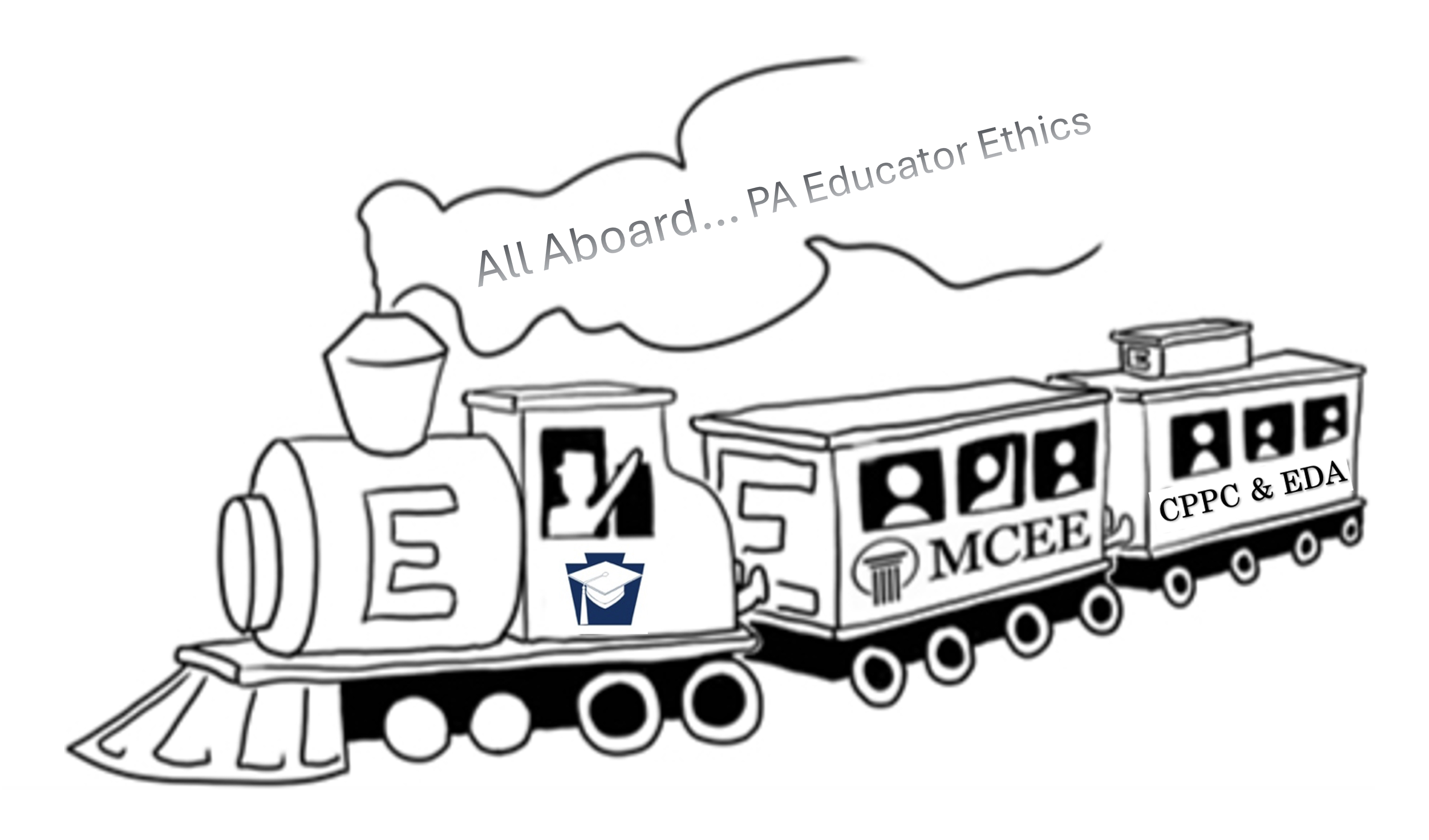
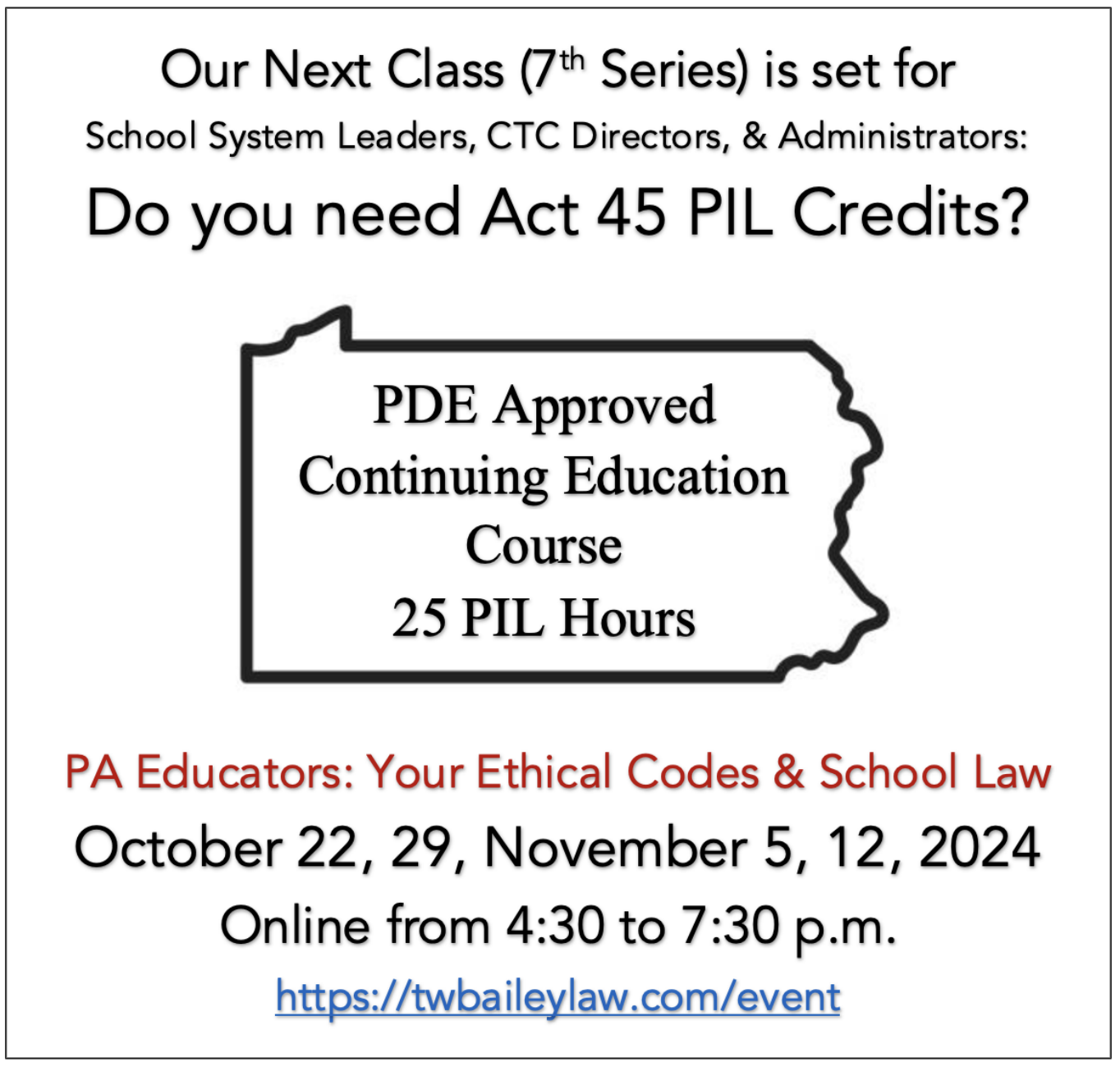
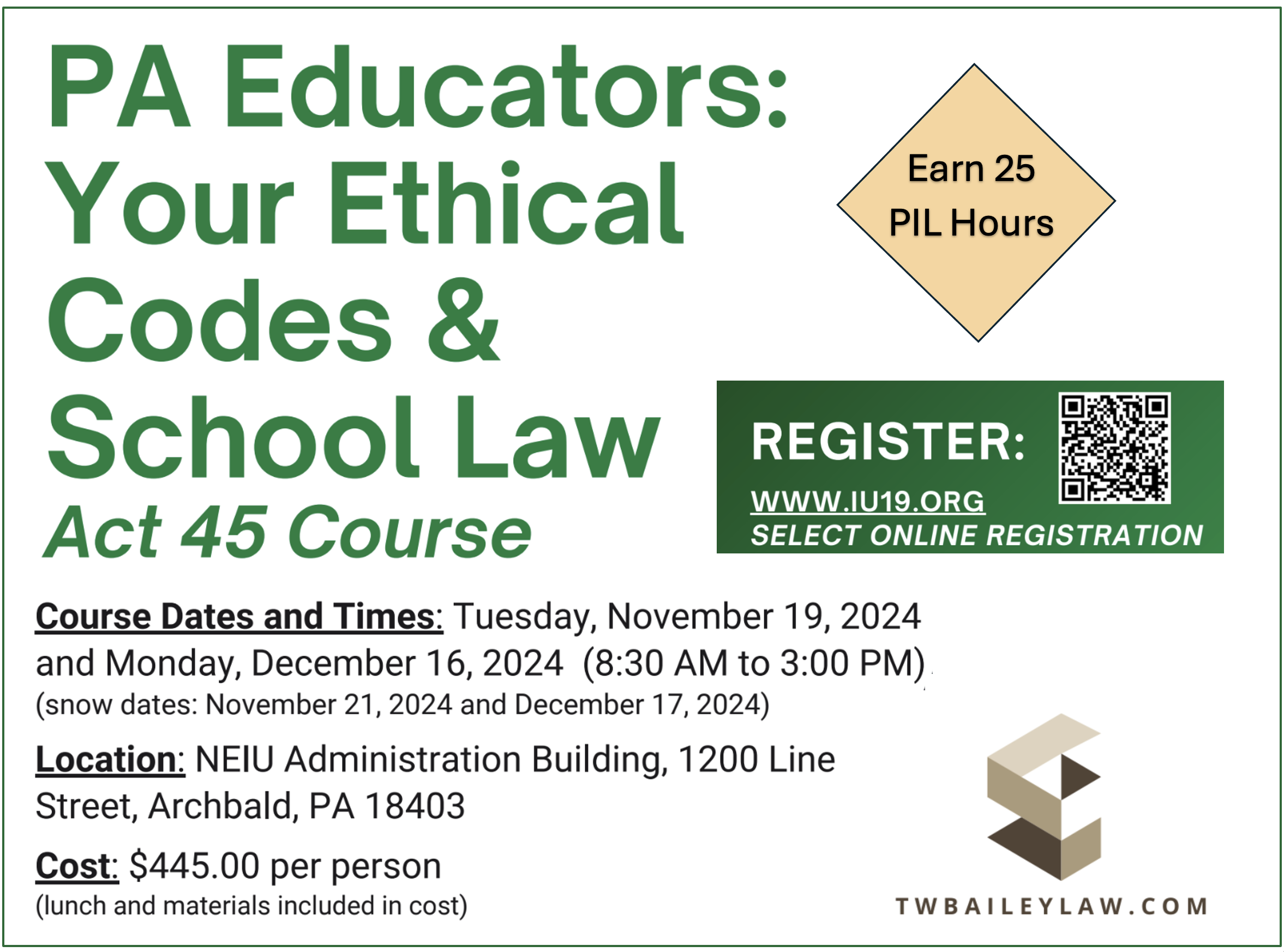

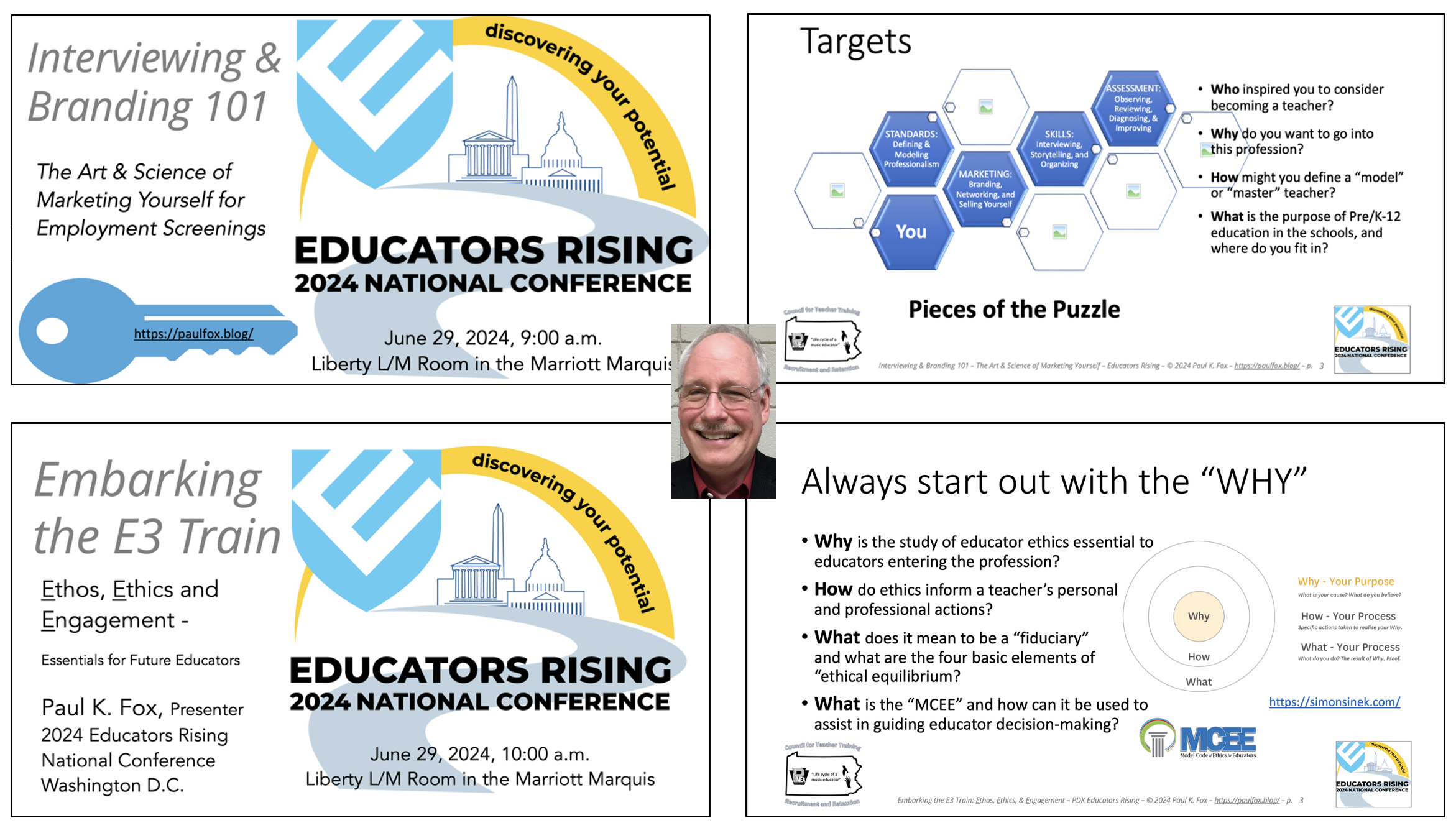
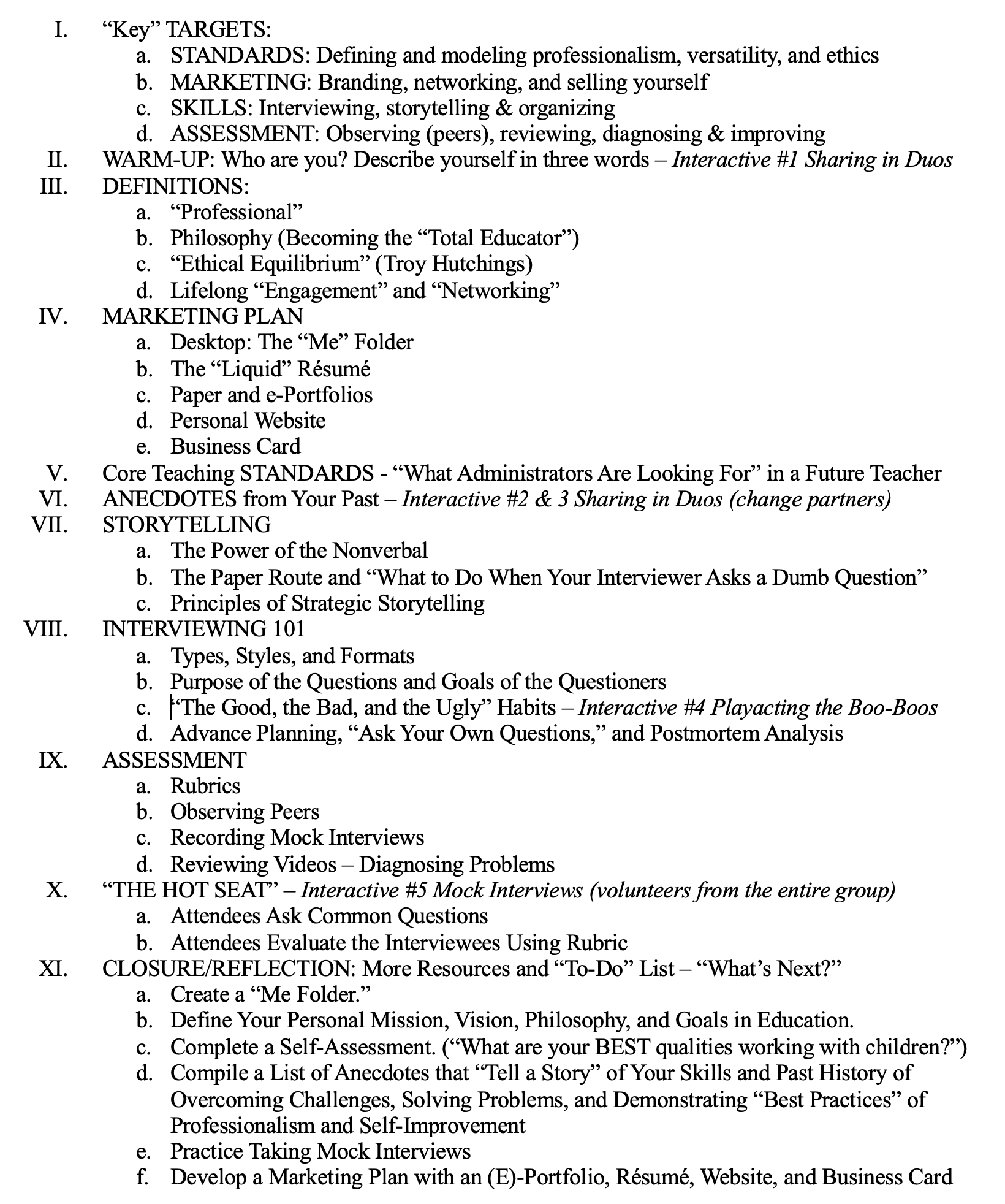
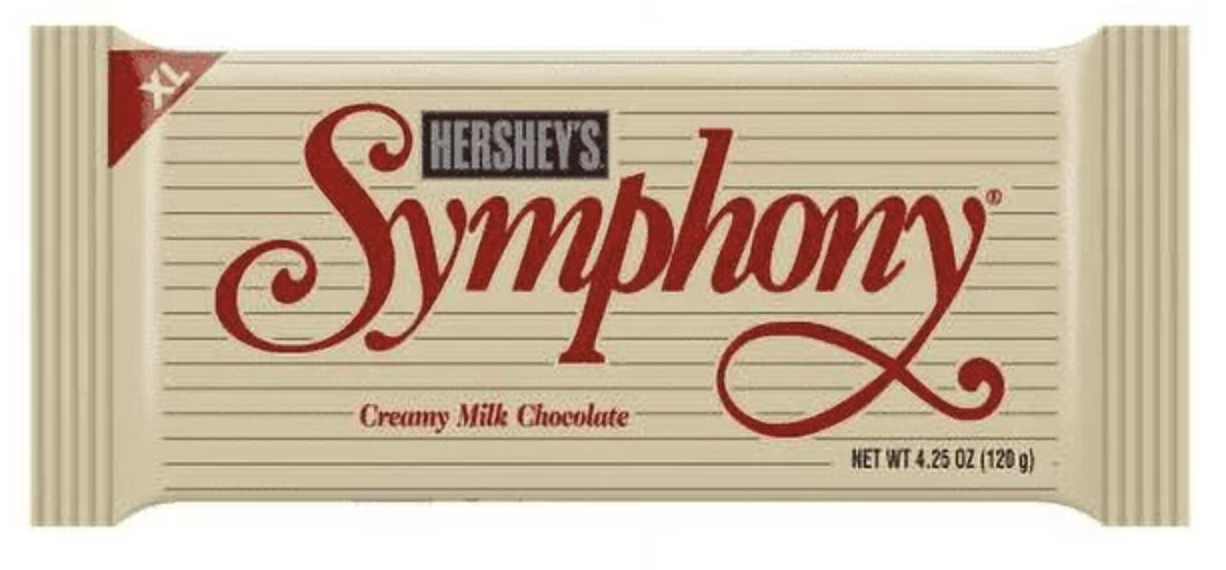
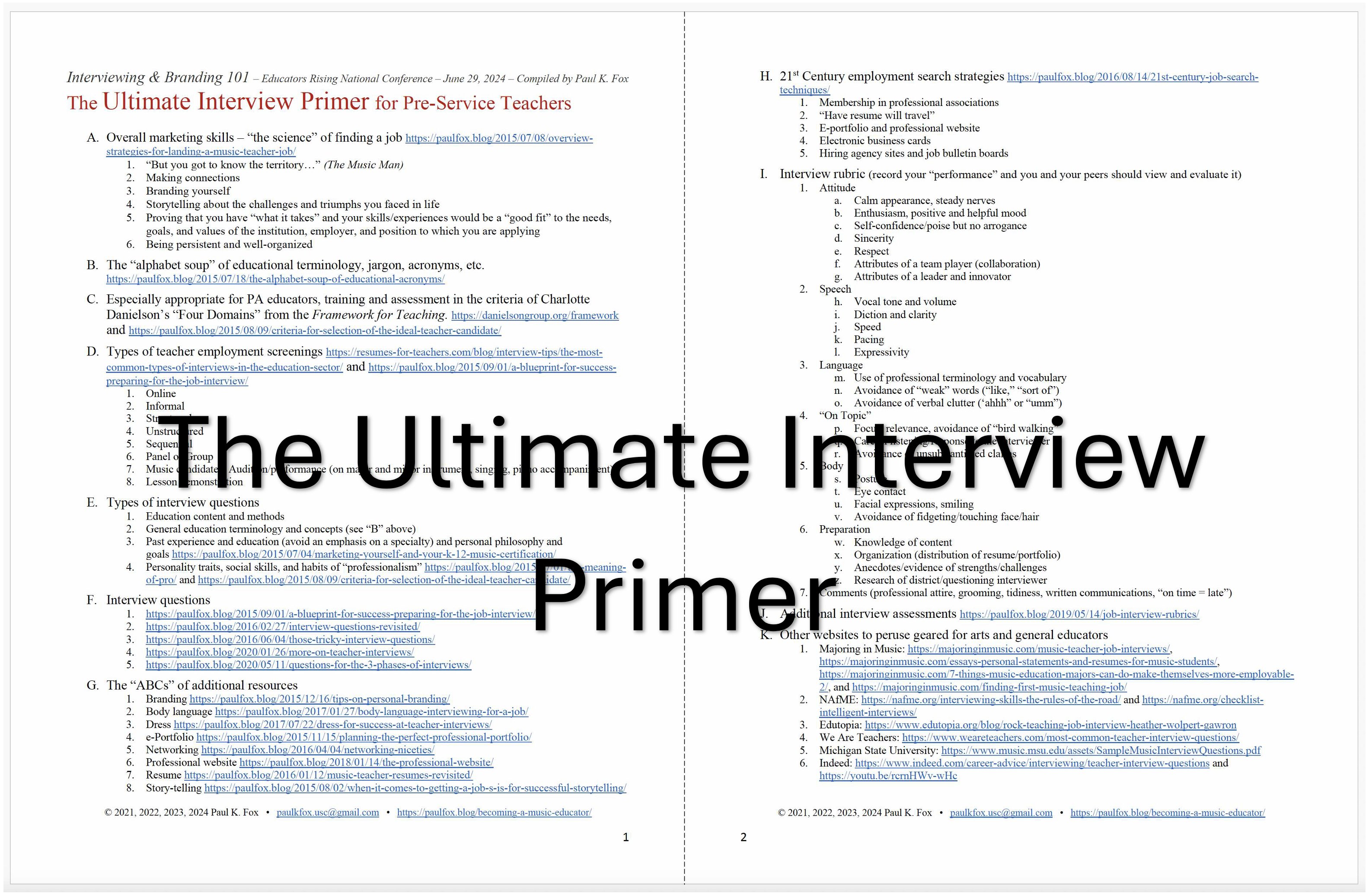
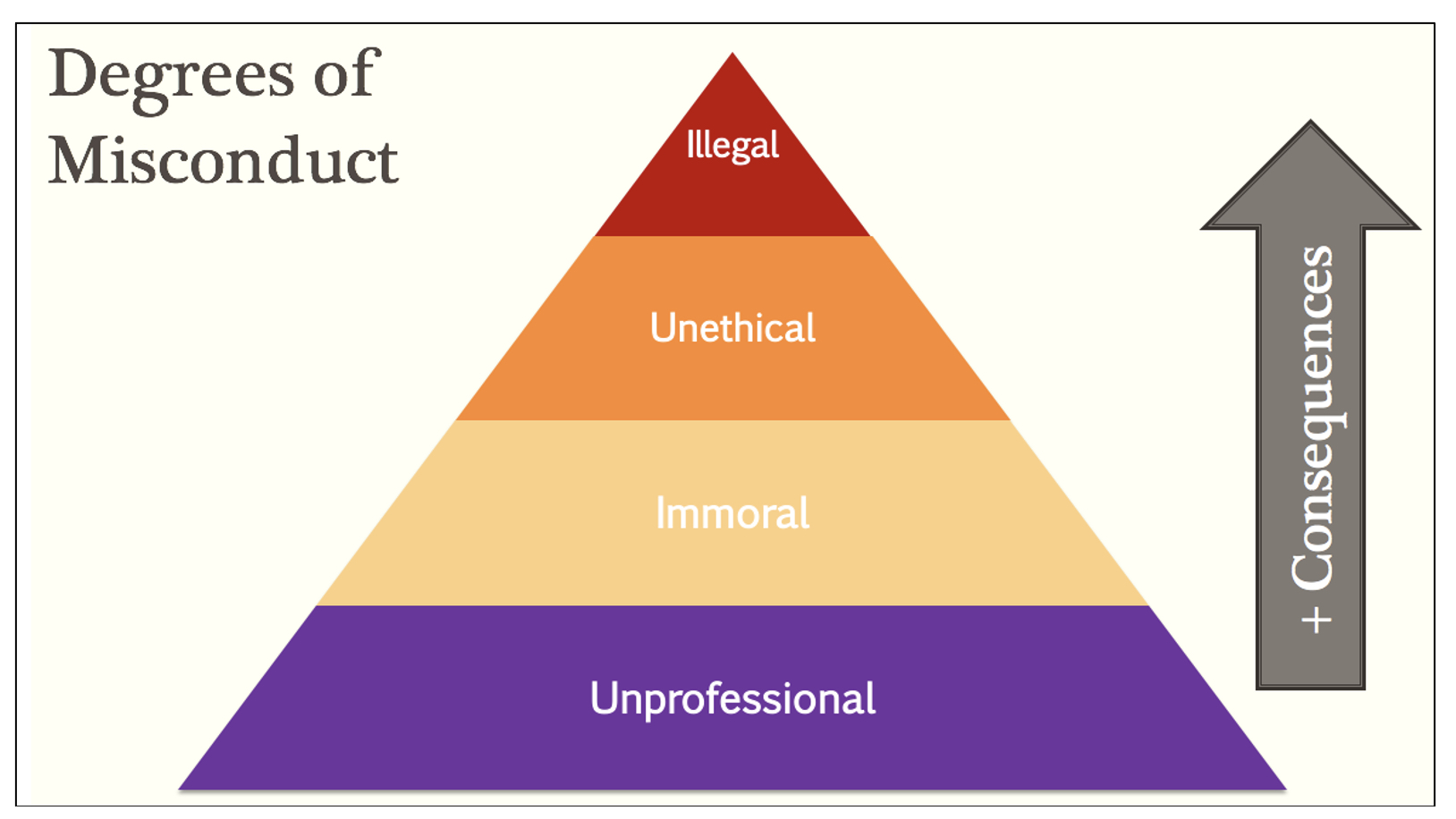

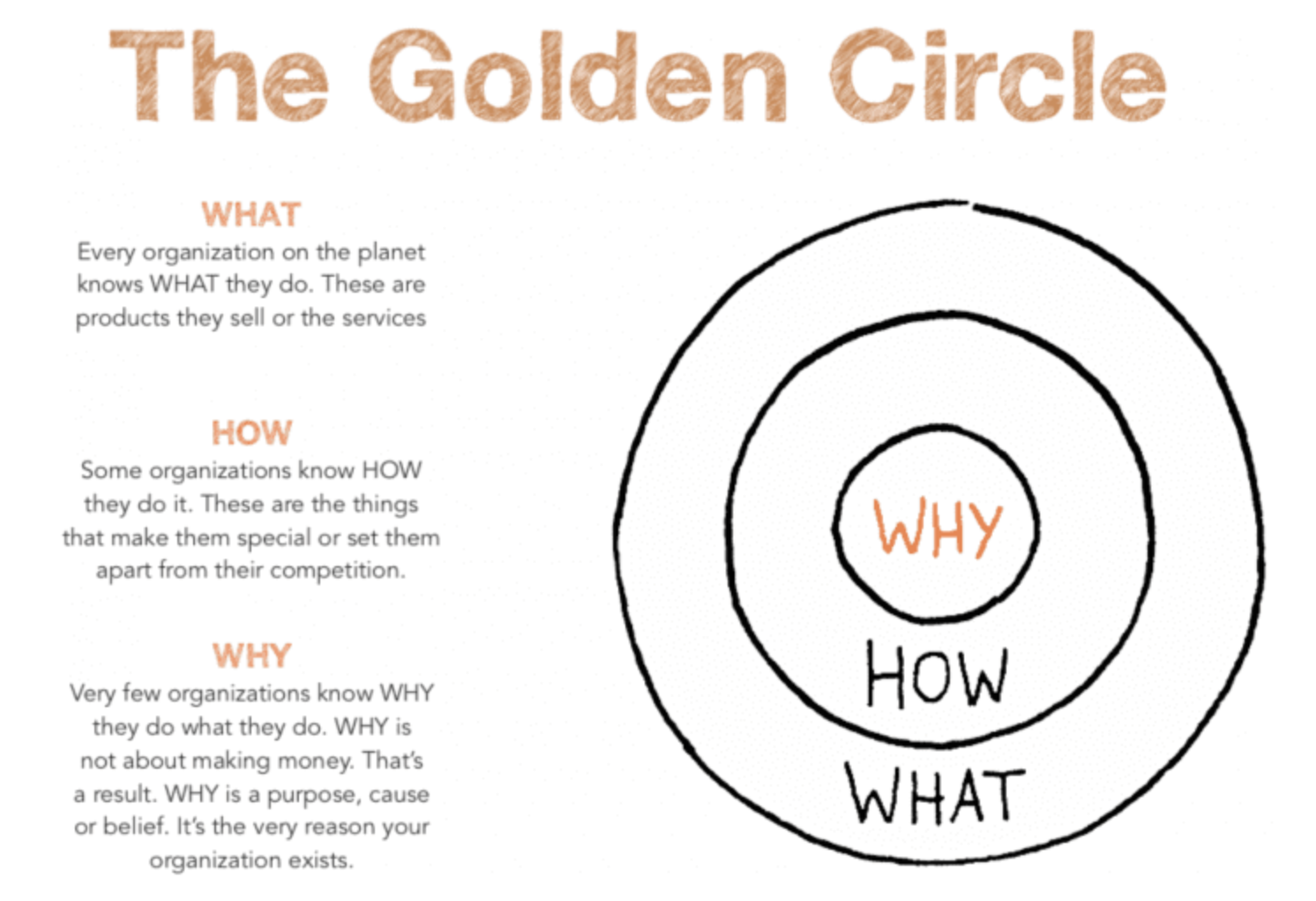


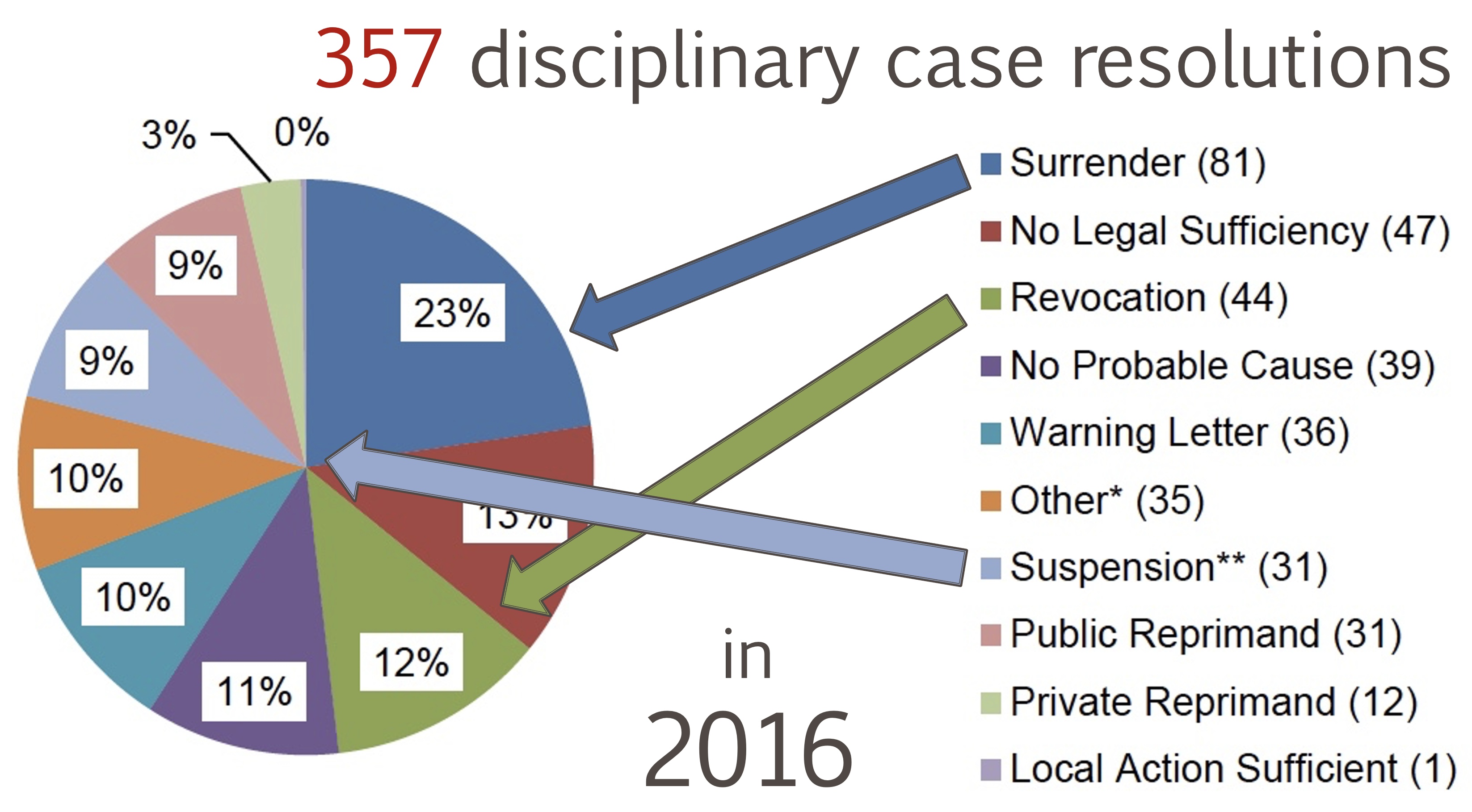
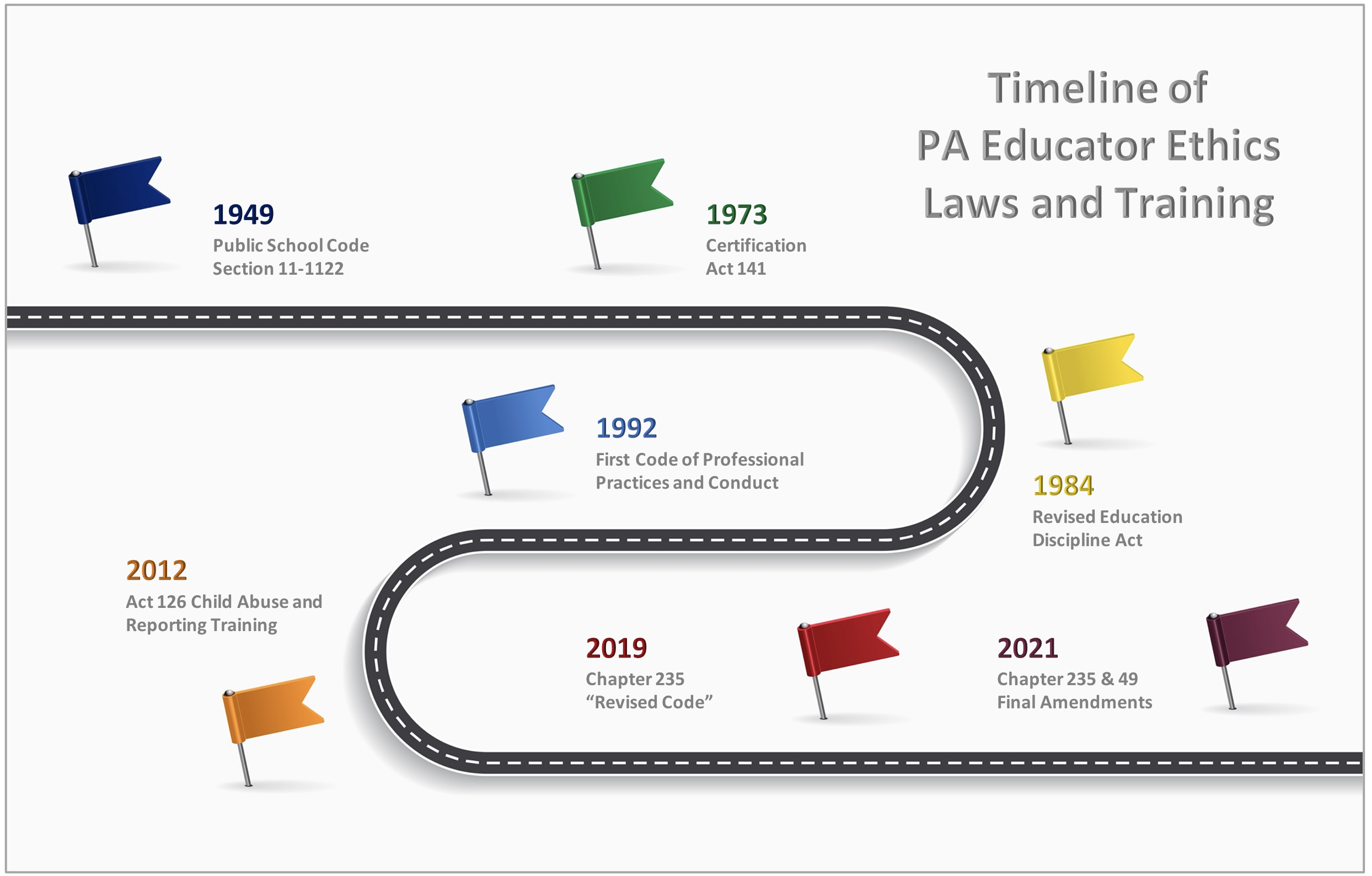
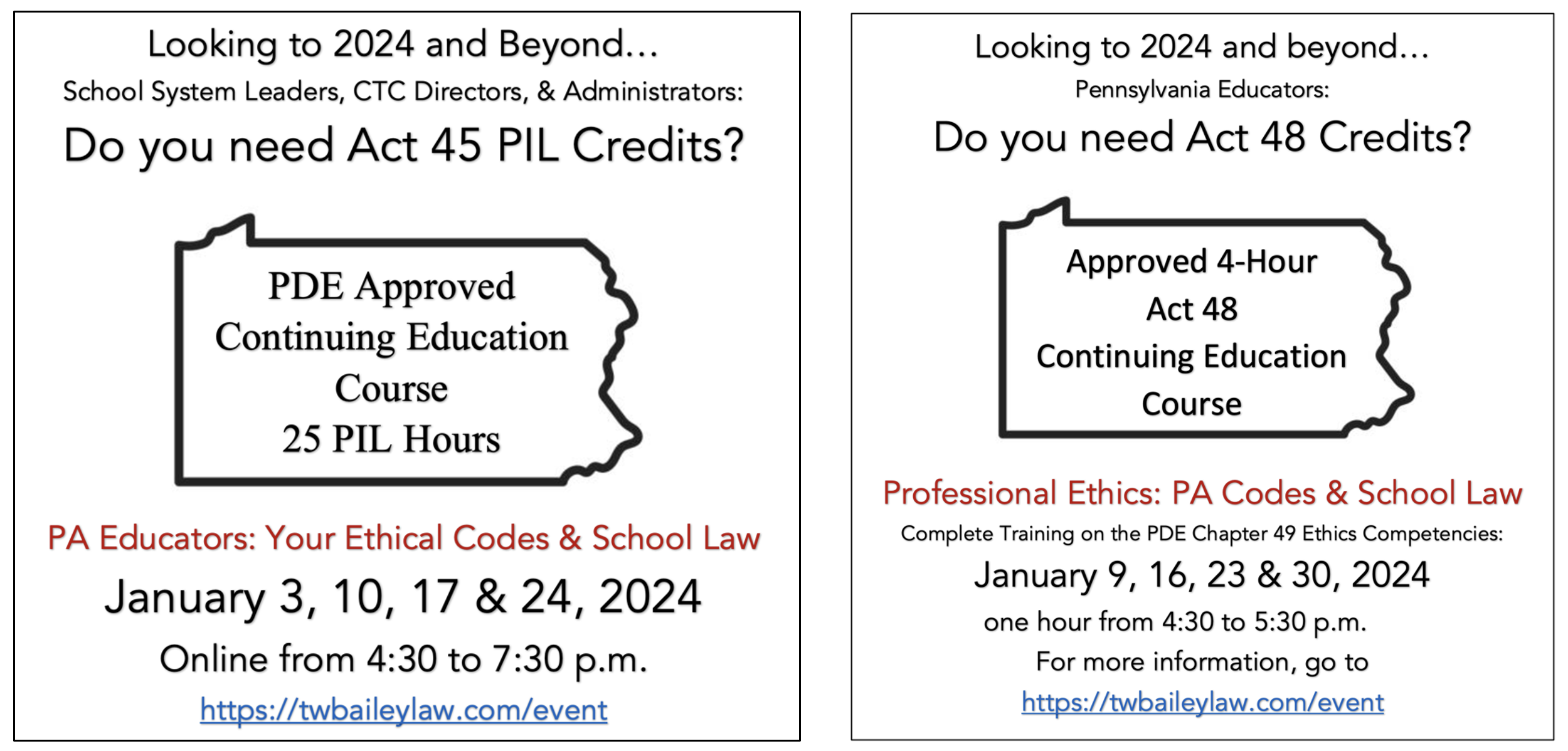


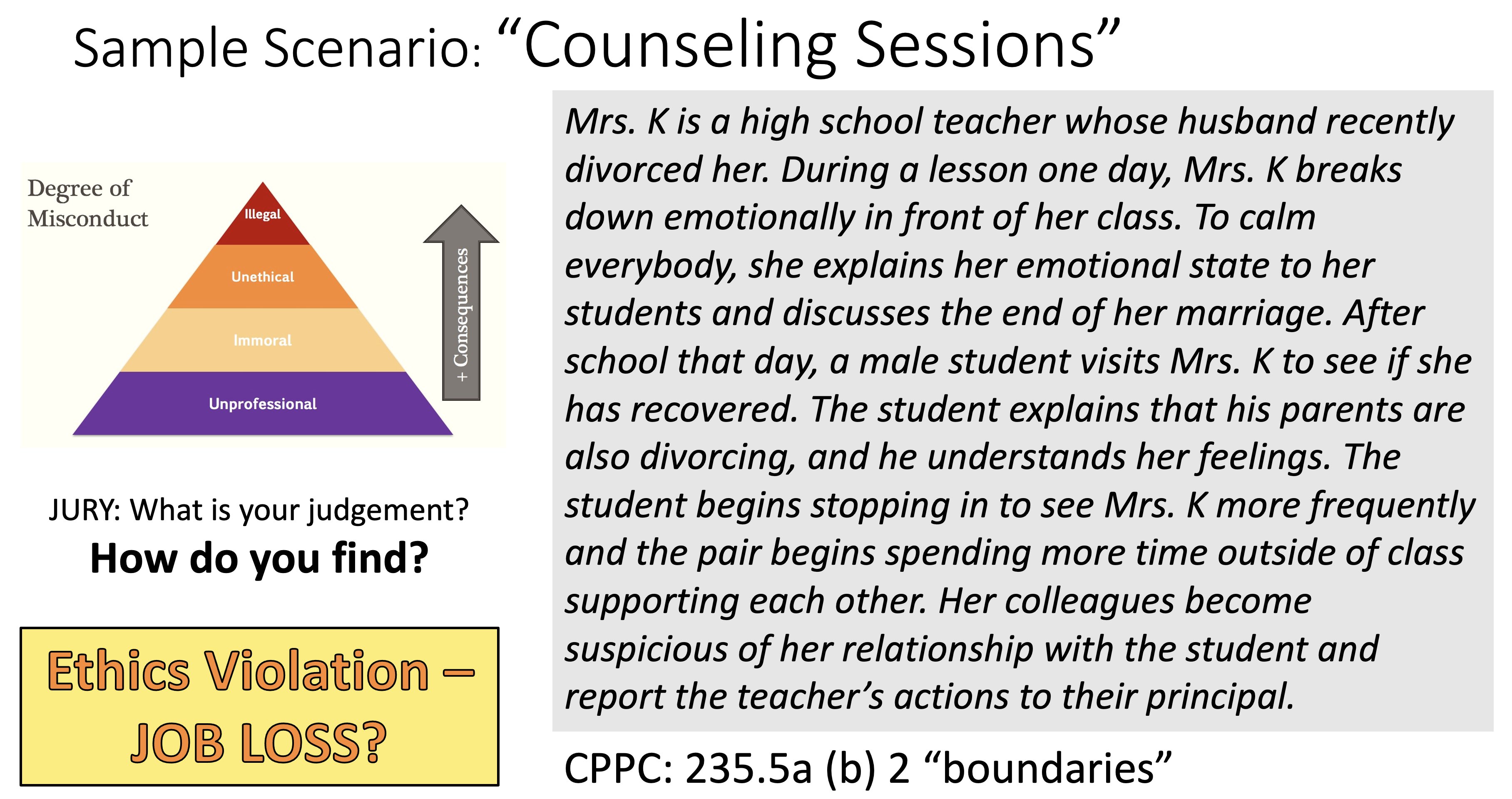

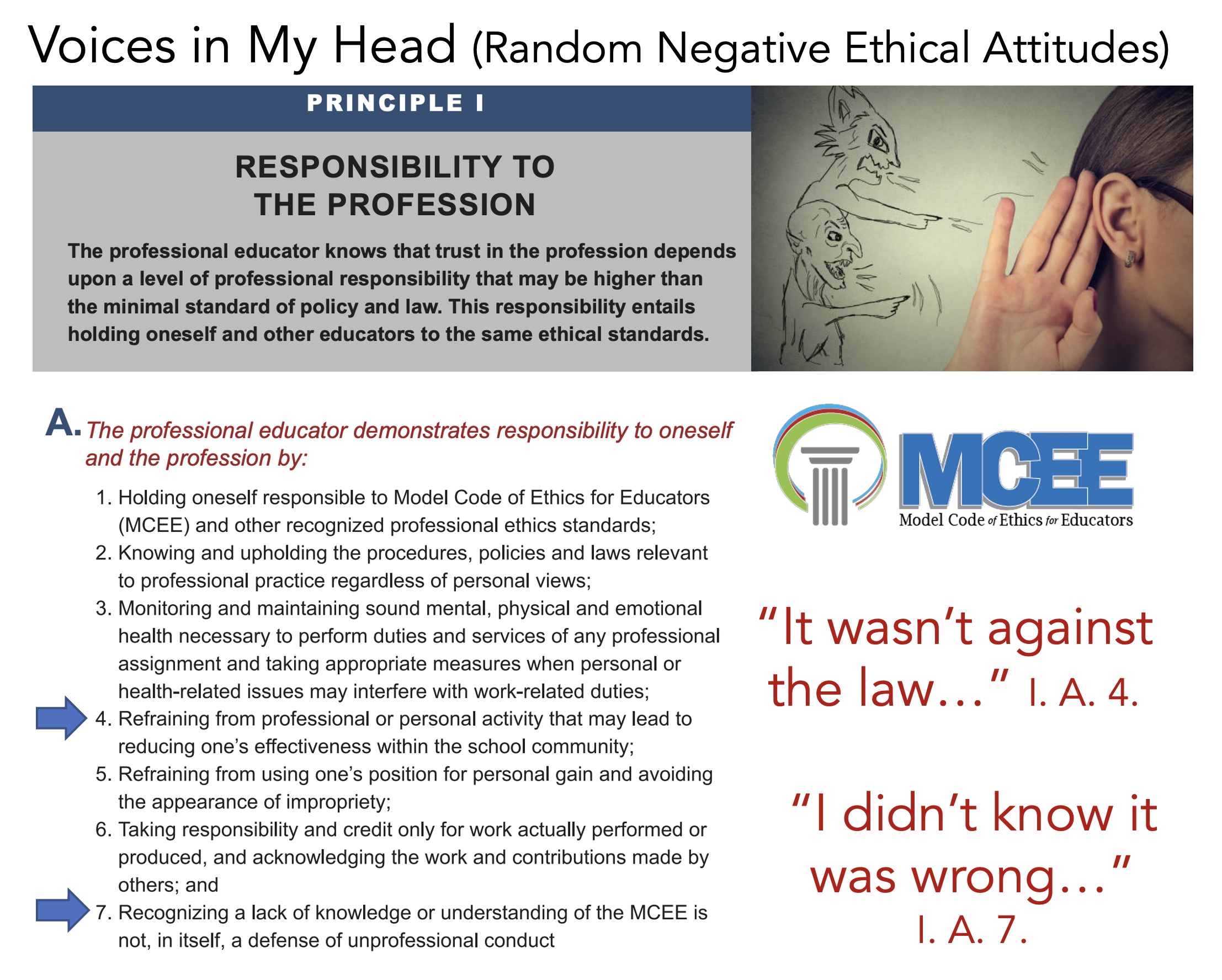
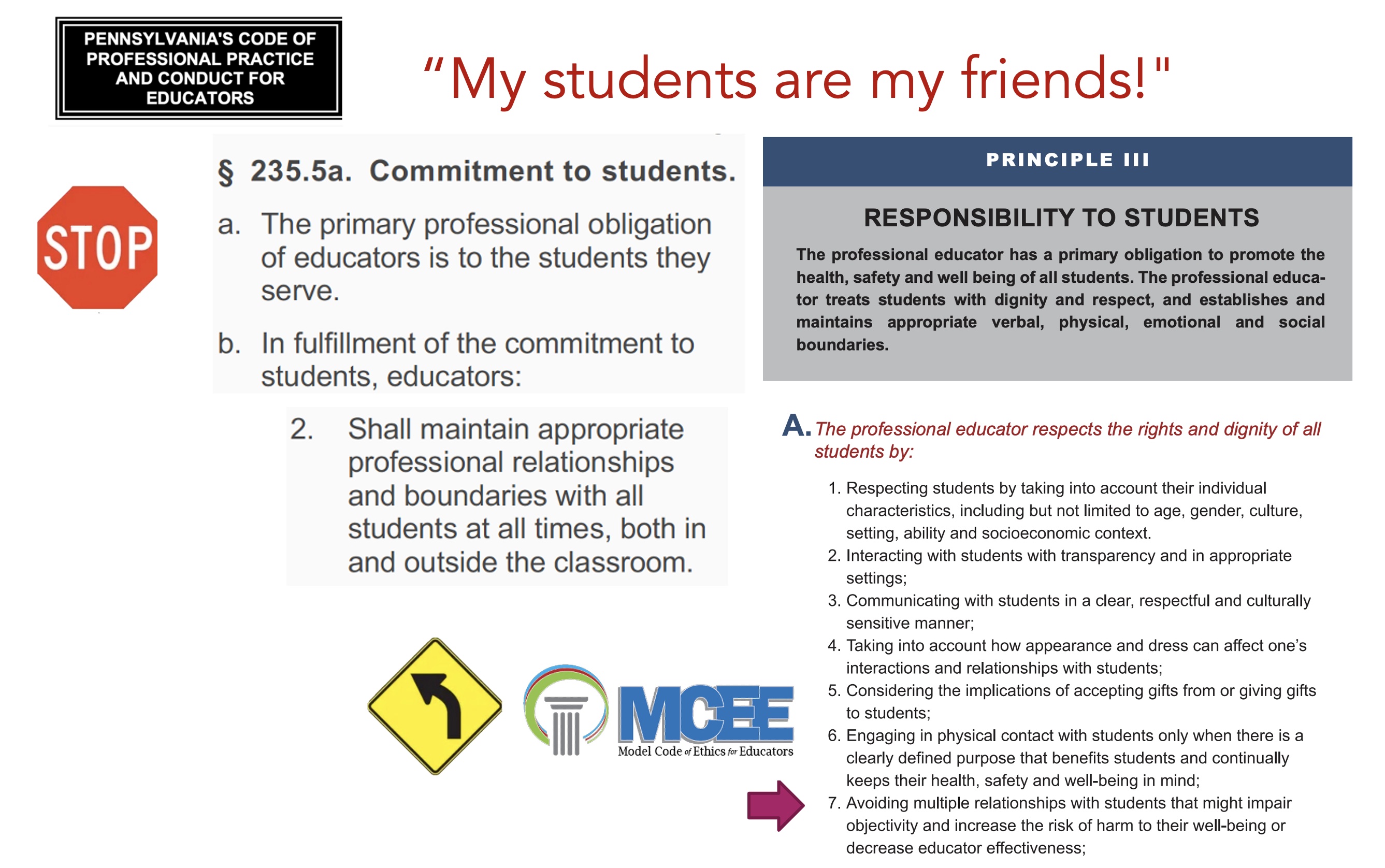
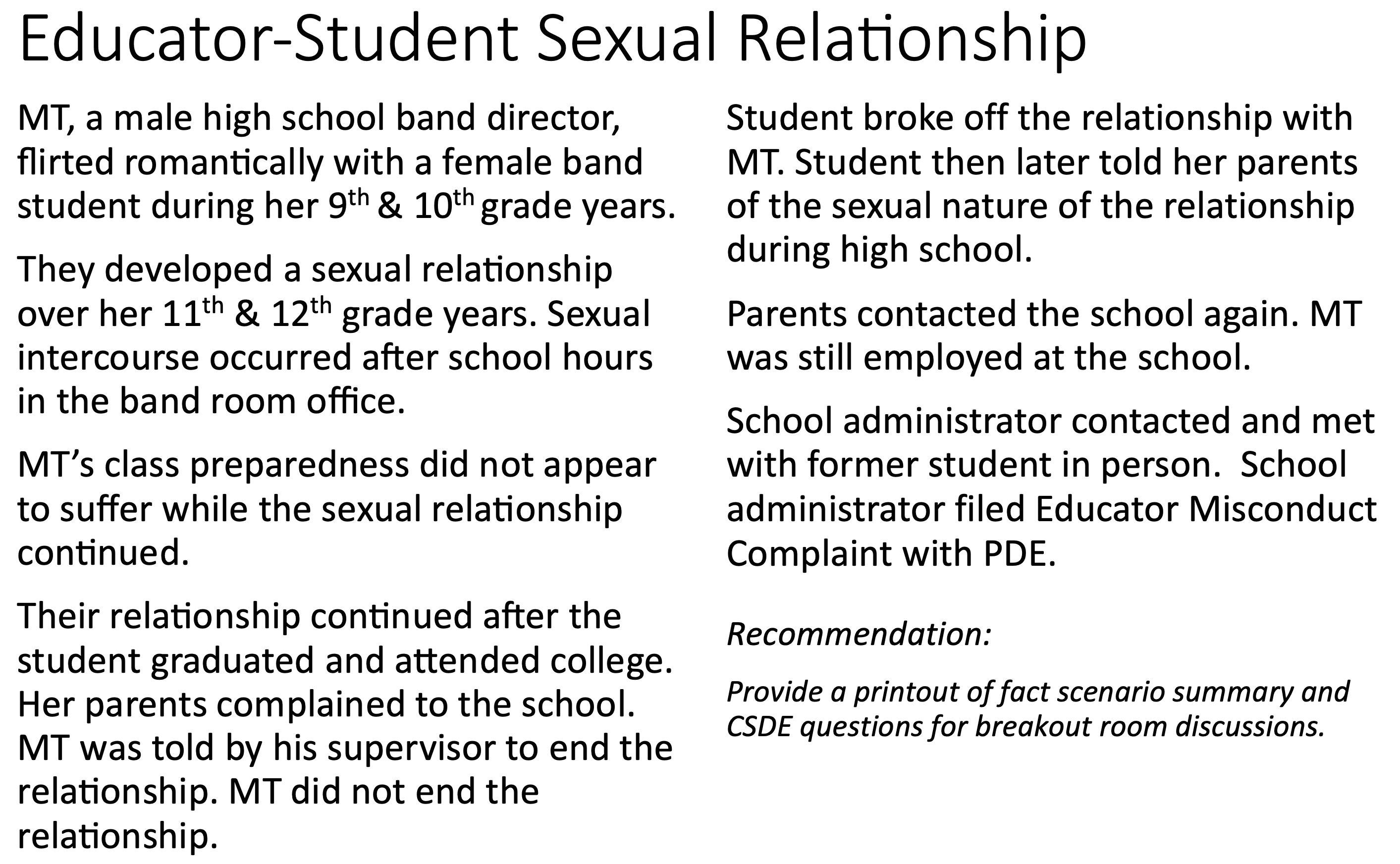
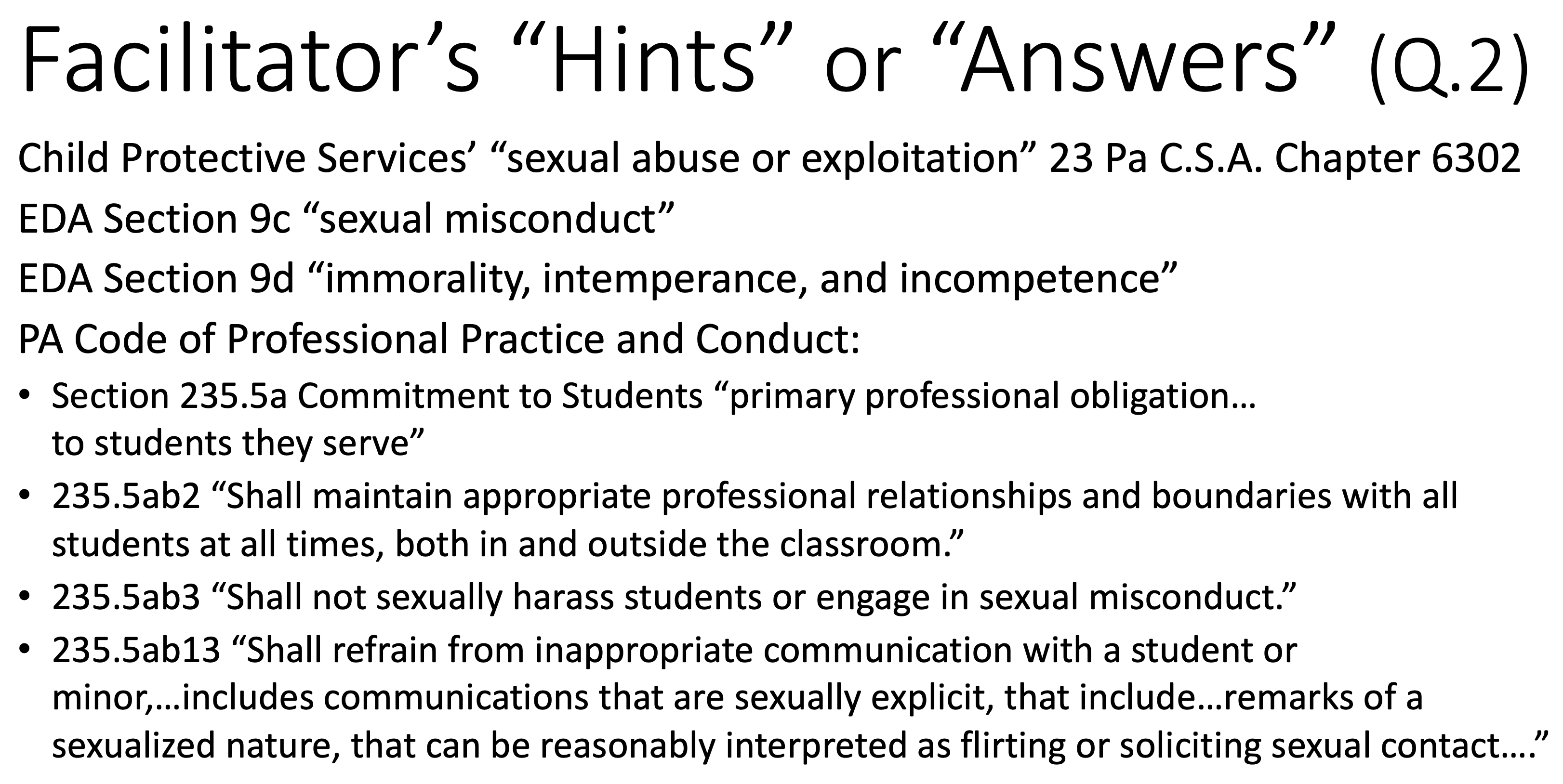


































 Before long, you will shed the label and function of a “college student” (although still remaining a life-long learner… and never stop the quest for new knowledge and self-improvement!). The focus will shift from YOU to YOUR STUDENTS. The prerequisites for a career in education are unique and do not resemble the same challenges as success in business, manufacturing, retail, service industry, or becoming an entrepreneur, blue-collar worker, or even a composer or professional musician. The sooner you realize these are world’s apart, the better, and now is the time to finish your major and life-changing transformation to… a professional music educator.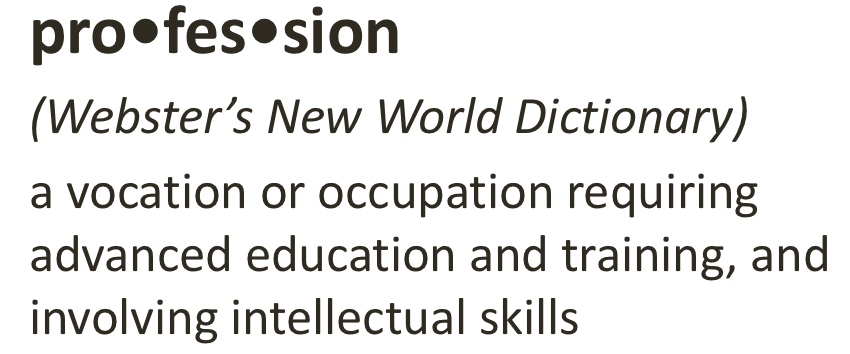
 Updates self with “constant education” and retooling
 Cooperation
 National Association of State Directors of Teacher Education and Certification proposes these principles:
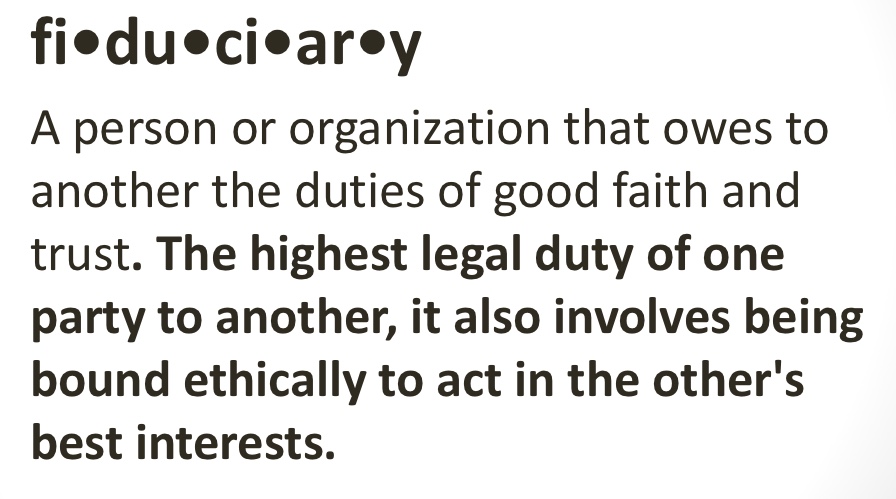 Here’s another query. What five groups of people are both “professionals” and “fiduciaries…” and have a legal responsibility to serve the best interests of their “clients?” The answer is… doctors/nurses, lawyers, counselors (both mental health and investment), the clergy, and… teachers.
  Although teachers seem to be the only one of these who DO NOT have formal pre- or in-service ethics training, and our “charges” represent a “captive audience,” our duty is clear: to act as a fiduciary for our students’ best interest, and to create and maintain a safe environment for them at all times.
 What do you believe about teaching?
 Take time to peruse these and others. Most of these sites also offer excellent examples of personal branding and marketing of the prospective job hunters’ experiences, skills, and achievements… material for our next blog on this topic.

 Educators are among the singular professions which have a “fiduciary” responsibility. The term “fiduciary” can be defined as “a person or organization that owes to another the duties of good faith and trust, the highest legal duty of one party to another, and being bound ethically to act in the other’s best interests.” Joining doctors, lawyers, clergy, and mental health therapists, educators ascribe to the highest standards of training, moral decision-making (“code of ethics”), behavior (“code of conduct”), and self-regulation and assessment of the “best practices” regarding the mastery of skills and subject areas necessary to their field. However, unlike these other professionals, teachers do not receive regular and systematic pre- and in-service training on ethics, and our “clients” are a “captive audience.” Regardless, the duty of all teachers is to act as a fiduciary in their students’ best interest and to create and maintain a safe environment for them at all times.
 Always looking for the signs of…
 Health Insurance Portability and Accountability Act (HIPAA) of 1996 provides data privacy and security provisions for safeguarding medical information.
 Proponents of this belief will tell you to go ahead and stick your neck out, feel free to do something “for the good of the order,” and later “beg for forgiveness” if/when it goes south and your administrators say they do not approve.
 My advice: “Forget your rights” and be more aware of your image and how your actions will look to the public. Reputations are hard to restore. Being an effective teacher is all about trust and integrity, and (sorry, one more cliche) “your actions speak louder than words!”
 paulfox.blog