Engaging Retiring/Retired Educators

Ask not what NAfME or your state MEA can do for you, but what YOU, a retiree, can do for your professional association and music education.
An adaptation of the famous excerpt from the 35th U.S. President John F. Kennedy’s inaugural address of January 20, 1961.

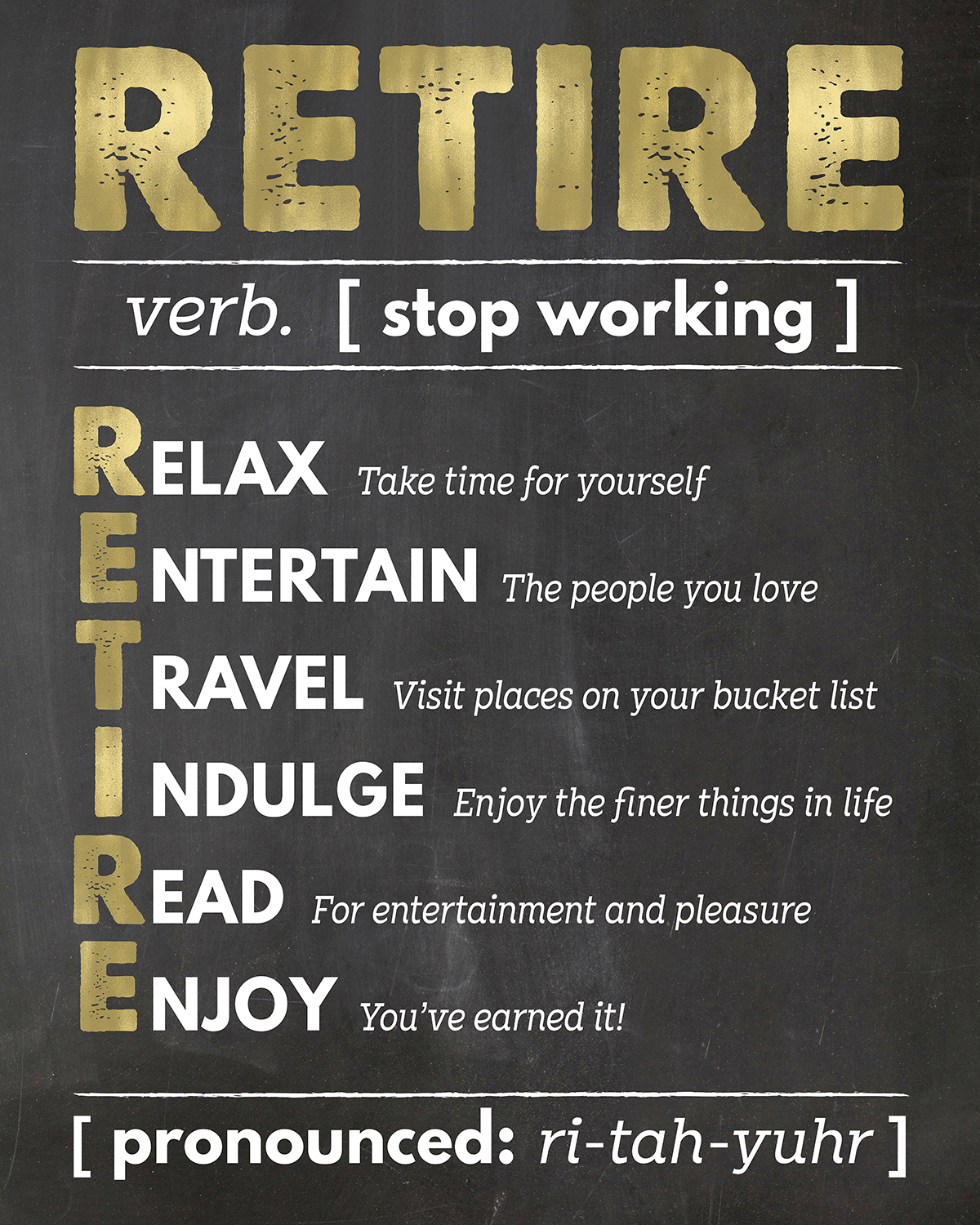
Surfing the ‘Net, I found an appropriate acronym for R.E.T.I.R.E. by Tangled Tulip Designs in pinterestRelax, Entertain, Travel, Indulge, Read and Enjoy! Most retirees would probably agree! The cessation of full-time employment may offer a great release from the day-to-day stress and drudgery of the job and the freedom to venture out, self-reinvent, make future goals, nurture relationships, and explore new personal growth opportunities.

Many attribute embracing a career in music education as “a calling” as opposed to just a form of employment or livelihood. From my experience, I have witnessed that most music educators are passionate for the cause of fostering creative self-expression in their students, more of a 24/7 mission, bringing intense focus and dedication to their lifework.

More to the point: Do we ever truly retire from making music ourselves and fostering this love in others?

THE “WHY!” Retirees matter and are critically needed!

One of my favorite inspirational speakers (Simon Sinek) would say, “start with the WHY!” WHY is this discussion on professional engagement of retired educators so important today?

  1. Their need: An informal poll of my former local educators and administrators revealed that half of them “hate retirement!” According to Dr. Robert P. Delamontagne in his book Retiring Mind (Fairview Imprints), “50% of retirees will suffer some form of acute emotional distress. This is potentially a very large problem given the fact that 10,000 people are becoming eligible for Social Security every day for the next 20 years in the US alone.” Remember this statistic the next time a senior citizen cuts you off on the road or bangs a shopping cart into your leg at the checkout!
  2. Our need: We are facing shortages of qualified teaching candidates across the country with unfilled openings in public school music positions and the critical need of training/mentoring the new hires.
  3. Society’s need: All of our voices should be combined to support the advocacy of music education, actively promoting access to school music by sharing its academic and social benefits with decision-makers, building relationships with administrators and policymakers, and utilizing resources from organizations like NAfME and the NAMM Foundation.

Despite its proven benefits, music education is often the first program to face budget cuts in schools. This is especially concerning in underserved communities, where access to music programs can be life-changing. Now more than ever, we must advocate for music education to ensure that every child has the opportunity to experience its benefits. Investing in music education is an investment in the future of our communities — helping to cultivate the next generation of creative, resilient, and innovative leaders. 
“Why Music Education Matters More Now Than Ever” by Music Will, February 2025

For eleven years (and counting), I serve as the Pennsylvania Music Educators Association (PMEA) Retired Member State Coordinator, as well as the Past State Chair (current member) of the PMEA Council for Teacher Training, Recruitment and Retention. I believe my responsibility to the state association is two-fold:

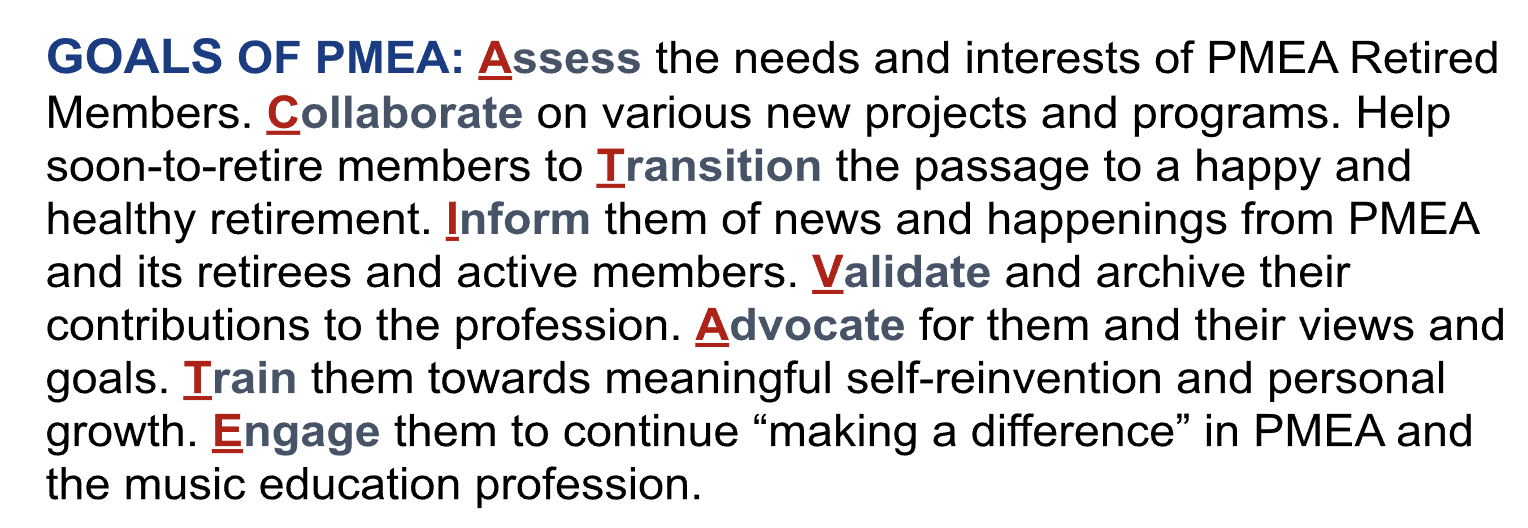
  • Assist soon-to-retire professionals in achieving a smooth transition to a happy and satisfying retirement; to help them cope with the commonly-experienced emotional ups-and-downs of this life passage, wrestling with the question “what do you want to be or do when you grow up?” and making new life lesson plans and personal goals.
  • Reach out to and build meaningful connections with retirees in order to fully engage them towards becoming active in their professional association; to recount, represent, and revitalize the activities of our post full-time employed music educators.

This article proposes a roadmap of crucial pathways to help music teachers approach “retirement bliss” while tapping into their hard-earned knowledge, strengths, and experiences by cultivating the benefits of their renewed participation in our professional associations.

What can NAfME and State MEAs offer retirees?

You have devoted your entire life to inspiring the development of personal artistry and “ah-ha” musical moments in others. Now it is your turn to reap the benefits (and privileges) of this commitment to the profession. NAfME and your MEAs can provide the resources and motivation of “sharing and caring,” directing retirees “places to go, people to meet, and things to do” for fulfilling that “next chapter” or (perhaps better terms) the “refirement” or “rewirement” of senior living.

Do you feel “needed” and know you “make a difference?” Research has shown that the one of the most important motivators for involvement in a professional association is that its members recognize that they are essential to its success. This quote is from Revitalizing Retirement: Reshaping Your Identity, Relationships, and Purpose by Nancy Schlossberg, attributed to Rosenberg/McCullough:

 “It has been suggested that one problem of retirement is that one no longer matters; others no longer depend on us… The reward of retirement, involving a surcease from labor, can be the punishment of not mattering. Existence loses its point and savor when one no longer makes a difference.”

Most people who are one to five years away from “pulling their pin” and putting in their walking papers “do not know what they do not know.” Experts agree: “Retirement preparation is not only about the money!” Our silver-haired colleagues who have already Crossed the Rubicon and are now “living the dream” in retirement can share their trials, tribulations, and (more importantly) numerous success stories about coping with this transition!

NAfME, PMEA and this paulfox.blog/for-retirees site have archived an exhaustive number of self-help articles. Check out this omnibus NAfME blog “Retirement Prep Top-Ten Treasures.”

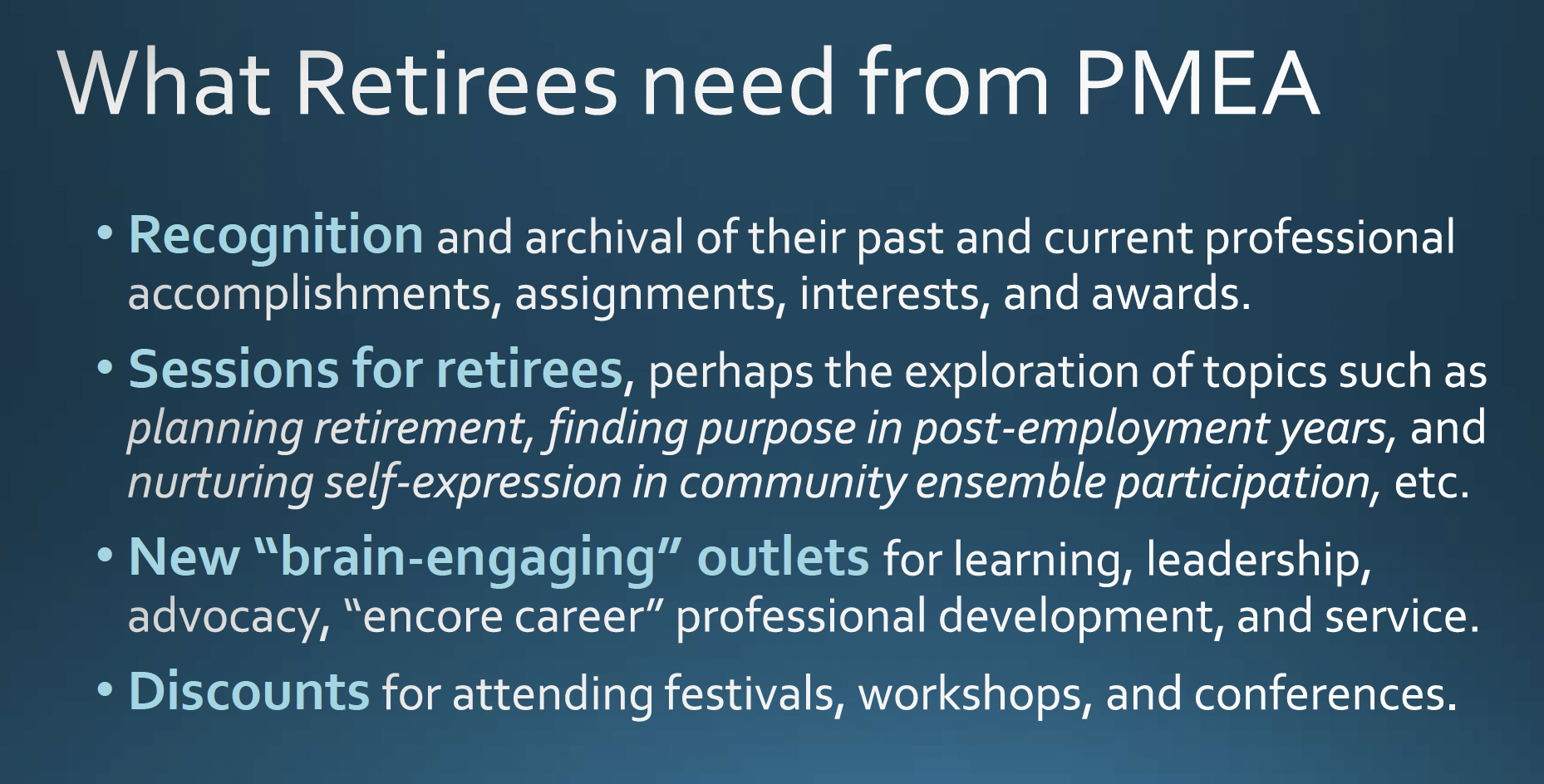
The benefits of retired MEA membership are numerous. Besides providing helpful transitioning advice, these advantages also come to mind:

  1. Answers to questions like “What have you always wanted to sing, compose, play, record, conduct, write, publish or present?” and “Where can I share my hard-won expertise and help others in the field?”
  2. Networks and contacts to help you develop “encore careers” in other musical or educational arenas (e.g., higher education, music industry, festival organization, travel/tour planning, composition, guest conducting, private studio teaching, church music, etc.)
  3. Opportunities to “rekindle your expressiveness” by participation in adult community or full/part time performance groups (playing “gigs”)
  4. Places to go/things to see/hear: NAfME/MEA conferences, workshops, and concerts
  5. Exclusive discounts and other benefits (reduced dues and registration fees)

What can retirees offer NAfME and their state MEA?

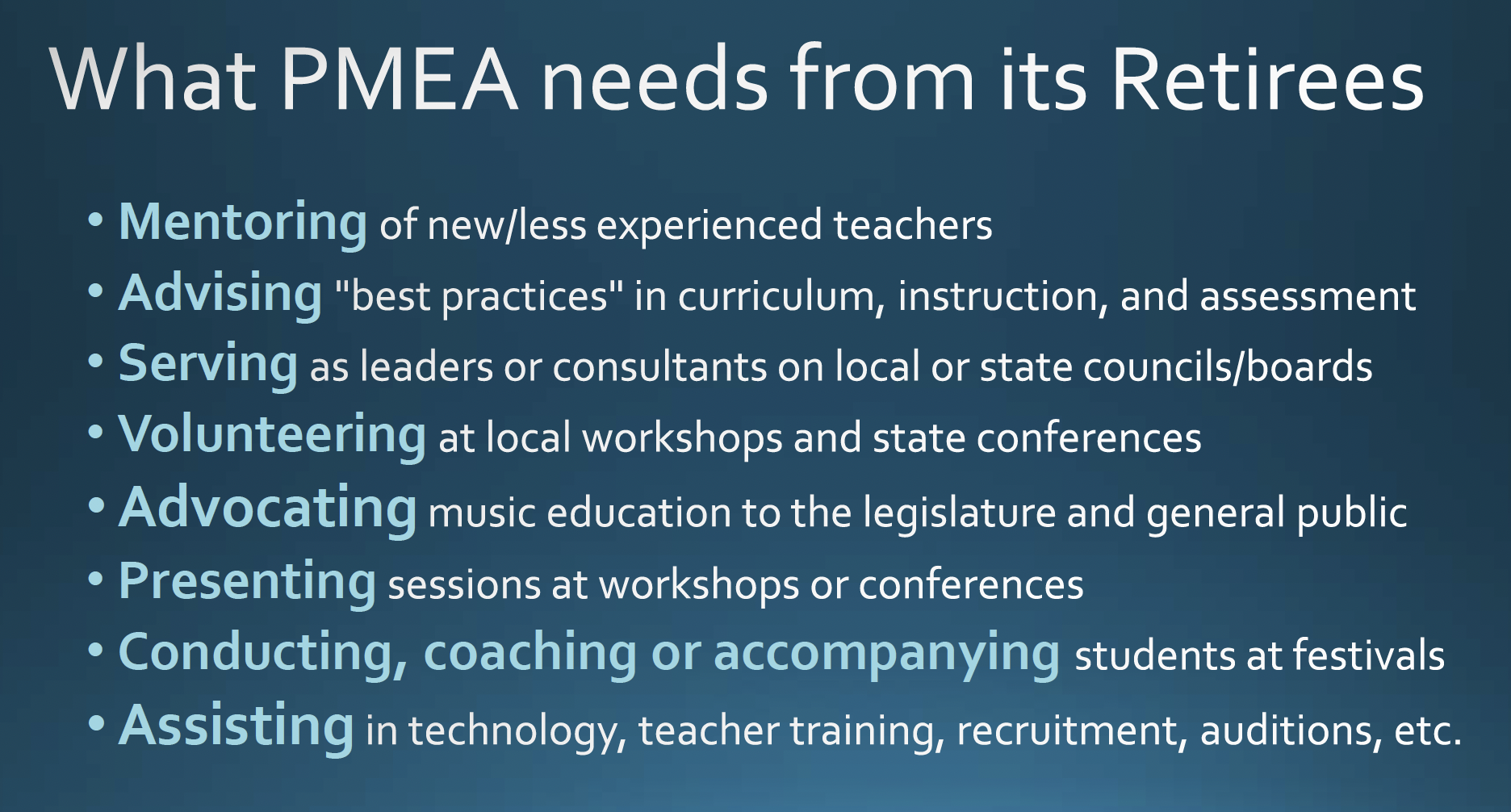
The relationship of active and retired membership in our MEAs is symbiotic. We know from the history of our associations, “giving back to the profession” remains a high priority with most retirees. This may come in many forms and settings:

  • Leadership or membership in local, state, or national MEA/NAfME office, staff, advisor, or council/committee position
  • Advocates for the promotion of music education to local and state government officials
  • Service as presiding chair or member of the conference or workshop planning committee
  • Service as evaluator of performance groups, conference sessions, or articles for publication
  • Judges of local/state MEA adjudication or commercial festival
  • Accompanists, coaches, arrangers, or guest conductors for festivals or school/community groups
  • Services to the local music teacher in private teaching, piano playing, marching band charting, sectional coaching, choreography, music technology, instrumental repair, stage tech, etc.
  • Writers for state MEA and NAfME publications and blog sites
  • Contributors to online music education forums or the NAfME Connections
  • Donors to and/or fund-raisers of music education charitable projects, scholarship initiatives, etc.

The PMEA Model of Retired Member Participation

PMEA values the vast wealth of experience and contributions of our retired members. We’re proud of the many programs we offer to retirees and invite you to visit our website to peruse additional information and sample digital newsletters and articles.

Retired members in Pennsylvania are involved in:

  • PMEA elected and appointed offices, staff, committee chairs, and membership on councils
  • PMEA Strategic Plan and Bylaws, Conference Planning, and other state/regional committees
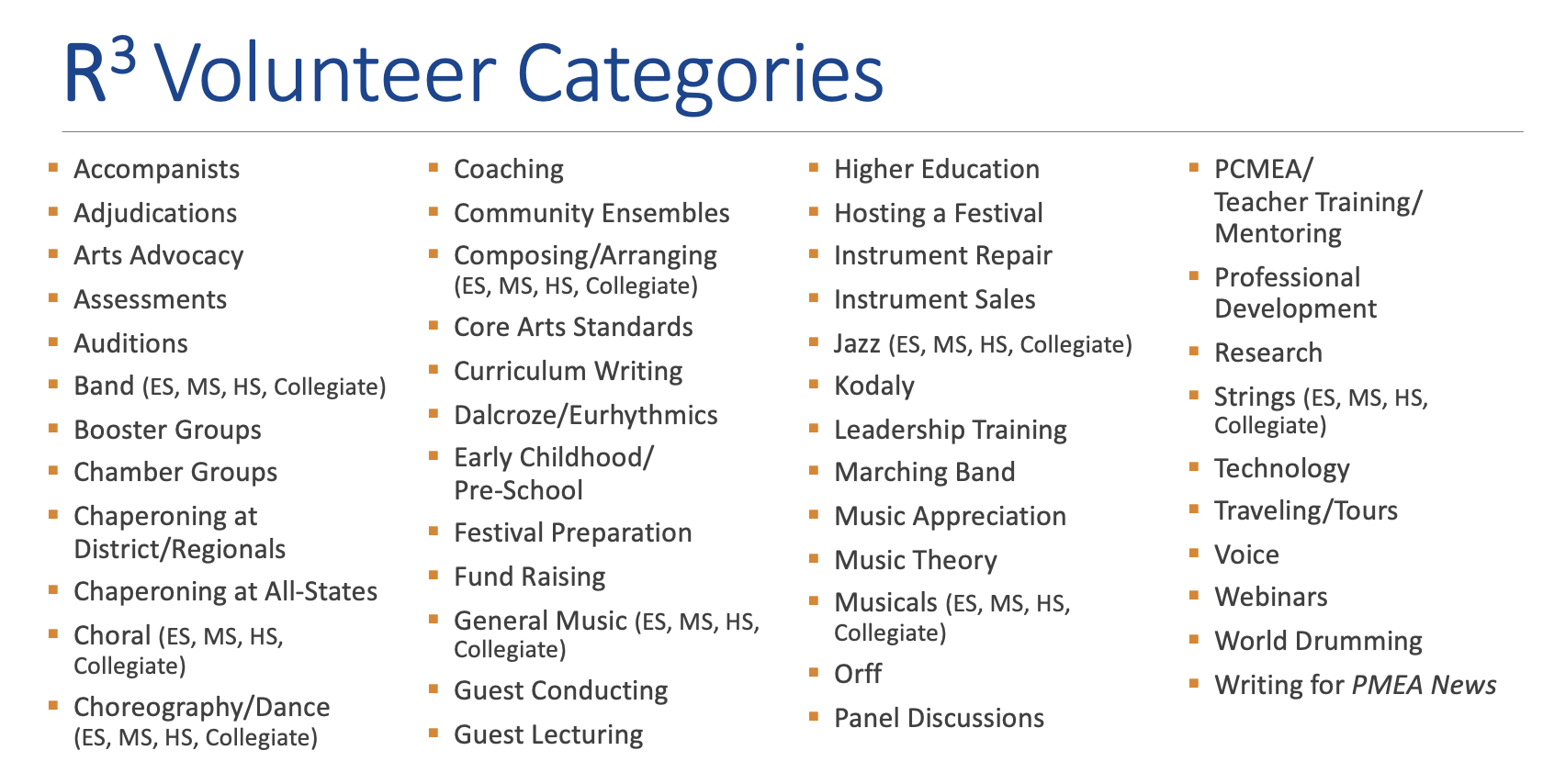
  • Retired Resource Registry* (informal mentoring for new teachers and transfers)
  • How-to-Retire Webinar, Prepping for Retirement, and the Ultimate Retiree Resource Guide
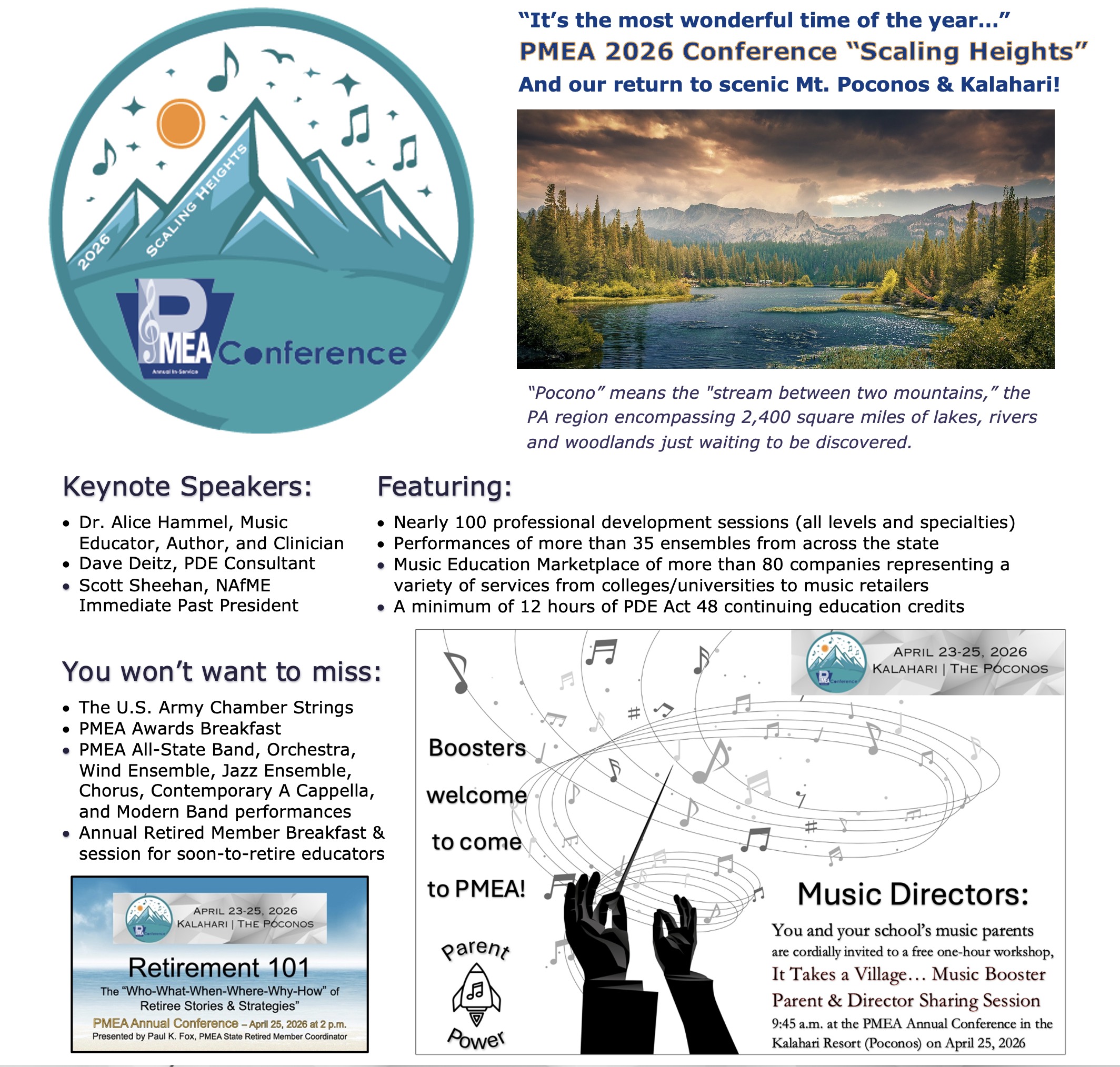
  • Retired Member Breakfast at PMEA Annual Conference
  • Retirement 101 (The Who, What, When, Where, Why, and How) session at PMEA Annual Conference (training for all members retiring or soon-to-retire)
  • Maintenance of PA Community Band, Chorus, Orchestra, and Theater group catalogs
  • Maintenance of PMEA member compositions library
  • Mock Job Interview Committee for music education majors
  • Coffee & Conversations informal “ask an expert” lounge at PMEA Annual Conference
  • Volunteering as presiding chairs for sessions and registration aides at conferences/workshops
  • Pool of conference clinicians, guest lecturers, and members on discussion panels
  • Participation in “Sponsor a Collegiate to Attend the Conference” campaigns
  • All-State Program Patron, or contributor to the annual Irene Christman Scholarship or Margaret Bauer Grant programs.

As of October 1, 2025, there are 61 advisors in the PMEA Retired Resource Registry.

*During their annual membership registration, PMEA Retired Members may choose to sign-up for the R3 Retired Member Registry (above volunteer categories) to become available to informally offer advice to college music education majors, new hires, transfers, and newcomers to any music specialty. R3 members may handle inquiries like “What warm-up would you recommend for my middle school choir?” OR “Do you have an idea for an elementary string ensemble concert opener?” OR “How do you teach improvisation… steady beat… breath support?”

The other option with more time commitment is that Retired Members can be officially “trained” as a PMEA Mentor and be assigned to specific individuals who request assistance in their early career assignments.

Coda

How can we help?

What is the future of retired music educator professional engagement? In a word: connections!

Last month, I reached out to Elizabeth Welsh Lasko, NAfME Assistant Executive Director for Membership, Organizational Development, and Marketing Communications and “volunteered” OUR assistance. I suggested that, in keeping with the NAfME 2022 Vision Statement “…an association where all people are heard, seen, and feel they belong throughout their lifelong experiences in music” we should all intentionally recruit more hands-on involvement of our retirees. I pointed out that in the late 1980s, we had a Music Educators National Conference (MENC) Committee for Retired Members led by a National Chairman who served on the NAfME National Assembly. (An excellent booklet, TIPS: Retirement for Music Educators, Copyright © 1989 MENC, was compiled by A. Verne Wilson, then the Past National Chairman of the MENC Committee for Retired Music Educators.)

Ms. Lasko encouraged me to “reach out to retirees” beginning with this article. At the next NAfME Eastern Division Conference, I plan to hold a meeting of retired members, and also connect with all state MEA retired member coordinators (those states who have them). We’re available and on the move! Let’s collaborate and share our resources!

Finally, just for fun, I recently posted the blog “For Book Lovers – Retired or Not” on NAfME Connections (formerly called Amplify). There are already 1,810 members in the NAfME “Retired Members Community.” Please JOIN US! Using this forum, get in touch with me, and respond with YOUR OWN retirement stories, strategies, perspectives on this “life passage,” and more ideas to grow the professional engagement of our music teacher retirees.

Happy trails!

© 2025 Paul K. Fox

Sharing is Caring!

Join the “Fox Network”

“There is no joy in possession without sharing.”
— Erasmus

“Share your knowledge. It is a way to achieve immortality.”
— His Holiness the Dalai Lama

“There is no delight in owning anything unshared.”
— Seneca

“The miracle is this: The more we share the more we have.”
— Leonard Nimoy

This is a quick blog-post to announce my upcoming professional development initiatives, and an invitation to share your own pet peeves or “thoughts, theories, and teachings.” Of course, I will give you full credit for any contributions, “tips and techniques,” background research, or “quotables” provided!

It has been a challenge motivating any reactions to these articles. Although they would be most welcomed, we typically receive very few online remarks. (If you would like to voice your opinion or add anything to the conversation, PLEASE click on the “comment” button next to the title at the top of the page.)

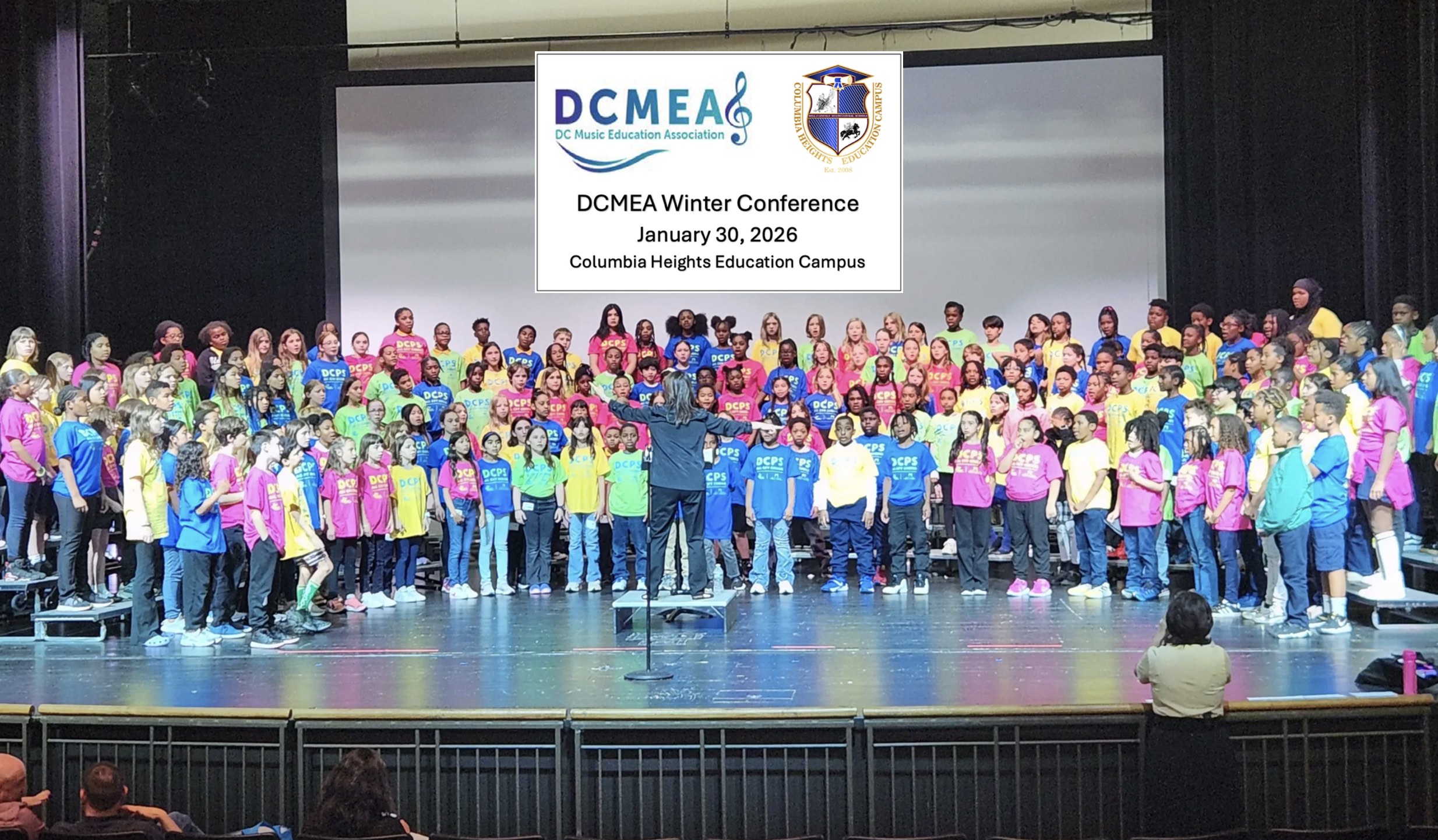
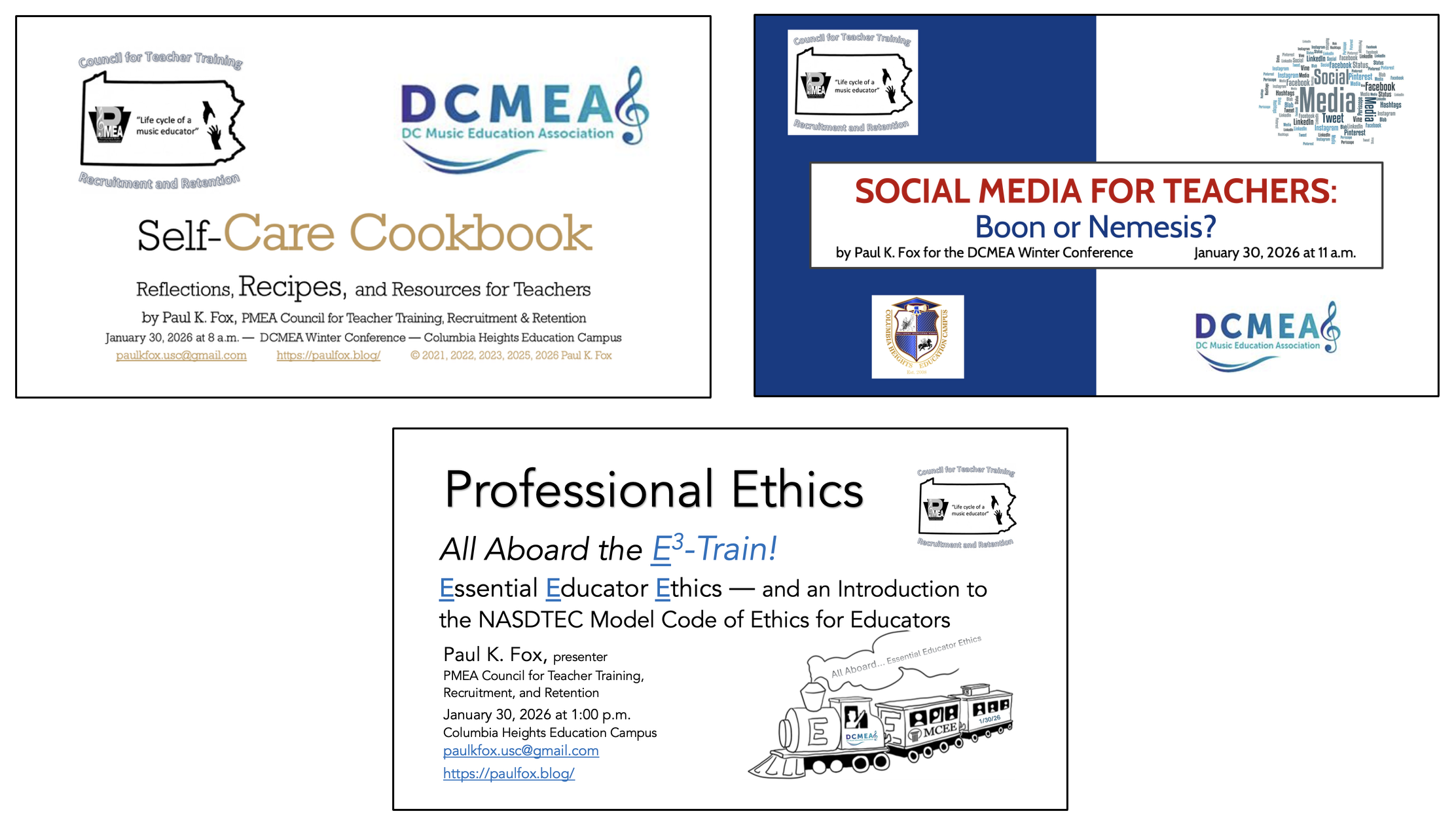
I feel privileged to have been asked to present three sessions at the DCMEA Winter Conference at the Columbia Heights Education Campus (3101 16th St NW, Washington, DC 20010) on January 30, 2026. These are for music educators undergoing pre- and in-service training and include the following:

  • SOCIAL MEDIA – Boon or Nemesis?
  • ALL ABOARD THE E3 TRAIN – Essential Ethics for Educators
  • SELF-CARE COOKBOOK – Reflections, RECIPES, and Resources for Music Teachers

I would especially appreciate learning about any of YOUR “success stories” or resources on…

  • Favorite examples of “safe and meaningful” social media for teaching music students.
  • Anecdotes of ethical “conundrums” or issues in the daily decision-making of music educators.
  • Sample “stress-reducers,” time management tips, and other self-care strategies to avoid music teacher burnout.

In addition, I am in the process of updating my INTERVIEW 101 and EMPOWERING EDUCATOR & STUDENT LEADERSHIP clinics for future blog posts and clinics. Any thoughts?

Finally, I would also love to hear from you if you have any feedback on a proposed future sharing session for the parents of music students called ADVICE TO MUSIC BOOSTERS. If you have ever sponsored a music parents advocacy group for your school music program, what suggestions would you give to your colleagues and booster officers?

Feel free to reach out to me via email here. Thank you for your willingness to help our profession!

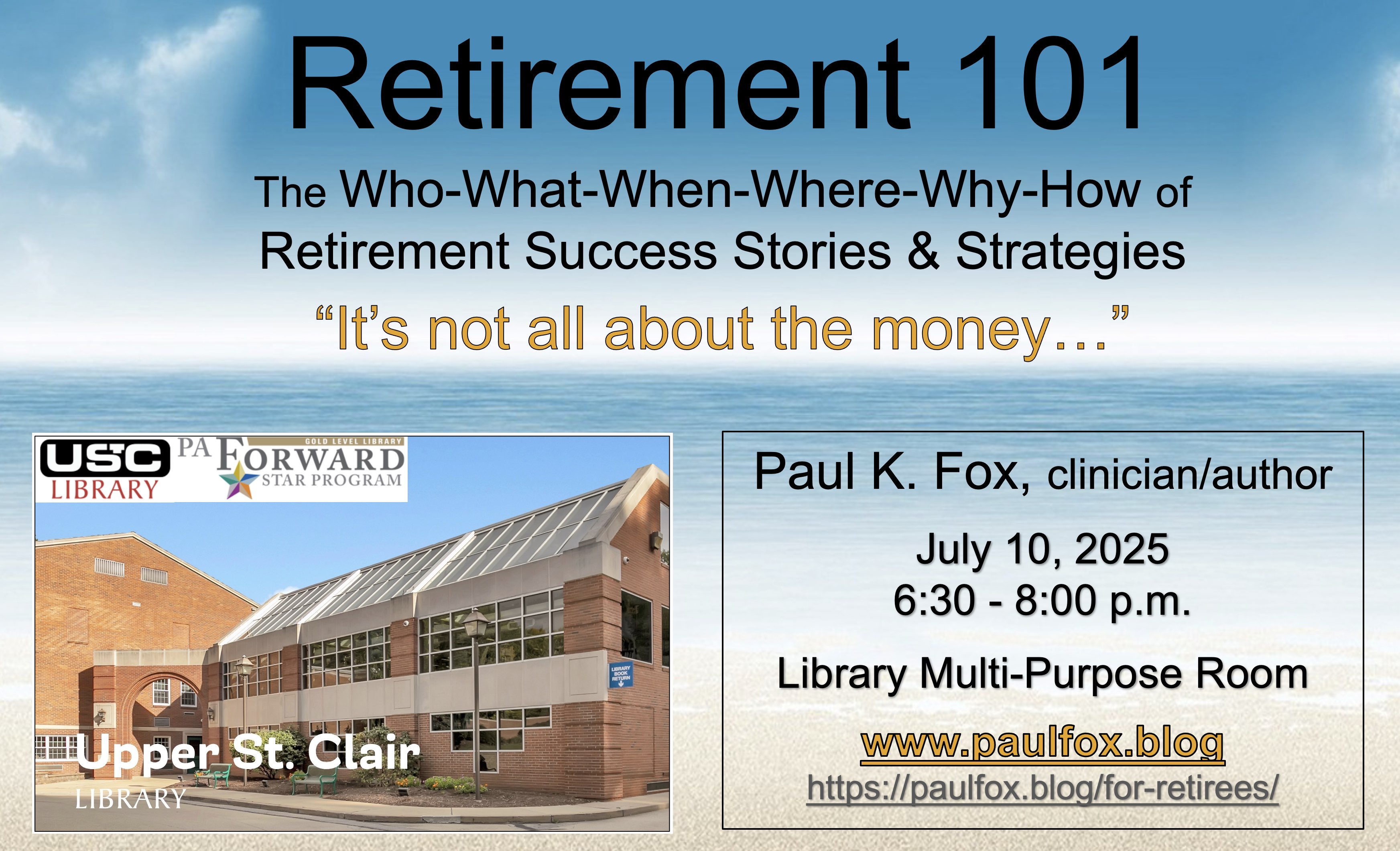
Editor’s Note (things to look forward to): In mid-July, our next blog for this series geared to “the life cycle of a music educator” will be from guest author Ed Carter entitled “Bigger Dreams, Bigger Home: How Retirees Can Upsize for Homesteading and Hosting.” In addition, I plan to share links to materials of the “Retirement 101 – It’s Not All About the Money,” a free workshop I am presenting to residents at the Upper St. Clair Township Library on July 10, 2025.

PKF

© 2025 Paul K. Fox

The Get-a-Job Toolbox

Preparing for Those Upcoming Employment Screenings

So much of what I do at this blog-site is to archive articles offering advice on a host of topics:

Surveying my past blogs, I feel like I had to repeat (repackage) the content until my readers reached that particular stage in their career. Once they experience first-hand that sometimes tumultuous “passage,” they would be ready to reflect on this information. But, I doubt they would closely examine it until then. As an example, for more than a decade as the PMEA Retired Member Coordinator, these past articles I wrote for PMEA News and the PMEA Annual Conference’s session Retirement 101 revisit the voluminous insight of gerontologists exploring the “who, what, when, where, and why” of retirement. Regardless at how often it is presented, you tend not to consume advice on coping with post-employment until you feel you are “ready” to retire. This is the same issue for soon-to-graduate collegiates and those transitioning to a new job; who wants to read about branding, marketing, and interviewing until they are in the middle of seeking first-time (or new) employment?

Please click on the “plethora” of links throughout this article to be redirected to these past writings. My apologies in advance to what may seem like to be a lot of duplication!

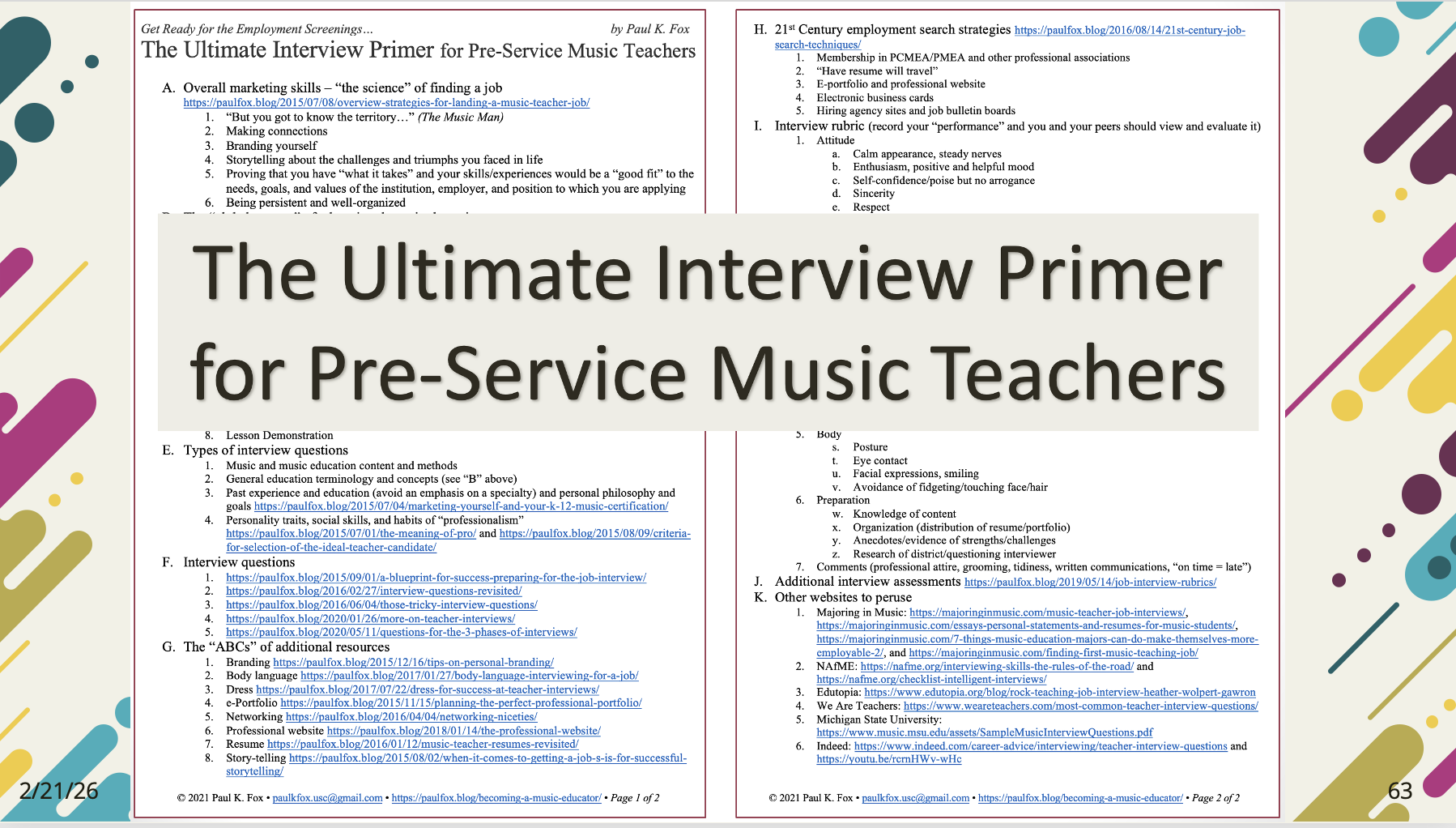
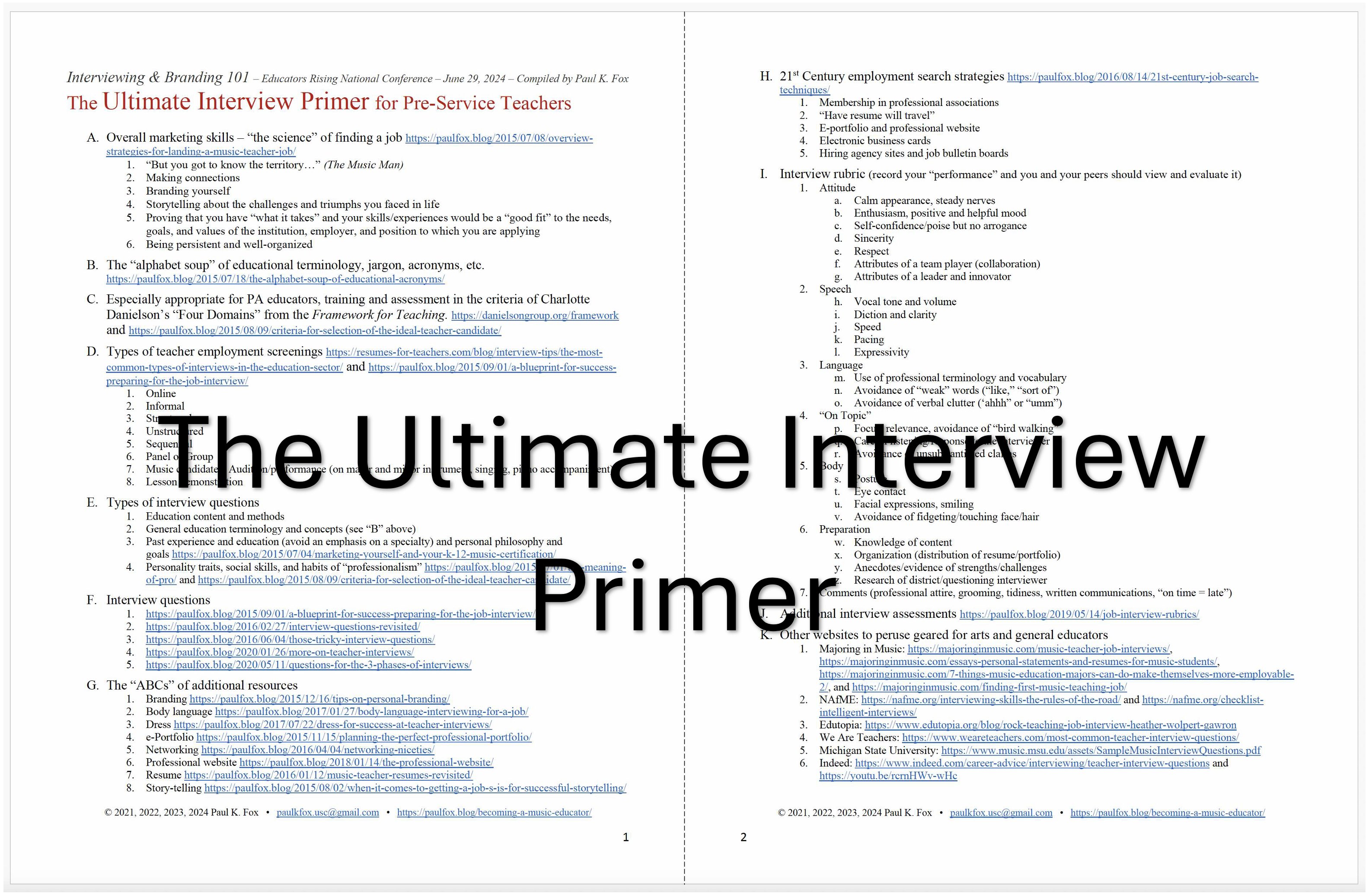
I went as far as updating the most comprehensive and “perfect” PowerPoint for collegiates: Bookends – The Life Cycle of a Successful and Happy Music Educator – portions of which I have presented several times to Professor Jessica Vaughan-Marra’s Seton Hill University music student teachers. This slide handout starts with the material from the first three bullets in the first paragraph above and then adds information about teacher health and wellness, time management, and retirement. We offer Bookends… to preservice music educators in their junior, senior, or graduate years and “rookies” to the profession. I encourage you to download this resource, visit the PCMEA website (click here/scroll down) to read past issues of Collegiate Communique, and the paulfox.blog posts. While you’re at it, acquire your own copy of the Ultimate Interview Primer. Click away before these links become inactive.

Soon it will time for graduates to enter the workforce… and boy, do we need you! By most accounts in PA and the surrounding states, we are experiencing a teacher shortage. School districts are seeking quality candidates to apply for their open positions. But, much of what happens in the job screening process seems to be influenced by chance. Collegiates, ask yourself: Are you truly prepared to market your experiences and abilities, share your brand and stories of your interactions with children in educational programs, and relate positive anecdotes of your teaching, problem solving skills, and other professional attributes? I may have been a little Type-A when I first applied for those music teaching positions back in 1978, focused on saturation publicity and persistence, and organized with a large paper portfolio of past experiences, but I was clueless in responding to those tricky interview questions and what administrators actually wanted to see in prospective new members of their staff.

One more piece advice for first-year and recent transfers to music education: Seek out a PMEA mentor and/or a member of the Retired Resource Registry (access from the PMEA Retired Member focus area after you login to your member portal)… both are groups of volunteers willing and able to help “newbies.”

Have a question about selecting music for your ensemble, a dynamic lesson plan, classroom management issue, interviewing, curriculum innovation, or a conducting tip? Stop by the “coffee and conversations” informal lounge at the PMEA Annual Conference on April 10 and “sit-a-spell” with us!

In conclusion, the following is a sequential outline – a “to-do in this order” list – a preservice toolbox of past posts and other resources for you to assemble a marketing plan. Take time to sort through these “nuts and bolts” (all links in this blog), process the information, save anything you want to read further, and then “practice, practice, practice!” This “gift” to PCMEA and music education majors embraces my best wishes for successfully finding the job you always wanted and preparing yourself for the greatest “calling” of your life – an enriching and satisfying lifelong career in music education! Good luck!

Using the Collegiate Toolbox – A Roadmap for Becoming a Music Educator

  1. Peruse everything in this and past paulfox.blog postings.
  2. Download the PDF documents to your hard drive. Review a portion of them each week!
  3. On your computer, create a “ME” file documenting your accomplishments, awards, experiences interacting with children, etc. – a library of the things you may wish to include in your future resume, professional website, and (e-)portfolio. Add to this folder throughout your college years.
  4. To reflect on your perceived strengths and weaknesses, complete a self-assessment of YOU from a typical professional evaluation form, these ideal effective teacher attributes and more criteria
  5. Prioritize what you think you need most. Write down your goals! Pobody is nerfect!
  6. While you are still attending college, work on shoring up any weak content areas or specialty skills (e.g., how is your “piano chops,” knowledge of specific methods, grade level repertoire, etc.?)
  7. Write a philosophy of school music education (overview) and your mission statement: “Why do you want to teach?”
  8. Be ready to answer the question (and defend your response), “What is your vision of the role of music education in the schools?”
  9. Be ready to define your “brand.” What are your professional attributes? What makes you unique? Why would you be a good candidate for a school music position?
  10. Begin to assemble a list of stories that would “show not tell” your positive attributes.
  11. Identify the impressions you want to “sell” yourself, and practice strategic storytelling.
  12. Practice answering interview questions and use a rubric to evaluate your performance. If you can, share all of this with your peers and sponsor mock interview sessions. Record/assess yourself.
  13. Get started on drafting the marketing tools you will need (e.g., your professional website, resume, portfolio, etc.)
  14. Review educational acronyms, jargon, and terminology such as this list plus these recent additions: CR-SE (Culturally Relevant & Sustaining Education), DEIB (Diversity, Equity, Inclusion, Belonging), and SEL (Social-Emotional Learning). These terms may come up at your next interview.
  15. Read cover-to-cover your PA code of conduct (CPPC) and the Model Code of Ethics for Educators.
  16. Practice ethical decision-making (with your peers) by reviewing these mock scenarios, first deciding what level of misconduct (if any) is reached in each case study, and then more discussion on the incident’s effect on the students, parents, staff, and community, and what proactive steps may be taken to remediate the situation.
  17. Join and become active in appropriate music education professional organizations (renew your memberships and add new ones): ACDA, AOSA, ASTA, NAfME, NBA, PMEA, etc. to name a few.
  18. Attend a conference of your professional association(s) and network with other colleagues. For PA colleagues, register for the PMEA Annual Conference (April 9-12) at the Kalahari Resort (Poconos).

Feel free to leave comments about this blog. (See the link just below the title.) How did you use these tools? What was particularly beneficial? What suggestions would you have for future music teacher applicants?

To PCMEA chapter officers/members, music education majors, and college instructors: I am available to present Bookends or other online or in-person workshops for college students. Send me an email.

© 2025 Paul K. Fox

Bookends – Part Two

The Life Cycle of a Successful and Happy Music Educator

Joyous Holidays, Season Greetings, and Happy New Year from “The Foxes!” This is a time for reflection and gratitude… and we feel blessed for all the opportunities allowing us to share our insights, gifts and experiences with other music education professionals.

We hope to inspire YOU and literally model the concepts in this blog series. We continue with our discussion first introduced a month ago in Bookends – Part One – The Life Cycle of a Successful and Happy Music Educator, exploring:

  • Stage 3: Inservice/Growing Years (this blog)
  • Stage 4: Veteran/Sustaining Years (future blog)
  • Stage 5: Next Chapter/Living the Dream (future blog)

This article is an abstract from a session presented to Seton Hill University music education student teachers on October 17, 2023. Click on this link to download the slide summary in PDF format.

“I have written a lot of articles in support of these topics… now compiling them for your easy access. Depending on your current status and interests, feel free to peruse the checklists (links) in this series. It is possible a few of the resources contained within these blogs have gone inactive, but I believe enough are there for you to gain the insight, tools and motivation to achieve professional development for life.”

– Paul Fox

Stage 3 – Inservice/Growing Years

[ ] 8. Becoming a Music Educator: For a review of Bookends – Part One, take a step backward and revisit what you have done to “get ready” for your “rookie years.” Take special note on the things-to-do list (“secrets”) as a first-year educator (perhaps completed during your student teaching semester):

  • Subscribe to a discounted NAfME + PMEA first-year membership (If you are a recent college graduate in your first year of teaching, or if you are the spouse of a current or retired NAfME member, contact NAfME at 800-336-3768 or email memberservices@nafme.org) to find out if you qualify for a reduced rate.
  • Hook up to PMEA Mentor or other state’s MEA support program for new teachers.
  • Look into finding an informal advisor in the PMEA Retiree Resource Registry for PA music teachers.
  • Need to fill in a few gaps missing from your college courses in skills and knowledge? Continue your “enrichment” viewing PMEA Webinars and the exhaustive video library in the NAfME Academy.
  • Take advantage of earning professional development credits just for reading an article in the NAfME Music Educators Journal
  • At some point you will be writing/editing curriculum, so research the awesome resource of Model Curriculum Framework (Have to be a PMEA member)
  • Too busy to participate in the PMEA Annual Conference or NAfME national events? Look into going to a PMEA summer conference (usually at a lower-cost!). Check out your own state’s MEA discounts and offers for collegiate members and new teachers!
  • Numerous free and timely blog posts from NAfME Music in a Minuet and here (paulfox.blog).

[ ] 9. The Care & Feeding of Your Principal: Although not covered in any detail during the Seton Hill University presentation, it is recommended that you read in its entirety “The New Teacher’s Guide to Fostering Positive Relations and Good Interactions with School Administrators” offering a wealth of excellent recommendations from these trustworthy sources:

A favorite question I pose to college music ed seniors is, “In what professional associations are you a member and actively involved?” For the price of consuming one fewer Starbucks latte a week, you can open up the Wonderful World of “C’s” – Contacts, Coachings, and other Connections, including research and resources that will benefit your Continuing Education. You can’t afford NOT to join groups like these.

To help “nail down” a few related definitions critical to personal growth and career development in our profession, especially “engagement,” “professionalism,” “collaboration,” and “networking,” please take a little time to travel and consume the following archived blog postings.

[ ] 10. The Meaning of PRO: This is one of the oldest articles at the paulfox.blog site. How about a little soul searching? Are you truly a professional? Do you have the skills, habits, and attitudes of a professional in the field of education?

[ ] 11. Transitioning from Collegiate to Professional (Part II): New teachers have to move away from “book learning” or higher education research and emphasize “practical application,” and at the same time, assess the precise areas needed for immediate (re-)training… everything from new exposure to specialized teaching areas and grade level focus for the job to which you have been assigned, to the enhanced skills of classroom management, student assessment, curriculum writing, class or ensemble warm-up materials, music repertoire and programming, etc.

While we are on the subject, it is important to intentionally seek out mentors or consultants in your early years of becoming an educator. PMEA offers a mentoring program (read all about it here) and PMEA Retired Members are also an excellent resource to “phone a friend” for advice as needed (see their section on the PMEA website here). That leads us to the next most essential “habit” of attending professional conferences… #12 below.

[ ] 12. Getting the Most Out of Music Conferences: Our PMEA Annual Conference sites are cyclical. This article, written on March 5, 2017, showcased that year’s event at the Erie Bayfront Convention Center – coincidentally the same location for this year’s PMEA Annual Conference: April 17-20, 2023. For a sneak peek at the proposed sessions and guest performers, click here.

There are a myriad of conferences offered every year… something for everybody in just about every state. Make plans to go, “recharge your batteries,” and pick up new state-of-the-art ideas, lessons, music, technology, etc. Again, you cannot afford NOT to attend… or becoming stale in your teaching or “stuck in a rut!” Besides, going to your state’s or national conferences and regional workshops are FUN places to meet other like-minded, inspiring colleagues! This is how professionals network, collaborate, and share their “latest and greatest!

A couple upcoming events:

What are you waiting for? It’s time to DIVE INTO your customized career development!

Coming Soon…

Bookends Part Three – Stages 4 & 5

PKF

© 2023 Paul K. Fox

On the Road Again (2023)

“Doing My Thing…” — Professional Development Conferences for Music Educators

It’s been awhile since I posted here… arguably the longest editorial break I have taken since retirement and starting this blog-site. What’s that line retirees often say? “It’s a good thing I am retired from my job; otherwise I would not have enough time to do everything!”

This has been an extremely busy couple months of renovating three bathrooms, promoting the 30th Anniversary Gala Celebration of the Community Foundation of Upper St. Clair featuring a CASINO NIGHT & the local band NO BAD JUJU (to which I can’t even go because it is on the same day as PMEA), staffing a transition of new editors and an office manager for the UPPER ST. CLAIR TODAY community magazine, “keeping my hand in” by conducting a small nonprofit community ensemble (now in our 40th season of the South Hills Junior Orchestra), volunteering at the hospital (see my Tales from a Wheelchair Jockey article), developing new PDE Act 45 and 48 programs on ethics (school system leaders and educators respectively), and… (deep breath): preparing four PowerPoint presentations for two music conferences in April. Yes, and loving every minute of this frenzied activity!

Pennsylvania and Eastern Division music education colleagues: Hopefully by now, you have registered for the coming conferences on the horizon:

NAfME Eastern Division Conference, April 13-16, 2023, Rochester, NY

PMEA Annual Conference, April 19-22, 2023, in the Poconos

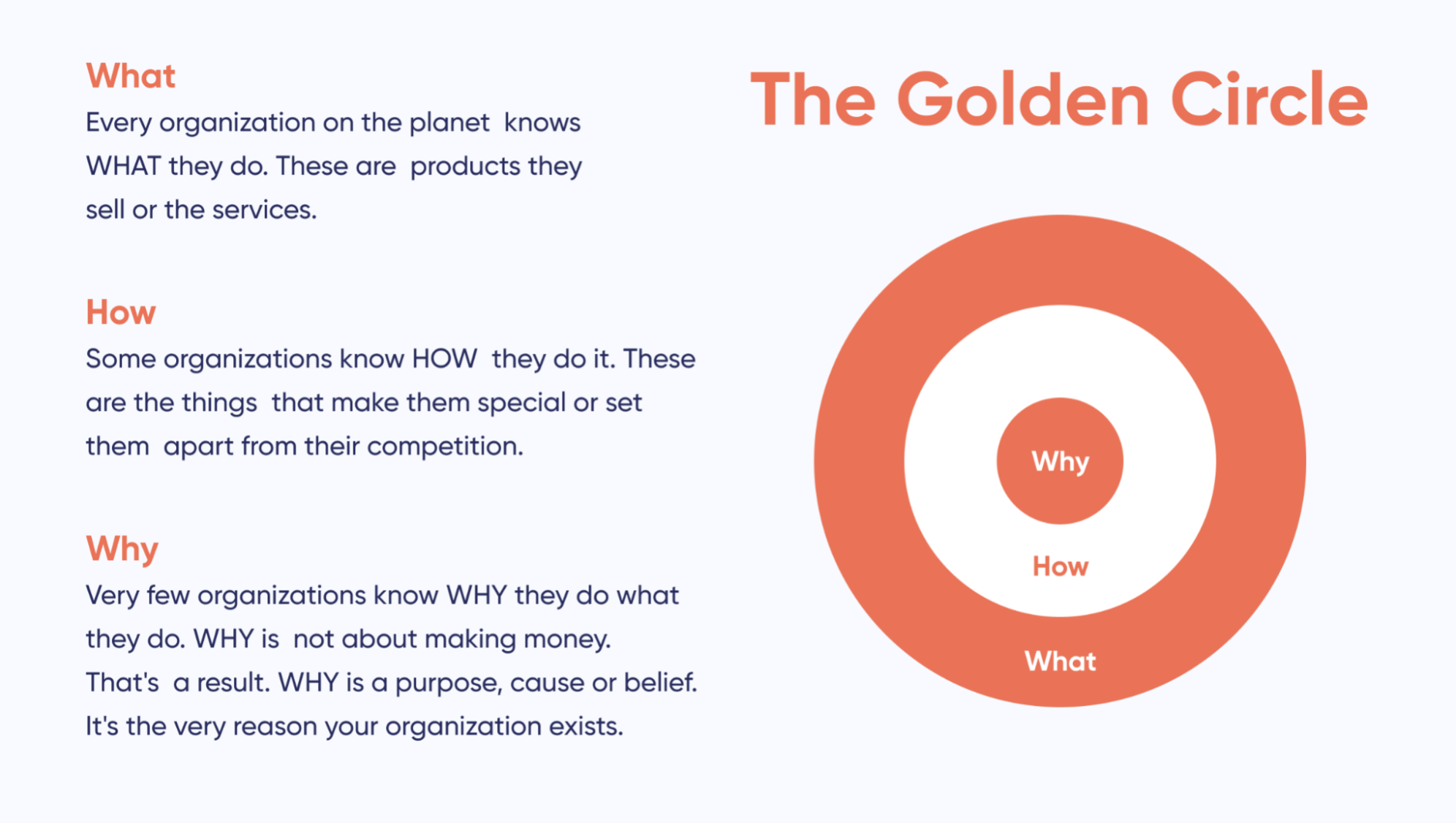
Now to quote the inspiration of Simon Sinek — his theory of value proposition to ‘start with why’ — how leaders can inspire cooperation, trust, and change based on research into how the most successful organizations think, act, and communicate if they start with why. Check out his rationale with The Golden Circle:

The “why” of attending your professional development conferences, “sharpening your saw” (self-renewal by Stephen Covey) aka “recharging your batteries,” learning what’s new and innovative on the forefront of “the state of the art,” and networking with colleagues, and has been addressed often in past blogs:

Simply put — to maintain your mastery of music and methods and build on your “best practices” and professionalism, you MUST attend as many educational conferences and workshops as possible!

Now to my “bags of tricks” for April 2023

Mark your calendars:

April 15, 2023 at 10:45 a.m. in Hyatt Susan B. Anthony (NAfME) – OR –
April 21, 2023 at 11:30 p.m. in Kalahari Suite 40/50 (PMEA)

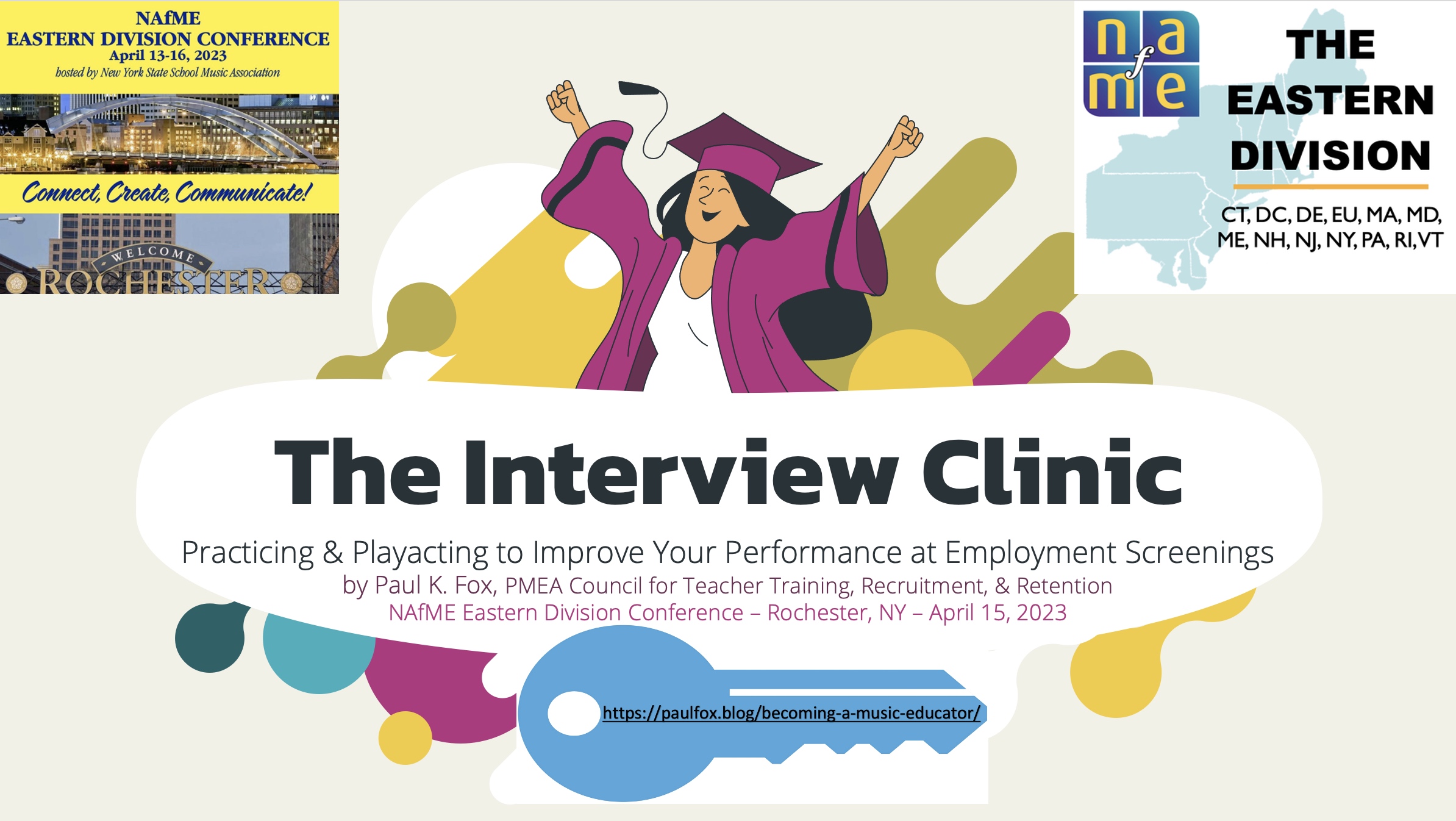
I was blessed to have been asked to present THE INTERVIEW CLINIC — Practicing & Playacting to Improve Your Performance at Employment Screenings at both the NAfME and PMEA conferences. This will be FUN! Perfect for college music education majors, soon-to-be or recent graduates, new transfers to the profession, teachers seeking to change positions while openings seem to be “heating up,” or first-timers looking for employment, the session targets will provide interactive exercises to build self-confidence and develop better insights, practices, and strategies to successfully land a job. “The key is in the preparation” of:

  • Standards—Defining/modeling professionalism, versatility, and ethics
  • Marketing—Branding, networking, and selling yourself
  • Skills—Interviewing, storytelling, and organizing
  • Assessment—Observing, reviewing, diagnosing, and improving

Interactive exercises, you say? Yes! Get ready to meet new people and perhaps dive into a few activities slightly outside your “comfort zone!” (We promise NOT to embarrass anyone!) We will break up into small groups or “duet partners,” and explore defining our professional “essence,” telling anecdotes about our strengths and past problems we have “crushed,” and focusing on learning “the golden gift of gab” — storytelling.

Portions of this workshop will come from material in the past posts Storytelling, etc. Part 2 and When it Comes to Getting-a-Job, S Is for Successful Storytelling. (Your homework? Peruse these before coming to either session at NAfME or PMEA!)

As always, articles, resources, and slide summaries will be posted under the “Training/Jobs” menu tab (above).

Mark your calendars:

April 20, 2023 at 3:00 p.m. in Kalahari Suite 30 (PMEA)

How many of you feel at times a little overwhelmed, exhausted, stressed out, disorganized, demoralized, or disenfranchised?

Are you at the end of your rope and wondering how you’re going to “keep it all together” over the next week, month, year?

Is your health is interfering with your ability to do your job and find success, balance, and meaning in your personal life and relationships? Then… it is time for a change.

We are still dealing with the effects of the pandemic which has brought on a “gap year” to most of our music programs, the stress of “working harder not smarter,” more teacher burnouts, and the resulting bail outs, staff shortages, and/or job cuts. We need to embrace NEW strategies for personal self-care and SEL (social and emotional learning). Do you still enjoy teaching? How have you coped with all of the changes? How will you achieve a better work/life balance and skills in time/priority management and personal health and wellness?

The prescriptions and RECIPES towards stress reduction and developing a self-care plan are here! Doug Sands, a consulting hypnotist and founder of AnywhereHypnosis.com, joins me to “throw in everything and the kitchen sink” to alleviate these problems, with NO cookie-cutter, “one-size-fits-all” solutions from the chefs:

  • What has COVID done to all of us?
  • Instant personal online stress assessment
  • Taking an inventory of the ingredients towards a healthier lifestyle
  • Definitions, symptoms, and remediations for teacher stress and burnout
  • Why teachers are so exhausted and what to do about it
  • Time management tips
  • Breathe like a Navy SEAL
  • Coping and learning “acceptance”
  • How to “coach overwhelm!”
  • The role of meals, movement, music, and mindfulness (thank you, Lesley Moffat!)
  • From MEJ: A suggested self-care plan and “cognitive distortions” to avoid
  • Focusing on ONE self-care strategy from a “sea of solutions”

We’re in this together… so we need to join forces and SHARE the secret recipes for a happier life! Add your own “baking tips,” and I promise, you’ll leave with a better understanding of how we all can celebrate the coming year or decades in music education!

By the way, my “mindfulness partner” for this workshop, Doug Sands, promises us he will not hypnotize any of us during this session (although he could!).

For more about his work, including “15 Rapid Tools (and Counting) to Wipe Out Anxiety, Stress, and Panic,” please go to his website here.

You are invited to stop in to see him at his PMEA booth in the Kalahari exhibit hall.

POST-CONFERENCE NOTE: Doug sent us his Anti-Panic Toolkit entitled, 15 Rapid Tools (and Counting) to Wipe out Anxiety, Stress, and Panic – Wherever They Strike! Click here.

If you would like a sneak preview of the revised handout for the Self-Care workshop, go to the Care menu section at the top menu bar.

Taking a peek at our recent past…

Workshop for Orchestra & String Teachers

In case you missed the PMEA District 5 Professional Development Day, my wife Donna and I presented “Plucking Our Minds” at Grove City College on February 20, 2023.

We were privileged to “share some of our secret sauces” gleaned from over 80 combined years of experience on a variety of topics:

  • CommUNITY Music-Making
  • Online Academy
  • Summer String Camp
  • Assessment Projects
  • Collaborative/Creativity Projects
  • Library of “Fox Firesides”

If would be a shame to waste these resources… and reading them could inspire new adaptations to your instrumental program.

Click here for a copy of the slide handouts. Feel free to comment (above) or send an email to me (paulkfox.usc@gmail.com) if you have any questions.

Our Crystal Ball

Future Accredited Workshops on Ethics in Education

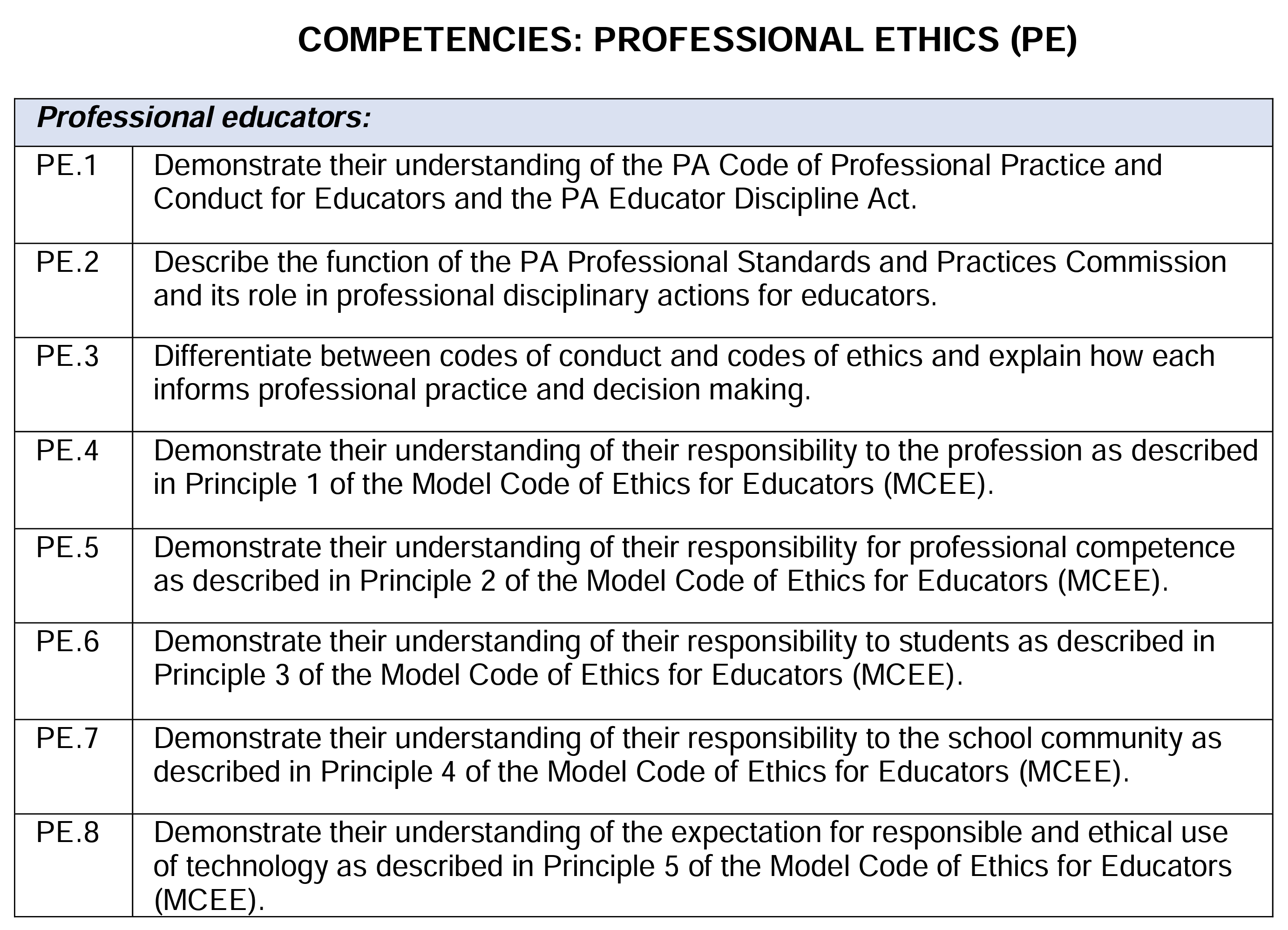
Are you aware that the Pennsylvania Department of Education (PDE) has recently revised the PA educators’ Code of Professional Practice and Conduct AND adopted the Model Code of Ethics for Educators developed by the National Association of State Directors for Teacher Education and Certification? Have you seen the new Professional Ethics Program Framework Guidelines? PA Chapter 49 requires instruction in professional ethics to be integrated in educator preparation, induction, and continuing professional development programs as follows:

  • Continuing professional development programs must integrate the professional ethics competencies no later than the 2023-24 academic year.
  • Educator preparation and induction programs must integrate the professional ethics competencies no later than the 2024-25 academic year.

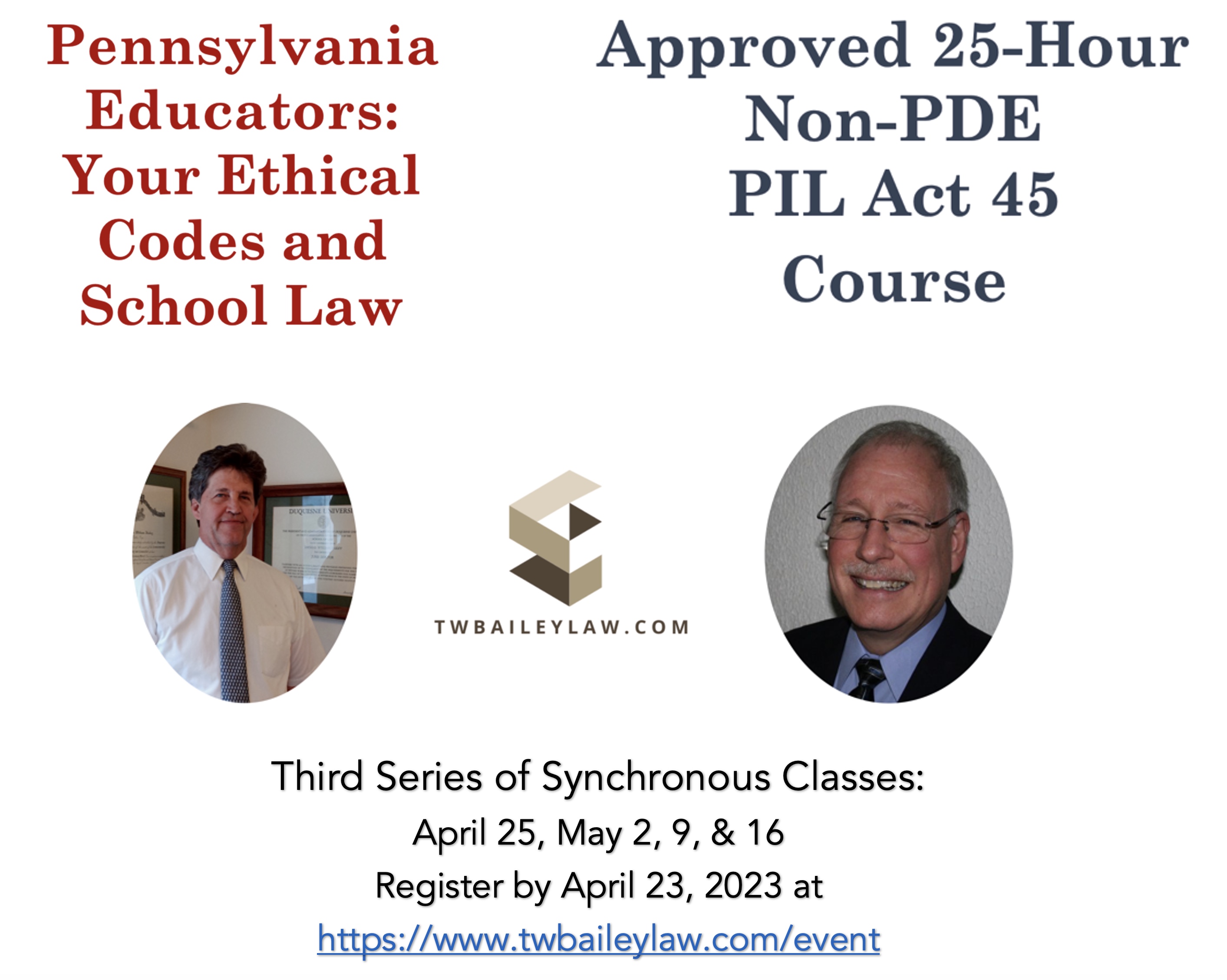
Not one to let grass grow (or mud sink) under his feet, retired social studies teacher, current attorney-at-law, and past PMEA conference presenter Thomas Bailey has partnered with me to design new ethics training classes for school system leaders (25-hour Act 45 PIL course) and educators (four-hour Act 48 continuing education course). In addition, we are introducing a new “hybrid” program for school administrators involving four-hour pre-recorded asynchronous webcasts (site license), along with a three-hour synchronous webinar using the webcast videos and adding facilitated interactive discussions of three ethical case studies either via Zoom OR in-person follow-up workshops led by both clinicians.

In Depth Ethics Training for PA Educators:

  • PA Model Code of Ethics for Educators
  • PA Code of Professional Practice and Conduct
  • Professional Standards and Practices Commission
  • PA Educator Discipline Act

Click here for to register for Act 45 PIL Course.
Next series: April 25, May 2, 9, & 16, 2023

Click here for more information on the Ethics Webcast/Webinar and general information/landing page for the TWBaileyLaw website.

Click here for timeline of educator ethics presentations and clinicians’ bios.

Also review the Educators Court Case Blog and William Penn SD vs. PDE Blog.

Numerous articles have already been published on the subject of educator ethics, professionalism, and decision-making:

Hope to see you at one of these conferences or workshop sessions! Yes, it means a lot more to attend these IN PERSON!

PKF

© 2023 Paul K. Fox
It’s Time for… the PMEA Summer Conference!

The summertime academic break is essential for the health and wellness of every music educator. Hopefully you are enjoying a little TIME OFF and an emotional and intellectual break and release from thinking about your professional responsibilities and anything about school!

Europeans swear that it takes no fewer than three weeks of what we would call an extended vacation. They say we need that much time to totally unwind, de-stress, rest, and, if necessary, lick our wounds and even “heal ourselves!” Summer should allow us to focus on family, friends, and leisure activities FIRST – to re-adjust our “work/life balance.” After an appropriate interval, then we can get ready to re-charge and re-energize, to recommit emphasis on new music program goals and professional development.

If you are fortunate enough to live in Pennsylvania and be a member of the Pennsylvania Music Educators Association (PMEA), I have a wonderful “crosswalk” solution to accomplishing this REBOOT – a combined “refresh and re-invest” makeover – to first get out of dodge for a change in scenery and then take care of your own social-emotional learning to come back to school raring to go! It’s simple! Sign-up to participate in the 2022 PMEA Summer Conference to be held in-person at the Doubletree by Hilton Hotel in Reading, PA on July 18-19, 2022.

Here’s the link to registration and detailed schedule: https://www.pmea.net/pmea-summer-conference/.

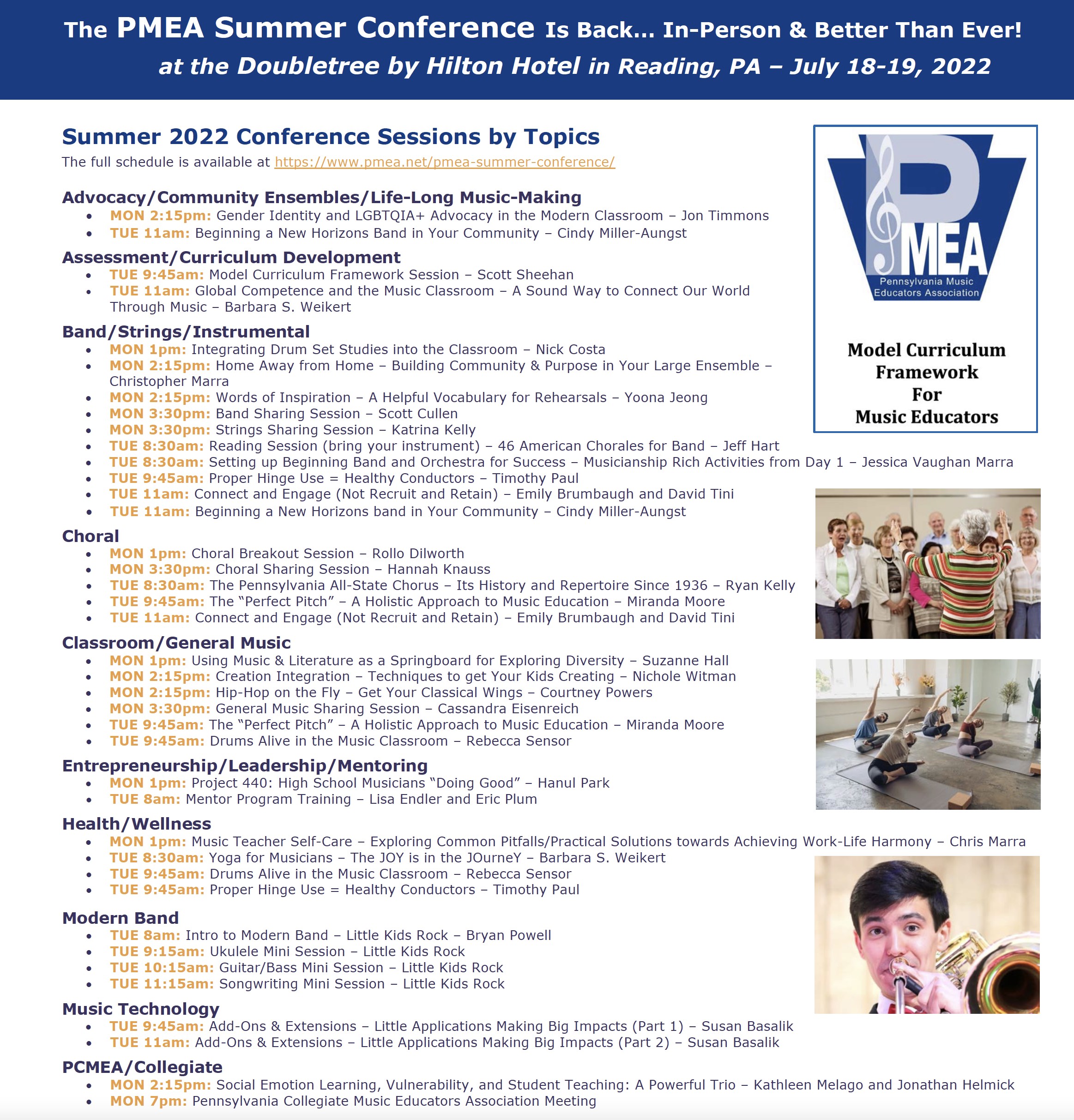
Once again, PMEA is “crushing COVID” and returning to some level of normalcy to offer a face-to-face summer conference of many “awesome” professional development venues – everything from hands-on music reading, member “sharing” sessions, clinics on advocacy, band, choral, classroom music, community ensembles, conducting, curriculum writing, gender identity, health/wellness, mentor training, Modern Band, music technology, recruitment, strings, and so much more!

Check out this summary of wonderful workshops:

Update as of 6/28/22

Approximately Nine (9) hours of Act 48 credit will be available.

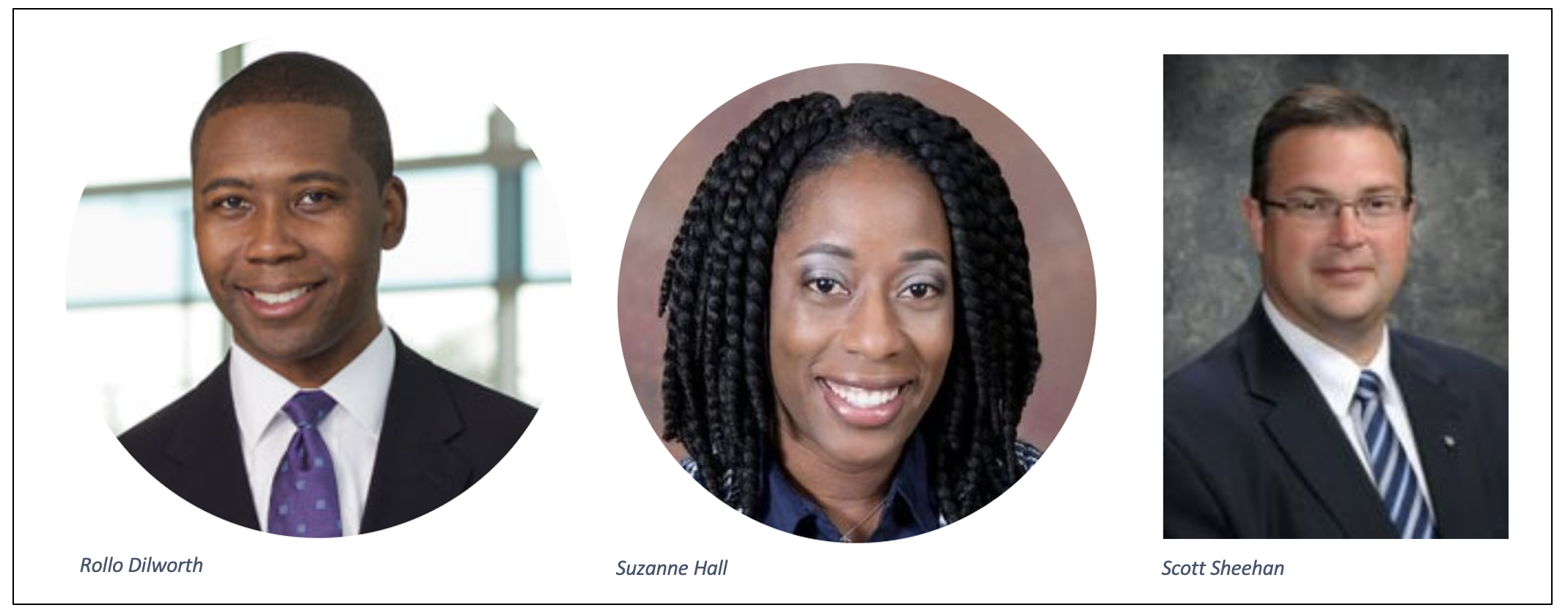
This year’s event will include keynote speakers Suzanne Hall and Rollo Dilworth from Temple University as well as NAfME President and PA’s very-own super-star Scott Sheehan.

Feeling a little charitable, altruistic, or eleemosynary? (Great word – look it up!) On Tuesday, July 19, there will be a “Give-Back to the Community” event: PMEA’s Second Annual Day of Service at Goggle Works.

Now, what about that EXTRA FUN part? Well, you can turn your conference into a family vacation by just arriving a little early and/or leaving a little later.

First, how about attending a Minor League baseball game? PMEA acquired tickets to the Reading Fightin’ Phils vs. New Hampshire Fisher Cats contest on Sunday, July 17 at 5:15 p.m. at the FirstEnergy Stadium.

Next, there are a lot of terrific family-fun things-to-do in Reading, PA and the surroundings… (Special thanks to https://uncoveringpa.com/things-to-do-in-reading-pa for this “awesome” travel resource!)

Berks County, a combination of rich farm country, industry, beautiful parks, lots of entertainment, and top-notch educational institutions, is home to one of Pennsylvania’s largest cities, Reading, as well as many small communities that offer a lot of history and natural beauty. For PMEA members going to the Summer Conference, it is the perfect opportunity to enjoy a wide variety of family-friendly attractions, recreation pursuits, touring of the landscape scenery, and other day trips. If you were to visit the area before and/or after the conference, here are at least 18 places-to-go before returning home:

Source: 21 of the Best Things to Do in Reading, PA
  1. Reading Pagoda, Mount Penn https://uncoveringpa.com/reading-pagoda
  2. Nolde Forest, 600-acres and miles of hiking trails https://uncoveringpa.com/nolde-forest
  3. Hawk Mountain Sanctuary, scenic overlooks, hiking trails, bird-watching https://www.hawkmountain.org/
  4. Daniel Boone Homestead, birthplace of the frontiersman https://uncoveringpa.com/daniel-boone-homestead
  5. Goggle Works, former factory, art galleries (site of the PMEA Service Project) https://goggleworks.org/
  6. Covered Bridges, at least five of them close to Reading https://uncoveringpa.com/covered-bridges-berks-county-pa
  7. Reading Railroad Museum, railroad memorabilia https://uncoveringpa.com/reading-railroad-heritage-museum
  8. Neversink Mountain, miles of hiking trails (including City Overlook and Witches Hat) https://berksnature.org/trails/
  9. Mid-Atlantic Air Museum, WWII history, artifacts, and tours https://uncoveringpa.com/mid-atlantic-air-museum-reading
  10. Chatty Monks Brewing, restaurant/craft brewery https://uncoveringpa.com/chatty-monks-brewing-west-reading
  11. Blue Marsh Lake, swimming, fishing, boating https://www.nap.usace.army.mil/Missions/Civil-Works/Blue-Marsh-Lake/ 
  12. Berks County Heritage Center, museums and trails http://www.co.berks.pa.us/dept/parks/pages/heritagecenter.aspx
  13. Boyertown Museum of Historic Vehicles, antique autos https://uncoveringpa.com/boyertown-museum-of-historic-vehicles
  14. Crystal Cave, first “show cave” located near Kutztown https://uncoveringpa.com/exploring-crystal-cave
  15. Reading Public Museum, exhibits, paintings, geology, planetarium https://uncoveringpa.com/reading-public-museum 
  16. Hopewell Furnace Historic Site, iron furnace https://uncoveringpa.com/visiting-hopewell-furnace-national-historic-site
  17. Golden Age Air Museum, WWI planes http://www.goldenageair.org/ 
  18. Pennsylvania German Cultural Heritage Center, Kutztown University https://www.kutztown.edu/about-ku/administrative-offices/pennsylvania-german-cultural-heritage-center.html

Finally, if you need any additional urging, here’s our new PMEA State President Scott Cullen with his invitation for you to join us at the Summer Conference: https://fb.watch/dYrKOvAHkG/.

But, don’t wait! Register today for the PMEA Summer Conference at this link.

The deadline for hotel registration is fast approaching! The discounted block of rooms at the Reading Doubletree will close out at the end of the day on Friday, July 1.

See you in Reading, PA!

PKF

© 2022 Paul K. Fox
Spring is for… Music Conferences!

In our neck of the woods (Allegheny County in Western PA), we are thawing out from what was a pretty mild winter, and welcome the sounds of birds chirping and sights of flowers blooming and grass turning green! Spring is the time for re-birth and growth… including professional development of all kinds for music educators – everyone from pre-service (future music educators) to in-service teachers and even retirees!

Let’s get recharged, re-energized, and re-inspired! Sign-up for one or more of these conferences.

COVID-19 has placed restrictions on all of our PMEA and NAfME venues, and so far, 2021 conferences will be held in a “virtual” platform. This is both good and bad news. The disadvantage remains that we cannot “get close and personal,” shake hands, network, collaborate, and “catch-up” with our friends and colleagues, meet new people, and sight-see places like the Poconos, Erie, Reading, or Pittsburgh! However, the advantage of these online events is that all sessions are being offered “on-demand” for at least several months after each closing event. In the virtual setting, you can take the time and view every workshop at your leisure!

If you have never attended a music education conference, take a moment and review one of these articles:

Yours truly is privileged to present several sessions on some of his “favorite topics” previously posted on this site:

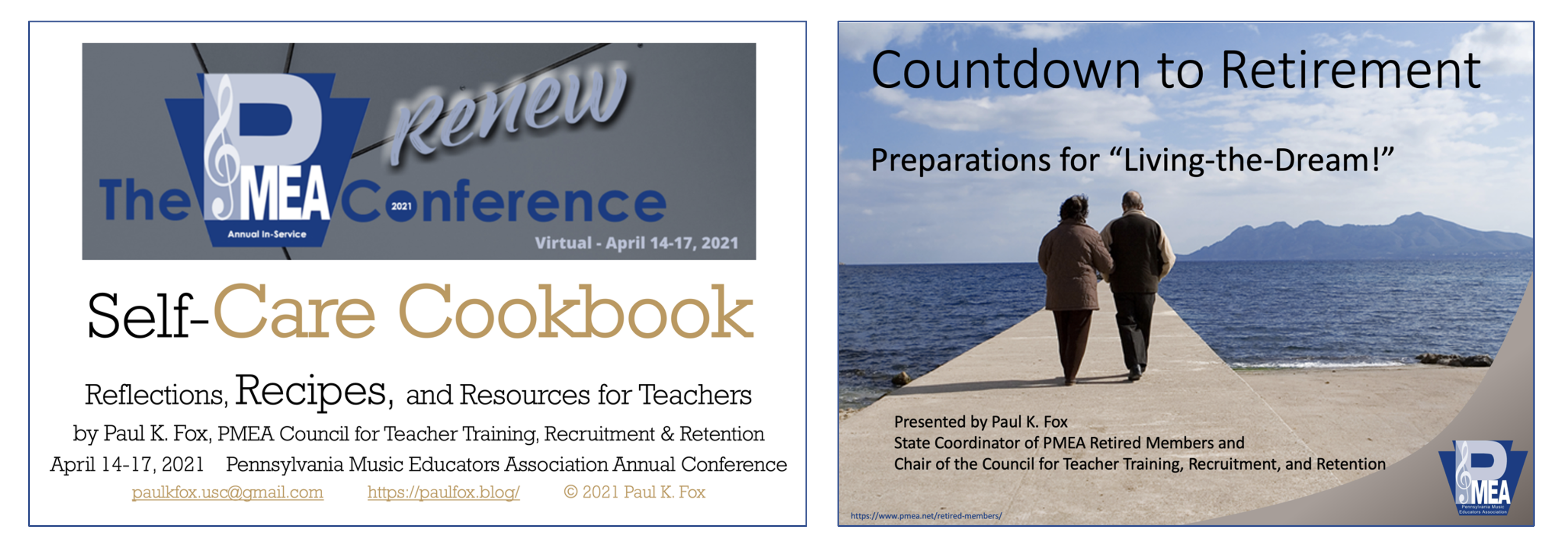
  • Self-Care Cookbook – Reflections, Recipes, and Resources for Teachers (PMEA ANNUAL CONFERENCE)
  • Countdown to Retirement – Preparations for “Living-the-Dream” (PMEA ANNUAL CONFERENCE)
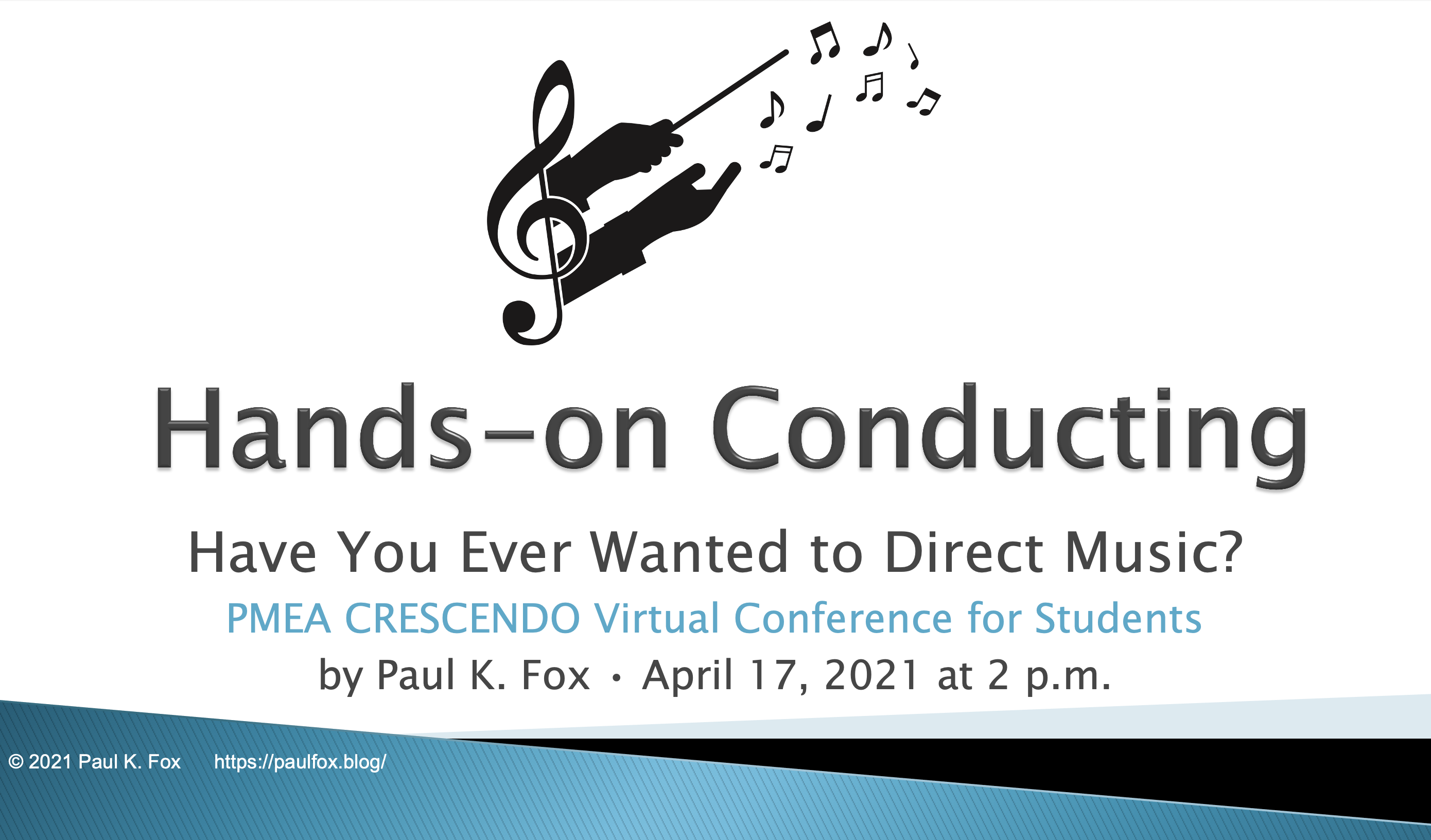
  • Hands-On Conducting (PMEA CRESCENDO FOR STUDENTS)
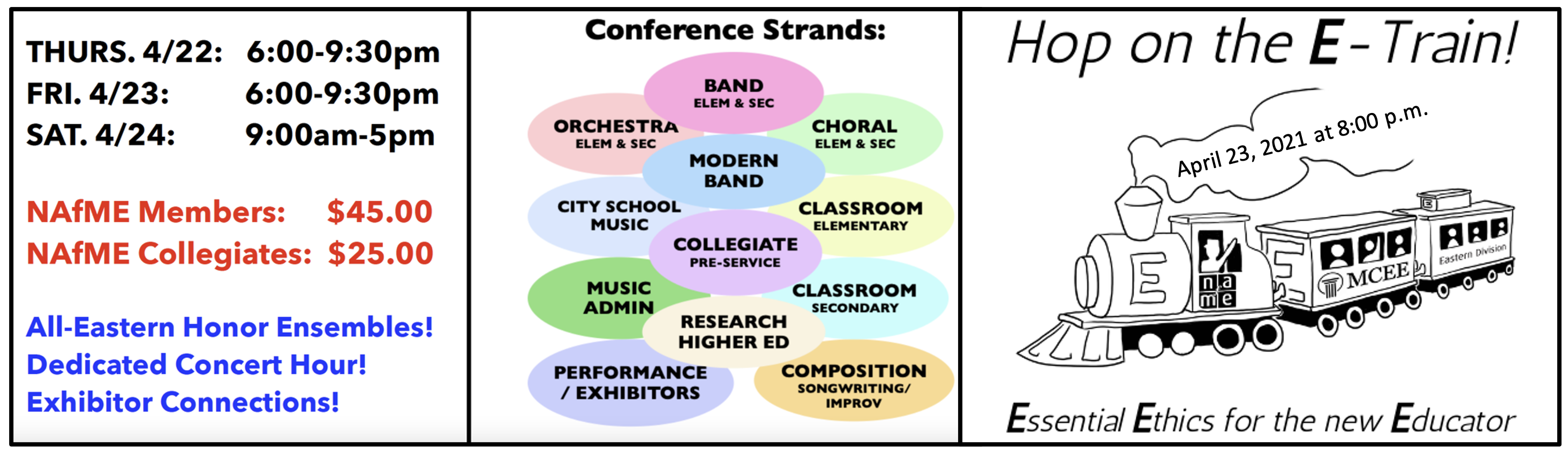
  • Hop on the E-Train – Essential Ethics for the new Educator (NAfME EASTERN DIVISION)

Update on 5/27/21:

PMEA Summer Conference 2021 – Rejuvenate!

The 2021 PMEA Summer Conference will be held virtually beginning Wednesday, July 21 and concluding on Friday, July 23. Most sessions will be presented live and will be recorded for attendees to access at a later time. 

For more information, go to https://www.pmea.net/pmea-summer-conference/.

PMEA Annual Conference 2021 – Renew!

The PMEA Annual Conference kicks-off on April 14, 2021 for three days and four nights of professional development activities.

PMEA will utilize the same online platform for this event as it did for its 2020 Summer Conference. The virtual annual conference will also include a virtual exhibit hall. With the theme of Renew, the 2021 Conference invites music educators to use this time together to Renew the way you think about music education, to Renew plans for the 2021-22 school year, to Renew connections with fellow music educators, to Renew our hope for a return to making music together, and to Renew our collective passion for the power of music education. All registrants will have access to the majority of the conference content for 90 days. Online registration is available. 

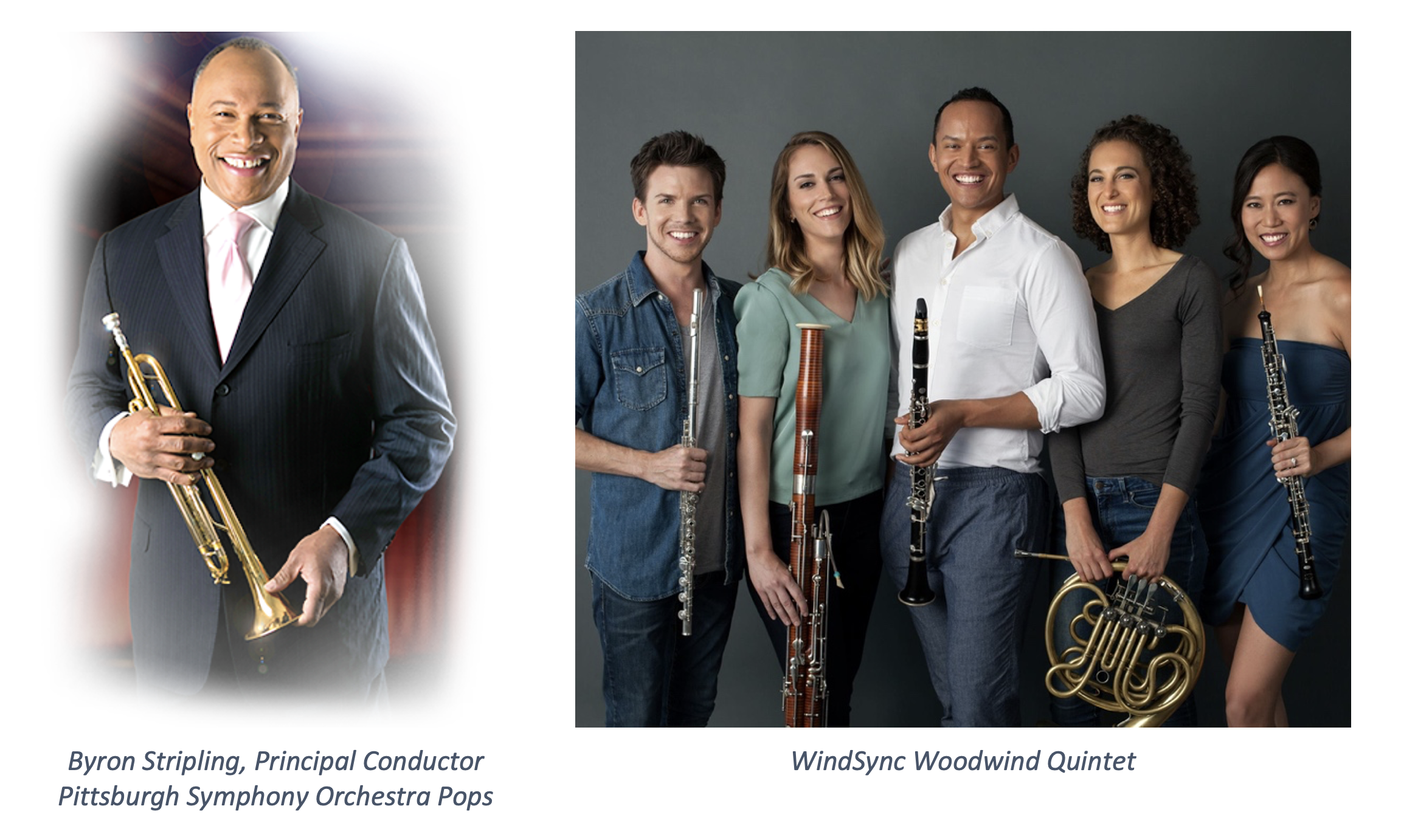
Thursday evening will feature synchronous open forum discussions and an Invited Researcher session with Elizabeth Parker, Temple University, as well as a keynote presentation by Byron Stripling, Principal Pops Conductor, Pittsburgh Symphony Orchestra. The evening will end with college/university receptions, held in the virtual space this year.

Synchronous research sessions will also be available on Friday in the late afternoon/early evening. The Saturday schedule includes a performance by the woodwind quintet WindSync and a presentation by Julie Duty, Founder & Executive Director of United Sound, an organization which offers the solution for music educators who desire to include students with disabilities in their music programs but struggle with the “how” and the “when.”

This year’s event will also include opportunities to network with fellow attendees, as well as an online Music Education Marketplace (exhibit hall) – allowing participants to connect directly with exhibitors within the platform. While the exhibit hall will be “open” the duration of the event, there will be specific hours, beginning Wednesday evening and concluding Saturday afternoon, when the exhibitors will be available for live interaction.

CRESCENDO Virtual Conference for Students

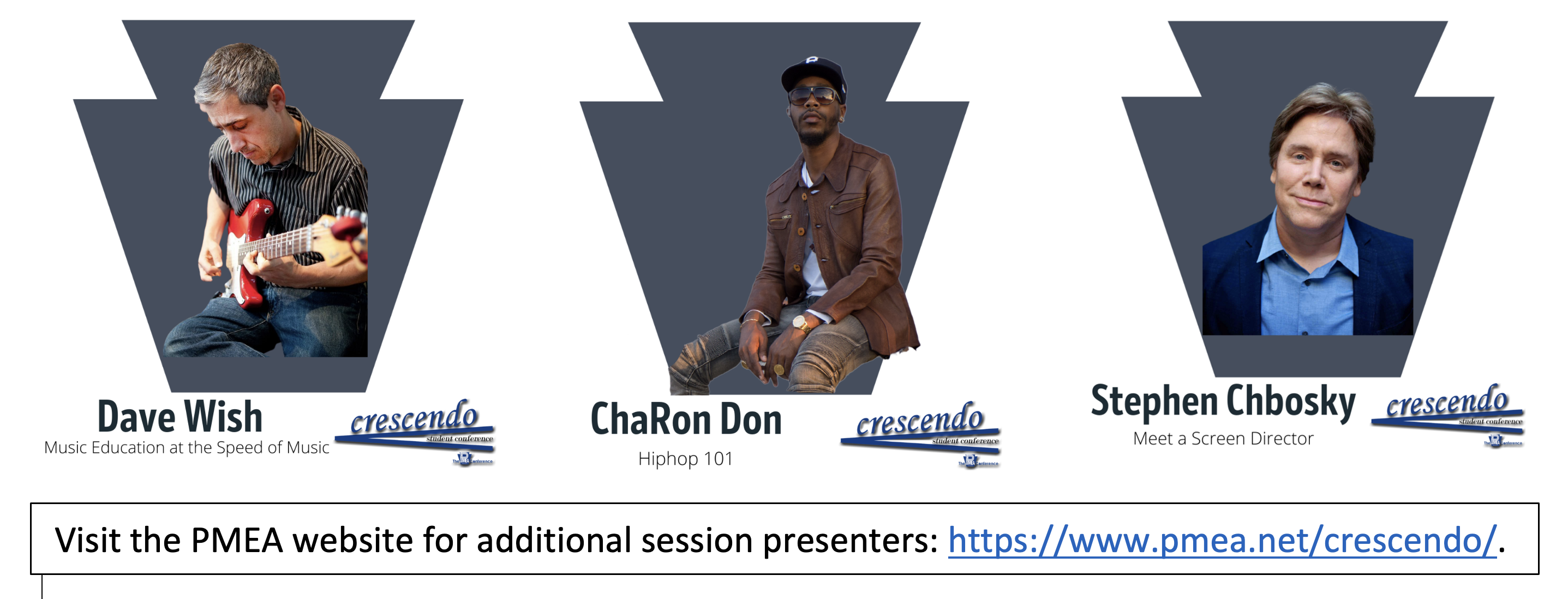
Students in grades 8-12 are invited to participate in the first-of-its-kind PMEA CRESCENDO, an online event to be held on April 17, 2021. Designed for student musicians who are interested in learning about opportunities to make music or find a career in music, the one-day conference will bring together some of the best speakers and teachers from a variety of music worlds.

Keynoters will feature Dave Wish, founder/CEO of Little Kids Rock, and ChaRonDon, rapper/hip-hop artist.

Sessions will include:

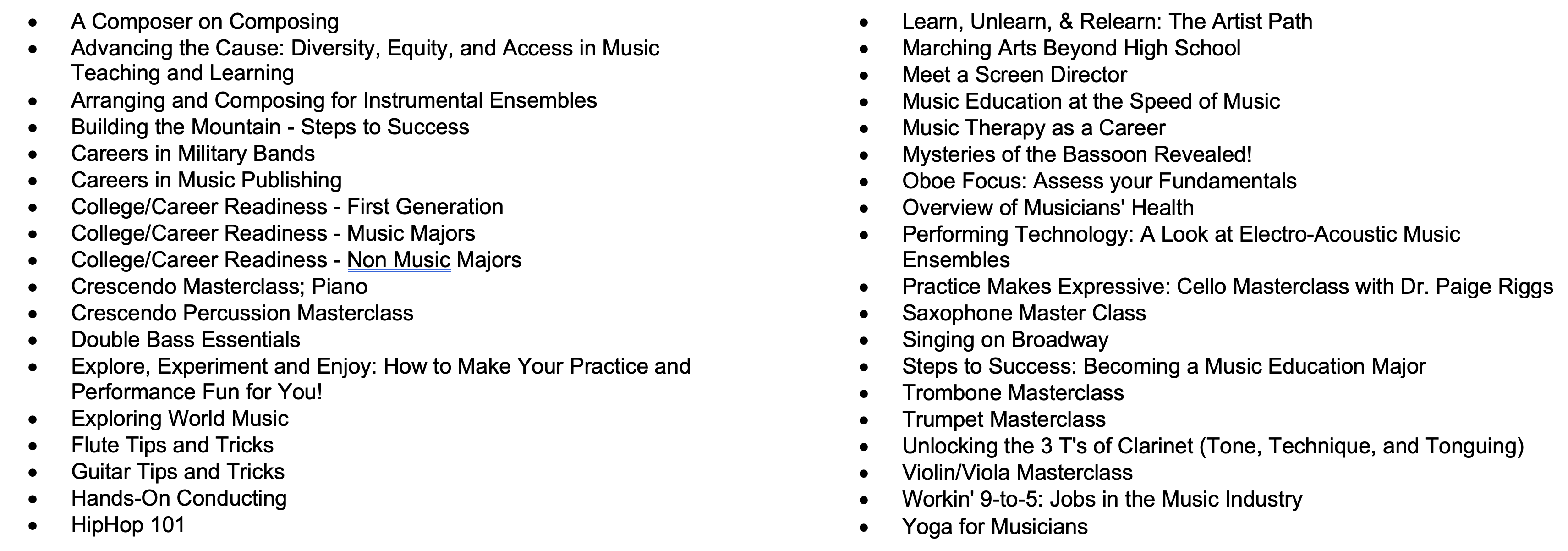
  • Careers in music (areas like music therapy, musical theatre, music education, military careers, music performance, music publishing, composition, retail and repair, and music production)
  • Breakout sessions (learning about drum corps, conducting, meet a composer, music technology, song writing, yoga for musicians, rap/hip hop, vocal jazz, leadership, and more!)
  • Masterclasses from experts on their instruments. Students will have the chance to spend some time learning more about their instrument or vocal performance area and get tips from the pros in unique online masterclass settings.

Proposed mini-workshops:

PA STUDENTS interested in participating in PMEA CRESCENDO should fill out this form.

PA MUSIC EDUCATORS recommending a student for this conference should fill out this form.

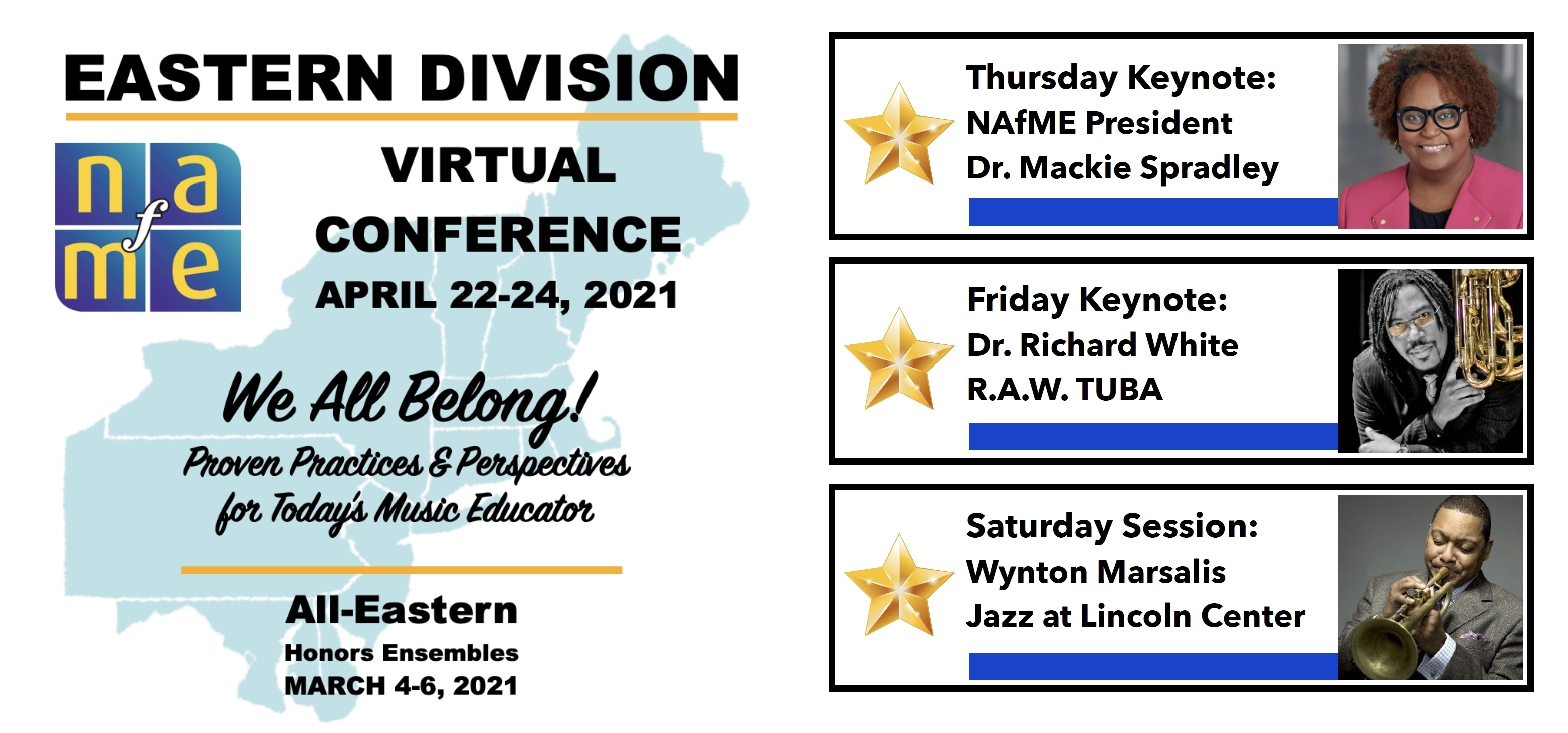
57th Biennial NAfME Eastern Division Conference

Finally, you won’t want to miss the following week’s frenzy of enriching and enlightening professional development, the 57th Biennial NAfME Eastern Division Virtual Conference!

In addition to the NAfME workshop sessions being only 30-minutes (colleagues sharing quick “tips, techniques, and solutions” and more opportunities to peruse additional sessions), there will be a designated Thursday evening “concert time” with 5 programs to play at 8:45 p.m. (Orchestra, Chorus, Band, Jazz, Modern Band) along with performances from the Division’s colleges and universities. 

The master schedule is posted here. Registration can be completed here. Hope to “see” you there!

© 2021 Paul K. Fox
Coming Soon… Books to Put on Your Reading List

Pixabay spring picture: Crocus-Flower-Spring by MichaelGaida

Summertime Prep for Music Ed Majors

Collegiates: You snooze, you lose!

After a well-deserved break from your academics and other college or work deadlines, music-2674872_1920_kevinbismnow would be the perfect time to explore supplemental resources and get a “head-start” on additional pre-service training for next fall. These tips are especially valuable to anyone entering his/her senior or final year as a music education major, finely honing in and marketing your skills as a professional in order to be prepared for finding and succeeding at your first job.

Actually I hate to admit it, I enjoy assigning college students a little “homework!” But, most of this you can do from the comfort of your patio, beach blanket, swimming pool lounge chair, or couch in the game room. With the exception of “getting your feet wet” and diving into enriching music teaching field experiences and a summer workshop or two, all you need is a pencil to take notes and a device with access to the Internet.

There’s a lot to-do right now, and you only have the rest of July and August. Please try to “keep your eyes on the target” and squeeze in a few of these self-improvement plans around your vacation trips (seven lessons – see sections below) :

  1. Summer practicum
  2. Conferences
  3. Online research
  4. Skill gap-filling
  5. Ethics training
  6. Digital archiving
  7. Interview prep


orchestra-2496505_1920_HeungSoon


1. Are you really ever “on vacation” from music education?

Most veteran music educators would respond with “NEVER!” We maintain our professionalism by participating in workshops, reading teacher journals and online articles, perusing lesson materials and new music, practicing and advancing our personal musicianship, undergoing technology “tune-ups,” and focusing on other career development. This is a 12-month, even 7-day process, and academic breaks when they appear on our calendar allow us to “double-down” in areas we need the most help.

“Hands-on” training not only “fills-up your resume” with primary employment/volunteer sources, but more importantly, exposes you to realistic opportunities to expand your skills and knowledge of the “best practices” in music education and leadership training, while building techniques for handling student motivation and discipline best learned from “the school of hard knocks.”music-3090204_1920_brendageisse

These placements don’t always come “knocking at your door.” Go out and seek a little adventure! For leads, talk to your high school band, string, or choir director. Your purpose is to find something that allows you some contact with children… free (usually) or paid, in or outside the field of music and the arts. Here are a few ideas:

  • Coach summer band sectionals, field rehearsals, marching or dance practices, etc.
  • “Put up your shingle” and teach private or small class music lessons.
  • Offer to arrange music or or provide choreography for local school drum-lines, marching bands and/or auxiliary units, or theater groups.
  • Sing in a community or church choir, and offer to help accompany, vocal coach, or conduct.
  • Sign-up to assist in local youth ballet, modern dance, or drama programs.
  • Sing, play, or teach solo or chamber music for summer religion or music camps, childcare facilities, hospitals, or senior citizen centers.
  • Volunteer (in almost any capacity) at a preschool or daycare center.


kids-1093758_1920_klimkin


2. The tools of the trade – CONFERENCES!

Summer is a GREAT time to grow your network of valuable opportunities for future collaboration, do a little goal setting, and “push the envelope” with professional development of the “latest and greatest” and “state of the art” music and methods.  The primary source for professional development is the education conference. There still may be time for you to find one close to you, perhaps in conjunction with a little sightseeing or visits with friends and relatives in the same city, like the following:

Thanks to www.takeflyte.com/reasons-to-attend-conferences, we know that attending workshop sessions are “good for you!” Participating in a conference helps you to…

  • Sharpen the saw (sharpen your skills – Stephen Covey’s seventh habit of highly effective people)
  • Meet experts and influencers face-to-face
  • pmeaMix and mingle to improve your networking opportunities
  • Find new tools and innovations
  • Learn in a New Space
  • Break out of your comfort zone
  • Be exposed to new tips and tactics
  • Relearn classic techniques with greater focus
  • Share experiences with like-minded individuals
  • Discover the value of the serendipity in a random workshop
  • Invest in yourself
  • Have fun!

If you really need any additional rationale for spending the money, click on the blog-post “Getting the Most Out of Music Conferences” at https://majoringinmusic.com/music-conferences/.

Finally, believe-it-or-not, you can bring the conferences to YOU! For the annual $20 subscription fee, you can view NAfME Academy professional development videos on almost any topic you can imagine. Check out the NAfME library of webinars: https://nafme.org/community/elearning/.


marching-band-1404489_1920_sam99929


3a. A winning website

The aforementioned Majoring in Music website is an excellent place to visit. It is amazingly extensive. You should read these articles for your “final year of prep.”


3b. These “awesome” resources are brought to you by NAfME

Besides the broad-based music subject matter and specific teaching skills, here’s some valuable advice, including how to “run a music program” (first link). I hope I am not stating the obvious: You should become a member of this national association for the advancement of music education.


Amplify

I also want to point you to the community discussion social media platform called Amplify, a benefit of NAfME membership. We are stockpiling a lot articles for college music education students, as well as sharing dialogue on everything from pedagogical issues to music equipment purchasing recommendations in both the collegiate member group and “music education central.” Go to https://nafme.org/introducing-amplify-largest-community-music-educators-country/.


guitar-2922536_1920_sunawang


4. “Filling in the gaps”

Your music education methods courses and other college classes were never expected to provide 100% of the necessary tools to become a competent teacher in every setting. This spotlights the need for professionalism. Once you land a job, you will have to “catch-up” and seek additional training to improve those areas in which you feel inadequate or unfamiliar. You can begin NOW to explore a few of these areas while enjoying your less stressful off-campus schedule:

  • child-621915_1920_skeezeUnderstanding specific educational jargon and the latest approaches, applications, and technologies in the profession (e.g. Backwards Design, The Common Core, Whole Child Initiatives, Multiple Intelligences, Depth of Knowledge and Higher Order of Thinking Skills, Formative, Summative, Diagnostic, and Authentic Assessment, etc. – Do you know the meaning of these terms?)
  • Teaching outside your “major” area or specialty (e.g. instrumental music for voice students, etc.)
  • Comprehending behavior management techniques and suggestive preventive disciplinary procedures
  • Mastering the use of valid assessments (e.g. can you give specific examples of diagnostic, authentic, formative, and summative assessments?) as well as a variety of music rubrics and evaluative criteria
  • Knowing the provisions of the Family Educational Rights and Privacy Act and other confidentiality statutes, Individual Education Plans and service agreements, and accommodating students with disabilities

flute-2245032_1920_congerdesignYou need to ask yourself the question, “What are my greatest weaknesses in music education?” Or, to put it another way, “What school assignments would I feel the least confident to teach? After earning your state’s all-essential credential, your certificate will likely be general and only say “music Pre-K to Grade 12.” Administrators will expect you can “do it all” – introducing jazz improvisation at the middle school, accompany on the piano or guitar all of the songs in the grades 1-6 music textbook series, directing the marching band at the high school or the musical at the middle school, starting an elementary string program, etc.

Figure out and face your greatest fears or worse skill areas. Work on them now! Take a few lessons, join a new ensemble of the “uncomfortable specialty,” ask help from your peers, etc.

More about this was printed in a previous post: https://paulkfoxusc.wordpress.com/2018/03/11/transitioning-from-collegiate-to-professional-part-ii/.


microphone-1804148_1920_klimkin2


5. The ABC’s of professional ethics

So far, have you been given any ethics training in college? Most pre-service educators only receive a cursory introduction to such things as codes of conduct, moral professionalism, guidelines to avoid conflicts in relationships with students, use of social media, confidentiality regulations, copyright infringement, pedagogical and economic decision-making, etc.

Now in my 46th year working in the field of music education (although retired from the public schools in 2013), I unblushingly admit I never had a full-blown course in ethics. Music colleagues have confirmed to me that it was barely (or not at all) touched-on in music methods classes, introduction to student teaching, school district orientation or induction sessions, or back-to-school in-service programs. choir-458173_1920-intmurrSince music teachers are all “fiduciaries” (do you know the meaning of the word?) and legally responsible for our “charges,” wouldn’t it be a good idea to review our state’s regulations and code of conduct, and hear about the challenges and pitfalls of ethical decision-making before we jump in and get “over our heads,” so-to-speak?

I can offer you two ways to immerse yourself into music education ethics. If you are a PCMEA or PMEA member and an “auditory learner,” you might prefer the FREE PMEA online webinar video (two-part) plus handouts at https://www.pmea.net/webinars/. Otherwise, visual learners and others may like this five-part blog series:


band-1850616_1920_Pexels


6. “A picture says a thousand words” in marketing yourself

Have you been archiving your last several year’s of field assignments? Have you recorded numerous moments of teaching, music directing, performing, and working with students? Are you prepared for the coming year’s student teaching, getting ready to take still photos, audio samples, and video excerpts?

“We cannot emphasize the power of pictures enough when it comes to portfolios. During interviews, committee members are trying to get to know you and trying to envision you teaching. Don’t trust their imaginations to do so, give them pictures… photos or newspaper articles of you teaching students in the classroom, with students on field trips, learning excursions or outside class activities, with children while you are serving in adviser roles, with your students at musical or athletic events, coaching or working with children in a coaching capacity, as a leader and role model.” – http://www.theeduedge.com/top-five-must-haves-top-five-could-haves-your-teacher-interview-portfolio/

As I mentioned in a previous blog, be careful to obtain permission in advance to video record students for your e-portfolio. During your field experiences or student teaching, little-girl-3043324_1920_Atlantiosask your cooperating teacher (or his/her supervisor’s) permission. Some school districts have “do not photo” rosters. (However, in my district, only a few elementary students were “on the list” and most defaulted to a “permissible” status unless the parent opted out. The principal’s secretary had a record of all exceptions.) It is also suggested that you focus your camera mostly on YOU and not the students, from the back of the classroom or rehearsal facility (possibly from afar), so that the student faces are not clearly discernible. To respect their privacy, in the recorded excerpts, do not use any segment announcing the names of your students.

What would be ideal to place on/in your website/e-portfolio? Show a wide spectrum of experience and training: elementary and/or middle school general music, band, choral and string ensembles (all grades), marching band, musicals, dance, music technology, piano and guitar accompanying, Dalcroze eurhythmics, Orff instruments, etc. Competency, versatility, and being well-rounded are the keys here.


boy-273279_1920_Silberfuchs


7. Teacher interviews – “practice makes perfect”

I have written a lot on the subjects of assembling a collection of your teaching anecdotes and stories, marketing your “personal brand,” and preparing for the employment screening process. (Have you wandered through the comprehensive listing at https://paulkfoxusc.wordpress.com/becoming-a-music-educator/?)

However, I recently came upon several new-to-me online articles that summarize the basics. Please take a look at these:

After reading all of these (and compile your own list of interview questions), you should get together informally with your fellow juniors and seniors and hold mock interviews, record them, and jointly assess the “try out” of your interviewing skills to land a job.

Finally, have you recently updated your resume, and created (or revised) your professional business card, website, and e-portfolio?

children-2685070_1920_mochilazocultural


Okay, I admit it. I got a little carried away. You would need TEN SUMMERS to cover everything above. What’s that saying? “There’s never enough hours in a day…”

Hopefully these resources  and recommendations are helpful “food for thought!” You cannot accomplish anything by procrastination… or just “sleeping in!”


Many have said that aspiring to be a music educator is a lot like a “calling.” Using your summer “free time” is all about “professional engagement.” One of my superintendents said he expected prospective new music teacher recruits to show high energy, enthusiasm, sense of purpose, and dedication during the interview… even a supposed willingness to “lay down in front of a school bus” or “do whatever it takes” to make the students (and the educational program) successful. Regardless of the hyperbole, that’s engagement!

So, what are you waiting for? Pass the sunscreen and the ice tea. Then, after a quick swim, jog, round of golf, or game of tennis, get started on your summer assignments!

PKF


piano-78492_1920_nightowl


© 2018 Paul K. Fox


Photo credits (in order) from Pixabay.com: “music” by ArtsyBee, “music” by KevinBism, “orchestra” by HeungSoon, “music” by brendageisse, “kids” by klimkin, “marching band” by sam99929, “guitar” by sunawang, “child” by skeeze, “flute” by congerdesign, “microphone” by klimkin, “choir” by intmurr, “band” by Pexels, “little girl” by Atlantios, “boy” by Silberfuchs, “children” by mochilazocultural, and “piano” by nightowl.

On the Road Again…

PA_Turnpike_Commission_logo.svgI hate the Pennsylvania Turnpike… but I’ll get over it!

Over the 43+ years that I’ve been involved in music education conferences starting in college and attending our annual events in Lancaster, Hershey, Valley Forge, and everywhere else, I have used this “blessed” road.

Oh, it’s much better now. There are more stretches of 70 mph speed limits, and even the rest stops and restaurants are improved than they were 10 and 20 years ago. However, the twisting-twining roads, usual “bad weather” (why does it always rain or snow during the state conference?), need to jockey for position with all those large tractor-trailer trucks, etc. always challenge my nerves and patience.

Hey, it’s what we do. And I’ll never give it up.

The annual trek for acquisition of professional development remain such a critical element for self-improvement, program assessment, and personal enrichment. The annual spring and summer conferences of the Pennsylvania Music Educators Association offer an incredible depth of new materials, methods, and perspective, not to mention the all-so-essential networking, “catch-up with colleagues,” and collaboration of ideas.

As they say in the movie Shawshank Redemption (1994), “get busy living or get busy dying.” In this business, we have to look forward, seek innovation and reinvention, “build a better mouse trap,“ and absorb advice from “the latest and greatest” clinicians and “people on the move.” That’s how you GROW!

For more than four decades, I have never attended a day of professional development or a conference that I didn’t learn a myriad of new things, feel refreshed and recharged, and return to “make a difference” in my classroom, my school, and my program.

pmeaSoon I will be attending my 51st PMEA conference (counting springs and summers). I always feel a little nostalgic this time a year when I recollect all of those PMEA District, Region State, and All-State festivals, the latter held in conjunction with the music educators conference. I’m also remembering all the times I took my students to these events, capturing memories of specific individuals, singing in their choral parts in the car, swapping old stories about previous orchestras, choirs, and conductors, and providing a few last-minute tips on how to take auditions.

Now that I’m retired, my time is more devoted in making presentations and sharing a portion of what is now a vast vault of hard-won knowledge, skills, and experiences in order to help my colleagues with their unique situations and problems. They say that “work” provides us with the three essential elements of purpose, structure, and community. Even in retirement, participating in PMEA provides me all these things and the chance to continue to interact with like-minded and committed music educators, literally for the good of the profession.

In my capacity as PMEA state retired member coordinator, I sponsor a breakfast meeting prior to the Friday morning sessions at the annual spring conference, and I have the pmea conferenceprivilege of keeping “in tune” with fellow retirees, active practitioners, and even members of our PCMEA pre-service music teachers. This has stimulated my mind, kept me current, made me a better listener, and fostered a lot of moments of satisfaction knowing that I can still help dedicated professionals in the career that I devoted most of my life.

For those of you who have never attended a PMEA spring conference, shame on you. The annual state-of-the-art music teacher clinics, music industry exhibits, keynote presenters, and “best in the state” performances are provided to inspire you and “recharge your batteries.” Take a few personal days and see what’s up. For Pennsylvania music educators during April 19-21, 2018, we are at Lancaster, Pennsylvania. (For a schedule of sessions, concerts, and meetings, go to https://www.pmea.net/wp-content/uploads/2014/12/2018-Conf-Schedule-from-Spring-News-edit-3.26.pdf.) Next year, we will convene in my hometown, Pittsburgh, a combined in-service conference with the biennial NAfME Eastern Division.

Lancaster-City-Marriott

Finally, for those of you who have retired from day-to -day teaching of music classes, going to PMEA spring and summer conferences also offers you the opportunity to explore our fine state, visit historical sites, taste the cuisine, soak up the landscapes, and see the unique attractions in each city. Lancaster is a great place to take excursions. Did anyone suggest “road trip” for the grandchildren? Here are a few of the local (family-friendly) attractions you could “squeeze around” the official PMEA-scheduled events:

Pittsburgh_skyline_panorama_at_night

When you plan to come to Pittsburgh during the first week of April 2019, I want you to take an extra day if you can and enjoy our cultural attractions, sports events in one of the three stadiums, landmarks like the Blockhouse, Fort Duquesne, Point State Park, and the three rivers themselves, and go to places like the Carnegie Science Center, Andy Warhol Museum, Phipps Conservatory and Botanical Gardens, Pittsburgh Zoo and PPG Aquarium, etc.

So much to do and so little time…

PKF


You are cordially invited to…

MM1

…a PMEA session for soon-to-retire and retired music teachers

MM2


© 2018 Paul K. Fox

The PMEA State Conference Primer

Getting the Most Out of Music Conferences… Suggestions for First-Time Attendees or New Teachers

Music conferences offer students as well as seasoned musicians a wealth of professional opportunities. They are motivating and help recharge your battery. They even help set future goals. Consider music conferences an essential component of your training and career…

CLICK HERE TO READ MORE – The original release of this article is at http://majoringinmusic.com/music-conferences/

Education’s purpose is to replace an empty mind with an open one. – Malcolm Forbes

The greatest benefits of attending an academic or professional conference are the opportunities to build your network and increase your awareness of new trends happening in your area of interest. – Emad Rahim http://www.coloradotech.edu/resources/blogs/june-2013/professional-conference

Networking with others in the field, getting new and innovative ideas, self-reflection and re-thinking of previous methods, and improving communication skills are just a few of the ways professionals can grow and develop.  – Conferences and Professional Development by the Grand Canyon University Center for Innovation in Research and Teaching https://cirt.gcu.edu/research/developmentresources/research_ready/presentationready/prof_develop

For professional networking, it is your “charge” to create multiple pathways to/from school administrators, HR managers and secretaries, music supervisors and department heads, and music teachers… and you – your skills, accomplishments, unique qualities, experience, education, and personality traits. Paul K. Fox https://paulkfoxusc.wordpress.com/2016/04/04/networking-niceties/

pcmea

Welcome to the annual state conference! For Pennsylvania Collegiate Music Education Association (PCMEA) members and soon-to-be-hired music educator prospects, this guide will help you get the most out of attending the 2017 Pennsylvania Music Educators Association (PMEA) Spring Conference (and future professional development events).

Reasons to “drop everything” and attend an in-service conference:

  1. Conferences “grow” your professional network and opportunities for future collaboration.
  2. Conferences build your knowledge base: to hear about potential job openings, stay current in the field, learn new ideas, music literature, classroom materials, curriculum initiatives, research, technology, and unique approaches to problems, and to see “state-of-the-art” (“model”) performances of student and professional music ensembles.
  3. Conferences expand your resources.
  4. Conference motivate (a.k.a. “recharge batteries”) and help you plan future goals.

People in academics cultivate exceptional resources—and they’re excited to share them with like-minded colleagues. During the conference, I had an opportunity to test out new technology, review upcoming publications, share teaching tools and techniques and obtain samples of textbooks, software and mobile applications. Conferences are full of people promoting new ideas, vendors selling new products, and consultants teaching new methodologies. I always take advantage of this opportunity to fill up my academic tool-shed with new techniques and technology to improve my career. – Emad Rahim

bayfront1_highThe annual PMEA Spring Conference will be held on April 19-22, 2017 at the Erie Bayfront Convention Center. These sessions may be “perfect for PCMEA!”

  • Opening General Session with Tim Lautzenheiser Thursday 8:30 a.m.
  • PCMEA meetings Thursday 10:30 a.m. and Friday 11:15 a.m.
  • Getting the Most Out of Your Student Teaching Experience Thursday 1:30 p.m.
  • Cracking the Graduate School Code: When, Where, Why, How, & How Much Thursday 3 p.m.
  • Starting with the End in Mind – or – You’ve Got Four Years, Use Them Wisely Thursday 4:30 p.m.
  • Music Education & Gaming: Interdisciplinary Connections for the Classroom Friday 8:15 a.m.
  • Ready for Hire! Interview Strategies to Land a Job Friday 9:45 a.m.
  • Planning Strategies to Develop a Responsive Teaching Mindset Friday 2:15 p.m.
  • Final General Session with NAfME Eastern Division President Scott Sheehan Friday 3:45 p.m.

For a complete conference schedule, consult PMEA News or this web-link: http://www.pmea.net/wp-content/uploads/2017/01/2017-PMEA-Annual-Conference-Schedule-for-Winter-News.pdf.

pmeaFirst things first! Prepare yourself in advance. Grab your winter or spring issue of PMEA News. Review the program of sessions which is usually laid out in chronological order and also by content strands (e.g. advocacy, choral, classroom music, collegiate, curriculum development/assessment, higher education research, instrumental, music technology, World Music, and special interest topics), as well as the list of keynote speakers, guest clinicians, showcase (music industry) demonstrations, association meetings (like PCMEA), and performances. Using an “old-fashioned” 20th century tool, mark up the conference schedule with two different colors of highlighter marking pens, first targeting “high interest” areas in yellow, and then “must attend” events in hot pink or other favorite color.

Next, download the PMEA Conference App (usually from Core-Apps.com). This is the 21st Century technique for setting up your conference schedule (“where to go and what to do”), reading the bios of the presenters, locating the session rooms and exhibit booths, finding out who is attending, taking and storing your notes, and learning about last minute changes. Here is the picture of the 2016 PMEA app:

pmea-app

More DO’s and DON’Ts for effective conference attendance:

  1. DON’T remain in your “comfort zone” by sitting exclusively with your friends or college buddies at every session and concert. DO socialize with your peers at meals, and DO attend meetings of your PCMEA. However, if you are trying to take advantage of networking opportunities, to get to know other professionals, possible job screeners, administrators, etc., DON’T just sit with people you know at every other event.
  2. SONY DSCDON’T focus exclusively on attending sessions or concerts in your specialty or most proficient areas, such as band if you’re a woodwind, brass or percussion major, orchestra if you are a string player, general music/choral if you are a vocalist or pianist. DO go to sessions that are not directly related to your major. You might be surprised at the connections you discover or the new interests that arise. Imagine “they” want to hire you next year as the next middle school jazz coach, HS marching band show designer, choreographer for the elementary musical, conductor of the string orchestra, teacher of AP music theory, etc. Could you select music for an elementary band (or choral) concert, create a bulletin board display for a middle school general music unit, set-up a composition project, or lead folk dancing at the kindergarten level?
  3. DO stay at (or near to) the hotel where the conference is being held… to see and DO more!
  4. Learn and DO the best practices of networking, personal branding, business card creation and distribution, and record-keeping of conference notes, job openings, and contact information. DO read my blog-post on Networking Niceties: The “How to Schmooze Guide” for Prospective Music Teachers at https://paulkfoxusc.wordpress.com/2016/04/04/networking-niceties/.
  5. playing-harp-1563567DON’T be shy! A conference is no place for being timid or afraid to start up a discussion with a more experienced music teacher. PMEA is all about circulating and introducing yourself, exhibiting your “charming self,” exploring resources and who are the experts/leaders in music education, getting the “lay of the land,” and adding as many names and emails to your professional contact data base as possible. Of course, DO follow-up with anyone who suggests that there may be a future employment posting from their school district!
  6. DO attend both general sessions, one usually scheduled on Thursday morning and the other on Friday afternoon. These will feature the keynote speakers and a special performance or award presentation. Since it is free and another opportunity to network, DO attend the Saturday morning awards breakfast and general membership meeting.
  7. DON’T be the first person to leave a session, and definitely DON’T “hop around” from one clinic or concert to another. Many attendees consider leaving early disruptive and rude, and it does not allow you to get the “whole picture” of the presentation. DON’T run in and grab the handouts… they will not have much meaning unless you attend the entire one-hour workshop. DO interact with the clinicians and conductors. If someone gave a talk, introduce yourspiano-and-laptop-1508835elf and ask a thoughtful question on some issue about which you are curious or found interesting.
  8. DO attend (and participate in) at least one panel discussion, music reading workshop, and technology session. DO search for special sessions held for college students on interviewing and landing a job. DO visit the displays of the PMEA Research Forums and the Exhibits.
  9. DON’T expect to get a lot of sleep at the conference. DON’T miss the interesting concerts to attend at night as well as early morning breakfast meetings and evening receptions. But, whatever you do, DO have FUN at your first music teacher conference!

Actually, PMEA represents only one of a series of outstanding music education conferences offered to school music teachers. In addition, you should look at:nafme

Hopefully, these tips on networking and taking advantage of the many professional benefits for attending an in-service conference will assist your successful pursuit for “landing” a job, discovering your own “calling” in the field of music education, and contributing a lifetime of meaningful work to our profession. See you in Erie!

Suggested Additional Readings:

  • Caffarella, R. S., & Zinn, L. F. (1999). Professional development for faculty: A conceptual framework of barriers and supports. Innovative Higher Education, 23(4), 241-254.
  • Guskey, T. R., & Huberman, M. (1995). Professional development in education: New paradigms and practices. Teachers College Press, 1234 Amsterdam Avenue, New York, NY 10027 (paperback: ISBN-0-8077-3425-X; clothbound: ISBN-0-8077-3426-8).
  • Guskey, T. R. (2000). Evaluating professional development. Corwin Press.
  • Snow-Gerono, J. L. (2005). Professional development in a culture of inquiry: PDS teachers identify the benefits of professional learning communities. Teaching and teacher education, 21(3), 241-256.
  • Sunal, D. W., Hodges, J., Sunal, C. S., Whitaker, K. W., Freeman, L. M., Edwards, L., … & Odell, M. (2001). Teaching science in higher education: Faculty professional development and barriers to change. School Science and Mathematics, 101(5), 246-257.

PKF

© 2017 Paul K. Fox
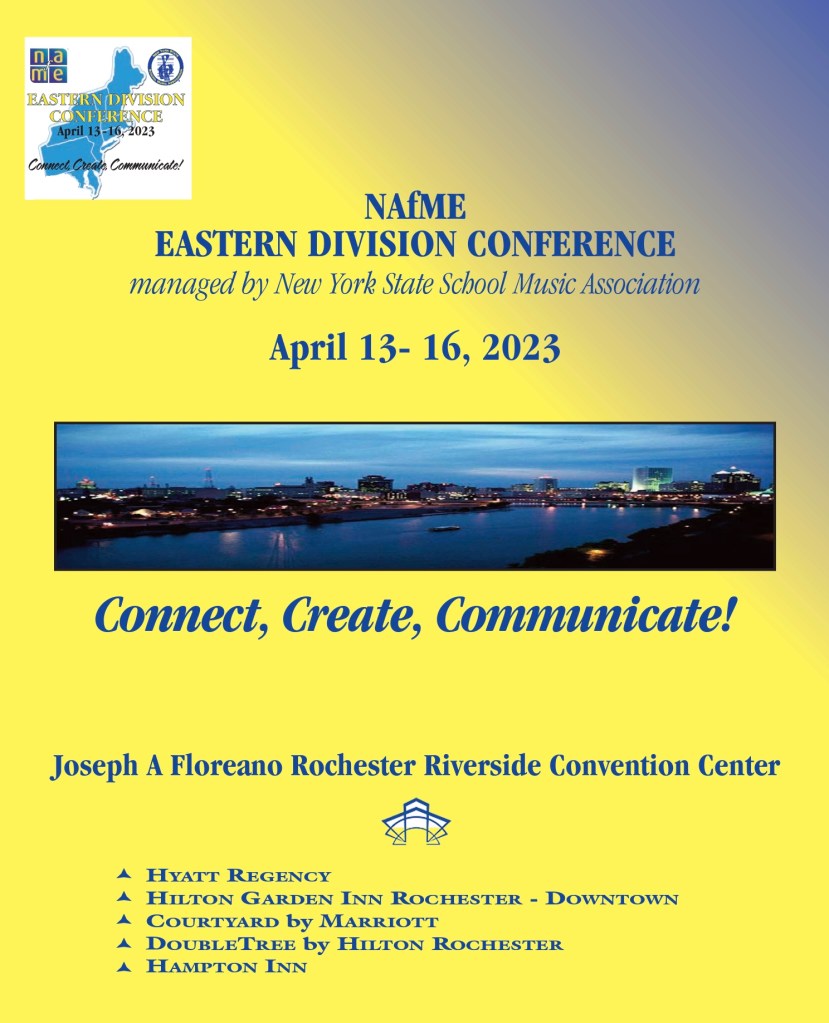
Photo credits: saxophone 24youphotography, harpist Gerrit Prenger, and computer/music keyboard LeslieR at FreeImages.com