Leadership lessons for the classroom or staff development
This blog is a follow-up resource for my Empowering Educator and Student Leadership presentation at the PA Department of Education SAS INSTITUTE state conference on December 9, 2025 and provides a “fill-in-the-gap” narrative about many of the concepts we have already presented at this blog site:
If you would like to review my PDF slide summary from the SAS INSTITUTE, click here.
Did the main title (above) get your attention? What on earth could “leaders flush” have to do with this topic? In teaching (and modeling) leadership skills to my students, we discuss what it means to Faire sans Dire or “do without saying,” the English translation to this crest:
Heraldry coat of arms emblem: Earl of Ilchester
In other words, if you see something that needs to be done (flush the toilet?), don’t assume it’s someone else’s job. A true leader embraces the philosophy Carpe Diem (“seize the day”), identifies the problem and its solution, rolls up his/her sleeve, and “gets it done!”
Why teach leadership in the curriculum & extracurricular activities?
“Leadership is an essential skill that extends beyond the classroom, shaping how students engage with the world around them. Whether leading a group project, organizing an event, or voicing their opinions in discussions, leadership skills empower students to take initiative and make meaningful contributions. These abilities are not only beneficial during school years but also serve as the foundation for lifelong personal and professional success.” — Bloomster
In the past, I have used a multitude of opportunities and settings to teach these life skills in summer leadership camps, section leader and student conductor seminars, drum major and marching band captain auditions, student director, producer, and musical crew head staff meetings, and for 25+ years, preparing student counselors for a comprehensive, six-day, grades 8-12 Township String Camp program.
To sum it up, teaching leadership in Grades K-12 and college settings will:
Develop communication skills
Build confidence & self-awareness
Enhance problem-solving abilities
Encourage teamwork & collaboration
Shape future success
Why teach leadership to educators?
My December session at SAS Institute was geared to school/system leaders, department heads, and other administrators, but actually the focus on leadership as a skill set necessary for school/staff/individual professional improvement is essential for all educators and school support staff.
From district administrators and school principals to instructional coaches and curriculum coordinators, leaders in education have a direct impact on the learning outcomes of all students. According to UNESCO, educational leadership is considered one of the most influential factors on student outcomes, falling just behind engaging teaching. As a result, leadership training for educators has become an essential part of the professional development experience for teachers at all levels of education. — “Building Leadership Skills – From Classroom Teacher to Educational Leader”
The literature suggests that empowering educators with leadership training will:
Improve student achievement
Empower and retain teachers
Support new staff members
Drive innovation and adaptability
Bridge the gap between instruction and administration
Build/model a positive attitude
Enhance strategic thinking and decision-making
Promote a positive and collaborative school climate
Develop soft skills such as communication, conflict resolution, and building trust… both in and outside the classroom
Leadership assessments
“A leadership skills assessment is a formal evaluation used to identify and measure a person’s leadership potential and competencies, such as communication, decision-making, and emotional intelligence. These assessments can be used by organizations to evaluate current leaders, identify high-potential candidates for promotions, and inform hiring decisions. Common methods include personality tests, scenario-based assessments, and 360-degree feedback, with tools like CliftonStrengths, Hogan Assessments, and DISC being popular examples.” — “Leadership Assessment Test – A Complete Guide 2025”
There is a large body of information out there, especially commercial resources, for evaluating the leadership quotient and achievement of corporate managers, CEOs, CFOs, etc. I was impressed with the scope and depth of the research, including these sample firms advertising the availability of third-party consultants and advisors.
One night I randomly scanned through a handful of YouTube reels of company fraud and mismanagement (e.g., “Revenge of the Coffee Pot,” “Revenge with Karen,” and “Silent Revenge”), painting (fictitious) stories of bosses stealing intellectual property or assuming credit for the innovations/achievements of their subordinates, patent infringement, nepotism or incompetent hirings… all with arrogance, lack of professionalism, the total disregard of employee morale, and blatant patterns of poor executive decision-making, communication, emotional intelligence, strategic thinking, and the ability to influence and guide a team. “Emotional intelligence” (as defined above by Daniel Goleman in What Makes a Leader? also attributed to the United Nations Staff College) should include the “best practices” of self-awareness, self regulation, motivation, empathy, and social skills. Added to these YouTube (fake) scripted deficiencies are the mitigating effects of corporate politics, inconsistent application of compliance or HR policies, unclear contract language, and problems in the chain of command… with the eventual result of the boss receiving a fall from grace, termination, and other legal consequences. Most of these episodes imply only the Board of Directors evaluates the top executives (like school superintendents?), and even with the inclusion of employee satisfaction surveys, staff retention data, third-party auditors, and whistle-blower protections in some instances, the catastrophic actions of these leaders nearly destroy the businesses. For these videos, it seems that leadership assessments and goals are never ongoing, the benchmarks are seldom reviewed, and nothing is PROACTIVE… and therefore not preventive. Therefore, for the school district and corporate worlds alike, we need to intentionally provide formative assessments of our leaders (and ourselves). Exactly what do we need to know and do to improve?
In my blog Growing Student Leaders and the SAS Institute 2025 presentation, I offered the above image as an informal personal checklist to evaluate leadership traits. Coincidentally, while I was writing this article, a scholarship committee of the Community Foundation of Upper St. Clair (for which I serve as Communications Director and Arts Chair) was developing an assessment rubric for ranking applications of a new student leadership scholarship. Although still under development, here are a few of the categories being considered:
Communication: Includes listening skills, clarity in speaking, and the ability to make others feel heard.
Integrity: Acting ethically, being trustworthy, and aligning actions with words.
Accountability: Taking ownership of actions and commitments.
Collaboration: Working effectively with others, valuing different perspectives, and resolving conflicts.
Self-awareness: Understanding one’s own strengths, weaknesses, and biases.
Drive/Initiative: A bias for action and the ability to move projects forward.
Courage: The bravery to speak truthfully, admit shortcomings, and make difficult decisions.
Humility: Recognizing the contributions of others and remaining a lifelong learner.
The University of Massachusetts Lowell developed the above rubric for their River Hawk Experience Distinction Leadership Program, defining specific criteria with a clear description of what each trait should look like at different performance levels, in order to provide a standardized way of measuring and assessing leadership skills
My favorite inspirational speaker Simon Sinek has also weighed in on this topic of “What Makes a Great Leader?” refining/simplifying it to just three traits:
Courage
Integrity
Communication
Additional resources
If you are an educator looking for supplemental material on developing leadership skills in your students, besides these SAS INSTITUTE 2025 slides (of which the original PowerPoint file is available to download for free in order to adapt for your classroom – please email me), I recommend perusing the full-blown “Building Leaders for Life” (second edition) curriculum (94 lessons in five subject areas, 355 pages of lesson materials, 137 student handouts) created by the Association of Washington Student Leaders (a division of the Washington School Principals’ Education Foundation). Click here to view their website. They also have a middle school and elementary series!
If you attend my SAS INSTITUTE workshop on December 9, 2025 (starting at 9:40 a.m. in Magnolia C, Hershey Lodge & Convention Center), ask me to see sample materials from their high school course of study.
Finally, here is the “homework for future leaders” I provided at the SAS INSTITUTE and during a 2024 summer camp at Upper St. Clair High School, providing additional links to many inspiring minds. Enjoy!
Leadership is not about being in charge. It is about taking care of those in your charge. — Simon Sinek
A leader is one who knows the way, goes the way, and shows the way. — John C. Maxwell
Do not follow where the path may lead. Go instead where there is no path and leave a trail. — Ralph Waldo Emerson
The greatest leader is not necessarily the one who does the greatest things. He is the one who gets people to do the greatest things. — Ronald Reagan
What you do has far greater impact than what you say. — Stephen Covey
Although several of the cited research links may have expired (for example, PA Department of Education modified most of their website’s URLs), these provided the foundations of background information and references for the presentation I prepared for the DCMEA Virtual Conference in 2020 (during COVID) and serve as the starting point for the workshop I will share in-person at the DCMEA Winter Conference in January 2026. This blog provides updates and additional perspectives. Taken in combination with the above sources, you will be able to identify the benefits, positive models, precautions, and dangers of social media, social networks, professional learning networks, and sample emerging technologies as they apply to teachers’ professional development and education of students.
“THE WHY”
Before every clinic or publication I develop, I always try to spotlight the theme of “THE WHY” as preached by one of my favorite authors and motivational speakers – Simon Sinek! According to him, for organizations and individuals alike, “THE WHY” (rationale and priority) is more important than “THE WHAT” and “THE HOW.” (See this video.)
WHY is a collaborative discussion on social media essential? Why now?
”There’s a growing body of evidence suggesting that educators are facing increasing scrutiny regarding their social media use. Concerns include unprofessional conduct, inappropriate interactions with students, and the potential for cyberbullying and other negative impacts on student well-being.”
As always, our goal is to promote ethical practices in maintaining professionalism in the digital world.
“THE WHAT” — Review of Definitions
“Social Media”
Social media are “websites and applications that enable users to create and share content or to participate in social networking.” — Oxford Lexico.com online dictionary
“Social Network”
A social network is, 1. a network of social interactions and personal relationships.; 2. a dedicated website or other application which enables users to communicatewith each other by posting information, comments, messages, images, etc. — Oxford Lexico.com online dictionary
“Professional Learning Community” (PLC)
A PLC is “a group of educators who meet regularly…” (usually in-person) “…to strategically enhance their teaching skills and improve student outcomes.”
versus “Professional Learning Network” (PLN)
A PLN is “a group of educators who gather more informally…” (usually in online communications) “…to problem-solve and generate ideas to enhance classroom practices. A PLN… often takes the form of an open forum, where participants can ask and answer questions based on their experiences.” —https://edtechmagazine.com/k12/article/2024/08/pln-vs-plc-perfcon
However, educators must exercise “sound judgment” and proper professional boundaries when using social media/networks with students. While the introduction of new technology provides many opportunities for teaching and learning, it is important to establish clear rules for appropriate student-teacher communication. In order to promote safety and appropriate boundaries while transitioning to a virtual teaching and learning environment, the Pennsylvania Professional Standards and Practices Commission offers suggestions to help educators protect themselves and their students.
All technological resources and applications should be school entity-approved and only used in the manner prescribed. Ensure that you are familiar with the tools you are using in order to use them properly.
Communication with students should occur at designated times, consistent with traditional school day hours. Maintain transparency and protect yourself by keeping a record of all communications with students.
Clearly communicate when and how students should contact you and provide a timeframe for when students should expect responses to questions.
Avoid one-to-one interactions with students in chatrooms, FaceTime, Skype, or any other online space. School psychologists, school counselors and others providing one-to-one services to students should consult with school administration about the best mode of communication.
Use approved forms of communication by your school entity to connect with students and parents (i.e. Remind), use only your school email to communicate, and copy administration when communicating with parents or students.
When creating content or interacting in an online space with students, conduct yourself as you would if you were in school. If appearing on camera, dress professionally and be mindful of your surroundings and the camera’s view.
Do not “friend” or follow students on social media and do not allow students to “friend” or follow you on your personal social media. Remember, you do not have a “social” relationship with your students.
Keep your personal and professional lives separate. Do not share overly personal information about yourself with students.
While exercising responsibility to maintain a respectful, safe, online environment, there are many benefits for the application of social media for students in the classroom:
Real-time communications can increase student engagement, collaboration, communication and overall participation
Many students may find it easier to participate in online discussions that in the classroom
Students can easily ask each other or their teacher questions about assignments outside of class
Students & teachers can quickly share resources at any time.
Teachers can easily share class announcements.
Social media can provide a contingency plan for last minute remote learning scenarios.
Students can organize school events with each other or with the help of a teacher.
Teachers can augment an online-only class by establishing a social media page or account simply for building community.
Students can practice using social platforms responsibly, including maintaining a respectful online discourse.
Teachers can communicate directly with parents as needed, and parents can stay informed of school news via a convenient, easily accessible platform.
However, please watch out for these potential drawbacks:
Social media can be a major distraction, especially if students are accessing their personal accounts independently.
If students primarily use social platforms to participate in class discussions, they can miss out on practicing face-to-face conversations and respectful in-person discourse.
Some students may see social media assignments as an opportunity to cyberbully their classmates, and there is always a risk of someone posting inappropriate content or language.
Balancing the positives and negatives and taking into account all of these precautions in order to maintaining professional boundaries, the integration of new technology into the classroom may offer excellent enrichment and increase student motivation for advanced learning. This may take many forms. Here are a few interesting models.
Prior to preparing for the DCMEA online session in 2020, I stumbled upon a truly inspiring post from Derek Muller, a gifted teacher, physicist, filmmaker, and founder of the YouTube channel Vertiasium which has captured millions of subscribers. He offers one of the BEST models of using social media to enrich the understanding of learning math and science (applicable to all fields of study), while at the same time, provides warnings against unbridled use of so-called “innovation for innovation’s sake.”
“I feel like people over the years are invariably drawn to use these words: revolutionizeand education. And there’s this sort of amnesia that we’ve had a hundred years’ worth of these predictions, worth of really groundbreaking technologies that have transformed other areas in our lives but have failed to fundamentally change the way we do education. So, I stand here today as a voice of caution, to think that the future of education is not one of revolutions…”
As one example, in the middle of preparing music for my community orchestra, we were shut down in 2020. No in-person rehearsals at the school. I then pivoted to creating my own online platform called SHJOOLA (South Hills Junior Orchestra Online Academy) in 2021 using MusicFirst. For a nominal yearly subscription fee, I was able to continue my Saturday morning classes (synchronous) as well as asynchronous (on-their-own time) learning using excellent applications in a virtual environment: MusicFirst Classroom, Focus on Sound, PracticeFirst, Sight-Reading Factory, Musition, Auralia, a web-based music notation program, and a huge library of method books and ensemble music. Several past blogs showed how we rolled out SHJOOLA:
The latter link above also provided a comprehensive list of supplementary resources (at the time) for online music education. Please peruse these even though some of them may have now gone inactive. We will provide supplemental links at the bottom of this article.
Another direction accented by the onslaught of the pandemic was digital streaming performances, incorporating technology in both the solo and ensemble settings. The following are two of my favorite examples of these to be viewed on YouTube:
Circle of Life from Disney’s Lion King (2015-18) by Sam Robson, arranger, innovator and performer using multitrack recording of a single performer mixing as many as 50 voices at one time.
Cloudburst, a Virtual & Live Choir and TEDTALK (2013) by Eric Whitacre
Well… sorry this blog has grown to be so large! If you admit to understanding the potential hazards of and precautions for integrating social media, social networks and other technologies into education, we’ll close with the following bibliography of additional resources for further study. If that is not enough to whet your curiosity, stop back in several months to download a copy of my slide summary for the session I will present at the DCMEA Winter Conference on January 30, 2026.
Be careful — stay safe and professional — but ENJOY!
Editor’s Note: We welcome yet another blog by guest author Ed Carter on a subject near and dear to my heart. It was not until I retired before I discovered the joy, responsibilities (and challenges) of pet ownership. I have two little doggies (one bichon frise named “Gracie” and a yorkie-poo named “Brewster”) who keep me engaged and occupied throughout the day. “Daddy, I’m hungry.” “Can I have a bone?” “It’s time to go out…” Those frequent walks are good for me and part of this retiree’s long term wellness plan! But, pets may also restrict the flexibility of your schedule and limit travel. You cannot necessarily “drop everything” at the last minute and take a cruise or long car trip. (I’m not putting my “kids” in a pet jail, aka a kennel!) Planning is essential. Ed shares new perspectives on merging the demands of your digital job (encore career, business or retirement pursuit) with the needs of your sometimes fussy furry family members. PKF
Deciding to pack up and chase the digital nomad dream isn’t as easy when you have a pet depending on you. But it’s not impossible. You’ll just need a different kind of strategy—one that balances your professional goals with your animal companion’s comfort and safety. If you’re ready to take your work on the road without leaving your dog, cat, or other furry friend behind, here’s how to make it happen and thrive.
You Are the Brand—Market Like It
You’ve probably heard this before, but now it’s even more true: your personal brand matters. When your lifestyle is non-traditional, clients and employers want reassurance that you’re still professional and reliable. Build an online presence that highlights your experience, your skills, and the unique flavor you bring to the table. Whether it’s a clean portfolio website, a LinkedIn page with testimonials, or social proof via Twitter threads or TikToks, you’ll want your digital footprint to reflect someone who gets the job done—dog barking in the background or not.
How Education Can Reboot Your Career Path
If you’re feeling stuck in your current role or ready to transition into something more dynamic, going back to school can be the smartest move you make. For instance, by exploring a Bachelor of Science in Computer Science, you’ll open the door to new opportunities in tech, where the demand for problem-solvers and creative thinkers never slows down. Also, learning online means you’ll have the flexibility to pursue your degree at your own pace, so you can continue working while you build your future.
Pick a Job That Gives You Breathing Room
Not all remote jobs are built equally, especially when you’ve got a pup tugging at your sleeve or a cat trying to walk across your laptop. Jobs with flexible hours or asynchronous communication are a goldmine here. Think virtual assistance, freelance writing, UI/UX design, social media management, or coding—anything that lets you pause when you need to and doesn’t expect you to be online at 9:00 a.m. sharp in someone else’s time zone. It’s also worth considering pet-focused work like blogging about your travels together or offering online pet training consultations if you’ve got the skillset.
Stretching the Budget Is an Art
Moving around with a pet in tow doesn’t just cost more—it requires creative budgeting. Flights often come with extra fees for animals, and not every country has affordable vet care. To save, consider slow travel, staying in each spot for at least a month to cut down on housing costs. Sign up for loyalty programs, travel with collapsible gear to avoid bulky luggage fees, and always build an emergency buffer for unexpected pet expenses.
Downtime for You, Uptime for Them
You’ve got Zoom calls and deadlines, but your pet doesn’t care. Their boredom can quickly become your stress. To keep them occupied, build routines they can count on—morning walks, midday playtime, and evening snuggles. Fun pet toys, lick mats, and interactive feeders are your new best friends. If you’re in a location for a while, look into local pet daycare options or even trusted pet-sitters who can help when your calendar’s packed.
Communication Is Still the Currency
When your lifestyle is flexible, your communication needs to be rock solid. Clients shouldn’t have to guess if you’re off-grid or just ignoring their messages. Use tools like Slack, Notion, or Trello to keep everyone aligned. Set expectations upfront about your availability, stick to response time windows, and always double-check your time zone math before scheduling meetings. Transparency builds trust, and it’s the one thing you can’t afford to fumble when you’re juggling time zones, Wi-Fi hiccups, and a restless Labrador.
Get Paid Without the Headache
No matter where you’re working from, you still need to get paid like a pro. Skip the international wire transfer chaos and set yourself up with services like Wise, Payoneer, or Deel that cater to global freelancers. These platforms help cut down on currency conversion fees, and many now offer debit cards linked to your earnings. Just make sure you’re still handling taxes back home—yes, even if you’re on a beach in Bali.
Plug Into the Right Tools
Your tech stack can make or break your setup, especially when your “office” might be a hammock or a hostel lounge. A reliable VPN keeps your data secure on public Wi-Fi, while apps like Clockify help you track billable hours. Backup power banks and a universal adapter are non-negotiables, and a noise-canceling headset can turn a chaotic café into a client-ready zone. For pet tracking, consider a GPS collar if your dog has wanderlust, or a camera you can check from your phone to ease any separation anxiety.
Taking your life and career on the road with a pet isn’t going to be flawless. There’ll be missed trains, barking during meetings, and that one time your cat jumped on your keyboard mid-presentation. But with some intentional planning, the right tools, and a healthy dose of flexibility, the rewards far outweigh the bumps. You’re not just choosing freedom for yourself—you’re creating a life where your companion gets to come along for the adventure.
Check out other articles by Guest Author Ed Carter at this blog site:
The following course content, outline and supplemental materials were presented at the Upper St. Clair High School Leadership Academy on July 24, 2024.
As a follow-up to my workshop for the attendees and to grant full access to important links, a facsimile of the slide presentation, and printable handouts, please download the PDF documents below.
Below is a comprehensive summary of “Leadership 101.”
7/27/24 Update – Leadership Presentation
At the invitation of Upper St. Clair High School (USCHS) German teacher and summer leadership instructor Jacob Reis, it was my pleasure to meet and share my thoughts on “Leadership 101” with students in phase 2 of the USCHS Leadership Academy on Wednesday, July 24, 2024.
The national award-winning USCHS Leadership Academy is a one-week summer workshop offering students exposure to leadership concepts and practices. Students identify their leadership strengths and learn how these skills may be used to make them successful in all stages of life. Through experiential learning strategies, group projects, and hands-on activities, students experience the application of leadership skills, building confidence in their abilities and enhancing their capacity to serve in leadership roles. https://www.uscsd.k12.pa.us/Page/495
I enjoyed my interactions with about 30 rising sophomores who demonstrated they were already well on their way to becoming significant student leaders… and the proof was taking a week off from their summer vacation to enroll in the academy and then enthusiastically participating in my 45-minute workshop right after lunch! (Instead of nap time?) Hopefully, I was able to provoke some new thinking on the further development of their advancing leadership skills.
The only negative comment about the day is that I did not fully cover everything I intended (probably needing at least a full hour but would have enjoyed a half-day!)… thus the rationale for creating this blog-post. I only hope these budding “future leaders” will revisit this material and devote more time on it in research and self-analysis… and complete my optional homework to explore more perspectives on “the definitions of, distinctions in, and directions to becoming a dynamic and dedicated leader.”
Let the Games Begin
With a backdrop of more than 52 years in the field of education (beginning with my own HS days offering private lessons) and incorporating the experiences of an ongoing 44-year relationship in the Upper St. Clair schools, I was able to share philosophies, “best practices,” and anecdotes of lessons learned in working with countless past Fine and Performing Arts student leaders… so many “cream of the crop” drum majors, section leaders, concertmasters, producers, directors, rehearsal assistants, crew heads, leads, etc. Several of the hands-on interactive exercises we have explored in past student staff meetings and even at PMEA/PCMEA conferences were beneficial (“doing” works better than “saying!”), including:
The Clapping Game (stepping outside your comfort zone): “Put your hands together, clap and hold. Is your right thumb over your left or vice versa? Now try it the opposite way… until you can do it just as confidently! Now you have expanded your comfort zone! This is how we GROW!”
We reviewed some common “leadership vocabulary” during the session. Recognizing that there is a wide divergence in opinion on what makes a great leader, I chose to focus on portraying three triple-threat skill types that LEADERS ARE…
Visionaries
Coaches
Managers
I have always felt that leaders need to embrace change, not be afraid to “upset the apple cart,” foster a shift in new directions, create goals, and make improvements to the status quo… to bravely go out and figuratively “break something!” Things to do with a problem:
Ignore it
Resist it
Define it
Enjoy it
Find a use for it
Find a bigger problem
Numerous giants in the field of coaching and education have shared these one-line gems:
Leaders embrace new ideas or challenges.
Leaders are catalysts for change.
Leaders make goals and define targets.
Leaders model commitment and passion.
Leadership is all about creativity, innovation, and problem solving.
Leadership is about taking risks.
Leaders have positive self-esteem.
Leaders master good listening skills.
Extra handouts: Last week, I was not able to distribute these leadership quotes or the stuff and tasks of leadership, including words of wisdom from “leader luminaries” like the late great Babe Ruth, Abraham Lincoln, Vince Lombardi, Theodore Roosevelt, and my first USC school administrator and mentor Thomas Harshman.
At the Leadership Academy session, we did enjoy taking an insightful quiz about left or right brain hemispheric dominance (although we were unable to finish scoring it), something which was first introduced to me at a teacher in-service led by USC Supervisor of Curriculum John Small, and many years later, shared in a virtual session of my community orchestra during the pandemic. Examples of the type of questions: Would you choose to complete a crossword puzzle (left-brain) or a jigsaw puzzle (right-brain), or view a movie (right) or read a book (left)?
This test introduces “thinking styles” and a taste of lateral brain research. (Disclaimer: There has been a lot of scientific debate on whether there is any value in measuring brain dominance. In addition, a true test of hemispheric brain dominance would take hours, MANY MORE questions, and still only offer a few generalizations! This exercise is only provided to give us a little more understanding in the way we think and how others may respond to our attempts to lead them.) I concluded with the following statement:
Now apply this to the “types” of people you may lead. The lefty “analyticals” may want meetings to start and end on time, keep to the agenda, follow Robert’s Rules of Order, receive written documentation, etc. “Righties” (a.k.a. “spatials”) may arrive late, prefer more time for free discussion (“bird-walking?”), enjoy more charts/graphs, demonstrations, and “hands-on,” offer good brainstorming… but fewer restrictions or rules to organizing the meeting.
More Self-Reflection Exercises and the “Oreo Cookie Technique”
Back to interactive “show-don’t-tell” FUN activities! We introduced several tools to motivate additional self-analysis (insights into current leadership skills/tendencies and future needs):
Brainstorming of Leadership Habits: “Close your eyes and visualize a ‘model leader’ you have known and admired. What were his/her outstanding personality characteristics? In 30 seconds, write down as many of these traits and others that would define a great leader.”
Step #2 Brainstorming: “Circle three of these qualities you feel are the most important for success.
Step #3 Brainstorming: “Highlight, underline, or star two of these traits that YOU model – your most developed skills. Now print these in the top two bubbles of the pink graphic below.
Step #4 Brainstorming: “Review the EI chart of the Union Nations Systems Staff College, outline of AWSL leadership skills, and the types of thinking/leading skills (above), and add one or two characteristics you feel YOU are well on your way to mastering (understanding that, as my wife would remind me, ‘pobody is nerfect!’ and there’s always room for even more work on them.”
Step #5 Brainstorming: “Once you have completed a self-analysis of the material covered in this session (blog-post + handouts + slides), select up to four ‘challenges’ you would consider for further study or goals for self-improvement.”
Now, the process for “peeling back the onion skin” and doing a deep dive into a critique of an individual’s strengths and weaknesses (without crushing egos) is best done by first using positive reinforcement (what are the good things already accomplished?), followed by the problem(s), need(s), or trait(s) that resoundly land “outside the comfort zone.” This punch list of one or more items will be the basis for generating an action plan for making positive changes. Finally, you should always end everything with the positive… a reflection on the progress that has already been made, observation of past achievements or gifts, and confidence that a set of recently adopted S.M.A.R.T. goals (below) would be attainable:
Specific
Measurable
Achievable
Relevant
Time-bound
The Oreo cookie symbolizes layers, a progression from top to bottom, starting with the chocolate cookie (dunk it in milk if you wish!) which represents “the positives,” next going to the cream which depicts a “focus on improvements,” and then finishing off the bottom cookie (return to “the positives”). This is relevant for self-analysis as well as a model for the care and motivation of team members. The experienced and empathetic leader knows that “you catch more flies with honey than with vinegar…” and most people respond better to positive-first feedback along with a little sensitivity and diplomacy when pointing out their shortcomings. Whenever you can, “sandwich” the cocoa’s good things (“keeps”) around the cream’s criticism (“fixes”)… for yourself and in others within all work/school settings!
Coda: Personal Inventory Profile
I hope throughout this workshop attendees will self-assess their leadership potential and make a few plans for ongoing personal development. The above checklist outlining my USCHS leadership academy content was provided in this handout to help examine areas of interest and to formulate new goals. I also recommend taking time to peruse the homework for future leaders and especially read a few of my past posts on creativity in education and leadership showcasing several exemplary models of leadership… outstanding visionaries, coaches, and managers:
Teachers make as many as 1,500 decisions a day for their classes and students… that’s as many as four educational choices per minute for the average teacher given six hours of class time. Surprised? (Not if you are an educator!) Check out this corroborating research:
Of course it can be exhausting… and as fast as “things” happen, even mind-numbing at times!
What do educators rely on for guidance, a sort of internal “ethical compass” for making these decisions, many of which are snap judgments?
Educational background
Teacher “chops” (professional experience)
Peer and administrative support
Personal moral code (derived from one’s life experiences and upbringing)
Aspirations, values, and beliefs generally agreed upon by educational practitioners
State’s code of conduct and other regulations, statutes, policies, and case law
Professional ethics
Or all of the above?
At this juncture during my workshops on ethics, I usually quote Dr. Oliver Dreon, Assistant Professor and Coordinator of the Digital Learning Studio at Millersville University of Pennsylvania and one of the authors of the Educator Ethics and Conduct Tool Kit of the Pennsylvania Professional Standards and Practices Commission:
“From a decision-making standpoint, I tend to look at it from the perspective of Ethical Equilibrium (work by Troy Hutchings). Teachers weigh the moral (personal) dimensions with regulatory ones (the law) with the ethics of the profession… While focusing on consequences is important, I worry that teachers may interpret this to mean that as long as they don’t break the law, they can still be unprofessional and immoral.”
– Dr. Oliver Dreon
From college students participating in their first field observations to rookie teachers (and even veterans in the field), I recommend searching the term “ethics” on the website of your State Board of Education. In Pennsylvania, checkout the following:
Now enters probably the single most valuable document of our time, an all-encompassing philosophy for embracing the highest standards of what it means to be an ethical educator: the Model Code of Ethics for Educators (MCEE), developed under the leadership of the National Association of State Directors of Teacher Education and Certification (NASDTEC). With the collaboration of numerous development partners including the American Federation of Teachers, National Education Association, National Association of Elementary School Principals, National Association of Secondary School Principals, Council of Chief State School Officers, and American Association of Colleges of Teacher Education – to name a few – MCEE is comprised of five core principles (like spokes in a wheel – all with equal emphasis), 18 sections, and 86 standards.
“The purpose of the Model Code of Ethics for Educators (MCEE) is to serve as a shared ethical guide for future and current educators faced with the complexities of P-12 education. The code establishes principles for ethical best practice, mindfulness, self-reflection and decision-making, setting the groundwork for self-regulation and self-accountability. The establishment of this professional code of ethics by educators for educators honors the public trust and upholds the dignity of the profession.”
Although pre- and in-service training on both are essential, the differences between a “code of conduct” and a “code of ethics” are vast. Codes of conduct like the Code of Professional Practice and Conduct for Pennsylvania teachers are specific mandates and prohibitions that govern educator actions. A code of ethics is a set of principles that guide professional decision making, not necessarily issues of “right or wrong” (more shades of grey) nor defined in exact terms of law or policies. Codes of ethics are more open-ended, a selection of possible choices, usually depended on the context or circumstances of the situation.
“The interpretability of The Model Code of Ethics for Educators allows for robust professional discussions and targeted applications that are unique to every schooling community.”
The music teacher and administrator colleagues with whom I have been privileged to work for more than 40 years are highly dedicated and competent visionaries who focus on “making a difference” in the lives of their students, modeling “moral professionalism” and the highest ethical standards for their classes, schools, and communities, in support of maintaining the overall integrity of the profession.
However, let’s unpack some of “the wisdom” of MCEE as it addresses the rare “nay-sayers” and entrenched teacher attitudes, failing to understand “the difference between what you have a right to do and what is right to do…” (Potter Stewart) or “doing the right thing when no one else is watching – even when doing the wrong thing is legal” (Aldo Leopold).
Here are sample negative responses, MCEE “exemplars,” and proposed assimilations for thoughtful and interactive peer discussion. Bring these to your next staff meeting or workshop, and apply them to a few mock scenarios (like these from my past blog ).
Principle I: Responsibility to the Profession
The professional educator is aware that trust in the profession depends upon a level of professional conduct and responsibility that may be higher than required by law. This entails holding one and other educators to the same ethical standards.
“I didn’t know it was wrong…”
Section I, A, 1: Acknowledging that lack of awareness, knowledge, or understanding of the Code is not, in itself, a defense to a charge of unethical conduct;
My comment: The old adage, “ignorance of the law is no excuse for breaking it.” – Oliver Wendell Holmes
“What’s the problem? I didn’t break the law!
MCEE Section I, A, 5: Refraining from professional or personal activity that may lead to reducing one’s effectiveness within the school community;
My comment: Any on or off-duty conduct or inappropriate language that undermines a teacher’s efficacy in the classroom, damages his/her position as a “moral exemplar” in the community, or demeans the employing school entity may result in loss of job, suspension or revocation of license, and/or other disciplinary sanctions.
MCEE Section I, B, 2: Maintaining fidelity to the Code by taking proactive steps when having reason to believe that another educator may be approaching or involved in an unethical compromising situation;
My comment: As a professional with “fiduciary” responsibilities, we must look out for the welfare of our students, proactively protecting them from harm by embracing all provisions of “mandatory reporting.”
“What’s in it for me?”
MCEE Section I, C, 3: Enhancing one’s professional effectiveness by staying current with ethical principles and decisions from relevant sources including professional organizations;
MCEE Section I, C, 4: Actively participating in educational and professional organizations and associations;
Principle II: Responsibility for Professional Competence
The professional educator is committed to the highest levels of professional and ethical practice, including demonstration of the knowledge, skills, and dispositions required for professional competence.
“What’s the big deal about standards?”
Section II, A, 1: Incorporating into one’s practice state and national standards, including those specific to one’s discipline;
My comment: As professionals, we should volunteer to help write our school’s courses of study, content units, and learning goals for the subjects we teach, and take advantage of the National Core Arts Standards, the PMEA Model Curriculum Framework, and the state’s standards.
“Not another ‘flavor-of-the-month’ in-service program!”
Section II, A, 5: Reflecting upon and assessing one’s professional skills, content knowledge, and competency on an ongoing basis;
Section II, A, 6: Committing to ongoing professional development
My comment: Always “raising the bar,” being a member of a “profession” (like medical personnel, counselors, attorneys, etc.) requires the loftiest benchmarks of self-regulation and assessment, ongoing training, retooling, and self-improvement plans, revision and enforcement of “best practices,” and application of 21st Century learning skills.
“I needed to give him credit?”
MCEE Section II, B, 1: Appropriately recognizing others’ work by citing data or materials from published, unpublished, or electronic sources when disseminating information;
My comment: Especially during this period of online/virtual/remote education brought on by COVID-19, we must reference the owners of intellectual property (including sheet music) that we use and abide by all copyright regulations. In general, it is always “best practice” to cite research or authorship “giving credit where credit is due!”
“I’m just a music teacher! Don’t ask me to do anything else!”
MCEE Section II, C, 2: Working to engage the school community to close achievement, opportunity, and attainment gaps;
My comment: We teach “the whole child,” not a specialty or specific content area! I believe our ultimate mission is to facilitate our students’ capacity and desire to learn, inspire self-direction and self-confidence, and foster future success in life.
Principle III: Responsibility to Students
The professional educator has a primary obligation to treat students with dignity and respect. The professional educator promotes the health, safety, and well being of students by establishing and maintaining appropriate verbal, physical, emotional, and social boundaries.
“It’s just a gift…”
MCEE Section III, A, 5: Considering the implication of accepting gifts from or giving gifts to students;
My comment: It is not appropriate to give a gift to a student lacking an educational purpose. In some cases, this may be defined as a “sexual misconduct.” It begs the larger question: “Do you ensure that all of your interactions with students serve an educational purpose and occur in a setting consistent with that purpose?” Also from the PA Professional Standards and Practices Commission: “Teachers should refrain from accepting gifts or favors that might impair or appear to impair professional judgment.”
“You should never touch a student!”
MCEE Section III, A, 6: Engaging in physical contact with students only when there is a clearly defined purpose that benefits the student and continually keeps the safety and well-being of the student in mind;
My comment: We were told this warning in methods classes. However, as I mentioned in a previous blog here, this “rule” has little support in research or common “best practices.” It has been my experience that on occasion, most elementary instrumental teachers assist their students in acquiring the correct playing posture and hand positions by using some (limited) physical contact. Consoling an upset student with a pat on the shoulder is not out-of-line either. The factors that may contribute to the moment being judged “okay” vs. “inappropriate” boil down to:
MCEE Section III, A, 7: Avoiding multiple relationships with students which might impair objectivity and increase the risk of harm to student learning or well-being or decrease educator effectiveness;
My comment: You cannot be their “friend.” You are their teacher, an authority figure that is looking out for them and doing what is necessary (“fiduciary” responsibilities) for their health and welfare… perhaps at times things they do not want you to do. Crossing the teacher/student boundary with familiarity, informality, and being their “confidant” or “friend” are more than just unprofessional acts – they can foster a dual relationship where roles are less defined, an ambiguity that may lead to additional inappropriate actions and educator misconduct.
“He’s weird…” or “He’s not one of us!”
MCEE Section III, B, 2: Respecting the dignity, worth, and uniqueness of each individual student including, but not limited to, actual and perceived gender, gender expression, gender identity, civil status, family status, sexual orientation, religion, age, disability, race, ethnicity, socio-economic status, and culture;
My comment: Check your prejudices and personal biases at the door. Being a teacher is all about sensitivity and caring of all individuals – students, parents, staff, etc. Embracing today’s focus on reprogramming community attitudes on “diversity,” an educator daily models the values of empathy, compassion, acceptance, and appreciation, not just settling with the “lower bar” of tolerance, allowance, and compliance!
“Wait ’til you hear what happened in class today!”
MCEE Section III, C, 1: Respecting the privacy of students and the need to hold in confidence certain forms of student communications, documents, or information obtained in the course of practice;
My comments: Gossiping about and “carrying tales” home or in the teachers’ room are serious breaches of the care and trust as well as your fiduciary responsibilities assigned to you on behalf of your students. As for “regulations,” your indiscretion may be a violation of your students’ confidentiality rights (“a federal crime” according to Family Educational Rights and Privacy Act, Grassley Amendment, Health Insurance Portability and Accountability Act, and Individuals with Disabilities Education Act). You are only permitted to share information about a student with another teacher, counselor, or administrator who is on a “needs-to-know” basis or is actively engaged in helping this student.
Principle IV: Responsibility to the School Community
The professional educator promotes positive relationships and effective interactions with members of the school community while maintaining professional boundaries.
“Don’t tell my parents!”
MCEE Section IV, A, 1: Communicating with parents/guardians in a timely and respectful manner that represents the students’ best interests;
My comment: I wish I had a nickel every time a student plead with me, “Don’t call my mom!” It is part of “moral professionalism,” your “code,” and good ethical standards to originate meaningful two-way dialogue, and if necessary, confront the parents of underachieving children. I also believe it goes on long way to nurture your relationships in the community if you notify parents when their kid has done something remarkable… “I caught him being good” or “The improvement has been extraordinary!”
“Did you hear what a staff member said about you… in front of the kids?”
MCEE Section IV, B, 1: Respecting colleagues as fellow professionals and maintaining civility when differences arise;
MCEE Section IV, B, 2: Resolving conflicts, whenever possible, privately and respectfully, and in accordance with district policy;
My comment: Before you bring up the matter with your supervisor or building administrator (which you have the right and even responsibility to do, especially if the students hear any improper speech first-hand or that the incidents rise to the level of bullying or aggressive behavior), first confirm the story. Talk to the unhappy team member one-on-one. Be calm and sensitive, but hold your ground: you must assert that his/her behavior/language is unacceptable and will not be tolerated in the future.
“Not another TEAM meeting?”
MCEE Section IV, B, 4: Collaborating with colleagues in a manner that supports academic achievement and related goals that promote the best interests of students;
My comment: We work together to insure that all educational goals are met. Open and interactive peer partnerships are helpful in the review, design, and application of new lessons, methods, media, and music.
“I was just teasing her…”
MCEE Section IV, B, 8: Working to ensure a workplace environment that is free from harassment.
My comment: Be extremely careful in the practice of any behavior or language of a kidding, sarcastic, cynical, or joking manner. It can be misinterpreted regardless of your intentions… and it can hurt someone’s feelings. And it is never appropriate or “professional” to “put down” another person.
“Don’t ask for permission… beg for forgiveness.”
MCEE Section IV, C, 3: Maintaining the highest professional standards of accuracy, honesty, and appropriate disclosure of information when representing the school or district within the community and in public communications;
My comment: Yes, I have heard this “view” a lot, advocates of whom will tell you to go ahead and stick your neck out to do something “for the good of the order,” and if needed later, “beg for forgiveness” if you decision is met with disapproval from administration. My advice? Less experienced teachers, run everything through your fellow colleagues (informally) and principal (formally). Don’t fall back on the lame “oops” and “beg for forgiveness.” I may have felt differently when I had three times as many years of experience under my belt than the supervisors who were assigned to “manage” me… but, even then, “venturing out without a paddle” usually did not serve the best interests of the students. There’s no reason to place “the teacher’s convenience” over the safety/welfare of the students. Besides, why not take advantage of the legal and political backup of your bosses if they are kept “in the loop?”
“He’s our preferred dealer and always takes care of us.”
MCEE Section IV, D, 4: Considering the implications of offering or accepting gifts and/or preferential treatment by vendors or an individual in a position of professional influence or power;
My comment: Formerly called “sweetheart deals” with music companies, you are on “shaky” ethical ground (and may also have “crossed the line” violating state laws/statutes) if you negotiate the rights of exclusive access to your school’s or booster’s purchasing. If you have any questions about your school’s policy on outside vendors, seek advice from your district’s business manager.
Principle V: Responsible and Ethical Use of Technology
The professional educator considers the impact of consuming, creating, distributing, and communicating information through all technologies. The ethical educator is vigilant to ensure appropriate boundaries of time, place, and role are maintained when using electronic communication.
“Isn’t use of social media forbidden?”
MCEE Section V, A, 1: Using social media responsibly, transparently, and primarily for purposes of teaching and learning per school and district policy. The professional educator considers the ramifications pf using social media and direct communications via technology on one’s interactions with students, colleagues, and the general public.
My comment: Professional educators’ use of a dedicated website or other social network application enables users to communicate with each other by posting information, comments, messages, images, etc. and “learn” together. However, using social media for sharing social interactions and personal relationships with your students, parents, and staff is unethical and dangerous. As they say, “a post (or snap) is forever.” Communicating digitally or electronically with students may lead to the blurring of appropriate teacher-student boundaries and create additional challenges to maintaining and protecting confidentiality.
The Final Word
In Pennsylvania (as well as the rest of the country), the statistics on school staff misconduct reports are rising alarmingly. Your own state’s “code of conduct” and the MCEE should help to clarify misunderstandings, but it has been my experience that the majority of educators do not receive regular collegiate, induction, or in-service training on educator ethics or moral professionalism. Luckily, we are fortunate to have access to many mock scenarios (see below) from state departments of education to review/discuss among ourselves common ethical conflicts and “conundrums” dealing with pedagogy, enforcement, resource allocation, relationships, and diversity. We all need to “refresh” our understanding of these issues from time to time and revisit “our codes” frequently to help “demagnetize” (and re-adjust) our decision-making compass.
Please peruse the ethics category of this blog-site for other articles and sample references below.
PKF
Resources
Website of Thomas W. Bailey, retired social studies teacher and attorney-at-law https://twbaileylaw.com/
American Association of Colleges for Teacher Education webinar presentation Beyond the Obvious: The Intersection of Educator Dispositions, Ethics, and Law by Troy Hutchings and David P. Thompson https://smackslide.com/slide/ethical-equilibrium-aacte-2evrqb
Summertime Reading Suggestions for Music Directors
What do authors C.S. Forester, Simon Sinek, Jocko Willink, and Leif Babin have in common?
They offer a fresh perspective on leadership principles, reflections perfectly applicable for the skill-set development of music teachers who desire to better “lead” their music programs, students, and parent boosters.
It was no accident that I chose these books to help explore the truths of inspiring confidence and leading groups of people like we do daily in our classrooms, rehearsal halls, and on the stages or marching band fields. Their use of military (as well as company or government management) anecdotes defines and re-enacts the very essence of leaders, leadership concepts, goals, and public service.
“These [military group] organizations have strong cultures and shared values, understand the importance of teamwork, create trust among their members, maintain focus, and, most important, understand the importance of people and relationships to their mission success.”
Why do we admire music teacher “heroes” and most sought-after conference keynoters in our profession such as “Dr. Tim” Lautzenheiser, Peter Boonshaft, Scott Edgar*, and Bob Morrison* (*the latter two to be featured in the PMEA Summer Virtual Conference on July 20-24, 2020). They inspire us. They recharge us and pick up our spirits. They serve as models of visionaries and coaches. They challenge the status quo and help us to grow!
I believe these books will do the same, assist in your career development to morph into an even better leader and teacher. Since many of us are “stuck at home” during the pandemic for awhile, here is a new “reading list” for personal self-improvement.
ITV/Rex Archive: Ioan Gruffudd in “Hornblower” 2001 TV series
Who is Horatio Hornblower?
To start with, how about a series of historical fiction from the Napoleonic-Wars era?
Hornblower is a courteous, intelligent, and skilled seaman, and perhaps one of my favorite examples of an adaptable “leader.” Although burdened by his (almost shy) reserve, introspection, and self-doubt (he is described as “unhappy and lonely”), the Forester collection illustrates numerous stories of his personal feats of extraordinary cunning, on-the-spot problem solving, and bravery. The first book spotlights an unpromising seasick midshipman who grows into a highly acclaimed, productive, and ethical officer of Her Majesty’s Royal Navy, gaining promotion steadily as a result of his skill and daring, despite his initial poverty and lack of influential friends. And yet, the common thread throughout is that he belittles his achievements by numerous rationalizations, remembering only his fears.
74-gun Royal Navy Ship-of-the-line ~1794
“Hornblower’s leadership is thoroughly self-conscious: what makes him a great leader, morally, is that he assumes as a matter course that he must lead rather than he can lead; Hornblower’s pervasive sense of responsibility would be diminished if it all came to him naturally and that he acts therefore as each situation demands. He can be self-effacing or fierce, or obsequious, all depending on what is necessary to get the job done. As it happens, Hornblower‘s many other gifts, including a formidable diligence, always beyond the call of duty, and a supple intelligence, make him a man others trust and lean on; but for the reader, especially young reader, it’s his moral qualities that are most engaging, it is instructive.”
This set is a wonderful “chestnut” to acquire, sit back in your leather recliner, and devour over the coming months. Even though it may take you some significant time to finish Forester’s eleven novels (one unfinished) and five short stories, I promise you, it will all be worth it!
[If you like the Hornblower assortment, also checkout the works by Alexander Kent and Dudley Pope, all drawing parallels to the exploits of real naval officers of the time: Sir George Cockburn, Lord Cochran, Sir Edward Pellew, Jeremiah Coghlan, Sir James Gordon, and Sir William Hoste.]
Now, how can you personally glean new leadership habits from this treasure chest? Coincidental to doing some research for this blog, I bumped into the article on LinkedIn “Leadership Lessons Learned from Horatio Hornblower.” My sincere thanks and “attaboy” go to Amro Masaad, Education and STEM Leader at Middlesex County Academies, who gave me permission to share his documentation and insightful interpretation of the following leadership tips learned from Hornblower that we can all employ as “best practices” in the education profession:
Don’t be afraid to stand up to a bully.
Don’t insist that all of your successes be praised.
Don’t let employees sabotage your mission.
If you want excellence, you can’t look the other way.
Prove yourself when the situation demands it.
Take one for the team.
Show sacrifice and honor, even with your enemies.
I have always been inspired by the adventures of Hornblower, mostly because of his displays of humanity at a time in history when things were inhumane and primitive. Hornblower consistently modeled his intentions for the care and success of his subordinates while other officers “stepped on them” to get advancement, his unimpeachable moral code that guided his every action, and “taking it on the chin” when necessary for his shipmates and the good of “god and country.”
Leaders Eat Last
I was struck by this quote by Simon Sinek, the author of Start with Why – How Great Leaders Inspire Action, who posted a popular TedTalk lecture of the same name:
“There are leaders and there are those who lead. Leaders hold the position of power or authority, but those who lead, inspire us. Whether they are individuals or organizations, we follow those who lead, not because we have to, but because we want to. We follow those who lead, not for them, but for ourselves. And, it’s those who start with ‘the why’ that have the ability to inspire those around them or find others to inspire them.”
His latest book, Leaders Eat Last, brings up the rationale of mutual collaboration and prioritizing the mission and the needs of your team members. Sinek observed that some teams were able to trust each other 100%, so much so that they would be willing to put their lives on the line for each other, while other groups, no matter what enticements or special incentives were offered, were “doomed to infighting, fragmentation and failure.” Why was this true?
“The answer became clear during our conversation with the Marine Corps general. ‘Officers eat last,’ he said. Sinek watched as the most junior Marines ate first while the most senior Marines took their place at the back of the line. What’s symbolic in the chow hall is deadly serious on the battlefield: great leaders sacrifice their own comfort – even their own survival – for the good of those in their care.”
Throughout his book of vivid narratives from armed conflicts to business “revolutions” of take-overs or new CEO transformations, Sinek dives into the precepts of what constitutes “great” leadership:
The value of empathy should not be underestimated.
Trust and loyalty exist on a two-way street – to earn them, leaders must first extent them to their team members.
The role of leadership is to look out for (and take care of) those inside their “circle of safety.”
For the success of the team, goals must be tangible, visible, collaborative, and written down.
Leaders know: There is power in “paying it forward.” It feels good to help people, or when someone does something nice to us, or even when we witness someone else doing something good.
It’s also a big deal when leaders express that final personal touch and shake hands.
Leadership is all about service… to the “real, living, normal human beings with whom we work every day.”
I have never found a better source for defining the four “chemical incentives” in our bodies (also known as hormones) and numerous actual examples of their daily use (and misuse): endorphins, dopamine, serotonin and oxytocin.
Also intriguing is an expanded Chapter 24 and Appendix section in the book called “A Practical Guide to Leading Millennials.” Similar to another suggestion for summer perusal, UnSelfie: Why Empathetic Kids Succeed in Our All-About-Me World by Michele Borba, Ed.D (Simon & Schuster, 2017) which focuses more on our current young “charges,” Sinek’s differentiation is provided to inspire and educate the ultimate multitaskers of the “distracted generation.”
“This is what it means to be a leader. It means they choose to go first into danger, headfirst toward the unknown. And when we feel sure they will keep us safe, we will march behind them and work tirelessly to see their visions come to life and proudly call ourselves their followers.”
“The biology is clear: When it matters most, leaders who are willing to eat last are rewarded with deeply loyal colleagues who will stop at nothing to advance their leaders vision and their organization’s interests. It’s amazing how well it works.”
This next leadership philosophy, the core premise of the book Extreme Ownership – How U.S. Navy Seals Lead and Win by Jocko Willink and Leif Babin, will not surprise anyone who has ever taken on the inherently risky task of programming a student concert, marching field show, dance recital, or musical/play: the music director assumes full responsibility for the failures and faux pas that may occur during the performance, but instrumentalists, singers, actors, and/or dancers should get all the credit for a successful production.
“Combat, the most intense and dynamic environment imaginable, teaches the toughest leadership lessons with absolutely everything at stake. Jocko Willink and Leif Babin learned this reality firsthand on the most violent and dangerous battlefields in Iraqi. As leaders of SEAL Team Three’s Task Unit Bruiser, their mission was one many thought impossible: help US forces secure Ramada, a violent, insurgent-held city deemed “all but lost.“ In gripping, firsthand accounts of heroism, tragic loss, and hard-won victories, they learned that leadership – at every level – is the most important factor in whether a team succeeds or fails.”
This is a comprehensive textbook on Leadership 101. Admittedly, the rehash of their battle scenes are scary. This is a world so far apart from anything I have ever experienced. We do owe all our veterans a massive depth of gratitude to face such dangers to defend our freedoms and way of life. (As an inexperienced teacher, the worst fear I ever had to face was a homeroom of 99 excitable and talkative Freshman girls in my first year as the high school choral director.)
When possible, I try to share the Contents (chapter titles) of my book recommendations, giving you a broad glimpse of the outline of their publication:
Extreme Ownership
No Bad Teams, Only Bad Leaders
Believe
Check the Ego
Cover and Move
Simple
Prioritize and Execute
Decentralized Command
Plan
Leading Up and Down the Chain of Command
Decisiveness Amid Uncertainty
Discipline Equals Freedom – the Dichotomy of Leadership
From these sections, we can explore these fundamental building-blocks and mindsets necessary to lead and win.
Part I: Winning the War Within (Chapters 1-4)
Leaders must own everything in the world. There is no one else to blame.
A leader must be a true believer in the mission.
Even more important then “the how” and “the what” is “the why” of any plan. Not knowing the rationale of a decision or goal is a recipe for failure. It is a leader’s job to understand the mission and communicate it to his/her team members.*
During situations lacking clarity, leaders ask questions.
Leaders temper overconfidence by instilling culture within the team to never be satisfied and to push themselves harder to continuously improve performance.
Leaders know that over-inflated egos cloud judgment and disrupt everything: the planning process, the ability to take good advice, and the ability to except constructive criticism.
* Who said “great minds think alike?” (Answer: Carl Theodor von Unlanski.) The concept of “the why” is also described in great detail in the aforementioned TedTalk by Simon Sinek.
Part II: Laws of Combat (Chapters 5-8)
Elements within the “greater team” are crucial and must work together to accomplish the mission, mutually supporting one another for that singular purpose.
In life, there are inherent complexities. It is critical to keep plans and communication simple. Complex goals and plans add to confusion which can compound into disaster.
Competent leaders can utilize their own version of the SEAL’s prioritize and execute. It is simple as, “relax, look around, and make a call.” Prioritize your problems and take care of them one at a time, the highest priority first. Don’t try to do everything at once or you won’t be successful.
Leaders delegate responsibility, trust and empower junior leaders to make decisions on their own as they become proactive to achieve the overall goal or task.
Part III: Sustaining Victory (Chapters 9-12)
Effective planning begins with an analysis of the mission’s purpose, definition of the goals, and communication of clear directives for the team.
Effective leaders keep the planning focused, simple, and understandable to all of the team members and stakeholders.
Leadership doesn’t just go down the chain of command, but up as well. Communication to your supervisors is also key.
Leaders must be decisive, comfortable under pressure, and act on logic, not emotion.
In challenging situations, there is no 100% right solution, and the picture is never complete.
Leaders have self-control and “intrinsic self-discipline,” a matter of personal will. They “make time” by getting up early.
Self-discipline makes you more flexible, adaptable, and efficient, and allows leaders and team members alike to be creative.
A leader must lead, but also be ready to follow.
A Leadership Recap for Music Teachers
I am probably not doing justice to these incredible resources. They offer an exhaustive body of knowledge and examples on leadership ideology as well as a dazzling array of practical advice on what habits/skills are essential to become an effective leader. You need to sit back and devour these books one-by-one, apply their relevance to your situation, and come to your own conclusions about prioritizing the needs for your own personal leadership development.
To sum up a few of the theories from all this literature, we could revisit page 277 in Extreme Ownership and quote “The Dichotomy of Leadership” by Jocko Willnick.
“A good leader must be:
confident but not cocky;
courageous but not foolhardy;
competitive but a gracious loser;
attentive to details but not obsessed by them;
strong but have endurance;
a leader and follower;
humble not passive;
aggressive not overbearing;
quiet not silent;
calm but not robotic;
logical but not devoid of emotions;
close with the troops but not so close that one becomes more important than another or more important than the good of the team; not so close that they forget who is in charge;
able to execute Extreme Ownership while exercising Decentralized Command.”
“A good leader has nothing to prove but everything to prove!”
Many years ago, my wife and I were fortunate to participate in almost all of those early PMEA Summer Conferences that were basically leadership training workshops. Initiated and inspired by our first guest clinician Michael Kumer (who was then “modeling leadership” first-hand as Dean of Music for Duquesne University), we were exposed to a rich curriculum of “the greats” on leadership, team building, time management, and professional development. If you have not consumed them yourself, a few of these resources from the first couple years should be added to your reading list:
One Minute Manager by Ken Blanchard and Spencer Johnson
First Things First and other sections from The 7 Habits of Highly Effective People series by Stephen Covey
A Kick in the Seat of the Pants: Using Your Explorer, Artist, Judge, and Warrior to Be More Creative and A Whack on the Side of the Head: How You Can Be More Creative by Roger Von Oech
As a part of fulfilling “total ensemble experience” and to make the learning meaningful, I have always “taught” leadership to my students. The settings may have varied, whether it was as a part of the longstanding tradition of training marching band leaders, student conductors or principals’ who ran sectionals, our spring musical “leadership team” of directors, producers, and crew heads, elected high school choir officers, participants (grades 6-12) in a six-day string camp seminar, or even booster parents in a “chaperone orientation.” Many of my own often-repeated leadership quotes were passed down:
“Leaders aren’t born, they are made. And they are made just like anything else, through hard work. And that’s the price we’ll have to pay to achieve that goal, or any goal.” – Vince Lombardi
“You don’t lead by pointing and telling people some place to go. You lead by going to that place and making a case.” – Ken Kesey
“Things may come to those who wait, but only the things left by those who hustle.” – Abraham Lincoln
“The very essence of leadership is you have to have a vision. It’s got to be a vision you articulate forcefully on every occasion. You can’t blow an uncertain trumpet.” – Rev. Theodore Hesburgh
“Management is efficiency in climbing the ladder of success; leadership determines whether the ladder is leaning against the right wall.” – Stephen R. Covey
Finally, to close this seemingly-endless essay, I would share one of my regular but more unique lessons: “leaders flush.” We advise our plebe leaders-in-training that when anyone on the team sees an opportunity to take care of something that’s not right, or someone who needs help, or a problem that can be resolved on their own, they should take it upon themselves to do what is necessary for the greater good. We cite the example that, if you visit a restroom and discover someone before you did not flush the toilet, you do what’s right. Leaders flush.
We thought our next article in this series on music teacher health and wellness was going to center around burn-out. But then… COVID-19 struck (was this really only 3-4 months ago?), we were forced into self-isolation, and all “brick and mortar” schools closed. In the ensuing panic, we all scurried about seeking solutions to reconnect and engage our students from afar in compliance with strict shelter-in-place restrictions.
“Seemingly overnight, the world changed. Teachers and school leaders have had to revamp their entire instructional systems with, in many instances, only a day’s notice. To say many of us are experiencing whiplash, disorientation, and anxiety is an understatement.”
“Our students are feeling it too. Typically, nationwide, one in three teenagers has experienced clinically significant anxiety in their lifetime (Merikangas et al., 2010). It’s probable that during a pandemic that heavily impacts everyday life, levels of anxiety in children and teens are even higher, and the possibility of subsequent trauma greater.”
“In these unprecedented times, teachers are rising to the occasion creatively and quickly to shift to remote learning amidst school closures. Even in a traditional classroom, it can be a challenge to support students with anxiety and trauma histories to stay calm and learn. With distance learning, this difficulty is magnified. However, there is much teachers can do to reduce anxiety in students even while teaching remotely. During this crisis, we need to prioritize students’ mental health over academics. The impact of trauma can be lifelong, so what students learn during this time ultimately won’t be as important as whether they feel safe.”
My opinion? The Internet and other forms of media can be a godsend or a contributing factor to our feelings of malaise. The 24/7 nature and immediacy of news programs and web posts updating the statistics of new coronavirus cases, hospital admissions, deaths, shortages of personal protection equipment and respirators, unemployment numbers, and the stock market’s roller-coaster ride, have added fear, stress, and “noise” to the real problem… our ability to cope with the ramifications of this pandemic!
Well, at least a lot of dialogue has been generated “out there” about recommended remediation and “success stories.” The purpose of this blog-post is to share some of this “advice from the experts.” Many of you (I hope) may say, “This is just common sense.” True, but however “common” it is, more people than you think are not applying these principles to their own personal lives. And like the one online post that caught my eye the other day, “Teachers Are Breaking” by Jessica Lifshitz, all of us should share our anecdotes… the trials, internal struggles, and tribulations… to make it through this emergency.
Together, we are stronger!
I have been accused of being a little too emotional and I should not “feed into the negativity,” as one reader complained in reaction to one of my blogs. However, according to this article by Christina Cipriano and Marc Brackett, “emotions drive effective teaching and learning, the decisions educators make, classroom and school climate, and educator well-being.”
“In the span of just three days, over 5,000 U.S. teachers responded to the survey. We asked them to describe, in their own words, the three most frequent emotions they felt each day.”
“The five most-mentioned feelings among all teachers were: anxious, fearful, worried, overwhelmed and sad. Anxiety, by far, was the most frequently mentioned emotion.”
Almost in unison, the strategies that seem to be echoed most often by medical and mental health professionals, educators on the front line, and even technology specialists, are outlined by this “wellness map of to-do’s!”
Don’t obsess. Calm yourself. Set priorities.
Connect and communicate often with your family members and your students.
Set and maintain boundaries.
Practice mindfulness.
Take the necessary steps to maintain your own physical and mental health!
Avoiding Becoming Overwhelmed
As a retiree, I “only” lost the spring season of my community youth orchestra to this crisis. In my position as state chair of the PMEA Council Teacher Training, Recruitment, and Retention (PMEA Council TTRR), I tried to soothe the “hysteria” of many of my still-working friends and colleagues who were grappling with the instantaneous roll-out of distance learning. After researching online music education resources, we were able to place countless links on the PMEA Council TTRR website (here). After 7+ weeks, one of our “omnibus Google Docs” has grown to 15+ pages and more than 225 separate sources of virtual, remote, and alternative music learning media and methods.
For some, this has made matters worse… an “overload of abundance!” The multitude of venues and opportunities (too many unexplored “new technologies” for many of us baby-boomers!) included information about virtual ensembles, YouTube libraries, music games, lessons plans and platforms for synchronous and asynchronous e-learning, video-conferencing techniques, hardware and software reviews, etc.
Take a deep breath! Focus! Prioritize your goals. What are you trying to accomplish? Don’t try to consume all of the available resources “out there,” nor use every application or online lesson that you find on Facebook groups like https://www.facebook.com/groups/mecol/. What was it my mother used to say at the dinner table? “Sip and chew slowly… don’t gulp!” Take away what might help your situation, but approach anything brand new in moderation!
Go ahead and sign-up for a webinar or planned learning community meeting or two. Many professional development workshops are provided with “no extra fees” right now, like the NAfME library here, the aforementioned Facebook group and others, and if you already have a membership in PMEA, this website.
BUT… plan to take away ONLY one or two new “teaching tools” from each session… maybe consider trying-out one new app or lesson idea every other week?
As if to anticipate our needs, more than a year ago, Elena Aguilar published the in-depth piece “How to Coach the Overwhelmed Teacher” in Education Week blog, summarizing excellent stress-reduction treatments. (Share these if you think they will help you or some else! Read the entire article for more detail!)
Five tips for coaching overwhelm:
Describe it.
Recall previous experiences.
Identify one tiny next step.
Listen.
Plan for action.
“When coaching someone experiencing strong emotions, it’s important to know the signs and indicators of depression and anxiety disorders. Emotions can turn into moods, and if moods hang around long enough, they may become depression or an anxiety disorder. People who feel overwhelmed a great deal may be experiencing depression, whereas those who are ‘stressed’ a lot may be experiencing anxiety. This resource, AppD Depression_Anxiety.pdf, can be offered to your coachees or used to consider whether someone may need professional help.”
“When coaching any strong emotion, it’s useful to remember that emotions can be guides to self-understanding. They are a normal part of being a human being, and strong emotions show up to get us to pay attention to what’s going on. We can welcome strong emotions—in ourselves and in our coachees—and explore them to gain insight into ourselves and humans and educators.” — Elena Aguilar
Making Connections
Your loved-ones and friends probably need you now more than ever!
And, a myriad of research supports the assertion that social connections significantly improve our own physical and mental health and emotional well-being, such as published by the “Center of Compassion & Altruism Research & Education” of the Stanford Medical School:
“Strong social connection leads to a 50% increased chance of longevity, strengthens your immune system (research by Steve Cole shows that genes impacted by loneliness also code for immune function and inflammation), helps you recover from disease faster, [and] may even lengthen your life!”
“People who feel more connected to others have lower levels of anxiety and depression. Moreover, studies show they also have higher self-esteem, greater empathy for others, are more trusting and cooperative and, as a consequence, others are more open to trusting and cooperating with them. In other words, social connectedness generates a positive feedback loop of social, emotional and physical well-being.” — Dr. Emma Seppala
There’s even evidence that “human touch” and close connections with other people increase our body’s levels of the beneficial hormones serotonin and cortisol.
Just more common sense? Right? Probably!
The first thing I did during that initial announcement of school/activity closures was to reach-out to my “musical kids.” Many music directors told me they quickly sponsored a Zoom/Google Hangout meeting of their ensemble members, mostly just to check-in with their players or singers and get everyone “on board” for future online interactions.
Perhaps COVID-19 has made me a better “citizen,” too. Much more frequently, I now call or text a friend, colleague, volunteer co-worker, or neighbor to see how they are doing. It’s terrible to admit that it took a world disaster to improve my interpersonal communications skills!
Finally, here’s a good “recap.” In spite of the need for social distancing, these examples of “safe connections” are suggested by Jennifer Wickham from The Mayo Clinic:
Use electronics to stay in contact with friends, neighbors and loved ones. This could include using video-conference programs, making voice calls instead of sending texts, or talking with a neighbor through windows while maintaining a safe distance.
Spend quality time with the people you live with, such as playing board games or completing an indoor project.
Make a family meal or dessert recipe that reminds you of friends or family you are unable to visit, and then call them to tell them about it. This way, you get an experience of internal and external connection.
Write in a journal about your experiences during this time of social distancing. Not only will this help you sort out what you are thinking and feeling, but also it can be shared going forward as a way for future generations to connect with the past.
Setting Boundaries
Something else I admit to NOT doing!
“Going Google,” “exploring e-learning,” or “doing digital” – it is easy to get carried away and not notice you just spent 12 hours in-a-row of “screen time” participating in online meetings or creating new remote learning opportunities for your music students. Exactly when are your classroom and office hours? You are likely pushing yourself too hard, even in your pajamas! This insane pace will only promote other health concerns!
“It’s hard to create a work-life balance when life is filled with work. Teachers are known for working long hours off-the-clock for no additional compensation. This is even more prevalent in music education. We add performances, competitions, musicals, individual lessons, fundraising, data entry, and even music composition and arranging to our task list.”
“We may find pride in saying we worked 60 hours this week, flaunting to our friends that we got to school in the dark and left in the dark. Perhaps we find self-importance in their pity and admiration.”
“However, to thrive in our profession, we must remember that teaching music is our career, not our entire life. Hobbies, families, volunteering, and other ways we contribute to our communities and our homes are also aspects of who we are.”
“Setting clear boundaries between when we are working for our paycheck and when we are working for ourselves helps us carve out space where we offer ourselves time to be free of obligations and burdens of our career. Whether it’s a few hours per day, a full day per week, or both, setting strict boundaries for when you’re on-the-clock and when you’re off is essential.” — Elisa Janson Jones
Mindfulness and “Living” in the Present
Another concept that Elisa Janson Jones covered in her Smartmusic blog:mindfulness.
Now is the time for a little nonjudgmental “free reflection,” or what the psychologists call the best practice of “mindfulness” – a focus with full attention on your thoughts, feelings, and sensations “in the moment.” I think the “Teaching with Orff” website really nailed it in the article “7 Self Care Tips for Quarantined Music Teachers.” Read co-author Zoe Kumagai’s examples of affirmations: “How do I want to feel today?”
I allow myself time and space to reflect.
My mind is aware of the present.
My heart feels compassionate and is full of love.
My mind is stimulated by books, stories, art, scholarly articles, music that inspire me to be my best self.
I maintain boundaries with technology and intake of the news.
My body is free to dance.
My voice is clear to sing, laugh and converse authentically.
According to this Harvard Medical HelpGuide, the habits and techniques of mindfulness can improve well-being, physical health, and mental health:
“There is more than one way to practice mindfulness, but the goal of any mindfulness technique is to achieve a state of alert, focused relaxation by deliberately paying attention to thoughts and sensations without judgment… Allow thoughts to come and go without judgment and return to your focus on breath or mantra.” — HelpGuide
Band director, best-selling author, and acclaimed clinician Lesley Moffat devoted an entire chapter to mindfulness in her book I Love My Job But It’s Killing Me. You know what they say, “What’s good for the goose is good for the gander.” After learning the techniques for herself, she adopted mindfulness practice at the beginning of each band rehearsal for her students, a 4-5 minute routine of guided breathing and relaxation exercises leading up to the daily warmup chorale.
I love the symbolism in her “snow globe” analogy:
“Just like a snow globe that’s been shaken up, it takes time for your mind and body to settle down. If you try to get the snow globe to settle down while you’re still holding it and carrying on with your regular activities, the snow may fall slower, but it won’t completely stop and allow you to see the objects in the snow globe. You must allow it to be completely still long enough for the water to stop swirling and the glitter to follow the pull of gravity and settle on the bottom. It only takes a matter of minutes until it settles, revealing the magical scene inside, and the very glitter that was covering up the view when it was moving around has become a lovely blanket of snow that grounds the scene in the snow globe. But without a few minutes of stillness, it is impossible for it to become completely settled. So it goes with a mindfulness practice. Your mind and body needs time to go from hyper-speed to a pace that serves you well, a place where you have space to think – and space to not think. That begins by bringing stillness to your body and to your mind. Easy to say – hard to do… until you practice it every day and it becomes habit.” — Lesley Moffat
Her book should be required reading for all music teachers, even retirees who want to remain active in the profession. (Read my previous review here.) It serves as a true treasure-house of practical applications for de-stressing and re-centering your life. Her “mPower Method of Meals, Movement, Music, and Mindfulness” may be the solution to improving your situation.
FYI, her next book, Love the Job, Lose the Stress, is on the way. You can request an advance e-copy here.
“Do as I Say… Don’t Do as I Do!”
The worst part of this? We seldom take our own advice. Hey teacher, “heal thyself,” and “practice what you preach.” Taking care of our children or elderly relatives, we are probably the last to comply with the tenets of our own sermons on health and wellness.
Lesley Moffat also devoted a chapter in her book to the airline safety bulletin “Put On Your Own Oxygen Mask First.” You cannot take care of someone else (your family members or your music students) unless you first take care of yourself!
Make self-care PRIORITY ONE for YOU! I know, you have heard all of these before:
Eat a balanced diet.
Hydrate.
Get enough sleep.
Exercise daily.
“Flex your brain.”
The latter “exercising your mind” is referenced in the Teaching with Orff website, and is a frequent emphasis on my blog-site (with exampleshere,here,and here). Pursue your own avenues of creative self-expression, and grow and learn something new every day!
According to charitable organization Waterford.org, the definition of “self-care” is “any action that you use to improve your health and well-being.” They cite extensive research from the National Institute of Mental Illness (NAMI), corroborating the statement that there are six elements to self-care:
“Self-care is an important component of a teacher’s mental health, but there are misconceptions about what it is. It’s common for educators to dismiss the self-care movement as ‘selfish’ or ‘superficial.’ But for teachers, self-care is so much more than breakfast in bed or treating yourself to a spa day. It’s about taking care of your health so that you’re prepared to be the best teacher you can be for yourself and your students.”
These endorsements probably represent just “the tip of the iceberg!” Peruse all of the resources listed below. In addition, perhaps we should take a close look at Alex Wiggin’s ASCD article, “A Brave New World: A Teacher’s Take on Surviving Distance Learning”(Educational Leadership, Summer 2020), considering the adoption of these four lessons learned from the past four months:
Relying on a team reduces work and stress.
Connecting with students boosts morale.
Learning new technology isn’t so bad.
Model being a life-long learner
I predict that the hardest part, coming to the end of May and the completion of our first-ever “virtual spring semester,” is coming to grips with our “fear of the unknown!” At the date of this writing, no one really knows when “we” are going back to “in person” schools, how we will resume large group music instruction like band, choir, or orchestra rehearsals, and what will the “new normal” look like to successfully “move on!”
Summer break is just around the corner… a good time to stop and reflect! And yes, we will make it through this.
Coaching Advice for Acing Those Employment Interview Questions
There is a huge body of information on preparing for the job search process, interviews, and marketing yourself previously posted at this site. Where should you go first? Be sure to survey the following blogs:
What else do you think we should cover on this topic? How about some specific “coaching” in recommended answers to commonly asked interview questions… tips from the experts, HR staff, interviewers, supervisors, and the like. We give each resource “the baton” and “the podium” to offer a glimpse in the triumphs, pitfalls, and pratfalls of frequently observed interviewee responses. For grasping the full comprehension and context, follow-up by reading the entire article posted at each link.
Many of these suggestions are geared to “general education” teacher interviews, but you can apply them to whatever specialty or grade level to which you are applying. After all, the person sitting at the other side of the desk is probably an administrator or director of curriculum, not a current/former music educator.
Again, be sure to visit each website. All told, there are more than 108 sample questions and responses in these collections below!
What is your teaching philosophy?
Teacher interview questions like this ask, “Are you a good fit for our school?” It’s the teaching equivalent of “tell me about yourself.” But —
Don’t answer elementary teacher interview questions for an unstructured school with, “I believe in structured learning.”
Take the time to learn the school’s philosophy before the interview.
Example answer: “I believe in teaching to each student’s passion. For instance, in one kindergarten class, my students had trouble with punctuation. I observed that one student, Mary, suddenly got excited about apostrophes. I fueled her passion with a big book on punctuation. Her enthusiasm was contagious, and soon the entire class was asking bright and animated questions. Whenever possible, I try to deliver structured lessons in an unstructured way like this.”
That answer uses the S.T.A.R. approach to teaching interview questions. It shows a Situation, a Task, an Action, and a Result.
This is from a Zety “career toolbox” website. They also offer an outstanding app to “build” a resume, CV, and cover letter, all with excellent examples.
Why do you want to be a teacher/work with children?
You have to know who you are as an individual and as an educator, and you have to know what you can bring to the school… This question gets to the heart of that self-awareness and passion. The interviewer wants to know: What drew you to this field, specifically?
How to answer it: It’s obvious of course, but you don’t want to say, “Summer vacations!” This should be easy to answer simply because there’s probably something you can think of that made you want to get into education. Maybe you love teaching your friends new things, or are a facts wizard bursting with knowledge, or love connecting with children. Focus not just on what you like about teaching but also on what you can… bring to the table.
For example, you might say: “I really admired my third grade teacher, Mrs. Kim, when I was younger, and even after I left her class I still felt myself drawn to her for advice and guidance over the years. It’s that sense of warmth and acceptance she provided me that inspired me to become a teacher. I want to be that person others can lean on as they navigate the oftentimes tough waters of growing up.”
In addition, the site above shares several important pointers from Calvin Brown, Senior Recruiter at Alignstaffing, an education staffing firm, and Dan Swartz, Managing Director at Resolve Talent Consulting, LLC, a firm that specializes in education recruitment.
Reaffirming the blog S is for storytelling at interviews: “If you have a situation or a story with a great outcome, absolutely share [it],” says Brown. “Stories are also a great ways to highlight your expertise and skill set if you don’t come with a traditional background in education.” Swartz adds, “Even if you’re not a teacher with experience, you can still highlight how you go about your work by giving past examples and scenarios of engaging others.”
How would you handle a difficult student?
Mary Findley, Senior Teacher Success Manager at Skillshare, former Teach for America Core Member and elementary school teacher, suggests this scenario and answer:
“When students are disengaged, it’s either because the content’s too challenging, it’s too easy, or there could be some outside-of-school factors,” explains Findley. A good answer delves into figuring out the cause, as that’s often the most important step.
Then, your response should show that “you’re meeting the student where they’re at and building on their strengths,” she says. It should also emphasize that you’re “collaboratively discussing” solutions with the student rather than ordering them around. If you have an example story to tell, that’s a great way to state your case.
You could say: “For me, the first step would be to pull them aside and address the issue privately. My biggest questions would be about deciphering what might be the root cause of this student’s bad behavior. Once I know what may be contributing to their difficulty, I really try to work with them to come up with a solution. I used this strategy in my last classroom, where I had a student who couldn’t seem to stay in his seat during lessons. We talked about how his behavior affected the rest of the class and why he kept moving around, and we agreed that when he was feeling really anxious he could raise his hand and I’d let him take a lap around the classroom, but only when it was appropriate. I also decided to make some of my lessons more active and hands-on so that other students could benefit from getting out of their seats every once in a while.”
How do you incorporate social-emotional learning in your lessons?
Many states and districts have added requirements for social-emotional learning into their standards. Explain how you will not only tend to the academic needs of your students but tie in lessons that satisfy the core SEL competencies. Describe how you will help students build their self- and social-awareness skills, how you will support them in building relationships, and how you will give them the skills to make responsible decisions.
How will you meet the needs of the students in your class who are advanced or say they’re bored?
and
How will you engage reluctant learners?
School leaders don’t want to hear canned responses about how you can differentiate; they want you to give some concrete answers and support your ideas. Perhaps you help get kids prepared for scholastic competitions once they’ve mastered the standard (spelling bee or chemistry olympiad, anyone?). Maybe you offer more advanced poetry schemes for your English classes or alternate problem-solving methods for your math students. Whatever it is, make sure that you express the importance that all students are engaged, even the ones that are already sure to pass the state standardized test.
Teaching in an age when we must compete with Fortnite, Snapchat, and other forms of instant entertainment makes this question valid and necessary. How will you keep students’ heads off their desks, their pencils in their hands, and their phones in their pockets? Share specific incentive policies, engaging lessons you’ve used, or ways you’ve built relationships to keep students on task. An anecdote of how a past student (remember to protect privacy) that you taught was turned on to your subject because of your influence would also help your credibility here.
Considered one of the “trick” or unfair questions by many, you should still be ready for it. One of the keys to sounding sincere is to personalize your response, and provide specific examples of the “problem,” self-improvement goals, and positive growth and progress.
At some point during the interview process, you may be asked to describe your personal strengths and weaknesses. Many job candidates are unsure about how to approach this question. However, by establishing the appropriate context, you can give hiring managers an honest, thoughtful answer that highlights both your self-awareness and professionalism.
Preparing ahead of time for this question is a valuable use of your time before the interview. Even if you aren’t asked about your strengths and weaknesses specifically, scripting out your response to this common question will give you a candid yet compelling description of what you bring to the table and how you wish to grow in the future.
Because we all have weaknesses but rarely want to admit to them, it’s best to begin with a truthful answer and build your script from there. Select an answer that a hiring manager would not consider to be essential qualities or skills for the position as well as qualities that you are actively improving.
Some examples of weaknesses include:
Disorganized
Self-Critical/Sensitive
Perfectionism (Note: this can be a strength in many roles, so be sure you have an example of how perfectionism can be a problem to demonstrate that you’ve thought deeply about this trait)
Shy/Not adept at public speaking
Competitive (Note: Similarly to perfectionism, this can be a strength)
Limited experience in a non-essential skill (especially if obvious on your resume)
Not skilled at delegating tasks
Take on too much responsibility
Not detail-oriented/Too detail-oriented
Not comfortable taking risks
Too focused/Lack of focus
Example weakness: Perfectionism
“I tend to be a perfectionist and can linger on the details of a project which can threaten deadlines. Early on in my career, when I worked for ABC Inc., that very thing happened. I was laboring over the details and in turn, caused my manager to be stressed when I almost missed the deadline on my deliverables. I learned the hard way back then, but I did learn. Today I’m always aware of how what I’m doing affects my team and management. I’ve learned how to find the balance between perfect and very good and being timely.”
Example weakness: Difficulty with an area of expertise
“Math wasn’t my strongest subject in school. To be honest, as a student, I didn’t understand how it would be applicable in my adult life. Within a few years of being in the working world, though, I realized that I wanted to take my career in a more analytical direction. At first, I wasn’t sure where to begin, but I found some free online courses that refreshed the important basics for me. In my most recent job, this new foundation has enabled me to do my own goal setting and tracking. Actually, getting over the math anxiety I had when I was younger has been incredibly empowering.”
One final resource, perhaps more focused on business or company interviews, but still applicable to education positions, is the work of author, career counselor and interview coach Robin Ryan. Knowing that college students are by necessity drawn to “free stuff,” I would first view one of her YouTube videos such as https://www.youtube.com/watch?v=J_lgyK37JJM or venture into reading her “how-to” articles at http://www.robinryan.com/index.php/articles. There are some excellent gems perfect for “collegiates” here:
Focusing on Robin Ryan’s “interview tools” such as “the five-point agenda” and “60-second sell,” her book 60 Seconds and You’re Hired ” is inspiring and provides much greater depth (76 pages!) on answering those “thorny” interview questions. Nearly all of the sample questions above are also analyzed, offering easy-to-understand comments and recommendations for specific career paths. For example, Robin Ryan also weighs in on that inquiry “What is your greatest weakness?” – first offering to joke about it “I cannot resist chocolate!” and then, if it is reiterated, endorsing a strategy to share a work habit problem (like being a “Type-A” person) on which you are currently improving but is not critical for the position they are seeking to fill.
To sum up the book, these are my favorite sections:
Chapter 2: The Five Point Agenda
Chapter 3: The 60-Second Sell
Chapter 5: Interview Etiquette (including tips on proper dress, good manners, nonverbal and verbal communication, the hand shake, and eye contact)
Chapter 7: 60-Second Answers to Tough, Tricky Answers
Chapter 12: 12 Pitfalls to Avoid
In conclusion, as stated throughout all of this literature on interview techniques, the keys to success are preparation and practice… just like getting ready for your semester jury or senior recital. After studying these materials, collaborate with your peers to hold “mock interviews,” video-record yourself answering the questions, and take time to review and self-assess. Yes, you CAN and WILL do well at future employment screenings!
One Teacher’s Views on the Advocacy of Music in the Schools
Here are partial transcripts, excerpts, and commentary about this blogger’s perspectives on the value and benefits of music education, paraphrased from the program The Edge, produced by the Peters Township High School On-Air Talent class: Episode No. 45, “The Importance of Music Education,” — https://archive.org/details/The_Edge_-_Episode_45_-_The_Importance_of_Music_Education
Over the years, I have been a strong advocate of equal-access to music and the arts as an essential part the education of all children. This blog will give me an opportunity to put a lot of my thoughts in one place. I am aware that there are many people “out there” who offer the premise that studying music makes you successful in other areas, and you will see that this assumption is well-supported. However, I am not a brain scientist. I cannot confirm research that seems to point to a direct correlation that “the music itself makes us smarter.” It could be that students who are attracted to and become proficient in the arts are somehow uniquely “wired,” have a greater work ethic, or are better intellectually “equipped” to become successful engineers, doctors, lawyers, educators, scientists – you name the career – and enjoy life-long happiness and self-realization. So many of those music-in-our-schools-month fliers say “music is basic,” “music is math,” “music is reading,” “music is science,” etc. and they are right! So, it’s not wrong to bring it up. But we should be fully aware that the primary goal of an education in the arts is for the development of creative self-expression.
In short: music for music’s sake.
When revising our Fine and Performing Arts mission and goals of music education for Middle States accreditation, the music and art teachers in my district centered on several primary goals. Probably the most important one was “to promote the skills of creative self-expression by using music, art, dance, and/or drama as vehicles for defining the students’ self-identity, learning concepts, communicating thoughts and feelings, and exploring mankind’s musical heritage in order to gain a broad cultural and historical perspective.” This statement was written many years ago… prior to the advent of Internet and social media, but perhaps it is even more relevant today!
However, there’s plenty of room here to provide you a wide spectrum of rationale and research from multiple vantage points.
It was my joy to be interviewed by host Sam D’Addieco, a junior percussion player in my South Hills Junior Orchestra. This link takes you to a 30-minute Vimeo recorded in the Peters Township Community Television studio on May 6, 2019. Although this was his assignment for a media class, it really prompted me to do some additional introspection about “what I think I think.” These were some of the issues we discussed… by no means verbatim, but, after all, this is my website. Now I can say what I really meant…
Initial Questions and Responses
Why did you choose to become a music educator? Music teaching is the greatest job in the world. Every day you deal with the inspirational subject matter of music, and then share it with students who want to be in your class! What could be any better? We guide students towards finding their personal identities, innate artistic and expressive potentials, and successes in making music.
What inspired you to become a music educator in the first place? Were you always going to be a music teacher? I was one of those “goobers” who wanted to “live” in the music room… if I could, participating in band and orchestra eight periods a day! But, up to my Freshman year, I was going to be a doctor or surgeon, thinking that the field of medicine, “saving people’s lives,” would be the most exalted career. That is until my Special Biology teacher gave each of us a needle, alcohol swipe, and blood type testing strip, and I found out I was too squeamish to poke myself. What did I really want to do with my life? Share my love of music!
How did you get started in music? Before grade school, my mother signed me up for piano lessons, and I practiced on our Howard baby grand (Baldwin brand) at home reveling in its big, beautiful tone. At school in California, I started out on the snare drum. My piano teacher also introduced me to the violin in the summer between fifth and sixth grade. After that, every new band director I had when I moved to different school districts in Western Pennsylvania switched me to a “what was needed for the band” instrument (baritone then tuba), and my private string teacher moved me to the viola, probably due to the length of my fingers, which eventually became my “major” in college.
Did you have any mentors that helped you along the way? I was blessed with many outstanding music educators, school directors, conductors of local community orchestras, and private instructors. Probably the one who had the greatest influence on my going into a career of music teaching was Eugene Reichenfeld, who I saw the last period of every day in Orchestra at Penn Hills HS, at least once a week in a private lesson and rehearsals of the Wilkinsburg Civic Symphony on Thursday nights, and over the three summers at the Kennerdell Music and Arts Festival in Venango County. What a role model! Partially blind and losing his hearing, Mr. Reichenfeld played violin, cello, and guitar, and taught uninterrupted until three weeks before he died at the ripe old age of 103!
Any regrets? Absolutely not! My classmates in college dubbed me “mister music ed.” But some of my well-meaning supporters saw other skills in me and tried to talk me into other pursuits. From my senior year in high school to four of five years enrolled in Carnegie-Mellon University, my string professor George Grossman prepared me for employment as a professional musician, even to consider auditioning for the Pittsburgh Symphony Orchestra. I said, I want to teach students! My CMU music department chair Robert Page and Fine Arts Dean Akram Midani in 1977 urged me to look into enrolling in Harvard summer arts management courses. Again: I want to teach students! Believe-it-or-not, even my own dad encouraged me to rethink my plans. After attending my first Edgewood Elementary 4th grade musical production (1979), he marveled about how much time I devoted to making music… 6-7 days a week including evenings! He asked me what were my earnings. We compared my first-year salary of $8200 vs. his position as manager in the nuclear division of Westinghouse Company (move the decimal point to the right – nearly $82,000 annual compensation). He suggested a partnership. “Why don’t you join with me, form a company together, and become entrepreneurs, and with a little luck and your obvious work ethic, we could both make a million dollars in a few years.”
Did your father ever realize why you chose music? In December 1986, Dad came to my choral/orchestra department production of Scrooge, involving over 250 students at my second career assignment, Upper St. Clair High School. After the closing curtain, he came up to me and asked, “Did you do all of this yourself? I answered, “Well, I had a lot of help. I did prepare the students on the dialogue parts in the script, the leads’ solos, chorus harmonies, and orchestra accompaniment, but I needed a drama specialist for coaching the actors and a choreographer for the dances. And yes, I am also the show’s producer, responsible for the printing of the program and tickets, finding people to assist in sewing the costumes, building the sets, running the stage tech, and applying the make-up.” After a short pause, he said something I will never forget: “Wow! This was incredible! You really made a difference to so many of your students’ lives.” He was proud of me, and finally expressed it! (It was a good thing too… he died suddenly of a heart attack exactly two years later when I was in the middle of staging USCHS’s Joseph and the Amazing Technicolor Dreamcoat.)
Statistics in Support of Music Education
What is the purpose of music in schools? Why is it important to take a creative arts elective throughout your middle to high school education?
Okay, we can start with the huge body of research published just about everywhere that indicates “music makes you smarter.” Here are just a few examples and sample supportive documentation. (Please take the time to peruse these links!)
Ever felt like you were a square peg trying to fit in a round hole? Now, lets dive into the concept that “music is a means to learning.”
Intelligence is often defined as our intellectual potential; something we are born with, something that can be measured, and a capacity that is difficult to change. In recent years, however, other views of intelligence have emerged. Also, more research has been applied to learning styles and preferences… all to promote better success in education.
“Many of us are familiar with three general categories in which people learn: visual learners, auditory learners, and kinesthetic learners. Beyond these three general categories, many theories of and approaches toward human potential have been developed.”
In 1983, the theory of “multiple intelligences” was formed by Dr. Howard Gardner, Professor Education at Harvard University, and widely read in his initial book offering Frames of Mind: The Theory of Multiple Intelligences.
Supported by Thomas Armstrong (books such as Multiple Intelligences in the Classroom), “the traditional notion of intelligence, based on I.Q. testing, is far too limited.” Instead, Dr. Gardner proposed nine different intelligences to account for a broader range of human potential in children and adults (the first one is my favorite):
Musical(sound smart)
Naturalist(nature smart)
Logical-mathematical(number/reasoning smart)
Existential(life smart)
Interpersonal(people smart)
Bodily-kinesthetic(body smart)
Linguistic(word smart)
Intra-personal(self smart)
Spatial (picture smart)
“Dr. Gardner says that our schools and culture focus most of their attention on linguistic and logical-mathematical intelligence. We esteem the highly articulate or logical people of our culture. However, Dr. Gardner says that we should also place equal attention on individuals who show gifts in the other intelligences: the artists, architects, musicians, naturalists, designers, dancers, therapists, entrepreneurs, and others who enrich the world in which we live. Unfortunately, many children who have these gifts don’t receive much reinforcement for them in school. Many of these kids, in fact, end up being labeled “learning disabled,” “ADD (attention deficit disorder,” or simply underachievers, when their unique ways of thinking and learning aren’t addressed by a heavily linguistic or logical-mathematical classroom.”
Transforming the way schools should be run, the multiple intelligences theory suggests that teachers be trained to present their lessons in a wide variety of ways using music, cooperative learning, art activities, role play, multimedia, field trips, inner reflection, and much more. This approach truly “customizes the learning” and provides eight or more potential pathways to learning.
“If a teacher is having difficulty reaching a student in the more traditional linguistic or logical ways of instruction, the theory of multiple intelligences suggests several other ways in which the material might be presented to facilitate effective learning.”
“While a person might be particularly strong in a specific area, such as musical intelligence, he or she most likely possesses a range of abilities. For example, an individual might be strong in verbal, musical, and naturalistic intelligence.”
The bottom line? We need music in the schools for a variety of reasons, not the least to systemically and intentionally provide avenues of learning for “music smart” kids as well as to share resources that all teachers across the disciplines may use to enrich their lessons, differentiate the instruction, and “reach” their students.
Ever Heard of the Four C’s?
How about defending the rationale that “music makes connections, within us and from the world around us?” Easy!
Released by the Partnership for 21st Century Skills (2010), the best resource I found when this movement made the headlines was this P21 Arts Skills Map. It was developed to “illustrate the intersection between 21st Century Skills and the Arts. The maps will enable educators, administrators and policymakers to gain concrete examples of how 21st Century Skills can be integrated into core subjects.” With so much more detail, this document provides skill definitions, core subject interactions, outcomes and examples:
Critical Thinking and Problem Solving
Communication
Collaboration
Creativity
Innovation
Information Literacy
Media Literacy
Information, Communication, and Technology Literacy
Flexibility and Adaptability
Initiative and Self-Direction
Social and Cross-Cultural Skills
Productivity and Accountability
Leadership and Responsibility
Interdisciplinary Themes
“The music classroom is a perfect place to teach critical thinking and problem solving,” says MENC [now NAfME] member Donna Zawatski. Instead of giving students the answers, she asks questions that will clarify the process and lead to better solutions from the students. “Students will define the problem, come up with solutions based on their previous experience, create, and then reflect on what they’ve created,” she says.
— Donna Zawatski, “4C + 1C = 1TGMT,” Illinois Music Educator, Volume 71, No. 3.
Creativity is Number One!
One of my favorite educational gurus, probably an expert on creativity in the schools, is Sir Ken Robinson. His most viewed Ted-Talk “Do Schools Kill Creativity?” (18 million+) should be required of all pre-service teachers. A great story-teller with a wonderfully dry English sense of humor, Robinson tells a narrative about a child who was not “behaving” very well in school… “coloring outside the lines” and fidgeting in class. According to the primary teacher, she was distracting the other students, and was hard to “contain” and keep her sitting in her seat.
At the insistence of school staff, the parents took the little girl to a psychiatrist. He did a battery of tests on her to find out why she was so “antsy” and… The counselor’s analysis? He said to her parents: “Your child is not sick. She is a dancer. She likes to express herself in movement. Take her to a school that emphasizes dancing.”
A “quick-from-the-hip” diagnosis might have resulted in prescribing drugs in order to “calm her down” and make her “fit in” better with the traditional school setting.
The rest of the story? The incident he was talking about described the childhood of the super-successful multi-millionaire English ballerina and choreographer of Cats and Phantom of the Opera on Broadway, the late Gillian Lynne.
Creativity is probably the single most essential learning skill… and I have devoted a whole section of my website on the subject, starting with “Creativity in Education” to numerous blogs here.
Flexible Thinking, Adaptability, and Problem Solving
In the interview, I asked the question, “What is 1 + 1 + 1?” What I meant to elicit was, “Besides the obvious response of 3, how many different answers can you find to solve this math problem?”
111
11 (in binary)
1 (draw it in the air, one vertical line and two horizontal lines making the Roman numeral I)
Living in the real world (as well as learning the arts), there are very few “one-right answers!” Unlike other subject areas and pursuits, music fosters abstract decision-making in situations where there are no standard answers, analysis of and response to nonverbal communication, and adaptations and respect of divergent styles and methods for personal expression and thinking.
The arts foster divergent thinking (the ability to consciously generate new ideas that branch out to many possible solutions for a given problem) as well as convergent thinking (the ability to correctly hone in to a single correct solution to a problem). According to Professor Curtis Bonk on his insightful “Best of Bob” – Instructional Strategies for Thinking, Collaboration, and Motivation” website, “In creativity, convergent thinking often requires taking a novel approach to the problem, seeing the problem from a different perspective, or making a unique association between parts of the problem.”
“Knowledge is only a rumor until it lives in the muscle.”
— Proverb quoted by Brené Brown, author of Daring Greatly
Are You of the “Right Mind?”
First, take the Left-Brain/Right-Brain test at the “Best of Bob” website above.
The 60s work of Nobel Peace Prize scientist Dr. Roger Sperry pointed to different sections of the brain being used for unique functions of the mind. Accordingly, the left brain is supposed to be more verbal, analytical, and orderly than the right brain. It’s sometimes called the digital brain. It’s better at things like reading, writing, and computations. In contrast, the right brain is purported to be more visual and intuitive. It’s sometimes referred to as the analog brain. It has a more creative and less organized way of thinking.
However, portions of his research, especially about brain hemisphere dominance have been disputed.
“Magnetic resonance imaging of 1,000 people revealed that the human brain doesn’t actually favor one side over the other. The networks on one side aren’t generally stronger than the networks on the other side.”
“The two hemispheres are tied together by bundles of nerve fibers, creating an information highway. Although the two sides function differently, they work together and complement each other. You don’t use only one side of your brain at a time.”
“Whether you’re performing a logical or creative function, you’re receiving input from both sides of your brain. For example, the left brain is credited with language, but the right brain helps you understand context and tone. The left brain handles mathematical equations, but right brain helps out with comparisons and rough estimates.”
Here is what I believe. Parts of what we do in music, like interpretation, expressiveness, phrasing, aesthetic sensitivity, and perception of man’s creations around us, etc. involve imagination and intuition, and are more holistic, intuitive – I will call it “right” brained.
In his book A Whole New Mind – Why Right-Brainers Will Rule the World,Daniel Pink, formerly a lawyer and the speechwriter to Vice President Al Gore, forecast that most future careers throughout the world will involve the learning skills normally attributed to the right side of the brain – innovation, invention, ingenuity, adaptability, critical thinking and problem-solving, etc., not jobs that are dominated by predetermined or routine actions, instructions, scripting (e.g. tasks that can be done by robots, Legal Zoom for simple wills, or 1-800 tech help hotlines).
In conclusion, with so many memories swimming around in my mind, I was asked by Sam what I thought was the greatest achievement of my career (or perhaps he meant what single student did I “inspire” to greatness?). I replied that there were far too many to count, those blessed “AH HA” moments when a musician, singer, actor, or dancer goes for his dream and realizes his potential… “I made it!” Sometimes they don’t believe in themselves, are afraid to try, and the teacher has to nudge or encourage them. But, once it happens, you can see the sparkle in their eyes! And, even in retirement, they never let you forget their accomplishment(s) and the difference you made in their lives!
Finally, I agree wholeheartedly with the following statements regarding music’s role in everything from self-esteem development to building “symphonic” relationships and connections between seemingly unrelated or dissociated items or events – “putting the pieces of the puzzle together!”
“To be able to play a musical instrument (increasingly well), to be able to express oneself musically, to become friends with others making the same accomplishments, to reach musical goals and achievements — these things help people feel good about themselves. That has lasting value as it relates to nearly all other things in their lives, according to the music educators.”
Music also boosts creativity and the ability to see the relationships between seemingly unrelated things—enhancing all learning. Children who have studied music develop faster socially, mentally, and even physically.
Simply put, making music in school and life-long learning as adults are FUN! It nurtures our inner voice, feelings, and self-worth. We enjoy the social interactions of participation in an ensemble. Literally, we explore our artistic “souls” and embrace the beauty within and around us. A career of 40+ years of directing orchestras, both in formalized classes and community/youth groups, has been the most inspirational and life-satisfying of pursuits… something I hope I can do for many more years until I reach Moses’ age!
New Teachers’ Guide for Fostering Positive Relations & Good Interactions with School Administrators
Conventional wisdom suggests that the initial school staff you should get to know immediately on a first-name basis in your new teaching job are 1) the building secretary, 2) head custodian, and 3) cafeteria workers. (The first one keeps you out of trouble, the second cleans up your messes, and the last group makes sure you’re well-fed!)
However, even more influential, the principal “assigned to you” will literally “make or break” a smooth transition and orientation into the workplace. Especially if this person was partially responsible for hiring you (a member of the screening committee which chose you out from all of the other qualified candidates), he/she should be your penultimate “mentor!” To validate the administrator’s judgment (and you continuing to be the “hero”), he/she will likely be highly motivated to foster your success!
So… once you land your new position, your first move should be to learn everything you can about “your champion!” Find out his/her goals, needs, and “pet-peeves,” and while you’ll at it, get off on the right foot with relations with all of your school supervisors.
Here are some tips for “rookie” or new music teachers to cultivate these relationships.
According to the article, “The Principal’s Role in the Music Program” by Orville Aftreth in the Music Educators Journal (Vol. 46, No. 3, January 1960, pp. 41-44), “A successful music program requires a principal who enables the following basic attitudes:
A belief in the value and importance of music;
A desire to grow his ability to enjoy, appreciate, and produce music;
A willingness to vitalize school activities through music.”
But, unfortunately, it seems that few administrators have significant and ongoing experiences in making music.
A principal’s musical background influenced their view of music as a key part of a quality education. Most of the principals’ formal experience in the arts ended early in their life, and none took classes on how to be an effective administrator for an arts program. Principal certification courses typically deal with finance, special education, and general leadership and administration.
—D. Benjamin Williams
My own history (35 years of teaching in the public schools with 30+ administrators) was to serve with only one principal who was a former music teacher, and perhaps 10% of the remaining administrators had any real arts education experience (or even regularly played an instrument or sang in a choir).
Williams shared the purpose of his case study: “to gain an understanding of school administrators’ thoughts on their school’s music program in regards to music’s role and value.” He documented the comments of five principals in their advocacy of the arts.
The research questions posed in this study centered on the following:
What are common values and/or themes among administrators when it comes to music in their schools?
Are there common points of advocacy administrators find themselves making in support of their school’s music program?
What do administrators see as benefits of having a music program in their schools?
Where does music fit in the overall vision of a school?
What is music’s role in a quality education?
They mentioned how the arts are an opportunity to plug in, be engaged, and earn scholarships; that they create an identity for the individual and for the school; that they make a whole student and contribute to a whole education; and that they provide opportunities for higher-order thinking, such as critical or creative thinking and problem solving, that are encouraged in core-content areas as well. The pressure placed on education institutions in the 21st century are focused on these concepts, and the principals saw that music helped and encouraged students to develop these abilities. This is why they chose to support, advocate, and build up their school’s music programs.
—D. Benjamin Williams
I repeat: the first advice we give to newcomers to the profession is know your bosses! And, intentionally invite, “educate,” include, and engage them in your music classes and ensembles’ activities! Draw a circle around him/her to become a member of your team!
He drew a circle to shut me out,
heretic rebel, a thing to flout.
But love and I had the wit to win,
we drew a circle that took him in.
Learn techniques to make your principal work for you and your program.
Learn how to think like a principal.
Each year when I return from honor bands or other music related field trips, I make it a habit to purchase my administrators a small token of appreciation to let them know the trip was a great success. Students must write an essay, and they present the administrators with the gift. In the essay, students are required to write what they learned, what the field trip meant to them, and how they will use this experience to make the school better. Praise is effective.
Coming together is a beginning; keeping together is progress; working together is success.
— Henry Ford
Remember that even though you are not taking the role of administrator, you are a leader. You lead a program. You lead a musical family. You are the leader of a superior sound. You are the leader of inspiration for your community. In the most genuine way, lead your administrator to a music education crescendo.
— Lori Schwartz Reichl
After a little brainstorming, I recalled my own working “top-ten list” of techniques for building harmonious interactions and collaborations with your school leaders.
Be the first to arrive and the last to leave, and you will earn their respect! Professionals, especially music teachers who participate in co- and extra-curricular activities, are not “clock watchers” and need to “put in the time” before and after school to prepare and achieve meaningful learning experiences for their students.
Learn what makes them tick! Is your principal a site-based manager? Is he/she a stickler for “chain of command.” I had an administrator who would go bonkers if he thought you back-copied a memo to the superintendent or called a central office manager first. Be sure you conform to the management style of your chief. This is a way of showing him/her respect and cooperation, which in all likelihood, will be returned to you in spades.
Keep your principal “in the loop” and “in your corner,” and make sure you communicate any serious disputes that come up (especially with unhappy parents) that could blow up in your/his/her faces in the future. This also which means you don’t subscribe to the philosophy, “Don’t ask for permission, beg for forgiveness.” Proponents of this belief will tell you to go ahead and stick your neck out, perhaps do something “for the good of the order,” and later declare “oops!” if it goes south and your administrators disapprove. I cannot vouch for the ethics of this position, and “venturing out without a paddle” usually did not serve the best interests of the students. There’s no reason to place “the teacher’s convenience” over the safety and welfare of the children, and you should first try to obtain the legal and political endorsement of your boss(es) as you keep them appraised about what you are doing. Don’t be a nag, just “cc:” when appropriate, and “ask,” don’t “tell!”
Give them credit! Publicly, you make it clear: you and your students’ awards and accomplishments are also your administrators’ awards and accomplishments. If it is possible, have your principal join you on stage to accept any ensemble honors.
Serve on a non-music related committee or project. Principals are always looking for volunteers to help fulfill the overarching goals of the district. This might mean signing up for the strategic planning committee, Middle States accreditation evaluation team, school renovation planning meetings with the architect, etc.
Engage your principal as a participant in your program: concert appearances as guest conductor or solo/ensemble performer, featured narrator or announcer, limited-engagement as a walk-on part in the musical, judge of talent show, etc.
Model professionalism and good time management skills. Be prompt in the completion of all deadlines assigned by administration. Don’t turn your principal (or his secretary) into a “nag” requiring numerous follow-up reminders.
Understand the importance of public perceptions and “appearances.” Many school leaders spend an inordinate amount time trying to defend the sometimes questionable actions of their staff. Don’t make this necessary! Be responsible for your “public brand.” If it looks bad, it is bad… and that’s always up to you!
Don’t just bring up problems, have answers! At odds with an existing policy or practice? Suggest a solution and a Plan B to an issue you would like to address. Upholding “moral professionalism,” tactfully but firmly point out what is not working (and why). But, do your homework first. Share the “facts and stats” and try to propose several different directions to consider (even a Plan C and a Plan D). You will impress the “head honcho” by modeling the traits of flexibility, creative problem solving, and sensitivity to the needs of other staff and programs.
Think long term and back-up your requests with numbers! When you submit your budget for the next school year, include the “tangibles” and statistics that your principal could use to “fight for you.” Include data on and percent changes in student enrollments, per-pupil costs, history of past purchases, etc. and separate your proposals into one, two, three, and/or five-year “plans” to spread out the expense for big-ticket items. Be specific and prioritize! When asked to “cut” my sheet music amounts, I assembled a set of sample folders with all of the music I used in the current year and broke down each selection’s current (replacement) price, each concert’s overall value, percentage of the repertoire used from my library, projected losses, etc. In one case, I predicted that if the district went through with its reduction of the music budget by 20% and (at the time) the cost of sheet music was rising 15%, I would be forced to schedule one fewer public performance in the school year. (It never happened!)
If you have an apple and I have an apple and we exchange apples, then you and I will still each have one apple. But if you have an idea and I have an idea and we exchange these ideas, then each of us will have two ideas.
— George Bernard Shaw
Another resource worth reading is “A Teacher’s Guide to Working With Your Principals” by Kristy Louden. She reflects: “But aside from the obvious factor that your principal is your boss, and you want your boss to think well of you, I have found my relationship with my principal has helped in more ways than I probably realize. Here’s why:
They’ll think of you… (when an opportunity comes up that you might want).
Tip #41: Continuously improve classroom management
Tip #62: Make ethical decisions
Tip #80: Write notes, return phone calls, reply to email
Tip #93: Perform (satisfy your own pursuit of creative self-expression)
Tip #97: Improve your leadership skills (quotes from the book Leadership 101 by John Maxwell)
This final point is an excellent one. You are “in charge” of your own self-improvement projects and professional development. Administrators want to see staff members who seek growth experiences. Don’t wait for the annual implementation of the district’s “latest flavor of the year” in-service program (as it is sometimes referred to by teachers) or your supervisor’s year-end conference. Do your own self-assessment and plan specific and measurable goals and tasks to fulfill them. Always strive to do your best and be harder on yourself than anyone else (even administration) can ever be. Model the concepts of focus, cooperation, self-discipline, and a positive attitude in the workplace.
Now, take a deep breath. It’s all about one step at a time. Soak up these ideas. You can and will nurture happy and productive relationships with your principal and other school administrators, enhance your professional image and effectiveness, and foster opportunities of achievement and self-fulfillment for you and your music students!
Photo credits in order from Pixabay.com: “handshake-regard-cooperate-connect” by johnhain, “laptop-office-hand-writing” by Aymanejed, “marching-band-chicago-thanksgiving” by sam99929, “violin-flute-music-classic” by horndesign, “woman-business-woman-boss” by anna2005, “people” by Russell_Clark, and “wooden-train-toys-train-first-class” by Couleur.



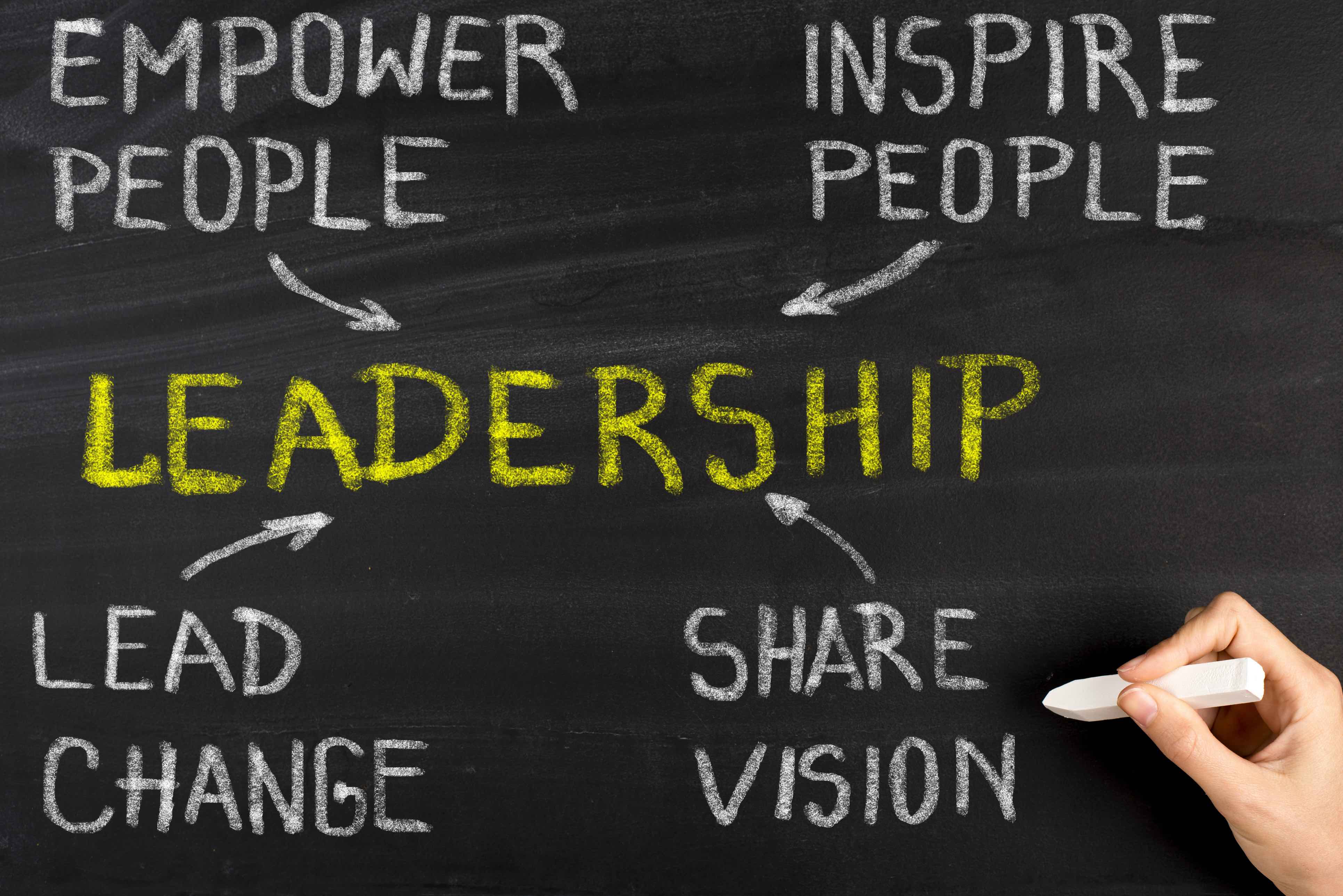
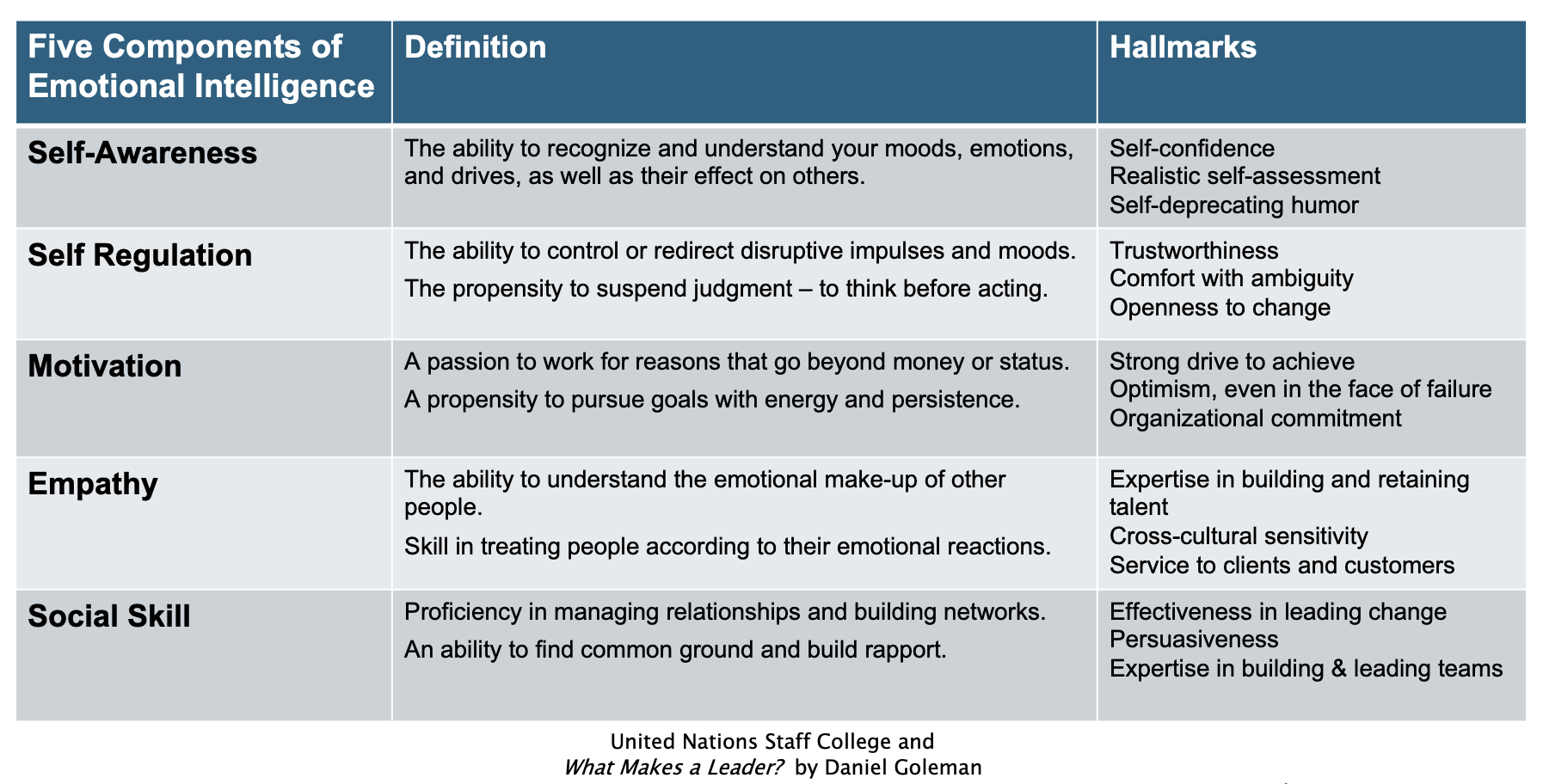
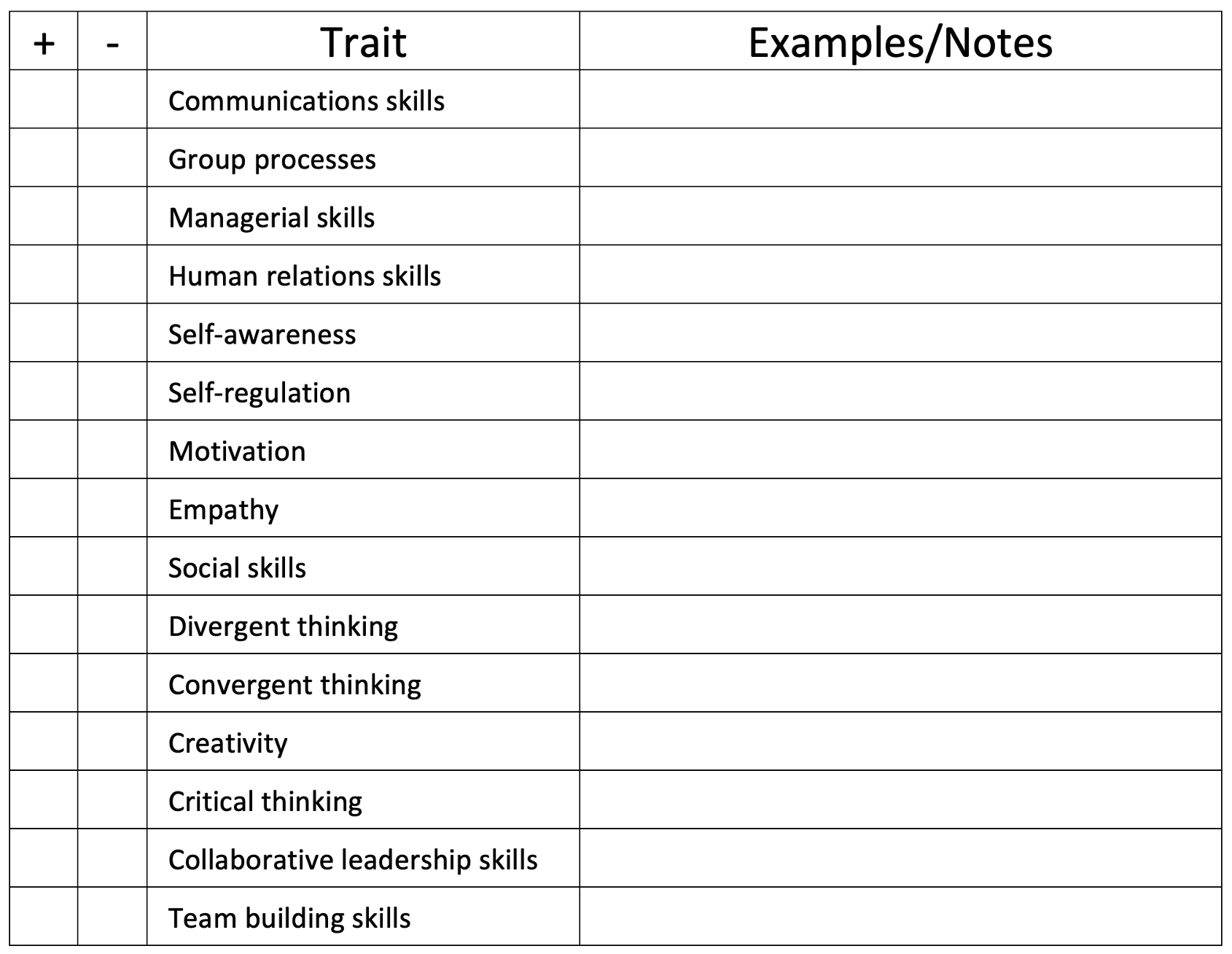
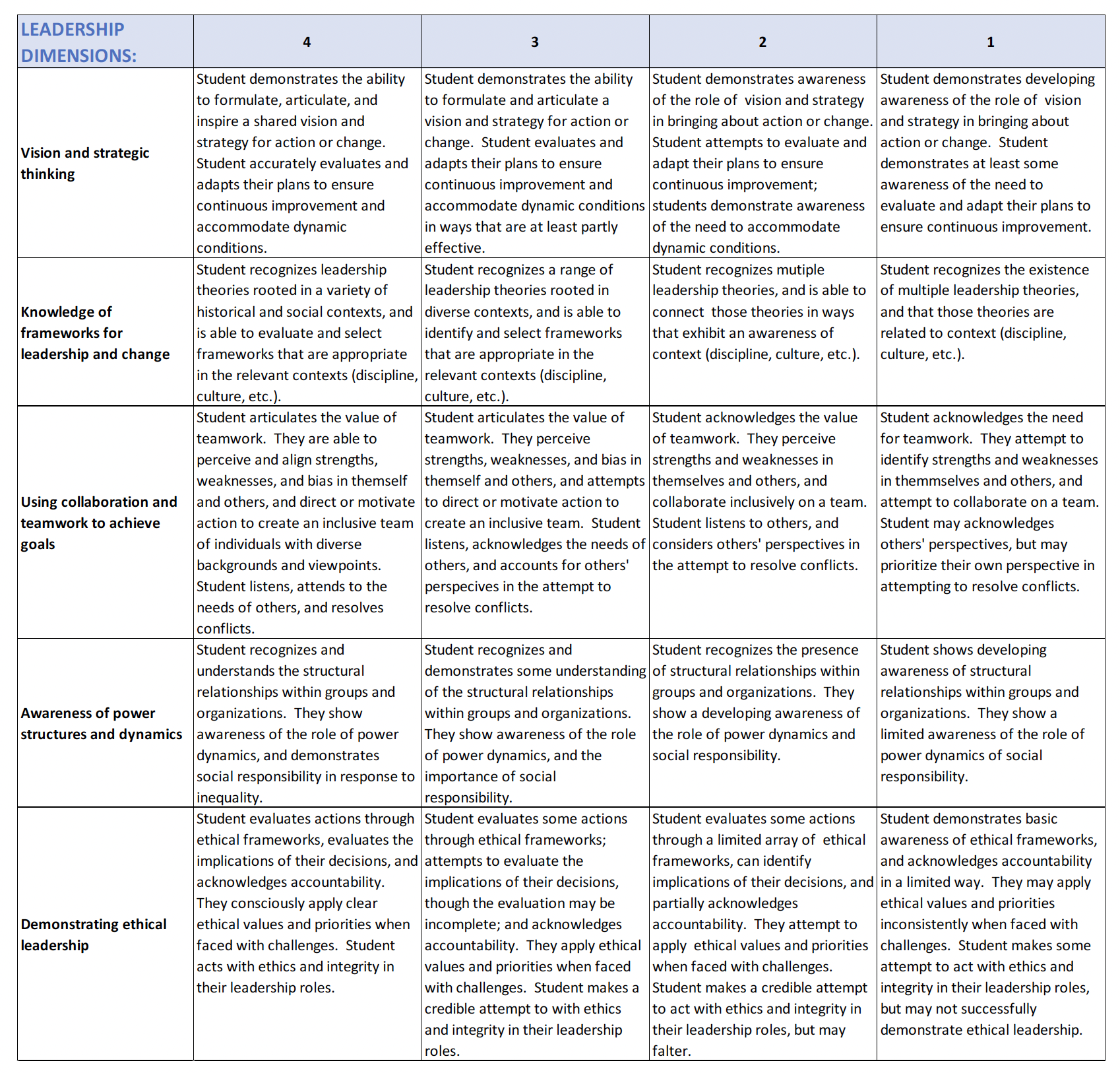
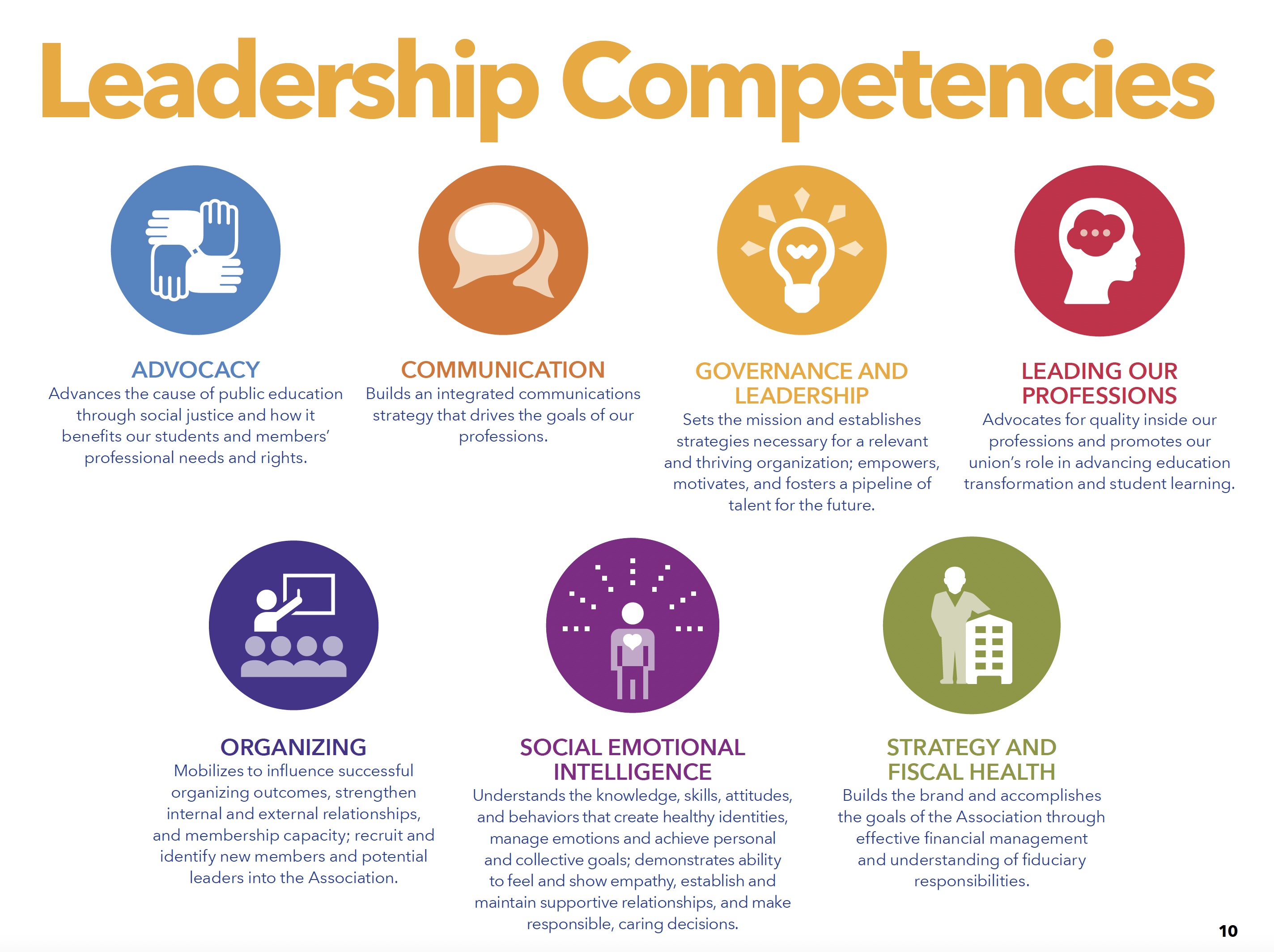



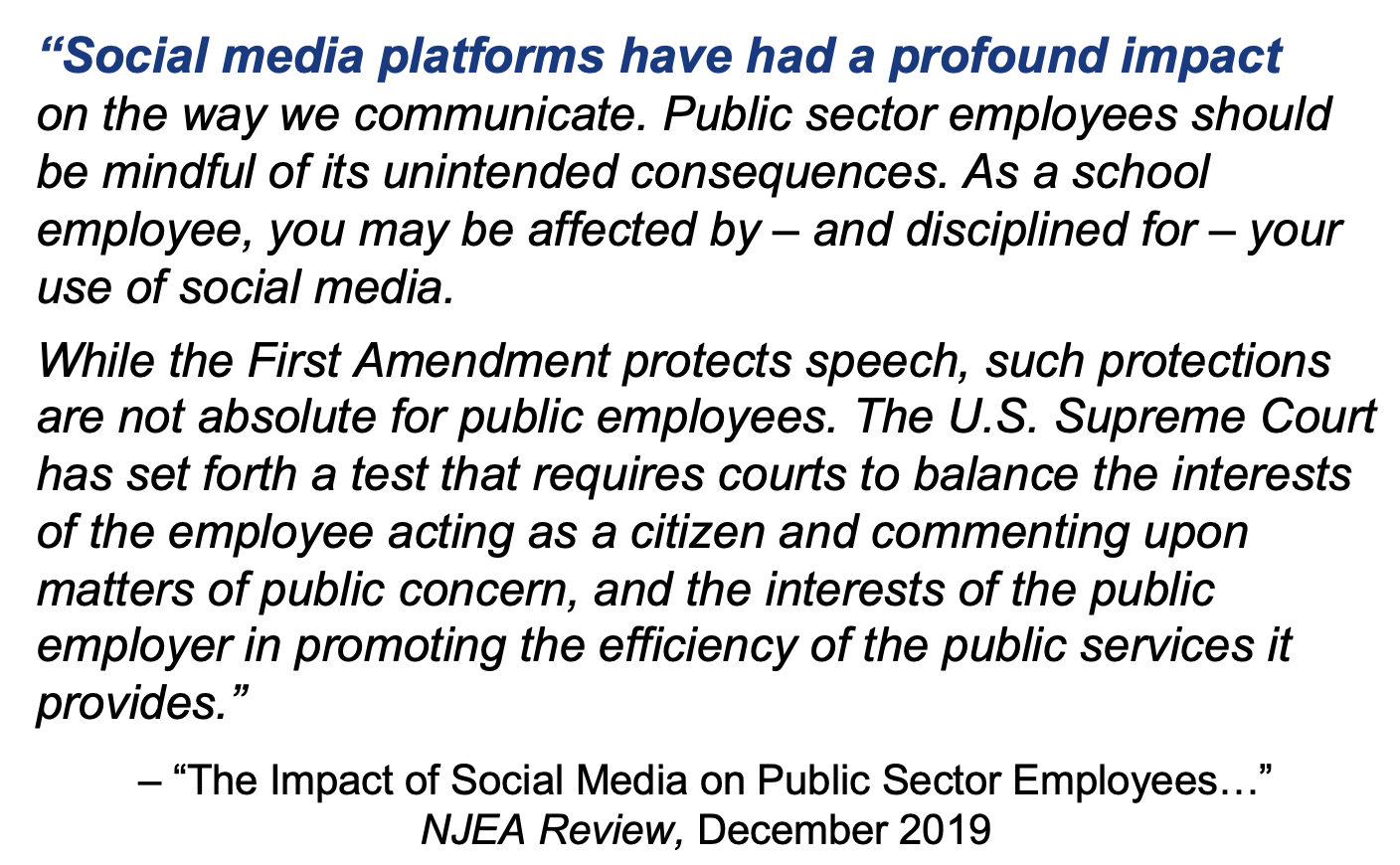
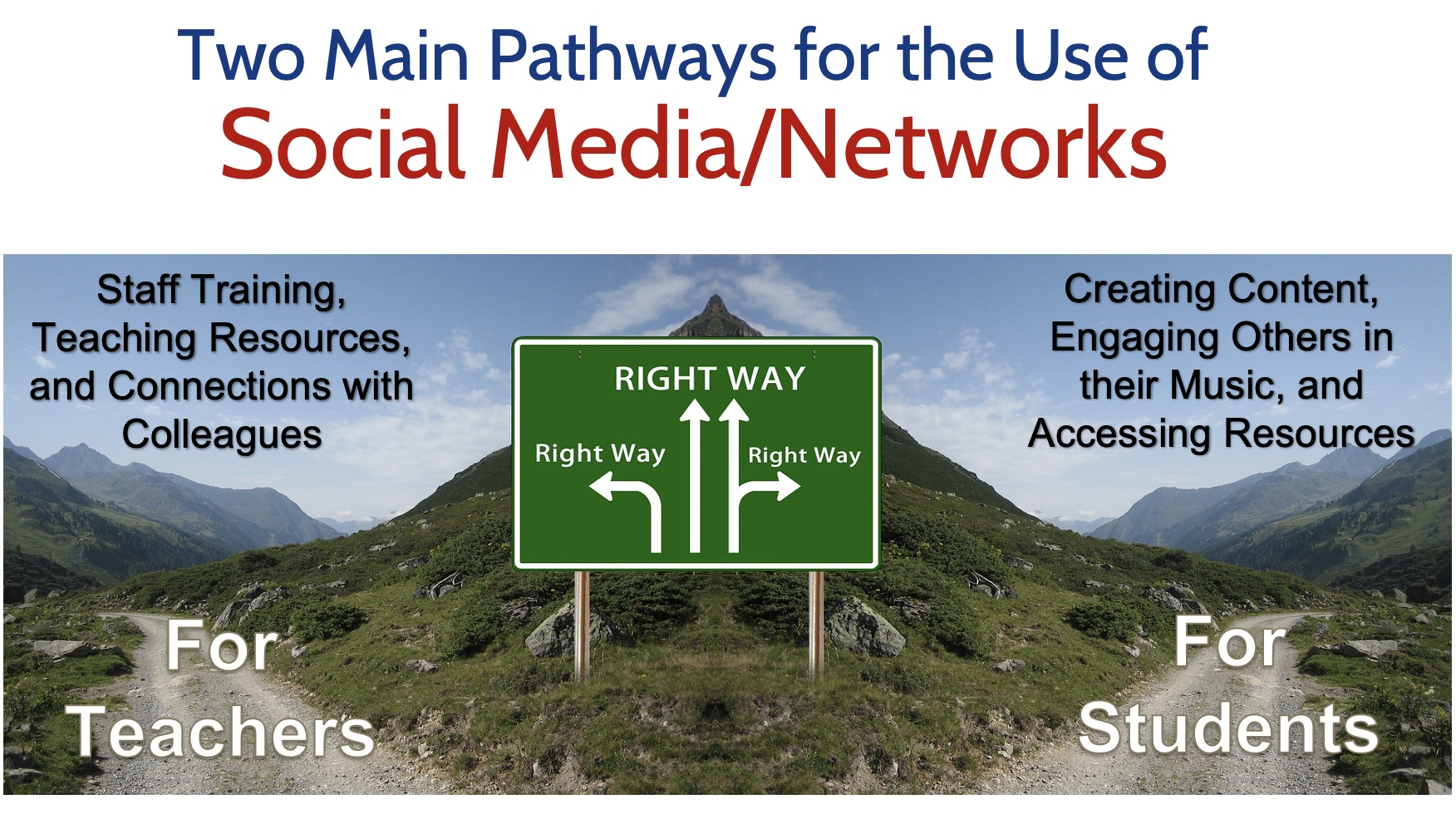
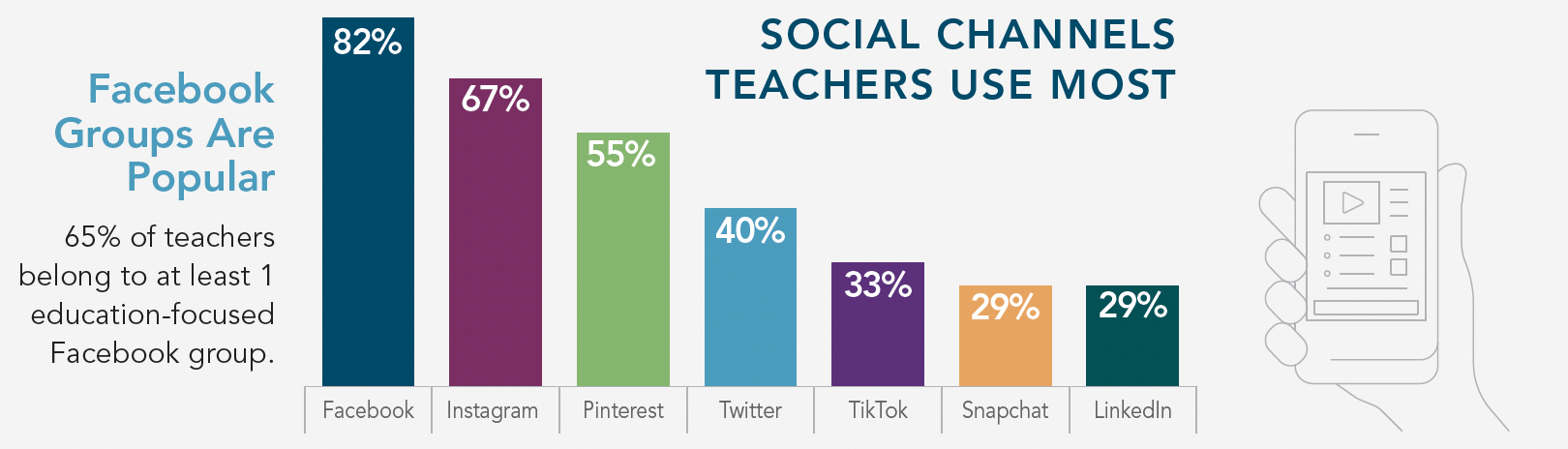
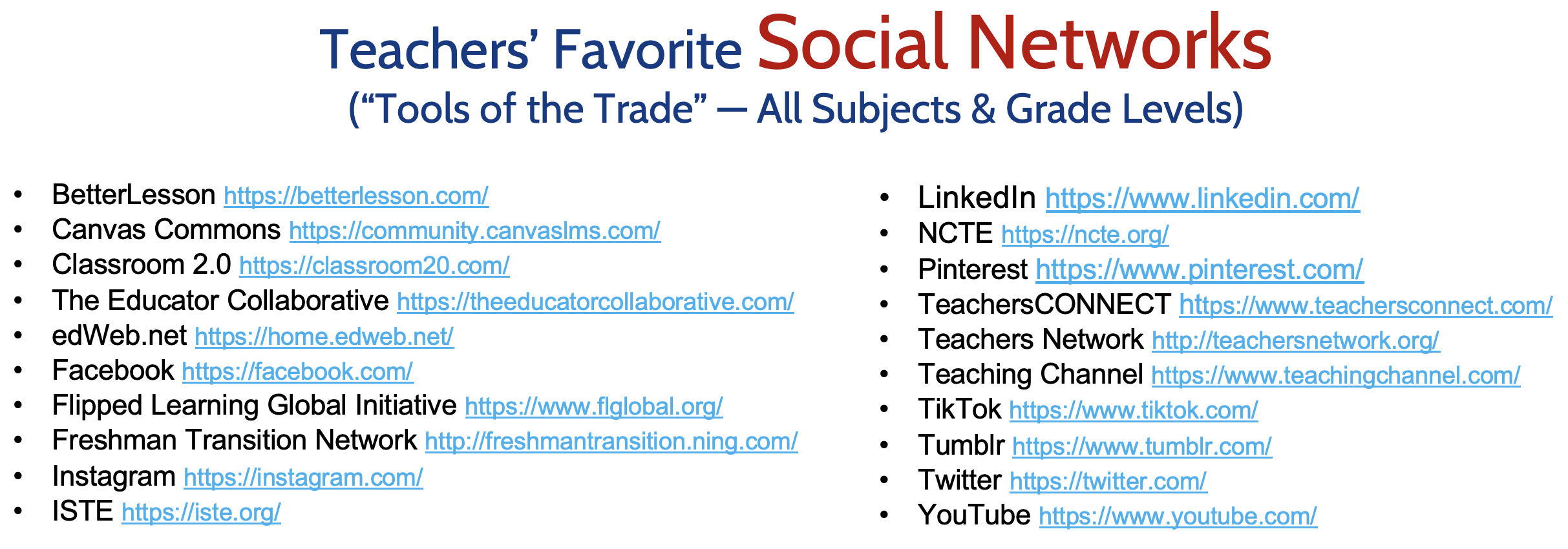




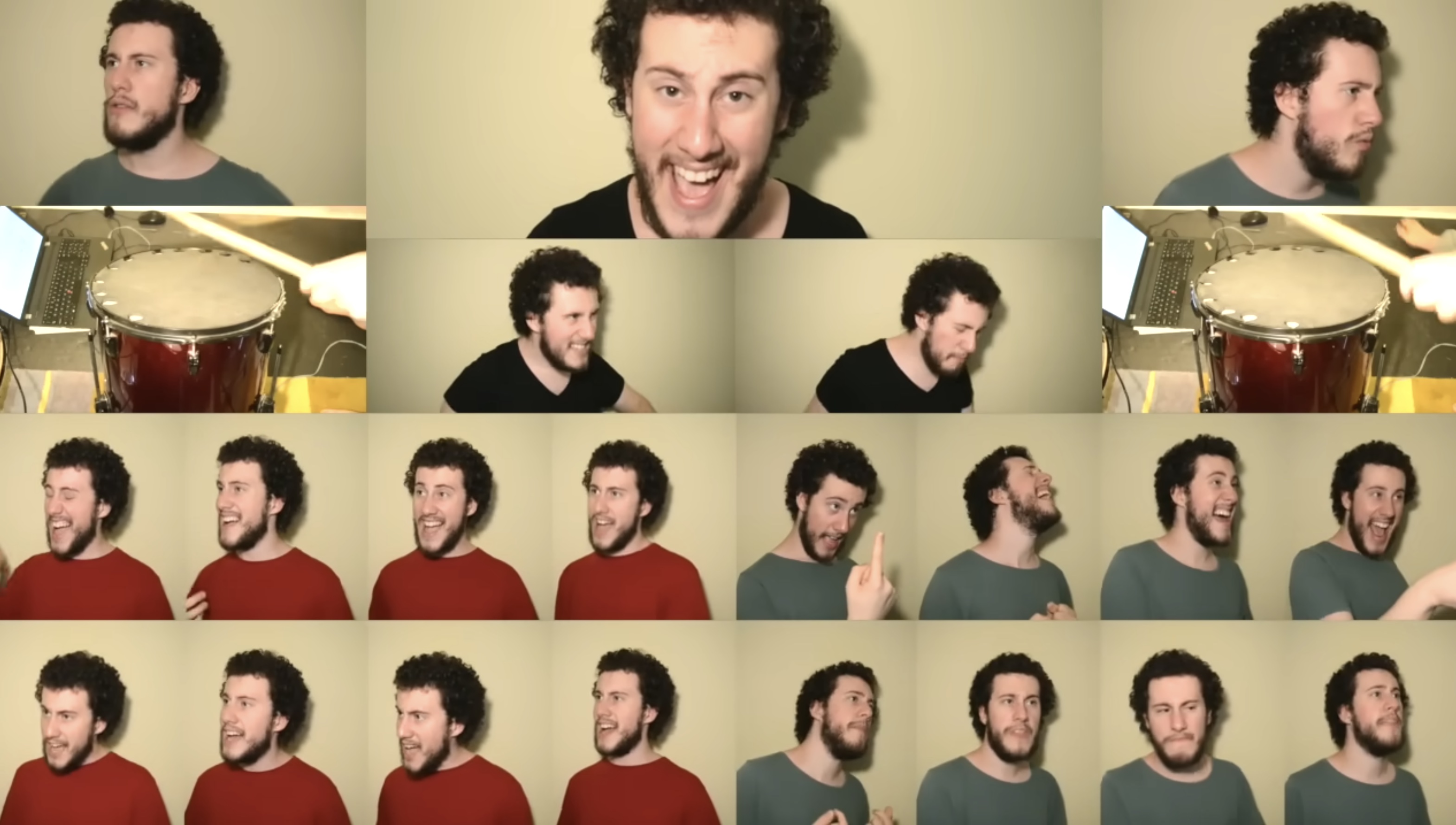
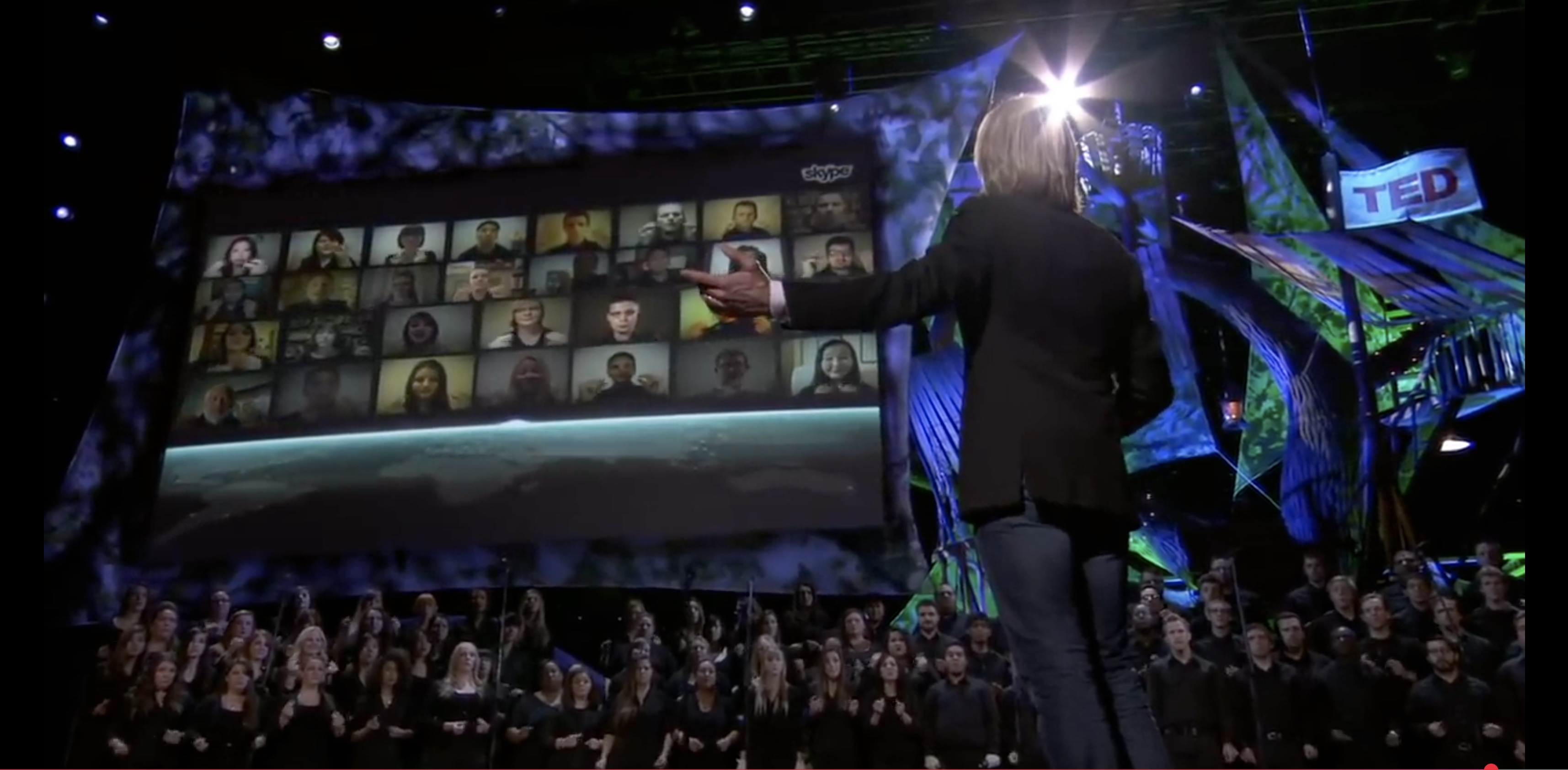

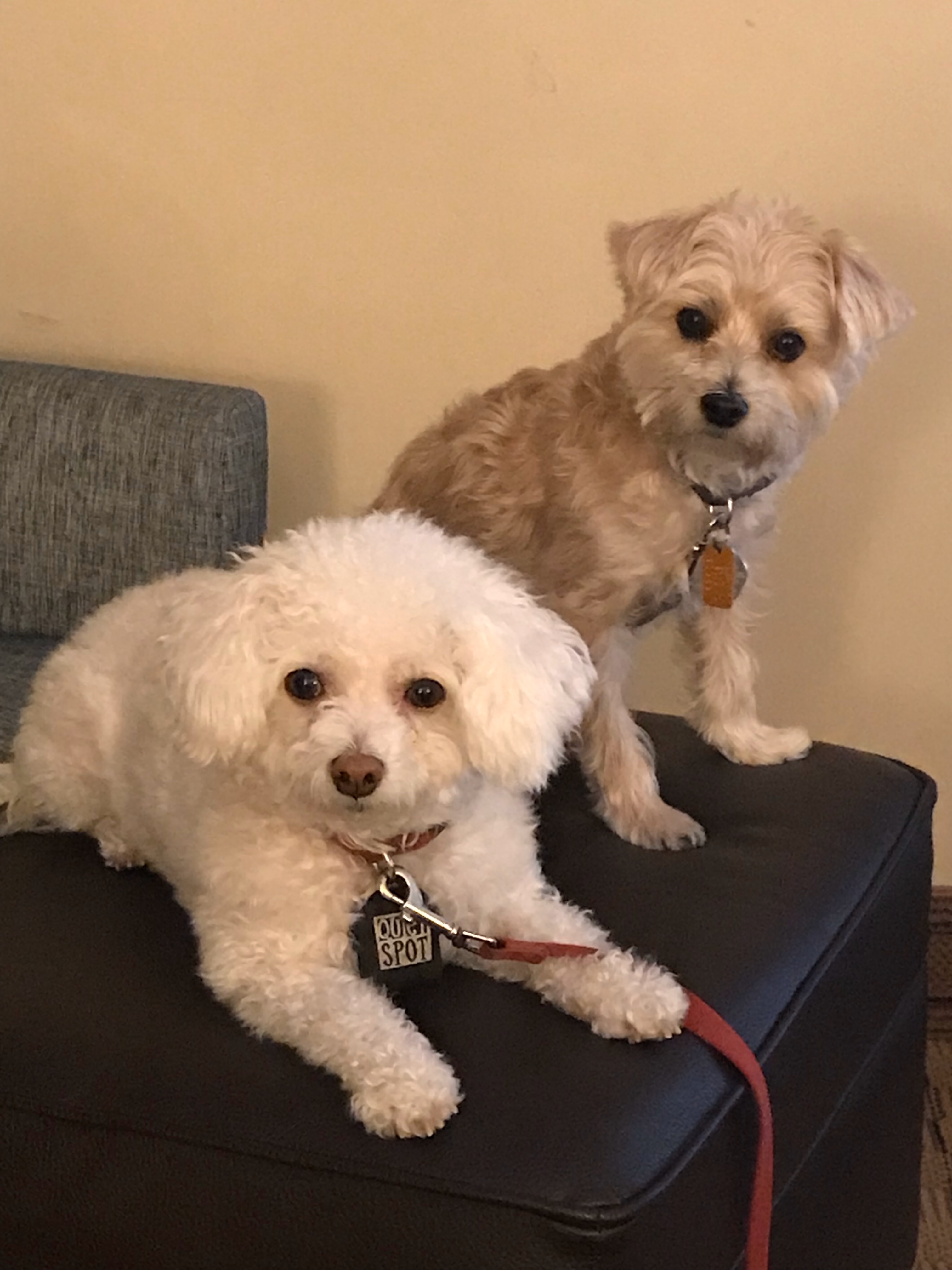
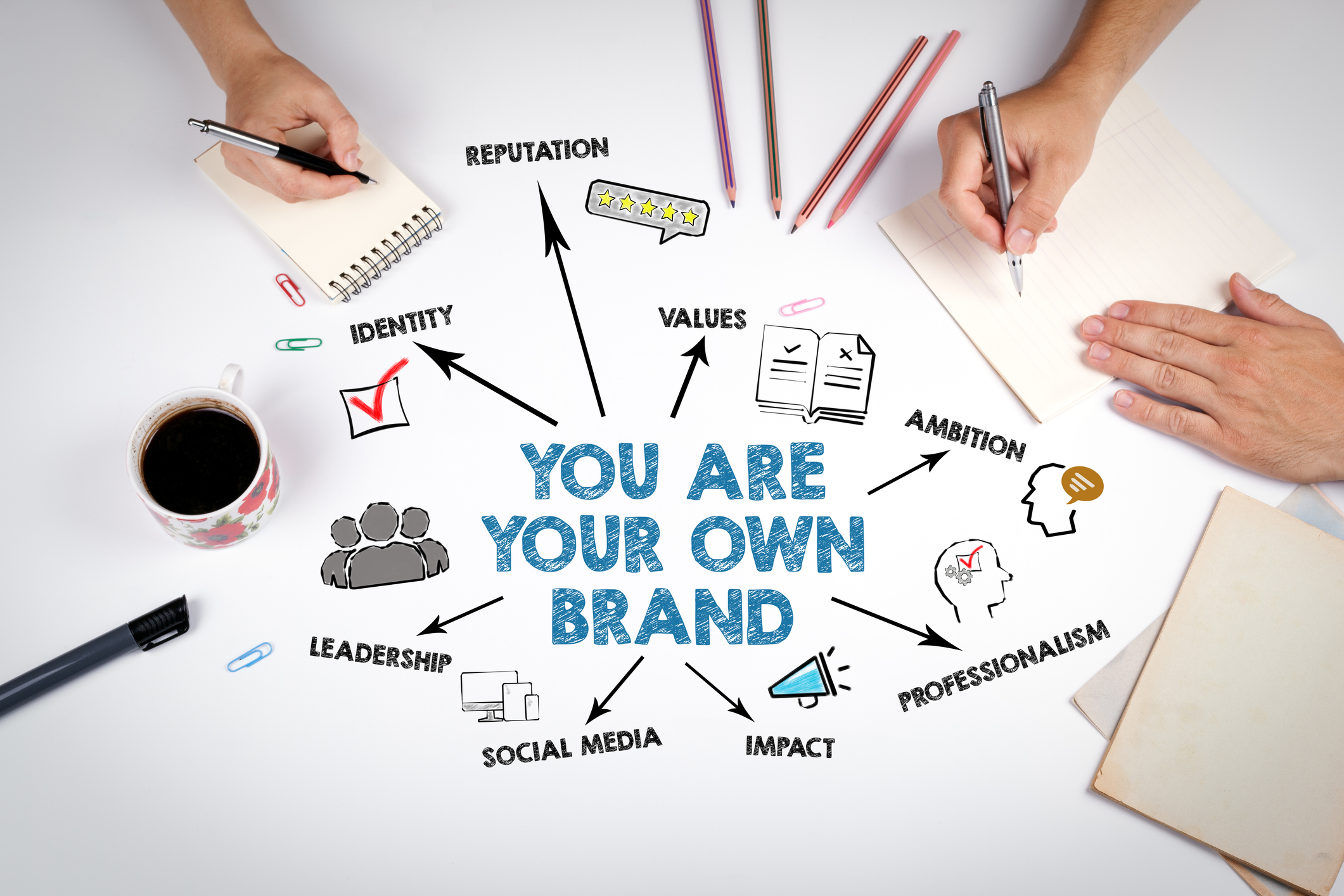





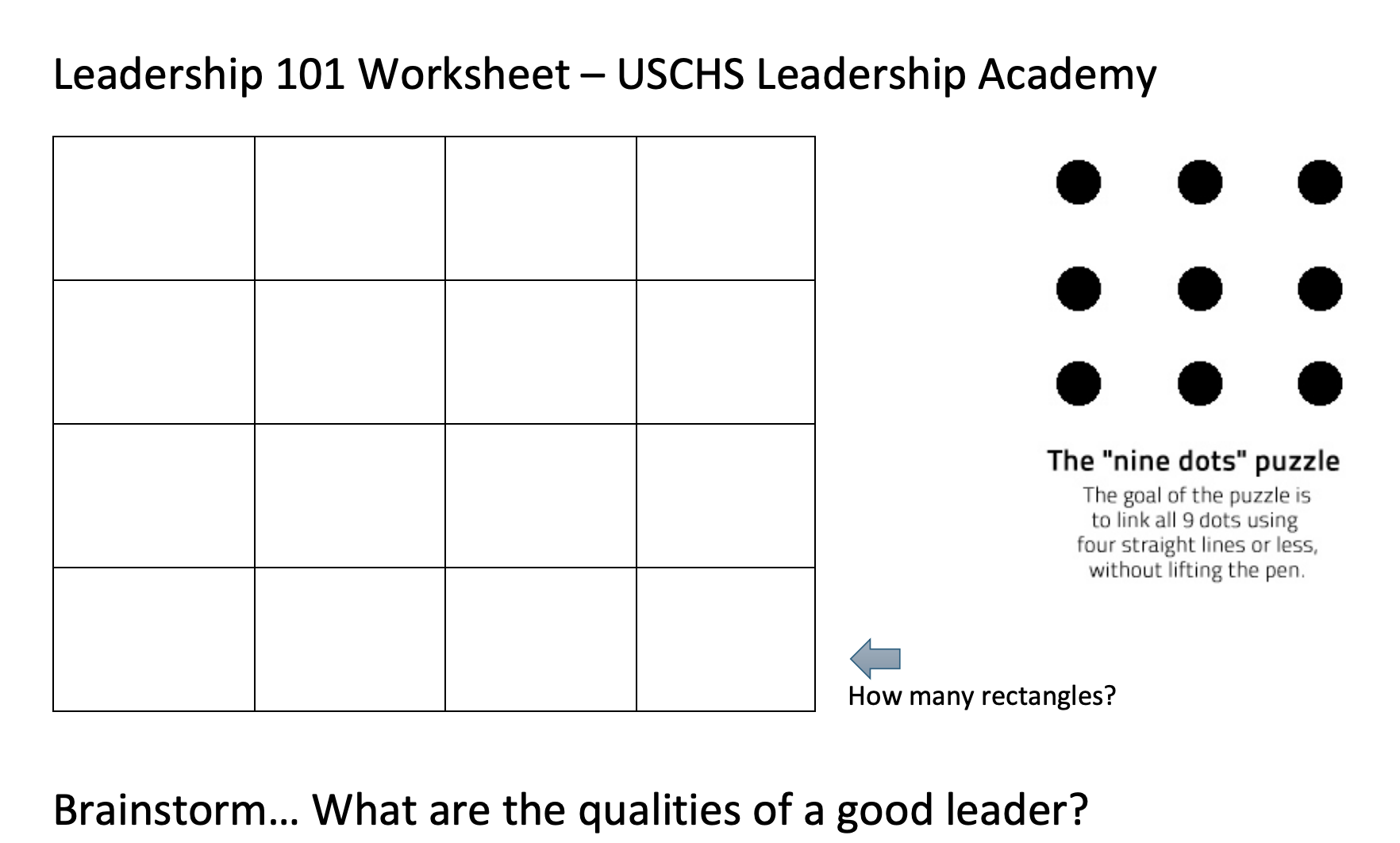


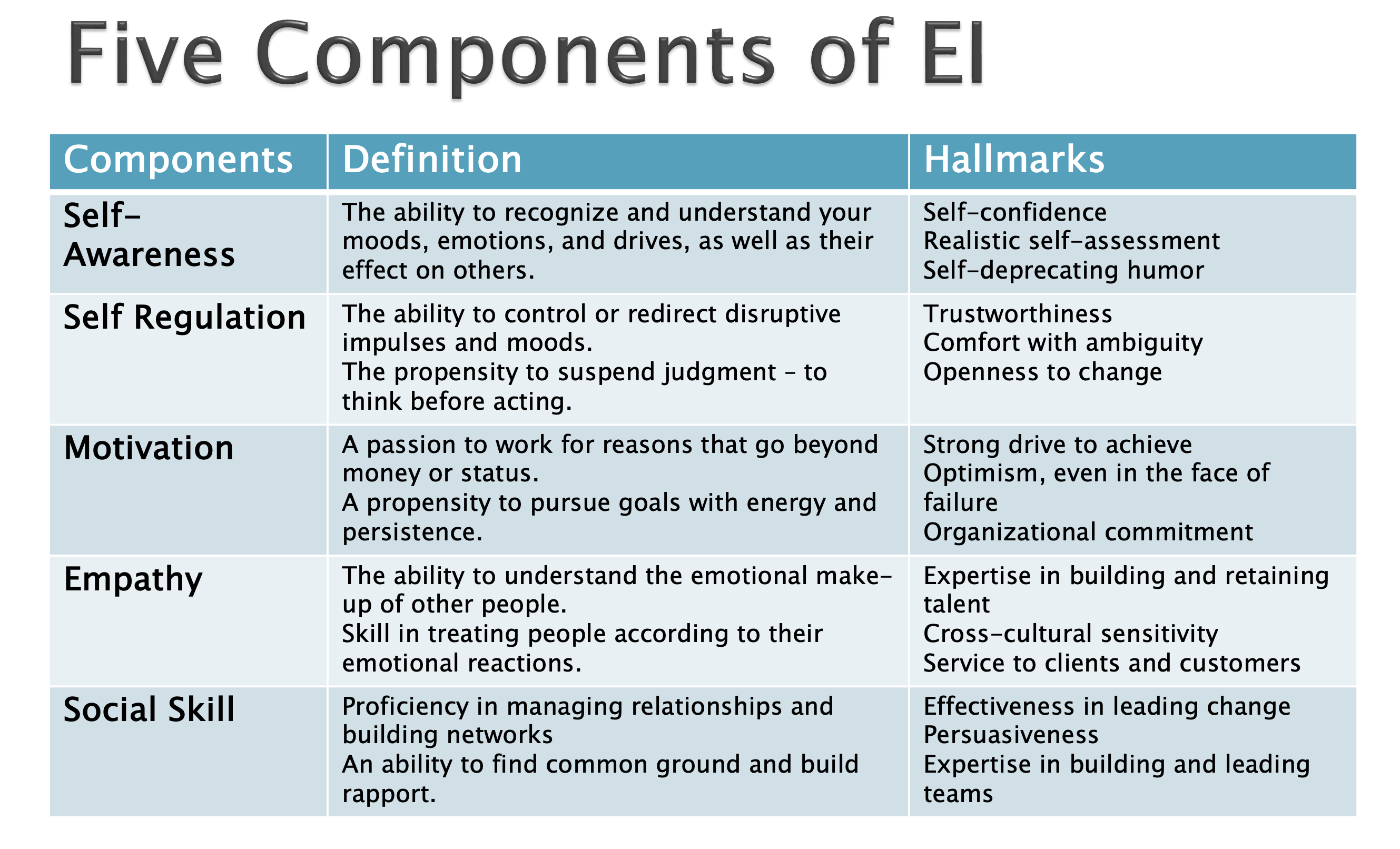
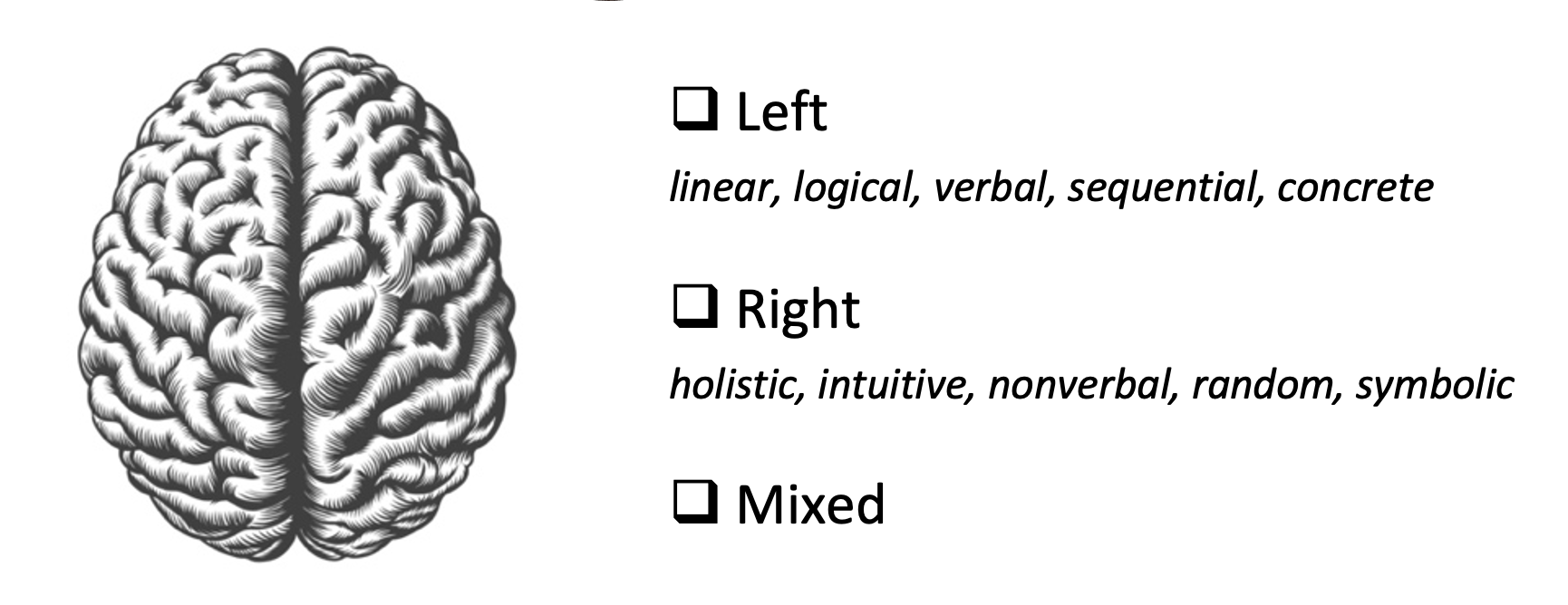
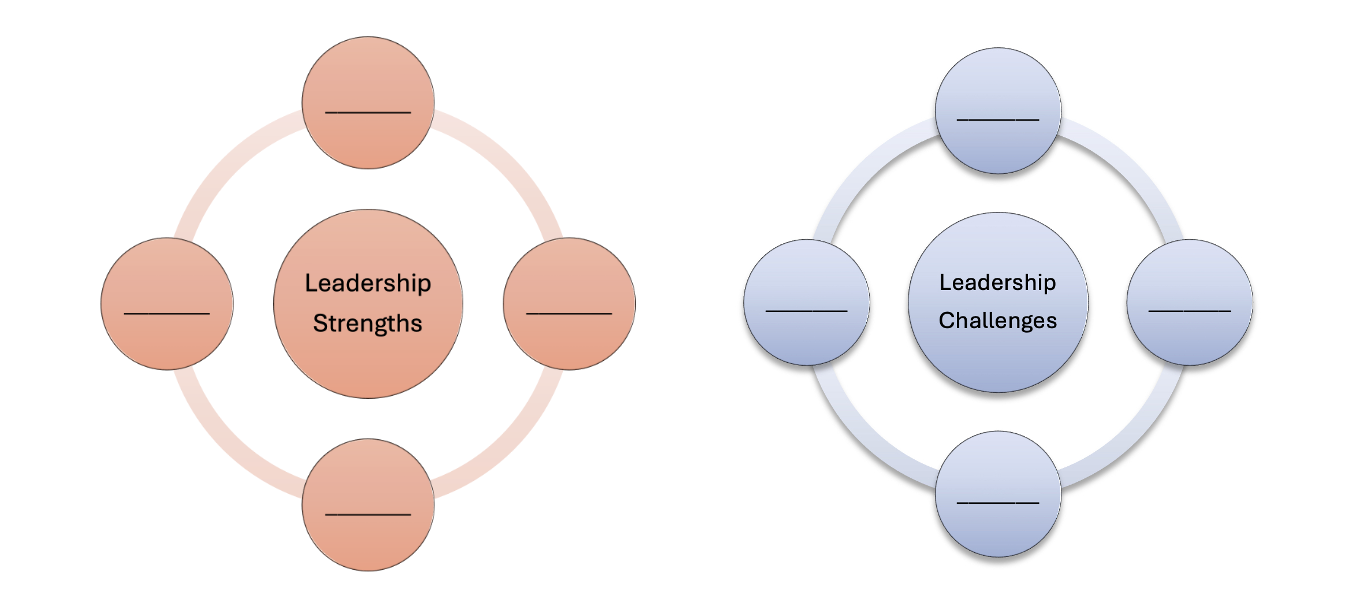
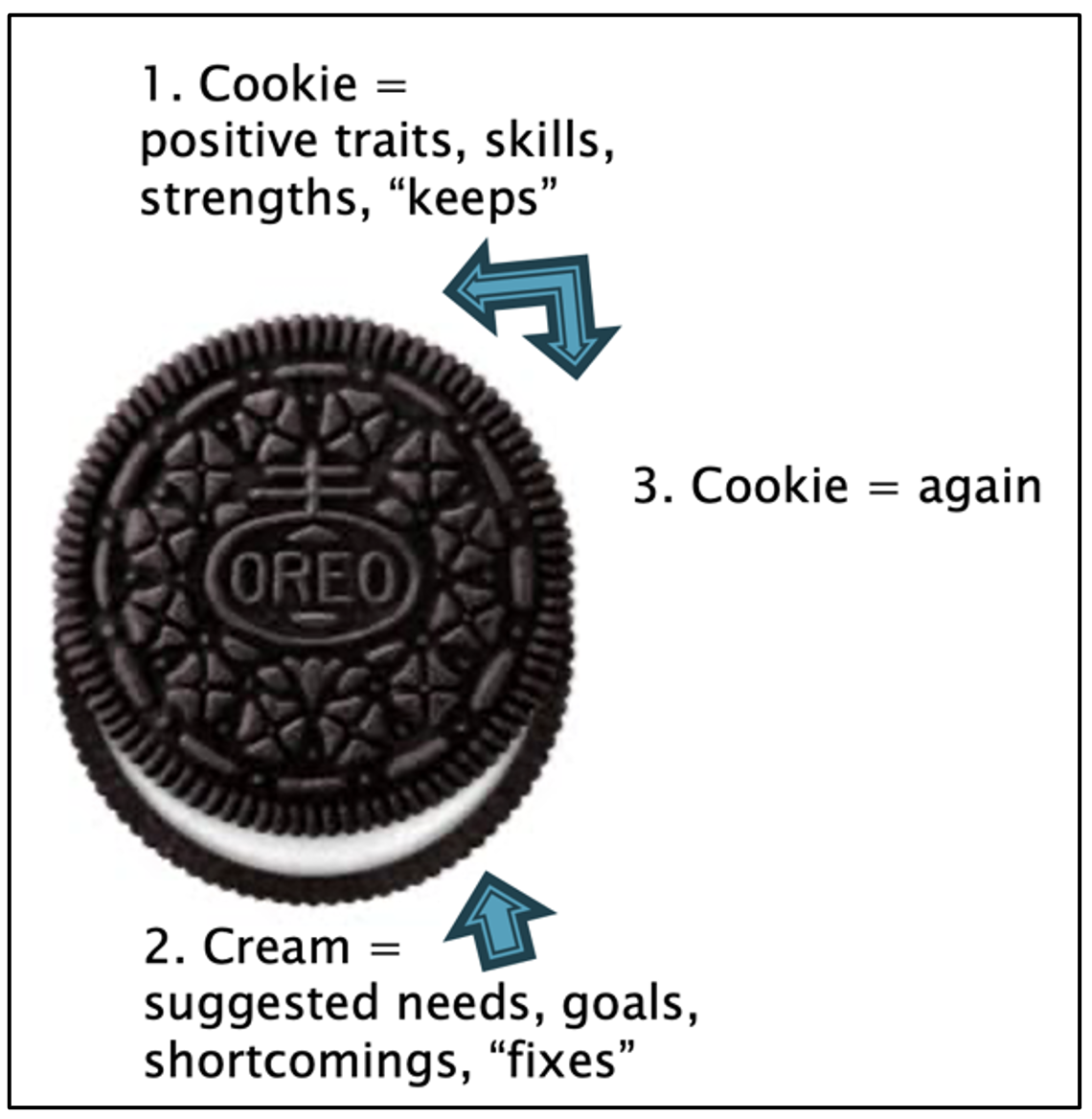













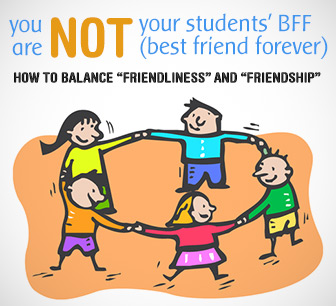

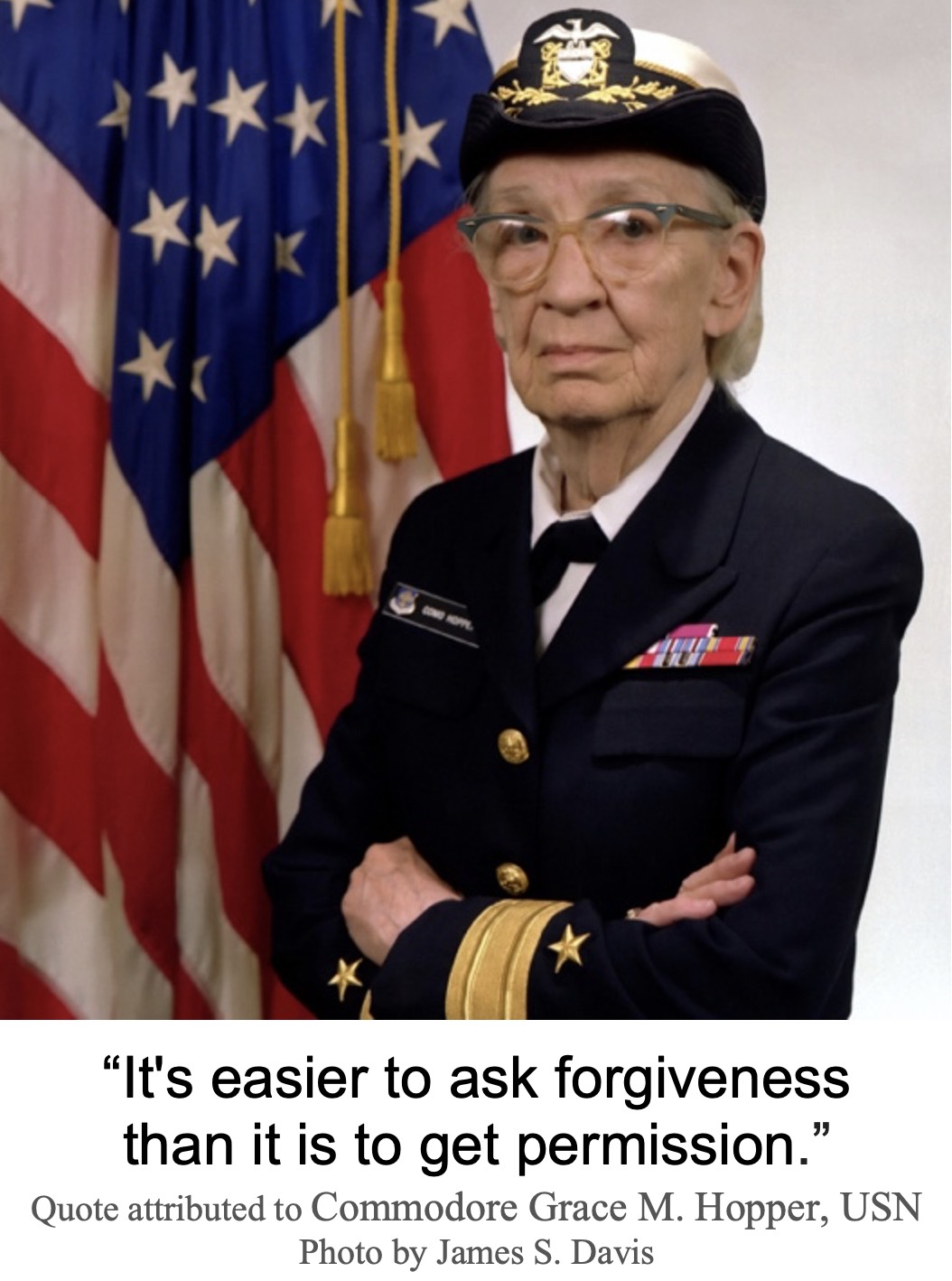






 His latest book, Leaders Eat Last, brings up the rationale of mutual collaboration and prioritizing the mission and the needs of your team members. Sinek observed that some teams were able to trust each other 100%, so much so that they would be willing to put their lives on the line for each other, while other groups, no matter what enticements or special incentives were offered, were “doomed to infighting, fragmentation and failure.” Why was this true?
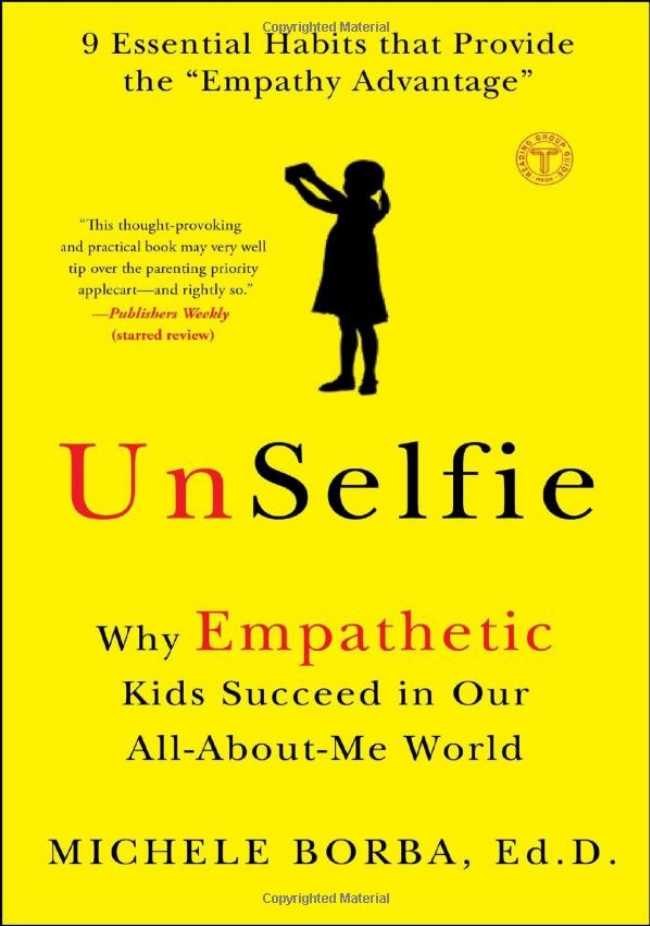 Also intriguing is an expanded Chapter 24 and Appendix section in the book called “A Practical Guide to Leading Millennials.” Similar to another suggestion for summer perusal, UnSelfie: Why Empathetic Kids Succeed in Our All-About-Me World by Michele Borba, Ed.D (Simon & Schuster, 2017) which focuses more on our current young “charges,” Sinek’s differentiation is provided to inspire and educate the ultimate multitaskers of the “distracted generation.”

![US Navy SEAL Team Three [ST3][Patch][1.5]](https://paulfox.blog/wp-content/uploads/2020/07/us-navy-seal-team-three-st3patch1.5.png) No Bad Teams, Only Bad Leaders
No Bad Teams, Only Bad Leaders

 One Minute Manager by Ken Blanchard and Spencer Johnson

 “Our students are feeling it too. Typically, nationwide, one in three teenagers has experienced clinically significant anxiety in their lifetime (Merikangas et al., 2010). It’s probable that during a pandemic that heavily impacts everyday life, levels of anxiety in children and teens are even higher, and the possibility of subsequent trauma greater.”



 For some, this has made matters worse… an “overload of abundance!” The multitude of venues and opportunities (too many unexplored “new technologies” for many of us baby-boomers!) included information about virtual ensembles, YouTube libraries, music games, lessons plans and platforms for synchronous and asynchronous e-learning, video-conferencing techniques, hardware and software reviews, etc.
 Go ahead and sign-up for a webinar or planned learning community meeting or two. Many professional development workshops are provided with “no extra fees” right now, like the NAfME library
  Five tips for coaching overwhelm:


 “It’s hard to create a work-life balance when life is filled with work. Teachers are known for working long hours off-the-clock for no additional compensation. This is even more prevalent in music education. We add performances, competitions, musicals, individual lessons, fundraising, data entry, and even music composition and arranging to our task list.”

 Her book should be required reading for all music teachers, even retirees who want to remain active in the profession. (Read my previous review
  Make self-care PRIORITY ONE for YOU! I know, you have heard all of these before:







 What are your greatest weaknesses?
 Because we all have weaknesses but rarely want to admit to them, it’s best to begin with a truthful answer and build your script from there. Select an answer that a hiring manager would not consider to be essential qualities or skills for the position as well as qualities that you are actively improving.
 Example weakness: Difficulty with an area of expertise
 Focusing on Robin Ryan’s “interview tools” such as “the five-point agenda” and “60-second sell,” her book 60 Seconds and You’re Hired ” is inspiring and provides much greater depth (76 pages!) on answering those “thorny” interview questions. Nearly all of the sample questions above are also analyzed, offering easy-to-understand comments and recommendations for specific career paths. For example, Robin Ryan also weighs in on that inquiry “What is your greatest weakness?” – first offering to joke about it “I cannot resist chocolate!” and then, if it is reiterated, endorsing a strategy to share a work habit problem (like being a “Type-A” person) on which you are currently improving but is not critical for the position they are seeking to fill.


 Over the years, I have been a strong advocate of equal-access to music and the arts as an essential part the education of all children. This blog will give me an opportunity to put a lot of my thoughts in one place. I am aware that there are many people “out there” who offer the premise that studying music makes you successful in other areas, and you will see that this assumption is well-supported. However, I am not a brain scientist. I cannot confirm research that seems to point to a direct correlation that “the music itself makes us smarter.” It could be that students who are attracted to and become proficient in the arts are somehow uniquely “wired,” have a greater work ethic, or are better intellectually “equipped” to become successful engineers, doctors, lawyers, educators, scientists – you name the career – and enjoy life-long happiness and self-realization. So many of those music-in-our-schools-month fliers say “music is basic,” “music is math,” “music is reading,” “music is science,” etc. and they are right! So, it’s not wrong to bring it up. But we should be fully aware that the primary goal of an education in the arts is for the development of creative self-expression.
 the one who had the greatest influence on my going into a career of music teaching was Eugene Reichenfeld, who I saw the last period of every day in Orchestra at Penn Hills HS, at least once a week in a private lesson and rehearsals of the Wilkinsburg Civic Symphony on Thursday nights, and over the three summers at the Kennerdell Music and Arts Festival in Venango County. What a role model! Partially blind and losing his hearing, Mr. Reichenfeld played violin, cello, and guitar, and taught uninterrupted until three weeks before he died at the ripe old age of 103!
 Did your father ever realize why you chose music? In December 1986, Dad came to my choral/orchestra department production of Scrooge, involving over 250 students at my second career assignment, Upper St. Clair High School. After the closing curtain, he came up to me and asked, “Did you do all of this yourself? I answered, “Well, I had a lot of help. I did prepare the students on the dialogue parts in the script, the leads’ solos, chorus harmonies, and orchestra accompaniment, but I needed a drama specialist for coaching the actors and a choreographer for the dances. And yes, I am also the show’s producer, responsible for the printing of the program and tickets, finding people to assist in sewing the costumes, building the sets, running the stage tech, and applying the make-up.” After a short pause, he said something I will never forget: “Wow! This was incredible! You really made a difference to so many of your students’ lives.” He was proud of me, and finally expressed it! (It was a good thing too… he died suddenly of a heart attack exactly two years later when I was in the middle of staging USCHS’s Joseph and the Amazing Technicolor Dreamcoat.)


 Musical (sound smart)
 Transforming the way schools should be run, the multiple intelligences theory suggests that teachers be trained to present their lessons in a wide variety of ways using music, cooperative learning, art activities, role play, multimedia, field trips, inner reflection, and much more. This approach truly “customizes the learning” and provides eight or more potential pathways to learning.
 Innovation
 The
The 




 can about “your champion!” Find out his/her goals, needs, and “pet-peeves,” and while you’ll at it, get off on the right foot with relations with all of your school supervisors.
 Williams shared the purpose of his case study: “to gain an understanding of school administrators’ thoughts on their school’s music program in regards to music’s role and value.” He documented the comments of five principals in their advocacy of the arts.
 Also, you should check out an even more recent NAfME blog,
  Learn what makes them tick! Is your principal a site-based manager? Is he/she a stickler for “chain of command.” I had an administrator who would go bonkers if he thought you back-copied a memo to the superintendent or called a central office manager first. Be sure you conform to the management style of your chief. This is a way of showing him/her respect and cooperation, which in all likelihood, will be returned to you in spades.
 looking for volunteers to help fulfill the overarching goals of the district. This might mean signing up for the strategic planning committee, Middle States accreditation evaluation team, school renovation planning meetings with the architect, etc.
 practice? Suggest a solution and a Plan B to an issue you would like to address. Upholding “moral professionalism,” tactfully but firmly point out what is not working (and why). But, do your homework first. Share the “facts and stats” and try to propose several different directions to consider (even a Plan C and a Plan D). You will impress the “head honcho” by modeling the traits of flexibility, creative problem solving, and sensitivity to the needs of other staff and programs.
 Finally, the most comprehensive manual I have ever read on this subject should be a “required read” for every music educator:
  paulfox.blog