Clearinghouse of Corroborative Materials for IT TAKES A VILLAGE
Booster Session at the Annual PMEA Conference
We hope you had the opportunity to attend our booster brainstorming session on Saturday morning at the 2026 PMEA Annual Conference in Kalahari/Poconos. This previous blog-post references the IT TAKES A VILLAGE workshop’s description, objectives, and “hot topics” to help lead collaborative discussions among the attendees. It is our hope that in future conferences, we will schedule additional venues to share local strategies and “best practices” to build numbers and the engagement of its booster members, improve their overall effectiveness and efficiency, “re-energize” their support groups’ mission, vision, goals, and action plans, and provide tips and tools to guide their associations’ motivations, actions, and legal compliance.
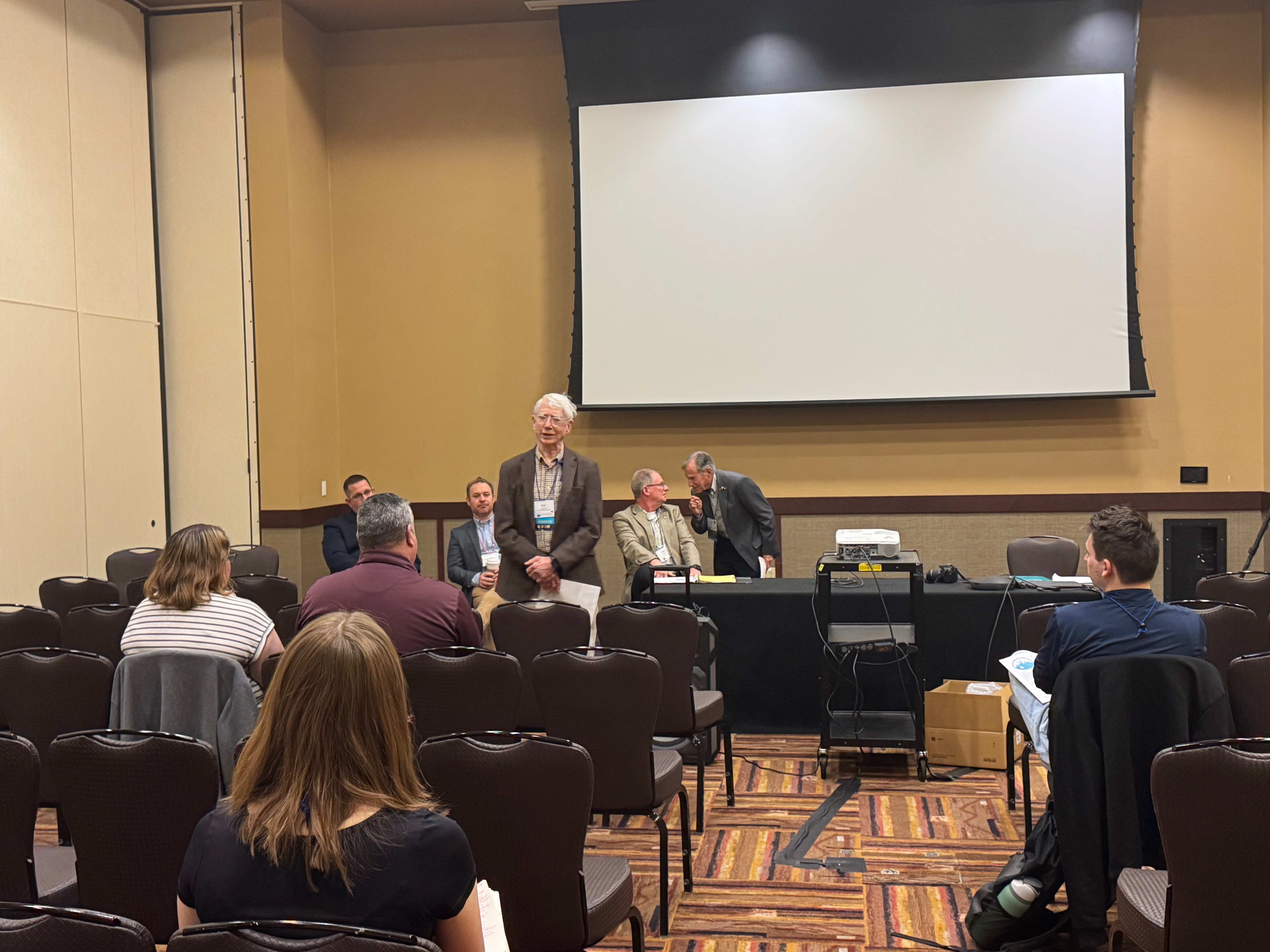
Dr. Robert Dell and panelists address attendees at the IT TAKES A VILLAGE Booster Sharing Session on April 25, 2026 during the PMEA Annual Conference.
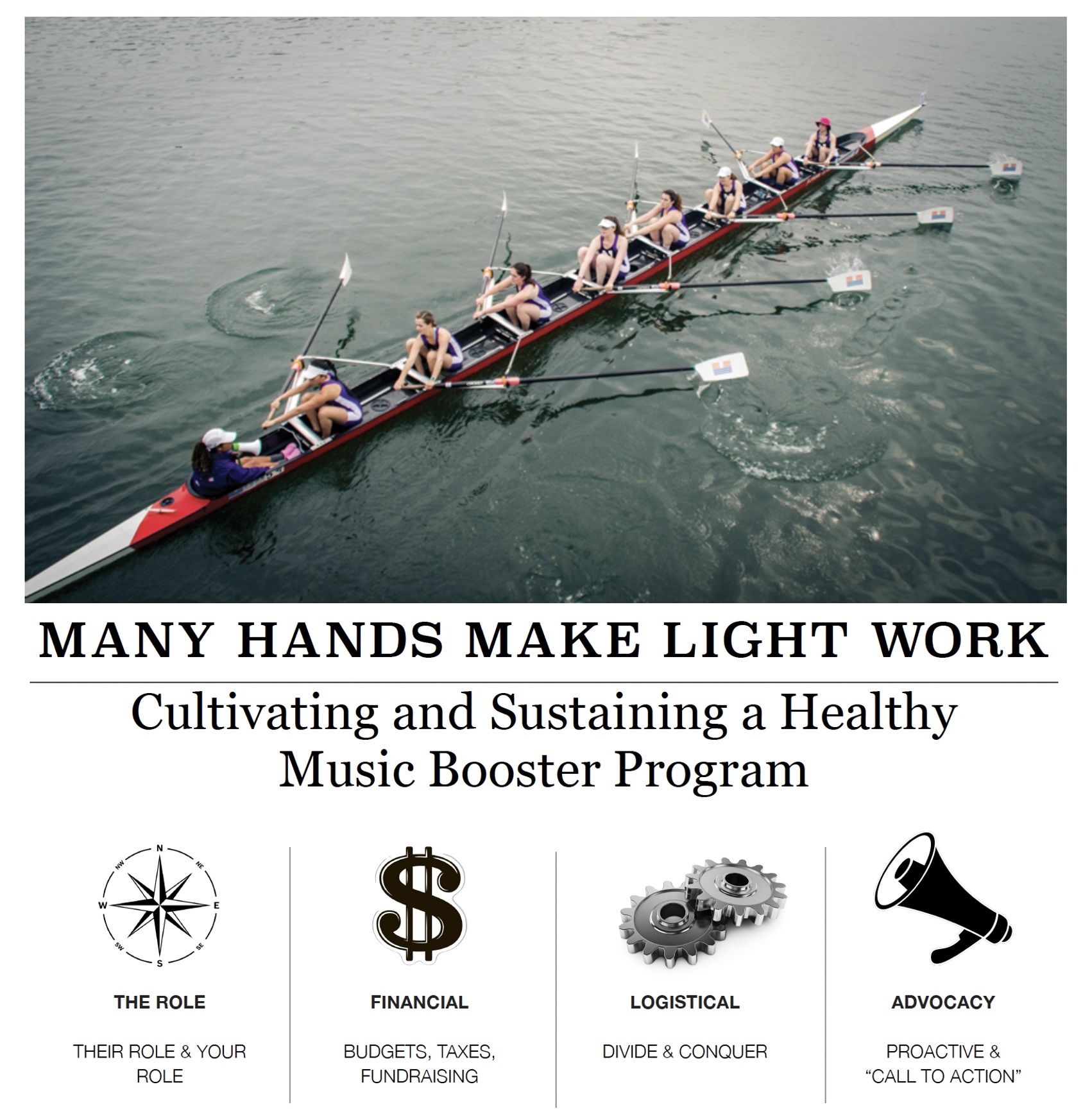
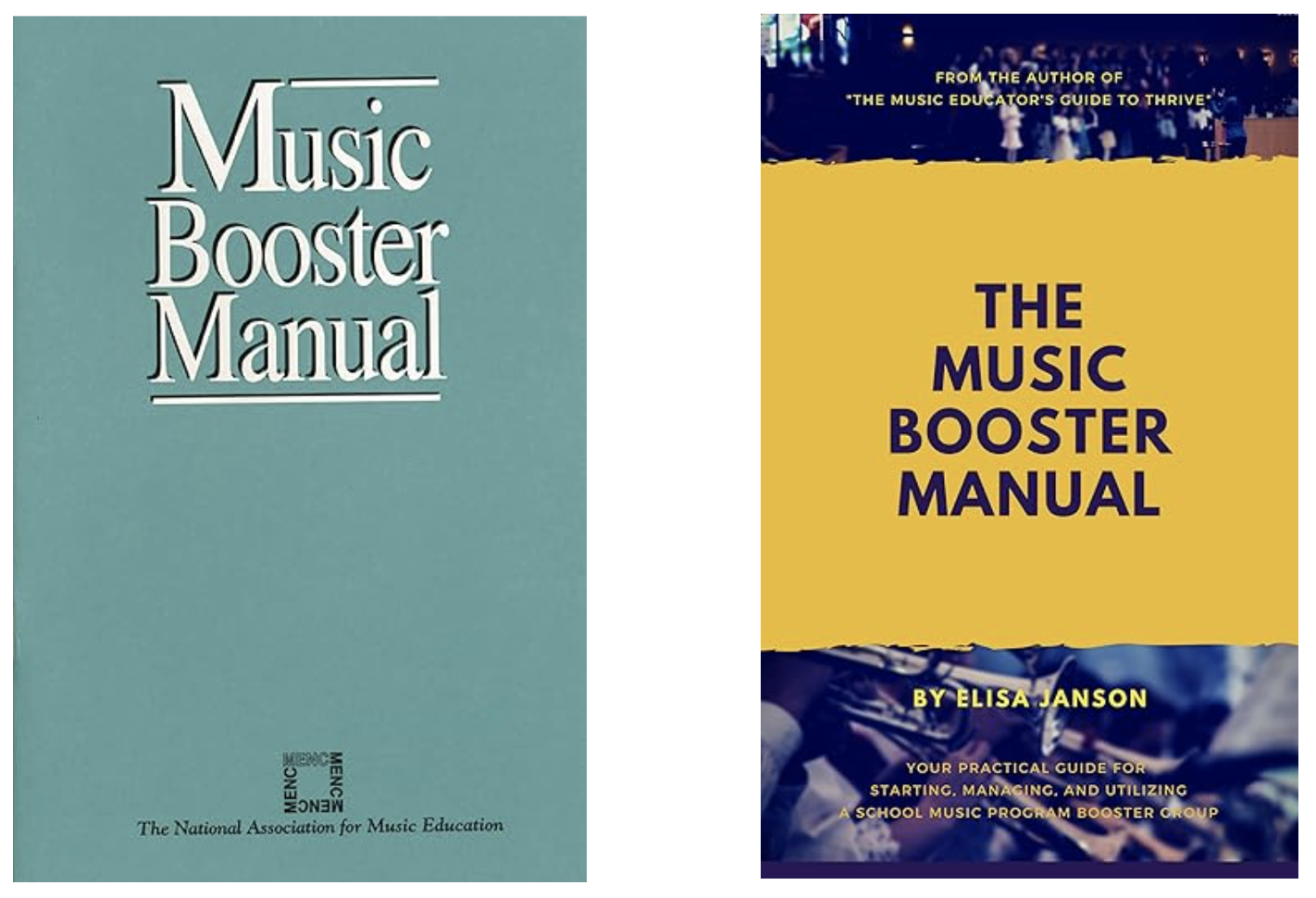
These were the handouts and samples distributed on April 25, 2026. They are reprinted here with the permission of the authors, members on the session’s guest panel (and many of whom have presented on this subject at past conferences).
If you would like to sign-up to receive future emails of additional music parent/director support group resources, please click here. If there is sufficient interest, we will send out communications with additional research, forms, workshop handouts, etc.
Finally, if you have something you would like to share with the stakeholders (parents, directors, community members) of the PMEA music booster affiliates, send an email with Word or PDF files to paulkfox.usc@gmail.com (use subject line “boosters”).
Music Parents & Directors: Come to PMEA to Share Your Best Ideas!
It takes a village to “raise” a music student. Community support groups (boosters) are crucial for the success of sustaining Pre-K to Grade 12 band, choral, jazz, string, general music, Modern Band, and other school music programs. Across the country, we have seen that the best music programs seldom fail to attract supportive parents, alumni, administration, and community members at large. This makes creating and managing a booster program a particularly easy and attractive way to gain essential funding for establishing programs, and for providing the additional financial and educational resources to enhance the learning of students while increasing their opportunities to perform, travel, and experience music on a deeper level.
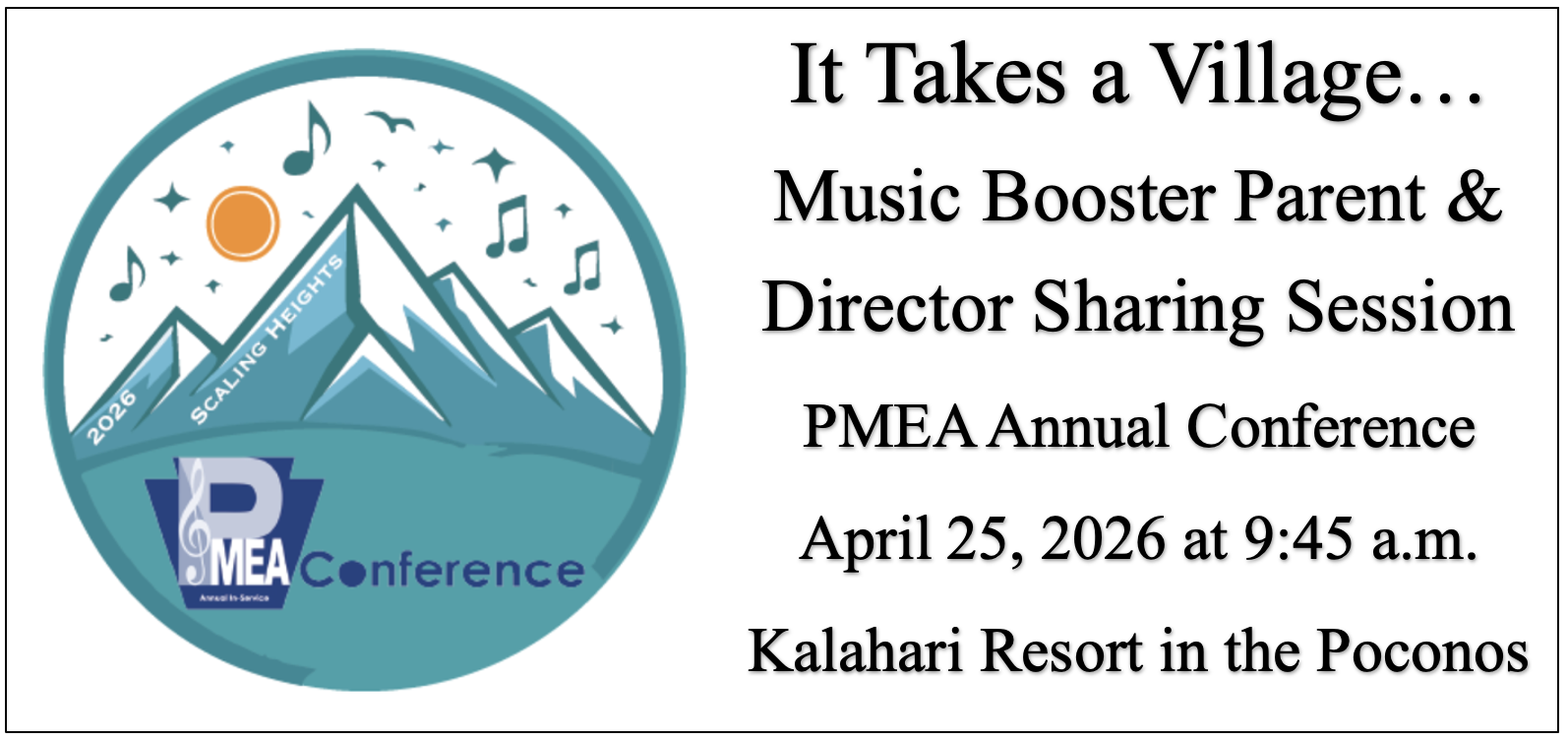
There’s power in numbers, so we’re calling on all music parents and directors to sit down, put our heads together, and talk! On April 25, 2026 during the PMEA Annual Conference at the Kalahari Resort in the Poconos, IT TAKES A VILLAGE… Music Booster Parent & Director Sharing Session will provide an informal forum for the participants to “let their hair down” and share their local strategies and “best practices” to build numbers and the engagement of its members, improve overall effectiveness and efficiency, “re-energize” their booster organization’s mission, vision, goals, and action plans, and help the boosters themselves with tips and tools to guide their organizations’ motivations, actions, and legal compliance.
Navigating the Boat of Brainstorming
We’ve invited an “expert” guest panel with vast experience managing their own parent booster groups will help steer the conversation towards pragmatic solutions to common issues (as many of these will be addressed as time allows):
Robert Dell (Carnegie-Mellon University and retired from Peters Township SD)
Donna Fox (Carnegie-Mellon and retired from Peters Township SD)
Paul Fox (PMEA Council for Teacher Training, Recruitment, and Retention and retired from Upper St. Clair SD)
Len Lavelle (North Hills SD)
Christopher Marra (Seton Hill University)
Henry Pearlberg (retired from Wallingford-Swarthmore SD)
Rich Victor (University at Buffalo Graduate School of Education and retired from State College Area SD)
Hot Topics
As time allows, a free-flow of open, facilitated, interactive discussion by the attendees will be encouraged to share their experiences, problems and issues addressed, and “how we handled this” solutions for the group’s consideration. Each panel member will bring to the table their own specific recommendations and/or “pet peeves” for building a productive community advocacy group supporting the Pre-K-12 music program.
A. “The power of unity” + “strength in numbers” (assembling a unified support group, a “comprehensive K-12 music boosters” of collaboration, cooperation and interconnectedness – working towards a common goal for the music program)
B. “Understanding who you represent” (putting students first and eliminating personal agendas and biases)
C. “Staying in bounds” (the mission, vision, and job description of a music booster, and redirecting/deflecting/modifying the occasional bad attitudes of parents – “the director does not like my kid?” or “my daughter did not make drum major”)
D. “What’s the difference between a coalition and a political action group?” (defining perceived and actual individual vs. group action plans – and touching on the saying: “if you’re not at the table, you’re on the menu…”)
E. “The tools of advocacy” (tips, tools, and techniques on how to be an effective advocate)
F. “Managing the minutiae” (an “idea bank” or clearinghouse of common problems and solutions – storytelling of “how to get it all together” and “what works for us!”)
G. Other common issues (apathy and inertia: building parent member support and involvement, volunteerism and attendance to meetings; fundraising and “fun”raising, nonprofit vs. profit IRS tax status, etc.)
Session Objectives
Attendees (both booster parents and music teachers) will be able to share their combined knowledge, understanding, and “best practices” of:
Rationale for and methods to start, build interest and participation in, and sustain a Music Booster Group
Types and models of booster organizations
Recruitment of booster members and officers
Job descriptions of officers and committee chairs
Set-up and smooth operation of official full group meetings and committees (agendas)
Budgets and fundraising
Support of music group travel, adjudication festivals, award banquets, social activities, etc.
Communications and publicity
Advocacy of the local Pre-K-12 music programs and music education in general
Sample Constitutions & Bylaws
Sample policies and procedures
Sample forms (e.g., uniform management)
In addition, a “brainstormed” review of booster group problems/concerns and “what we do” suggestions will be aired which may also cover these timely hot topics:
Recruitment of volunteers
How to get people to show up to meetings
How to “help” not “hurt” the program
How to become a parent advocate of the total music program of the district
Fundraising and “fun”raising – what’s the difference and why you need both?
Differentiation of “boostering” vs. “directing” or going over the head of music teachers
The advantages and disadvantages of going “nonprofit”
The session is free and open to music parents, directors, and other supportive stakeholders. (Visit the registration desk for a badge.) It is scheduled for Saturday, April 25, 2026 from 9:45 to 10:45 a.m. in the Kalahari Resort (Poconos) Sagewood Room. Although all music boosters throughout the state are invited to attend this complimentary workshop, this works especially well for the “proud parents” of PMEA All-State participants who may be staying over in the area to attend the culminating All-State festival concerts.
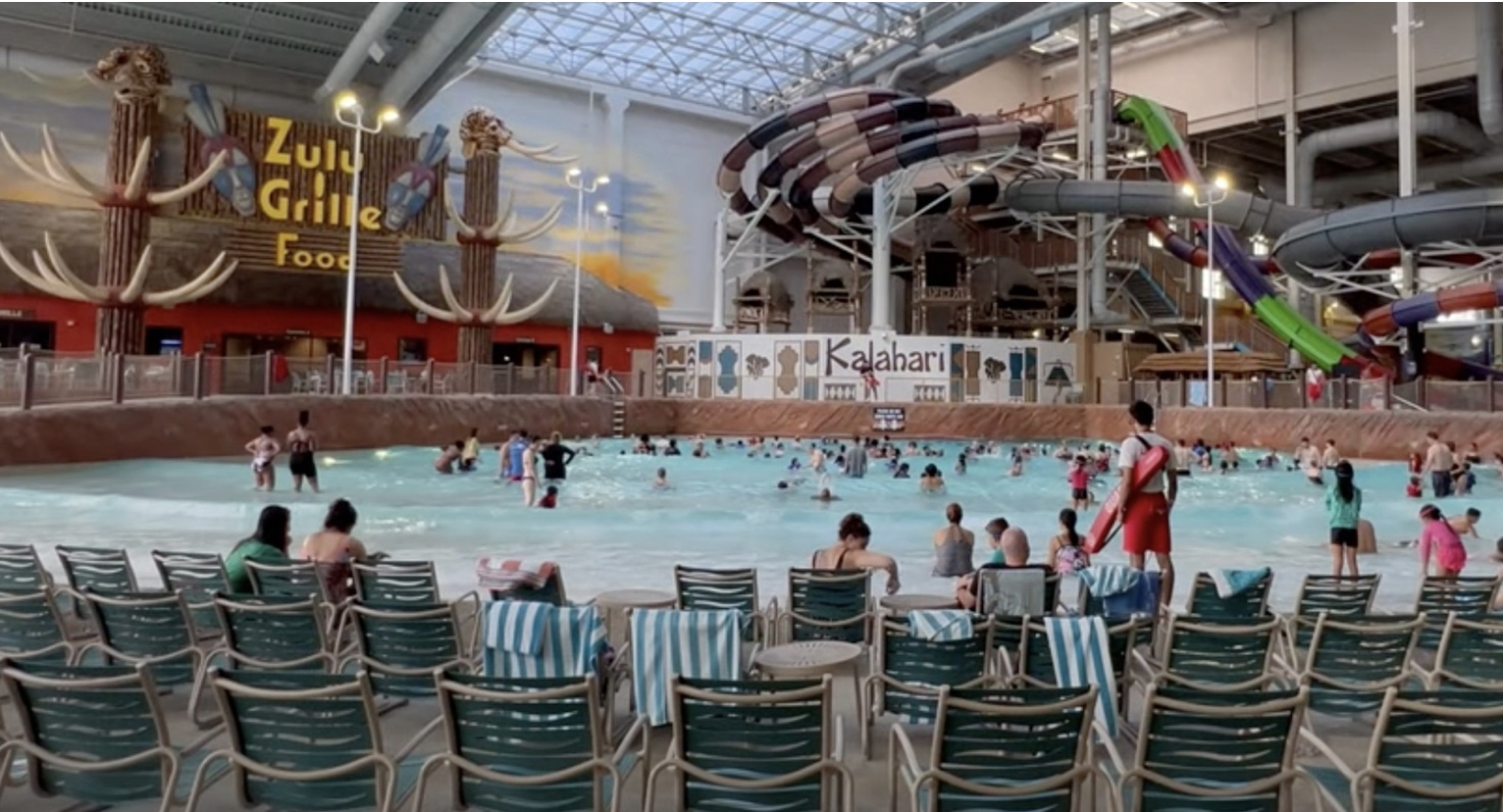
Besides… Here’s your reason to visit the Kalahari Resort website here, book a trip to the Poconos, and “get away from it all” during the last weekend in April, to enjoy the indoor water rides and slides, spa wellness/fitness services, resort shopping, the Kalahari Food (and not just) Wine Festival, and other family-friendly attractions.