It’s Time to “Dust Off Your Chops!”

Music Teacher Retirees: Participate in a Community Band or Orchestra!

violin-in-detail-2-1418385
(Reprinted from the Fall 2015 PMEA News, the state journal of the Pennsylvania Music Educators Association)

“Music lasts a lifetime!”

“Music makes me ____!”

“Make time for music!”

“Music touches lives!”

“Music is basic!”

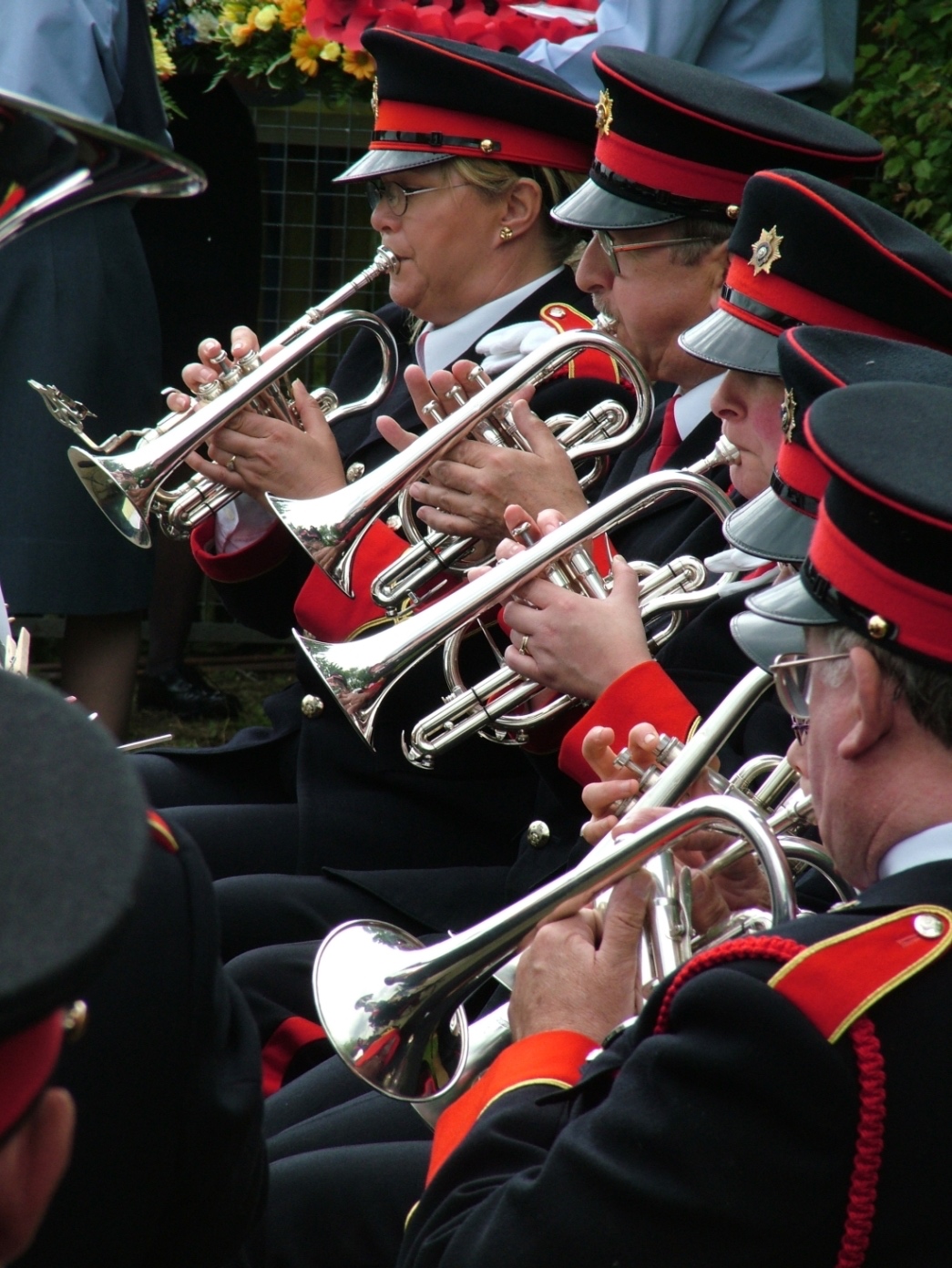
band-musicians-1423023More than titles of PMEA/NAfME/MENC conferences or past themes of Music in Our Schools’ month, these concepts bring us back to the roots of why we became musicians and music teachers in the first place.

When a music educator retires, among the many joys and fruits of his/her career-long investment in labor is a sudden life-style change – the glorious transformation of being set free from those things you no longer want nor need to do (routine day-to-day drudgery, paperwork, etc.) and embarking on new journeys to explore and embrace revised personal goals – hopefully including a renewed refocus on making your own music!

Besides being personally fulfilling and simply “fun,” regular sessions of making music are good for you! Citing numerous sources in her Association for Concert Bands (ACB) President’s Message “Enriching Lives Through Music” in The Journal of the Association of Concert Bands (Vol. 31 No. 2 June 2012 – see http://www.acbands.org/shellenberger-letters), PMEA Retired Member and ACB Past President Judy Shellenberger spotlights the importance of singing or playing music at any age, and its effect on “our brain’s system of neural pathways that improve our general measure of intelligence and longevity.” According to the Society for Neuroscience, one example of this is that “learning to play a musical instrument refines the entire neurological system. It demands precise movement of muscle groups and combinations of physical processes such as breathing, fingerings and articulations all at the same time.”

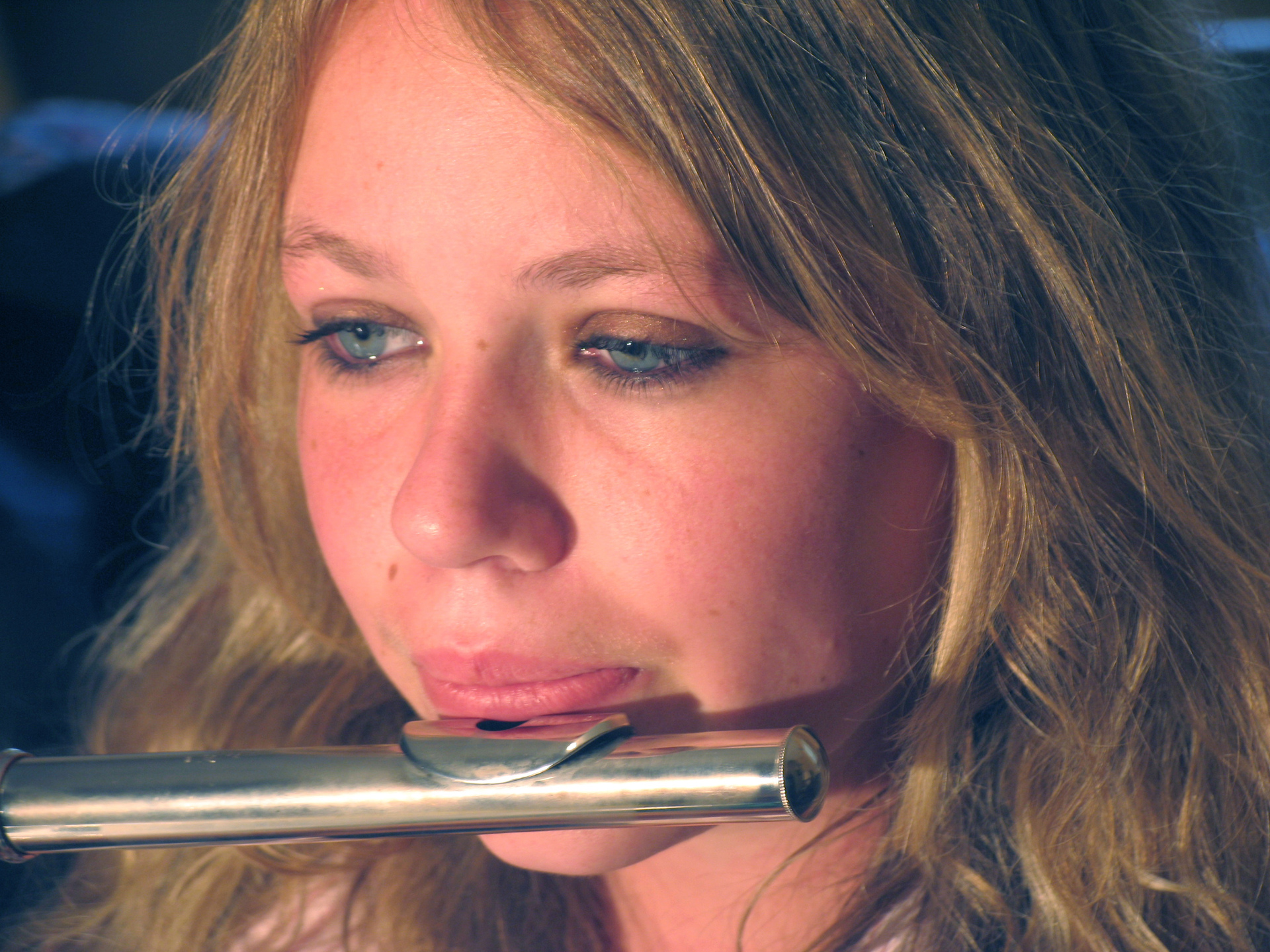
flute-player-1506263-1920x1440Additional quotes from Shellenberger’s letter include a contribution from Dr. Katrina McFerran, Melbourne Conservatory of Music, reminding us of the value of creative expression and ensemble participation in our lives. “Making music allows you to put your real self out there and be heard. Group music making is truly empowering and should be an essential part of the human experience,” she said. “For those performing in community bands, making music has a stronger relationship to health than listening does, and performing enables us to make stronger social connections.”

Shellenberger goes on to say, “In order to function optimally, we need to nourish our brains with nutritious food.” In his book, Use Your Brain to Change Your Age: Secrets to Look, Feel, and Think Younger Every Day, Dr. Daniel Amen states, “We must exercise and challenge our brains. Doing crossword puzzles are great but not enough, we need to stimulate our memories.” Shellenberger concludes with the essential justification that “new music challenges our brains. Every time we learn a new rhythm pattern, we challenge our brain and when we memorize the passage, it increases our brain circuitry to a higher level.”

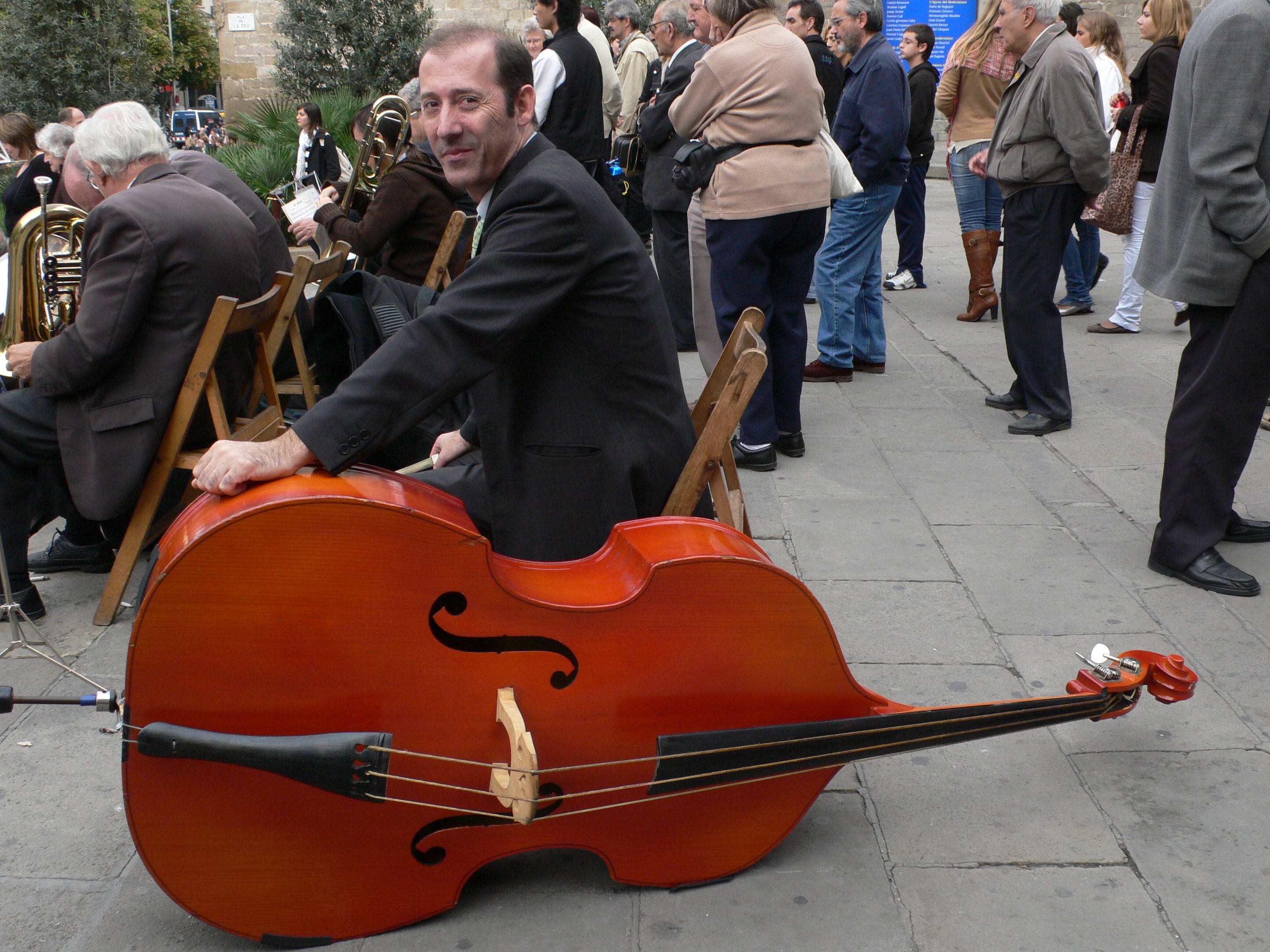
celloman-in-pause-1420972The late June Hinckley, former MENC President, lamented the tragedy when people fail to make music a vital component of life beyond the school years. In her April 2000 article “Music for a Lifetime” in MENC Teaching Music, Ms. Hinckley affirmed her view that music is a life-skill worth nurturing. She said, “I believe we need to be as concerned about community music programs as we are about school music, and to work with leaders to help them understand the vital role each plays in the cultural, social, and aesthetic fabric of our towns and cities as well as in our preschools and K-12 institutions. If music is basic, then it is basic to life’s many ages and stages, before, during, and after school for toddlers, school-age youngsters, and adults.” And retired members!

So, which pretext do you use to “put off” joining a community instrumental ensemble? The top ten “lame” excuses for not participating in a community band or orchestra may be:

  1. I haven’t played for years.
  2. My spouse’s “honey-do” list is too long.
  3. I can’t find my instrument.
  4. I turned my clarinet into a lamp.
  5. My dog howls at me when I play.
  6. I’m too busy! My calendar is full.
  7. I have arthritis, or the pressure is changing, so my shoulder, wrist, leg, arm (or whatever) hurts.
  8. I need new reeds… strings… drum sticks… some valve oil.
  9. I haven’t practiced all week (or month).
  10. There are no opportunities to perform in my area.

jazz-musician-1313572-1279x974Retirees, hopefully a few of these are not nostalgic – bringing back memories of the justifications for not practicing you may have heard from your own music students!

For some of us, the biggest obstacles of re-awakening our love of music and seeking hands-on experience playing in a band and orchestra are overcoming a little inertia, avoiding the blind acceptance of (bad) habits, and not being resigned to the myth that “our busy days and nights won’t allow us enough time” or that “we just have not played lately and feel very rusty!”

What is it about amateur music making that seems to be so intimating? Why do so some people think they have to be a virtuoso or “perfectly prepared” before participating in an ensemble? A few groups like the Community Band South (based in Upper St. Clair, Pittsburgh) generally have a “no student instrumentalists” membership policy. (With their hours of in-school rehearsals every week, most high school players have “major chops” and can usually play circles around “the seniors!”) Did you know there is a group in PA called RTO, which literally means “Really Terrible Orchestra?” (But, before you jump to any conclusions, better ask the members how they sound today.) Finally, does anyone remember Portsmouth Sinfonia, the “spoof” ensemble whose members earned recognition performing (badly) on non-major instruments?

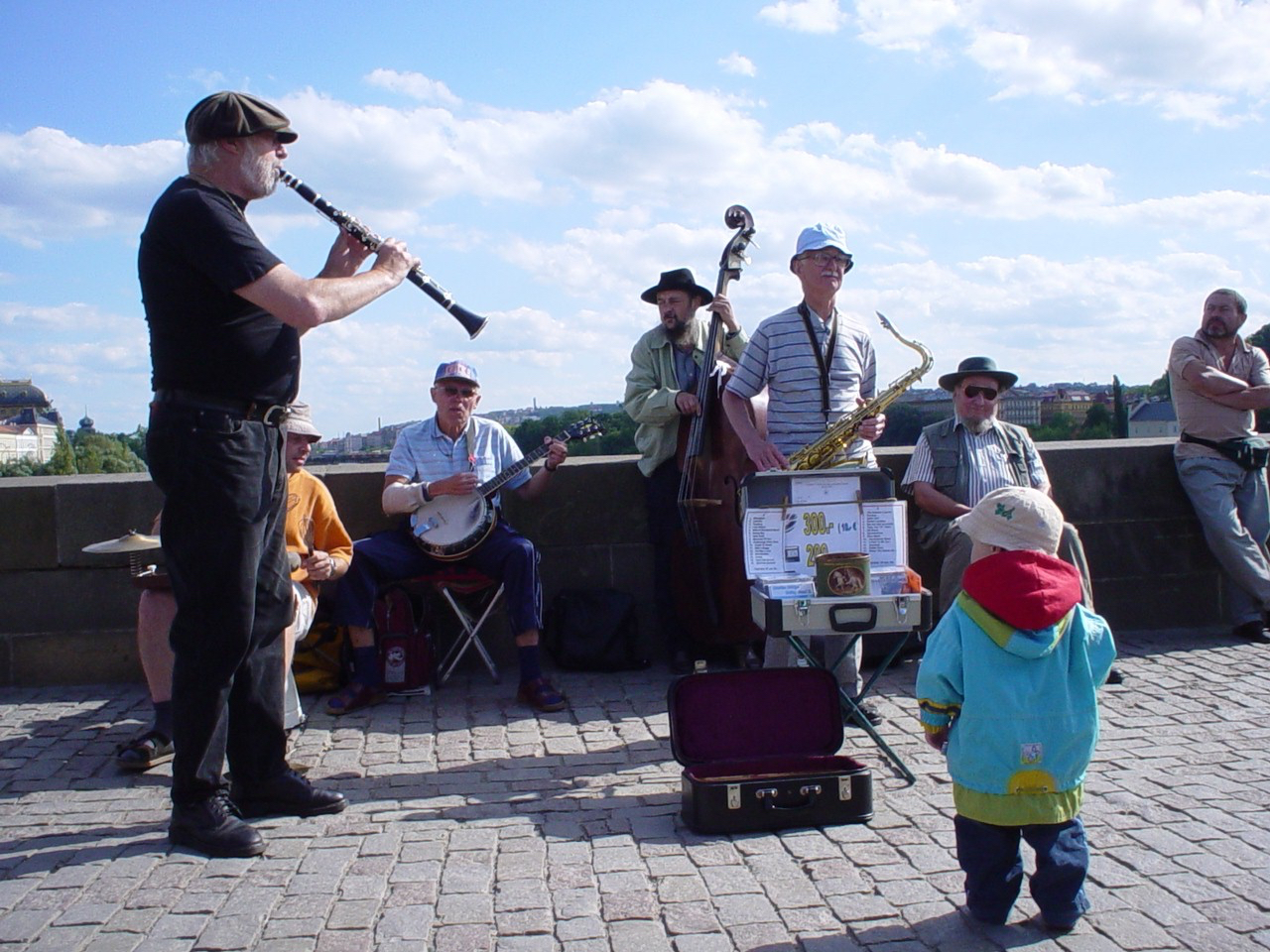
old-band-young-fan-1502738The first big step about getting involved in a community band or orchestra is simply going out and doing it. Dive in! Remember how much FUN it was to surround yourself with like-minded and motivated musicians, all “making connections,” “coming together” and collaborating in an “ensemble,” exploring and interpreting new music and the classic band and orchestra masterworks, and regularly learning new skills of technique and expression on an instrument?

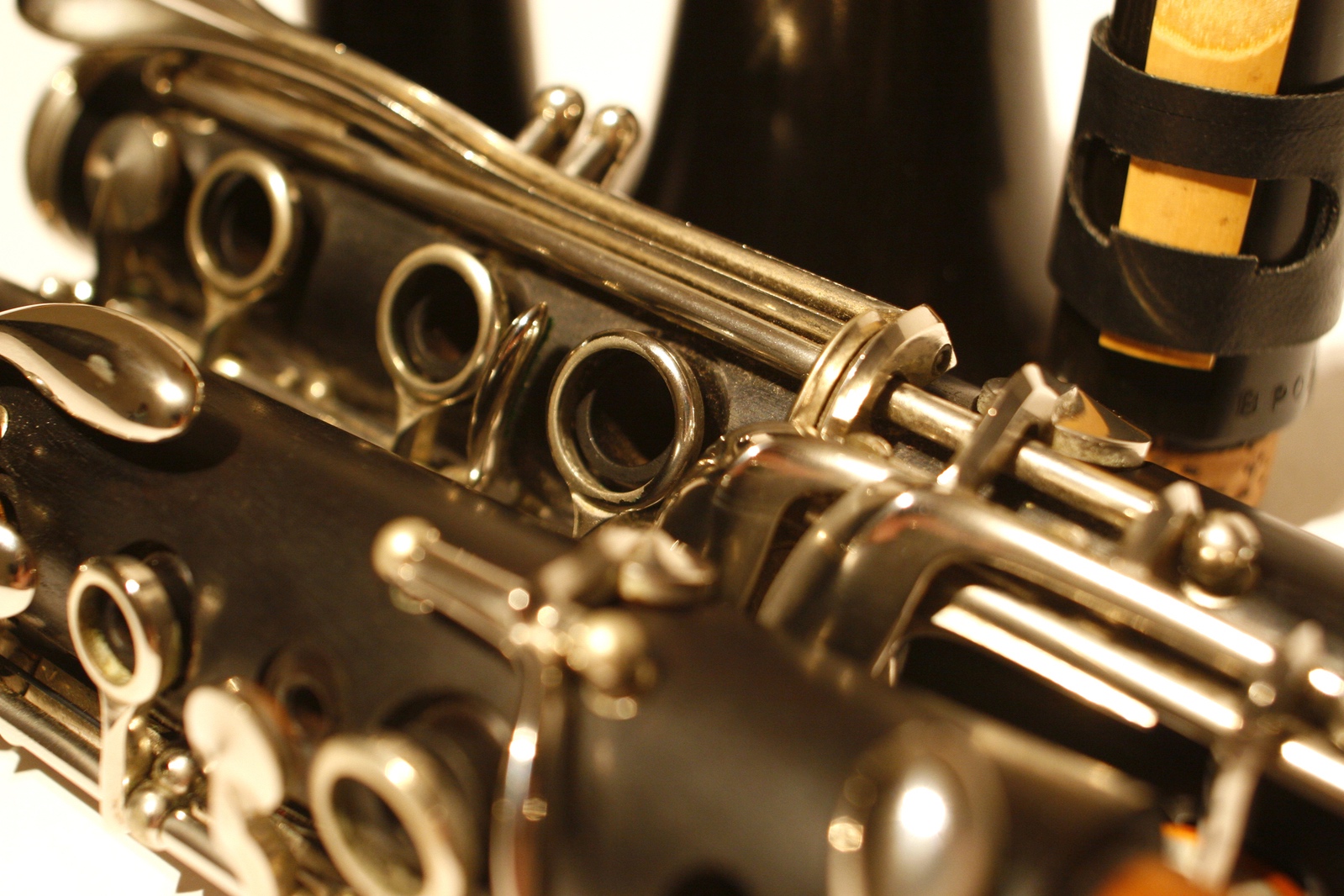
To facilitate finding an ensemble in Pennsylvania, please go to the PMEA website, click on “focus areas” and “retired members.” See http://www.pmea.net/retired-members/. This directory of PA community bands and orchestras will be updated (new groups added) from time to time. (Please clarinet-shots-1412621-1599x1066send any corrections or additions to paulkfox.usc@gmail.com.) Another excellent resource (especially for contact information) is a link posted on the Association for Concert Bands website: http://www.community-music.info/.

Happy trails, retired members, and enjoy the resurgence of your renewed personal music making!

PKF

© 2015 Paul K. Fox

What I Have Learned from My Dogs… in Retirement

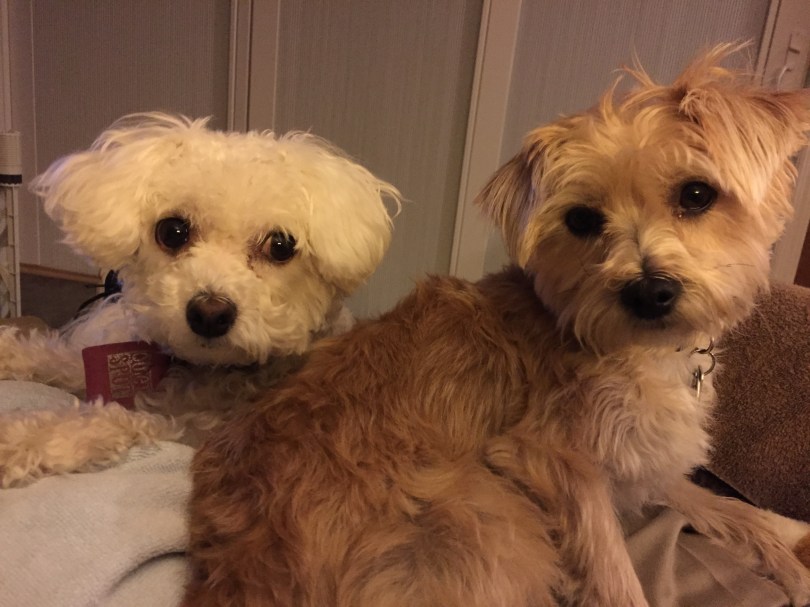
fox pups posing 051115It was one of the first things I did when I retired from more-than-full-time music teaching and serving as the Performing Arts Curriculum Leader of my excellent school system (Upper St. Clair School District/Western Pennsylvania). Start looking for a dog.

The incredibly hectic non-stop schedule of a husband and wife, both string teachers with a variety of responsibilities, music class assignments, after-school rehearsals, and concerts across numerous buildings, serving as spring musical directors, active music festival and conference participants in our professional groups (PMEA/ASTA), and co-director (wife) or assistant (me) of the marching band – totally precluded having a dog. I think it would have been considered animal abuse. We were never home, except to crawl into bed to fall sleep. That’s the “calling” of a devoted music educator, especially if he/she is passionate about and focused on inspiring and bringing creative self-expression to the students, willingly committing him/herself to countless hours of extra-curricular activities. We are proud of those opportunities that affected so many lives! (Do you remember the theme of that final scene in the movie “Mr. Holland’s Opus?”)

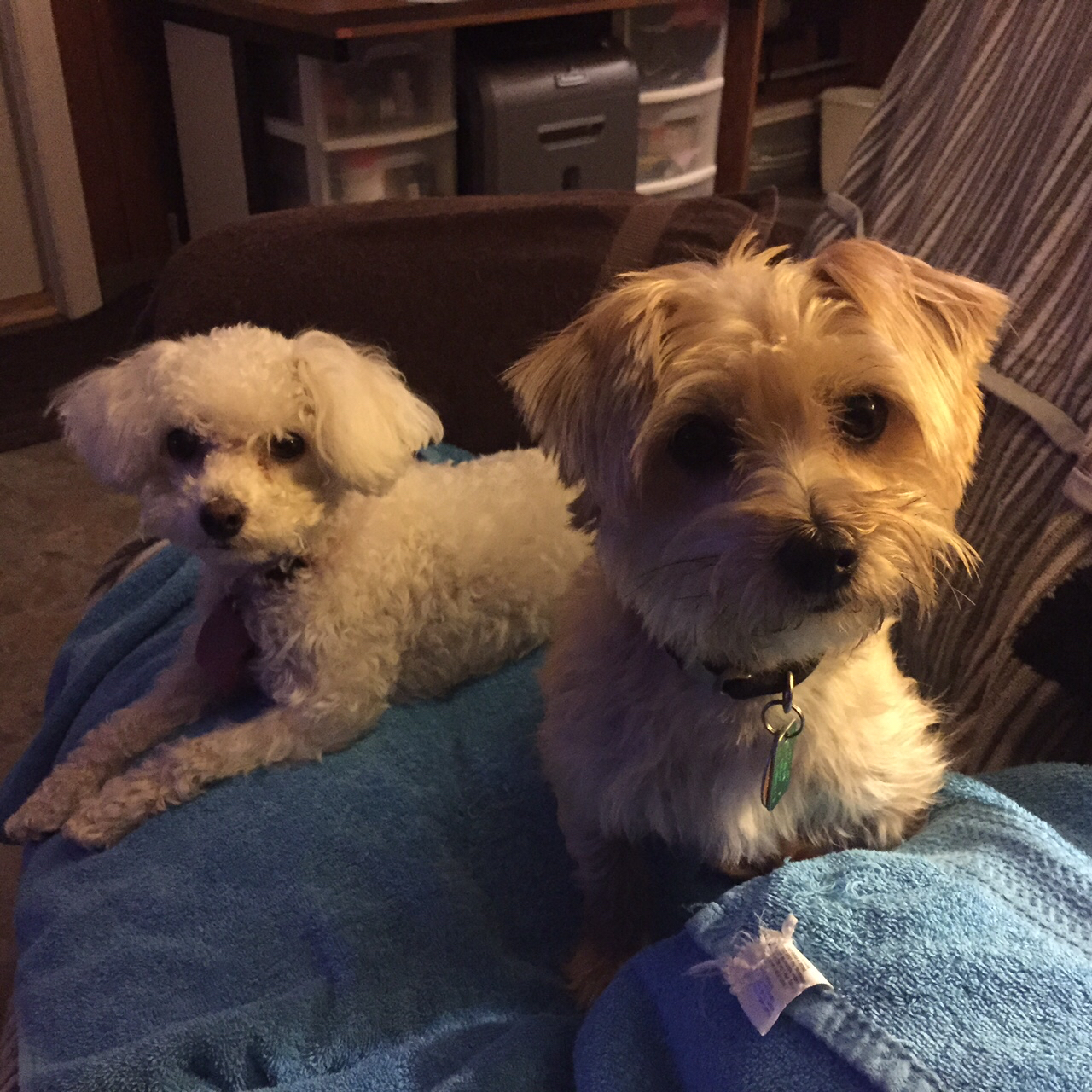
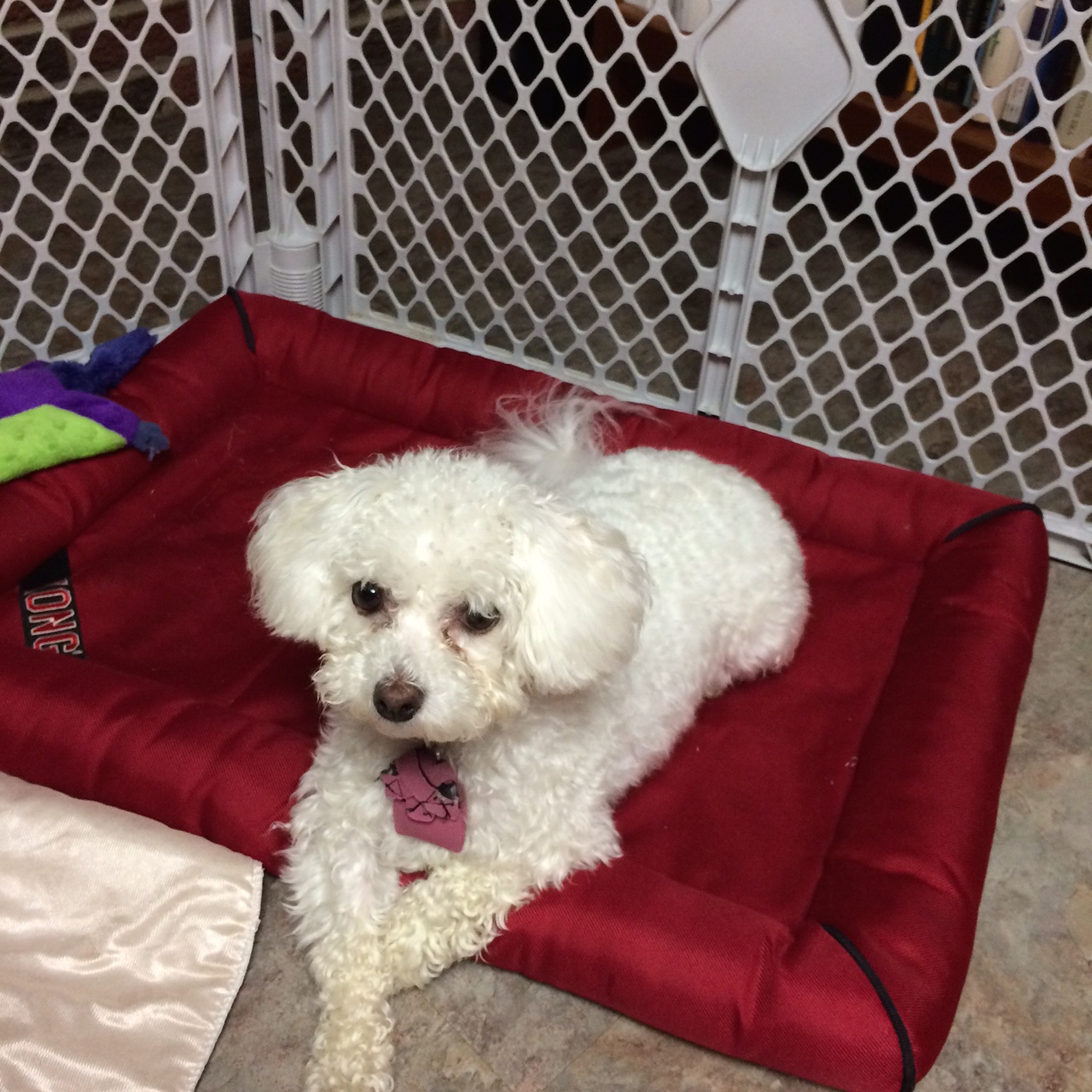
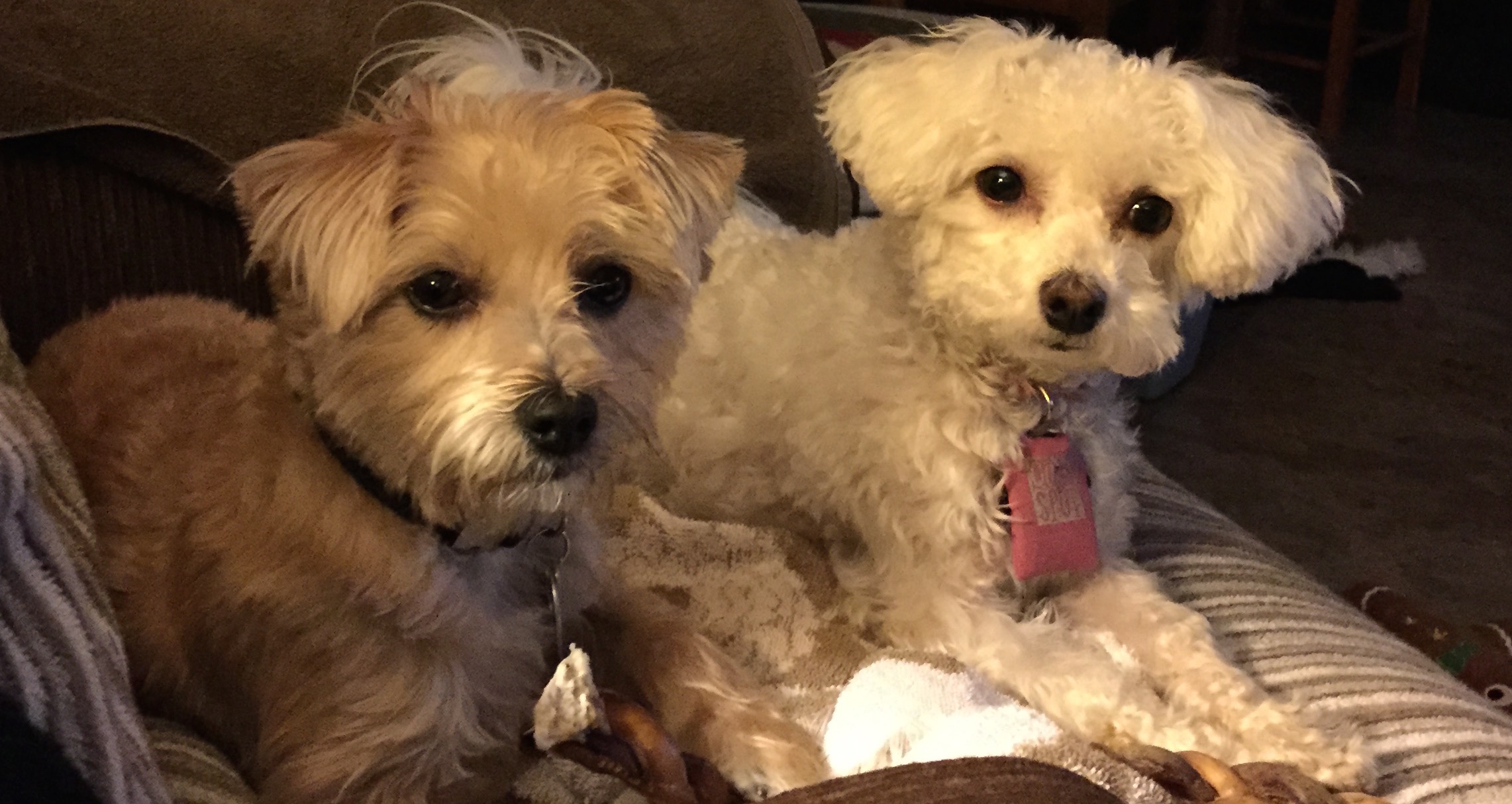
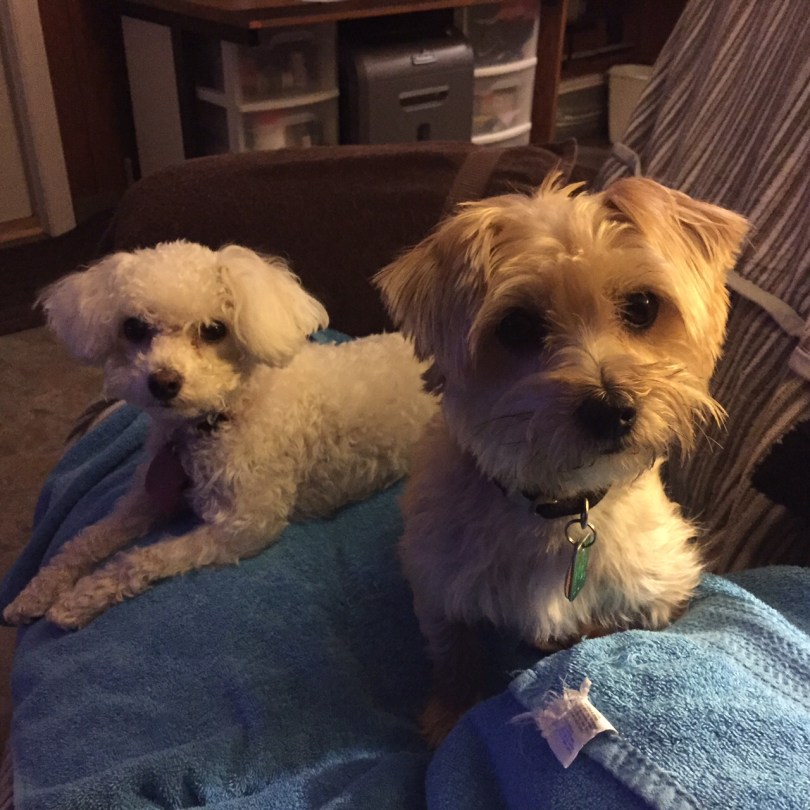
dogs_nopretender_IMG_1565It was quite by accident that we “found” our two puppies. (Actually, as most dog owners would attest, they chose us!) We visited the area pet stores, just to peruse all of the animal habitats, beds, toys, treats, and the like… and did not know that one chain store in our area actually sold dogs! Gracie, a pure-bred bichon frise selected my wife, and a yorky-poo we named Brewster picked me! The rest is history… at a high cost (the premium price for the dogs plus two of everything, including duplicate crates, dishes, bags of food, treats, and even toothbrushes). With lots of surprises in store for us, we rescued them from Petland!

dogs_scolded_IMG_1564After 35 years of having to run in and out of the house to travel and fulfill appointments, errands, practices, and performances, all at once I had a reason to stay home and share the unconditional love of owning not one but two “good dogs.”

New retiree “pet chores” were doled out. My wife was in charge of feeding and grooming. I did the lion-share of walks. We both attended “owner training” (they called it “dog training,” but we were the ones who needed to learn how to control our dogs).

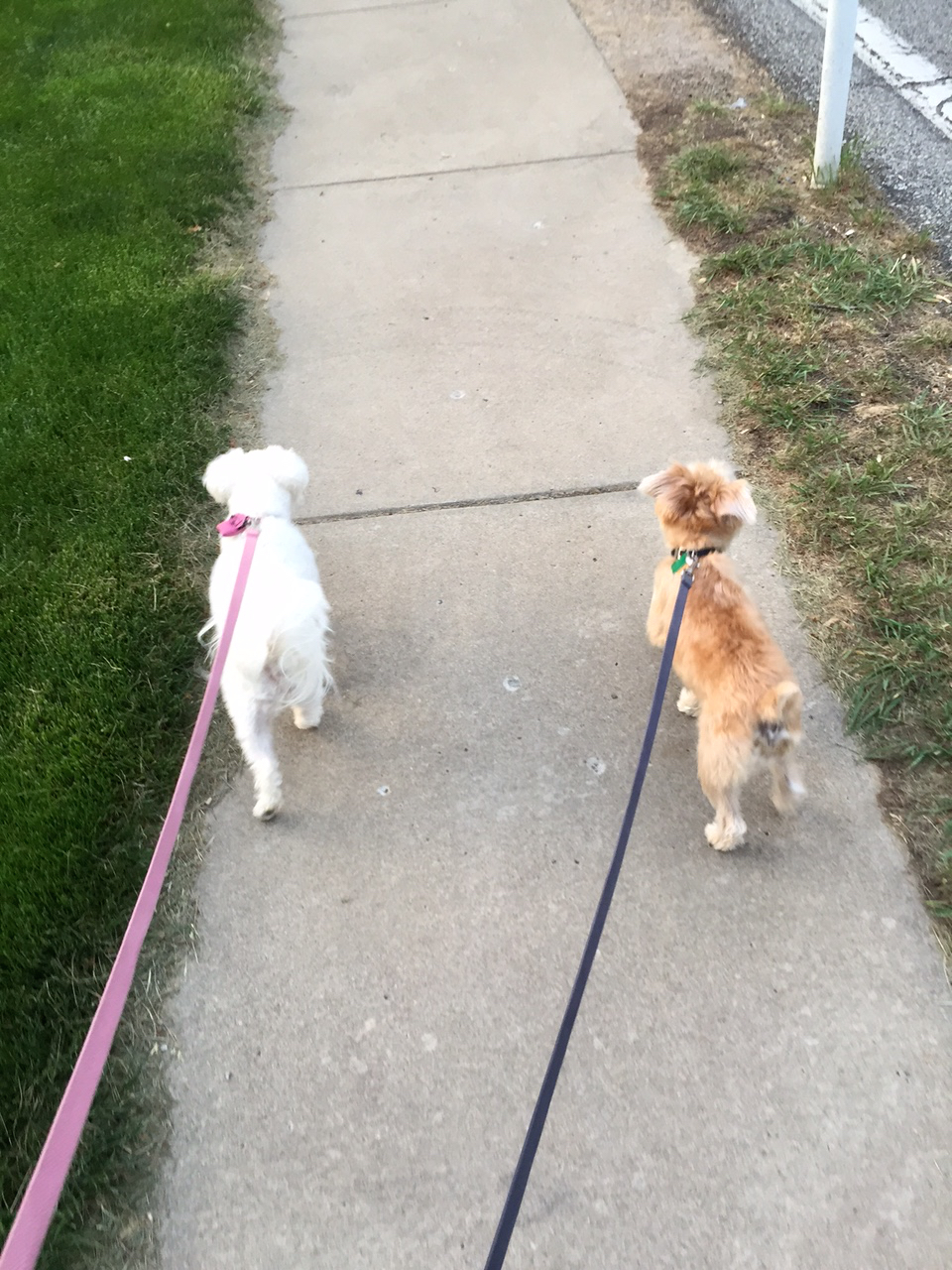
For me, walking the dogs has become the most amazingly peaceful and reflective activity. It has improved my disposition, calmed my nerves, sharpened my senses, increased my dogs_walk_IMG_1782capacity for patience and tolerance, and lowered my blood pressure! Yes, between volunteer escorting patients at our local hospital several days a week and exercising the dogs at least four times daily, we add up a lot of mileage… an average of 15,000 steps or 5-7 miles a day!

Something I would never have predicted before my retirement:  I am now getting up as early as 5:30 most mornings… which is before the alarm would go off when I was employed! Of course, this is every day, every week, every season, rain or shine, with few exceptions. Who needs sleep anyway?

You really ought to try taking two warm bundles of fur to bed with you to hug and cuddle. Gracie and puppy moment3Brewster only have temporary residence on the top of our blankets and bedspread, and must later go back to their playpens in the game-room (our former music studio) once we decide to go to sleep. (My dogs are small… I don’t want to “squash them” when I roll over!)

So, who’s the teacher now? The following are a few of the “life’s lessons” I have learned from close observation of my dogs. Consider this a helpful guide for all retired people.

  1. Live enthusiastically in the “here and now.”
  2. Forgive unequivocally and immediately.
  3. Life is all about taking a long walk, smelling the roses (and everything else), bamboozling another treat from “daddy,” and getting my ears scratched or belly rubbed.
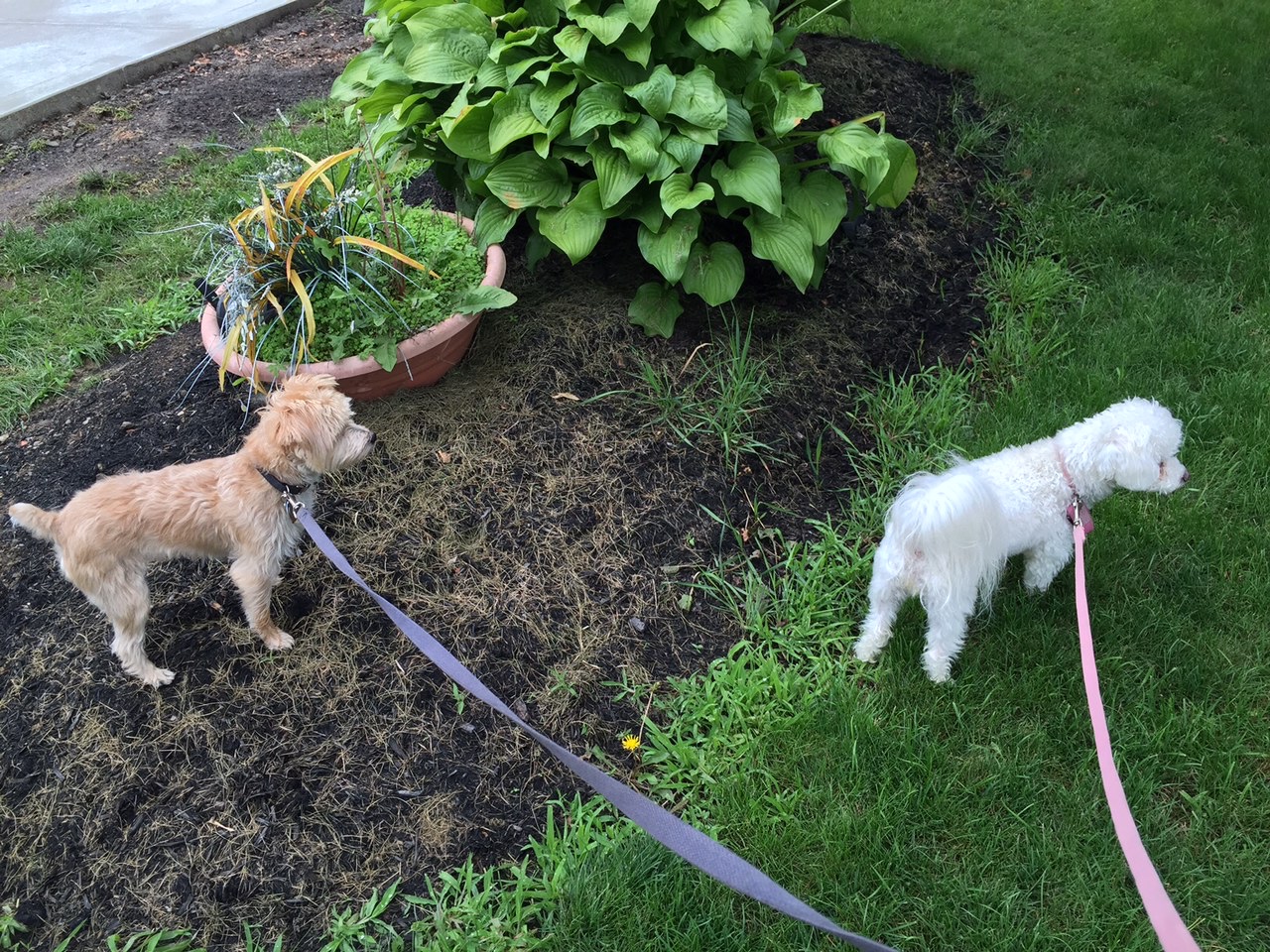
  4. dogs_fringe_IMG_1990Whenever possible, fearlessly explore the fringe (almost beyond the reach of the leash).
  5. Relax and snuggle with someone you love as often as possible.
California attorney Mike Vaughn posted several additional “bits of wisdom,” a map for happy and healthy retired living, on his Maritime Law Center website: http://maritimelawcenter.com/html/things_i_learned_from_my_dog.html
  • When loved ones come home, always run to greet them.
  • If what you want lies buried, dig until you find it.
  • Never pretend to be something you are not.
  • No matter how often you are scolded, don’t buy into the guilt thing and pout… run right back and make friends.
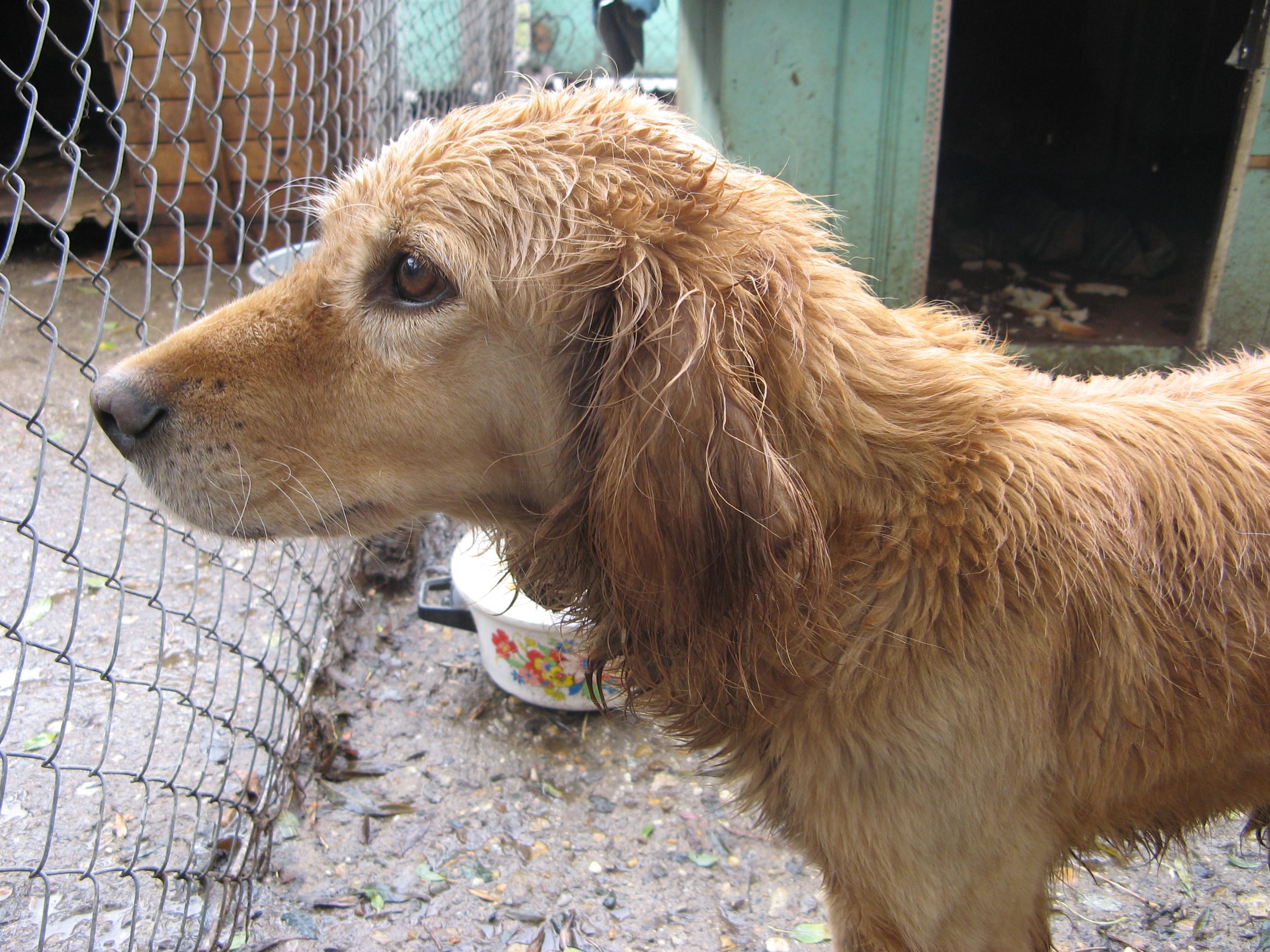
dogs_IMG_1860doggie_heaven_ - 32Tara Mullarkey summed up a few more of the important ones on her blog “7 Life Lessons I’ve Learned from My Dog” (http://www.mindbodygreen.com/0-7561/7-life-lessons-ive-learned-from-my-dog.htm):
  • We need to play (every day).
  • Love is all there isl

Attention all recently retired persons: If you do not already own a dog or other pet, I strongly encourage you to consider the option of adopting or rescuing a dog! It may be one of the best decisions of your life!

PKF

© 2015 Paul K. Fox

Retirement = Reflection + Renewal + Altruism

“We make a living by what we get, but we make a life by what we give.” – Winston Churchill

Attention all wordsmiths! Here’s a new word to add to your vocabulary: eleemosynary, an adjective that means generous, benevolent, charitable, gratuitous, or philanthropic.

Also, according to dictionary.com, the first definition of reflection is “the act of reflecting, as in casting back a light or heat, mirroring, or giving back or showing an image; the state of being reflected in this way.”

Assimilating both of these concepts, simply put, retirement is a time for both reflection and giving back.

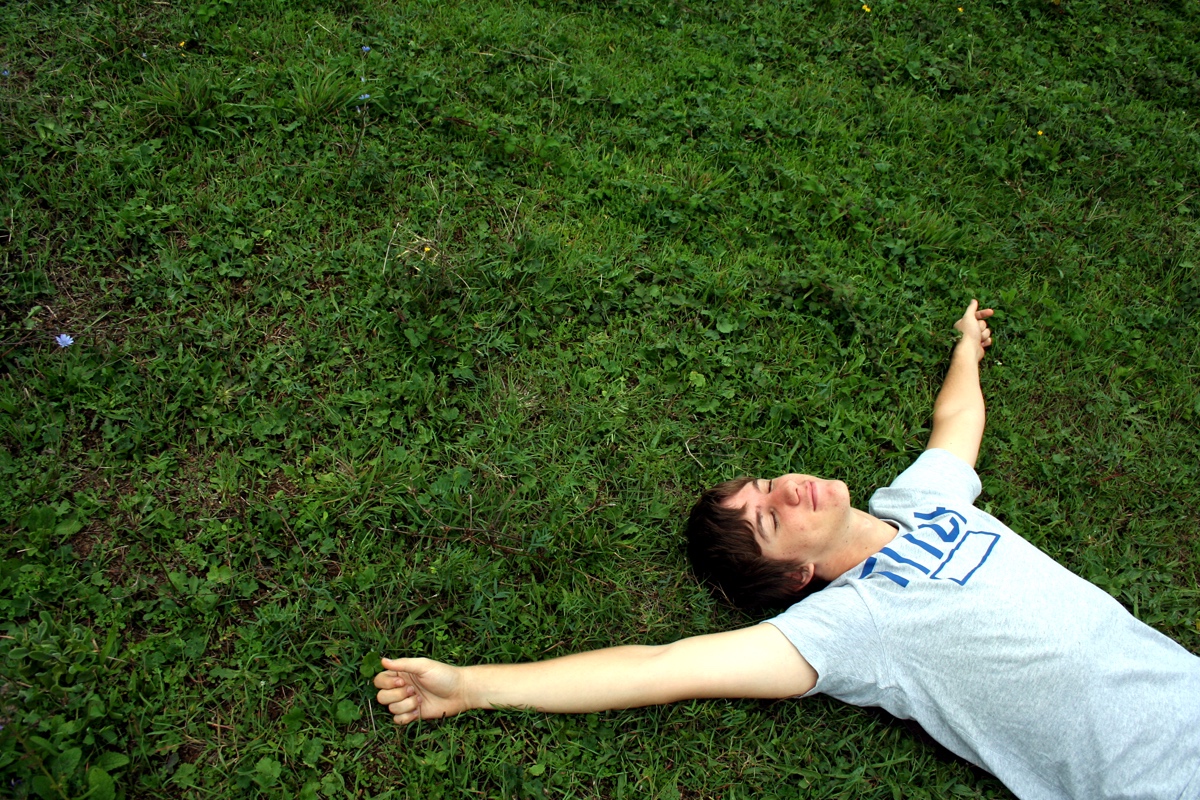
on-green-1362995Do you remember as a kid lying down on your grass and looking up to the clouds imagining that you see animals or faces or Medieval dragons? Did you relax and let your thoughts wander to make up stories or scenarios to “play” in your mind? What new ideas or visions came to mind? This process of daydreaming or brainstorming can be the perfect vehicle for a little self-reflection, a calm moment to refresh your outlook, reconcile your feelings, review and revise personal goals, and basically re-energize your passions!

For once in your life, you don’t have to accept the demanding “hustle and bustle” of a very stressful workday schedule. Now you have more of life’s most precious commodity – TIME!

This new freedom gives you the chance to spend some time with your family, friends, acquaintances, even former coworkers when they have breaks. I hate to admit it that, as a full-time music teacher, I could not give you the names of my neighbors on my street, and now that I walk dogs daily, I have become much more “neighborly” and make every effort getting to know them.

OLYMPUS DIGITAL CAMERA

Of course, one of the most important directions you can go is to revisit your “creativity roots,” the reason you got involved in music and music education in the first place. One of your first priorities when you retire from full-time employment in music education should be to pull that instrument out of the closet, brush it off, warm up on it a little, and begin restarting your regime of training those chops (or vocal skills) once more. Go out and join a community band, orchestra, or choir (subject of a future blog).

Seize the day (as they say) and embrace opportunities for volunteering, possibly going back to the school and offering your professional services on a “very” part-time basis. Perhaps a local music program could use your expertise in setting up new technology, playing the piano, helping conduct large ensembles or coaching sectionals or chamber groups, organizing or chaperoning music trips, repairing instruments, composing or arranging music for the ensembles, or assisting on the rehearsals or designing the field show for the marching band, dance team, or drum line.

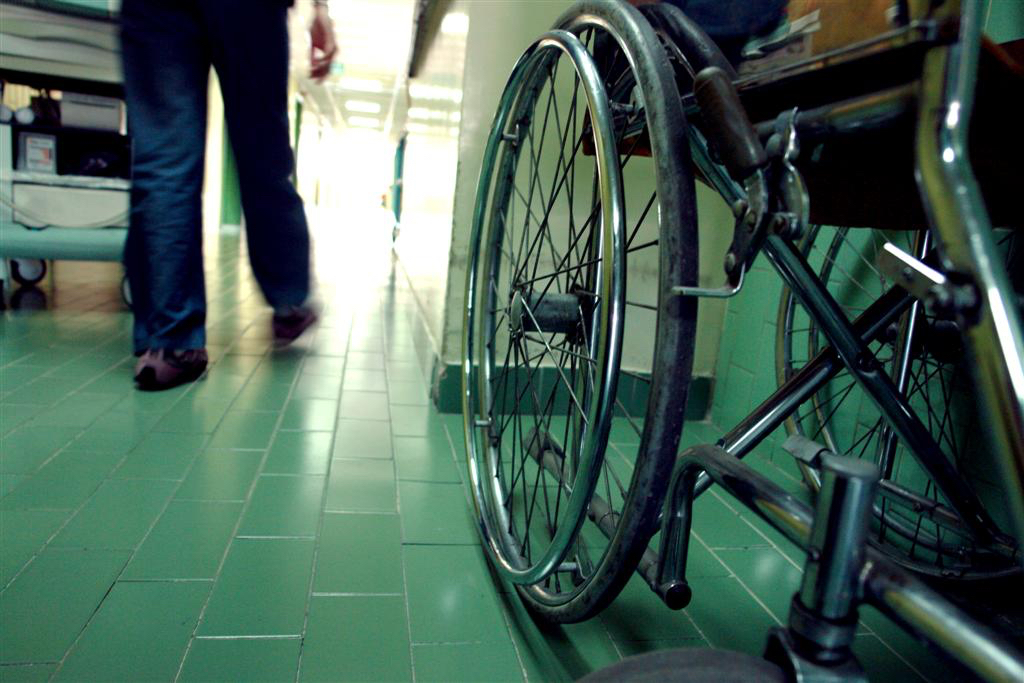
In addition, the “passage to retirement” allows a re-examination of ourselves and discovery of new interests, conceivably some non-music volunteer activities. Select a project or two that will help satisfy your need to help others and “wheelchair-1576246nurture your soul.” My personal favorite (besides retaining my “conductor chops” by directing a youth orchestra on Saturdays) is to serve as a volunteer escort at our local hospital. In addition to walking dogs several times a day, pushing wheelchairs several days a week is good physical exercise, but more importantly, it is a big help to the efficient and economical operation of any mid- to large-sized medical facility.

What’s that inspiring quote? “I thought I was poor because I had no shoes, until I met a man who had no feet.” My wife and I get a lot of personal satisfaction helping people who are less fortunate than we are, especially those who are much more senior to us, and by now (after two years plus of retirement), I believe we are now nearly expert “wheelchair jockeys.” At the hospital, you meet many wonderful people, the majority of whom are undergoing a (hopefully temporary) life challenge… surgery, treatment, observation, rehabilitation, etc. It has to be said that we have found that “patients are the most patient,” and individuals with the most serious conditions are usually the most appreciative and display the sweetest dispositions. Of course, our favorite wheelchair trip is to the family birth center, where the majority of the time, we get to escort a mother with her new baby to the car.

pet-adoption-1360761
Other volunteer activities? Lists of needy programs are numerous (here are a few examples):
  • Walk dogs or care for pets at the local animal shelter
  • Serve in charitable fund-raising projects (man phones, etc.)
  • Offer to translate/interpret foreign languages
  • Assist food banks and meals-on-wheels agencies
  • Enlist as a “court appointed special advocate” for abused or neglected children
  • Work as a hospice volunteer
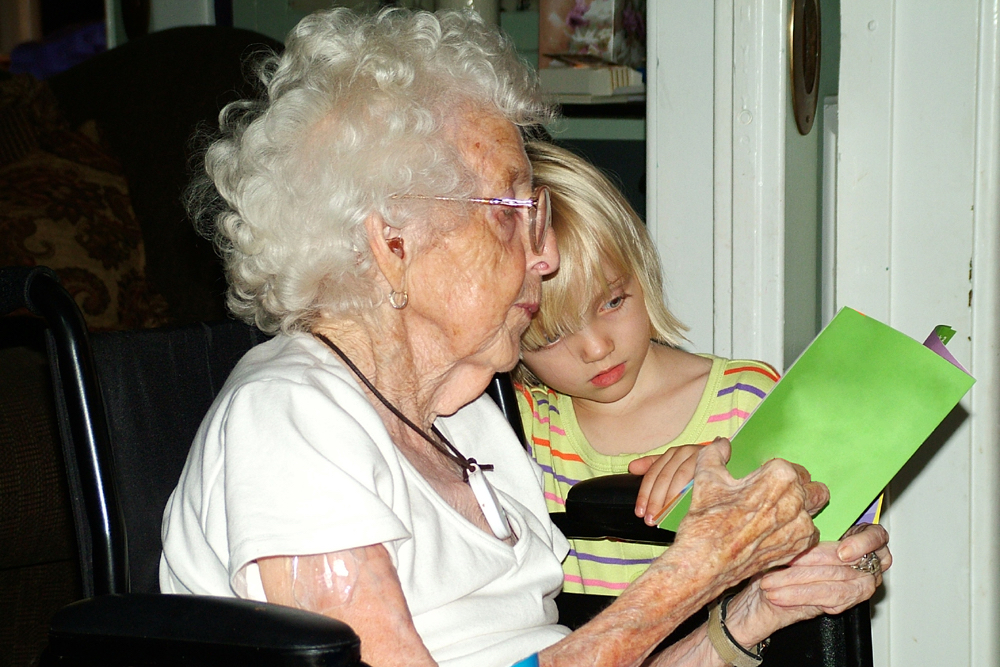
  • reading-with-grandmother-in-wheelchair-1432646Join Elder Helpers or other organizations to help needy seniors
  • Run a school club or activity (share your unique hobby)
  • Help maintain parks, trails, nature habitats, or recreation centers
  • Collate/file/sort/catalog libraries of sheet music or books
  • Host an international student
  • Become a youth director, mentor, or scout leader
  • Register new citizens to vote at citizenship ceremonies
  • Clean-up vacant lots, cemeteries, playgrounds, etc.
  • Apply office management and clerical skills to benefit nonprofit associations
  • Teach summer school or Fine/Performing Arts classes
  • Give guided tours or lectures as a “docent” at a local museum

people-listening-1239292

Check it out! Today, 3,281 volunteer opportunities in or near Pennsylvania were posted at: http://www.volunteermatch.org/search/?l=pennsylvania

Volunteer some of this new-found time that you have on your hands, and I promise, you will never regret it!

PKF

© 2015 Paul K. Fox

Happy Trails, Retirees! PMEA Retired Members Rock-On!

Have You Heard These?

  • Old composers never die, they just decompose.
  • Old performers never die, they just go out of tune.
  • Old musicians never die, they just go from bar to bar.
  • Old musical producers never die, they just make a big production out of it.
  • Old band nerds never die, they just leave after halftime.
  • Old music teachers never die, they just lose their class.
  • Old rockers never die, they just shake, rattle, and roll.
  • Old lighting directors (or sound engineers) never die, they just fade away.
  • Old singers never die, they just perform another encore. 
  • Old conductors never die, they just lose their place.
  • Old string players never die, they just get strung out.
  • Old jazz artists never die, they just play on and on.

“The trouble with retirement is that you never get a day off.” – Abe Lemons

Filling Up and Fulfilling Bucket Lists

Retirement is a journey, offering another roadway towards self-realization. You would expect to see any retired person enjoying the fruits of his/her career-long labor by “taking a break” – exploring travel, sightseeing, fitness training, sports, gardening, home improvements, reading, babysitting grandchildren, rescuing a pet, volunteering, attending concerts/musicals/movies, discovering and developing new hobbies/skills/talents, hanging out with former coworkers – you name it! Retired music educators are no different! However, one advantage of being in the profession of teaching creative self-expression is that it was never “just a job.”

And the music goes on and on…

pmea
Many Pennsylvania Music Educators Association (PMEA) retired members remain active after they leave their full-time public/private school teaching positions. Numerous opportunities inspire retirees to continue making significant contributions to music and education. If you can actually catch-up with a former music teacher (they are usually very busy), he or she might be in the middle of participating in any number of Performing Arts or educational activities:
  1. PMEA state or local leadership position such as council representative or elected office.
  2. Full or part-time higher education instructor in music education methods, or supervisor of student teaching.
  3. Assistant director, guest conductor, or section coach for marching or concert bands, orchestras, choirs, chamber groups, jazz ensembles, dance or drama productions.
  4. Soloist, accompanist, and/or performer in community instrumental or choral ensembles at local community events, businesses, senior centers, and other venues.
  5. Music judge, clinician and/or director of PMEA adjudications, PMEA performance festivals, or commercial contests or competitions.
  6. Representative for local music store assisting on rentals and repairs of band and orchestra instruments.
  7. Private or class instructor of voice, instrument, or dance.
  8. Composer, accompanist, or music arranger for school music ensembles and concerts.
  9. Workshop presenter, clinician, presiding chair, sergeants-of-arm, registration aide, or volunteer at state and local music conferences.
  10. Writer of articles for local and state music publications, blogs, or other media.
  11. Advocate for arts education and the importance of creative self-expression, contacting local decision-makers and state legislators.
  12. Informal adviser and consultant assisting other music educators in the field, facilitated by joining the PMEA Retiree Resource Registry.

r3_logo

PMEA Retiree Resource Registry

Unveiled in February 2015 and based on PMEA Retired Members’ online survey responses, the Retiree Resource Registry (R3) and R3 Help Index archive a comprehensive record of music teacher retirees’ present and past job assignments, history of career achievements and awards, current professional music and music education activities, and special talents and interests. The registry serves as a “who’s who” directory of past leaders in PA music programs, as it documents the amazing contributions of some of the still most active albeit retired PMEA members. The R3 shares this vast wealth of the PMEA Retired Member experiences and expertise in order to offer the entire PMEA membership access to a list of very willing and capable informal advisers or consultants if anyone needs “free” (but priceless) help on a specific topic.

RVolunteer Areas

Help categories on survey (see R3 Help Index): accompanist, adjudications, arts advocacy, assessments, auditions, band, booster groups, chamber music, chaperoning, choral, choreography/dance, coaching, community ensembles, composing/arranging, core arts standards, curriculum writing, Dalcroze/eurhythmics, early childhood/pre-school, festival preparation, fund-raising, general music, guest conducting, guest lecturing, higher education, hosting a festival, instrument repair, instrument sales, jazz, Kodaly, leadership training, marching band, music appreciation, music theory, musicals, Orff, panel discussions, PCMEA/teacher training/mentoring, professional development, research, strings, technology, traveling/tours, voice, webinars, world drumming, and writing for PMEA News.

RStatistics

As of April 20, 2105, the R3 has the following statistics:

  • Number of Retired Members in Registry = 101
  • Expertise/interest in vocal music = 40%
  • Expertise/interest in instrumental music = 75%
  • Expertise/interest in classroom music = 46%
  • Expertise/interest at elementary level = 69%
  • Expertise/interest at middle school level = 76%
  • Expertise/interest at high school level = 78%
  • Expertise/interest at higher education level = 31%

Making Use of the Registry

To take advantage of this service, go to the retired member section of the PMEA state website and download the current R3 and R3 Help Index, both documents being updated periodically to reflect new/changed data received: http://www.pmea.net/retired-members/. Start with the R3 Help Index to peruse possible candidates. To help match your needs with potential retired “go‐to people,” the index is sorted by volunteer subject areas. Look up these names in the alphabetical main registry to find the retirees’ specific details, contact information, personal focus and specialties, and subjects they would be willing to provide assistance.

PMEA Retired Members: If you have retired from full‐time teaching, are willing to stay involved in PMEA, and want to join this prestigious list, please go to the PMEA website or this direct link: https://pmea.wufoo.com/forms/pmea-retiree-resource-survey/.

Freedom! It’s Doesn’t Get Much Better Than This!

The skies are the limit! Retirement provides the time for retirees to pursue their passions! Examine your “expressive roots!” What inspired you to choose a career in music? Refocus on some aspect of the creative realm, such as singing or playing your major instrument, or something new! What are you waiting for? Go out and realize your dreams!

PKF

© 2015 Paul K. Fox

Advice from Music Teacher Retirees to Soon-To-Be Retirees

Tips and Resources on Bridging That Transition to Retirement

“Your problem is to bridge the gap which exists between where you are now and the goal you intend to reach.” – Earl Nightingale

Retirement is a life-changing event, perhaps the most significant “final transition” in our lives involving an ongoing process of emotional adjustment.

The research of counseling psychologist Dr. Nancy K. Schlossberg is worth reading. She identified the following ways in which people approach retirement, as quoted at http://www.apa.org/research/action/retire.aspx:

  • Continuers who continued using existing skills and interests;
  • Adventurers who start entirely new endeavors;
  • Searchers who explore new options through trial and error;
  • Easy Gliders who enjoy unscheduled time letting each day unfold;
  • Involved Spectators who care deeply about the world, but engage in less active ways;
  • Retreaters who take time out or disengage from life.

Soon after being appointed to the position of Pennsylvania Music Educators Association (PMEA) State Retired Member Coordinator, I realized that we have three types of PA music teacher retirees responding to the challenge of this time-honored passage:

  • People who do not see themselves as retired, just leaving a full-time job in music education, and moving on to new goals, employment, and/or volunteer work.
  • People who are relieved from the stress of day-to-day employment, and now feel ready to fill and complete new “bucket lists,” spend more time with family, travel, and hobbies, and perhaps even explore several new areas/levels/skills in music and education.
  • People who are happy to leave the profession and want nothing to do with any part of music education or PMEA.

With the exception of the latter group, it is worth repeating the message I wrote in my Winter 2015 article in PMEA News:

“PMEA has a lot to offer, and, in return, we retirees can ‘give back’ in a way that is both meaningful and beneficial to our professional association. It comes to no surprise that PMEA retirees have filled numerous district and state officer, committee chair, council, and ex-officio positions. You know what they say – What we know in our little pinkies….”

There are numerous opportunities to “lend a hand” or “keep our feet wet” in our profession:

  • Sign up for the PMEA Retired Members’ Retiree Resource Registry (R3) to share your vast wealth of teaching experiences and expertise, archiving your special skills, interests, awards, and past professional assignments, and being willing to be called upon to serve as an informal adviser or go-to person for help. Complete the survey at https://pmea.wufoo.com/forms/pmea-retiree-resource-survey/.
  • Volunteer to serve as presiding chair or member of the planning or listening committees for the PMEA In-Service Conference.
  • Participate as a guest lecturer or panel discussion member at a conference or workshop.
  • Judge PMEA adjudication festivals.
  • Offer to help plan or manage a local PMEA festival or workshop.
  • Accompany, coach or guest conduct music festivals or local school ensembles.
  • Call up the local music teacher and offer your help in music technology, instrument repair, etc.
  • Submit articles to PMEA News.

Additional suggestions from successfully retired members were sent and shared in PMEA News (Summer 2015) :

  1. To prepare yourself for retirement, have something in place to do – private teaching, performing, traveling, and/or volunteering.
  2. Have a plan! Figure out some idea of what you want to do with the rest of your life after teaching.
  3. Build your social network of friends, colleagues, and people with which you want to continue spending time. Relationships are important in retirement.
  4. Stay involved in music – somehow. Once retired, you can revisit your roots in creative self-expression (the things that inspired you to become a music teacher in the first place), while avoiding the day-to-day stress and routine of your former job assignments.
  5. Do not micromanage or “try to help” the new guy appointed to your position. If (and only if) your replacement asks, perhaps you can meet for breakfast or lunch to “pass on the baton,” offering to share with him/her where are the closets (if not the skeletons), and information for smooth transition such as the location of the music library database, curriculum guide, classroom instruments, etc. However, keep in mind it is not your responsibility nor is it appropriate to give the newcomer philosophy, methodology, or minute details on how or what to do in your former job. The new professional is not you (and probably will make many mistakes), and will have to find his/her own way to realize success in the position.
  6. Travel to those places that you always wanted to see but never had the time. Try a warm sunny place in the winter and see what your students always enjoyed while you were stuck in the classroom during January and February.
  7. Get involved in advocacy, either for music education or something else that is important to you.
  8. For assistance in making the smooth transition to retirement, read the Fall 2013 PMEA News article “Retirement – Now What?” archived on the Retired Member section of the State PMEA website (http://www.pmea.net/wp-content/uploads/2014/10/Retirement-Now-What-in-PMEA-News-Fall-2013.pdf). Also review the other links posted on the same site.

Be sure to read the other retirement blogs on this site, “Are You Ready? Thoughts on Retirement for Music Teachers” (July 2, 2015) and “Retirement, Exercise, and Balance” (July 6, 2015).

Finally, peruse the following links and books which analyze the psychology and stages of retirement, and provide thoughtful recommendations for happiness and fulfillment after a career of full-time employment. Happy trails, retirees!

Sample of Online Links

Honey I Am Home – for Good – Ohio State University Extension (by Kirk Bloir): http://ohioline.osu.edu/hyg-fact/5000/5159.html

Stages of Retirement – Ohio State University Extension (by Christine Price): http://ohioline.osu.edu/ss-fact/0201.html

3 Ways to Successfully Transition into Retirement – U.S. News and World Report Money (by Dave Bernard): http://money.usnews.com/money/blogs/on-retirement/2012/12/07/3-ways-to-successfully-transition-into-retirement

Journey Through the Six Stages of Retirement – Investopedia (by Mark P. Cussen): http://www.investopedia.com/articles/retirement/07/sixstages.asp

Transition into a Healthy Retirement – SPARKPEOPLE (by Rebecca Pratt): http://www.sparkpeople.com/resource/wellness_articles.asp?id=396

25 Things to Do When You Retire – U.S. News and World Report Money (by Phil Taylor): http://money.usnews.com/money/blogs/on-retirement/2011/02/11/25-things-to-do-when-you-retire

Emotional Stages of Retirement – Ameriprise Financial: https://www.ameriprise.com/retire/planning-for-retirement/retirement-ideas/emotional-stages.asp

Life After Retirement – What Do I Do Now? – Forbes (by Mike Lewis): http://www.forbes.com/sites/mikelewis/2013/10/22/life-after-retirement/

Thinking About Retirement? Time to Think About Your Psychological Portfolio – American Psychological Association: http://www.apa.org/research/action/retire.aspx

Behavioral and Psychological Aspects of the Retirement Decision – U.S. Social Security Administration: http://www.ssa.gov/policy/docs/ssb/v71n4/v71n4p15.html

Psychological Effects of the Transition to Retirement – University of Alberta (by John W. Osborne): http://files.eric.ed.gov/fulltext/EJ969555.pdf

Recommended Books to Read

How to Retire Happy, Wild and Free by Ernie Zelinski

How to Love Your Retirement: The Guide to the Best of Your Life by Barbara Waxman

The Joy of Retirement: Finding Happiness, Freedom, and the Life You’ve Always Wanted by David Borchard

The Joy of Not Working: A Book for the Retired, Unemployed and Overworked by Ernie Zelinski

65 Things to Do When You Retire by Mark Evan Chimsk

PKF

© 2015 Paul K. Fox

Retirement, Exercise, and Balance

“One in three people 65 and older fall each year in the United States.” Source: Centers for Disease Control (CDC) at http://www.cdc.gov/HomeandRecreationalSafety/Falls/adultfalls.html

“Staying active with regular exercise can help seniors improve their health and hang on to their independence longer. Walking is a great way for seniors to fulfill the recommendation of two and a half hours of aerobic activity per week.” Source: Livestrong Foundation at http://www.livestrong.com/article/416885-walking-exercises-for-seniors/

According to the Centers for Disease Control, falls are the leading cause of injuries, fatal and nonfatal, by U.S. seniors. Older adults can stay independent and reduce their chances of falling by adopting the following strategies:

  • Exercise regularly especially to increase leg strength and improve overall balance.
  • Have a doctor or pharmacist review prescriptions and over-the-counter medications for side-effects or interactions that may cause dizziness or drowsiness.
  • Check the eyes at least once a year and update eyeglasses to maximize vision.
  • Reduce household tripping hazards by the adding grab bars inside and outside the tub or shower and next to the toilet, installing railings on both sides of stairways, and improving the lighting in and outside homes.
  • Lower the risk of bone fractures by consuming adequate calcium and vitamin D from food and/or from supplements, doing weight-bearing exercise, and being screened and treated (if needed) for osteoporosis.

The best advice I heard recently about retirement and remaining physically active was contributed to PMEA News (state journal of the Pennsylvania Music Educators Association) by colleague Chuck Neidhardt, a retired member of PMEA:

Begin a routine exercise plan, or begin a sport. You don’t have to be good at it – just do it for your health. This is a must for retirees because the exercise we got from walking the hall between our room and our mailbox (or elsewhere in the school) is no longer there. It only takes a short while to begin to add the pounds and lose the strength we had while teaching. Also, be sure to begin a regular regimen of seeing your doctor and having a physical check up at least once a year. 

Since I have retired, I have experienced a few surprises first-hand in maintaining my own physical fitness and stamina.

One would have thought that once we were released from the day-to-day demands of our music programs and school work, we could become “footloose and fancy-free” to enjoy free time and all kinds of physical activity – to the end-result of noticeably improved health, endurance, and vitality in our lives! (After all, have you noticed that the majority of recently retired people seem to look instantly younger, well-rested, and happier?)

What free time? For most retirees, it doesn’t take long to fill up their “dance card” and calendars with social engagements, family obligations, home improvements, yard work, golf/tennis outings, swimming, or other sports, doctor and dental appointments, local concerts and musicals, trips and vacations, systematic sorting/filing/downsizing the mounds of paper (and music) accumulated over 30+ years of teaching – you name it! You’ll hear it frequently lamented by most retired educators: “How did we ever find the time to do everything when we had our job?”

Where’s my stamina? When I was a full-time teacher with numerous extra-curricular activities, I would arrive to school by 7 a.m., teach 6-9 music classes or lessons during the school day, attend faculty, curriculum meetings or after-school ensemble rehearsals until 4:30, run home to get a quick bite to eat, and then more often than not return to school for at least another couple hours for play or musical practices. On most week-nights, lesson planning and prep had to begin at 9:30 or 10 p.m.

All those years and I didn’t even notice that this “rat race” was stressful and physically grueling! (Although, the evidence was there all along… such things like “always being tired” and “feeling stressed!” Really, is it normal for anyone to take only five minutes to eat lunch in his car traveling between buildings? Many itinerant music teachers who are assigned to 2-4 buildings a day may have to catch a quick-snack this way. Even today, if I don’t hold myself back, I can consume a meal in under 10 minutes!)

Now that I have retired and left all of these “bad habits” behind, why is it that volunteering 3 1/2 hours pushing wheelchairs at a local hospital sometimes seems to be more than I can manage? Nap time, anyone?

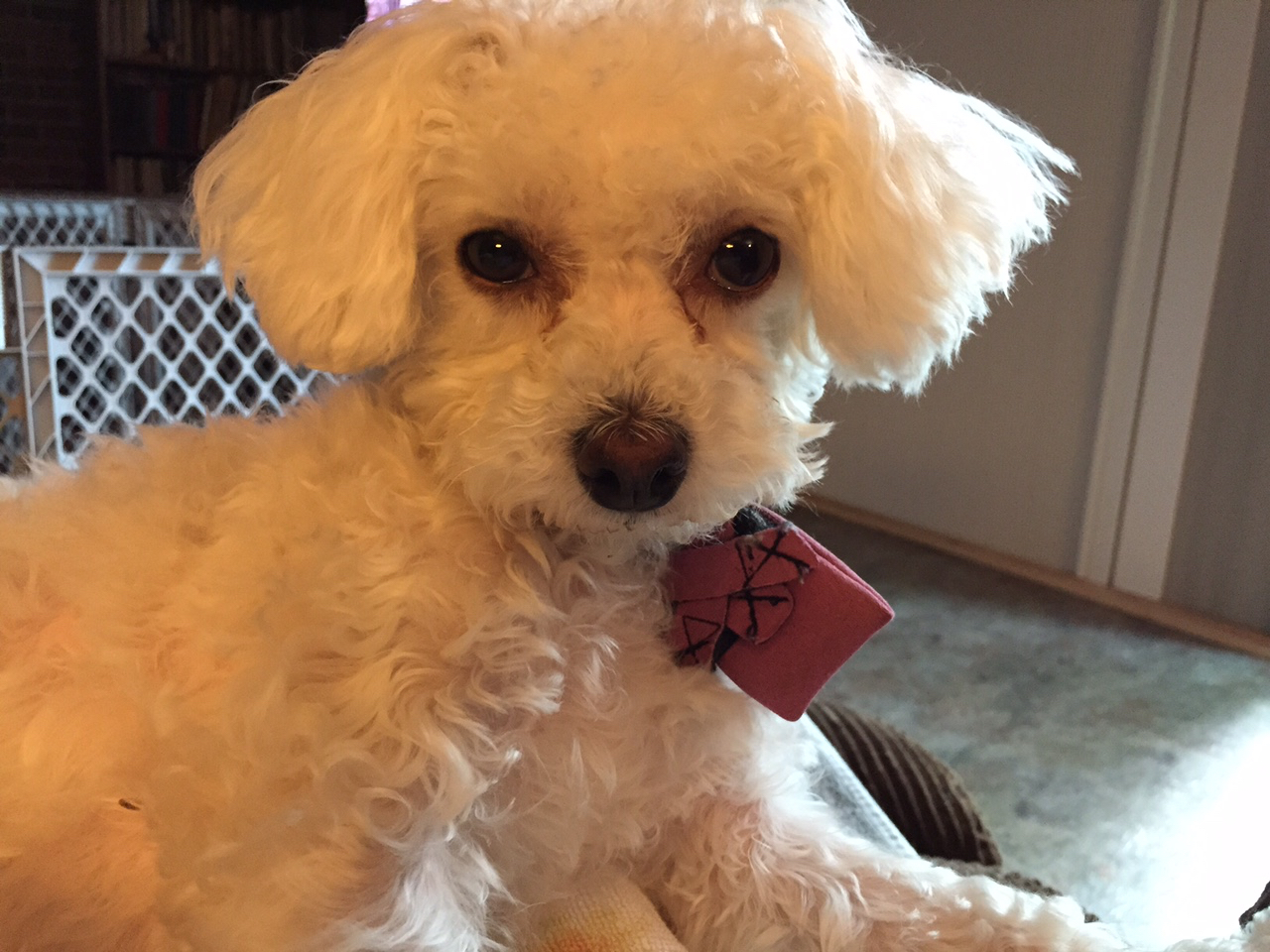
What’s a healthy solution? The first thing I considered when I retired was something I could never do during my teaching career – go out and buy two (adorable) puppies! Similar to the exhaustive physical demands of babysitting grandchildren, caring for my “Brewster” (yorkie-poo) and “Gracie” (bichon frise) has consumed every free moment! Just look at their picture above and you will instantly know the rationale behind my wife’s and my commitment!

Well, the good news is… now my weight, blood pressure, and cholesterol are down! For me, the secret is dog walking! According to the new app that suddenly appeared during an update of my iPhone iOS, I am now averaging 12,000 steps every day, at least five miles (and some days as many as nine!)… and the lion’s share is due to the doggies! To me, walking is a wonderfully peaceful and reflective stress eliminator, and puts me in a good frame of mind. No matter the weather or the season, my “pups” will help me stick to my plan of low-impact fitness training! Isn’t that why they say pet owners live longer?

In conclusion, retirement is a good time to “pump up exercise!” For more specifics, check out the USATODAY online article at http://www.usatoday.com/story/money/personalfinance/2014/01/19/retirees-exercise-physical-activity/4262151/.

Of course, first consult your physician on what type of physical regimen would be good for you!

I will leave you with this summary from the Livestrong Foundation:

Exercise can have profound effects on a senior citizen’s vitality and overall well-being. Staying active can help to reduce pain and stiffness, improve energy levels and increase strength. Older adults who exercise are more mobile and independent. Senior citizens need to get a mix of four types of exercise: endurance, strengthening, stretching and balance. Your routine can be simple and does not have to involve elaborate or expensive equipment.

PKF

© 2015 Paul K. Fox

Are You Ready? Thoughts on Retirement for Music Teachers

Life and retirement are truly journeys… which means getting there is more meaningful than being there.

Now beginning my third year of retirement from the public schools, I can honestly make the statement… I LOVE IT! For me, I cry out HURRAY for the FREEDOM, and enthusiastically take on exploring raising puppies, home improvement, more personal music making, conducting, writing, photography, community service, and volunteer work. And, as you can imagine, my calendar is as full as it has ever been!

However, not all of our newly retired colleagues feel the same way… at least, not at first. It should be said that not everyone may be ready to retire. Often heard employment complaints aside, “be careful for what you wish!” In general, few are ambivalent about this transition… leaving the day-to-day highly pressured, detailed, “rat-race” most music teachers embrace to jumping into the wide-open horizons of new vision, focus, and directions. Recent retirees either love or hate this “passage.”

Examine your motives and your inner thoughts. Are you ready to retire?

Retirement should not be about “escaping from” something but “journeying to” something else. The type-A-ness in most of us, strong connections and identity to our work, music classes, ensembles, and programs, has to relinquish control over our 24-7 lives… allowing time to rest, reflect, re-energize, and make new goals. This means you rarely look back or live in the past; you look forward and plan new challenges!

Just as I made the decision to retire from teaching full-time strings/orchestras, serving as Performing Arts curriculum leader, and managing a hectic schedule of music and theater extracurricular activities, I wrote an article for PMEA News (the state journal of the Pennsylvania Music Educators Association), citing the wisdom of many others on this topic. (See “Retirement! Now What? Tips for Retirees and Soon To Be Retirees” below from the Fall 2013 PMEA News.) You are invited to examine these areas of help and inspiration before you consider when and how to make this life-changing (but glorious) “metamorphosis!”

Also, for more resources, I encourage you to peruse the retired members’ section under “focus areas” of the PMEA website: http://www.pmea.net/retired-members/

CLICK HERE for Retirement Article in PMEA News

PKF

© 2015 Paul K. Fox