“Self-Realization” ― The Key to Resolving Retirement “Conundrums”
Most gerontologists agree that a period of adjustment will occur during the first years of “interning” as a retiree. Even more crucial is the “pre-retirement” or “imagination” stage of retirement – (see https://www.usatoday.com/story/money/personalfinance/2014/10/12/five-stages-of-retirement/16975707/ or http://www.investopedia.com/articles/retirement/07/sixstages.asp…) involving your preparation six to ten years prior to “taking the big leap” to FREEDOM!
Have you considered a few “terms of transformation” below that are all-to-common to soon-to-be-retirees undergoing that life-changing transition to “living their dream?” How should you unravel these “conundrums” or mysteries of transitioning to retirement?
- Self-Identity and Change
- Free Time
- Energy and Fortitude
- Losing Control and Perpetual Care
The only solution to “softening the blow” of the possible turmoil and incongruity brought on at this time is to follow the Boy Scout rule… BE PREPARED.
 That means, according to TIPS Retirement for Music Educators by Verne A. Wilson (MENC 1989), at least three years before you leave your full-time employment:
- Sit down with your spouse if you are married (and other family members) and plan ahead carefully.
- Decide when you want to retire. Estimate as accurately as possible what your economic situation will be after you retire.
- Decide where you want to live after you retire. This means not just the neighborhood, city, or state, but also the kind and style of residence… retirement community, one-floor ranch, apartment, etc.
- Set some goals regarding how you want to spend your retirement time. Focus on your talents and abilities instead of looking at the handicaps that may come with the aging process.
- Be prepared for “change” and learn how to accept it, and be willing to embrace new opportunities for personal growth, flexibility, and adaptability.
- Be sure your intentions are clearly stated in writing (wills, power of attorneys, living wills, etc.)
Now, to define your “life’s goals” and anticipate several of the “big issues,” read on!
SELF-IDENTITY & CHANGE: Who am I?
The prep and passage to your “golden years” is the perfect time to a little self-reinvention based on self-assessment towards finding purpose, meaning, fulfillment in your life. There are many publications that promote personality and interest surveys to point you in the right direction and help synchronize your goals with your spouse, “significant other,” other family members.
 Robert Delamontagne writes in detail about using the enneagram as an evaluative tool in Honey, I’m Home: How to Prevent or Resolve Marriage Conflicts Caused by Retirement (Fairview Imprints, 2011) and The Retiring Mind: How to Make the Psychological Transition to Retirement (Fairview Imprints, 2010).
The definition of enneagram is “a system of classifying personality types that is based on a nine-pointed star-like figure inscribed within a circle in which each of the nine points represents a personality type and its psychological motivations (such as the need to be right or helpful) influencing a person’s emotions, attitudes, and behavior.” And now, the essential question: Are you and your spouse or significant-other “compatible” and facing your retirement future “on the same page?”
I have come to learn that different people process life-changing events in various ways, depending on their personality type. You slam a hard-charging personality type with an achievement addiction into an unplanned, downsized retirement life and you won’t see stress like this unless you invested your retirement money with Bernie Madoff.
― Robert Delamontagne in The Retiring Mind: How to Make the Psychological Transition to Retirement
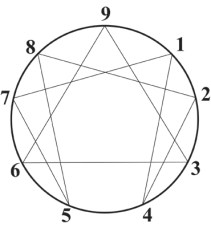 Delamontagne labels the characteristics of each E-Type. After reading his book, which ones are closest to resembling you and your spouse?
- E-Type 1: The Master
- E-Type 2: The Enchanter
- E-Type 3: The Star
- E-Type 4: The Drama Queen
- E-Type 5: The Solitary Mystic
- E-Type 6: The Closet Rebel
- E-Type 7: The Cruise Director
- E-Type 8: The Conquistador
- E-Type 9: The Harmonizer
Approaching it from an individual retiree’s quest for self-reinvention in their book Shifting Gears to Your Life & Work After Retirement (New Cabady Press, 2013), Dr. Carolee Duckworth and Dr. Marie Langworthy offer self-assessments and analyses with the four-letter personality type code in Chapter 6: “Reinvent Yourself” (see the Myers-Briggs Personality/Cognitive Style Inventory Test at http://www.personalitypathways.com/type_inventory.html and TypeLogic Profiles at http://typelogic.com/index.html) followed by the Interest Profiler in Chapter 7: “Rediscover Your Work” (see https://www.cacareerzone.org/ip).
 On their book jacket, Duckworth and Langworthy promote their work as “a call to action on your own behalf” to:
- Jump start your newly invented personal and professional retirement ― your Next Phase life and work.
- Create your own custom road-map to how Baby Boomer YOU will live your last and BEST personal opus, with vitality, enthusiasm, and enjoyment.
These sections from their reading were also very interesting to review: the 10-point Retirement Countdown, 7 “What Comes Next” Pathways, a 5-Step Process to Create Your Retirement, and 5 Major Types of Retirement Work Options.
In a similar fashion, before you finish the first three dozen pages of The Joy of Retirement, authors David C. Borchard and Patricia A. Donahoe introduce the Life Vitality Assessment and a Transition Readiness – Change Aversion vs. Attraction poll to assist in your self-analysis.
The book develops the “Core Themes for Your New Life,” with the hopes to assist you in re-creating a new life involving the following four phases:
- Envisioning the nature of the kind of future you desire.
- Articulating that picture into the written word.
- Claiming your passion once you are clear about what it is.
- Developing a plan or a map for getting where you want to go and for achieving who you want to be.
 Life Themes Profiler, a comprehensive assessment tool developed by David Borchard and laid out initially in Chapter 4, will help you understand and graph the retirement themes and “your intentions for the next chapter of your life.”
They say that 50 is the new 40. If you’re over 50, chances are you feel more vital, energetic, and passionate than ever. While you may be ready to retire, you may not be ready to stop working entirely. These days, life after work no longer conjures up images of couples wandering the malls, playing golf, and taking endless Caribbean cruises. As baby boomers reach their 50s and 60s, they are re-defining what it means to retire. What they want is joy, vitality, and meaning in their lives.
― Back cover of The Joy of Retirement
At the very least, these book resources may open-up new pathways to define your values, personality, temperament, and what may “float your boat” in selecting future service projects, “encore careers,” and hobbies.
Now, get busy on these and “the rest of your life!”
FREE TIME: Where do all of our hours go?
There’s never enough time to do all the nothing you want.
― Bill Watterson, Calvin and Hobbes
It’s a good thing I have that Calendar app on my phone, or I would never remember all of the unique, non-repetitive, and less predictable appointments that I make as a retiree.
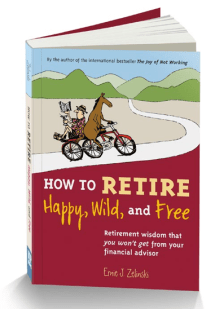 Obviously, fulfilling your “bucket lists” and goals will influence the structure of your daily/weekly schedule. According to Ernie Zelinski, with or without “a job,” you need to find a “work-life balance” and devote equal time to these essential priorities:
- Job or Volunteer Work
- Family, Relationships
- Friends and Colleagues
- Community Activities
- Self Care – Sports/Exercise
- Religious/Spiritual Philosophical Concerns
- Hobbies/Interests
- Future Plans/Projects
In his book, How to Retire Happy, Wild and Free (Ten Speed Press 2016), Zelinski lays out his “plan” for finding purpose (and prioritize time) in his life:
- To make a difference in people’s lives
- To make a contribution
- To find creative expression
- To take part in discovery and challenge
- To help preserve the environment
- To accomplish or achieve a challenging task
- To improve health and well-being
 Dave Hughes echoes these sentiments with his “four essential ingredients for a balanced life” in the book Design Your Dream Retirement: How to Envision, Plan for, and Enjoy the Best Retirement Possible (2015):
- Physical activity
- Mental stimulation
- Social interaction
- Personal fulfillment
Watch out for what I will call “the caretaker’s anchor.” One of the greatest things you can do in retirement is to surround yourself with young people… As many wise people have said, “They will keep you forever young!” However, unless you want it to be the primary focus of your life, your babysitting duties should not take over your entire retirement schedule. It is easy for your love ones to assume that since you no longer have a full-time job, you can assume the responsibility of serving as the “safety net” or even the number one full-time caregiver for your grandchildren and grandnieces.
Several additional time management tips:
- If you are married, synchronize your schedule with your spouse.
- Set aside at least 30-45 minutes a day for sustained physical activity.
- Avoid watching more than an hour and a half of television per day. Experts say this is not healthy.
 Do something every day that will expand your mind, stimulate your intellect, or increase your curiosity quotient.
- Hobbies that focus on self-expression or other creative pursuits are best enjoyed in the morning when you are fresh. You might consider doing your music warmups, practicing, composing, writing, painting, etc. ― anything that requires firing up your artistic “right brain”― before lunch and prior to your appointments, chores, and shopping. Besides, if it’s something you really look forward to doing, it will help motivate you to get out of bed early in the morning.
- Get enough sleep. Believe it or not, many retirees have re-occurring bouts of insomnia. Check out “Retirement Insomnia” by Claire N. Barnes at HUFFPOST: http://www.huffingtonpost.com/claire-n-barnes-ma/retirement-insomnia_b_6395998.html.
It’s 3 a.m. and I’m awake! How many of you boomers have this experience? As the Inspirement journey continues, I have been surprised to learn how common insomnia is among retirees. Forget all the advice suggesting that when you retire, you can sleep more (or longer…. or later). The practical reality is a large percentage of retirees experience insomnia or sleep difficulties.
 Although the exact number of boomers and seniors who experience sleep problems is hard to pinpoint, a national study of our aging population suggests nearly 42 percent of those surveyed have sleep difficulties. That figure is beyond an epidemic.
― Claire N. Barnes
ENERGY & FORTITUDE: What happened to my stamina and endurance?
Participating in several extra-curricular programs (marching band, fall play, after-school strings, spring musical, etc.), my hectic music teacher weekday work routine began at school around 6:30 a.m., and often I did not make it home until after 9:30 p.m. Since retiring in 2013, I volunteer at the hospital several days a week pushing patients in wheelchairs (with some of our discharges weighing over 300 pounds!). Considering that 15 hours use to be my daily norm, I keep asking myself: “What’s up with my needing to take a ‘power nap’ after only three hours of a moderate physical activity?”
Aerobic activities, strength training and flexibility exercises can help retirees preserve muscle and bone mass, feel young and be better able to do the activities of daily living, such as putting items on shelves and even holding the grand-kids.
― Felicia Stoler, registered dietitian and exercise physiologist in Holmdel, N.J.
 Regular physical activity is a must. Quoting from a future article I plan to submit to the state journal of Pennsylvania Music Educators Association PMEA News: “The definition of ‘exercise,’ especially in order to receive cardiovascular benefits, is to raise your heart rate for 30 minutes or more. Leaving your La-Z-Boy to let the dogs out or looking for the remote does not count!”
Actually, taking the dogs out for a long walk may be a good idea, but you need to move at a fast pace. Stopping to talk to the neighbors down the street or allowing the pups to slow down and sniff every bush, may not bring the health benefits you desire.
The best tip prior to adopting an exercise program in retirement is to see your doctor.
Here are a few Internet resources:
LOSING CONTROL & PERPETUAL CARE: Should we expect our children to take care of us in our old age?
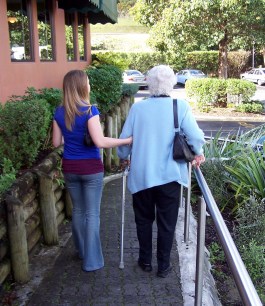 This final category of “pre-retirement planning” has everything to do with living with independence and security as we grow older. Many Baby Boomers just starting their retirement journey may not actually see this as “a big deal” right now. However, developing a long term “backup plan” for maintaining our health care, mobility, and comfortable living is critical. Again… we must think ahead!
As a “senior” with no children, nephews, or nieces, I again seek the advice of experts.
First, visit Kathy Merlino’s recent blog for a good introduction on this subject, especially as it applies to your children becoming the adult caregivers: https://kathysretirementblog.com/2017/07/23/should-your-kids-take-care-of-you/.
She is very eloquent in her “independent-living manifesto”― being actively involved in her children’s lives but NOT leaving them the ultimate chore of “taking care of mom!”
The primary reason for my planning for independence is my children. I’d like for them to live unfettered with my care. They have their own lives, spouses, children and now, my oldest daughter, has her very first grandchild. Taking care of myself is the best gift I can give them…
We, as parents, should never expect our kids to resign from their lives to care for us. It is up to us to care for us. We owe it to our children to stay physically active, to eat a healthy diet, to pursue our passions, to stay mentally sharp, to develop a community of friends of our own, to stay spiritually true to ourselves. And, if necessary, live in an assisted living community. That is the best legacy we can leave them.
― Kathy Merlino
Consumer Reports offers an excellent online article “Healthy Aging in Your 80s and Beyond – 5 Tips to a Long, Healthy Life,” recapping the above advice on physical fitness and offering a few recommendations on how to live independently: https://www.consumerreports.org/cro/magazine/2014/06/healthy-aging-into-your-80s-and-beyond/index.htm.
 Fifty-five percent of our respondents wanted to stay in their own homes, with help as needed, as they got older and required more care. But a recent AARP survey revealed that only about half of older adults thought their homes could accommodate them “very well” as they age; twelve percent said “not well” or “not well at all.”
“The time to think about your housing options is when you first retire and are relatively healthy and young,” said Linda Fodrini-Johnson, a geriatric-care manager in Walnut Creek, Calif. “You need to think realistically about the things that might happen over the next 20 years.”
― Consumer Reports, June 2014 issue
I like a few additional resources on the web:

CONCLUSION ― Food for Thought!
Gerontologists like Ken Dychtwald and Robert Atchley contribute loads of research and recommendations for the “imagination” (pre-retirement), “anticipation,” and “liberation” stages of retirement. They provide the basis for all the concern and rush to reflect on senior self-realization and dodge anticipated problems we may encounter during this period. One quote from TIPS Retirement for Music Educators by Verne A. Wilson sums up the need for a concerted effort in “advance planning” to enjoy and find meaning in your post-employment “new dreams and horizons!” Conquer your own retiree “conundrums!”
If you were planning to spend the rest of your life in another country, you would want to learn as much about it as possible. You would read books about the climate, people, history, and architecture. You would talk to people who had lived there. You might even learn a bit of its language. Old age is like another country. You’ll enjoy it more if you have prepared yourself before you go.
― B. F. Skinner and Margaret Vaughn in TIPS Retirement for Music Educators
PKF
© 2017 Paul K. Fox
Photo credits from FreeImages.com (in order): “Sunset Years” by Bill Davenport, “Shiny Brain” by artM, “Running in the Morning” by Patrick Nijhuis, “Helping the Elderly” by Melodi2, and “Romanticism” by Claudia Meyer

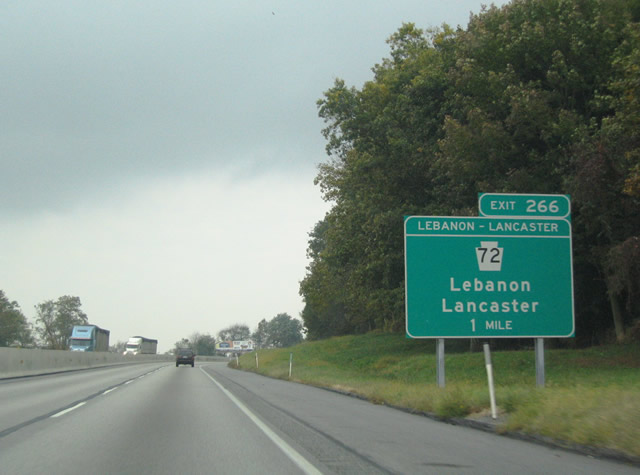
 I hate the Pennsylvania Turnpike… but I’ll get over it!
 Soon I will be attending my 51st PMEA conference (counting springs and summers). I always feel a little nostalgic this time a year when I recollect all of those PMEA District, Region State, and All-State festivals, the latter held in conjunction with the music educators conference. I’m also remembering all the times I took my students to these events, capturing memories of specific individuals, singing in their choral parts in the car, swapping old stories about previous orchestras, choirs, and conductors, and providing a few last-minute tips on how to take auditions.
 privilege of keeping “in tune” with fellow retirees, active practitioners, and even members of our PCMEA pre-service music teachers. This has stimulated my mind, kept me current, made me a better listener, and fostered a lot of moments of satisfaction knowing that I can still help dedicated professionals in the career that I devoted most of my life.





 The music parents are another matter. I had great support of both the band/string parents and my loyal “theater angels” throughout my career, and I made sure to attend meetings as early as possible to tell them “in person” my future plans so that they did not have to rely on those “rumors on the street!” One advantage I had was I lived in the district. I promised to roll-up my sleeves and support a fund-raiser or two, and was able to attend numerous concerts and musicals to support my “extended family” as a nonjudgmental retiree.
 In Pennsylvania, we are fortunate to have the

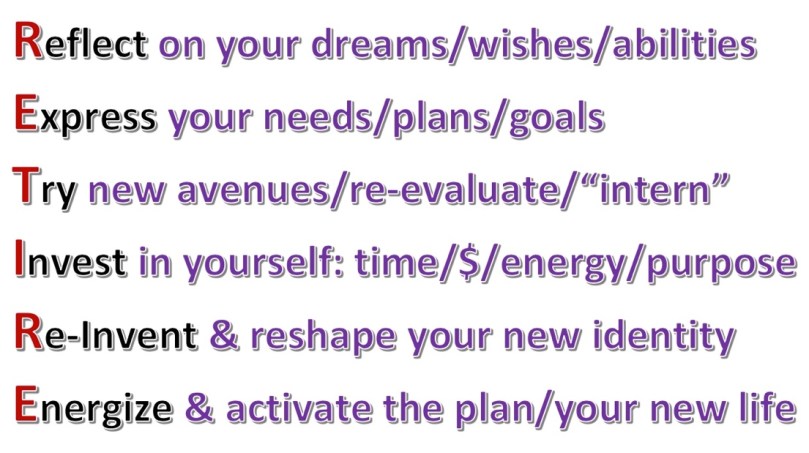
 The “new” definition of retirement includes a unique collection of synonyms. Gone are the designations “seclusion,” “privacy,” “withdrawal,” “retreating” and “disappearing” based on archaic models of retiring when the average life expectancy at birth in the 1800s was 38 and in the 1900s was 47. (Merriam-Webster and others still show these words on their online dictionaries!) Now, some of the more creative descriptors for retirement are “renewment,” “rewirement,” “rest-of-life,” “second beginnings,” and “reinvention.”

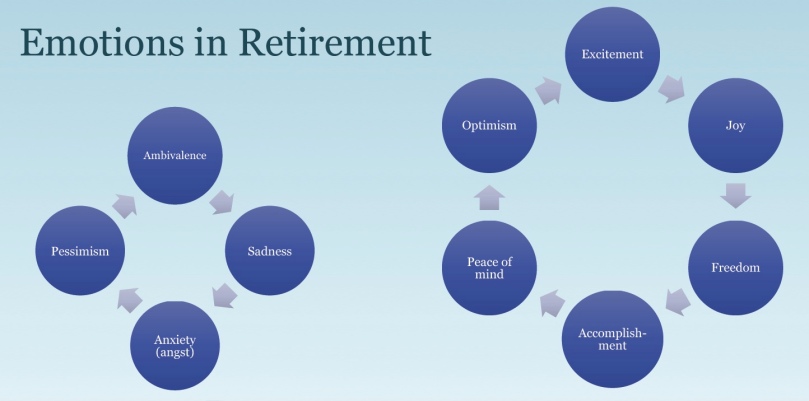
 Feeling you were “kicked to the curb,” “downsized,” “minimized,” or somehow “forced” to resign or retire comes from many scenarios:
 In retirement, this can be frustrating. You can’t tell somebody else how to run their operation. Some people do not want to hear criticism, nor do they care what your opinion is, nor do they want to change their traditions or fine-tuned (?) step-by-step procedures. You on the other hand want things to improve, e.g. better training, more consistent application of the rules, etc., and therefore you feel “unrequited stress.”
 However, invest your time wisely. Retirees deserve a life of their own and opportunities for unstructured “time-off.” Don’t forget the other items on your “bucket lists” (like travel, “encore career,” and volunteering). Serving as your family’s childcare “safety net” is nice, but don’t let this schedule dominate everything you do in your retirement… trading one job for another… with no financial compensation (but a whole lot of fun, I know).
 Again, that focus on “first things first” (remember the book of the same name by Stephen Covey?) and “take care of yourself, too!”













 PSERS (PA pension fund) Planning: 12 months or more away from your projected retirement date, attend a “Foundations for Your Future” program (even attend it more than once), and request a retirement estimate (form PSRS-151), after which you will need to schedule the all-important “Exit Counseling Session.”

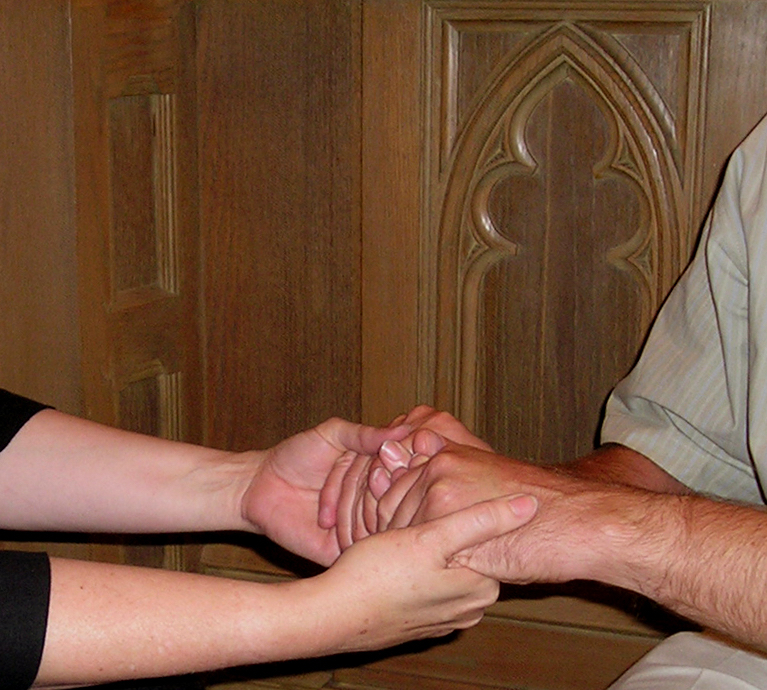
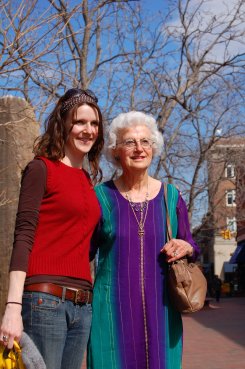 As we progress through our “golden years,” you may have noticed you had to switch roles with your parents or other elderly relatives… you’re becoming more the parent, advisor or “boss,” and they are more needy and have reverted to being the “child!”

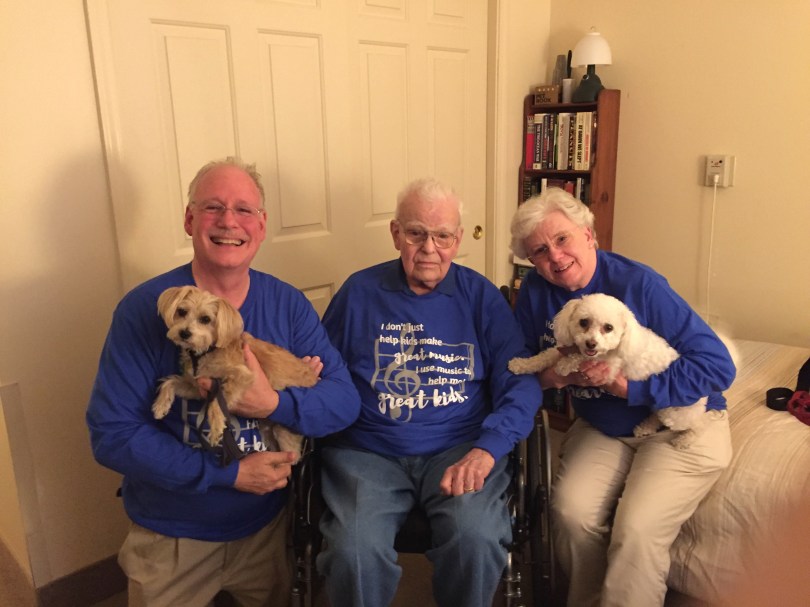
 Reprinted from the Winter 2016 PMEA News, the state journal of the Pennsylvania Music Educators Association.
 “Dogs in particular can reduce stress, anxiety, and depression, ease loneliness, encourage exercise and playfulness, and even improve your cardiovascular health.”
 Once you reach full retirement, you may find yourself with a lot more “freedom” and time “at-home” to share with your spouse, other loved ones (babysitting grandchildren/ nieces?), friends, personal music-making, hobbies, and pets! Indeed, this may be the first chance you have to go out and rescue a dog from an animal shelter. Full-time music teachers with those incredibly packed schedules of after-school/evening marching band practices, choir, band, orchestra, jazz, musical, and/or dance rehearsals and performances, their own concert gigs, private lessons, etc. may not be able to properly care for a dog by themselves. The only reservation to bringing a new dog into your home is if you plan to take a lot of long trips in retirement. Perhaps then, you can revisit the option of animal adoption after taking several cruises, safaris, and cross-country road trips. Pets need your love and attention!
 Several of my own experiences “learning and growing” with Brewster (a yorkie-poo) and Gracie (a bichon frise), “new children” added to my household immediately after retirement, are shared at
  So f
So f or what are you waiting? Go out and find a dog or cat to rescue… or at least pet one! You’ll be glad you did!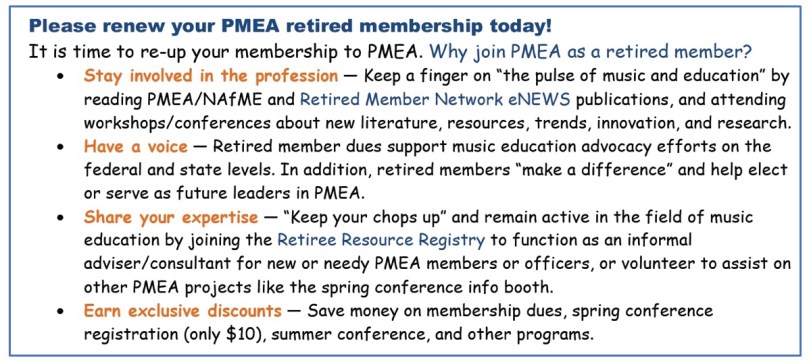

 is the most essential “tech tool” to maintain your “now busier than ever” daily/weekly plan.
 r as changing my passwords. Everyone knows, with hackers lurking around every corner of the Internet, you are supposed to do two things: have a different password for each application, and from time to time, change these passwords. They should not be something someone else could guess, like “1234” or your phone number or the nickname “foxy” for me. A “good” password should utilize numbers, capitalized letters and small-case, and special characters like $, &, or underline. Using a password manager program like
  Girls three-part movie or The Crown (Netflix), all I have to do is go into another room, fire up my computer’s browser, and check out the latest video podcast of
  One of my hobbies furthest from a career in music education has to do with collecting and reading books about World War II, particularly U.S. Navy, submarines and surface fleet. One of my fellow hospital volunteer escorts, a veteran of the Vietnam war, turned me on to the free classic online episodes of T.V. series The Silent Service, for example the 25-minute 1957 broadcast of
 Powered by artificial intelligence, other voice-activated virtual assistants and knowledge navigators including products like Google Home and Amazon Echo (with a different “girlfriend” named “Alexa”) are flooding the market. This should be no surprise… the 21st Century seems to be developing many new inventions of super-automation, not so far from the female-voiced computer interface on the USS Enterprise (Star Trek) that could control everything. Soon you may take a ride from Uber in a driver-less car or “program” the autopilot on your pure-electric Tesla. Do you foresee the time when you will accept your Amazon merchandise or pizza being delivered from the air? What were those drone-operated lights we saw in the background of Lady Gaga’s halftime performance at the 2017 Super Bowl… possible future special effects for HS musicals and marching band shows?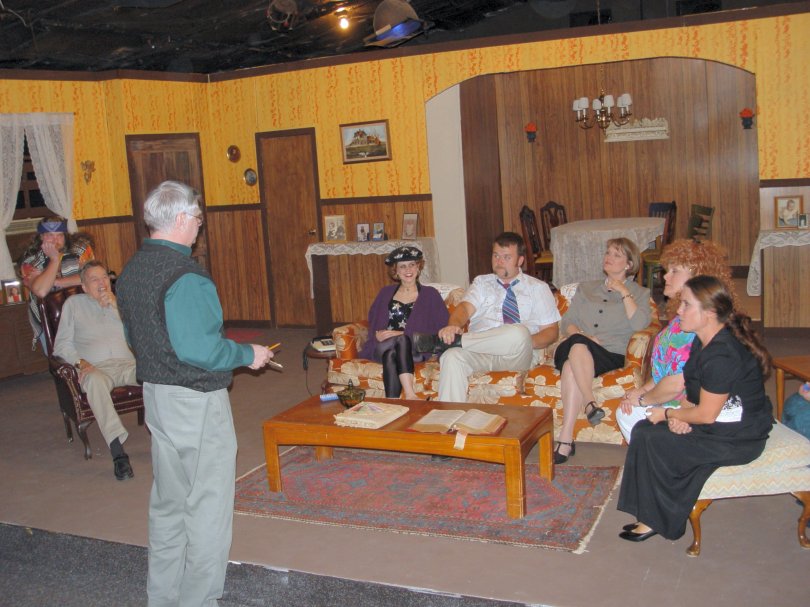
 Reprinted from the Fall 2016 PMEA News, the state journal of the Pennsylvania Music Educators Association
 With the help of PMEA State Director of Member Engagement Joshua Gibson, PMEA retired members researched and compiled a PA community theater directory, to join the listings of bands, orchestras, and choruses posted on the PMEA retired members’ website.
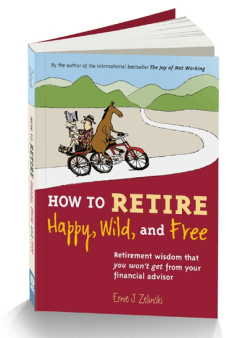 “Two essentials for successful retirement are sufficient funds to live on and sufficient things to live for. You may have the funds and a list of interests, hobbies, and leisure activities that will keep you busy. Nonetheless, if you want your retirement to be satisfying, these activities may not be enough. You may need an overriding purpose.
 paulfox.blog