A Musician’s Guide to Staying Curious and Creative
by Ed Carter
For musicians, educators, professionals and soon-to-be retirees everywhere, guest blogger Ed Carter returns with this article on exploring new pastimes and adventures while “living the dream” during and after full-time employment. What are you planning to be (or do) when you grow up? PKF
Musicians are lifelong learners by nature. Whether you’re a touring guitarist, a bedroom producer, or a choir director, you already know that growth happens when curiosity meets practice. Learning new skills and hobbies isn’t just a way to pass the time—it’s a way to deepen musicianship, prevent burnout, and build a richer creative life. From hands-on crafts to movement and language, the right skill can feed your music in surprising ways.
The Fast Takeaway Most Musicians Need
Learning something new works best when it’s low-pressure, connected to your existing creative instincts, and practiced in short, repeatable sessions. Choose skills that train your ears, hands, body, or sense of story. Let progress be uneven. Consistency matters more than talent.
Skills That Pair Surprisingly Well With Music
Here’s a quick, varied list of skills and hobbies that musicians often enjoy—and actually benefit from:
Cooking: Teaches timing, improvisation, and sensory awareness
Gardening: Builds patience, seasonal thinking, and long-term care
Photography: Sharpens composition, contrast, and mood
Sewing or basic clothing repair: Encourages precision and rhythm
Dancing: Improves mood, posture, and body awareness
Visual art (drawing, painting, collage): Expands emotional expression
Learning a new language: Trains listening, phrasing, and memory
Playing a second (or third) instrument: Resets beginner’s mind
Each of these taps into skills musicians already use—just in a different form.
A Simple How-To for Learning Any New Skill
Use this checklist-style approach to avoid overwhelm and keep momentum:
Start smaller than you think Commit to 10–15 minutes a few times a week. That’s enough to build a habit.
Choose tools, not perfection One good knife, one sketchbook, one dance class, one app. Avoid overbuying.
Practice in public (a little) Share a photo, cook for a friend, attend a beginner class. Light accountability helps.
Connect it back to music Ask: How does this change how I listen, move, or think creatively?
Let yourself be bad Beginners progress faster when they’re not trying to impress anyone.
Learning Skills Side-by-Side: A Comparison
When a Hobby Turns Into a Calling
Sometimes a skill stops being “just for fun.” You fall in love with it, invest more time, and start wondering if it could become part of your career. Many musicians eventually return to school to formalize a passion—whether that’s audio engineering, education, therapy, or technology. Finding a program that supports your interests matters; for example, if you want to build skills in IT, programming, and computer science theory, earning a computer science degree can open doors, and this may be a good option. Online programs can be especially helpful for busy musicians, allowing you to study around rehearsals, gigs, and tours.
A Resource Worth Exploring
If you’re curious about picking up creative skills at your own pace, Skillshare offers beginner-friendly classes in photography, illustration, writing, productivity, and more. Many courses are short, project-based, and taught by working creatives.
Frequently Asked Questions
Do I need to be “talented” to start a new hobby? No. Skill comes from repetition, not personality traits.
How many hobbies is too many? If you feel scattered or stressed, scale back. One or two at a time is plenty.
What if I quit? Quitting is data. You learned what didn’t fit—and that still counts.
Final Thoughts
Learning new skills and hobbies keeps musicians adaptable, curious, and creatively healthy. You don’t need a master plan—just a willingness to start small and stay open. Some skills will quietly support your music; others may change your direction entirely. Either way, the act of learning itself keeps you in tune with growth.
According to the Smithsonian, 2026 is “The Year of the Fire Horse.”
The Chinese Lunar New Year begins February 17, 2026, and starts the Spring Festival season that ends fifteen days later on the evening of the Lantern Festival. The Chinese zodiac rotates through a 12-year cycle of animals and the traditional five elements: wood, fire, earth, metal, and water… The horse ushers in the seventh year of the 12-year cycle, following the Year of the Snake. Different regions across Asia celebrate Lunar New Year in many ways and may follow a different zodiac. – Smithsonian
The Horse embodies enthusiasm, speed and fieriness, bringing a year focused on bold moves and exploration, according to Chengxin Li from Astrala. Those born in a Year of the Horse are often seen as confident, agreeable, and responsible, although they also tend to dislike being reined in by others. Celebrities born in a Year of the Horse include Nelson Mandela, Paul McCartney, Barbra Streisand, Calvin Klein, Jerry Seinfeld, Jackie Chan, John Travolta, Janet Jackson, Usher, Kobe Bryant and Jennifer Lawrence. “In their zodiac year, Horses experience highs and lows in love, work, and health. Breakthroughs are possible through persistence, while balanced self-care and steady finances ensure long-term success,” according to Sophie Song from Astrala. – Lauren Kobley
Colligating these online sources, one might say that this could be the year we all embrace “enthusiasm,” “exploration,” “breakthroughs,” “boldness,” and “persistence.” In other words – “professional development!”
I heartily recommend you remain actively involved in your professional music/education association and attend at least one state or national conference or regional workshop every year. Yes, this suggestion is good for pre-service (collegiate or soon-to-be) educators and retirees, too! This often-repeated quote from a past issue of PMEA Retired Member Network eNEWS clearly states “the why” (“rationale” – the focal point of many keynoter Simon Sinek’s presentations) to participate in continuing professional development sessions:
For some of us, it’s a just chance to catch-up with our colleagues, see our friends, and socialize. Others are more focused and take advantage of the near-perfect opportunity to network with other professionals, perhaps seeking new working relationships, partnerships, or even employment. Many are on a look-out for newly published music, that perfect music lesson or teaching strategy, technology tools, fundraisers, advance educational venues, or much-needed equipment to purchase for our ensembles or classrooms. Most come to hear/see the “state of the art” in music education – concerts, demonstrations, keynote speeches, panel discussions, exhibits, research presentations, and workshops. PMEA’s PD Council would likely submit that the primary purpose of a conference is for professional self-improvement… What did Stephen Covey call it? His Habit #7 of “sharpening the saw” – to build a balanced program of self-renewal in the four areas of your life: physical, social/emotional, mental, and spiritual. Covey would insist we embrace “the process that empowers us to move on an upward spiral of growth and change, of continuous improvement.” So, in short, conferences help us “grow” – to revive, re-inspire, re-energize, rejuvenate, re-direct, and re-motivate all of us – pre-service, active in-service, and retired teachers towards making successful new connections, updating our knowledge and skills, and forming new goals. This is how we “keep up” with all the new standards, benchmarks, and cutting-edge advances, and meet the “movers-and-shakers,” visionaries, and leaders in the profession!
Where to go? What to see? What’s YOUR pleasure? Pick a location: Washington D.C., Baltimore, or The Poconos in Northeastern Pennsylvania! I’ll be attending all three!
DCMEA
The earliest conference workshop series on my docket for 2026 is coming up in three weeks: DCMEA Winter Conference. For out-of-town attendees, DCMEA offers a discounted hotel stay at the Line Hotel D.C.
Keynote Speaker: Nationally recognized leader, educator, and advocate, NAfME Past President Scott Sheehan will present ideas to ignite your passion and commitment to a fulfilling career in music education.
I feel privileged to have been invited to present the following three sessions at DCMEA Winter Conference.
Self-Care Cookbook – Reflections, Recipes, and Resources
Description: The purpose of this session is to empower teachers with skills and attitudes needed to make informed decisions to promote their own lifelong health and wellbeing, and to remediate stress and burnout. With the introduction of new resources for self-assessment and study, we will explore these essential questions:
What are suggestions, strategies, and samples for the development of a personal self-care plan?
Why is it essential to personal health to achieve balance in our lives, and how can we achieve it?
How does dedication to wellness impact the risk of illness, injury, and the quality of a person’s life?
What are the consequences of our choices in terms of time and stress management?
How do effective decision-making skills and goal setting influence healthier lifestyle choices?
This workshop will provide the takeaway of “two-for-one” follow-up slide decks: Self-Care (1.0) to foster in the individual teachers themselves the acquisition of new techniques for self-assessment, self-care goal setting, and work/life balance, and the other, Self-Care 2.0 recently presented at the PA Department of Education’s state conference SAS INSTITUTE for school leaders to cultivate in their staff better habits of health and wellness and to improve school climate and culture.
Description: The presentation will touch-on various legal issues, the ethical framework necessary to guide teacher decision-making and the avoidance of unacceptable “appearances or actions,” and precautions for the use of digital communications and social networks. Sample success stories, “exemplars,” and resources for the safe use of tech tools and applications of social media/remote/alternative/distance learning will be shared.
All Aboard the E3-Train! ⏤ Essential Educator Ethics…
and introducing NASDTEC’s Model Code of Ethics for Educators
Description: Teachers make thousands of decisions every day resolving conflicts in pedagogy, enforcement, resource allocation, relationships, and diversity. Many of these are “snap judgments” relying on gut feelings, intuition, past experiences, and a personal moral compass. And, although Johnny Cash may have sung “I walk the line…” in his love song, in education it is often a perilous “fine line” to maintain the standards and appearances of professionalism, integrity, and ethical codes both in and outside the school community.
This workshop will foster interactive facilitated discussions on risk assessment and resolution of ethical disputes and “conundrums” both in and outside the workplace. We will introduce the National Association of State Directors of Teacher Education and Certification Model Code of Ethics for Educators (MCEE) and empanel a mock jury of volunteer attendees to analyze and judge sample (real or hypothetical – “what would you do?”) scenarios for new perspectives in managing day-to-day decision-making in music education.
MMEA
Our next professional development journey takes us to the three-day MMEA Annual State Conference in Baltimore.
Keynote Speaker: John Jacobson, a celebrated author and composer whose musicals have been performed by millions of children worldwide. Session is sponsored by Musicplay.
My session The Interview Clinic will be presented on Saturday, February 21 at 10:00 a.m. in Room 325. Geared to the coaching of college music majors, pre-service, unemployed, educators in transition, or those teachers seeking new positions, this workshop will provide hands-on interactive exercises to improve candidate performance at employment screenings.
Description: How do you get to Carnegie Hall? Practice, practice, practice! How do you succeed at job interviews? Practice, practice, practice! Are you looking for your first job over the next year or so? Or, are you trying to “move up” to a better position? This workshop will provide hands-on tips, tricks, techniques, and trial exercises for developing skills in professional marketing, branding, storytelling, and networking.
The valuable resource, The Ultimate Interview Primer for the Preservice Music Teacher, will be shared archiving an extensive library of supplemental self-help links to interview questions, good/bad habits at employment screenings, and additional strategies for landing the job you always wanted.
PMEA
It probably will not come as a surprise to readers of this blog that my favorite professional development venue is the Pennsylvania Music Educators Association Annual Conference… of which I have missed perhaps only three of these “celebrations” over nearly five decades of involvement in music education, all starting with my HS participation in PMEA All-State Band (tuba) and PMEA All-State Orchestra (viola). PMEA Annual Conference is the main event providing “state of the art” keynoters, clinicians, educators, expert innovators, performers, curriculum designers, and supportive vendors, and more than any other source, probably has had the greatest influence on sustaining my growth as a music educator. Like many other “diversified colleagues,” throughout my career I had to go through transitions of teaching new grade levels and content specialties (although orchestra and strings were my “thing,” new job assignments required retooling and fostering renewed skills in music theory, technology, choral, musicals, and even elementary band)… and PMEA’s professional development offerings were always my “go to!”
If you live in or near the Commonwealth, you should drop everything today and register for the PMEA Annual Conference at the Kalahari Resort in the Poconos.
I am happy to announce that I will present/facilitate several sessions at PMEA’s Scaling Heights 2026:
April 23: Self-Care Cookbook – Reflections, Recipes, and Resources
April 24: Retirement 101 – Retiree Stories and Strategies
April 25: It Takes a Village – Music Booster Parent and Director Sharing Session
More details about these session will be coming in future blog posts.
These conferences are only the tip of the iceberg! If you need to consider other MEA sites or more convenient locations to where you live, peruse the NAfME website here, where there is a quick count of more than 52 (state) music education associations, most with one or more conferences per year!
So, now are you interested in galloping or just trotting through The Year of the Fire Horse? Make a New Year’s Resolution to attend one MEA event in 2026. Apathy is not an option! Excuses will NOT be accepted!
This is an introductory blog-post perusing my early research and resources on supporting educator health/wellness in advance to my presentation Self-Care Cookbook 2.0 – Recipes and Resources for School Leaders for the PA Department of Education’s SAS Institute 2025 state conference scheduled for December 8-10, 2025 in Hershey, PA. Here is the summary description for the workshop:
“Do you find the harried pace of our profession overwhelming and at times crushing when buried beneath decades of keeping our noses to the grindstone and putting everyone else’s needs above our own? Do some of your staff members say they are stressed out, constantly tired, plagued by one ailment after another, or wondering how they’re going to “keep up?” If health is interfering with your colleagues’ abilities to do their jobs and find success, balance, and meaning in their lives, then it is time for change. The purpose of this session is to empower school leaders and teachers with skills and attitudes needed to make informed decisions to promote self-improvements in their lifelong health and wellbeing, to LEARN tools for better time management and to help remediate fatigue, stress and burnout, CONNECT and collaborate with your staff to inspire unique strategies for better personal self-care, and ACTIVATE creative new approaches to foster an improved workplace environment.”
Actually, previous articles at this site have dived into this subject of educator stress, burnout, and the development of a health and wellness self-care plan to build resilience, work/life balance, and reignite our motivation and passion for teaching. For a complete overview, I recommend you revisit these:
(Inspired by keynote speaker/author Simon Sinek): Why is this discussion so important now?
When I mentioned my research to my colleague (and former student) Dr. Timothy Wagner, Principal, Upper St. Clair High School (my former placement for full-time employment), he mentioned that this topic was timely and highly relevant, and suggested that perhaps there might be more statistics and resources “out there” on the stress of health-care workers and first-responders, which I found to be true. However, early looks have shown numerous parallels to the information in my 2023 Self-Care session.
My PDE SAS Institute session will become a “two-for-one” presentation, including the opportunity for school/system leaders, building administrators, and directors of school district professional development to also download my original “Self-Care Cookbook” (1.0) slides, recently updated for the DCMEA Annual State Conference (January 20, 2026). This self-help workshop is geared for educators to “on-their-own” explore strategies, implement use of individualized tools/remedies, and formulate new goals to improve health and wellness. Both sessions hope to cover these key questions:
Why is it essential to personal health to achieve balance in our lives, and how can we achieve it?
How does dedication to wellness lower the risk of illness, injury, and the quality of a person’s life?
What are the consequences of our choices in terms of time and stress management?
How do effective decision-making skills and goal setting influence healthier lifestyle choices?
What are suggestions, strategies, and samples for the development of a personal self-care plan?
Using a facsimile of a prescription pad in Self-Care 1.0, I posed these personal reflections:
How do I usually feel daily throughout the school year?
What are the emotional and physical tolls of my job?
What specific self-care activities do I need to incorporate to recharge and prevent burnout?
What boundaries do I need to set around my work to honor personal time?
What support systems can I build and/or professional help should I seek to create a sustainable practice?
Good ideas…
How can school admins support their staff in dealing with the climbing incidences of health problems, teacher exhaustion, call-offs, evidence of burnout, and high turnover rate? Sorting through a compendium of online research, these recommendations for school leaders occur repeatedly:
Probably should go without saying: Show high visibility (“be seen by all”), recognition, and know everybody’s name. This goes a long way in building a sense of belonging of the staff and students.
Provide more time for breaks and planning. Engage teachers in problem solving teams to identify and implement substantive ways to give them more time. Examples: cutting back on testing and data analysis; holding fewer and shorter meetings; putting a hold on new academic initiatives while increasing mental health initiatives conducted by school-based mental health professionals; hiring individuals who can assist with administrative tasks; compensating teachers for extra work; protecting classroom time by minimizing interruptions; reducing teaching hours to allow for more prep time and follow-up time.
Foster a supportive community through mentorship programs.
Distill high-impact strategies into a handful of manageable priorities. Once the goals are set, give teachers specific time within the school day or week to focus solely on them.
Communicate directly, clearly, and frequently. “Supportive administrators know that a teacher’s time is valuable and that administrative meetings compete with individualized education programs, data teams, professional learning committees, cross-curricular planning meetings, and much more. So if a meeting is only for sharing straightforward information, it can be an email instead. It’s not necessary to have a meeting simply because the schedule says that faculty meetings are in the cafeteria on Mondays.” – Edutopia: “4 Practical Ways Administrators Support Teachers”
Treat teachers with respect like the professionals they are, increasing mutual trust by decreasing micromanagement or reducing unnecessary accountability documentation.
Shadow multiple teachers to experience first-hand the reality of their typical day.
Allow educators the option to attend meetings and professional development activities virtually.
Involve teachers in the creation of targeted professional development activities that are the most meaningful for them.
Ask teachers about what specific help they need to improve classroom management.
Develop a plan (with the Board of Education?) to increase teacher compensation over time, taking into account that many administrative and clerical tasks that are now required of teachers might ultimately be delegated to less highly compensated individuals.
Address staff performance issues on an individual basis rather than issuing global reprimands that don’t apply to most teachers.
Implement policies that encourage work-life balance. For example, recognize measurable indications of quality teaching rather than behaviors that signal a “more is better” approach (always coming in early and staying late, volunteering for everything, talking about working all weekend to catch up, etc.).
Support educators by acknowledging stress, providing professional development on self-care, and creating a culture where asking for help is normalized.
Ask teachers what mental health or other supports they need to cope with their own distress. Research has demonstrated the effectiveness of introducing trauma-informed strategies, including an emphasis on compassion fatigue and secondary trauma, as well as mindfulness strategies that are part of institutionalized wellness routines.
Provide “safe spaces” (SEL) where educators can express themselves without fear of being judged, and practice “Mindful Leadership” to connect with and listen to them. “Getting to know your teachers on a more personal level makes it easier to identify the best thing you can do to support them, even if teachers aren’t sure what they need. The goal should be making sure everyone made it to work okay and that they’re in good spirits and ready to tackle the day.” – 7 MINDSETS: “5 Ways Administrators Can Support SEL for Teachers”
Counteract “toxic positivity” by acknowledging that teachers are hurting and need space to grieve the continued losses associated with the pandemic.
While “wear your jeans to work” days and offering coffee and donuts occasionally are nice employee appreciation efforts, they do nothing to address the underlying issues.
Offering one-shot seminars or newsletters with suggestions about individual self-care activities (breathing exercises, physical exercise, time for self, etc.) can inadvertently place further burdens on teachers, conveying the impression that they are responsible for both creating and addressing the stress that is structural in nature.
Don’t conduct teacher surveys or focus groups about how to reduce teacher stress and then proceed to ignore their suggestions about what would make things better.
Don’t assume that short bursts of extra time (e.g., ending a meeting early to give teachers more time) is useful. Small, unexpected pieces of free time do not help teachers catch up with work that requires concentration and focus.
Don’t avoid difficult conversations to address the performance problems of individual teachers by making blanket statements/warnings to all teachers, most of whom are not engaging in the problem behavior.
“Be careful not to adopt a stance of “Toxic Positivity,” that is, a stance that accentuates the positive (“we are all in this together,” “we are strong,” “it could be worse,” “look on the bright side”) while invalidating the very real pain that everyone is experiencing. Denying or ignoring unpleasant emotions tends to make them worse, not better. – Effective School Solutions
Free Downloads
I am putting on the final touches to the SAS INSTITUTE 2025 Self-Care Cookbook 2.0 session, but have already assembled a huge bibliography of resources for your review (see below). For a “sneak preview” of my slide summary, click here. Future updates will be posted here: https://paulfox.blog/care/.
Better yet, register for the SAS Institute 2025 to see everything in person.
Sample Books
180 Days of Self-Care for Busy Educators by Tina H. Boogren, Solution Tree Press (2020)
Awakened – Change Your Mindset to Transform Your Teaching by Angela Watson, Due Season Press & Educational Services (2023)
The Balanced Band Director – Productivity and Wellness Tips to Amplify Your Impact, Not Your Workload by Lesley Moffat, Morgan James Publishing (2025)
Demoralized – Why Teachers Leave the Profession They Love and How They Can Stay by Doris Santoro, Harvard Education Press (2018)
Exhausted – Why Teachers Are So Tired and What They Can Do About It by Paul Murphy, CreateSpace Independent Publishing Platform (2017)
Fewer Things, Better by Angela Watson (2019)
The Happy Teacher Habits by Michael Linsin, JME Publishing (2016)
Love the Job, Lose the Stress: Successful Social and Emotional Learning in the Modern Music Classroom by Lesley Moffat (2022)
Positive Mindset Habits for Teachers by Grace Stevens, Red Lotus 2018
Rekindle Your Professional Fire – Powerful Habits for Becoming a More Well-Balanced Teacher by Mike Anderson, ASCD (2024)
The Teacher’s Guide to Self-Care – Build Resilience, Avoid Burnout, and Bring a Happier and Healthier You to the Classroom by Sarah Forst, The Designer Teacher (2020)
The Teacher’s Guide to Self-Care – The Ultimate Cheat Sheet for Thriving Through the School Year by Melanie J. Pellowski, Skyhorse Publishing (2020)
Upbeat – Mindset, Mindfulness, and Leadership in Music Education and Beyond by Matthew Arau (GIA Publications (2022)
The Weekend Effect: The Life-Changing Benefits of Taking Time Off and Challenging the Cult of Overwork by Katrina Onstad, HarperOne (2024)
Editor’s Note: Sorry! I don’t usually use this forum to rant or rave and complain… but, since I am almost flat on my back right now, I need to vent. Hopefully, other “seniors” who read this blog will find some benefits to this article and the research links below.
Keep up the “good fight” to maintain your own health and wellness! PKF
Mobility!
It’s the single most important thing in retirement! “If you ain’t got it, you’ve got nothing.”
There’s nothing worse than losing one’s ability to get around.
When I retired, I couldn’t imagine any limitation to my physical activities (with the exception of doing those ambitious squat thrusts of my youth or running a full gallop with my Yorkiepoo). Sure, as we age, many of us may experience more minor aches and pains caused by the effects slowly progressing arthritis, a touch of foot neuropathy or plantar fasciitis, overuse of our muscles in strenuous activity, lifting, or carrying heavy objects, or other issues, but these “challenges” don’t usually slow us down too much. And yes, I explored a few of those media-hyped over-the-counter topical remedies “everyone” claims will alleviate foot and muscular pain. How many of these do you recognize? Alphabetically I dabbled in Advil Targeted Relief, Aspercreme with Lidocaine, Blue Emu, IcyHot, Nervive, Penetrex, Salonpas, and Voltaren. I even bought several pairs of expensive shoes with custom insoles and orthotics. The foot pain has since mysteriously “gone away” (probably due to some excellent PT and regular bouts of stretching/flexing), which has led me to focus more on a new, annoying development – slight knee pain – for which the docs say may be early onset “bone-on-bone” (Knee Osteoarthritis).
Be proactive, Mr. Fox, I said!
Get off your duff, stretch, and move around more. (At regular intervals, my loving wife and the Apple Watch on my arm continually nag me to stand, move, and exercise!) So I can brag I made a concerted effort to lose weight (down 30 pounds and no longer need blood pressure medicine) and even put myself on a regime of online “old man yoga/chair” exercises (an app costing $38/month – but, after some progress in “core tightening” over several months, I abandoned them!). I’ve sought the services of a good physical therapist to help me through what will eventually be knee replacement surgery (but, if I do their daily prescriptions to build my leg muscles, perhaps the cutting won’t be needed for another decade or two! By the way, musicians/music teachers make good patients of PT because we know the importance of practicing regularly – even on the day of the lesson!) I have a good orthopedic surgeon in my back pocket, and during my last visit with him, I was able to say “no” to cortisone injections. Things seemed to be getting better!
But, all of this came to a crashing halt.
Several weeks ago, I struggled to raise a very heavy conductor’s stand (to which I will eventually chew-out the manufacturer of a poorly designed/awkward-positioned height adjustment screw). After my first dose of extra-strength Advil wore off, I felt like I had pulled a muscle in my back. It went away in a day or two, so I didn’t think much of it. But, five days later, when I woke up and climbed out of bed, suddenly any pressure I placed on my right leg gave me excruciating pain. I have been told this is probably sciatica or a “pinched nerve.” The pain is so bad that when I first get up or stand for even a few minutes on my right foot, I double-over and cannot move. I use any object around me to support myself such as countertops, tables, desks, shelving, etc., and feeling helpless literally “hobble around” trying to get from place to place. Even rolling over in bed the wrong way can cause an extreme surge of this pain which radiates down the entire leg. It has slowed down my activity to a crawl.
The timing could not have been more perfect!
Last week, I attended our state music teachers’ conference. After the five-and-a-half hour trip to the other end of the state (which everyone says with sciatica, you are never supposed to sit that long!), I planted myself in an electric wheelchair to get from place to place, fulfilling my normal PMEA duties such as taking candid photographs of the events and running a session or two. The (level 9) intense pain seems to come and go and I have gone to a doctor to receive a new script for physical therapy including an analysis to pinpoint the exact location of this unhappy nerve and what exercises may help. X-rays so far have shown only a little arthritis of the spine; apparently no herniated disks. (Is this what we all have to look forward to – “a little arthritis” – as we mature?) If it does not get better soon, I may consider going to a chiropractor. Have you had your first introduction to a cane? At the conference, I went to the local Rite Aid and bought one (along with a “TENS-machine,” although I have not unwrapped it yet and will need help setting up the “Transcutaneous Electrical Nerve Stimulation” device). Thank God for the Internet, because I even needed to search for instructions on which hand to use the cane and how to adjust its length (my physical therapist checked it). It does provide some stability so that I can walk around without knocking books off shelves or outside, but it’s not a long-term solution.
I wish I could tell you I have some good news to report, but… as of today, we have not figured out the cause or location of the problem. I am on prednisone and it is only slightly alleviating the pain. Sitting in my office chair (right now) gives me a dull pain (number 2-3). Weight bearing can raise that number up to 8-9. My wife (who is a saint) has been waiting on me hand-and-foot (and she has a few of her own aches and pains!). My doggies are unhappy because they are receiving fewer long walks and they were kicked out of the bed so I can stretch (and so my restlessness would not keep them up all night). I have had to postpone my hospital volunteer work (I can’t push wheelchairs) and curtail a lot of other scheduled activities. With several concerts coming up for our local community orchestra, I am considering conducting in a chair from the podium… and I may have to miss marching in the annual Community Day Parade on May 17 when I usually serve as the “duck maestro” for the Community Foundation of Upper St. Clair’s GREAT DUCK RACE fundraiser.
I’m turning 70 next week!
Several weeks ago, I would have told you I am CELEBRATING the big 7-0! I revel in the freedom of retirement, the joy of “refiring” or “rewiring” myself to explore new projects, refocusing energy on favorite past hobbies and “mindful” pursuits, catching up with former students and colleagues, helping others as a music educator mentor, presenting workshops on teacher self-care, ethics training, interviewing, and retirement transitioning (take a look at my latest professional brochure here), subscribing to the retiree doctrine “it’s not my sandbox anymore” avoiding the jobs/tasks I no longer want to do, and literally… “living the dream.”
Now, I must face these new challenges head-on, and I will! I will not allow myself to “retire” (that old definition to “withdraw” or “resign”). I will fight any acquiescent acceptance of increasing disability, disengagement, depression, unnecessary significant medical intervention, or long-term advanced pain management! Yes, this is a SELF TALK: They say most recovery from sciatica is very slow! If you share this condition, don’t get discouraged!
Mobility.
I want it back! I want to return to modeling what author Ernie Zelinski says in his book How to Retire Happy, Wild and Free are the essential ingredients for a meaningful and satisfying retirement and life passage to self-reinvention, renewing the quest of finding “purpose, structure, and community” throughout our golden years.
“Being an educator requires so much of us,” says Carol Laman, faculty member at Purdue Global. “It is emotionally, physically, and mentally demanding.”
According to the National Education Association, we have a MAJOR problem!
A study by the advocacy group, Alliance for Excellent Education, reports that 40-50% of new teachers leave within their first five years on the job. Many factors contribute to the high dropout rate, a severe lack of work-life balance and the inevitable high stress levels teachers feel on the job, to name a few. Because of this, self-care is extremely important for teachers. However, it’s hard for teachers to take care of themselves when their career is taking care of students. ⏤ https://www.nea.org/professional-excellence/student-engagement/tools-tips/importance-self-care-teacher
The online Oxford dictionary defines “self-care” as “the practice of taking action to preserve or improve one’s own health,” or “the practice of taking an active role in protecting one’s own well-being and happiness, in particular during periods of stress.”
Self-care means taking the time to do things that help you live well and improve both your physical health and mental health. This can help you manage stress, lower your risk of illness, and increase your energy. Even small acts of self-care in your daily life can have a big impact. ⏤ https://www.nimh.nih.gov/health/topics/caring-for-your-mental-health.
The National Wellness Institute (NWI) further defines wellness as a “conscious, self-directed, and evolving process of achieving one’s full potential… [It] is positive, affirming, and contributes to living a long and healthy life.” NWI addresses six dimensions of wellness, the combination of which “enables us to thrive amidst [life’s] challenges.”
Emotional
Physical
Intellectual
Occupational
Spiritual
Social
In our profession, the defining concerns also involve other major “C’s” within the school workplace – climate and culture – and that “actions speak louder than words!” Edutopia dove into this topic in their blog, “Leaders Must Address Teacher Well-Being With Action, Not Just Self-Care Talk” here.
That leads us to THE WHY – why is this such a crisis?
In my educator self-care workshops (e.g., this example), I bring up the research of Paul Murphy from his book Exhausted – Why Teachers Are So Tired and What They Can Do About It. Consider his litany of possible culprits that may cause burnout in some teachers:
Lack of autonomy
Dysfunctional work environment
Inadequate social support
Extremes of activity
Poor work/life balance
Another excellent read on the subject is Demoralized – Why Teachers Leave the Profession They Love and How They Can Stay. Author Doris Santoro takes a closer look at these issues:
Teachers feel frustrated from accomplishing good work that benefits students, communities, and the profession.
Problem is external and does not indicate a “weakness” or lie within the individual teachers themselves.
Dissatisfaction in education is due to moral and ethical conflicts.
Only by addressing the moral sources of teacher’s anguish might we stem the tide of teacher exodus. ⏤ “The Problem with Stories About Teacher Burnout” by Doris Santoro in Kappan December 2019/January 2020
What are the symptoms of “burnout?” From the Mayo Clinic and other sources, we learn the following. Do you display any of these on a regular basis?
Disillusionment over the job
Cynicism at work
Impatience with co-workers, administrators, and students
Lack of satisfaction in accomplishments
Dragging themselves to work and trouble getting started once they’re there
Lack of energy
Unexplained aches/pains
Self-medicating with food, drugs, or alcohol
Changes in sleep/eating patterns
Are these striking close to home? If you said, “Yes, that’s me!” more than a couple times, it is time to seek help. Please consider this a “wake-up call” to visit your health care professional.
The Courses-of-Action
If you Google search “teacher self-care” in your browser, the following comes up from the (experimental?) Google-generative AI Overview, otherwise a good starting point summarizing possible solutions for stress remediation and improving over teacher mental health.
The research suggests that many “bad habits” may disrupt our ability to take care of ourselves and seek change, such as these:
Self-Sabotage
Negative Self-Talk
Lack of Self-Compassion
My insightful Washington-state music teaching colleague Lesley Moffat has written an excellent book, I Love My Job But It’s Killing Me – The Teacher’s Guide to Conquering Chronic Stress and Sickness, and in my opinion, she hits the nail squarely on the head embracing Shakespeare’s “to thine own self be true” in a renewed motivation on self-help:
You must take care of yourself first. This is the hardest lesson of all, yet it is so important. Chances are you got where you are because you ran yourself ragged taking care of other people’s needs. I bet you never said no to requests to be on one more committee, drive carpool, watch a friend’s kids, and every other favor someone made of you, yet I’d also bet there’s a good chance you never take the time to take care of your own needs. When was the last time you read a book for fun? Or went to a movie you wanted to see? Or pursued a creative endeavor that made you happy? Or any one of a million things you want to do? I bet it’s been a long time. ⏤ Lesley Moffat
It is time to take the plunge towards better personal health, wellness, and balance in your life. There are plenty of resources out there for you to peruse, but don’t just sit there and read them! DO THEM!
Editor’s Note: We are happy to post this retirement article by guest author Sierra Powell… concise and solid advice for all current and prospective retirees. Photo credit: https://www.pexels.com/photo/people-on-seashore-1377070/
Retirement is a new chapter– An opportunity to savor the results of years of diligence, to follow your interests, and to unwind, free from the demands of 9-to-5 employment. Reaching a comfortable retirement calls for careful decisions supporting your lifestyle and future requirements. Whether you desire to see the world, spend time with loved ones, or just enjoy a slower paced life, several essential components will enable you to have all you need for a safe, happy retirement.
Creating a Comprehensive Financial Plan
A good financial plan is the foundation of a comfortable retirement since it provides a clear road map for handling your money in the next few years. This approach covers forecasting your spending, figuring out revenue sources, and developing a plan for withdrawing money without quickly running out of savings. It goes beyond simple saving. First, project your monthly costs using the lifestyle you want. Add needs such as food, healthcare, and shelter; also include discretionary expenditures for entertainment, vacation, and hobbies. Knowing your planned costs helps you to decide if your revenue sources are adequate to meet them. You can also opt for a good local financial advisor. For example, if you live in Florida, seek afinancial advisor in Tampa if you need guidance in selecting the best plan for yourself and your family.
Prioritizing Health and Wellness
Enjoying a nice retirement depends on keeping excellent health. It becomes difficult to enjoy your newly acquired independence without bodily well-being fully. Emphasize keeping active, following a healthy diet, and planning frequent doctor visits. Time spent in wellness not only improves your mood but also lowers your chance of chronic diseases that could affect your finances or quality of life. Think about adding pursuits that keep your body and mind active. Without taxing your joints too much, low-impact activities like yoga, swimming, or walking provide excellent advantages. Just as crucial is mental stimulation; consider picking up a pastime that tests your brain, acquiring a new skill, or club membership.
Building a Strong Social Network
A strong social life improves your retirement experience by offering company, encouragement, and chances to remain active. Retirement typically alters your daily schedule, particularly if most of your prior social life came from employment. By means of actions to establish and preserve a solid network of friends, family, and community ties, you may prevent emotions of isolation and loneliness, therefore influencing both mental and physical health. To meet new people and be active, join clubs, volunteer groups, or neighborhood organizations that fit your interests. To keep your social calendar full, get in touch with old pals, throw events, or schedule visits with loved ones.
Ensuring Housing Stability
Your degree of retirement comfort depends mostly on your choice of living environment. Your house should fit your way of life, be reasonably priced, and call for little upkeep. Downsizing to a smaller house, condo, or senior living complex provides the ideal balance for some between cost and convenience. Smaller spaces cut maintenance, decrease utilities and liberate resources for additional uses. Think about things like family, closeness to hospitals, and services supporting your everyday requirements. If you would like to keep your present house, think about implementing changes that would help keep aging in place. Simple adjustments that improve mobility and safety include adding grab bars in the restroom or substituting ramps for stairs.
Creating a Flexible Budget
Unexpected expenses might develop in retirement even with the finest financial preparation. Creating a flexible budget lets you negotiate these shocks without sacrificing your general financial situation. Set aside some of your savings, especially for unexpected vacation demands, house repairs, or medical bills. An emergency fund serves as a financial cushion so you may handle pressing needs without compromising your monthly income flow. Your budget should also contain a provision for discretionary expenditure for unplanned events such as family visits, holidays, or new interests. This adaptability lets you enjoy the advantages of retirement without feeling limited by your means.
Conclusion
Making decisions according to your beliefs and future vision can help you to create a comfortable retirement. Every component of your retirement plan supports your way of life and well-being, thereby enabling you to savor this new chapter with peace of mind. Accept the chance to live life on your terms, knowing that your careful planning has set a firm foundation for your next years.
As summer draws to a close and schools begin to reopen, we look forward to the coming autumn season (and hopefully some relief from the scorching weather). After all, tomorrow will be the first day of classes at my former place of employment (and the dress rehearsal for Friday’s marching band senior show). Soon we’ll enjoy one of my favorite transitions of the year! In Western Pennsylvania, deciduous trees will gradually change color (some bright red, orange and yellow) and then shed their leaves… the perfect metaphor for the final sections of my “Bookends” series.
(Yes, fall is a month away… but, as you can see, the stores are way ahead in anticipation of the changing seasons!)
Autumn is a season of harvest, a time to reap the rewards of our hard work and reflect on the blessings in our lives. The Fall Equinox is a reminder for us to assess our accomplishments instead of our shortcomings.
We return to a discussion first introduced last October in Bookends – Part One – The Life Cycle of a Successful and Happy Music Educator, exploring:
Stage 4: Veteran/Sustaining Years (this blog)
Stage 5: Next Chapter/Living the Dream (future blog)
When do we become “experts” in our field? When are we “master teachers?” Do we ever reach the apex of our achievements, the crowning glory of our career, or the pinnacle of our profession?
Never! You snooze, you lose. If you stop expanding on your knowledge and skills, forgo exploring new ideas, methods, and media, or become stagnant and settling into a rut at work, you might as well RETIRE (“Stage 5”). Instead, I direct you to revisit “Stage 3” in Bookends II here. As dedicated educators, the focus must be on constant retooling… reviewing/revising “best practices,” setting new goals, and building on the existing networks and engagement in the profession. These have always been the essential elements of a true professional.
Now I should mention that during our middle-years, we sometimes return to education, get advanced degrees, new certifications or teaching specialties, apply for new job assignments, etc. When my PMEA colleague and fellow music teacher retiree John D’Ascenzo left full-time teaching, he went on to pursue a doctorate degree. Also appropriate for our next Bookends section, I have often quoted his analogy for all career stages to “swim like a shark” (since a shark never stops moving, even when it is sleeping). Sage advice for us all!
During my whirlwind of more than five decades in the field of music education, I went through several “first-year-of-teaching” passages, such as accepting my first job in general music at Edgewood School District (1978-1980), then being hired to direct strings (grades 6-12) at Upper St. Clair School District in 1979 followed by a 16-year appointment to the USCHS choral program of over 200 singers in 1980 on… transitions requiring massive job retraining and revitalized professional development. I may have not appreciated the stress of these “hurry up and relearn” periods at the time, but these periodic challenges made me GROW. In the end, I “lived” and embraced Robert Frost’s poem, “The Road Not Taken.” It may have not been the initial pathway I imagined for myself when I started in music education, but “I took the one less traveled by, And that has made all the difference.”
To this day, this violist and orchestra director has NO REGRETS teaching so many years outside of his so-called “specialty” or emphasis! It comes back to me every time I run into former choral or musical students, those I taught in those early years of being a vocal novice (at times when I felt less prepared). My past instrumentalists/singers/actors reminisce a little and literally rave about their musical experiences and what they meant to them.
My emphasis to foster success in our “veteran years” is also on teacher self-care: health and wellness, burnout prevention or remediation, stress and time management, and personal life and work balance.
Let’s start with examining the probable causes of STRESS in TEACHERS:
Overwhelming workload, long hours, and/or challenging classroom situations
Lack of administrative or social supports
Feeling a lack of respect, loss of job autonomy, or not being valued or appreciated in the organization or assignment
Dysfunctional or hostile work environment
Inconsistent hydration and consumption of a balanced diet and healthy quantities (length, depth, and frequency) of rest and sleep
Irregular amounts of daily aerobic physical exercise
Misuse of the voice at work and inadequate hearing conservation and protection from over-exposure to sound
Deficient scheduling of opportunities for mindfulness, meditation, and/or reflection
Deprivation of personal outlets for creative self-expression (not related to job) and the lack of time to explore hobbies, interests, and socialization with family and friends
Infrequent use of sick days or vacations even when they are needed for restorative health
We all have experienced at least a few of these “bumps along the road” (but hopefully NOT most of them). Although I generally had very supportive administrators throughout my years in the public schools (and no one would claim I exhibited any symptoms of “burnout”), I did model a few of the inconsistent habits of personal health (diet, sleep, etc.) and an unbalanced work/personal life schedule. And, perhaps it could be said that I did some of my best work totally exhausted!
Besides being aware of your “body chemistry” (especially what the challenges of constant willpower, deferred gratification, and relentless scheduling can do to lower your blood glucose levels later in the day), to quote Murphy, some of his suggestions for remediation are NOT so easy to follow:
Work less/fewer hours
Time before school is worth more than twice as much as time after school
Use class time to check work
Leverage technology
Don’t grade everything
Stop assigning things
Sorry! My wife and I modeled the behavior of “more-than-full-time” music teachers with after-school rehearsals of marching bands, musicals, community orchestras, chamber ensembles, private lessons, music festival preparation, etc. How in the world do you work fewer hours? Also, since most music teachers do not assign “paper” homework requiring teacher correction, “checking for understanding” and in-class formative assessment could improve efficiency. Sometimes we are own worst enemies… We should “keep it simple” and focus on the priorities. That brings us to time management.
My favorite strategies for organizing our time and fostering a better work/life balance involve these resources (click on links below to past blogs at this site). PLEASE STUDY THESE!
I return to the “Four D’s” concepts several times in past writings, and the “system” can be applied digitally as well… as long as you make a concerted effort to take the necessary time (10-20 minutes) every day to manage the up-front decision-making to “do immediately,” file, or weed out most of the “voluminous noise” (distractions) you get in email, texts, voicemail, snail-mail, etc. Get ready to push the “delete” button… over and over again!
Also, if you are a member of NAfME (National Association for Music Education), search their vast library of related blogs here, several articles to which I was fortunate to have contributed.
Final thoughts for the “sustaining years” of your profession and to avoid any touches of BURNOUT is to develop a self-care plan. My first go-to for building meaningful wellness habits comes from “What Self-Care Is and What it Isn’t.” In past health and wellness workshops, I echo these “basics.”
Promote a nutritious, healthy diet, and hydrate often.
Get enough sleep.
Exercise.
Follow-up with medical care.
Use relaxation exercises and/or practice meditation.
Spend enough time with loved ones.
Do at least one relaxing activity every day, whether it’s taking a walk or spending 30 minutes unwinding.
Do at least one pleasurable activity every day, from going to the cinema, cooking, or meeting with friends.
Find opportunities to laugh.
Self-care can take many forms, such as physical, spiritual, and emotional self-care. It’s an important factor in maintaining health and well-being.
Self-care might range from a hot soak and yoga to everyday activities like preparing meals you want to eat or dressing in your choice of style.
Self-care is not an indulgence. The WHO recognizes it as a crucial aspect of health maintenance.
Tailoring self-care for your budget, season in life, and personal needs for whole body wellness, inside and out, can be energizing and exciting in itself.
Veteran full-time educators: To sustain and nurture success in the middle to twilight years of your career (Stage 4), seek to understand and practice personal wellness and work/life balance while continuing your pursuits in self-motivation, self-assessment, self-energizing, self-(re)invention, and “growing” personally and professionally, and if it becomes necessary, promote the diagnosis, prevention and self-remediation of debilitating stress and burnout.
“Doing My Thing…” — Professional Development Conferences for Music Educators
It’s been awhile since I posted here… arguably the longest editorial break I have taken since retirement and starting this blog-site. What’s that line retirees often say? “It’s a good thing I am retired from my job; otherwise I would not have enough time to do everything!”
This has been an extremely busy couple months of renovating three bathrooms, promoting the 30th Anniversary Gala Celebration of the Community Foundation of Upper St. Clair featuring a CASINO NIGHT & the local band NO BAD JUJU (to which I can’t even go because it is on the same day as PMEA), staffing a transition of new editors and an office manager for the UPPER ST. CLAIR TODAY community magazine, “keeping my hand in” by conducting a small nonprofit community ensemble (now in our 40th season of the South Hills Junior Orchestra), volunteering at the hospital (see my Tales from a Wheelchair Jockey article), developing new PDE Act 45 and 48 programs on ethics (school system leaders and educators respectively), and… (deep breath): preparing four PowerPoint presentations for two music conferences in April. Yes, and loving every minute of this frenzied activity!
Pennsylvania and Eastern Division music education colleagues: Hopefully by now, you have registered for the coming conferences on the horizon:
NAfME Eastern Division Conference, April 13-16, 2023, Rochester, NY
PMEA Annual Conference, April 19-22, 2023, in the Poconos
Now to quote the inspiration of Simon Sinek — his theory of value proposition to ‘start with why’ — how leaders can inspire cooperation, trust, and change based on research into how the most successful organizations think, act, and communicate if they start with why. Check out his rationale with The Golden Circle:
The “why” of attending your professional development conferences, “sharpening your saw” (self-renewal by Stephen Covey) aka “recharging your batteries,” learning what’s new and innovative on the forefront of “the state of the art,” and networking with colleagues, and has been addressed often in past blogs:
Simply put — to maintain your mastery of music and methods and build on your “best practices” and professionalism, you MUST attend as many educational conferences and workshops as possible!
Now to my “bags of tricks” for April 2023
Mark your calendars:
April 15, 2023 at 10:45 a.m. in Hyatt Susan B. Anthony (NAfME) – OR – April 21, 2023 at 11:30 p.m. in Kalahari Suite 40/50 (PMEA)
I was blessed to have been asked to present THE INTERVIEW CLINIC — Practicing & Playacting to Improve Your Performance at Employment Screenings at both the NAfME and PMEA conferences. This will be FUN! Perfect for college music education majors, soon-to-be or recent graduates, new transfers to the profession, teachers seeking to change positions while openings seem to be “heating up,” or first-timers looking for employment, the session targets will provide interactive exercises to build self-confidence and develop better insights, practices, and strategies to successfully land a job. “The key is in the preparation” of:
Standards—Defining/modeling professionalism, versatility, and ethics
Marketing—Branding, networking, and selling yourself
Skills—Interviewing, storytelling, and organizing
Assessment—Observing, reviewing, diagnosing, and improving
Interactive exercises, you say? Yes! Get ready to meet new people and perhaps dive into a few activities slightly outside your “comfort zone!” (We promise NOT to embarrass anyone!) We will break up into small groups or “duet partners,” and explore defining our professional “essence,” telling anecdotes about our strengths and past problems we have “crushed,” and focusing on learning “the golden gift of gab” — storytelling.
As always, articles, resources, and slide summaries will be posted under the “Training/Jobs” menu tab (above).
Mark your calendars:
April 20, 2023 at 3:00 p.m. in Kalahari Suite 30 (PMEA)
How many of you feel at times a little overwhelmed, exhausted,stressed out,disorganized, demoralized, or disenfranchised?
Are you at the end of your rope and wondering how you’re going to “keep it all together” over the next week, month, year?
Is your health is interfering with your ability to do your job and find success, balance, and meaning in your personal life and relationships? Then… it is time for a change.
We are still dealing with the effects of the pandemic which has brought on a “gap year” to most of our music programs, the stress of “working harder not smarter,” more teacher burnouts, and the resulting bail outs, staff shortages, and/or job cuts. We need to embrace NEW strategies for personal self-care and SEL (social and emotional learning). Do you still enjoy teaching? How have you coped with all of the changes? How will you achieve a better work/life balance and skills in time/priority management and personal health and wellness?
The prescriptions and RECIPES towards stress reduction and developing a self-care plan are here! Doug Sands, a consulting hypnotist and founder of AnywhereHypnosis.com, joins me to “throw in everything and the kitchen sink” to alleviate these problems, with NO cookie-cutter, “one-size-fits-all” solutions from the chefs:
What has COVID done to all of us?
Instant personal online stress assessment
Taking an inventory of the ingredients towards a healthier lifestyle
Definitions, symptoms, and remediations for teacher stress and burnout
Why teachers are so exhausted and what to do about it
Time management tips
Breathe like a Navy SEAL
Coping and learning “acceptance”
How to “coach overwhelm!”
The role of meals, movement, music, and mindfulness (thank you, Lesley Moffat!)
From MEJ: A suggested self-care plan and “cognitive distortions” to avoid
Focusing on ONE self-care strategy from a “sea of solutions”
We’re in this together… so we need to join forces and SHARE the secret recipes for a happier life! Add your own “baking tips,” and I promise, you’ll leave with a better understanding of how we all can celebrate the coming year or decades in music education!
By the way, my “mindfulness partner” for this workshop, Doug Sands, promises us he will not hypnotize any of us during this session (although he could!).
For more about his work, including “15 Rapid Tools (and Counting) to Wipe Out Anxiety, Stress, and Panic,” please go to his website here.
You are invited to stop in to see him at his PMEA booth in the Kalahari exhibit hall.
POST-CONFERENCE NOTE: Doug sent us his Anti-Panic Toolkit entitled, 15 Rapid Tools (and Counting) to Wipe out Anxiety, Stress, and Panic – Wherever They Strike! Click here.
If you would like a sneak preview of the revised handout for the Self-Care workshop, go to the Care menu section at the top menu bar.
Taking a peek at our recent past…
Workshop for Orchestra & String Teachers
In case you missed the PMEA District 5 Professional Development Day, my wife Donna and I presented “Plucking Our Minds” at Grove City College on February 20, 2023.
We were privileged to “share some of our secret sauces” gleaned from over 80 combined years of experience on a variety of topics:
CommUNITY Music-Making
Online Academy
Summer String Camp
Assessment Projects
Collaborative/Creativity Projects
Library of “Fox Firesides”
If would be a shame to waste these resources… and reading them could inspire new adaptations to your instrumental program.
Click here for a copy of the slide handouts. Feel free to comment (above) or send an email to me (paulkfox.usc@gmail.com) if you have any questions.
Our Crystal Ball
Future Accredited Workshops on Ethics in Education
Are you aware that the Pennsylvania Department of Education (PDE) has recently revised the PA educators’ Code of Professional Practice and Conduct AND adopted the Model Code of Ethics for Educators developed by the National Association of State Directors for Teacher Education and Certification? Have you seen the new Professional Ethics Program Framework Guidelines? PA Chapter 49 requires instruction in professional ethics to be integrated in educator preparation, induction, and continuing professional development programs as follows:
Continuing professional development programs must integrate the professional ethics competencies no later than the 2023-24 academic year.
Educator preparation and induction programs must integrate the professional ethics competencies no later than the 2024-25 academic year.
Not one to let grass grow (or mud sink) under his feet, retired social studies teacher, current attorney-at-law, and past PMEA conference presenter Thomas Bailey has partnered with me to design new ethics training classes for school system leaders (25-hour Act 45 PIL course) and educators (four-hour Act 48 continuing education course). In addition, we are introducing a new “hybrid” program for school administrators involving four-hour pre-recorded asynchronous webcasts (site license), along with a three-hour synchronous webinar using the webcast videos and adding facilitated interactive discussions of three ethical case studies either via Zoom OR in-person follow-up workshops led by both clinicians.
“Wherever you turn, you can find someone who needs you. Even if it is a little thing, do something for which there is no pay but the privilege of doing it. Remember, you don’t live in the world all of your own.”
— Albert Schweitzer
“You make a living by what you get. You make a life by what you give.”
— Winston Churchill
“Volunteers are the only human beings on the face of the earth who reflect this nation’s compassion, unselfish caring, patience, and just plain loving one another.”
— Erma Bombeck
Besides spending more time with family and friends, the most precious benefit of the freedom afforded to you “living the dream” in retirement is… (drum roll, please)… becoming eleemosynary! (Look it up!) It’s crucial to make it a priority to give back to your community!
I wrote an article in our local community magazine UPPER ST. CLAIR TODAY. (Yes, I guess I’m bragging a bit – find it hereon page 20 and you’ll see pictures of my Pirate costume for escorting at the hospital and holding my doggies!) I cite many reasons for becoming a volunteer. (Disclaimer: Some of the statistics below are a few years old, but you get the idea… The trend is ever-growing!)
The Surge of Volunteerism
Did you know?
There are 77.4 million volunteers in America alone.
6.9 billion volunteer hours were recorded in 2018 (last Volunteer Demographic Statistics/National & Community Service Report)
33.8% of the female population and 26.5% of the male population volunteer
30.7% of Baby Boomers (1944-1964) who are U.S. residents volunteer
36.4% of Gen X (1965-1979) U.S. residents volunteer – the winning group!
28.2% of Millenial (1980-1996) U.S. residents volunteer
If you have any doubts about WHY you should volunteer, revisit my August 2021 blog “Those Were the Good ‘Ol Days – The E in RETIREMENT is for Energy, Engagement, Excitement, and Endurance” here. For retirees everywhere, this is worth repeating.
“It has been suggested that one problem of retirement is that one no longer matters; others no longer depend on us… The reward of retirement, involving a surcease from labor, can be the punishment of not mattering. Existence loses its point and savor when one no longer makes a difference.”
– Rosenberg and McCullough
We learn from Revitalizing Retirement: Reshaping Your Identity, Relationships, and Purpose by Nancy Schlossberg that for retirees, it is important to feel “needed” and that pursuits that foster “mattering” are crucial to a positive self-esteem, good mental health, and stable life balance.
What to Do with Your Free Time?
This, too, has been covered in past blog-posts, conference sessions, webinars, and articles in PMEA News. A quick recap:
Walk dogs at animal shelter
Assist food banks and meals-on-wheels agencies
Enlist as special advocate for abused or neglected children
Work as a hospice volunteer
Maintain parks, trails, nature habitats, or recreation centers
Host an international student
Assist at local hospital, senior center, or nursing home
Serve in charity fund-raising projects
Become a youth director, mentor, or scout leader
Share your hobby or experiences in a specialty and teach night classes or summer school
Give guided tours or lectures as a docent at a local museum
Apply office management and clerical skills to benefit libraries and other nonprofit associations
Run a school club or coach a sport
A quick scan of the website https://www.volunteermatch.org/ would fetch many specific volunteer job openings (these for the Pittsburgh, PA area where I live):
Provide hospitality at Pittsburgh sporting events
Serve coffee and snacks at winter warming stations
Write articles or submit photographs to local publications and e-media
Visit hospice patients and provide other free-care services
Crochet, knit, or sew blankets for needy families
Connect with local veterans
Manage nonprofit events and organizations
Ring the Salvation Army kettle bells all year long
Mentor an underserved child (everything from athletics to computer skills)
Make weekly reassurance calls or personal welfare checks of senior citizens
Become a delivery driver of “care packages” of food, baby items, pet necessities, household items, and more
Retired music educators have an advantage, a valued skill which also represents their “calling” and “life’s work” – fostering creative self-expression. There’s so much “we” can do to “bring on more music” in our community, and if you wish, several of these may provide supplemental income:
Performing gigs locally
Directing community or church ensembles
Accompanying community or church ensembles
Coaching/assisting local music programs
Teaching college music education methods or supervising student teachers
Composing/arranging music
Adjudicating or guest conducting music festivals
Serving in the music industry
The best part of retirement is you can say “NO” anytime you want. You can cut out any perceived drudgery, routine “chores,” and excessive paperwork that “the institution” may demand, but still assist in collaborating and sharing your experience, expertise, vision in working with “the kids.” You can continue to develop your own personal artistry (now with more time to practice) and leave your “musical stamp” on other programs and projects whenever and wherever you please.
Adventures in Volunteer Escorting
Every hospital, outpatient facility, and senior nursing/assisted living center I know needs volunteers… a lot of able-body helpers. Have you considered lending a hand in pushing patients to/from their procedures, discharges, etc. in your community? I have, and it is truly a joyful experience.
For two days a week, I spend the better part of my day at St. Clair Health in Mt. Lebanon/Scott Township in the South Hills area of Western PA. (If you live in the area, visit their website here.) Although on occasion, I get to visit the Family Birth Center (my favorite) and hospital rooms to help check out patients, most of my shift is assigned to the Dunlap Family Outpatient Center, a new state-of-the-art facility (opened in May 2021 – still has that “new car” smell) for “in and out” procedures. It would not be an exaggeration that I escort as many as 50 individuals per day undergoing outpatient surgeries, endoscopies, colonoscopies, or other diagnostic testing, along with an equal number of family members to/from the treatment rooms. On a given Thursday or Friday, I can check my Apple Watch and iPhone digital health monitors and find I take as many 17,000 steps!
The best part? Do I have to tell you that since I retired to the same basic geographic area in which I spent my entire career, how many of my school colleagues, former students, and their parents I have discharged? One thing you realize helping out in your hometown (the place you taught all those years)… you will run into many of your former “charges” now grown up with kids of their own. It is a real joy to see them again (albeit due to the need for a colonoscopy or surgical procedure), and catch up with all those shared memories, their life’s happenings and successes, and future dreams.
So many stories…
Several weeks ago, I brought down to the main floor a delightful lady from our pre-post anesthesia unit to connect with her ride home, and I saw her driver was in a Uber-lit-up car. I remarked to the patient, “Wow, the only Uber driver I ever knew was one of my former choral students named Lisa…” and sure enough, that’s who came to pick up her mother-in-law. Even though we always wear masks in the hospital, I guess my Upper St. Clair HS marching band “broadcaster’s voice” is recognizable, and countless people in the lobby (usually accompanying family members) stop me, “Hey, is that you Mr. Fox?” Of course, HIPPA dictates we never repeat their identities or any confidential information…
Being a music teacher, I cannot help myself. My mission is to be “the distracter” – divert their attention from the inevitable? – and to help calm, reassure, and perhaps even entertain the patients for a few moments transitioning through those awkward (and sometimes fearful) medical procedures. They need a bright, cheerful, and funny if not somewhat crazy escort. I provide the jokes and the songs!
One day, I was literally singing Maria from West Side Story while pushing Maria-the-patient to her endoscopy, and another person walking with us for her own test said, “Well, it’s nice you are singing to us. But, my name is Sharon, and they don’t have a song for my name. No, Sharona is NOT my name,” she added with emphasis! After I took both ladies to their respective rooms, I had to do some research, but came back after Sharon was prepped and received her IV waiting for the doctor. “You forgot about The Song for Sharon composed and sung by Joni Mitchell,” I said (perhaps not my favorite example from the artist’s albums).
The hallway from the waiting room to the procedure suites is long and offers time for my style of “interaction and distraction.” Another funny episode, I was escorting two men to their appointments in the outpatient surgery unit. To the first, I said, “Did you know they wrote an entire musical featuring your name? Joseph and the Amazing Technicolor Dreamcoat. He replied he had never heard of it. I sang a few bars of several theme songs, and told him to look up Donny Osmond’s Close Evr’y Door and other tunes from the show. We were almost at the nurse’s station when the second gentleman turned to me and said, “Don’t you dare!” I looked down at my call slip and saw his name was George, and searched my mind. What song could was he concerned about? “Oh, oh, not that cartoon theme George of the Jungle? ending with the lyrics “…watch out for that tree?” He told me he was tormented mercilessly by his brothers, sisters, son, daughter, and now the grandchildren re-enacting painful renditions of “his song!” In this quiet, pristine, antiseptically-clean environment, we all took a moment and enjoyed a good horse laugh together (even the head nurse)!
The male volunteers usually dress up in an all-red jacket (one giant candy stripe), but on occasion, I have been known to bring a costume… for Halloween or Christmas, to try to bring a little joy and good humor to the patients.
I feel blessed to have the good health and mobility to serve as a volunteer escort, and the opportunity to meet with on a daily basis so many wonderful people. Many of my retired colleagues (even those from where I last taught) have joined the force. To say the least, we appreciate the comradeship, gratitude, and feelings of being eleemosynary for what we can share with others!
Anyone from my neck of the woods? Visit this website and sign-up! WE NEED YOU!
As if you need any additional urging, for the young and young-at-heart alike, Joi Henry of the 2013-2014 Youth Leadership Council (21st Century Leaders) probably said it best commenting on why community service is essential:
“Community service involvement is important because volunteering teaches people of all ages and backgrounds compassion and understanding. One thing I like about community service is that there are opportunities to improve and leave your mark on your global and local community. Volunteering and putting on service events can be used as a way to advocate for causes that you are personally passionate about. Community service… can also be the avenue to explore areas that you express interest. Volunteering is something that has no time limit; you can volunteer as much or as little as you’d like or have time for and still feel some type of fulfillment from it.“
If you are a frequent visitor to this blog site, you may have noticed that, for some reason, I haven’t posted anything for almost two whole months. Cat got my tongue? Nothing to add? Busy with other things?
We have been doing what comes naturally! The most important “stuff!” Although hectic at times and in a frenzied pace, all is well! My wife and I are healthy, happy, actively engaged in the projects that matter to us, and mastering those all-essential ingredients in a healthy lifestyle (retired or not): “finding purpose, structure, and community” (reference to the book How to Retire Happy, Wild, and Free by Ernie Zelinski).
Well, I can tell you I am still vested in volunteering my expertise, experiences, and services on a number of fronts. Normally extremely verbal, I just have not had a couple hours to spare to write anything down or contribute to the voluminous material to what has become a massive archive of articles (editorials and how-to’s), links, and other resources.
What have I been doing lately?
First off, we are just finishing up our marching band season. As the official admin and announcer for the “Pride of Upper St. Clair” Marching Band (I spend my time inside, not directing practices on the fields), I attend all rehearsals as attendance bookkeeper, forms manager, librarian, quasi-nurse, and when necessary, act as a sounding board or shoulder to lean on for “the band director.” This was our first year going “competitive,” participating in regional festivals of Pennsylvania Interscholastic Marching Band Association (PIMBA), and by all accounts, “we” achieved excellence. The band is unrecognizable from past years – the students are much more committed and focused – but we still have a ways to go!
Of course, all during this, our football team made it to the playoffs. On Friday, we will support our team in the “first round” WPIAL Class 5A match at Gateway HS. The extended season brings with it challenges of its own (keeping the band members on-task and embracing new goals), but the rewards outweigh the extra rehearsals. And, all through this, we are making plans (and building excitement) for the launch of the first-ever USCHS winter guard and drumline programs!
Funny thing! I’m now a part of the band’s “brand.” For 38+ years, I have been “the voice” announcing the pregame and halftime shows for Upper St. Clair High School. I’ve also emceed a couple dozen of the USCHS Marching Band Festivals, plus senior recognitions, USC Halls-of-Fame exhibitions in the stadium, and outside music invitationals. It is truly a joy to “cheerlead” our musicians… and my wife would tell you, I have a very loud broadcaster’s voice! And now, ladies and gentlemen…
In two weeks, I will conduct the fall concert of our community ensemble South Hills Junior Orchestra, now in its 40th year. Although COVID did its best to wipe out our enrollments and recruitment efforts, our online academy kept things going, and we now support a small but dedicated chamber group. (Surprisingly, I have a good balance of instrumentation including sometimes rarely-found musicians on French Horn, bassoon, bass clarinet, electric bass, and piano, but one of my trumpet players is having to read clarinet parts.) Our theme is in support of Ukraine. We just “stumbled upon” several appropriate folk songs from the region, including the tribal tunes of Russian Fantasy (Robert Bennett Brown), the ever-popular Ukrainian Bell Carol, Dance of the Slave Maidens from “Prince Igor” (by Borodin, part of the “Russian Five”), and Slovakian Folk Songs (bordering Ukraine).
After this concert, we will prepare a holiday program for a nearby assisted-living facility with most of the SHJO members each taking a turn to conduct the sing-along of carols and seasonal favorites.
If interested, we warehoused a lot of our old SHJO Online Academy media and lessons here. (Use the password symphony.)
Staying involved in my professional associations, I am happy to report I was accepted to present at two conferences, the National Association for Music Education (NAfME) Eastern Division event in Rochester, NY on April 13-16, 2023 and the Pennsylvania Music Educators Association (PMEA) Annual In-Service at the Kalahari Resort/Poconos on April 20-22, 2023. I have been asked to do my interview clinic session at both conferences and a workshop for PMEA on music educator burnout remediation, self-care, health and wellness.
In the meanwhile, not to let any grass grow under my feet (or more leaves to fall on my head), locally I have been giving teacher ethics presentations at Slippery Rock University of Pennsylvania (a wonderful class of 44 freshman music education majors – the future looks good!) and Washington & Jefferson College undergraduate and graduate education majors.
I open my session offering to give a hundred dollar bill to the first student who can correctly name the exact title of their educator’s code of conduct (PA Code of Professional Practice and Conduct – CPPC) and identify the agency which enforces it (PA Professional Standards and Practices Commission – PSPC). No one ever guesses it. (I could also likely get away with this challenge at any school faculty meeting in the Commonwealth! Educators seldom receive formal ethics training in our state – that’s why I am sharing these recent updates from the PA Department of Education!) Now that I have publicized “the big question,” I guess I’d better put away that C-note for good!
A sampling of my slides and handouts are available for perusal from the top section of the “Training/Jobs” menu bar link here,or you can find past blogs on the subject of educator decision-making presented in reverse chronological order here.
In a similar vein (and with equal passion), I have teamed-up with retired social studies teacher and attorney-at-law Thomas Bailey to sponsor continuing education classes for both educators and administrators. I am inspired by Tom’s knowledge of the PA regulation framework and school law. We just finished an excellent 25-hour approved non-PDE Act 45 course for school system leaders. You should visit his informative website here, and especially check out his court case blog here. If you are a school superintendent or administrator, our next series of online classes will begin on November 29; register for the course here.
Additional future projects include assisting on the PMEA Strategic Planning committee for “member engagement,” planning for the PMEA CRESCENDO virtual student conference scheduled for January 31, 2023 (more info here), and serving on the PMEA Council for Teacher Training, Recruitment, and Retention (I am state chair) – “the life cycle of an educator.” A wealth of free information for music educators (which I try to revise frequently) is available on sections of the PMEA website: the Council TTRR focus area (click here) and Retired Members (click here).
Outside the scope of teaching profession, I have been active as Communications Director, Fine and Performing Arts Chair, and Trustee of the Community Foundation of Upper St. Clair (CFUSC). I publicize a weekly eUPDATE (samples on the website here) to announce our township events for donors and supporters, serve as “the duck maestro” – the mascot for the annual duck races on USC Community Day, and look forward to organizing “a really big party” in celebration of the CFUSC’s 30th anniversary on April 21, 2023 at the St. Clair Country Club… although I will be in the Poconos on the same date doing a PMEA workshop! The Fox calendar is bursting with a few overlapping dates!
Besides all of the above, I am still volunteering at the hospital several days a week, pushing wheelchairs to/from procedure rooms at St. Clair Health. One thing you realize helping out in your hometown (the place you taught all those years)… you will run into many of your former students now grown up with kids of their own. It is a real joy to see them again (albeit due to the need for a colonoscopy or surgical procedure), and catch up with all those memories, their life’s successes, and future dreams.
The only personal goal that remains unfinished is consideration on how I can better distribute (dare I say “promote”) the numerous blogs that remain timely and relevant at this website. It’s just a little too overwhelming (and dense) for some passersby. A few of the links in the earlier postings may have expired and need to be updated. However, a lot of my insight, hard earned perspective (with sweat and tears), and past experiences have been poured into these writings, and I could only hope many of them could become useful tools for college music education majors, the rookie educator, those feeling challenged by today’s post-COVID times, or anyone recently transferring into the profession. Here’s another list of menus… go ahead, sight-see and enjoy the journey!
As you can see, I am not really retired… perhaps a better term would be “refired” or “redirected” or “reinvented.” If you are already “living the dream” in your post-full-time employment years or anticipate this happening in the near future, that’s how it’s done. That’s what I wish for you, too! Do you want to live-it-up to Moses’ age – supposedly 120 years old? Then, you better plan to be physically and mentally active and engaged! After all, a mind is a terrible thing to waste!

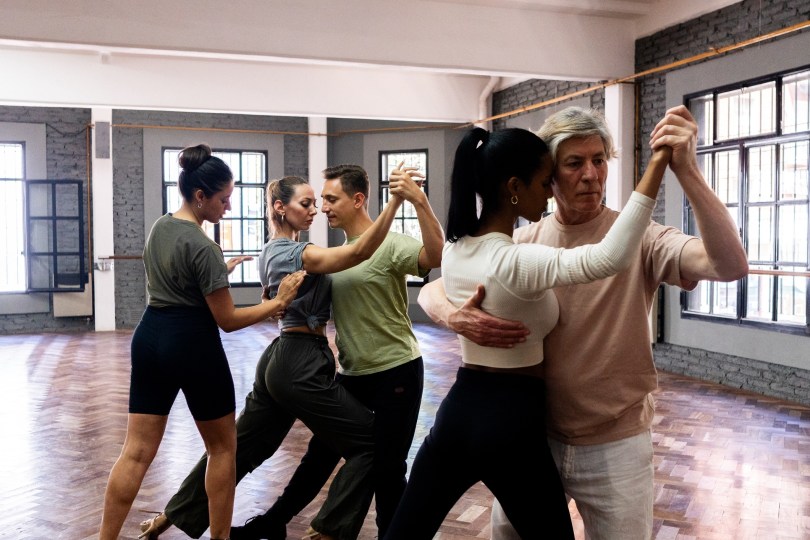


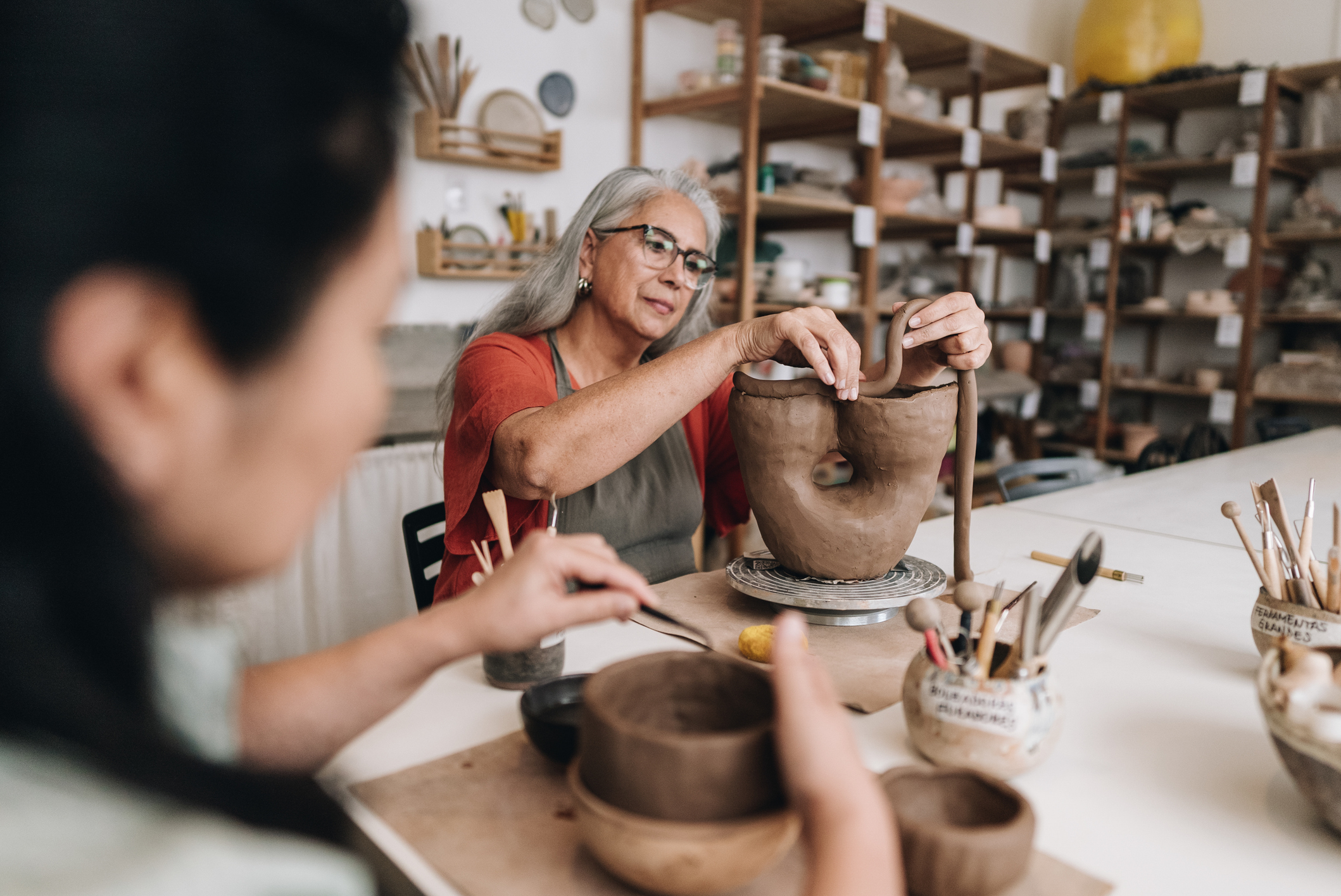
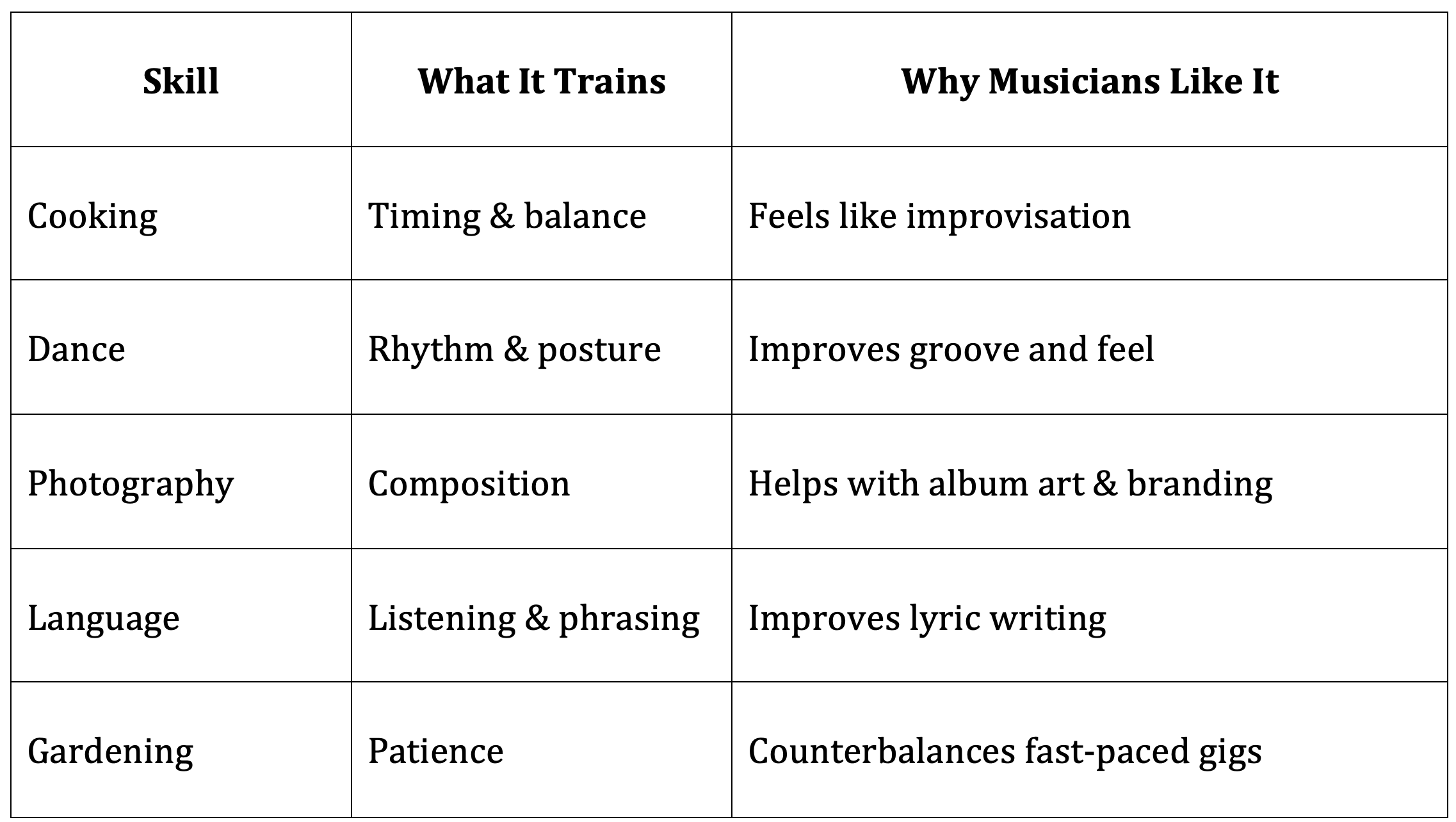


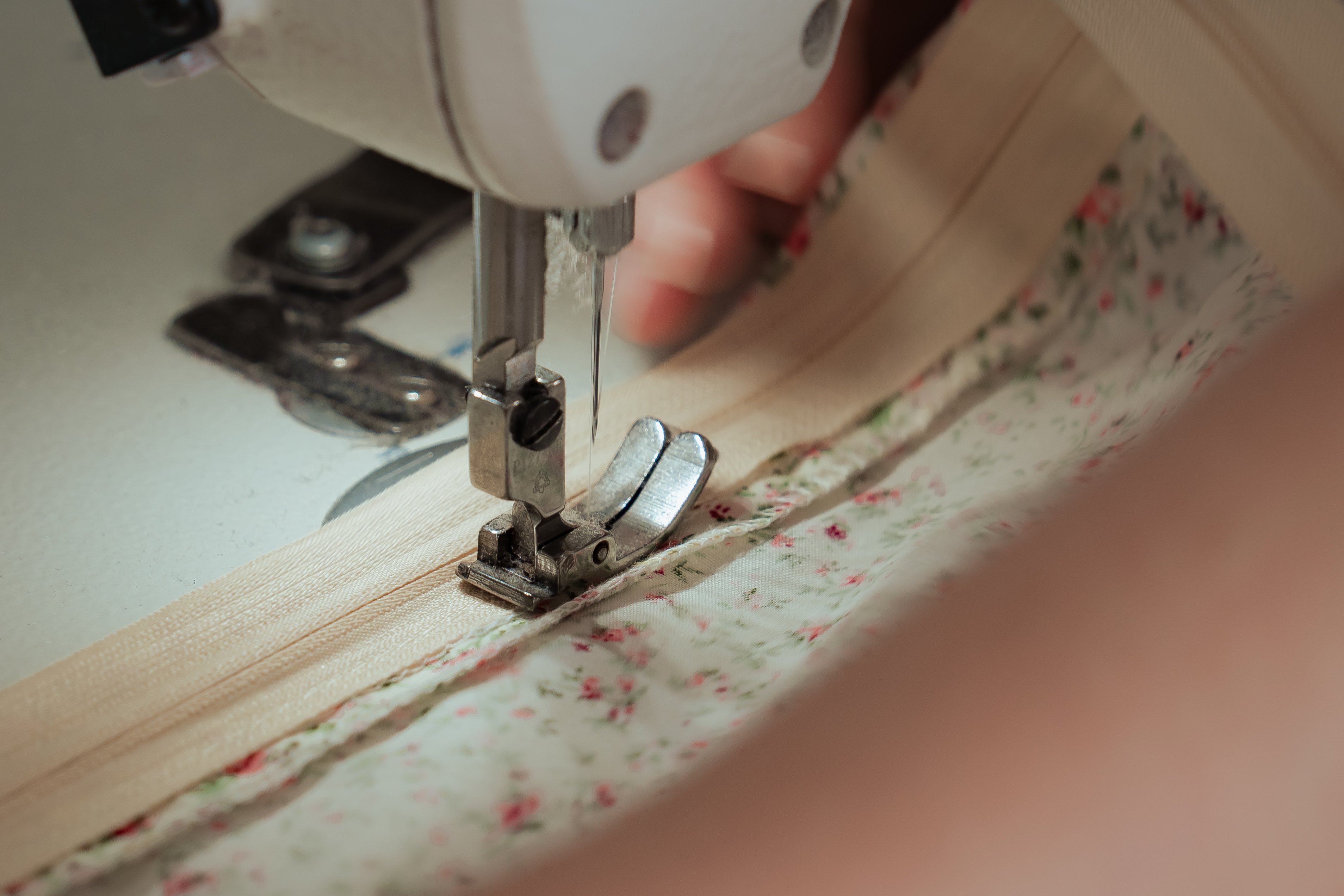


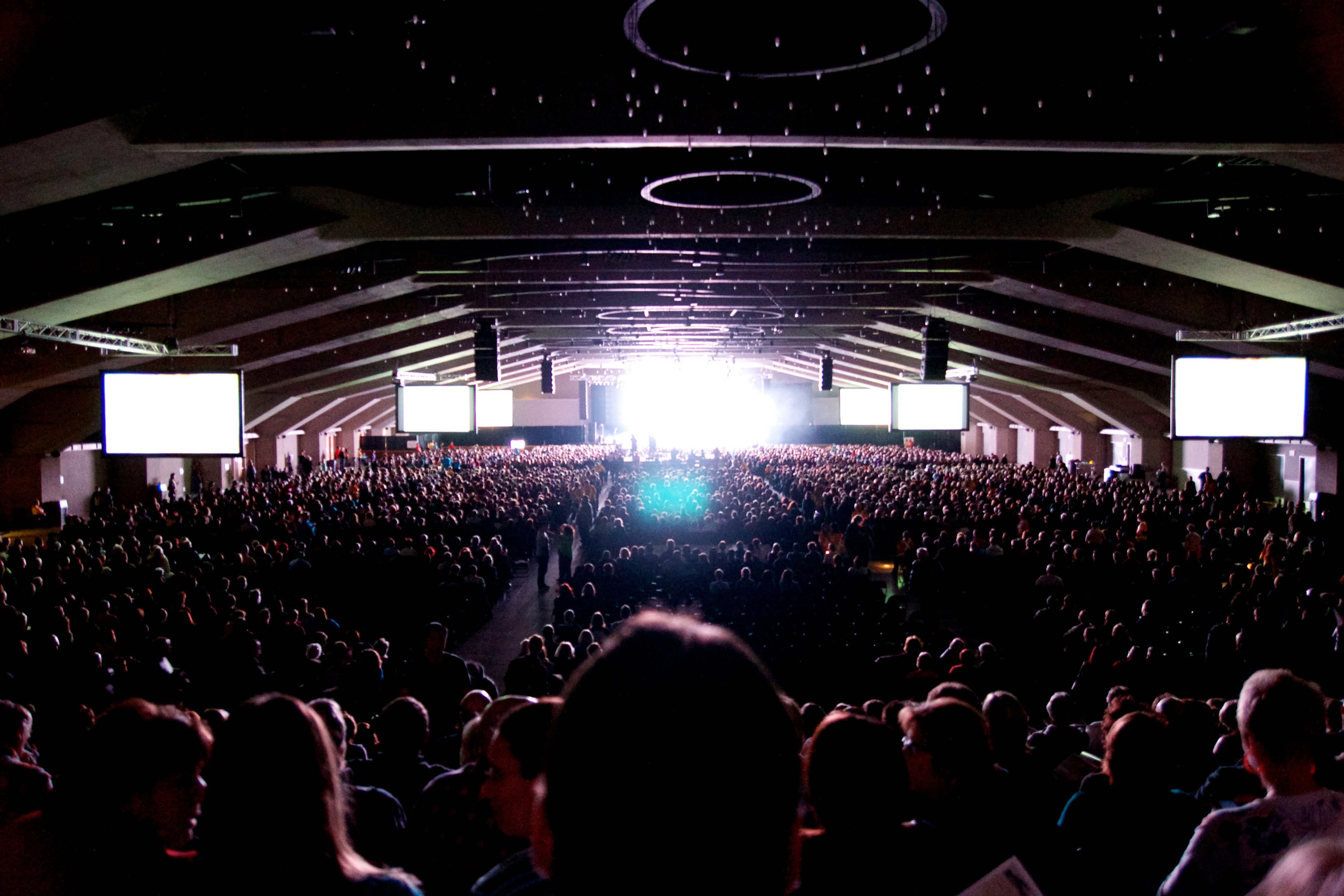
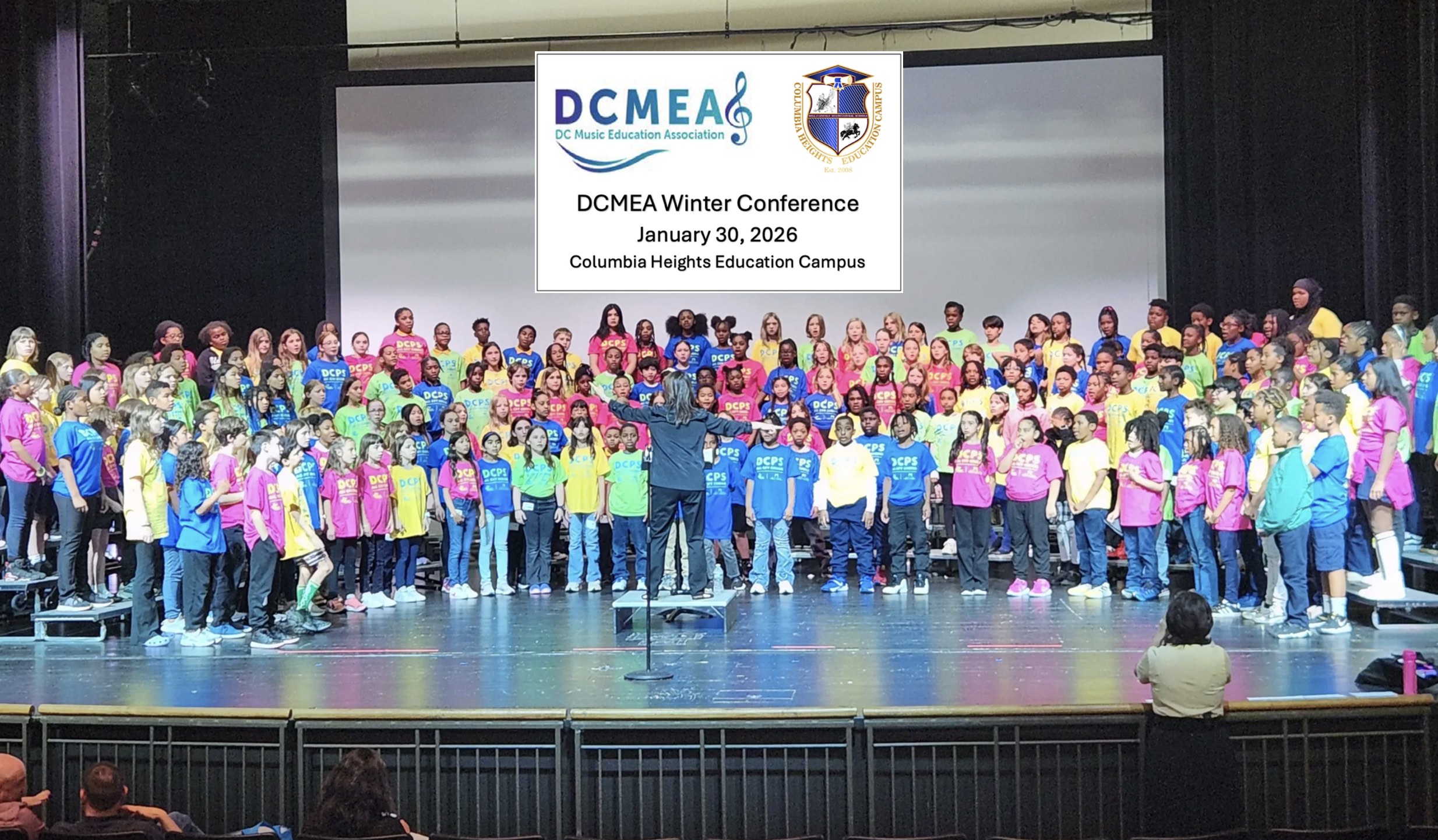
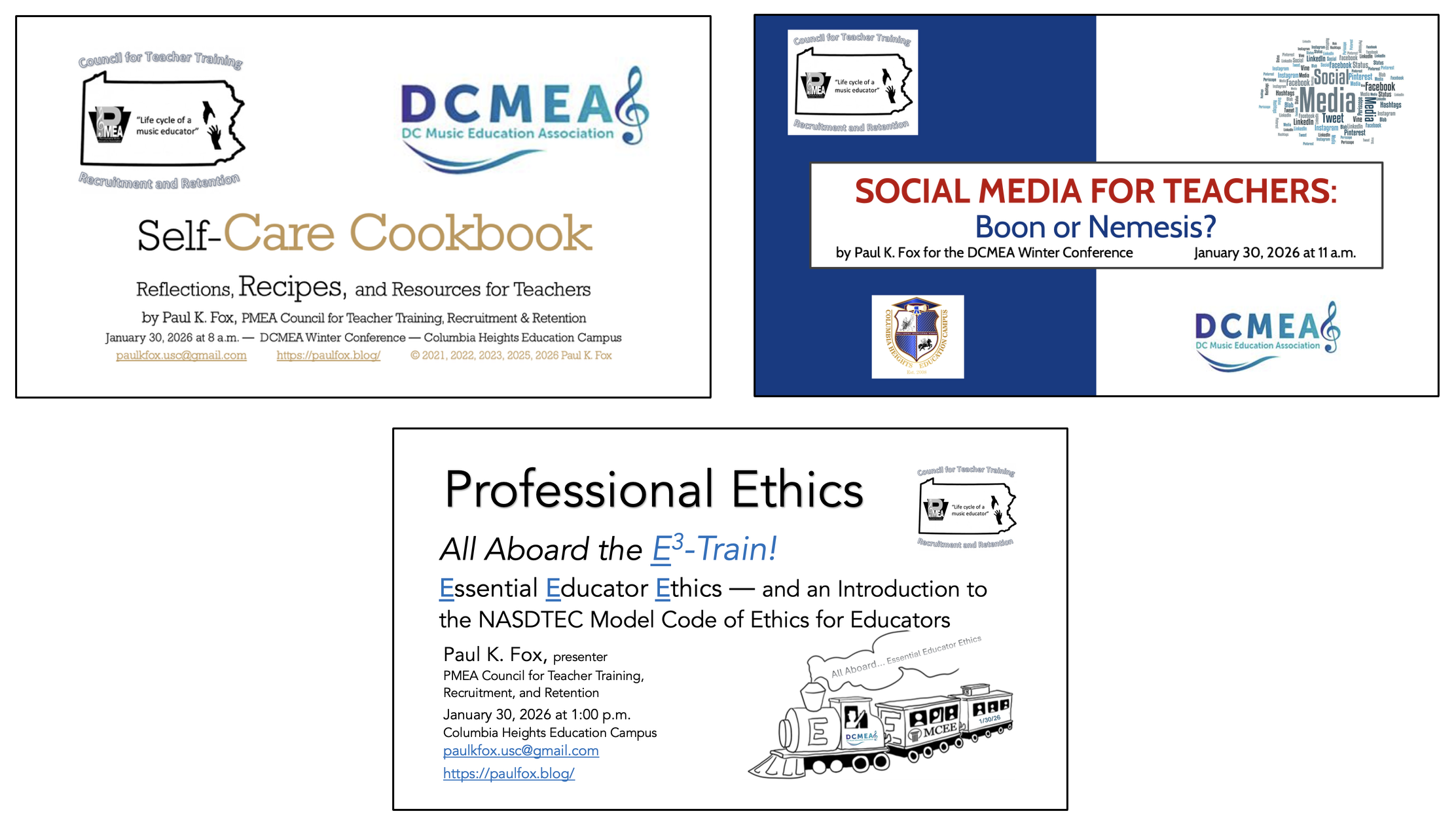
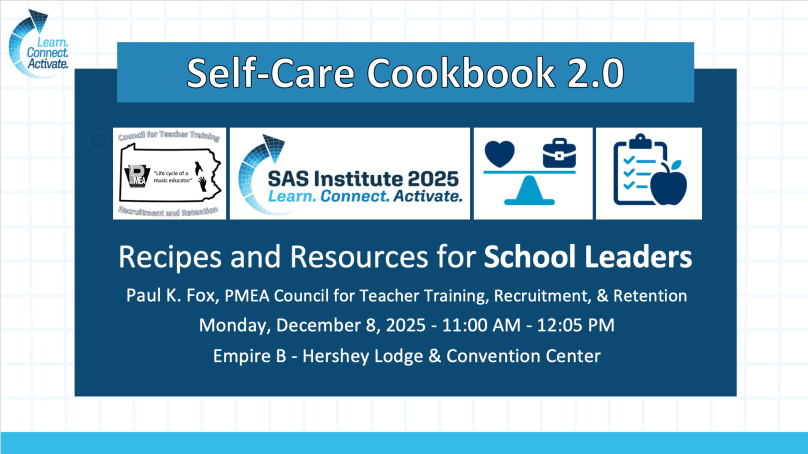
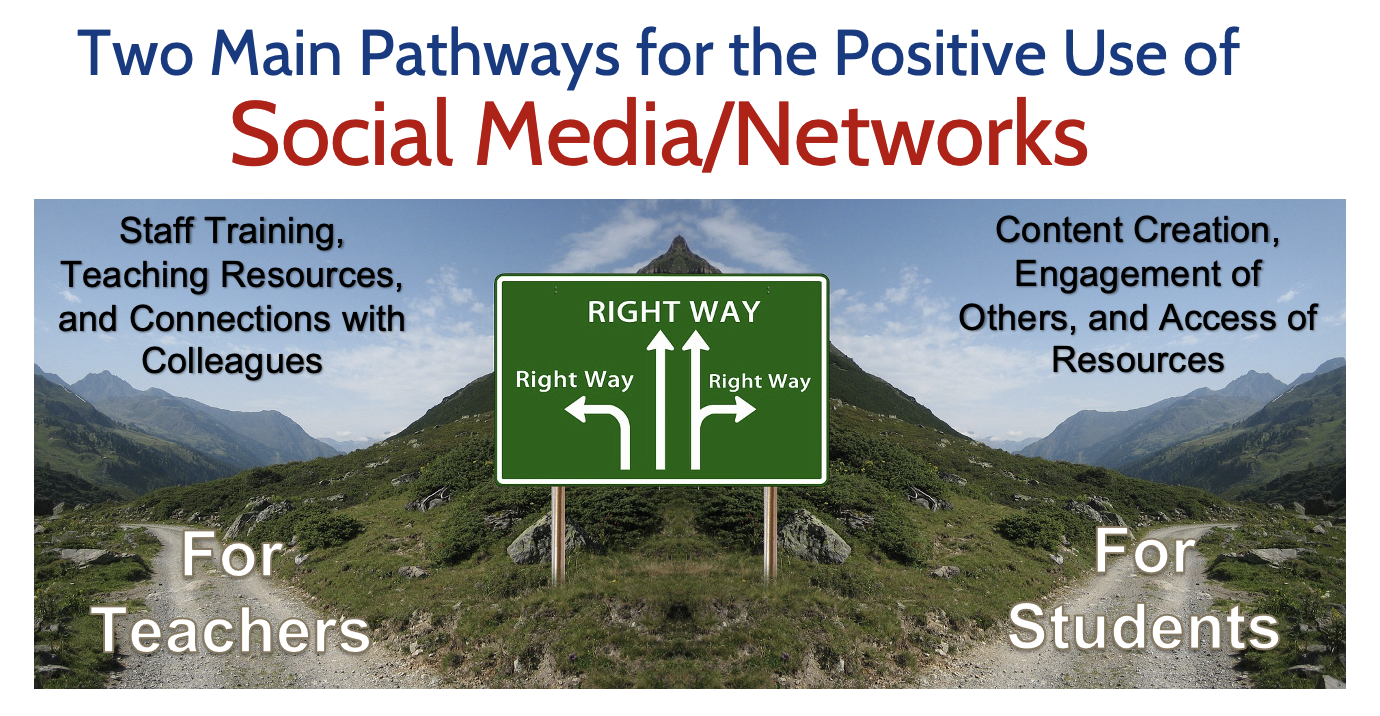
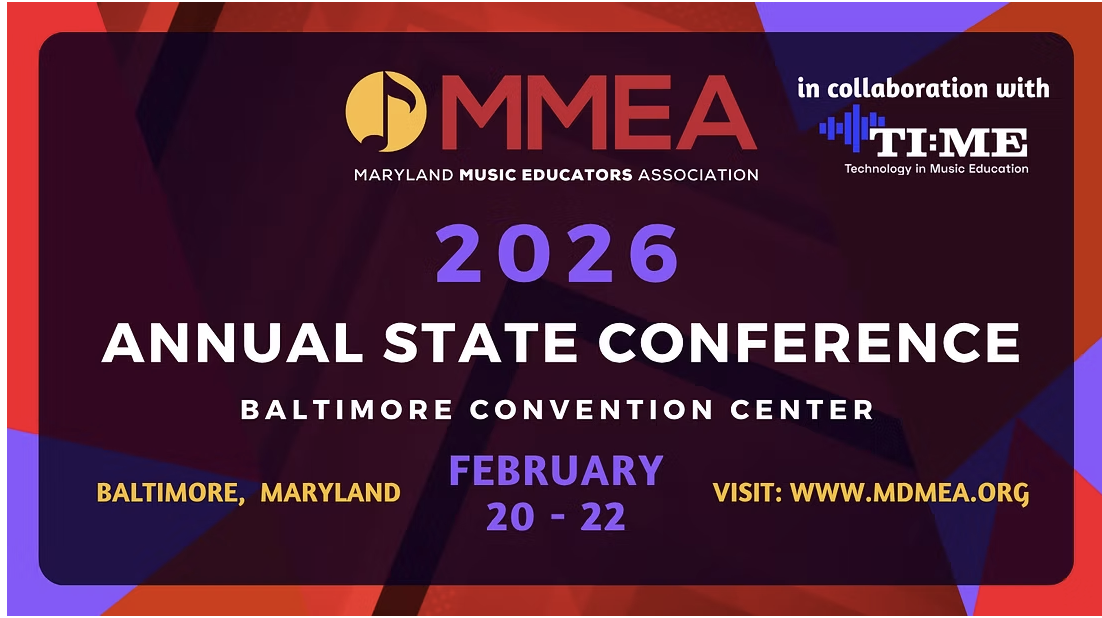
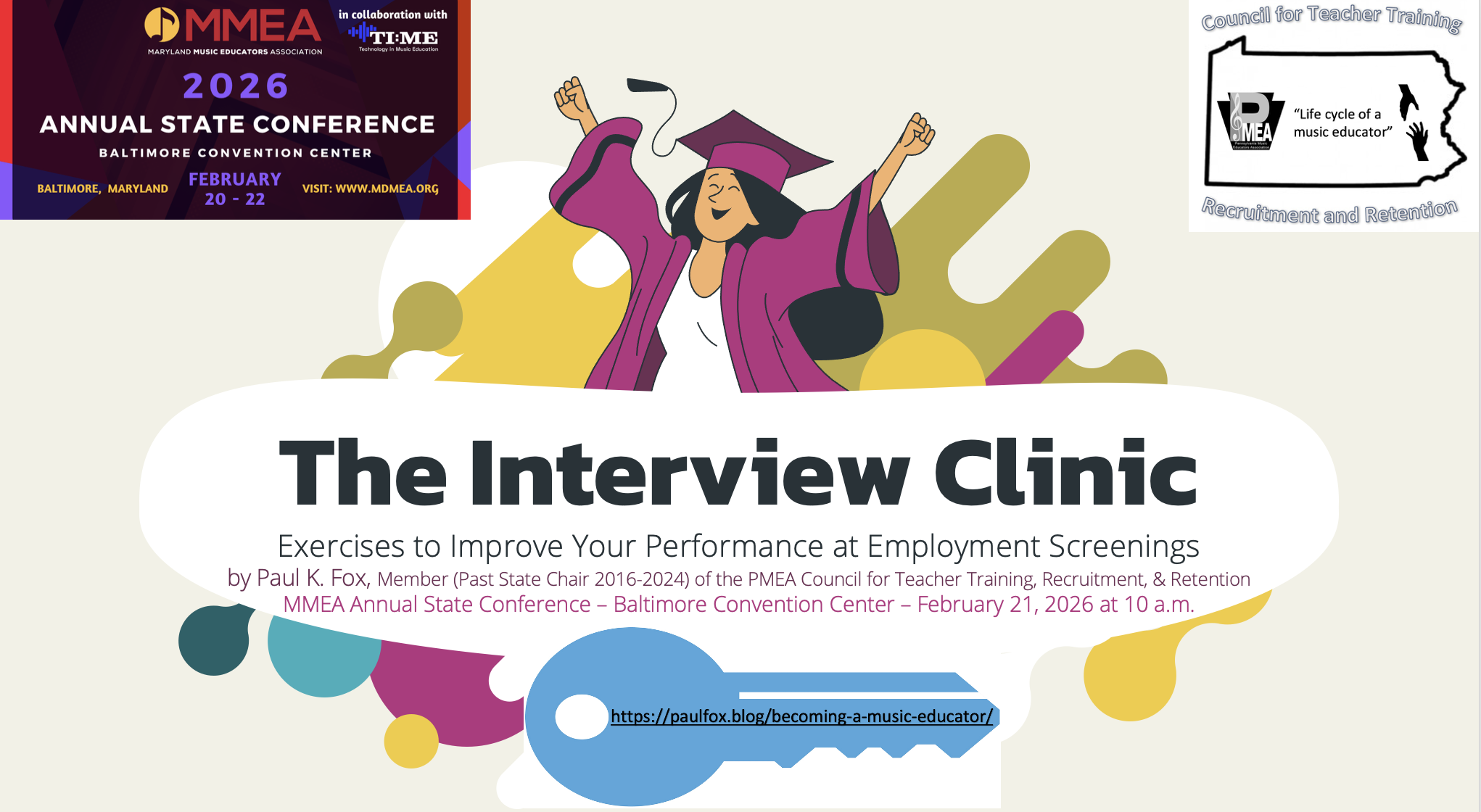
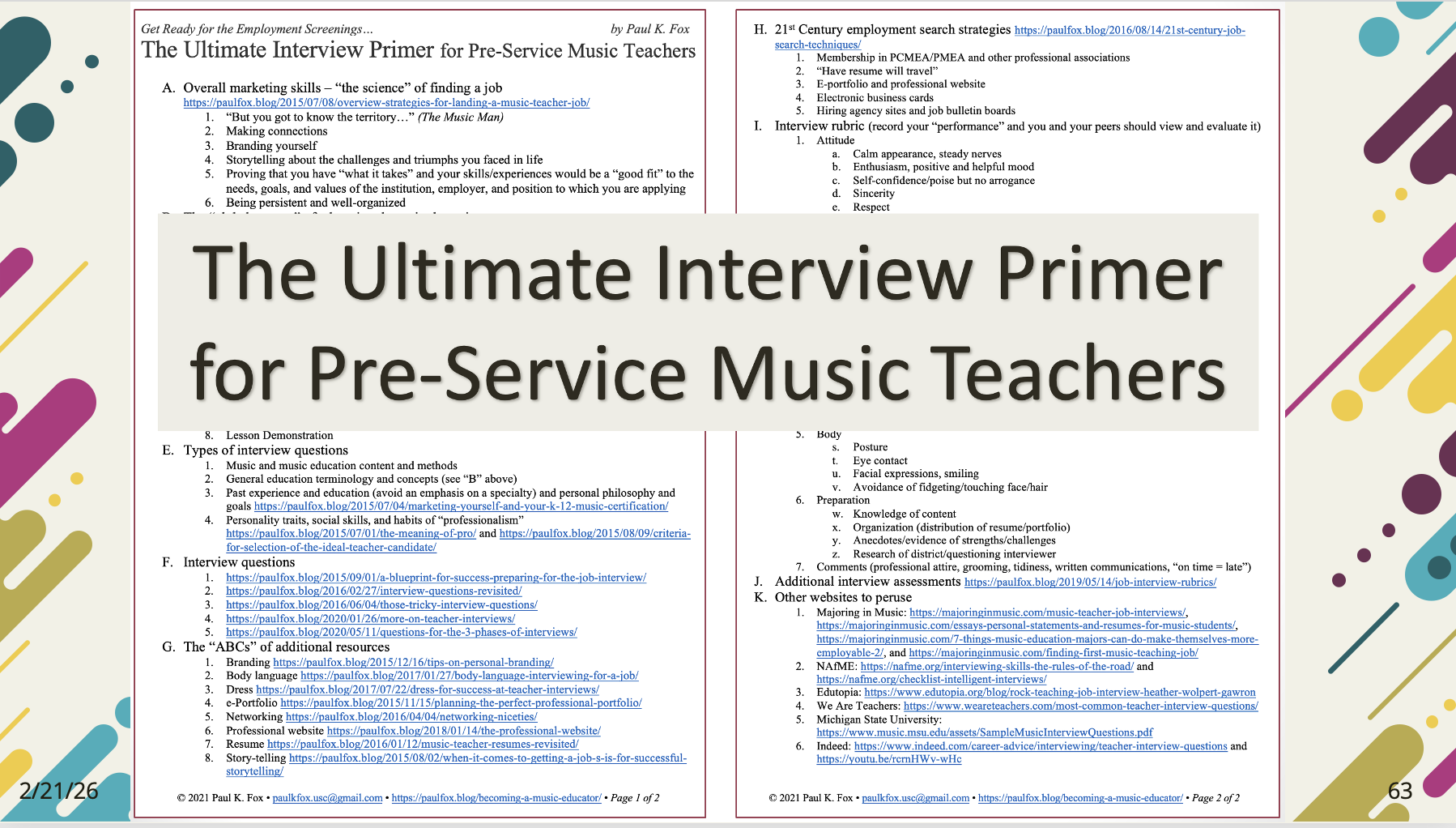

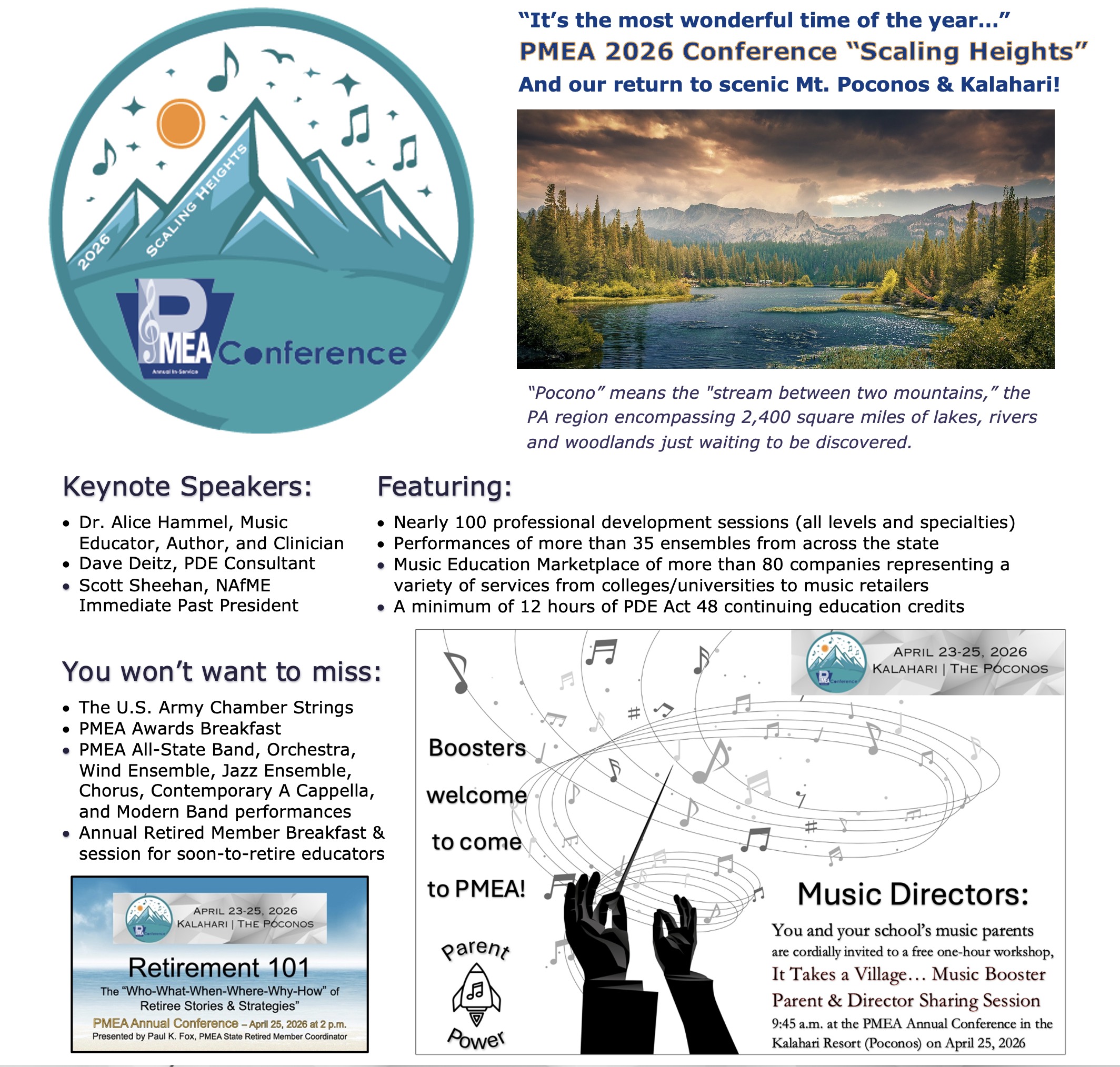
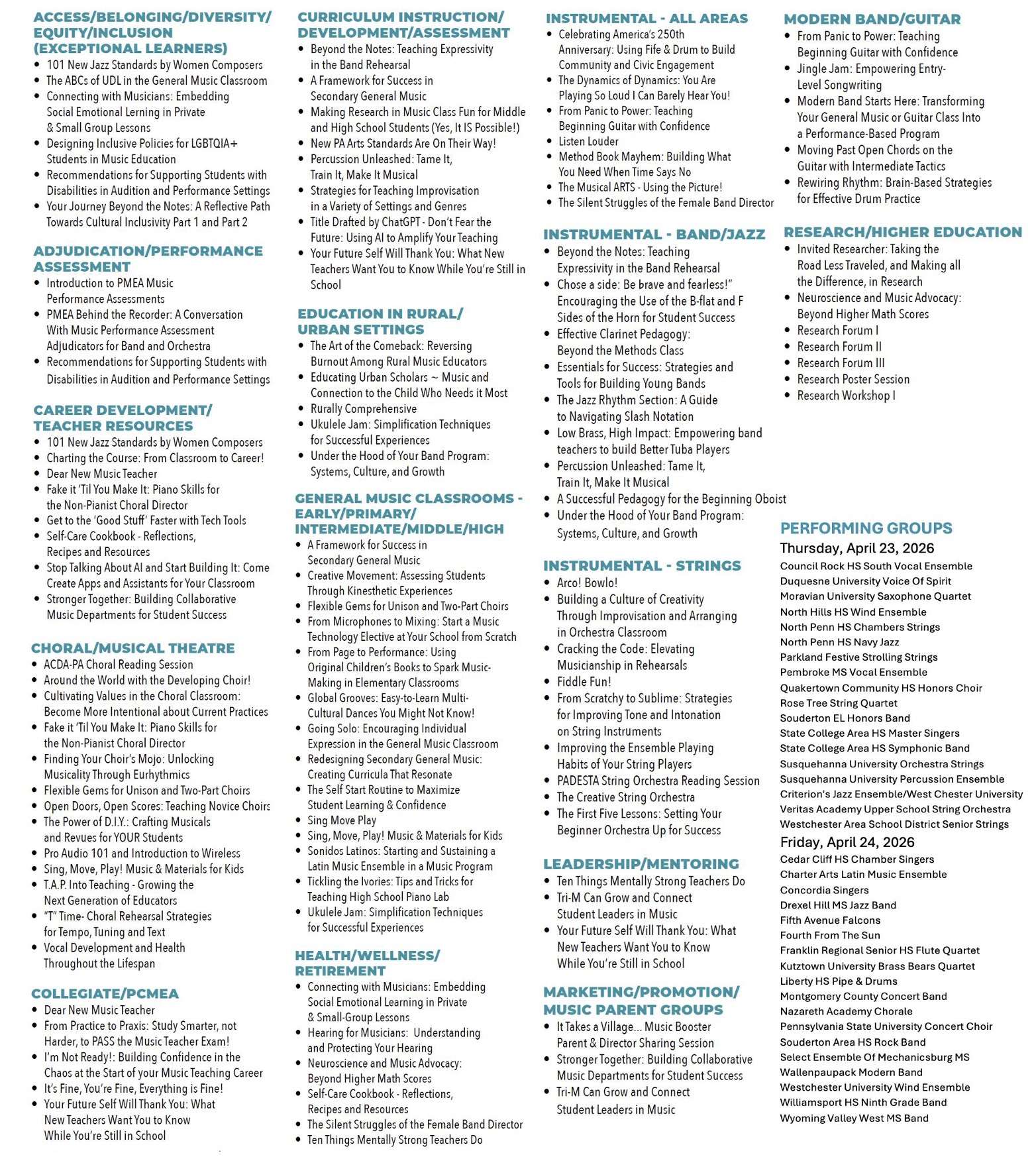
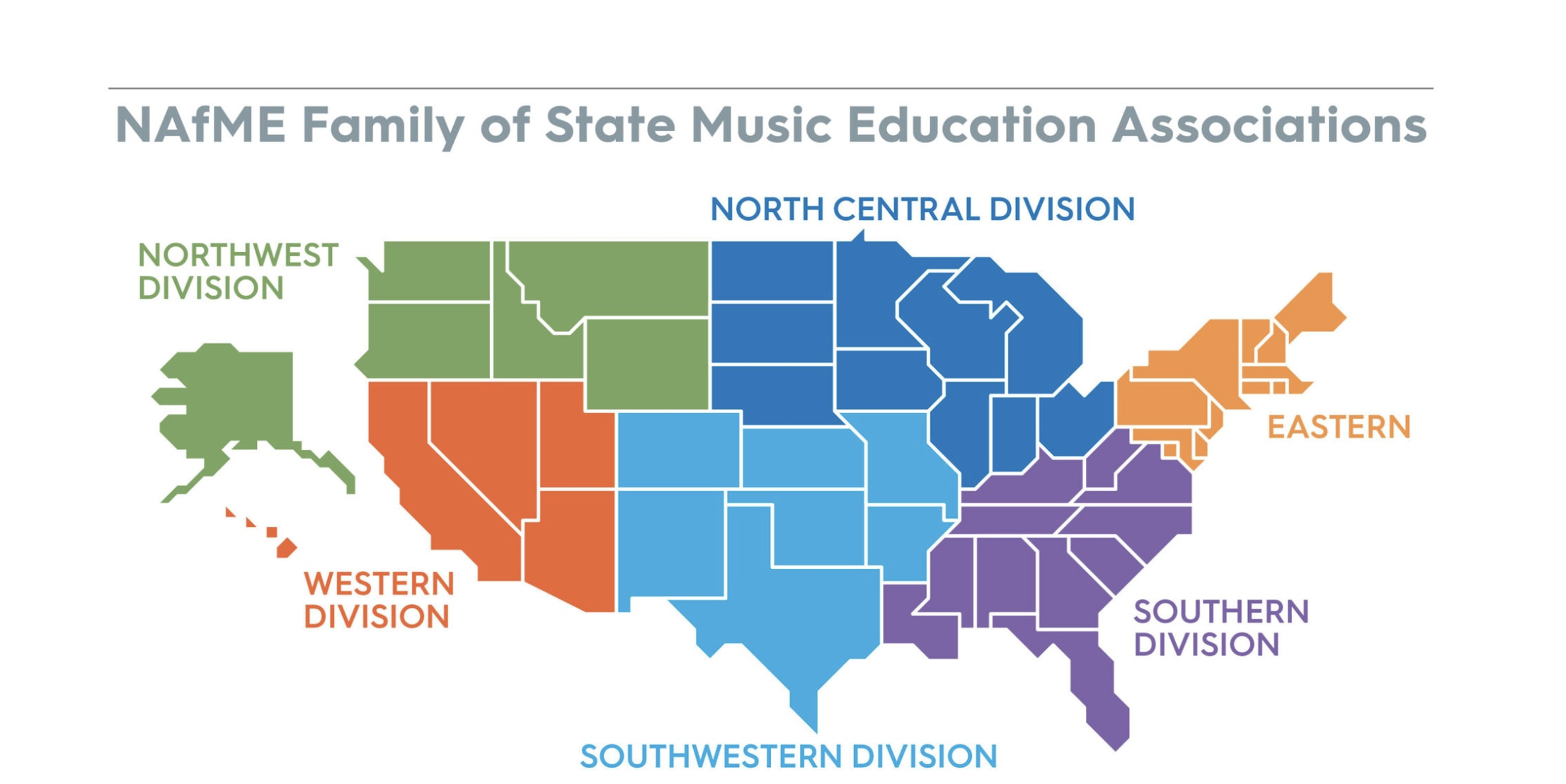

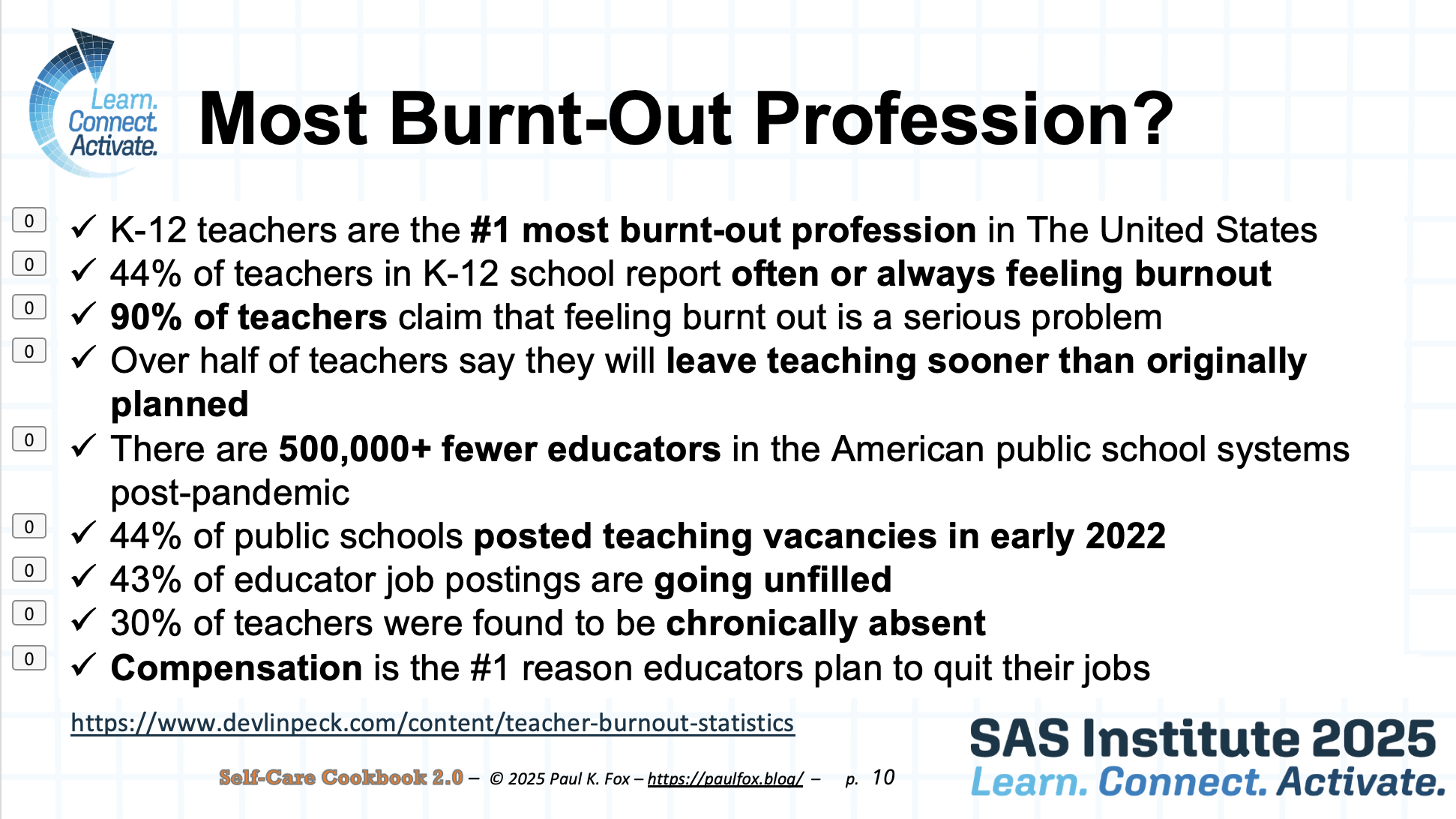
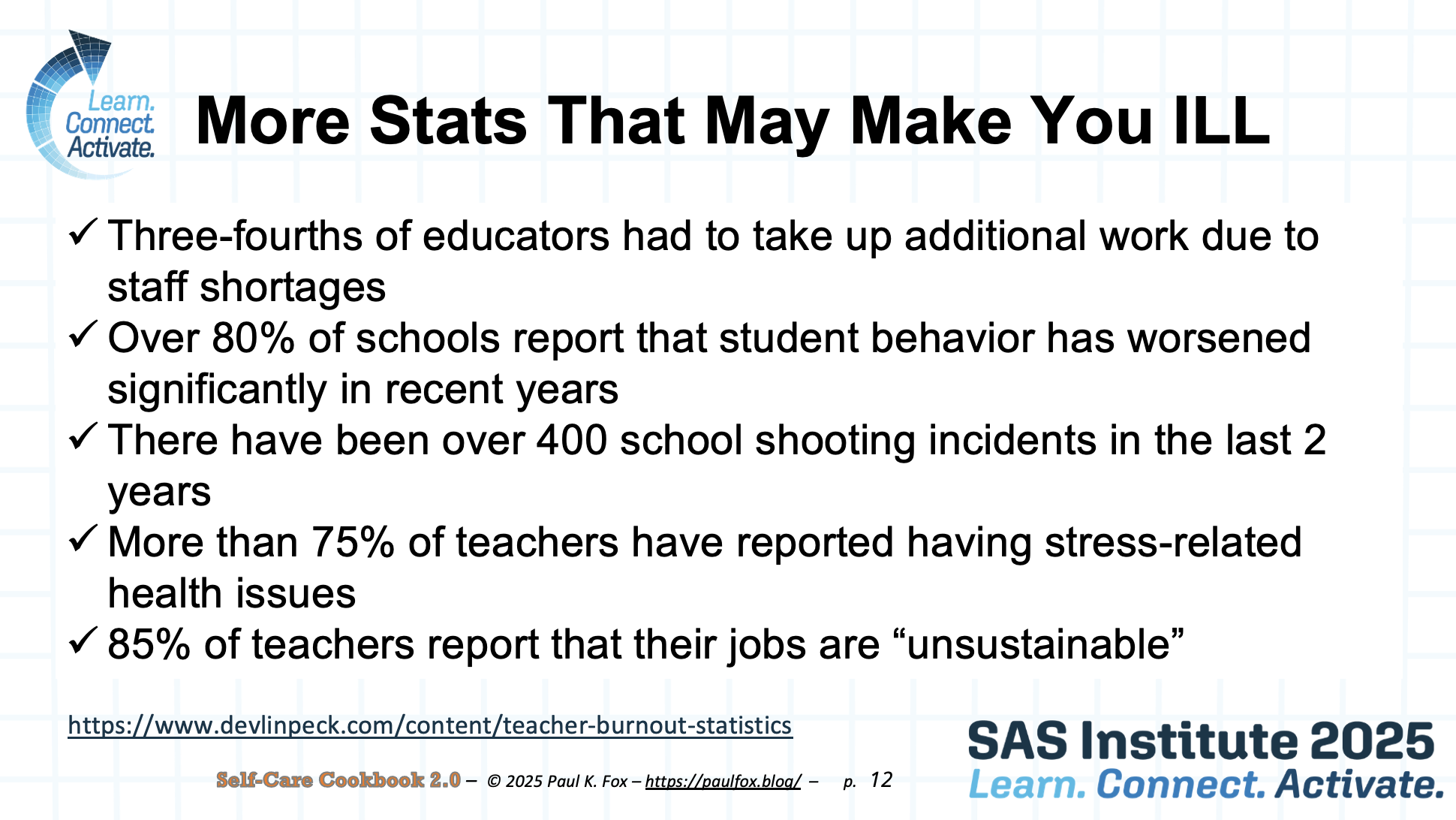

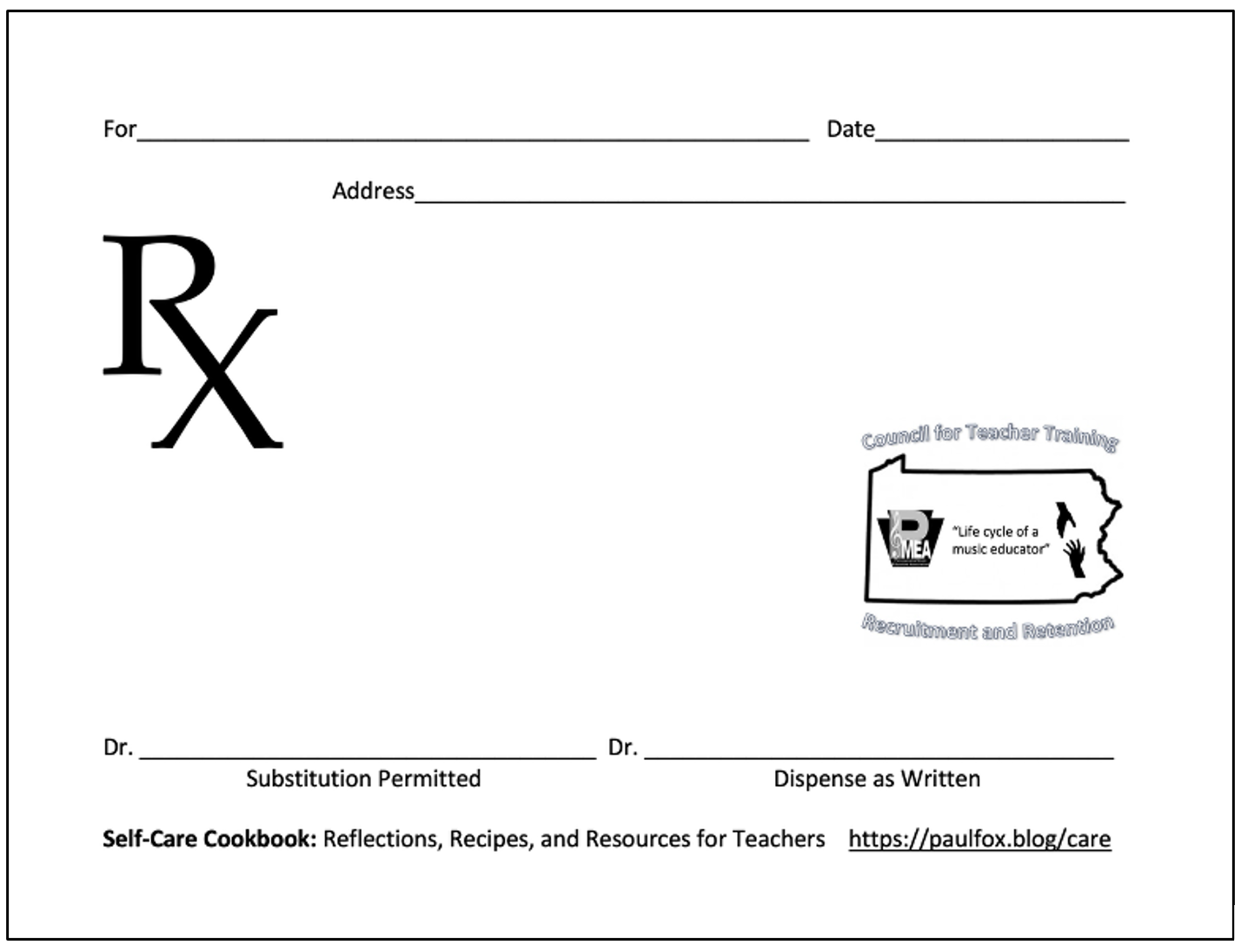




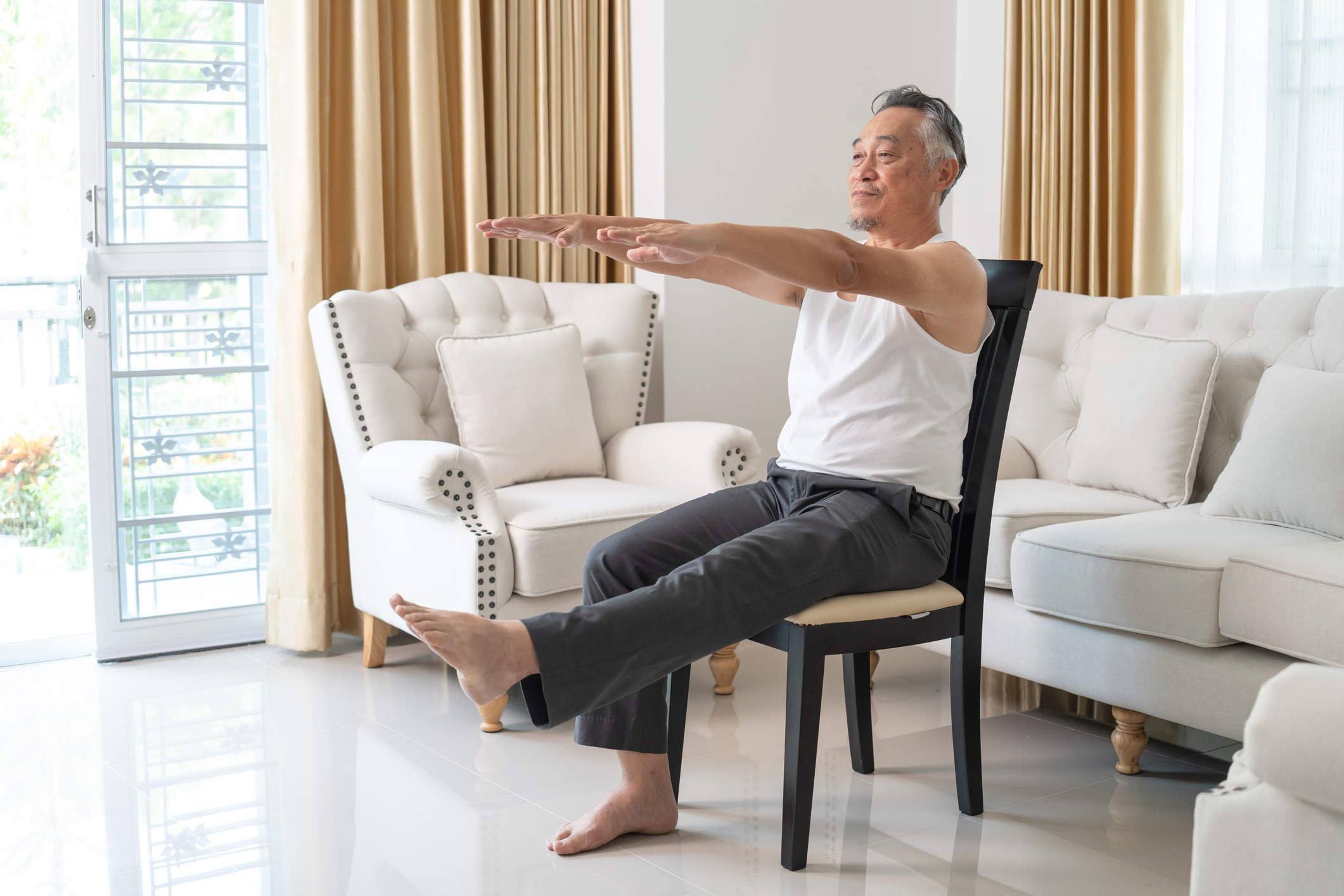
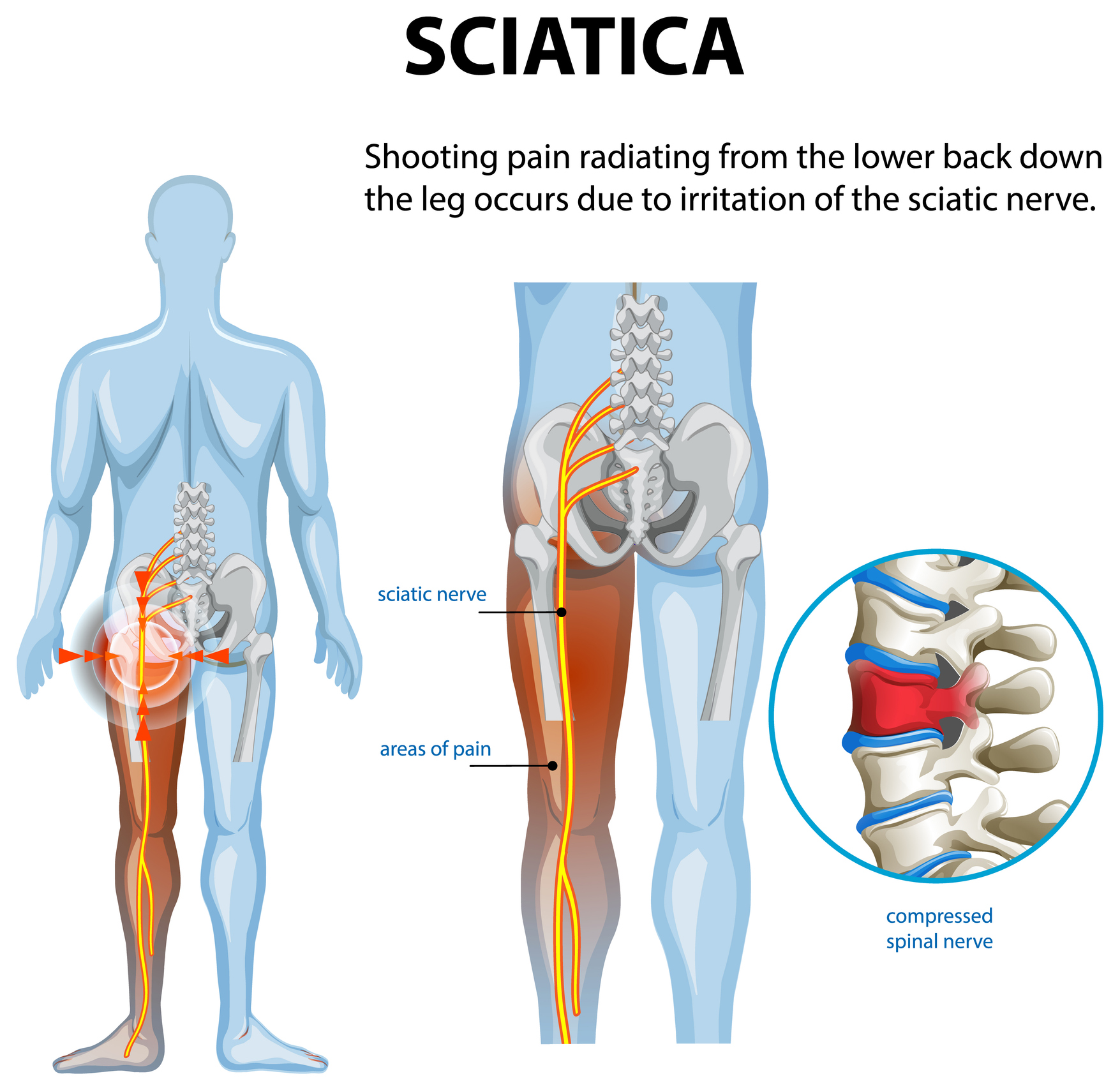


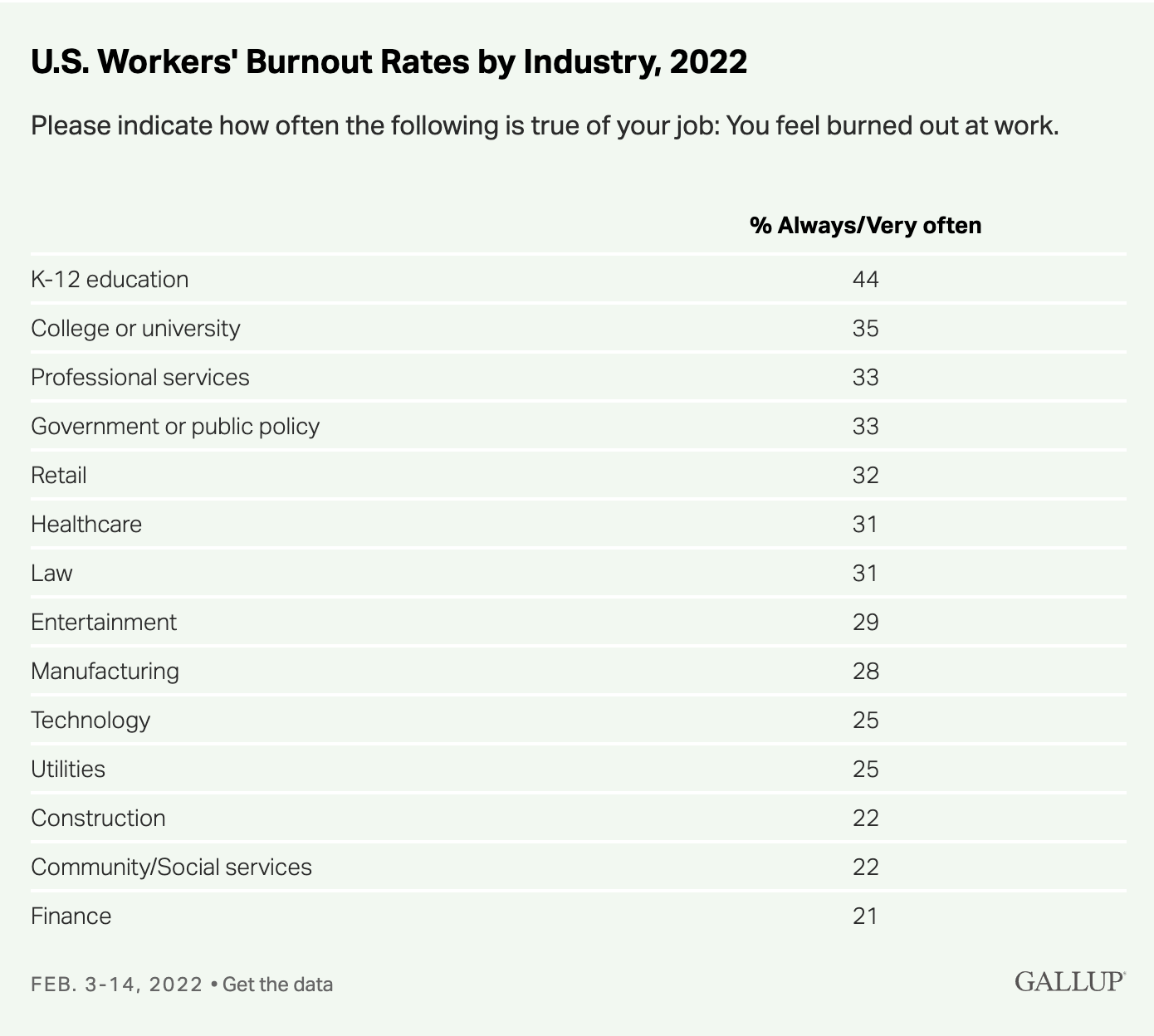





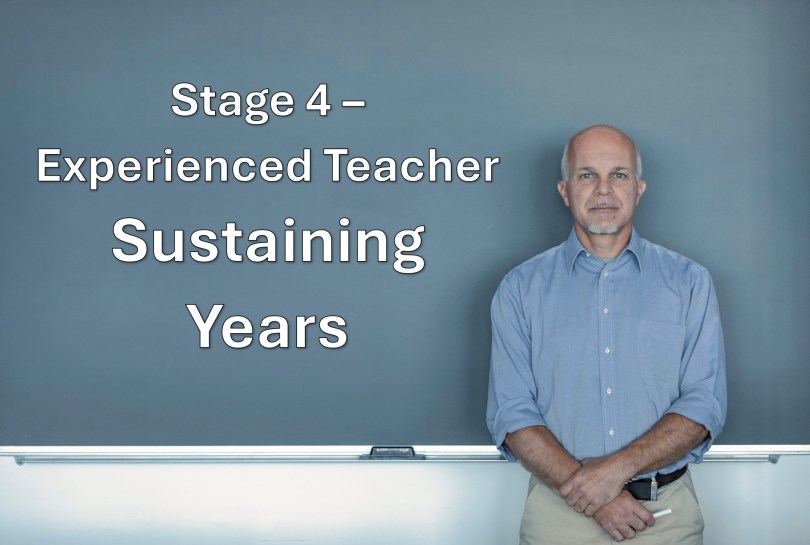

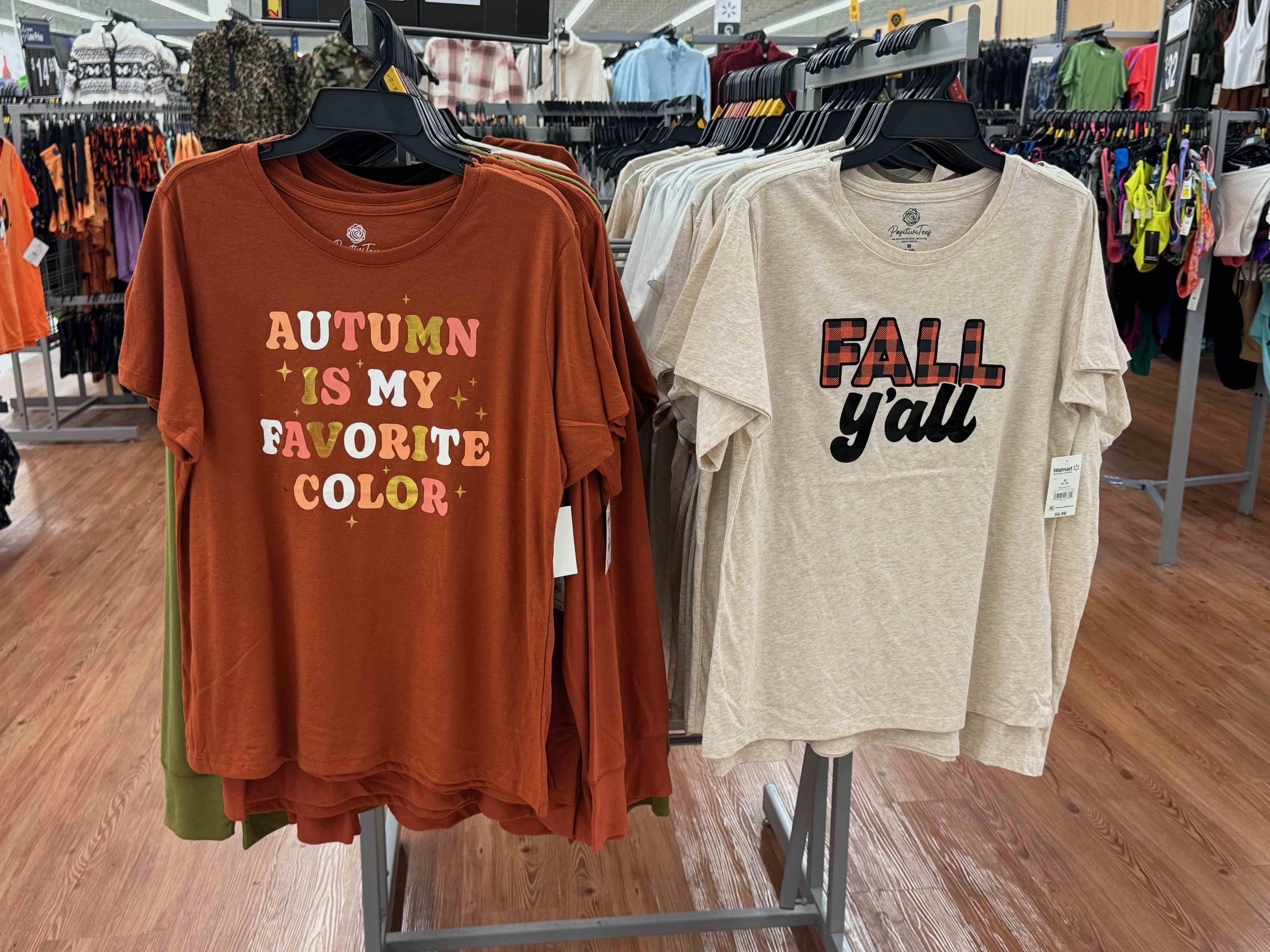
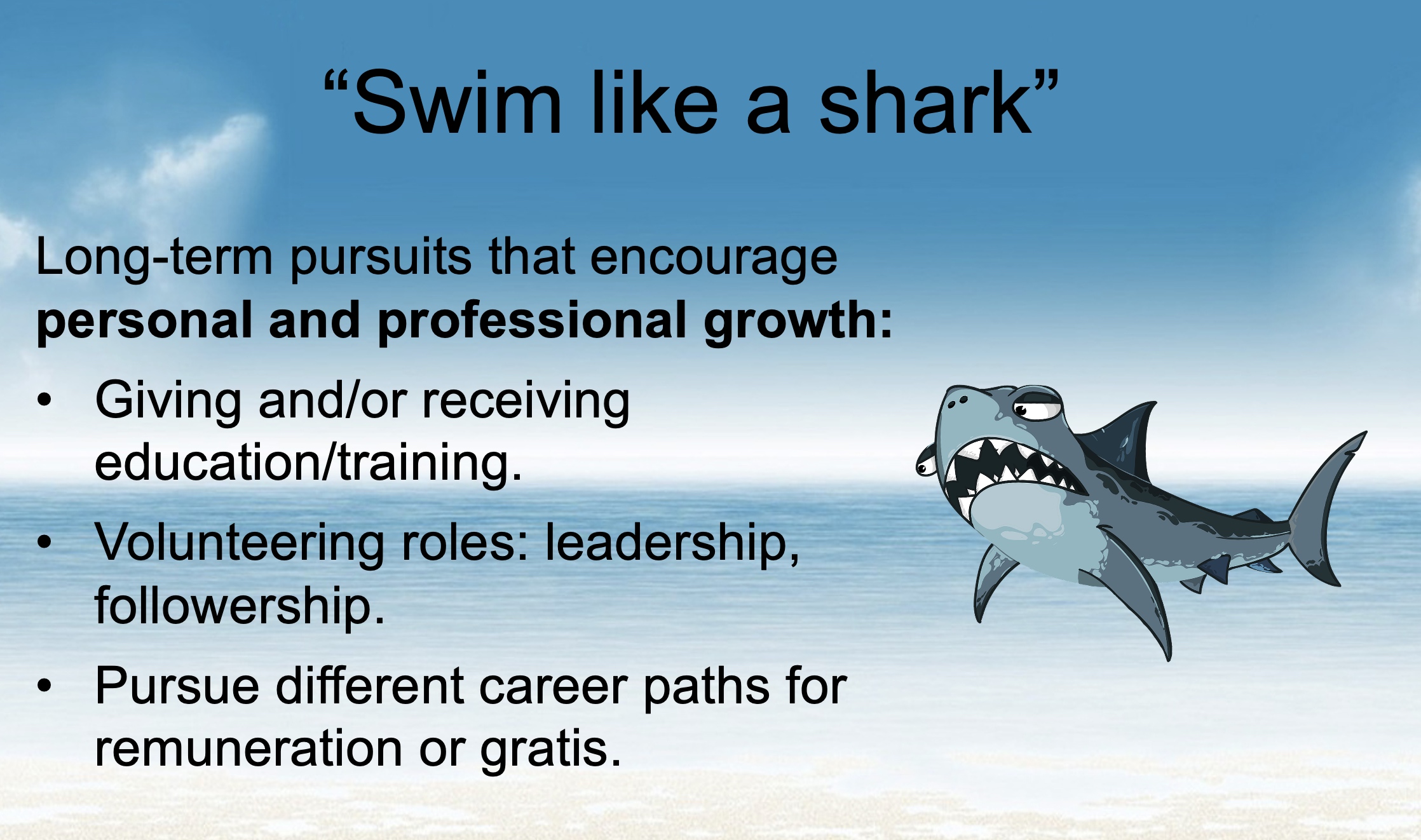

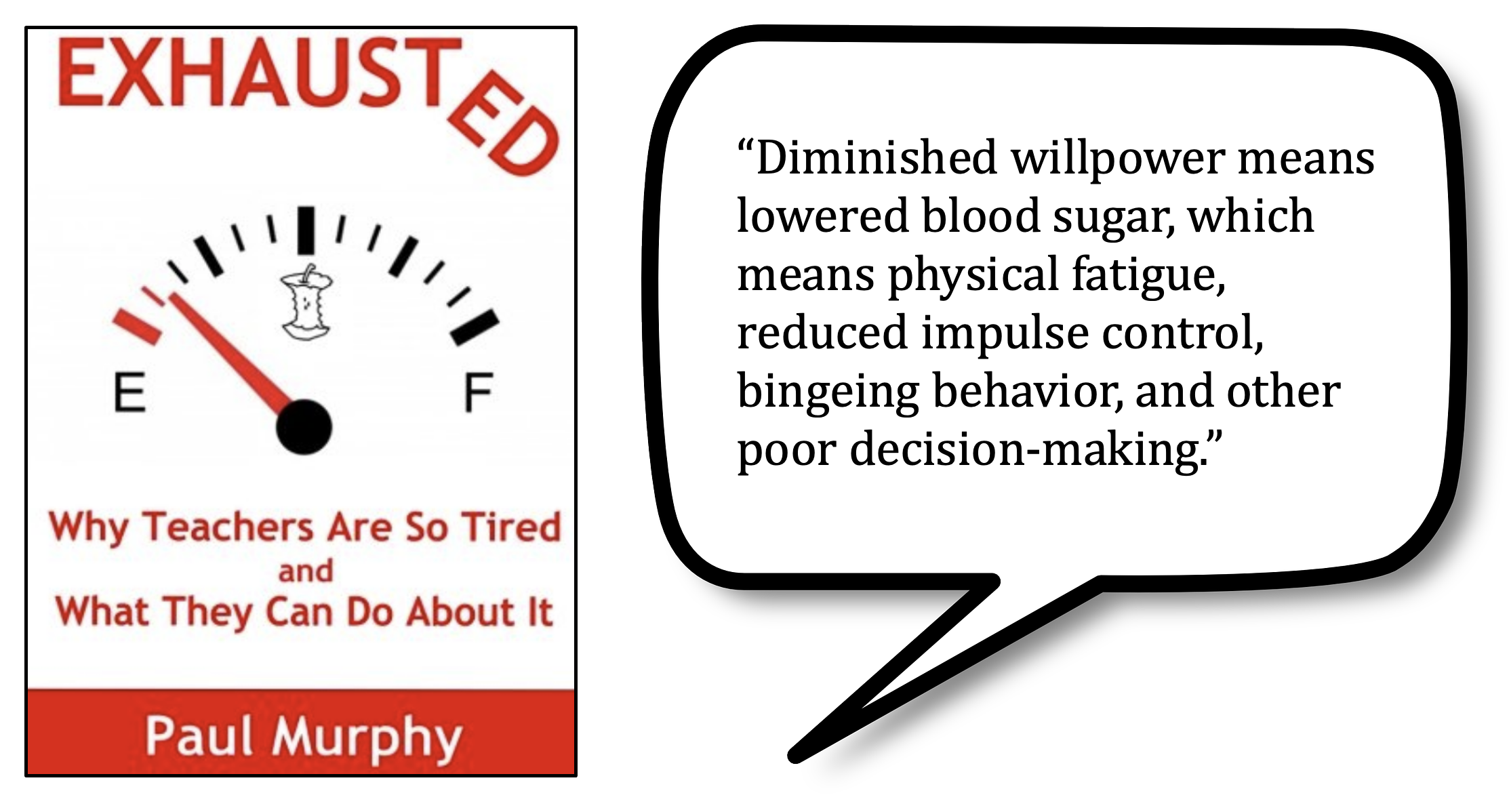
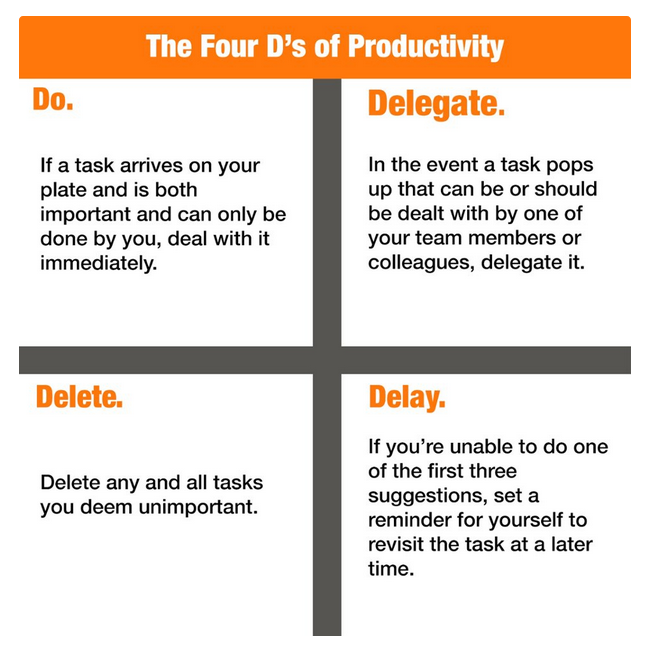
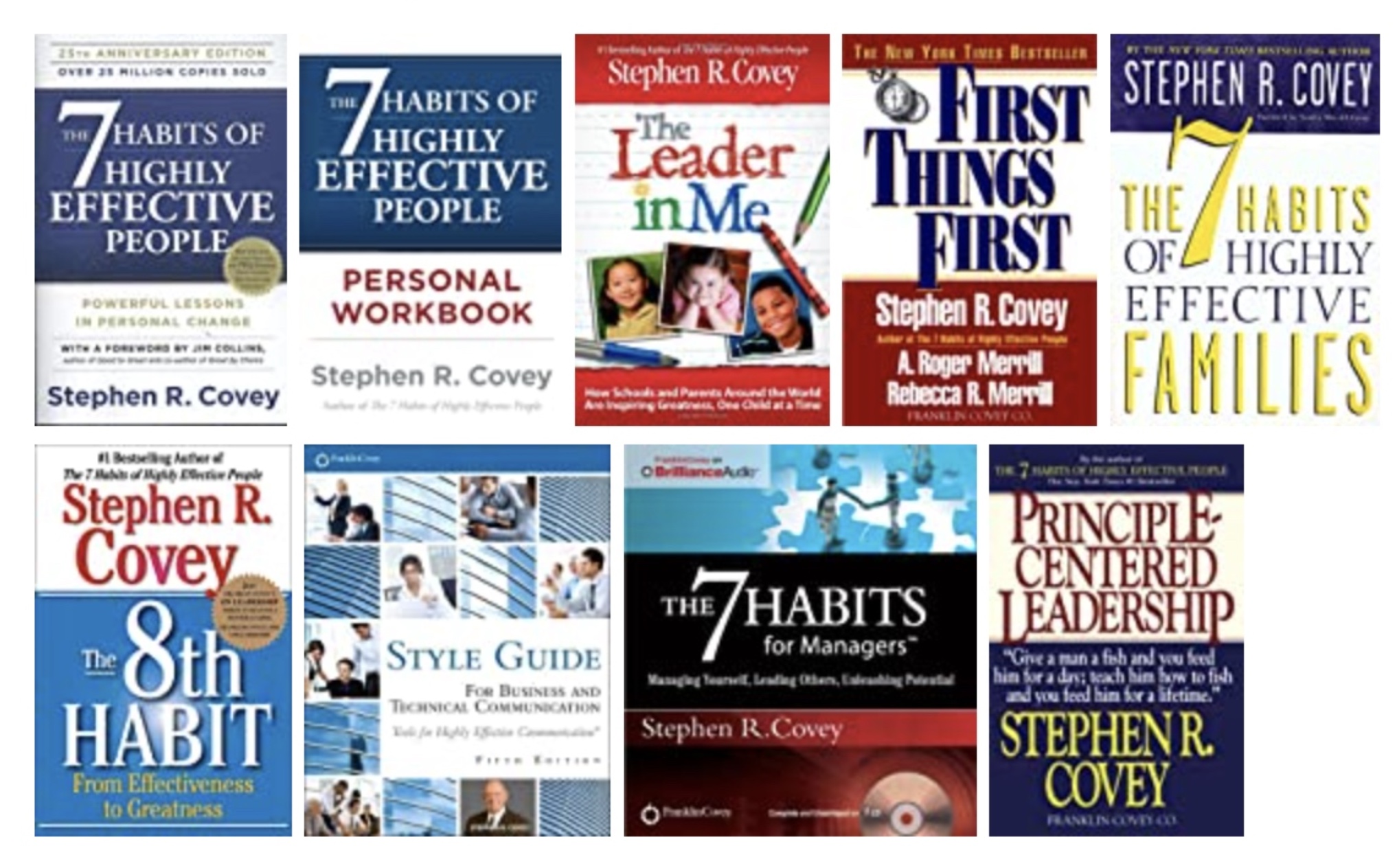

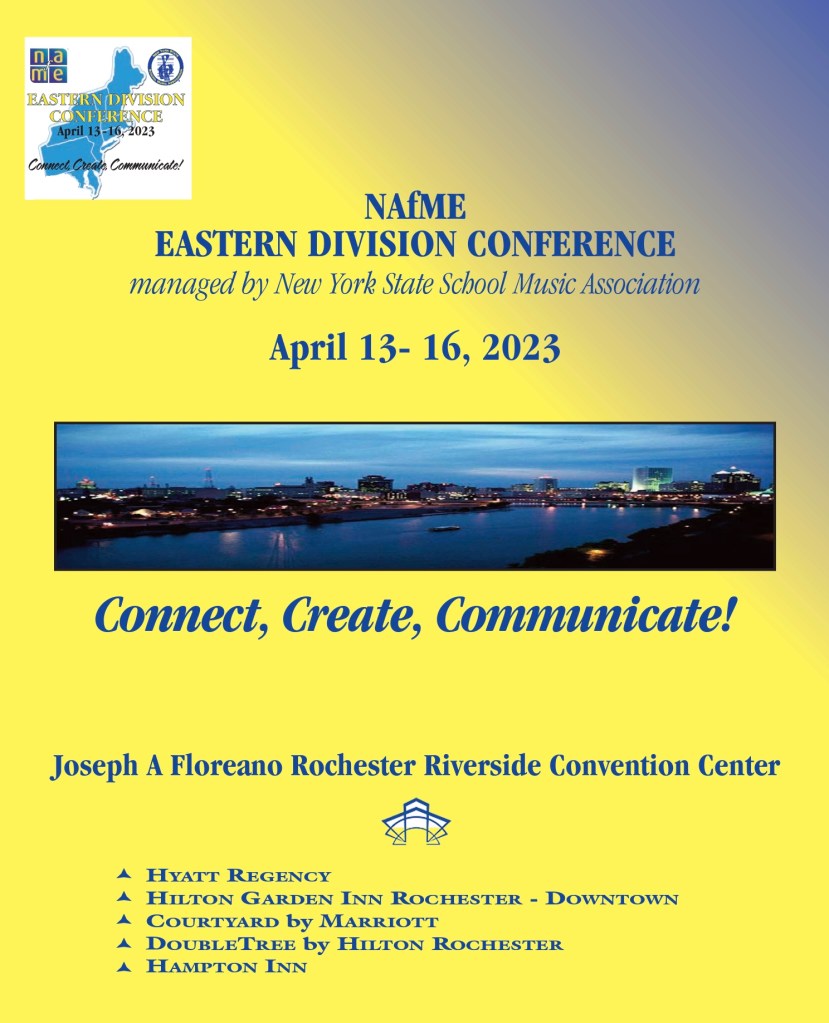
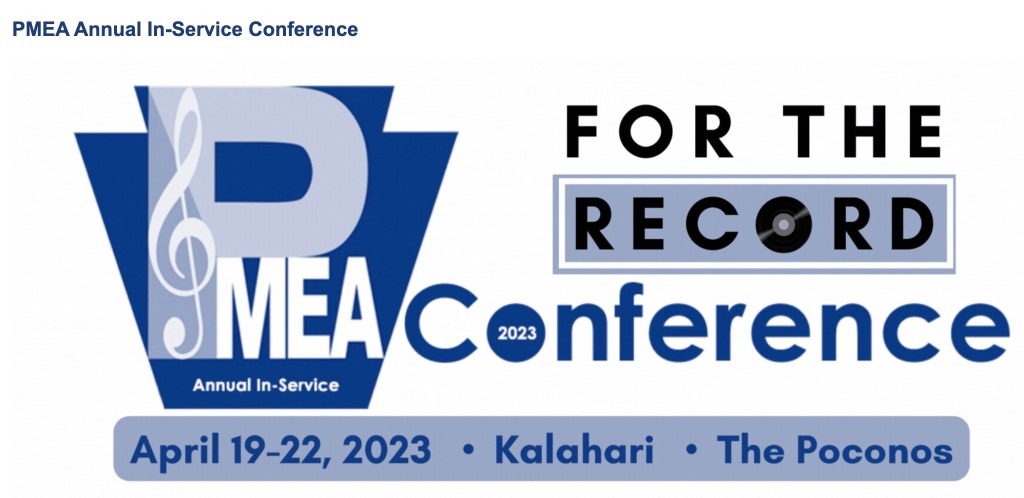
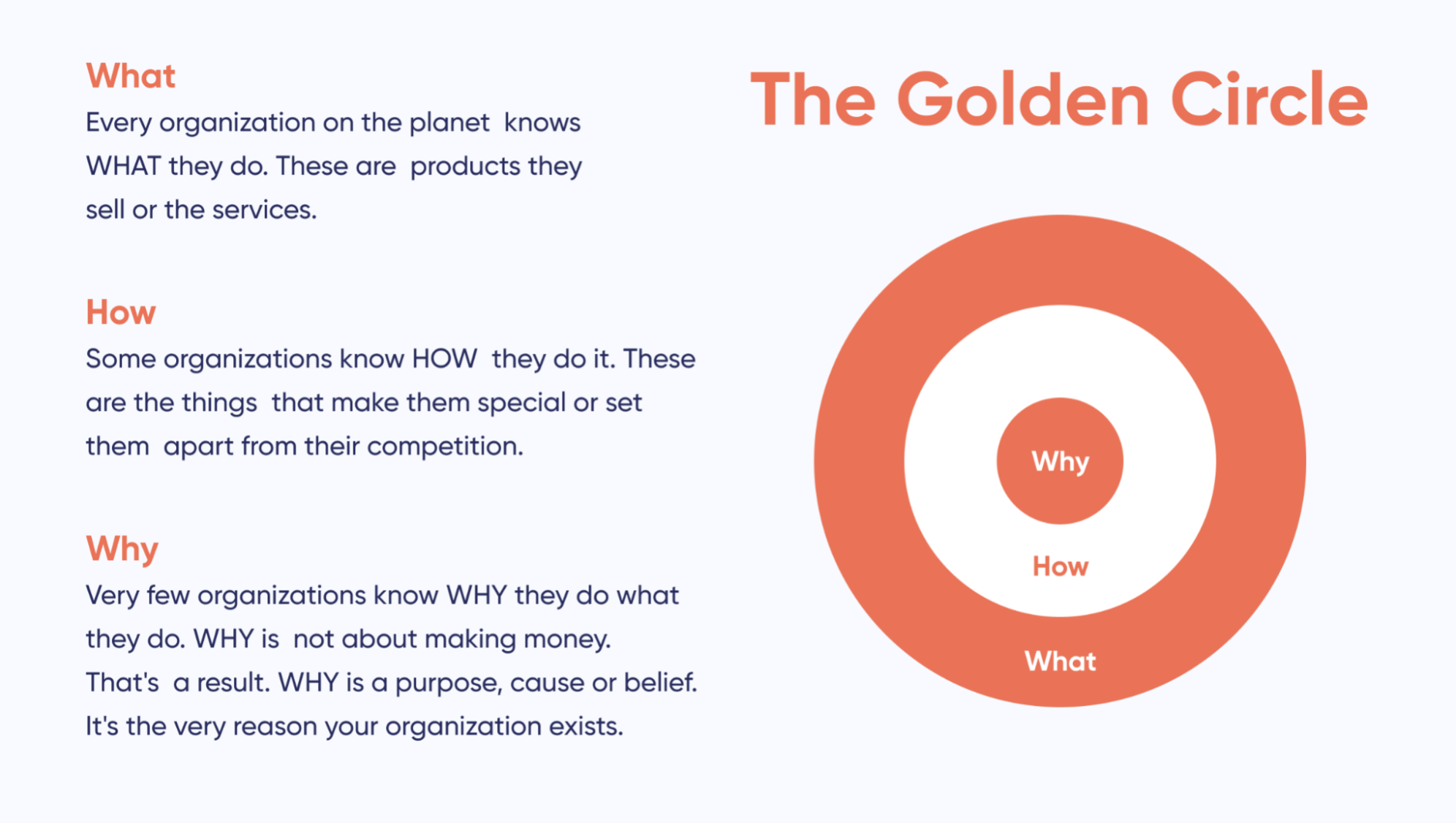
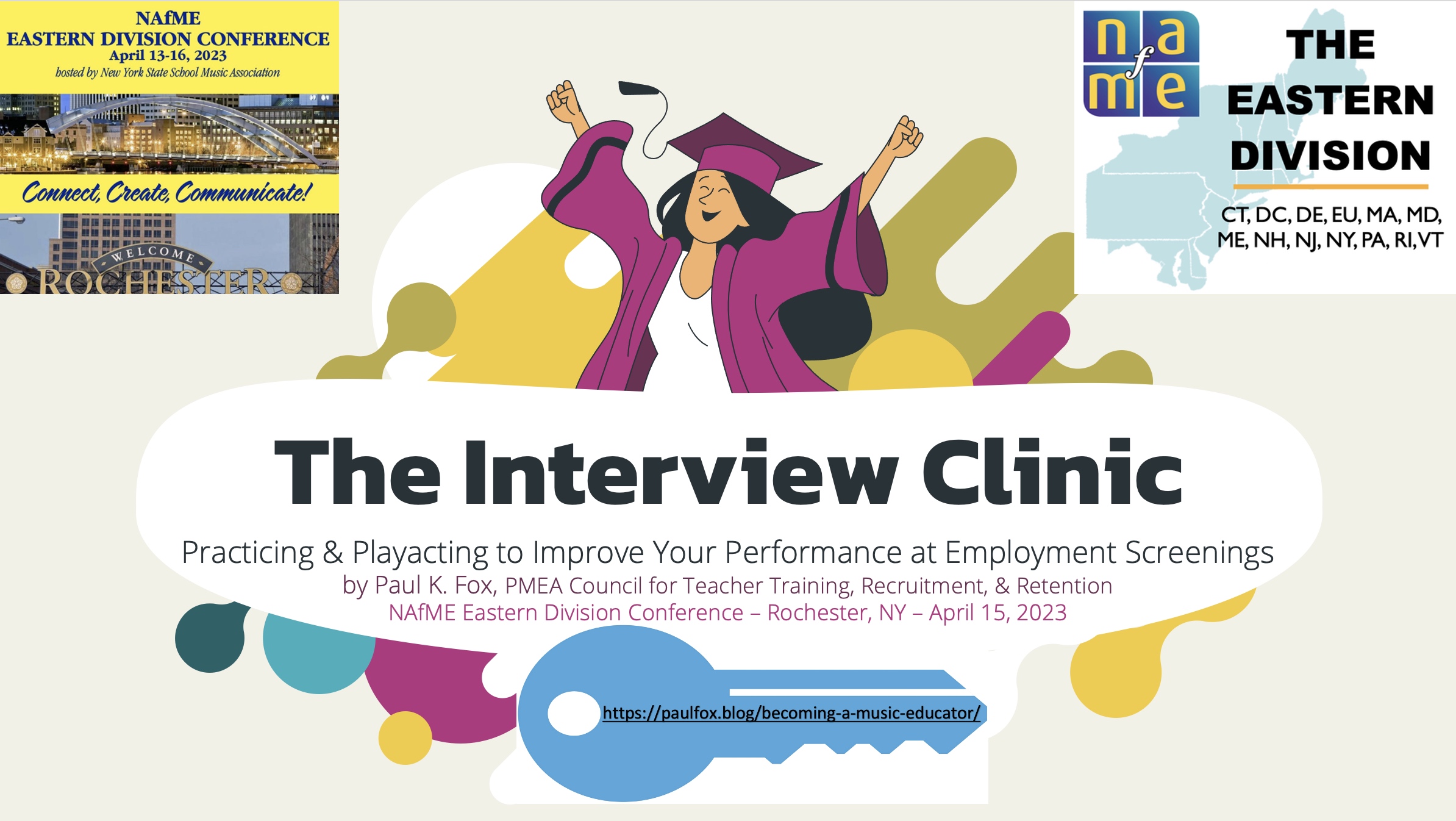



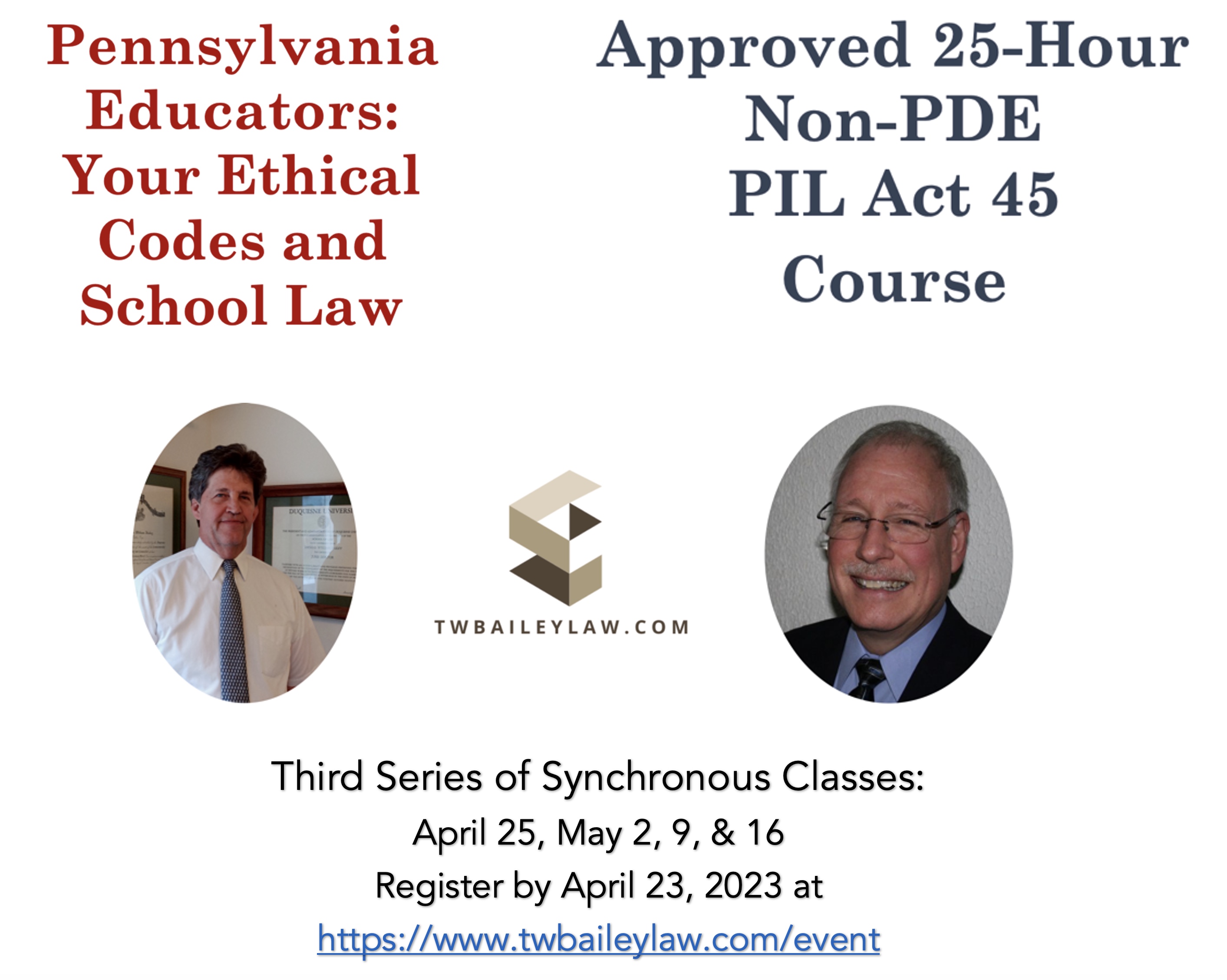
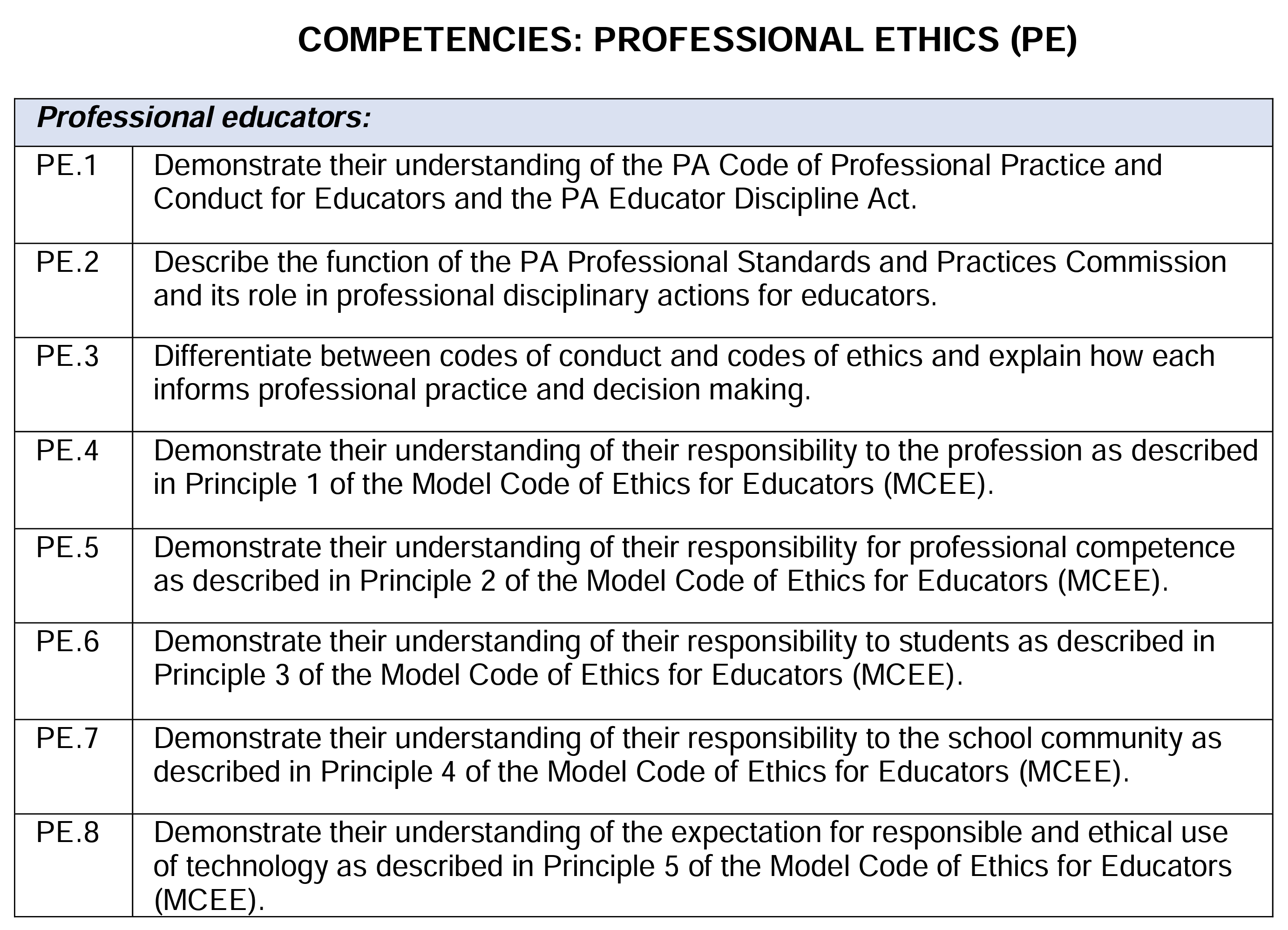



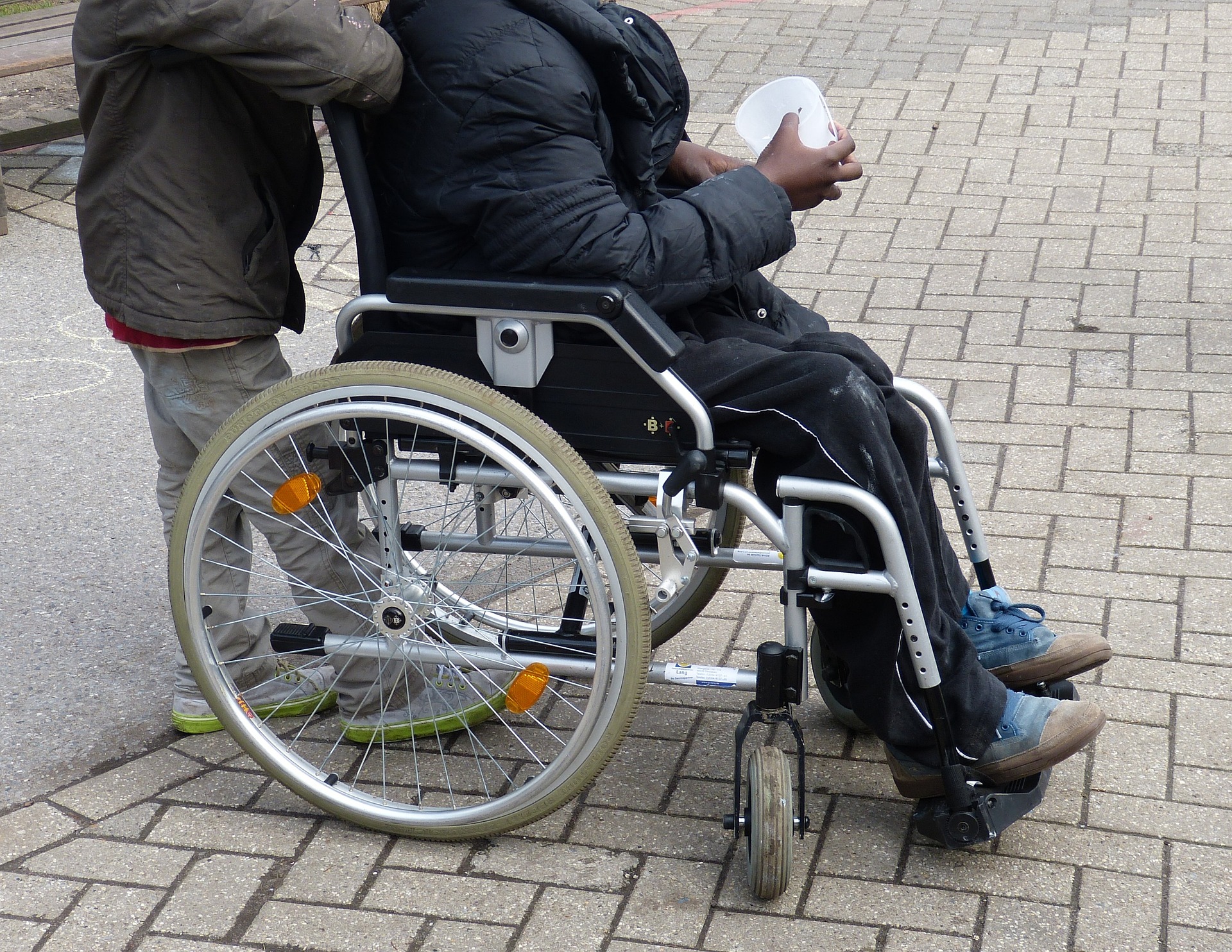

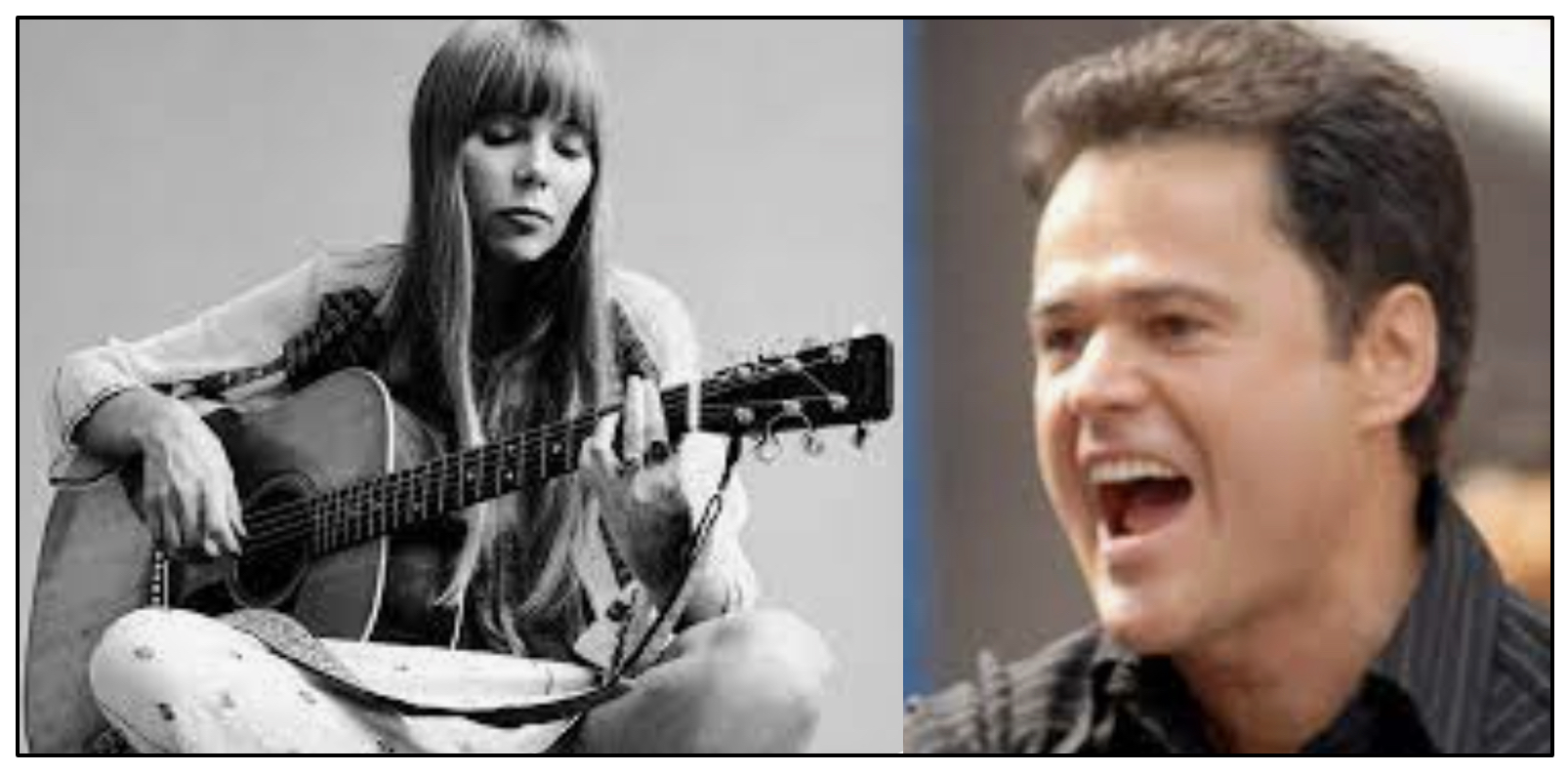
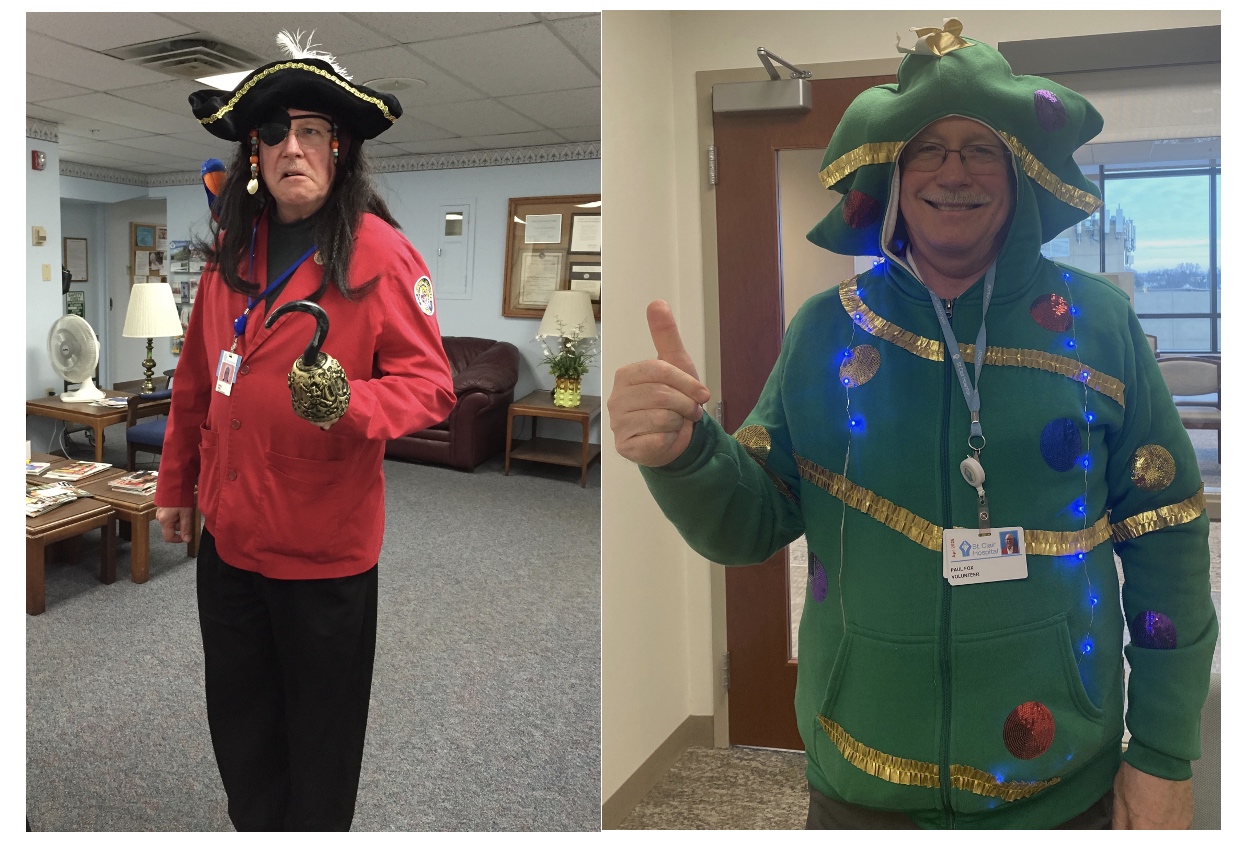



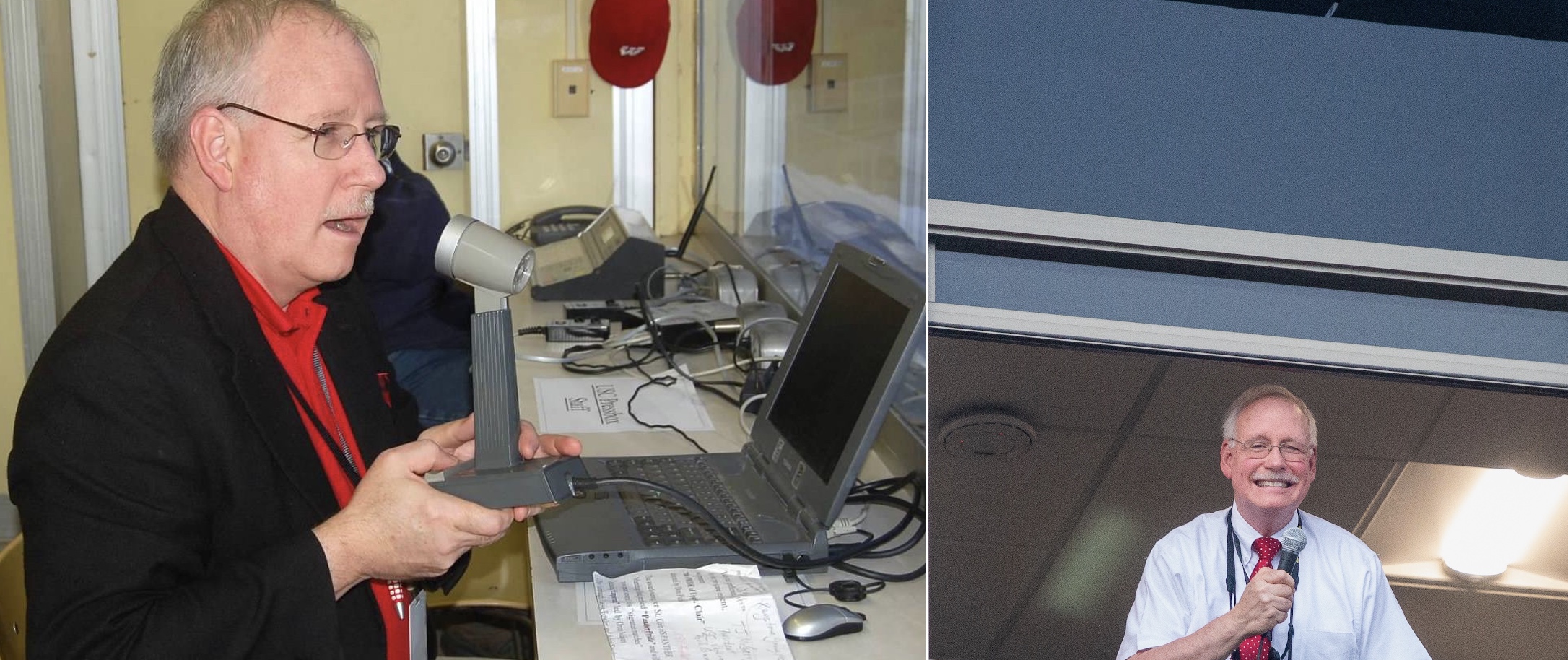
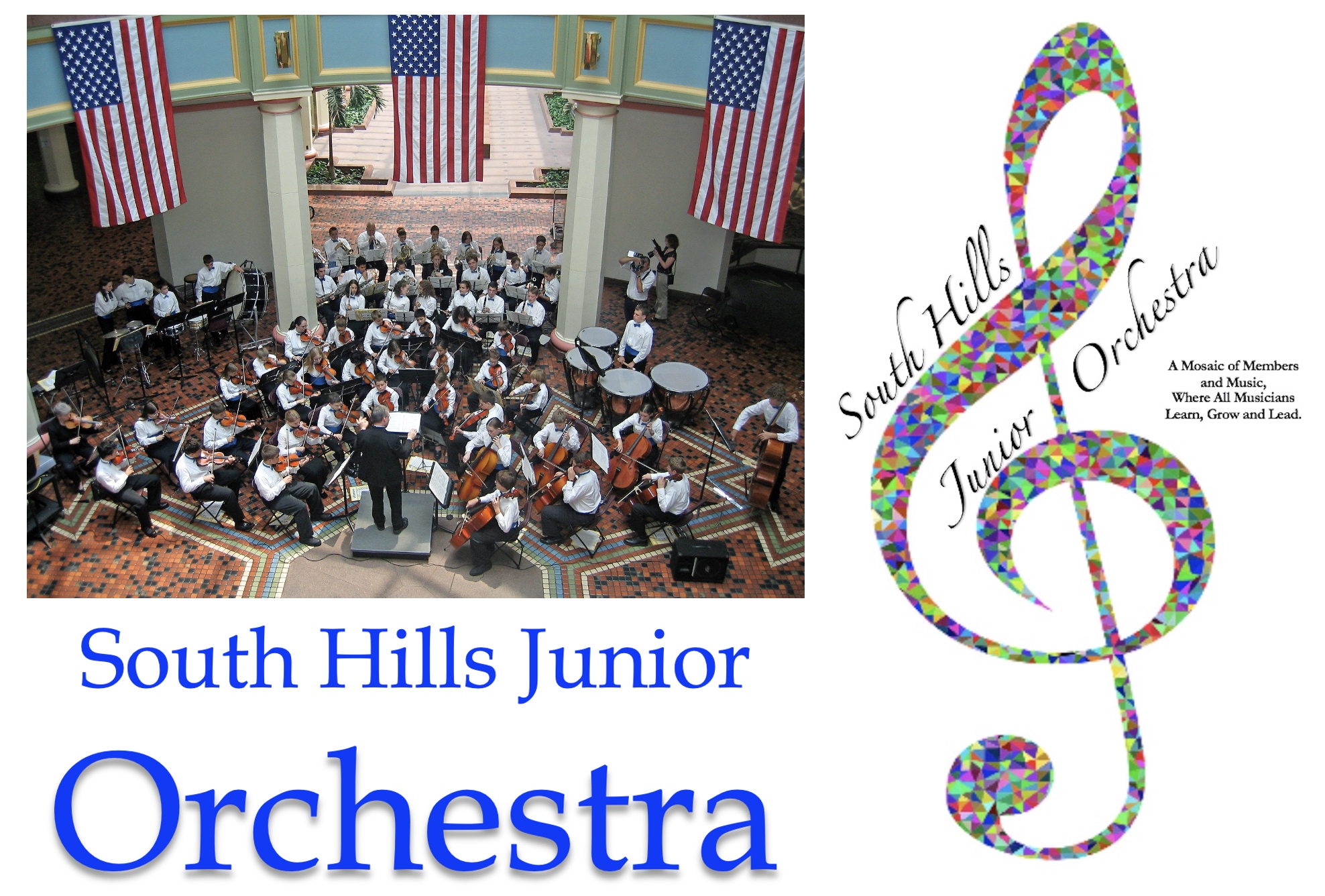

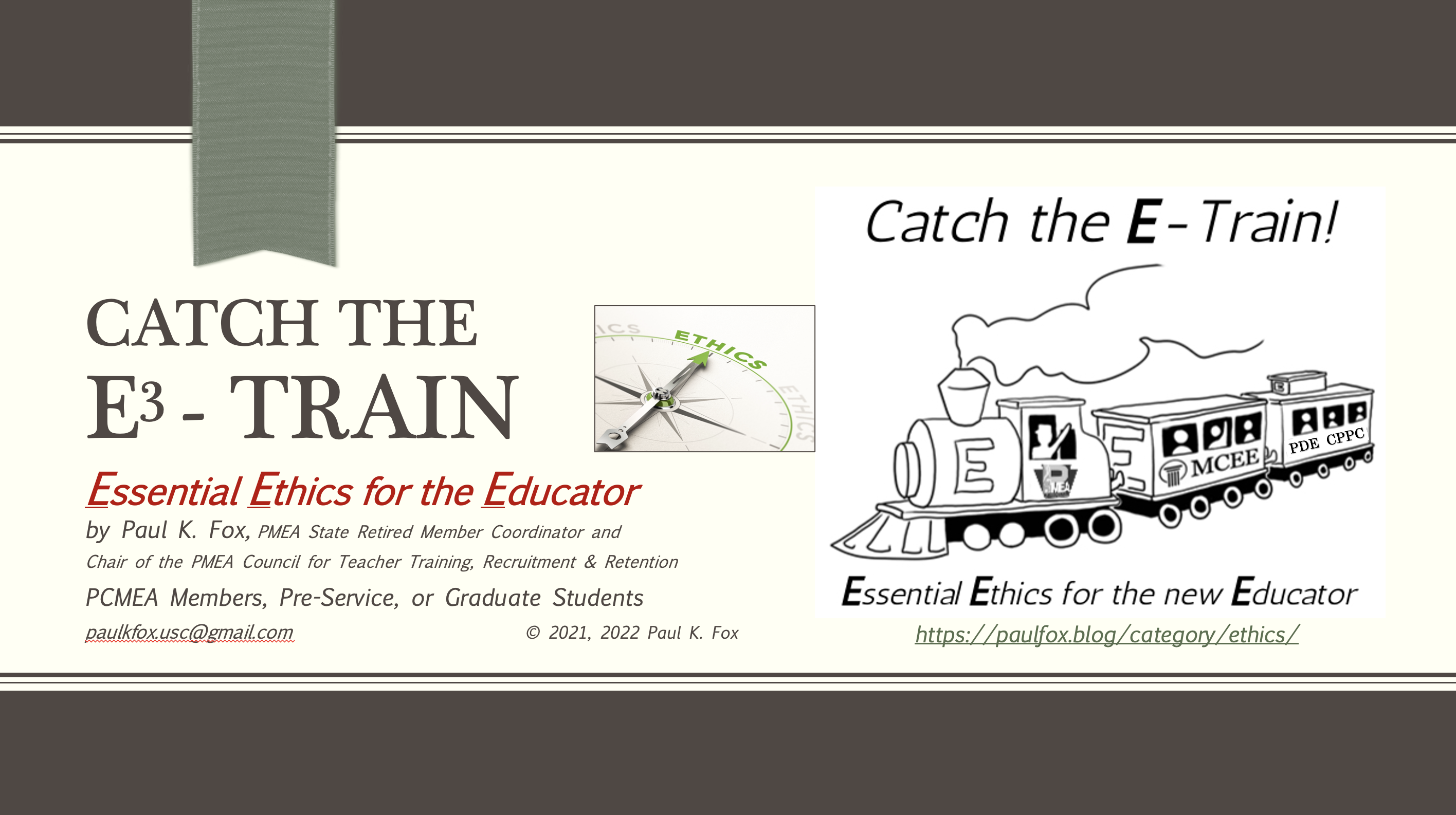

 paulfox.blog