Leaders Flush!

Leadership lessons for the classroom or staff development

This blog is a follow-up resource for my Empowering Educator and Student Leadership presentation at the PA Department of Education SAS INSTITUTE state conference on December 9, 2025 and provides a “fill-in-the-gap” narrative about many of the concepts we have already presented at this blog site:
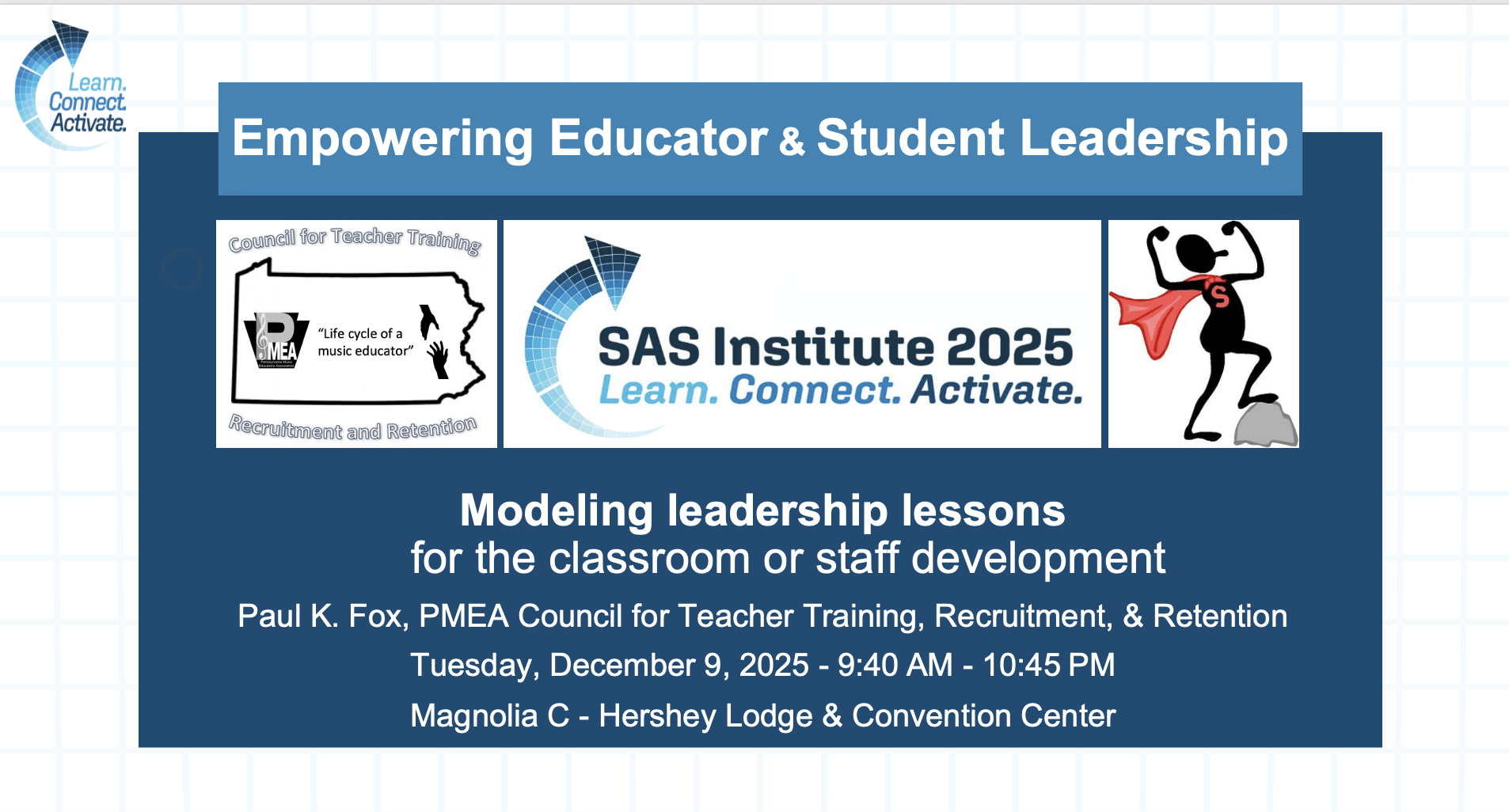
If you would like to review my PDF slide summary from the SAS INSTITUTE, click here.

Did the main title (above) get your attention? What on earth could “leaders flush” have to do with this topic? In teaching (and modeling) leadership skills to my students, we discuss what it means to Faire sans Dire or “do without saying,” the English translation to this crest:

Heraldry coat of arms emblem: Earl of Ilchester

In other words, if you see something that needs to be done (flush the toilet?), don’t assume it’s someone else’s job. A true leader embraces the philosophy Carpe Diem (“seize the day”), identifies the problem and its solution, rolls up his/her sleeve, and “gets it done!”

Why teach leadership in the curriculum & extracurricular activities?

“Leadership is an essential skill that extends beyond the classroom, shaping how students engage with the world around them. Whether leading a group project, organizing an event, or voicing their opinions in discussions, leadership skills empower students to take initiative and make meaningful contributions. These abilities are not only beneficial during school years but also serve as the foundation for lifelong personal and professional success.”
Bloomster

In the past, I have used a multitude of opportunities and settings to teach these life skills in summer leadership camps, section leader and student conductor seminars, drum major and marching band captain auditions, student director, producer, and musical crew head staff meetings, and for 25+ years, preparing student counselors for a comprehensive, six-day, grades 8-12 Township String Camp program.

To sum it up, teaching leadership in Grades K-12 and college settings will:

  • Develop communication skills
  • Build confidence & self-awareness
  • Enhance problem-solving abilities
  • Encourage teamwork & collaboration
  • Shape future success

Why teach leadership to educators?

My December session at SAS Institute was geared to school/system leaders, department heads, and other administrators, but actually the focus on leadership as a skill set necessary for school/staff/individual professional improvement is essential for all educators and school support staff.

From district administrators and school principals to instructional coaches and curriculum coordinators, leaders in education have a direct impact on the learning outcomes of all students. According to UNESCO, educational leadership is considered one of the most influential factors on student outcomes, falling just behind engaging teaching. As a result, leadership training for educators has become an essential part of the professional development experience for teachers at all levels of education.
“Building Leadership Skills – From Classroom Teacher to Educational Leader”

School improvement rarely occurs without effective leadership, and school leadership is only second to classroom teaching in its influence on student achievement. A new evidence review report from Global School Leaders paints a complex and ever-changing picture of school leaders, with their roles, responsibilities, and impact varying around the world.
3 Reasons Why School Leadership Is Vital to Teacher Success”
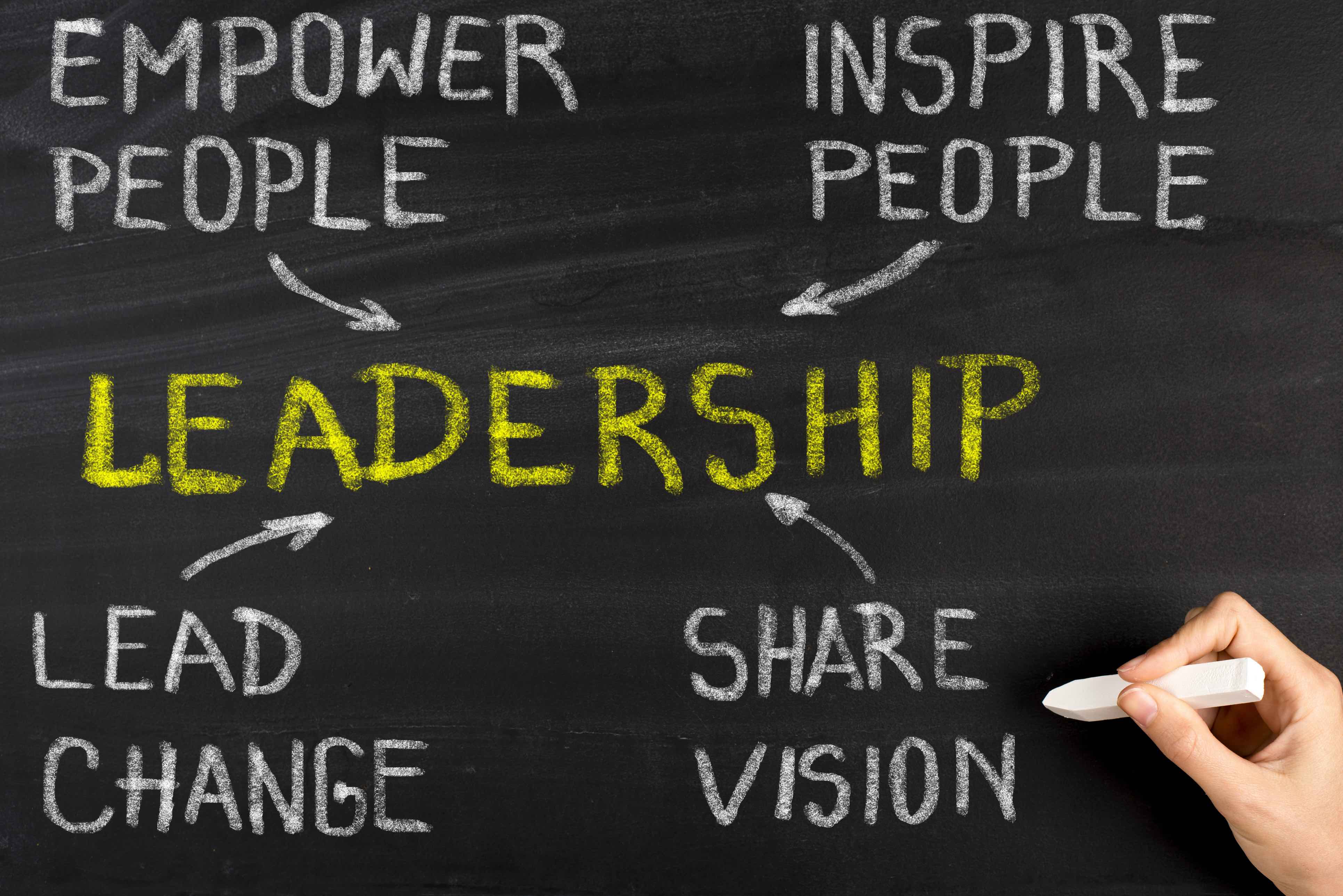
The literature suggests that empowering educators with leadership training will:

  • Improve student achievement
  • Empower and retain teachers
  • Support new staff members
  • Drive innovation and adaptability
  • Bridge the gap between instruction and administration
  • Build/model a positive attitude
  • Enhance strategic thinking and decision-making
  • Promote a positive and collaborative school climate
  • Develop soft skills such as communication, conflict resolution, and building trust… both in and outside the classroom

Leadership assessments

“A leadership skills assessment is a formal evaluation used to identify and measure a person’s leadership potential and competencies, such as communication, decision-making, and emotional intelligence. These assessments can be used by organizations to evaluate current leaders, identify high-potential candidates for promotions, and inform hiring decisions. Common methods include personality tests, scenario-based assessments, and 360-degree feedback, with tools like CliftonStrengths, Hogan Assessments, and DISC being popular examples.” 
“Leadership Assessment Test – A Complete Guide 2025”

There is a large body of information out there, especially commercial resources, for evaluating the leadership quotient and achievement of corporate managers, CEOs, CFOs, etc. I was impressed with the scope and depth of the research, including these sample firms advertising the availability of third-party consultants and advisors.
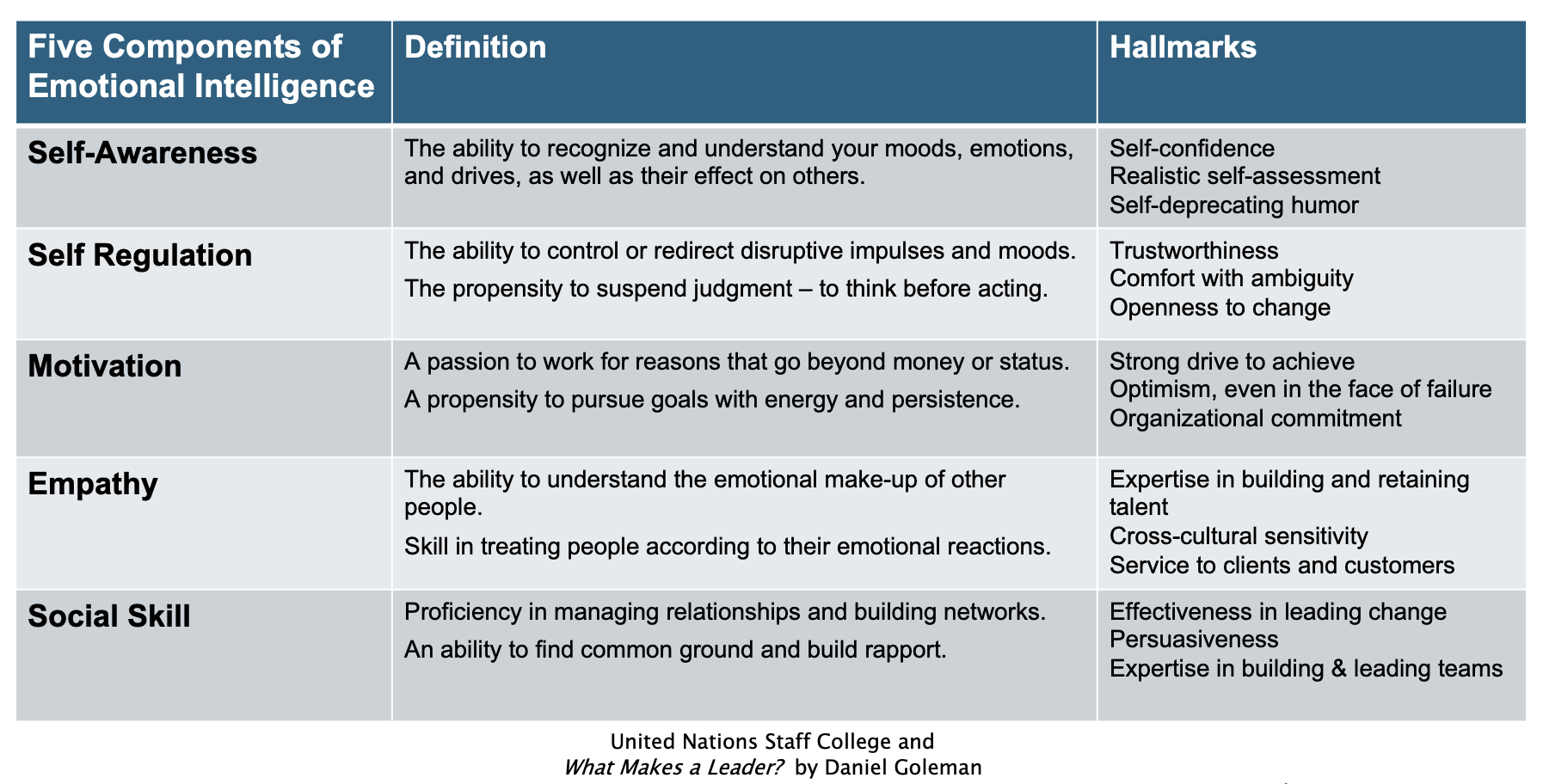
One night I randomly scanned through a handful of YouTube reels of company fraud and mismanagement (e.g., “Revenge of the Coffee Pot,” “Revenge with Karen,” and “Silent Revenge”), painting (fictitious) stories of bosses stealing intellectual property or assuming credit for the innovations/achievements of their subordinates, patent infringement, nepotism or incompetent hirings… all with arrogance, lack of professionalism, the total disregard of employee morale, and blatant patterns of poor executive decision-making, communication, emotional intelligence, strategic thinking, and the ability to influence and guide a team. “Emotional intelligence” (as defined above by Daniel Goleman in What Makes a Leader? also attributed to the United Nations Staff College) should include the “best practices” of self-awareness, self regulation, motivation, empathy, and social skills. Added to these YouTube (fake) scripted deficiencies are the mitigating effects of corporate politics, inconsistent application of compliance or HR policies, unclear contract language, and problems in the chain of command… with the eventual result of the boss receiving a fall from grace, termination, and other legal consequences. Most of these episodes imply only the Board of Directors evaluates the top executives (like school superintendents?), and even with the inclusion of employee satisfaction surveys, staff retention data, third-party auditors, and whistle-blower protections in some instances, the catastrophic actions of these leaders nearly destroy the businesses. For these videos, it seems that leadership assessments and goals are never ongoing, the benchmarks are seldom reviewed, and nothing is PROACTIVE… and therefore not preventive. Therefore, for the school district and corporate worlds alike, we need to intentionally provide formative assessments of our leaders (and ourselves). Exactly what do we need to know and do to improve?
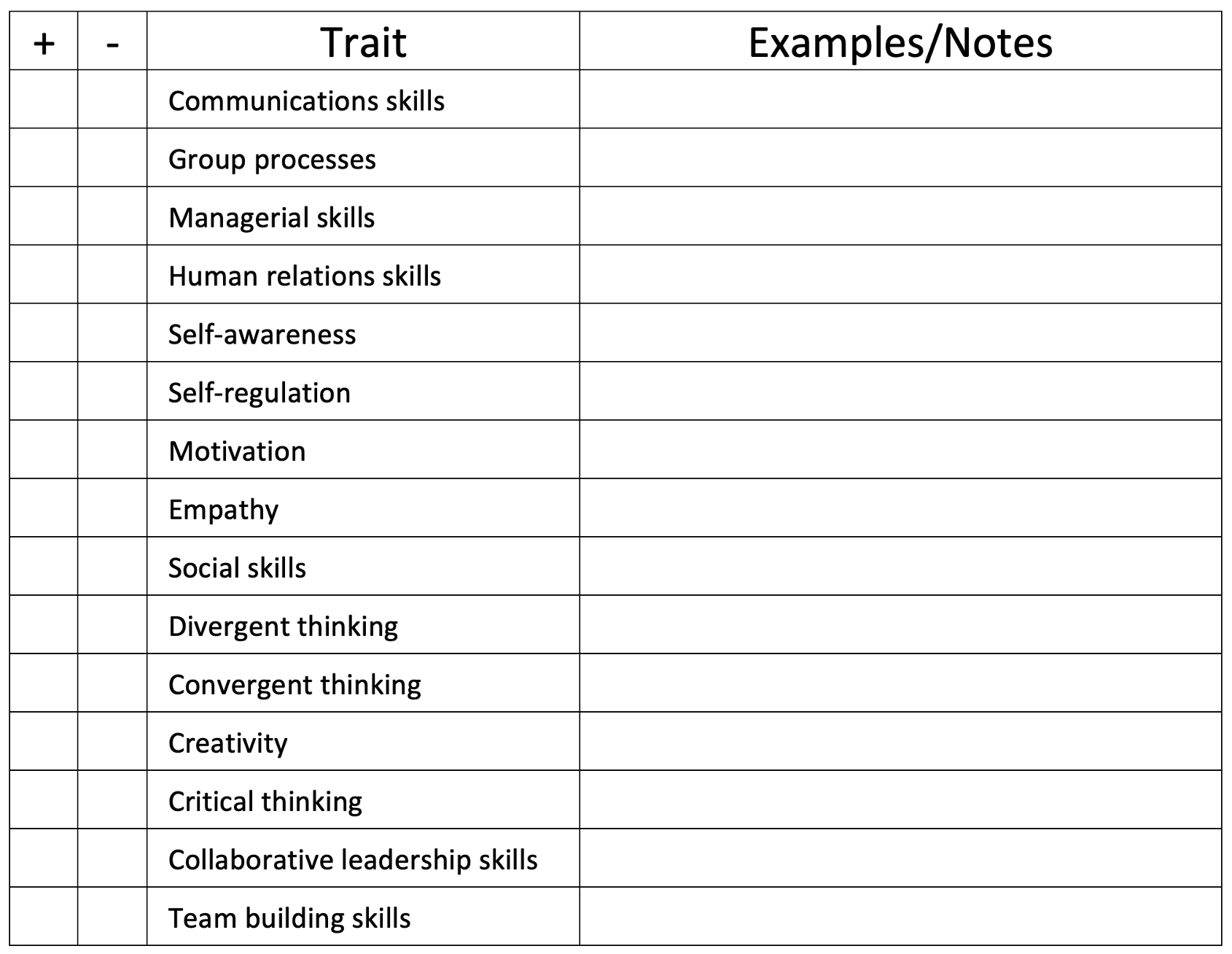
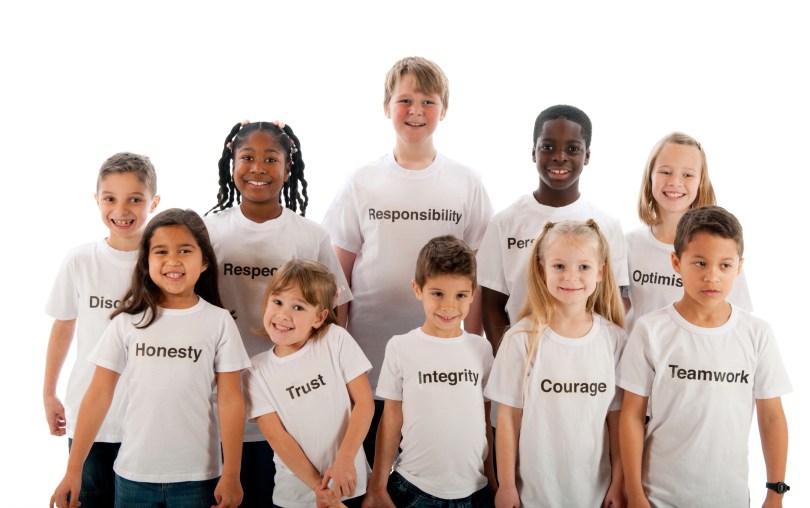
In my blog Growing Student Leaders and the SAS Institute 2025 presentation, I offered the above image as an informal personal checklist to evaluate leadership traits. Coincidentally, while I was writing this article, a scholarship committee of the Community Foundation of Upper St. Clair (for which I serve as Communications Director and Arts Chair) was developing an assessment rubric for ranking applications of a new student leadership scholarship. Although still under development, here are a few of the categories being considered:

  • Communication: Includes listening skills, clarity in speaking, and the ability to make others feel heard.
  • Integrity: Acting ethically, being trustworthy, and aligning actions with words.
  • Accountability: Taking ownership of actions and commitments.
  • Collaboration: Working effectively with others, valuing different perspectives, and resolving conflicts.
  • Self-awareness: Understanding one’s own strengths, weaknesses, and biases.
  • Drive/Initiative: A bias for action and the ability to move projects forward.
  • Courage: The bravery to speak truthfully, admit shortcomings, and make difficult decisions.
  • Humility: Recognizing the contributions of others and remaining a lifelong learner.
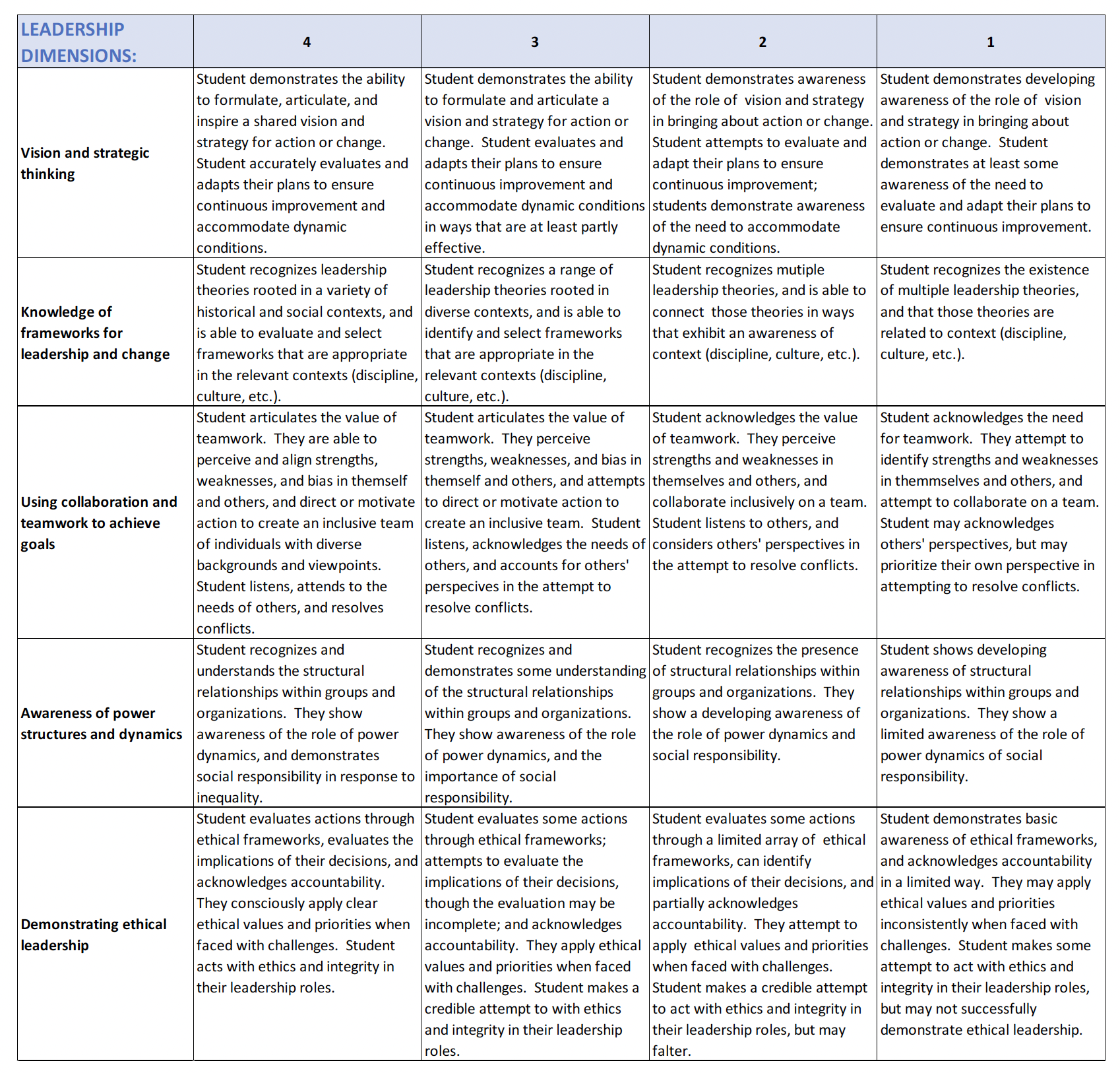
The University of Massachusetts Lowell developed the above rubric for their River Hawk Experience Distinction Leadership Program, defining specific criteria with a clear description of what each trait should look like at different performance levels, in order to provide a standardized way of measuring and assessing leadership skills
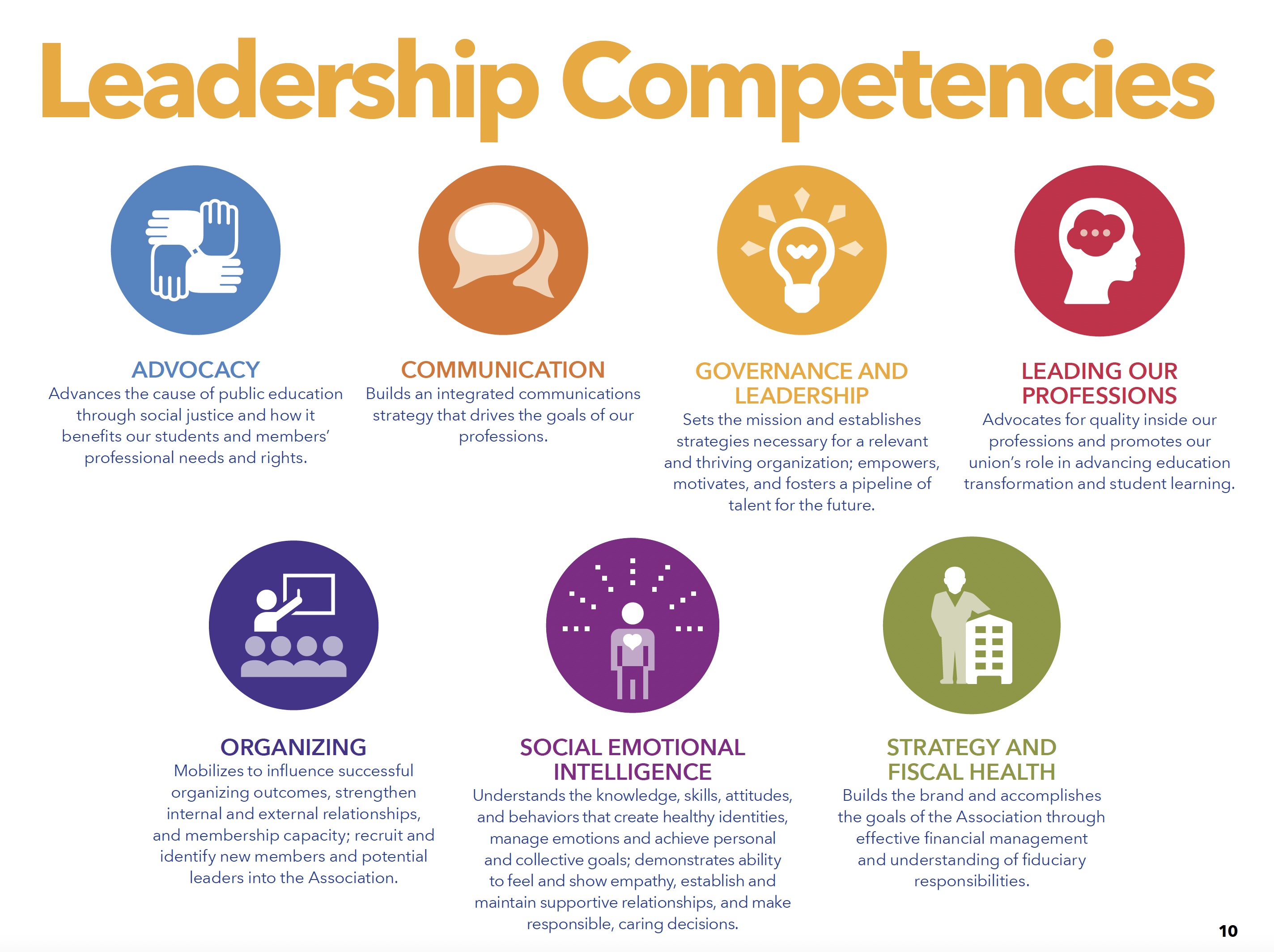
In addition, the National Education Association has created the above NEA Leadership Competency Guide worth downloading.

My favorite inspirational speaker Simon Sinek has also weighed in on this topic of “What Makes a Great Leader?” refining/simplifying it to just three traits:

  • Courage
  • Integrity
  • Communication

Additional resources

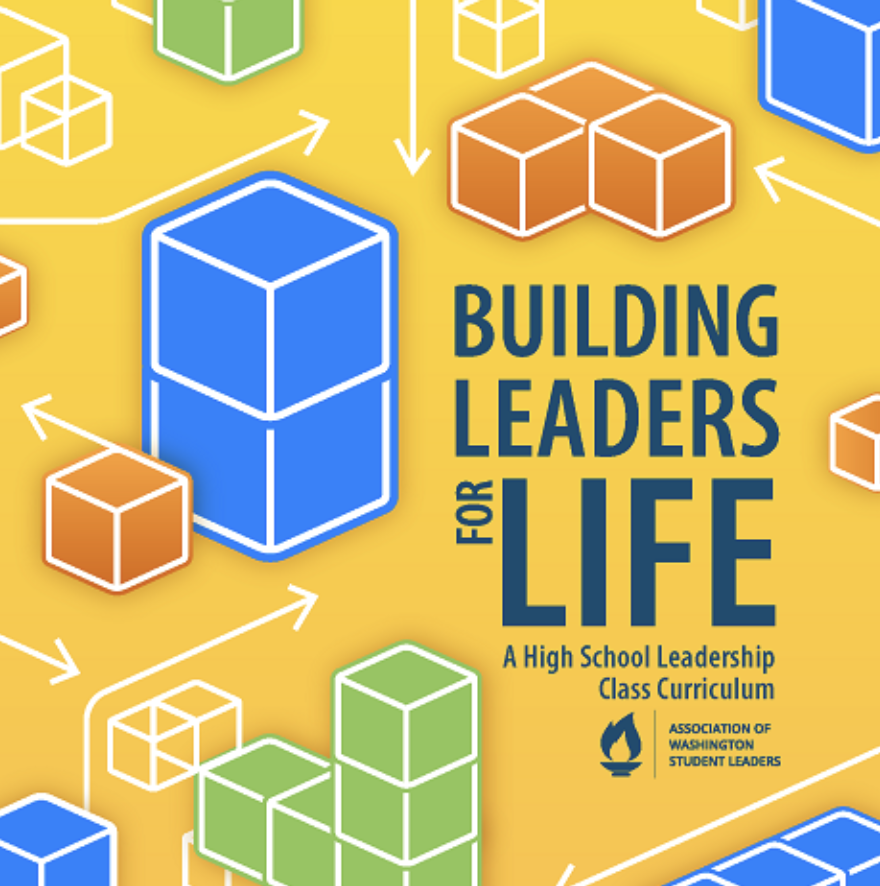
If you are an educator looking for supplemental material on developing leadership skills in your students, besides these SAS INSTITUTE 2025 slides (of which the original PowerPoint file is available to download for free in order to adapt for your classroom – please email me), I recommend perusing the full-blown “Building Leaders for Life” (second edition) curriculum (94 lessons in five subject areas, 355 pages of lesson materials, 137 student handouts) created by the Association of Washington Student Leaders (a division of the Washington School Principals’ Education Foundation). Click here to view their website. They also have a middle school and elementary series!

If you attend my SAS INSTITUTE workshop on December 9, 2025 (starting at 9:40 a.m. in Magnolia C, Hershey Lodge & Convention Center), ask me to see sample materials from their high school course of study.

Finally, here is the “homework for future leaders” I provided at the SAS INSTITUTE and during a 2024 summer camp at Upper St. Clair High School, providing additional links to many inspiring minds. Enjoy!


Leadership is not about being in charge. It is about taking care of those in your charge. — Simon Sinek

A leader is one who knows the way, goes the way, and shows the way. — John C. Maxwell

Do not follow where the path may lead. Go instead where there is no path and leave a trail.
— Ralph Waldo Emerson

The greatest leader is not necessarily the one who does the greatest things. He is the one who gets people to do the greatest things. — Ronald Reagan

What you do has far greater impact than what you say. — Stephen Covey

PKF

© 2025 Paul K. Fox
Educator Ethics Training Revisited!

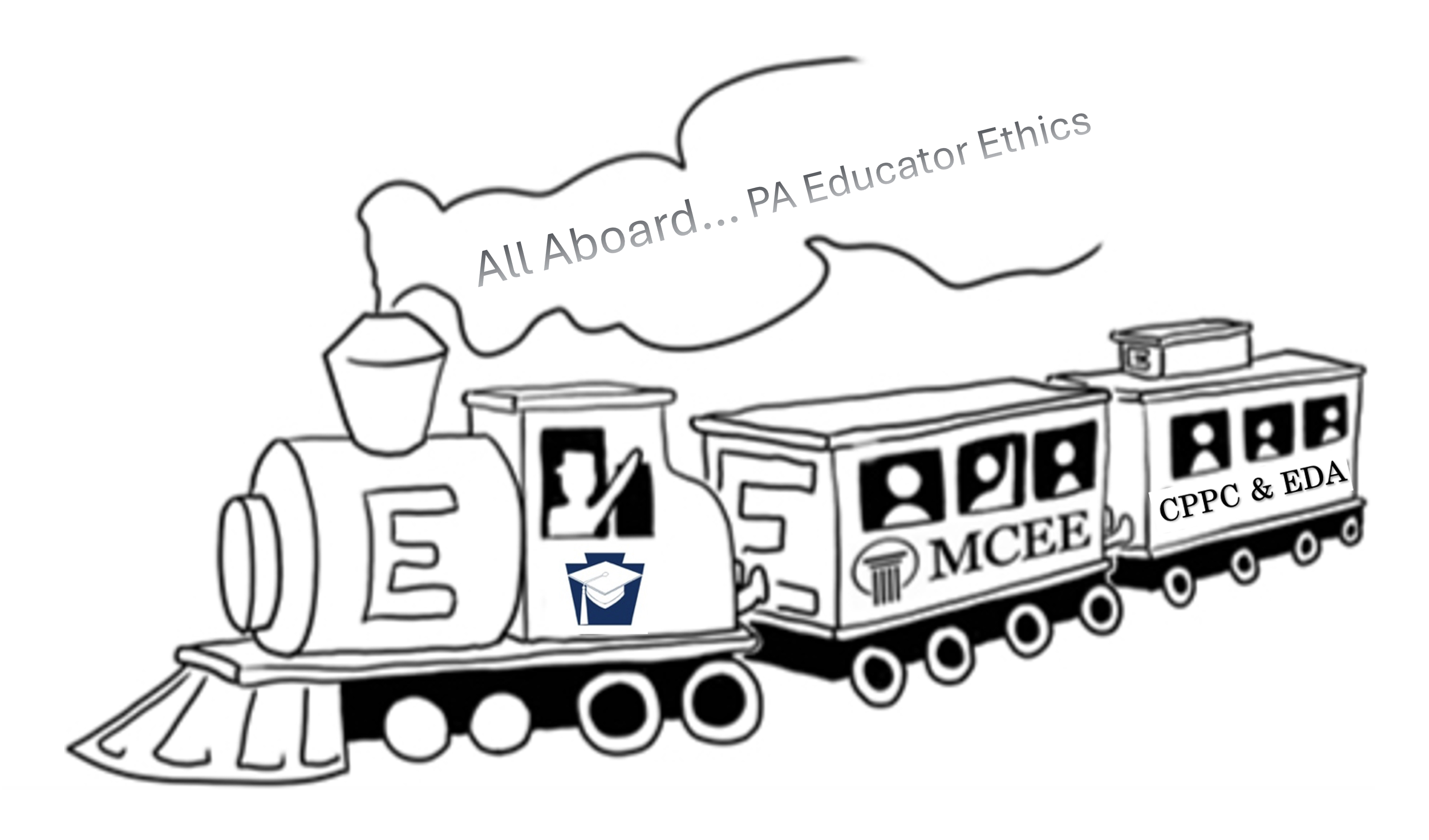
ALL ABOARD THE E-TRAIN… Embarking and Embracing a Journey of Essential Educator Ethics

The wheels of the train go round and round…

“All black, well stacked, goin’ down the track clickety clack” = the train looked good on the visual roll-by inspection.

“Highball it out of here” = proceed at maximum permissible speed

“Let’s pull the pin and roll” = uncouple so we can get out of here

The fall season is bringing upon us a series of ethical workshops, classes, and the creation of other resources, and the perfect time to warehouse everything at the main rail terminal! Take an excursion below to learn more about “staying on track” with research on the responsibilities and “regs” for serving as an educator.

Can you name the exact title of your Code of Conduct? What agency enforces it? Do educators have a Code of Ethics? Are school teachers fiduciaries or model exemplars? What does all of this mean?

First, let’s take a pretest of your knowledge and experience on the subject of school ethics. Which of the following statements has the least validity?

  1. Moral professionalism involves being well informed about students, education, and content, confronting parents of underachieving students, cooperating with colleagues to observe school policies, and criticizing unsatisfactory policies and proposing constructive improvement.
  2. Teachers, attorneys, doctors, nurses, counselors, therapists, and the clergy have “fiduciary” duties: own the highest legal duties of good faith and trust and are bound ethically to act in another party’s best interest.
  3. Although not always defined in exact terms of school law or policies, professional ethics are “standards that assist practitioners within situation and systemic contexts in choosing the best course-of-action.”
  4. A code of ethics outlines a set of principles that affect decision making, while a code of conduct delineates specific behaviors that are required or prohibited and governs actions.
  5. The primary goal of professional ethics training is to emphasize the “minimum standards of acceptable behavior” and focus on specific illegal and unethical actions that may result in disciplinary actions.

After a thorough exploration of the materials below, you should feel confident in responding to this question. (If you need help, scroll down to answer at the end of this blog-post.)

Classes and Conferences on Ethics, Oh My!

I am looking forward to sharing insights on ethical issues and especially the seeming “conundrums” or conflicts in the myriad of snap judgments of daily decision-making, both in and outside of our classrooms. Upcoming opportunities are on the ethics e-train schedule.

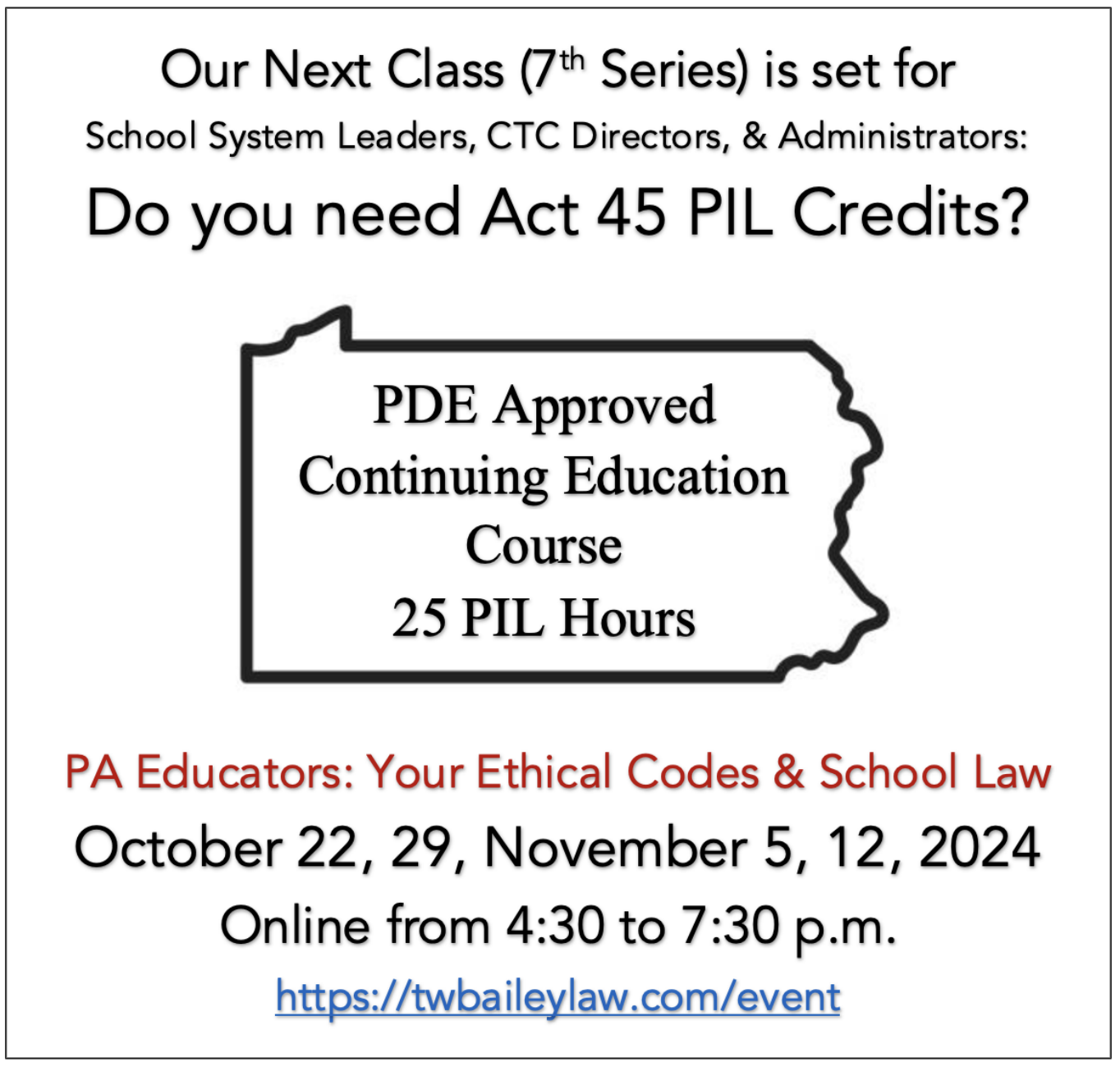
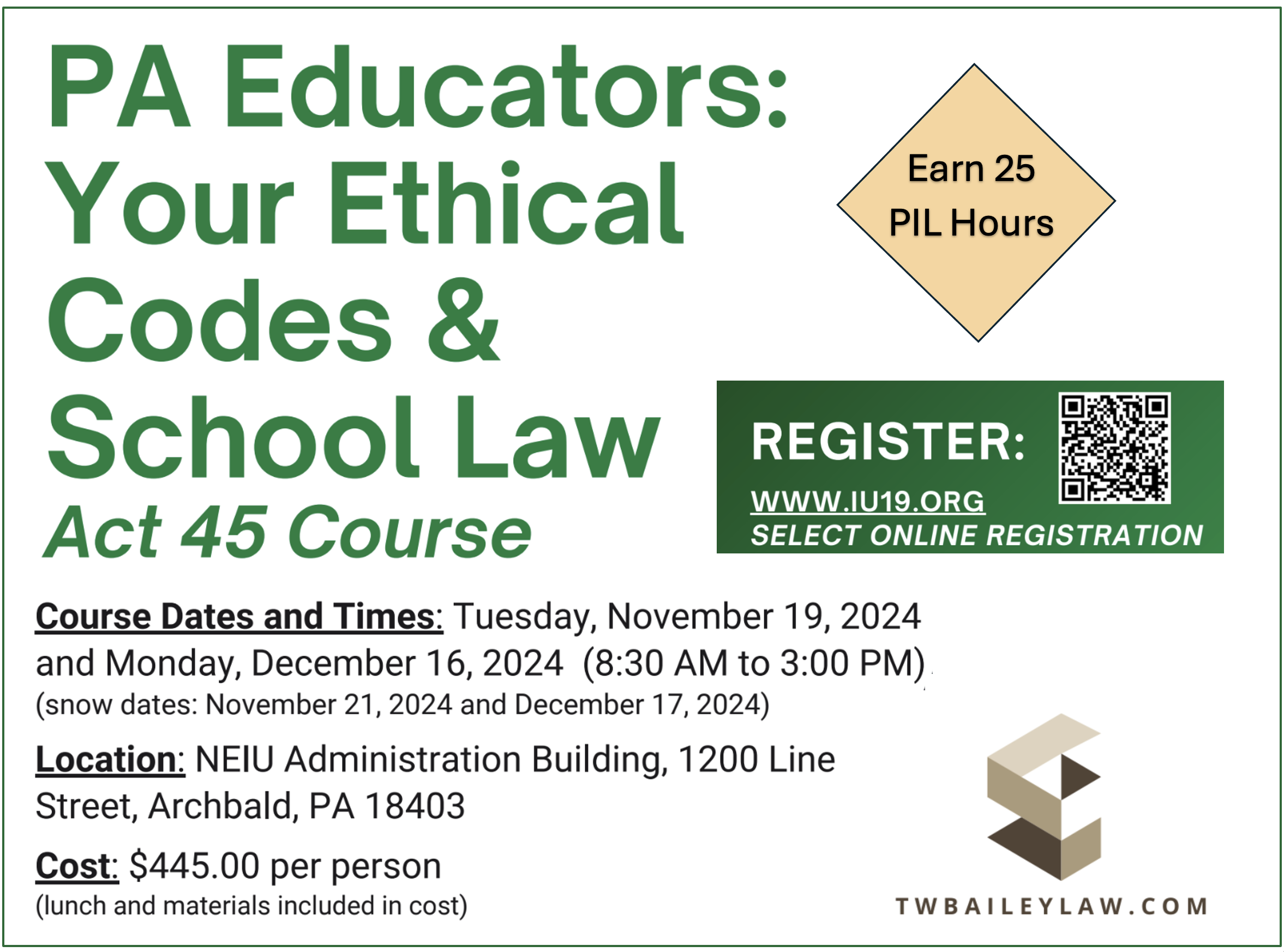
Currently, we are completing the sixth series of our 25-hour PDE-approved Act 45/PIL online course for school/system leaders, career and technical center directors, and other administrators. Sponsored by my colleague Thomas W. Bailey (check out his website here), the next class “PA Educators: Your Ethical Codes & School Law” begins on October 22 for four consecutive Tuesdays from 4:30 to 7:30 p.m.

Thomas Bailey and I were also invited to present this Act 45/PIL course for the Northeastern Intermediate Unit #19 as a two-day workshop on November 19 and December 16, 2024. Visit http://www.iu19.org or click here to register.

I am venturing out of the Western PA to Eagleville, PA (near Valley Forge) to provide a 70-minute in-service, a school ethics “refresh” for the faculty at Methacton School District on October 14, 2024. Click here to download a copy of the slide summary with all links active.

Finally, I am happy to report that I was invited back to the PDE SAS Institute to do two sessions: “Planning School Ethics Training, Part I – Definitions, Codes, and the Commission” and Planning School Ethics Training, Part II – Model Code of Ethics for Educators. My proposal to present the session “CATCH THE E-TRAIN – Codes, Case Studies, and the Challenges of Ethical Decision-Making” was not approved for the 2025 PMEA Annual Conference in Kalahari Resort (Poconos). However, a facsimile of similar slides from past NAfME/PMEA workshops and webinars on educator ethics is available here.

Supplemental Resources for the Study of Codes, Case Studies, and the Challenges of Daily Decision-Making in Education

And now, the grand daddy of school ethics destinations…

Past paulfox.blog posts on educator ethics

Especially for Pennsylvania educators, pre-service students, and newcomers to the Commonwealth (citing the PA Professional Practices and Standards Commission website)

From other state governments (all rights reserved)

An additional sampling of articles

WHY STUDY ETHICS? Answer to the PRETEST above.

A code of ethics sets a higher threshold than regulatory codes of conduct or even a nonprofit organization’s bylaws and compliance rules enforced by the government. A code of conduct, such as the Pennsylvania “Code of Professional Practices and Conduct” of the PSPC, provides absolutes for employment, licensure, and/or civil/criminal sanctions. In contrast, the Model Code of Ethics for Educators document serves more as a general compass to help steer professionals towards sound judgment in their daily decision-making. What is unique about a true code of ethics vs. a code of conduct is that the principles are not defined in exact terms of law or policies, nor do they necessarily model family morals or values on which we as individual educators have been raised. The proposed standards are not about definite issues of right/wrong or black/white, but shades of grey. They are more open-ended, offering opportunities to discuss recommendations for consideration from a set of possible choices based on the circumstances of each ethical dilemma or resolution.

– excerpt from “The Ethical Music Educator,” Winter 2020 issue of PMEA News

Teachers are ethical professionals. Our moral aspirations, the “codes” and “standards” we subscribe to, and our professionalism are important to us, our students, our programs, and our communities. Essentially, these are the beliefs for which we stand, the values and behavior we model in our day-to-day decision-making to “make a difference” in the lives of our students, and the overall integrity of the profession. Therefore, the answer to the PRETEST above is #5. (#1-4 are TRUE!) But, as stated in #5, the goal of meaningful ethics training is NOT to emphasize the minimum standards of acceptable behavior or to focus on specific illegal and unethical actions that may result in disciplinary actions.

Do you have anything to add to this collection? ALL ABOARD! The conductor would appreciate feedback! Please feel free to make a comment to this blog (see link next to the title).

PKF

© 2024 Paul K. Fox

Leadership Lessons

Summertime Reading Suggestions for Music Directors

3 leadership books

What do authors C.S. Forester, Simon Sinek, Jocko Willink, and Leif Babin have in common?

They offer a fresh perspective on leadership principles, reflections perfectly applicable for the skill-set development of music teachers who desire to better “lead” their music programs, students, and parent boosters.

It was no accident that I chose these books to help explore the truths of inspiring confidence and leading groups of people like we do daily in our classrooms, rehearsal halls, and on the stages or marching band fields. Their use of military (as well as company or government management) anecdotes defines and re-enacts the very essence of leaders, leadership concepts, goals, and public service.

“These [military group] organizations have strong cultures and shared values, understand the importance of teamwork, create trust among their members, maintain focus, and, most important, understand the importance of people and relationships to their mission success.”

— From the Foreword of Leaders Eat First

Why do we admire music teacher “heroes” and most sought-after conference keynoters in our profession such as “Dr. Tim” Lautzenheiser, Peter Boonshaft, Scott Edgar*, and Bob Morrison* (*the latter two to be featured in the PMEA Summer Virtual Conference on July 20-24, 2020). They inspire us. They recharge us and pick up our spirits. They serve as models of visionaries and coaches. They challenge the status quo and help us to grow!

I believe these books will do the same, assist in your career development to morph into an even better leader and teacher. Since many of us are “stuck at home” during the pandemic for awhile, here is a new “reading list” for personal self-improvement.

EPISODE 1-MUTINY
ITV/Rex Archive: Ioan Gruffudd in “Hornblower” 2001 TV series

Who is Horatio Hornblower?

To start with, how about a series of historical fiction from the Napoleonic-Wars era?

Hornblower is a courteous, intelligent, and skilled seaman, and perhaps one of my favorite examples of an adaptable “leader.” Although burdened by his (almost shy) reserve, introspection, and self-doubt (he is described as “unhappy and lonely”), the Forester collection illustrates numerous stories of his personal feats of extraordinary cunning, on-the-spot problem solving, and bravery. The first book spotlights an unpromising seasick midshipman who grows into a highly acclaimed, productive, and ethical officer of Her Majesty’s Royal Navy, gaining promotion steadily as a result of his skill and daring, despite his initial poverty and lack of influential friends. And yet, the common thread throughout is that he belittles his achievements by numerous rationalizations, remembering only his fears.

A_74_gun_Royal_Navy_ship_of_the_line,_c1794
74-gun Royal Navy Ship-of-the-line ~1794

“Hornblower’s leadership is thoroughly self-conscious: what makes him a great leader, morally, is that he assumes as a matter course that he must lead rather than he can lead; Hornblower’s pervasive sense of responsibility would be diminished if it all came to him naturally and that he acts therefore as each situation demands. He can be self-effacing or fierce, or obsequious, all depending on what is necessary to get the job done. As it happens, Hornblower‘s many other gifts, including a formidable diligence, always beyond the call of duty, and a supple intelligence, make him a man others trust and lean on; but for the reader, especially young reader, it’s his moral qualities that are most engaging, it is instructive.”

by Igor Webb, Hudson Review

This set is a wonderful “chestnut” to acquire, sit back in your leather recliner, and devour over the coming months. Even though it may take you some significant time to finish Forester’s eleven novels (one unfinished) and five short stories, I promise you, it will all be worth it!

[If you like the Hornblower assortment, also checkout the works by Alexander Kent and Dudley Pope, all drawing parallels to the exploits of real naval officers of the time: Sir George Cockburn, Lord Cochran, Sir Edward Pellew, Jeremiah Coghlan, Sir James Gordon, and Sir William Hoste.]

leader-2206099_1920_danymena88

Now, how can you personally glean new leadership habits from this treasure chest? Coincidental to doing some research for this blog, I bumped into the article on LinkedIn “Leadership Lessons Learned from Horatio Hornblower.” My sincere thanks and “attaboy” go to Amro Masaad, Education and STEM Leader at Middlesex County Academies, who gave me permission to share his documentation and insightful interpretation of the following leadership tips learned from Hornblower that we can all employ as “best practices” in the education profession:

  1. Don’t be afraid to stand up to a bully.
  2. Don’t insist that all of your successes be praised.
  3. Don’t let employees sabotage your mission.
  4. If you want excellence, you can’t look the other way.
  5. Prove yourself when the situation demands it.
  6. Take one for the team.
  7. Show sacrifice and honor, even with your enemies.

I have always been inspired by the adventures of Hornblower, mostly because of his displays of humanity at a time in history when things were inhumane and primitive. Hornblower consistently modeled his intentions for the care and success of his subordinates while other officers “stepped on them” to get advancement, his unimpeachable moral code that guided his every action, and “taking it on the chin” when necessary for his shipmates and the good of “god and country.”

professions-2065278_1920_Peggy_Marco with border

Leaders Eat Last

I was struck by this quote by Simon Sinek, the author of Start with Why – How Great Leaders Inspire Action, who posted a popular TedTalk lecture of the same name:

“There are leaders and there are those who lead. Leaders hold the position of power or authority, but those who lead, inspire us. Whether they are individuals or organizations, we follow those who lead, not because we have to, but because we want to. We follow those who lead, not for them, but for ourselves. And, it’s those who start with ‘the why’ that have the ability to inspire those around them or find others to inspire them.”

TEDxPugetSound

silent-drill-platoon-1398509_1920_skeezeHis latest book, Leaders Eat Last, brings up the rationale of mutual collaboration and prioritizing the mission and the needs of your team members. Sinek observed that some teams were able to trust each other 100%, so much so that they would be willing to put their lives on the line for each other, while other groups, no matter what enticements or special incentives were offered, were “doomed to infighting, fragmentation and failure.” Why was this true?
“The answer became clear during our conversation with the Marine Corps general. ‘Officers eat last,’ he said. Sinek watched as the most junior Marines ate first while the most senior Marines took their place at the back of the line. What’s symbolic in the chow hall is deadly serious on the battlefield: great leaders sacrifice their own comfort – even their own survival – for the good of those in their care.”

Leaders Eat Last by Simon Sinek

Throughout his book of vivid narratives from armed conflicts to business “revolutions” of take-overs or new CEO transformations, Sinek dives into the precepts of what constitutes “great” leadership:

  • The value of empathy should not be underestimated.
  • Trust and loyalty exist on a two-way street – to earn them, leaders must first extent them to their team members.
  • The role of leadership is to look out for (and take care of) those inside their “circle of safety.”
  • For the success of the team, goals must be tangible, visible, collaborative, and written down.
  • Leaders know: There is power in “paying it forward.” It feels good to help people, or when someone does something nice to us, or even when we witness someone else doing something good.
  • It’s also a big deal when leaders express that final personal touch and shake hands.
  • Leadership is all about service… to the “real, living, normal human beings with whom we work every day.”

I have never found a better source for defining the four “chemical incentives” in our bodies (also known as hormones) and numerous actual examples of their daily use (and misuse): endorphins, dopamine, serotonin and oxytocin.

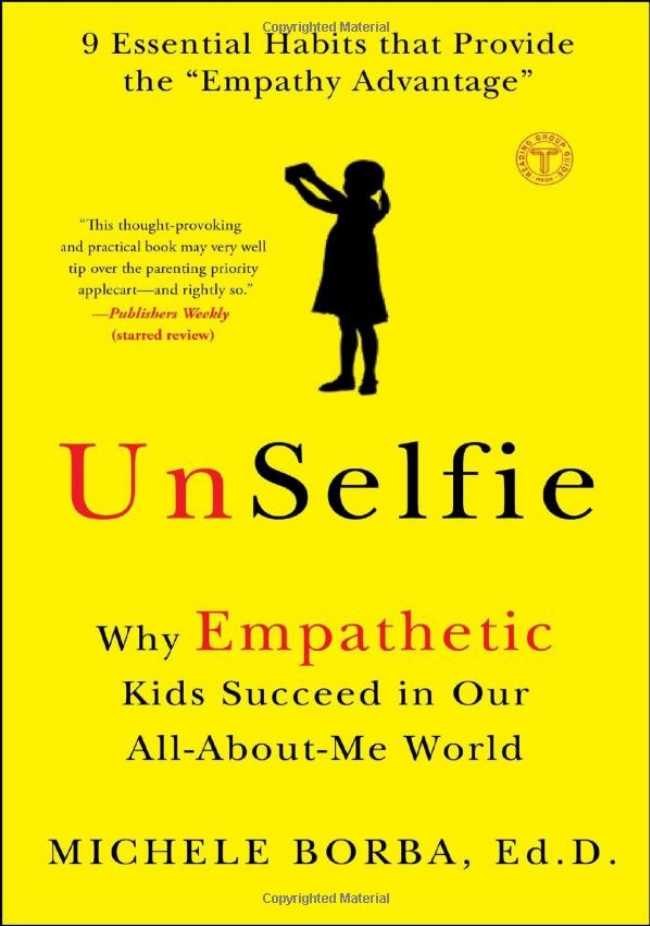
UnSelfieAlso intriguing is an expanded Chapter 24 and Appendix section in the book called “A Practical Guide to Leading Millennials.” Similar to another suggestion for summer perusal, UnSelfie: Why Empathetic Kids Succeed in Our All-About-Me World by Michele Borba, Ed.D (Simon & Schuster, 2017) which focuses more on our current young “charges,” Sinek’s differentiation is provided to inspire and educate the ultimate multitaskers of the “distracted generation.”

“This is what it means to be a leader. It means they choose to go first into danger, headfirst toward the unknown. And when we feel sure they will keep us safe, we will march behind them and work tirelessly to see their visions come to life and proudly call ourselves their followers.”

“The biology is clear: When it matters most, leaders who are willing to eat last are rewarded with deeply loyal colleagues who will stop at nothing to advance their leaders vision and their organization’s interests. It’s amazing how well it works.”

Leaders Eat Last by Simon Sinek

boat-647049_1920_2_skeeze


Extreme Ownership

This next leadership philosophy, the core premise of the book Extreme Ownership – How U.S. Navy Seals Lead and Win by Jocko Willink and Leif Babin, will not surprise anyone who has ever taken on the inherently risky task of programming a student concert, marching field show, dance recital, or musical/play: the music director assumes full responsibility for the failures and faux pas that may occur during the performance, but instrumentalists, singers, actors, and/or dancers should get all the credit for a successful production.

“Combat, the most intense and dynamic environment imaginable, teaches the toughest leadership lessons with absolutely everything at stake. Jocko Willink and Leif Babin learned this reality firsthand on the most violent and dangerous battlefields in Iraqi. As leaders of SEAL Team Three’s Task Unit Bruiser, their mission was one many thought impossible: help US forces secure Ramada, a violent, insurgent-held city deemed “all but lost.“ In gripping, firsthand accounts of heroism, tragic loss, and hard-won victories, they learned that leadership – at every level – is the most important factor in whether a team succeeds or fails.”

Front panel of the hardback Extreme Ownership

be-unique-4909103_1920_mohamed_hassan

This is a comprehensive textbook on Leadership 101. Admittedly, the rehash of their battle scenes are scary. This is a world so far apart from anything I have ever experienced. We do owe all our veterans a massive depth of gratitude to face such dangers to defend our freedoms and way of life. (As an inexperienced teacher, the worst fear I ever had to face was a homeroom of 99 excitable and talkative Freshman girls in my first year as the high school choral director.)

When possible, I try to share the Contents (chapter titles) of my book recommendations, giving you a broad glimpse of the outline of their publication:

  1. Extreme Ownership
  2. US Navy SEAL Team Three [ST3][Patch][1.5]No Bad Teams, Only Bad Leaders
  3. Believe
  4. Check the Ego
  5. Cover and Move
  6. Simple
  7. Prioritize and Execute
  8. Decentralized Command
  9. Plan
  10. Leading Up and Down the Chain of Command
  11. Decisiveness Amid Uncertainty
  12. Discipline Equals Freedom – the Dichotomy of Leadership

From these sections, we can explore these fundamental building-blocks and mindsets necessary to lead and win.

Part I: Winning the War Within (Chapters 1-4)

  • Leaders must own everything in the world. There is no one else to blame.
  • A leader must be a true believer in the mission.
  • Even more important then “the how” and “the what” is “the why” of any plan. Not knowing the rationale of a decision or goal is a recipe for failure. It is a leader’s job to understand the mission and communicate it to his/her team members.*
  • During situations lacking clarity, leaders ask questions.
  • Leaders temper overconfidence by instilling culture within the team to never be satisfied and to push themselves harder to continuously improve performance.
  • Leaders know that over-inflated egos cloud judgment and disrupt everything: the planning process, the ability to take good advice, and the ability to except constructive criticism.

* Who said “great minds think alike?” (Answer: Carl Theodor von Unlanski.) The concept of “the why” is also described in great detail in the aforementioned TedTalk by Simon Sinek.

result-3236285_1920_geralt

Part II: Laws of Combat (Chapters 5-8)

  • Elements within the “greater team” are crucial and must work together to accomplish the mission, mutually supporting one another for that singular purpose.
  • In life, there are inherent complexities. It is critical to keep plans and communication simple. Complex goals and plans add to confusion which can compound into disaster.
  • Competent leaders can utilize their own version of the SEAL’s prioritize and execute. It is simple as, “relax, look around, and make a call.” Prioritize your problems and take care of them one at a time, the highest priority first. Don’t try to do everything at once or you won’t be successful.
  • Leaders delegate responsibility, trust and empower junior leaders to make decisions on their own as they become proactive to achieve the overall goal or task.

Part III: Sustaining Victory (Chapters 9-12)

  • Effective planning begins with an analysis of the mission’s purpose, definition of the goals, and communication of clear directives for the team.
  • Effective leaders keep the planning focused, simple, and understandable to all of the team members and stakeholders.
  • Leadership doesn’t just go down the chain of command, but up as well. Communication to your supervisors is also key.
  • Leaders must be decisive, comfortable under pressure, and act on logic, not emotion.
  • In challenging situations, there is no 100% right solution, and the picture is never complete.
  • Leaders have self-control and “intrinsic self-discipline,” a matter of personal will. They “make time” by getting up early.
  • Self-discipline makes you more flexible, adaptable, and efficient, and allows leaders and team members alike to be creative.
  • A leader must lead, but also be ready to follow.

chorus-515897_1920_ionasnicolae

A Leadership Recap for Music Teachers

I am probably not doing justice to these incredible resources. They offer an exhaustive body of knowledge and examples on leadership ideology as well as a dazzling array of practical advice on what habits/skills are essential to become an effective leader. You need to sit back and devour these books one-by-one, apply their relevance to your situation, and come to your own conclusions about prioritizing the needs for your own personal leadership development.

To sum up a few of the theories from all this literature, we could revisit page 277 in Extreme Ownership and quote “The Dichotomy of Leadership” by Jocko Willnick.

“A good leader must be:

  • confident but not cocky;
  • courageous but not foolhardy;
  • competitive but a gracious loser;
  • attentive to details but not obsessed by them;
  • strong but have endurance;
  • a leader and follower;
  • humble not passive;
  • aggressive not overbearing;
  • quiet not silent;
  • calm but not robotic;
  • logical but not devoid of emotions;
  • close with the troops but not so close that one becomes more important than another or more important than the good of the team; not so close that they forget who is in charge;
  • able to execute Extreme Ownership while exercising Decentralized Command.”

“A good leader has nothing to prove but everything to prove!”

—  Extreme Ownership

Many years ago, my wife and I were fortunate to participate in almost all of those early PMEA Summer Conferences that were basically leadership training workshops. Initiated and inspired by our first guest clinician Michael Kumer (who was then “modeling leadership” first-hand as Dean of Music for Duquesne University), we were exposed to a rich curriculum of “the greats” on leadership, team building, time management, and professional development. If you have not consumed them yourself, a few of these resources from the first couple years should be added to your reading list:

  • 7 HabitsOne Minute Manager by Ken Blanchard and Spencer Johnson

  • First Things First and other sections from The 7 Habits of Highly Effective People series by Stephen Covey
  • A Kick in the Seat of the Pants: Using Your Explorer, Artist, Judge, and Warrior to Be More Creative and A Whack on the Side of the Head: How You Can Be More Creative by Roger Von Oech

As a part of fulfilling “total ensemble experience” and to make the learning meaningful, I have always “taught” leadership to my students. The settings may have varied, whether it was as a part of the longstanding tradition of training marching band leaders, student conductors or principals’ who ran sectionals, our spring musical “leadership team” of directors, producers, and crew heads, elected high school choir officers, participants (grades 6-12) in a six-day string camp seminar, or even booster parents in a “chaperone orientation.” Many of my own often-repeated leadership quotes were passed down:

  • “Leaders aren’t born, they are made. And they are made just like anything else, through hard work. And that’s the price we’ll have to pay to achieve that goal, or any goal.” – Vince Lombardi
  • “You don’t lead by pointing and telling people some place to go. You lead by going to that place and making a case.” – Ken Kesey
  • “Things may come to those who wait, but only the things left by those who hustle.” – Abraham Lincoln
  • “The very essence of leadership is you have to have a vision. It’s got to be a vision you articulate forcefully on every occasion. You can’t blow an uncertain trumpet.” – Rev. Theodore Hesburgh
  • “Management is efficiency in climbing the ladder of success; leadership determines whether the ladder is leaning against the right wall.” – Stephen R. Covey

chess-2727443_1920_FelixMittermeier

Finally, to close this seemingly-endless essay, I would share one of my regular but more unique lessons: “leaders flush.” We advise our plebe leaders-in-training that when anyone on the team sees an opportunity to take care of something that’s not right, or someone who needs help, or a problem that can be resolved on their own, they should take it upon themselves to do what is necessary for the greater good. We cite the example that, if you visit a restroom and discover someone before you did not flush the toilet, you do what’s right. Leaders flush.

PKF


© 2020 Paul K. Fox

leadership-1714497_1920_TheDigitalArtist

Photo credits (in order) from Pixabay.com

Living Your Legacy

Teacher Retirees: Not to be morose, but have you undergone a little soul-searching and introspection into how you want to leave your mark on this world? Since you’ve departed from your full-time career, do you feel your past/current goals and pursuits will make a difference?

How will you be remembered once you’re gone?

If someone else was to “put me on the spot” and ask me this, my quick rejoinder would be, “Music and education are my life!”

How about you?

school-1063561_1920_geralt

Let’s start with a review of the broad definition from Merriam-Webster:

legacy

noun: 1. a gift by will especially of money or other personal property, 2. something transmitted by or received from an ancestor or predecessor or from the past

adjective: of, relating to, associated with, or carried over from an earlier time, technology, business, etc.

synonyms: bequest, birthright, heritage, inheritance, patrimony

Legacy is [how] most people… want to be remembered, loved, and revered.

A legacy is not something that we have complete control over. After all, we cannot control how other people perceive us, we can only control our own actions.

So how can we leave the world with a legacy of our choosing?

What we must do is inspire through our own actions. If you go back through time and analyze the most influential legacies, you’ll see that they all inspired action through their own action. They didn’t just think about doing things, or tell others to do them; they went out and got things done on their own!

These legacies began while they were still alive, except I’m sure they weren’t thinking about them in those terms. Their ACCOMPLISHED GOALS became their legacy, which lives on today.

— Amy Clover in Strong Inside Out

place-name-sign-1647341_1920_geralt

It may boil down to two thought-provoking inquiries posed in “What Will Be Your Legacy?” What do you want to leave for the world that will affect it when you are gone? AND How do you want to change the future?

Thanks to blogger Marelisa Fabrega, here’s more food for thought and self-examination:

  1. What do you want your life to stand for?
  2. How do you want to be remembered by your family and friends?
  3. What will those beyond your circle of family friends remember you for?
  4. What kind of impact do you want to have on your community?
  5. How will the world be a better place because you were in it?
  6. What contributions do you want to make to your field?
  7. Whose lives will you have touched?
  8. What lessons would you like to pass on to future generations?
  9. What do you want to leave behind?
  10. How can you serve?


Dead Poets Society-bardfilm.blogspot.com

In her article “How to Leave a Lasting Legacy,” Fabrega also shares several activities for the creation of a personal legacy, everything from the Stephen Covey exercise on writing your own obituary or designing the words you want etched on your tombstone to adding your own “meaning of life” verse to the Walt Whitman poem Oh Me Oh Life as English teacher John Keating (played by Robin Williams) taught in the film Dead Poets Society.

Your legacy is putting your stamp on the future. It’s a way to make some meaning of your existence: “Yes, world of the future, I was here. Here’s my contribution, here’s why I hope my life mattered.”

— Bart Astor in Forbes


hand-229777_1920_2_geralt

Getting Your Affairs in Order

A legacy is more than a large donation to your favorite church, foundation, or charity. Of course, this process should begin with self-reflection, advance planning, hiring an attorney, and making your financial intentions and final instructions clear in writing.

Do you have a legal will, ethical will, living trust, Power of Attorney, and advance directive? Have you updated your important documents to take care of the needs of your family? Have you notified your spouse, adult children, and other relatives where they can find these legal papers, passwords, and other digital files? If not, please review my blog “Estate Planning.”

But, legacy is so much more, including strategies for passing on your values and goals after you are no longer here!

Ethical Wills.png13 years ago, I first learned about an ancient tradition for passing on personal values, beliefs, blessings, and advice to future generations called an “ethical will.” At a subconscious level, I must remember the custom, because when my father was diagnosed with lung cancer in 1990, I asked him to write a letter about the things that he valued. About a month before he died, my dad gave me two hand-written pages in which he spoke about the importance of being honest, getting a good education, helping people in need, and always remaining loyal to family. That letter – his ethical will – meant more to me than any material possession he could have bequeathed.

— Barry K. Baines in Ethical Wills

As we have also noted in a previous blog-post, you should reflect on what you would say to those nearest and dearest to you if you couldn’t (or didn’t) tell them in person. Consider writing individual letters to your partner, children, or other family members “as a way of leaving a few last words.” Check out Frish Brandt’s “Last[ing] Letters.”


flower-8539_1920_GLady

Your Contributions “In Memoriam”

The idea of leaving a legacy is the need or the desire to be remembered for what you have contributed to the world. In some cases, that contribution can be so special that the universe is unalterably changed. However, for most of us mere mortals walking this earth, we will leave a more modest legacy that doesn’t necessarily change the world but does leave a lasting footprint that will be remembered by those whose lives you touched.

You hope your life matters in some way. I know I do. I’ve been teaching since the age of 22 and teaching is my legacy, my contribution that hopefully enlightened the lives of my students whether they became actors, scientists, doctors, mothers or yogis. My teaching is a gift that keeps on giving because it leads me to other learning and knowing experiences that I share with others.

— Joan Moran in HUFFPOST

(I bolded “teaching is my legacy” in the above quote because I hope that will be considered as my own preeminent legacy.)

To borrow from the inspiration and expertise of others, I found this insightful and stimulating self-help article offering “Five Ways to Leave a Great Legacy” by Joan Moran.

Moran describes in detail these tips:

  1. ornament-1899065_1920_2_xsonicchaosSupport the people and causes that are important to you.
  2. Reflect and decide what is most important to you in your life.
  3. Share your blessings with others.
  4. Be a mentor to others.
  5. Pursue your passions because they are infectious.

She sums it up succinctly: “Leaving a legacy is an important part of your life’s work. A legacy develops from a life dedicated to self-reflection and purpose. What will be revealed and what will endure is a truthful and value driven body of living.”

The straightforward way to live a life of significance is simply to share your three t’s: time, talent, and treasure. Our lives are meant to give away – to significant causes, to loving families, to friends in need, to lasting relationships. Find a way that your gifts can serve others. Your time, energy, and money are precious resources – they are limited, and you are the sole owner. If you spend them in one area you can’t spend them in another. When we say “yes” to one thing, by default we saying “no” to something else. The key to winning is to say “yes” to the significant things in your life.

— Lee Colan in Inc.

the-conference-3248255_1920_photomix

Giving Back… Getting Personal

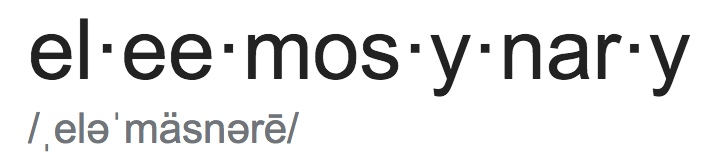
eleemosynary

adjective: of, relating to, or supported by charity

synonyms: altruistic, beneficent, benevolent, charitable, do-good, good, humanitarian, philanthropic

Fancy SAT vocabulary term! No, we do not need a visit from Charles Dickens’ three ghosts to learn altruism! Everyone should want to be remembered as eleemosynary or generous souls! Especially during my retirement years (2013 to the present), I want to model volunteerism:

  • Fox_Paul_SHJODirecting the South Hills Junior Orchestra (non-salaried sharing of my teaching)
  • Serving as a volunteer escort for the St. Clair Memorial Hospital (three days/week)
  • Promoting communications and marketing strategies of the Community Foundation of Upper St. Clair
  • Supporting the Pennsylvania Music Educators Association in various projects including teacher training, recruitment, retention, and retirement prep.
  • Writing articles and presenting workshops/webinars that help other teachers

These wishes will need to be updated from time to time, just like revising mission/vision statements, goals and objectives.

In addition, future monetary bequeaths from “what’s left” of our remaining assets will serve as “random acts of kindness from the grave” in support our current values, funding hereafter projects and pursuits (subscribing Moran’s tips #1-3 above) that matter to us.

How to Make an Educator Smile

My wife and I never had kids, so admittedly we live vicariously when we “bump into” our former students and revel in their major life-passages and accomplishments. It warms a retired music teacher’s heart to “catch-up” with a combined 53+-year history of past pupils from our music classes, choirs, bands, orchestras, and musical/play productions, and learn that they are happy, healthy, prosperous, and thriving. It gives us a special thrill to hear they are still “making music” and/or passing on their love of the arts to their own kids. That is indeed part of every teacher’s wish for a lasting legacy.

During our retirement, we continue to attend many concerts, recitals, weddings, receptions, Eagle Scout ceremonies, etc. of our former “charges.” We feel blessed to be invited to participate in these special occasions to share in their joy, love, and success.

In some small way, we fervently hope our efforts to bring creative self-expression and the appreciation of the arts have made a difference to our students’ lives and their development into caring, responsible, and “artistic” adults.

In Conclusion: The Fox Vision and Values — “These Things I Believe”

  1. Equal-access to high quality and meaningful music education programs is an essential part to the intellectual, emotional, and artistic development of all children.
  2. The primary goal of an education in the arts is to nurture creative self-expression.
  3. Regardless of talent or privilege, every individual on earth can find inspiration and success in some form of music or the arts.
  4. Our life purpose involves relationships. It is more about people than about things.
  5. We were put on this planet to understand and help others, to foster more than a mere tolerance for diverse individuals and perspectives, rather to emphasize the values and practices of acceptance, respect, empathy, and collaboration.
  6. Our primary goal is to empower volunteerism, to make a difference in the lives of others less fortunate or experienced, and to give freely of our time, talents, passions, and resources.

PKF


Photo credits (in order) from Pixabay.com


Photo of Robin Williams portraying John Keating in the movie Dead Poets Society was by bardfilm.blogspot.com


© 2020 Paul K. Fox

Estate Planning: Final Instructions

The Elephant in the Room: How to Prepare Your Family for “The End”

Expanded from the October 3, 2019 article in PMEA Retired Member Network eNEWS.


Few people want to talk about it… what co-authors Shoshana Berger and BJ Miller discuss in their book, A Beginner’s Guide to the End: Practical Advice for Living Life and Facing Death:

It may sound morbid, but creating a findable file, binder, cloud-based drive, or even shoe-box where you store estate documents and meaningful personal effects will save your loved ones incalculable time, money, and suffering. “Why You Need to Make a ‘When I Die’ File – Before It Is Too Late” (Berger and Miller)

Do you have a Will? A Power of Attorney? A Living Will or Medical Power of Attorney?

According to their TIME blogpost at https://time.com/5640494/why-you-need-to-make-a-when-i-die-file-before-its-too-late/?utm_source=pocket-newtab, here are a few things you will want to put into your “When I Die” file/folder:

  • An advance directive that is signed and notarized
  • A will* and living trust
  • Marriage or divorce certificates
  • Passwords for phone, computer, email, and social media accounts
  • Instructions for your funeral and final disposition
  • An ethical will*
  • Letters to loved ones

hand-229777_1920_geralt.jpg

* Where a legal will transfers assets, an ethical will transfers immaterial things: your life lessons and values. For a discussion on the latter, seek out the book Ethical Wills: Putting Your Values on Paper by Dr. Barry Baines.

Berger and Miller also recommended to purchase and set-up an online password manager to safeguard your data and share the master password with someone you trust. (For more info on password management software, read my “tech rant” blog here.)

With greater detail, we also learn from https://www.wealthmanagement.com/news/final-letter-instructions-family-important the importance of leaving a “final letter of instructions” to your loved ones. The website reports what Neuberger Berman Trust Company advises should be archived in a document to be read after your death.

  • The location of all estate planning documents, such as wills and trust agreements
  • A list of relevant advisors with contact information
  • List of other people to contact on your death
  • Location of any safe deposit boxes, inventory list, location of keys, who is authorized to open
  • List of life insurance policies, location and beneficiaries
  • List of bank accounts and how they are titled
  • Investment and trust account information
  • A description of other assets
  • Any debts or other liabilities
  • Listing of all credit card accounts
  • Inventory of other important documents like deeds and titles, and where they are held
  • Location of keys to all residences
  • Description of any pension benefits and who to contact
  • Instructions concerning funeral or memorial services

They add that this document should be held by your attorney, spouse, and adult children.

notebook-3397136_1920_Monfocus

What would you say to those nearest and dearest to you if you couldn’t (or didn’t) tell them in person? Consider writing individual letters to your partner, children, or other family members “as a way of leaving a few last words.” Check out Frish Brandt’s inspiring website, “Last[ing] Letters.”

A Lasting Letter is a letter written to someone you care about, someone who you wish to hear your voice and read your words long into the future. Sometimes referred to as a ‘legacy letter,’ this letter holds the words that carry one’s voice forward in time.

The letter can take many forms: long or short, a memento of a moment or a history of a lifetime, a connection made or missed, an instruction or a confession, a love letter, and everything in between. 

Each letter is ​unique: each voice, each intention is ​individual.

Everyone has a letter in them​.https://www.mylastingletters.com/ (Brandt)

Finally, in their July 25, 2019 YouTube video recorded at the Commonwealth Club (https://www.commonwealthclub.org/events/archive/video/beginners-guide-end-life), Berger quoted the framework by Ira Byock “The Four Things That Matter Most… to say to someone before you die” (yet another book): https://irabyock.org/books/the-four-things-that-matter-most/:

  • “Please forgive me.”
  • “I forgive you.”
  • “Thank you.”
  • “I love you.”

And one more that was added later: “I am proud of you.”

PKF

puzzle-1721592_1920_PIRO4D


Photo credits in order from Pixabay.com: