Guest Blog by Ed Carter
This month’s guest author’s submission is about creating, posting, and marketing digital music, something totally unfamiliar to me. However, Ed Carter’s focus on “storytelling” resonates in other fields. In past blog posts by yours truly, we have explored its application to the job interview process and provided strategies for prospective music educators to develop a consistent brand, marketing plan, and networking techniques for “selling” themselves (example here). Thanks Ed for your insights! PKF
Independent musicians building a career from their bedroom, rehearsal space, or local circuit often hit the same wall: the music is strong, but online presence growth feels random and exhausting. Posts disappear fast, algorithms feel fickle, and audience engagement challenges can make even consistent artists question their musician branding. Digital music marketing isn’t about being louder, it’s about being clearer and more repeatable so fans know what to connect with and come back for. With the right foundation, momentum stops depending on luck.
Understanding What “Consistent Storytelling” Really Means
The goal isn’t to post more. It’s to build a repeatable system that blends content consistency, simple storytelling, platform signals, and real fan interaction so your choices match how people actually follow artists. At the center is content consistency means your posts give a coherent impression, so new listeners instantly recognize what you’re about. Storytelling adds the human thread, and engagement turns casual scrollers into people who reply, save, and return.
This matters because guessing drains time and makes your growth feel like a slot machine. When your themes, formats, and cues stay steady, the algorithm and your audience both know what to do with your work. Think of it like a setlist. You keep a reliable structure, then rotate songs and stories to fit the room. With that framework, on-brand visuals become the fastest way to stay consistent.

Create Scroll-Stopping Visuals That Make Your Sound Look Like a World
Once your story is consistent, your visuals can do the heavy lifting of getting someone to stop and actually enter it. An AI art generator can help you turn the vibe of a song into bold, unexpected imagery that stands out in a crowded feed, think striking color palettes, surreal scenes, or character-driven art that makes people curious enough to tap, listen, and comment. Unique visuals don’t just look cool; they signal that your music has a point of view, which is exactly what earns attention across platforms. The real win comes from experimenting: try different styles, moods, and motifs until patterns emerge, and you’ll start to uncover a signature social aesthetic that fans recognize at a glance.
Capture → Tell → Schedule → Engage → Adjust
This workflow turns your song story into a repeatable audience building rhythm, so you are not reinventing your promo every time you post. It also keeps consistency from feeling like a grind by separating creative work, planning, and community time.
| Stage | Action | Goal |
| Capture | Note lyrics, themes, and one listener takeaway. | A clear story hook for every post. |
| Tell | Write 3 micro-stories: origin, meaning, and behind-the-scenes moment. | Multiple angles from one song narrative. |
| Schedule | Match each angle to one platform and posting day. | Consistent visibility without daily scrambling. |
| Publish | Post with one simple prompt question. | Invite comments, saves, and shares. |
| Engage | Reply in batches, then pin one strong fan comment. | Turn interaction into belonging and momentum. |
| Adjust | Review what resonated and reuse winning formats next week. | Compounding growth through small iterations. |
A useful guide involves calming, feeling, thinking, doing, and reflecting, which mirrors how fans move from attention to connection to action. When you cycle through these stages weekly, storytelling stays coherent, and your consistency becomes predictable in a good way.

Weekly Habits for Story-Driven, Consistent Growth
Habits matter because they make your storytelling feel natural instead of forced, and they protect your time when life gets busy. When you repeat a few simple practices, your audience learns what to expect and you gain confidence showing up consistently.
The Two-Minute Story Capture
- What it is: Jot one moment, emotion, and takeaway right after writing or practicing.
- How often: Daily
- Why it helps: You always have raw material for posts, even on low-energy days.
The Early-Start Content Buffer
- What it is: Spread out the working process by drafting posts before release week.
- How often: Weekly
- Why it helps: A buffer reduces stress and prevents last-minute, rushed promo.
Three-Part Story Rotation
- What it is: Rotate origin, meaning, and behind-the-scenes as your repeating content pillars.
- How often: Weekly
- Why it helps: One song fuels multiple posts without feeling repetitive.
One Clear Conversation Prompt
- What it is: End each post with a simple question fans can answer in one sentence.
- How often: Every post
- Why it helps: More replies signal connection and keep your comments section alive.
Batch Reply and Pin
- What it is: Respond in two short windows, then pin one thoughtful fan comment.
- How often: Twice weekly
- Why it helps: You build belonging without being online all day.

Build a Steady Audience with Story, Presence, and Routine
It’s easy to feel stuck when great music meets an inconsistent posting schedule and a scattered online footprint. The way through is simpler than it sounds: lean on storytelling and consistency, anchored by a clear digital presence summary that makes it easy for new listeners to find, trust, and follow. When that rhythm holds, empowering musicians online stops being a slogan and starts becoming a reliable process for consistent audience growth and real connection. Consistency turns attention into trust, and trust turns listeners into fans. Choose one repeatable growth strategy for the next 7 days, one small story you can share the same way each day, and let it run. That kind of steady momentum builds resilience, confidence, and a healthier creative life long after the algorithm shifts.
© 2026 Ed Carter and Paul K. Fox








 Discounted NAfME + PMEA first-year membership: only $90. (If you are a recent college graduate in your first year of teaching, or if you are the spouse of a current or retired NAfME member, contact NAfME at 800-336-3768 or email
 Bring to any employment screening your resume, business card, and an e-portfolio referencing a professional website which archives everything in #1 and #2 above.
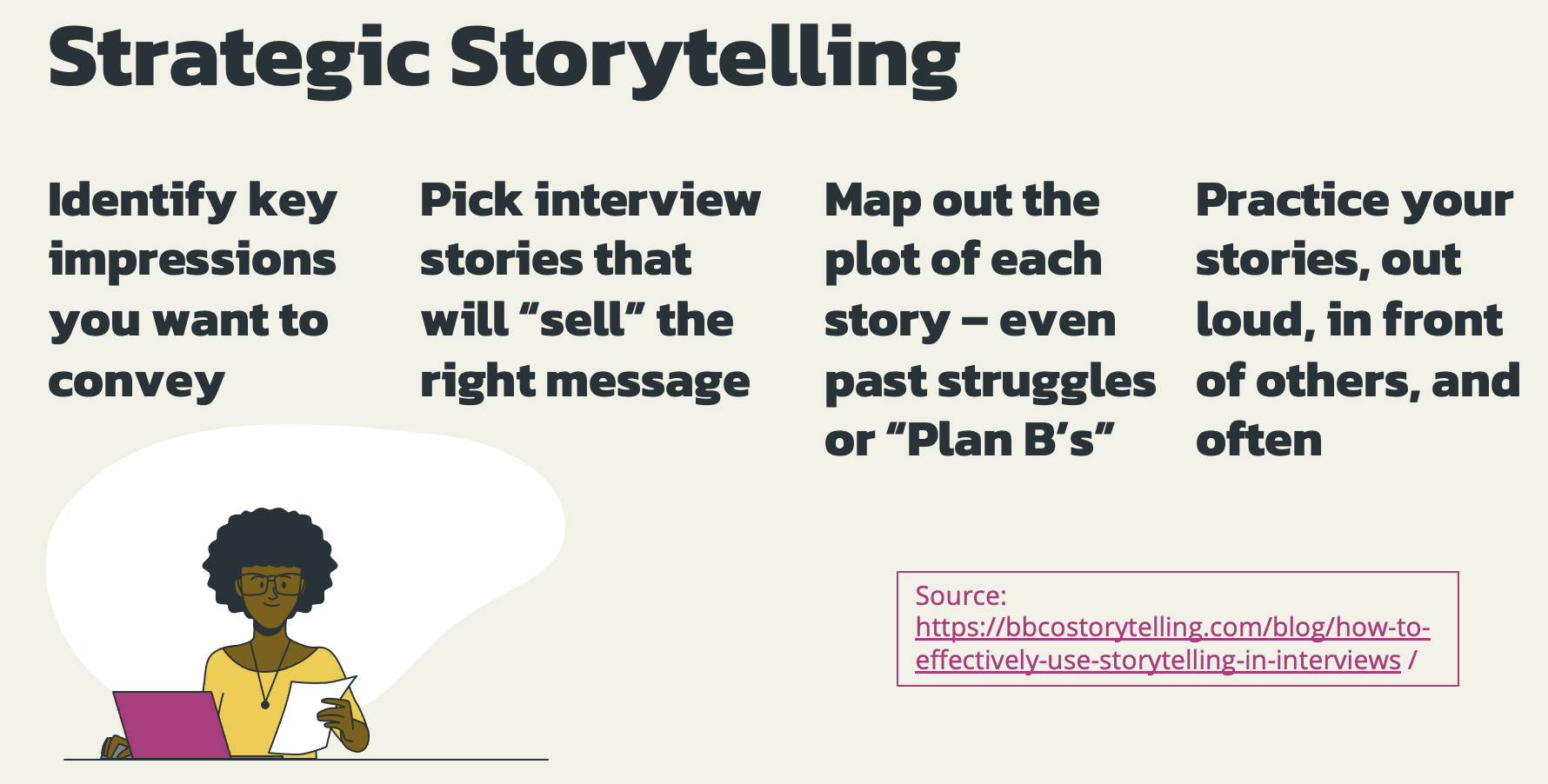
 Clean-up and curate your social media sites, treating your Facebook pages as another “personal branding resource.” Experts recommend that “your profile information should reflect integrity and responsibility… You should expand or add content that projects a professional image, shows a friendly, positive personality, demonstrates that you are well-rounded with wide range of interests, and models… great communication skills.”


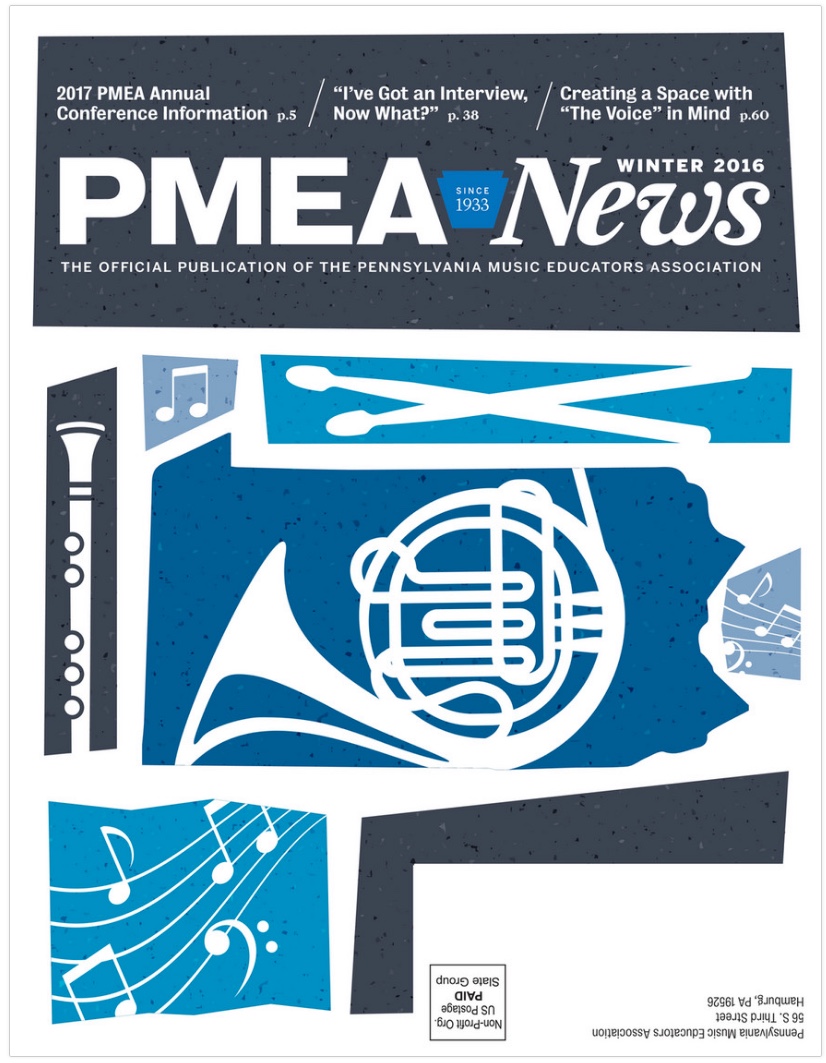 As a “professional,” you have an open, inquisitive mind, constantly strive for self-improvement, continuing education, and retooling, embrace change and better ways of doing something, and “practice” your craft. This means you read your educational publications from cover to cover. For example, these were a few of the tips in a recent PMEA News article, “I’ve Got an Interview, Now What?” shared by Dr. Kathleen Melago, PCMEA State Advisor and Associate Professor of Music Education at Slippery Rock University, and Doug Bolasky, retired band and orchestra teacher and former Department Chair of the Southern Lehigh School District:


 I submit there are basically three ways to learn something new by reading about it. One is the tutorial format, a.k.a. an instrument of “programmed learning.” Another approach is the comprehensive reference manual or user guide. Finally, many people prefer a narrative story, perhaps a fictitious account that features characters exploring and revealing insights on the topic you are studying.
 If you were looking for the reference manual, I recommend Ernie Zelinski’s How to Retire Happy, Wild, and Free (2016). The chapters are laid out by general concepts you need to understand. However, as in many user guides, you could turn to almost any page in the volume, jump around (in any order) to specific areas on which to focus, e.g. tips on travel (page 165) to health/wellness (page 109), and not lose the overall meaning.
 The contents of It’s Never Too Late to Begin Again are divided into a weekly course of study:
 The fictitious “Larry and Janice Sparks” share anecdotes of their experiences, modeling potential opportunities of retirees enhancing their relationships, stimulating their minds, revitalizing their bodies, growing spiritually… basically rekindling passion in every area of their lives.
 You will notice that all three texts cover many of the same subjects, but are vastly different in methodology, style/design, and overall structure.
 at the Seven Springs Mountain Resort in Pennsylvania on July 11-13, 2016.