Creating a Home Recording Studio

How to Build and Use Your Own Home Recording Studio with Confidence

Guest Blog by Ed Carter

This month’s guest author’s feature focuses on the set-up of a home recording studio. This is good insight and practical advice! However, many of Ed Carter’s recommendations may also be applied to establishing and running a virtual private teaching studio. Most of us remember the challenges of COVID with the sudden shut-downs of in-person music instruction. I watched as local educators (especially my wife Donna and one very talented Western PA private string teacher Suzanne Sonnenberg) adapting to using online meeting apps like Zoom, Microsoft Teams, Google Meet, and Skype. They problem solved in creating their own digital music studios. (As they saying goes: “When life hands you lemons, you make lemonade?”) Although now more than six years old and some links may have expired, additional remote teaching resources can be perused at a previously posted blog Virtual/Remote/Alternate Music Ed.
THANK YOU, ED! PKF

Independent musicians recording at home often hit the same wall: the ideas are strong, but the recordings don’t translate outside the room. A home recording studio setup can feel like a maze of compromises, limited space, limited budget, and the fear that at-home music production will always sound “demo.” The reality is that a DIY music studio can deliver consistent, repeatable results when the setup supports the work instead of fighting it. With a clear approach to home audio recording, a spare room or corner can become a place where tracks get finished with confidence.
Set Up a Home Recording Studio That Just Works

This process helps you turn an ordinary room or corner into a dependable setup for recording, editing, and basic mixing. It matters because consistency, not expensive gear, is what makes your tracks translate on headphones, car speakers, and playlists.

  1. Choose the most controllable space
    Start with the quietest spot you have, away from traffic noise, appliances, and hard reflections. Pick a location you can leave set up, since tearing down and rebuilding your rig leads to different results every session. Aim for practicality over perfection so you can record more often.

  2. Reduce noise and tame reflections first
    Silence problems show up on every take, so handle them early: close gaps, add thick curtains or rugs, and turn off anything that hums while tracking. If you share one room for recording and mixing, prioritize what Berklee calls a way to make the room quiet so microphones capture your performance, not the room. Then add simple acoustic treatments like foam panels at reflection points and bass traps in corners.

  3. Build your “essential chain” of gear
    Focus on the basics that affect every recording: a solid microphone (or two), closed-back headphones for tracking, and studio monitors if your space allows. Choose an interface based on Audient’s reminder to match how many inputs you need for what you plan to record at once, like one vocal mic versus a full band. Keep cables, a mic stand, and a pop filter in the kit so setup does not slow you down.

  4. Pick a DAW and set up a reusable template
    Select a digital audio workstation you can learn deeply, then keep your first sessions simple: one or two audio tracks, one headphone mix, and a click track if you need it. Create a template with track names, input assignments, and basic routing so every new song starts from a working baseline. This removes guesswork and keeps your focus on the performance.

  5. Run a quick pre-record workflow check
    Do a 60-second test: set levels, record a short sample, listen back on headphones, and confirm there is no clipping, buzz, or delay that throws off timing. Save the project immediately, label it clearly, and back up your session folder after each recording block. A repeatable routine is what makes home sessions feel professional.
Protect Your Studio’s Power: Manage Electrical Risk at Home

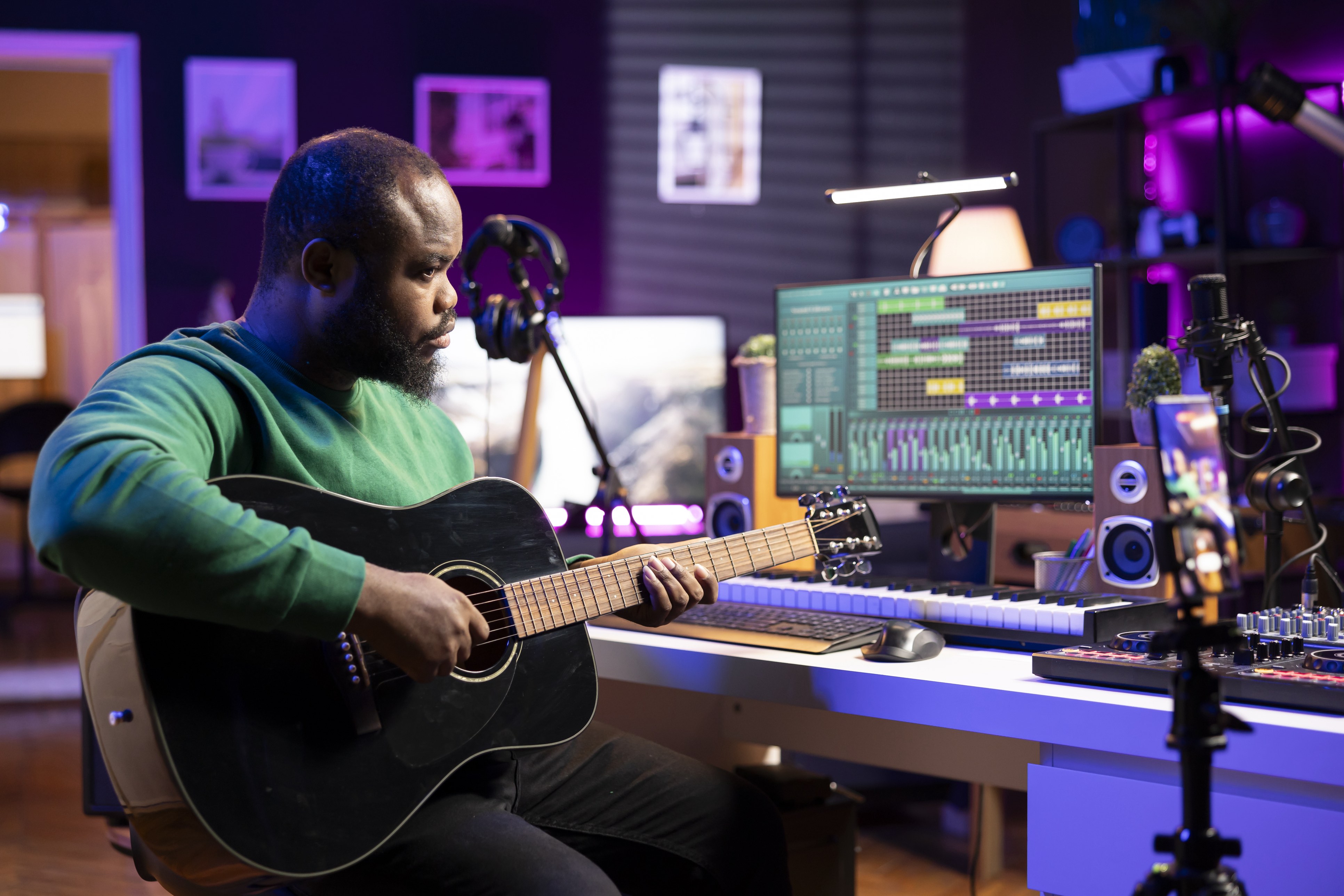
Once your studio setup is working smoothly, it’s worth thinking about the home electrical pieces that keep sessions dependable day after day. Adding a home warranty that covers electric appliances can help safeguard your studio equipment and your wiring’s reliability over time, giving you a clearer path to repairs when something in the electrical system fails. For homeowners who want that extra peace of mind, exploring electrical system coverage in a home warranty can be a practical option alongside your studio gear investments. Getting interior electrical lines and components home warranty coverage can cover repairs for hard-wired electrical lines, wiring, and outlets. Next, we’ll troubleshoot the common noise, echo, and gear headaches that can still pop up even in a well-equipped room.

Home Studio Troubleshooting Questions, Answered

Q: How do I cut outside noise without rebuilding the room?
A: Start by sealing air gaps: door sweeps, weatherstripping, and thick curtains can reduce street and hallway bleed quickly. Add a rug and a dense moving blanket behind your mic to tame reflections that make noise feel louder. Record when the house is quietest, and use close mic technique to keep your signal strong.

Q: Why does my vocal sound hollow or echoey even with a good mic?
A: You may be hearing room noise, which often happens when you record too far from the microphone. Move 4 to 8 inches closer, add a pop filter, and aim the mic away from bare walls. Treat the first reflection points with soft, thick materials.

Q: What mic should I choose if my room is loud or untreated?
A: A dynamic mic can be the easiest win because dynamic microphones handle loud sources and reject some room spill. Place it close, lower the input gain, and monitor for plosives. Save sensitive condensers for when your space is better controlled.

Q: How do I track down hiss, hum, or buzz fast?
A: Mute or unplug everything except the mic, interface, and headphones, then add gear back one piece at a time. Swap cables first, then try a different outlet, and keep power adapters away from audio lines. If the noise changes when you touch metal, check grounding and cable shielding.

Q: When my interface clips, should I lower the gain or the track fader?
A: Lower the interface preamp gain first, because clipping happens before the fader can help. Aim for peaks around -12 to -6 dBFS while recording for headroom. If you need more level, move the mic closer instead of cranking gain.
Home Studio Setup Checklist You Can Trust

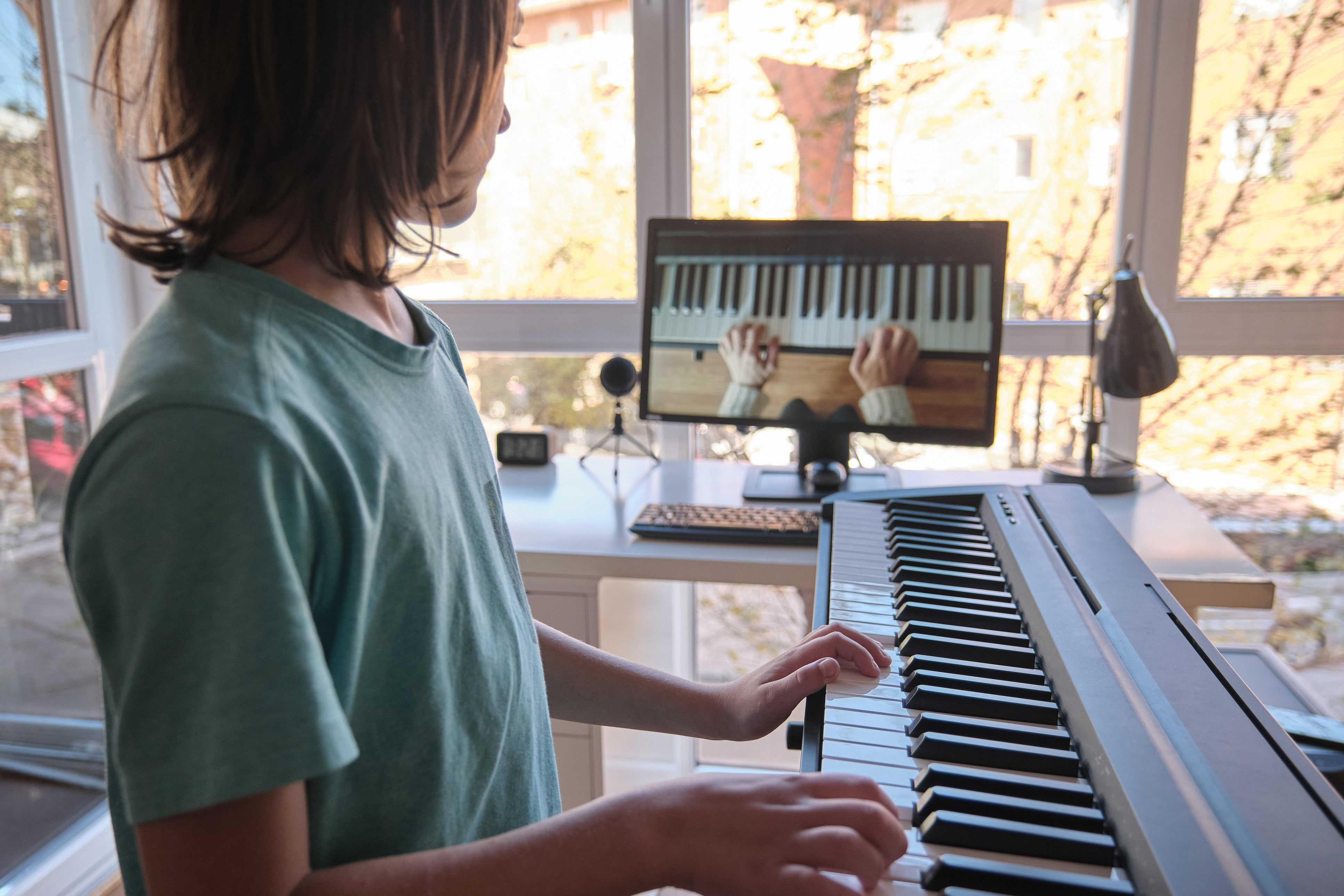
With those fixes in place: This quick checklist keeps your setup repeatable, so you stop guessing and start recording confidently. Run it before every session to catch small issues before they ruin a take.

✔ Confirm recording gear inventory and label every cable and adapter

✔ Set mic position and pop filter distance before pressing record

✔ Check acoustic treatment verification at first reflection points

✔ Verify interface input gain and safe recording peaks

✔ Monitor in headphones and listen for hum, hiss, or crackle

✔ Save and back up sessions since projects can easily exceed 50GB

✔ Reset studio workspace organization with clear desk, stand, and light placement

Tidy wins compound fast, and your best takes show up when your process does.
Turn Your Home Studio Setup Into Confident, Repeatable Sessions

A home setup can still feel intimidating when the gear is ready but the results aren’t consistent. The reliable way forward is a simple mindset: start small, capture clean takes, and treat every session as recording skills development through continuous learning in home recording. With that approach, home studio motivation turns into music production inspiration, and music creation confidence grows with every project instead of depending on perfect conditions. Confidence comes from pressing the record button, listening back, and improving one decision at a time. You can start a simple session today: record a short part, review it, and repeat with one intentional change. That steady practice builds creative resilience and keeps making music feel achievable.

© 2026 Ed Carter and Paul K. Fox
Do I Need Ear Plugs?

foxsfiresides

What do the following famous artists all have in common?

  • seriestoshare-logo-01Pete Townshend
  • Roger Daltrey
  • Neil Young
  • Barbra Streisand
  • Eric Clapton
  • John Densmore
  • Anthony Kiedis
  • Ozzy Osbourne

Answer? According to AARP (see this article), all of the above celebrities have serious hearing loss, audio difficulties, or been diagnosed with “tinnitus” or “buzzing in the ears.”

Music students, teachers, musicians, or family members who go to music performances: Have you ever noticed humming in your ears? Did you recently attend a rock concert or had a indoor rehearsal of your school’s marching band? This could mean you were recently exposed to excessive levels of loud sound (musical or noise) which may eventually lead to future, long-term, and permanent damage to your hearing!

This article is a comprehensive look at “hearing conservation” for all practitioners of the Performing Arts… “food for thought” to review and reflect on your own “safe habits” of sound consumption!

abstract-2027962_1280_GDJ

First, I would like to reprint a portion of an “ear-opening” flier thankfully shared by an expert in the field:  Dr. Catherine Palmer of the UPMC Musicians’ Hearing Center (Pittsburgh, Pennsylvania).

Hearing Protection for Young Musicians

UPMCWe would not consider allowing our youth to play football without a helmet, work in chemistry lab or shop class without eye protectors. Yet everyday, we allow our children to participate in school-sponsored instrumental music activities without hearing protection.
Loud sounds are the number one cause of permanent hearing loss and this type of hearing loss is 100 percent preventable. The result of noise exposure is ringing in the ears (tinnitus) and permanent hearing loss. By the time people realize that they have permanent hearing loss, they have significant damage to the inner ear. Hearing loss impacts individuals across life activities – social, school, work, and home. School age children are the fastest growing population of noise-exposed individuals suffering permanent hearing loss.

Background

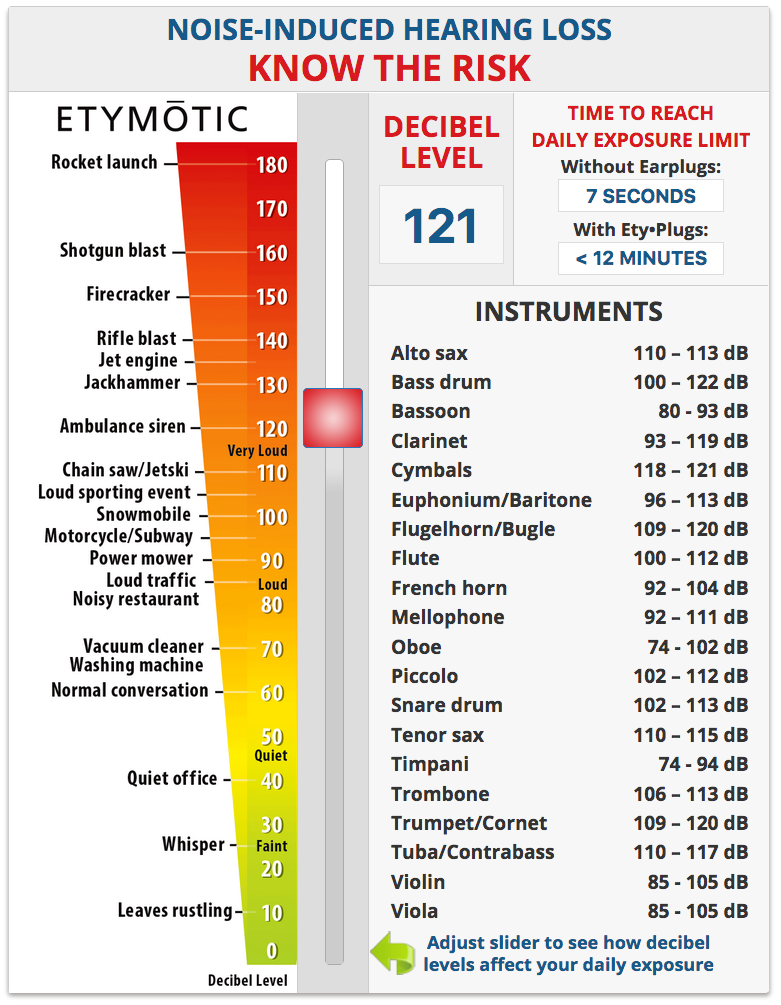
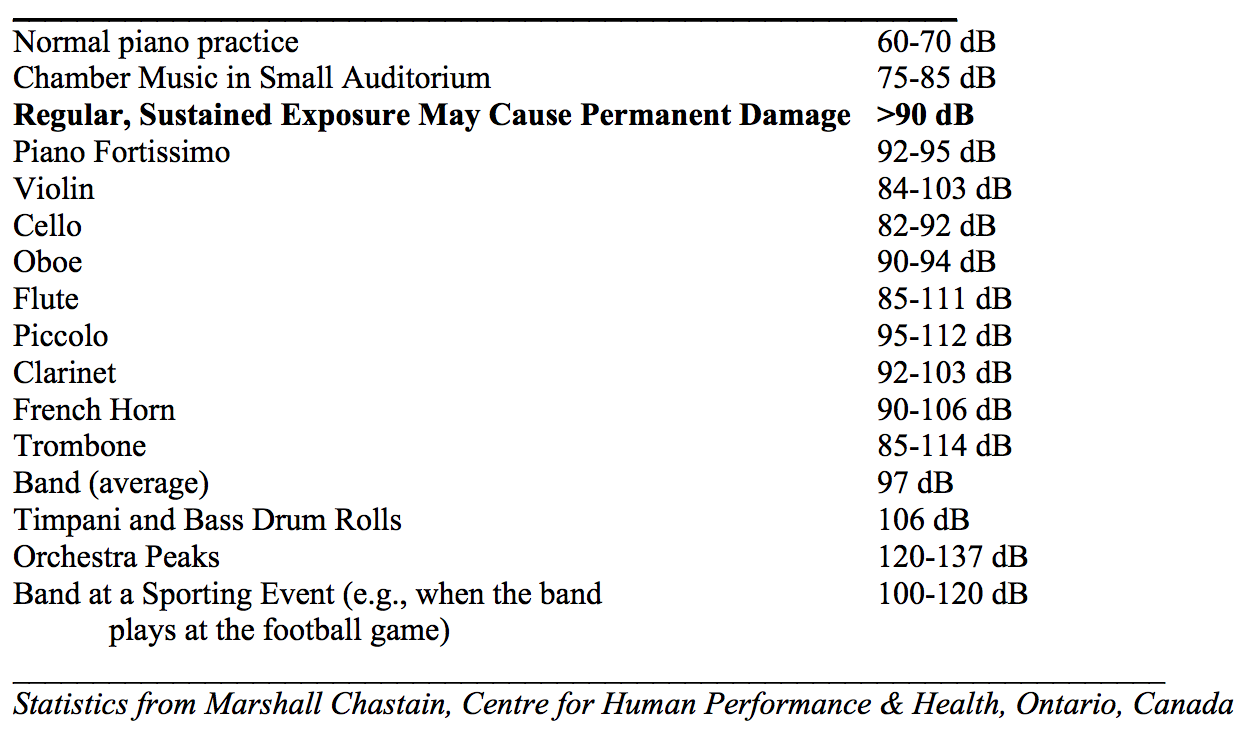
Day in and day out, music students (e.g., band and orchestra members) and their instructors are being exposed to potentially damaging levels of noise during practices and performances. Hearing loss is a function of exposure time, the average noise level, and peak level of very loud sounds. The chart below illustrates the levels of sound produced by the various instruments played in schools. Alone or together, musicians often are exceeding safe limits of noise during practice and performance.

Musical Levels

Musical Levels

I recommend perusing the entire website of the UPMC Musicians’ Hearing Center here and view Dr. Palmer’s video on noise-induced hearing loss.

trumpeters-921709_1920_skeeze

After a few additional online searches, I found numerous quotes from supportive research, articles, and links.

Surveys of universities reveal that more than 60% of band members suffer from tinnitus, or ringing in their ears, and more than 50% suffer from Noise-induced hearing loss. According to the World Health Organization, loss of hearing has escalated over the past 20 years and shows no sign of slowing down.

Band members have an increased risk for hearing loss as they have spent a majority of their young lives playing loud instruments near each other and during this time they have been exposed to horribly dangerous and irresponsible decibel levels without being warned about the lifelong pain and discomfort that they may potentially face due to playing in the band. Most musical instruments used in marching bands produce sound levels ranging from 92 – 126 dB as shown below will if unregulated or protected against cause irreparable hearing loss and may have already caused you tinnitus (rdistortioninging in the ears).  — Big Ear (#9)

As I understand it, the problem is two-fold: exceeding the safe decibel-levels of sound and the length of time you are exposed to these dangerous dosages without protection.

According to NIOSH, any level higher than 85 decibels (dB) for a cumulative period of 8 hours is damaging to the hearing mechanism and requires hearing protection. As the decibel level increases, the safe duration decreases. This means that a jazz band playing at 100 dB is safe for about 15 minutes before hearing damage ensues. —  BandDirectorsTalkShop (#10)

symphony-orchestra-183608_1920_takazart

Professional musicians may be at significant risk, according to many research studies, including one documented by the University of Toronto and the National Ballet Orchestra of Canada.

For the study published this month in the [January 2011] journal Noise and Health, a team from the University of Toronto’s sensory communications group attached microphones to the musicians’ shoulders — as close to their ears as possible — with a wire connecting them to a bulky box at their waist that recorded the “dose” of noise. To avoid under-estimating the risk, they chose performances of Sergei Prokofiev’s Romeo and Juliet, the loudest ballet the company performs, then extrapolated the results across the full season of shows and rehearsals.

Some of the National Ballet musicians were exposed to levels as high as 94 decibels, equivalent to the sound of an electric drill. Interestingly, the flute and piccolo players absorbed the loudest noise, followed by brass instruments, and the double bass. The violins had the quietest experience, according to the study. —  National Post (#7)

For young musicians, I have recommended the specially discounted Etymotic’s ER-20 ear plugs, which seem to offer a practical way to help protect hearing during rehearsals and performances. The company that makes them offers an interesting article about their “adopt a band” program here and a “slide rule” tool (pictured below) to help predict measurements of dangerous levels and time exposures to loud sounds here.

Know the Risk

There seems to be some debate about sound distortion with the use of these ear plugs. The cheap yellow foam plugs may cause alteration of the music’s intensity and timbre. Personally, I have noticed few problems with the ER-20s, although you may “hear” of conflicting viewpoints on hearing/comfort/distortion issues in the media.

This is the chasm between audiologists and musicians. We [Etymotic] think we’ve found the answer and the technology, and the musicians are telling us, no, not yet. This outlines the importance of collaboration between audiologists, hearing health care providers, and musicians to find what works. —  Ascent Hearing (#11)

The bottom line, if you want to protect your hearing, you will have to use them regularly.

transport-1785474_1920_3282700

Also from the University of South Carolina Marching Band and Big Ear (#11), here are a few tips on conserving your hearing in a band rehearsal. Starting right now, you can “monitor and adjust” any excessively high sound exposure and dangers to your health!

  1. If you feel any sensation in your ears, speak up. Your section leaders and band directors are across-the-board caring people with a healthy appreciation for music and those who make it, so don’t ever feel like you are being bothersome if you talk to them about pain in your ears.
  2. Notice the times of your rehearsal when the music peaks and prepare yourself by having a cheap pair of foam earplugs to stick in for that overwhelmingly loud duration.
  3. Distance yourself from an unruly player. If there is a member of your band who is known to let off an extra loud trumpet, piccolo, alto sax, or drum solo after you finish a song, try to distance yourself from the blast zone and be aware of your surroundings.
  4. Hand-in-hand with tip number 3, talk to that person about their habit and politely ask them to be mindful of their fellow musicians around them.
  5. If you are taking any medication, talk to your doctor or school nurse about the specific medications interaction with decibel levels as there are hundreds of medications that can damage your inner ear hair cells and cause you permanent hearing damage.
  6. In the same light, if you hear the word ototoxic followed by the name of a medication you are taking, speak to your doctor and band director immediately.
  7. If you hear for any reason at all ringing in your ears, address the sensation immediately with your section leader or band director.

The final authority on noise-induced hearing loss comes from the United States Department of Health and Human Services, National Institutes of Health, a good online resource posted here.

51284_w_3

For our South Hills Junior Orchestra players, we are selling the ETY-20 ear plugs (discounted by UPMC for only $6/pair). Last year (2018-2019), I made sure my piccolo players had a set, and will strongly encourage the purchase of these by all of my brass and percussion instrumentalists, especially those who participate in their school marching band programs.

PKF


References

  1. “Teen Musicians: ‘Uncool’ Earplugs May Save Your Hearing” https://www.seattletimes.com/life/wellness/teen-musicians-uncool-earplugs-may-save-your-hearing/
  2. “Musicians in an Orchestra May Be Exposed to Unhealthy Sound Levels” https://www.noisyplanet.nidcd.nih.gov/have-you-heard/orchestra-musicians-unhealthy-sound-levels
  3. “Protect Your Hearing When You Play a Musical Instrument” https://www.noisyplanet.nidcd.nih.gov/have-you-heard/musicians-face-higher-risk-of-hearing-loss
  4. “Incidence and Relative Risk of Hearing Disorders in professional Musicians” https://oem.bmj.com/content/oemed/71/7/472.full.pdf
  5. “School Band Performances Causing Hearing Loss” https://www.hearhereindy.com/school-bands
  6. “Musicians and Hearing Loss: What You Need to Know” https://www.signiausa.com/blog/musicians-hearing-loss/
  7. “Orchestral Musicians Face Unhealthy Sounds: Study” https://nationalpost.com/news/orchestral-musicians-face-unhealthy-sound-levels-study#ixzz1ApNlDV42
  8. “Turn It Up? Musicians Run Far Higher Risk of Hearing Loss” https://www.nbcnews.com/health/health-news/turn-it-musicians-run-far-higher-risk-hearing-loss-n93981
  9. “Why Do I Need Hearing Protection?” https://www.bigearinc.com/university-of-south-carolina-marching-band-hearing-protection/
  10. “Conserving Your Earsight” — https://banddirectorstalkshop.com/2017/11/24/hearing-protection-for-band-directors/
  11. “Musicians, from School Bands to Symphonies, Risk Hearing Loss” — https://www.ascenthearingsimivalley.com/musicians-from-school-bands-to-symphonies-risk-hearing-loss/
  12. “Noise-Induced Hearing Loss” — https://www.nidcd.nih.gov/health/noise-induced-hearing-loss
  13. “List of Rockers with Hearing Loss Grows” — https://www.aarp.org/health/conditions-treatments/info-2018/musicians-hearing-loss.html
  14. “Musicians’ Hearing Center” — https://www.upmc.com/services/ear-nose-throat/services/hearing-and-balance/audiology/musicians-hearing


hi-res logo 2018The mission of South Hills Junior Orchestra, which rehearses and performs at the Upper St. Clair High School in Pittsburgh, PA, is to support and nurture local school band and orchestra programs, to develop knowledge, understanding, performance skills, and an appreciation of music, to increase an individual member’s self-esteem and self-motivation, and to continue to advance a life-long study of music. Members of the Orchestra learn, grow, and achieve positions of leadership to serve their fellow members.

(For more information about SHJO, please visit www.shjo.org.)

All Fox’s Fireside blog-posts are free and available to share with other music students, parents, directors, and supporters of the arts.

Click here for a printable copy of Do I Need Earplugs?

Other “Fox’s Firesides” are available at https://paulfox.blog/foxs-firesides/.

Photo credits (in order) from Pixabay.com


© 2019 Paul K. Fox