Planning the “Perfect” Professional Portfolio

Prospective Music Teachers: Here’s How to Create an Online Employment Profile/Dossier

“In short, creating a portfolio involves reflection, collection, selection, and connection.”

Read more at: http://langwitches.org/blog/2009/07/17/digital-teaching-portfolios/

To quote Cheryl Frazes Hill in “A Portfolio Model for Music Educators” in Music Educators Journal, Vol. 95, No. 1 (September 2008), pp. 61-72, “The portfolio used in education is an organized collection of artifacts (examples of works) documenting a person’s skill and growth in an educational program and a career.”

First, you need to do your homework – a comprehensive collection of “all the good stuff!” To support this, number 7 in the MajorMusic.com blog of “Seven Things Music Education Majors Can Do to Make Themselves More Employable” is “Keep an updated list of your skills, relevant experiences, and training.” (Peruse the whole article at http://majoringinmusic.com/7-things-music-education-majors-can-do-make-themselves-more-employable-2/).

I have always suggested to my college-bound students that they reserve a spot on their computer’s desktop, a file (appropriately) named “ME,” and place in it a bulleted document with chronological descriptions and dates of special achievements, awards, and appointments. From time to time, more updates of “good news” should be added. In addition, archive (drag into the folder) accompanying scans/pictures of all music programs, congratulatory letters, certificates of achievements, newspaper clippings, etc. In college, this should be expanded to include documentation and anecdotes/stories/reflections about music and music education field experiences, accomplishments, and especially any problems identified and problems solved. All of this is perfect fodder for future interviews… Do you have “what it takes” to be a professional music teacher?” In your opinion, what makes you qualified (“a good fit”) to be hired for a position in our institution?”

According to The EDU Edge at http://www.theeduedge.com/top-five-must-haves-top-five-could-haves-your-teacher-interview-portfolio/, the following “must-haves” and “should-haves” (paraphrased) should be incorporated into your portfolio:

  1. Educational philosophy
  2. Résumé or Curriculum Vitae
  3. Letters of recommendation
  4. Artifacts of student work
  5. Classroom observation documents/evaluations
  6. Statement about class management theory (discipline) and the steps that you would take inside your classroom to create a safe and orderly environment
  7. Letters from parents commending the work you did with their children
  8. Pictures (A direct quote The EDU Edge: “We cannot emphasize the power of pictures enough when it comes to portfolios. During interviews, committee members are trying to get to know you and trying to envision you teaching. Don’t trust their imaginations to do so, give them pictures. Pictures bring it together for committee members and verify the reality that you are meant to work with children. For this reason we recommend photos or newspaper articles of you: teaching students in the classroom, with students on field trips, learning excursions or outside class activities, with children while you are serving in adviser roles, with your students at musical or athletic events, coaching or working with children in a coaching capacity, as a leader and role model.”)

To this list, I would add a copy of college transcripts, Praxis® exam results, teaching certificate(s), samples of student assessments/rubrics, and excerpts (short videos) of you performing on your major instrument/voice, solo and chamber recitals, piano accompanying, playing in college ensembles, and especially teaching in as many settings as possible: small and large group instrumental (band and strings), choral ensembles, elementary classroom lessons, extracurricular activities like marching band and musical, private lessons, etc.

An excellent overview on this subject is from “our number one professional music teachers’ association” – the National Association for Music Education (NAfME): http://www.nafme.org/do-i-need-a-digital-teaching-portfolio/.

Carol Francis offers “Sixty Clean and Simple Examples of Portfolio Design” for WordPress users at http://www.onextrapixel.com/2013/01/23/60-clean-and-simple-examples-of-portfolio-design/.

It is worth downloading “ePortfolios in Music Teacher Education” by Vicki Lind from Innovate: Journal of Online Education at http://nsuworks.nova.edu/innovate/vol3/iss3/4/.

Numerous college and universities across the country have their own requirements and recommendations in the development of online credentials. Take a look at the Penn State University School of Music site “Undergraduate e-Portfolios” at http://music.psu.edu/musiced/e-portfolio.html. Another excellent outline is provided by the University of Texas at San Antonio at http://music.utsa.edu/docs/DevelopingPortfolio.pdf. Finally, Vanderbilt University’s Center for Teaching site offers good models and information on “Teaching Portfolios” at https://cft.vanderbilt.edu/guides-sub-pages/teaching-portfolios/.

In conclusion, take some time to examine the sample teaching portfolios (below) for more insights on design, style, and content. I also recommend you read my blogs on other subjects of “marketing professionalism” (click on the category link to the right of this article).

Good luck! PKF

“Imitation is the sincerest form of flattery” – Charles Caleb Colton

© 2015 Paul K. Fox

What I Have Learned from My Dogs… in Retirement

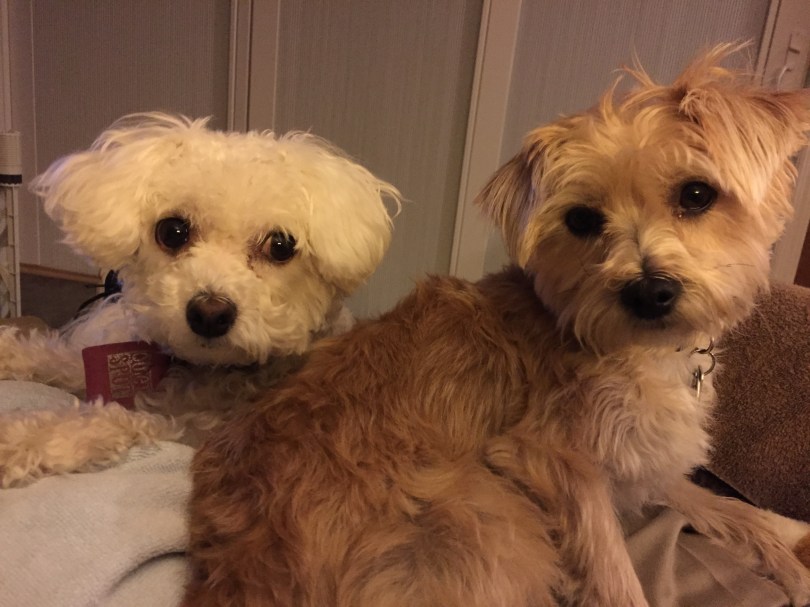
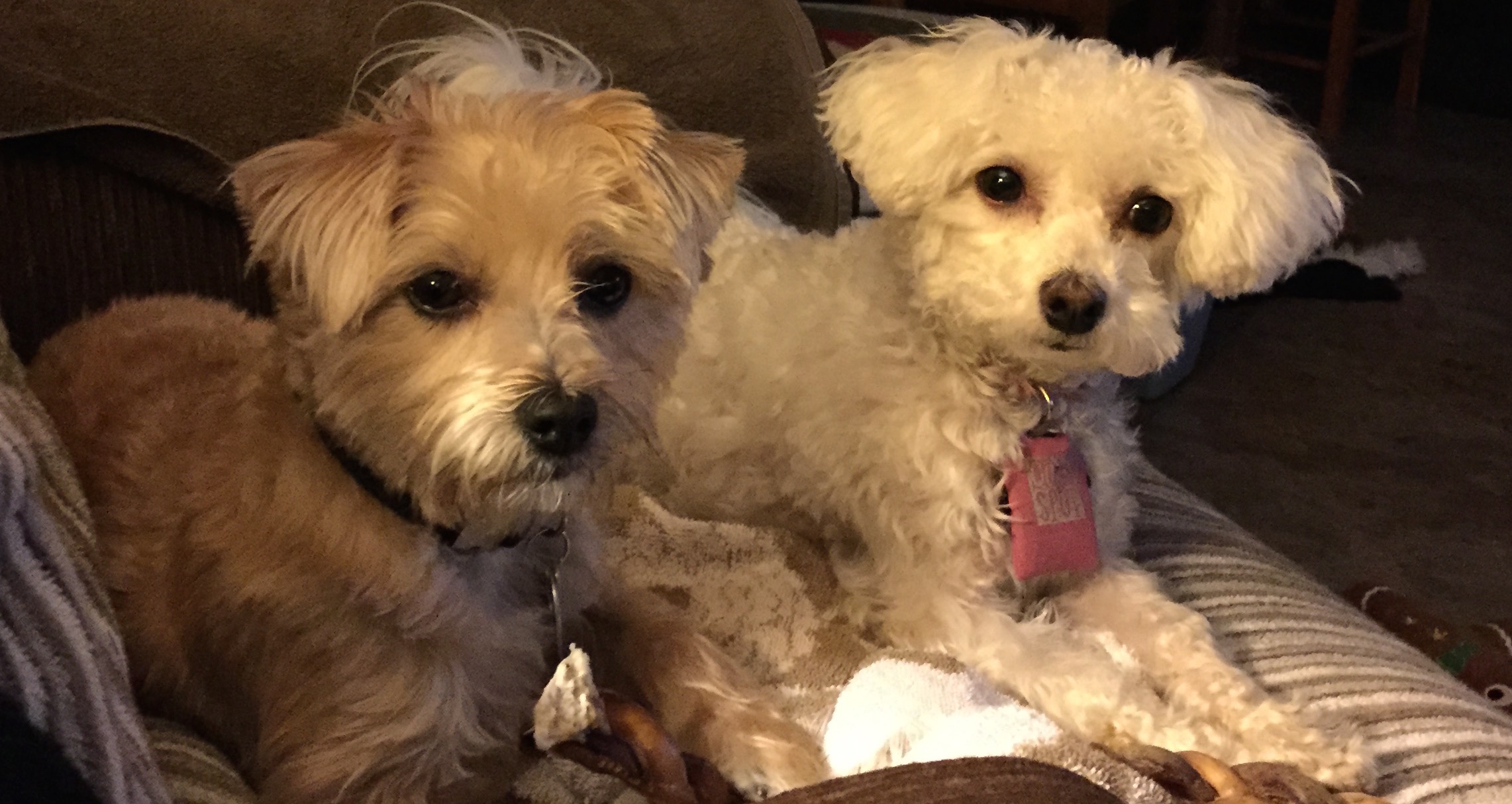
fox pups posing 051115It was one of the first things I did when I retired from more-than-full-time music teaching and serving as the Performing Arts Curriculum Leader of my excellent school system (Upper St. Clair School District/Western Pennsylvania). Start looking for a dog.

The incredibly hectic non-stop schedule of a husband and wife, both string teachers with a variety of responsibilities, music class assignments, after-school rehearsals, and concerts across numerous buildings, serving as spring musical directors, active music festival and conference participants in our professional groups (PMEA/ASTA), and co-director (wife) or assistant (me) of the marching band – totally precluded having a dog. I think it would have been considered animal abuse. We were never home, except to crawl into bed to fall sleep. That’s the “calling” of a devoted music educator, especially if he/she is passionate about and focused on inspiring and bringing creative self-expression to the students, willingly committing him/herself to countless hours of extra-curricular activities. We are proud of those opportunities that affected so many lives! (Do you remember the theme of that final scene in the movie “Mr. Holland’s Opus?”)

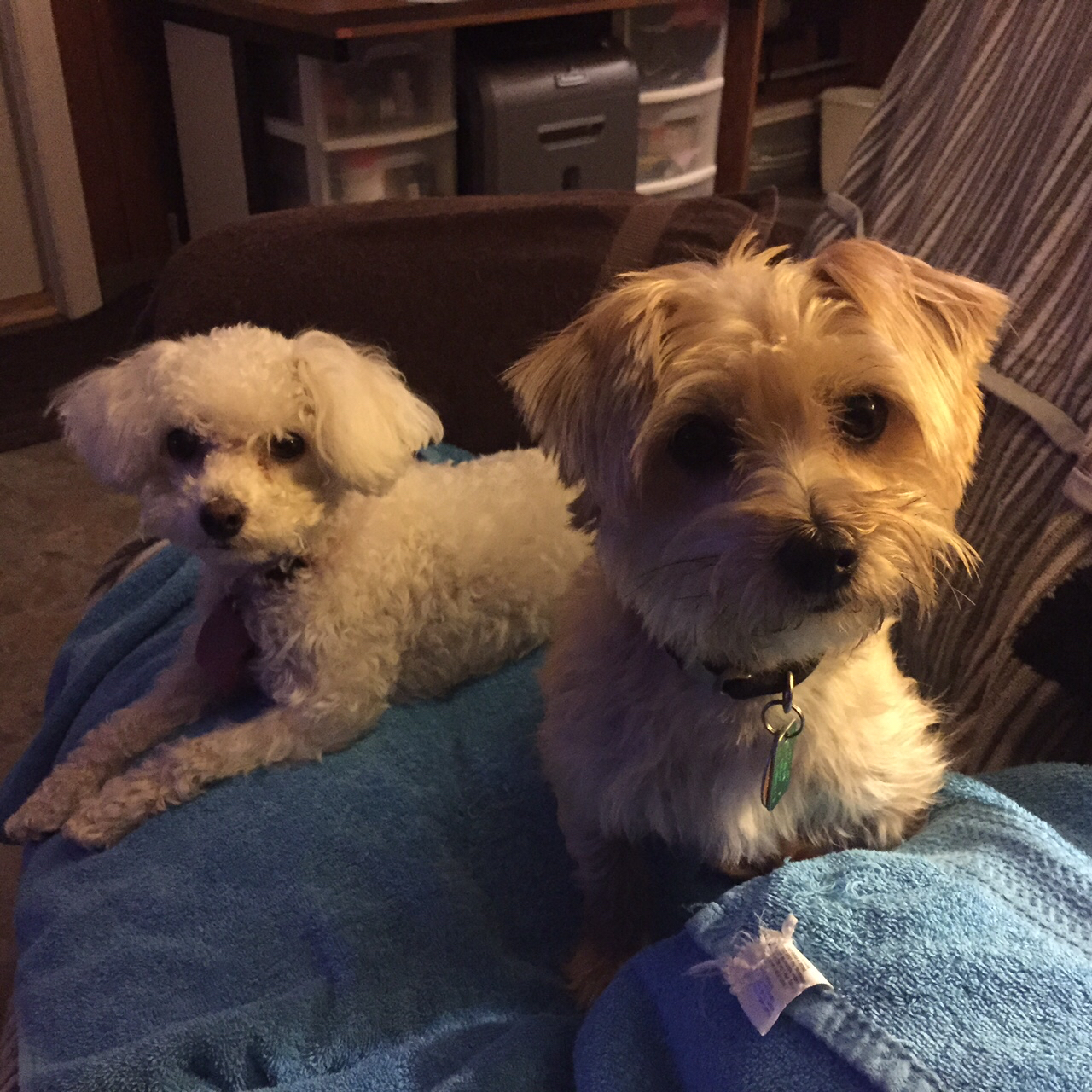
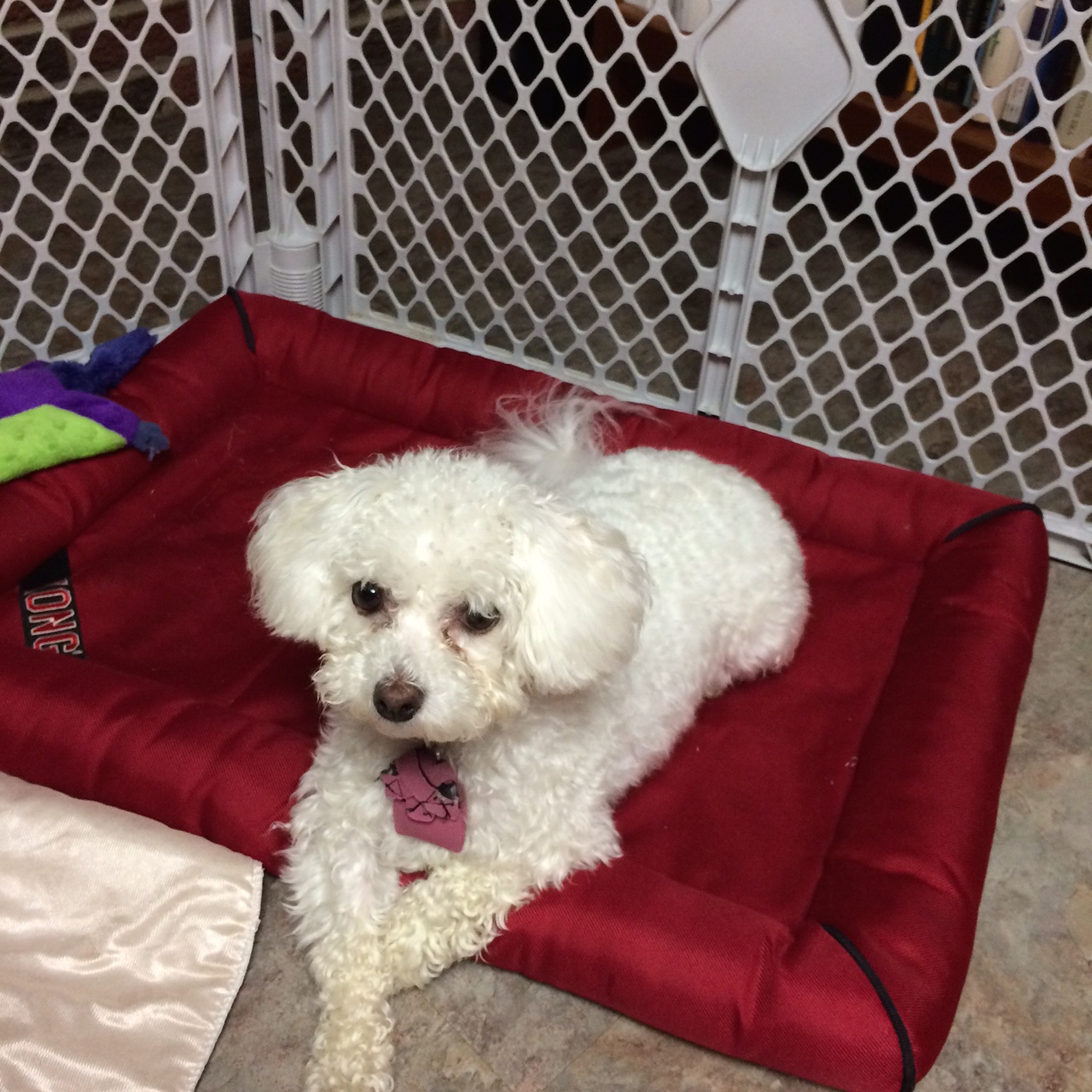
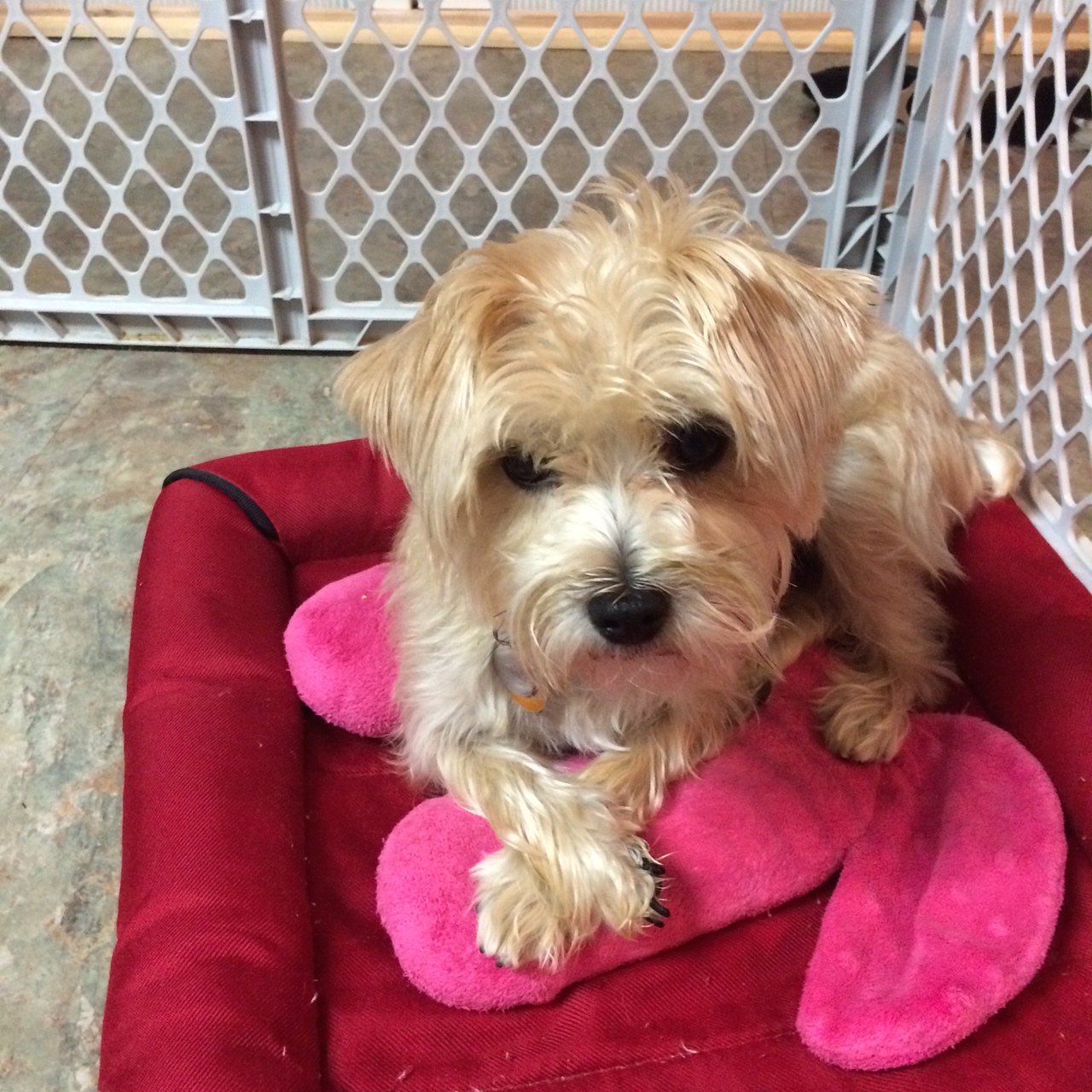
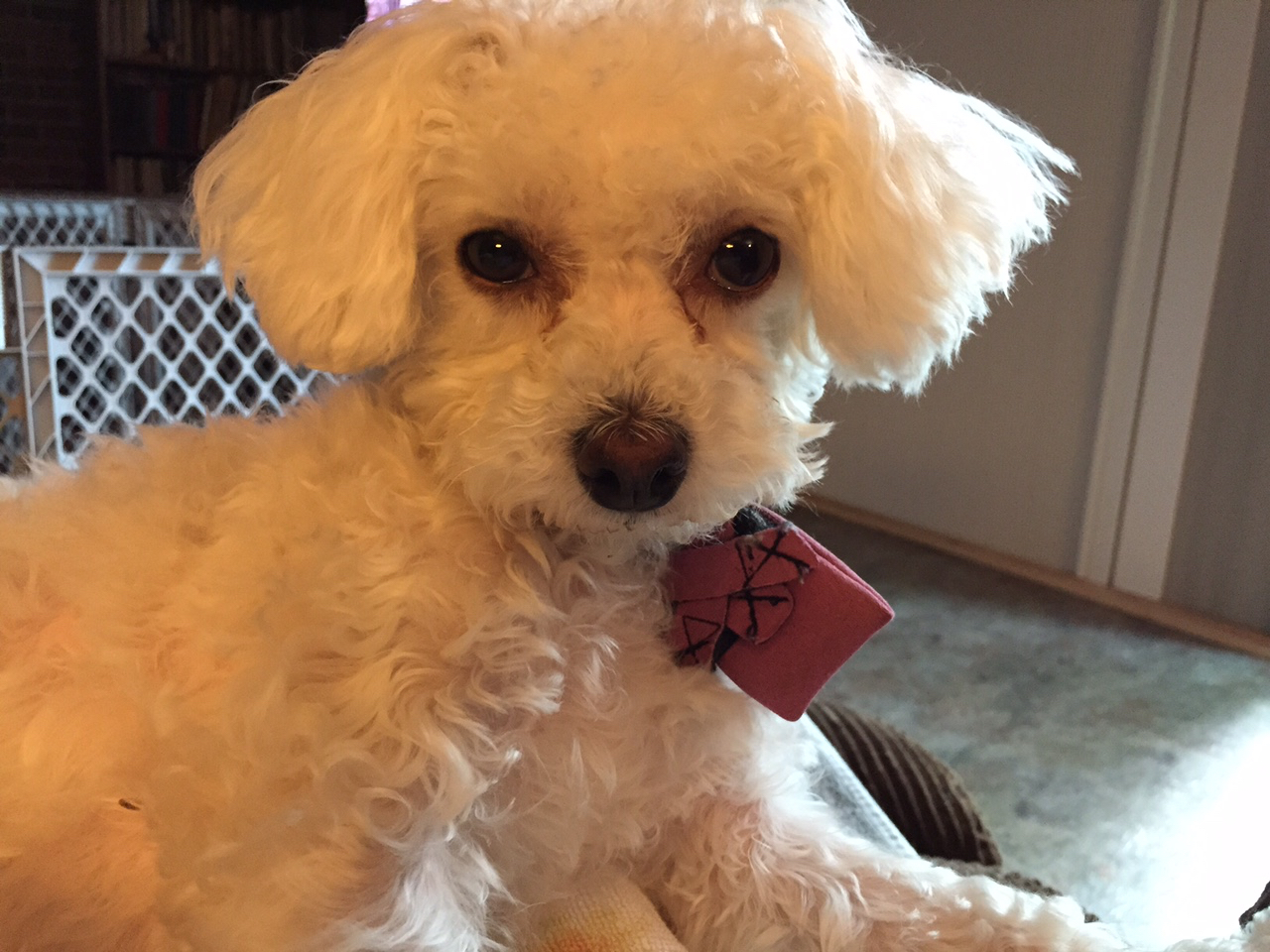
dogs_nopretender_IMG_1565It was quite by accident that we “found” our two puppies. (Actually, as most dog owners would attest, they chose us!) We visited the area pet stores, just to peruse all of the animal habitats, beds, toys, treats, and the like… and did not know that one chain store in our area actually sold dogs! Gracie, a pure-bred bichon frise selected my wife, and a yorky-poo we named Brewster picked me! The rest is history… at a high cost (the premium price for the dogs plus two of everything, including duplicate crates, dishes, bags of food, treats, and even toothbrushes). With lots of surprises in store for us, we rescued them from Petland!

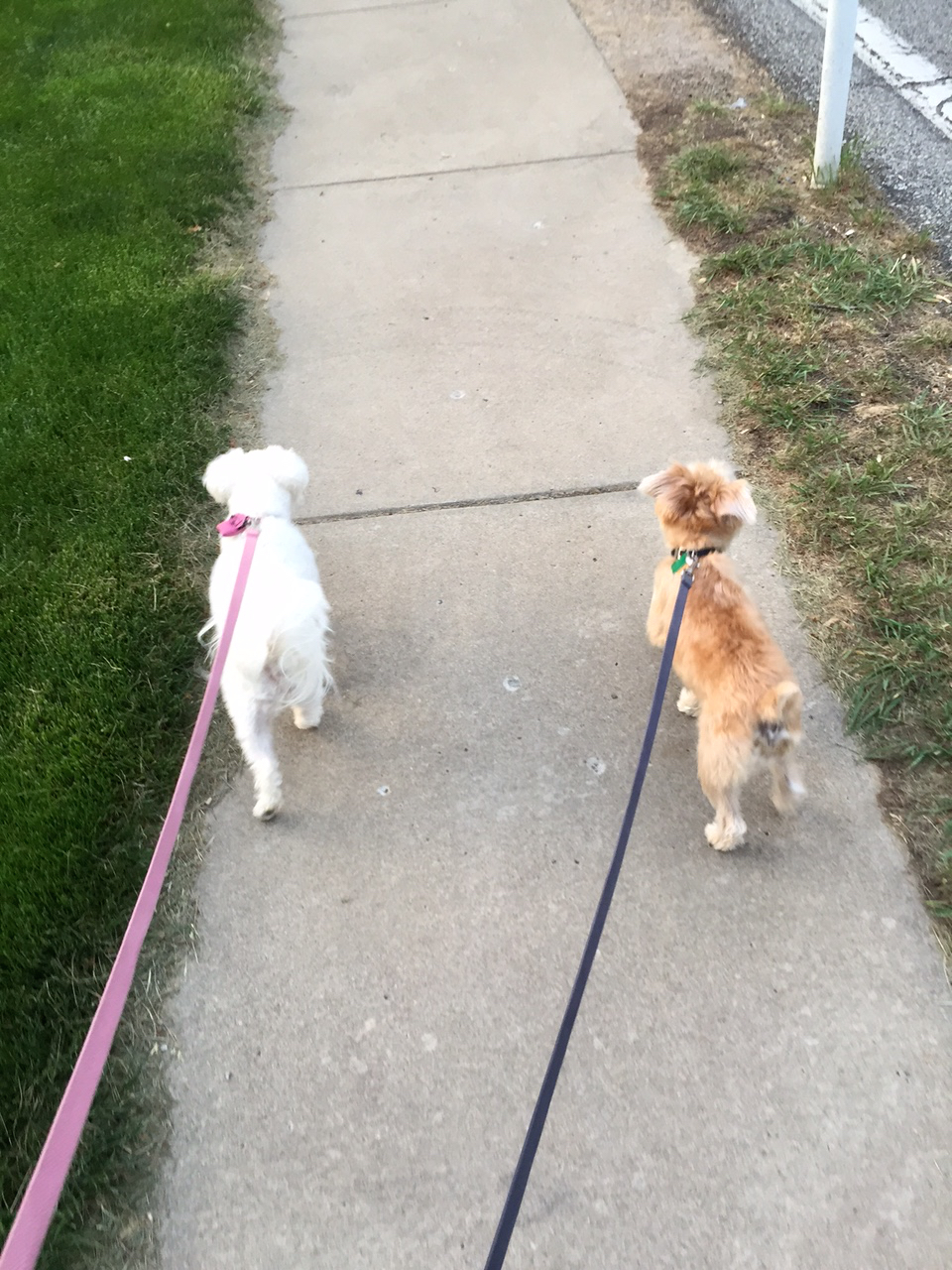
dogs_scolded_IMG_1564After 35 years of having to run in and out of the house to travel and fulfill appointments, errands, practices, and performances, all at once I had a reason to stay home and share the unconditional love of owning not one but two “good dogs.”

New retiree “pet chores” were doled out. My wife was in charge of feeding and grooming. I did the lion-share of walks. We both attended “owner training” (they called it “dog training,” but we were the ones who needed to learn how to control our dogs).

For me, walking the dogs has become the most amazingly peaceful and reflective activity. It has improved my disposition, calmed my nerves, sharpened my senses, increased my dogs_walk_IMG_1782capacity for patience and tolerance, and lowered my blood pressure! Yes, between volunteer escorting patients at our local hospital several days a week and exercising the dogs at least four times daily, we add up a lot of mileage… an average of 15,000 steps or 5-7 miles a day!

Something I would never have predicted before my retirement:  I am now getting up as early as 5:30 most mornings… which is before the alarm would go off when I was employed! Of course, this is every day, every week, every season, rain or shine, with few exceptions. Who needs sleep anyway?

You really ought to try taking two warm bundles of fur to bed with you to hug and cuddle. Gracie and puppy moment3Brewster only have temporary residence on the top of our blankets and bedspread, and must later go back to their playpens in the game-room (our former music studio) once we decide to go to sleep. (My dogs are small… I don’t want to “squash them” when I roll over!)

So, who’s the teacher now? The following are a few of the “life’s lessons” I have learned from close observation of my dogs. Consider this a helpful guide for all retired people.

  1. Live enthusiastically in the “here and now.”
  2. Forgive unequivocally and immediately.
  3. Life is all about taking a long walk, smelling the roses (and everything else), bamboozling another treat from “daddy,” and getting my ears scratched or belly rubbed.
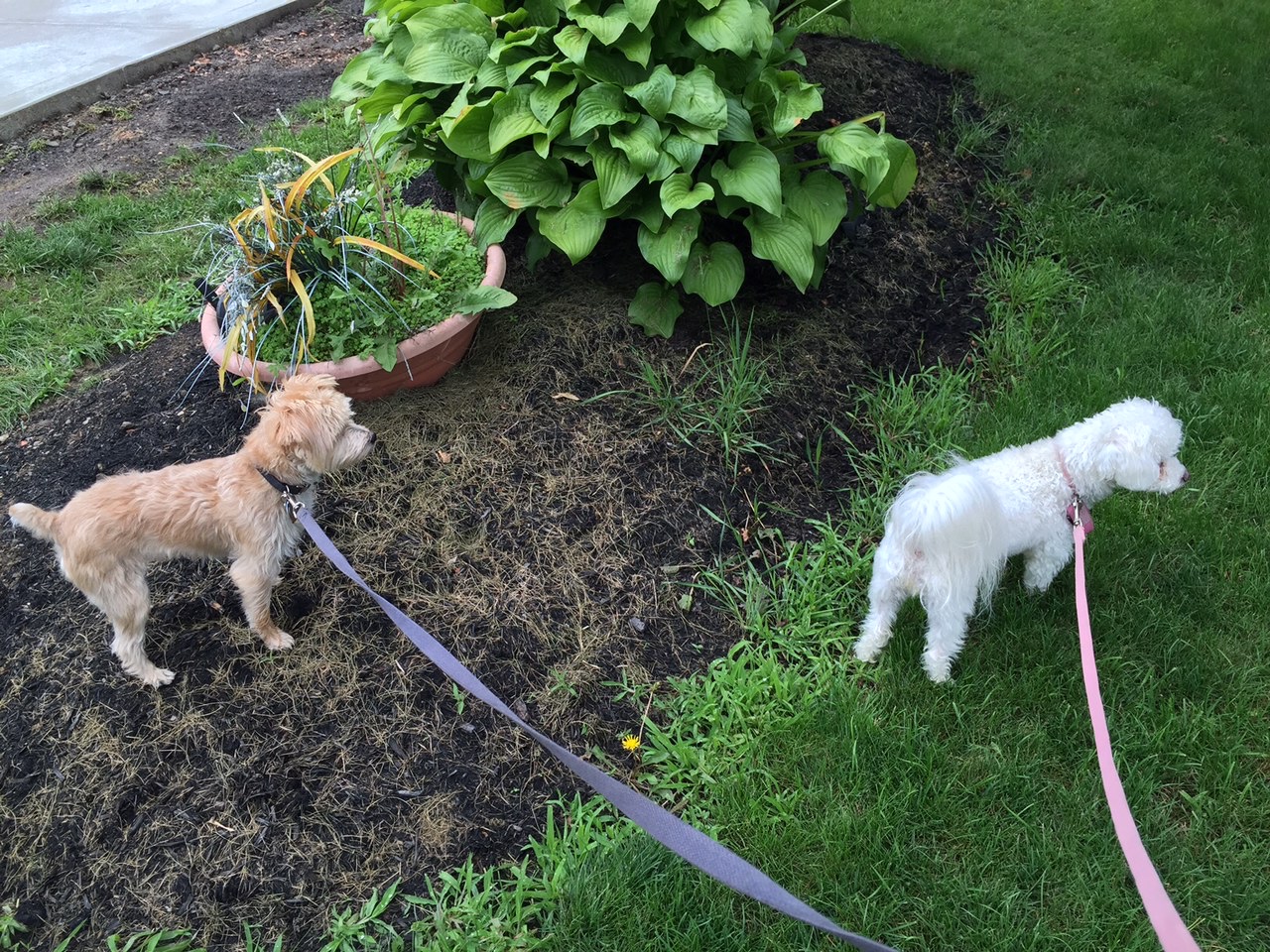
  4. dogs_fringe_IMG_1990Whenever possible, fearlessly explore the fringe (almost beyond the reach of the leash).
  5. Relax and snuggle with someone you love as often as possible.
California attorney Mike Vaughn posted several additional “bits of wisdom,” a map for happy and healthy retired living, on his Maritime Law Center website: http://maritimelawcenter.com/html/things_i_learned_from_my_dog.html
  • When loved ones come home, always run to greet them.
  • If what you want lies buried, dig until you find it.
  • Never pretend to be something you are not.
  • No matter how often you are scolded, don’t buy into the guilt thing and pout… run right back and make friends.
dogs_IMG_1860doggie_heaven_ - 32Tara Mullarkey summed up a few more of the important ones on her blog “7 Life Lessons I’ve Learned from My Dog” (http://www.mindbodygreen.com/0-7561/7-life-lessons-ive-learned-from-my-dog.htm):
  • We need to play (every day).
  • Love is all there isl

Attention all recently retired persons: If you do not already own a dog or other pet, I strongly encourage you to consider the option of adopting or rescuing a dog! It may be one of the best decisions of your life!

PKF

© 2015 Paul K. Fox

Retirement = Reflection + Renewal + Altruism

“We make a living by what we get, but we make a life by what we give.” – Winston Churchill

Attention all wordsmiths! Here’s a new word to add to your vocabulary: eleemosynary, an adjective that means generous, benevolent, charitable, gratuitous, or philanthropic.

Also, according to dictionary.com, the first definition of reflection is “the act of reflecting, as in casting back a light or heat, mirroring, or giving back or showing an image; the state of being reflected in this way.”

Assimilating both of these concepts, simply put, retirement is a time for both reflection and giving back.

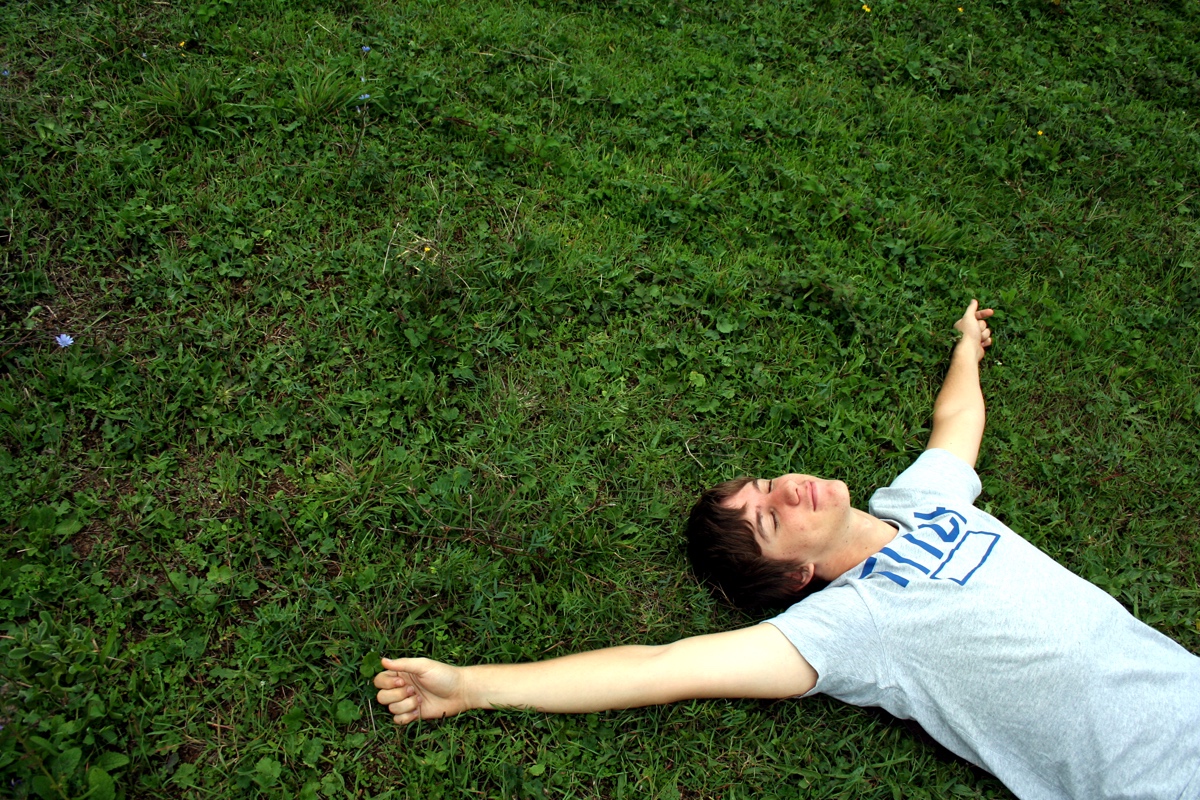
on-green-1362995Do you remember as a kid lying down on your grass and looking up to the clouds imagining that you see animals or faces or Medieval dragons? Did you relax and let your thoughts wander to make up stories or scenarios to “play” in your mind? What new ideas or visions came to mind? This process of daydreaming or brainstorming can be the perfect vehicle for a little self-reflection, a calm moment to refresh your outlook, reconcile your feelings, review and revise personal goals, and basically re-energize your passions!

For once in your life, you don’t have to accept the demanding “hustle and bustle” of a very stressful workday schedule. Now you have more of life’s most precious commodity – TIME!

This new freedom gives you the chance to spend some time with your family, friends, acquaintances, even former coworkers when they have breaks. I hate to admit it that, as a full-time music teacher, I could not give you the names of my neighbors on my street, and now that I walk dogs daily, I have become much more “neighborly” and make every effort getting to know them.

OLYMPUS DIGITAL CAMERA

Of course, one of the most important directions you can go is to revisit your “creativity roots,” the reason you got involved in music and music education in the first place. One of your first priorities when you retire from full-time employment in music education should be to pull that instrument out of the closet, brush it off, warm up on it a little, and begin restarting your regime of training those chops (or vocal skills) once more. Go out and join a community band, orchestra, or choir (subject of a future blog).

Seize the day (as they say) and embrace opportunities for volunteering, possibly going back to the school and offering your professional services on a “very” part-time basis. Perhaps a local music program could use your expertise in setting up new technology, playing the piano, helping conduct large ensembles or coaching sectionals or chamber groups, organizing or chaperoning music trips, repairing instruments, composing or arranging music for the ensembles, or assisting on the rehearsals or designing the field show for the marching band, dance team, or drum line.

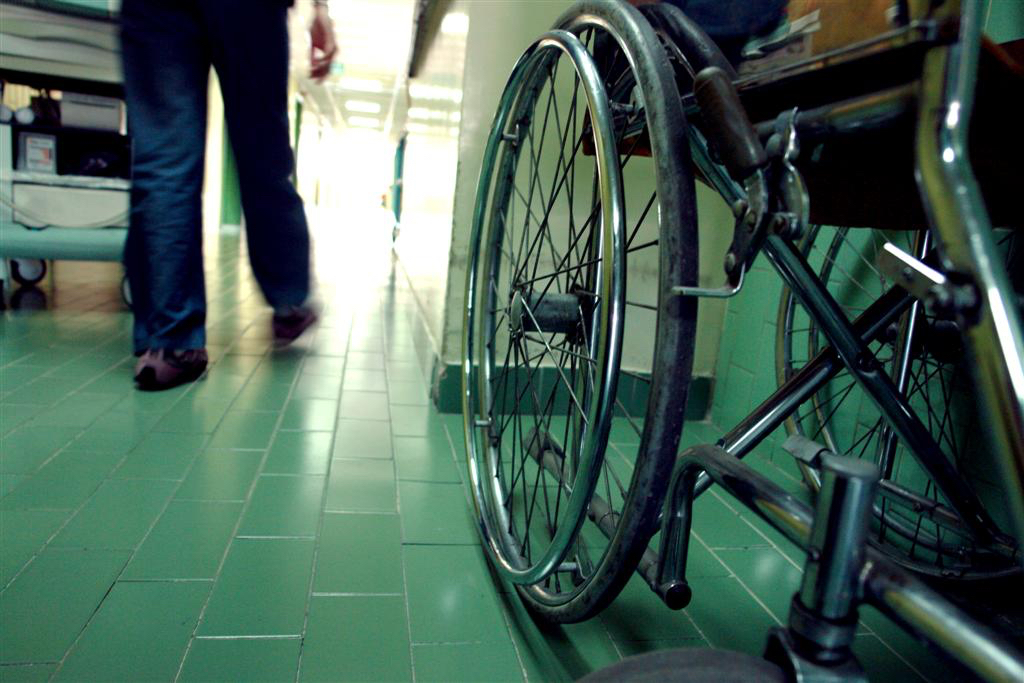
In addition, the “passage to retirement” allows a re-examination of ourselves and discovery of new interests, conceivably some non-music volunteer activities. Select a project or two that will help satisfy your need to help others and “wheelchair-1576246nurture your soul.” My personal favorite (besides retaining my “conductor chops” by directing a youth orchestra on Saturdays) is to serve as a volunteer escort at our local hospital. In addition to walking dogs several times a day, pushing wheelchairs several days a week is good physical exercise, but more importantly, it is a big help to the efficient and economical operation of any mid- to large-sized medical facility.

What’s that inspiring quote? “I thought I was poor because I had no shoes, until I met a man who had no feet.” My wife and I get a lot of personal satisfaction helping people who are less fortunate than we are, especially those who are much more senior to us, and by now (after two years plus of retirement), I believe we are now nearly expert “wheelchair jockeys.” At the hospital, you meet many wonderful people, the majority of whom are undergoing a (hopefully temporary) life challenge… surgery, treatment, observation, rehabilitation, etc. It has to be said that we have found that “patients are the most patient,” and individuals with the most serious conditions are usually the most appreciative and display the sweetest dispositions. Of course, our favorite wheelchair trip is to the family birth center, where the majority of the time, we get to escort a mother with her new baby to the car.

pet-adoption-1360761
Other volunteer activities? Lists of needy programs are numerous (here are a few examples):
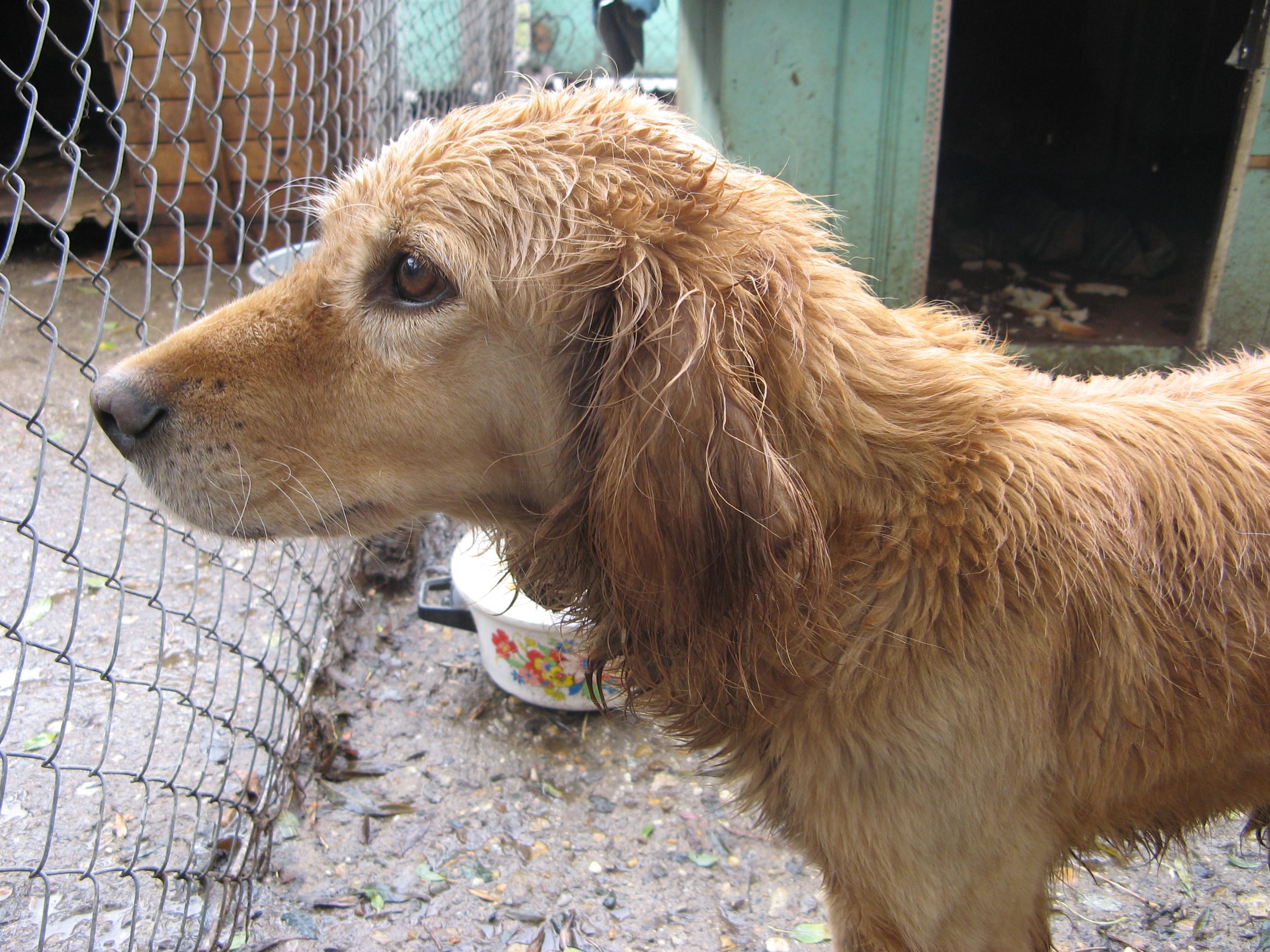
  • Walk dogs or care for pets at the local animal shelter
  • Serve in charitable fund-raising projects (man phones, etc.)
  • Offer to translate/interpret foreign languages
  • Assist food banks and meals-on-wheels agencies
  • Enlist as a “court appointed special advocate” for abused or neglected children
  • Work as a hospice volunteer
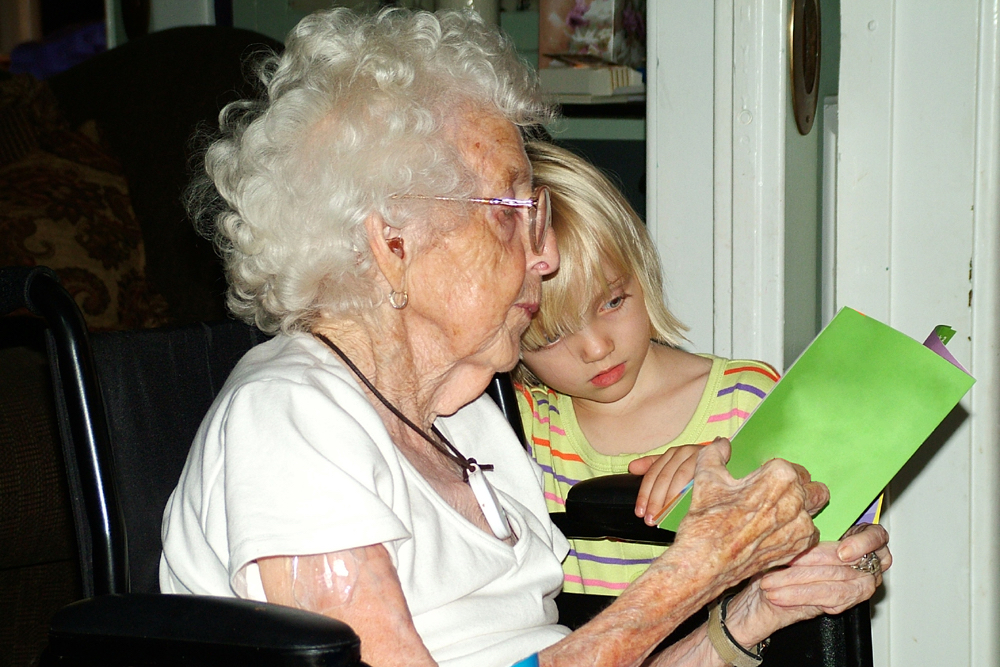
  • reading-with-grandmother-in-wheelchair-1432646Join Elder Helpers or other organizations to help needy seniors
  • Run a school club or activity (share your unique hobby)
  • Help maintain parks, trails, nature habitats, or recreation centers
  • Collate/file/sort/catalog libraries of sheet music or books
  • Host an international student
  • Become a youth director, mentor, or scout leader
  • Register new citizens to vote at citizenship ceremonies
  • Clean-up vacant lots, cemeteries, playgrounds, etc.
  • Apply office management and clerical skills to benefit nonprofit associations
  • Teach summer school or Fine/Performing Arts classes
  • Give guided tours or lectures as a “docent” at a local museum

people-listening-1239292

Check it out! Today, 3,281 volunteer opportunities in or near Pennsylvania were posted at: http://www.volunteermatch.org/search/?l=pennsylvania

Volunteer some of this new-found time that you have on your hands, and I promise, you will never regret it!

PKF

© 2015 Paul K. Fox

Are You Ready? Thoughts on Retirement for Music Teachers

Life and retirement are truly journeys… which means getting there is more meaningful than being there.

Now beginning my third year of retirement from the public schools, I can honestly make the statement… I LOVE IT! For me, I cry out HURRAY for the FREEDOM, and enthusiastically take on exploring raising puppies, home improvement, more personal music making, conducting, writing, photography, community service, and volunteer work. And, as you can imagine, my calendar is as full as it has ever been!

However, not all of our newly retired colleagues feel the same way… at least, not at first. It should be said that not everyone may be ready to retire. Often heard employment complaints aside, “be careful for what you wish!” In general, few are ambivalent about this transition… leaving the day-to-day highly pressured, detailed, “rat-race” most music teachers embrace to jumping into the wide-open horizons of new vision, focus, and directions. Recent retirees either love or hate this “passage.”

Examine your motives and your inner thoughts. Are you ready to retire?

Retirement should not be about “escaping from” something but “journeying to” something else. The type-A-ness in most of us, strong connections and identity to our work, music classes, ensembles, and programs, has to relinquish control over our 24-7 lives… allowing time to rest, reflect, re-energize, and make new goals. This means you rarely look back or live in the past; you look forward and plan new challenges!

Just as I made the decision to retire from teaching full-time strings/orchestras, serving as Performing Arts curriculum leader, and managing a hectic schedule of music and theater extracurricular activities, I wrote an article for PMEA News (the state journal of the Pennsylvania Music Educators Association), citing the wisdom of many others on this topic. (See “Retirement! Now What? Tips for Retirees and Soon To Be Retirees” below from the Fall 2013 PMEA News.) You are invited to examine these areas of help and inspiration before you consider when and how to make this life-changing (but glorious) “metamorphosis!”

Also, for more resources, I encourage you to peruse the retired members’ section under “focus areas” of the PMEA website: http://www.pmea.net/retired-members/

CLICK HERE for Retirement Article in PMEA News

PKF

© 2015 Paul K. Fox