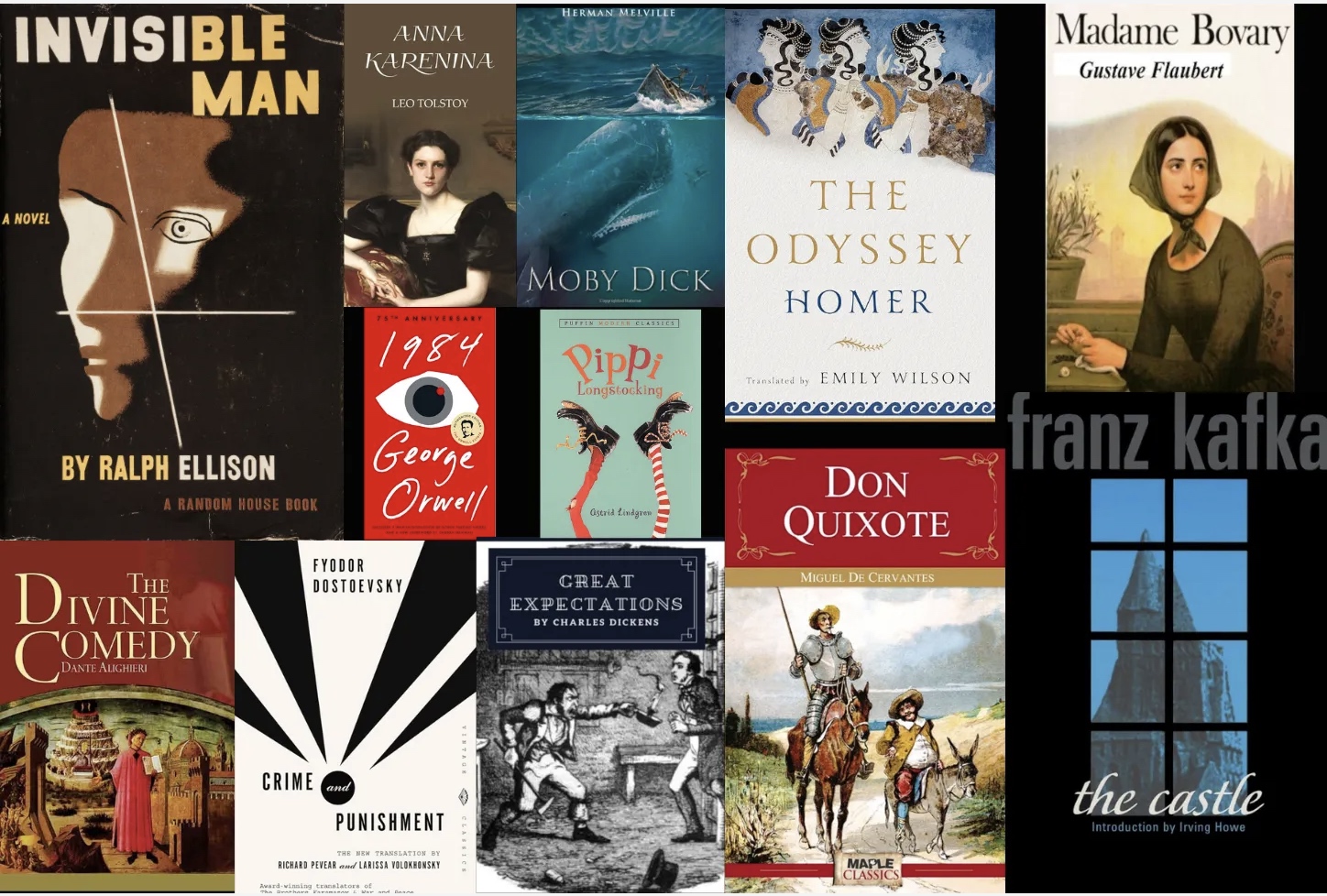
The character “Robert McCall” (played by Denzel Washington) in the vigilante action-thriller film series The Equalizer (directed by Antoine Fuqua) mentioned that his late wife was working through “The 100 Books Everybody Should Read” when she died, so he decided to carry on the tradition. It is not clear the exact list he was referring to, but we found a blog by Gillian that settled on Goodreads 100 Books from The Equalizer, for which a checklist is provided by https://uncomplicatedspaces.substack.com/p/100-books-everyone-should-read-pdf.
How many of these can you claim to have read?
Personally, I go through stages… seeking new releases, exploring best-sellers, perusing used or discounted book stores and thrift shops, and revisiting past favorites in my library.
Recently, I have “relaunched a personal voyage” to consume the entire series in sequence of the memorable adventures of classic historical fiction from the Napoleonic Wars, featuring Captains Horatio Hornblower (by C.S. Forester), Richard Bolitho and his nephew Adam Pascoe Boltho (by Alexander Kent, pseudonym of Douglas Reeman), and Lord Nicholas Ramage (by Dudley Pope). You should “cruise” samples of all of these!
If you are a history buff, please enjoy each edition slowly, reveling in the authors’ craftsmanship and immersing yourself in the language, settings, culture, customs, and what life must have been like during that period (~1800-1850) of intense conflicts between France (led by Napoleon Bonaparte) and England (most notably, paralleling the real-life of British naval hero, Horatio Nelson) and the coalition of European powers following the French Revolutionary Wars. A previously blog (here) related the relevance of Hornblower and learning leadership principles. However, I am especially amazed at the depth and breadth (similar style and content) of the Alexander Kent collection. But, better schedule a lot of uninterrupted quiet time on vacation or at the pool, deck, patio, or beach! It will take you awhile to read all 30 of the Kent books (list below provided in order by www.addall.com):
Midshipman Bolitho (1975)
Midshipman Bolitho and the Avenger (1976)
Band of Brothers (2005)
Stand Into Danger (1976)
In Gallant Company (1977)
Sloop of War (1972)
To Glory We Steer (1968)
Command a King’s Ship (1973)
Passage to Mutiny (1976)
With All Despatch (1988)
Form Line of Battle (1969)
Enemy in Sight (1970)
The Flag Captain (1971)
Signal, Close Action! (1974)
The Inshore Squadron (1978)
A Tradition of Victory (1981)
Success to the Brave (1983)
Colours Aloft! (1986)
Honour This Day (1987)
The Only Victor (1990)
Beyond the Reef (1992)
The Darkening Sea (1993)
For My Country’s Freedom (1995)
Cross of St. George (1996)
Sword of Honour (1998)
Second to None (1999)
Relentless Pursuit (2001)
Man of War (2003)
Heart of Oak (2007)
In the King’s Name (2011)
Yes, we should be turning our attention to nonfiction books, too. According to financial guru and famous talk-show host Dave Ramsey, all of us should have a nonfiction book or two on our bed stand.
Want to be a millionaire? Turn off your television. The average millionaire reads a nonfiction book a month. This is how you make your life better: having knowledge tomorrow that you didn’t have today, and then applying it. – Ramsey on Facebook
Dave’s list of books starts off with one of his own: The Total Money Makeover. He also recommends The 7 Habits of Highly Effective People by Stephen Covey, Think and Grow Rich by Napoleon Hill, Good to Great by James C. Collins, The Richest Man in Babylon by George Samuel Clason, Who Moved My Cheese by Spencer Johnson, The E-Myth Revisited by Michael E. Gerber, and How to Win Friends and Influence People by Dale Carnegie.
On a slow day pushing wheelchairs at the local hospital in the Western PA suburbs where I live, my fellow volunteers (Jerry, Rod, and Douglas) and I, all true “bibliophiles” and retirees, brainstormed what were our most inspiring reads. Their list is more spiritual, faith-based, or metaphysical than most:
Book of Joy by Dalai Lama and Archbishop Desmond Tutu
Conversations with God by Neale Donald Walsch
Jesus CEO by Laurie Beth Jones
Many Lives, Many Masters by Dr. Brian L. Weiss
Mutant Message Down Under by Marlo Morgan
Return to Laugher by Elenore Smith Bowen
Tying Rocks to Clouds by William Elliott
When Bad Christians Happen to Good People by Dave Burchett
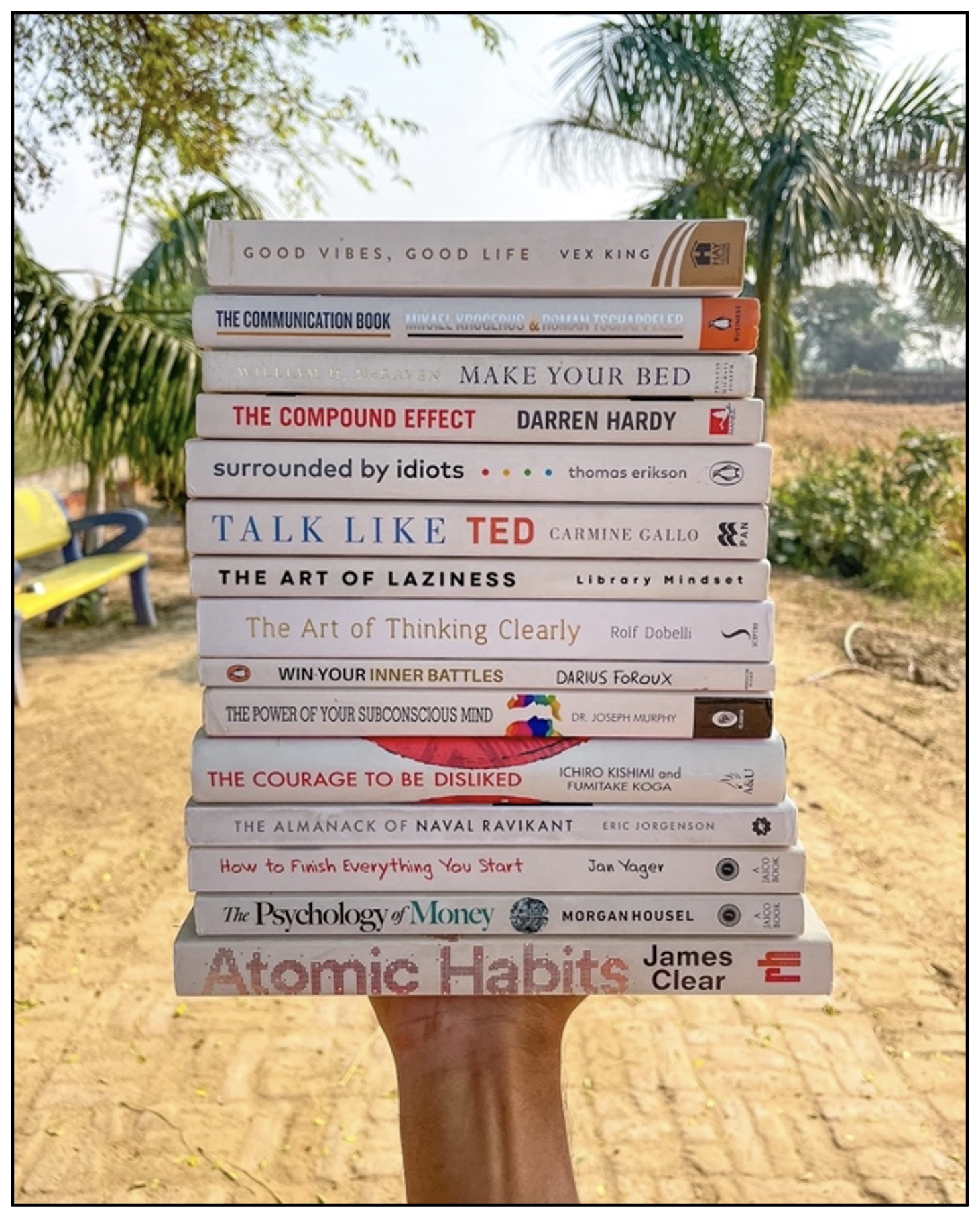
Now to the “how-to section,” especially focusing on the quest for “living the dream” in our senior years.
Some of the best books about retirement are really about living life well. It’s been said that a reader lives a thousand lives before he dies. So, if words on a page can introduce us to what it’s like to live in another century or a faraway land, then why not introduce us to life in retirement, too?
Die with Zero: Getting All You Can from Your Money and Your Life by Bill Perkins
My Brilliant Friend by Elena Ferrante
From Strength to Strength: Finding Success, Happiness and Deep Purpose in the Second Half of Life by Arthur Brooks
The Midnight Library by Matt Haig
The Year of Magical Thinking by Joan Didion
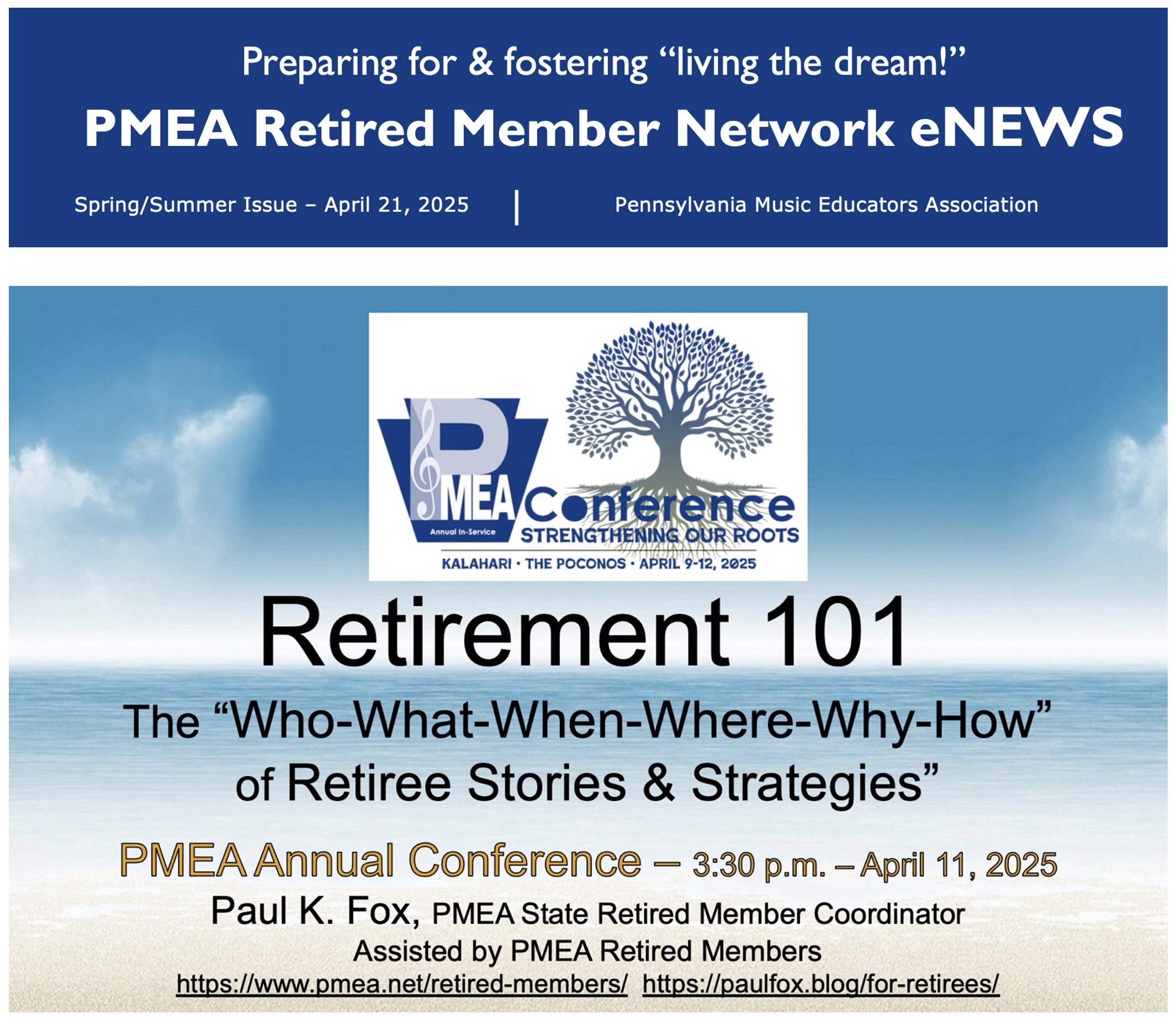
As PMEA State Retired Member Coordinator and editor of Retired Member Network eNEWS, I “float” many images of recommended retirement books to my PA music educator colleagues. If you did not attend the Retirement 101 session at the recent PMEA Annual Conference at Kalahari Resort in the Poconos, take a peek at my annual session’s PDF handout: https://www.pmea.net/wp-content/uploads/2025/04/Retirement-101-PMEA-conference-revised-s041125.pdf.
1820 McLaughlin Run Road, Pittsburgh, PA 15241
I am presenting this workshop at the Upper St. Clair Library on July 10, 2025 at 6:30 p.m. in the Multi-Purpose Room. To my local (Western PA) friends: Come see it for yourself!
Finally, if you are looking for additional resources on how to prepare for that major life passage of transitioning to retirement, many books and websites suggested by numerous expert “silver-haired” colleagues who have already “Cross the Rubicon,” all you need do is visit the Retired Member focus area on the PMEA website. (This is a benefit of PMEA membership and why everyone should continue participating in their professional association even after a complete retirement!) For a sneak preview, click on these links:
Best wishes to you and yours. Feel free to comment on this post (top right link near title), or even refer us to other sites of book lists and retirement prep resources.
The summertime academic break is essential for the health and wellness of every music educator. Hopefully you are enjoying a little TIME OFF and an emotional and intellectual break and release from thinking about your professional responsibilities and anything about school!
Europeans swear that it takes no fewer than three weeks of what we would call an extended vacation. They say we need that much time to totally unwind, de-stress, rest, and, if necessary, lick our wounds and even “heal ourselves!” Summer should allow us to focus on family, friends, and leisure activities FIRST – to re-adjust our “work/life balance.” After an appropriate interval, then we can get ready to re-charge and re-energize, to recommit emphasis on new music program goals and professional development.
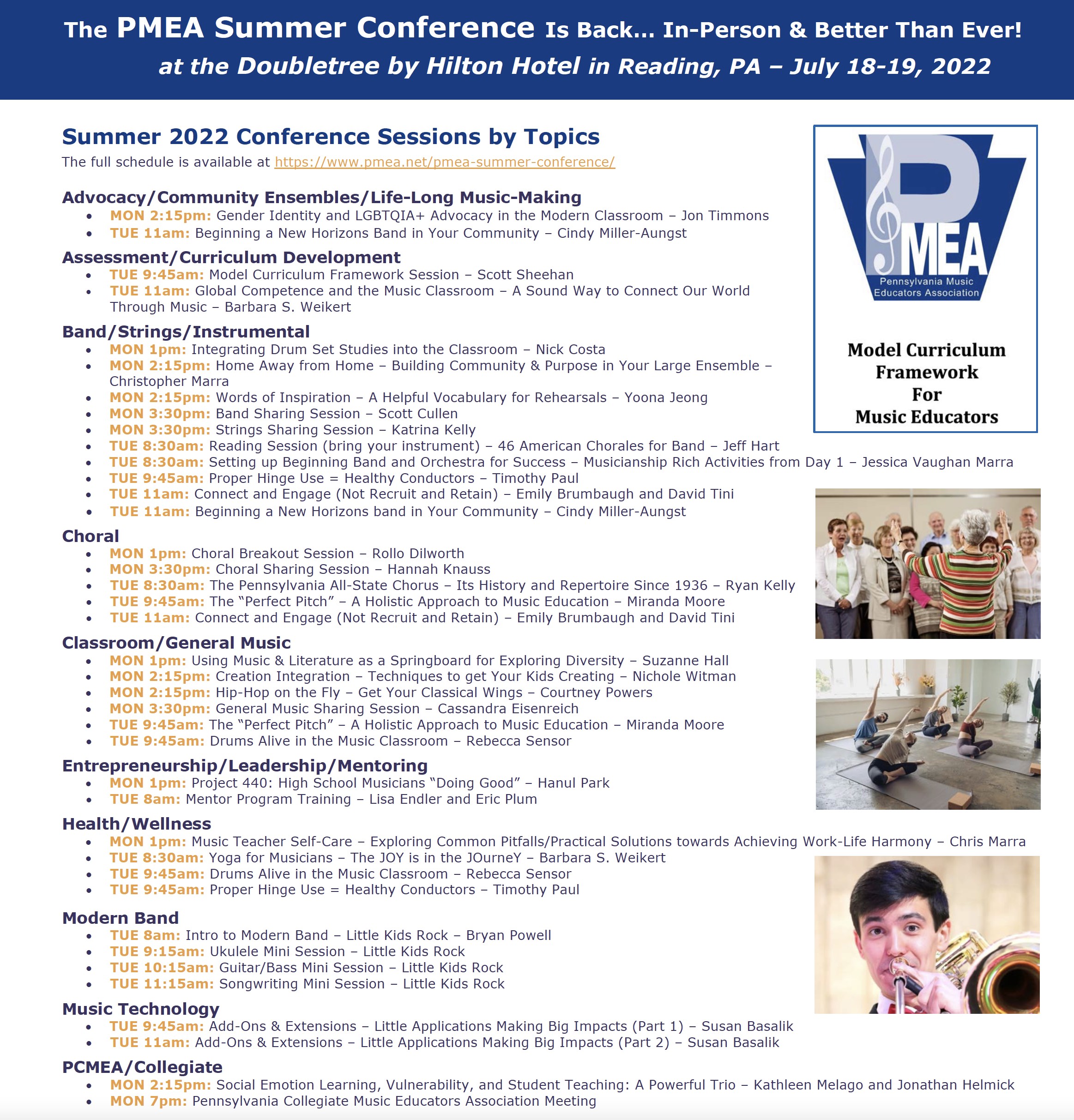
If you are fortunate enough to live in Pennsylvania and be a member of the Pennsylvania Music Educators Association (PMEA), I have a wonderful “crosswalk” solution to accomplishing this REBOOT – a combined “refresh and re-invest” makeover – to first get out of dodge for a change in scenery and then take care of your own social-emotional learning to come back to school raring to go! It’s simple! Sign-up to participate in the 2022 PMEA Summer Conference to be held in-person at the Doubletree by Hilton Hotel in Reading, PA on July 18-19, 2022.
Once again, PMEA is “crushing COVID” and returning to some level of normalcy to offer a face-to-face summer conference of many “awesome” professional development venues – everything from hands-on music reading, member “sharing” sessions, clinics on advocacy, band, choral, classroom music, community ensembles, conducting, curriculum writing, gender identity, health/wellness, mentor training, Modern Band, music technology, recruitment, strings, and so much more!
Check out this summary of wonderful workshops:
Update as of 6/28/22
Approximately Nine (9) hours of Act 48 credit will be available.
This year’s event will include keynote speakers Suzanne Hall and Rollo Dilworth from Temple University as well as NAfME President and PA’s very-own super-star Scott Sheehan.
Feeling a little charitable, altruistic, or eleemosynary? (Great word – look it up!) On Tuesday, July 19, there will be a “Give-Back to the Community” event: PMEA’s Second Annual Day of Service at Goggle Works.
Now, what about that EXTRA FUN part? Well, you can turn your conference into a family vacation by just arriving a little early and/or leaving a little later.
First, how about attending a Minor League baseball game? PMEA acquired tickets to the Reading Fightin’ Phils vs. New Hampshire Fisher Cats contest on Sunday, July 17 at 5:15 p.m. at the FirstEnergy Stadium.
Berks County, a combination of rich farm country, industry, beautiful parks, lots of entertainment, and top-notch educational institutions, is home to one of Pennsylvania’s largest cities, Reading, as well as many small communities that offer a lot of history and natural beauty. For PMEA members going to the Summer Conference, it is the perfect opportunity to enjoy a wide variety of family-friendly attractions, recreation pursuits, touring of the landscape scenery, and other day trips. If you were to visit the area before and/or after the conference, here are at least 18 places-to-go before returning home:
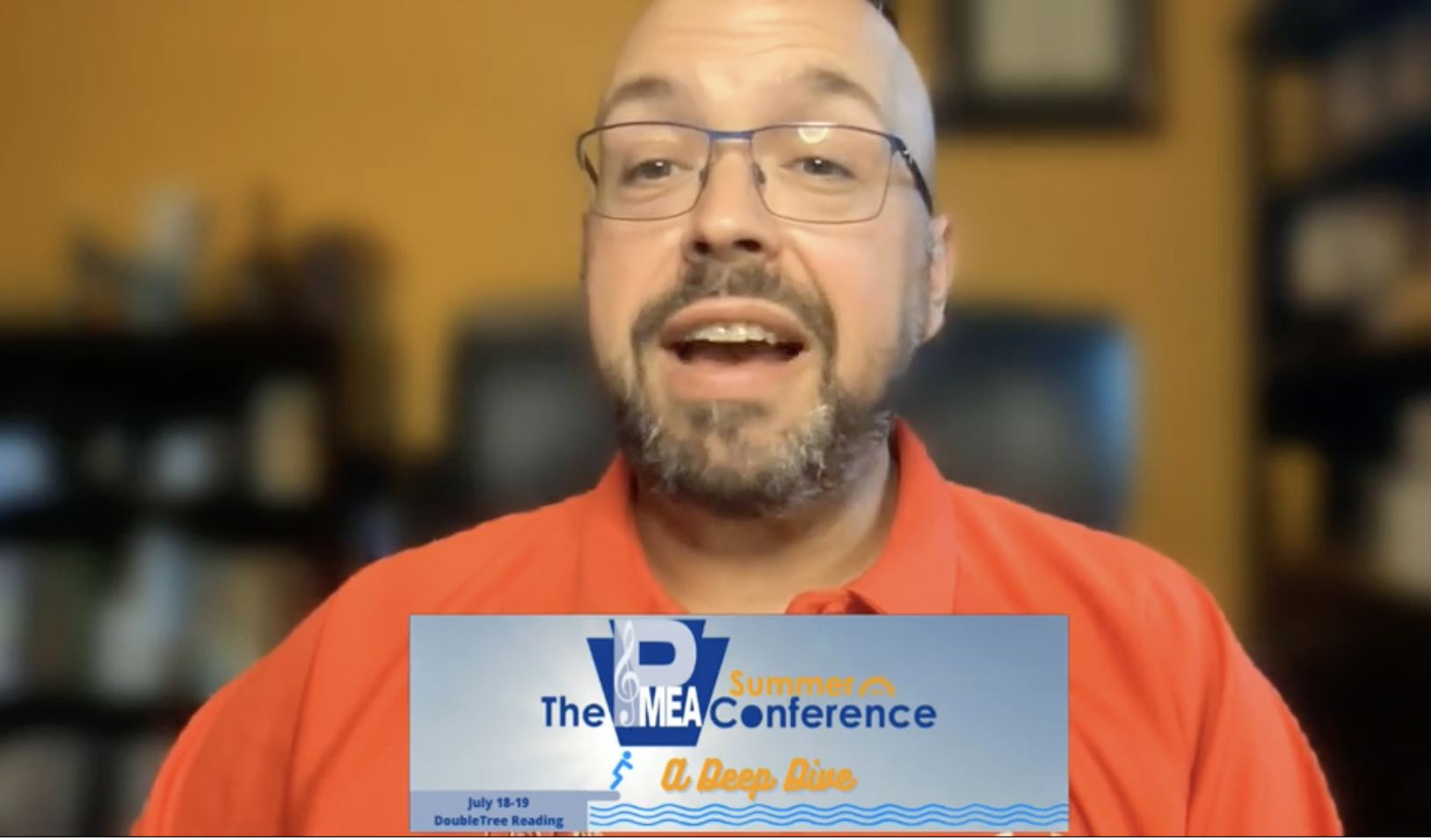
Finally, if you need any additional urging, here’s our new PMEA State President Scott Cullen with his invitation for you to join us at the Summer Conference: https://fb.watch/dYrKOvAHkG/.
But, don’t wait! Register today for the PMEA Summer Conference at this link.
The deadline for hotel registration is fast approaching! The discounted block of rooms at the Reading Doubletree will close out at the end of the day on Friday, July 1.
Editor’s Note: For this month’s blog, we bring back guest writer Ed Carter, a retired financial planner. (See his website here.) His piece, perfect for new music parents, summarizes many of the “intangibles” that music education provides to foster child development, especially the enhancement of language skills. In 2019, I wrote the blog “The Importance of Music Education” (click here) based on an interview I did for a local community news program on the essentiality of teaching music that covered many of these concepts. Special thanks go to Ed Carter for sharing his research and perspective.
Parents and educators are always looking for ways to improve their children’s learning – especially when it comes to reading. Sometimes, though, unconventional approaches can work wonders. Experts believe the best way to boost a student’s reading is actually to expand their knowledge and vocabulary by teaching them history, science, literature and the arts.
Understanding the Connection
Children who learn to play an instrument or who join a choir have a longer attention span and better listening skills. Music stimulates the brain in so many ways. In fact, playing music may help the human brain more than any other activity. Some researchers even suggest that musical training can alter the nervous system in a way that improves learning in a way that offsets the academic gap between affluent students and students from lower income backgrounds.
Music improves language skills in particular because there is a neurological connection between maintaining rhythm and reading. Scientific American notes that when children learn how to keep a beat, they are better able to concentrate on a passage and decipher the meanings behind the words. A child’s reading ability relies on making a connection between the symbols they see on the page and the sounds of letters.
The Best Age for Music Lessons?
There is no such thing as a kid being too young for music. Many parents even expose their child to melody and rhythm before they are even born in an attempt to stimulate brain activity. Drumming is a great place to start. It is more important they gain experience with music and learn to develop a meaningful relationship with it at a young age. Children as young as 3 can develop skills like identifying a beat, melody and instruments in music.
By the age of 5, your child may be ready for formal lessons with beginner instruments such as drums, the piano, violin, recorder, guitar or ukulele. If your 5-year-old is not ready to start formal lessons with an instrument, they can still develop their musical skills online. Invest in a kid-friendly laptop and some durable headphones that allow them to interact with online music programs and apps that develop skills that can translate to playing an instrument in time.
To exhibit your genuine interest in your kid’s growing skills, consider creating a music room for them to be able to learn and hone their craft. This dedicated space is a perfect place for distraction-free lessons. It’s a good idea to soundproof the room, too, so others in the home aren’t disturbed. Having a bonus room that can act as a multipurpose room can increase your home’s appraisal value should you decide to sell anytime soon, as such upgrades are what many buyers look for.
Music Mistakes to Avoid
While some children pick up an instrument like a fish to water, all children develop differently. If you push your child into music lessons too early, they can become overwhelmed. Not progressing in their skill can hurt their self-esteem and discourage their progress. Let your child ease into their musical lessons gradually with time.
You can’t just throw money at a music tutor and expect that to be enough. If you want your child to grow in their skills, sit with them as they practice each day. Consistent practice is more effective than long lessons and your presence provides discipline and encouragement.
There is going to be a moment where your child expresses a desire to quit their instrument. Instead of letting them give everything up too soon, always talk with your child about why they feel like quitting and adjust their lesson goals to make playing music fun again rather than a chore. Encouraging your child to stick with it rather than quit teaches your child how important perseverance is in life.
Children all over the country struggle with reading. Adding music lessons to your child’s schooling can help improve their language skills and reading comprehension. There’s no exact age for starting music lessons, but incorporating music into other activities is a great way to start introducing them to rhythm and melody. As they grow up, involve yourself in your child’s learning and measure progress by the goals they reach and the amount of fun they have.
Teachers, you’re in the home stretch now! You are within weeks of a long vacation break and the chance to rest, refresh, recharge, rewind, and rejuvenate. After what COVID-19 dished out to us, you deserve some time off! Here comes much-anticipated trips, family visits, sleeping in, and going dormant for at least 2-3 weeks!
However, most music educators never totally shut down. We seek out new enrichment opportunities by attending conferences or music reading workshops, researching new methods, and “retooling” for our lessons ahead.
Modeling the annual Peanuts comic strip’s January theme of Lucy Van Pelt assigning Charlie Brown a long and unwanted list of New Year’s Resolutions, yours truly (a retired teacher with a lot less stress) is about to do the same and recommend YOU kick off your shoes, climb into a comfortable lounge chair, tune out all extraneous noise and media distractions, and crack open some “serious summer reading…”
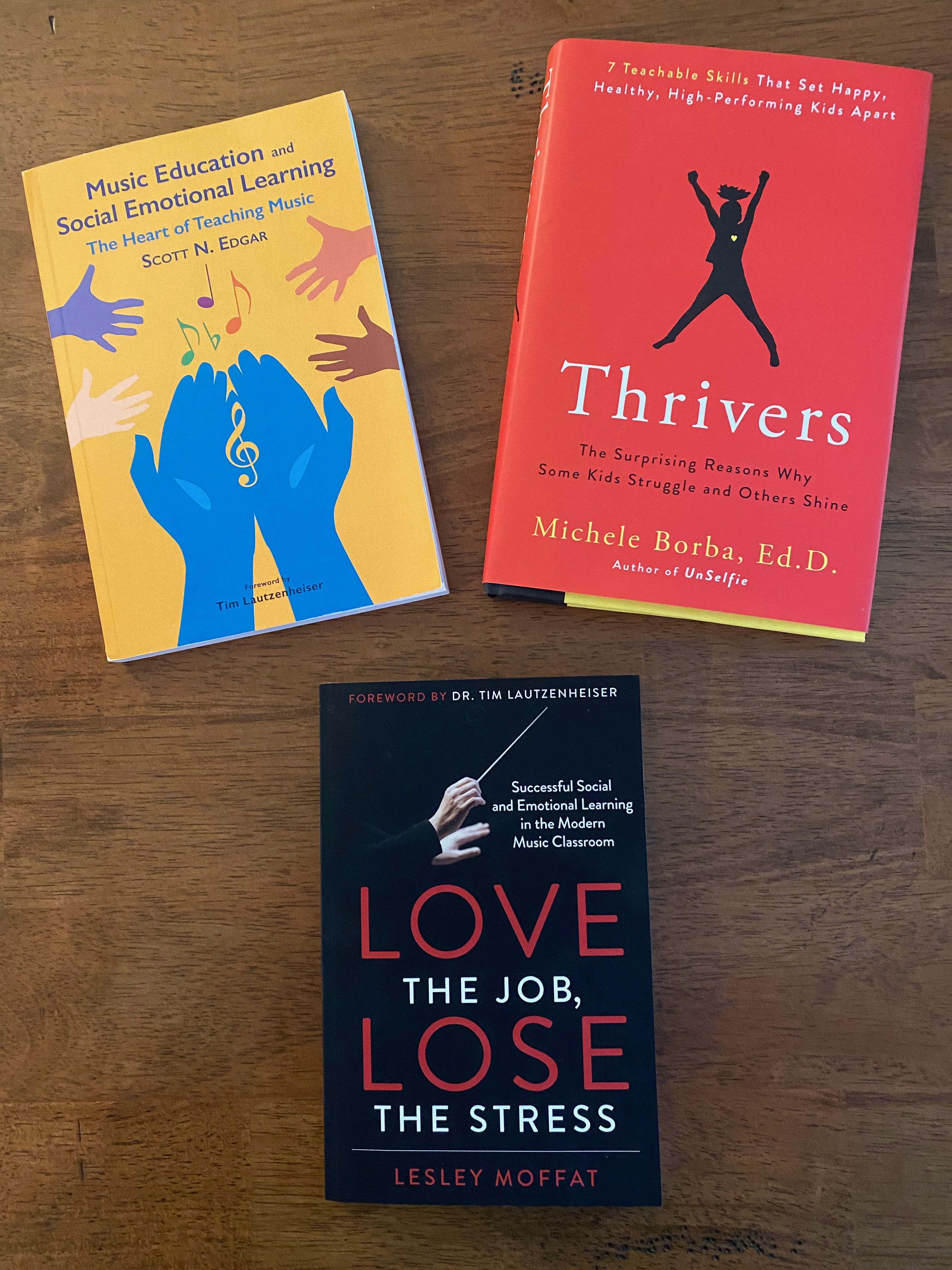
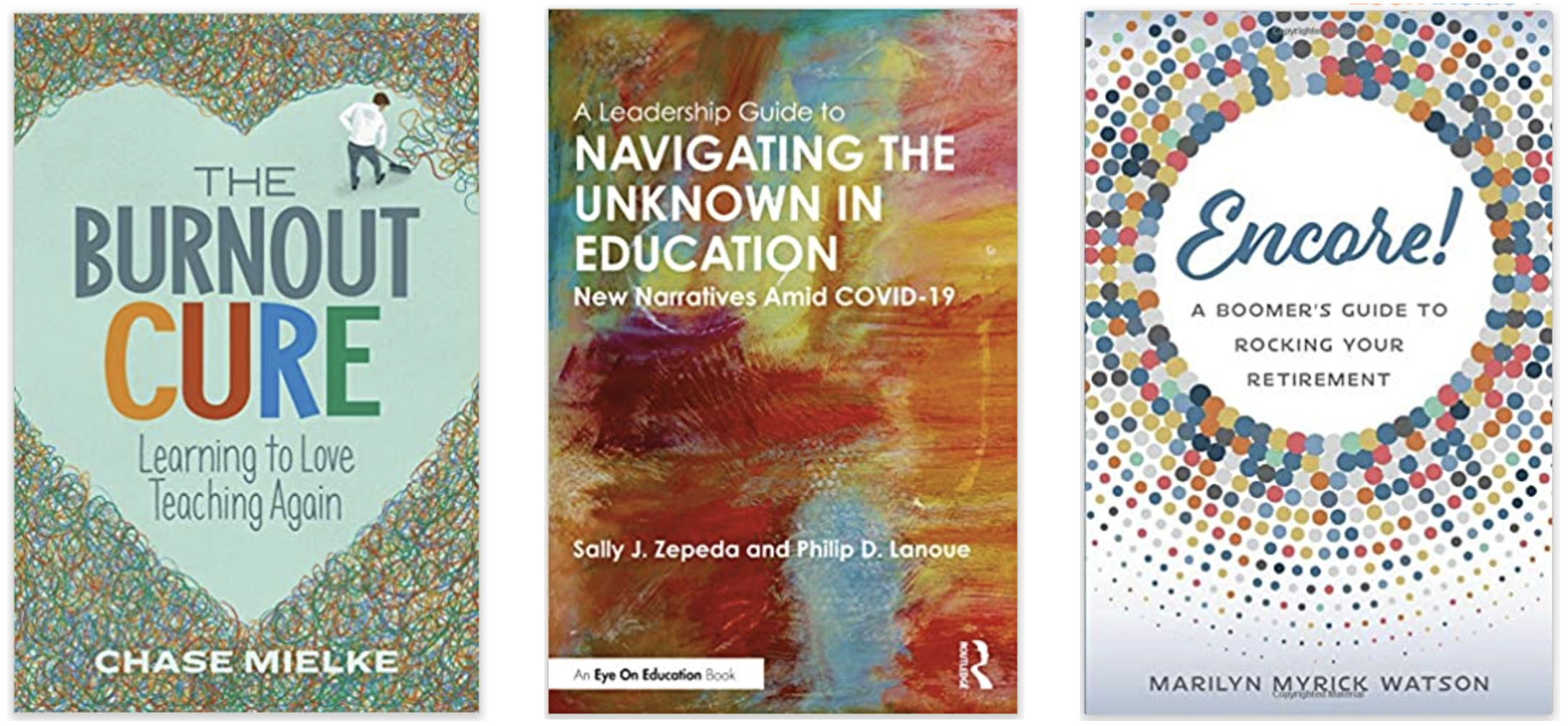
Here are my three favorite books for the season to take with you when you go to the beach or sit by the pool!
In keeping with an alliteration of all those “r’s” to promote healing and health during this “recess,” take time to prepare for 2021-2022 and reflect on and restock your reservoir of resilience, robustness, and resourcefulness!
Yes, the values and life skills of emotional/mental/social “balance” begin at home. But the expectation is that schools and teachers are always relied upon to be the “safety net” – pick up the pieces or fulfill the needs not provided at home. And it should not have taken a pandemic for us to discover how important social emotional learning (SEL) is to the health, wellness, and success of every child (and their family members) we serve in our classrooms, ensembles, lessons, and after-school programs.
“Music educators are in a prime position to help students become socially and emotionally competent while at the same time develop excellent musicianship. For every child to be successful in the music classroom, teachers need to be aware of the whole student. How do music educators create success when students every day struggle with social awareness, bullying, communication, problem solving, and other challenges? This pioneering book by Scott Edgar addresses how music educators can utilize Social Emotional Learning (SEL) to maximize learning in the choral, instrumental, and general music classroom at all levels, and at the same time support a student’s social and emotional growth.”
— back cover of Music Education and Social Emotional Learning – The Heart of Teaching Music
“Finally! Thank you, Scott Edgar, for your willingness to walk boldly into this often trodden, but rarely addressed aspect of music education you have rightfully labeled social emotional learning. For every music educator, from preschool through a PhD program, we know the opportunity to “develop the whole person” is right in front of us each and every day. Where else in the academic community is there such a perfect forum that cultivates both the cognitive and effective growth of those involved? Ultimately, the rehearsal room/music classroom becomes a society within society, and the skills needed to grow and succeed at the highest levels are simultaneously offered in content and context. And yet, there are very few resources to guide the mentor in a positive, productive fashion. Now there is and this book is a powerful blueprint leading us to a worthy outcome and more.”
— Foreword by Tim Lautzenheiser for Music Education and Social Emotional Learning – The Heart of Teaching Music
You have a wide variety of choices to explore this topic, and all of these are from Scott Edgar!
The NAfME Professional Learning Community: Music Education and SEL – An Advocacy Tool for Music Educators accessible as a video: https://vimeo.com/426070325
Music for All webinar series:
Episode 1 – Teaching Music Through Social Emotional Learning – Composing with Heart hosted by Scott N. Edgar with guest presenters Brian Balmages, Brandon Boyd, Richard Saucedo, Alex Shapiro (composers) and Bob Morrison https://youtu.be/6HIbK23TmaE
Episode 10 – Teaching Music Through Social Emotional Learning – Narwhals and Waterfalls hosted by Scott N. Edgar with guest presenters Paige Bell and Adrien Palmer: https://youtu.be/BlbxX1DP-5c
Chapter 2: Socialization in the Music Classroom by Jacqueline Kelly-McHale
Chapter 3: Bullying in the Music Classroom by Jared Rawlings
Chapter 4: Music Educators Are Not Counselors
Section Two – Social Emotional Learning (SEL) and Music Education
Chapter 5: Self-Awareness and Self-Management in Music Education – Self-Discipline and the Music WIthin
Chapter 6: Social-Awareness and Relationship Skills in Music Education – Sharing and Communicating Through Music
Chapter 7: Responsible Decision-Making in Music Education – Problem Solving Through Music
Conclusion: The Heart of Music Education – Our Common Bond
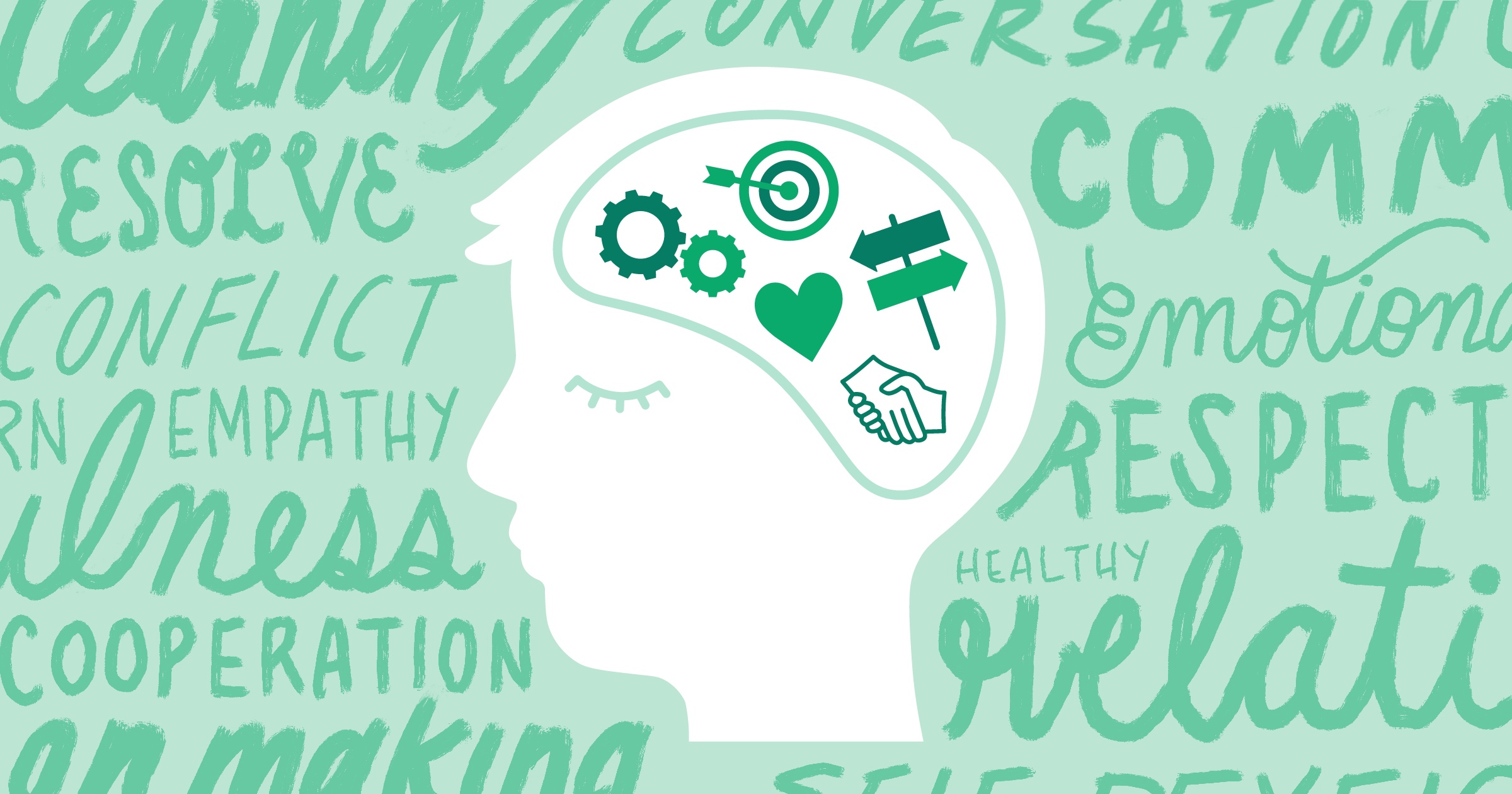
SEL – the new “buzz word?” What is Social and Emotional Learning?
“Social and emotional learning (SEL) is the process through which children and adults acquire and effectively apply the knowledge, attitudes, and skills necessary to understand and manage emotions, set and achieve positive goals, feel and show empathy for others, establish and maintain positive relationships, and make responsible decisions.” — Collaborative for Academic, Social, & Emotional Learning
Social emotional learning describes the development of skills in three domains: self, others, and responsible decision making.
“Self” includes:
Self-awareness skills such as ability to identify and recognize emotions
Self management skills such as perseverance in the ability to manage impulse control
“Others” includes:
Relationship skills such as cooperation, empathy, and respectful communication
Social awareness skills such as the ability to recognize diverse thoughts and opinions.
“Responsible decision-making” includes:
Behavioral skills such as situation analysis, anticipating consequences and generating alternative solutions.
Cooperative skills such as balancing personal in group expectations.
The three key pillars of SEL:
identity
belonging
agency
Probably the best conclusion I have ever read about the value of SEL in the arts comes from Scott Edgar in the last section of his book:
“The music classroom is a melting pot of students from different backgrounds, musics of different cultures, varied personalities, and diverse values. All of this diversity is united under the common bond of music… Music classrooms, possibly more profoundly than any other academic setting, can help students and teachers cooperate to recognize diversity, engage in respectful dialogue to resolve conflict, and empathetically respect human dignity, because this is how music has functioned for centuries. Music classrooms are social because making music is, has, and always will be a social activity. In a time when there are so many divisive forces, music and music education can be a powerful uniting weapon. The tenets of SEL interwoven into a musical education strengthens both entities. Emphasizing self- and social-awareness makes music education richer and more personal. Music education brings humanity and culture into a world of personal and interpersonal interactions.”
Seven Teachable Skills to Cultivate & Nurture THRIVERS
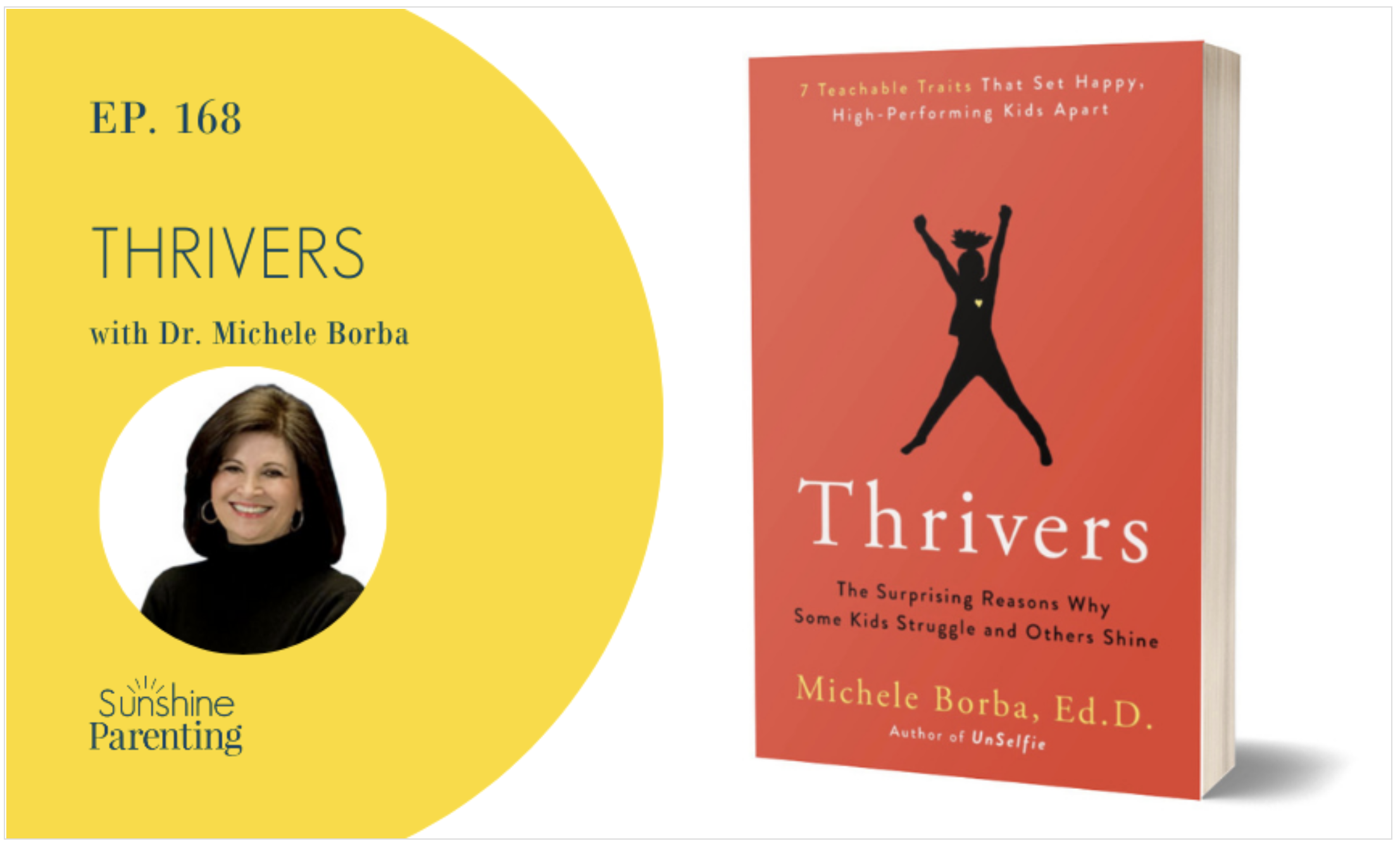
The latest book by Michele Borba, Ed.D., Thrivers – The Surprising Reasons Why Some Kids Struggle and Others Shine, is a definite must-read from cover-to-cover.
“Michele Borba has been a teacher, educational consultant, and parent for 40 years – and she’s never been more worried about kids than she is right now. The high-achieving students she talks with every day are more accomplished, better educated, and more privileged than ever before. But the old markers of success (grades, test scores) aren’t what these kids need to thrive in these uncertain times – and they know it. They’re more stressed, unhappier, and struggling with anxiety, depression, and burnout at younger and younger ages – “We’re like pretty packages with nothing inside,” said one teen. Thrivers are different: they flourish in our fast-paced, digital-driven, ever-changing world. Why? Dr. Borba combed scientific studies on resilience, spoke to dozens of researchers/experts in the field, and interviewed more than 100 young people from all walks of life, and she found something surprising: the difference between those who struggle and those who succeed comes down not to grades or test scores, but the seven character traits that set Thrivers apart (and set them up for happiness and greater accomplishment later in life).”
— from the front flap of Thrivers
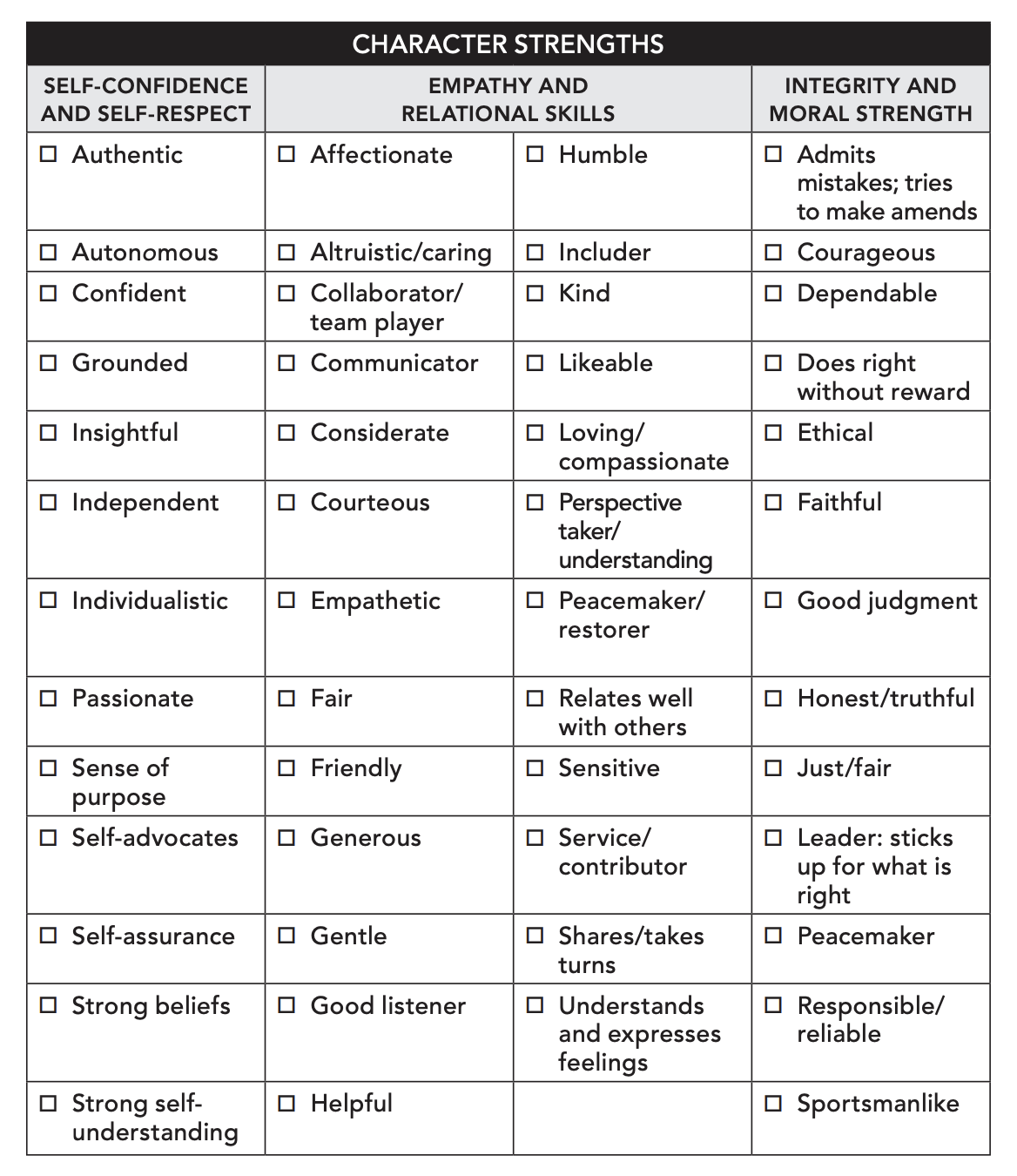
The first thing you need to do (after you order and read both her original best-seller UnSelfie – Why Empathetic Kids Succeed in Our All-About-Me World and this sequel) is to download her give-away “Core Assets Survey” from https://www.micheleborba.com/wp-content/uploads/2021/03/Thrivers_CoreAssets.pdf. Here is a sample page of her assessment checklist for her seven character strengths.
How to use Borba’s book
Although it is generally marketed as a guide for parents (and grandparents), this is a perfect “program and process” for everyone who serves as youth caregivers and educational professionals. Borba prescribes these steps to use the book with the above evaluation tool:
Assess your child’s character strengths: self-confidence, empathy, integrity, self-control, curiosity, perseverance, and optimism.
Tally up the points, prioritize his needs, and address initially the one or two traits receiving the lowest score.
Read each chapter of “evidence-backed strategies and skills” which can be easily transferred and taught to your child from preschool through high school.
Motivate and help your child to adopt each character strength “as a lifelong habit to optimize his potential in thrive.”
Choose one ability a month, focus on it, and “practice it with your child a few minutes a day until he can use it without reminders.”
For teachers, this is a wonderful “soft curriculum” for nurturing these seven essential personal traits, each broken down into “character strength description,” “abilities to teach,” and “outcomes.” It will become apparent to you that these are directly related to SEL.
Besides the character strengths (#1 above), the reader is introduced to several revised definitions and new acronyms that may help to reshape our perspectives for teaching kids (these are a few samples): C.A.L.M. (chill-assert-look strong-mean it – p. 239), C.A.R.E. (console, assist, reassure, empathize – p. 90), comebacks (p. 240), creativity (p. 178), C.U.R.I.O.U.S (child-driven-unmanaged-risky-intrinsic-open-ended-unusual-solitude, p. 175), digital limits (p. 78), emotions (p. 76), goals (p. 209), gratitude (p. 86), growth mindset (p. 205), micromanaging (p. 171), mindfulness (p. 133), moral identity (p. 148), multitask (p. 110), “the four P’s of peers, passion, projects, and play” (p. 163), parenting styles (dysfunctional) – “enabler,” “impatient,” “coddler,” “competitor,” “rescuer” (p. 127), triggers (p. 121), self-esteem (p. 33), T.A.L.E.N.T. (tenacity-attention-learning-eagerness-need-tone – p. 39), and well-rounded (p. 36).
Activities throughout the book are categorized for age-suitability: Y = young children, toddlers, and preschoolers; s = school-age; t = tweens and older; a = all ages.
In the final pages of the book, Borba poses some excellent group discussion questions to facilitate a thorough review of her work. A few of these especially resonated with me:
Do you think raising children who can thrive today is easier, no different, or more difficult than when your parents raised you? Why?
What influences children’s character and thriving development most: peers, media, education, parents, pop culture, or something else?
Which of the seven character strengths are more difficult to teach to children today? Why?
What kind of person do you want your child (or your student) to become? How will you help your child become that person?
What are some of the sayings, proverbs, or experiences you recall from your childhood that helped you define your values?
[As a teacher] what would you like your greatest legacy to be for your [students]? What will you do to ensure that your [children] attain that legacy?
Her specific anecdotes, object lessons, and research for each character strength are priceless!
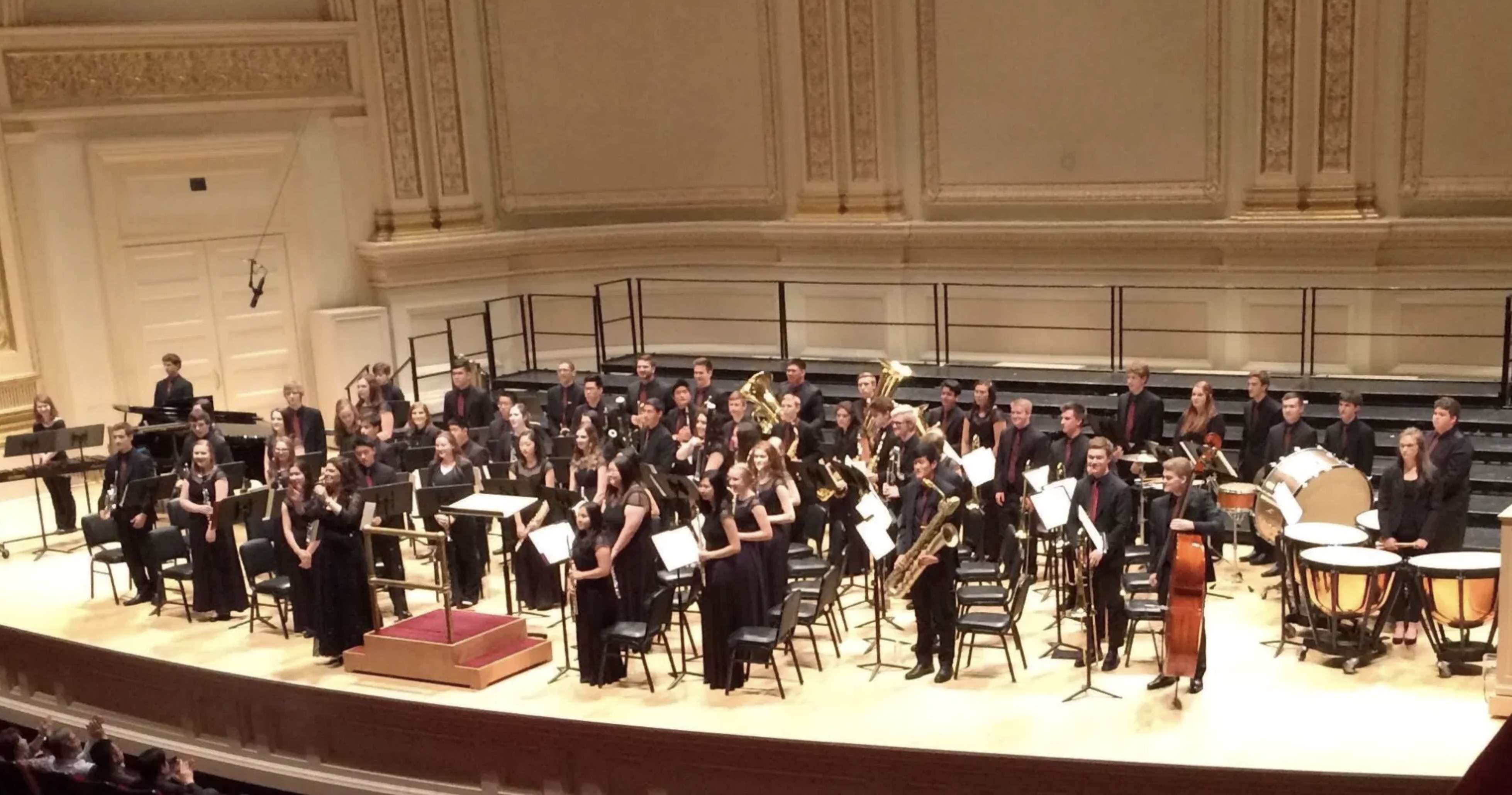
Lesley Moffat at Carnegie Hall
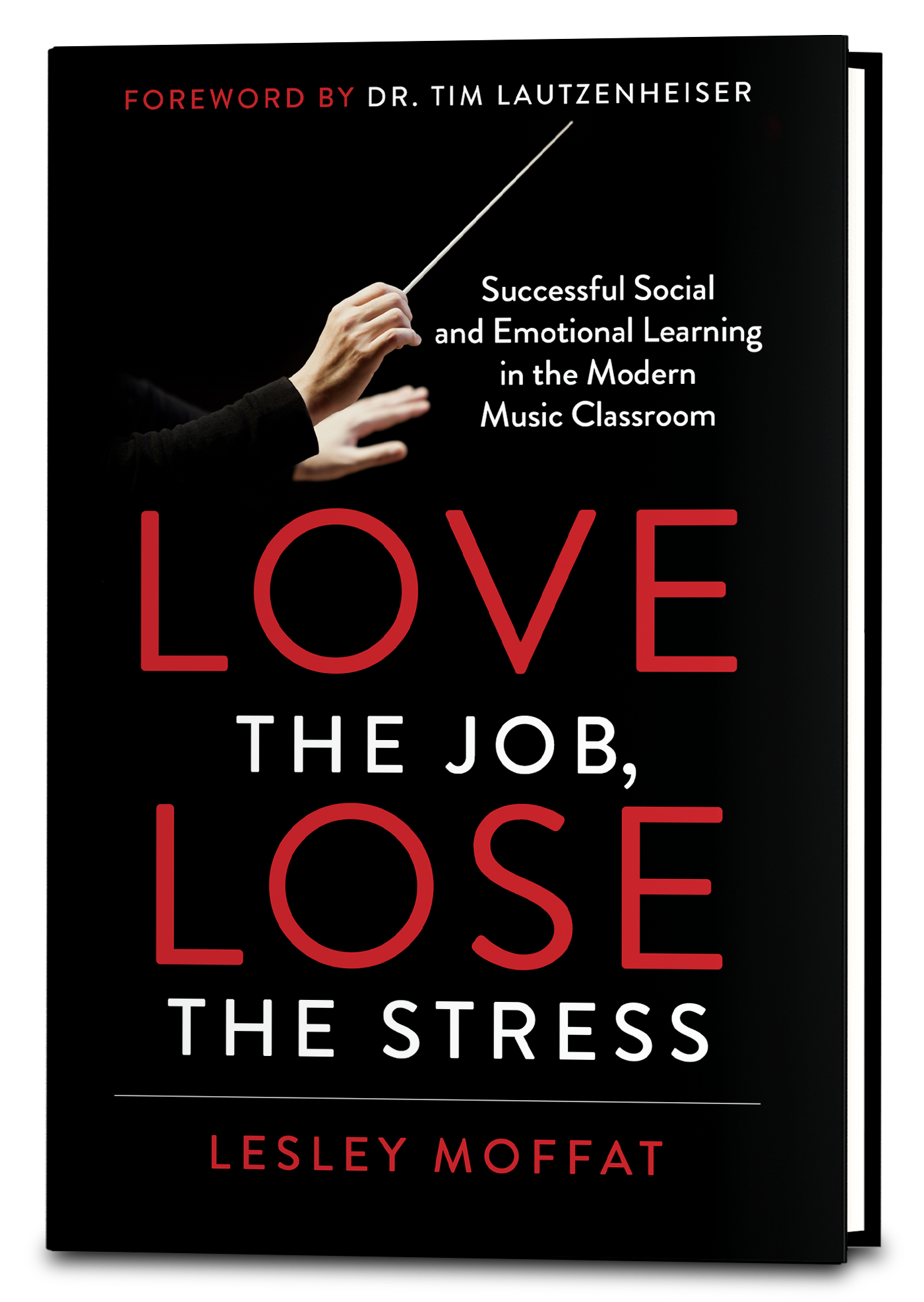
LOVE the Job, LOSE the Stress
In my “New Year’s blog” posted on December 29, 2020, I shared my advice on “how to make a difference in 2021” and told readers to find their own good role models and “positive gurus” to sustain their vision, motivation, and drive throughout the year.
Someone who has recently become inspirational to me is the wonderfully uplifting Lesley Moffat, probably an expert on the search for “mindfulness” in personal life and even during her band warm ups. In my opinion, her transformative stories provide the roadmap for happiness and wellbeing! She now has published two books (you need to read both) – I Love My Job But It’s Killing Me, and Love the Job, Lose the Stress, and if you are still teaching music full-time, you need to peruse her website: https://mpowerededucator.com/.
Now her latest book ties in all of the above enrichment and enlightenment – “successful social and emotional learning in the modern music classroom” – and adds an essential focus on teacher self-care and wellness. What was that saying attributed to Molesey Crawford in Unlocking the Queen Code?
Know thyself.
Love thyself.
Heal thyself.
Be thyself.
Lesley Moffat has taught high school band for over 32 years in the Pacific Northwest, with her ensembles earning superior ratings and performing all over the US, Canada, and even in Carnegie Hall. She was planning to retire at the end of 2019-2020 when the pandemic hit. (As far as I know at this time, she has not retired yet – “for the sake of her kids” she stayed throughout this challenging time of COVID-19 and the slow reopening of schools!) She clarifies this in the introduction to her Love the Job, Lose the Stress book:
“I completed the first draft of this manuscript on March 3, 2020. Ten days later, schools across the world began shutting down as the coronavirus began sweeping the globe… The ultimate purpose of this book is to share the protocol I created that has become the basis of the social and emotional learning needs for my students (and truth be told, for me). Everything I talk about in this book was true before the pandemic, and it has proven to be as powerful in a virtual environment as it is in person… The great news is that you can give your students the gift of learning to self-regulate, calm down, and focus without distraction through intentional design and practice.”
She offers an intriguing set of easy-to-read chapters in her “hard to put down” 191-page work.
My Life’s Work Is So Much More Than Just A Job
I Love My Job But It’s Killing Me
The Badass Band Director’s Bible
Step One: The Moffat Music Teacher Mojo Meter
Step Two: Identifying the Three C’s – Care, Clarity, and Consistency
Step Three: Identifying Your Priorities
Step Four: SNaP Strategies for Music Teachers
Step Five: Tuning Our Bodies
Step Six: Creating Your Own First Four Minute Protocols
Coda
Fine
Highlights of suggestions from Love the Job, Lose the Stress
Like her last book, the Moffat Music Teacher Mojo Meter returns. If you are ever privileged to have her as a clinician for a local workshop, it is likely she may send out this survey to the participants in advance. These fifteen questions will provide her an individualized needs assessment of the stressors attendees are experiencing so she can differentiate the planning of her “help session” (page 48).
You’ll have a lot more questions to answer in Chapter 5 (page 50). Read and identify (and define for yourself) her three C’s for success: care, clarity, consistency.
In Chapter 6 (page 67), she wants you to identify your priorities. This is your chance to dream big! You’ll have to read her story (with wide swings of emotion) about her Jackson HS Honors Wind Ensemble performing at Carnegie Hall.
Also returning from her previous book, Chapter 7 (page 81) shares her Start Now and Progress – or SNaP to it – strategies for music teachers. Revisit her amazing tale about doing (of all things) push-ups: “By taking small incremental steps that build upon what I did each day before, I was able to take a skill that was very difficult for me on April 1 and do it 60 times just 30 days later.” She sums up three SNaP Strategies “for busy band directors” (page 90).
Gratitude for the attitude
Time stealers
Reset yourself
Don’t miss her Chapter 10 (page 156) and “Lesley’s Top Ten Badass Band Director Tips!”
Finally, probably worth 1000-times the price of the book and all the time you will put into it is her Chapter 8 “Tuning Our Bodies” (page 103) and Chapter 9 “Creating Your Own First Four Minute Protocol” (page 129). This is where you will take what you read, reflect on her philosophies and system of classroom management and warm-ups, and adapt it to your situation. Adding to your teacher’s toolbox the techniques of mindfulness, breathing exercises, and listening skills – and practicing them with your students daily – will make all the difference in the SEL of your own lessons and overall program.
BRAVO and thank you Lesley for being so intuitive, upfront, and personal… and being so generous in sharing your secrets!
We applaud your efforts, and agree with Dr. Tim Lautzenheiser who said in the Foreword to Love the Job, Lose the Stress:
“This latest-greatest contribution offers a tried-and-true blueprint for vocational success while embracing the critical importance of fueling one’s mental, emotional and physical health. Spot on! Bull’s eye!”
“This is not a book you read and then put on the shelf; rather it is a file cabinet of priceless data certain to boister the health, happiness, and good fortune of every (music) teacher.”
“As music teachers, we teach students how to develop all kinds of skills, from mental to physical, in order for them to be well-rounded musicians. We show them how to properly form and embouchure, the correct fingerings to use, how to read music, what proper posture looks like, how to be artistic and expressive, and so much more. And we always tell them to “pay attention and “focus.” But do we ever teach them how to pay attention and focus? The secret to getting students engaged, focused, and curious so you can teach them all the cool stuff about music is teaching them how to actually build those skills until they become habits. Once you’ve taught them how to learn, then everything else becomes a million times easier for you and for them.”
— from the back cover of the Love the Job, Lose the Stress
Now you have it… a collection of at least three potential life-changing inspirations for summer study.
In addition to these “finds,” I need to mention a couple other educational publications for your consideration (see picture below). But, first-things-first as Stephen Covey would say! Check out Music Education and Social Emotional Learning – The Heart of Teaching Music by Scott Edgar, Thrivers – The Surprising Reasons Why Some Kids Struggle and Others Shine by Michele Borba, and Love the Job, Lose the Stress by Lesley Moffat. PKF
Food for Thought for “Getting Your Stuff Together”
Once in awhile, someone suggests an article that might be suitable for everyone who stumbles upon this website… retired (but very busy) music teachers, active music educators, collegiates, and music students of all ages. Of course, I cannot resist putting together my own list of ways to become a better time manager and efficiency expert… mainly because I was never that organized when I taught classes in three buildings, assisted in marching band, produced plays and musicals, and served as a curriculum leader during my 35+-year career. (“Do as I say, don’t do as I do…” or did!) It’s now easy to recommend… and after trolling the Internet a little, backing up this advice with numerous “expert” protagonists.
1. Throw out the “to-do list” and use a calendar
“Millionaires don’t use to-do lists. If something truly matters to you, put it on your calendar. You’ll be amazed at how much the likelihood of getting it done increases.”
“The future is full of unknowns, interruptions, and change.”
Supported by Dan Ariely and his team at Timeful (a company acquired by Google), Srinivas Rao writes at https://getpocket.com/explore/item/why-calendars-are-more-effective-than-to-do-lists that we should throw away the to-do list and use a calendar app like Google Calendar for tasks and reminders, to set goals, and to schedule meetings.
Srinivas adds, “Just the act of putting these things on the calendar for some reason seems to significantly increase the likelihood that I actually do them.”
2. But there’s still a good reason for keeping your a note-taking app.
Combine a virtual assistant like Apple “Siri” or Amazon “Alexa” with an application like “Evernote” for “brainstorming” to get your thoughts organized.
Perhaps creating to-do lists may or may not work in your day-to-day environment, but the use of note-taking apps with voice-activated personal assistants may be the ticket to sketch out your short to long-term planning and even respond to email or other forms of writing drafts. Basically, I find I talk faster than I can type!
She reviews Evernote (my personal favorite), Microsoft OneNote, Paper, Quip, and Simplenote for day-to-day use.
A lot of my blog writing is generated using voice recognition by Siri dropped into the Evernote app. It has worked well for me. However, if you are running errands in the car, or even taking a longer trip on the highway, it is not recommended to dictate your manuscript while driving! Your attention is drawn away from watching the road to check on the status of your “writings,” and Siri does not always hear things right the first time! Even if you do not look at your phone while talking to your device, you will find that your distracted “brainstorming out-loud” may cause you to miss an exit or even sit unresponsive at a green light. Never note-take and drive at the same time!
3. Of course, you have to set priorities!
I was never good at going from brainstorming to finalizing the goals and action plans! It seems easier to “think outside the box” than to construct that multi-leveled box of jobs!
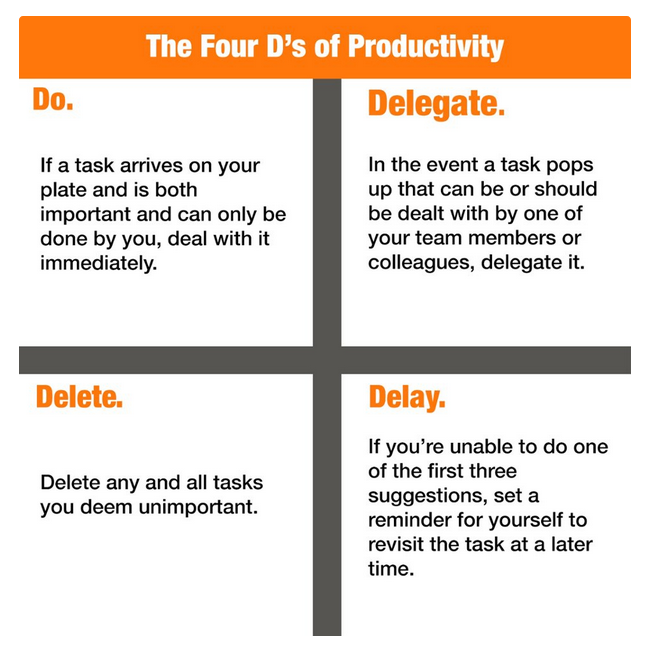
Benjamin Brandall contributes additional insight on systems for prioritizing at https://www.process.st/how-to-prioritize-tasks/, defining “the Four D’s” (see section #5) and my favorite concept, “When you have two frogs to eat, eat the ugliest one first.”
As musicians and music teachers, this suggestion may hit home: Do something that stimulates your “right brain” with acts of personal self-expression or artistry every day, and schedule it both intentionally and early!
What makes you want to get out of bed in the morning? Playing an instrument or singing? Composing? Writing? Painting or drawing?
I have previously blogged about ways to enhance your daily creativity quotient:
“Here is what I’ve learned from these creative warm-ups: my thinking continues to be more flexible and multi-dimensional throughout the day. I approach work challenges with less fear and more playfully; I’m more open to see things in new and unexpected ways… And that makes all the difference.”
– Ayse Birsel, author of Design the Life You Love
5. Adhere to the “four D’s” system of productivity.
6. Devote at least 30 minutes a day to professional reading.
“Why did the busiest person in the world, former president Barack Obama, read an hour a day while in office?”
“Why has the best investor in history, Warren Buffett, invested 80% of his time in reading and thinking throughout his career?”
“Why has the world’s richest person, Bill Gates, read a book a week during his career? And why has he taken a yearly two-week reading vacation throughout his entire career?”
Answer? “If you’re not spending five hours per week learning, you’re being irresponsible.”
“In the busy teaching day, it can often be the last thing on your mind to dive into some professional reading. So, why should you make it a priority and how can you utilize your time effectively to fit it in?”
It seems obvious, doesn’t it? Teachers have to “keep up” with their “craft,” explore developing innovations, trends, and movements in their field, and embrace better instructional techniques and use of media for their students!
“I don’t have time” means you are not a true professional. Doctors and other medical care providers, lawyers, investment counselors, clergy, etc. – you name the “profession” – must continually renew their knowledge-base and “sharpen their saws.” Regular reading and attending conferences help motivate you, “recharge your batteries,” retool for the formation of new goals, review better strategies, and introduce improved teaching methods, materials, literature, and technologies.
The aforementioned Teacher Toolkit website scripts tips on how to get started:
Focus your topic of interest.
Know where to look.
Listen instead of reading!
Set aside a regular time slot in your week.
Find a quiet place.
7. Cut back on your “screen time,” especially closer to your bedtime.
“There’s a lot of debate about how much screen time is too much screen time, specifically for children, but also for adults. Likely you’ve heard about how it’s a good idea to stop using our electronics in the evening so you can wind your brain down for bed. But when it comes to screen time, the only thing that seems conclusive is that there’s such a thing as too much and that it may be different for everyone and depend on the circumstances.”
Schedule a meeting phone call instead of using chat
Think of other ways to access information
Get your news in a condensed feed
Exercise while you watch
8. Are you getting enough sleep?
The answer is… probably not.
According to a 2013 Gallup Study (the last year Gallup published a sleep study), the average American sleeps only 6.8 hours a day — and that number may be getting worse over the last several years.
I remember when I taught full-time and was in the middle of a full-blown musical production, I sometimes laid awake feeling “stirred up” inside trying to think of all the things I needed to do the next day. #5 of Brittney’s list is solved by putting a legal pad and a good pen by your bed stand, and without awakening your spouse, roll over and jot down a few of your “don’t forgets.” Or if you prefer to use the magic of technology, you can do this digitally… take a minute or so and use your tablet or smartphone, but don’t stay up very long and let the screen’s blue-light make your insomnia worse. Revisit title heading #2 above for note-taking apps.
It’s absolutely amazing the number of sources you can find on the web for additional advice for improving your sleep habits:
“Now and again, everyone faces a big life transition. For me, it was when I lost my father — right around the time I realized my kids were rapidly growing up (funny how that sneaks up on you, huh?). I started to think about how I really wanted to live my day-to-day life. From the clothes on my body to stuff in my home, I wanted to stop perpetuating things that made me feel bad about myself.”
“Much like Gilligan and his infamous “three hour tour,” what I thought might be a quick clean-out extravaganza turned into an epic, six-month journey through the nether reaches of my closets and my psyche. Along the way, I learned many things from Maeve about organization — and more than a few things about myself that changed my relationship with my stuff.”
“This is tough for anyone, but it’s a crucial step in regaining control over your stuff. I was really honest with myself, and resolved to not beat myself up over getting rid of (or donating) things we didn’t need — even if they were in good shape. When you start to think of your things as part of an ecosystem for your life, it becomes easier to pare down to only the stuff you really love.”
Photo credits in order from Pixabay.com: “young” by kaboompics, “checklist” by TeroVesalainen, “paper” by rawpixel, “important” by geralt, “cello” by enbuscadelosdragones0, “board”by rawpixel, “mobile” by kaboompics, “iPhone” by JESHOOTScom, “male” by Engin_Akyurt, “spiral-notebook” by kathrin, “minimalism” by bohemienne, “clutter” by Kasman, and “ring-binders” by AbsolutVision.
Focus on YOUR MUSIC during summer vacations, holidays, or academic breaks
The following idea-bank is a checklist offered to Band and Orchestra instrumentalists, their music teachers, and family members as “food for thought!”
Here are a few suggestions to consider as a TO-DO LIST after all the standardized tests, final concerts, and end-of-the-semester projects in all academic areas. Summertime is a wonderful way to “get to know” your instrument and build on your knowledge-base, technique, musicianship, and repertoire.
Help organize your time by setting up a regular daily practice schedule. Practice a little every day. Consistency creates confidence!
Create a “scale journal.” Write down on manuscript paper all your major and minor scales and the I, IV and V7 arpeggio series. Practice scales in all keys.
Create four new scale variations every day and add them to your “journal.” Creative new variations should make playing scales more enjoyable. Some examples are unusual rhythms (pizza toppings, desserts, interesting proper names), more difficult slurs, scales in thirds, etc.
Explore the performance of one, two or three octaves of major, minor, chromatic, pentatonic and whole tone scales.
To improve reading skills, play new music “at sight,” even music written for other instruments. Don’t be afraid to play a challenging piece above your ability level or even read a song from a piano score.
Play through some of your “oldies” and favorites from past lessons or Band/Orchestra classes.
Visit the local music store and browse. Explore new publications of Classical, pop, folk, fiddle/jazz, show tunes or other styles.
Sign-up for a music camp or college classes of music appreciation, theory, eurhythmics, etc.
Take a few private lessons. For enrichment, take piano, voice and/or learn a new instrument.
Spend an entire day in the sheet music, recordings, and music book section at the local library.
Purchase and learn the music audition requirements for your MEA band/orchestra ensemble or solo adjudication festivals.
Form a chamber group with other players in your neighborhood and rehearse at least once a week.
Purchase a duet book for mix or matched instruments (such as Beautiful Music for 2 Stringed Instruments by Applebaum—Book I (easy), Book II (medium), Book III advanced). Team up with another musician (band or string) and share non-transposing parts (flute or oboe with violin, trombone with cello, etc.).
Encourage yourself to “pick out a song by ear” and try to write it down on music paper.
Sit in or join a local community or youth ensemble like the South Hills Junior Orchestra which rehearses on Saturdays in the Upper St. Clair High School (Western PA) Band Room. Rehearsals resume on September 8, 2018.
Plan a vacation or academic break around an out-of-state music workshop or concert series.
Update your iTunes, Google Music, Amazon Music or other online music streaming services by purchasing and listening new solo or chamber works by artists who perform on the same instrument as you.
Tune in to WQED FM, WDUQ or PBS and share a few minutes of classical music at least once a week. Attend concerts by professional musicians (like the Pittsburgh Symphony Orchestra, Civic Light Opera, or River City Brass).
Prepare and perform a fifteen-minute recital for the residents of a local nursing home, hospital or Senior Citizen center.
Read books or magazine articles about famous musicians, performers, conductors or composers.
Take a “field trip” to a luthier (person who makes or repairs string instruments) or the instrument dealer. Have your instrument examined, cleaned, adjusted and appraised. Purchase accessories and do any necessary repairs. If necessary, update your insurance!
How many of these can you accomplish over the months of June, July and August… or throughout the year? “Practice makes self-confidence,” and the more time you put into it, the more you take away from the experience. Please enjoy your summer or winter breaks, but learn to have fun with your instrument and EXPLORE MORE MUSIC!



















 Supported by Dan Ariely and his team at Timeful (a company acquired by Google), Srinivas Rao writes at
  Easy to set-up
 As musicians and music teachers, this suggestion may hit home: Do something that stimulates your “right brain” with acts of personal self-expression or artistry every day, and schedule it both intentionally and early!
 developing innovations, trends, and movements in their field, and embrace better instructional techniques and use of media for their students!
 The answer is… probably not.
 I remember when I taught full-time and was in the middle of a full-blown musical production, I sometimes laid awake feeling “stirred up” inside trying to think of all the things I needed to do the next day. #5 of Brittney’s list is solved by putting a legal pad and a good pen by your bed stand, and without awakening your spouse, roll over and jot down a few of your “don’t forgets.” Or if you prefer to use the magic of technology, you can do this digitally… take a minute or so and use your tablet or smartphone, but don’t stay up very long and let the screen’s blue-light make your insomnia worse. Revisit title heading #2 above for note-taking apps.
 “Much like Gilligan and his infamous “three hour tour,” what I thought might be a quick clean-out extravaganza turned into an epic, six-month journey through the nether reaches of my closets and my psyche. Along the way, I learned many things from Maeve about organization — and more than a few things about myself that changed my relationship with my stuff.”


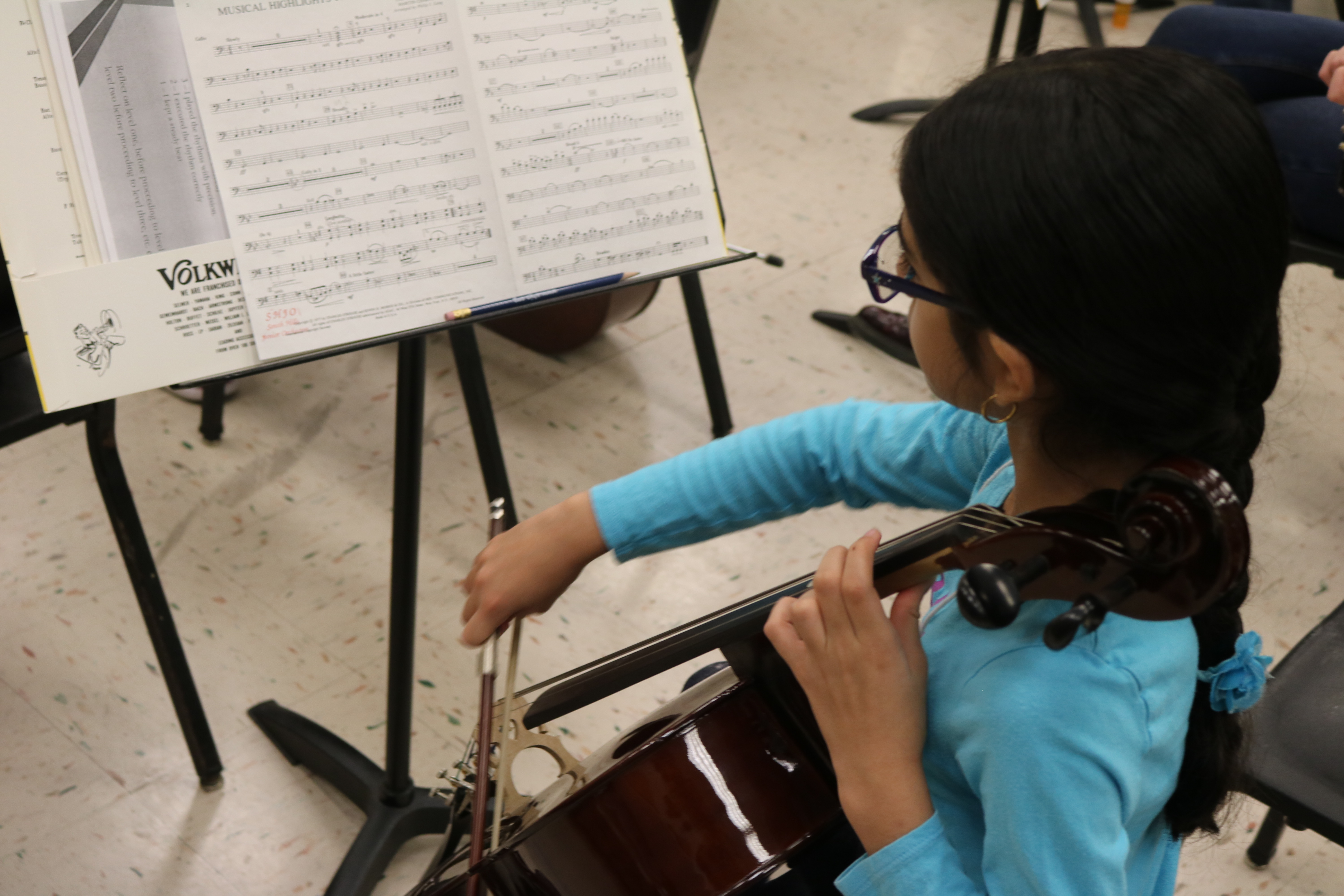 Create four new scale variations every day and add them to your “journal.” Creative new variations should make playing scales more enjoyable. Some examples are unusual rhythms (pizza toppings, desserts, interesting proper names), more difficult slurs, scales in thirds, etc.
 Visit the local music store and browse. Explore new publications of Classical, pop, folk, fiddle/jazz, show tunes or other styles.
 Purchase a duet book for mix or matched instruments (such as Beautiful Music for 2 Stringed Instruments by Applebaum—Book I (easy), Book II (medium), Book III advanced). Team up with another musician (band or string) and share non-transposing parts (flute or oboe with violin, trombone with cello, etc.).
 Plan a vacation or academic break around an out-of-state music workshop or concert series.
 Read books or magazine articles about famous musicians, performers, conductors or composers.
 paulfox.blog