Editor’s Note: We are happy to post this retirement article by guest author Sierra Powell… concise and solid advice for all current and prospective retirees. Photo credit: https://www.pexels.com/photo/people-on-seashore-1377070/
Retirement is a new chapter– An opportunity to savor the results of years of diligence, to follow your interests, and to unwind, free from the demands of 9-to-5 employment. Reaching a comfortable retirement calls for careful decisions supporting your lifestyle and future requirements. Whether you desire to see the world, spend time with loved ones, or just enjoy a slower paced life, several essential components will enable you to have all you need for a safe, happy retirement.
Creating a Comprehensive Financial Plan
A good financial plan is the foundation of a comfortable retirement since it provides a clear road map for handling your money in the next few years. This approach covers forecasting your spending, figuring out revenue sources, and developing a plan for withdrawing money without quickly running out of savings. It goes beyond simple saving. First, project your monthly costs using the lifestyle you want. Add needs such as food, healthcare, and shelter; also include discretionary expenditures for entertainment, vacation, and hobbies. Knowing your planned costs helps you to decide if your revenue sources are adequate to meet them. You can also opt for a good local financial advisor. For example, if you live in Florida, seek afinancial advisor in Tampa if you need guidance in selecting the best plan for yourself and your family.
Prioritizing Health and Wellness
Enjoying a nice retirement depends on keeping excellent health. It becomes difficult to enjoy your newly acquired independence without bodily well-being fully. Emphasize keeping active, following a healthy diet, and planning frequent doctor visits. Time spent in wellness not only improves your mood but also lowers your chance of chronic diseases that could affect your finances or quality of life. Think about adding pursuits that keep your body and mind active. Without taxing your joints too much, low-impact activities like yoga, swimming, or walking provide excellent advantages. Just as crucial is mental stimulation; consider picking up a pastime that tests your brain, acquiring a new skill, or club membership.
Building a Strong Social Network
A strong social life improves your retirement experience by offering company, encouragement, and chances to remain active. Retirement typically alters your daily schedule, particularly if most of your prior social life came from employment. By means of actions to establish and preserve a solid network of friends, family, and community ties, you may prevent emotions of isolation and loneliness, therefore influencing both mental and physical health. To meet new people and be active, join clubs, volunteer groups, or neighborhood organizations that fit your interests. To keep your social calendar full, get in touch with old pals, throw events, or schedule visits with loved ones.
Ensuring Housing Stability
Your degree of retirement comfort depends mostly on your choice of living environment. Your house should fit your way of life, be reasonably priced, and call for little upkeep. Downsizing to a smaller house, condo, or senior living complex provides the ideal balance for some between cost and convenience. Smaller spaces cut maintenance, decrease utilities and liberate resources for additional uses. Think about things like family, closeness to hospitals, and services supporting your everyday requirements. If you would like to keep your present house, think about implementing changes that would help keep aging in place. Simple adjustments that improve mobility and safety include adding grab bars in the restroom or substituting ramps for stairs.
Creating a Flexible Budget
Unexpected expenses might develop in retirement even with the finest financial preparation. Creating a flexible budget lets you negotiate these shocks without sacrificing your general financial situation. Set aside some of your savings, especially for unexpected vacation demands, house repairs, or medical bills. An emergency fund serves as a financial cushion so you may handle pressing needs without compromising your monthly income flow. Your budget should also contain a provision for discretionary expenditure for unplanned events such as family visits, holidays, or new interests. This adaptability lets you enjoy the advantages of retirement without feeling limited by your means.
Conclusion
Making decisions according to your beliefs and future vision can help you to create a comfortable retirement. Every component of your retirement plan supports your way of life and well-being, thereby enabling you to savor this new chapter with peace of mind. Accept the chance to live life on your terms, knowing that your careful planning has set a firm foundation for your next years.
Since posting a plethora of resources on the job search, interview preparation and questions, branding, and networking, we came upon a few more perspectives, tips, and hands-on exercises you can use to “practice – practice – practice” landing gainful employment as a school music teacher – especially on building your capacity to “tell your own story,” who you have become, what unique qualities you bring to the mix, and how/why you have chosen music education as your “calling!”
Probably the most extensive set of links ever compiled on the subject can be downloaded from here:
But, be warned! It may take you days to read and absorb all of these past blog-posts and articles! They represent the ideal prerequisite – knowledge is power! Before going any further, take the afternoon off, find an easy chair, and focus your attention on creating a successful “action plan” for handling your upcoming employment screenings.
The Exercises
In a recent session for the Pennsylvania Music Educators Association Annual Conference in Kalahari/Poconos, we explored the following reflective/interactive activities. These work best in pairs or small groups, but you can adapt/individualize them for self-study:
Close your eyes. Who had the greatest influence on you becoming a music educator? (Do you see his/her face?) What did your “model” musician or music educator have or exhibit… name at least three attractive personality or professional traits he/she had and that you would desire to develop in yourself? WRITE THEM DOWN – LIST #1. In a group setting, share at least one of these with your neighbor. (Swap!)
Now it’s time to turn the attention on YOU. On a separate piece of paper, WRITE DOWN (LIST #2) YOUR three most redeeming qualities, unique professional/personal traits that any employer would be proud to know about you. Again, in a group setting, share at least one of these with your neighbor.
For now, put these lists aside. There are no RIGHT or WRONG answers, but in past interview workshops, these terms often get repeated (for both Lists #1 and #2): Charisma, Creativity, Dedication, Dynamo, Excitement, Expertise, Humor, Intuition, Kindness, Leadership, Musicianship, Problem-Solver, Sensitivity, Tirelessness, Versatility, Virtuosity, and Visionary. On another piece of paper, add 1-3 more of these you may not have originally thought were among your positive attributes – WRITE THEM DOWN ON LIST #3.
According to “The California BTES – Overview of the Ethnographic Study” by David Berliner and William Tikunoff, effective teachers (the ones for whom HR/employers are searching) score high on these skill sets/characteristics: Accepting, Adult Involvement, Attending, Consistency of Message, Conviviality, Cooperation, Student Engagement, Knowledge of Subject, Monitoring Learning, Optimism, Pacing, Promoting Self-Sufficiency, Spontaneity, Structuring. Do a self-assessment and apply these to yourself. WRITE DOWN 3-4 OF THESE ON LIST #4. Pick new ones you have not mentioned in #1 through #3.
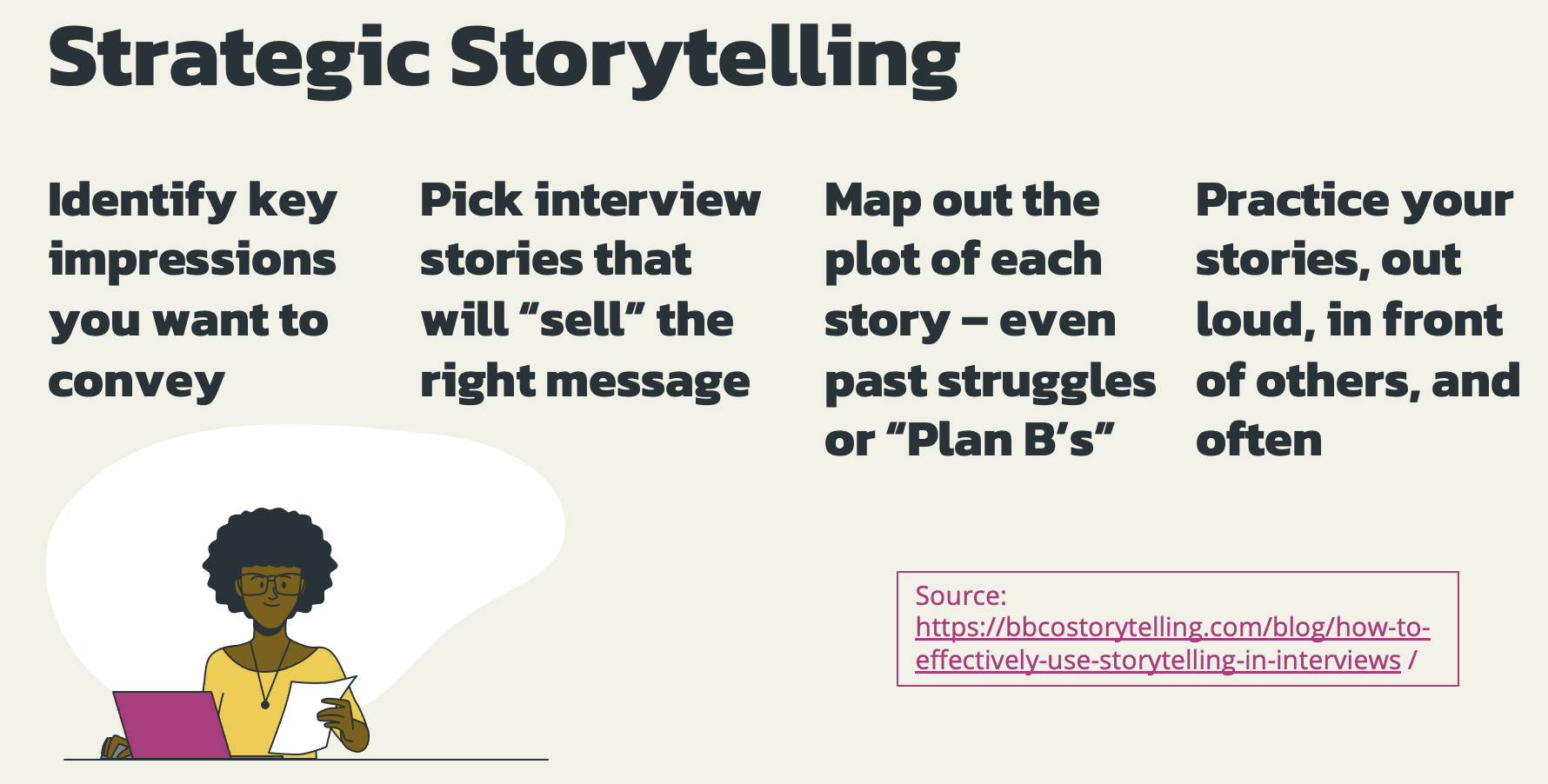
Now comes the FUN part. It’s time to generate stories about past experiences you have had that would model these terms. For this exercise, we recommend writing down at least one unique anecdote from each list which would “show not say” your ability, new learning, or achievement. The “plot” of your story should be concise, focused on the one trait, and when told out loud, not take longer than a minute. Instead of “bragging” you are a problem-solver or adaptable, tell that story of how you had to instantly initiate a “plan b” lesson when it was obvious that the students needed more work on a concept you thought they had already mastered. Remember how you handled your first discipline problem or a child in crisis? If you feel you have the qualities of a leader or a team player, share specific examples of your interactions with children in high school, college, field observations/student teaching, church or community groups, volunteer jobs, etc. If you have trouble coming up with these, try to remember the funny or surprising moments, or even the challenging miscues or big boo-boo’s – all okay to share as long as you resolved the situation positively, created a solution that resolved the problem, or learned a new insight or skill to handle future episodes. No one expects perfection from a new teacher, just enthusiasm, professionalism, willingness to self-assess, and commitment to the cause.
Now you should have a library of stories ready to practice on your roommate, friends and fellow collegiates. You cannot bring the scripts with you, so these have to be at your fingertips: memorized, well-rehearsed, short and sweet (and if you can make them humorous, go for it!).
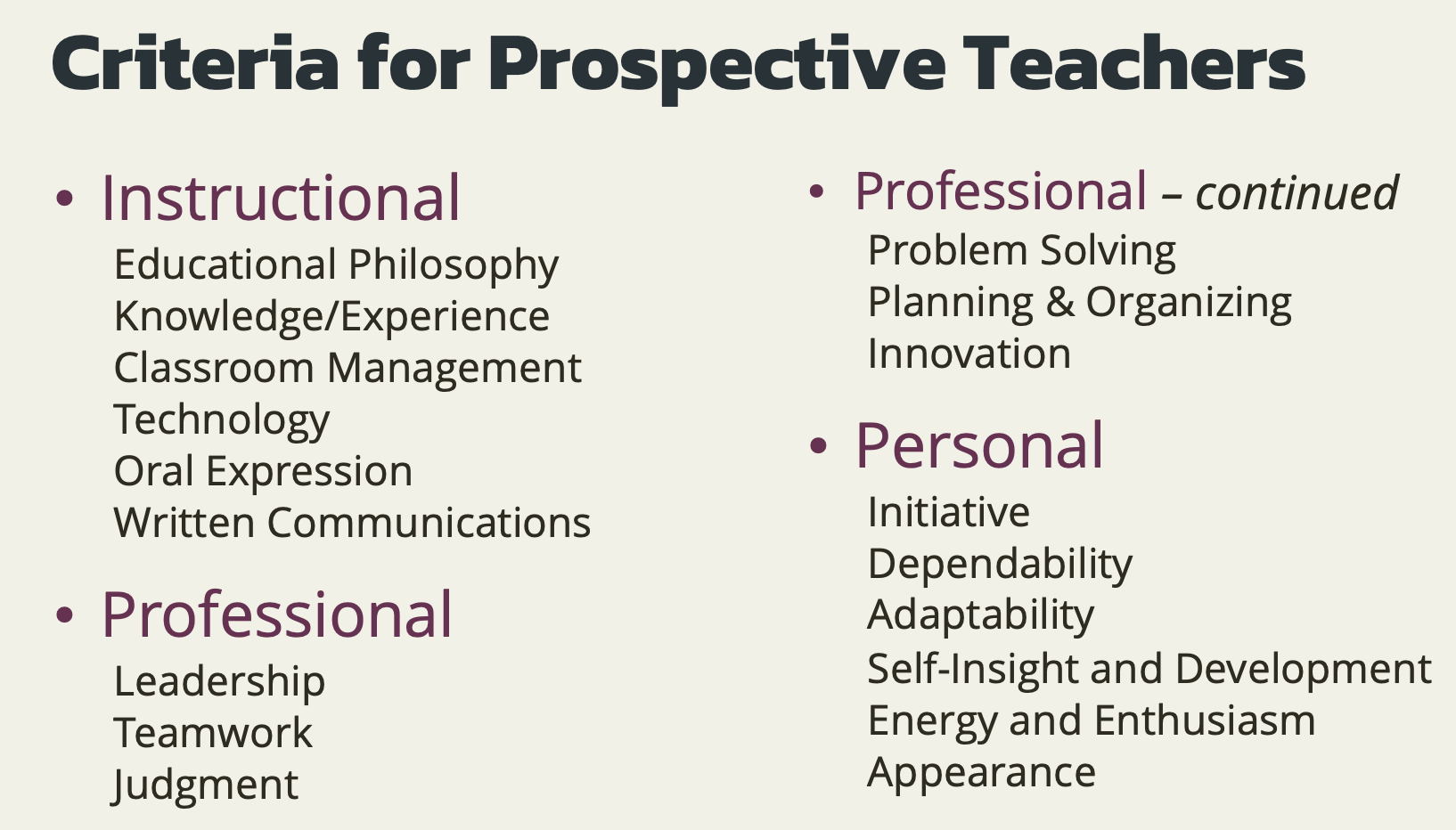
Every week from now through the job search process, add new stories to your collection. Scan your (e-)portfolio for more ideas. These are the criteria used by my former school district (from where I retired) to evaluative prospective candidates. Ideally, you should have anecdotes that cover each area:
My Favorite Rubric
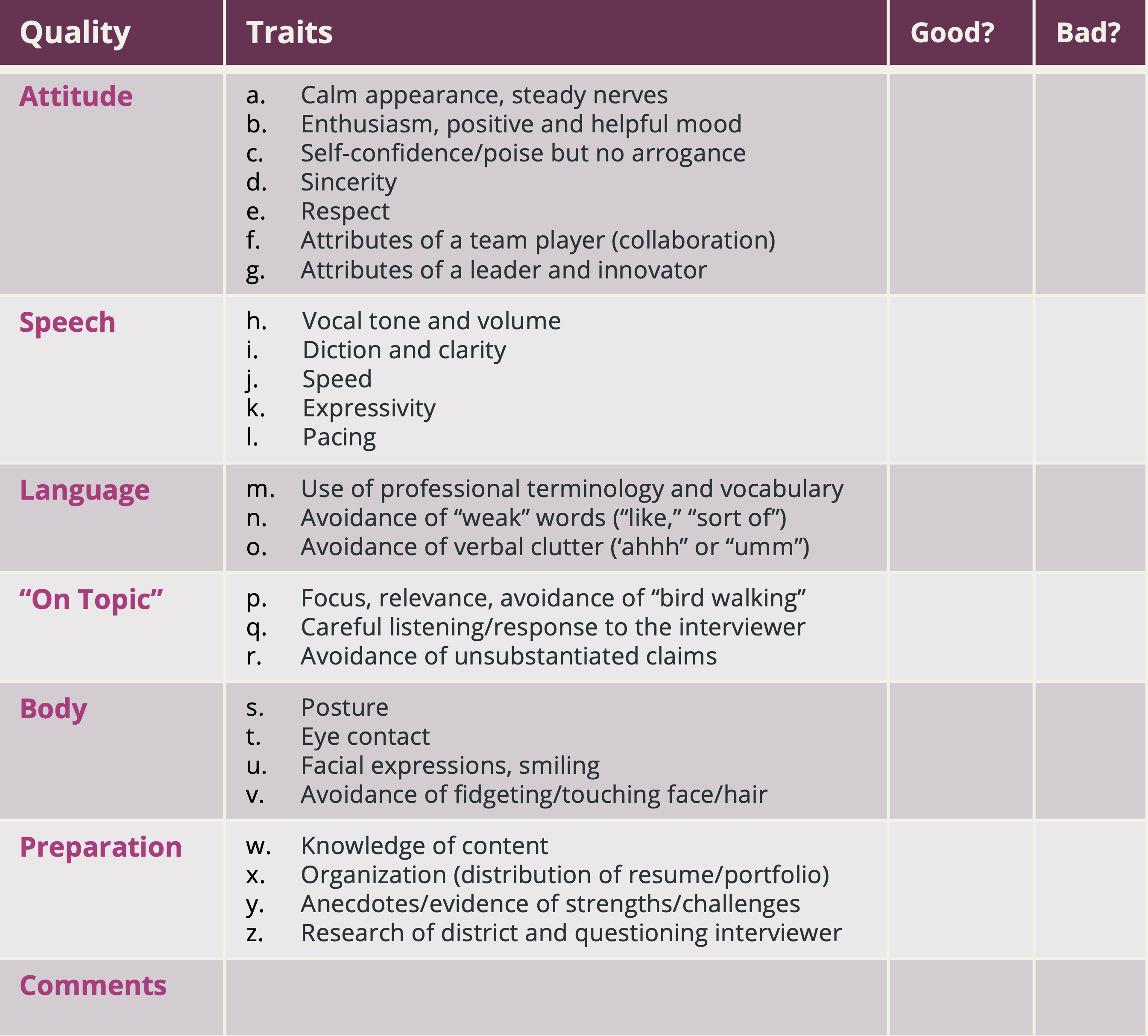
At some point, you are going to have to “face the music” and practice swapping these stories with family members, friends, and/or fellow job seeking students. We’re all in this together! At your next college chapter of NAfME, music education methods class, or student teachers’ wrap-up meeting, try to schedule some “down time” to appoint each other to serve as interviewers/ees. At first, it may not be easy. Using randomly selected questions from the Ultimate Interview Primer above (pull numbers out of a hat), tell a story or two to exemplify your past history, competencies, and professional traits. Your “buddy” (who will be on the hot seat next) could evaluate your performance using the following rubric. Apply the Oreo cookie format (something good first/top cookie, something needing improvement/cream in the center, and end with something positive/bottom cookie) to avoid crushing anyone’s ego. Consider recording your mock interviews for future assessment. Here is a copy of the form with sample questions.
More Odds and Ends on Storytelling
These outside sources focus on the essential skill of storytelling, the whole point of the above exercises. After reading these, you may be able to assemble more meaningful anecdotes that truly model your positive qualities and experiences by telling “short stories” – and “actions do speak louder than words!”
On the Media from NYC Public Radio offered an interesting radio show, coincidentally aired during my 5.5 hour drive back from the 2022 PMEA Annual Conference in Kalahari/Poconos. They dove into the geometric shapes of stories… and what they have to do with reporting on the pandemic AND perhaps (my perspective) considerations for telling better narratives (including ups and downs) at job interviews: https://www.wnycstudios.org/podcasts/otm/segments/kurt-vonnegut-and-shape-pandemic2
Situation: Describe a situation you experienced in the workplace relevant to the question.
Task: Mention a task you had to complete in this situation.
Action: Summarize the actions you took to complete the task.
Result: Discuss the outcome of your actions.
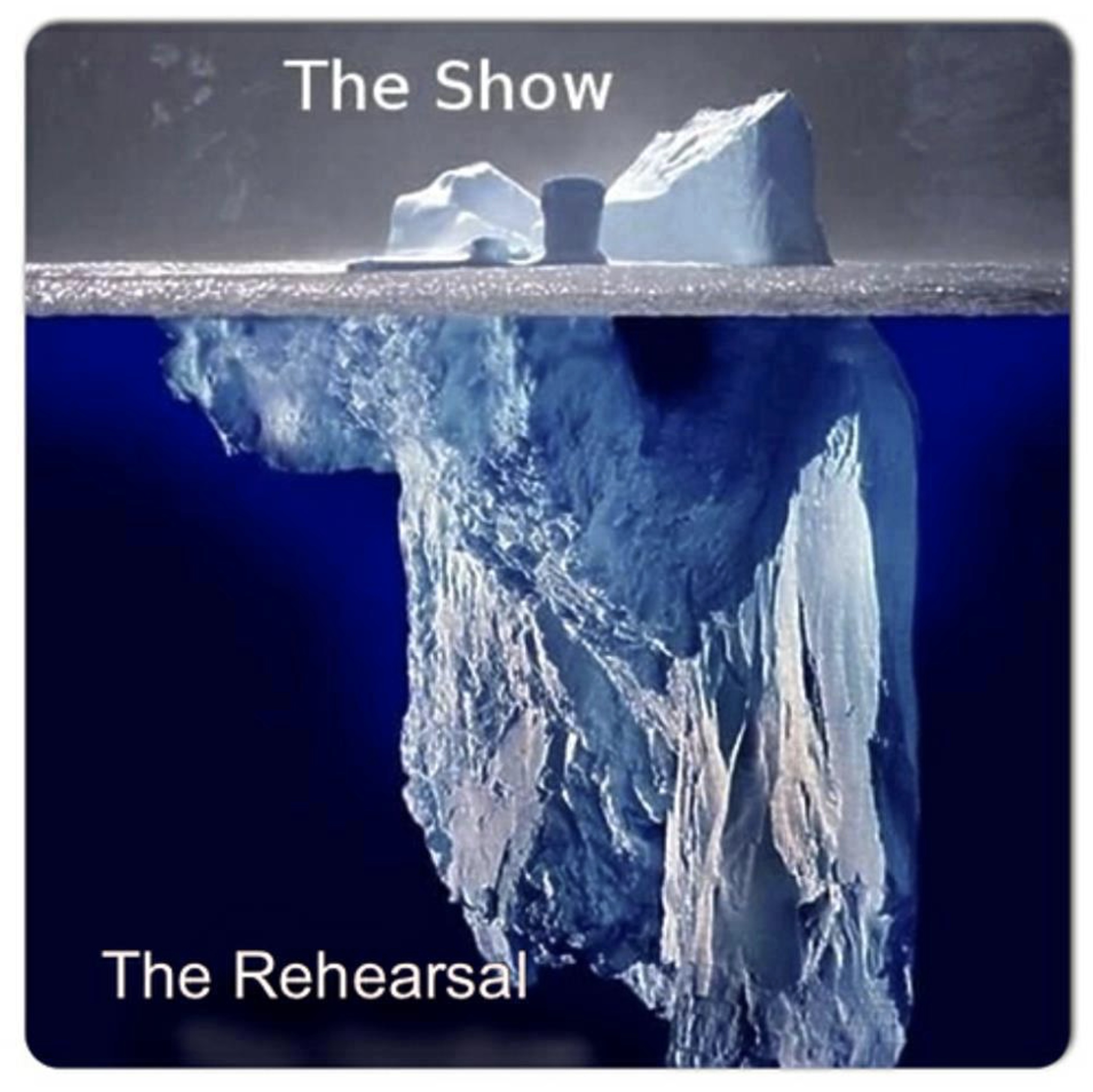
Finally, here are a handful of YouTube videos… just the tip of the iceberg. Remember that iceberg metaphor? The part that you see above the ocean is the performance, the show, the interview, the product… while the mandatory practice, rehearsals, preparations, and planning take up much more space and are almost never seen. ARE YOU READY TO TELL YOUR STORIES?
Part 5 of a series of articles featuring the “Foxes-and-Hounds” pack
I’m writing this blog at 3:30 in the morning because Brewster decided he needed to go out… three hours earlier than usual! Now, in lieu of struggling to go back to sleep, I decided to sit down behind my computer with one sleeping dog in my lap and reflect on my thoughts why I feel so lucky to have my two “pups!”
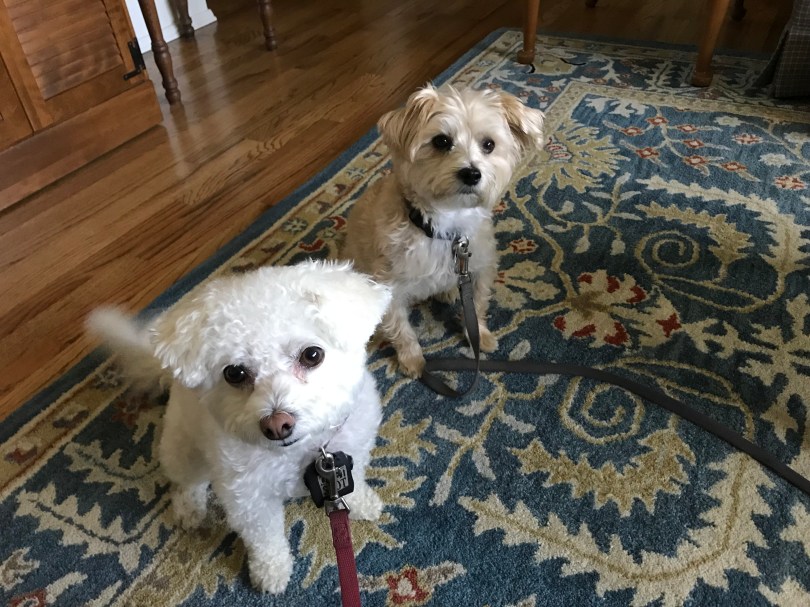
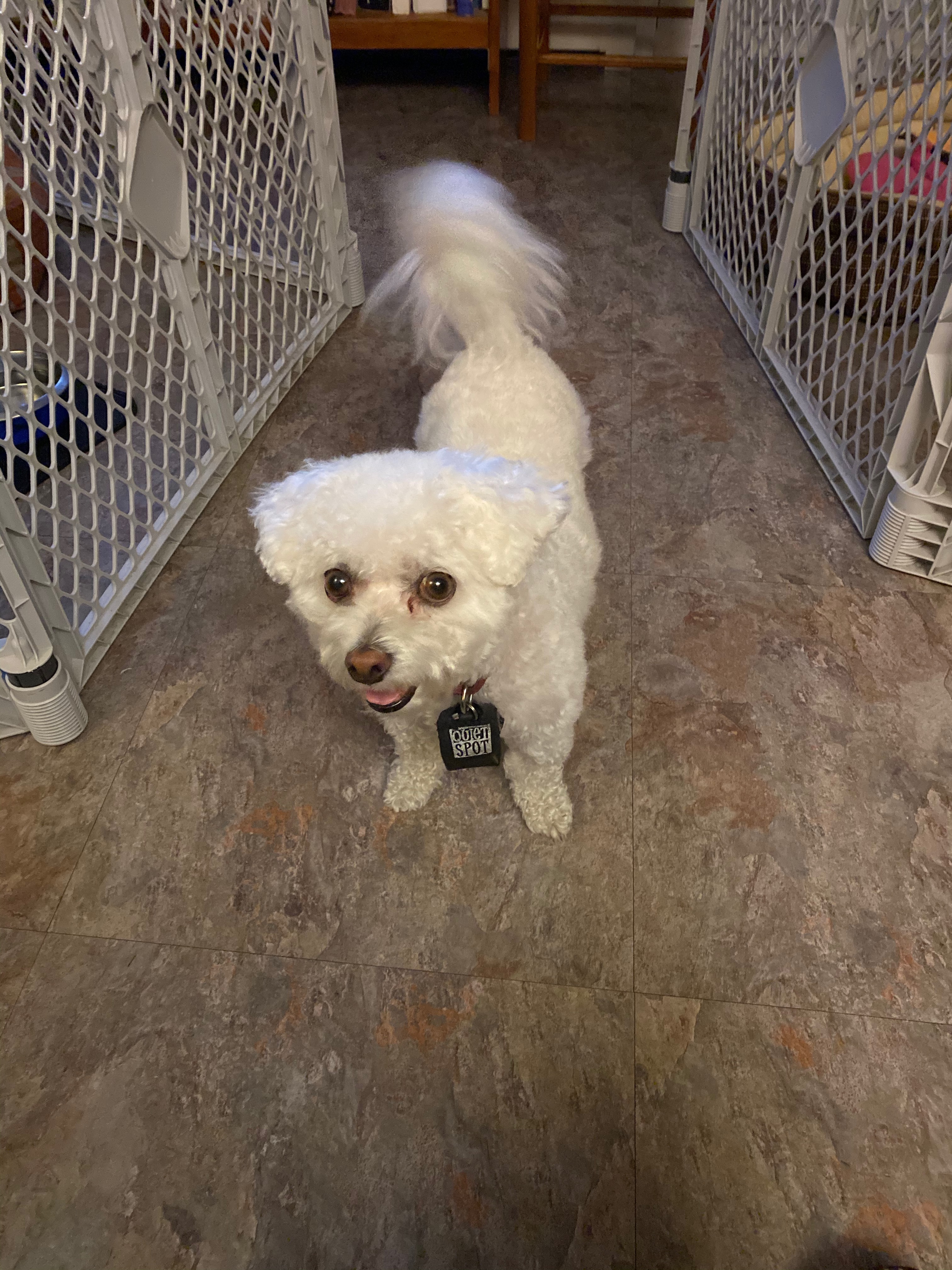
Like grandparents “bragging” about their extended family, dog owners have no compunction to stop and talk to perfect strangers and share their photographs and stories of their pets… especially the wonderful (and sometimes quirky) personality characteristics of their dogs! So, shamelessly, it’s my turn! Here are my two “love and joys” who joined our household literally months after I retired from full-time school music teaching in 2013. Get ready to smile… (and with my best marching band announcer’s voice): “We proudly present ‘Gracie’ (a female Bichon Frise) and ‘Brewster’ (a male Yorkiepoo, Yorkshire Terrier/Poodle mix).”
My wife and I would recommend to all retirees who are not planning to travel out-of-town a lot and are no longer facing that grueling 8-12 hour daily regiment of work (or volunteering) to consider caring for a dog. We knew we were going to take advantage of our major “life style” change when we left our careers… it was just a matter of what dog or dogs to pick… or which ones would pick us!
We went to a local outlet of a national pet store chain just to waste time “looking at the cute doggie beds and toys,” never expecting that they would actually sell puppies in cages from behind the glass! (Most experts would agree that to avoid the promotion of “puppy mills” and the dangers of acquiring unhealthy animals, you should only buy from a reputable breeder. But, this was an accident!) After determining there were no cat adoptions in the store (my wife is very allergic to their fur/dander), we walked in to view on the wall an amazing array of the most adorable four-legged furry companions begging for our attention. As we sat in the area designated as “pet introduction booths,” we sampled many young pups. Gracie picked my wife, and Brewster picked me – the rest is history!
Do individual dogs or breeds have personalities?
Brewster
According to the American Kennel Club and other sources, these specific characteristics are common. First, for Brewster:
“The Yorkiepoo is a high-energy, happy dog who’s often enthused about life. They thrive off attention and love to keep their family entertained and be the star of the show.”
“They love to play, and will be happy to take part in a quick game of fetch — but that will almost always be followed up with a desire for a cuddle (and maybe a nap on the couch).”
“Yorkiepoos quickly attach to their family, and will happily spend the day following their ‘people’ around the home. Their families are not the only people that Yorkiepoos like—they’re happy to see anyone, and will greet both friends and strangers with the same enthusiasm.”
“If you’re willing to play a lot with your pet, a Yorkiepoo is a great match.”
Now, here are the tendencies for a Brichon Frise, our “Gracie,” minus the formal (fluffy) “show cut” that some purebred enthusiasts ask from their groomers.
Gracie
“Bichons are adaptable companions who get on well with other dogs and children. Alert and curious, Bichons make nice little watchdogs—but they are lovers, not fighters, and operate under the assumption that there are no strangers, just friends they haven’t met yet. Their confidence and size make them ideal city dogs. Bichons train nicely and enjoy performing for their loved ones. Finally, there’s the happy-go-lucky Bichon personality that draws smiles and hugs wherever they go.”
The American Kennel Club offers a lot of insight to help you match the dog breed to your own pet-ownership experience and life style. If you are thinking of rescuing or purchasing a new pet (especially if this is your first time), we recommend reviewing their dog breed selection site.
What about dog personalities?
Surfing the ‘Net, I came upon an intriguing but seemingly inactive set of websites (nonworking phone number, email address, and contact form) that propose to “analyze” dogs into these categories:
left brain introvert – “sofa spud”
right brain introvert – “status seeker”
left brain extrovert – “socialite”
right brain extrovert – “nervous nelly”
According to the mystery bloggers at (two different spellings) doganality.net and dogenlity.com, dog energy levels are critical to your pet selection.
“A dog’s energy level is a crucial component of its overall ‘Dogenality.’ Coupling their behavior with a form of temperament gives you a better idea of who your dog is, what it is that drives them, and how you should go about forming a relationship with them that will be mutually beneficial.”
They offer a free-trial “dogenality” assessment and even canine DNA testing. Watch Angie Wood’s video here and even peruse their other informative blogs here (posted in 2018):
Fear’s Effect on Dogs
Dog Psychology vs. Human Psychology
Does Your Dog Get Enough Exercise
Bringing Home a New Dog
Laser Pointer Syndrome in Dogs
Why Some Dogs Are Afraid of Men
Seasonal Dog Allergies
A Dog’s Work vs. Vacation
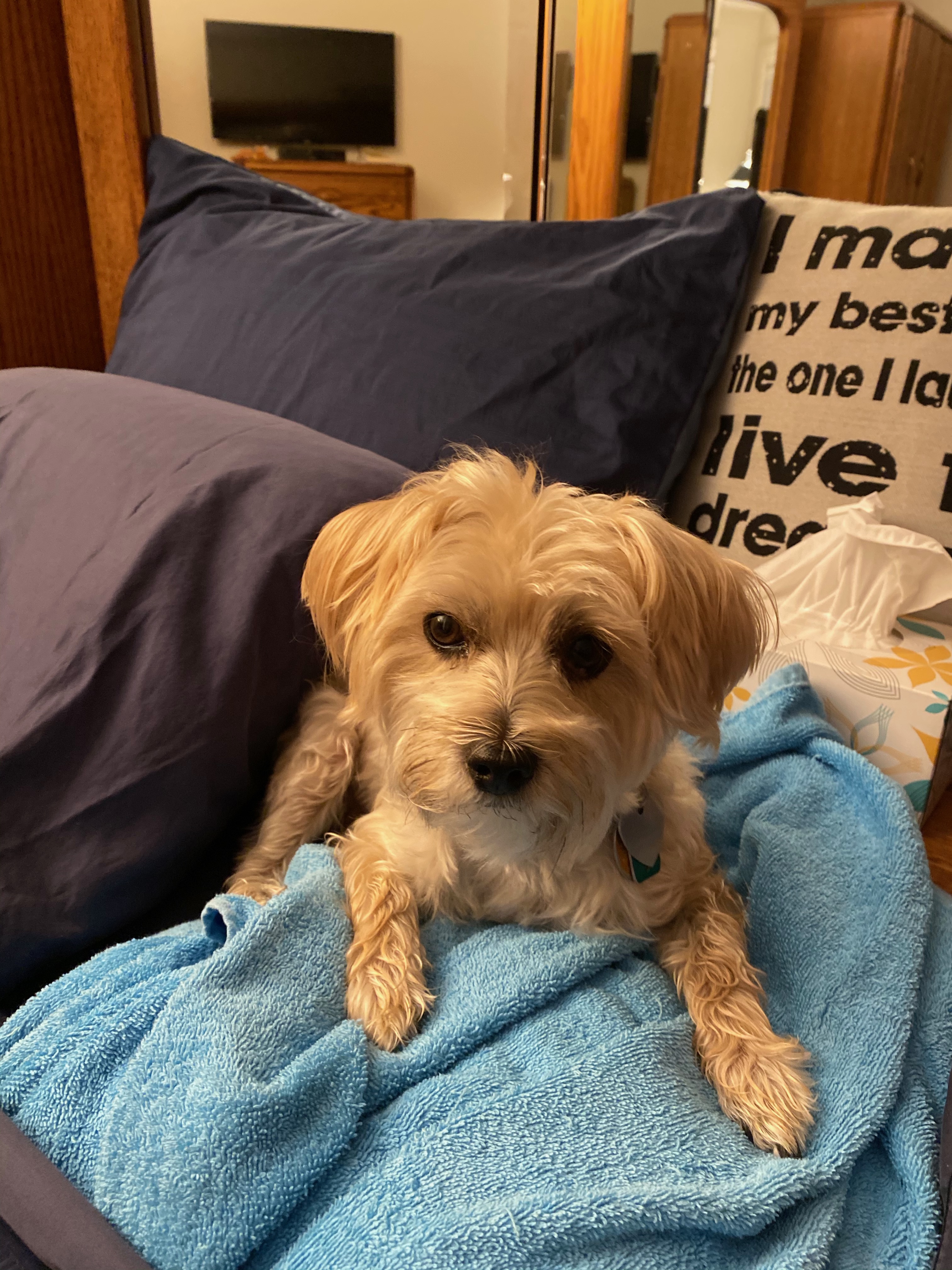
Brewster during COVID-19 “red phase” before pet grooming resumed.
In keeping with the paulfox.blog philosophy to research sources for further study, here are more (probably more current) sites to explore:
“Dogs come in all different shapes, sizes, and personalities. That’s part of why we love them. But it can be easy to fall into the trap of seeing your dog not as what they are, but as you wish they could be, and treating them accordingly. When we assume our dogs enjoy something just because they are dogs, we not only do them a disservice and set them up for failure, we set ourselves up for frustration when they fail to live up to our expectations.”
“All dogs, regardless of their breeding, are individuals. It’s essential to look beyond your dog’s breed to try to understand the traits that make up their personality. The better you know your dog, the fewer misunderstandings you’ll have in the future. As a professional dog trainer, I convey this message constantly to my clients.”
As a dog owner, you expect to live many moments of basic insanity:
It takes years of experience for you to resolve the propensity of your two pups trying to go in opposite directions and tying you up with their leashes while taking a walk.
You keep buying them bones until at some point you discovered their larder is ridiculously large, encompassing a reserve in multiple plastic containers in three or four rooms throughout the house.
One of your cupboards is crammed full of treats, many of which were past purchases that were rejected “paws down.” You cater to the unique tastes of both dogs; of course, they don’t like the same things.
“You have been trained” to give out everything in pairs. At times, you take into account the alpha dog’s competitive spirit (Gracie) and her desire to steal the bone from the easy-going one (Brewster). That means you have on-hand two identical bones. If Gracie doesn’t get the bone that Brewster has in his mouth (the only one she wants), she barks him down until he gives it up. To keep the peace, after she grabs it and sets off to consume it, you unobtrusively hand Brewster another one.
On the day of your 40th wedding anniversary, you go out and buy one of the dogs it’s own desk chair so she can sit next to you while you’re on the computer. Yes, this means that since you have two dogs, there are two extra chairs cluttering up the space in your office.
Your dogs have more patience with little children than you do. As you walk them up the street, they suddenly jerk to a stop and stare at the front door of a neighbor’s house, waiting for the “human critters” to come out and play with them.
You acquiesce. One dog is frequently insisting that you pick him up and carry him with you. The other one, not as often. At times, Brewster can be stubborn and “hit the brakes” on a walk, simply refusing to go where you want him to go. Of course, as well trained as you are, you comply.
When one of your furry friends is having a bad day, you’re having a bad day. Black or blue moods spread very easily. But, in a snap of your fingers, life is joyful again, and yippee, all is forgotten.
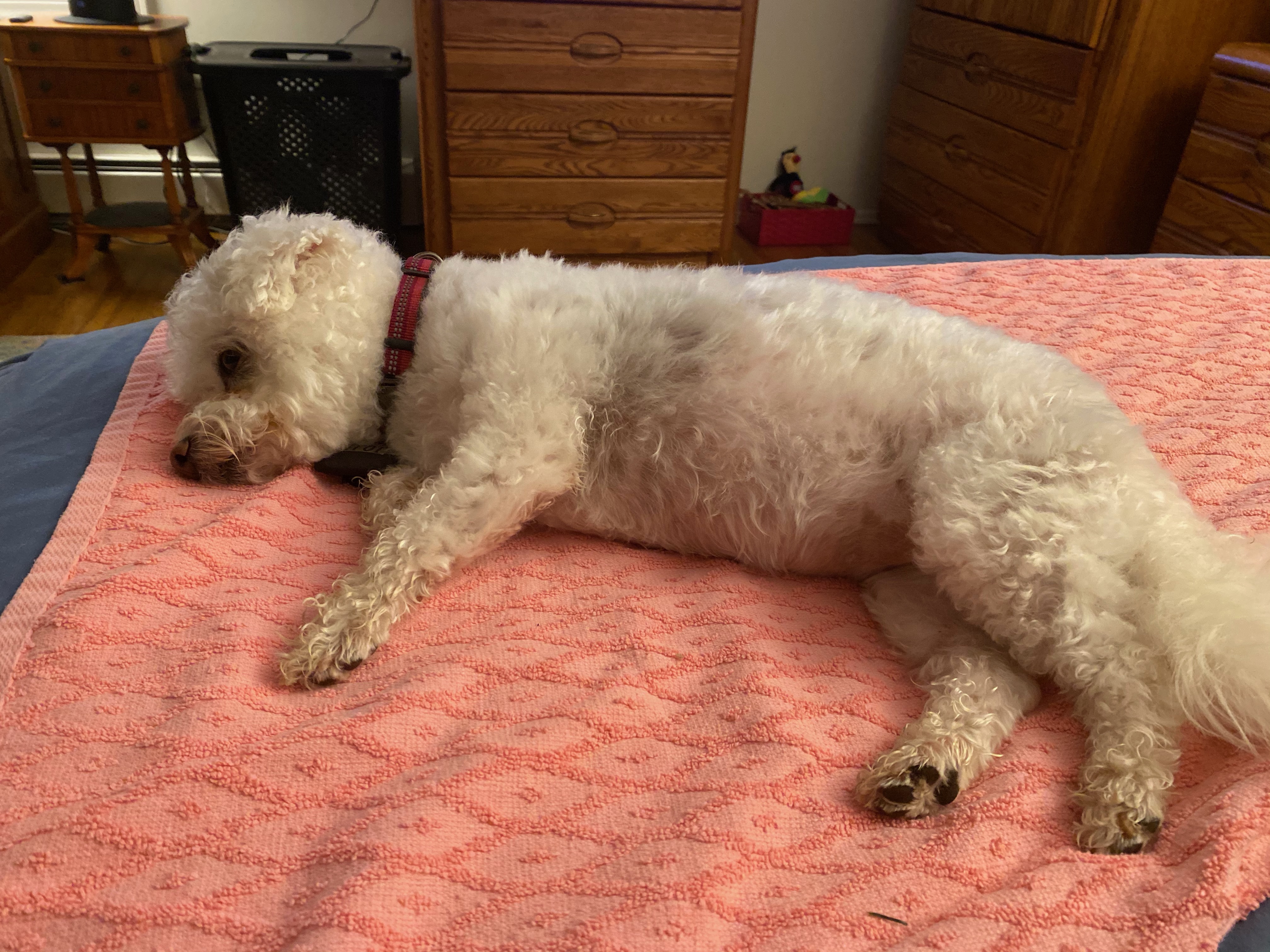
Gracie’s favorite spot on the bed
Who’s training whom?
Dog owners share a common vocabulary and unique language. Some of it sounds a little like baby talk… (Check out the American Kennel Club’s piece, Study Shows Dogs Really Do Respond to Baby Talk by Linda Lombardi)
“Wanna go outside?”
“Need to go potty?”
“Good dog!”
“Isn’t he cute?”
“Did you do this?”
“He did his number two.”
“This is puppy heaven!”
“She gave me a kiss!” or “Give mommy a kiss! No kiss?”
Ever count how many times YOU “cave-in” to your pet’s requests? They stare at you with those big sad eyes (“Daddy, please share a scrap of food from the table…”), and when the “alpha” spouse turns her back… (“Oh-oh, something just fell off the table!”)
Our pooches know how to distract us, reach directly into our hearts, make us smile no matter what our mood, and finagle yet one more treat out of the bag… and, yes, we love their trickery! Hey, exactly who is in charge, here?
You should read this amusing article from an obviously experienced dog trainer Casey Lomonaco writing in DogStarDaily. We dog owners only have ourselves to blame (if we even care about their “controlling behavior!”) For me: “Been there, done that, drank the Kool-Aid, and bought the t-shirt!”
There are times when Brewster’s and Gracie’s “doganalities” seem to be much more pronounced. Here are a few “fun” anecdotes!
You would think I just gave Brewster filet mignon, witnessing all the excitement of full-throttle chasing after, pouncing on, tossing around, and eventually chewing up an ice cube!
Gracie’s demonstrates her athleticism with a remarkable burst of energy to run up three flights of stairs to get on the bed to retrieve a bone.
One of Brewster’s favorite things-to-do is to jump onto “good grass” (devoid of branches, acorns, or leaves) rubbing his back in semi-circles as if doing the back stroke in a swimming pool. Of course, I have to pull up on his leash to stop him. (Wife is also allergic to mold and grass!)
Both Brewster and Gracie sleep with us in our queen-size bed. Did I say, they take up more than 2/3’s of the bed? Brewster needs to jam himself against me to nestle in the small of my back, while Gracie chooses a spot near my feet.
My two dogs like to play tug-a-war with one another, albeit very briefly, fighting over a toy or Brewster grabbing one of their beds with his teeth, taunting Gracie with it, and then dragging it across the floor.
Gracie’s internal clock is amazing, and so is her command of “people” language. At precisely 5 p.m. when she is usually fed, she jumps off the chair, stairs at one of us, and if we say, “ten minutes,” she sighs and goes over to her beanbag chair, only to return in exactly ten minutes to remind us “dinner is past due!”
No matter how I often I do it, when I nuzzle Brewster’s ear, he repays the compliment by licking my wrist. “Thank you, Daddy!”
To make house guests laugh (even our dog groomers), if you ever ask, “Need to go outside?” – Brewster will turn around and look at his butt.
You embrace their differences, laugh at the signature looks, gestures, and motions, and especially revel in their one-of-kind “prancing.” (Brewster hops like a kangaroo when he’s at his happiest times!) As educators, we know that “differentiation is essential.” It’s no different with dogs. And, you can always tell who’s-who in the dark by the unique sounds of their “gate” and the nails on our hardwood floors.
Unlike your human children or the students in your classes at school, you are always the centerpiece of their lives, what they live for, yearning to spend 100% of their time next to their “heroes” who can do no wrong, and (of course) they simply become the center of your life.
Recap: Rationale for fostering a furry friend!
So now that you are retired, have you settled on your self-reinvention and found the mandatory “purpose, structure, and community” referred to by best-selling author Ernie Zelinzski in How to Retire Happy, Wild, and Free?
For our Finale, these are Fox’s reasons for Finding a Forever yours pet!
Fitness (help you to get up, get moving, and get out of the house)
Forecasting (they seem to be able to predict your mood, the weather, or the Future, and they certainly know when something is going on outside)
Friendliness (despite COVID-19 restrictions, they Fight isolation and Favor meeting people and getting to know your neighbors – even a random passerby!)
One last burst of alliteration: Fun,Frivolity, Festivity, and Fascination (literally what they add to “the joy of life!”). You can’t beat that!
I invite you to revisit my other four “blogs on dogs!”
The Metamorphosis and Integration of Philosophy, Maturity, and Teacher Preparation
To “wrap-up” our final segment, we will review the development of a professional “marketing plan.” This is blog #3 out of 3. (Be sure to also check out #1 and #2, too.)
These are three critical skills you need to foster in the search for a school music position, marketing yourself, interviewing, and landing a “good” job:
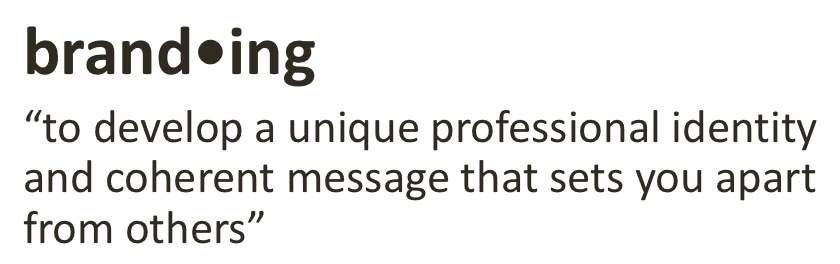
Personal branding (who are you, what makes you unique, and what do you have to offer?)
Story telling (anecdotes) of your positive attributes and personal brand, including a record of your habits of “engagement” in music education, and
Networking (associating with other professionals and getting your positive stories “out there”).
Personal Branding
“Personal branding is the practice of people marketing themselves and their careers as brands. While previous self-help management techniques were about self-improvement, the personal-branding concept suggests instead that success comes from self-packaging… Personal branding is essentially the ongoing process of establishing a prescribed image or impression in the mind of others about an individual, group, or organization.”
During these waning months for college music education seniors, now is the time to finalize the preparations for personal branding and beginning the employment search! Personal branding is critical to help you “stand above the rest,” showing that you have what it takes and would be a major asset to a prospective employer, and defining and marketing your own unique qualities that would make you “a good fit” for the specific job openings.
The branding process involves first developing your philosophy of music education, archiving your awards and accomplishments, documenting your grades and experiences, and collecting stories/personal anecdotes of your strengths. The next steps include the creation of a written and electronic portfolio, business card, resume, and website. Finally, you must compile/assemble everything together and practice (and self-assess) your “story-telling skills” to answer those important questions at well-rehearsed “mock interviews.”
You will likely not have enough time to complete all of these tasks during methods classes or student teaching seminars. That’s okay. If you are serious about prepping yourself to find a great music teaching job, the valuable links (see below) and articles are out there… just manage your time and start reading.
“Networking simply refers to finding job-related contacts. Most teachers who are just beginning their careers may feel that they have few, if any, networking contacts in the teaching field. It is important to consider the many different areas of networking as you create your own group of networking contacts to help you secure a teaching job. It is interesting to note that many of the teaching positions that are filled each year are filled by those who came to the attention of personnel managers by recommendation.”
“Always think about adding to your teaching network. When meeting new people, be certain to add them to your network. Talk to them about your skills, education, experience, and learn about their jobs. Make sure that you always ask for a business card.”
Do you have a business card? Is your résumé updated and available online on your professional website?
As I laid out in a previous blog “Networking Niceties: The ‘How-To Schmooze’ Guide for Prospective Music Teachers” at https://paulkfoxusc.wordpress.com/2016/04/04/networking-niceties/, the concept of networking is two-way communications. Just like collective sets of nerve synapses, two-way connections are expected to fire repeatedly in all directions. That’s actually the science behind memory. For professional networking, it is your “charge” to create multiple pathways to/from school HR managers and secretaries, administrators, music supervisors and department heads, and music teachers… and YOU – your skills, accomplishments, unique qualities, experience, education, and personality traits.
The above blog-post also explores setting up a good organizational system to manage your professional contacts.
If you are a Pennsylvania collegiate member (PCMEA), I heartily recommend the article “Networking 101” by Dr. Kathleen Melago, PCMEA State Advisor and Associate Professor of Music Education at Slippery Rock University, published in the Summer 2017 issue of the state journal PMEA News (pages 40-42). Here are several quotes from her work:
“One of the most common ways music educators can plan to network is at conventions. First, try to avoid interacting only with people from your school or people you already know from other schools. Go to sessions that interest you and look for opportunities to meet people there. Before the session starts, introduce yourself to people sitting around you. Use your social skills to assess whether they seem like they want to engage in a conversation or not. After the session, go up and meet the presenter.”
“Of course, social media is another great way to build your network. Networking with professionals already in the field can help you see what they are doing and help you build ideas of what you would like to do in your program someday.”
“Sometimes, you might find yourself networking unexpectedly. For example, you might go into school to work with their clarinet section during band camp and just happened to meet the choir teacher. That is networking!”
“To help your networking be most effective you need to have good communication skills. When interacting with others in a networking situation, be sure to focus on the person with whom you are speaking. Avoid looking off into the distance as if you were to anticipating someone else more important coming by. But your cell phone away and be present to the conversation.”
“Be yourself in your networking interactions. If you pretend that you are someone you are not, you will either end up unhappy or you’ll be discovered is someone who is not genuine.”
Dr. Melago goes on to provide a myriad of excellent examples of networking skills and opportunities.
Teachers model effective learning. They identify their own learning needs and analyze, evaluate and expand their professional learning, both collegially and individually.
Teachers demonstrate respect and professionalism in all their interactions with students, colleagues, parents/carers and the community. They are sensitive to the needs of parents/carers and can communicate effectively with them about their children’s learning.
Teachers value opportunities to engage with their school communities within and beyond the classroom to enrich the educational context for students. They understand the links between school, home and community in the social and intellectual development of their students.
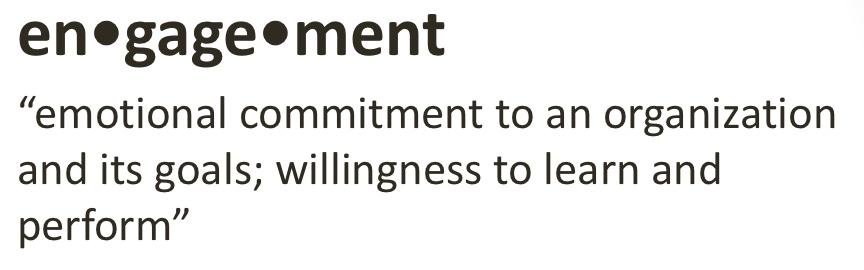
Engagement for prospective music teacher may include synonyms like “participate,” “enroll,” “join,” “be active,” “volunteer,” “seek experience,” and “make a difference!”
Are you a member of your professional music education associations?
NAfME National Association for Music Education
PCMEA Pennsylvania Collegiate Music Educators Association, or another state’s local NAfME collegiate chapter
PMEA Pennsylvania Music Educators Association, or another state’s NAfME-affiliated MEA
ACDA American Choral Directors Association
ASTA American String Teachers Association
NBA National Band Association
Did (or will) you attend your state music teachers’ conference and local workshops on music education and professional development?
To prove you are “professionally engaged,” I would expect to see a consistent record of modeling in the following areas:
Self-reflection of the professional’s teaching practices and modification of these as needed to match changes in the environment and circumstances
Self-assessment of the professional’s methods and approaches, as well as the progress of the students’ learning, using both formative and summative methods for constant and ongoing improvement
Identification and planning of professional learning needs.
Unsupervised (or unplanned by school administration) goal-setting and self-guided implementation of opportunities for professional development
Association with professional learning communities, school and community meetings, and other collaborative projects
Volunteer service in music and music education
Membership and subscription to music education journals and participation in online professional community discussion groups
Many have said that aspiring to be a music educator is a lot like a calling. One school superintendent I know said he expected prospective new recruits to show high energy, enthusiasm, sense of purpose, and dedication during the interview… even a supposed willingness to “lay down in front of a school bus” or “do what ever it takes” to make the students (and the educational program) successful. That’s engagement!
In summary, becoming a music educator is about finding your inner confidence, a mindset that you know what you’re doing, and that you’re ready for that real world experience. You’ve learned those essential skills in conducting, piano accompaniment, arranging, student behavior modification and discipline, music diagnosis and remediation, and even how to market your professionalism. Now… drum roll, please! Here’s… a master music teacher!
Photo credits (in order) from Pixabay.com: “tutor” by nrjfalcon1, “trumpet” by congerdesign, “skills” by diwou, “phone” by Robin-Higgins, “OK” by Robin-Higgins, “feedback” by geralt, “young” by Robin-Higgins, “music” by ricardo-vasquez, “excited” by Robin-Higgins, and “classical-music” by pexels.










 To “wrap-up” our final segment, we will review the development of a professional “marketing plan.” This is blog #3 out of 3. (Be sure to also check out
 Shama Hyder posted “7 Things You Can Do to Build an Awesome Personal Brand” at
 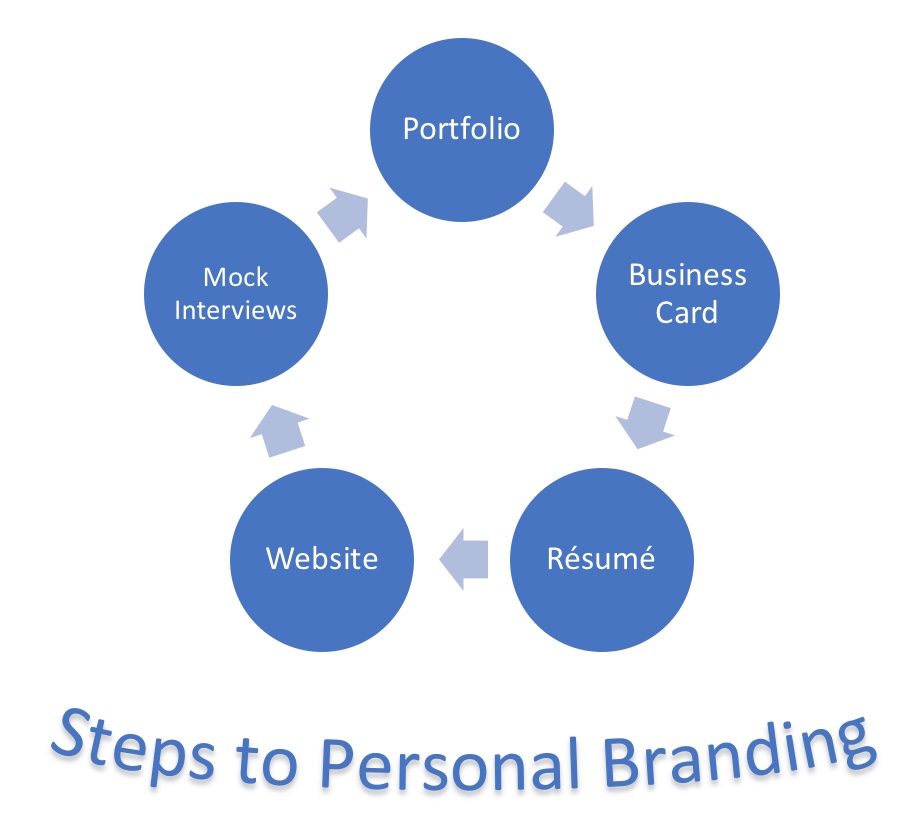 The branding process involves first developing your philosophy of music education, archiving your awards and accomplishments, documenting your grades and
  experiences, and collecting stories/personal anecdotes of your strengths. The next steps include the creation of a written and electronic portfolio, business card, resume, and website. Finally, you must compile/assemble everything together and practice (and self-assess) your “story-telling skills” to answer those important questions at well-rehearsed “mock interviews.”

 As I laid out in a previous blog “Networking Niceties: The ‘How-To Schmooze’ Guide for Prospective Music Teachers” at
  The above blog-post also explores setting up a good organizational system to manage your professional contacts.
 PMEA Pennsylvania Music Educators Association, or another state’s NAfME-affiliated MEA
 Self-reflection of the professional’s teaching practices and modification of these as needed to match changes in the environment and circumstances

 paulfox.blog