

New Teachers’ Guide for Fostering Positive Relations & Good Interactions with School Administrators

Conventional wisdom suggests that the initial school staff you should get to know immediately on a first-name basis in your new teaching job are 1) the building secretary, 2) head custodian, and 3) cafeteria workers. (The first one keeps you out of trouble, the second cleans up your messes, and the last group makes sure you’re well-fed!)
However, even more influential, the principal “assigned to you” will literally “make or break” a smooth transition and orientation into the workplace. Especially if this person was partially responsible for hiring you (a member of the screening committee which chose you out from all of the other qualified candidates), he/she should be your penultimate “mentor!” To validate the administrator’s judgment (and you continuing to be the “hero”), he/she will likely be highly motivated to foster your success!
So… once you land your new position, your first move should be to learn everything you  can about “your champion!” Find out his/her goals, needs, and “pet-peeves,” and while you’ll at it, get off on the right foot with relations with all of your school supervisors.
Here are some tips for “rookie” or new music teachers to cultivate these relationships.
According to the article, “The Principal’s Role in the Music Program” by Orville Aftreth in the Music Educators Journal (Vol. 46, No. 3, January 1960, pp. 41-44), “A successful music program requires a principal who enables the following basic attitudes:
- A belief in the value and importance of music;
- A desire to grow his ability to enjoy, appreciate, and produce music;
- A willingness to vitalize school activities through music.”
But, unfortunately, it seems that few administrators have significant and ongoing experiences in making music.
While I was doing online research for this blog, I stumbled upon an excellent thesis entitled, “Why We Love Music: a Case Study of High School Principals” by D. Benjamin Williams (https://nafme.org/ways-to-build-better-working-relationships-with-your-principal/), which seemed to support this premise.

A principal’s musical background influenced their view of music as a key part of a quality education. Most of the principals’ formal experience in the arts ended early in their life, and none took classes on how to be an effective administrator for an arts program. Principal certification courses typically deal with finance, special education, and general leadership and administration.
—D. Benjamin Williams
My own history (35 years of teaching in the public schools with 30+ administrators) was to serve with only one principal who was a former music teacher, and perhaps 10% of the remaining administrators had any real arts education experience (or even regularly played an instrument or sang in a choir).
 Williams shared the purpose of his case study: “to gain an understanding of school administrators’ thoughts on their school’s music program in regards to music’s role and value.” He documented the comments of five principals in their advocacy of the arts.
The research questions posed in this study centered on the following:
- What are common values and/or themes among administrators when it comes to music in their schools?
- Are there common points of advocacy administrators find themselves making in support of their school’s music program?
- What do administrators see as benefits of having a music program in their schools?
- Where does music fit in the overall vision of a school?
- What is music’s role in a quality education?
They mentioned how the arts are an opportunity to plug in, be engaged, and earn scholarships; that they create an identity for the individual and for the school; that they make a whole student and contribute to a whole education; and that they provide opportunities for higher-order thinking, such as critical or creative thinking and problem solving, that are encouraged in core-content areas as well. The pressure placed on education institutions in the 21st century are focused on these concepts, and the principals saw that music helped and encouraged students to develop these abilities. This is why they chose to support, advocate, and build up their school’s music programs.
—D. Benjamin Williams
I repeat: the first advice we give to newcomers to the profession is know your bosses! And, intentionally invite, “educate,” include, and engage them in your music classes and ensembles’ activities! Draw a circle around him/her to become a member of your team!
He drew a circle to shut me out,
heretic rebel, a thing to flout.
But love and I had the wit to win,
we drew a circle that took him in.— Edwin Markham

This view is reinforced by the article “Ways to Build Better Working Relationships with Your Principal” by Gabriel L. Woods on the NAfME Music in a Minuet blog-site at https://nafme.org/ways-to-build-better-working-relationships-with-your-principal/. He shares a summary of the basics:
- Understand your principal and his/her job.
- Build positive relationships with your principal.
- Learn techniques to make your principal work for you and your program.
- Learn how to think like a principal.
Each year when I return from honor bands or other music related field trips, I make it a habit to purchase my administrators a small token of appreciation to let them know the trip was a great success. Students must write an essay, and they present the administrators with the gift. In the essay, students are required to write what they learned, what the field trip meant to them, and how they will use this experience to make the school better. Praise is effective.
— Gabriel L. Woods
 Also, you should check out an even more recent NAfME blog, “Stronger Together – How to Get Administrators on Your Side” by Lori Schwartz Reichl, which offers a great perspective. Several meaningful quotes from her piece:
Coming together is a beginning; keeping together is progress; working together is success.
— Henry Ford
Remember that even though you are not taking the role of administrator, you are a leader. You lead a program. You lead a musical family. You are the leader of a superior sound. You are the leader of inspiration for your community. In the most genuine way, lead your administrator to a music education crescendo.
— Lori Schwartz Reichl
After a little brainstorming, I recalled my own working “top-ten list” of techniques for building harmonious interactions and collaborations with your school leaders.
- Be the first to arrive and the last to leave, and you will earn their respect! Professionals, especially music teachers who participate in co- and extra-curricular activities, are not “clock watchers” and need to “put in the time” before and after school to prepare and achieve meaningful learning experiences for their students.
 Learn what makes them tick! Is your principal a site-based manager? Is he/she a stickler for “chain of command.” I had an administrator who would go bonkers if he thought you back-copied a memo to the superintendent or called a central office manager first. Be sure you conform to the management style of your chief. This is a way of showing him/her respect and cooperation, which in all likelihood, will be returned to you in spades.
- Keep your principal “in the loop” and “in your corner,” and make sure you communicate any serious disputes that come up (especially with unhappy parents) that could blow up in your/his/her faces in the future. This also which means you don’t subscribe to the philosophy, “Don’t ask for permission, beg for forgiveness.” Proponents of this belief will tell you to go ahead and stick your neck out, perhaps do something “for the good of the order,” and later declare “oops!” if it goes south and your administrators disapprove. I cannot vouch for the ethics of this position, and “venturing out without a paddle” usually did not serve the best interests of the students. There’s no reason to place “the teacher’s convenience” over the safety and welfare of the children, and you should first try to obtain the legal and political endorsement of your boss(es) as you keep them appraised about what you are doing. Don’t be a nag, just “cc:” when appropriate, and “ask,” don’t “tell!”
- Give them credit! Publicly, you make it clear: you and your students’ awards and accomplishments are also your administrators’ awards and accomplishments. If it is possible, have your principal join you on stage to accept any ensemble honors.
- Serve on a non-music related committee or project. Principals are always
 looking for volunteers to help fulfill the overarching goals of the district. This might mean signing up for the strategic planning committee, Middle States accreditation evaluation team, school renovation planning meetings with the architect, etc.
 - Engage your principal as a participant in your program: concert appearances as guest conductor or solo/ensemble performer, featured narrator or announcer, limited-engagement as a walk-on part in the musical, judge of talent show, etc.
- Model professionalism and good time management skills. Be prompt in the completion of all deadlines assigned by administration. Don’t turn your principal (or his secretary) into a “nag” requiring numerous follow-up reminders.
- Understand the importance of public perceptions and “appearances.” Many school leaders spend an inordinate amount time trying to defend the sometimes questionable actions of their staff. Don’t make this necessary! Be responsible for your “public brand.” If it looks bad, it is bad… and that’s always up to you!
- Don’t just bring up problems, have answers! At odds with an existing policy or
 practice? Suggest a solution and a Plan B to an issue you would like to address. Upholding “moral professionalism,” tactfully but firmly point out what is not working (and why). But, do your homework first. Share the “facts and stats” and try to propose several different directions to consider (even a Plan C and a Plan D). You will impress the “head honcho” by modeling the traits of flexibility, creative problem solving, and sensitivity to the needs of other staff and programs.
 - Think long term and back-up your requests with numbers! When you submit your budget for the next school year, include the “tangibles” and statistics that your principal could use to “fight for you.” Include data on and percent changes in student enrollments, per-pupil costs, history of past purchases, etc. and separate your proposals into one, two, three, and/or five-year “plans” to spread out the expense for big-ticket items. Be specific and prioritize! When asked to “cut” my sheet music amounts, I assembled a set of sample folders with all of the music I used in the current year and broke down each selection’s current (replacement) price, each concert’s overall value, percentage of the repertoire used from my library, projected losses, etc. In one case, I predicted that if the district went through with its reduction of the music budget by 20% and (at the time) the cost of sheet music was rising 15%, I would be forced to schedule one fewer public performance in the school year. (It never happened!)
Edutopia provided excellent insight in promoting collaborative relationships with your principal. In “Five Ways to Develop a Partnership with Your Principal” by Ben Johnson, this advice was shared:
- Have a Face-to-Face Meeting
- Make Your Resource Needs Known
- Write It Down
- Invite Her into Your Classroom
- Offer Encouragement

If you have an apple and I have an apple and we exchange apples, then you and I will still each have one apple. But if you have an idea and I have an idea and we exchange these ideas, then each of us will have two ideas.
— George Bernard Shaw
Another resource worth reading is “A Teacher’s Guide to Working With Your Principals” by Kristy Louden. She reflects: “But aside from the obvious factor that your principal is your boss, and you want your boss to think well of you, I have found my relationship with my principal has helped in more ways than I probably realize. Here’s why:
- They’ll think of you… (when an opportunity comes up that you might want).
- You can ask for what you want.
- You’ll get respect and recognition.
- You have a reference (just in case).”
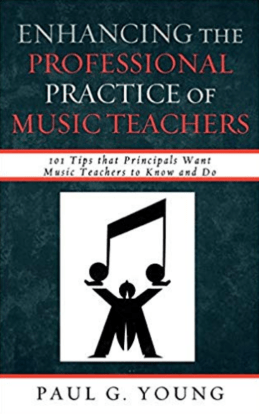 Finally, the most comprehensive manual I have ever read on this subject should be a “required read” for every music educator: Enhancing the Professional Practice of Music Teachers: 101 Tips That Principals Want Music Teachers to Know and Do by Paul Young. To add to the above guidelines, I would especially peruse these recommendations:
- Tip #13: Work closely with classroom teachers
- Tip #30: Take charge of your schedule
- Tip #41: Continuously improve classroom management
- Tip #62: Make ethical decisions
- Tip #80: Write notes, return phone calls, reply to email
- Tip #93: Perform (satisfy your own pursuit of creative self-expression)
- Tip #97: Improve your leadership skills (quotes from the book Leadership 101 by John Maxwell)
This final point is an excellent one. You are “in charge” of your own self-improvement projects and professional development. Administrators want to see staff members who seek growth experiences. Don’t wait for the annual implementation of the district’s “latest flavor of the year” in-service program (as it is sometimes referred to by teachers) or your supervisor’s year-end conference. Do your own self-assessment and plan specific and measurable goals and tasks to fulfill them. Always strive to do your best and be harder on yourself than anyone else (even administration) can ever be. Model the concepts of focus, cooperation, self-discipline, and a positive attitude in the workplace.
Now, take a deep breath. It’s all about one step at a time. Soak up these ideas. You can and will nurture happy and productive relationships with your principal and other school administrators, enhance your professional image and effectiveness, and foster opportunities of achievement and self-fulfillment for you and your music students!
PKF
© 2019 Paul K. Fox

Photo credits in order from Pixabay.com: “handshake-regard-cooperate-connect” by johnhain, “laptop-office-hand-writing” by Aymanejed, “marching-band-chicago-thanksgiving” by sam99929, “violin-flute-music-classic” by horndesign, “woman-business-woman-boss” by anna2005, “people” by Russell_Clark, and “wooden-train-toys-train-first-class” by Couleur.


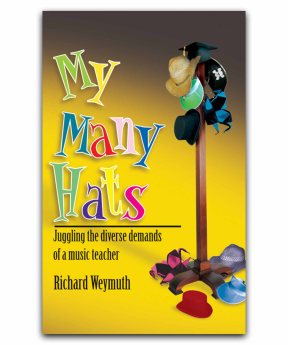 In the category of “things I wishes someone would have told me before I was hired to be a school music educator,” the inspirational book, My Many Hats: Juggling the Diverse Demands of a Music Teacher by Richard Weymuth, is a recommended “first stop” and easy “quick-read.” Published by Heritage Music Press (2005), the 130-page paperback serves as an excellent summary of the attributes (or “hats”) of a “master music teacher.” Based on the photos in his work (great “props”), I would have loved to have seen Weymuth’s conference presentations in person as he donned each hat symbolizing the necessary skill-set for a successful educator.
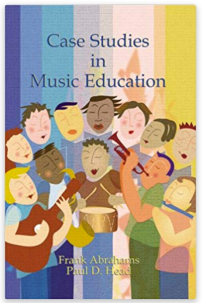 Next, I would like to direct pre-service and new music teachers to Case Studies in Music Education by Frank Abrahams and Paul D. Head. This would be an invaluable aid to “facilitate dialogue, problem posing, and problem solving” from college students (in methods classes?) and “rookie” teachers to veteran educators.
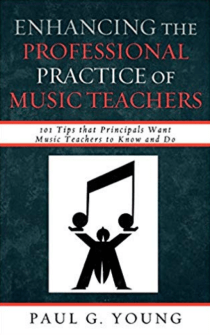 His chapters are organized into six tips:
 The first thing I want you to do (and you don’t even have to be a member of NAfME yet, although you should be!) is to take at least a half-hour, scroll down, and read through numerous NAfME “Music in a Minuet” blog-posts, bookmarking any you want to return to at a later date. Go to





 Supported by Dan Ariely and his team at Timeful (a company acquired by Google), Srinivas Rao writes at
  Easy to set-up
 As musicians and music teachers, this suggestion may hit home: Do something that stimulates your “right brain” with acts of personal self-expression or artistry every day, and schedule it both intentionally and early!
 developing innovations, trends, and movements in their field, and embrace better instructional techniques and use of media for their students!
 The answer is… probably not.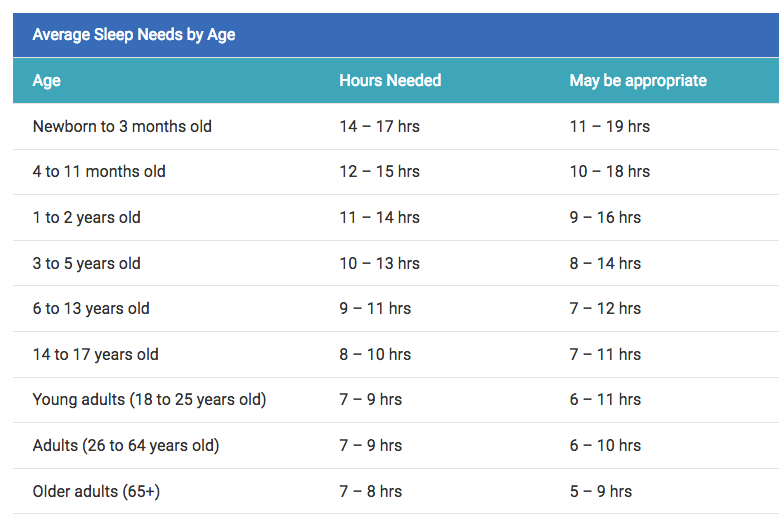
 I remember when I taught full-time and was in the middle of a full-blown musical production, I sometimes laid awake feeling “stirred up” inside trying to think of all the things I needed to do the next day. #5 of Brittney’s list is solved by putting a legal pad and a good pen by your bed stand, and without awakening your spouse, roll over and jot down a few of your “don’t forgets.” Or if you prefer to use the magic of technology, you can do this digitally… take a minute or so and use your tablet or smartphone, but don’t stay up very long and let the screen’s blue-light make your insomnia worse. Revisit title heading #2 above for note-taking apps.
 “Much like Gilligan and his infamous “three hour tour,” what I thought might be a quick clean-out extravaganza turned into an epic, six-month journey through the nether reaches of my closets and my psyche. Along the way, I learned many things from Maeve about organization — and more than a few things about myself that changed my relationship with my stuff.”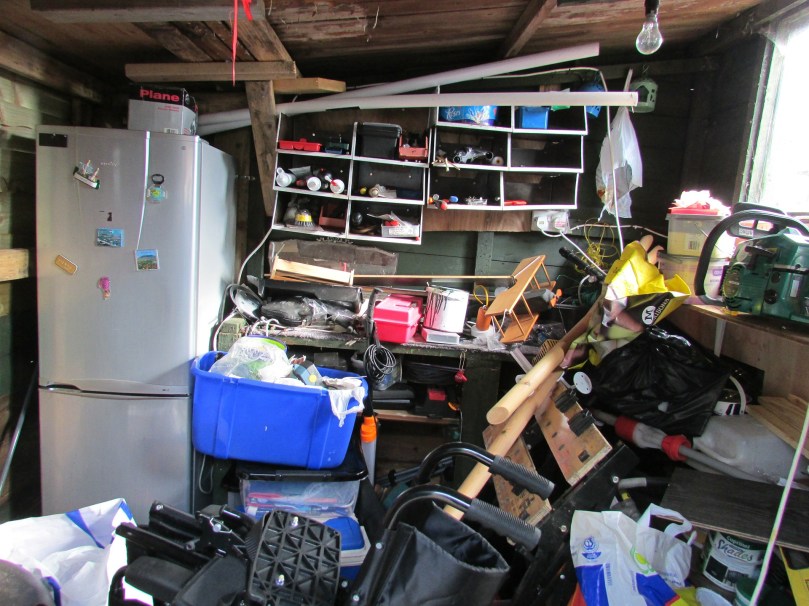



 you to reflect and respond to “what would you do?” and even re-orient you to the paradoxes in which you may encounter that may not seem to offer an obvious resolution.
 Use of social media networks to support student learning versus the risk of crossing the student/teacher boundary with inappropriate informal communications? (See
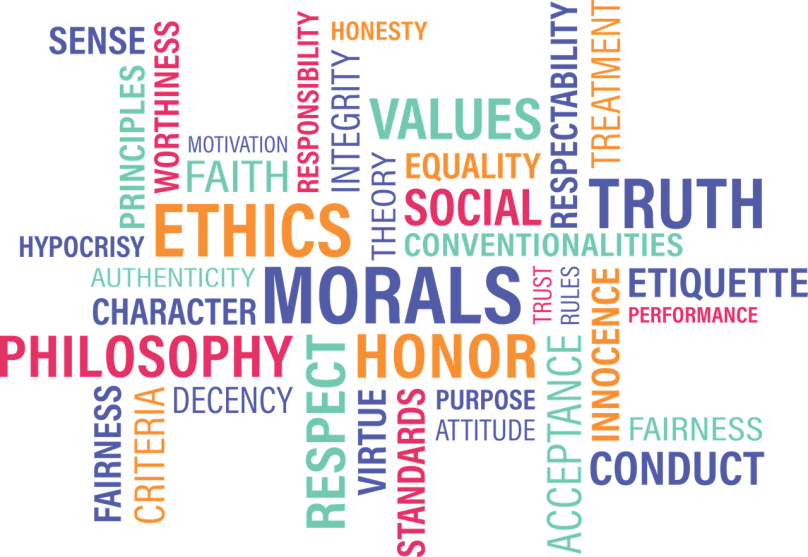
  To foster meaningful scrutiny and study of the bulleted issues in bold above, we will sort these problems by Principle III “Responsibility to Students” and Principle IV “Responsibility to the School Community” of the National Association of State Directors of Teacher Education and Certification (NASDTEC) “Model Code of Ethics for Educators” (MCEE):



 MY SOLUTION: This is more common than you would like. This episode compels you to figure out how to wear two unique hats simultaneously – the educator and the judge. Assuming you were clear (in writing) on the requirements of the try-outs, even sharing the blank rubric that would be used for the evaluations, you are now charged to find the “best” person for each lead assignment based on a number of criteria:
 Workplace” are applicable










 When MySpace and Facebook came upon the scene in 2003 and 2004, most school administrators recommended “stay away from these.” The online sharing and archiving of photos initiated the adoption of many other social media apps (Flickr and later Instagram, Tumblr, Snapchat, etc), which provoked new challenges in maintaining privacy, appropriateness, and professionalism. Danger, danger, danger!
 Communicating digitally or electronically with students may lead to the blurring of appropriate teacher-student boundaries and create additional challenges to maintaining and protecting confidentiality.
 www.gmajormusictheory.org
 Pennsylvania State Education Association (PSEA):
  posts with your school’s location.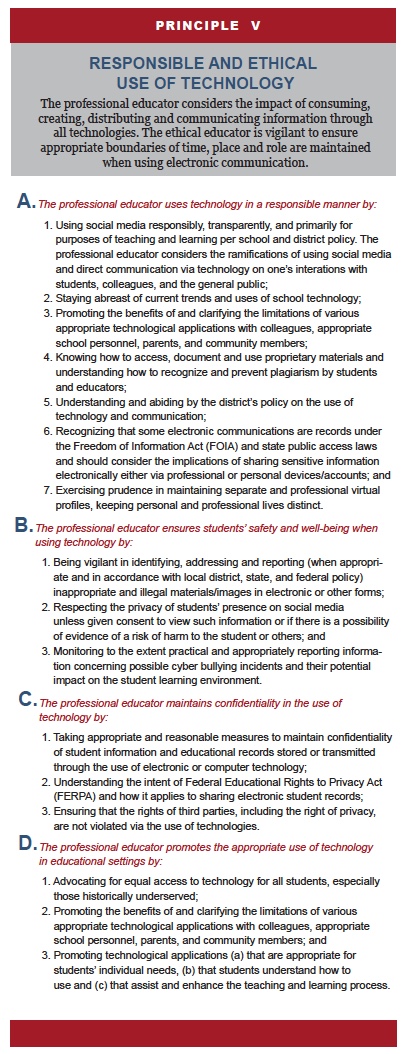

 To “wrap-up” our final segment, we will review the development of a professional “marketing plan.” This is blog #3 out of 3. (Be sure to also check out
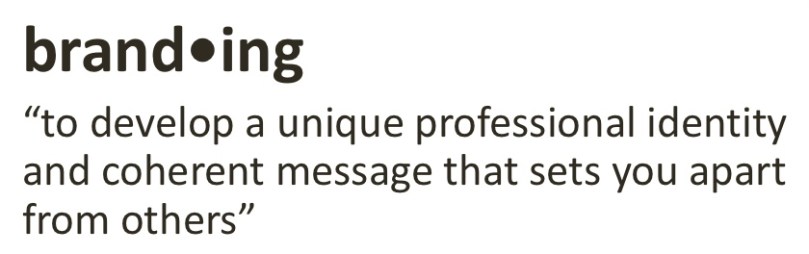
 Shama Hyder posted “7 Things You Can Do to Build an Awesome Personal Brand” at
 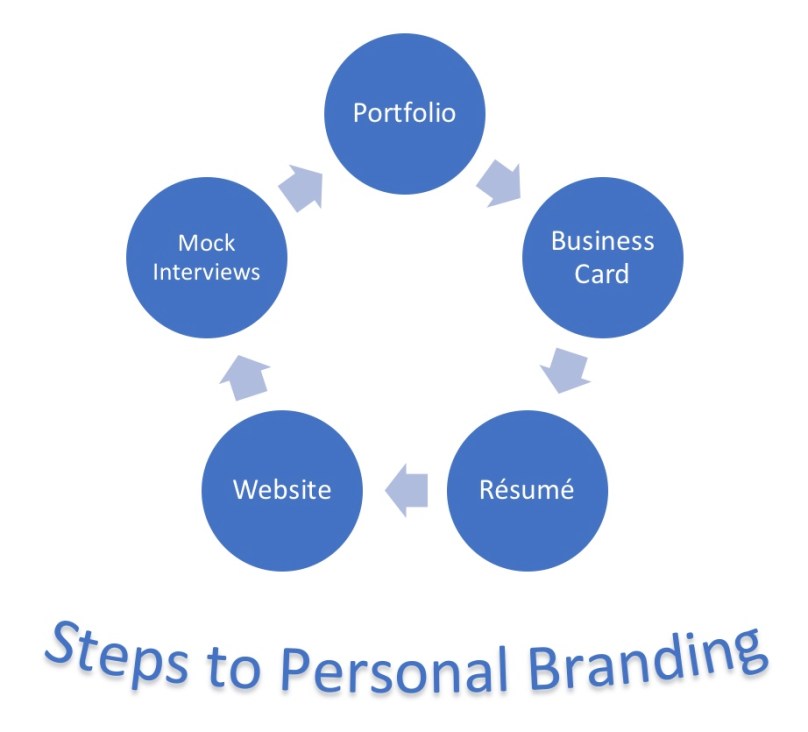 The branding process involves first developing your philosophy of music education, archiving your awards and accomplishments, documenting your grades and
  experiences, and collecting stories/personal anecdotes of your strengths. The next steps include the creation of a written and electronic portfolio, business card, resume, and website. Finally, you must compile/assemble everything together and practice (and self-assess) your “story-telling skills” to answer those important questions at well-rehearsed “mock interviews.”
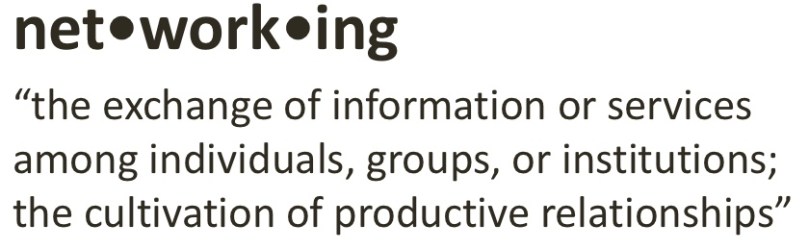
 As I laid out in a previous blog “Networking Niceties: The ‘How-To Schmooze’ Guide for Prospective Music Teachers” at
  The above blog-post also explores setting up a good organizational system to manage your professional contacts.
 PMEA Pennsylvania Music Educators Association, or another state’s NAfME-affiliated MEA
 Self-reflection of the professional’s teaching practices and modification of these as needed to match changes in the environment and circumstances

 Before long, you will shed the label and function of a “college student” (although still remaining a life-long learner… and never stop the quest for new knowledge and self-improvement!). The focus will shift from YOU to YOUR STUDENTS. The prerequisites for a career in education are unique and do not resemble the same challenges as success in business, manufacturing, retail, service industry, or becoming an entrepreneur, blue-collar worker, or even a composer or professional musician. The sooner you realize these are world’s apart, the better, and now is the time to finish your major and life-changing transformation to… a professional music educator.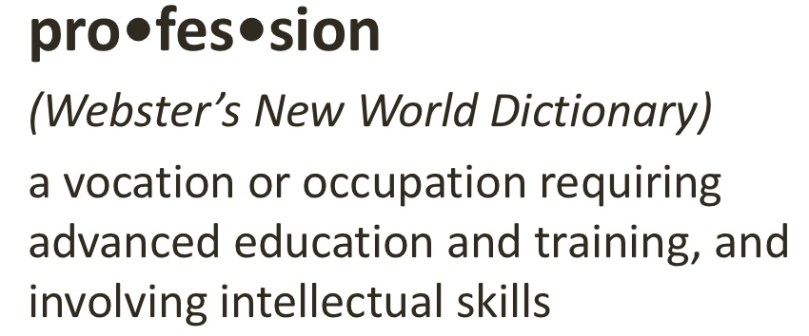
 Updates self with “constant education” and retooling
 Cooperation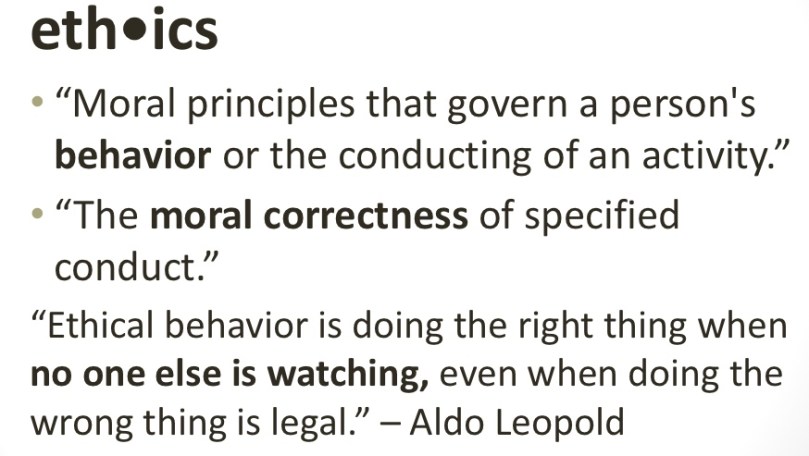
 National Association of State Directors of Teacher Education and Certification proposes these principles:
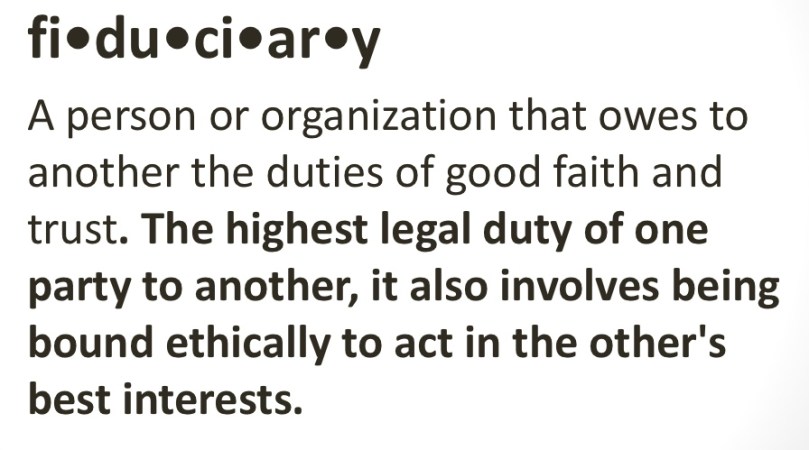 Here’s another query. What five groups of people are both “professionals” and “fiduciaries…” and have a legal responsibility to serve the best interests of their “clients?” The answer is… doctors/nurses, lawyers, counselors (both mental health and investment), the clergy, and… teachers.
  Although teachers seem to be the only one of these who DO NOT have formal pre- or in-service ethics training, and our “charges” represent a “captive audience,” our duty is clear: to act as a fiduciary for our students’ best interest, and to create and maintain a safe environment for them at all times.
 What do you believe about teaching?
 Take time to peruse these and others. Most of these sites also offer excellent examples of personal branding and marketing of the prospective job hunters’ experiences, skills, and achievements… material for our next blog on this topic.

 Even though it is from a book on post-employment transitioning (Purposeful Retirement: How to Bring Happiness and Meaning to Your Retirement), the author Hyrum W. Smith suggests several thought-provoking questions on prioritizing time:
 Yours truly, a “late baby boomer,” never enjoyed that prophesied and romanticized revolution of a “paperless society.” Did you? PM recommends the creation of a “future reading” file, a subcategory of “date it.” Experts on Google Mail will extol the merits of creating a folder and categorizing/storing messages such as emailed issues of MEJ, Kappan, SB&O, and other digital editions of professional newsletters. I have found that this doesn’t work very well, even in retirement. The file folder just fills up, and I never seem to get around to reviewing the things I thought were so important to save. Nor did the practice of our grandmothers’ generation clipping articles (and coupons) out of newspapers. You would think you could solve this media overload by just printing a small excerpt of what you want to peruse later and putting it in a letter tray near your desk? Nope. It just piles up! However, probably the ideal solution would be to designate a specific 15 minutes or more every day for something they used to give to the middle school students I taught: “silent and sustained reading.”
 How many times have you heard it? Make your plans and goals “intentional!” Besides all of the upcoming deadlines and appointments to which you are committed, include in your daily and weekly schedule opportunities for individual reflection and growth.
 in response to feeling a little “stressed over the schedule” could be to “get used to the 24/7 nature of the job.” A music teacher works from sun-up (and before) to sun-down (and after), and constantly has to juggle multi-tasking on a wide variety of to-do’s, all landing at the same time: writing lesson plans, arranging music or drills, preparing scores or accompaniments, planning and rehearsing ensembles, managing the grade book and attendance records, attending faculty meetings and parent conferences, writing curriculum, student assessments, and lesson targets, preparing for extra-curricular activities like marching band, chorus, or the musical, finishing your own homework for graduate courses, district inductions, or professional development assignments, ETC.
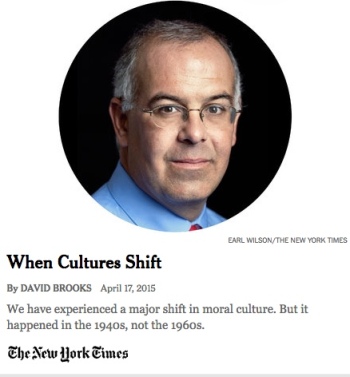 Many have suggested that there has been a decline in moral standards that have contributed to ethical disputes in modern society (and in the public schools). Some say that this is attributed to a breakdown or lessening of the influence of organized religion and family values. “When Cultures Shift,” an excellent article in the New York Times (April 17, 2015), David Brooks explores some of causes and effects of this “slip” to our value systems, ethics, and renewed focus on self:
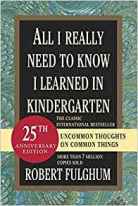 Do schools, not necessarily families, serve as the “safety net” for socializing its citizens, and teaching morality, manners, and the values of human relationships? Are teachers held to a higher standard of behavior in order to model these principles and charged with the responsibility of indoctrinating the meaning of “right and wrong” and how to get along with each other? Many would seem to agree, including sample codes of ethics for teachers and this from Robert Fulghum
  In Essays on Moral Development: The Philosophy of Moral Development (New York: Harper Collins 1981), Lawrence Kohlberg illustrates his “Six Stages of Moral Development” from ethical decisions based on adherence to rules/regulations and avoidance of punishment to acceptance of universal principles of justice and respect for human life.
 As I said in Part I of this blog series, one of the first acts of a new or transferred teacher upon being hired to a specific school district is to visit the website of his/her state’s education department, and make a thorough search on the topic of “code of ethics” or “code of conduct.” There is no defense for ignorance of the codes and statutes relevant to the state you are/will be employed.

 In addition, in almost every state education system, there are “mandatory reporting” regulations. Teachers are held responsible to ensure that their colleagues conform to the appropriate standards of ethical practice as well. In other words, if you know something is wrong and you do not report it to an administrator, you could also be liable and subject to hearings, discipline, and even prosecutions for negligence of your duty to protect the best interests, health, and safety of the student(s) involved.
 A sense of invulnerability
 It is the responsibility of the teacher to control his or her “public brand” – how he or she wants to be perceived by students, parents, colleagues, and the public. One’s public brand can and does impact perceptions, which in turn can impinge upon effectiveness.
 paulfox.blog