

Dodging a Few Potholes & Pratfalls at Job Screenings That Could Eliminate You from Consideration
By now, I hope all music education college graduates, newcomers to the profession, or transfers who have satisfied the credential and certification requirements for the state in which you intend to live and work, have had at least one interview! With the looming teacher shortage across the country coupled with an onslaught of openings due to retirements, resignations, leaves, etc., this may be the BEST time to apply for a music teacher position. If you have not had much success at recent interviews or the job search process altogether, this blog post, supported by the many other articles I have written on the same topic (see list at the bottom), may “cut to the chase” and highlight any bad habits you may be exhibiting that take you out of the running! I heartily recommend you “dissect” the problem and analyze your less-than-professional communication skills or what “image” you are unintentionally projecting, and then do a self-assessment of your “interview performance” (just like any other performance) to determine what you need to “fix” in order to improve your chances and market yourself for the job offer you always wanted. The bottom line? The advice I always give at workshops is that you need to enlist the help of your family members, friends, or peers, record yourself doing “mock interviews,” and evaluate your “performances” looking for any flaws (and let your onlookers offer feedback, too!). Then it’s time to rewind: PRACTICE-PRACTICE-PRACTICE!
PKFox

FIRST… THE BAD HABITS
- Repeated verbal pauses, or exclamations of “Umm” or “Ahhh” or “Like…”
- Unsubstantiated or unsupported statements
- Use of “weak words” that suggest a lack of conviction (“kind of” or “sort of” or “I feel like”)
- Failure to look directly at the interviewer(s)
- Verbal clutter (too many long run-on statements)
- Fidgeting (tapping your foot, spinning a pen between your fingers, wiggling in your seat, etc.)
- Fast talking or dropping the ends of your words
- Answers that are too casual, personal, or informal, or “flip” conversation
- “Bird walking,” changing of the subject, irrelevant or unclear responses to a question
- Touching of your hair, clothes, nose, mouth, or anywhere else on your body
- Responses that go overboard and/or volunteer too much
- Forceful, dominating, one-sided, opinionated views or arrogant attitudes
- Nonverbal cues that reflect nerves, insecurity or lack of confidence (slouching or poor posture, looking down, failure to smile, clenching or keeping hands in lap)
- Hollow, insincere, or disingenuous conversation
These additional tips were provided by the Novoresume Career Blog:
| 1. Going unprepared | 10. Making it all about you | 19. Not being prepared to answer salary questions |
| 2. Arriving late | 11. Sharing personal details | 20. Selling yourself too much |
| 3. Arriving early | 12. Being too personal with the interviewer | 21. Failing to sell yourself |
| 4. Appearing unpolished | 13. Using your phone | 22. Neglecting the “biggest weakness” question |
| 5. Displaying low energy | 14. Badmouthing past employers | 23. Failing to recover from a mistake |
| 6. Displaying too much energy | 15. Talking in circles | 24. Not having any questions of your own |
| 7. Not getting the tone right | 16. Talking too much | 25. Not asking about next steps |
| 8. No paying attention | 17. Messing up body language | 26. Forgetting to follow-up |
| 9. Not rehearsing in advance | 18. Bringing up salary and benefits first | 27. Following up too aggressively |

Now, from my own past experience in assisting hiring seven new music staff members for my school district, here are a few “interview pet peeves,” common blunders or misdirections which may eliminate you before you even have a chance to get started.
TELL PERSONAL STORIES –
Don’t regurgitate data, titles, grades, and past jobs.
“Stories are up to 22 times more effective than facts alone.”
“We are wired to remember stories much more than data, facts, and figures.”
“A story can illustrate a journey that may more than inform but move or persuade the listener.”
https://leanin.org/education/harnessing-the-power-of-stories
Most interview panels are made up of administrators who have limited knowledge of (and perhaps no personal practice in) the Fine and Performing Arts. You may be surprised that “they” (the ones with the most influence during public school employment screenings) may not be as impressed with your level of virtuosity or artistry… singing a recitative in a Wagner opera or playing a Paganini Caprice. Stick to anecdotes about your interaction with children and dealing with (the number 1, 2, 3 questions) classroom management, assessment of learning, and accommodation of students with special needs.
DON’T “BIRD-WALK” OR GO OFF-TOPIC!
Back up statements with examples. Try to make specific and to-the-point responses to the interview questions. Be careful in talking about the “tough topics” (see https://paulfox.blog/2016/06/04/those-tricky-interview-questions/) and avoid “oversharing” personal reflections on weaknesses. I am always amused at candidates who dig a hole for themselves by sharing too much information or negative past experiences. If somehow a mistake you made in a former job comes up at an interview, tell what you learned from it and how you remediated the problem.

WHO ARE YOU AND WHAT ARE YOUR GOALS?
Are you a specialist or a “total music educator.” DO NOT downgrade your abilities nor broadcast a limited educational philosophy, mission, or vision by stating “I’m a band director.” If you are certified to teach PreK-12 Music and want to promote an image of being “qualified,” than present yourself as proficient in all areas of music. You teach children, not a subject.
MORE DON’TS TO AVOID
NEVER talk negatively about your last employer. Right or wrong, this will usually imply you have poor interpersonal skills and tend to not get along well with other staff or supervisors.
DO NOT bring up questions about salary and benefits (especially in the first or second interviews – in education, these are pre-determined by the teachers’ contract – but you can ask the HR rep about them just before you sign on the dotted line).
If you don’t know an answer or understand the meaning of a term, be honest. Just say so! Inexperience is not a crime!
MORE DO’S
You CAN and SHOULD ask about the definition of the job assignment (grade level/subjects) for which you are under consideration and whether the opening is a permanent contractual position or a long-term substitute offering.
Bring your updated resume, (e-)portfolio, and a business card with the link to your professional website.
Be prepared with a list of your own questions about the school district, community, music program, etc.
Say what you mean – if you get the job, you may be “stuck” with your promises. I would not tell an administrator (just to make yourself look good) that you are interested in becoming the assistant marching band director, choreographer for the musical, yearbook sponsor, and the girls volleyball coach. (Anyway, it would not be practical that you offer to do a boatload of extra-curriculars in your first year that are not a part of your main job assignment!)

NOW THE GOOD HABITS TO PORTRAY AT THE INTERVIEWS
It is easier to share the bad habits, but let’s recap by focusing on the positive recommendations.
Positive First Impressions
- Promote a positive and cheerful attitude.
- Share a warm greeting and firm handshake
- Build rapport and demonstrate an attitude of openness and sensitivity to the interviewers’ style
- Show a feeling of mutual responsibility for creating a comfortable atmosphere and establishing common ground
- “Be yourself” and model relaxed speech, posture, and body language
Positive Nonverbal Cues
- Respond to interviewer with an occasion affirmative nodding of the head
- Sit erect in chair with hands, feet, and arms unfolded leaning forward slightly
- Offer good eye contact and smile appropriately
- Angle your position a little so as not to sit directly across from the interviewer (avoid barriers)
- Look interested and listen to the interviewer
DEBRIEFING – Learning from Your Mistakes
- Write down everything you feel you handled right and wrong
- Note information you need to include in future correspondence/follow-ups
- Add names to your contact files.
- Write a personalized thank-you letter or email
- Follow-up your visit by making phone calls, sending requested materials, etc., but do not become a NAG!
- If you are not selected, don’t take it personally. You may not have been the right “fit!” this time.
- Prepare for the next interview… “DO BETTER!”

MORE RESOURCES – “MY TOP-THREE FAVORITE BLOGS”
Or check out all of my previous interview blog-posts (in reverse chronological order) here.
GOOD LUCK!
PKF
© 2023 Paul K. Fox

 To “wrap-up” our final segment, we will review the development of a professional “marketing plan.” This is blog #3 out of 3. (Be sure to also check out
 Shama Hyder posted “7 Things You Can Do to Build an Awesome Personal Brand” at
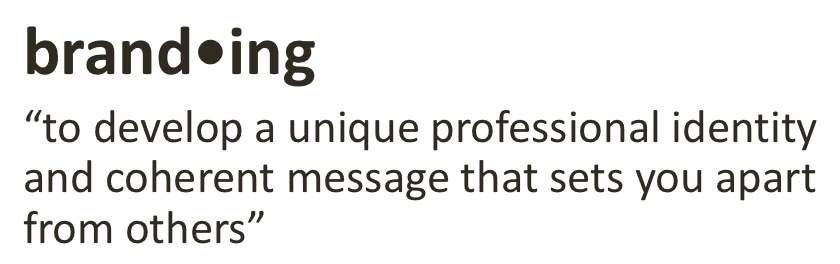
 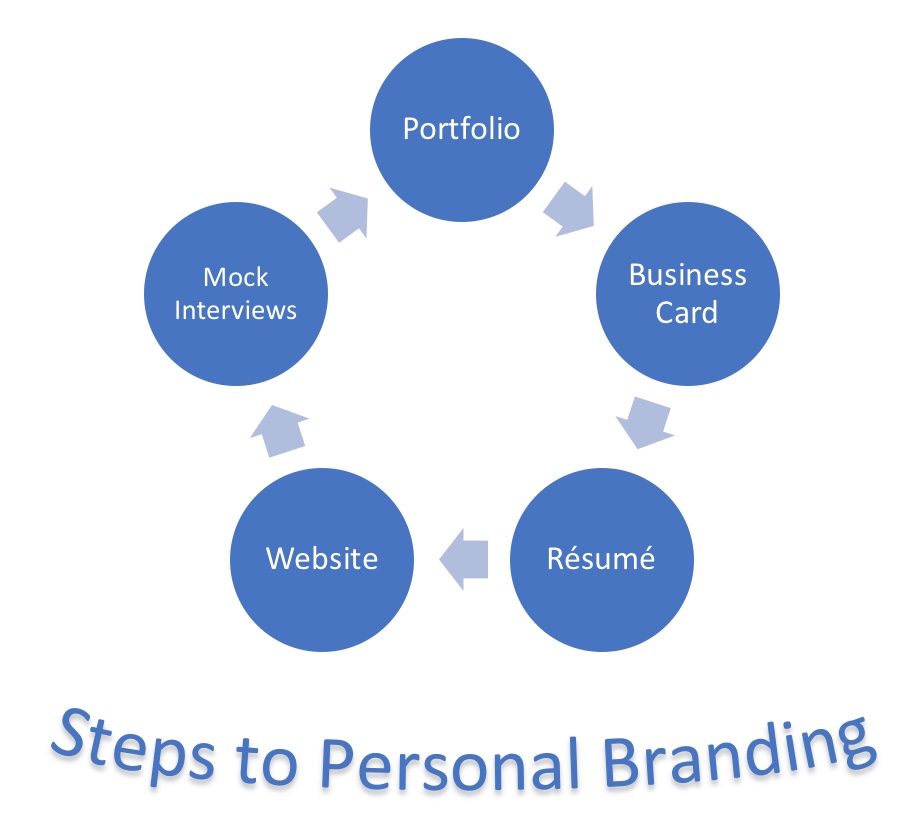 The branding process involves first developing your philosophy of music education, archiving your awards and accomplishments, documenting your grades and
  experiences, and collecting stories/personal anecdotes of your strengths. The next steps include the creation of a written and electronic portfolio, business card, resume, and website. Finally, you must compile/assemble everything together and practice (and self-assess) your “story-telling skills” to answer those important questions at well-rehearsed “mock interviews.”

 As I laid out in a previous blog “Networking Niceties: The ‘How-To Schmooze’ Guide for Prospective Music Teachers” at
  The above blog-post also explores setting up a good organizational system to manage your professional contacts.
 PMEA Pennsylvania Music Educators Association, or another state’s NAfME-affiliated MEA
 Self-reflection of the professional’s teaching practices and modification of these as needed to match changes in the environment and circumstances

 Before long, you will shed the label and function of a “college student” (although still remaining a life-long learner… and never stop the quest for new knowledge and self-improvement!). The focus will shift from YOU to YOUR STUDENTS. The prerequisites for a career in education are unique and do not resemble the same challenges as success in business, manufacturing, retail, service industry, or becoming an entrepreneur, blue-collar worker, or even a composer or professional musician. The sooner you realize these are world’s apart, the better, and now is the time to finish your major and life-changing transformation to… a professional music educator.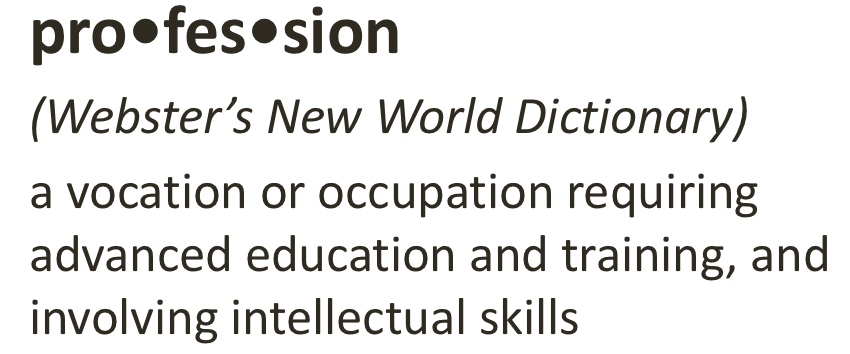
 Updates self with “constant education” and retooling
 Cooperation
 National Association of State Directors of Teacher Education and Certification proposes these principles:
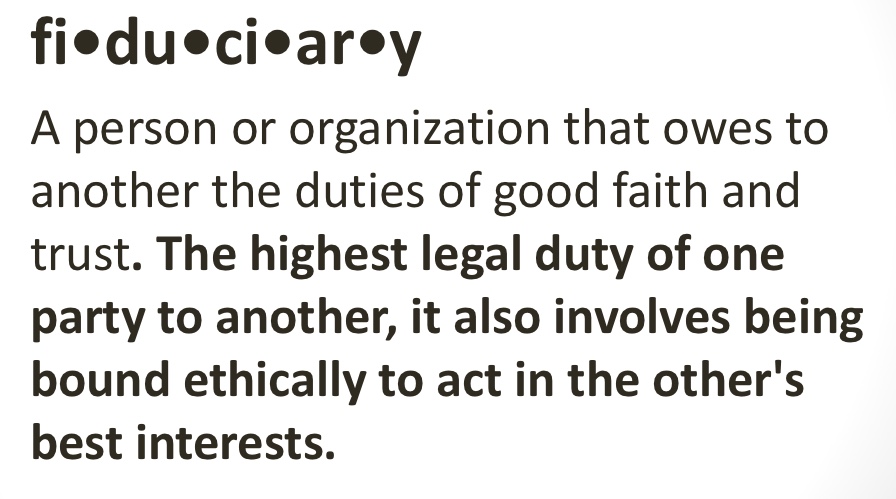 Here’s another query. What five groups of people are both “professionals” and “fiduciaries…” and have a legal responsibility to serve the best interests of their “clients?” The answer is… doctors/nurses, lawyers, counselors (both mental health and investment), the clergy, and… teachers.
  Although teachers seem to be the only one of these who DO NOT have formal pre- or in-service ethics training, and our “charges” represent a “captive audience,” our duty is clear: to act as a fiduciary for our students’ best interest, and to create and maintain a safe environment for them at all times.
 What do you believe about teaching?
 Take time to peruse these and others. Most of these sites also offer excellent examples of personal branding and marketing of the prospective job hunters’ experiences, skills, and achievements… material for our next blog on this topic.
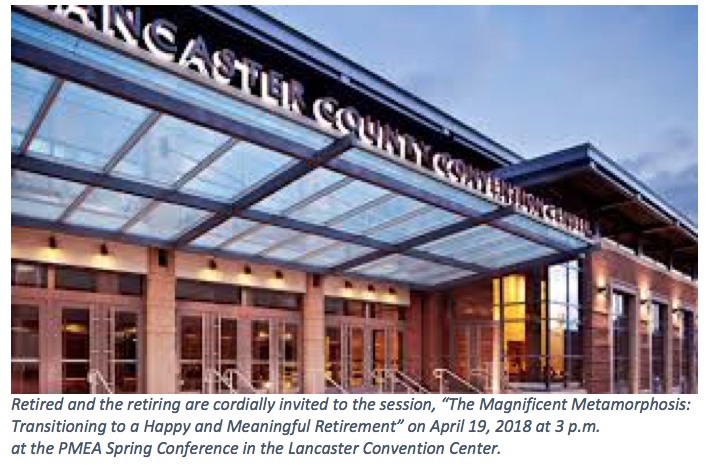
 This will sound like an advertisement (it is)… for retaining one’s professionalism, keeping involved albeit less active in the profession, supporting the future of music education, and on occasion lending a hand to PMEA throughout retirement! In return, the association will provide you opportunities to record and post your career accomplishments and position assignments (past and in the future), network with your friends and colleagues retired or still “in the trenches,” and nurture your personal quest for creative self-expression and artistry… everything from guest conducting or adjudicating ensembles to writing for PMEA publications or presenting sessions at the conferences. It is all about YOU!
 Research indicates that people either LOVE retirement or HATE it, and their journey to the blessed “golden years” can have many ups and downs, especially for type-A, peak-performing individuals who (used to) spend large amounts of time and personally identified with “the job…” like many music educators. Since retiring myself from the Upper St. Clair School District in June 2013, my goal has been to help others enjoy this life-changing passage, cope with life-style changes/altered expectations, and find creative new ways to self-reinvent and thrive. Objectives for retired members in 2016-18 are:

 Are you still willing to “lend a hand” on PMEA projects or share your expertise and provide a free (but priceless) consultant service to new/transferred PMEA members and officers? We constantly update and publish a Retiree Resource Registry
  In addition, retired member registration at the annual PMEA Spring Conference is… (drum-roll, please!) ONLY $10 early-bird! Our next spring conference will be held on April 19-21, 2018 at the Lancaster Marriott & Convention Center. Music teacher retirees get to enjoy some social time to “swap stories” with a FREE breakfast on Friday, April 20. In addition, we are looking for volunteers to help man the PMEA Info Booth… of course, “retired members to the rescue!” Invitations and more details will go out to current members next month, but check out this section on the PMEA website for more information about the conference:
  As a part of reflection and sharing of positive strategies for “Crossing the Rubicon” to a happy, healthy, and meaningful retirement, I have assembled a super-site of every website, article, book, publication, etc. of post-employment “gurus” that I could find. Visit the top menu link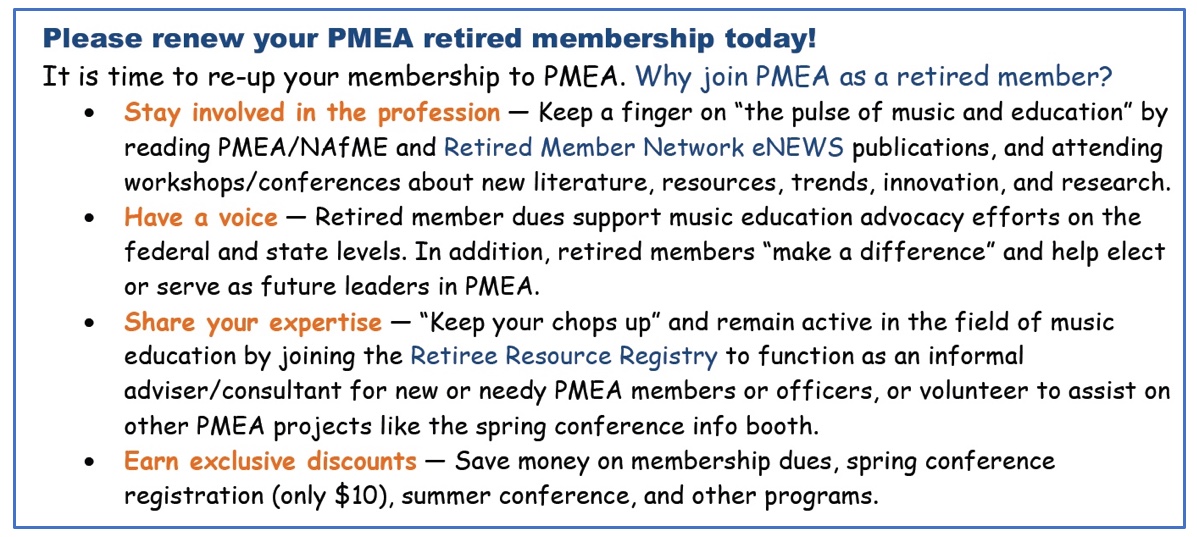
 The walking document of “everything you always wanted to know about you” is your professional resume.
 is the “Prepare Your Materials” section of the Institute for Music Leadership, Eastman School of Music (ESM)/University of Rochester, Careers and Professional Development
  “Professional resume writers urge their clients to first try to trim their resumes down to a maximum of two pages.” One exception for a three-pager might be if the job seeker was to transition from one field to another, having to cover both sets of the candidate’s skills, qualities, and experiences.
 and easy-to-read fonts in your collection. “Your goal is not to make your resume beautiful to your eyes… it’s to make it extremely readable to the people doing the screening and hiring.”
 behind the job assignments, field experiences, or awards… is better. What did you do in each situation, what did you learn, and how did you grow? Check out author Diana in NoVa’s ideas at
 conventions of grammar, punctuation, style, and order of presentation. For example, for new music educators entering the field, it is generally recommended that you list your experience, education, and achievements chronologically starting with the most recent at the top of each section. According to
  singing, etc. However, from an administrator’s perspective, it may be more important to know about the prospective music teacher’s field experiences and previous employment working with children, classroom management skills, professional development goals and initiative (would you be interested in coaching or directing extracurricular activities?), teamwork and leadership skills, personality traits like patience/even temperament/self-discipline, and knowledge of a few “buzz words” of educational terminology and acronyms (like The Common Core, DOK/HOTS, IEP, PLC, RTI, UBD, formative/summative assessments, etc. You are welcome to review some of these completing a crossword puzzle at
  Among her other suggestions are writing “an objective statement” which summarizes your goals to being employed at the school district, “support skills sets with problem solving examples” (see #4 above), and “proofread, proofread, proofread” for accuracy and to enhance your image. Sloppy resumes with typos or misspellings project the wrong message to prospective employers.
 paulfox.blog