A Musician’s Guide to Staying Curious and Creative
by Ed Carter
For musicians, educators, professionals and soon-to-be retirees everywhere, guest blogger Ed Carter returns with this article on exploring new pastimes and adventures while “living the dream” during and after full-time employment. What are you planning to be (or do) when you grow up? PKF
Musicians are lifelong learners by nature. Whether you’re a touring guitarist, a bedroom producer, or a choir director, you already know that growth happens when curiosity meets practice. Learning new skills and hobbies isn’t just a way to pass the time—it’s a way to deepen musicianship, prevent burnout, and build a richer creative life. From hands-on crafts to movement and language, the right skill can feed your music in surprising ways.
The Fast Takeaway Most Musicians Need
Learning something new works best when it’s low-pressure, connected to your existing creative instincts, and practiced in short, repeatable sessions. Choose skills that train your ears, hands, body, or sense of story. Let progress be uneven. Consistency matters more than talent.
Skills That Pair Surprisingly Well With Music
Here’s a quick, varied list of skills and hobbies that musicians often enjoy—and actually benefit from:
Cooking: Teaches timing, improvisation, and sensory awareness
Gardening: Builds patience, seasonal thinking, and long-term care
Photography: Sharpens composition, contrast, and mood
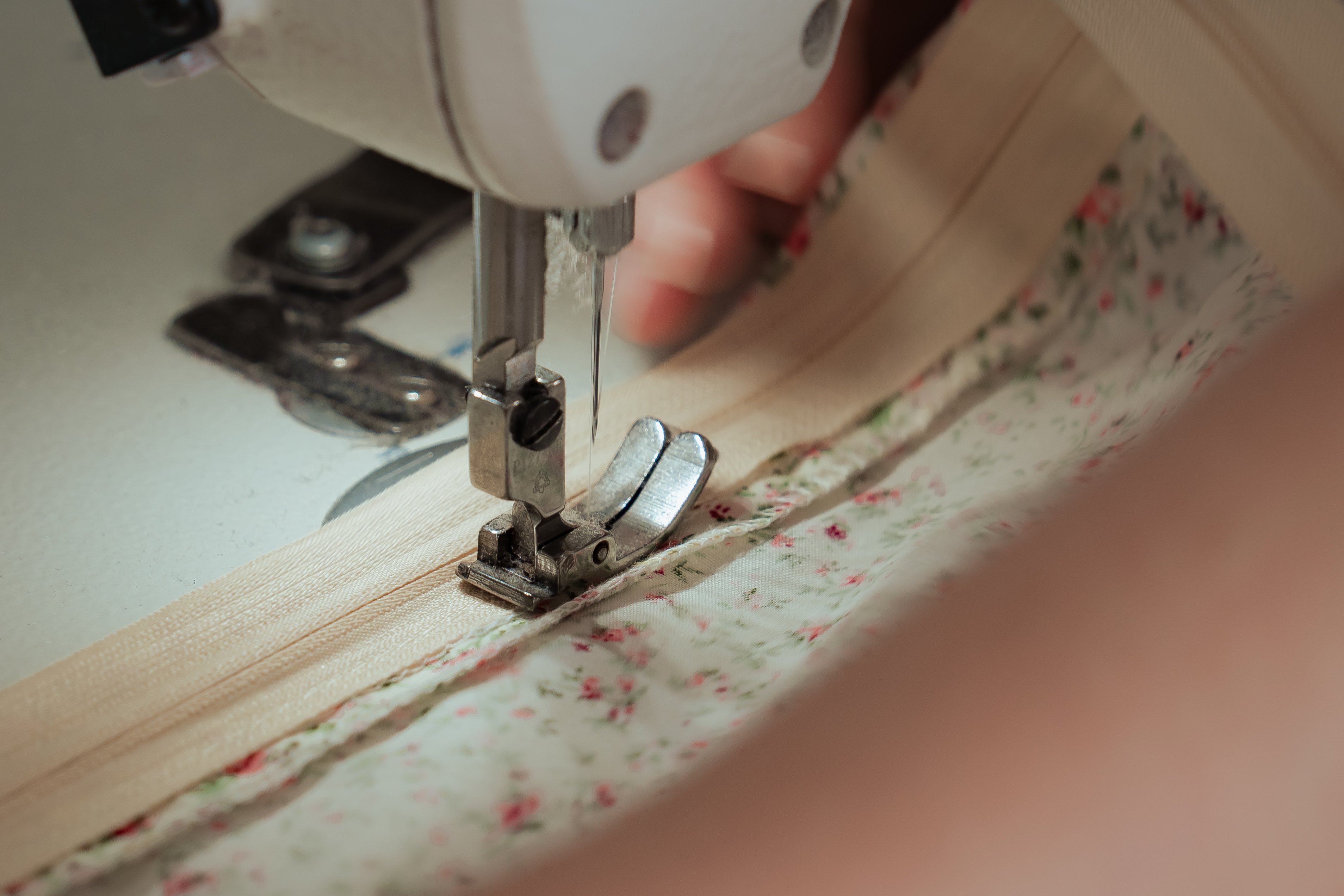
Sewing or basic clothing repair: Encourages precision and rhythm
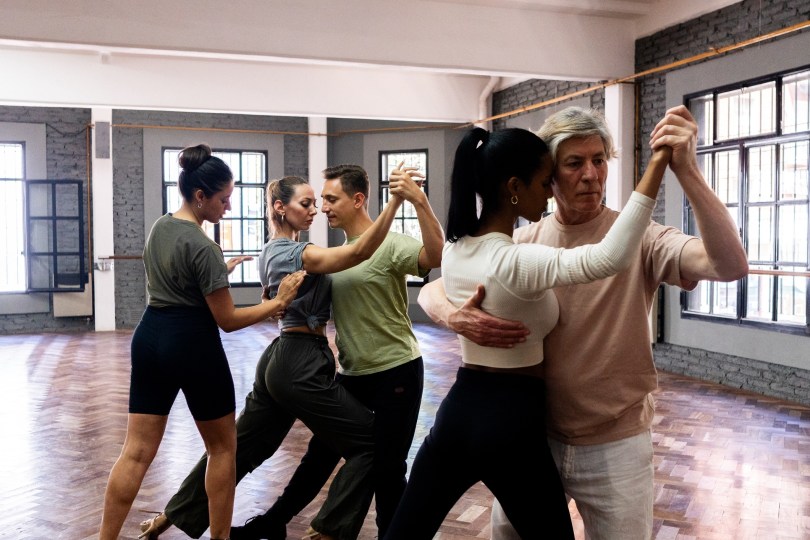
Dancing: Improves mood, posture, and body awareness
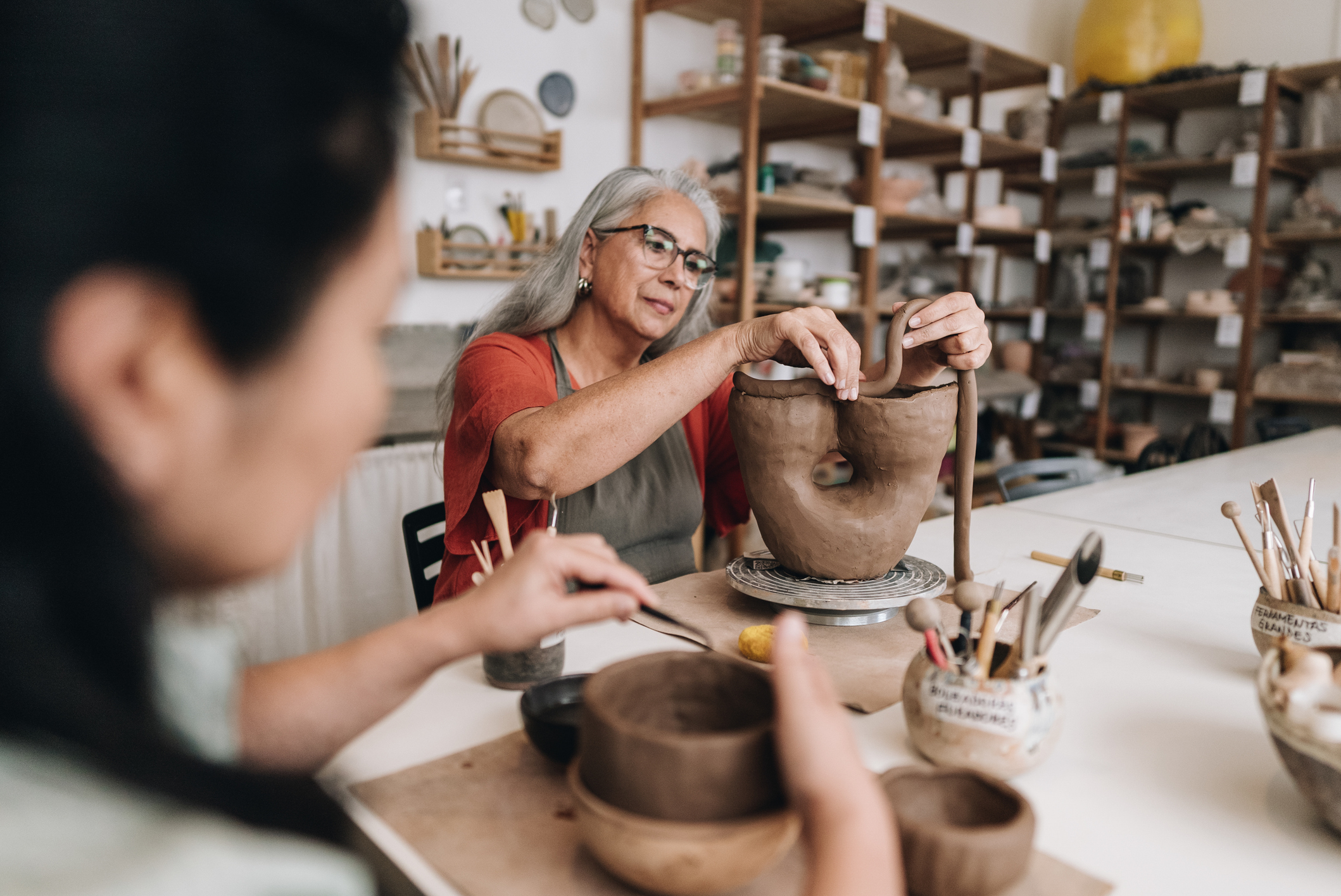
Visual art (drawing, painting, collage): Expands emotional expression
Learning a new language: Trains listening, phrasing, and memory
Playing a second (or third) instrument: Resets beginner’s mind
Each of these taps into skills musicians already use—just in a different form.
A Simple How-To for Learning Any New Skill
Use this checklist-style approach to avoid overwhelm and keep momentum:
Start smaller than you think Commit to 10–15 minutes a few times a week. That’s enough to build a habit.
Choose tools, not perfection One good knife, one sketchbook, one dance class, one app. Avoid overbuying.
Practice in public (a little) Share a photo, cook for a friend, attend a beginner class. Light accountability helps.
Connect it back to music Ask: How does this change how I listen, move, or think creatively?
Let yourself be bad Beginners progress faster when they’re not trying to impress anyone.
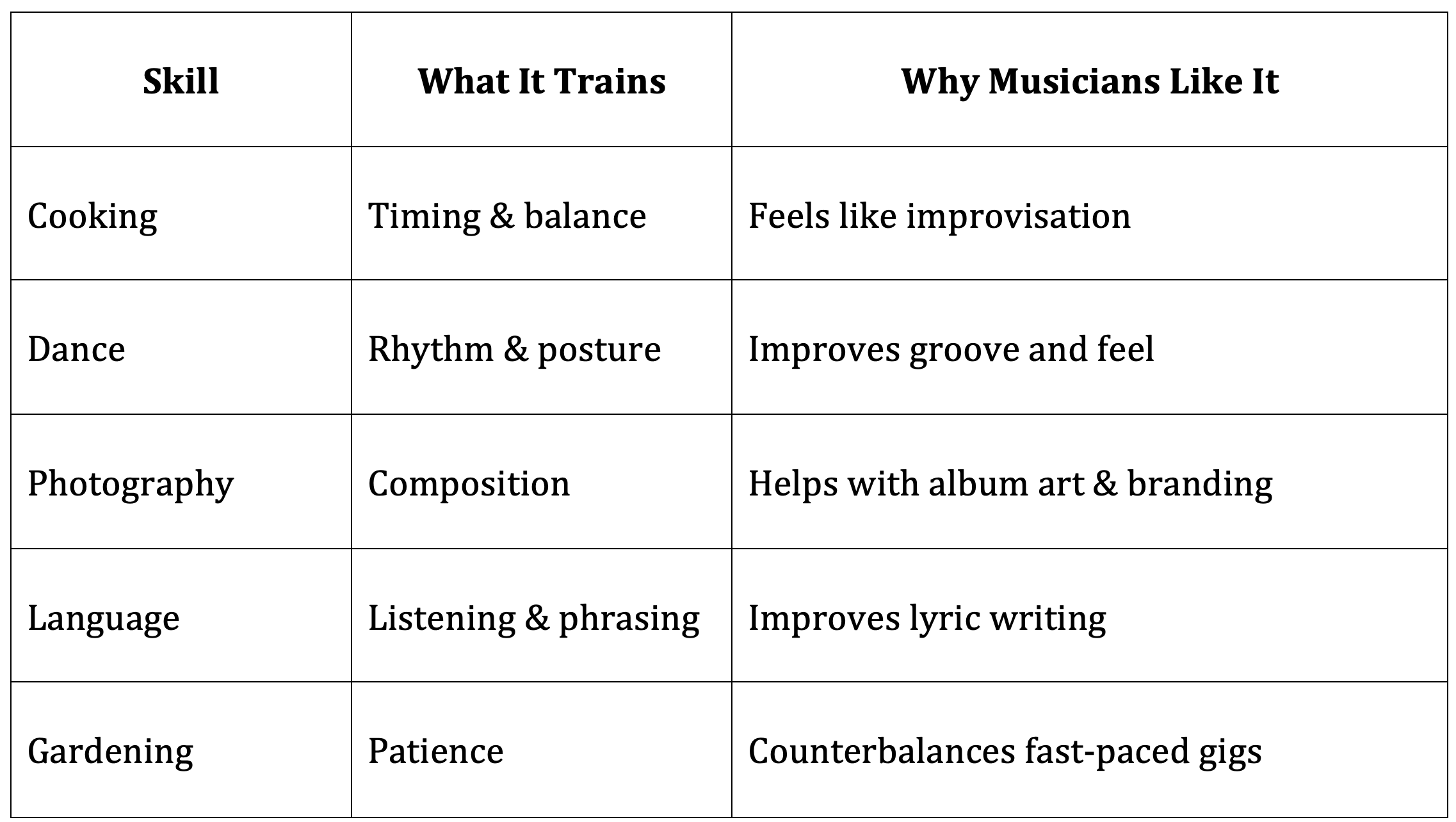
Learning Skills Side-by-Side: A Comparison
When a Hobby Turns Into a Calling
Sometimes a skill stops being “just for fun.” You fall in love with it, invest more time, and start wondering if it could become part of your career. Many musicians eventually return to school to formalize a passion—whether that’s audio engineering, education, therapy, or technology. Finding a program that supports your interests matters; for example, if you want to build skills in IT, programming, and computer science theory, earning a computer science degree can open doors, and this may be a good option. Online programs can be especially helpful for busy musicians, allowing you to study around rehearsals, gigs, and tours.
A Resource Worth Exploring
If you’re curious about picking up creative skills at your own pace, Skillshare offers beginner-friendly classes in photography, illustration, writing, productivity, and more. Many courses are short, project-based, and taught by working creatives.
Frequently Asked Questions
Do I need to be “talented” to start a new hobby? No. Skill comes from repetition, not personality traits.
How many hobbies is too many? If you feel scattered or stressed, scale back. One or two at a time is plenty.
What if I quit? Quitting is data. You learned what didn’t fit—and that still counts.
Final Thoughts
Learning new skills and hobbies keeps musicians adaptable, curious, and creatively healthy. You don’t need a master plan—just a willingness to start small and stay open. Some skills will quietly support your music; others may change your direction entirely. Either way, the act of learning itself keeps you in tune with growth.
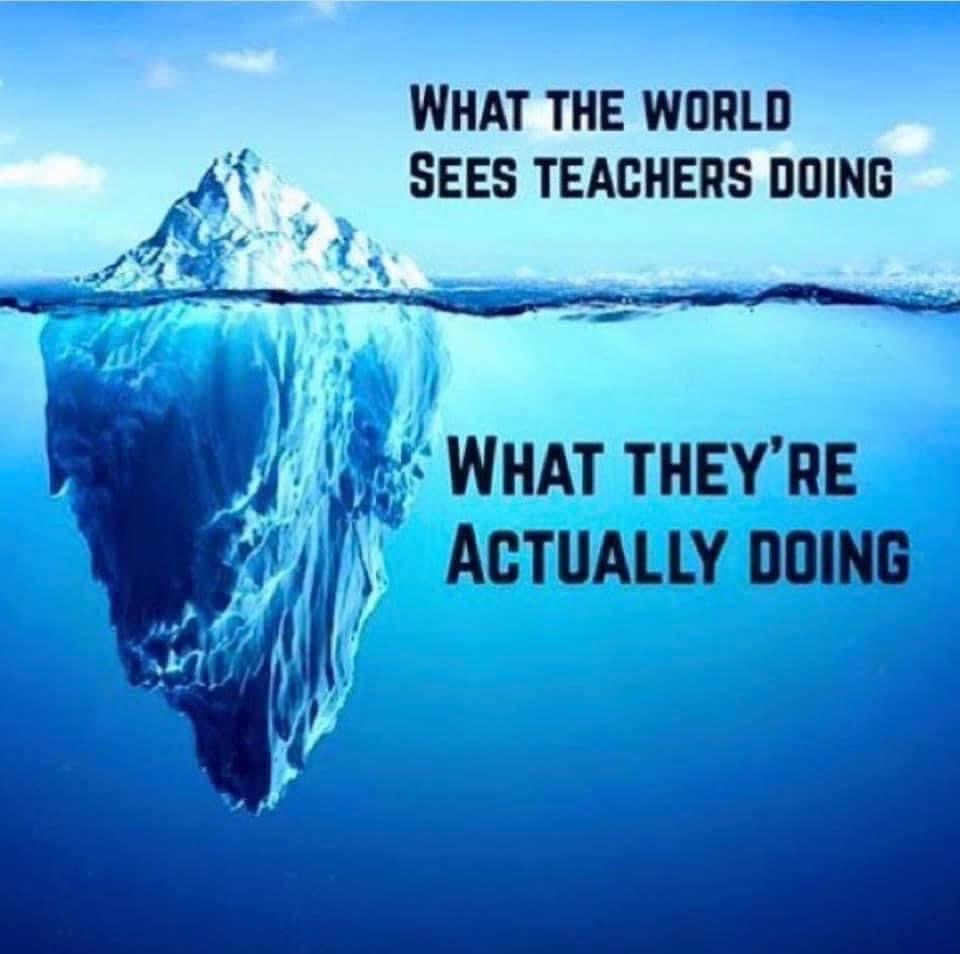
“Being an educator requires so much of us,” says Carol Laman, faculty member at Purdue Global. “It is emotionally, physically, and mentally demanding.”
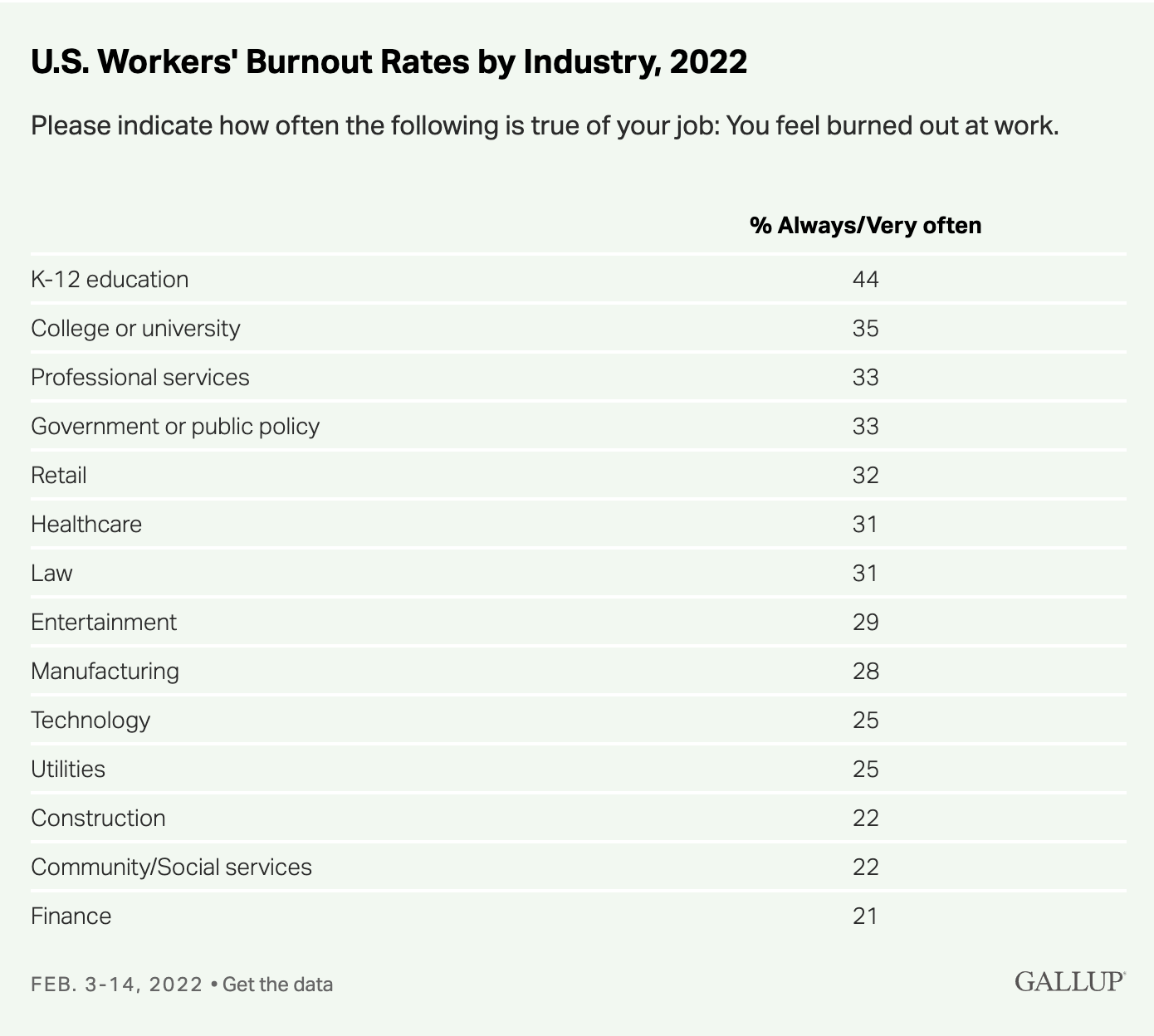
According to the National Education Association, we have a MAJOR problem!
A study by the advocacy group, Alliance for Excellent Education, reports that 40-50% of new teachers leave within their first five years on the job. Many factors contribute to the high dropout rate, a severe lack of work-life balance and the inevitable high stress levels teachers feel on the job, to name a few. Because of this, self-care is extremely important for teachers. However, it’s hard for teachers to take care of themselves when their career is taking care of students. ⏤ https://www.nea.org/professional-excellence/student-engagement/tools-tips/importance-self-care-teacher
The online Oxford dictionary defines “self-care” as “the practice of taking action to preserve or improve one’s own health,” or “the practice of taking an active role in protecting one’s own well-being and happiness, in particular during periods of stress.”
Self-care means taking the time to do things that help you live well and improve both your physical health and mental health. This can help you manage stress, lower your risk of illness, and increase your energy. Even small acts of self-care in your daily life can have a big impact. ⏤ https://www.nimh.nih.gov/health/topics/caring-for-your-mental-health.
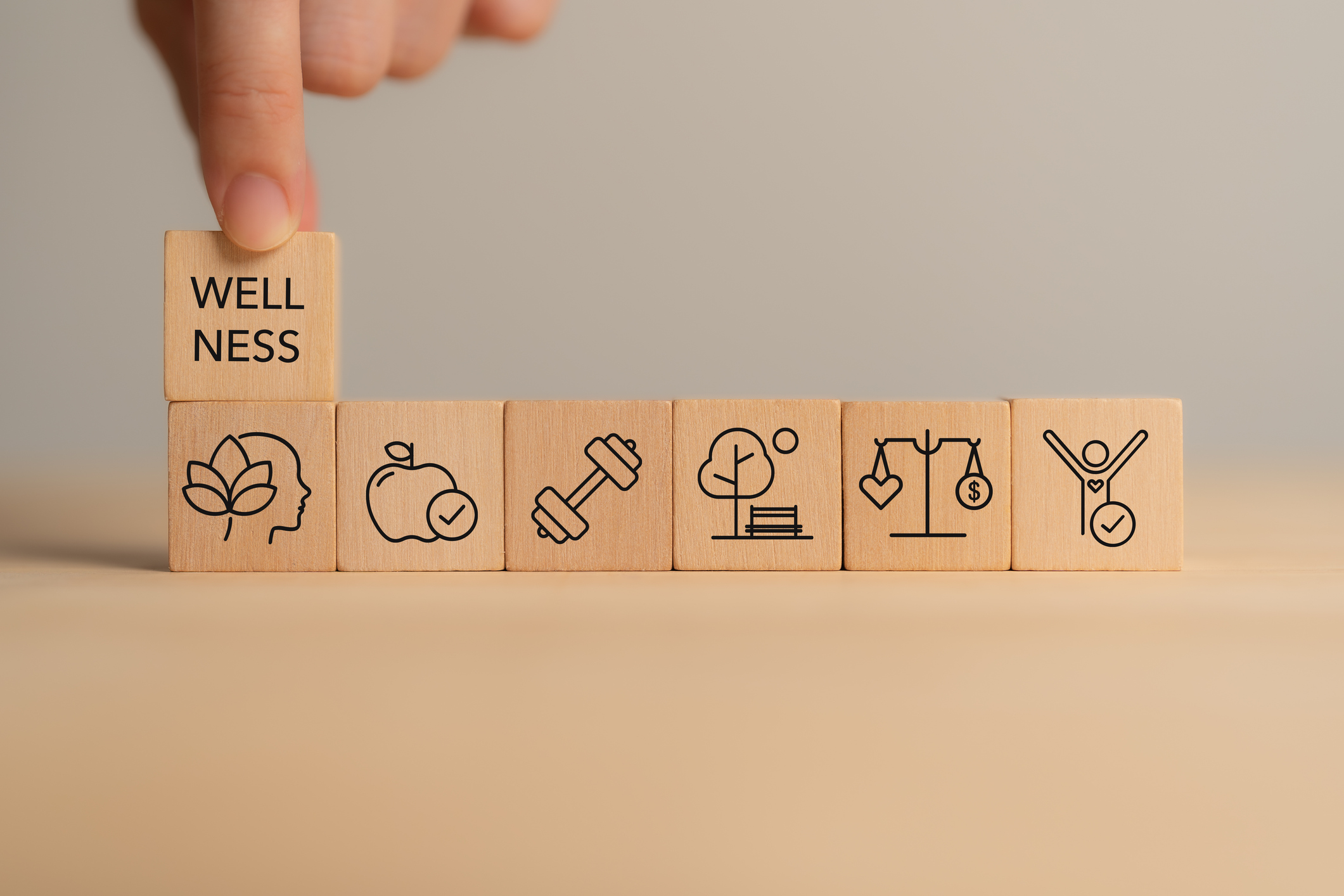
The National Wellness Institute (NWI) further defines wellness as a “conscious, self-directed, and evolving process of achieving one’s full potential… [It] is positive, affirming, and contributes to living a long and healthy life.” NWI addresses six dimensions of wellness, the combination of which “enables us to thrive amidst [life’s] challenges.”
Emotional
Physical
Intellectual
Occupational
Spiritual
Social
In our profession, the defining concerns also involve other major “C’s” within the school workplace – climate and culture – and that “actions speak louder than words!” Edutopia dove into this topic in their blog, “Leaders Must Address Teacher Well-Being With Action, Not Just Self-Care Talk” here.
That leads us to THE WHY – why is this such a crisis?
In my educator self-care workshops (e.g., this example), I bring up the research of Paul Murphy from his book Exhausted – Why Teachers Are So Tired and What They Can Do About It. Consider his litany of possible culprits that may cause burnout in some teachers:
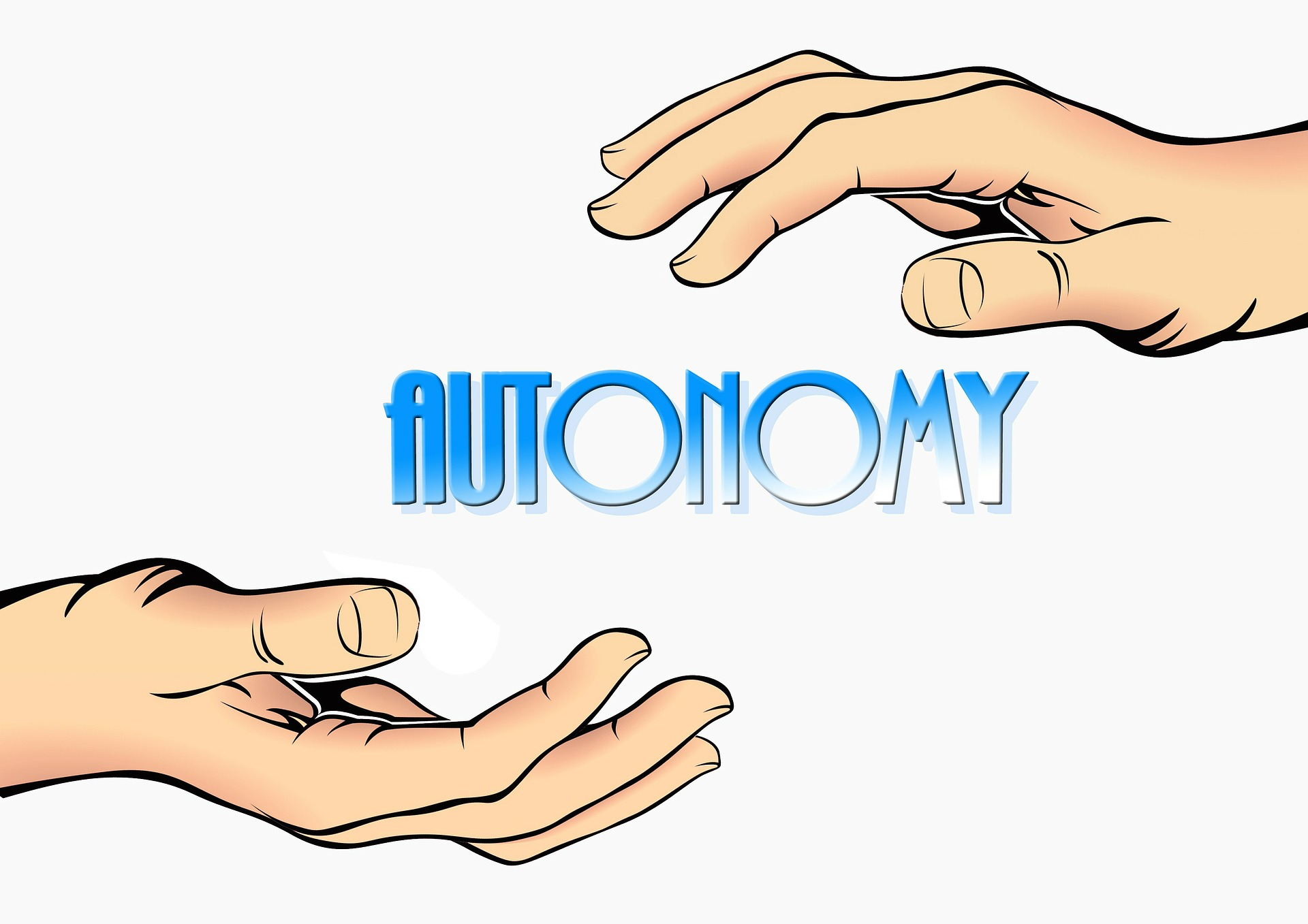
Lack of autonomy
Dysfunctional work environment
Inadequate social support
Extremes of activity
Poor work/life balance
Another excellent read on the subject is Demoralized – Why Teachers Leave the Profession They Love and How They Can Stay. Author Doris Santoro takes a closer look at these issues:
Teachers feel frustrated from accomplishing good work that benefits students, communities, and the profession.
Problem is external and does not indicate a “weakness” or lie within the individual teachers themselves.
Dissatisfaction in education is due to moral and ethical conflicts.
Only by addressing the moral sources of teacher’s anguish might we stem the tide of teacher exodus. ⏤ “The Problem with Stories About Teacher Burnout” by Doris Santoro in Kappan December 2019/January 2020
What are the symptoms of “burnout?” From the Mayo Clinic and other sources, we learn the following. Do you display any of these on a regular basis?
Disillusionment over the job
Cynicism at work
Impatience with co-workers, administrators, and students
Lack of satisfaction in accomplishments
Dragging themselves to work and trouble getting started once they’re there
Lack of energy
Unexplained aches/pains
Self-medicating with food, drugs, or alcohol
Changes in sleep/eating patterns
Are these striking close to home? If you said, “Yes, that’s me!” more than a couple times, it is time to seek help. Please consider this a “wake-up call” to visit your health care professional.
The Courses-of-Action
If you Google search “teacher self-care” in your browser, the following comes up from the (experimental?) Google-generative AI Overview, otherwise a good starting point summarizing possible solutions for stress remediation and improving over teacher mental health.
The research suggests that many “bad habits” may disrupt our ability to take care of ourselves and seek change, such as these:
Self-Sabotage
Negative Self-Talk
Lack of Self-Compassion
My insightful Washington-state music teaching colleague Lesley Moffat has written an excellent book, I Love My Job But It’s Killing Me – The Teacher’s Guide to Conquering Chronic Stress and Sickness, and in my opinion, she hits the nail squarely on the head embracing Shakespeare’s “to thine own self be true” in a renewed motivation on self-help:
You must take care of yourself first. This is the hardest lesson of all, yet it is so important. Chances are you got where you are because you ran yourself ragged taking care of other people’s needs. I bet you never said no to requests to be on one more committee, drive carpool, watch a friend’s kids, and every other favor someone made of you, yet I’d also bet there’s a good chance you never take the time to take care of your own needs. When was the last time you read a book for fun? Or went to a movie you wanted to see? Or pursued a creative endeavor that made you happy? Or any one of a million things you want to do? I bet it’s been a long time. ⏤ Lesley Moffat
It is time to take the plunge towards better personal health, wellness, and balance in your life. There are plenty of resources out there for you to peruse, but don’t just sit there and read them! DO THEM!
Season Greetings and Happy New Year from your Pennsylvania Music Educators Association State Retired Member Coordinator. Best wishes for a happy, healthy, and prosperous 2025!
First, on Christmas Eve, here are a few announcements geared to PA music educators… those who have retired from full-time teaching and anyone considering retirement over the next one to five years.
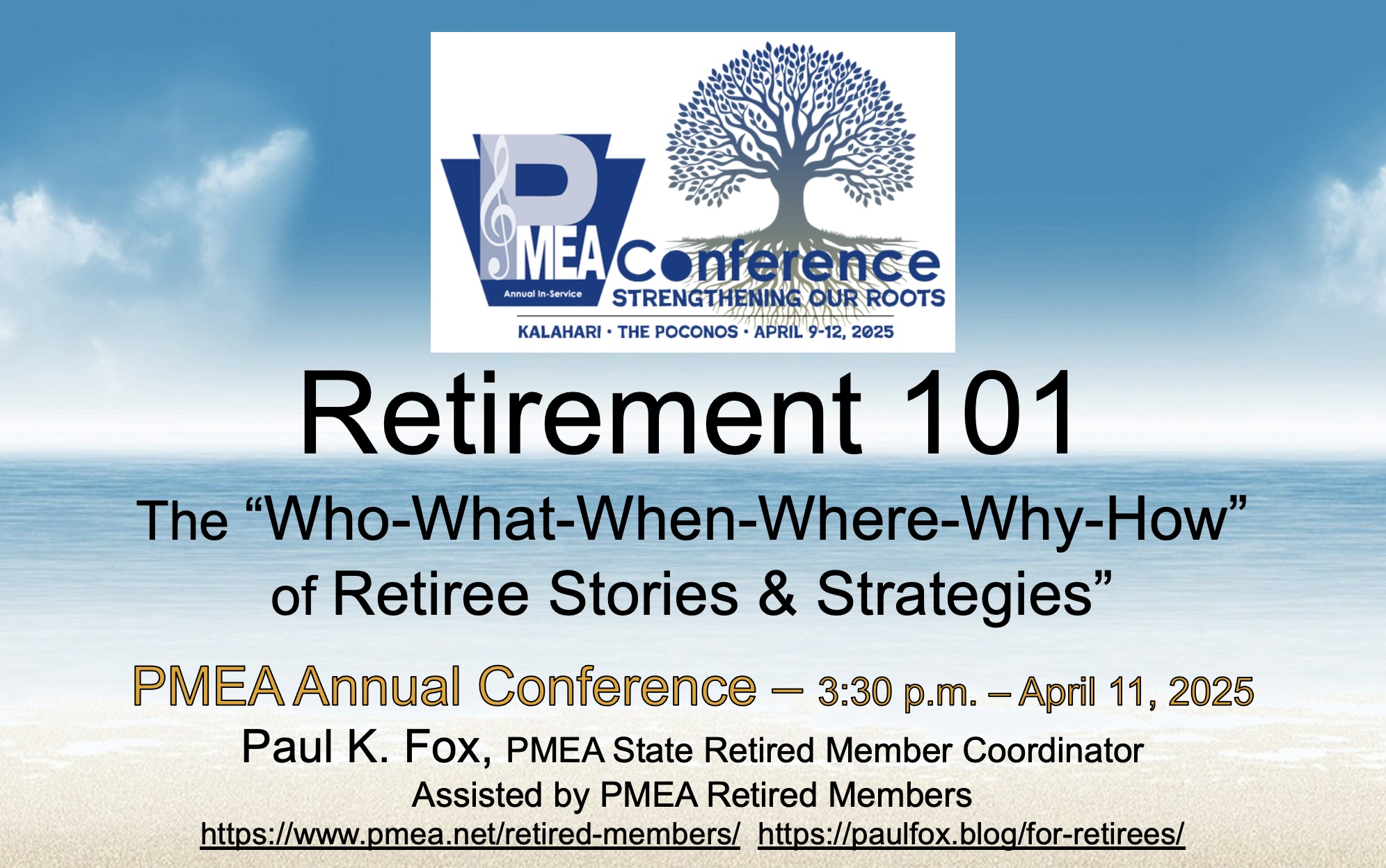
Back by popular demand (or is that just ego and in my head?), we will offer the session “Retirement 101 – the Who, What, When, Where, Why and How of Retiree Stories & Strategies” on Friday, April 11, 2025 (3:30 p.m.) during the PMEA Annual Conference at the Kalahari Resort in the Poconos. A guest panel of PMEA Retired Members will assist and offer their advice answering key questions like the following:
How have you found happiness and success in retirement?
What “new” hobbies, volunteer projects, trips, family connections, and encore careers have you been exploring?
What did you do to reinvent yourself and how did you satisfy those essential “big three” goals of post-full-time employment: finding purpose, structure, and community?
How did you navigate the early phases of retirement? imagination, anticipation, liberation, etc.
What were some of the transitional “ups and downs” you experienced and how did you cope with them?
What are you still doing in music and education?
We are looking for more PMEA retiree volunteers who are planning to attend the conference to join “expert panelists” Rick Coulter, Jeffrey Dent, Dan Klingbeil, Chuck Neidhardt, Louise Victor, and Rich Victor. (Just email me if you’re interested.)
Retired Members are a valuable resource to PMEA. Many of us already serve on PMEA Councils and in District or State official positions. All of us in the profession benefit from the sharing of their extensive “boots-on-the-ground” experiences and wisdom. At the upcoming conference, Retired Members can serve as Presiding Chairs and introduce a session/concert or two. In addition, plans are also underway to sponsor (possibly on Thursday, April 9) a “coffee & conversation” corner or an “ask the expert” lounge. Spaces and the schedule are packed, but if it is possible, Executive Director Abi Young is trying to fit in an informal sitting area with retirees and mentors as “friendly folks” to serve as “gurus” for PCMEA members, newcomers to a music education specialty, or recent transfers to the field. Won’t you join us?
A longstanding tradition, we will be treated to a PMEA Retired Member Breakfast on Friday morning. (Just check the box on the registration form if you are coming… and, by the way, the conference fee is only $20 for Retired Members! What a deal!)
Why Attend the PMEA Annual Conference?
“For some of us, it’s a just chance to catch-up with our colleagues, see our friends, and socialize. Others are more focused and take advantage of the near-perfect opportunity to network with other professionals, perhaps seeking new working relationships, partnerships, or even employment. Many are on a look-out for newly published music, that perfect music lesson or teaching strategy, technology tools, fund-raisers, advance educational venues, or much-needed equipment to purchase for our ensembles or classrooms. Most come to hear/see the “state of the art” in music education – concerts, demonstrations, keynote speeches, panel discussions, exhibits, research presentations, and workshops. PMEA’s PD Council would likely submit that the primary purpose of a conference is for professional self-improvement… What did Stephen Covey call it? His Habit #7 of “sharpening the saw” – to build a balanced program of self-renewal in the four areas of your life: physical, social/emotional, mental, and spiritual. Covey would insist we embrace “the process that empowers us to move on an upward spiral of growth and change, of continuous improvement.” So, in short, conferences help us “grow” – to revive, re-inspire, re-energize, rejuvenate, re-direct, and re-motivate all of us – pre-service, active in-service, and retired teachers towards making successful new connections, updating our knowledge & skills, and forming new goals.” – PMEA Retired Member Network eNEWS Winter 2024
In addition, Kalahari Resort boasts “the world’s largest indoor water park,” the perfect place to bring family members to enjoy… especially (grand)children, (grand)nieces/nephews, etc.
Next month’s retirement blog by guest author Sierra Powell
One final announcement: In several weeks at this blog-site, we plan to feature a new guest blog entitled “Five Things You Need for a Comfortable Retirement” by Sierra Powell, along with updates of other resources for “living the dream!” See you next year?
OK, What is that “AI Thing?”
This 69-year old educator who has spent more than five decades in fostering creative self-expression in his students is fervently opposed to artificial intelligence. Actually, I thought I was allergic to “AI!” Every time I receive an Apple iPhone update or some new download for my computer, I complain, “Why have they moved that button? It doesn’t look or work the same! Why does everything have to change every month?” Slow down, techies!
However, to dabble in this new technology everyone’s talking about, I printed in my last PMEA Retired Member Network eNEWS on page one a sample article (click here for the Winter issue) compiled by AI Overview (Google). I shared this with an adult violin student from my Saturday orchestra who decided to show me the power of AI (not the old AI I am more familiar with – artistic intelligence!). She used her subscription to a ChatGPT to process my brief outline on the topic “retirement transitioning.” Below is the result generated from a few of my random notes. Created in the first person, AI matched my writing style, a chatty/informal letter printed for soon-to-retire colleagues along with research citations. Frankly, it scares me how close this sounds like something I could have composed! Can you tell it was artificially generated? Does this mean we will we have to teach this old dog (fox) new tricks?
Check out these valuable retirement hints courtesy of ChatGPT!
The Retiree Life: Navigating the Art of Reinvention & Emotional Balance
Here with some reflections, tips, and maybe even a little nudge for us all as we continue this grand adventure called retirement. Whether you’re still finding your rhythm or already feel like a pro at this, there’s always room to reflect, grow, and laugh along the way.
This week, let’s talk about something near and dear to every retiree’s journey: reinventing yourself and coping with the emotional ups and downs that come with this new chapter.
Reinventing Yourself: A Second Act Worth Applauding
Remember when we taught our students to embrace creativity and adapt to change? Turns out, retirement demands the same skills. It’s no longer just about what you did—it’s about who you are.
Reinvention isn’t about completely overhauling your identity. Think of it as expanding your repertoire. Studies show that retirees who actively pursue new interests or roles report higher life satisfaction (Wang et al., 2011). Whether it’s picking up the instrument you haven’t touched in decades, volunteering, traveling, or even starting a small business, the key is to stay engaged.
Here’s a thought experiment: What did you always wish you had time to do but never could because of lesson planning, rehearsals, or concerts? Now’s your chance. I’ve recently heard about retirees dabbling in everything from watercolor painting to writing mystery novels. One retiree even became a beekeeper—talk about a sweet second act!
(From past blogs, the Retirement 101 session, and Retired Member Network eNEWS reviews)
The Emotional Journey: Ups, Downs, and Everything in Between
Let’s not sugarcoat it: retirement is a mixed bag. There’s the freedom (hooray!), but also the occasional pang of loss—of identity, routine, or the camaraderie we had in our teaching careers.
The good news? You’re not alone. Research by Pinquart and Schindler (2007) highlights how important it is to acknowledge these feelings rather than sweep them under the rug. Adjusting to retirement is a process, and it’s okay to feel a little off-balance at times.
Here are a few tried-and-true strategies to help you navigate the emotional terrain:
Stay Connected: Loneliness can creep in when you least expect it. Keep up with PMEA activities, or start a retirees’ coffee group. Who better to laugh with about the time your marching band got rained out?
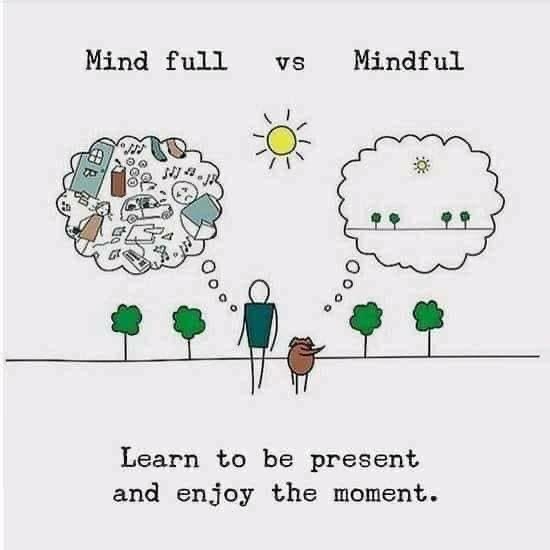
Practice Mindfulness: Before you roll your eyes, hear me out! Even just five minutes of quiet reflection a day can reduce stress and boost mood (Chopra et al., 2020).
Find Meaning: Volunteering or mentoring can give you a sense of purpose that’s deeply fulfilling. You’ve got a wealth of wisdom—share it!
AI of the future?
The Bottom Line
Retirement isn’t a destination; it’s a journey. And like any good road trip, it comes with unexpected detours, scenic overlooks, and, yes, the occasional pothole. The trick is to embrace it all with curiosity and a sense of humor.
If you’re struggling, remember: reinventing yourself doesn’t happen overnight. Take it one day at a time, and don’t be afraid to reach out for support—whether it’s from family, friends, or your fellow PMEA retirees.
Let’s keep the conversation going. What’s your “second act”? Have you discovered a new hobby or way to cope with the emotional shifts of retirement? Shoot me an email or share your story at our next meeting. Together, we’ll continue to learn, grow, and make this chapter one to remember.
Until next time, keep smiling and stay curious!
References:
Wang, M., Henkens, K., & van Solinge, H. (2011). Retirement adjustment: A review of theoretical and empirical advancements. American Psychologist, 66(3), 204–213.
Pinquart, M., & Schindler, I. (2007). Changes of life satisfaction in the transition to retirement: A latent-class approach. Psychology and Aging, 22(3), 442–455.
Chopra, A., Anthonisen, S., & Reeves, A. (2020). The role of mindfulness in retirement satisfaction. Mindfulness in Aging Journal, 7(4), 312–320.
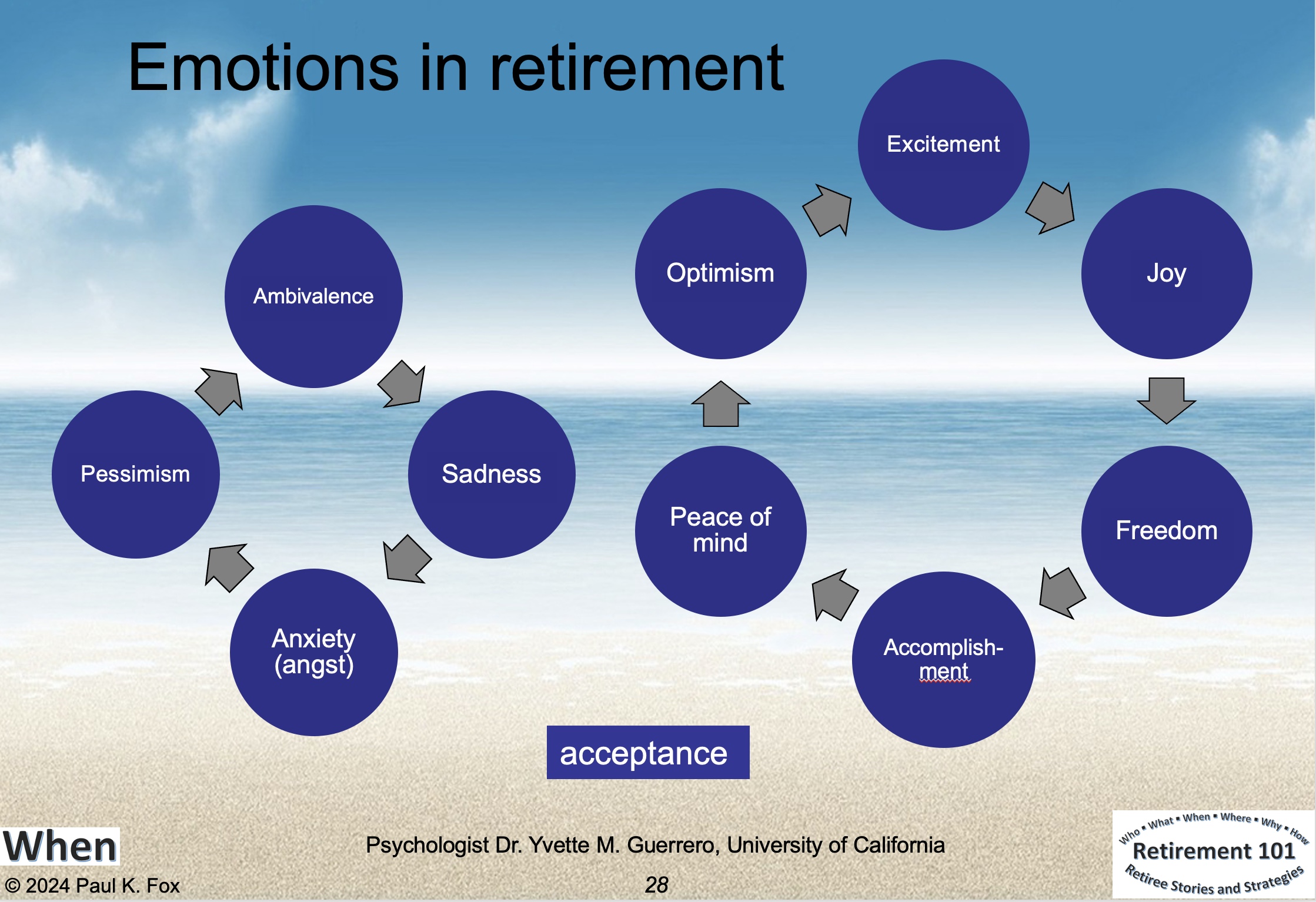
Of those who make a New Year’s resolution, after 1 week 75% are still successful in keeping it. After two weeks, the number drops to 71%. After 1 month, the number drops again to 64%. And after 6 months, 46% of people who make a resolution are still successful in keeping it. In comparison, of those people who have similar goals but do not set a resolution, only 4% are still successful after 6 months.
Although we may be seeing the first signs of “the light at the end of the tunnel” with the distribution of the vaccines, coronavirus still has its grip on us… off-the-chart infection rates, record-breaking hospital admissions, schedule disruptions, restrictions on restaurants and small businesses, mandatory mask wearing, social distancing, precautionary self-isolation, etc. By all accounts, mindfulness, self-care, patience, and a positive outlook for the future are keys to making personal and professional goals as the pandemic rages on…
This article spotlights an age-old but usually neglected perspective – “think first” before you formulate any New Year’s Resolutions! For this to really work, you need a little research and reflection… and then COMMIT TO YOUR GOALS! Read on!
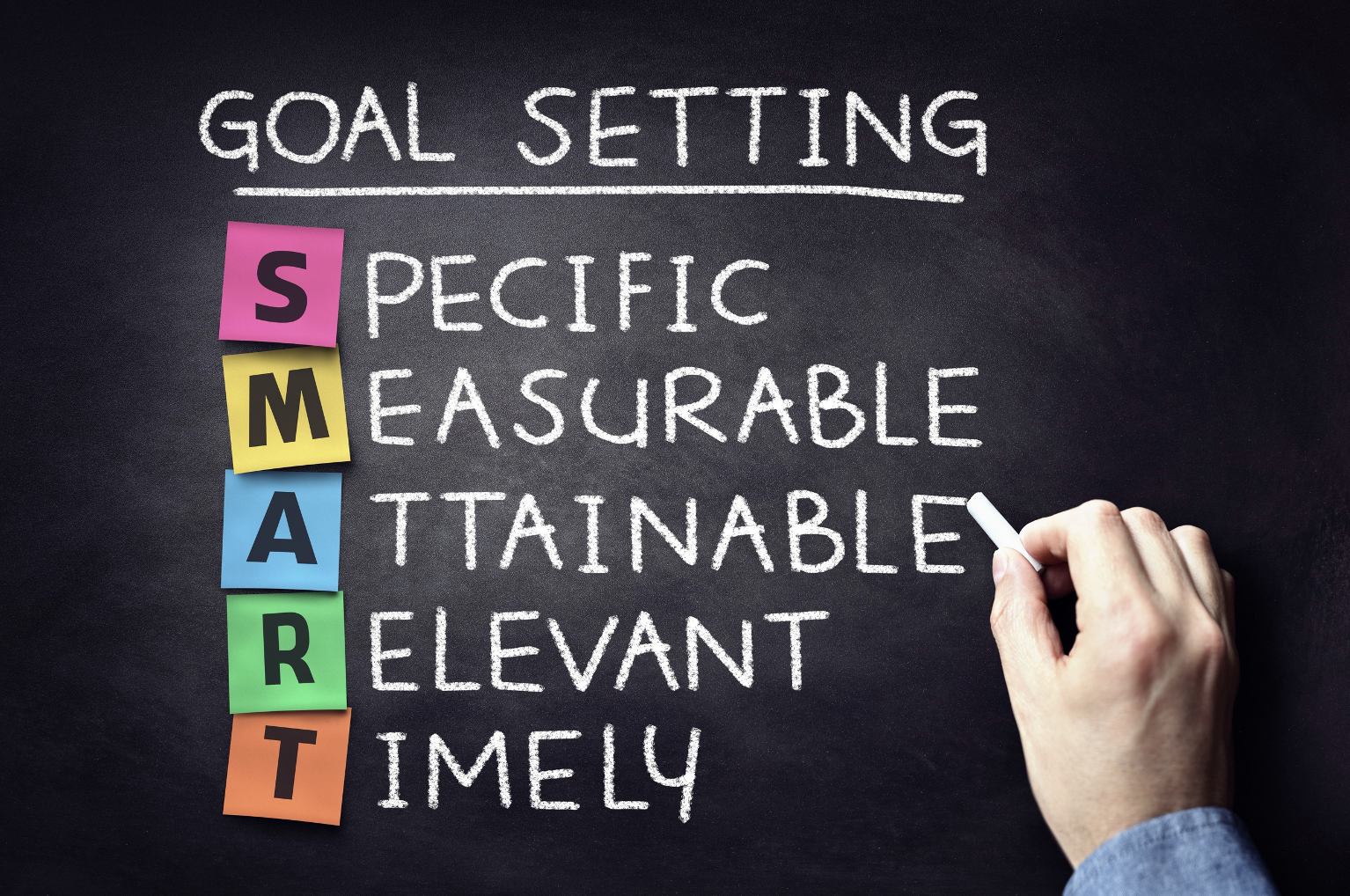
Start Out by Being S.M.A.R.T.
Admittedly, 44+ years in teaching has affected how I view goal-setting – “make it intention!” Adopt the often published S.M.A.R.T. approach to any plan. Make goals that are…
Specific
Measurable
Achievable
Relevant
Time-Bound
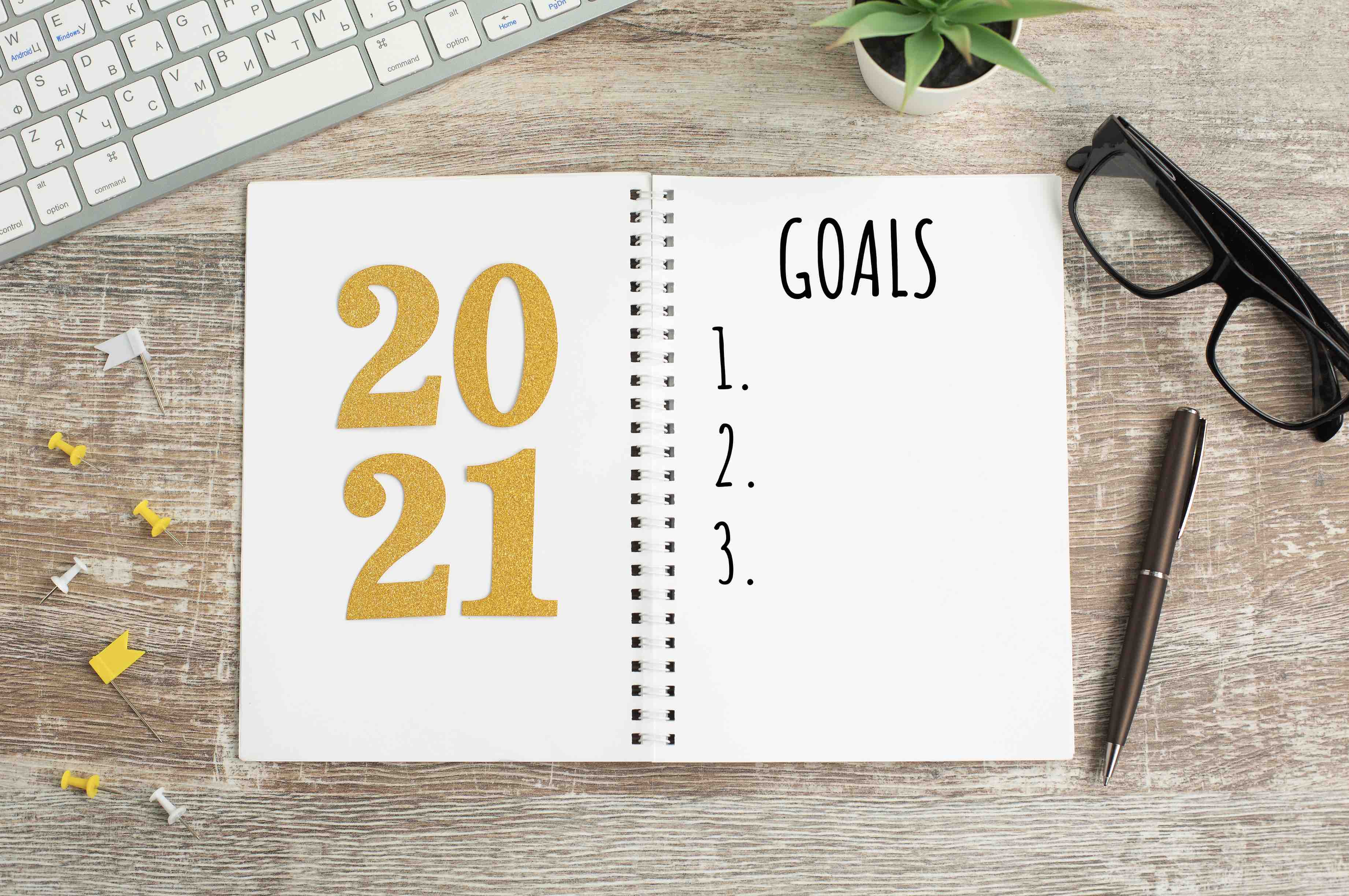
What goals do you want to satisfy in 2021? “Keep it simple” and S.M.A.R.T. Like lesson plans, write your resolution(s) in behavioral terms… “by the end of this class, the students will…” For example, the easiest way to limit the intake of fried food in your diet is to write on a post-it note, “I will not eat anything fried this week” and place it on your bathroom mirror.
A lot of these resolutions fail because they’re not the right resolutions. And a resolution may be wrong for one of three main reasons: 1) It’s a resolution created based on what someone else (or society) is telling you to change. 2) It’s too vague. 3) You don’t have a realistic plan for achieving your resolution.
Just as important to WHAT you choose is HOW you approach it. In his article, Zomick provides a “how-to” roadmap to success, if you follow his steps:
Mentally prepare for change.
Set a goal that motivates you.
Limit resolutions to a manageable amount.
Be specific.
Break up big goals into smaller goals.
Write down your goals.
Share your resolutions with others.
Automate when possible.
Review your resolution regularly.
If you fall off track, get back on quick.
Do these recommendations sound familiar? They should if you are a disciple of the aforementioned S.M.A.R.T plan. Also, the concept of “writing down your goals” should ring a bell if you recall the supposed 1979 Harvard Business School MBA Study on Goal Setting (urban legend?) reviewed by Wanderlust Worker here:
Have you set written goals and created a plan for their attainment? Prior to graduation, it was determined that 84% of the entire class had set no goals at all. 13% of the class had set written goals but had no concrete plans. 3% of the class had both written goals and concrete plans. The results? Well, you’ve likely somewhat guessed it. 10 years later, the 13% of the class that had set written goals but had not created plans, were making twice as much money as the 84% of the class that had set no goals at all. However, the apparent kicker is that the 3% of the class that had both written goals and a plan, were making ten times as much as the rest of the 97% of the class.
Whether the Harvard (or Yale) study is fact or faction is probably irrelevant. The point here is that to improve the odds for accomplishing our goals, we need to take the time to write them down, announce our intentions (your spouse or significant-other), and define the details with “action plans.”
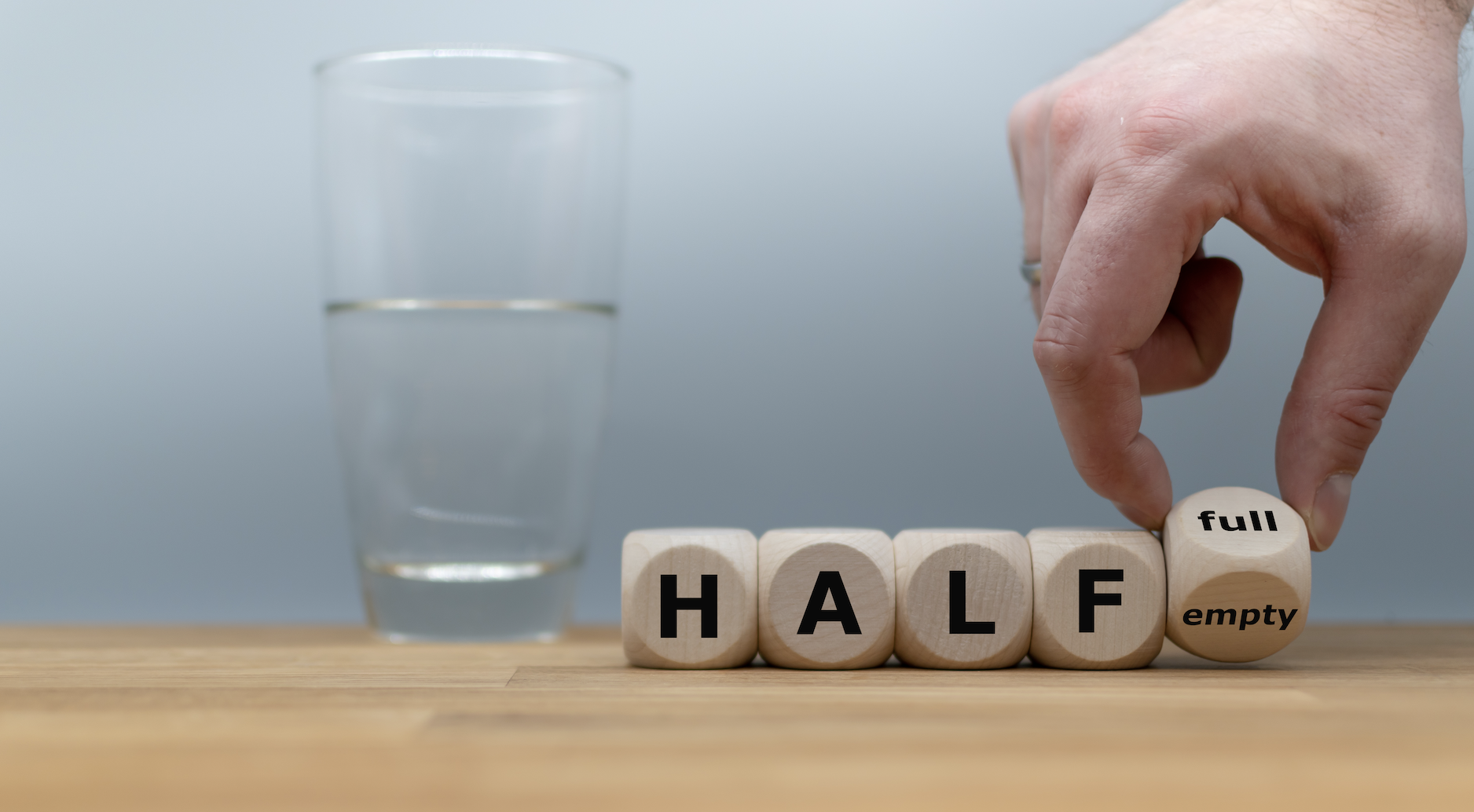
The Glass Is Half Full
Have you heard the joke about the identical twins, one an optimist and the other a pessimist?
A psychiatrist has one son who is a total pessimist, and another who is a complete optimist. He decides on an experiment. For Christmas he fills the pessimist’s room with hundreds of beautifully wrapped gifts, and dumps a heap of horse manure in the optimist’s room. On Christmas morning he sees the pessimist boy sitting motionless at the center of his room, eyeing his gifts suspiciously. But over in the optimist’s room he sees his boy filled with joy, digging happily in the odorous pile. He asks the kid what he’s doing and he answers: “Daddy, with all this horse dung, there’s gotta be a pony in here someplace.”
It’s time to cheer-up, look to the future, and embrace HOPE for tomorrow!
Are you kidding? You want me to “put on a happy face” after all the pandemic has done? YES!
One remedy for “losing the blue funk” is to reject all “blame and complain” speech or behavior! It is so easy to get caught up in negativity… family adversity or “challenges” of a medical or employment nature, or simply being forced to remain distant from each other, daily news media reports about COVID-19, political dissension and the polarization of viewpoints, angry rants on social media, etc. literally fanning the flames of an unprecedented perpetual global “bad mood!” I even found myself in the throes of periodic bouts of public distemper, griping on Facebook about a Dial for Men product that made my hair dry (my FB friends responded, “Thanks for the heads-up” – ha, ha!), or grumbling about the roll-out of new revisions of WordPress and Constant Contact program editors that are not backwards-compatible nor fail to support the “look and feel” of previous versions. The effect of exposure to or expression of all of these “B” words (badmouth, beef, bellyache, bemoan, bicker, b*tch) is to make you even more bitter… not fostering the “can-do’s” for taking steps towards helping others, self-renewal, or an optimistic attitude.
Do you find your emotions swinging rapidly from sadness to elation to anger or fear during the lockdown? If your mood is all over the place at the moment, that’s completely understandable. This is not a normal situation. It’s a hugely disruptive, sudden change to our daily lives that nobody was prepared for. It isn’t surprising that many people are experiencing unpredictable moods. “It is going to affect everyone’s mood in many, and sometimes unexpected, ways,” reveals psychotherapist Mark Bailey. “Whether it’s worry, anxiety, feeling overwhelmed, discombobulated, angry and even perhaps unexpected emotions like relief as we accept some of our current situation, it’s useful to know that as we experience one emotion it doesn’t nullify or negate another.”
Get Inspired by Good Role Models and “Positive Gurus”
Many music educators attend the keynote addresses at state MEA/NAfME conferences to “recharge their batteries.” A few of my favorite “master motivators” are Tim Lautzenheiser,Peter Boonshaft, and Fran Kick. As a sample, check out this video (sponsored by MusicFirst) that featured “Dr. Tim” – One Person Can Make a Difference!
Demonstrate passion for what you do and have the capacity to infect others with it.
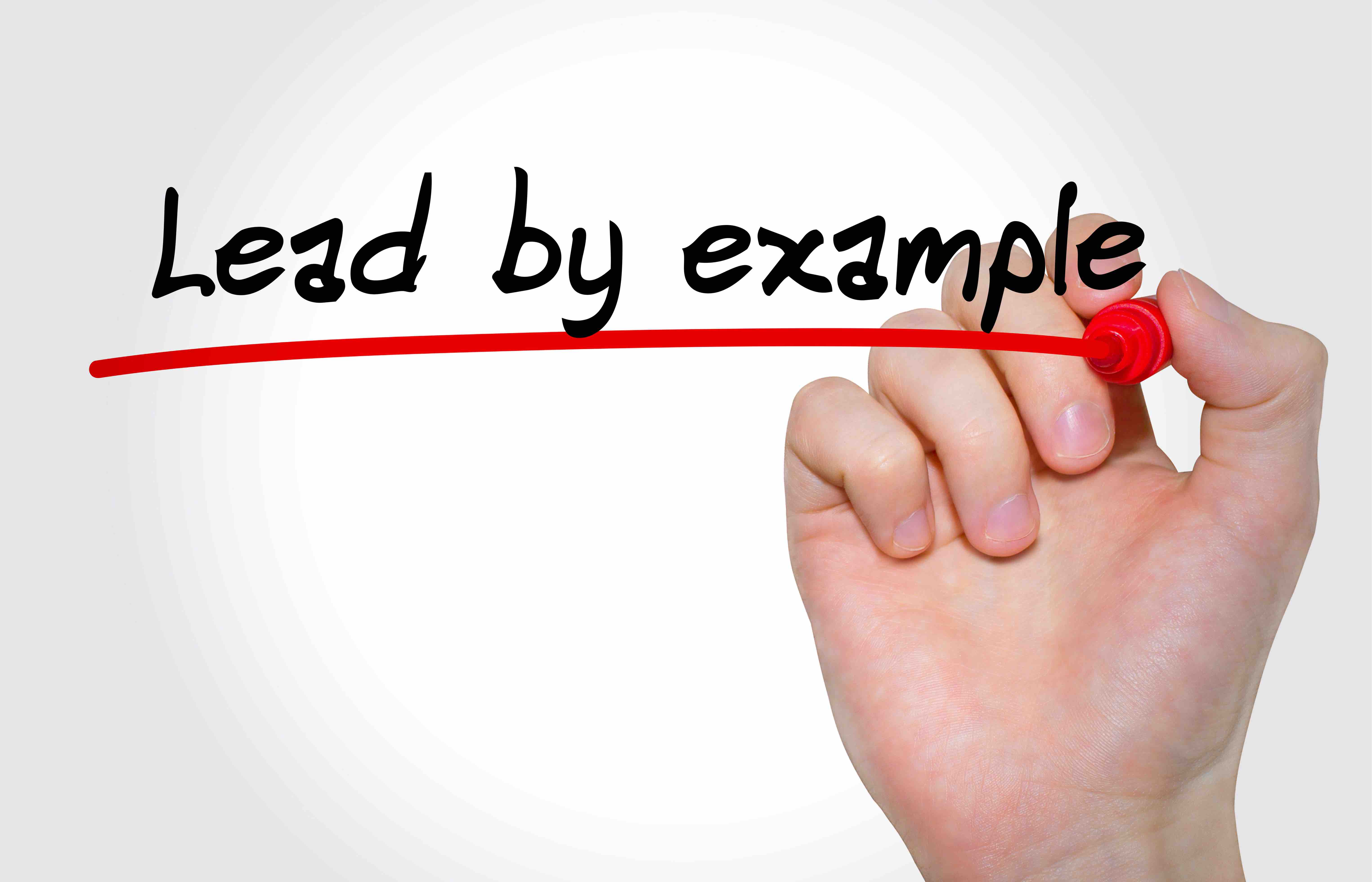
Show a clear set of values and live them in their world. Lead by example. Children admire people who act in ways that support their beliefs. It helps them understand how their own values are part of who they are and how they might seek fulfilling roles as adults.
Demonstrate commitment to community. Be others-focused as opposed to self-focused. Freely give your time and talents to benefit people.
Show selflessness and acceptance of others who are different to you. Be fair.
Demonstrate the ability to overcome obstacles. Young people admire those who show them that success is possible.
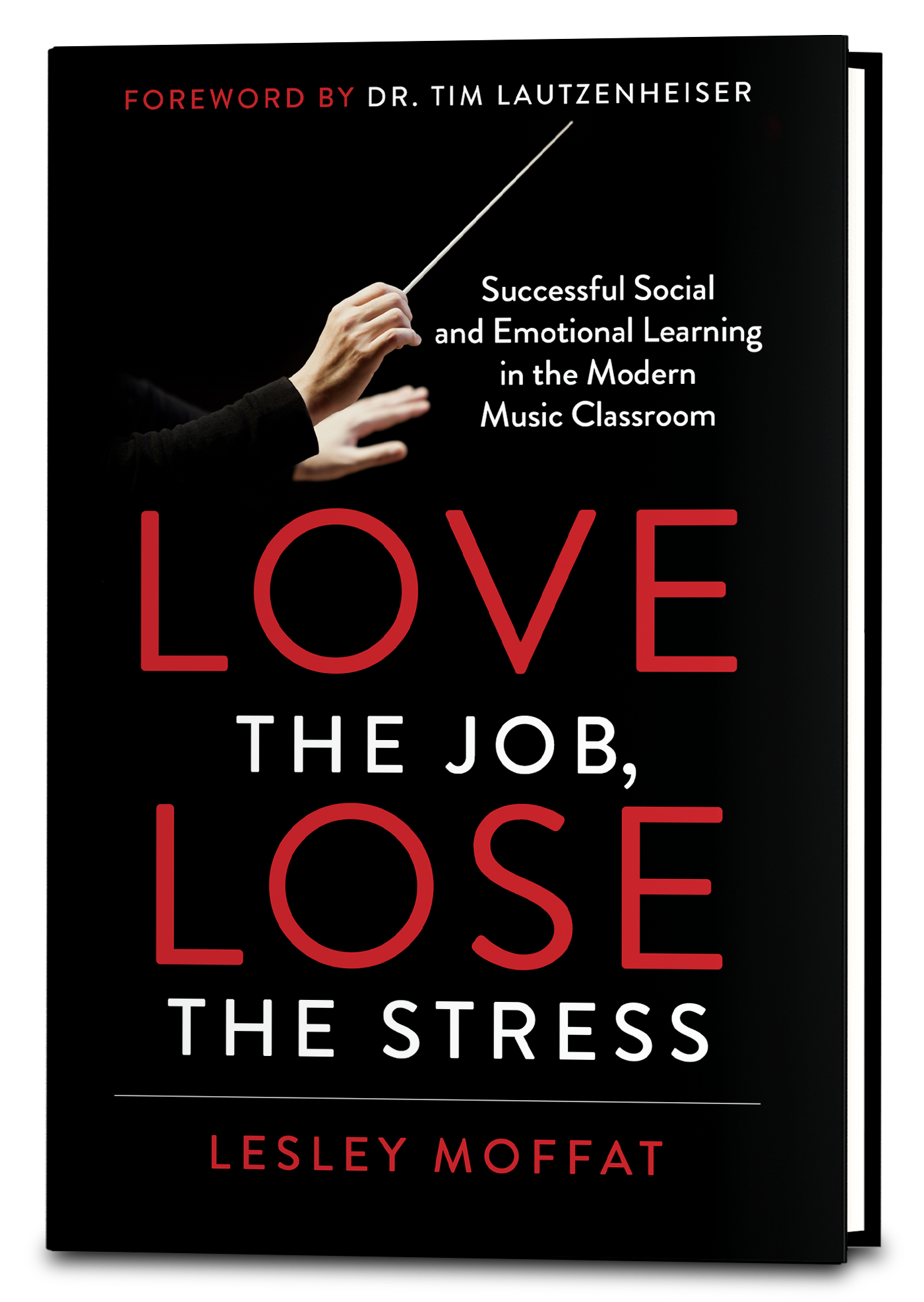
Someone who has recently become inspirational to me is the wonderfully uplifting Lesley Moffat, probably an expert on the search for “mindfulness” in personal life and even during her band warmups. In my opinion, her transformative stories provide the blueprint for happiness and wellbeing! She now has two published books (you need to read both) – I Love My Job But It’s Killing Me, and Love the Job, Lose the Stress, and if you are still teaching music full-time, you need to peruse her website: https://mpowerededucator.com/. For a good laugh, view her recent “rap” – Moffat’s HamJam for Band – for which she performed for her music students.
Apply the concepts of social and emotional learning (SEL), EMPATHY, and “corona kindness” to yourself and loved-ones! Seek out advice from a few of these experts: Manju Durairaj,Scott N. Edgar,Bob Morrison, and Edward Varner.
Social and emotional learning (SEL) is the process through which children and adults acquire and effectively apply the knowledge, attitudes, and skills necessary to understand and manage emotions, set and achieve positive goals, feel and show empathy for others, establish and maintain positive relationships, and make responsible decisions. The key components of SEL are self-awareness, social awareness, responsible decision-making, self-management, and relationship skills.
Renew your efforts to intentionally reach-out, connect, and engage with people, albeit virtually for now.
Focus on the things you can control.
Remind yourself about the good things in your life and your personal resilience.
Start small and change one behavior at a time.
Don’t beat yourself up when things get a little rocky
Don’t be afraid to ask for help.
Seek creative new ways to reduce your stress.
Exercise, meditate, go outside, and plan better meals.
Share your experiences with family and friends.
Implement one or two S.M.A.R.T. goals and embrace the “spirit” of self-improvement.
It’s easy to become an idealist when the new year rolls around, but it’s important to remember that New Year’s resolutions are ultimately a tool to help you grow into the person you want to be. Take some time this New Year’s Eve to really consider who you want to be in the future, and then employ S.M.A.R.T. goals to help you fulfill your vision. Making a resolution to live your life with purpose and passion is a beautiful and exciting thing, not something to dread.
iStock.com photos (in order): “2021” #1280953227 by phototechno, “SMART Goals” #1134658098 by BrianAJackson, “New Years Goals List 2021” #1266648329 by Olena Sakhnenko, “Half Empty to Half Full” #1128990168 by Fokusiert, “Lead by Example” #849367144 by Michail_Petrov-96, and “2021 Happy New Year” #1273431483 by Weedezign
Reflect on the people for whom you are thankful to know.
Think about the things for which you are thankful to have.
Stop all the backstabbing, badmouthing, belly-aching, and bickering!
The glass is half-full… the sun will come up tomorrow… the future is great!
No complaining… or blaming!
Make Thanksgiving a “no-rant” day!
Just today, forget about your fears, troubles, or problems.
Focus on the positive: Why are YOU so blessed?
We gather on this day to be thankful for what we have, the family we love, the friends we cherish, and the blessings that will come.
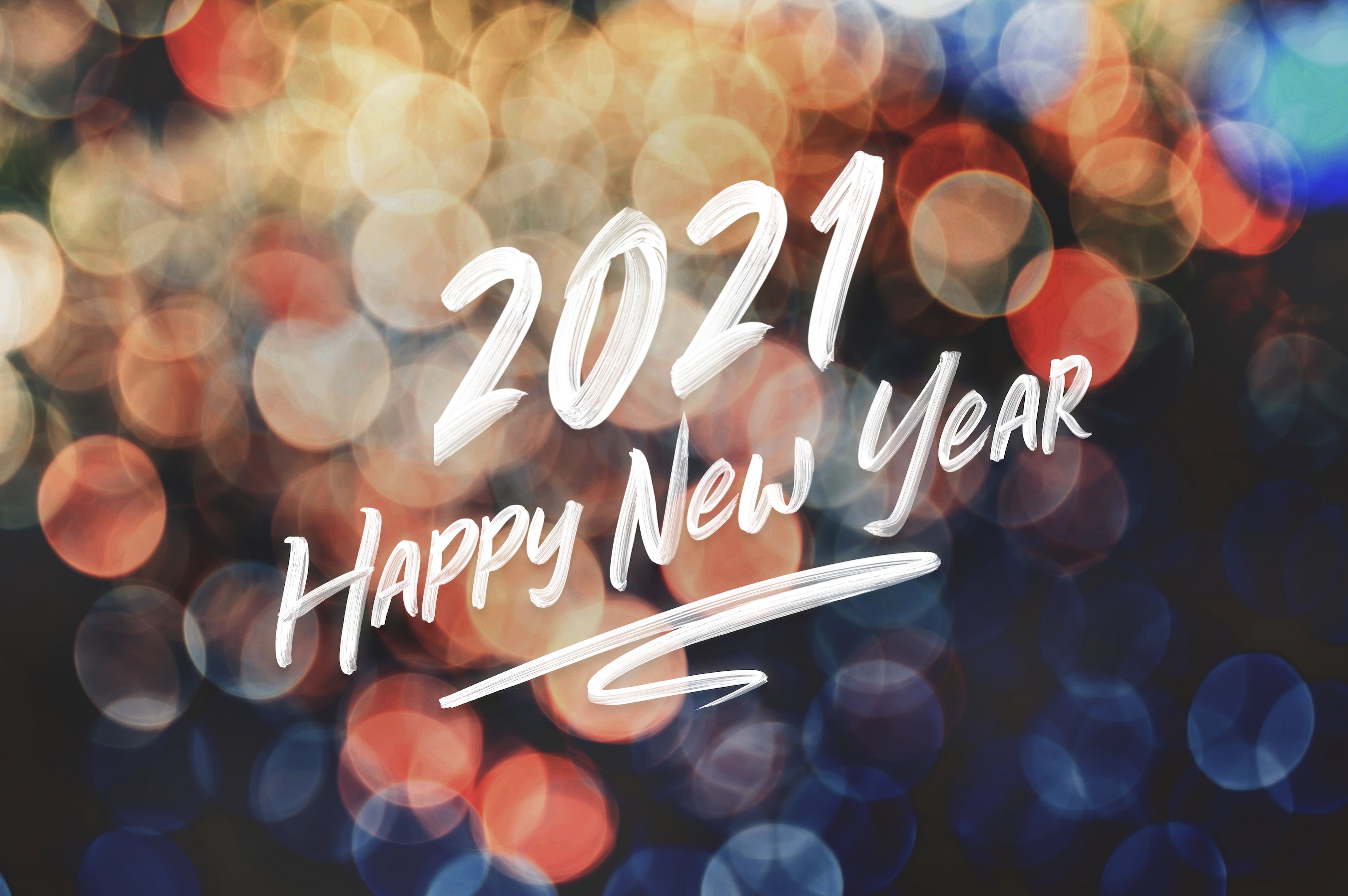
Soon we will all depart from the challenging year of 2020! Hurray!
Have trust…
Faith…
Hope!
From my family to yours – best wishes for the attainment of all of the essential “R’s” during the coming winter break – a refreshing, restful, reawakening, reviewing, recreating, reviving, rejuvenating, replenishing, and re-invigorating New Year!
Gregory S. Perkins and Angela M. Guerriero, licensed Music Therapists from the Tempo! Music Therapy Services, provided much more detailed definitions of self-care in a session at the PMEA 2020 Virtual Summer Conference. (PMEA members may continue to register and view a video of this workshop until mid-September 2020.) You should know and be on the lookout for these terms:
The United Nations defines self-care as the actions that individuals take in order to develop, protect, maintain, and improve their own health and well being. Self-care involves a personal investment in maintaining physical, psychological and spiritual health, and pursuing a fulfilling, well-rounded life.
The Mayo Clinic offers numerous symptoms of “burnout.” How many of these have you “felt” too or noticed in someone else’s demeanor or behavior?
Disillusionment over the job
Cynicism at work
Impatience with co-workers, administrators, and students
Lack of satisfaction in accomplishments
Dragging yourself to work and trouble getting started once you’re there
Lack of energy
Unexplained aches/pains
Self-medicating with food, drugs, or alcohol
Changes in sleep/eating patterns
Education Week adds many more danger signs. Are any of these striking close to home?
Exhaustion. This is a fatigue so deep that there’s no way to “turn it off,” no matter how badly you want to. It’s deep in your bones. The kind of tired where you just want to ooze into your bed and disconnect from life.
Extreme graveness. Realizing you go hours without smiling or laughing, or days without a belly laugh.
Anxiety. The constant, nagging feeling that you can and should do more, while simultaneously realizing you need to unplug and spend more time with your family. But there are so many things to do.
Being overwhelmed. Questioning how they can possibly add one more task, expectation, or mandate to your plate. Compromising your values of excellence just so you can check-off 15 more boxes to stay in compliance. All the while knowing it still won’t be enough.
Seeking. Losing your creativity, imagination, patience, and enthusiasm for daily challenges. Craving reflection time and productive collaboration rather than group complaining.
Isolation. Wanting to head for the deepest, darkest cave where no one will see your vulnerability. A place where your limits are unseen and unquestioned and all is quiet.
What about the causes of burnout or brownout? Where should we place the blame?
According to Paul Murphy in his book, Exhausted – Why Teachers Are So Tired and What They Can Do About It, the stress of a few problems may stand out as leading culprits at your place of employment:
Lack of autonomy
Dysfunctional work environment
Inadequate social support
Extremes of activity
Poor work/life balance
But, you have no one else but yourself to blame! You must take responsibility for your own health and welfare. Most of the sources in this blog-post (including a few mentioned in past articles from this “care” category) suggest solutions to better self-care, many of which offer answers to address the issue and CAN BE DONE RIGHT NOW.
Here are a few more self-care tips from PsychCentral:
Create a “no” list, with things you know you don’t like or you no longer want to do. Examples might include: Not checking emails at night, not attending gatherings you don’t like, not answering your phone during lunch/dinner.
Promote a nutritious, healthy diet.
Get enough sleep. Adults usually need 7-8 hours of sleep each night.
Exercise. In contrast to what many people think, exercise is as good for our emotional health as it is for our physical health. It increases serotonin levels, leading to improved mood and energy. In line with the self-care conditions, what’s important is that you choose a form of exercise that you like!
Follow-up with medical care. It is not unusual to put off checkups or visits to the doctor.
Use relaxation exercises and/or practice meditation. You can do these exercises at any time of the day.
Spend enough time with your loved ones.
Do at least one relaxing activity every day, whether it’s taking a walk or spending 30 minutes unwinding.
Do at least one pleasurable activity every day; from going to the cinema, to cooking or meeting with friends.
Edutopia, from the George Lucas Educational Foundation, is a wonderful resource. Most recently, three valuable “streams” of articles have been released on coping with the preparations and stress in the reopening of schools for the 2020-2021 year:
I also recommend this blog-post of the Regional Education Laboratory Program which describes “teacher well being” as “the reaction to the individual and collective physical, environmental, and social events that shape how educators respond to their students and colleagues.” They discuss how three prominent human behavior frameworks— Maslow’s Hierarchy of Needs, the Five Stages of Grief and Loss, and the Concerns-Based Adoption Model (CBAM)— can be used to address the challenges that teachers face when adapting to change and identify approaches to support teacher well being.
In addition, the following perspectives come from a variety of self-proclaimed practitioners:
“One of Leonardo da Vinci’s seven essential elements of genius is known as Sfumato, Italian for ‘smoked,’ or ‘going up in smoke.’ This principle is the ability to embrace uncertainty, the unknown, and the unknowable. In my interpretation, it’s also an ability to ‘let go’ of everything that’s left undone when you know you’ve done your best. Embrace Sfumato.” — Wendy Pillars
“Self-care needs to be something you actively plan, rather than something that just happens. It is an active choice and you must treat it as such.” — Raphailia Michael
“Remember that example about putting on your own oxygen mask before helping others? This is where that analogy really comes in to play. It’s time for you to take a good hard look at your self-care versus your care for others and decide if you are in a place where you have a good balance or if you need to make this a priority… Why is self-care… such a critical component of your physical and mental health? Because in order for you to function at your peak, you need to meet the needs your body and mind have for rejuvenation, relaxation, and rebirth. If you are constantly putting out efforts toward other people and events but never taking time to refuel yourself, then you will run out of steam and it will manifest in your body as an illness, weight gain, acne, joint pain – you know the drill – again.” — Lesley Moffat in I Love My Job But It’s Killing Me
“It’s estimated that teachers make about 1,500 decisions every school day. When you combine those decisions with all the necessary self-regulation involved with teaching kids, it’s no wonder our willpower is gone by five o’clock. We are exhausted.” — Paul Murphy
The term “unprecedented times” has become a hallmark for describing the context in which leaders must respond to changing needs during the COVID-19 pandemic. Effective responses in education are dependent upon teachers as the front-line workers in classrooms, so it’s essential that administrators take care of teachers. When they do so, they also take care of students.
When teachers don’t have the resources they need, and especially when sustained job demands are high, teachers experience chronic stress — and eventually burnout.
Teachers who are burned out are less effective as teachers, have less supportive relationships with students and, in turn, the students they teach have lower academic and social outcomes.
We should all read the above blog-post from The Conversation, which offers these conclusions based on a national Canadian education survey conducted in May 2020:
Teachers’ concern for vulnerable students is one of the most stressful aspects of their jobs right now.
Teachers are seeing magnified inequities.
When giving teachers initial resources, less is more.
Perceived support matters to teachers’ resiliency.
Teachers are concerned about effectively engaging students through remote learning, and professional collaboration can help.
Finally, we’ll end this epistle on “things to do to avoid burnout” with a timely and practical article from Carlee Adams found on the We Are Teachers site: 15 Smart Ways to Prevent Teacher Burnout That Really Work. Repeating many of the suggestions above, these “find these” remedies resonated with me:
“Find someone you can be vulnerable with…”
“When you feel hopeless, find perspective…”
“Find your own voice and allow it to change over time…”
“Find your people; they get you!”
The bottom line? If you “feel” consistent periods of burnout,brownout, or being bummed out in your career as negative influences to your “calling” as a teacher, you cannot sit back and let things continue “as is!” Most professionals cannot self-diagnose this problem (but, perhaps a family member may clue you in!). If you notice that you are continually having trouble sleeping, difficulty with relationships or communicating your thoughts to others, or find yourself feeling significantly depressed or lethargic, it may be time to visit your health care professional.
Did you know there really exists a National Sleep Foundation? Now that we are retired from full-time music teaching and the day-to-day stress of managing classes and a busy music program, do you think we need it? Can’t we sit back and enjoy “living the life of Riley” without experiencing any work-related tension or fears for the future?
Maybe not! What is that old Chinese proverb? “The gem cannot be polished without friction, nor man perfected without trials.” After all, as humans, we all seek new and unique challenges to grow (and that brings on stress), and sleep is a complicated issue!
But, no worries! Several someones have “our back” (or should I say “our pillow!”). Here is a collection of insightful resources on promoting better sleep habits and relaxation techniques from a variety of research-based and/or medical authorities.
I didn’t set an alarm for four months. I quickly learned that one of my favorite times of the day was 30 minutes after I first woke up. For the first time in decades, there wasn’t a rush to get out of bed. I’d let myself fade in and out of sleep several times, savoring the fact that I could let myself fall back into the hazy sleep rather – into the shower to wake myself for the morning drive. I’d gotten up at 5:30 AM for years the found that about 7:15 AM was a natural time for my body to wake up. The dogs seem to enjoy this new routine as well. We have four dogs, all of whom compete for space on the bed. Which ever one happen to be near my hand would nozzle under my fingers when they felt me start to wake up, being content to enjoy our laziness together as a new way to start our new days.
The perks of retirement are many, including the “freedom” to do new things and spend more time with family and friends as well as on travel, personal music-making, hobbies, babysitting loved-ones (or care-giving our elderly relatives), volunteering, and other projects or pursuits of “self-reinvention” suggested by “retiree gurus” like Dave Hughes,Robin Ryan,Kenneth Schultz,Hyrum Smith, and Ernie Zelinski.
Another benefit of post-employment? MORE sleep! According to Sleep.org, “people sleep approximately 20 minutes longer at night after retirement. Those who skimped on sleep the most during their working years see the biggest gains, increasing their nightly sessions by around 45 minutes compared to pre-retirement.”
as well as mattress reviews and life style choices that may affect our sleep.
The “serious stuff” for serious sleep issues
Experts do believe that “normal aging” brings on some changes to sleep… Basically, older adults tend to get sleepy earlier in the evening, and tend to sleep less deeply than when they were younger.
So it’s probably not realistic to expect that as you get older, you’ll sleep as long or as soundly as when you were younger.
That said, although aging by itself does change sleep, it’s also quite common for older adults to develop health problems that can cause sleep disturbances. So when your older relatives say they aren’t sleeping well, you’ll want to help them check for these. Figuring out what’s going on is always the first step in being able to improve things.
— Better Health While Aging blogs by Dr. Leslie Kernisan here and here
Dr. Kernisan advises us against using sleeping pills or other sedatives. She prefers the following remedies which have shown great promise, backed up by published research:
Avoid caffeine, alcohol, nicotine, and other chemicals that interfere with sleep.
Turn your bedroom into a sleep-inducing environment.
Establish a soothing pre-sleep routine.
Go to sleep when you are truly tired.
Don’t be a night-time clock-watcher.
Use light to your advantage.
Keep your internal clock set with a consistent sleep schedule.
Nap early, or not at all.
Lighten up on evening meals.
Balance fluid intake.
Exercise early.
Follow-through.
Another “sleep checklist” worth a quick examination is available from WebMD.
Should we take cat naps? The jury is out.
At first glance, the National Sleep Foundation basically says NO! Napping during the day may “throw your body clock off and keep you awake at night.”
However, the truth may be more about how long to doze off during the daylight hours…
You may think that taking a catnap will make you feel more tired than skipping it altogether, but that’s not necessarily true.
The key to waking up refreshed from a nap is all about timing. Just 20 minutes is all you need to get the benefits of napping, such as improved alertness, enhanced performance, and a better mood. Naps of that length keep you in the lightest stage of non-REM sleep, making it easier for you to get up and go after your snooze session. Be sure to set an alarm so you don’t snooze for too long and wake up all groggy.
Nap for 30 to 60 minutes and you’ll hit the deeper stages of sleep, where your brain waves slow down, making you feel groggy (as if you have a sleep hangover) when you wake up…
It might not be worth it to nap at all if you’re going to nap for this amount of time because you’ll likely come out of your shuteye feeling less alert than before.
The benefits and drawbacks of napping are further examined by the Mayo Clinic and even TIME magazine.
Can too much sleep be bad for you?
According to new research carried out by Online Opinions, over-60s need to make sure that they are not in fact getting too much sleep once they are retired, as this can actually have an adverse effect on health.
According to the National Sleep Federation, the optimum amount of sleep for adults aged up to 64 to get each night is between seven and nine hours, while for over-64s, between eight and nine hours is deemed to be best.
You need to remember that your body isn’t as young as it once was and needs a decent amount of rest, but not too much, but the organization warns that more than ten hours’ sleep a night could be stopping people from using their bodies and brains as much as they need to in order to keep them active and hold on to their cognitive functions. In other words, too much sleep could carry a small extra risk of dementia development.
But there’s no need to worry too much; as long as you get plenty of exercise, keep your brain ticking, and lead a healthy lifestyle during the hours that you’re awake, there shouldn’t be too much cause for concern.
WebMD warns that oversleeping has been linked to a host of medical problems, including diabetes, heart disease, depression, and increased risk of death.” The article “Physical Side Effects of Oversleeping” delineates the causes and effects of too much sleep, and points to an online “sleep habits assessment” to help you evaluate your needs.
This research seems to be supported by several other sources:
The amount of sleep you need varies significantly over the course of your lifetime. It depends on your age and activity level as well as your general health and lifestyle habits. For instance, during periods of stress or illness, you may feel an increased need for sleep. But although sleep needs differ over time and from person to person, experts typically recommend that adults should sleep between 7 and 9 hours each night.
From the author of one of my favorite “teacher self-care books,” I Love My Job But It’s Killing Me by Lesley Moffat, I personally recommend trying the “M-Power Method” of mindfulness practice during meals, movement, music, and what Lesley describes as the “5 S’s of clearing,” cited by the website dailyom.com:
Slowing Down
Simplifying
Sensing
Surrendering
Self-care
Jason Ong, a sleep psychologist at the Rush University Medical Center, offers these reminders of “Seven Tips for Falling Asleep” based on mindful practices of health and wellness (visit his site here to study these more in depth):
Beginner’s mind
Non-striving
Letting go
Non-judging
Acceptance
Trust
Patience
Finally, if you want to immerse yourself in a comprehensive “mindfulness journey,” visit the blogs of Cindy’s Mindful Retirement to peruse “Mindfulness After Sixty: 21 Practices.”
Can you “trick” your brain into going to sleep?
One last interesting resource I stumbled on… how to “drum yourself to sleep” if you are having difficulty in calming the thoughts swirling around in your mind at night. This technique intrigued me enough to include it as one of the digital SHJO.clips for my community orchestra musicians sent out as a remote learning opportunity:
CLIP #22C: View and try the techniques in this YouTube “How to Trick Your Brain into Falling Asleep” by Jim Donovan (TEDtalk) using a simple 2 to 3-minute rhythm tapping and breathing “cool-down.”
Now, although anticipated, I am not necessarily looking forward to website comments or emailed responses from mattress and sleep accessory manufacturers, sending me their advertisements, recommendations, and industry reviews. Regardless, one thing is true: “What you sleep on has a major effect on achieving a quality rest!” I can confirm this fact “living it” with a recent replacement upgrade to our master bedroom. If you are in this situation, you need to take ample time to explore all of your options in any new purchase of beds, adjustable or nonadjustable bases, mattresses, bedding, and pillows. Essential in education; here, too: you need to personalize and customize everything to meet your needs!
Just to stave off a few of these companies, here are a few websites to visit if you are in the market to buy a new bed, mattress, pillow, or other bedding:
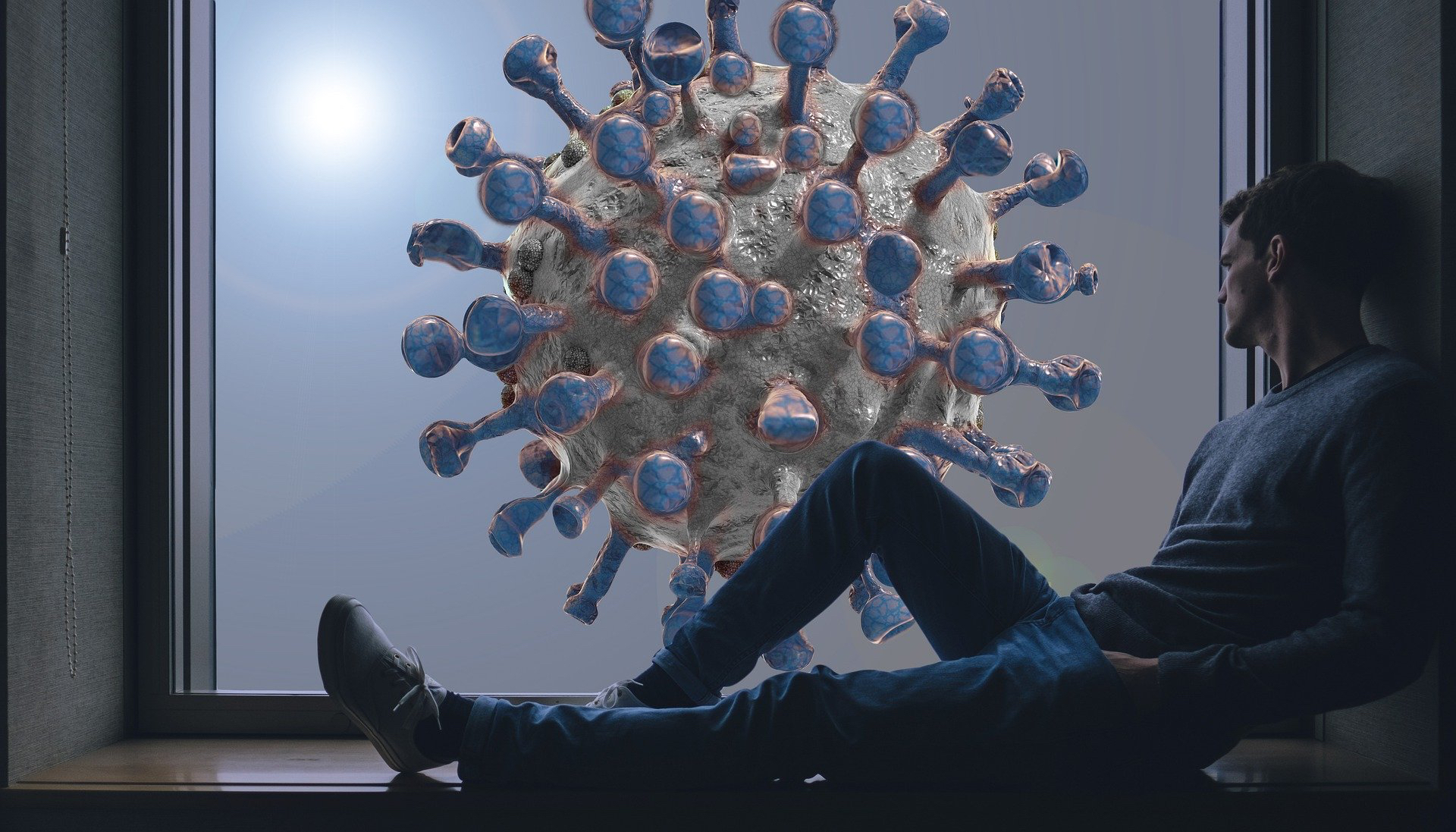
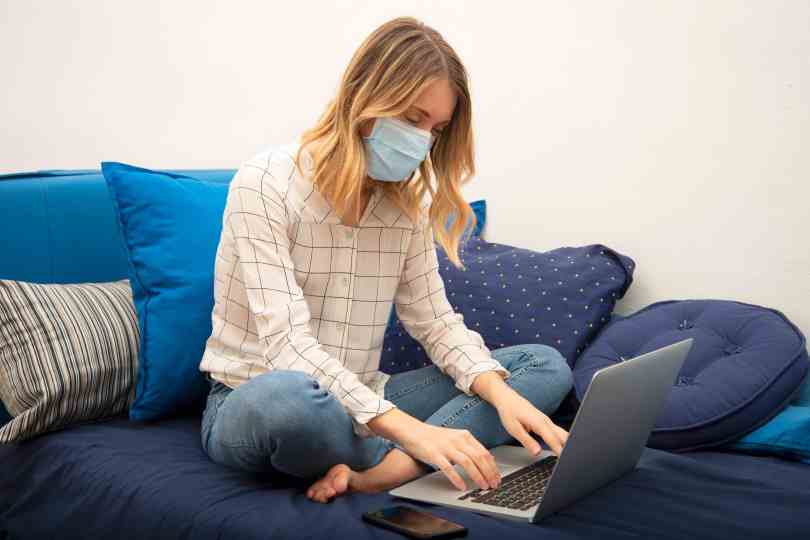
The corona-virus crisis has created a new stay-at-home environment for all of us. With the exception of healthcare appointments, grocery pick-ups, and mail deliveries (as well as a few other essential services), we have been banished to indoors for the most part, allowing only an occasional excursion to go get take-out or walk the dogs.
And, many of us feel a bit claustrophobic and worried about the future!
Do not underestimate the cognitive and emotional load that this pandemic brings, or the impact it will have on your productivity, at least in the short term. Difficulty concentrating, low motivation and a state of distraction are to be expected. Adaptation will take time. Go easy on yourself. As we settle into this new rhythm of remote work and isolation, we need to be realistic in the goals we set, both for ourselves and others in our charge.
The purpose of this blog is to reflect on the measures we can bolster our sense of well being, stimulate new directions of personal growth, and endure the unpredictable “ups and downs” of this period of mandatory confinement.
Self-Care and COVID-19
According to mental health providers and experts in wellness such as Geisinger Health, it is important to your overall health to make time for personal self-care.
From watching the news every hour to scrolling social media a little too much, it’s easy to get lost in the noise of what’s going on around us.
And you’re not alone in this.
If you’ve found yourself in an extended state of self-quarantine, there are some simple steps you can take to protect your mental health, in addition to your physical health.
Geisinger recommends these practices of self-care during a quarantine:
Make time to unwind.
Exercise to promote good health.
Be mindful to support your immune system.
Take breaks from the news.
Remind yourself why you are in isolation.
Here are a few more websites that might help if you are feeling depressed, confused, or just not coping well with all the “corona chaos…” (like us all):
If truth be told, as a writer and a musician, I personally don’t mind having all of this extra time to focus on creative self-expression.
Think about it…
What have you always wanted to explore… play… sing… compose… record… conduct… create?
When will you finish your own “Mr. Holland’s Opus,” prepare the parts, and eventually have it taught, performed, and/or recorded?
When are you going to publish your next song, article, book, warm-ups, instrumental method, essays on pedagogy, musical, drumline feature or halftime show… or write your personal memoirs?
Well, what’s stopping you from devoting yourself to it RIGHT NOW?
As retired music teachers, we have an advantage… avoiding most of the stress that our still-employed colleagues are experiencing, suddenly having to “catch-up” with the technology, search for online music learning tools and lessons for their classes, and facing even more mostly unanswered challenges:
How can I care for my music students and the school program from home?
What essential learning can/should I offer during the school/activity closures?
How can I rehearse my music ensembles?
How can we provide meaningful feedback? Should we assess their work?
How do I motivate my students to continue their practice or music enrichment?
How will I find the mental, emotional, and physical stamina to serve my students during this lock-down without becoming overwhelmed?
Costs and Risks Associated with All of This “Social Distancing”
Yes, we have ways to stay in touch electronically via text, email, videoconferencing, and social media, but it is not the same. In fact, many studies indicate that the more time we spend on social media, the less happy, less empathetic, and more envious we are.
The very act of meeting face-to-face, making eye-contact, and physically touching nourishes us but also exposes us to the coronavirus. We all know of the infant mortality research that shows babies deprived of physical touch experience development limitations. It is no different for adults. The Atlantic quotes Tiffany Field, the founder of the Touch Research Institute at the University of Miami, in describing the power of physical touch:
“…any pressure or movement on the skin helps increase the activity of the Vagus nerve, which connects to every major organ in the human body. Touch from another human slows down the heart. It goes to the GI tract and helps digestion. It helps our emotional expressions—our facial expressions and our vocal expressions. It enhances serotonin, the natural antidepressant in our system. That vagal activity can also lower a body’s levels of the stress hormone cortisol; cortisol is known to harm the ‘natural killer cells’ that can fight viral, bacterial, and cancer cells.”
Field concludes that as people are now especially stressed over the consequence of the virus, they have even greater need of these valuable effects of touch, now that they are afraid to hug or shake hands as usual.
Indeed, what I do miss most is the human interaction… the ability to share two-way verbal and musical communication in an ensemble. I long for sharing music with the players in my community orchestra – the South Hills Junior Orchestra – who before the outbreak, rehearsed every Saturday for two hours at my former employment placement, the Upper St. Clair High School. I have to settle for sending them more of my “how-to” music articles (Fox’s Firesides) and basically low-tech “distance learning opportunities” discussed in my last blog here.
Go-To-Meeting, Google Hangouts/Meeting, or Zoom.com
Zoom is not a great vehicle for a “free and easy” exchange of ideas or being able to “monitor and adjust” the learning of a group of students. We use it, and other choices like Go-To-Meeting and Google Hangouts, because we have to use them. It’s better than nothing. It’s important to at least “check in” with the members of your community, church, or school band, orchestra, or choral ensemble, and give them a chance to talk to one another, if only by allowing the use of the chat feature or unmuting all of their mikes at once. (But, get ready for a loud cacophony of sound!)
Zoom is offering a package that is free as long as you stay under 40 minutes for your virtual meetings of more than two people. The sound (delayed and designed for voice not music) is not great, and you will need to do a quick study of how to adjust the technology to fit your needs. Several websites offer some advice on adaptations for music educators:
If you are thinking about holding online private music lessons, take a look at my string colleague Susanna Sonnenberg’s article.
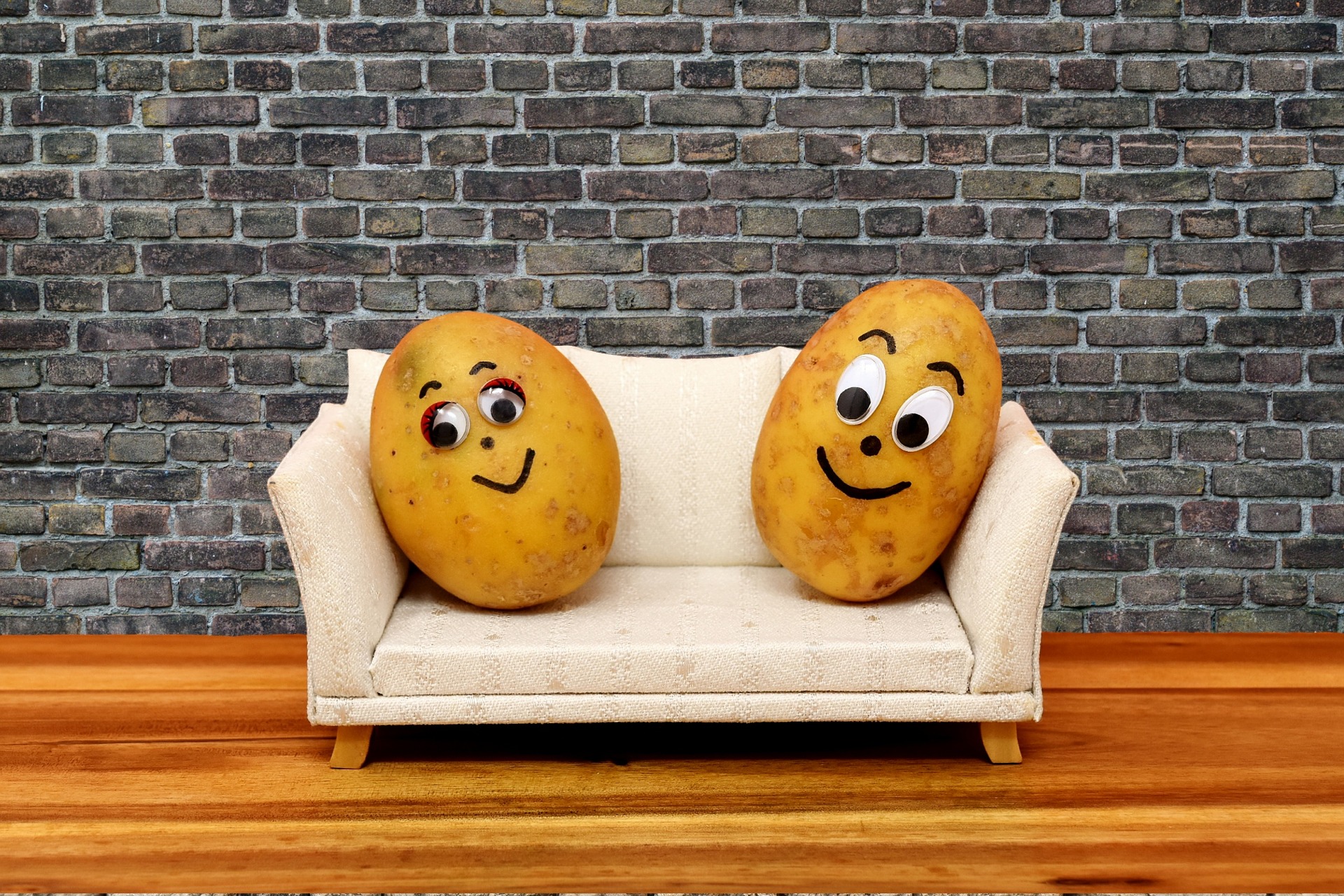
Don’t Become a “Couch Potato!” Get Active and Stay Active!
What we don’t want to do during this emergency is to spend most of our time watching television. Besides being totally unhealthy, sitting in your easy chair like a lump and watching hours upon hours of generally, in my opinion, totally uninspiring programming, will drain the gray matter from your brain. I don’t know if I could stand watching another PBS broadcast rerun, National Geographic episode, or “Nature” program.
The bottom line: being solitary is not being alone. And even if you are left alone at a given moment, you should not be bored!
“Boredom isn’t good or bad,” said John Eastwood, who runs the Boredom Lab at York University in Canada and is co-author of Out of My Skull, a forthcoming book on boredom. “It’s what we do with that signal.”
That’s a confusing moment, especially amid the pandemic, with news outlets and social media publishing endless lists of things to do with all the newfound time, from the juiciest TV to downloading hours of podcasts — a digital bounty that Newton, thankfully, didn’t encounter.
“When you don’t have a lot going on, you might say, ‘Wow, I’m going to binge watch Netflix. This is perfect,’ ” Eastwood said. “That will get rid of the feeling in the short term. But treating yourself like an empty vessel to fill with a compelling experience makes you more ripe for boredom down the road.”
Why?
“Because what you’ve done,” Eastwood said, “is you’ve failed to become the author of your own life.”
So, here are my ten things-to-do when stranded at home during any period of forced inactivity or voluntary self-quarantine:
Use Skype, FaceTime, Zoom, etc. to “call” several loved ones, friends, coworkers, or neighbors in your life, and “check in” with them to see how they’re doing. They would appreciate hearing from you!
Feeling lonely or a little down yourself? Reach out to someone. Studies show that when we connect with someone, we release the hormone oxytocin, a chemical that can actually help repair your heart. Simply talking about our problems and sharing our emotions (positive and negative) with someone you trust can be profoundly healing—reducing stress, strengthening our immune system, and reducing physical and emotional distress.
Practice.No matter your choice of instrumental or vocal self-direction, or exposure to the self-exploration of other art forms like painting, drawing, sculpture, sewing, woodworking, photography, or writing, now is the perfect time to develop greater levels of personal artistry, proficiency, and self-confidence… even to establish new goals/pursuits. I have found that mornings work best for me with anything that requires creativity. (Brainstorming for this blog occurred at 8:20 AM one morning, after sleeping in a little, watching the news, and having my breakfast and coffee).
Go outdoors and exercise. Get your body moving… a little every day! If you are lucky to have a furry pet or two, venture into the neighborhood with them… of course, maintaining “safe social distancing” (even the dogs have to stay 6 feet apart from the two-legged mammals) and adhere to the essential rules of pet walking etiquette and citizenship (mentioned here).
Return to those “old fashioned” leisure activities: listen to your favorite music or read a book. Revisit something from that Hornblower (C. S. Forester) or Tom Clancy series (my frequent “gems”). When I needed a break in college (100+ years ago?), I took the afternoon off, ordered myself a medium pizza (yes – I ate it all!), and then walked to the Oakland branch of Carnegie Library to sit in those wonderfully comfortable high-back leather chairs and pull out one of my “old friends” to read.
Puzzle doing or making can be a relaxing pastime. Some people like to create them (I drew mazes when I was in grade school), while others try to solve them. My wife can sit for hours completing crossword puzzles or assembling the pieces of a virtual jigsaw puzzle on her iPad. If you like making word games, look at websites like http://puzzlemaker.discoveryeducation.com/ or https://www.puzzle-maker.com.
If you are in a “tidy mood,” now would be a great time to reorganize,de-clutter, or sort through your closets, cupboards, or drawers. Put aside unused or unneeded clothing for Goodwill or the Salvation Army. Have you indexed your record/CD/DVD collection? One year I alphabetized (by author) and reordered the entire collection of sea books on the shelves in my library (100’s of fiction and nonfiction editions). Do librarians or data base managers get bored easily?
If you are lucky enough to be a pensioner and can rely on a somewhat safe monthly income coming in, you might be surprised that this might be a good opportunity to save money.My wife and I have suddenly stopped going out to our favorite restaurants, which was our usual practice 3-5 times a week. Cooking and eating at home, although raising our grocery budget, has brought down our overall food expenses. Put away a little green every month while eating those healthy greens! And, if you can tolerate the stock market doing it’s “roller coaster ride,” consider planning a few new long-term investments if/when you decide the prices are low or discounted enough during the economic crisis.
Finally, schedule a virtual field trip. During our careers and now retirement, my wife and I were never much into traveling around the country or the world. Professional responsibilities (string camp, music workshops, youth orchestra tours, and the extended marching band season) usually precluded taking cruises or long vacations. There are a lot of places on the planet to which we have not journeyed. One thing a lot of people have discovered during these shelter-in-place restrictions is the amazing number of FREE online resources that transport us to museums, galleries, architecture “wonders of the world,” online films of Met operas and Broadway musicals, etc. Plan to take a handful of these wonderful “Internet trips.” (Special thanks for the advance “legwork” of many of these destinations done by Andrea Romano at https://www.travelandleisure.com/attractions/museums-galleries/museums-with-virtual-tours).
More Remedies for Reducing Teacher Stress & Burnout
Welcome back to our series on music teacher (and other professionals) self-care.
First, as presented in this insightful article by Chris Mumford, we confirm the notion that “stress is inevitable,” but “how you respond to it can spell the difference between a long, rewarding career or one cut short by burn-out.” Based on new research, he offers some surprising (and even counter-intuitive) techniques to better deal with it, including these “9 Stress Management Strategies Every Teacher Needs to Know.”
Breathe (properly)…When you’re experiencing intense levels of stress, breathe in deeply (put your hands on your stomach and feel it expand out), for four seconds, then exhale evenly for four seconds. Keep this up for two-three minutes for maximum effect.
Embrace the stress… Viewing your stress in constructive ways [reframing] will actually cause your body to respond to it differently and prevent long-lasting physical damage.
Be imperfect…Teachers are often prone to perfectionism and its ill effects: they often feel that they aren’t doing enough, or that their mistakes are magnified because of the importance of their job. If you find yourself feeling this way, fight back.
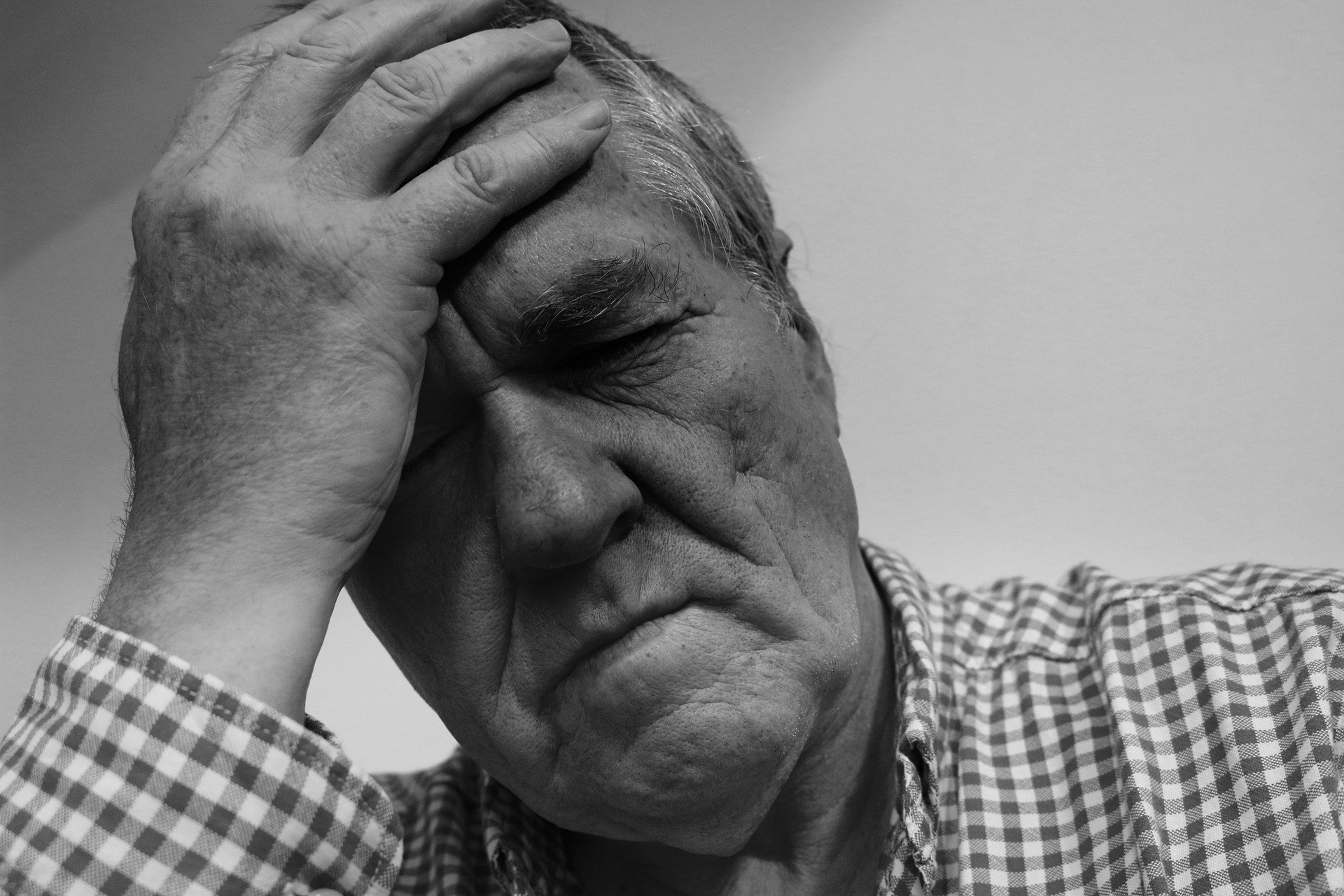
Practice emotional first aid…Do you beat yourself up when you experience failure or make a mistake? [Find] ways to break the negative patterns of thought.
Be grateful…We have to stop, quiet our minds, and create “stop signs”—little reminders of things that we should be grateful for every day.
Limit “grass is greener” thinking…You will have challenges anywhere you go.
Work smarter, not harder…Find ways to delegate some of your work, or invest in tools or technologies that will make your life easier.
Ask for help…doesn’t make you weaker, it makes you better at your job.
Make a connection…When you connect with another person, your body produces oxytocin, which is a chemical that helps repair the heart. If you help your neighbors, family, etc., you’re much less likely to experience the negative effects of stress.
Just Breathe… According to the Navy SEALS!
The calming, deep-breathing practice (#1 above) can be learned by reviewing a host of resources, including the book Maximizing Your Human Potential and Develop the Spirit by former Navy SEAL Mark Divine, as well as these websites:
Examples of two different NAVY SEALS breathing exercises advise us on how to reach a more relaxed state:
TACTICAL BREATHING (to alleviate “fight or flight” tension)
Place your right hand on your belly, pushing out with a big exhale. Then breathe in through your nostrils, slowly drawing the breath upward from your belly to your upper chest.
Pause and exhale, starting from your chest and moving downward to the air in your belly. Imagine your belly button touching your spine.
Once you’re comfortable with a full, deep breath, repeat it, this time making the exhale twice as long as the length of the inhale. For example, inhale to the count of four, pause briefly, and exhale to the count of eight. Repeat three times.
BOXED BREATHING (to help ground you, sharpen concentration, and become more alert and calm)
Expel all of the air from your lungs Keep them empty for four seconds Inhale through your nose for four seconds Hold for a four count (don’t clamp down or create pressure; be easy) Exhale for a four count Repeat for 10-20 minutes
Our own minds may be our own worst enemies. Have you read the insightful article “Sustaining the Flame – Re-Igniting the Joy in Teaching Music” by Karen Salvador in the December 2019 issue of Music Educators Journal? She offers research-supported strategies for nurturing courage, peace, and resilience as well as suggested habits of thinking and action. Samples of “cognitive distortions,” a term of which I had never heard previously defining “irrational beliefs,” is addressed by “reframing” our inner voice during specific incidents of emotional distress.
Her common examples of cognitive distortions include the following. Do any of these sound familiar?
Disqualifying (discounting) the positive events
Jumping to conclusions
Filtering (focusing entirely on the negative elements of a situation)
Double standard (placing unreasonable/unattainable expectations for ourselves)
Personalizing (or “taking something personally”)
Polarized (placing people or situations in unrealistic “either or” categories)
Additional recommendations by Nicole Stachelski for combating stress and burnout are listed in the article:
Laugh with your students
Eat your lunch (take a break or enjoy social time)
Schedule regular physical activity
Drink more water (and visit the bathroom as needed!)
Prioritize your work and set boundaries
Keep a consistent bedtime
Delegate – don’t be afraid to ask for help
Focus on what’s really important
More Ideas — Just Pick One!
Take a gander at this excellent Scholastic.com teacher blog-post by Nancy Jang summarizing “15 Ways to Reduce Teacher Stress.” Can you try at least one new strategy this week that resonates with you and your life?
Close the door during prep time.
Make a SHORT and DOABLE “Must Do” and “May Do” lists.
Delegate items to parent volunteers.
Lay out your outfit and prepare your healthy lunch the night before.
Get a full eight hours of sleep.
Don’t correct every piece of paper.
Work out!
Get up early!
Stay away from negativity.
Don’t take things home.
Plan time every week/day to enjoy something that is not remotely related to teaching.*
Learn something new.
Plan a trip.
Don’t over-commit.
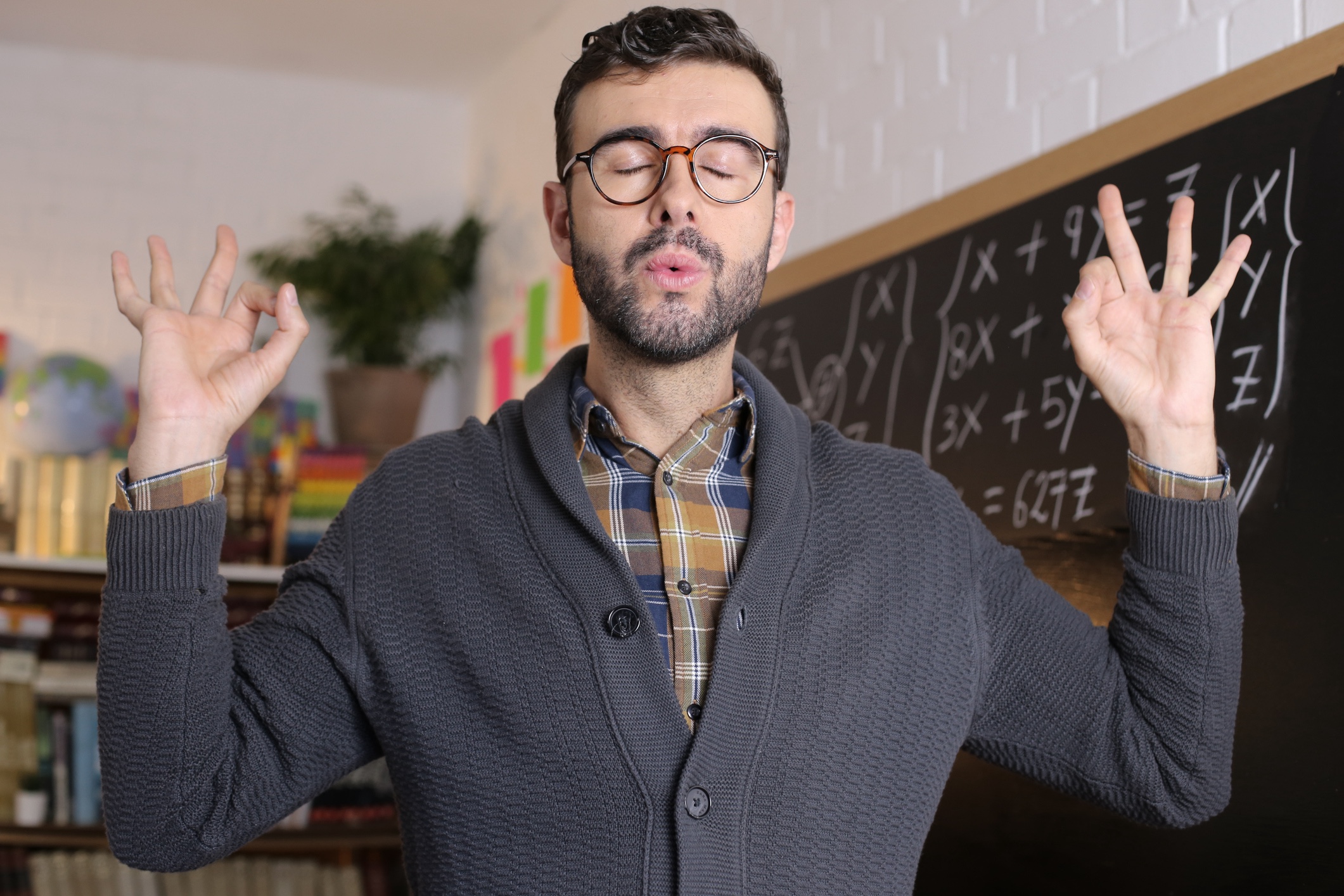
Take ten minutes a day and mediate.
*Probably one of my own worst habits was not modeling number 11 above. No matter how busy you are with your daily in-school teaching and extra-curricular music/coaching activities, the full recommendations are important to consider:
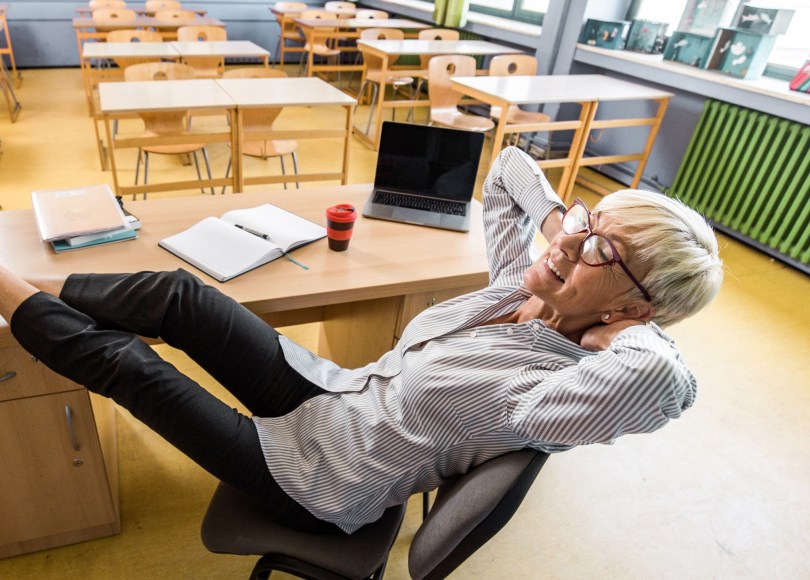
Spend time with your family and friends, travel, work on your garden, read for pleasure, take a hike. Learn how to turn off being a teacher. Balancing your time to just be YOU (not the teacher you) allows you to be renewed and have more mental energy for your students.
In almost every health and wellness article, we hear the emphasis of prioritizing and seeking a more equitable use of personal time, achieving what Ernie Zelinski, author of the best-selling book How to Retire Happy, Wild, and Free, refers to as “work/life balance.” Future blogs on samples of “super stress reducers” in “setting boundaries,” time management, and innovative organizational tools will be forthcoming.
Several books are also recommended readings for addressing the issues of teacher health and wellness. We have already reviewed several of these. More to come.
Our next journey to an in-depth look at music educator self-care will explore more fully TEACHER BURNOUT. To stay up-to-date on past and future articles, publications, and workshop presentations on this topic, be sure to revisit the “Care” section of this blog-site.

































 Welcome back to our series on music teacher (and other professionals) self-care.
 Practice emotional first aid… Do you beat yourself up when you experience failure or make a mistake? [Find] ways to break the negative patterns of thought.
 twice as long as the length of the inhale. For example, inhale to the count of four, pause briefly, and exhale to the count of eight. Repeat three times.
 Her common examples of cognitive distortions include the following. Do any of these sound familiar?
 Learn something new.
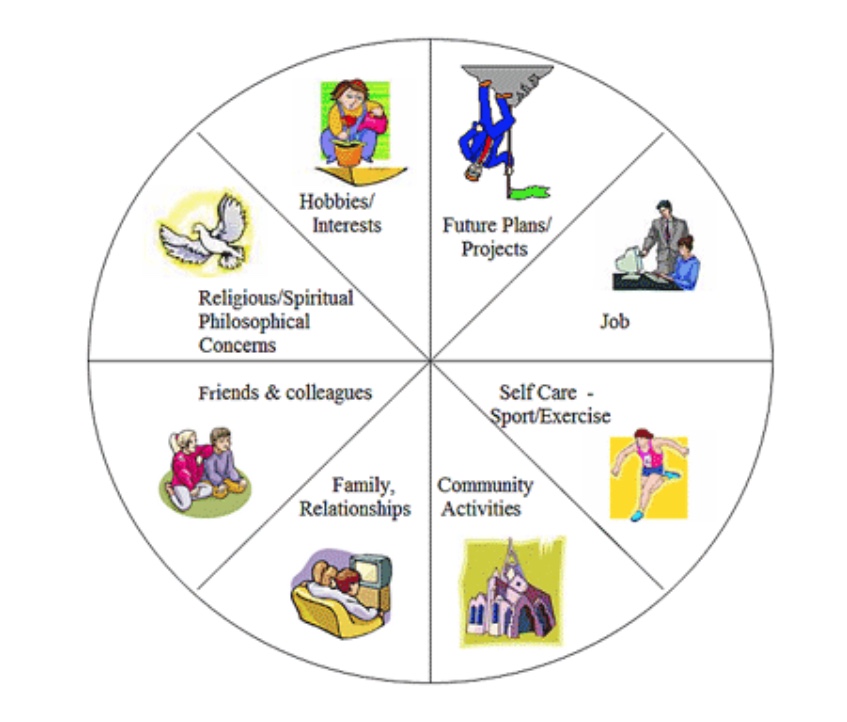 In almost every health and wellness article, we hear the emphasis of prioritizing and seeking a more equitable use of personal time, achieving what Ernie Zelinski, author of the best-selling book How to Retire Happy, Wild, and Free, refers to as “work/life balance.” Future blogs on samples of “super stress reducers” in “setting boundaries,” time management, and innovative organizational tools will be forthcoming.


 paulfox.blog
