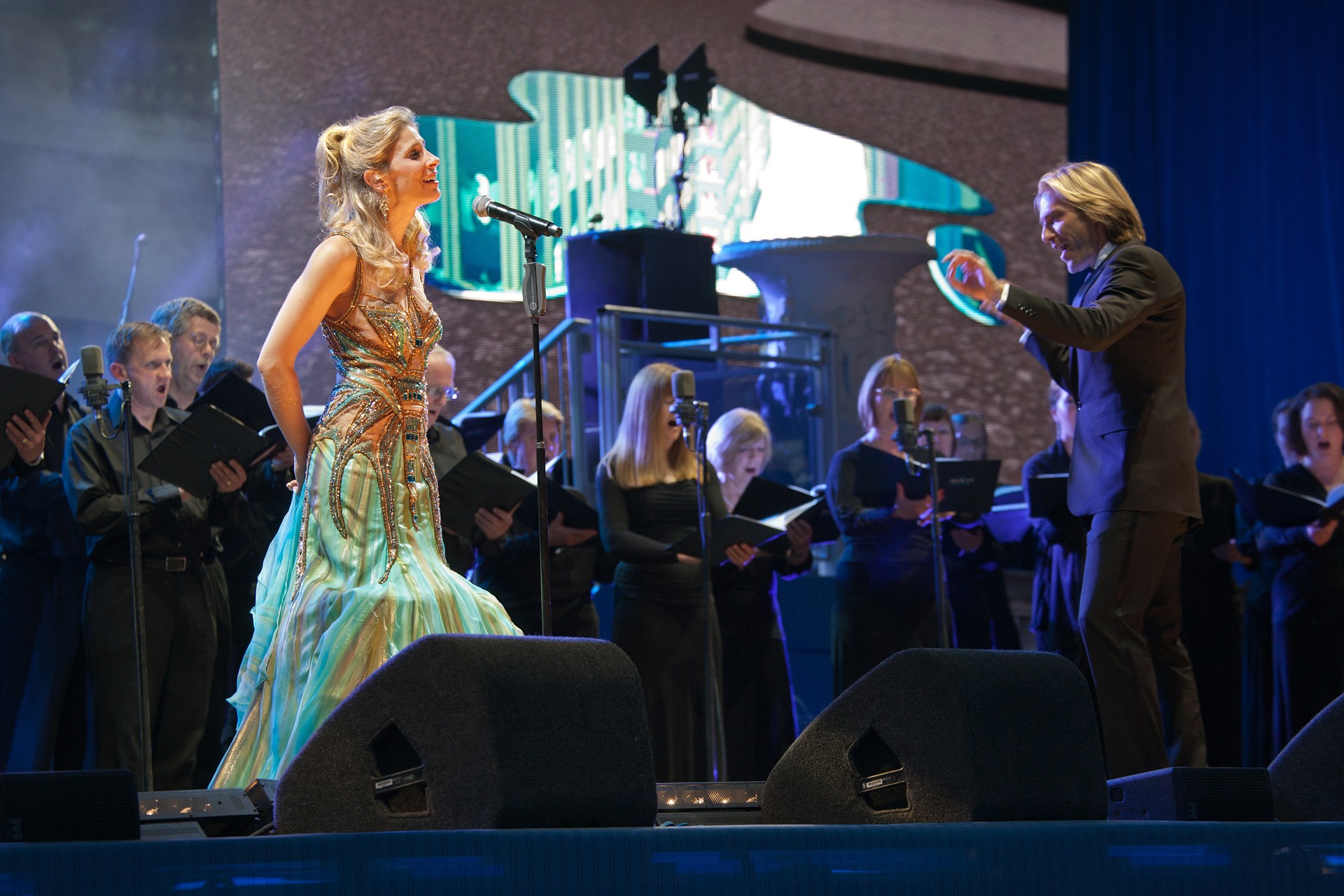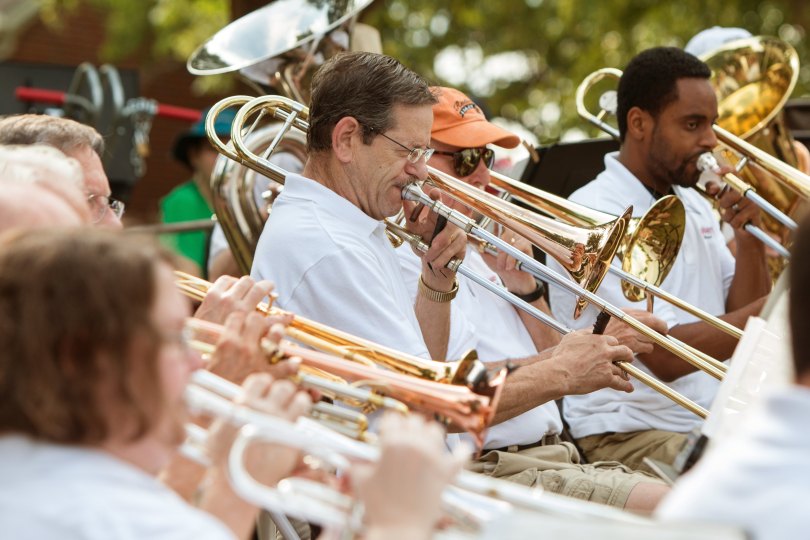
Expanded from “Recreational Music-Making,” published in the Fall 2024 UPPER ST CLAIR TODAY magazine.
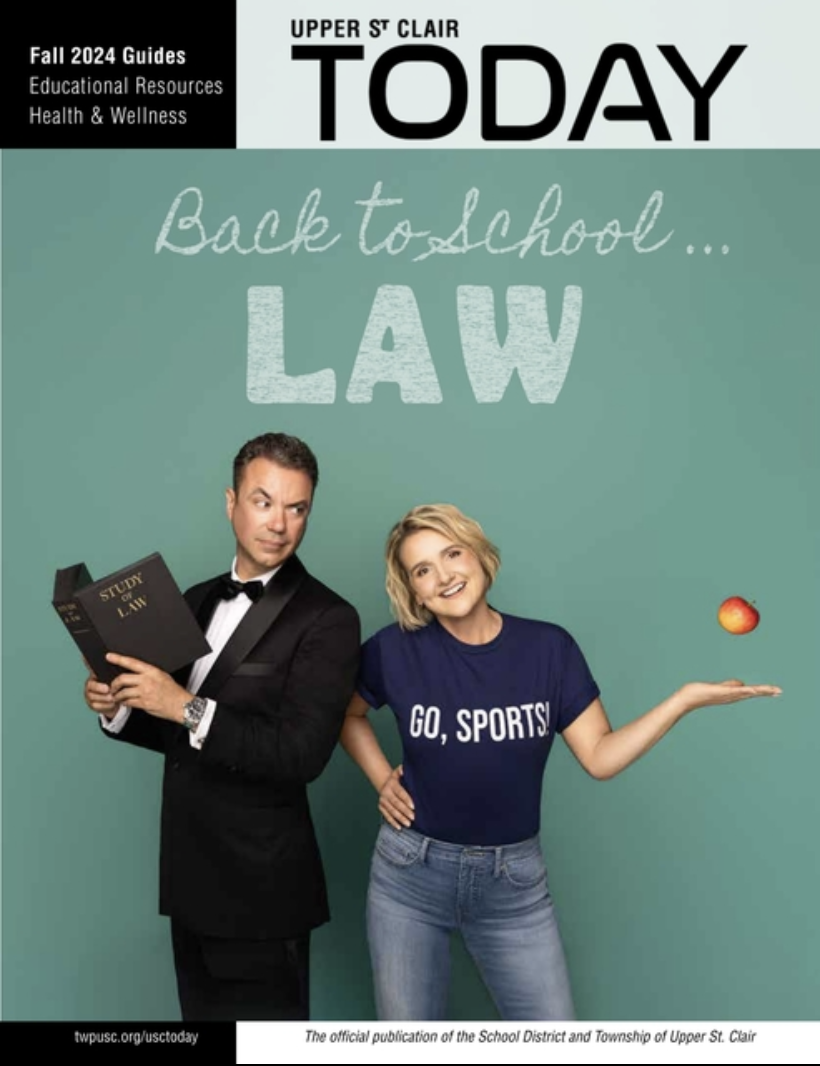
The definition of a “phobia” is “an anxiety disorder involving excessive and persistent fear of a situation or object.” It is known that exposure to the source of the fear may trigger an immediate anxiety response. And, according to the National Institute of Mental Health, approximately 12.5% of adults in the U.S. will deal with a specific phobia in their lifetime.
Some of the most common phobias include arachnophobia (fear of spiders), acrophobia (fear of heights), aerophobia (fear of flying), claustrophobia (fear of enclosed spaces), mysophobia (fear of germs), and trypanophobia (fear of needles), to name a few.
But why on earth do we have a “fear of amateur music-making?”
Okay, I doubt there is any true rational cause for anyone to be afraid of picking up an instrument or singing in a group, except for a touch of stage fright (if it’s in public) or that always-present “fear of failure” (possibly resisting the urge to make a fool of ourselves?). But, making music or opening ourselves up to creative self-expression is one of the greatest gifts we have to personally experience and share. No one hesitates to play a game of cards, catch a ball, or swim with the kids… even if “we are not all that good at it!” So, why are some adults so reticent about letting down their hair, finding and dusting off that old band or string instrument in the attic, warming up their “chops,” brushing up on the fundamentals, and playing a few notes? Remember all the fun you had in school music? (Sure, you might be more than a little rusty, but that’s understandable. Do you recall your music teacher’s instructions on how to hold the instrument, read the notes, and “find” the fingerings? It’s not too hard to re-orient and recapture those early steps.)
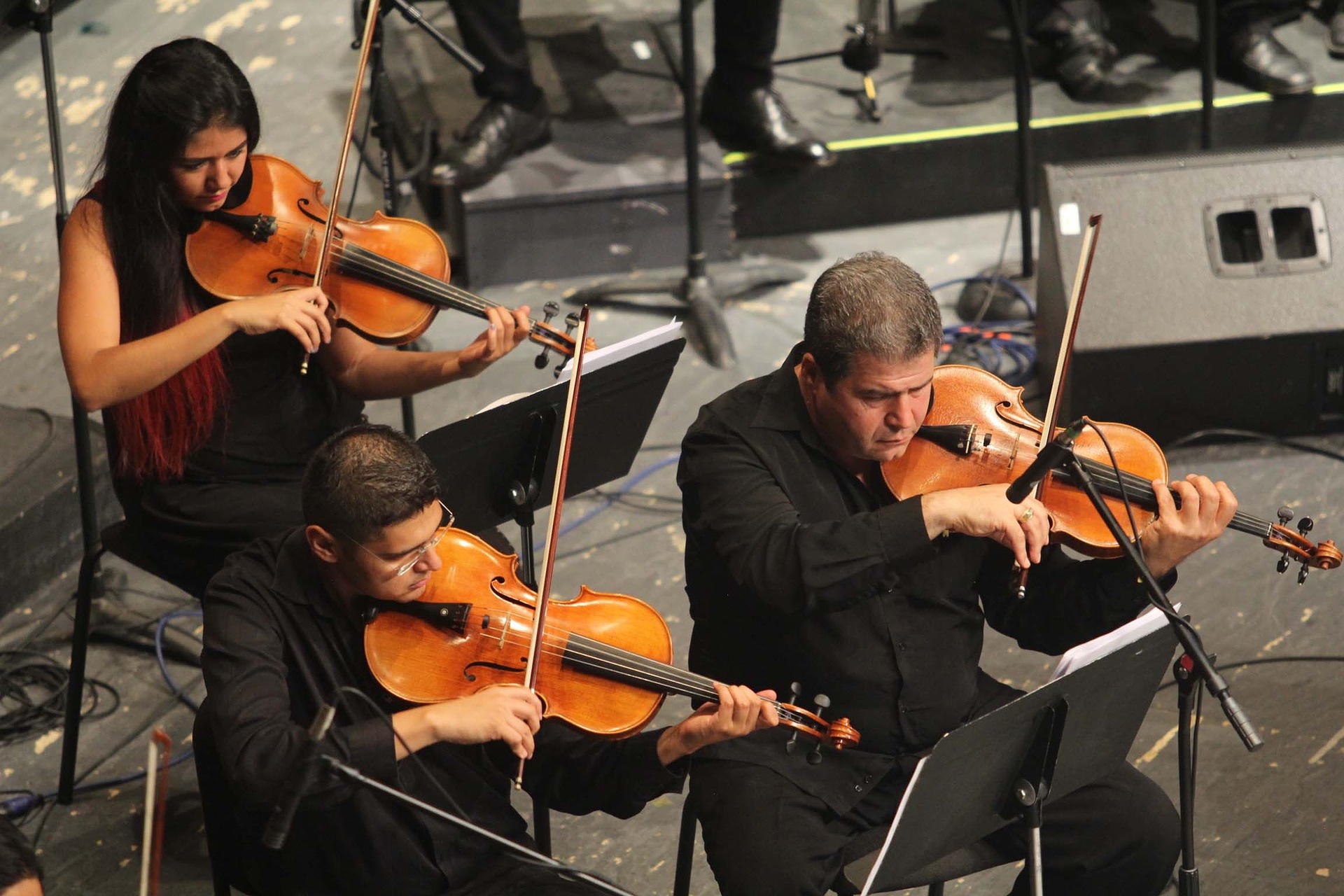
We can and should be inspired by those breathtaking performances of professional musicians, singers, dancers, and actors – their amazing artistry always looks and sounds so perfect! But are you telling me that art is only for the virtuosos, maestros, or experts? No, music is for everyone! It is timeless and does not discriminate by age. It offers meaningful life-long learning for all stages, past experiences, and ability levels.
As if you really need stats to prove the benefits of music, please peruse the NAMM Foundation website here: https://www.nammfoundation.org/articles/2014-06-01/Benefits-learning-and-playing-music-adults. They quote “the value of recreational music-making to be scientifically proven” to help the U.S. workplace by reducing employee stress, depression, burnout, and improving worker retention. In addition, as a music teacher and former school choral and orchestra director, I frequently share this quote by Don McMannis in “Use Music to Develop Kids’ Skill and Character” from the March 19, 2009 online post of Edutopia:
“Music has positive effects on people’s emotions and creativity. When we sing together, we synchronize our breathing and feel more connected. Music is also an effective, almost magical medium for learning and retaining information, [because] it activates three different centers of the brain at the same time: language, hearing, and rhythmic motor control. By inducing emotions, it also creates a heightened condition of awareness and mental acuity…”
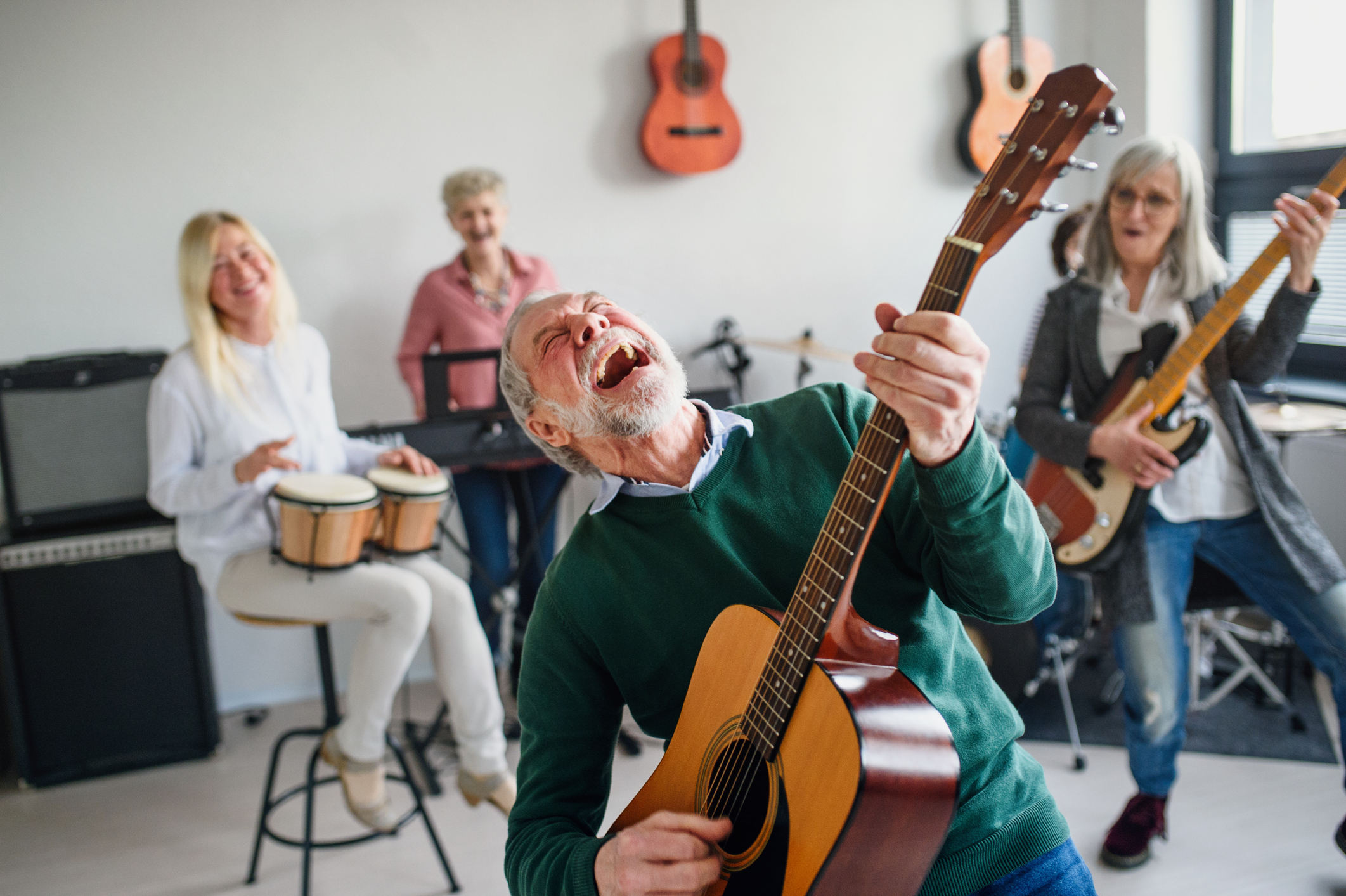
As for “us seniors,” there are so many amazing benefits of music lessons throughout our “golden years!”
- Cognitive well-being (“reduce the risk of cognitive decline…”)
- Emotional resilience (“provide a powerful outlet for self-expression and emotional release…”)
- Physical benefits (“improve motor skills, enhance coordination, increase overall physical activity…”)
- Stress reduction (“therapeutic escape from daily worries… relax and unwind…”)
- Lifelong learning (“promote a sense of ongoing personal growth… the joy of learning and mastering new techniques…”)
- Social connection (“bringing people together… combat social isolation… and create a sense of belonging.”)

Check out additional information at the New York Musician’s Center blog here: https://nymcmusic.com/f/the-remarkable-benefits-of-music-lessons-for-senior-citizens
Truly, you have no valid excuses! I am guessing there are many community choral, jazz, band, and orchestra ensembles inside and outside the surrounding areas where you live. And don’t forget to consider visiting a local church to join their choir!
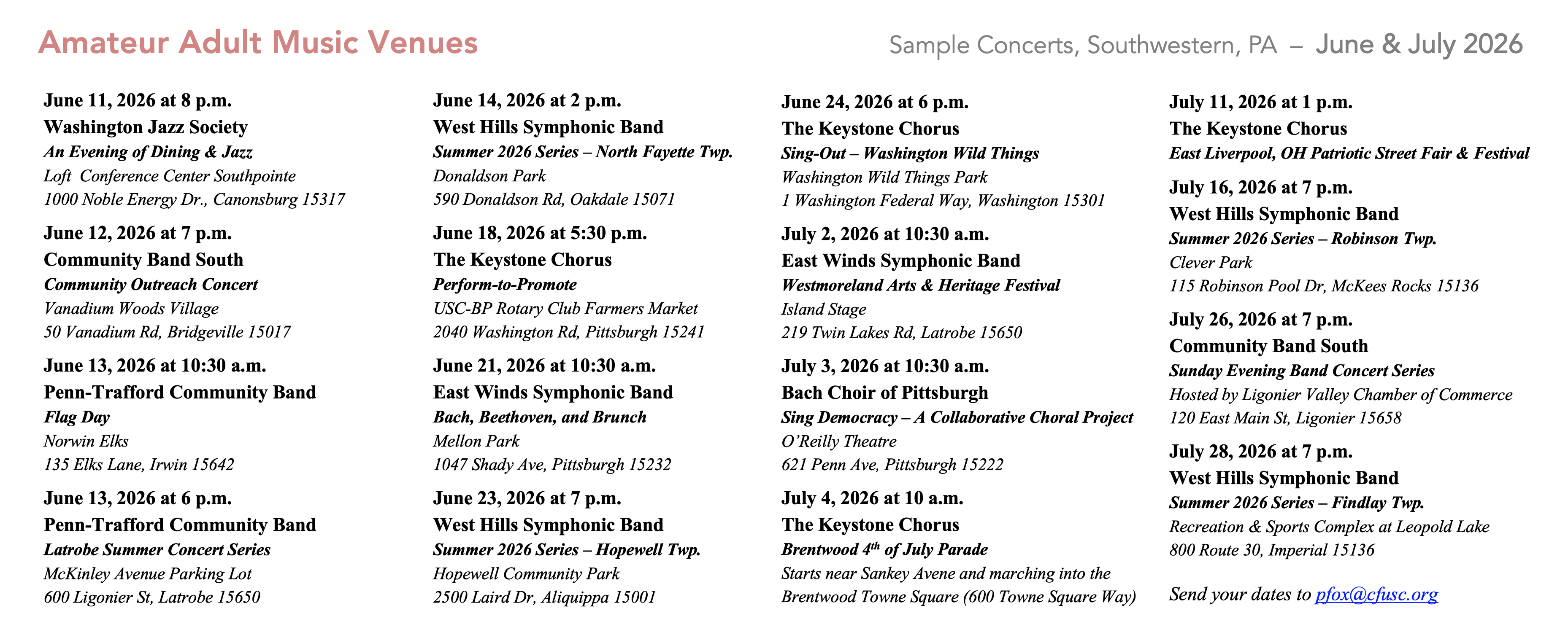
In the southwestern Pennsylvania area where I reside, there are numerous opportunities for getting involved in adult amateur music, art, dance, and drama venues. I have the links to 20 ensembles from the Greater Pittsburgh area alone on the Community Foundation of Upper St. Clair Arts page here. Take a look at a few of their upcoming June and July concerts below.
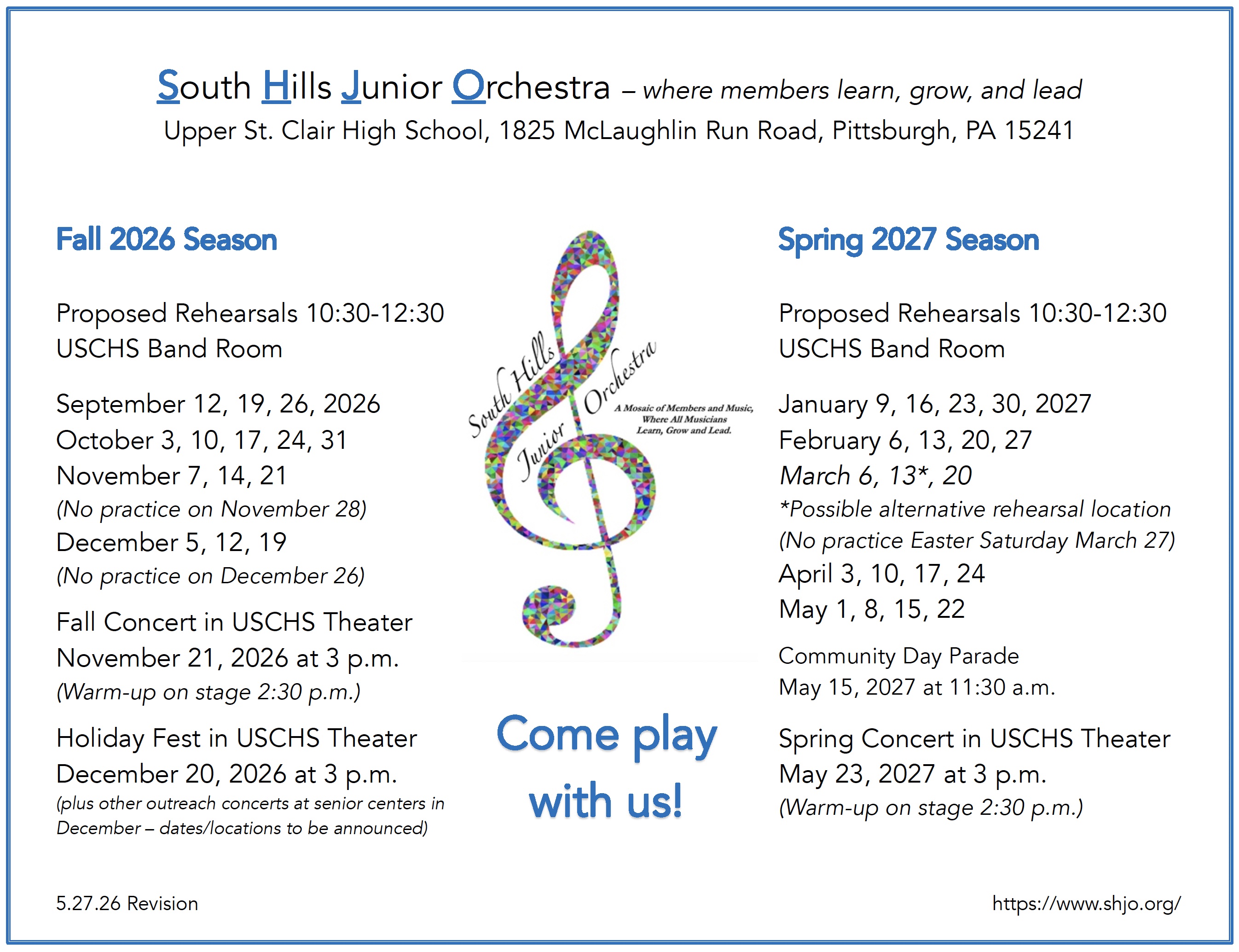
This fall, adults and “music lovers of all ages” should drop-in to several open, free-trial, no-obligation-to-join rehearsals of the South Hills Junior Orchestra (SHJO) on Saturdays from 10:30 a.m. to 12:30 p.m. in the Upper St. Clair High School (USCHS) Band Room. After the successes of SHJO’s annual spring concert on May 23 and a community outreach performance at the Paramount Senior Living Facility in Peters Township on May 30, we’re taking a break over the summer. But mark your calendars! Our next practice is scheduled for September 12, 2026. Here are our proposed dates for 2026-27:
If you live in the South Hills/Pittsburgh area, musicians are also invited to another group that rehearses at USCHS, the Community Band South (adults only). Directed by Max Gonano, CBS meets most Monday evenings at 7:30 p.m., even over the summer months! Bring your instrument!
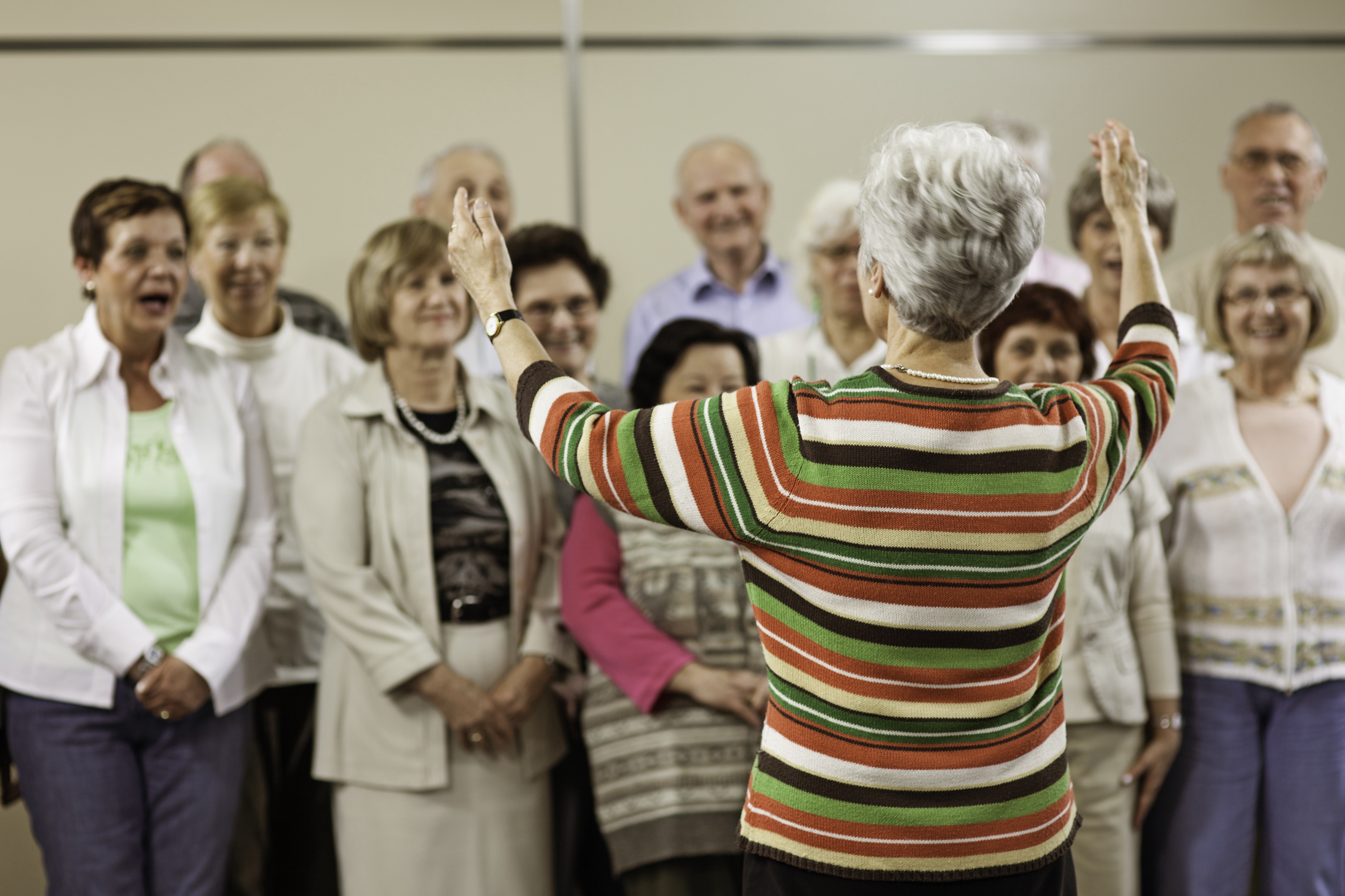
The next time you host a dinner party, bring out that old song book or pick up your fiddle or flute! Gather around the piano and encourage your family and friends to join in a sing-along. Hopefully it does not take a few glasses of wine before everyone can shed their inhibitions and relax a little… and enjoy the incredible effects of communal music-making! What do you have to lose? There’s no time like the present!
Stamp out the phobia of amateur music-making!
PKF
© 2024, 2026 Paul K. Fox


 been discussed about the “what,” “how,” and most recently, “where” of retirement, even issues of “privacy” regarding your decision. For a review of these areas and a bibliography of resources, please visit:




 Take a deep breath, find an easy chair, ignore your cell phone’s texts/calls, and plunge into her full website:
  As a music educator, this last title peaked my interest. We urge every retiree to revisit their creativity roots and seek renewed opportunities to enjoy music as a lifelong pursuit. (We have already posted reprints of several of my articles on this subject from PMEA News, the state journal of the Pennsylvania Music Educators Association, including
  Generally, I am not much in favor of perusing commercial websites on planning for retirement, especially those by investment counselors, but Ernie Zelinski (author of bestsellers like How to Retire Happy, Wild, and Free) sent me this link:
  The final entry at goldretiree.com, AARP is worth mentioning here
  p Guides,”


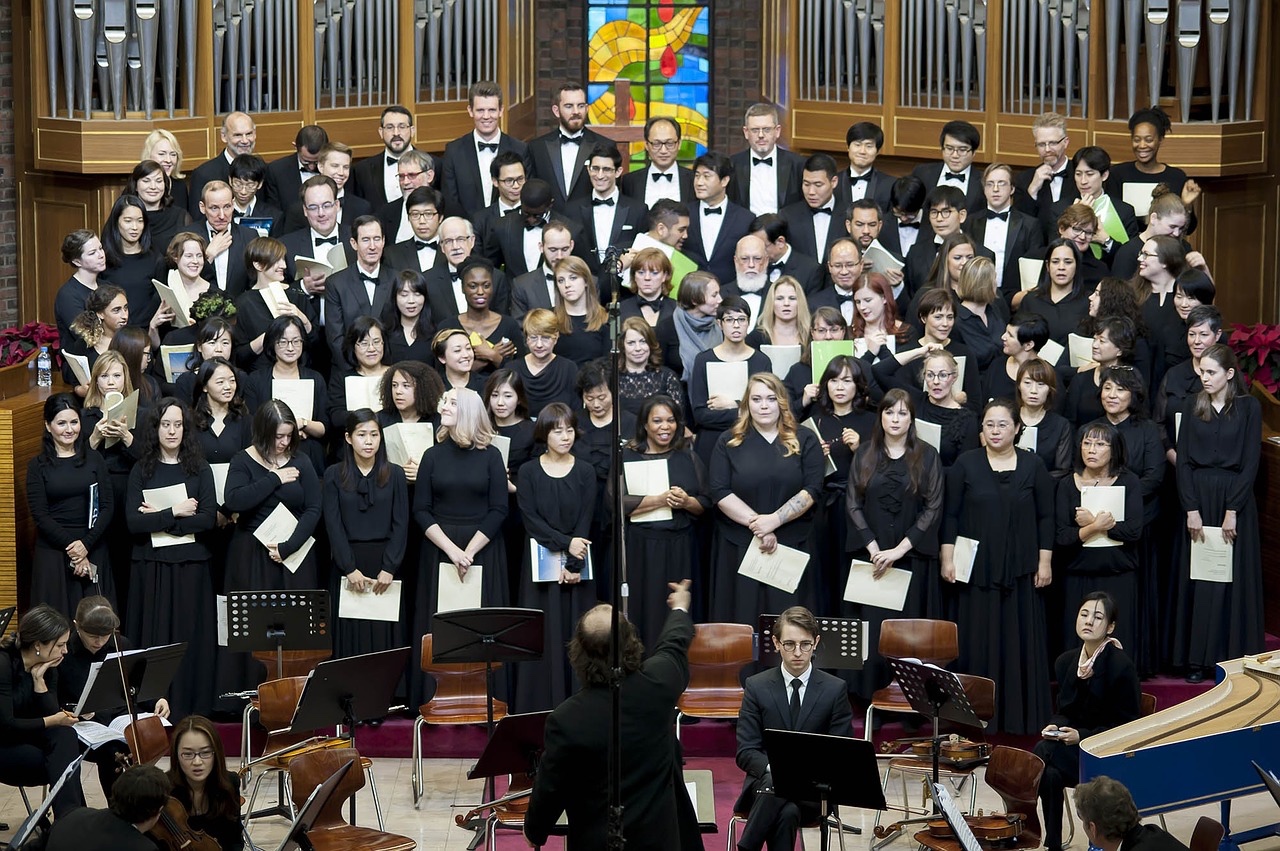
 If you’ve ever been in a choir, you’ve probably been told that the proper way to sing is from your belly.
 As the popularity of group singing grows, science has been hard at work trying to explain why it has such a calming yet energizing effect on people. What researchers are beginning to discover is that singing is like an infusion of the perfect tranquilizer, the kind that both soothes your nerves and elevates your spirits.
 Regular exercising of the vocal cords can even prolong life, according to research done by leading vocal coach and singer Helen Astrid, from The Helen Astrid Singing Academy in London. “It’s a great way to keep in shape because you are exercising your lungs and heart.”
 Colette Hiller, director of Sing The Nation, is convinced that singing builds social confidence by helping individuals connect to each other, and to their environment. “Think of a football stadium with everyone singing,” she says. “There’s an excitement, you feel part of it, singing bonds people and always has done. There’s a ‘goosebumpy’ feeling of connection.”
  Studies have linked singing with a lower heart rate, decreased blood pressure, and reduced stress, according to Patricia Preston-Roberts, a board-certified music therapist in New York City. She uses song to help patients who suffer from a variety of psychological and physiological conditions.
 The seniors involved in the chorale (as well as seniors involved in two separate arts groups involving writing and painting) showed significant health improvements compared to those in the control groups. Specifically, the arts groups reported an average of:
 Okay, besides that crack about “elderly” in that last article (we’re not “old,” yet!), the evidence seems conclusive! For our general health, feelings of well-being, improved social connections, and “just having fun,” we should all be motivated TODAY to go out and find a community choir and start singing regularly in a group. Enough said?
 For both the instrumental and choral groups, we are most thankful to the contributions of our “dream team” of PMEA researchers and editors (as of April 13, 2016): Jan Burkett, Craig Cannon, Jo Cauffman, Deborah Confredo, Susan Dieffenbach, Timothy Ellison, Paul Fox, Joshua Gibson, Rosemary Haber, Estelle Hartranft, Betty Hintenlang, Ada Jean Hoffman, Thomas Kittinger, Chuck Neidhardt, Sarah Riggenbach, Ron Rometo, Joanne Rutkowski, Marie Weber, Lee Wesner, and Terri Winger-Wittreich. We are especially grateful to the efforts of Director of Member Engagement Joshua Gibson who located the counties and e-mail addresses in the choir directory.