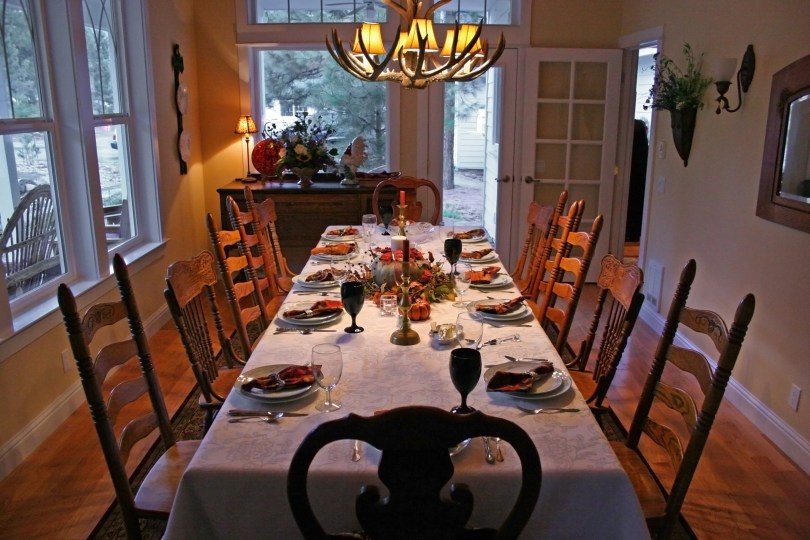
“I would teach children music, physics, and philosophy; but most importantly music, for the patterns in music and all the arts are the keys to learning.” — Plato

Things for Which Prospective Music Teachers and Students Majoring in Music Education Should Be Thankful… and on Which to Reflect Over This Holiday Season!
Music educators and those training for this honorable career have many reasons to feel blessed. This Thanksgiving 2016 blog is another one of my “pep talks” and an ongoing goal to share resources for pre-service professional development. Lets begin with a classic “top-ten” list — the fruits and cornerstones of our profession:
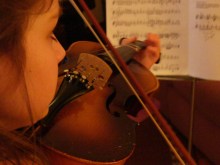 Music is one of life’s greatest treasures!
 - You will always have your music. Your future employment is also your hobby, and even after 35 or more years, you will inclined to continue your music throughout the “golden years” of retirement.
- There are so many ways you can make a difference in the lives of children with music. Whether it is singing, playing an instrument, composing, listening, feeling, or moving in response to music, music fills a basic need!
- Although music is an excellent vehicle for developing 21st Century learning skills (the four C’s of creativity, critical thinking, collaboration, and communication), participating in music for music’s sake is paramount. To find true meaning and personal artistry, you cannot review the arts without “doing” (or creating) the arts.
 Your joy of creative self-expression and “making music” will sustain you through almost anything… and will transfer to your students’ success in life.
- In many settings of school music courses and extra-curricular activities, your students make a conscious effort to choose you and the study of music in order to spend as much time together. “They may have to take math and English, but they also want their daily dose of music!”
- Newcomers to this field, you do not have to be right or perfect all the time in class. During your student teaching and early years on the job, if you are enthusiastic, dedicated, and respectful of the feelings of your students, you
 r mistakes (and there will be many) will be forgiven. Besides, there are usually no “single right answers” in music and art – only opportunities for divergent and flexible thinking, adaptability, and personal expression.
 - You’ll never forget your students… and when you bump into them after graduation, they will remind you all about “those good times!” Don’t be surprised when they tell you were the best part of their education.
- Your band, orchestra, and/or choral director back home (school district and university) are rooting for you… and want you to succeed. If you have questions, go see them. They would appreciate you asking for their advice.

- Good news! Help is on the way! On this blog-site, there is a single link to all of the articles, handouts, PowerPoint slides, etc., everything from branding yourself to a review of the interview questions you will need to answer at job screenings. To help you market your professionalism, develop a philosophy of music education, learn the basics of networking, dive into making a business card, professional website or e-portfolio, or practice taking interviews, go to the link above or https://paulkfoxusc.wordpress.com/becoming-a-music-educator/.
Why Music? Why Do You Want to Become a Music Educator?
It never hurts to embrace and share the excellent voices of our music education advocates. Check out these interesting online sources:
- Mrs. Amsler’s teacher website (Joan Martin EL, Hobart, IN): http://hobart.schoolwires.com/Page/3176
 Music For All: http://www.musicforall.org/who-we-are/advocacy/tools-resources
- Kindermusik: https://www.kindermusik.com/mindsonmusic/benefits-of-music/50-reasons-why-music-gives-kids-a-lifetime-of-opportunity/
- NAMM Foundation: https://www.nammfoundation.org/why-music-matters
- VH-1 Save the Music Foundation: http://www.vh1savethemusic.org/why-music/benefits-to-the-brain
Ten Goals for the Holiday Break
After you finish your fall semester finals, juries, concerts, writing assignments, and other projects, you may have several weeks before you have to return to full-time classes at the university. Besides catching up on your sleep and visiting your family and friends, how many of these enrichment activities can you accomplish?
- Share your gifts. Play your instrument, accompany
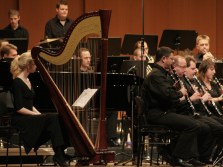 someone else, or sing solos at a local nursing home or senior center.
 - Sit in with a church or community choir, band, or orchestra. Just ask the conductor if you could participate in a few rehearsals over your break.
- Learn something new about music… a different instrument, recent releases in sheet music or recordings, unique composer/arranger in your major area, music education article from a professional journal, innovative music software or interactive online programs (often free trials are available to future teachers), etc. For example, have you perused SmartMusic and MusicFirst?
 Spend a lot of time sight-reading… especially on the piano. To take your ear-training training a step further, pull out your old folk-song sight-reading series or Hindemith’s Elementary Training for Musicians and practice musicianship exercises.
- To improve your score reading, take a choral arrangement and play the individual vocal parts at sight (soprano + bass, alto + tenor, soprano + tenor + bass, etc.). Or, perform on the piano 2-4 parts of a string quartet score.
- Volunteer to assist coaching a sectional or large ensemble at your local public school.
- Attend as many local concerts as you can: school, amateur adult, and professional.
- Compose or arrange a short holiday, folk, or classical song for unusual instrumentation (e.g. flute, viola, baritone sax, and tuba). Who knows? Someday you may have to conduct an ensemble with such unique membership.
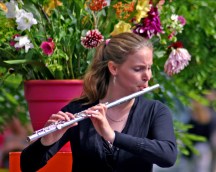
- Record video/audio excerpts of your major instrument/voice for placement on your professional website. Begin preparations on or update your e-portfolio.
- Read all of the “marketing professionalism” articles on this blog-site. Take notes or print the things to which you want to refer back. Make a list of the possible interview questions, and put yourself through several “mock job screenings” (alone or with one or more college buddies) with you answering these randomized questions in front of a camera. Assess your performance. During your”free time” over the holiday break, assemble your “personal stories” – anecdotes revealing your skills, personality traits, teaching experiences, and accomplishments that could be shared at future employment interviews. Most important article on this subject? Look at
 https://paulkfoxusc.wordpress.com/2016/02/27/interview-questions-revisited/.
Best wishes for a healthy, peaceful and fulfilling holiday. Please enjoy lots of turkey with your loved ones, but if you can, “catch up” on your long term preparation for becoming a music educator. Make every day count over the recess. Reflect on why you are becoming a music educator, and be grateful for the multitude of benefits! Finally, never forget your own creative roots… make time for music every day!
PKF
© 2016 Paul K. Fox
Photos are licensed by FreeImages.com (all rights reserved)

 Here is your next installment (part three) on a collaborative exploration of “teaching more creatively and teaching creativity.”
 Catmull, Ed (2014). Creativity, Inc.: Overcoming Unseen Forces in Way of Inspiration. Random H. From Ed Catmull, co-founder (with Steve Jobs and John Lasseter) of Pixar Animation Studios, the Academy Award–winning studio behind Inside Out and Toy Story, comes an incisive book about creativity in business and leadership.
 Robinson, Sir Ken (2013). Finding Your Element: How to Discover Your Talents and Passions. The Element gives readers an inspirational and practical guide to self-improvement, happiness, creativity, and personal transformation, introducing the concept of self-fulfillment through the convergence of natural talents and personal passions. Among the questions that the book dives into include:
 The authors have made an online version of this work available under a Creative Commons Attribution-Noncommercial-Share Alike 3.0 License. For details, go to
 While she suggests new ways to “activate your students” developing neural networks of skill-sets for “cognitive flexibility,” she defines several new opposing concepts: “inattentional blindness” vs. open-minded vision, and divergent thinking vs. the factory model of education. She provides excellent examples of lesson activities as she sums up her thoughts on learning transfer: “When you provide learners with opportunities to transfer their learning to novel applications, you’re extending their cross-brain connections and creative potentials.”