
by Katherine Langford
We welcome this month’s guest blogger, Katherine Langford, who describes herself as “a digital marketing consultant, writer, freelancer, WordPress enthusiast, and coffee lover.” Thank you, Katherine! PKF
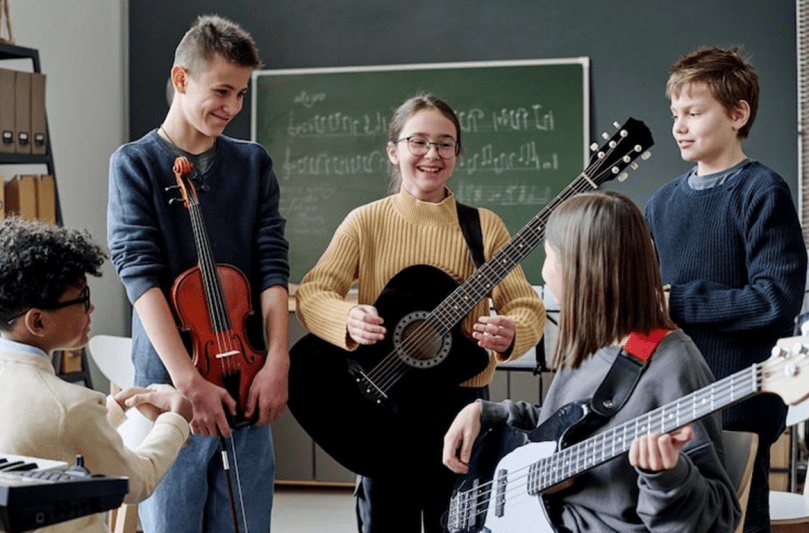
Music education has transformed dramatically in recent years. Traditional classrooms and rigid lessons are giving way to creative, flexible learning models that blend technology, collaboration, and real-world experience. The new model for modern music education isn’t just about mastering an instrument anymore—it’s about nurturing creativity, adaptability, and digital fluency.
Whether you’re a teacher, a student, or a parent trying to understand this shift, this guide will walk you through everything you need to know about the new model for modern music education and how it’s reshaping the way we learn, teach, and perform music.
What Defines the “New” Model for Modern Music Education?
The new model for modern music education is built on accessibility, inclusivity, and innovation. In the past, learning music often required private lessons, expensive instruments, and long practice hours under strict instruction. Now, technology has made learning more interactive, affordable, and engaging.
This model integrates online platforms, digital tools, and peer learning to create a dynamic environment. Students can watch video tutorials, join virtual ensembles, or even receive online class help from experienced musicians. It allows learners to progress at their own pace while receiving instant feedback and guidance.
Another major shift is the focus on creativity over perfection. Instead of emphasizing technical mastery alone, educators now encourage improvisation, digital composition, and personal expression. This approach builds confidence and helps students connect emotionally with their craft.

The Rise of Online Learning in Music Education
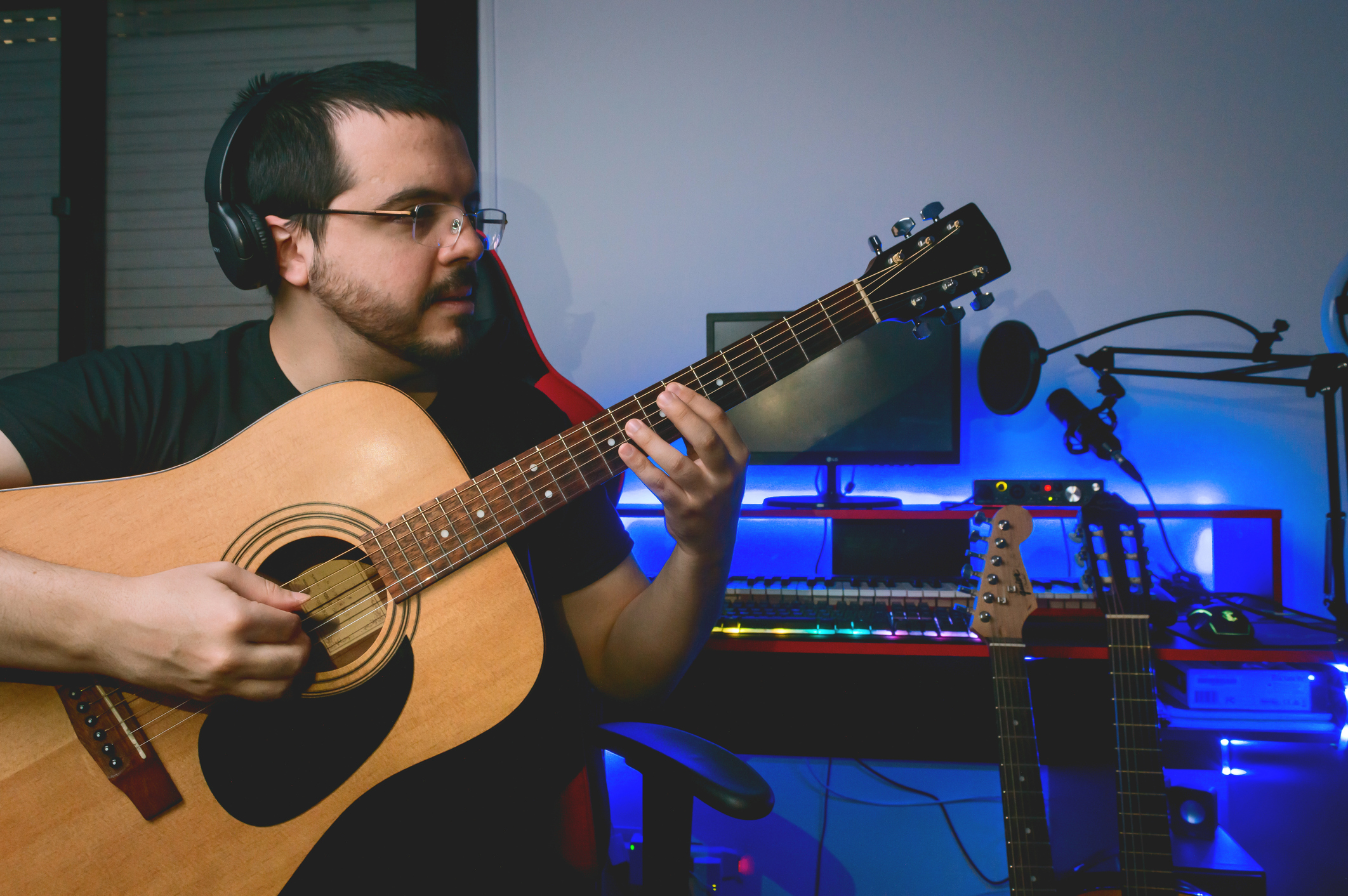
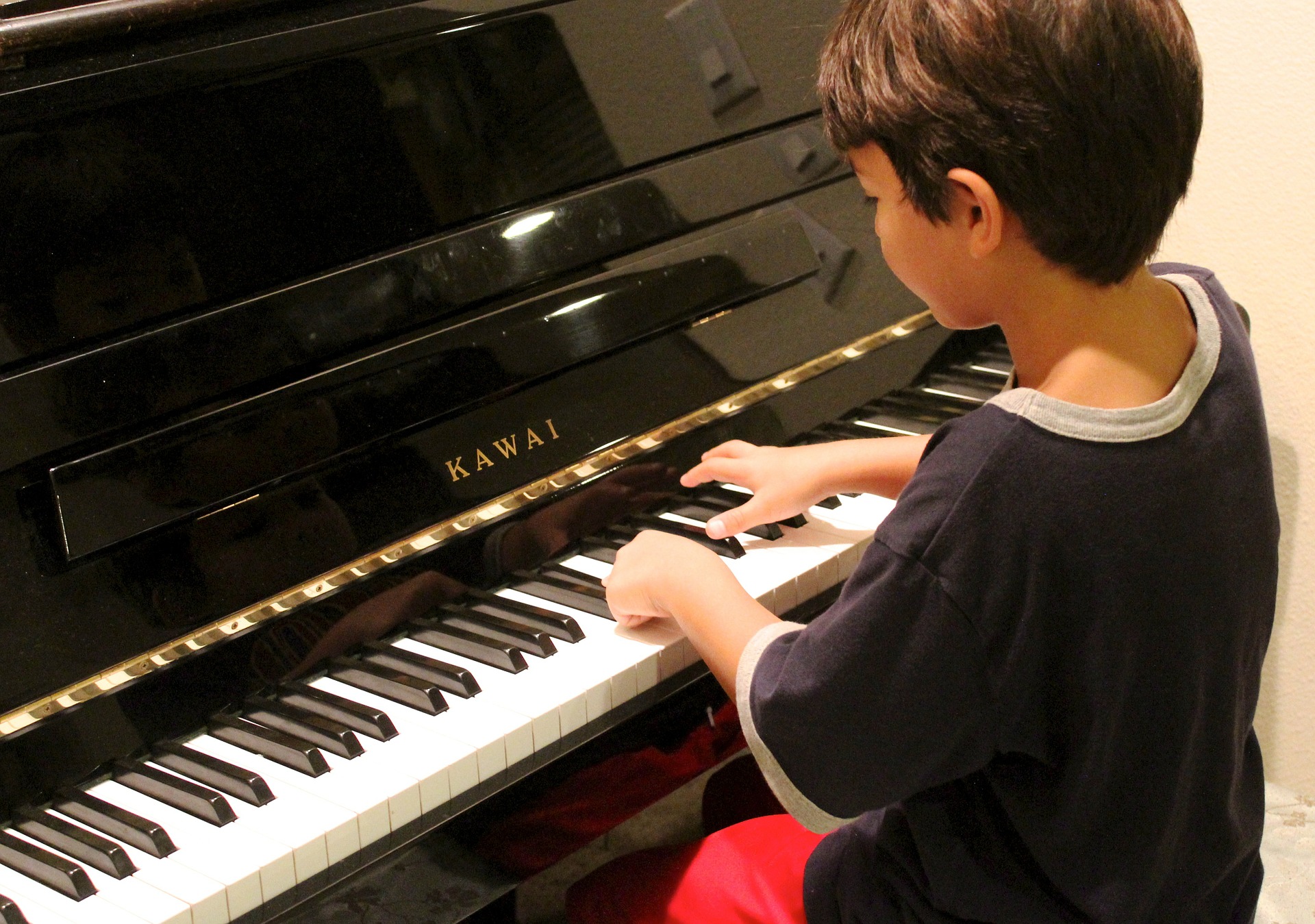
Online learning has become a cornerstone of modern music education. With platforms like YouTube, MasterClass, and specialized e-learning sites, anyone can access lessons from world-class musicians. Students can now learn piano, guitar, singing, or music production without leaving home.
These online classes are highly interactive, offering personalized feedback and practice tools. Some programs include live sessions, enabling real-time interaction with instructors and classmates. The flexibility to study from anywhere attracts learners of all ages and skill levels.
Online music education also supports busy professionals and students balancing multiple commitments. Many ask, Can I take my online class for music while working full-time? The answer is yes. With self-paced modules, recorded lessons, and flexible scheduling, anyone can continue learning without disrupting daily life.
Key Features of Modern Music Education
The new model for music learning focuses on a few core features that make it different from traditional instruction.
1. Technology Integration
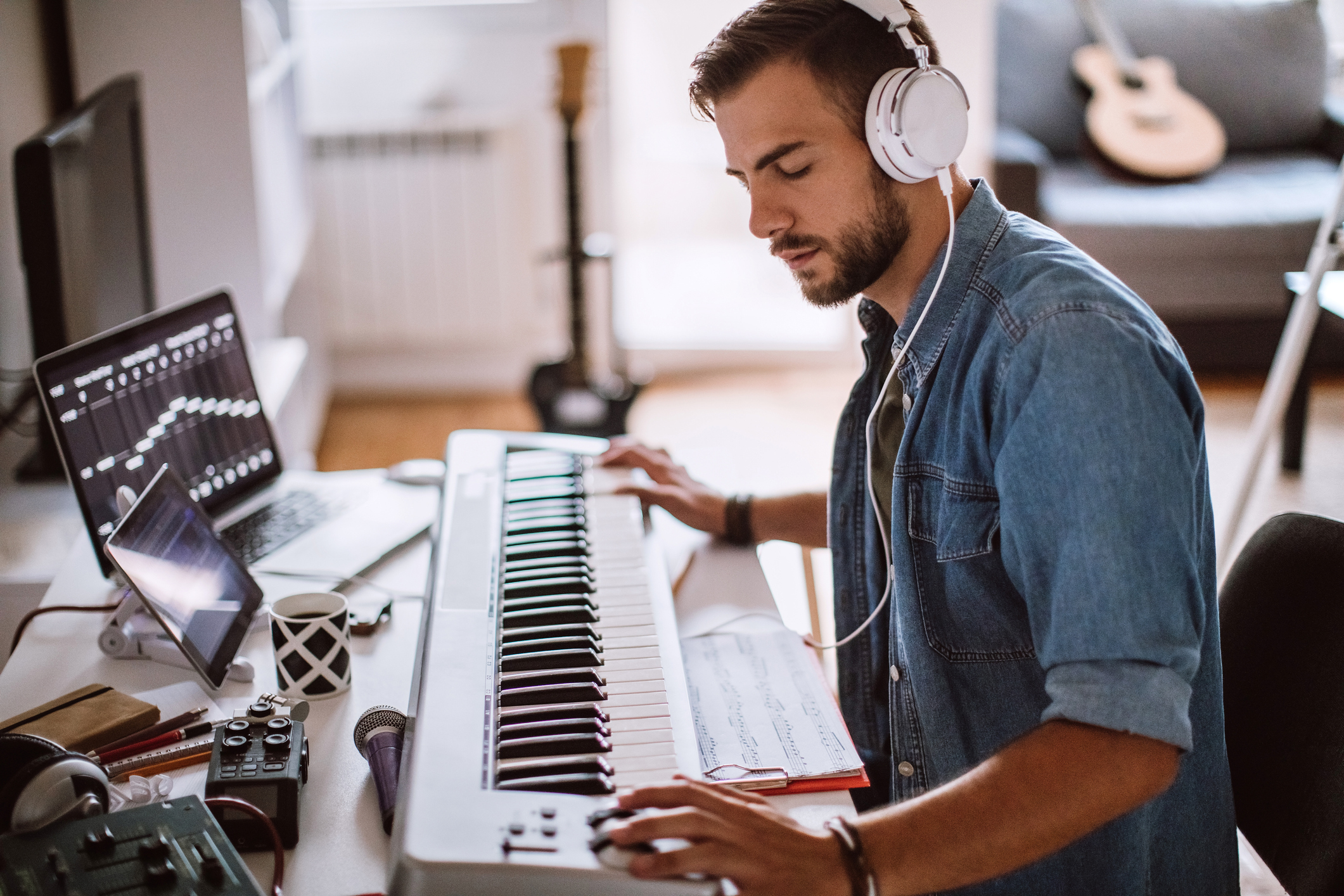
Modern classrooms use music software, apps, and digital instruments. Tools like GarageBand, Ableton Live, and Sibelius help students compose, record, and edit their music. This hands-on digital experience prepares them for real-world music careers.
2. Collaboration and Global Access
Students can collaborate with others worldwide through online jam sessions or group projects. This exposure broadens cultural understanding and inspires new creative styles.
3. Personalized Learning Paths
AI-driven platforms now assess student progress and customize lesson plans. Learners receive targeted exercises that focus on areas needing improvement. This keeps motivation high and ensures steady progress.
4. Performance and Portfolio Building
Instead of graded recitals, students can build online portfolios, showcasing their songs or performances. This practical experience helps them prepare for music schools or careers in the industry.

Why Modern Music Education Matters Today
Music education today goes beyond traditional training. It prepares students for an evolving creative economy where adaptability and digital literacy matter.
The new model equips students with real-world skills such as sound design, audio editing, and digital marketing for music. These are essential for anyone pursuing a career in the modern music industry.
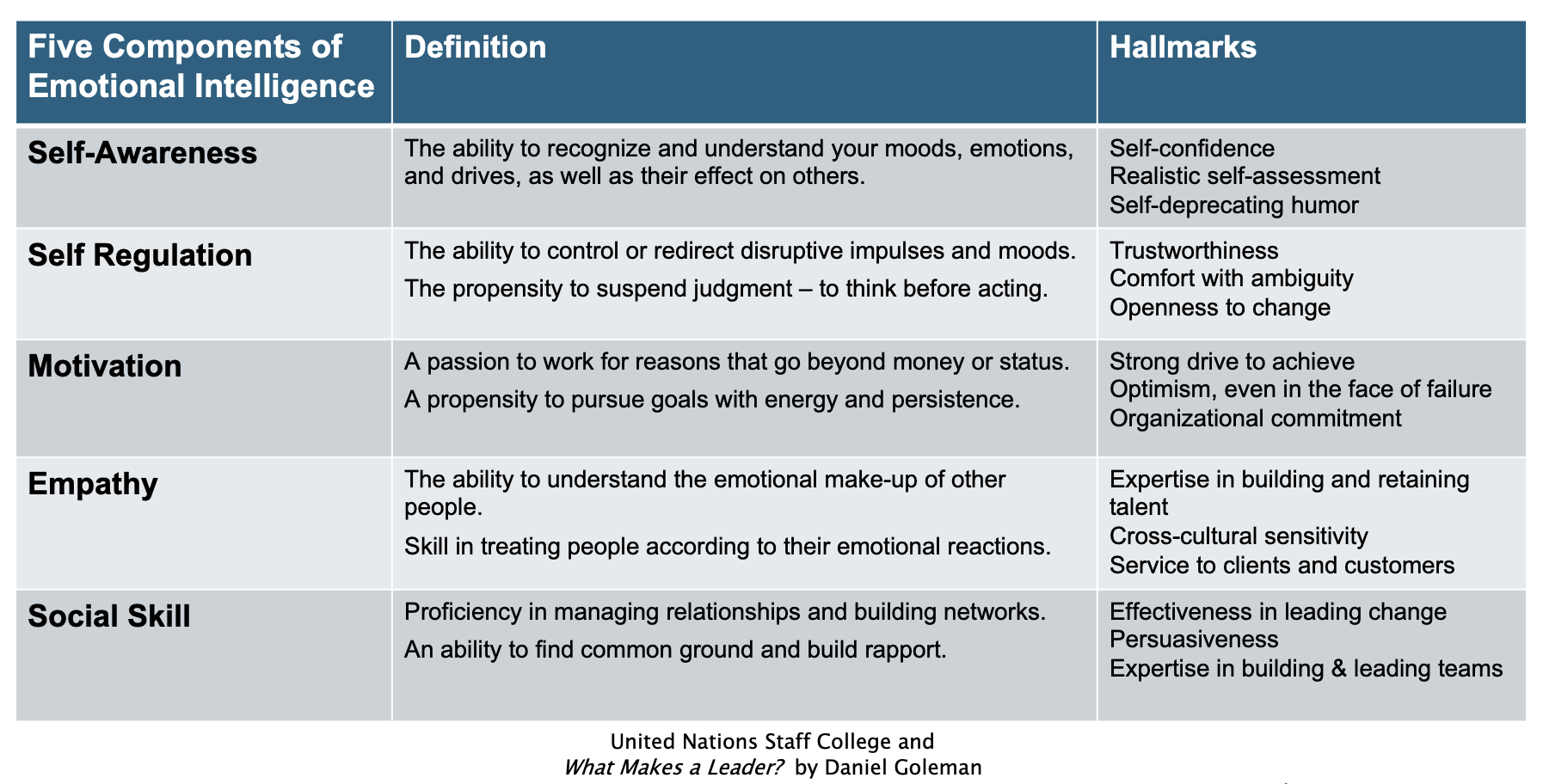
Additionally, it nurtures emotional intelligence. Creating and performing music helps students manage stress, improve focus, and build resilience. These soft skills translate into better academic and personal outcomes.
Another reason this new approach matters is its inclusivity. Learners who once couldn’t access quality lessons due to location or cost can now participate through online classes. Music education is no longer limited to elite institutions—it’s open to everyone.
The Role of Teachers in Modern Music Education
Teachers remain at the heart of music education, but their role has evolved. Instead of being strict evaluators, they now act as mentors, facilitators, and collaborators.
Educators guide students through self-directed learning, helping them explore interests while mastering key concepts. They encourage experimentation and critical thinking rather than rote memorization.
Teachers also integrate multimedia tools into lessons, using interactive notation software, metronome apps, and virtual instruments. This keeps learning engaging and relevant.
Modern instructors understand that today’s learners consume music differently. They balance traditional techniques with contemporary styles, helping students connect classical foundations to genres like pop, jazz, or digital soundscapes.
The Impact of Technology on Music Learning
Technology has completely reshaped how music is created and taught. From recording studios to smartphone apps, innovation drives engagement and creativity.
Students can record, mix, and share their music instantly. They can join online communities, collaborate virtually, or receive detailed feedback through smart analysis tools.
Some schools use virtual reality to simulate live performance environments. This helps students overcome stage anxiety and refine their skills before performing in real-life situations.
Moreover, digital sheet music platforms make learning more interactive. Instead of flipping pages, learners can annotate, loop sections, and practice efficiently.
Technology also enables inclusive learning. Students with disabilities can use adaptive devices or apps that make instruments more accessible. This reinforces the principle that music truly belongs to everyone.
How Online Class Help Supports Music Learners
Many students struggle with consistency or technical challenges while learning online. That’s where online class help becomes valuable. Expert tutors assist learners in managing lessons, assignments, and projects.
They provide feedback, correct mistakes, and ensure students stay on track. This type of support bridges the gap between traditional mentoring and independent study.
For example, if a student is learning music theory but struggles with notation, they can seek online class help for one-on-one guidance. This approach ensures understanding without the stress of falling behind.
It’s especially useful for those pursuing formal music degrees remotely. Expert assistance ensures academic integrity while keeping the learning experience enriching.
Common Question: Is Online Music Education as Effective as In-Person Lessons?
Many learners wonder if virtual learning can match the impact of face-to-face instruction. The short answer is yes, it can be just as effective—sometimes even more.
Online music education offers flexibility and access to diverse expertise that local lessons may lack. You can study jazz composition with a teacher from New York or classical violin from a maestro in Vienna.
Additionally, digital lessons allow unlimited practice and playback. Students can review recorded sessions anytime, reinforcing understanding and mastery.
However, success depends on commitment and quality instruction. Active participation, consistent practice, and seeking feedback are key to thriving in online music education.
Challenges Facing the New Model for Modern Music Education
While modern approaches have many benefits, challenges still exist. Internet connectivity, lack of physical interaction, and screen fatigue can affect engagement.
Students may also struggle with motivation when learning alone. This is where teacher support and community involvement become crucial. Encouraging virtual collaborations and online performances helps maintain enthusiasm.
Another concern is access to instruments. Not every learner can afford quality equipment or digital tools. Schools and institutions need to bridge this gap by providing resources or scholarships for talented students.
Despite these obstacles, the benefits of digital and hybrid learning far outweigh the drawbacks. With ongoing innovation, these challenges are gradually being addressed.
The Future of Modern Music Education
The future of music education looks bright and interconnected. We’ll see more hybrid classrooms combining online and offline experiences. Students might attend physical rehearsals while collaborating digitally with international peers.
Artificial intelligence will continue shaping learning paths, analyzing performances, and suggesting improvements. Virtual and augmented reality will simulate live concerts and recording studios for immersive training.
Most importantly, inclusivity and creativity will remain the foundation of this evolving system. Every learner, regardless of background, will have the opportunity to express themselves musically.
The new model is creating musicians who not only play instruments but also understand technology, production, and storytelling. They’ll be ready to thrive in an industry that values both art and innovation.
How Students Can Get the Most Out of Modern Music Education
If you’re a student exploring the new world of music learning, here are some helpful tips:
- Set clear goals. Decide what you want to achieve before starting lessons.
- Stay consistent. Practice regularly, even if only for short sessions.
- Use technology wisely. Try apps, online lessons, and recording tools to track progress.
- Engage with others. Join online groups, perform live sessions, and exchange feedback.
- Seek guidance. Don’t hesitate to reach out for online class help when needed.
These small steps ensure that your learning remains enjoyable and productive.
The Cultural Shift in How We Value Music Education
In the past, music education was often viewed as a luxury. Today, it’s recognized as a vital part of cognitive and emotional development. Studies show that learning music improves memory, discipline, and communication skills.
The modern model has made music more inclusive, integrating it into mainstream education and digital life. Whether through school programs, online platforms, or personal study, students now see music as both an art and a skill for life.
Cultural acceptance has grown too. Parents now appreciate the value of creative subjects, realizing they develop critical thinking and empathy. This shift has expanded the reach of music education across age groups and professions.
Conclusion: Embracing the New Model for Modern Music Education
The new model for modern music education is more than just a trend, it’s a necessary evolution. It reflects how we live, learn, and connect in the digital age.
By combining technology, collaboration, and creativity, this approach empowers learners to explore their potential fully. Whether you’re learning to produce music, master an instrument, or compose original songs, the tools and opportunities are at your fingertips.
PKF
© 2025 Katherine Langford and Paul K. Fox



 Over the years, I have been a strong advocate of equal-access to music and the arts as an essential part the education of all children. This blog will give me an opportunity to put a lot of my thoughts in one place. I am aware that there are many people “out there” who offer the premise that studying music makes you successful in other areas, and you will see that this assumption is well-supported. However, I am not a brain scientist. I cannot confirm research that seems to point to a direct correlation that “the music itself makes us smarter.” It could be that students who are attracted to and become proficient in the arts are somehow uniquely “wired,” have a greater work ethic, or are better intellectually “equipped” to become successful engineers, doctors, lawyers, educators, scientists – you name the career – and enjoy life-long happiness and self-realization. So many of those music-in-our-schools-month fliers say “music is basic,” “music is math,” “music is reading,” “music is science,” etc. and they are right! So, it’s not wrong to bring it up. But we should be fully aware that the primary goal of an education in the arts is for the development of creative self-expression.
 the one who had the greatest influence on my going into a career of music teaching was Eugene Reichenfeld, who I saw the last period of every day in Orchestra at Penn Hills HS, at least once a week in a private lesson and rehearsals of the Wilkinsburg Civic Symphony on Thursday nights, and over the three summers at the Kennerdell Music and Arts Festival in Venango County. What a role model! Partially blind and losing his hearing, Mr. Reichenfeld played violin, cello, and guitar, and taught uninterrupted until three weeks before he died at the ripe old age of 103!
 Did your father ever realize why you chose music? In December 1986, Dad came to my choral/orchestra department production of Scrooge, involving over 250 students at my second career assignment, Upper St. Clair High School. After the closing curtain, he came up to me and asked, “Did you do all of this yourself? I answered, “Well, I had a lot of help. I did prepare the students on the dialogue parts in the script, the leads’ solos, chorus harmonies, and orchestra accompaniment, but I needed a drama specialist for coaching the actors and a choreographer for the dances. And yes, I am also the show’s producer, responsible for the printing of the program and tickets, finding people to assist in sewing the costumes, building the sets, running the stage tech, and applying the make-up.” After a short pause, he said something I will never forget: “Wow! This was incredible! You really made a difference to so many of your students’ lives.” He was proud of me, and finally expressed it! (It was a good thing too… he died suddenly of a heart attack exactly two years later when I was in the middle of staging USCHS’s Joseph and the Amazing Technicolor Dreamcoat.)


 Musical (sound smart)
 Transforming the way schools should be run, the multiple intelligences theory suggests that teachers be trained to present their lessons in a wide variety of ways using music, cooperative learning, art activities, role play, multimedia, field trips, inner reflection, and much more. This approach truly “customizes the learning” and provides eight or more potential pathways to learning.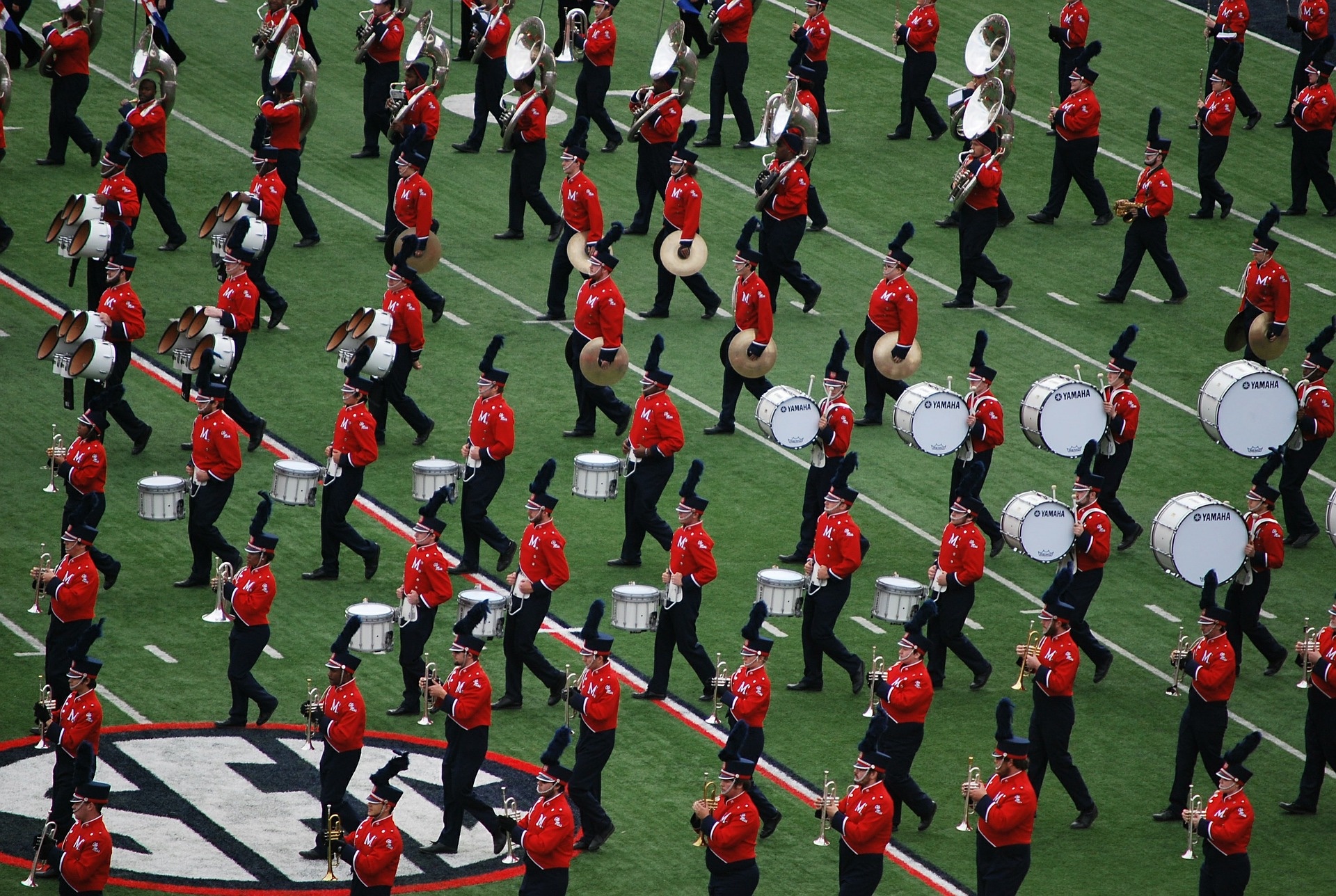
 Innovation
 The
The 





 Introduction: Striving for the New
 Drone Improvisation
 In a more recent release of EdNote (July 2018),
 inventors vs. imitators


 Supported by Dan Ariely and his team at Timeful (a company acquired by Google), Srinivas Rao writes at
  Easy to set-up
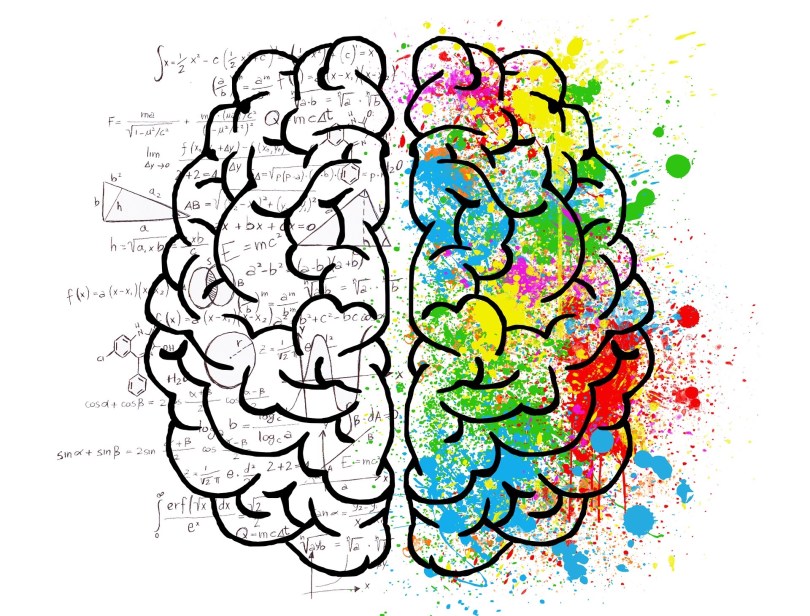
 As musicians and music teachers, this suggestion may hit home: Do something that stimulates your “right brain” with acts of personal self-expression or artistry every day, and schedule it both intentionally and early!
 developing innovations, trends, and movements in their field, and embrace better instructional techniques and use of media for their students!
 The answer is… probably not.
 I remember when I taught full-time and was in the middle of a full-blown musical production, I sometimes laid awake feeling “stirred up” inside trying to think of all the things I needed to do the next day. #5 of Brittney’s list is solved by putting a legal pad and a good pen by your bed stand, and without awakening your spouse, roll over and jot down a few of your “don’t forgets.” Or if you prefer to use the magic of technology, you can do this digitally… take a minute or so and use your tablet or smartphone, but don’t stay up very long and let the screen’s blue-light make your insomnia worse. Revisit title heading #2 above for note-taking apps.
 “Much like Gilligan and his infamous “three hour tour,” what I thought might be a quick clean-out extravaganza turned into an epic, six-month journey through the nether reaches of my closets and my psyche. Along the way, I learned many things from Maeve about organization — and more than a few things about myself that changed my relationship with my stuff.”



 When MySpace and Facebook came upon the scene in 2003 and 2004, most school administrators recommended “stay away from these.” The online sharing and archiving of photos initiated the adoption of many other social media apps (Flickr and later Instagram, Tumblr, Snapchat, etc), which provoked new challenges in maintaining privacy, appropriateness, and professionalism. Danger, danger, danger!
 Communicating digitally or electronically with students may lead to the blurring of appropriate teacher-student boundaries and create additional challenges to maintaining and protecting confidentiality.
 www.gmajormusictheory.org
 Pennsylvania State Education Association (PSEA):
  posts with your school’s location.





 It can’t get any better than this! Probably the most comprehensive one-stop vault of articles and “friends of NRN” sources for further study, the NCN provides an extensive collection of creativity tools: news stories (still current as of the week of April 7, 2017), quotes, webinars, blog-posts, past competitions like the USA Creative Business Cup, and a Board of Directors from across North America including many “giants in the field” like one of my heroes Sir Ken Robinson (California), along with George Tzougros (Wisconsin), Margaret Collins (North Carolina), Steve Dahlberg (Connecticut), Carrie Fitzsimmons (Massachusetts), Peter Gamwell (Ottawa, Canada), Jean Hendrickson (Oklahoma), Wendy Liscow (New Jersey), Susan McCalmont (Oklahoma), Robert Morrison, Scott Noppe Brandon, David O’Fallon (Minnesota), Andrew Ranson, Susan Sclafani (Washington D.C.), and Haley Simons (Alberta, Canada).
 According to their website,
 Spark local, regional, state and provincial, and national movements to create environments—in homes, schools, workplaces, communities and public offices—where every person is inspired to grow creatively.

 f the 50-year-old Elementary and Secondary Education Act (ESEA). Each state must now develop and adopt their own “plan” of ESSA implementation. For example, the Pennsylvania Department of Education (PDE) is considering some very broad topics for inclusion in its state plan, and is currently asking for feedback from the general public on the following (source – Pennsylvania Music Educators Association – PMEA –
  Accountability – Interventions


 Shaheen discloses the new focus of the Foundation Stage Curriculum and National Curriculum for schools in England, with the aim that the school should “enable pupils to think creatively and critically, to solve problems and to make a difference for the better. It should give them the opportunity to become creative, innovative, and enterprising.” The key points on the National Curriculum website are:
 Nurturing creativity



 Music is one of life’s greatest treasures!
  Your joy of creative self-expression and “making music” will sustain you through almost anything… and will transfer to your students’ success in life.
 r mistakes (and there will be many) will be forgiven. Besides, there are usually no “single right answers” in music and art – only opportunities for divergent and flexible thinking, adaptability, and personal expression.
 Music For All:
  someone else, or sing solos at a local nursing home or senior center.
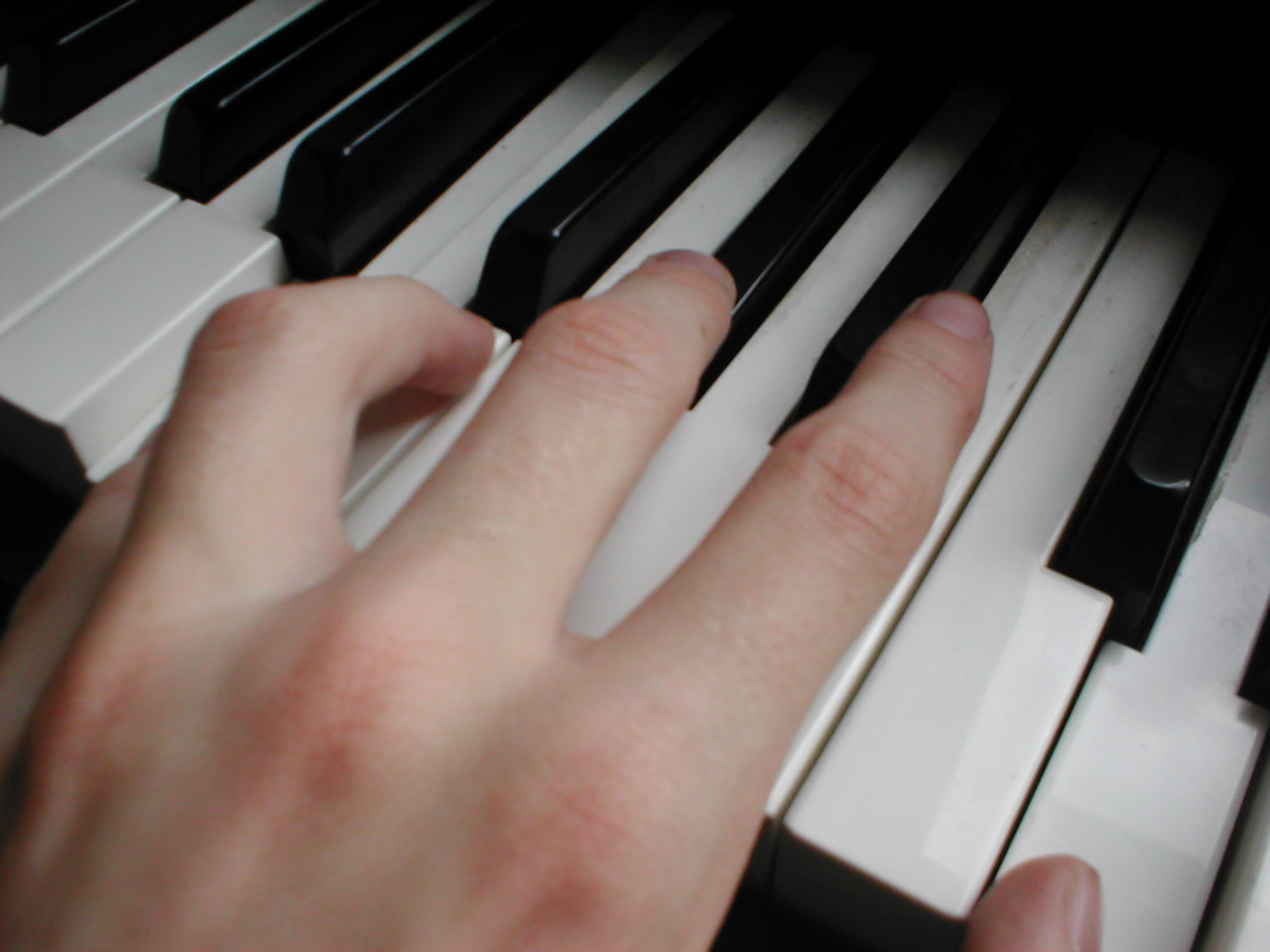 Spend a lot of time sight-reading… especially on the piano. To take your ear-training training a step further, pull out your old folk-song sight-reading series or Hindemith’s Elementary Training for Musicians and practice musicianship exercises.

 paulfox.blog