The “New” Model for Modern Music Education

by Katherine Langford

We welcome this month’s guest blogger, Katherine Langford, who describes herself as “a digital marketing consultant, writer, freelancer, WordPress enthusiast, and coffee lover.” Thank you, Katherine! PKF

Music education has transformed dramatically in recent years. Traditional classrooms and rigid lessons are giving way to creative, flexible learning models that blend technology, collaboration, and real-world experience. The new model for modern music education isn’t just about mastering an instrument anymore—it’s about nurturing creativity, adaptability, and digital fluency.

Whether you’re a teacher, a student, or a parent trying to understand this shift, this guide will walk you through everything you need to know about the new model for modern music education and how it’s reshaping the way we learn, teach, and perform music.

What Defines the “New” Model for Modern Music Education?

The new model for modern music education is built on accessibility, inclusivity, and innovation. In the past, learning music often required private lessons, expensive instruments, and long practice hours under strict instruction. Now, technology has made learning more interactive, affordable, and engaging.

This model integrates online platforms, digital tools, and peer learning to create a dynamic environment. Students can watch video tutorials, join virtual ensembles, or even receive online class help from experienced musicians. It allows learners to progress at their own pace while receiving instant feedback and guidance.

Another major shift is the focus on creativity over perfection. Instead of emphasizing technical mastery alone, educators now encourage improvisation, digital composition, and personal expression. This approach builds confidence and helps students connect emotionally with their craft.

The Rise of Online Learning in Music Education

Online learning has become a cornerstone of modern music education. With platforms like YouTube, MasterClass, and specialized e-learning sites, anyone can access lessons from world-class musicians. Students can now learn piano, guitar, singing, or music production without leaving home.

These online classes are highly interactive, offering personalized feedback and practice tools. Some programs include live sessions, enabling real-time interaction with instructors and classmates. The flexibility to study from anywhere attracts learners of all ages and skill levels.

Online music education also supports busy professionals and students balancing multiple commitments. Many ask, Can I take my online class for music while working full-time? The answer is yes. With self-paced modules, recorded lessons, and flexible scheduling, anyone can continue learning without disrupting daily life.

Key Features of Modern Music Education

The new model for music learning focuses on a few core features that make it different from traditional instruction.

1. Technology Integration
Modern classrooms use music software, apps, and digital instruments. Tools like GarageBand, Ableton Live, and Sibelius help students compose, record, and edit their music. This hands-on digital experience prepares them for real-world music careers.

2. Collaboration and Global Access
Students can collaborate with others worldwide through online jam sessions or group projects. This exposure broadens cultural understanding and inspires new creative styles.

3. Personalized Learning Paths
AI-driven platforms now assess student progress and customize lesson plans. Learners receive targeted exercises that focus on areas needing improvement. This keeps motivation high and ensures steady progress.

4. Performance and Portfolio Building
Instead of graded recitals, students can build online portfolios, showcasing their songs or performances. This practical experience helps them prepare for music schools or careers in the industry.

Why Modern Music Education Matters Today

Music education today goes beyond traditional training. It prepares students for an evolving creative economy where adaptability and digital literacy matter.

The new model equips students with real-world skills such as sound design, audio editing, and digital marketing for music. These are essential for anyone pursuing a career in the modern music industry.

Additionally, it nurtures emotional intelligence. Creating and performing music helps students manage stress, improve focus, and build resilience. These soft skills translate into better academic and personal outcomes.

Another reason this new approach matters is its inclusivity. Learners who once couldn’t access quality lessons due to location or cost can now participate through online classes. Music education is no longer limited to elite institutions—it’s open to everyone.

The Role of Teachers in Modern Music Education

Teachers remain at the heart of music education, but their role has evolved. Instead of being strict evaluators, they now act as mentors, facilitators, and collaborators.

Educators guide students through self-directed learning, helping them explore interests while mastering key concepts. They encourage experimentation and critical thinking rather than rote memorization.

Teachers also integrate multimedia tools into lessons, using interactive notation software, metronome apps, and virtual instruments. This keeps learning engaging and relevant.

Modern instructors understand that today’s learners consume music differently. They balance traditional techniques with contemporary styles, helping students connect classical foundations to genres like pop, jazz, or digital soundscapes.

The Impact of Technology on Music Learning

Technology has completely reshaped how music is created and taught. From recording studios to smartphone apps, innovation drives engagement and creativity.

Students can record, mix, and share their music instantly. They can join online communities, collaborate virtually, or receive detailed feedback through smart analysis tools.

Some schools use virtual reality to simulate live performance environments. This helps students overcome stage anxiety and refine their skills before performing in real-life situations.

Moreover, digital sheet music platforms make learning more interactive. Instead of flipping pages, learners can annotate, loop sections, and practice efficiently.

Technology also enables inclusive learning. Students with disabilities can use adaptive devices or apps that make instruments more accessible. This reinforces the principle that music truly belongs to everyone.

How Online Class Help Supports Music Learners

Many students struggle with consistency or technical challenges while learning online. That’s where online class help becomes valuable. Expert tutors assist learners in managing lessons, assignments, and projects.

They provide feedback, correct mistakes, and ensure students stay on track. This type of support bridges the gap between traditional mentoring and independent study.

For example, if a student is learning music theory but struggles with notation, they can seek online class help for one-on-one guidance. This approach ensures understanding without the stress of falling behind.

It’s especially useful for those pursuing formal music degrees remotely. Expert assistance ensures academic integrity while keeping the learning experience enriching.

Common Question: Is Online Music Education as Effective as In-Person Lessons?

Many learners wonder if virtual learning can match the impact of face-to-face instruction. The short answer is yes, it can be just as effective—sometimes even more.

Online music education offers flexibility and access to diverse expertise that local lessons may lack. You can study jazz composition with a teacher from New York or classical violin from a maestro in Vienna.

Additionally, digital lessons allow unlimited practice and playback. Students can review recorded sessions anytime, reinforcing understanding and mastery.

However, success depends on commitment and quality instruction. Active participation, consistent practice, and seeking feedback are key to thriving in online music education.

Challenges Facing the New Model for Modern Music Education

While modern approaches have many benefits, challenges still exist. Internet connectivity, lack of physical interaction, and screen fatigue can affect engagement.

Students may also struggle with motivation when learning alone. This is where teacher support and community involvement become crucial. Encouraging virtual collaborations and online performances helps maintain enthusiasm.

Another concern is access to instruments. Not every learner can afford quality equipment or digital tools. Schools and institutions need to bridge this gap by providing resources or scholarships for talented students.

Despite these obstacles, the benefits of digital and hybrid learning far outweigh the drawbacks. With ongoing innovation, these challenges are gradually being addressed.

The Future of Modern Music Education

The future of music education looks bright and interconnected. We’ll see more hybrid classrooms combining online and offline experiences. Students might attend physical rehearsals while collaborating digitally with international peers.

Artificial intelligence will continue shaping learning paths, analyzing performances, and suggesting improvements. Virtual and augmented reality will simulate live concerts and recording studios for immersive training.

Most importantly, inclusivity and creativity will remain the foundation of this evolving system. Every learner, regardless of background, will have the opportunity to express themselves musically.

The new model is creating musicians who not only play instruments but also understand technology, production, and storytelling. They’ll be ready to thrive in an industry that values both art and innovation.

How Students Can Get the Most Out of Modern Music Education

If you’re a student exploring the new world of music learning, here are some helpful tips:

  1. Set clear goals. Decide what you want to achieve before starting lessons.
  2. Stay consistent. Practice regularly, even if only for short sessions.
  3. Use technology wisely. Try apps, online lessons, and recording tools to track progress.
  4. Engage with others. Join online groups, perform live sessions, and exchange feedback.
  5. Seek guidance. Don’t hesitate to reach out for online class help when needed.

These small steps ensure that your learning remains enjoyable and productive.

The Cultural Shift in How We Value Music Education

In the past, music education was often viewed as a luxury. Today, it’s recognized as a vital part of cognitive and emotional development. Studies show that learning music improves memory, discipline, and communication skills.

The modern model has made music more inclusive, integrating it into mainstream education and digital life. Whether through school programs, online platforms, or personal study, students now see music as both an art and a skill for life.

Cultural acceptance has grown too. Parents now appreciate the value of creative subjects, realizing they develop critical thinking and empathy. This shift has expanded the reach of music education across age groups and professions.

Conclusion: Embracing the New Model for Modern Music Education

The new model for modern music education is more than just a trend, it’s a necessary evolution. It reflects how we live, learn, and connect in the digital age.

By combining technology, collaboration, and creativity, this approach empowers learners to explore their potential fully. Whether you’re learning to produce music, master an instrument, or compose original songs, the tools and opportunities are at your fingertips.

PKF

© 2025 Katherine Langford and Paul K. Fox
Leaders Flush!

Leadership lessons for the classroom or staff development

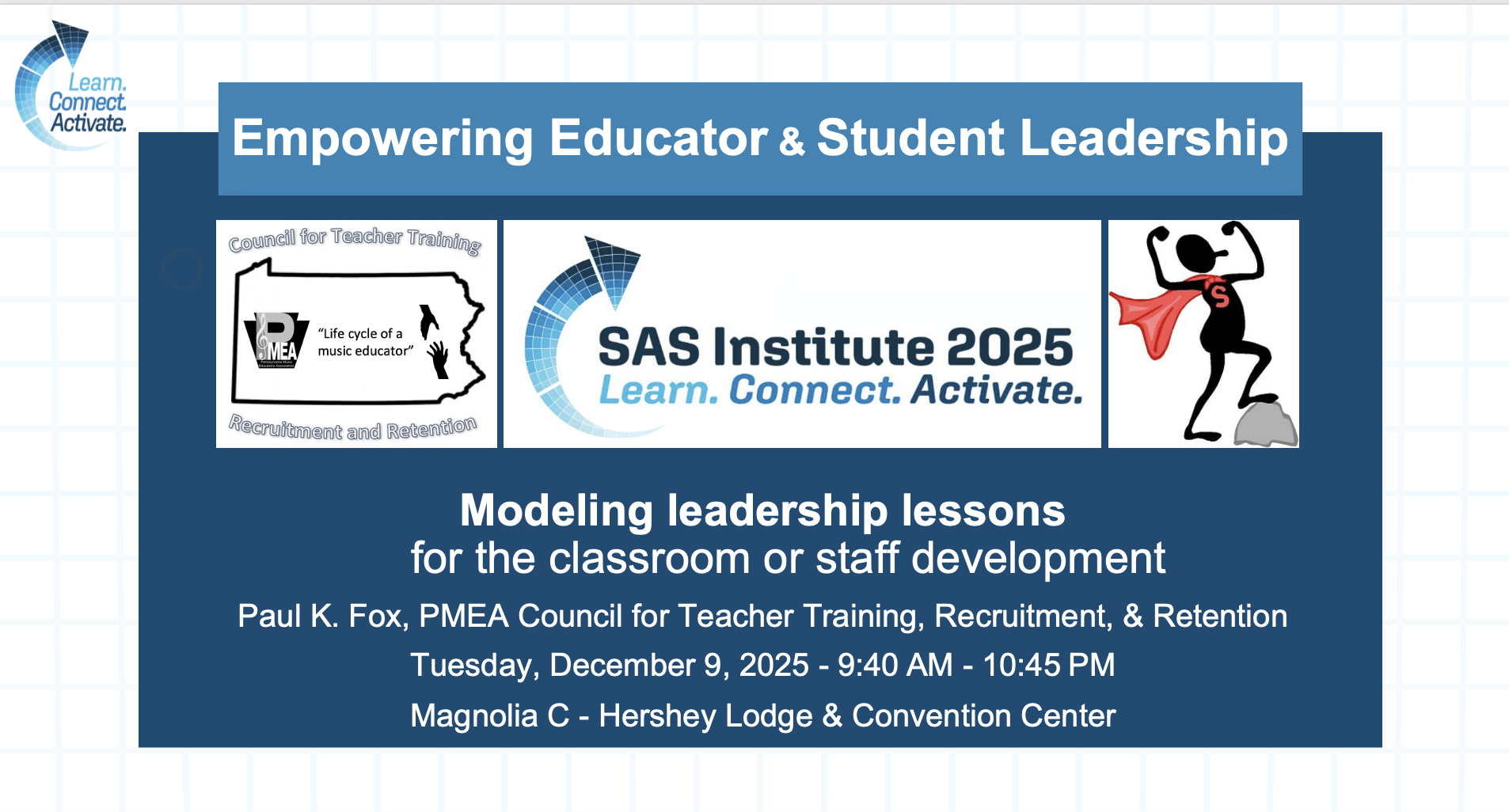
This blog is a follow-up resource for my Empowering Educator and Student Leadership presentation at the PA Department of Education SAS INSTITUTE state conference on December 9, 2025 and provides a “fill-in-the-gap” narrative about many of the concepts we have already presented at this blog site:

If you would like to review my PDF slide summary from the SAS INSTITUTE, click here.

Did the main title (above) get your attention? What on earth could “leaders flush” have to do with this topic? In teaching (and modeling) leadership skills to my students, we discuss what it means to Faire sans Dire or “do without saying,” the English translation to this crest:

Heraldry coat of arms emblem: Earl of Ilchester

In other words, if you see something that needs to be done (flush the toilet?), don’t assume it’s someone else’s job. A true leader embraces the philosophy Carpe Diem (“seize the day”), identifies the problem and its solution, rolls up his/her sleeve, and “gets it done!”

Why teach leadership in the curriculum & extracurricular activities?

“Leadership is an essential skill that extends beyond the classroom, shaping how students engage with the world around them. Whether leading a group project, organizing an event, or voicing their opinions in discussions, leadership skills empower students to take initiative and make meaningful contributions. These abilities are not only beneficial during school years but also serve as the foundation for lifelong personal and professional success.”
Bloomster

In the past, I have used a multitude of opportunities and settings to teach these life skills in summer leadership camps, section leader and student conductor seminars, drum major and marching band captain auditions, student director, producer, and musical crew head staff meetings, and for 25+ years, preparing student counselors for a comprehensive, six-day, grades 8-12 Township String Camp program.

To sum it up, teaching leadership in Grades K-12 and college settings will:

  • Develop communication skills
  • Build confidence & self-awareness
  • Enhance problem-solving abilities
  • Encourage teamwork & collaboration
  • Shape future success

Why teach leadership to educators?

My December session at SAS Institute was geared to school/system leaders, department heads, and other administrators, but actually the focus on leadership as a skill set necessary for school/staff/individual professional improvement is essential for all educators and school support staff.

From district administrators and school principals to instructional coaches and curriculum coordinators, leaders in education have a direct impact on the learning outcomes of all students. According to UNESCO, educational leadership is considered one of the most influential factors on student outcomes, falling just behind engaging teaching. As a result, leadership training for educators has become an essential part of the professional development experience for teachers at all levels of education.
“Building Leadership Skills – From Classroom Teacher to Educational Leader”

School improvement rarely occurs without effective leadership, and school leadership is only second to classroom teaching in its influence on student achievement. A new evidence review report from Global School Leaders paints a complex and ever-changing picture of school leaders, with their roles, responsibilities, and impact varying around the world.
3 Reasons Why School Leadership Is Vital to Teacher Success”

The literature suggests that empowering educators with leadership training will:

  • Improve student achievement
  • Empower and retain teachers
  • Support new staff members
  • Drive innovation and adaptability
  • Bridge the gap between instruction and administration
  • Build/model a positive attitude
  • Enhance strategic thinking and decision-making
  • Promote a positive and collaborative school climate
  • Develop soft skills such as communication, conflict resolution, and building trust… both in and outside the classroom

Leadership assessments

“A leadership skills assessment is a formal evaluation used to identify and measure a person’s leadership potential and competencies, such as communication, decision-making, and emotional intelligence. These assessments can be used by organizations to evaluate current leaders, identify high-potential candidates for promotions, and inform hiring decisions. Common methods include personality tests, scenario-based assessments, and 360-degree feedback, with tools like CliftonStrengths, Hogan Assessments, and DISC being popular examples.” 
“Leadership Assessment Test – A Complete Guide 2025”

There is a large body of information out there, especially commercial resources, for evaluating the leadership quotient and achievement of corporate managers, CEOs, CFOs, etc. I was impressed with the scope and depth of the research, including these sample firms advertising the availability of third-party consultants and advisors.

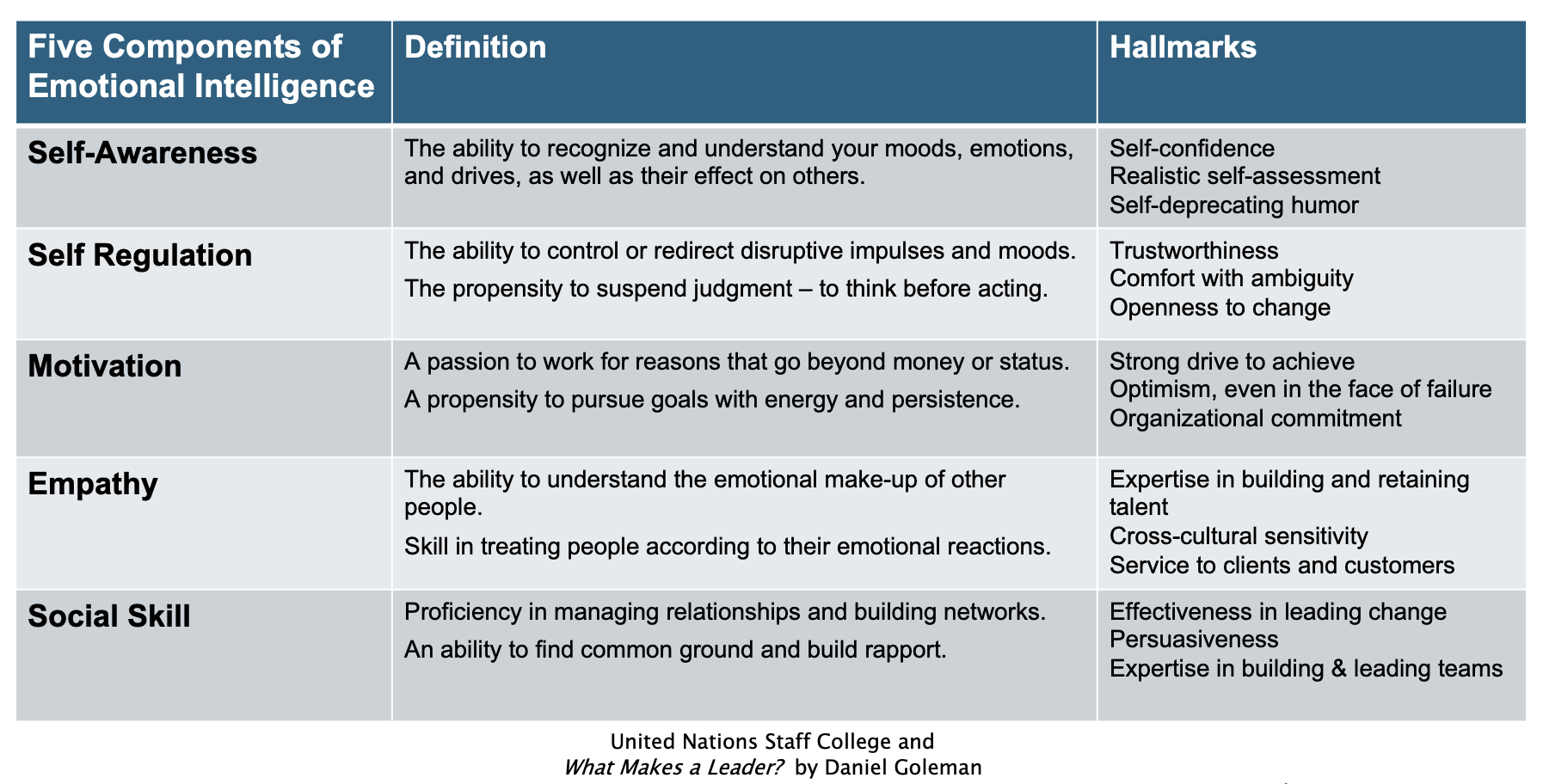
One night I randomly scanned through a handful of YouTube reels of company fraud and mismanagement (e.g., “Revenge of the Coffee Pot,” “Revenge with Karen,” and “Silent Revenge”), painting (fictitious) stories of bosses stealing intellectual property or assuming credit for the innovations/achievements of their subordinates, patent infringement, nepotism or incompetent hirings… all with arrogance, lack of professionalism, the total disregard of employee morale, and blatant patterns of poor executive decision-making, communication, emotional intelligence, strategic thinking, and the ability to influence and guide a team. “Emotional intelligence” (as defined above by Daniel Goleman in What Makes a Leader? also attributed to the United Nations Staff College) should include the “best practices” of self-awareness, self regulation, motivation, empathy, and social skills. Added to these YouTube (fake) scripted deficiencies are the mitigating effects of corporate politics, inconsistent application of compliance or HR policies, unclear contract language, and problems in the chain of command… with the eventual result of the boss receiving a fall from grace, termination, and other legal consequences. Most of these episodes imply only the Board of Directors evaluates the top executives (like school superintendents?), and even with the inclusion of employee satisfaction surveys, staff retention data, third-party auditors, and whistle-blower protections in some instances, the catastrophic actions of these leaders nearly destroy the businesses. For these videos, it seems that leadership assessments and goals are never ongoing, the benchmarks are seldom reviewed, and nothing is PROACTIVE… and therefore not preventive. Therefore, for the school district and corporate worlds alike, we need to intentionally provide formative assessments of our leaders (and ourselves). Exactly what do we need to know and do to improve?

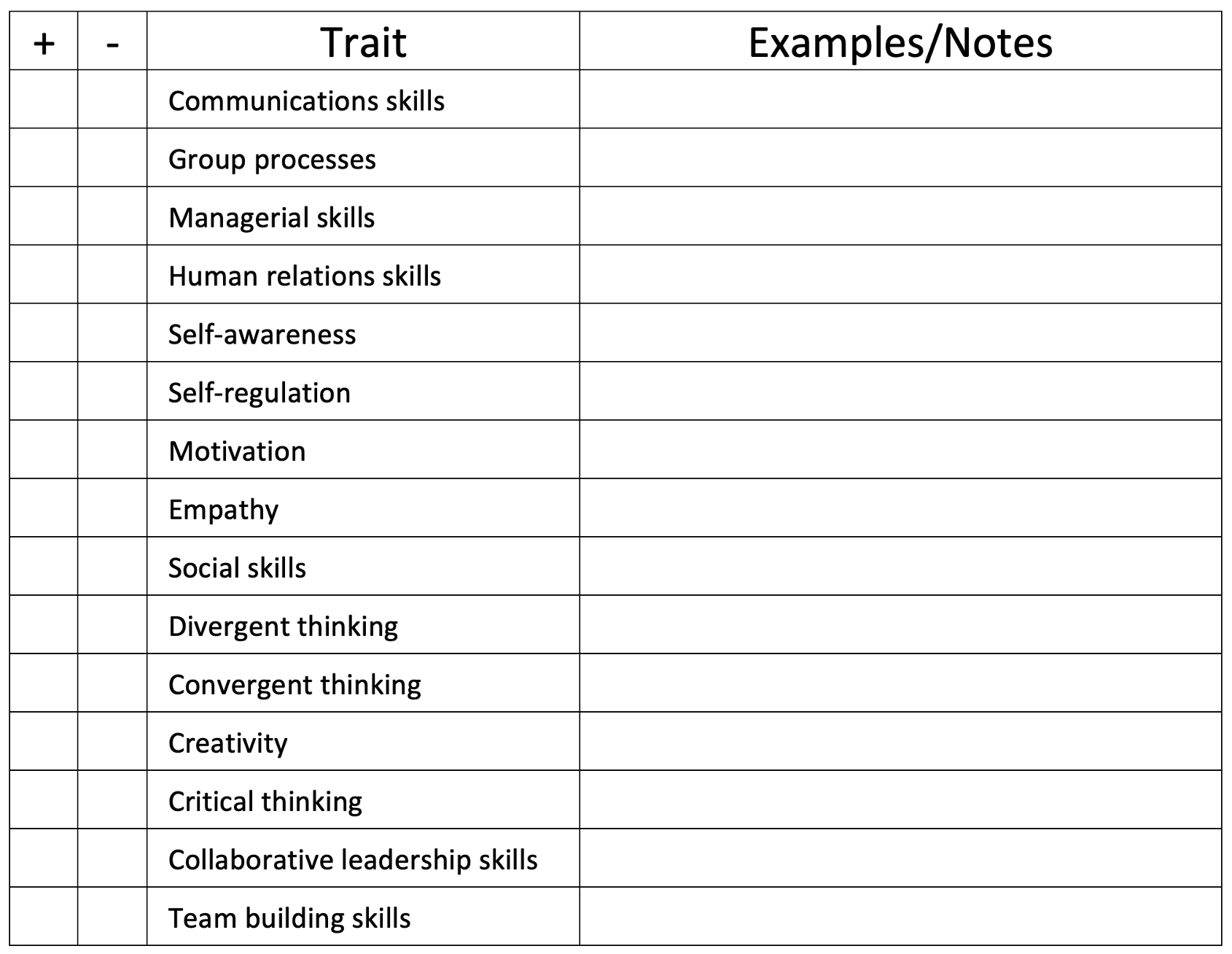
In my blog Growing Student Leaders and the SAS Institute 2025 presentation, I offered the above image as an informal personal checklist to evaluate leadership traits. Coincidentally, while I was writing this article, a scholarship committee of the Community Foundation of Upper St. Clair (for which I serve as Communications Director and Arts Chair) was developing an assessment rubric for ranking applications of a new student leadership scholarship. Although still under development, here are a few of the categories being considered:

  • Communication: Includes listening skills, clarity in speaking, and the ability to make others feel heard.
  • Integrity: Acting ethically, being trustworthy, and aligning actions with words.
  • Accountability: Taking ownership of actions and commitments.
  • Collaboration: Working effectively with others, valuing different perspectives, and resolving conflicts.
  • Self-awareness: Understanding one’s own strengths, weaknesses, and biases.
  • Drive/Initiative: A bias for action and the ability to move projects forward.
  • Courage: The bravery to speak truthfully, admit shortcomings, and make difficult decisions.
  • Humility: Recognizing the contributions of others and remaining a lifelong learner.

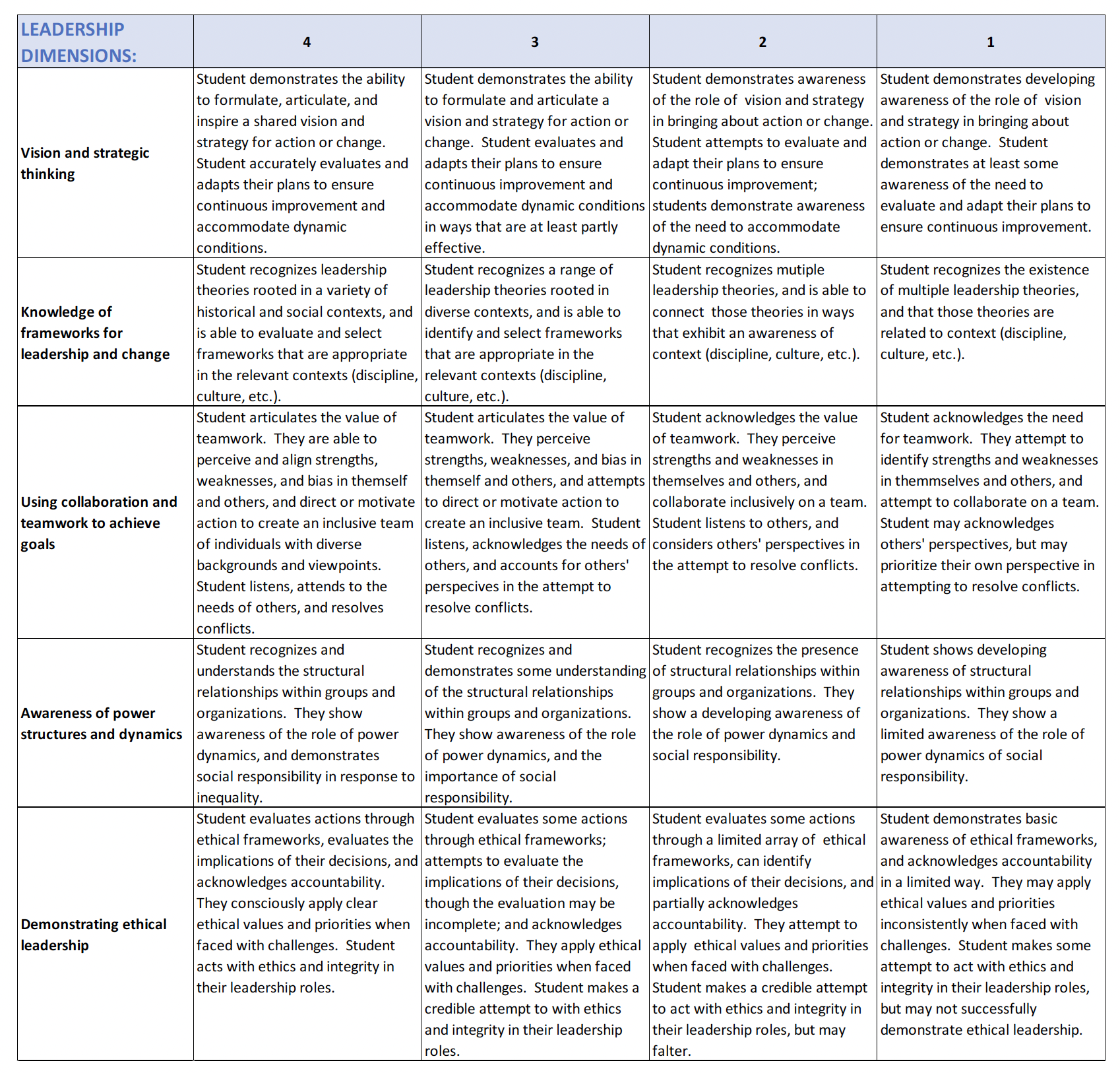
The University of Massachusetts Lowell developed the above rubric for their River Hawk Experience Distinction Leadership Program, defining specific criteria with a clear description of what each trait should look like at different performance levels, in order to provide a standardized way of measuring and assessing leadership skills

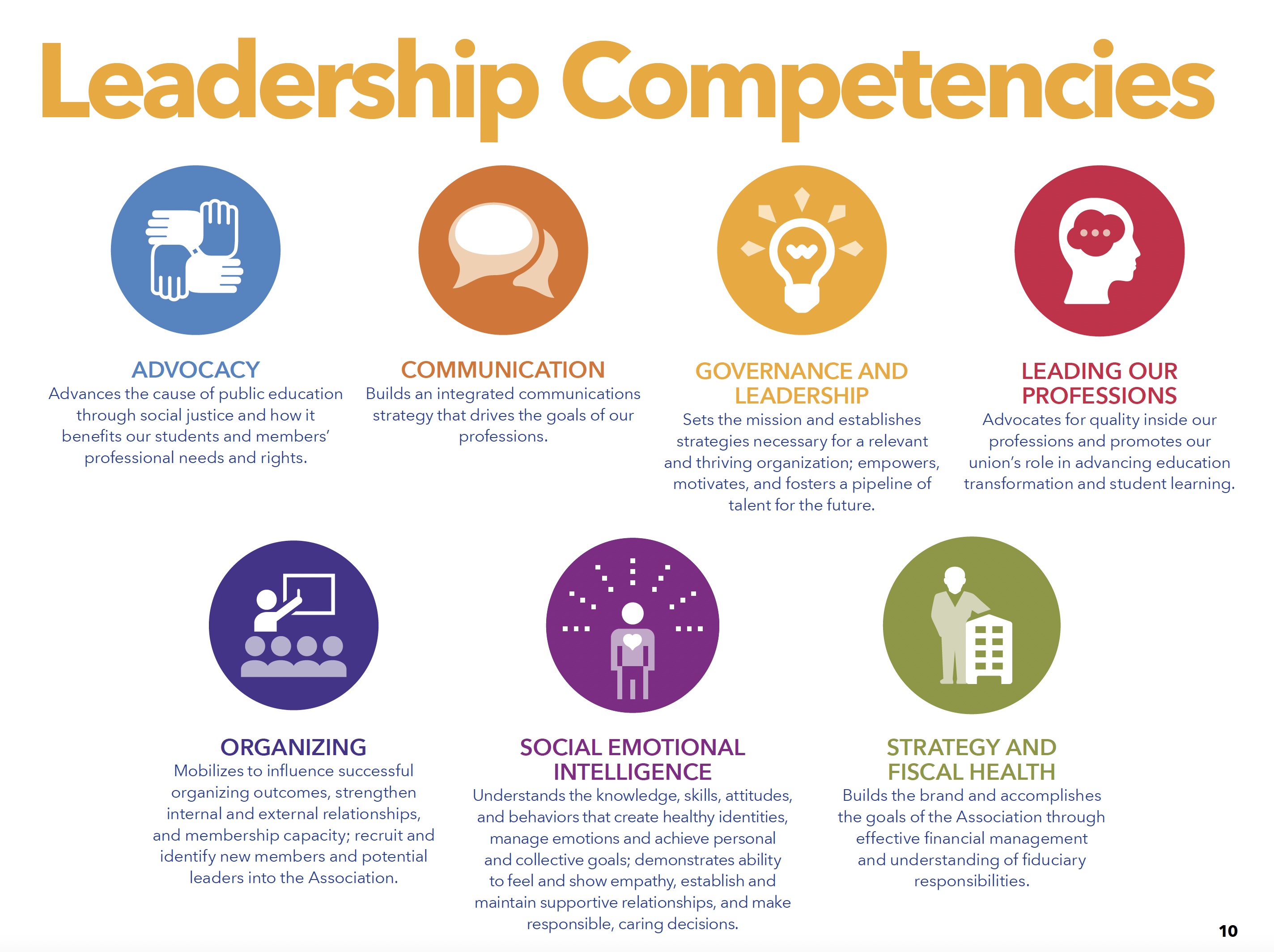
In addition, the National Education Association has created the above NEA Leadership Competency Guide worth downloading.

My favorite inspirational speaker Simon Sinek has also weighed in on this topic of “What Makes a Great Leader?” refining/simplifying it to just three traits:

  • Courage
  • Integrity
  • Communication

Additional resources

If you are an educator looking for supplemental material on developing leadership skills in your students, besides these SAS INSTITUTE 2025 slides (of which the original PowerPoint file is available to download for free in order to adapt for your classroom – please email me), I recommend perusing the full-blown “Building Leaders for Life” (second edition) curriculum (94 lessons in five subject areas, 355 pages of lesson materials, 137 student handouts) created by the Association of Washington Student Leaders (a division of the Washington School Principals’ Education Foundation). Click here to view their website. They also have a middle school and elementary series!

If you attend my SAS INSTITUTE workshop on December 9, 2025 (starting at 9:40 a.m. in Magnolia C, Hershey Lodge & Convention Center), ask me to see sample materials from their high school course of study.

Finally, here is the “homework for future leaders” I provided at the SAS INSTITUTE and during a 2024 summer camp at Upper St. Clair High School, providing additional links to many inspiring minds. Enjoy!


Leadership is not about being in charge. It is about taking care of those in your charge. — Simon Sinek

A leader is one who knows the way, goes the way, and shows the way. — John C. Maxwell

Do not follow where the path may lead. Go instead where there is no path and leave a trail.
— Ralph Waldo Emerson

The greatest leader is not necessarily the one who does the greatest things. He is the one who gets people to do the greatest things. — Ronald Reagan

What you do has far greater impact than what you say. — Stephen Covey

PKF

© 2025 Paul K. Fox
Social Media – Revisited

Before you begin reading this article, please take a moment and peruse these past blog posts:

Although several of the cited research links may have expired (for example, PA Department of Education modified most of their website’s URLs), these provided the foundations of background information and references for the presentation I prepared for the DCMEA Virtual Conference in 2020 (during COVID) and serve as the starting point for the workshop I will share in-person at the DCMEA Winter Conference in January 2026. This blog provides updates and additional perspectives. Taken in combination with the above sources, you will be able to identify the benefits, positive models, precautions, and dangers of social media, social networks, professional learning networks, and sample emerging technologies as they apply to teachers’ professional development and education of students.


“THE WHY”

Before every clinic or publication I develop, I always try to spotlight the theme of “THE WHY” as preached by one of my favorite authors and motivational speakers – Simon Sinek! According to him, for organizations and individuals alike, “THE WHY” (rationale and priority) is more important than “THE WHAT” and “THE HOW.” (See this video.)

WHY is a collaborative discussion on social media essential? Why now?

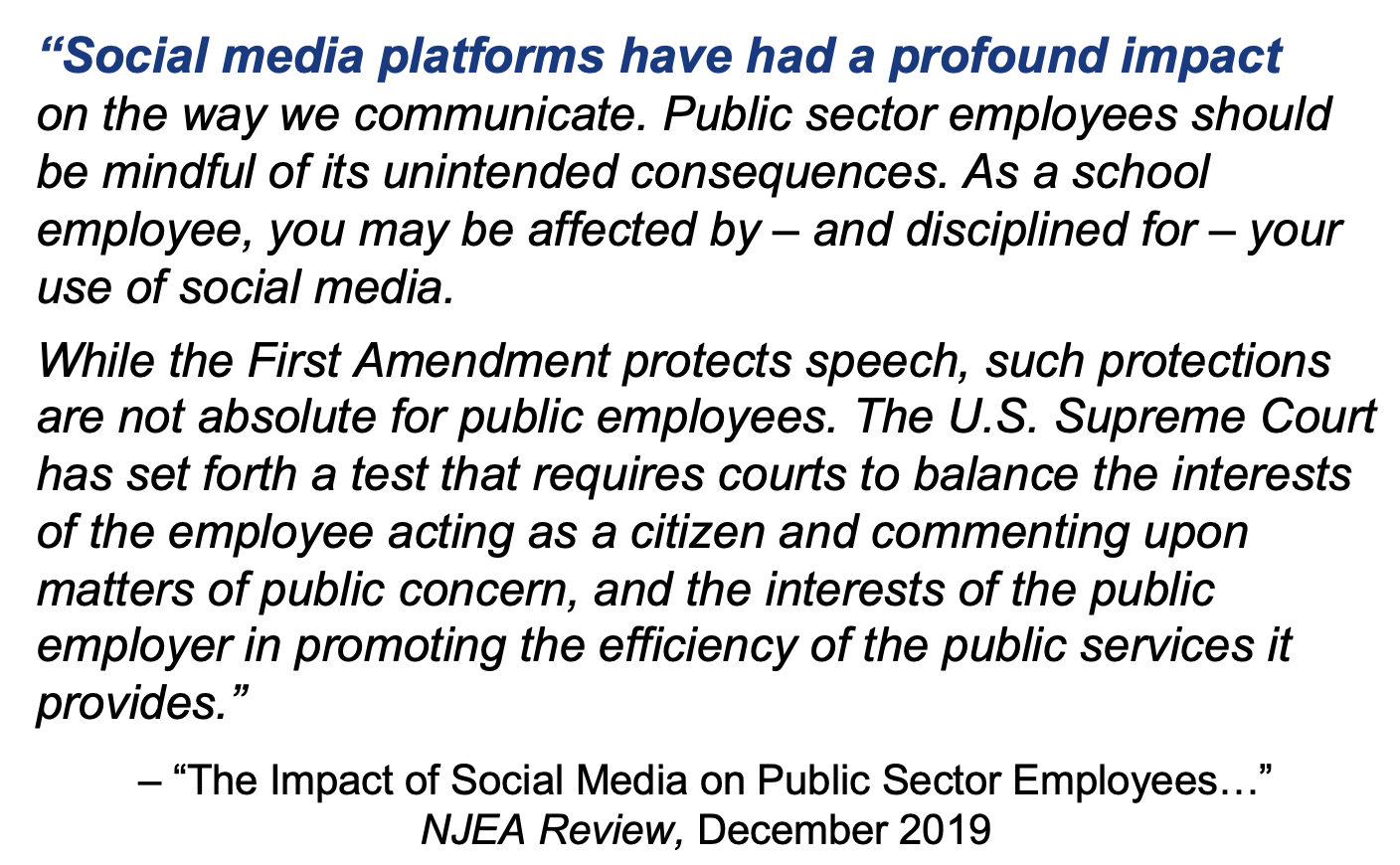
 ”There’s a growing body of evidence suggesting that educators are facing increasing scrutiny regarding their social media use. Concerns include unprofessional conduct, inappropriate interactions with students, and the potential for cyberbullying and other negative impacts on student well-being.”

“Educators are increasingly concerned about how social media influences students’ social-emotional development and their interactions with others.” 
NEA Member Polling on Social Media…
NEA Impact on Social Media and Personal Devices on Mental Health
HHS Youth Mental Health and Social Media

Frankly, there is still a lot of confusion about the dangers of social media, social networking, and other technology integrations into education. In Social Media – Boon or Nemesis, we mentioned that teachers should “debunk the free speech myth.” We demonstrated how the improper application of social media could get educators in trouble. Check out these sites for more info and corroborative stats:
Teacher Student Misconduct and the Critical Role of Social Media Screening
NCBA Social Media for School Employees
Social Media Hazards and Tips for Teachers

As always, our goal is to promote ethical practices in maintaining professionalism in the digital world.


“THE WHAT” Review of Definitions

“Social Media”

Social media are “websites and applications that enable users to create and share content or to participate in social networking.”
— Oxford Lexico.com online dictionary

“Social Network”

A social network is, 1. a network of social interactions and personal relationships.; 2. a dedicated website or other application which enables users to communicate with each other by posting information, comments, messages, images, etc.
— Oxford Lexico.com online dictionary

Professional Learning Community” (PLC)

A PLC is “a group of educators who meet regularly…” (usually in-person) “…to strategically enhance their teaching skills and improve student outcomes.”

versus “Professional Learning Network” (PLN)

A PLN is “a group of educators who gather more informally…” (usually in online communications) “…to problem-solve and generate ideas to enhance classroom practices. A PLN… often takes the form of an open forum, where participants can ask and answer questions based on their experiences.”
https://edtechmagazine.com/k12/article/2024/08/pln-vs-plc-perfcon


“THE HOW” Ethos of Care

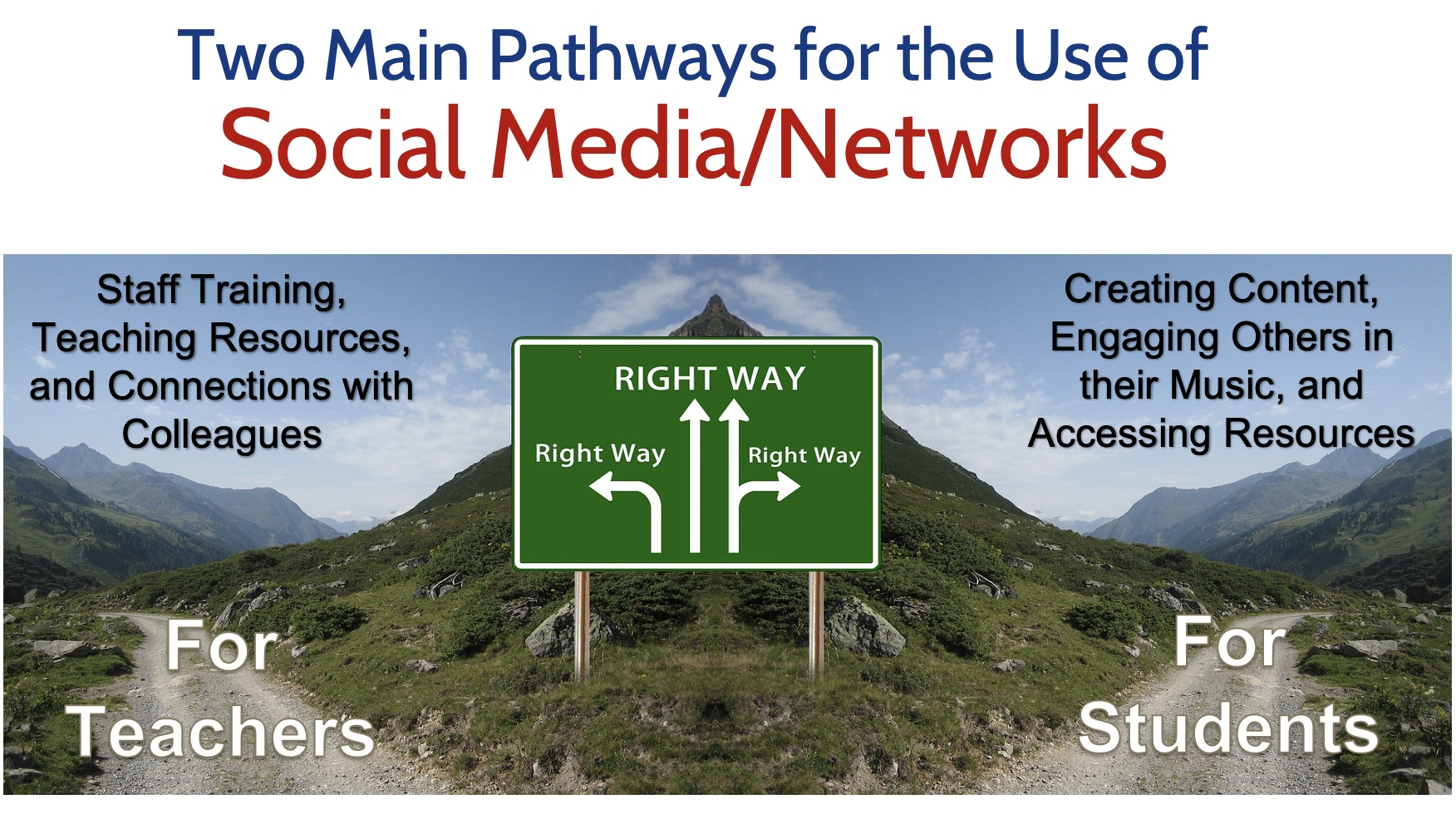
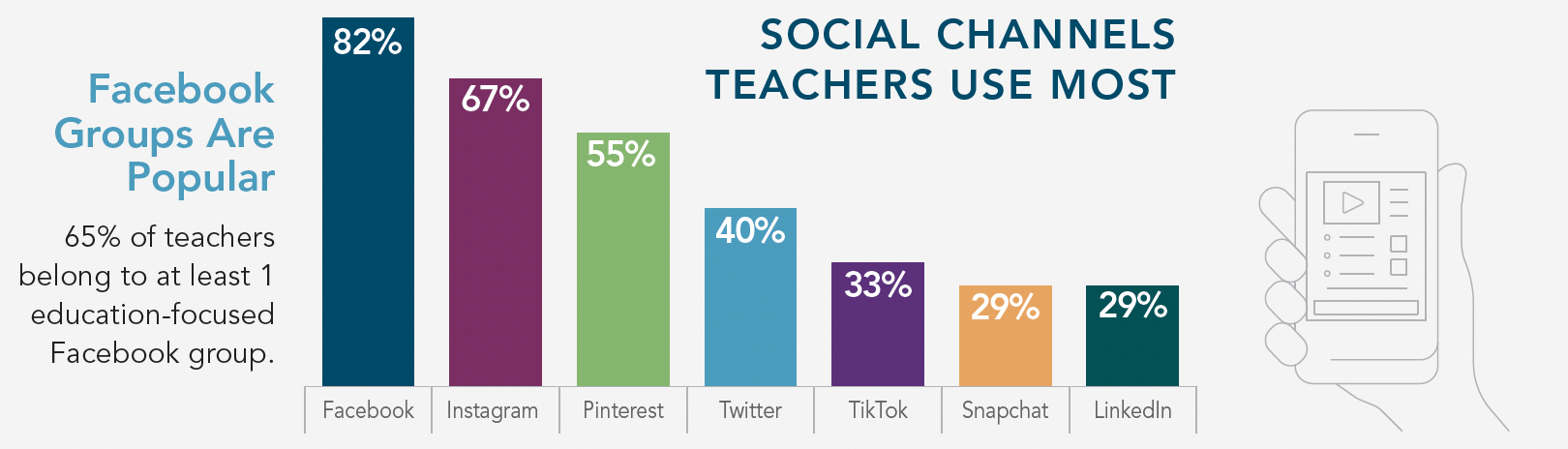
Teachers use social media to…

  • Get inspired with new teaching ideas
  • Find resources for the classroom
  • Connect with other educators
  • Stay on top of trends and news
  • participate in an online community
  • Find teacher discounts and deals
  • Follow education companies and organizations

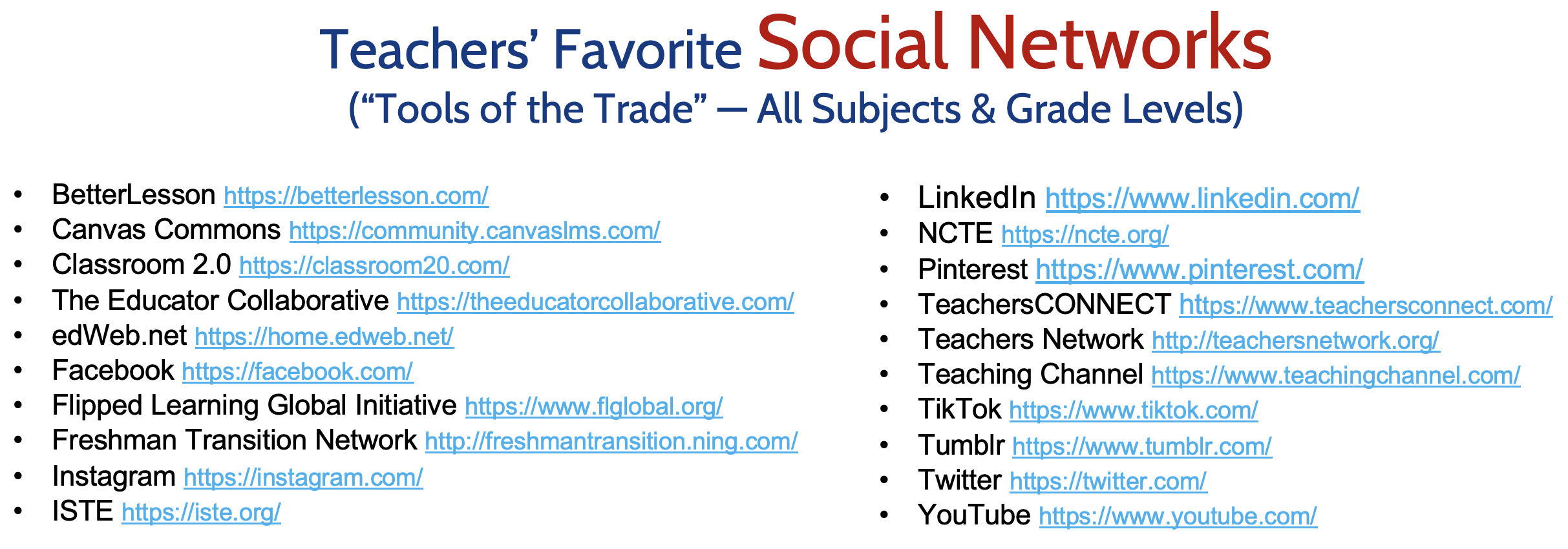
How Teachers Use Social Media
Teachers Social Media Use

Social Networks for Teachers

We acknowledge that the benefits of social networking for educators are numerous by promoting professional collaboration and connections, including:

  1. Acquiring information to enhance understanding
  2. Keeping informed about latest developments in education
  3. Enhancing communications with students, parents, and the school community
  4. Fostering connections with colleagues in the field to expand an educator’s professional network.

Benefits of Social Media as an Educator

However, educators must exercise “sound judgment” and proper professional boundaries when using social media/networks with students. While the introduction of new technology provides many opportunities for teaching and learning, it is important to establish clear rules for appropriate student-teacher communication. In order to promote safety and appropriate boundaries while transitioning to a virtual teaching and learning environment, the Pennsylvania Professional Standards and Practices Commission offers suggestions to help educators protect themselves and their students.

  1. All technological resources and applications should be school entity-approved and only used in the manner prescribed. Ensure that you are familiar with the tools you are using in order to use them properly. 
  2. Communication with students should occur at designated times, consistent with traditional school day hours. Maintain transparency and protect yourself by keeping a record of all communications with students. 
  3. Clearly communicate when and how students should contact you and provide a timeframe for when students should expect responses to questions. 
  4. Avoid one-to-one interactions with students in chatrooms, FaceTime, Skype, or any other online space. School psychologists, school counselors and others providing one-to-one services to students should consult with school administration about the best mode of communication. 
  5. Use approved forms of communication by your school entity to connect with students and parents (i.e. Remind), use only your school email to communicate, and copy administration when communicating with parents or students. 
  6. When creating content or interacting in an online space with students, conduct yourself as you would if you were in school. If appearing on camera, dress professionally and be mindful of your surroundings and the camera’s view. 
  7. Do not “friend” or follow students on social media and do not allow students to “friend” or follow you on your personal social media. Remember, you do not have a “social” relationship with your students. 
  8. Keep your personal and professional lives separate. Do not share overly personal information about yourself with students.

PSPC Digital Tips for Educators

While exercising responsibility to maintain a respectful, safe, online environment, there are many benefits for the application of social media for students in the classroom:

  • Real-time communications can increase student engagement, collaboration, communication and overall participation
  • Many students may find it easier to participate in online discussions that in the classroom
  • Students can easily ask each other or their teacher questions about assignments outside of class
  • Students & teachers can quickly share resources at any time.
  • Teachers can easily share class announcements.
  • Social media can provide a contingency plan for last minute remote learning scenarios.
  • Students can organize school events with each other or with the help of a teacher.
  • Teachers can augment an online-only class by establishing a social media page or account simply for building community.
  • Students can practice using social platforms responsibly, including maintaining a respectful online discourse.
  • Teachers can communicate directly with parents as needed, and parents can stay informed of school news via a convenient, easily accessible platform.

However, please watch out for these potential drawbacks:

  • Social media can be a major distraction, especially if students are accessing their personal accounts independently.
  • If students primarily use social platforms to participate in class discussions, they can miss out on practicing face-to-face conversations and respectful in-person discourse.
  • Some students may see social media assignments as an opportunity to cyberbully their classmates, and there is always a risk of someone posting inappropriate content or language.

Social Media in Education


“THE WHAT” Several Success Stories

Balancing the positives and negatives and taking into account all of these precautions in order to maintaining professional boundaries, the integration of new technology into the classroom may offer excellent enrichment and increase student motivation for advanced learning. This may take many forms. Here are a few interesting models.

Prior to preparing for the DCMEA online session in 2020, I stumbled upon a truly inspiring post from Derek Muller, a gifted teacher, physicist, filmmaker, and founder of the YouTube channel Vertiasium which has captured millions of subscribers. He offers one of the BEST models of using social media to enrich the understanding of learning math and science (applicable to all fields of study), while at the same time, provides warnings against unbridled use of so-called “innovation for innovation’s sake.”

“I feel like people over the years are invariably drawn to use these words:  revolutionize and education. And there’s this sort of amnesia that we’ve had a hundred years’ worth of these predictions, worth of really groundbreaking technologies that have transformed other areas in our lives but have failed to fundamentally change the way we do education. So, I stand here today as a voice of caution, to think that the future of education is not one of revolutions…”

You need to watch this: How is Social Media Transforming the Future of Education? (2016)
Derek Muller

Say what you want about how COVID significantly disrupted our educational programs, evidence of learning loss, problems in socio-emotional development, decline of student engagement and self-motivation, rise in mental health struggles, decreased instructional time, and the effects of a new digital divide of under-served students (Annie E. Casey Foundation), happily there were surprisingly a few positive advancements the results of exploring new tools and methodologies we had to employ to tread water and cope with the catastrophe. (“When life hands you lemons, make lemonade!”)

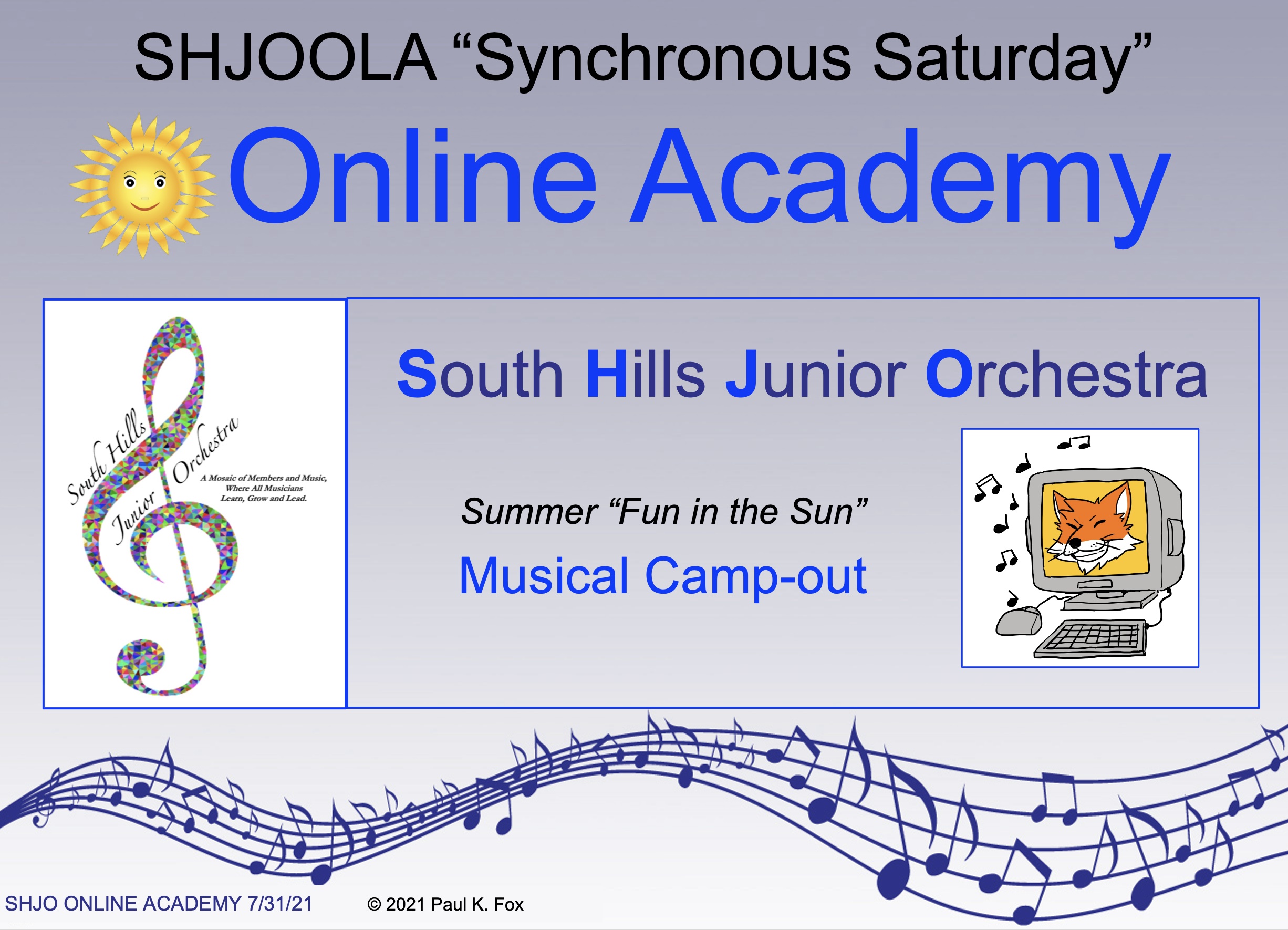
As one example, in the middle of preparing music for my community orchestra, we were shut down in 2020. No in-person rehearsals at the school. I then pivoted to creating my own online platform called SHJOOLA (South Hills Junior Orchestra Online Academy) in 2021 using MusicFirst. For a nominal yearly subscription fee, I was able to continue my Saturday morning classes (synchronous) as well as asynchronous (on-their-own time) learning using excellent applications in a virtual environment: MusicFirst Classroom, Focus on Sound, PracticeFirst, Sight-Reading Factory, Musition, Auralia, a web-based music notation program, and a huge library of method books and ensemble music. Several past blogs showed how we rolled out SHJOOLA:

The latter link above also provided a comprehensive list of supplementary resources (at the time) for online music education. Please peruse these even though some of them may have now gone inactive. We will provide supplemental links at the bottom of this article.

Another direction accented by the onslaught of the pandemic was digital streaming performances, incorporating technology in both the solo and ensemble settings. The following are two of my favorite examples of these to be viewed on YouTube:

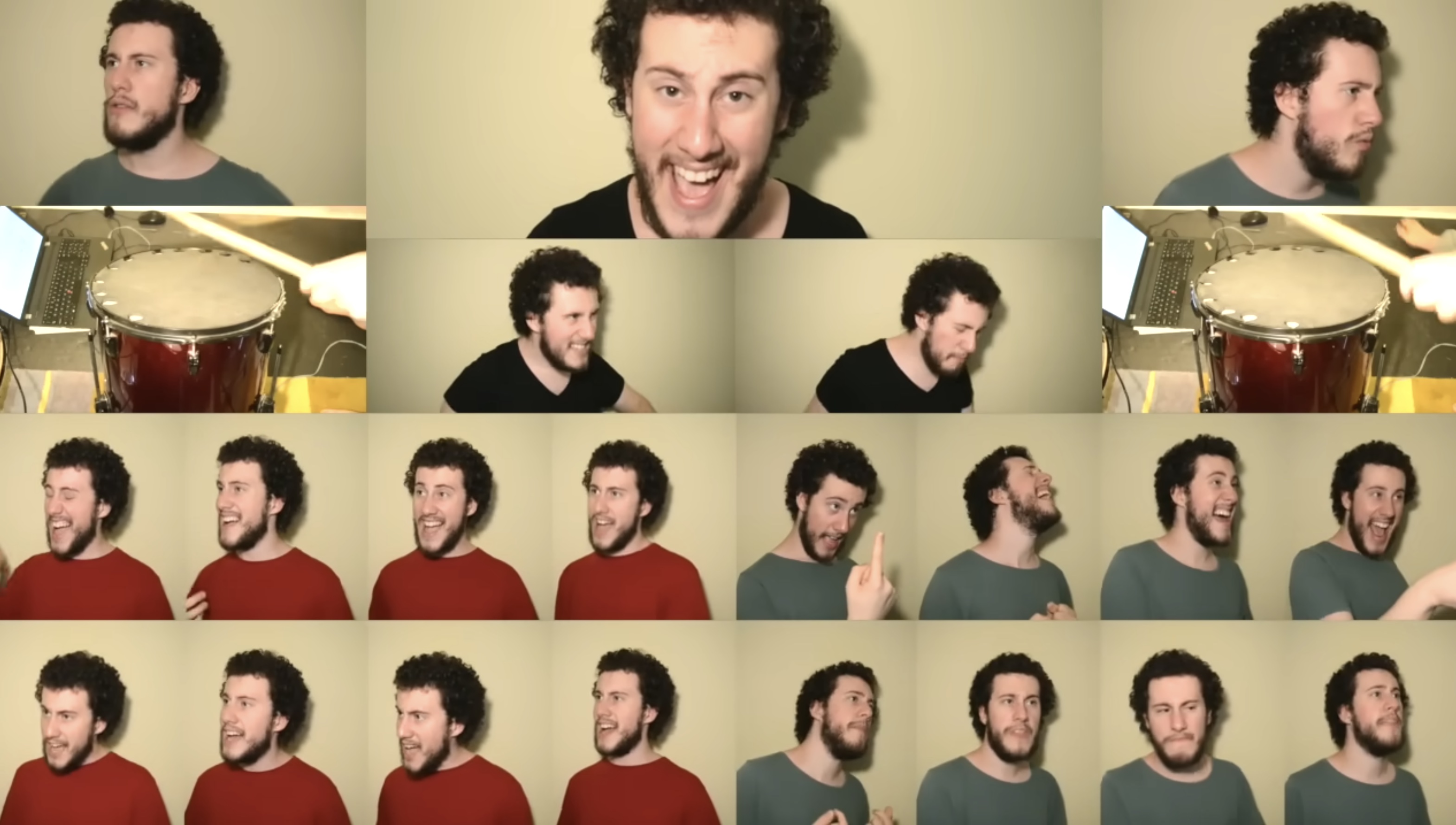
Circle of Life from Disney’s Lion King (2015-18) by Sam Robson, arranger, innovator and performer using multitrack recording of a single performer mixing as many as 50 voices at one time.

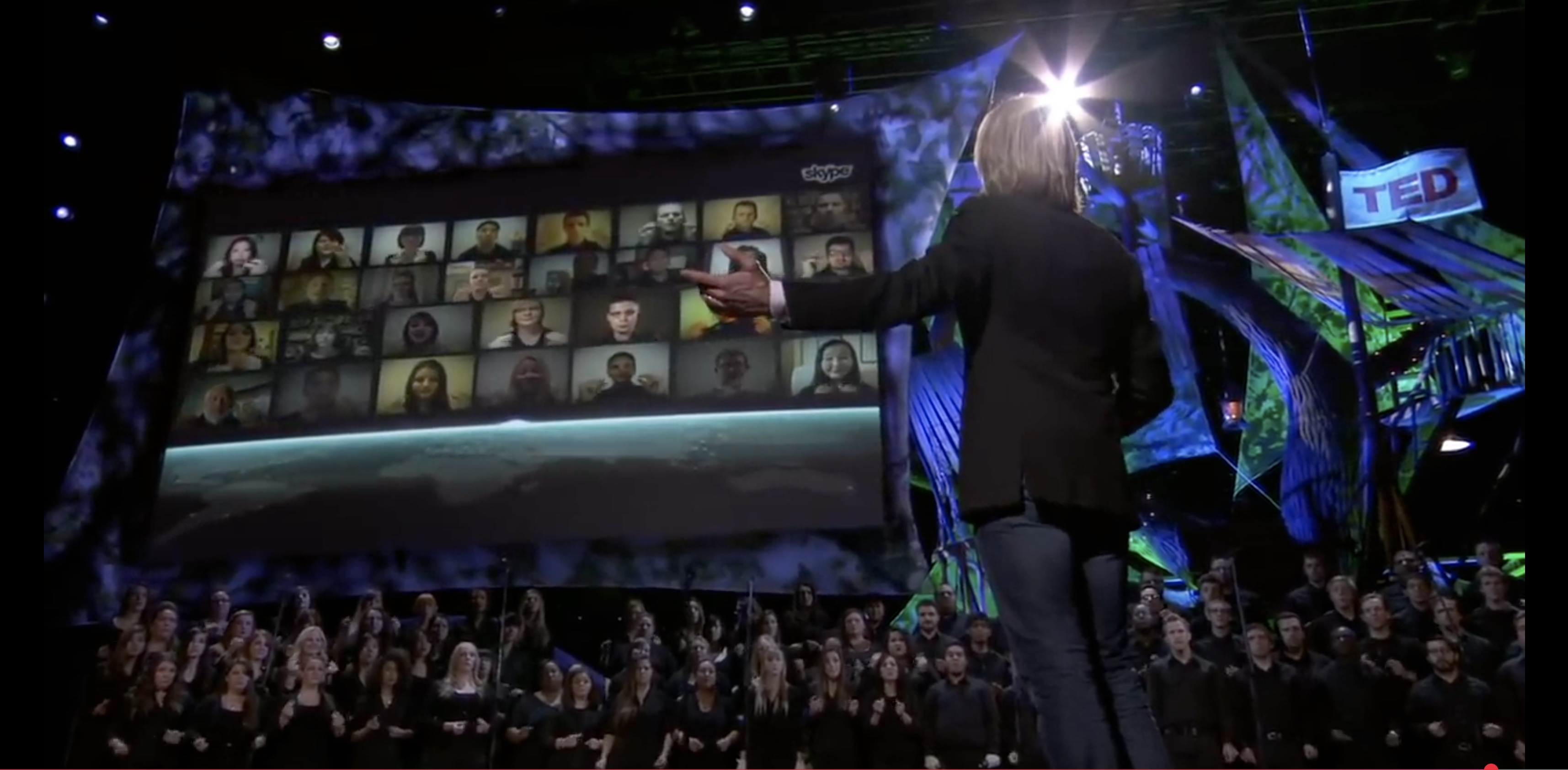
Cloudburst, a Virtual & Live Choir and TEDTALK (2013) by Eric Whitacre

Well… sorry this blog has grown to be so large! If you admit to understanding the potential hazards of and precautions for integrating social media, social networks and other technologies into education, we’ll close with the following bibliography of additional resources for further study. If that is not enough to whet your curiosity, stop back in several months to download a copy of my slide summary for the session I will present at the DCMEA Winter Conference on January 30, 2026.

Be careful stay safe and professionalbut ENJOY!

Sample Blogs

Several Major Platforms

Examples of Music Applications/Websites

PKF

© 2025 Paul K. Fox
Growing Student Leaders

The following course content, outline and supplemental materials were presented at the Upper St. Clair High School Leadership Academy on July 24, 2024.

As a follow-up to my workshop for the attendees and to grant full access to important links, a facsimile of the slide presentation, and printable handouts, please download the PDF documents below.

Below is a comprehensive summary of “Leadership 101.”

7/27/24 Update – Leadership Presentation

At the invitation of Upper St. Clair High School (USCHS) German teacher and summer leadership instructor Jacob Reis, it was my pleasure to meet and share my thoughts on “Leadership 101” with students in phase 2 of the USCHS Leadership Academy on Wednesday, July 24, 2024.

The national award-winning USCHS Leadership Academy is a one-week summer workshop offering students exposure to leadership concepts and practices. Students identify their leadership strengths and learn how these skills may be used to make them successful in all stages of life. Through experiential learning strategies, group projects, and hands-on activities, students experience the application of leadership skills, building confidence in their abilities and enhancing their capacity to serve in leadership roles. https://www.uscsd.k12.pa.us/Page/495

I enjoyed my interactions with about 30 rising sophomores who demonstrated they were already well on their way to becoming significant student leaders… and the proof was taking a week off from their summer vacation to enroll in the academy and then enthusiastically participating in my 45-minute workshop right after lunch! (Instead of nap time?) Hopefully, I was able to provoke some new thinking on the further development of their advancing leadership skills.

The only negative comment about the day is that I did not fully cover everything I intended (probably needing at least a full hour but would have enjoyed a half-day!)… thus the rationale for creating this blog-post. I only hope these budding “future leaders” will revisit this material and devote more time on it in research and self-analysis… and complete my optional homework to explore more perspectives on “the definitions of, distinctions in, and directions to becoming a dynamic and dedicated leader.”

Let the Games Begin

With a backdrop of more than 52 years in the field of education (beginning with my own HS days offering private lessons) and incorporating the experiences of an ongoing 44-year relationship in the Upper St. Clair schools, I was able to share philosophies, “best practices,” and anecdotes of lessons learned in working with countless past Fine and Performing Arts student leaders… so many “cream of the crop” drum majors, section leaders, concertmasters, producers, directors, rehearsal assistants, crew heads, leads, etc. Several of the hands-on interactive exercises we have explored in past student staff meetings and even at PMEA/PCMEA conferences were beneficial (“doing” works better than “saying!”), including:

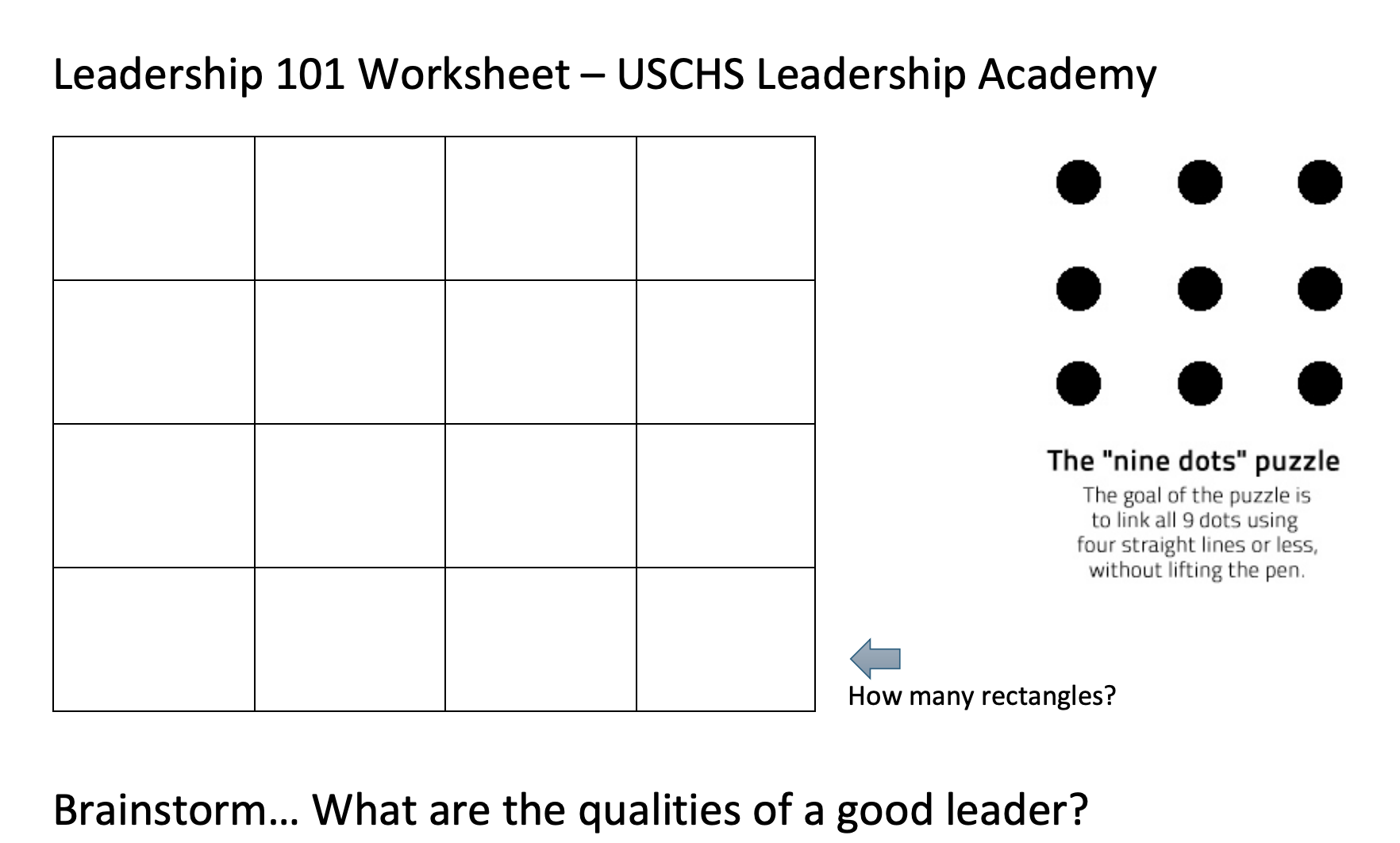
  • How Many Rectangles (thinking outside the box): See this 2015 Part II blog-post on Creativity.
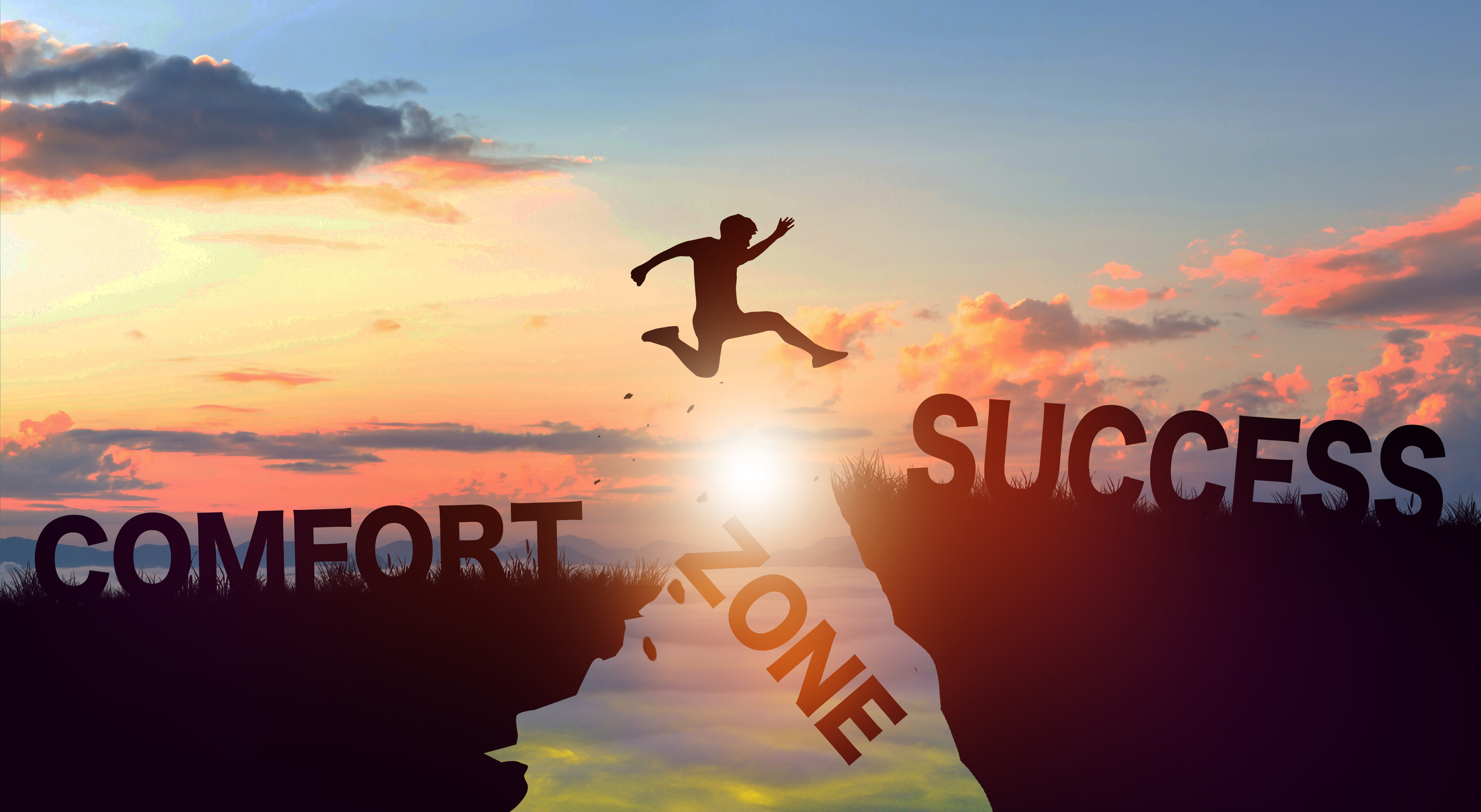
  • The Clapping Game (stepping outside your comfort zone): “Put your hands together, clap and hold. Is your right thumb over your left or vice versa? Now try it the opposite way… until you can do it just as confidently! Now you have expanded your comfort zone! This is how we GROW!”
  • The Nine-Dot Puzzle (how creative are you?): See this 2015 Part I blog-post on Creativity.

Now Some Definitions

We reviewed some common “leadership vocabulary” during the session. Recognizing that there is a wide divergence in opinion on what makes a great leader, I chose to focus on portraying three triple-threat skill types that LEADERS ARE…

  • Visionaries
  • Coaches
  • Managers

I have always felt that leaders need to embrace change, not be afraid to “upset the apple cart,” foster a shift in new directions, create goals, and make improvements to the status quo… to bravely go out and figuratively “break something!” Things to do with a problem:

  • Ignore it
  • Resist it
  • Define it
  • Enjoy it
  • Find a use for it
  • Find a bigger problem

Numerous giants in the field of coaching and education have shared these one-line gems:

  • Leaders embrace new ideas or challenges.
  • Leaders are catalysts for change.
  • Leaders make goals and define targets.
  • Leaders model commitment and passion.
  • Leadership is all about creativity, innovation, and problem solving.
  • Leadership is about taking risks.
  • Leaders have positive self-esteem.
  • Leaders master good listening skills.

Extra handouts: Last week, I was not able to distribute these leadership quotes or the stuff and tasks of leadership, including words of wisdom from “leader luminaries” like the late great Babe Ruth, Abraham Lincoln, Vince Lombardi, Theodore Roosevelt, and my first USC school administrator and mentor Thomas Harshman.

Citing elements from the “curriculum” created by The Association of Washington Student Leaders (AWSL), a division of the Washington School Principals’ Education Foundation, we briefly touched on these leadership effectiveness goals (peruse my slides #18-25):

  • Communication skills
  • Group processes
  • Managerial skills
  • Self-awareness
  • Human relations skills

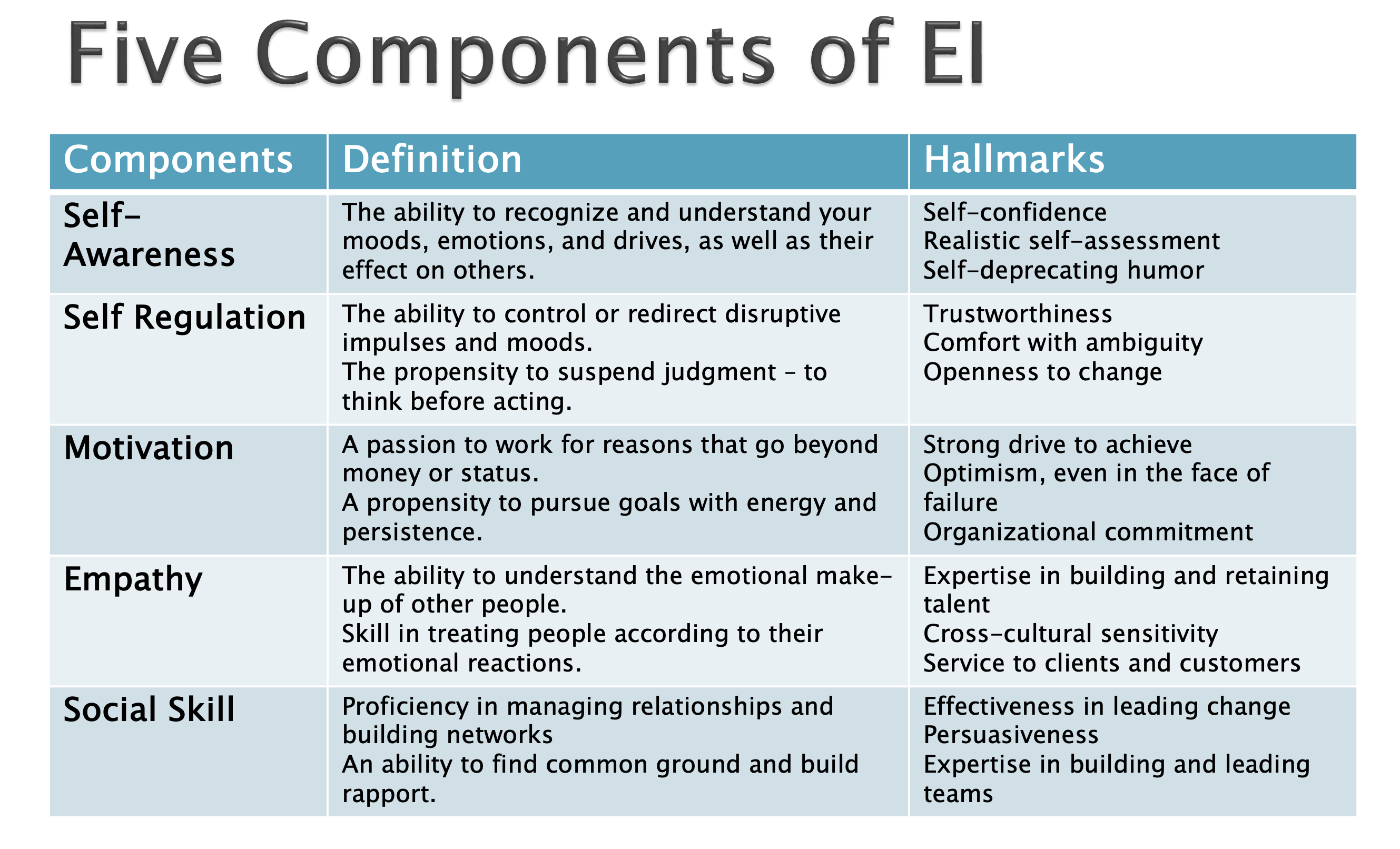
…which led us into diving into this table of emotional intelligence (EI) skills, supporting the self-awareness goals of AWSL and prescribed by the United Nations System Staff College and a book by Daniel Goleman What Makes a Great Leader:

Types of Thinking… and Leading

There was not enough time to unpack these “chapters,” much of it inspired by the research and work of Professor Curtis Bonk from Indiana University of Bloomington (check out slides #32-52 for descriptions):

  • Divergent thinking
  • Convergent thinking
  • Critical thinking
  • Cooperative/collaborative thinking
    (team-building)

Are You in the Right (or Left) Mind?

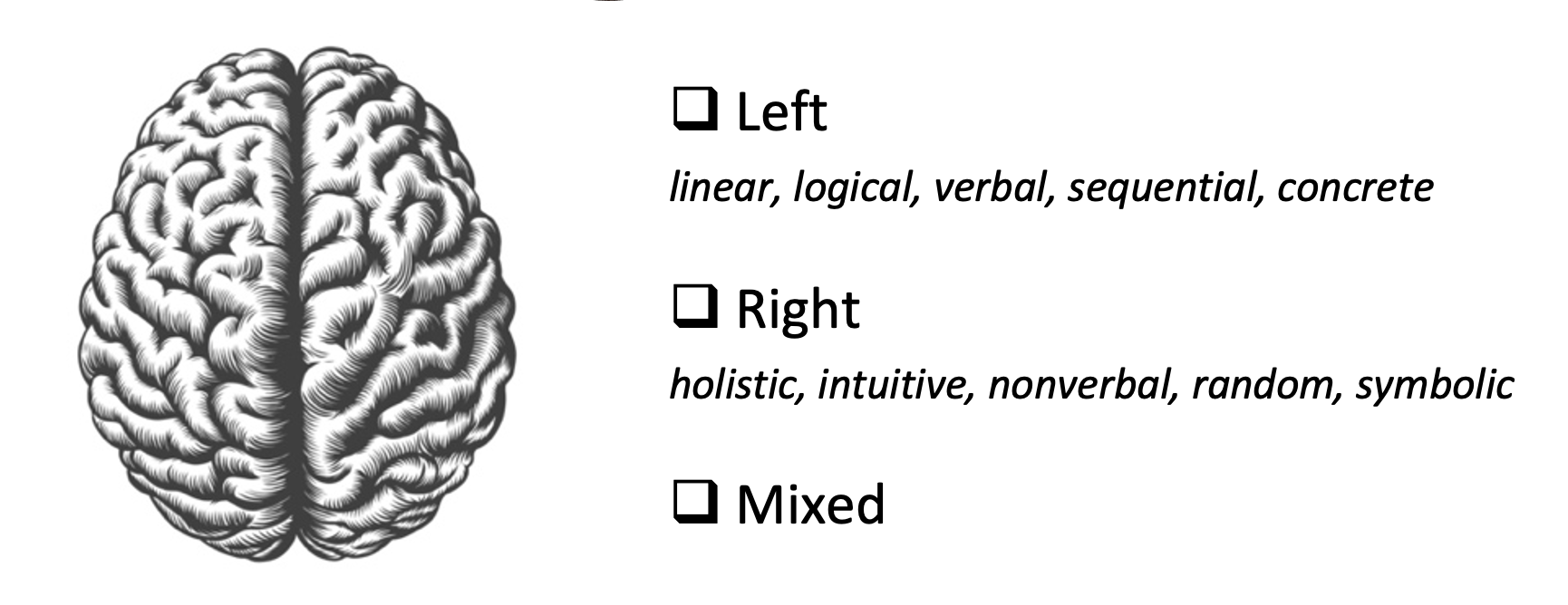
At the Leadership Academy session, we did enjoy taking an insightful quiz about left or right brain hemispheric dominance (although we were unable to finish scoring it), something which was first introduced to me at a teacher in-service led by USC Supervisor of Curriculum John Small, and many years later, shared in a virtual session of my community orchestra during the pandemic. Examples of the type of questions: Would you choose to complete a crossword puzzle (left-brain) or a jigsaw puzzle (right-brain), or view a movie (right) or read a book (left)?

This test introduces “thinking styles” and a taste of lateral brain research. (Disclaimer: There has been a lot of scientific debate on whether there is any value in measuring brain dominance. In addition, a true test of hemispheric brain dominance would take hours, MANY MORE questions, and still only offer a few generalizations! This exercise is only provided to give us a little more understanding in the way we think and how others may respond to our attempts to lead them.) I concluded with the following statement:

Now apply this to the “types” of people you may lead. The lefty “analyticals” may want meetings to start and end on time, keep to the agenda, follow Robert’s Rules of Order, receive written documentation, etc. “Righties” (a.k.a. “spatials”) may arrive late, prefer more time for free discussion (“bird-walking?”), enjoy more charts/graphs, demonstrations, and “hands-on,” offer good brainstorming… but fewer restrictions or rules to organizing the meeting.

More Self-Reflection Exercises and the “Oreo Cookie Technique”

Back to interactive “show-don’t-tell” FUN activities! We introduced several tools to motivate additional self-analysis (insights into current leadership skills/tendencies and future needs):

  • Brainstorming of Leadership Habits: “Close your eyes and visualize a ‘model leader’ you have known and admired. What were his/her outstanding personality characteristics? In 30 seconds, write down as many of these traits and others that would define a great leader.”
  • Step #2 Brainstorming: “Circle three of these qualities you feel are the most important for success.
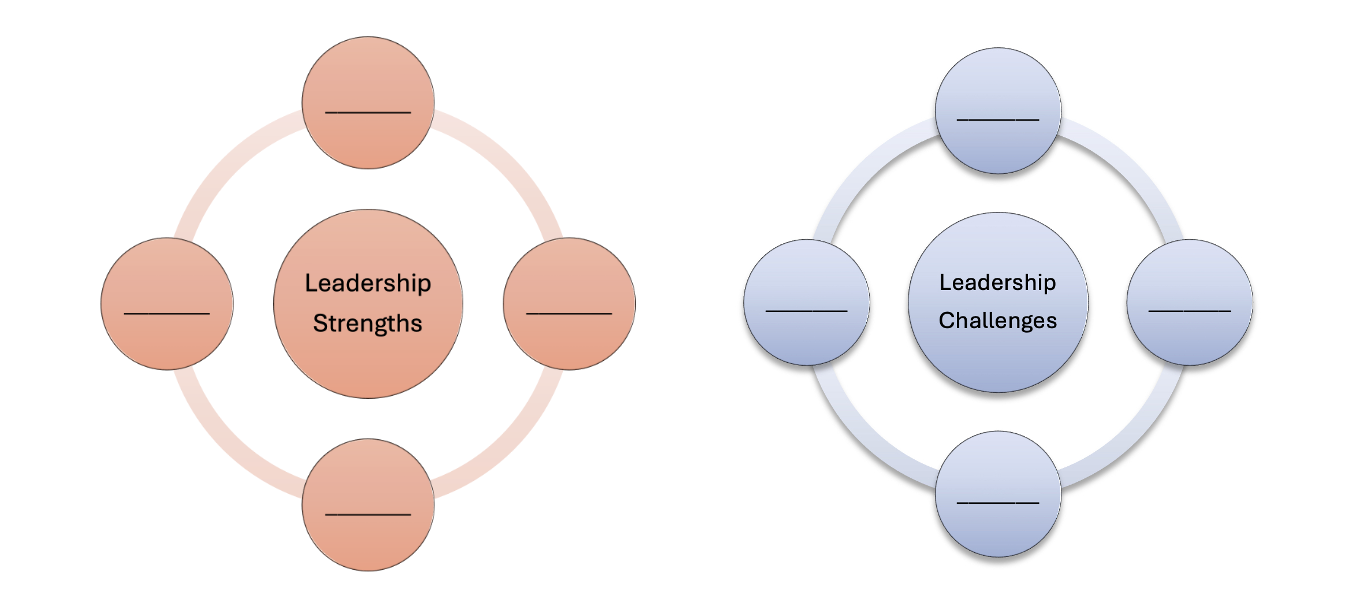
  • Step #3 Brainstorming: “Highlight, underline, or star two of these traits that YOU model – your most developed skills. Now print these in the top two bubbles of the pink graphic below.
  • Step #4 Brainstorming: “Review the EI chart of the Union Nations Systems Staff College, outline of AWSL leadership skills, and the types of thinking/leading skills (above), and add one or two characteristics you feel YOU are well on your way to mastering (understanding that, as my wife would remind me, ‘pobody is nerfect!’ and there’s always room for even more work on them.”
  • Step #5 Brainstorming: “Once you have completed a self-analysis of the material covered in this session (blog-post + handouts + slides), select up to four ‘challenges’ you would consider for further study or goals for self-improvement.”

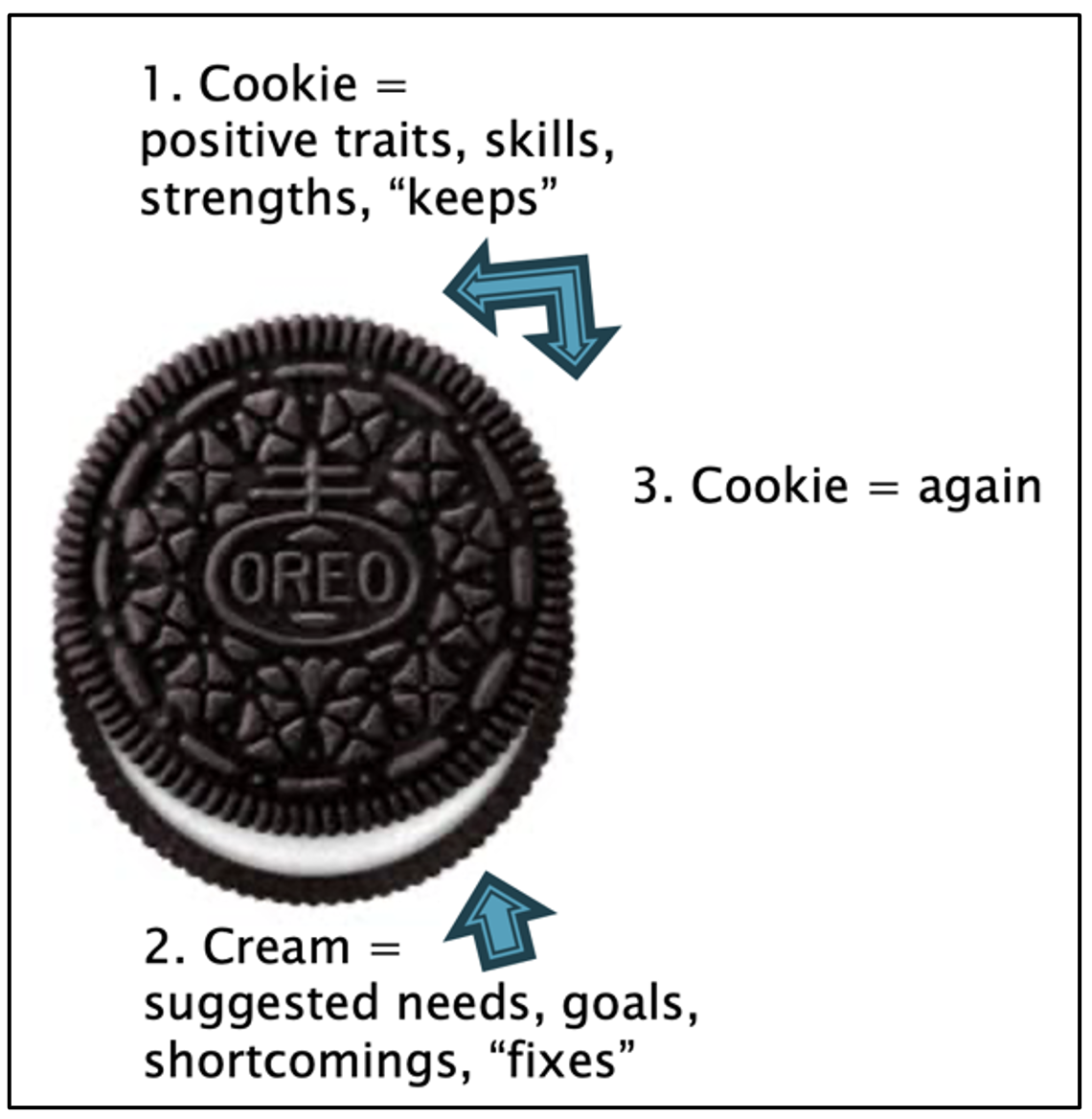
Now, the process for “peeling back the onion skin” and doing a deep dive into a critique of an individual’s strengths and weaknesses (without crushing egos) is best done by first using positive reinforcement (what are the good things already accomplished?), followed by the problem(s), need(s), or trait(s) that resoundly land “outside the comfort zone.” This punch list of one or more items will be the basis for generating an action plan for making positive changes. Finally, you should always end everything with the positive… a reflection on the progress that has already been made, observation of past achievements or gifts, and confidence that a set of recently adopted S.M.A.R.T. goals (below) would be attainable:

  • Specific
  • Measurable
  • Achievable
  • Relevant
  • Time-bound

The Oreo cookie symbolizes layers, a progression from top to bottom, starting with the chocolate cookie (dunk it in milk if you wish!) which represents “the positives,” next going to the cream which depicts a “focus on improvements,” and then finishing off the bottom cookie (return to “the positives”). This is relevant for self-analysis as well as a model for the care and motivation of team members. The experienced and empathetic leader knows that “you catch more flies with honey than with vinegar…” and most people respond better to positive-first feedback along with a little sensitivity and diplomacy when pointing out their shortcomings. Whenever you can, “sandwich” the cocoa’s good things (“keeps”) around the cream’s criticism (“fixes”)… for yourself and in others within all work/school settings!

Coda: Personal Inventory Profile

I hope throughout this workshop attendees will self-assess their leadership potential and make a few plans for ongoing personal development. The above checklist outlining my USCHS leadership academy content was provided in this handout to help examine areas of interest and to formulate new goals. I also recommend taking time to peruse the homework for future leaders and especially read a few of my past posts on creativity in education and leadership showcasing several exemplary models of leadership… outstanding visionaries, coaches, and managers:

How’s your LQ = leadership quotient?

PKF

© 2024 Paul K. Fox

Bookends – Part Two

The Life Cycle of a Successful and Happy Music Educator

Joyous Holidays, Season Greetings, and Happy New Year from “The Foxes!” This is a time for reflection and gratitude… and we feel blessed for all the opportunities allowing us to share our insights, gifts and experiences with other music education professionals.

We hope to inspire YOU and literally model the concepts in this blog series. We continue with our discussion first introduced a month ago in Bookends – Part One – The Life Cycle of a Successful and Happy Music Educator, exploring:

  • Stage 3: Inservice/Growing Years (this blog)
  • Stage 4: Veteran/Sustaining Years (future blog)
  • Stage 5: Next Chapter/Living the Dream (future blog)

This article is an abstract from a session presented to Seton Hill University music education student teachers on October 17, 2023. Click on this link to download the slide summary in PDF format.

“I have written a lot of articles in support of these topics… now compiling them for your easy access. Depending on your current status and interests, feel free to peruse the checklists (links) in this series. It is possible a few of the resources contained within these blogs have gone inactive, but I believe enough are there for you to gain the insight, tools and motivation to achieve professional development for life.”

– Paul Fox

Stage 3 – Inservice/Growing Years

[ ] 8. Becoming a Music Educator: For a review of Bookends – Part One, take a step backward and revisit what you have done to “get ready” for your “rookie years.” Take special note on the things-to-do list (“secrets”) as a first-year educator (perhaps completed during your student teaching semester):

  • Subscribe to a discounted NAfME + PMEA first-year membership (If you are a recent college graduate in your first year of teaching, or if you are the spouse of a current or retired NAfME member, contact NAfME at 800-336-3768 or email memberservices@nafme.org) to find out if you qualify for a reduced rate.
  • Hook up to PMEA Mentor or other state’s MEA support program for new teachers.
  • Look into finding an informal advisor in the PMEA Retiree Resource Registry for PA music teachers.
  • Need to fill in a few gaps missing from your college courses in skills and knowledge? Continue your “enrichment” viewing PMEA Webinars and the exhaustive video library in the NAfME Academy.
  • Take advantage of earning professional development credits just for reading an article in the NAfME Music Educators Journal
  • At some point you will be writing/editing curriculum, so research the awesome resource of Model Curriculum Framework (Have to be a PMEA member)
  • Too busy to participate in the PMEA Annual Conference or NAfME national events? Look into going to a PMEA summer conference (usually at a lower-cost!). Check out your own state’s MEA discounts and offers for collegiate members and new teachers!
  • Numerous free and timely blog posts from NAfME Music in a Minuet and here (paulfox.blog).

[ ] 9. The Care & Feeding of Your Principal: Although not covered in any detail during the Seton Hill University presentation, it is recommended that you read in its entirety “The New Teacher’s Guide to Fostering Positive Relations and Good Interactions with School Administrators” offering a wealth of excellent recommendations from these trustworthy sources:

A favorite question I pose to college music ed seniors is, “In what professional associations are you a member and actively involved?” For the price of consuming one fewer Starbucks latte a week, you can open up the Wonderful World of “C’s” – Contacts, Coachings, and other Connections, including research and resources that will benefit your Continuing Education. You can’t afford NOT to join groups like these.

To help “nail down” a few related definitions critical to personal growth and career development in our profession, especially “engagement,” “professionalism,” “collaboration,” and “networking,” please take a little time to travel and consume the following archived blog postings.

[ ] 10. The Meaning of PRO: This is one of the oldest articles at the paulfox.blog site. How about a little soul searching? Are you truly a professional? Do you have the skills, habits, and attitudes of a professional in the field of education?

[ ] 11. Transitioning from Collegiate to Professional (Part II): New teachers have to move away from “book learning” or higher education research and emphasize “practical application,” and at the same time, assess the precise areas needed for immediate (re-)training… everything from new exposure to specialized teaching areas and grade level focus for the job to which you have been assigned, to the enhanced skills of classroom management, student assessment, curriculum writing, class or ensemble warm-up materials, music repertoire and programming, etc.

While we are on the subject, it is important to intentionally seek out mentors or consultants in your early years of becoming an educator. PMEA offers a mentoring program (read all about it here) and PMEA Retired Members are also an excellent resource to “phone a friend” for advice as needed (see their section on the PMEA website here). That leads us to the next most essential “habit” of attending professional conferences… #12 below.

[ ] 12. Getting the Most Out of Music Conferences: Our PMEA Annual Conference sites are cyclical. This article, written on March 5, 2017, showcased that year’s event at the Erie Bayfront Convention Center – coincidentally the same location for this year’s PMEA Annual Conference: April 17-20, 2023. For a sneak peek at the proposed sessions and guest performers, click here.

There are a myriad of conferences offered every year… something for everybody in just about every state. Make plans to go, “recharge your batteries,” and pick up new state-of-the-art ideas, lessons, music, technology, etc. Again, you cannot afford NOT to attend… or becoming stale in your teaching or “stuck in a rut!” Besides, going to your state’s or national conferences and regional workshops are FUN places to meet other like-minded, inspiring colleagues! This is how professionals network, collaborate, and share their “latest and greatest!

A couple upcoming events:

What are you waiting for? It’s time to DIVE INTO your customized career development!

Coming Soon…

Bookends Part Three – Stages 4 & 5

PKF

© 2023 Paul K. Fox
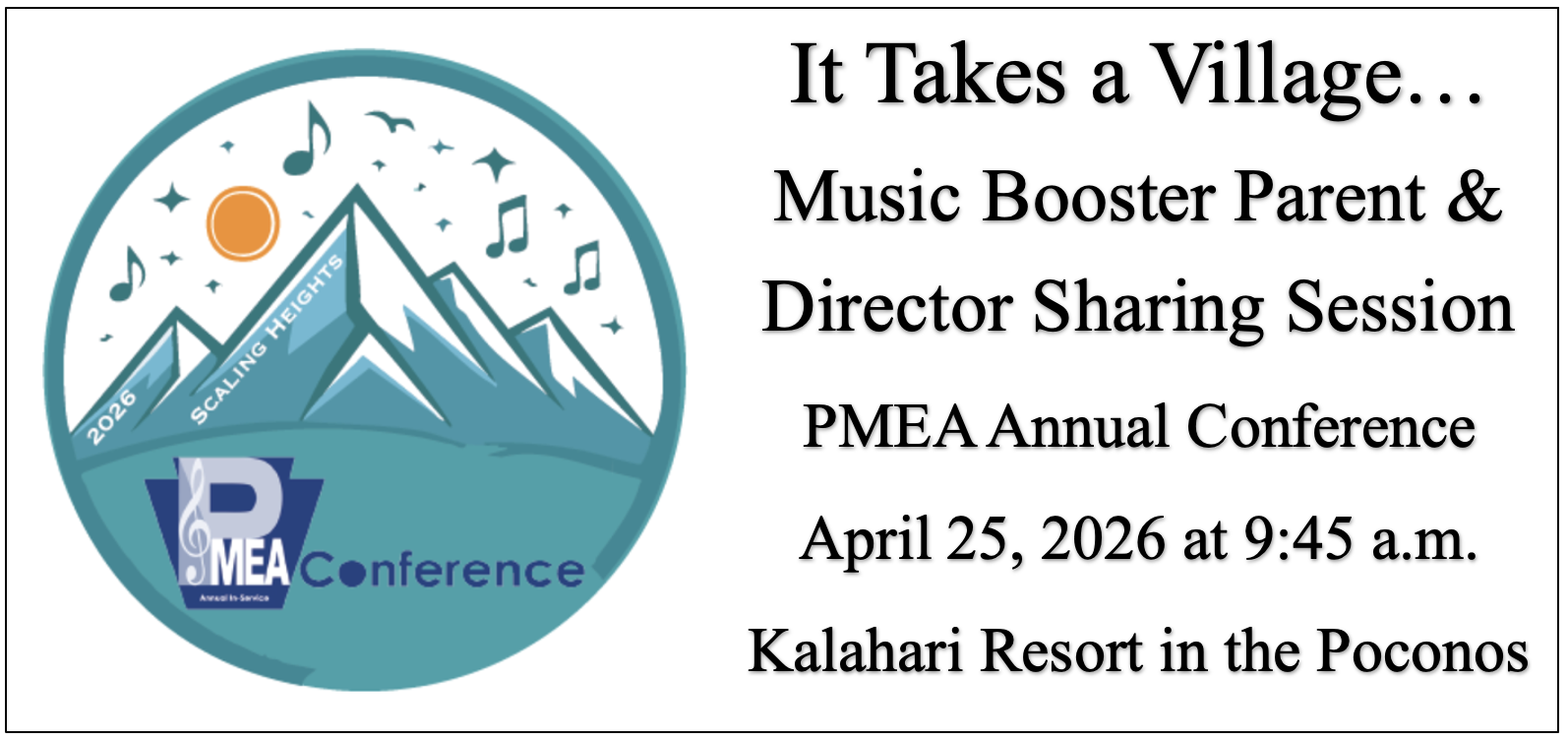
PMEA’s Unique “Together” Conference

The return of in-person gatherings of PA music educators and students!

Here’s a “sneak preview” of the upcoming annual professional development convention for members of the Pennsylvania Music Educators Association (PMEA) and Pennsylvania Collegiate Music Educators Association (PCMEA).

https://www.pmea.net/pmea-annual-in-service-conference/

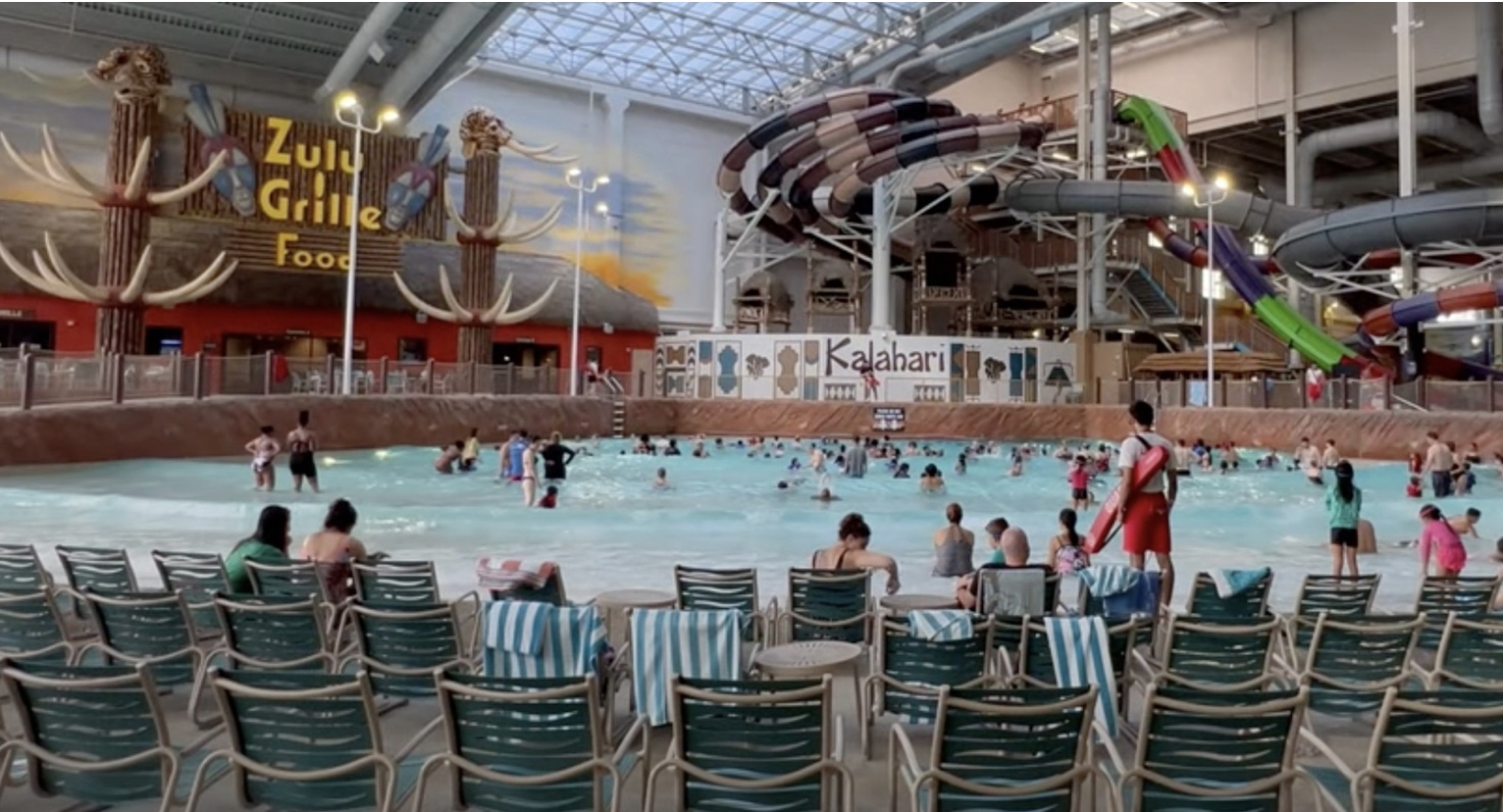
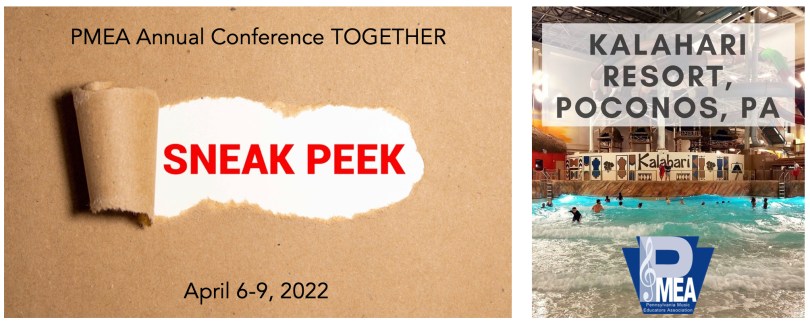
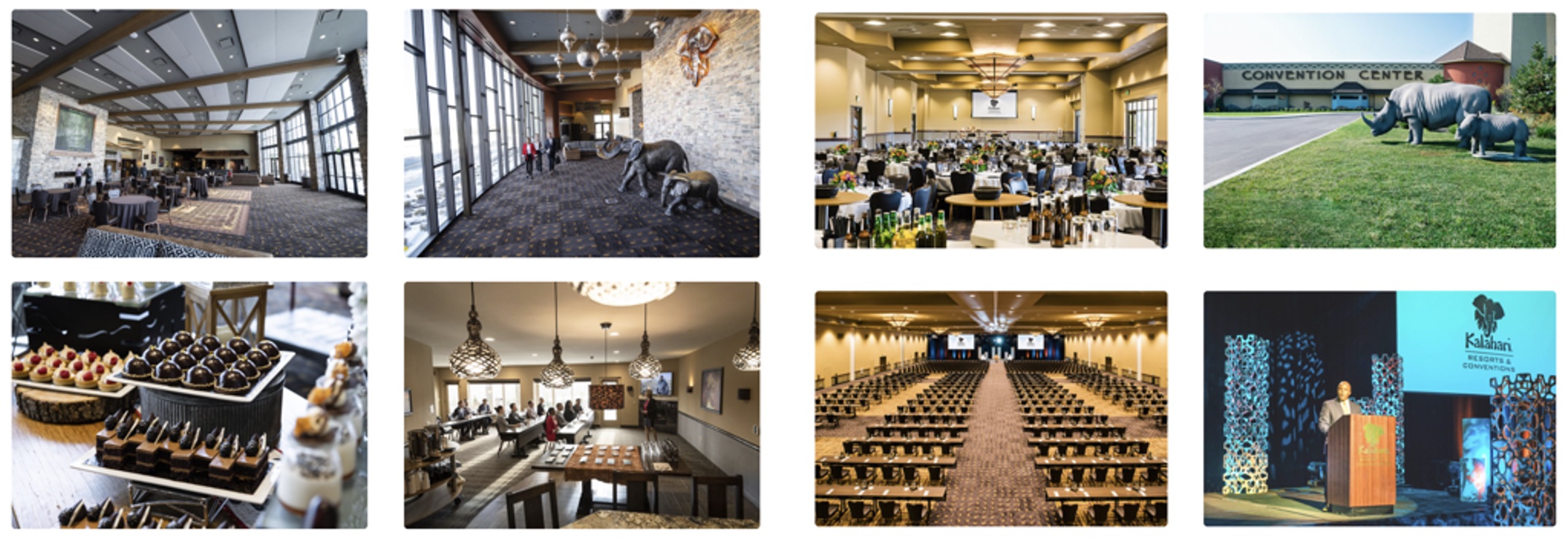
After being “hunkered down” for two years of online workshops, virtual conferences, digital music industry exhibits, and Zoom rehearsals of PMEA All-State ensembles, we can now “crush COVID-19” with “face-to-face” meetings of the PMEA TOGETHER CONFERENCE on April 6-9, 2022 at the Kalahari Resort in the Poconos.

Not just a “play on words,” this LIVE event brings TOGETHER the awesome and inspiring vision and efforts of the PMEA Professional Development Council, state officers, and staff, along with a twist from tradition – offering a place to getaway from it all!

Ask your spouse or “significant other,” children or grandchildren, nieces or nephews, other fun-loving family members, or close friends if they are available to join you for a three-day escape to the Poconos – “the world’s largest indoor waterpark” at Kalahari Resort! Experience great music, career development sessions, catching-up with colleagues, reconnection with your loved-ones, and entertainment for all ages – all wrapped up in one location.

https://www.kalahariresorts.com/pennsylvania/

Bring the family? Each spacious hotel room comes equipped with two double beds, a pullout sofa, microwave, and refrigerator, and the discounted $149/night conference rate allows you to register up to four people with access to all the resort’s amenities for no extra charge!

What resort amenities? Enjoy rides and slides (lots to “splash in” or just relax on the lazy river), a “big game” room, mini golf, mini bowling, 7-D motion theater, gourmet restaurants, spa, salon, fitness center, and amazing shopping and sightseeing excursions in PA’s northeastern region. While YOU are attending PMEA keynote sessions, clinics, concerts, and exhibits, the rest of your party could be “living it up” on as many as 29 waterpark thrills (from “mild” to “wild,” check out all of them on their website):

  • Anaconda
  • Barreling Baboon
  • Bugs Burrow
  • Cheetah Race
  • Coral Cove
  • Elephant’s Trunk
  • Flowrider
  • Indoor Outdoor Spas
  • Kenya Korkscrew
  • Lazy RIver
  • Lost Lagoon
  • Outdoor Pool
  • Rippling Rhino
  • Sahara Sidewinders
  • Screaming Hyena
  • Shark Attack
  • Splashdown Safari
  • Tiko’s Watering Hole
  • Victoria Falls
  • VR Waterslide
  • Wave Pool
  • Wild Wildebeest
  • Zig Zag Zebra

Source: Pocono Mountains Visitor Bureau

A joyful car trip to local scenes and attractions? The word “Pocono” means “the stream between two mountains.” This region encompasses 2,400 square miles of lakes, rivers, and woodlands just waiting to be discovered. Just how adventurous are you?

  • Explore numerous opportunities to hike, bike, bird watch, ski, fish, and photograph the wildlife, waterfalls, and other breathtaking landscapes.
  • Peruse the various exhibits of local artists at the White Mills Art Factory, 736 Texas Palmyra Highway (Route 6) from 10 a.m. to 5 p.m. (closed Wednesdays).
  • Try your luck at the Mount Airy Casino Resort Spa.
  • Or be a “wandering tourist” and visit nearby Stroudsburg, Milford, Jim Thorpe Honesdale, Lake Wallenpaupack, Hawley, Skytop, Bushkill, Lake Harmony, or Tannersville.
  • Check out this Poconos Mountains interactive map: https://www.poconomountains.com/interactivemap/.

Keynote speakers David Wish and Lesley Moffat

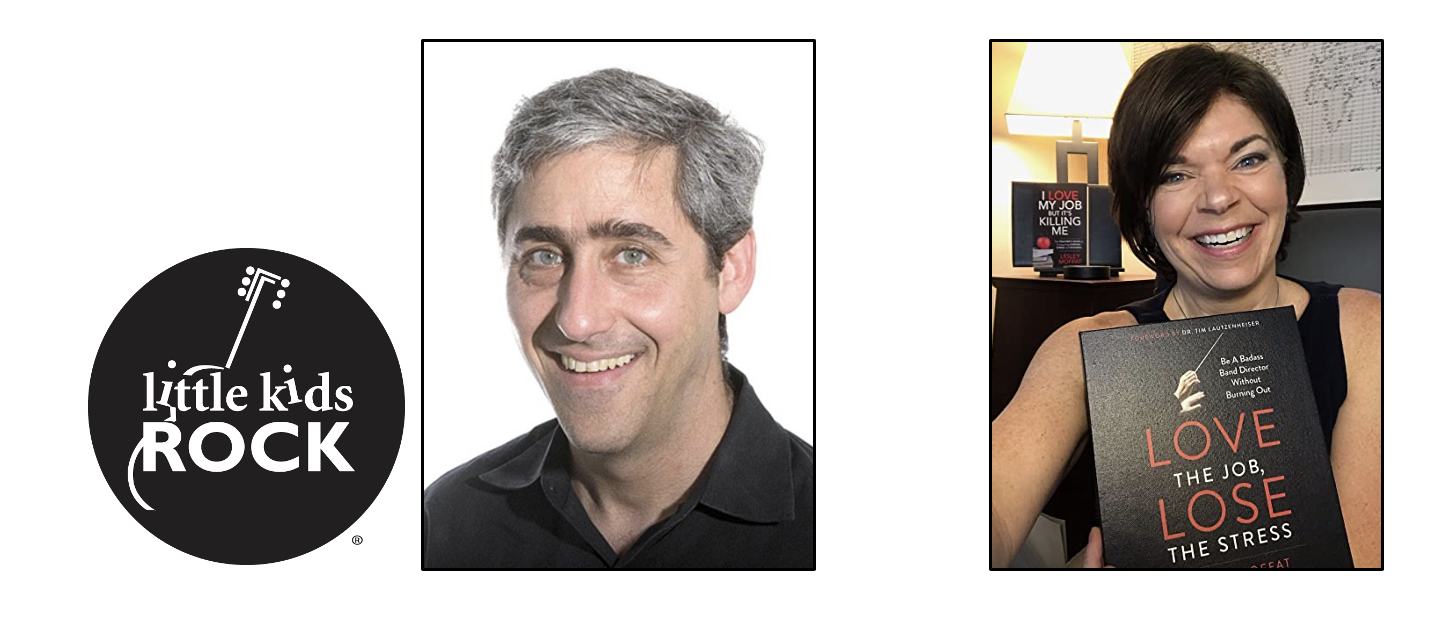
Now down to the business of professional development! In your free time from the above refreshing and re-invigorating moments of “down time,” you won’t want to miss the PMEA general sessions featuring keynoters David Wish of Little Kids Rock and Lesley Moffat, author of Love the Job, Lose the Stress. After opening the music industry and collegiate exhibits, numerous workshops, interactive demonstrations, and panel discussions will be hosted on a variety of “state-of-the-art” and timely topics:

  • Adjudication
  • Assessment
  • Career Development
  • Choral
  • Collegiate
  • Curriculum Development
  • Diversity/Equity/Inclusion
  • Exceptional Learners
  • Health and Wellness
  • Instrumental
  • Leadership/Mentoring
  • Modern Band
  • Music Technology

Draft of proposed 2022 PMEA Conference sessions

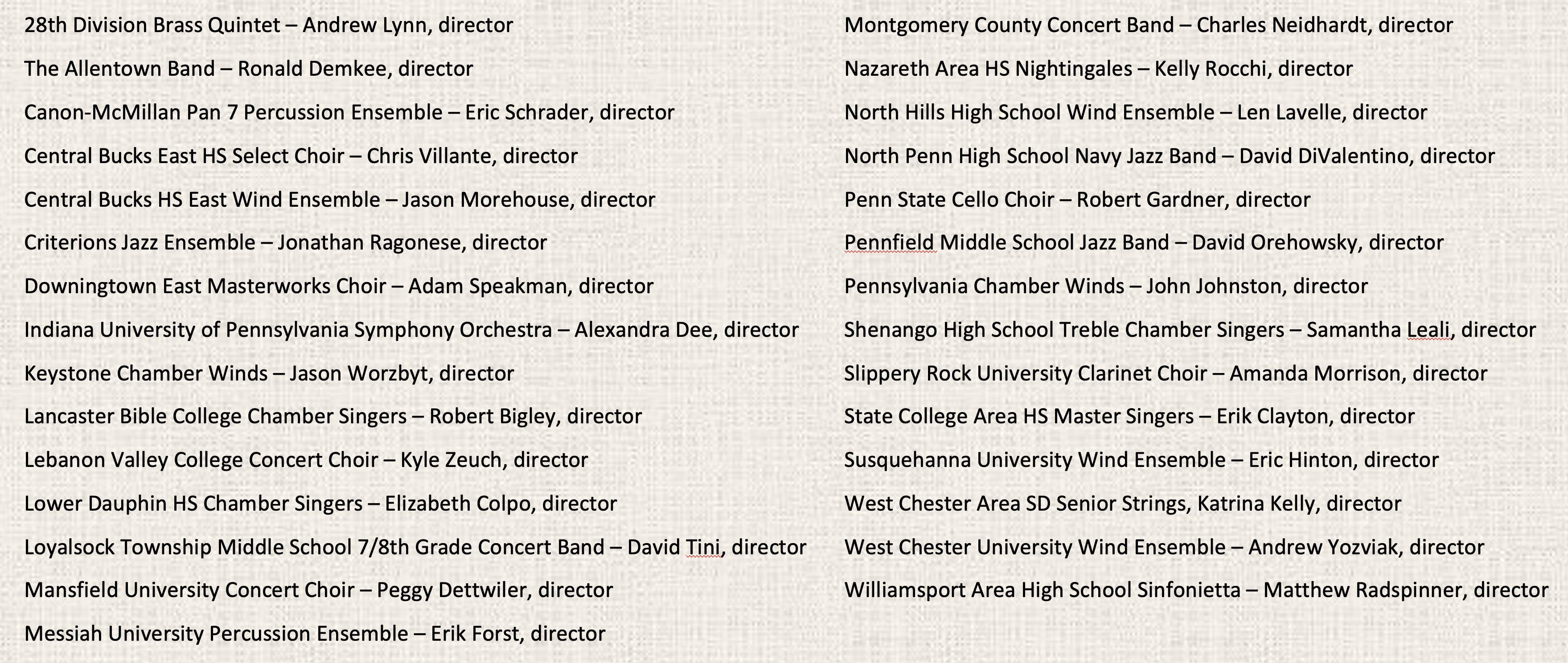
Sandwiched in between these clinics and meetings of PCMEA, PA Society for Music Teacher Education, PMEA Council for Teacher Training, Recruitment, and Retention, PMEA Retired Members, Pennsylvania-Delaware String Teachers Association, and others will be opportunities to observe rehearsals and performances of the PMEA All-State Band, Chorus, Jazz, Orchestra, and Vocal Jazz, and attend concerts of guest performing ensembles – among “Pennsylvania’s finest.” Congratulations to:

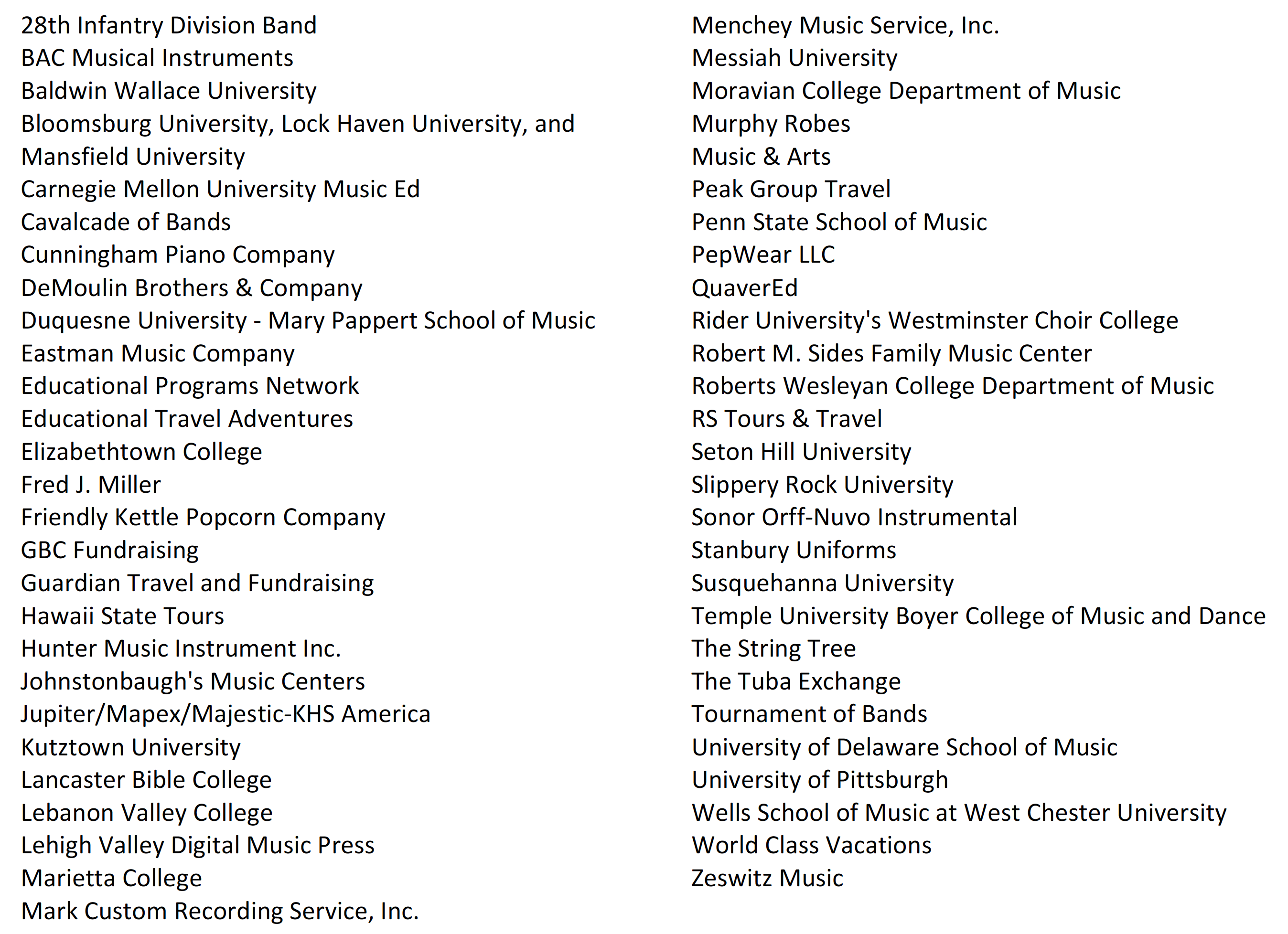
Looking for that new classroom accessory, concert selection, educational travel group, fundraiser, instrument, technology tool, or uniform, or seeking to talk to representatives from music schools? Take time to visit the exhibits. PMEA thanks the continuing support of its PMEA Corporate Sponsors.

Early-bird registration of 2022 PMEA Conference Exhibitors

Yours truly (blogger) is proud to announce he is presenting three sessions at the conference:

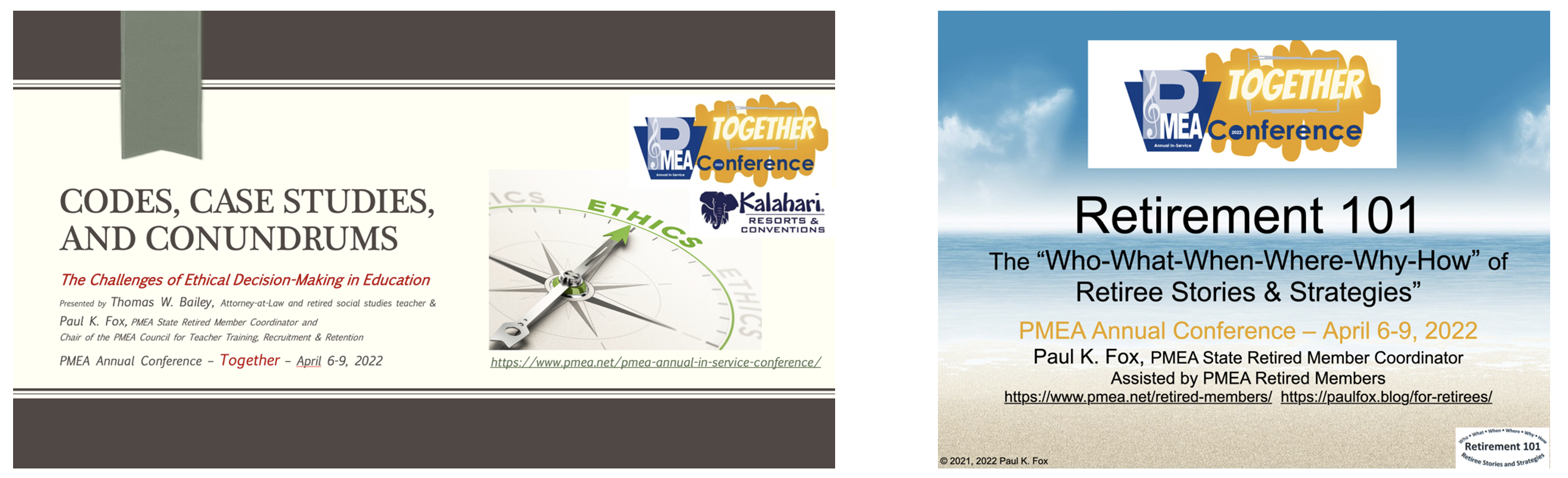
  • CODES, CASE STUDIES, and CONUNDRUMS – The Challenges of Ethical Decision-Making in Education
  • THE INTERVIEW CLINIC – Practicing and Playacting to Improve Your Performance at Employment Screenings
  • RETIREMENT 101 – The Who, What, When, Where, Why, & How of Preparing for Post-Employment

PMEA will need volunteers to assist as presiding chairs or to serve at the INFO BOOTH near registration. In addition, the PMEA Retired Member Coordinator is seeking retirees to help serve on a guest panel of “semi-experts” for the retirement session.

It’s still a little early for much additional detail. However, check out this MOVIE TRAILER preview of the 2022 Conference, featuring The Pennsylvania March composed by PMEA retired member Ron DeGrandis.

As of January 17, 2022 (Martin Luther King Jr. Day), Kalahari Resort room reservations are open! The link to conference registration will be coming soon. For more information, please visit the PMEA website. Keep your eye out for revisions in future PMEA News, UPDATES, and other e-publications.

PKF

© 2022 by Paul K. Fox
Giving Back to the Association

A Pep Talk for Teachers to Become “Team Members!”

I found myself this past Monday morning with a few extra minutes checking my almost empty “to-do” list and, with the exception of planning to watch the Pittsburgh Steelers football game and the endless chore of raking leaves in my yard (I immediately rejected the latter), I discovered I had very few professional or personal priorities to focus on this week! Wow! Some additional “free time!” Shh… don’t tell anyone!

Down time? As I mentioned in a previous blog-post, since the summer, things had been a little hectic for “this retiree.” When I accepted the position of “admin” to the marching band of the school from where I retired, I discovered how fast we can fill up our schedules with meetings, rehearsals, and performances… to the point that it is hard to imagine how I could possibly have done all of this unless I retired from the regular job! My wife jokingly said, “Those were the days!” (perhaps a little unsympathetically?) as she watched me takeoff for band camp, parent salute nights, late night away football games, etc., while she remained cozy at home. “Been there. Done that! Not anymore!”

Only one professional association got me through more than five decades in music education and 35+ years of full-time directing, equipping me to handle the twists and turns of an ever-changing career (e.g., becoming a choral director even though I had never sang in a high school or college choir), and even attending music festivals as a viola and tuba student for four years in the Penn Hills school district. Who do I credit for giving me this “life force,” “teacher chops,” and music mastery? PMEA. We are so fortunate to have this priceless “collaboration of our colleagues,” numerous resources for the benefit of our own professional development, and services we provide to our music students. Cut me and I bleed PMEA blue!

How Are YOU Feeling?

This blog’s “call to action” is necessary because of the turmoil the pandemic has left the arts education community, new school health and safety mandates, re-prioritization of district resources (in some places away from the arts in spite of the need for more not less social emotional learning), reports of the drop in music participant enrollments, decrease in membership renewals, and teacher shortages.

The crush of COVID-19 and all of the program delays, suspensions, (and hopefully not) permanent losses have made this one of the most challenging times I can ever recall. The only way we can get through this is “together…” and frankly, “if you’re not part of the solution, you’re part of the problem!” This is NO TIME to let your membership and involvement lapse! PMEA and other professional music education organizations (like NAfME, ACDA, ASTA) need your “dedication to the cause,” willingness to help “the team” and one other,  and active participation.

Collegiate members, full active members, and retired members – all of us joining forces – can truly “make a difference!” No matter how busy or stressed you are and how much you feel you are “slugging it out in the trenches” alone, we all need to become partners and devote time for and dedication to the associations we are blessed to have right now that support music educators in the Commonwealth, the nation, and the profession.

The Essential Role of Associations

It does not matter which profession you have chosen! You NEED an ASSOCIATION!

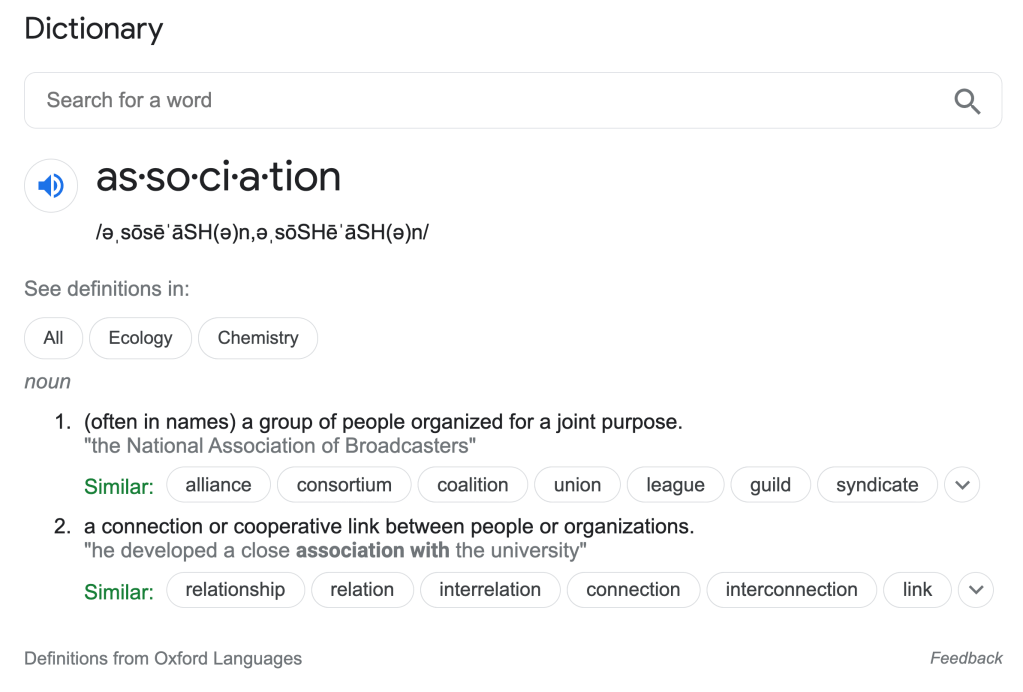
Google English Dictionary provided by Oxford Languages

The architects may have defined “this essential bond” best:

Membership in the relevant professional organization is one of the things that separates a profession from a conventional job. It is a key element that defines a professional. Membership in one’s professional organization is expected of all professionals. It is important to support the advancement of one’s profession, and becoming a member of the professional organization is a part of that advancement.

Involvement with a professional society will afford the participant an opportunity to network with other colleagues in industry and practice. Making connections with others who have similar interests reinforces why one has chosen this career. It enables new professionals to associate with senior members of the profession and learn from them. Joining a professional organization is critical in keeping abreast of the latest knowledge and practices locally, regionally, and globally. It helps the professional to stay abreast of current issues and opportunities and will also assist in personal advancement for the member who becomes involved.

Many professional organizations offer continuing education, seminars, and lectures along with other opportunities for learning. An active participant will have the opportunity to serve in professional development. Working with people outside of one’s own firm and volunteering will build leadership skills. Opportunities for working with the community for the betterment of society and the local economy will be available. There will be possibilities for making real contributions to the human condition through projects the professional organization may take on as a part of giving back to the community. There are events that will call for public speaking skills and professional visibility which will assist in moving one’s career to another level by connecting with other professions and local leaders in the area. The profession will benefit from members’ service and the members will be rewarded in return by such things as personal fulfillment, professional enrichment, and building a stronger resume as a result.

Further definition of the professional responsibilities and ethical practices will come in part from the professional organization. It is a central core for regulation, education, revitalization, networking and service. Joining a professional organization provides occasions and experiences to renew one’s enthusiasm for the practice of interior design. The interaction can be both inspirational and enlightening. Being a member of a professional organization is a symbiotic relationship between the organization and the member that will benefit them both.

Alabama Board for Registered Interior Designers

My “top-ten” benefits for membership in a professional association like PMEA are:

  1. Development and sharing of the standards and best practices of the profession
  2. Student festivals and music performance assessments
  3. Professional development and career advancement opportunities: workshops, conferences, and publications
  4. Leadership training
  5. Collaborative projects such as health and wellness seminars, ethics training, library of online resources, etc.
  6. Networking opportunities
  7. Models and resources for curriculum writing
  8. Coaching and mentoring resources
  9. Resources in job hunting and interviewing techniques
  10. Advocacy of music education and “a voice” (more political “clout”) in defining future government public policy

So, What’s in it for Me?

Review a few of the synonyms of “association” mentioned above: “alliance,” “consortium,” “coalition,” “connection,” etc. I am sure you’ve heard the saying: “TEAM stands for Together Everyone Achieves More.” Or, to quote the philosopher Aristotle: “the whole is greater than the sum of its parts.”

The easiest way for me to show the value of joining PMEA and becoming more active, engaged, and successful in your teaching assignment (no matter what the primary specialty – general music, vocal, band, strings, jazz, music theory, technology, etc) is to take a snapshot of the benefits displayed on the www.pmea.net website. Why try to reinvent the wheel? You might be surprised the extent of the HELP that is available just around the corner! Go ahead… click away! Take a peek at what you may be missing!

On a personal note, PMEA has provided me the insight, inspiration, and opportunities for substantial career growth, “places to go and people to meet” to fill-in-the-gaps of the skill training I may have felt were missing, for example methods and media for teaching a high school choral program for more than 16 years and directing/producing 37+ musicals. In addition, PMEA and NAfME have been the sole institutions that I have turned to for more than 50 years for their sponsorship of choral and orchestral music festivals and other enrichment that have provided my students new and highly motivating musical challenges and countless state-of-the-art once-in-a-lifetime experiences.

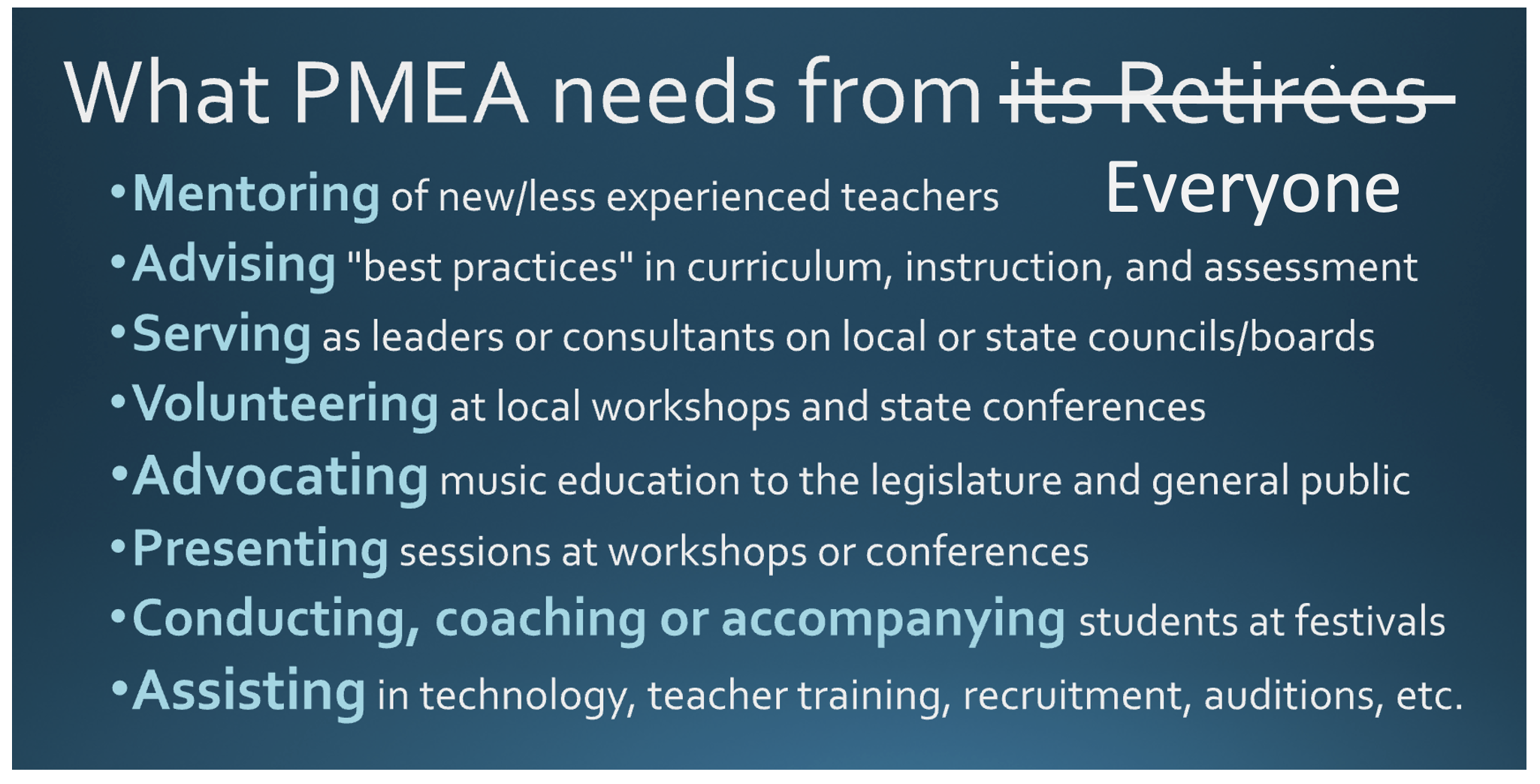
So now, reflect on the title of this blog! It is essential to give back to our association – to help it achieve its mission: “to advance comprehensive and innovative music education for all students through quality teaching, rigorous learning, and meaningful music engagement.” We’re all in this together, and together we can make it better! Slide #6 at the bottom of the retired members’ webpage proposes what PMEA needs from all members (not just retirees):

The number one thing you can do for ANY association is to pay your annual dues, attend its meetings, be active and HELP OUT! In return, PMEA can assist you in finding and sustaining your passions! What are you waiting for? If you have not renewed for the 2021-2022 year, please visit this PMEA membership webpage.

PKF

© 2021 Paul K. Fox
Pictures from Pixabay.com by artist Augusto Ordóñez

Spring is for… Music Conferences!

In our neck of the woods (Allegheny County in Western PA), we are thawing out from what was a pretty mild winter, and welcome the sounds of birds chirping and sights of flowers blooming and grass turning green! Spring is the time for re-birth and growth… including professional development of all kinds for music educators – everyone from pre-service (future music educators) to in-service teachers and even retirees!

Let’s get recharged, re-energized, and re-inspired! Sign-up for one or more of these conferences.

COVID-19 has placed restrictions on all of our PMEA and NAfME venues, and so far, 2021 conferences will be held in a “virtual” platform. This is both good and bad news. The disadvantage remains that we cannot “get close and personal,” shake hands, network, collaborate, and “catch-up” with our friends and colleagues, meet new people, and sight-see places like the Poconos, Erie, Reading, or Pittsburgh! However, the advantage of these online events is that all sessions are being offered “on-demand” for at least several months after each closing event. In the virtual setting, you can take the time and view every workshop at your leisure!

If you have never attended a music education conference, take a moment and review one of these articles:

Yours truly is privileged to present several sessions on some of his “favorite topics” previously posted on this site:

  • Self-Care Cookbook – Reflections, Recipes, and Resources for Teachers (PMEA ANNUAL CONFERENCE)
  • Countdown to Retirement – Preparations for “Living-the-Dream” (PMEA ANNUAL CONFERENCE)
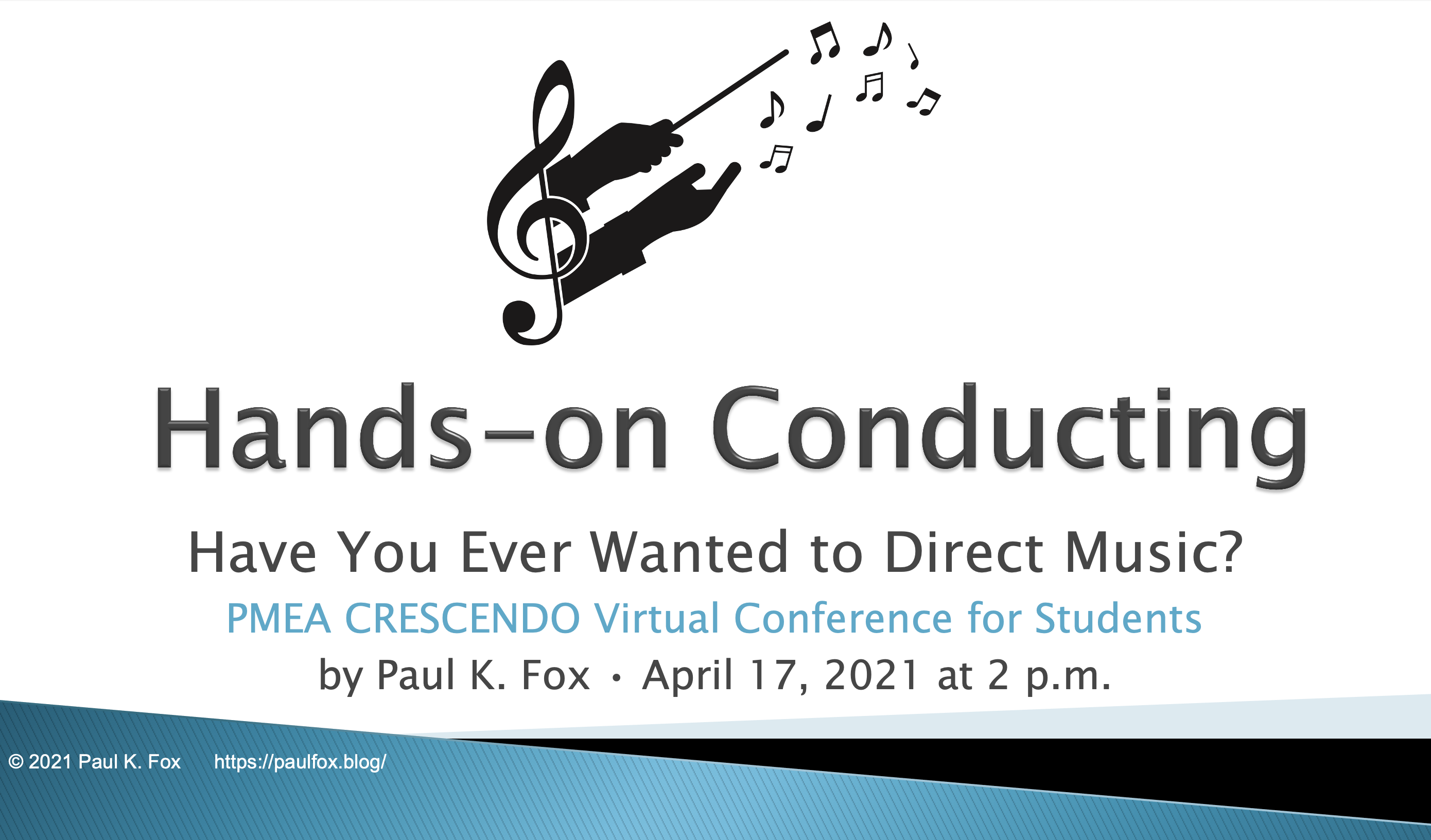
  • Hands-On Conducting (PMEA CRESCENDO FOR STUDENTS)
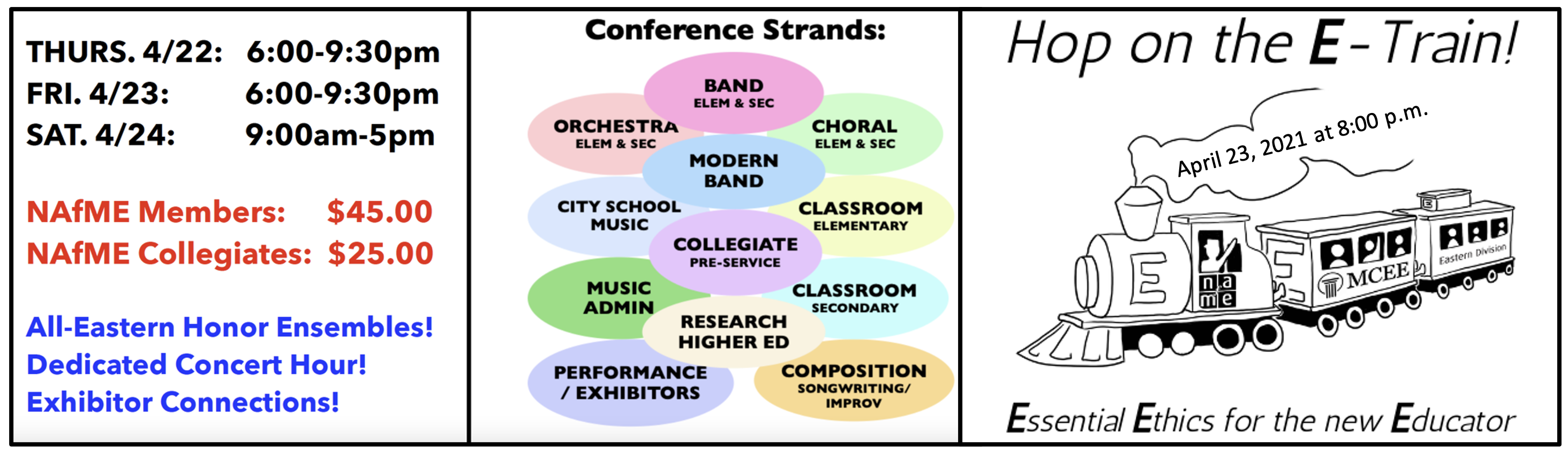
  • Hop on the E-Train – Essential Ethics for the new Educator (NAfME EASTERN DIVISION)

Update on 5/27/21:

PMEA Summer Conference 2021 – Rejuvenate!

The 2021 PMEA Summer Conference will be held virtually beginning Wednesday, July 21 and concluding on Friday, July 23. Most sessions will be presented live and will be recorded for attendees to access at a later time. 

For more information, go to https://www.pmea.net/pmea-summer-conference/.

PMEA Annual Conference 2021 – Renew!

The PMEA Annual Conference kicks-off on April 14, 2021 for three days and four nights of professional development activities.

PMEA will utilize the same online platform for this event as it did for its 2020 Summer Conference. The virtual annual conference will also include a virtual exhibit hall. With the theme of Renew, the 2021 Conference invites music educators to use this time together to Renew the way you think about music education, to Renew plans for the 2021-22 school year, to Renew connections with fellow music educators, to Renew our hope for a return to making music together, and to Renew our collective passion for the power of music education. All registrants will have access to the majority of the conference content for 90 days. Online registration is available. 

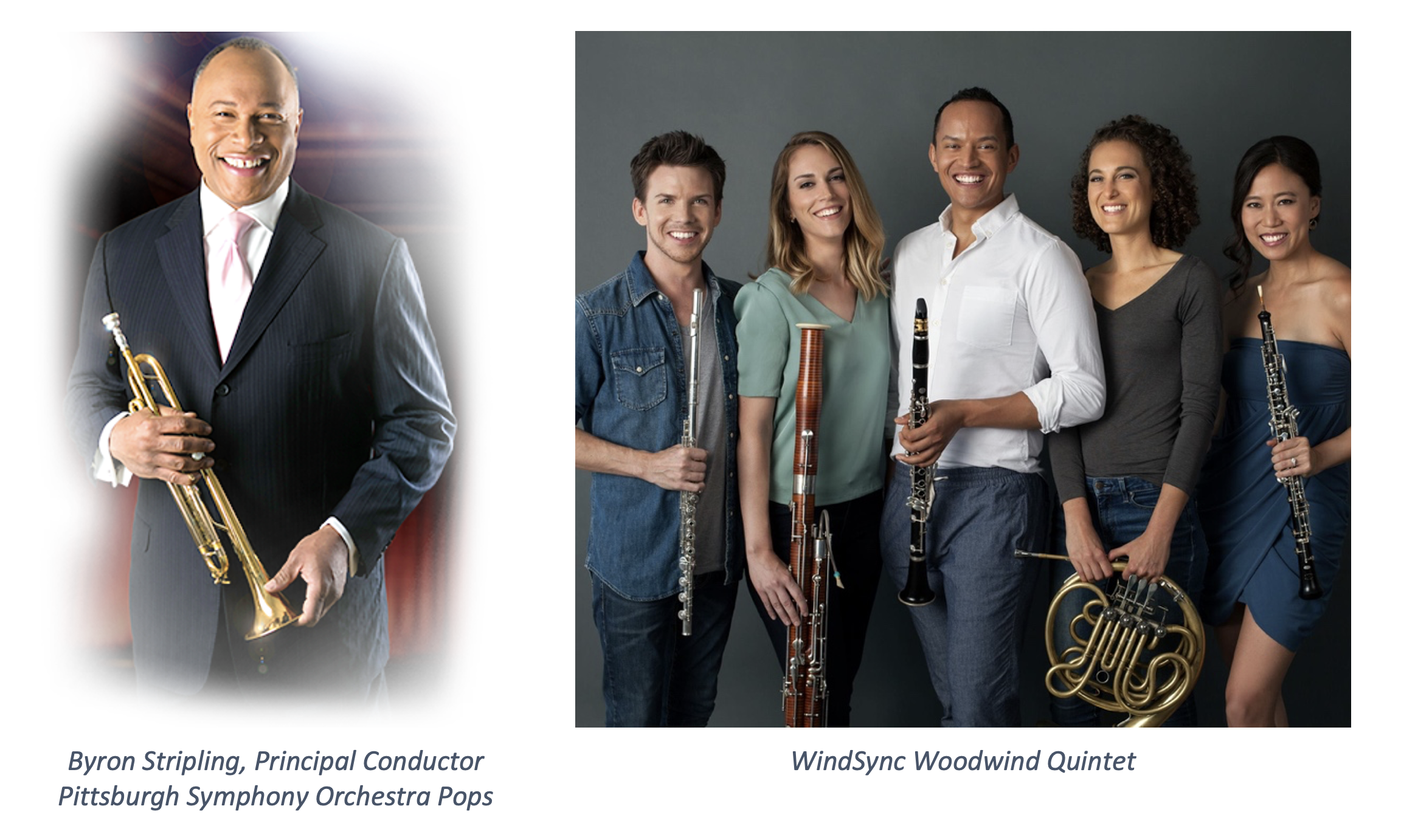
Thursday evening will feature synchronous open forum discussions and an Invited Researcher session with Elizabeth Parker, Temple University, as well as a keynote presentation by Byron Stripling, Principal Pops Conductor, Pittsburgh Symphony Orchestra. The evening will end with college/university receptions, held in the virtual space this year.

Synchronous research sessions will also be available on Friday in the late afternoon/early evening. The Saturday schedule includes a performance by the woodwind quintet WindSync and a presentation by Julie Duty, Founder & Executive Director of United Sound, an organization which offers the solution for music educators who desire to include students with disabilities in their music programs but struggle with the “how” and the “when.”

This year’s event will also include opportunities to network with fellow attendees, as well as an online Music Education Marketplace (exhibit hall) – allowing participants to connect directly with exhibitors within the platform. While the exhibit hall will be “open” the duration of the event, there will be specific hours, beginning Wednesday evening and concluding Saturday afternoon, when the exhibitors will be available for live interaction.

CRESCENDO Virtual Conference for Students

Students in grades 8-12 are invited to participate in the first-of-its-kind PMEA CRESCENDO, an online event to be held on April 17, 2021. Designed for student musicians who are interested in learning about opportunities to make music or find a career in music, the one-day conference will bring together some of the best speakers and teachers from a variety of music worlds.

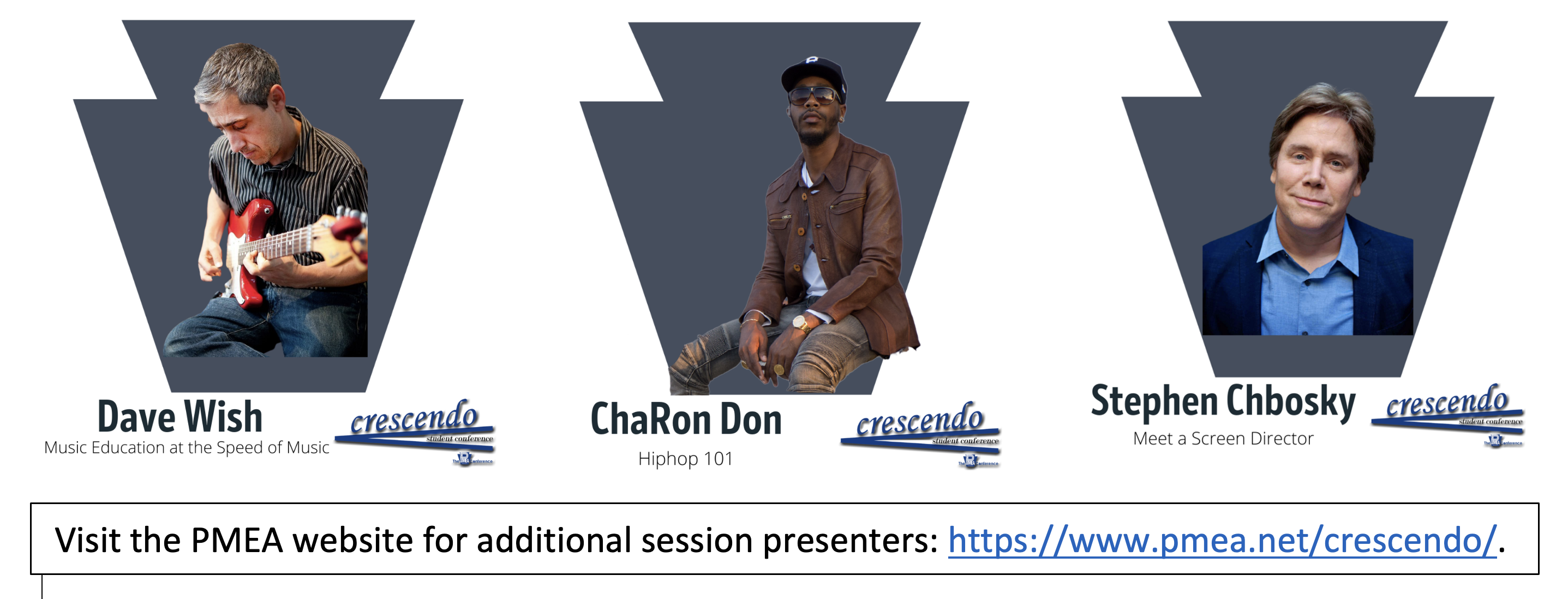
Keynoters will feature Dave Wish, founder/CEO of Little Kids Rock, and ChaRonDon, rapper/hip-hop artist.

Sessions will include:

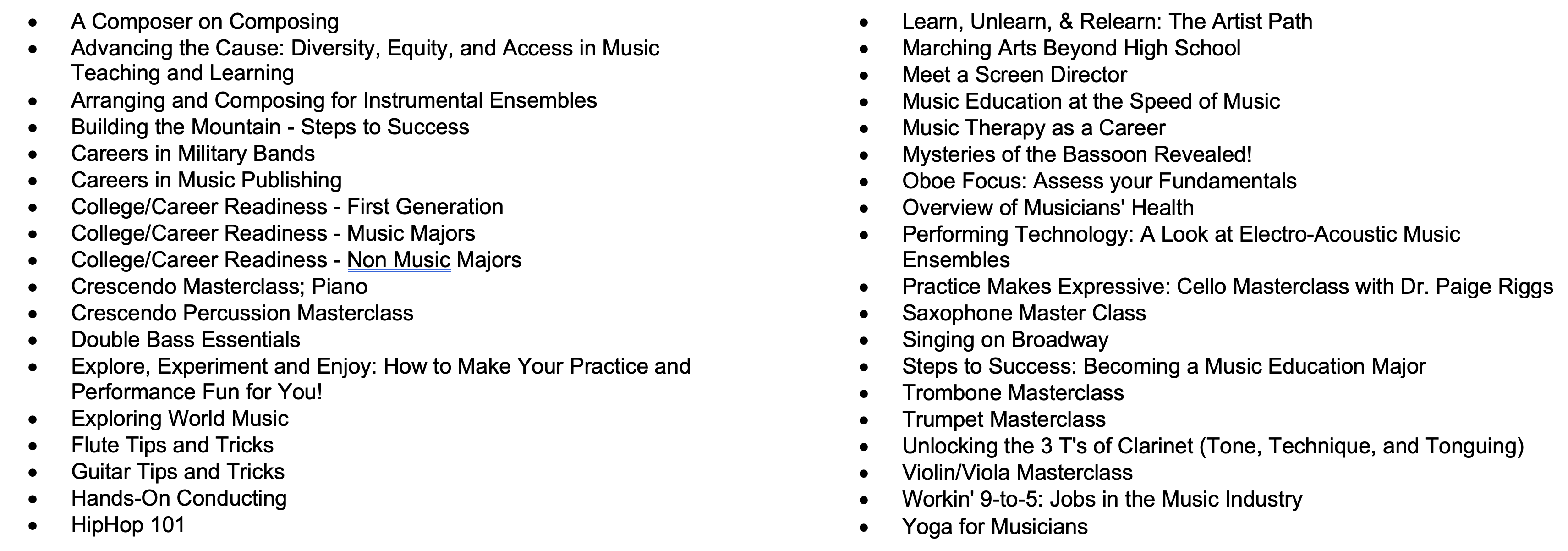
  • Careers in music (areas like music therapy, musical theatre, music education, military careers, music performance, music publishing, composition, retail and repair, and music production)
  • Breakout sessions (learning about drum corps, conducting, meet a composer, music technology, song writing, yoga for musicians, rap/hip hop, vocal jazz, leadership, and more!)
  • Masterclasses from experts on their instruments. Students will have the chance to spend some time learning more about their instrument or vocal performance area and get tips from the pros in unique online masterclass settings.

Proposed mini-workshops:

PA STUDENTS interested in participating in PMEA CRESCENDO should fill out this form.

PA MUSIC EDUCATORS recommending a student for this conference should fill out this form.

57th Biennial NAfME Eastern Division Conference

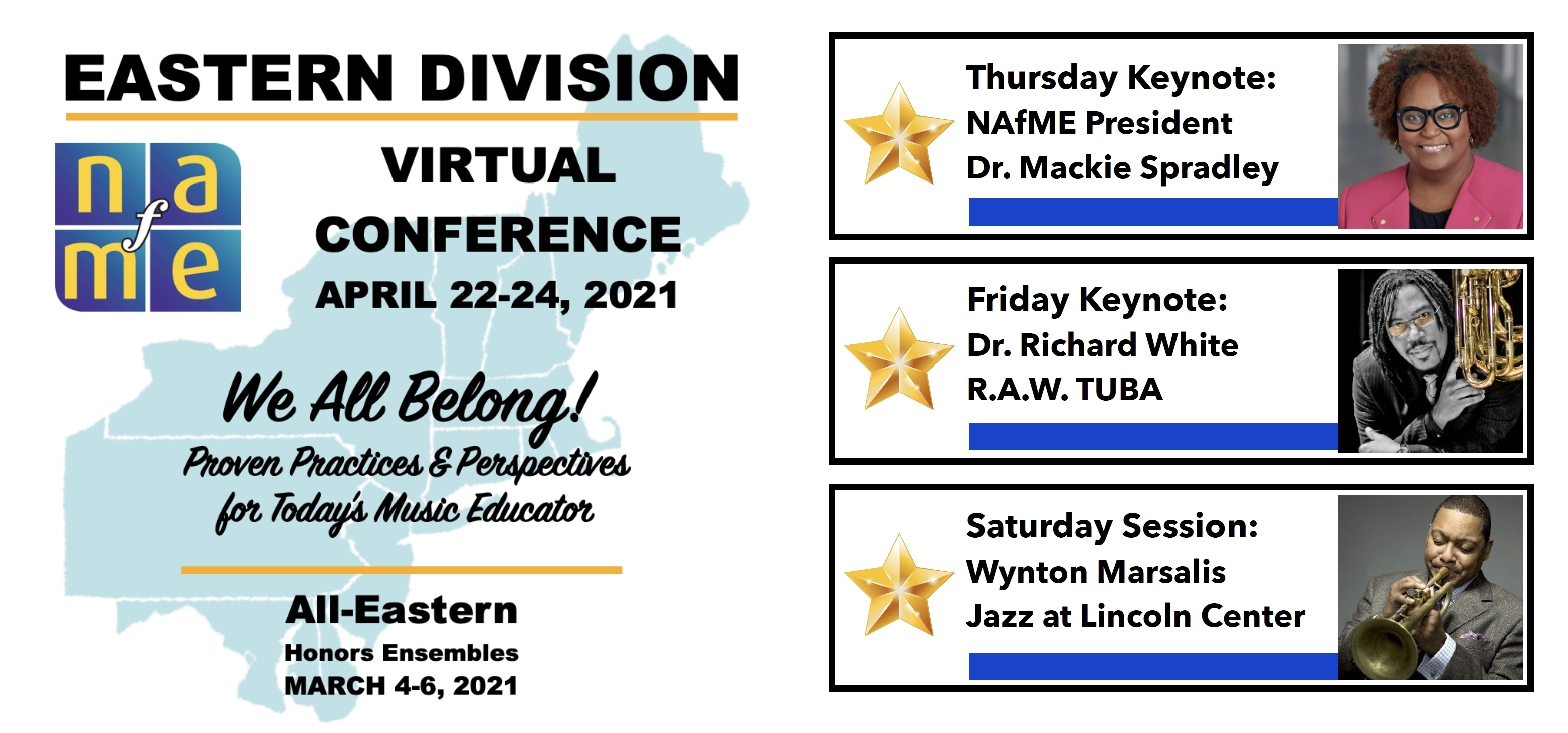
Finally, you won’t want to miss the following week’s frenzy of enriching and enlightening professional development, the 57th Biennial NAfME Eastern Division Virtual Conference!

In addition to the NAfME workshop sessions being only 30-minutes (colleagues sharing quick “tips, techniques, and solutions” and more opportunities to peruse additional sessions), there will be a designated Thursday evening “concert time” with 5 programs to play at 8:45 p.m. (Orchestra, Chorus, Band, Jazz, Modern Band) along with performances from the Division’s colleges and universities. 

The master schedule is posted here. Registration can be completed here. Hope to “see” you there!

© 2021 Paul K. Fox

Coming Soon… Books to Put on Your Reading List

Pixabay spring picture: Crocus-Flower-Spring by MichaelGaida

Cultivating a Precious Gem: Engagement

What do SHJO, Gerardo Parra and the “Baby Shark” theme, and the concepts of collaboration and teamwork have in common?


FoxsFiresides

[Artistic Director’s message spoken at the fall concert of the South Hills Junior Orchestra on November 10, 2019… appropriate to all performers, teachers, and parents.]


Have you had a reason to ask yourself recently, “What am I thankful for?”

Hopefully you can reflect on many things… Your family, friends, health, success, and happiness may instantly come to mind.

How about the privilege of membership in a “musical team” – valuable enrichment provided by both your school program (in which all of our pre-college students should participate) and community groups, like the South Hills Junior Orchestra (SHJO).

One does not have to look far to confirm the benefits of music education and fulfillment of personal creative self-expression. Numerous articles and statistics point to the rewards of “making music” and regular collaboration in a performing ensemble:

I even tried “wrapping my arms” around a definition of this “calling” (one that I have spent my entire life sharing) in a blog-post which features a community TV interview of me by SHJO musician Sam D’Addieco: https://paulfox.blog/2019/06/16/the-importance-of-music-education/.

I do feel thankful! I am grateful to have been granted this opportunity of conducting SHJO and interacting, teaching, and learning alongside our gifted and enthusiastic instrumentalists! These experiences and memories are “priceless” and “fragile,” just like a rare jewel or crystal. I complain for more members (we’re small and turnout has not always been good), but I am also reminded of a comment from my own inspirational school orchestra and string teacher, Mr. Eugene Reichenfeld, who was often heard to say: “Our orchestra may be small, but it is precious – just like a diamond!”

I say, we must cultivate the future of this special musical experience!

Don’t take it for granted! This unique “mosaic of members and music, where all musicians learn, grow, and lead” will only continue if YOU commit consistent time, focus, attendance, and practice. Success relies on your full engagement to SHJO. We need the players, booster officers, parents, and other adult volunteers to join forces!

CBS Good MorningThe other day, I watched on CBS This Morning an interview of World Series Champion Washington National’s star outfielder Gerardo Parra (https://www.cbsnews.com/video/gerardo-parra-on-how-baby-shark-became-the-nationals-anthem/) who is credited for helping to turn things around for the team. Although he may be remembered more for giving the Nationals a new anthem, “Baby Shark,” (chosen by his baby daughter), Parra discussed why he was concerned that the other players on the team did not seem “engaged” and stay afterwards in the clubhouse (some paraphrased below):

  • Parra: “Wow, what a team we have,” and referring to the regular season, “But, even after we won, no one was there to celebrate in the clubhouse.”
  • Anthony Mason: “A lot of people credited you for turning around the team culture.”
  • Parra: “It’s more important for my team that we start in the clubhouse… we dance in the clubhouse.”
  • Gayle King: “But you started that hurrah. You said everybody used to leave and then you said no, everybody, let’s stay! One person came, then one person came, and another person came…”
  • Parra: “Everybody like family. We’re one team, not 25 men.”

When he joined the team in May, Washington was a team with a losing record of 33-38 and 8½ games out of first place in the National League East. Parra himself was mired in a 0-for-22 slump. That’s when he chose “Baby Shark” and got his team motivated! In their last 100 games, the Nationals won 75. Sure, they have amazingly gifted and hardworking players, but what was the cornerstone of their victory? Their teamwork, “power of collaboration,” empathy for each other, and unified sense of purpose! This is just what the doctor ordered for the 37th season of SHJO, and all similar youth or community groups. We need to develop more teamwork, collaboration, and engagement, too!

Thanks, kudos, and bravos go to all musical caregivers and participants for caring, giving, and sharing, and especially uniting together as a team. What really matters to me the most? As I told Sam in the interview, I truly cherish those “ah-ha” moments of realization we see in our musicians’ eyes when they “get it” and reach a new pinnacle of success or mastery of their artistry! I also love observing many peers-helping-peers, multi-generational teamwork, partnerships of musical leaders and followers in the ensemble, and numerous “random acts of kindness” every Saturday morning.

“My” SHJO remains the single most motivating and meaningful event of my week!

Let’s all celebrate a Happy Thanksgiving!

PKF


hi-res logo 2018The mission of South Hills Junior Orchestra, which rehearses and performs at the Upper St. Clair High School in Pittsburgh, PA, is to support and nurture local school band and orchestra programs, to develop knowledge, understanding, performance skills, and an appreciation of music, to increase an individual member’s self-esteem and self-motivation, and to continue to advance a life-long study of music. Members of the Orchestra learn, grow, and achieve positions of leadership to serve their fellow players.

(For more information about SHJO, please visit www.shjo.org.)

This and all Fox’s Fireside blog-posts are free and available to share with other music students, parents, directors, and supporters of the arts.

Click here for a printable copy of Cultivating a Precious Gem – Engagement.

Other “Fox Firesides” are available at https://paulfox.blog/foxs-firesides/.


© 2019 Paul K. Fox
Photo credit from Pixabay.com: “Pumpkin” by Lolame

The Importance of Music Education

One Teacher’s Views on the Advocacy of Music in the Schools

Here are partial transcripts, excerpts, and commentary about this blogger’s perspectives on the value and benefits of music education, paraphrased from the program The Edge, produced by the Peters Township High School On-Air Talent class: Episode No. 45, “The Importance of Music Education,”https://archive.org/details/The_Edge_-_Episode_45_-_The_Importance_of_Music_Education


The Edge Episode 45


music-1781579_1280_GDJOver the years, I have been a strong advocate of equal-access to music and the arts as an essential part the education of all children. This blog will give me an opportunity to put a lot of my thoughts in one place. I am aware that there are many people “out there” who offer the premise that studying music makes you successful in other areas, and you will see that this assumption is well-supported. However, I am not a brain scientist. I cannot confirm research that seems to point to a direct correlation that “the music itself makes us smarter.” It could be that students who are attracted to and become proficient in the arts are somehow uniquely “wired,” have a greater work ethic, or are better intellectually “equipped” to become successful engineers, doctors, lawyers, educators, scientists – you name the career – and enjoy life-long happiness and self-realization. So many of those music-in-our-schools-month fliers say “music is basic,” “music is math,” “music is reading,” “music is science,” etc. and they are right! So, it’s not wrong to bring it up. But we should be fully aware that the primary goal of an education in the arts is for the development of creative self-expression.

In short: music for music’s sake.

When revising our Fine and Performing Arts mission and goals of music education for Middle States accreditation, the music and art teachers in my district centered on several primary goals. Probably the most important one was “to promote the skills of creative self-expression by using music, art, dance, and/or drama as vehicles for defining the students’ self-identity, learning concepts, communicating thoughts and feelings, and exploring mankind’s musical heritage in order to gain a broad cultural and historical perspective.” This statement was written many years ago… prior to the advent of Internet and social media, but perhaps it is even more relevant today!

However, there’s plenty of room here to provide you a wide spectrum of rationale and research from multiple vantage points.

It was my joy to be interviewed by host Sam D’Addieco, a junior percussion player in my South Hills Junior Orchestra. This link takes you to a 30-minute Vimeo recorded in the Peters Township Community Television studio on May 6, 2019. Although this was his assignment for a media class, it really prompted me to do some additional introspection about “what I think I think.” These were some of the issues we discussed… by no means verbatim, but, after all, this is my website. Now I can say what I really meant…

harp-3961060_1920_Noemi-Italy

Initial Questions and Responses

  1. Why did you choose to become a music educator? Music teaching is the greatest job in the world. Every day you deal with the inspirational subject matter of music, and then share it with students who want to be in your class! What could be any better? We guide students towards finding their personal identities, innate artistic and expressive potentials, and successes in making music.
  2. What inspired you to become a music educator in the first place? Were you always going to be a music teacher? I was one of those “goobers” who wanted to “live” in the music room… if I could, participating in band and orchestra eight periods a day! But, up to my Freshman year, I was going to be a doctor or surgeon, thinking that the field of medicine, “saving people’s lives,” would be the most exalted career. That is until my Special Biology teacher gave each of us a needle, alcohol swipe, and blood type testing strip, and I found out I was too squeamish to poke myself. What did I really want to do with my life? Share my love of music!
  3. How did you get started in music? Before grade school, my mother signed me up for piano lessons, and I practiced on our Howard baby grand (Baldwin brand) at home reveling in its big, beautiful tone. At school in California, I started out on the snare drum. My piano teacher also introduced me to the violin in the summer between fifth and sixth grade. After that, every new band director I had when I moved to different school districts in Western Pennsylvania switched me to a “what was needed for the band” instrument (baritone then tuba), and my private string teacher moved me to the viola, probably due to the length of my fingers, which eventually became my “major” in college.
  4. Did you have any mentors that helped you along the way? I was blessed with many outstanding music educators, school directors, conductors of local community orchestras, and private instructors. Probablymusic-students-246844_1920_musikschule the one who had the greatest influence on my going into a career of music teaching was Eugene Reichenfeld, who I saw the last period of every day in Orchestra at Penn Hills HS, at least once a week in a private lesson and rehearsals of the Wilkinsburg Civic Symphony on Thursday nights, and over the three summers at the Kennerdell Music and Arts Festival in Venango County. What a role model! Partially blind and losing his hearing, Mr. Reichenfeld played violin, cello, and guitar, and taught uninterrupted until three weeks before he died at the ripe old age of 103!
  5. Any regrets? Absolutely not! My classmates in college dubbed me “mister music ed.” But some of my well-meaning supporters saw other skills in me and tried to talk me into other pursuits. From my senior year in high school to four of five years enrolled in Carnegie-Mellon University, my string professor George Grossman prepared me for employment as a professional musician, even to consider auditioning for the Pittsburgh Symphony Orchestra. I said, I want to teach students! My CMU music department chair Robert Page and Fine Arts Dean Akram Midani in 1977 urged me to look into enrolling in Harvard summer arts management courses. Again: I want to teach students! Believe-it-or-not, even my own dad encouraged me to rethink my plans. After attending my first Edgewood Elementary 4th grade musical production (1979), he marveled about how much time I devoted  to making music… 6-7 days a week including evenings! He asked me what were my earnings. We compared my first-year salary of $8200 vs. his position as manager in the nuclear division of Westinghouse Company (move the decimal point to the right – nearly $82,000 annual compensation). He suggested a partnership. “Why don’t you join with me, form a company together, and become entrepreneurs, and with a little luck and your obvious work ethic, we could both make a million dollars in a few years.”
  6. conductor-4189841_1280_GordonJohnsonDid your father ever realize why you chose music? In December 1986, Dad came to my choral/orchestra department production of Scrooge, involving over 250 students at my second career assignment, Upper St. Clair High School. After the closing curtain, he came up to me and asked, “Did you do all of this yourself? I answered, “Well, I had a lot of help. I did prepare the students on the dialogue parts in the script, the leads’ solos, chorus harmonies, and orchestra accompaniment, but I needed a drama specialist for coaching the actors and a choreographer for the dances. And yes, I am also the show’s producer, responsible for the printing of the program and tickets, finding people to assist in sewing the costumes, building the sets, running the stage tech, and applying the make-up.” After a short pause, he said something I will never forget: “Wow! This was incredible! You really made a difference to so many of your students’ lives.” He was proud of me, and finally expressed it! (It was a good thing too… he died suddenly of a heart attack exactly two years later when I was in the middle of staging USCHS’s Joseph and the Amazing Technicolor Dreamcoat.)


Statistics in Support of Music Education

What is the purpose of music in schools? Why is it important to take a creative arts elective throughout your middle to high school education?

smart-187696_1920_RondellMelling

Okay, we can start with the huge body of research published just about everywhere that indicates “music makes you smarter.” Here are just a few examples and sample supportive documentation. (Please take the time to peruse these links!)

Other skills:

singer-1545903_1920_hawk5555

More attitudes:

Several more general links, additional literature that supports the inclusion of music in the school curriculum:


violin-1617787_1920_sarab123

Learning Styles and “Intelligences”

Ever felt like you were a square peg trying to fit in a round hole? Now, lets dive into the concept that “music is a means to learning.”

Intelligence is often defined as our intellectual potential; something we are born with, something that can be measured, and a capacity that is difficult to change. In recent years, however, other views of intelligence have emerged. Also, more research has been applied to learning styles and preferences… all to promote better success in education.

“Many of us are familiar with three general categories in which people learn: visual learners, auditory learners, and kinesthetic learners. Beyond these three general categories, many theories of and approaches toward human potential have been developed.”

— North Illinois University: https://www.niu.edu/facdev/_pdf/guide/learning/howard_gardner_theory_multiple_intelligences.pdf

In 1983, the theory of “multiple intelligences” was formed by Dr. Howard Gardner, Professor Education at Harvard University, and widely read in his initial book offering Frames of Mind: The Theory of Multiple Intelligences.

Supported by Thomas Armstrong (books such as Multiple Intelligences in the Classroom), “the traditional notion of intelligence, based on I.Q. testing, is far too limited.” Instead, Dr. Gardner proposed nine different intelligences to account for a broader range of human potential in children and adults (the first one is my favorite):

  • choral-3871734_1280_gustavorezendeMusical (sound smart)
  • Naturalist (nature smart)
  • Logical-mathematical (number/reasoning smart)
  • Existential (life smart)
  • Interpersonal (people smart)
  • Bodily-kinesthetic (body smart)
  • Linguistic (word smart)
  • Intra-personal (self smart)
  • Spatial (picture smart)

“Dr. Gardner says that our schools and culture focus most of their attention on linguistic and logical-mathematical intelligence. We esteem the highly articulate or logical people of our culture. However, Dr. Gardner says that we should also place equal attention on individuals who show gifts in the other intelligences: the artists, architects, musicians, naturalists, designers, dancers, therapists, entrepreneurs, and others who enrich the world in which we live. Unfortunately, many children who have these gifts don’t receive much reinforcement for them in school. Many of these kids, in fact, end up being labeled “learning disabled,” “ADD (attention deficit disorder,” or simply underachievers, when their unique ways of thinking and learning aren’t addressed by a heavily linguistic or logical-mathematical classroom.”

— American Institute for Learning and Human Development: http://www.institute4learning.com/resources/articles/multiple-intelligences/

saxophone-3246650_1920_congerdesignTransforming the way schools should be run, the multiple intelligences theory suggests that teachers be trained to present their lessons in a wide variety of ways using music, cooperative learning, art activities, role play, multimedia, field trips, inner reflection, and much more. This approach truly “customizes the learning” and provides eight or more potential pathways to learning.

“If a teacher is having difficulty reaching a student in the more traditional linguistic or logical ways of instruction, the theory of multiple intelligences suggests several other ways in which the material might be presented to facilitate effective learning.”

— Thomas Armstrong: http://www.institute4learning.com/resources/articles/multiple-intelligences/

“While a person might be particularly strong in a specific area, such as musical intelligence, he or she most likely possesses a range of abilities. For example, an individual might be strong in verbal, musical, and naturalistic intelligence.”

— Kendra Cherry: https://www.verywellmind.com/gardners-theory-of-multiple-intelligences-2795161

The bottom line? We need music in the schools for a variety of reasons, not the least to systemically and intentionally provide avenues of learning for “music smart” kids as well as to share resources that all teachers across the disciplines may use to enrich their lessons, differentiate the instruction, and “reach” their students.


Ever Heard of the Four C’s?

How about defending the rationale that “music makes connections, within us and from the world around us?” Easy!

Music and art courses offer great rigor in developing 21st Century learning skills:

band-526330_1920_Greyerbaby

Released by the Partnership for 21st Century Skills (2010), the best resource I found when this movement made the headlines was this P21 Arts Skills Map. It was developed to “illustrate the intersection between 21st Century Skills and the Arts. The maps will enable educators, administrators and policymakers to gain concrete examples of how 21st Century Skills can be integrated into core subjects.” With so much more detail, this document provides skill definitions, core subject interactions, outcomes and examples:

  • Critical Thinking and Problem Solving
  • Communication
  • Collaboration
  • Creativity
  • stones-451329_1920_dweedon1Innovation
  • Information Literacy
  • Media Literacy
  • Information, Communication, and Technology Literacy
  • Flexibility and Adaptability
  • Initiative and Self-Direction
  • Social and Cross-Cultural Skills
  • Productivity and Accountability
  • Leadership and Responsibility
  • Interdisciplinary Themes

“The music classroom is a perfect place to teach critical thinking and problem solving,” says MENC [now NAfME] member Donna Zawatski. Instead of giving students the answers, she asks questions that will clarify the process and lead to better solutions from the students. “Students will define the problem, come up with solutions based on their previous experience, create, and then reflect on what they’ve created,” she says.

— Donna Zawatski, “4C + 1C = 1TGMT,” Illinois Music Educator, Volume 71, No. 3.


Creativity is Number One!

One of my favorite educational gurus, probably an expert on creativity in the schools, is Sir Ken Robinson. His most viewed Ted-Talk “Do Schools Kill Creativity?” (18 million+) should be required of all pre-service teachers. A great story-teller with a wonderfully dry English sense of humor, Robinson tells a narrative about a child who was not “behaving” very well in school… “coloring outside the lines” and fidgeting in class. According to the primary teacher, she was distracting the other students, and was hard to “contain” and keep her sitting in her seat.

At the insistence of school staff, the parents took the little girl to a psychiatrist. He did a battery of tests on her to find out why she was so “antsy” and… The counselor’s analysis? He said to her parents: “Your child is not sick. She is a dancer. She likes to express herself in movement. Take her to a school that emphasizes dancing.”

ballet-3362682_1920_sobima

A “quick-from-the-hip” diagnosis might have resulted in prescribing drugs in order to “calm her down” and make her “fit in” better with the traditional school setting.

The rest of the story? The incident he was talking about described the childhood of the super-successful multi-millionaire English ballerina and choreographer of Cats and Phantom of the Opera on Broadway, the late Gillian Lynne.

Creativity is probably the single most essential learning skill… and I have devoted a whole section of my website on the subject, starting with “Creativity in Education” to numerous blogs here.


Flexible Thinking, Adaptability, and Problem Solving

In the interview, I asked the question, “What is 1 + 1 + 1?” What I meant to elicit was, “Besides the obvious response of 3, how many different answers can you find to solve this math problem?”

  • 111
  • 11 (in binary)
  • 1 (draw it in the air, one vertical line and two horizontal lines making the Roman numeral I)

Living in the real world (as well as learning the arts), there are very few “one-right answers!” Unlike other subject areas and pursuits, music fosters abstract decision-making in situations where there are no standard answers, analysis of and response to nonverbal communication, and adaptations and respect of divergent styles and methods for personal expression and thinking.

piano-78492_1920_nightowl

The arts foster divergent thinking (the ability to consciously generate new ideas that branch out to many possible solutions for a given problem) as well as convergent thinking (the ability to correctly hone in to a single correct solution to a problem).  According to Professor Curtis Bonk on his insightful “Best of Bob” – Instructional Strategies for Thinking, Collaboration, and Motivation” website, “In creativity, convergent thinking often requires taking a novel approach to the problem, seeing the problem from a different perspective, or making a unique association  between parts of the problem.”

“Knowledge is only a rumor until it lives in the muscle.”

— Proverb quoted by Brené Brown, author of Daring Greatly


Are You of the “Right Mind?”

First, take the Left-Brain/Right-Brain test at the “Best of Bob” website above.

RThe 60s work of Nobel Peace Prize scientist Dr. Roger Sperry pointed to different sections of the brain being used for unique functions of the mind. Accordingly, the left brain is supposed to be more verbal, analytical, and orderly than the right brain. It’s sometimes called the digital brain. It’s better at things like reading, writing, and computations. In contrast, the right brain is purported to be more visual and intuitive. It’s sometimes referred to as the analog brain. It has a more creative and less organized way of thinking.

However, portions of his research, especially about brain hemisphere dominance have been disputed.

“Magnetic resonance imaging of 1,000 people revealed that the human brain doesn’t actually favor one side over the other. The networks on one side aren’t generally stronger than the networks on the other side.”

“The two hemispheres are tied together by bundles of nerve fibers, creating an information highway. Although the two sides function differently, they work together and complement each other. You don’t use only one side of your brain at a time.”

“Whether you’re performing a logical or creative function, you’re receiving input from both sides of your brain. For example, the left brain is credited with language, but the right brain helps you understand context and tone. The left brain handles mathematical equations, but right brain helps out with comparisons and rough estimates.”

Healthline: https://www.healthline.com/health/left-brain-vs-right-brain

brain-2062055_1920_ElisaRiva.jpg

Here is what I believe. Parts of what we do in music, like interpretation, expressiveness, phrasing, aesthetic sensitivity, and perception of man’s creations around us, etc. involve imagination and intuition, and are more holistic, intuitive – I will call it “right” brained.

In his book A Whole New Mind – Why Right-Brainers Will Rule the World, Daniel Pink, formerly a lawyer and the speechwriter to Vice President Al Gore, forecast that most future careers throughout the world will involve the learning skills normally attributed to the right side of the brain – innovation, invention, ingenuity, adaptability, critical thinking and problem-solving, etc., not jobs that are dominated by predetermined or routine actions, instructions, scripting (e.g. tasks that can be done by robots, Legal Zoom for simple wills, or 1-800 tech help hotlines).

I recommend looking into Pink’s books and his “Discussion Guide for Educators.”

wow-3569893_1920_geralt

In conclusion, with so many memories swimming around in my mind, I was asked by Sam what I thought was the greatest achievement of my career (or perhaps he meant what single student did I “inspire” to greatness?).  I replied that there were far too many to count, those blessed “AH HA” moments when a musician, singer, actor, or dancer goes for his dream and realizes his potential… “I made it!” Sometimes they don’t believe in themselves, are afraid to try, and the teacher has to nudge or encourage them. But, once it happens, you can see the sparkle in their eyes! And, even in retirement, they never let you forget their accomplishment(s) and the difference you made in their lives!

Finally, I agree wholeheartedly with the following statements regarding music’s role in everything from self-esteem development to building “symphonic” relationships and connections between seemingly unrelated or dissociated items or events – “putting the pieces of the puzzle together!”

“To be able to play a musical instrument (increasingly well), to be able to express oneself musically, to become friends with others making the same accomplishments, to reach musical goals and achievements — these things help people feel good about themselves. That has lasting value as it relates to nearly all other things in their lives, according to the music educators.”

The Herald Paladium, September 10, 2000

Music also boosts creativity and the ability to see the relationships between seemingly unrelated things—enhancing all learning. Children who have studied music develop faster socially, mentally, and even physically.

Woodwind Brasswind: “How Music Study Relates to Nearly Every School Discipline”

children-246848_1920_musikschule

Simply put, making music in school and life-long learning as adults are FUN! It nurtures our inner voice, feelings, and self-worth. We enjoy the social interactions of participation in an ensemble. Literally, we explore our artistic “souls” and embrace the beauty within and around us. A career of 40+ years of directing orchestras, both in formalized classes and community/youth groups, has been the most inspirational and life-satisfying of pursuits… something I hope I can do for many more years until I reach Moses’ age!

PKF


Photo credits in order from Pixabay.com:

wooden-train-2066492_1920_Couleur

© 2019 Paul K. Fox