Those of you who follow these periodic blog-posts may remember my April 18, 2025 “rant” entitled “70 and Out? – Mobility!” If you have ever experienced severe back or neck pain, I recommend revisiting this piece and skeptics, also read the article below. My chiropractors literally “saved me!” In my opinion, better than any MRI/x-ray, weeks of standard physical therapy, or MD intervention (pills, shots or surgeries), the chiropractic care of George and his son Benjamin Fraudin offered me the fastest progressive recovery while guiding me to take “baby steps” towards less pain, better mobility and flexibility! They diagnosed the exact location of my compressed discs, manually adjusted my spine, and provided exercises to help me transition out of the acute phase of my sciatica. I’m coming up to my one-year anniversary of needing a cane, TENS machine, and the rental of an electric wheelchairs during the four-day PMEA Annual Conference at Kalahari Resort in the Poconos. THANK YOU, Fraudin Advanced Chiropractic and Rehab in Pittsburgh, PA.
The following guest post authored by Jeanett Tapia was shared by Intouch Chiropractic. Intouch Chiropractic is a boutique chiropractic practice in San Diego, CA, specializing in NUCCA upper cervical care, spinal decompression, and advanced therapeutic treatments.
If you’ve spent any time researching ways to manage pain, improve your balance, or simply stay mobile as you get older, you’ve probably come across chiropractic care. And if you’re like many of us who’ve reached our retirement years, you may have also come across a reason not to try it, whether from a well-meaning friend, an outdated article, or simply an image stuck in your head of someone’s spine being violently “cracked” into submission.
Here’s the truth: many of the most persistent beliefs about chiropractic care are simply wrong. And those misconceptions may be quietly standing between you and a better quality of life.
Let’s clear the air.
Misconception #1: “Chiropractic care means painful cracking and twisting”
This is, by far, the most common reason seniors avoid exploring chiropractic care. The dramatic neck-snap you’ve seen on TV or heard about secondhand bears little resemblance to what many modern chiropractic practices actually do.
In fact, there are even highly specialized approaches, like NUCCA (National Upper Cervical Chiropractic Association), that involve zero popping, cracking, or twisting of the spine whatsoever. NUCCA chiropractic care focuses on a precise, gentle correction of the atlas vertebra (the top bone of the spine), using only a light, calculated touch near the base of the skull. Most patients are surprised by how mild the treatment feels.
For seniors, retirees, or anyone with concerns about bone density or joint sensitivity, this kind of approach can be a genuine game-changer.
Misconception #2: “It’s too risky for older adults”
Many seniors assume chiropractic care is designed for younger, healthier bodies and that it carries real danger for those with osteoporosis, arthritis, or other age-related conditions. This concern is understandable, but largely unfounded when care is delivered by a qualified, experienced practitioner.
Trained chiropractors assess every patient individually, reviewing medical history, imaging, and physical condition before determining an approach. Techniques are adapted specifically for older adults, emphasizing comfort and safety at every step. Research consistently shows that when performed by a qualified professional, chiropractic care can improve mobility and decrease pain without serious risk, even in elderly patients.
Are there chiropractors that should be avoided? Absolutely. But that’s true with any profession or expertise. For seniors looking for things like treatment for chronic back pain, a good chiropractor can go a long way.
Misconception #3: “Chiropractors only treat back pain”
It’s true that most people walk into a chiropractor’s office with back pain. But limiting chiropractic care to a single symptom is like saying a cardiologist only treats chest pain.
Spinal misalignment, particularly at the top of the cervical spine, can affect far more than your back. Common conditions that respond well to chiropractic care, especially for older adults, include:
Chronic neck pain and stiffness
Headaches and migraines
Balance and coordination problems (a major fall-risk factor for seniors)
Joint pain and reduced range of motion
Sleep disturbances and fatigue
Brain fog and reduced mental clarity
For retirees trying to stay active, whether that means walking the golf course, playing with grandchildren, or simply navigating daily life with confidence, these benefits matter enormously.
Misconception #4: “You’ll need to go forever once you start”
This misconception often comes from a misunderstanding of how chiropractic care works. While some patients choose to make regular maintenance visits a part of their long-term wellness routine (similar to dental checkups), you are never “locked in.”
Many patients come in with a specific concern, receive a course of treatment, and achieve lasting relief, particularly with upper cervical approaches like NUCCA, which aim to deliver corrections that hold over time rather than requiring constant repeat adjustments. The goal is always to restore your body’s natural alignment so that it can maintain itself more effectively.
Your treatment plan is yours. A good chiropractor will communicate clearly, set realistic expectations, and respect your pace and goals.
Misconception #5: “It’s not real medicine, my doctor won’t approve”
Chiropractic care has long suffered from an image problem as being “fringe” or unscientific. That reputation is increasingly outdated. Numerous peer-reviewed studies demonstrate the efficacy of chiropractic adjustments for pain management, mobility improvement, and quality of life, and many primary care physicians now actively refer patients to chiropractors as part of a complementary care plan.
For seniors especially, the appeal of a drug-free, non-surgical approach to managing chronic pain and maintaining mobility is hard to overstate.
It’s not about replacing your doctor, it’s about giving your body more tools to work with.
Why This Matters for Retirees and Seniors
Mobility is independence. The ability to move freely, stay balanced, and live without chronic pain directly shapes the quality of your retirement years. Chiropractic care, particularly the gentle, precision-based approaches now available, offers a compelling, low-risk option for seniors who want to stay active and avoid the side effects of long-term medication use.
If you’ve dismissed chiropractic care based on any of the myths above, it may be worth taking a second look, especially at upper cervical approaches designed with your comfort and safety in mind.
This is an introductory blog-post perusing my early research and resources on supporting educator health/wellness in advance to my presentation Self-Care Cookbook 2.0 – Recipes and Resources for School Leaders for the PA Department of Education’s SAS Institute 2025 state conference scheduled for December 8-10, 2025 in Hershey, PA. Here is the summary description for the workshop:
“Do you find the harried pace of our profession overwhelming and at times crushing when buried beneath decades of keeping our noses to the grindstone and putting everyone else’s needs above our own? Do some of your staff members say they are stressed out, constantly tired, plagued by one ailment after another, or wondering how they’re going to “keep up?” If health is interfering with your colleagues’ abilities to do their jobs and find success, balance, and meaning in their lives, then it is time for change. The purpose of this session is to empower school leaders and teachers with skills and attitudes needed to make informed decisions to promote self-improvements in their lifelong health and wellbeing, to LEARN tools for better time management and to help remediate fatigue, stress and burnout, CONNECT and collaborate with your staff to inspire unique strategies for better personal self-care, and ACTIVATE creative new approaches to foster an improved workplace environment.”
Actually, previous articles at this site have dived into this subject of educator stress, burnout, and the development of a health and wellness self-care plan to build resilience, work/life balance, and reignite our motivation and passion for teaching. For a complete overview, I recommend you revisit these:
(Inspired by keynote speaker/author Simon Sinek): Why is this discussion so important now?
When I mentioned my research to my colleague (and former student) Dr. Timothy Wagner, Principal, Upper St. Clair High School (my former placement for full-time employment), he mentioned that this topic was timely and highly relevant, and suggested that perhaps there might be more statistics and resources “out there” on the stress of health-care workers and first-responders, which I found to be true. However, early looks have shown numerous parallels to the information in my 2023 Self-Care session.
My PDE SAS Institute session will become a “two-for-one” presentation, including the opportunity for school/system leaders, building administrators, and directors of school district professional development to also download my original “Self-Care Cookbook” (1.0) slides, recently updated for the DCMEA Annual State Conference (January 20, 2026). This self-help workshop is geared for educators to “on-their-own” explore strategies, implement use of individualized tools/remedies, and formulate new goals to improve health and wellness. Both sessions hope to cover these key questions:
Why is it essential to personal health to achieve balance in our lives, and how can we achieve it?
How does dedication to wellness lower the risk of illness, injury, and the quality of a person’s life?
What are the consequences of our choices in terms of time and stress management?
How do effective decision-making skills and goal setting influence healthier lifestyle choices?
What are suggestions, strategies, and samples for the development of a personal self-care plan?
Using a facsimile of a prescription pad in Self-Care 1.0, I posed these personal reflections:
How do I usually feel daily throughout the school year?
What are the emotional and physical tolls of my job?
What specific self-care activities do I need to incorporate to recharge and prevent burnout?
What boundaries do I need to set around my work to honor personal time?
What support systems can I build and/or professional help should I seek to create a sustainable practice?
Good ideas…
How can school admins support their staff in dealing with the climbing incidences of health problems, teacher exhaustion, call-offs, evidence of burnout, and high turnover rate? Sorting through a compendium of online research, these recommendations for school leaders occur repeatedly:
Probably should go without saying: Show high visibility (“be seen by all”), recognition, and know everybody’s name. This goes a long way in building a sense of belonging of the staff and students.
Provide more time for breaks and planning. Engage teachers in problem solving teams to identify and implement substantive ways to give them more time. Examples: cutting back on testing and data analysis; holding fewer and shorter meetings; putting a hold on new academic initiatives while increasing mental health initiatives conducted by school-based mental health professionals; hiring individuals who can assist with administrative tasks; compensating teachers for extra work; protecting classroom time by minimizing interruptions; reducing teaching hours to allow for more prep time and follow-up time.
Foster a supportive community through mentorship programs.
Distill high-impact strategies into a handful of manageable priorities. Once the goals are set, give teachers specific time within the school day or week to focus solely on them.
Communicate directly, clearly, and frequently. “Supportive administrators know that a teacher’s time is valuable and that administrative meetings compete with individualized education programs, data teams, professional learning committees, cross-curricular planning meetings, and much more. So if a meeting is only for sharing straightforward information, it can be an email instead. It’s not necessary to have a meeting simply because the schedule says that faculty meetings are in the cafeteria on Mondays.” – Edutopia: “4 Practical Ways Administrators Support Teachers”
Treat teachers with respect like the professionals they are, increasing mutual trust by decreasing micromanagement or reducing unnecessary accountability documentation.
Shadow multiple teachers to experience first-hand the reality of their typical day.
Allow educators the option to attend meetings and professional development activities virtually.
Involve teachers in the creation of targeted professional development activities that are the most meaningful for them.
Ask teachers about what specific help they need to improve classroom management.
Develop a plan (with the Board of Education?) to increase teacher compensation over time, taking into account that many administrative and clerical tasks that are now required of teachers might ultimately be delegated to less highly compensated individuals.
Address staff performance issues on an individual basis rather than issuing global reprimands that don’t apply to most teachers.
Implement policies that encourage work-life balance. For example, recognize measurable indications of quality teaching rather than behaviors that signal a “more is better” approach (always coming in early and staying late, volunteering for everything, talking about working all weekend to catch up, etc.).
Support educators by acknowledging stress, providing professional development on self-care, and creating a culture where asking for help is normalized.
Ask teachers what mental health or other supports they need to cope with their own distress. Research has demonstrated the effectiveness of introducing trauma-informed strategies, including an emphasis on compassion fatigue and secondary trauma, as well as mindfulness strategies that are part of institutionalized wellness routines.
Provide “safe spaces” (SEL) where educators can express themselves without fear of being judged, and practice “Mindful Leadership” to connect with and listen to them. “Getting to know your teachers on a more personal level makes it easier to identify the best thing you can do to support them, even if teachers aren’t sure what they need. The goal should be making sure everyone made it to work okay and that they’re in good spirits and ready to tackle the day.” – 7 MINDSETS: “5 Ways Administrators Can Support SEL for Teachers”
Counteract “toxic positivity” by acknowledging that teachers are hurting and need space to grieve the continued losses associated with the pandemic.
While “wear your jeans to work” days and offering coffee and donuts occasionally are nice employee appreciation efforts, they do nothing to address the underlying issues.
Offering one-shot seminars or newsletters with suggestions about individual self-care activities (breathing exercises, physical exercise, time for self, etc.) can inadvertently place further burdens on teachers, conveying the impression that they are responsible for both creating and addressing the stress that is structural in nature.
Don’t conduct teacher surveys or focus groups about how to reduce teacher stress and then proceed to ignore their suggestions about what would make things better.
Don’t assume that short bursts of extra time (e.g., ending a meeting early to give teachers more time) is useful. Small, unexpected pieces of free time do not help teachers catch up with work that requires concentration and focus.
Don’t avoid difficult conversations to address the performance problems of individual teachers by making blanket statements/warnings to all teachers, most of whom are not engaging in the problem behavior.
“Be careful not to adopt a stance of “Toxic Positivity,” that is, a stance that accentuates the positive (“we are all in this together,” “we are strong,” “it could be worse,” “look on the bright side”) while invalidating the very real pain that everyone is experiencing. Denying or ignoring unpleasant emotions tends to make them worse, not better. – Effective School Solutions
Free Downloads
I am putting on the final touches to the SAS INSTITUTE 2025 Self-Care Cookbook 2.0 session, but have already assembled a huge bibliography of resources for your review (see below). For a “sneak preview” of my slide summary, click here. Future updates will be posted here: https://paulfox.blog/care/.
Better yet, register for the SAS Institute 2025 to see everything in person.
Sample Books
180 Days of Self-Care for Busy Educators by Tina H. Boogren, Solution Tree Press (2020)
Awakened – Change Your Mindset to Transform Your Teaching by Angela Watson, Due Season Press & Educational Services (2023)
The Balanced Band Director – Productivity and Wellness Tips to Amplify Your Impact, Not Your Workload by Lesley Moffat, Morgan James Publishing (2025)
Demoralized – Why Teachers Leave the Profession They Love and How They Can Stay by Doris Santoro, Harvard Education Press (2018)
Exhausted – Why Teachers Are So Tired and What They Can Do About It by Paul Murphy, CreateSpace Independent Publishing Platform (2017)
Fewer Things, Better by Angela Watson (2019)
The Happy Teacher Habits by Michael Linsin, JME Publishing (2016)
Love the Job, Lose the Stress: Successful Social and Emotional Learning in the Modern Music Classroom by Lesley Moffat (2022)
Positive Mindset Habits for Teachers by Grace Stevens, Red Lotus 2018
Rekindle Your Professional Fire – Powerful Habits for Becoming a More Well-Balanced Teacher by Mike Anderson, ASCD (2024)
The Teacher’s Guide to Self-Care – Build Resilience, Avoid Burnout, and Bring a Happier and Healthier You to the Classroom by Sarah Forst, The Designer Teacher (2020)
The Teacher’s Guide to Self-Care – The Ultimate Cheat Sheet for Thriving Through the School Year by Melanie J. Pellowski, Skyhorse Publishing (2020)
Upbeat – Mindset, Mindfulness, and Leadership in Music Education and Beyond by Matthew Arau (GIA Publications (2022)
The Weekend Effect: The Life-Changing Benefits of Taking Time Off and Challenging the Cult of Overwork by Katrina Onstad, HarperOne (2024)
Although several of the cited research links may have expired (for example, PA Department of Education modified most of their website’s URLs), these provided the foundations of background information and references for the presentation I prepared for the DCMEA Virtual Conference in 2020 (during COVID) and serve as the starting point for the workshop I will share in-person at the DCMEA Winter Conference in January 2026. This blog provides updates and additional perspectives. Taken in combination with the above sources, you will be able to identify the benefits, positive models, precautions, and dangers of social media, social networks, professional learning networks, and sample emerging technologies as they apply to teachers’ professional development and education of students.
“THE WHY”
Before every clinic or publication I develop, I always try to spotlight the theme of “THE WHY” as preached by one of my favorite authors and motivational speakers – Simon Sinek! According to him, for organizations and individuals alike, “THE WHY” (rationale and priority) is more important than “THE WHAT” and “THE HOW.” (See this video.)
WHY is a collaborative discussion on social media essential? Why now?
”There’s a growing body of evidence suggesting that educators are facing increasing scrutiny regarding their social media use. Concerns include unprofessional conduct, inappropriate interactions with students, and the potential for cyberbullying and other negative impacts on student well-being.”
As always, our goal is to promote ethical practices in maintaining professionalism in the digital world.
“THE WHAT” — Review of Definitions
“Social Media”
Social media are “websites and applications that enable users to create and share content or to participate in social networking.” — Oxford Lexico.com online dictionary
“Social Network”
A social network is, 1. a network of social interactions and personal relationships.; 2. a dedicated website or other application which enables users to communicatewith each other by posting information, comments, messages, images, etc. — Oxford Lexico.com online dictionary
“Professional Learning Community” (PLC)
A PLC is “a group of educators who meet regularly…” (usually in-person) “…to strategically enhance their teaching skills and improve student outcomes.”
versus “Professional Learning Network” (PLN)
A PLN is “a group of educators who gather more informally…” (usually in online communications) “…to problem-solve and generate ideas to enhance classroom practices. A PLN… often takes the form of an open forum, where participants can ask and answer questions based on their experiences.” —https://edtechmagazine.com/k12/article/2024/08/pln-vs-plc-perfcon
However, educators must exercise “sound judgment” and proper professional boundaries when using social media/networks with students. While the introduction of new technology provides many opportunities for teaching and learning, it is important to establish clear rules for appropriate student-teacher communication. In order to promote safety and appropriate boundaries while transitioning to a virtual teaching and learning environment, the Pennsylvania Professional Standards and Practices Commission offers suggestions to help educators protect themselves and their students.
All technological resources and applications should be school entity-approved and only used in the manner prescribed. Ensure that you are familiar with the tools you are using in order to use them properly.
Communication with students should occur at designated times, consistent with traditional school day hours. Maintain transparency and protect yourself by keeping a record of all communications with students.
Clearly communicate when and how students should contact you and provide a timeframe for when students should expect responses to questions.
Avoid one-to-one interactions with students in chatrooms, FaceTime, Skype, or any other online space. School psychologists, school counselors and others providing one-to-one services to students should consult with school administration about the best mode of communication.
Use approved forms of communication by your school entity to connect with students and parents (i.e. Remind), use only your school email to communicate, and copy administration when communicating with parents or students.
When creating content or interacting in an online space with students, conduct yourself as you would if you were in school. If appearing on camera, dress professionally and be mindful of your surroundings and the camera’s view.
Do not “friend” or follow students on social media and do not allow students to “friend” or follow you on your personal social media. Remember, you do not have a “social” relationship with your students.
Keep your personal and professional lives separate. Do not share overly personal information about yourself with students.
While exercising responsibility to maintain a respectful, safe, online environment, there are many benefits for the application of social media for students in the classroom:
Real-time communications can increase student engagement, collaboration, communication and overall participation
Many students may find it easier to participate in online discussions that in the classroom
Students can easily ask each other or their teacher questions about assignments outside of class
Students & teachers can quickly share resources at any time.
Teachers can easily share class announcements.
Social media can provide a contingency plan for last minute remote learning scenarios.
Students can organize school events with each other or with the help of a teacher.
Teachers can augment an online-only class by establishing a social media page or account simply for building community.
Students can practice using social platforms responsibly, including maintaining a respectful online discourse.
Teachers can communicate directly with parents as needed, and parents can stay informed of school news via a convenient, easily accessible platform.
However, please watch out for these potential drawbacks:
Social media can be a major distraction, especially if students are accessing their personal accounts independently.
If students primarily use social platforms to participate in class discussions, they can miss out on practicing face-to-face conversations and respectful in-person discourse.
Some students may see social media assignments as an opportunity to cyberbully their classmates, and there is always a risk of someone posting inappropriate content or language.
Balancing the positives and negatives and taking into account all of these precautions in order to maintaining professional boundaries, the integration of new technology into the classroom may offer excellent enrichment and increase student motivation for advanced learning. This may take many forms. Here are a few interesting models.
Prior to preparing for the DCMEA online session in 2020, I stumbled upon a truly inspiring post from Derek Muller, a gifted teacher, physicist, filmmaker, and founder of the YouTube channel Vertiasium which has captured millions of subscribers. He offers one of the BEST models of using social media to enrich the understanding of learning math and science (applicable to all fields of study), while at the same time, provides warnings against unbridled use of so-called “innovation for innovation’s sake.”
“I feel like people over the years are invariably drawn to use these words: revolutionizeand education. And there’s this sort of amnesia that we’ve had a hundred years’ worth of these predictions, worth of really groundbreaking technologies that have transformed other areas in our lives but have failed to fundamentally change the way we do education. So, I stand here today as a voice of caution, to think that the future of education is not one of revolutions…”
As one example, in the middle of preparing music for my community orchestra, we were shut down in 2020. No in-person rehearsals at the school. I then pivoted to creating my own online platform called SHJOOLA (South Hills Junior Orchestra Online Academy) in 2021 using MusicFirst. For a nominal yearly subscription fee, I was able to continue my Saturday morning classes (synchronous) as well as asynchronous (on-their-own time) learning using excellent applications in a virtual environment: MusicFirst Classroom, Focus on Sound, PracticeFirst, Sight-Reading Factory, Musition, Auralia, a web-based music notation program, and a huge library of method books and ensemble music. Several past blogs showed how we rolled out SHJOOLA:
The latter link above also provided a comprehensive list of supplementary resources (at the time) for online music education. Please peruse these even though some of them may have now gone inactive. We will provide supplemental links at the bottom of this article.
Another direction accented by the onslaught of the pandemic was digital streaming performances, incorporating technology in both the solo and ensemble settings. The following are two of my favorite examples of these to be viewed on YouTube:
Circle of Life from Disney’s Lion King (2015-18) by Sam Robson, arranger, innovator and performer using multitrack recording of a single performer mixing as many as 50 voices at one time.
Cloudburst, a Virtual & Live Choir and TEDTALK (2013) by Eric Whitacre
Well… sorry this blog has grown to be so large! If you admit to understanding the potential hazards of and precautions for integrating social media, social networks and other technologies into education, we’ll close with the following bibliography of additional resources for further study. If that is not enough to whet your curiosity, stop back in several months to download a copy of my slide summary for the session I will present at the DCMEA Winter Conference on January 30, 2026.
Be careful — stay safe and professional — but ENJOY!
Editor’s Note: Sorry! I don’t usually use this forum to rant or rave and complain… but, since I am almost flat on my back right now, I need to vent. Hopefully, other “seniors” who read this blog will find some benefits to this article and the research links below.
Keep up the “good fight” to maintain your own health and wellness! PKF
Mobility!
It’s the single most important thing in retirement! “If you ain’t got it, you’ve got nothing.”
There’s nothing worse than losing one’s ability to get around.
When I retired, I couldn’t imagine any limitation to my physical activities (with the exception of doing those ambitious squat thrusts of my youth or running a full gallop with my Yorkiepoo). Sure, as we age, many of us may experience more minor aches and pains caused by the effects slowly progressing arthritis, a touch of foot neuropathy or plantar fasciitis, overuse of our muscles in strenuous activity, lifting, or carrying heavy objects, or other issues, but these “challenges” don’t usually slow us down too much. And yes, I explored a few of those media-hyped over-the-counter topical remedies “everyone” claims will alleviate foot and muscular pain. How many of these do you recognize? Alphabetically I dabbled in Advil Targeted Relief, Aspercreme with Lidocaine, Blue Emu, IcyHot, Nervive, Penetrex, Salonpas, and Voltaren. I even bought several pairs of expensive shoes with custom insoles and orthotics. The foot pain has since mysteriously “gone away” (probably due to some excellent PT and regular bouts of stretching/flexing), which has led me to focus more on a new, annoying development – slight knee pain – for which the docs say may be early onset “bone-on-bone” (Knee Osteoarthritis).
Be proactive, Mr. Fox, I said!
Get off your duff, stretch, and move around more. (At regular intervals, my loving wife and the Apple Watch on my arm continually nag me to stand, move, and exercise!) So I can brag I made a concerted effort to lose weight (down 30 pounds and no longer need blood pressure medicine) and even put myself on a regime of online “old man yoga/chair” exercises (an app costing $38/month – but, after some progress in “core tightening” over several months, I abandoned them!). I’ve sought the services of a good physical therapist to help me through what will eventually be knee replacement surgery (but, if I do their daily prescriptions to build my leg muscles, perhaps the cutting won’t be needed for another decade or two! By the way, musicians/music teachers make good patients of PT because we know the importance of practicing regularly – even on the day of the lesson!) I have a good orthopedic surgeon in my back pocket, and during my last visit with him, I was able to say “no” to cortisone injections. Things seemed to be getting better!
But, all of this came to a crashing halt.
Several weeks ago, I struggled to raise a very heavy conductor’s stand (to which I will eventually chew-out the manufacturer of a poorly designed/awkward-positioned height adjustment screw). After my first dose of extra-strength Advil wore off, I felt like I had pulled a muscle in my back. It went away in a day or two, so I didn’t think much of it. But, five days later, when I woke up and climbed out of bed, suddenly any pressure I placed on my right leg gave me excruciating pain. I have been told this is probably sciatica or a “pinched nerve.” The pain is so bad that when I first get up or stand for even a few minutes on my right foot, I double-over and cannot move. I use any object around me to support myself such as countertops, tables, desks, shelving, etc., and feeling helpless literally “hobble around” trying to get from place to place. Even rolling over in bed the wrong way can cause an extreme surge of this pain which radiates down the entire leg. It has slowed down my activity to a crawl.
The timing could not have been more perfect!
Last week, I attended our state music teachers’ conference. After the five-and-a-half hour trip to the other end of the state (which everyone says with sciatica, you are never supposed to sit that long!), I planted myself in an electric wheelchair to get from place to place, fulfilling my normal PMEA duties such as taking candid photographs of the events and running a session or two. The (level 9) intense pain seems to come and go and I have gone to a doctor to receive a new script for physical therapy including an analysis to pinpoint the exact location of this unhappy nerve and what exercises may help. X-rays so far have shown only a little arthritis of the spine; apparently no herniated disks. (Is this what we all have to look forward to – “a little arthritis” – as we mature?) If it does not get better soon, I may consider going to a chiropractor. Have you had your first introduction to a cane? At the conference, I went to the local Rite Aid and bought one (along with a “TENS-machine,” although I have not unwrapped it yet and will need help setting up the “Transcutaneous Electrical Nerve Stimulation” device). Thank God for the Internet, because I even needed to search for instructions on which hand to use the cane and how to adjust its length (my physical therapist checked it). It does provide some stability so that I can walk around without knocking books off shelves or outside, but it’s not a long-term solution.
I wish I could tell you I have some good news to report, but… as of today, we have not figured out the cause or location of the problem. I am on prednisone and it is only slightly alleviating the pain. Sitting in my office chair (right now) gives me a dull pain (number 2-3). Weight bearing can raise that number up to 8-9. My wife (who is a saint) has been waiting on me hand-and-foot (and she has a few of her own aches and pains!). My doggies are unhappy because they are receiving fewer long walks and they were kicked out of the bed so I can stretch (and so my restlessness would not keep them up all night). I have had to postpone my hospital volunteer work (I can’t push wheelchairs) and curtail a lot of other scheduled activities. With several concerts coming up for our local community orchestra, I am considering conducting in a chair from the podium… and I may have to miss marching in the annual Community Day Parade on May 17 when I usually serve as the “duck maestro” for the Community Foundation of Upper St. Clair’s GREAT DUCK RACE fundraiser.
I’m turning 70 next week!
Several weeks ago, I would have told you I am CELEBRATING the big 7-0! I revel in the freedom of retirement, the joy of “refiring” or “rewiring” myself to explore new projects, refocusing energy on favorite past hobbies and “mindful” pursuits, catching up with former students and colleagues, helping others as a music educator mentor, presenting workshops on teacher self-care, ethics training, interviewing, and retirement transitioning (take a look at my latest professional brochure here), subscribing to the retiree doctrine “it’s not my sandbox anymore” avoiding the jobs/tasks I no longer want to do, and literally… “living the dream.”
Now, I must face these new challenges head-on, and I will! I will not allow myself to “retire” (that old definition to “withdraw” or “resign”). I will fight any acquiescent acceptance of increasing disability, disengagement, depression, unnecessary significant medical intervention, or long-term advanced pain management! Yes, this is a SELF TALK: They say most recovery from sciatica is very slow! If you share this condition, don’t get discouraged!
Mobility.
I want it back! I want to return to modeling what author Ernie Zelinski says in his book How to Retire Happy, Wild and Free are the essential ingredients for a meaningful and satisfying retirement and life passage to self-reinvention, renewing the quest of finding “purpose, structure, and community” throughout our golden years.
“Being an educator requires so much of us,” says Carol Laman, faculty member at Purdue Global. “It is emotionally, physically, and mentally demanding.”
According to the National Education Association, we have a MAJOR problem!
A study by the advocacy group, Alliance for Excellent Education, reports that 40-50% of new teachers leave within their first five years on the job. Many factors contribute to the high dropout rate, a severe lack of work-life balance and the inevitable high stress levels teachers feel on the job, to name a few. Because of this, self-care is extremely important for teachers. However, it’s hard for teachers to take care of themselves when their career is taking care of students. ⏤ https://www.nea.org/professional-excellence/student-engagement/tools-tips/importance-self-care-teacher
The online Oxford dictionary defines “self-care” as “the practice of taking action to preserve or improve one’s own health,” or “the practice of taking an active role in protecting one’s own well-being and happiness, in particular during periods of stress.”
Self-care means taking the time to do things that help you live well and improve both your physical health and mental health. This can help you manage stress, lower your risk of illness, and increase your energy. Even small acts of self-care in your daily life can have a big impact. ⏤ https://www.nimh.nih.gov/health/topics/caring-for-your-mental-health.
The National Wellness Institute (NWI) further defines wellness as a “conscious, self-directed, and evolving process of achieving one’s full potential… [It] is positive, affirming, and contributes to living a long and healthy life.” NWI addresses six dimensions of wellness, the combination of which “enables us to thrive amidst [life’s] challenges.”
Emotional
Physical
Intellectual
Occupational
Spiritual
Social
In our profession, the defining concerns also involve other major “C’s” within the school workplace – climate and culture – and that “actions speak louder than words!” Edutopia dove into this topic in their blog, “Leaders Must Address Teacher Well-Being With Action, Not Just Self-Care Talk” here.
That leads us to THE WHY – why is this such a crisis?
In my educator self-care workshops (e.g., this example), I bring up the research of Paul Murphy from his book Exhausted – Why Teachers Are So Tired and What They Can Do About It. Consider his litany of possible culprits that may cause burnout in some teachers:
Lack of autonomy
Dysfunctional work environment
Inadequate social support
Extremes of activity
Poor work/life balance
Another excellent read on the subject is Demoralized – Why Teachers Leave the Profession They Love and How They Can Stay. Author Doris Santoro takes a closer look at these issues:
Teachers feel frustrated from accomplishing good work that benefits students, communities, and the profession.
Problem is external and does not indicate a “weakness” or lie within the individual teachers themselves.
Dissatisfaction in education is due to moral and ethical conflicts.
Only by addressing the moral sources of teacher’s anguish might we stem the tide of teacher exodus. ⏤ “The Problem with Stories About Teacher Burnout” by Doris Santoro in Kappan December 2019/January 2020
What are the symptoms of “burnout?” From the Mayo Clinic and other sources, we learn the following. Do you display any of these on a regular basis?
Disillusionment over the job
Cynicism at work
Impatience with co-workers, administrators, and students
Lack of satisfaction in accomplishments
Dragging themselves to work and trouble getting started once they’re there
Lack of energy
Unexplained aches/pains
Self-medicating with food, drugs, or alcohol
Changes in sleep/eating patterns
Are these striking close to home? If you said, “Yes, that’s me!” more than a couple times, it is time to seek help. Please consider this a “wake-up call” to visit your health care professional.
The Courses-of-Action
If you Google search “teacher self-care” in your browser, the following comes up from the (experimental?) Google-generative AI Overview, otherwise a good starting point summarizing possible solutions for stress remediation and improving over teacher mental health.
The research suggests that many “bad habits” may disrupt our ability to take care of ourselves and seek change, such as these:
Self-Sabotage
Negative Self-Talk
Lack of Self-Compassion
My insightful Washington-state music teaching colleague Lesley Moffat has written an excellent book, I Love My Job But It’s Killing Me – The Teacher’s Guide to Conquering Chronic Stress and Sickness, and in my opinion, she hits the nail squarely on the head embracing Shakespeare’s “to thine own self be true” in a renewed motivation on self-help:
You must take care of yourself first. This is the hardest lesson of all, yet it is so important. Chances are you got where you are because you ran yourself ragged taking care of other people’s needs. I bet you never said no to requests to be on one more committee, drive carpool, watch a friend’s kids, and every other favor someone made of you, yet I’d also bet there’s a good chance you never take the time to take care of your own needs. When was the last time you read a book for fun? Or went to a movie you wanted to see? Or pursued a creative endeavor that made you happy? Or any one of a million things you want to do? I bet it’s been a long time. ⏤ Lesley Moffat
It is time to take the plunge towards better personal health, wellness, and balance in your life. There are plenty of resources out there for you to peruse, but don’t just sit there and read them! DO THEM!
As summer draws to a close and schools begin to reopen, we look forward to the coming autumn season (and hopefully some relief from the scorching weather). After all, tomorrow will be the first day of classes at my former place of employment (and the dress rehearsal for Friday’s marching band senior show). Soon we’ll enjoy one of my favorite transitions of the year! In Western Pennsylvania, deciduous trees will gradually change color (some bright red, orange and yellow) and then shed their leaves… the perfect metaphor for the final sections of my “Bookends” series.
(Yes, fall is a month away… but, as you can see, the stores are way ahead in anticipation of the changing seasons!)
Autumn is a season of harvest, a time to reap the rewards of our hard work and reflect on the blessings in our lives. The Fall Equinox is a reminder for us to assess our accomplishments instead of our shortcomings.
We return to a discussion first introduced last October in Bookends – Part One – The Life Cycle of a Successful and Happy Music Educator, exploring:
Stage 4: Veteran/Sustaining Years (this blog)
Stage 5: Next Chapter/Living the Dream (future blog)
When do we become “experts” in our field? When are we “master teachers?” Do we ever reach the apex of our achievements, the crowning glory of our career, or the pinnacle of our profession?
Never! You snooze, you lose. If you stop expanding on your knowledge and skills, forgo exploring new ideas, methods, and media, or become stagnant and settling into a rut at work, you might as well RETIRE (“Stage 5”). Instead, I direct you to revisit “Stage 3” in Bookends II here. As dedicated educators, the focus must be on constant retooling… reviewing/revising “best practices,” setting new goals, and building on the existing networks and engagement in the profession. These have always been the essential elements of a true professional.
Now I should mention that during our middle-years, we sometimes return to education, get advanced degrees, new certifications or teaching specialties, apply for new job assignments, etc. When my PMEA colleague and fellow music teacher retiree John D’Ascenzo left full-time teaching, he went on to pursue a doctorate degree. Also appropriate for our next Bookends section, I have often quoted his analogy for all career stages to “swim like a shark” (since a shark never stops moving, even when it is sleeping). Sage advice for us all!
During my whirlwind of more than five decades in the field of music education, I went through several “first-year-of-teaching” passages, such as accepting my first job in general music at Edgewood School District (1978-1980), then being hired to direct strings (grades 6-12) at Upper St. Clair School District in 1979 followed by a 16-year appointment to the USCHS choral program of over 200 singers in 1980 on… transitions requiring massive job retraining and revitalized professional development. I may have not appreciated the stress of these “hurry up and relearn” periods at the time, but these periodic challenges made me GROW. In the end, I “lived” and embraced Robert Frost’s poem, “The Road Not Taken.” It may have not been the initial pathway I imagined for myself when I started in music education, but “I took the one less traveled by, And that has made all the difference.”
To this day, this violist and orchestra director has NO REGRETS teaching so many years outside of his so-called “specialty” or emphasis! It comes back to me every time I run into former choral or musical students, those I taught in those early years of being a vocal novice (at times when I felt less prepared). My past instrumentalists/singers/actors reminisce a little and literally rave about their musical experiences and what they meant to them.
My emphasis to foster success in our “veteran years” is also on teacher self-care: health and wellness, burnout prevention or remediation, stress and time management, and personal life and work balance.
Let’s start with examining the probable causes of STRESS in TEACHERS:
Overwhelming workload, long hours, and/or challenging classroom situations
Lack of administrative or social supports
Feeling a lack of respect, loss of job autonomy, or not being valued or appreciated in the organization or assignment
Dysfunctional or hostile work environment
Inconsistent hydration and consumption of a balanced diet and healthy quantities (length, depth, and frequency) of rest and sleep
Irregular amounts of daily aerobic physical exercise
Misuse of the voice at work and inadequate hearing conservation and protection from over-exposure to sound
Deficient scheduling of opportunities for mindfulness, meditation, and/or reflection
Deprivation of personal outlets for creative self-expression (not related to job) and the lack of time to explore hobbies, interests, and socialization with family and friends
Infrequent use of sick days or vacations even when they are needed for restorative health
We all have experienced at least a few of these “bumps along the road” (but hopefully NOT most of them). Although I generally had very supportive administrators throughout my years in the public schools (and no one would claim I exhibited any symptoms of “burnout”), I did model a few of the inconsistent habits of personal health (diet, sleep, etc.) and an unbalanced work/personal life schedule. And, perhaps it could be said that I did some of my best work totally exhausted!
Besides being aware of your “body chemistry” (especially what the challenges of constant willpower, deferred gratification, and relentless scheduling can do to lower your blood glucose levels later in the day), to quote Murphy, some of his suggestions for remediation are NOT so easy to follow:
Work less/fewer hours
Time before school is worth more than twice as much as time after school
Use class time to check work
Leverage technology
Don’t grade everything
Stop assigning things
Sorry! My wife and I modeled the behavior of “more-than-full-time” music teachers with after-school rehearsals of marching bands, musicals, community orchestras, chamber ensembles, private lessons, music festival preparation, etc. How in the world do you work fewer hours? Also, since most music teachers do not assign “paper” homework requiring teacher correction, “checking for understanding” and in-class formative assessment could improve efficiency. Sometimes we are own worst enemies… We should “keep it simple” and focus on the priorities. That brings us to time management.
My favorite strategies for organizing our time and fostering a better work/life balance involve these resources (click on links below to past blogs at this site). PLEASE STUDY THESE!
I return to the “Four D’s” concepts several times in past writings, and the “system” can be applied digitally as well… as long as you make a concerted effort to take the necessary time (10-20 minutes) every day to manage the up-front decision-making to “do immediately,” file, or weed out most of the “voluminous noise” (distractions) you get in email, texts, voicemail, snail-mail, etc. Get ready to push the “delete” button… over and over again!
Also, if you are a member of NAfME (National Association for Music Education), search their vast library of related blogs here, several articles to which I was fortunate to have contributed.
Final thoughts for the “sustaining years” of your profession and to avoid any touches of BURNOUT is to develop a self-care plan. My first go-to for building meaningful wellness habits comes from “What Self-Care Is and What it Isn’t.” In past health and wellness workshops, I echo these “basics.”
Promote a nutritious, healthy diet, and hydrate often.
Get enough sleep.
Exercise.
Follow-up with medical care.
Use relaxation exercises and/or practice meditation.
Spend enough time with loved ones.
Do at least one relaxing activity every day, whether it’s taking a walk or spending 30 minutes unwinding.
Do at least one pleasurable activity every day, from going to the cinema, cooking, or meeting with friends.
Find opportunities to laugh.
Self-care can take many forms, such as physical, spiritual, and emotional self-care. It’s an important factor in maintaining health and well-being.
Self-care might range from a hot soak and yoga to everyday activities like preparing meals you want to eat or dressing in your choice of style.
Self-care is not an indulgence. The WHO recognizes it as a crucial aspect of health maintenance.
Tailoring self-care for your budget, season in life, and personal needs for whole body wellness, inside and out, can be energizing and exciting in itself.
Veteran full-time educators: To sustain and nurture success in the middle to twilight years of your career (Stage 4), seek to understand and practice personal wellness and work/life balance while continuing your pursuits in self-motivation, self-assessment, self-energizing, self-(re)invention, and “growing” personally and professionally, and if it becomes necessary, promote the diagnosis, prevention and self-remediation of debilitating stress and burnout.
If you are a frequent visitor to this blog site, you may have noticed that, for some reason, I haven’t posted anything for almost two whole months. Cat got my tongue? Nothing to add? Busy with other things?
We have been doing what comes naturally! The most important “stuff!” Although hectic at times and in a frenzied pace, all is well! My wife and I are healthy, happy, actively engaged in the projects that matter to us, and mastering those all-essential ingredients in a healthy lifestyle (retired or not): “finding purpose, structure, and community” (reference to the book How to Retire Happy, Wild, and Free by Ernie Zelinski).
Well, I can tell you I am still vested in volunteering my expertise, experiences, and services on a number of fronts. Normally extremely verbal, I just have not had a couple hours to spare to write anything down or contribute to the voluminous material to what has become a massive archive of articles (editorials and how-to’s), links, and other resources.
What have I been doing lately?
First off, we are just finishing up our marching band season. As the official admin and announcer for the “Pride of Upper St. Clair” Marching Band (I spend my time inside, not directing practices on the fields), I attend all rehearsals as attendance bookkeeper, forms manager, librarian, quasi-nurse, and when necessary, act as a sounding board or shoulder to lean on for “the band director.” This was our first year going “competitive,” participating in regional festivals of Pennsylvania Interscholastic Marching Band Association (PIMBA), and by all accounts, “we” achieved excellence. The band is unrecognizable from past years – the students are much more committed and focused – but we still have a ways to go!
Of course, all during this, our football team made it to the playoffs. On Friday, we will support our team in the “first round” WPIAL Class 5A match at Gateway HS. The extended season brings with it challenges of its own (keeping the band members on-task and embracing new goals), but the rewards outweigh the extra rehearsals. And, all through this, we are making plans (and building excitement) for the launch of the first-ever USCHS winter guard and drumline programs!
Funny thing! I’m now a part of the band’s “brand.” For 38+ years, I have been “the voice” announcing the pregame and halftime shows for Upper St. Clair High School. I’ve also emceed a couple dozen of the USCHS Marching Band Festivals, plus senior recognitions, USC Halls-of-Fame exhibitions in the stadium, and outside music invitationals. It is truly a joy to “cheerlead” our musicians… and my wife would tell you, I have a very loud broadcaster’s voice! And now, ladies and gentlemen…
In two weeks, I will conduct the fall concert of our community ensemble South Hills Junior Orchestra, now in its 40th year. Although COVID did its best to wipe out our enrollments and recruitment efforts, our online academy kept things going, and we now support a small but dedicated chamber group. (Surprisingly, I have a good balance of instrumentation including sometimes rarely-found musicians on French Horn, bassoon, bass clarinet, electric bass, and piano, but one of my trumpet players is having to read clarinet parts.) Our theme is in support of Ukraine. We just “stumbled upon” several appropriate folk songs from the region, including the tribal tunes of Russian Fantasy (Robert Bennett Brown), the ever-popular Ukrainian Bell Carol, Dance of the Slave Maidens from “Prince Igor” (by Borodin, part of the “Russian Five”), and Slovakian Folk Songs (bordering Ukraine).
After this concert, we will prepare a holiday program for a nearby assisted-living facility with most of the SHJO members each taking a turn to conduct the sing-along of carols and seasonal favorites.
If interested, we warehoused a lot of our old SHJO Online Academy media and lessons here. (Use the password symphony.)
Staying involved in my professional associations, I am happy to report I was accepted to present at two conferences, the National Association for Music Education (NAfME) Eastern Division event in Rochester, NY on April 13-16, 2023 and the Pennsylvania Music Educators Association (PMEA) Annual In-Service at the Kalahari Resort/Poconos on April 20-22, 2023. I have been asked to do my interview clinic session at both conferences and a workshop for PMEA on music educator burnout remediation, self-care, health and wellness.
In the meanwhile, not to let any grass grow under my feet (or more leaves to fall on my head), locally I have been giving teacher ethics presentations at Slippery Rock University of Pennsylvania (a wonderful class of 44 freshman music education majors – the future looks good!) and Washington & Jefferson College undergraduate and graduate education majors.
I open my session offering to give a hundred dollar bill to the first student who can correctly name the exact title of their educator’s code of conduct (PA Code of Professional Practice and Conduct – CPPC) and identify the agency which enforces it (PA Professional Standards and Practices Commission – PSPC). No one ever guesses it. (I could also likely get away with this challenge at any school faculty meeting in the Commonwealth! Educators seldom receive formal ethics training in our state – that’s why I am sharing these recent updates from the PA Department of Education!) Now that I have publicized “the big question,” I guess I’d better put away that C-note for good!
A sampling of my slides and handouts are available for perusal from the top section of the “Training/Jobs” menu bar link here,or you can find past blogs on the subject of educator decision-making presented in reverse chronological order here.
In a similar vein (and with equal passion), I have teamed-up with retired social studies teacher and attorney-at-law Thomas Bailey to sponsor continuing education classes for both educators and administrators. I am inspired by Tom’s knowledge of the PA regulation framework and school law. We just finished an excellent 25-hour approved non-PDE Act 45 course for school system leaders. You should visit his informative website here, and especially check out his court case blog here. If you are a school superintendent or administrator, our next series of online classes will begin on November 29; register for the course here.
Additional future projects include assisting on the PMEA Strategic Planning committee for “member engagement,” planning for the PMEA CRESCENDO virtual student conference scheduled for January 31, 2023 (more info here), and serving on the PMEA Council for Teacher Training, Recruitment, and Retention (I am state chair) – “the life cycle of an educator.” A wealth of free information for music educators (which I try to revise frequently) is available on sections of the PMEA website: the Council TTRR focus area (click here) and Retired Members (click here).
Outside the scope of teaching profession, I have been active as Communications Director, Fine and Performing Arts Chair, and Trustee of the Community Foundation of Upper St. Clair (CFUSC). I publicize a weekly eUPDATE (samples on the website here) to announce our township events for donors and supporters, serve as “the duck maestro” – the mascot for the annual duck races on USC Community Day, and look forward to organizing “a really big party” in celebration of the CFUSC’s 30th anniversary on April 21, 2023 at the St. Clair Country Club… although I will be in the Poconos on the same date doing a PMEA workshop! The Fox calendar is bursting with a few overlapping dates!
Besides all of the above, I am still volunteering at the hospital several days a week, pushing wheelchairs to/from procedure rooms at St. Clair Health. One thing you realize helping out in your hometown (the place you taught all those years)… you will run into many of your former students now grown up with kids of their own. It is a real joy to see them again (albeit due to the need for a colonoscopy or surgical procedure), and catch up with all those memories, their life’s successes, and future dreams.
The only personal goal that remains unfinished is consideration on how I can better distribute (dare I say “promote”) the numerous blogs that remain timely and relevant at this website. It’s just a little too overwhelming (and dense) for some passersby. A few of the links in the earlier postings may have expired and need to be updated. However, a lot of my insight, hard earned perspective (with sweat and tears), and past experiences have been poured into these writings, and I could only hope many of them could become useful tools for college music education majors, the rookie educator, those feeling challenged by today’s post-COVID times, or anyone recently transferring into the profession. Here’s another list of menus… go ahead, sight-see and enjoy the journey!
As you can see, I am not really retired… perhaps a better term would be “refired” or “redirected” or “reinvented.” If you are already “living the dream” in your post-full-time employment years or anticipate this happening in the near future, that’s how it’s done. That’s what I wish for you, too! Do you want to live-it-up to Moses’ age – supposedly 120 years old? Then, you better plan to be physically and mentally active and engaged! After all, a mind is a terrible thing to waste!
Teachers, you’re in the home stretch now! You are within weeks of a long vacation break and the chance to rest, refresh, recharge, rewind, and rejuvenate. After what COVID-19 dished out to us, you deserve some time off! Here comes much-anticipated trips, family visits, sleeping in, and going dormant for at least 2-3 weeks!
However, most music educators never totally shut down. We seek out new enrichment opportunities by attending conferences or music reading workshops, researching new methods, and “retooling” for our lessons ahead.
Modeling the annual Peanuts comic strip’s January theme of Lucy Van Pelt assigning Charlie Brown a long and unwanted list of New Year’s Resolutions, yours truly (a retired teacher with a lot less stress) is about to do the same and recommend YOU kick off your shoes, climb into a comfortable lounge chair, tune out all extraneous noise and media distractions, and crack open some “serious summer reading…”
Here are my three favorite books for the season to take with you when you go to the beach or sit by the pool!
In keeping with an alliteration of all those “r’s” to promote healing and health during this “recess,” take time to prepare for 2021-2022 and reflect on and restock your reservoir of resilience, robustness, and resourcefulness!
Yes, the values and life skills of emotional/mental/social “balance” begin at home. But the expectation is that schools and teachers are always relied upon to be the “safety net” – pick up the pieces or fulfill the needs not provided at home. And it should not have taken a pandemic for us to discover how important social emotional learning (SEL) is to the health, wellness, and success of every child (and their family members) we serve in our classrooms, ensembles, lessons, and after-school programs.
“Music educators are in a prime position to help students become socially and emotionally competent while at the same time develop excellent musicianship. For every child to be successful in the music classroom, teachers need to be aware of the whole student. How do music educators create success when students every day struggle with social awareness, bullying, communication, problem solving, and other challenges? This pioneering book by Scott Edgar addresses how music educators can utilize Social Emotional Learning (SEL) to maximize learning in the choral, instrumental, and general music classroom at all levels, and at the same time support a student’s social and emotional growth.”
— back cover of Music Education and Social Emotional Learning – The Heart of Teaching Music
“Finally! Thank you, Scott Edgar, for your willingness to walk boldly into this often trodden, but rarely addressed aspect of music education you have rightfully labeled social emotional learning. For every music educator, from preschool through a PhD program, we know the opportunity to “develop the whole person” is right in front of us each and every day. Where else in the academic community is there such a perfect forum that cultivates both the cognitive and effective growth of those involved? Ultimately, the rehearsal room/music classroom becomes a society within society, and the skills needed to grow and succeed at the highest levels are simultaneously offered in content and context. And yet, there are very few resources to guide the mentor in a positive, productive fashion. Now there is and this book is a powerful blueprint leading us to a worthy outcome and more.”
— Foreword by Tim Lautzenheiser for Music Education and Social Emotional Learning – The Heart of Teaching Music
You have a wide variety of choices to explore this topic, and all of these are from Scott Edgar!
The NAfME Professional Learning Community: Music Education and SEL – An Advocacy Tool for Music Educators accessible as a video: https://vimeo.com/426070325
Music for All webinar series:
Episode 1 – Teaching Music Through Social Emotional Learning – Composing with Heart hosted by Scott N. Edgar with guest presenters Brian Balmages, Brandon Boyd, Richard Saucedo, Alex Shapiro (composers) and Bob Morrison https://youtu.be/6HIbK23TmaE
Episode 10 – Teaching Music Through Social Emotional Learning – Narwhals and Waterfalls hosted by Scott N. Edgar with guest presenters Paige Bell and Adrien Palmer: https://youtu.be/BlbxX1DP-5c
Chapter 2: Socialization in the Music Classroom by Jacqueline Kelly-McHale
Chapter 3: Bullying in the Music Classroom by Jared Rawlings
Chapter 4: Music Educators Are Not Counselors
Section Two – Social Emotional Learning (SEL) and Music Education
Chapter 5: Self-Awareness and Self-Management in Music Education – Self-Discipline and the Music WIthin
Chapter 6: Social-Awareness and Relationship Skills in Music Education – Sharing and Communicating Through Music
Chapter 7: Responsible Decision-Making in Music Education – Problem Solving Through Music
Conclusion: The Heart of Music Education – Our Common Bond
SEL – the new “buzz word?” What is Social and Emotional Learning?
“Social and emotional learning (SEL) is the process through which children and adults acquire and effectively apply the knowledge, attitudes, and skills necessary to understand and manage emotions, set and achieve positive goals, feel and show empathy for others, establish and maintain positive relationships, and make responsible decisions.” — Collaborative for Academic, Social, & Emotional Learning
Social emotional learning describes the development of skills in three domains: self, others, and responsible decision making.
“Self” includes:
Self-awareness skills such as ability to identify and recognize emotions
Self management skills such as perseverance in the ability to manage impulse control
“Others” includes:
Relationship skills such as cooperation, empathy, and respectful communication
Social awareness skills such as the ability to recognize diverse thoughts and opinions.
“Responsible decision-making” includes:
Behavioral skills such as situation analysis, anticipating consequences and generating alternative solutions.
Cooperative skills such as balancing personal in group expectations.
The three key pillars of SEL:
identity
belonging
agency
Probably the best conclusion I have ever read about the value of SEL in the arts comes from Scott Edgar in the last section of his book:
“The music classroom is a melting pot of students from different backgrounds, musics of different cultures, varied personalities, and diverse values. All of this diversity is united under the common bond of music… Music classrooms, possibly more profoundly than any other academic setting, can help students and teachers cooperate to recognize diversity, engage in respectful dialogue to resolve conflict, and empathetically respect human dignity, because this is how music has functioned for centuries. Music classrooms are social because making music is, has, and always will be a social activity. In a time when there are so many divisive forces, music and music education can be a powerful uniting weapon. The tenets of SEL interwoven into a musical education strengthens both entities. Emphasizing self- and social-awareness makes music education richer and more personal. Music education brings humanity and culture into a world of personal and interpersonal interactions.”
Seven Teachable Skills to Cultivate & Nurture THRIVERS
The latest book by Michele Borba, Ed.D., Thrivers – The Surprising Reasons Why Some Kids Struggle and Others Shine, is a definite must-read from cover-to-cover.
“Michele Borba has been a teacher, educational consultant, and parent for 40 years – and she’s never been more worried about kids than she is right now. The high-achieving students she talks with every day are more accomplished, better educated, and more privileged than ever before. But the old markers of success (grades, test scores) aren’t what these kids need to thrive in these uncertain times – and they know it. They’re more stressed, unhappier, and struggling with anxiety, depression, and burnout at younger and younger ages – “We’re like pretty packages with nothing inside,” said one teen. Thrivers are different: they flourish in our fast-paced, digital-driven, ever-changing world. Why? Dr. Borba combed scientific studies on resilience, spoke to dozens of researchers/experts in the field, and interviewed more than 100 young people from all walks of life, and she found something surprising: the difference between those who struggle and those who succeed comes down not to grades or test scores, but the seven character traits that set Thrivers apart (and set them up for happiness and greater accomplishment later in life).”
— from the front flap of Thrivers
The first thing you need to do (after you order and read both her original best-seller UnSelfie – Why Empathetic Kids Succeed in Our All-About-Me World and this sequel) is to download her give-away “Core Assets Survey” from https://www.micheleborba.com/wp-content/uploads/2021/03/Thrivers_CoreAssets.pdf. Here is a sample page of her assessment checklist for her seven character strengths.
How to use Borba’s book
Although it is generally marketed as a guide for parents (and grandparents), this is a perfect “program and process” for everyone who serves as youth caregivers and educational professionals. Borba prescribes these steps to use the book with the above evaluation tool:
Assess your child’s character strengths: self-confidence, empathy, integrity, self-control, curiosity, perseverance, and optimism.
Tally up the points, prioritize his needs, and address initially the one or two traits receiving the lowest score.
Read each chapter of “evidence-backed strategies and skills” which can be easily transferred and taught to your child from preschool through high school.
Motivate and help your child to adopt each character strength “as a lifelong habit to optimize his potential in thrive.”
Choose one ability a month, focus on it, and “practice it with your child a few minutes a day until he can use it without reminders.”
For teachers, this is a wonderful “soft curriculum” for nurturing these seven essential personal traits, each broken down into “character strength description,” “abilities to teach,” and “outcomes.” It will become apparent to you that these are directly related to SEL.
Besides the character strengths (#1 above), the reader is introduced to several revised definitions and new acronyms that may help to reshape our perspectives for teaching kids (these are a few samples): C.A.L.M. (chill-assert-look strong-mean it – p. 239), C.A.R.E. (console, assist, reassure, empathize – p. 90), comebacks (p. 240), creativity (p. 178), C.U.R.I.O.U.S (child-driven-unmanaged-risky-intrinsic-open-ended-unusual-solitude, p. 175), digital limits (p. 78), emotions (p. 76), goals (p. 209), gratitude (p. 86), growth mindset (p. 205), micromanaging (p. 171), mindfulness (p. 133), moral identity (p. 148), multitask (p. 110), “the four P’s of peers, passion, projects, and play” (p. 163), parenting styles (dysfunctional) – “enabler,” “impatient,” “coddler,” “competitor,” “rescuer” (p. 127), triggers (p. 121), self-esteem (p. 33), T.A.L.E.N.T. (tenacity-attention-learning-eagerness-need-tone – p. 39), and well-rounded (p. 36).
Activities throughout the book are categorized for age-suitability: Y = young children, toddlers, and preschoolers; s = school-age; t = tweens and older; a = all ages.
In the final pages of the book, Borba poses some excellent group discussion questions to facilitate a thorough review of her work. A few of these especially resonated with me:
Do you think raising children who can thrive today is easier, no different, or more difficult than when your parents raised you? Why?
What influences children’s character and thriving development most: peers, media, education, parents, pop culture, or something else?
Which of the seven character strengths are more difficult to teach to children today? Why?
What kind of person do you want your child (or your student) to become? How will you help your child become that person?
What are some of the sayings, proverbs, or experiences you recall from your childhood that helped you define your values?
[As a teacher] what would you like your greatest legacy to be for your [students]? What will you do to ensure that your [children] attain that legacy?
Her specific anecdotes, object lessons, and research for each character strength are priceless!
Lesley Moffat at Carnegie Hall
LOVE the Job, LOSE the Stress
In my “New Year’s blog” posted on December 29, 2020, I shared my advice on “how to make a difference in 2021” and told readers to find their own good role models and “positive gurus” to sustain their vision, motivation, and drive throughout the year.
Someone who has recently become inspirational to me is the wonderfully uplifting Lesley Moffat, probably an expert on the search for “mindfulness” in personal life and even during her band warm ups. In my opinion, her transformative stories provide the roadmap for happiness and wellbeing! She now has published two books (you need to read both) – I Love My Job But It’s Killing Me, and Love the Job, Lose the Stress, and if you are still teaching music full-time, you need to peruse her website: https://mpowerededucator.com/.
Now her latest book ties in all of the above enrichment and enlightenment – “successful social and emotional learning in the modern music classroom” – and adds an essential focus on teacher self-care and wellness. What was that saying attributed to Molesey Crawford in Unlocking the Queen Code?
Know thyself.
Love thyself.
Heal thyself.
Be thyself.
Lesley Moffat has taught high school band for over 32 years in the Pacific Northwest, with her ensembles earning superior ratings and performing all over the US, Canada, and even in Carnegie Hall. She was planning to retire at the end of 2019-2020 when the pandemic hit. (As far as I know at this time, she has not retired yet – “for the sake of her kids” she stayed throughout this challenging time of COVID-19 and the slow reopening of schools!) She clarifies this in the introduction to her Love the Job, Lose the Stress book:
“I completed the first draft of this manuscript on March 3, 2020. Ten days later, schools across the world began shutting down as the coronavirus began sweeping the globe… The ultimate purpose of this book is to share the protocol I created that has become the basis of the social and emotional learning needs for my students (and truth be told, for me). Everything I talk about in this book was true before the pandemic, and it has proven to be as powerful in a virtual environment as it is in person… The great news is that you can give your students the gift of learning to self-regulate, calm down, and focus without distraction through intentional design and practice.”
She offers an intriguing set of easy-to-read chapters in her “hard to put down” 191-page work.
My Life’s Work Is So Much More Than Just A Job
I Love My Job But It’s Killing Me
The Badass Band Director’s Bible
Step One: The Moffat Music Teacher Mojo Meter
Step Two: Identifying the Three C’s – Care, Clarity, and Consistency
Step Three: Identifying Your Priorities
Step Four: SNaP Strategies for Music Teachers
Step Five: Tuning Our Bodies
Step Six: Creating Your Own First Four Minute Protocols
Coda
Fine
Highlights of suggestions from Love the Job, Lose the Stress
Like her last book, the Moffat Music Teacher Mojo Meter returns. If you are ever privileged to have her as a clinician for a local workshop, it is likely she may send out this survey to the participants in advance. These fifteen questions will provide her an individualized needs assessment of the stressors attendees are experiencing so she can differentiate the planning of her “help session” (page 48).
You’ll have a lot more questions to answer in Chapter 5 (page 50). Read and identify (and define for yourself) her three C’s for success: care, clarity, consistency.
In Chapter 6 (page 67), she wants you to identify your priorities. This is your chance to dream big! You’ll have to read her story (with wide swings of emotion) about her Jackson HS Honors Wind Ensemble performing at Carnegie Hall.
Also returning from her previous book, Chapter 7 (page 81) shares her Start Now and Progress – or SNaP to it – strategies for music teachers. Revisit her amazing tale about doing (of all things) push-ups: “By taking small incremental steps that build upon what I did each day before, I was able to take a skill that was very difficult for me on April 1 and do it 60 times just 30 days later.” She sums up three SNaP Strategies “for busy band directors” (page 90).
Gratitude for the attitude
Time stealers
Reset yourself
Don’t miss her Chapter 10 (page 156) and “Lesley’s Top Ten Badass Band Director Tips!”
Finally, probably worth 1000-times the price of the book and all the time you will put into it is her Chapter 8 “Tuning Our Bodies” (page 103) and Chapter 9 “Creating Your Own First Four Minute Protocol” (page 129). This is where you will take what you read, reflect on her philosophies and system of classroom management and warm-ups, and adapt it to your situation. Adding to your teacher’s toolbox the techniques of mindfulness, breathing exercises, and listening skills – and practicing them with your students daily – will make all the difference in the SEL of your own lessons and overall program.
BRAVO and thank you Lesley for being so intuitive, upfront, and personal… and being so generous in sharing your secrets!
We applaud your efforts, and agree with Dr. Tim Lautzenheiser who said in the Foreword to Love the Job, Lose the Stress:
“This latest-greatest contribution offers a tried-and-true blueprint for vocational success while embracing the critical importance of fueling one’s mental, emotional and physical health. Spot on! Bull’s eye!”
“This is not a book you read and then put on the shelf; rather it is a file cabinet of priceless data certain to boister the health, happiness, and good fortune of every (music) teacher.”
“As music teachers, we teach students how to develop all kinds of skills, from mental to physical, in order for them to be well-rounded musicians. We show them how to properly form and embouchure, the correct fingerings to use, how to read music, what proper posture looks like, how to be artistic and expressive, and so much more. And we always tell them to “pay attention and “focus.” But do we ever teach them how to pay attention and focus? The secret to getting students engaged, focused, and curious so you can teach them all the cool stuff about music is teaching them how to actually build those skills until they become habits. Once you’ve taught them how to learn, then everything else becomes a million times easier for you and for them.”
— from the back cover of the Love the Job, Lose the Stress
Now you have it… a collection of at least three potential life-changing inspirations for summer study.
In addition to these “finds,” I need to mention a couple other educational publications for your consideration (see picture below). But, first-things-first as Stephen Covey would say! Check out Music Education and Social Emotional Learning – The Heart of Teaching Music by Scott Edgar, Thrivers – The Surprising Reasons Why Some Kids Struggle and Others Shine by Michele Borba, and Love the Job, Lose the Stress by Lesley Moffat. PKF
Of those who make a New Year’s resolution, after 1 week 75% are still successful in keeping it. After two weeks, the number drops to 71%. After 1 month, the number drops again to 64%. And after 6 months, 46% of people who make a resolution are still successful in keeping it. In comparison, of those people who have similar goals but do not set a resolution, only 4% are still successful after 6 months.
Although we may be seeing the first signs of “the light at the end of the tunnel” with the distribution of the vaccines, coronavirus still has its grip on us… off-the-chart infection rates, record-breaking hospital admissions, schedule disruptions, restrictions on restaurants and small businesses, mandatory mask wearing, social distancing, precautionary self-isolation, etc. By all accounts, mindfulness, self-care, patience, and a positive outlook for the future are keys to making personal and professional goals as the pandemic rages on…
This article spotlights an age-old but usually neglected perspective – “think first” before you formulate any New Year’s Resolutions! For this to really work, you need a little research and reflection… and then COMMIT TO YOUR GOALS! Read on!
Start Out by Being S.M.A.R.T.
Admittedly, 44+ years in teaching has affected how I view goal-setting – “make it intention!” Adopt the often published S.M.A.R.T. approach to any plan. Make goals that are…
Specific
Measurable
Achievable
Relevant
Time-Bound
What goals do you want to satisfy in 2021? “Keep it simple” and S.M.A.R.T. Like lesson plans, write your resolution(s) in behavioral terms… “by the end of this class, the students will…” For example, the easiest way to limit the intake of fried food in your diet is to write on a post-it note, “I will not eat anything fried this week” and place it on your bathroom mirror.
A lot of these resolutions fail because they’re not the right resolutions. And a resolution may be wrong for one of three main reasons: 1) It’s a resolution created based on what someone else (or society) is telling you to change. 2) It’s too vague. 3) You don’t have a realistic plan for achieving your resolution.
Just as important to WHAT you choose is HOW you approach it. In his article, Zomick provides a “how-to” roadmap to success, if you follow his steps:
Mentally prepare for change.
Set a goal that motivates you.
Limit resolutions to a manageable amount.
Be specific.
Break up big goals into smaller goals.
Write down your goals.
Share your resolutions with others.
Automate when possible.
Review your resolution regularly.
If you fall off track, get back on quick.
Do these recommendations sound familiar? They should if you are a disciple of the aforementioned S.M.A.R.T plan. Also, the concept of “writing down your goals” should ring a bell if you recall the supposed 1979 Harvard Business School MBA Study on Goal Setting (urban legend?) reviewed by Wanderlust Worker here:
Have you set written goals and created a plan for their attainment? Prior to graduation, it was determined that 84% of the entire class had set no goals at all. 13% of the class had set written goals but had no concrete plans. 3% of the class had both written goals and concrete plans. The results? Well, you’ve likely somewhat guessed it. 10 years later, the 13% of the class that had set written goals but had not created plans, were making twice as much money as the 84% of the class that had set no goals at all. However, the apparent kicker is that the 3% of the class that had both written goals and a plan, were making ten times as much as the rest of the 97% of the class.
Whether the Harvard (or Yale) study is fact or faction is probably irrelevant. The point here is that to improve the odds for accomplishing our goals, we need to take the time to write them down, announce our intentions (your spouse or significant-other), and define the details with “action plans.”
The Glass Is Half Full
Have you heard the joke about the identical twins, one an optimist and the other a pessimist?
A psychiatrist has one son who is a total pessimist, and another who is a complete optimist. He decides on an experiment. For Christmas he fills the pessimist’s room with hundreds of beautifully wrapped gifts, and dumps a heap of horse manure in the optimist’s room. On Christmas morning he sees the pessimist boy sitting motionless at the center of his room, eyeing his gifts suspiciously. But over in the optimist’s room he sees his boy filled with joy, digging happily in the odorous pile. He asks the kid what he’s doing and he answers: “Daddy, with all this horse dung, there’s gotta be a pony in here someplace.”
It’s time to cheer-up, look to the future, and embrace HOPE for tomorrow!
Are you kidding? You want me to “put on a happy face” after all the pandemic has done? YES!
One remedy for “losing the blue funk” is to reject all “blame and complain” speech or behavior! It is so easy to get caught up in negativity… family adversity or “challenges” of a medical or employment nature, or simply being forced to remain distant from each other, daily news media reports about COVID-19, political dissension and the polarization of viewpoints, angry rants on social media, etc. literally fanning the flames of an unprecedented perpetual global “bad mood!” I even found myself in the throes of periodic bouts of public distemper, griping on Facebook about a Dial for Men product that made my hair dry (my FB friends responded, “Thanks for the heads-up” – ha, ha!), or grumbling about the roll-out of new revisions of WordPress and Constant Contact program editors that are not backwards-compatible nor fail to support the “look and feel” of previous versions. The effect of exposure to or expression of all of these “B” words (badmouth, beef, bellyache, bemoan, bicker, b*tch) is to make you even more bitter… not fostering the “can-do’s” for taking steps towards helping others, self-renewal, or an optimistic attitude.
Do you find your emotions swinging rapidly from sadness to elation to anger or fear during the lockdown? If your mood is all over the place at the moment, that’s completely understandable. This is not a normal situation. It’s a hugely disruptive, sudden change to our daily lives that nobody was prepared for. It isn’t surprising that many people are experiencing unpredictable moods. “It is going to affect everyone’s mood in many, and sometimes unexpected, ways,” reveals psychotherapist Mark Bailey. “Whether it’s worry, anxiety, feeling overwhelmed, discombobulated, angry and even perhaps unexpected emotions like relief as we accept some of our current situation, it’s useful to know that as we experience one emotion it doesn’t nullify or negate another.”
Get Inspired by Good Role Models and “Positive Gurus”
Many music educators attend the keynote addresses at state MEA/NAfME conferences to “recharge their batteries.” A few of my favorite “master motivators” are Tim Lautzenheiser,Peter Boonshaft, and Fran Kick. As a sample, check out this video (sponsored by MusicFirst) that featured “Dr. Tim” – One Person Can Make a Difference!
Demonstrate passion for what you do and have the capacity to infect others with it.
Show a clear set of values and live them in their world. Lead by example. Children admire people who act in ways that support their beliefs. It helps them understand how their own values are part of who they are and how they might seek fulfilling roles as adults.
Demonstrate commitment to community. Be others-focused as opposed to self-focused. Freely give your time and talents to benefit people.
Show selflessness and acceptance of others who are different to you. Be fair.
Demonstrate the ability to overcome obstacles. Young people admire those who show them that success is possible.
Someone who has recently become inspirational to me is the wonderfully uplifting Lesley Moffat, probably an expert on the search for “mindfulness” in personal life and even during her band warmups. In my opinion, her transformative stories provide the blueprint for happiness and wellbeing! She now has two published books (you need to read both) – I Love My Job But It’s Killing Me, and Love the Job, Lose the Stress, and if you are still teaching music full-time, you need to peruse her website: https://mpowerededucator.com/. For a good laugh, view her recent “rap” – Moffat’s HamJam for Band – for which she performed for her music students.
Apply the concepts of social and emotional learning (SEL), EMPATHY, and “corona kindness” to yourself and loved-ones! Seek out advice from a few of these experts: Manju Durairaj,Scott N. Edgar,Bob Morrison, and Edward Varner.
Social and emotional learning (SEL) is the process through which children and adults acquire and effectively apply the knowledge, attitudes, and skills necessary to understand and manage emotions, set and achieve positive goals, feel and show empathy for others, establish and maintain positive relationships, and make responsible decisions. The key components of SEL are self-awareness, social awareness, responsible decision-making, self-management, and relationship skills.
Renew your efforts to intentionally reach-out, connect, and engage with people, albeit virtually for now.
Focus on the things you can control.
Remind yourself about the good things in your life and your personal resilience.
Start small and change one behavior at a time.
Don’t beat yourself up when things get a little rocky
Don’t be afraid to ask for help.
Seek creative new ways to reduce your stress.
Exercise, meditate, go outside, and plan better meals.
Share your experiences with family and friends.
Implement one or two S.M.A.R.T. goals and embrace the “spirit” of self-improvement.
It’s easy to become an idealist when the new year rolls around, but it’s important to remember that New Year’s resolutions are ultimately a tool to help you grow into the person you want to be. Take some time this New Year’s Eve to really consider who you want to be in the future, and then employ S.M.A.R.T. goals to help you fulfill your vision. Making a resolution to live your life with purpose and passion is a beautiful and exciting thing, not something to dread.
iStock.com photos (in order): “2021” #1280953227 by phototechno, “SMART Goals” #1134658098 by BrianAJackson, “New Years Goals List 2021” #1266648329 by Olena Sakhnenko, “Half Empty to Half Full” #1128990168 by Fokusiert, “Lead by Example” #849367144 by Michail_Petrov-96, and “2021 Happy New Year” #1273431483 by Weedezign
Reflect on the people for whom you are thankful to know.
Think about the things for which you are thankful to have.
Stop all the backstabbing, badmouthing, belly-aching, and bickering!
The glass is half-full… the sun will come up tomorrow… the future is great!
No complaining… or blaming!
Make Thanksgiving a “no-rant” day!
Just today, forget about your fears, troubles, or problems.
Focus on the positive: Why are YOU so blessed?
We gather on this day to be thankful for what we have, the family we love, the friends we cherish, and the blessings that will come.
Soon we will all depart from the challenging year of 2020! Hurray!
Have trust…
Faith…
Hope!
From my family to yours – best wishes for the attainment of all of the essential “R’s” during the coming winter break – a refreshing, restful, reawakening, reviewing, recreating, reviving, rejuvenating, replenishing, and re-invigorating New Year!

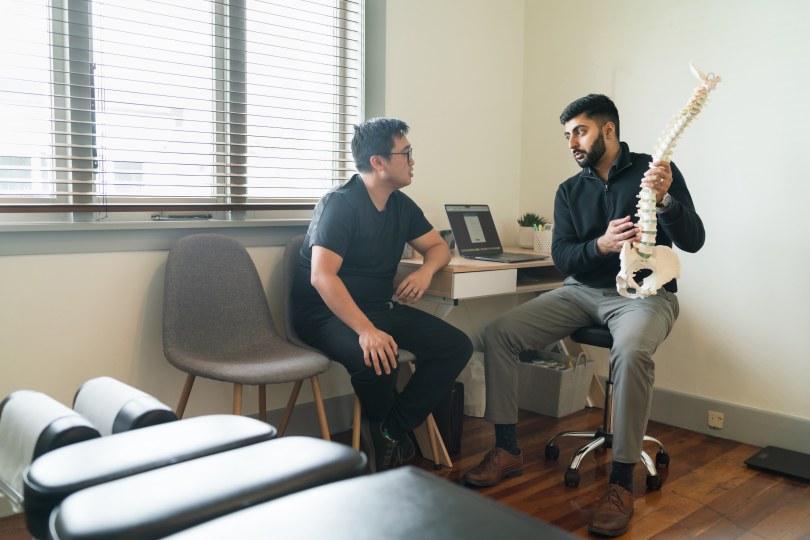
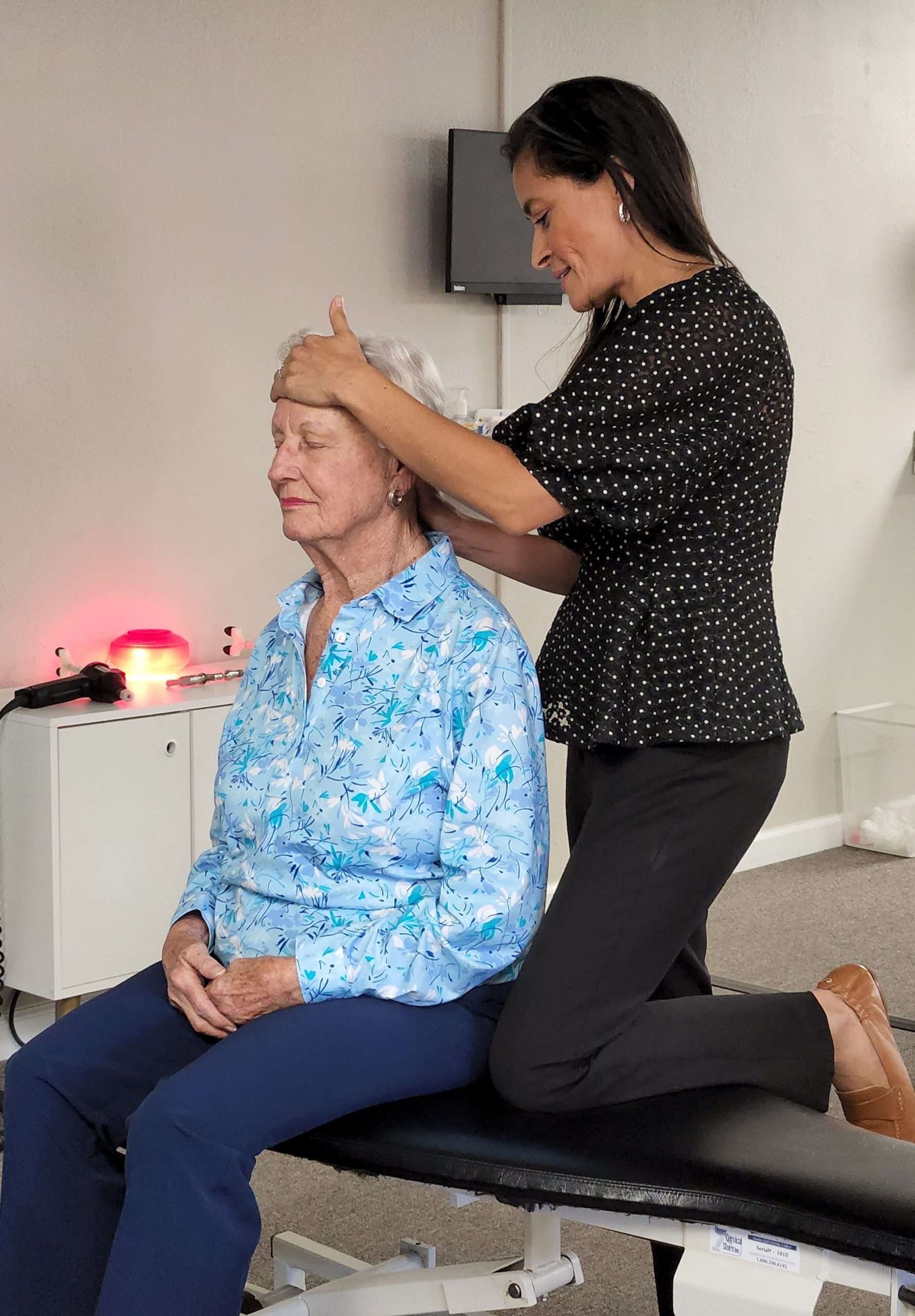
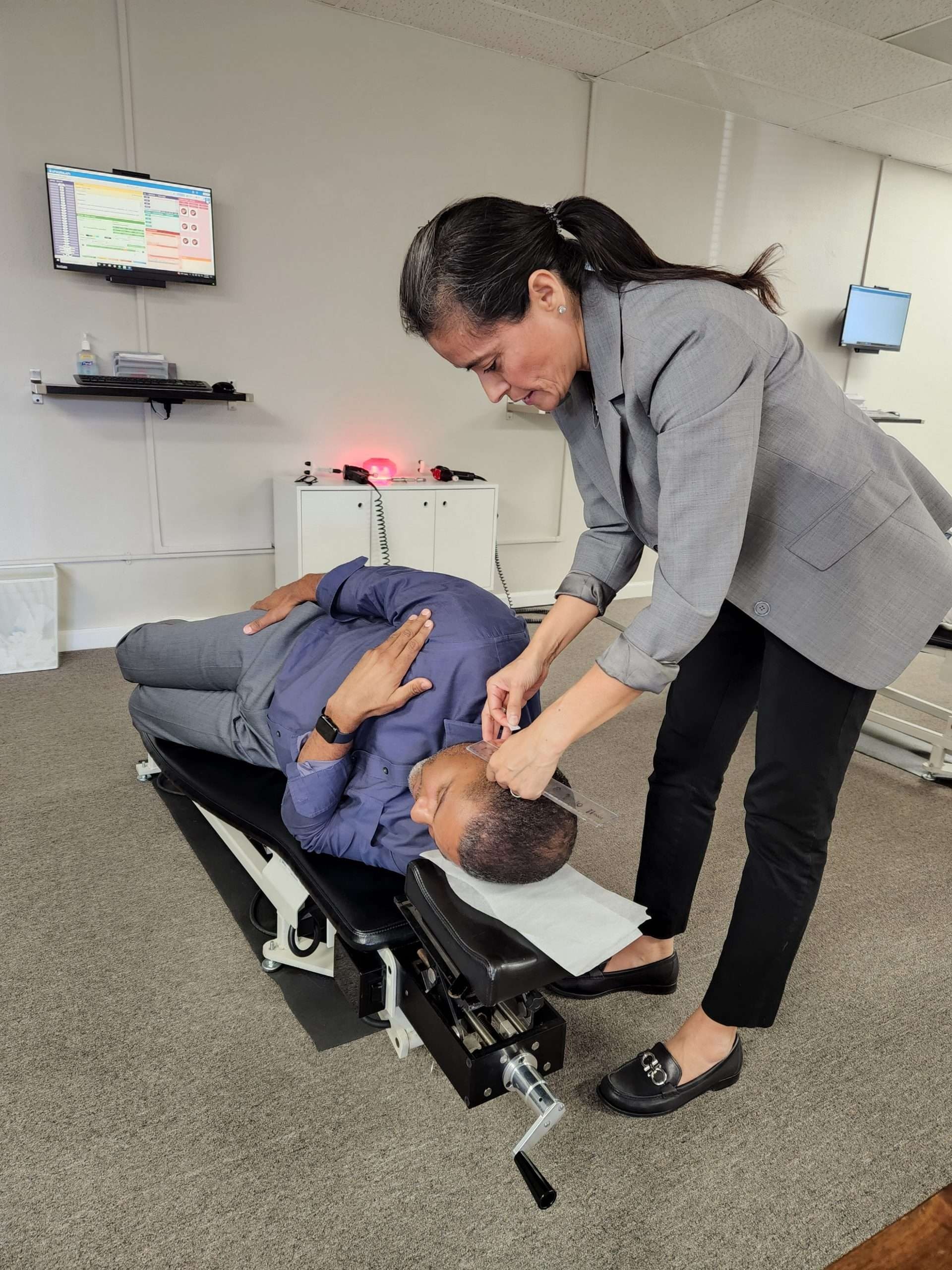


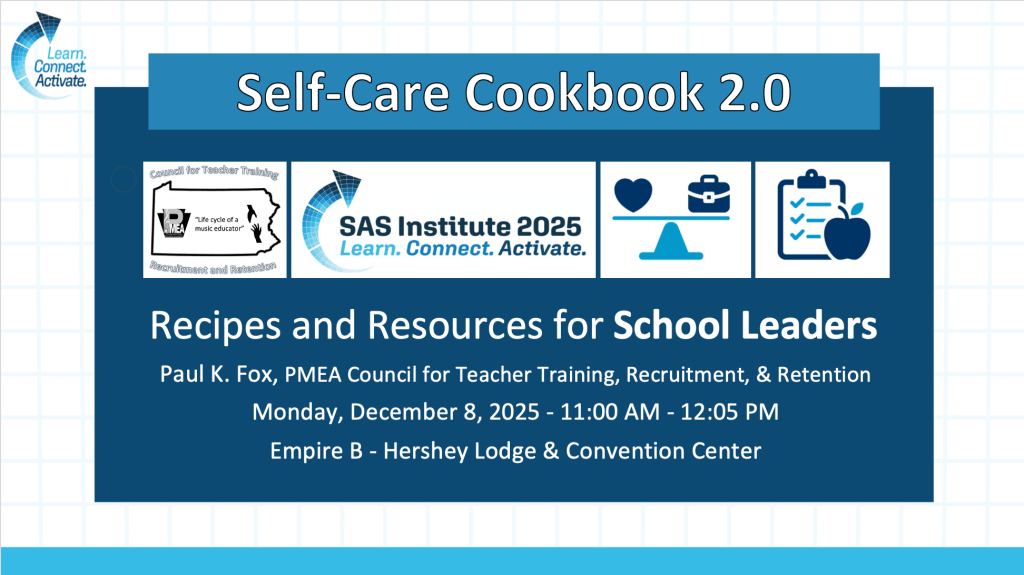
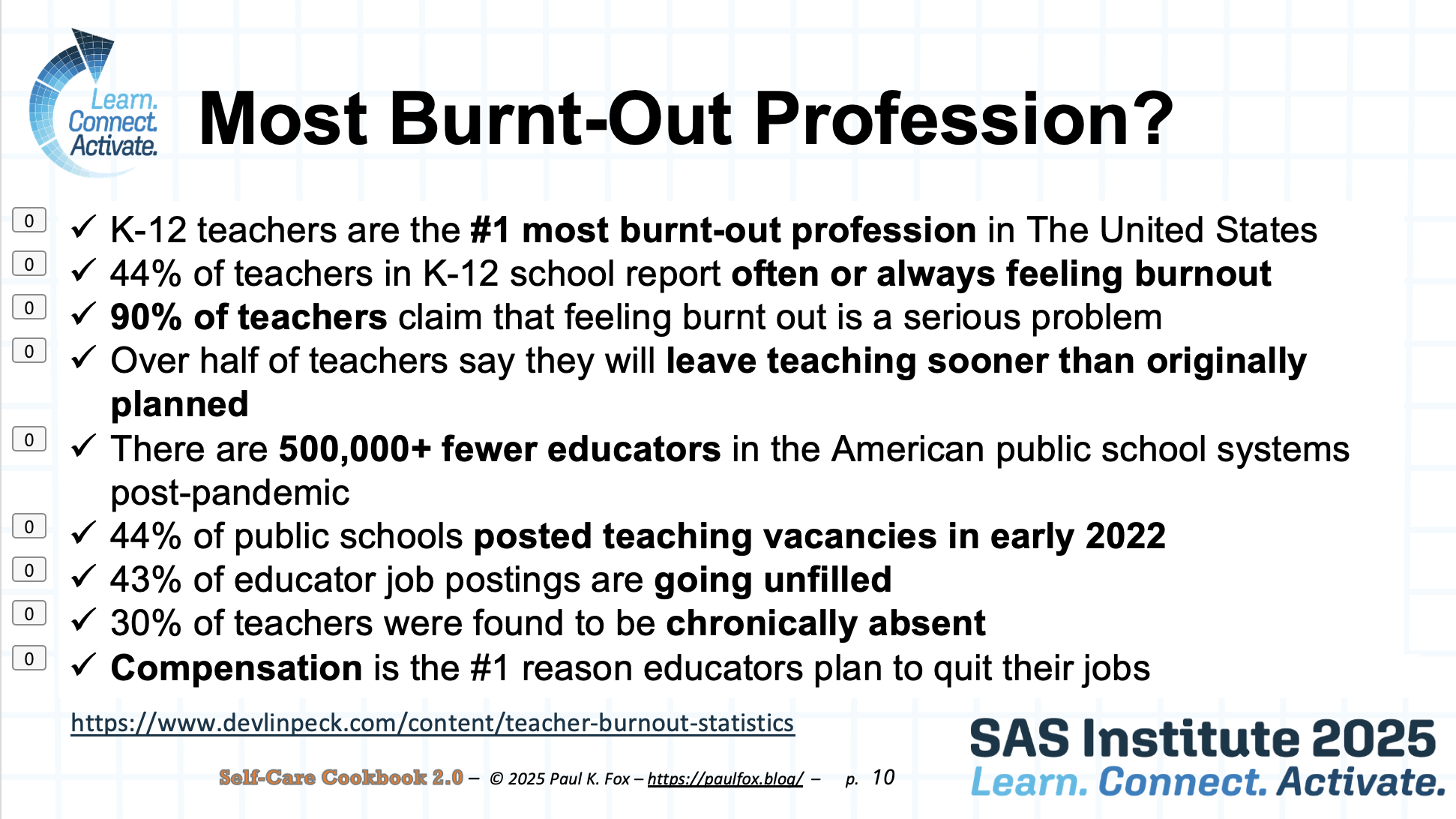
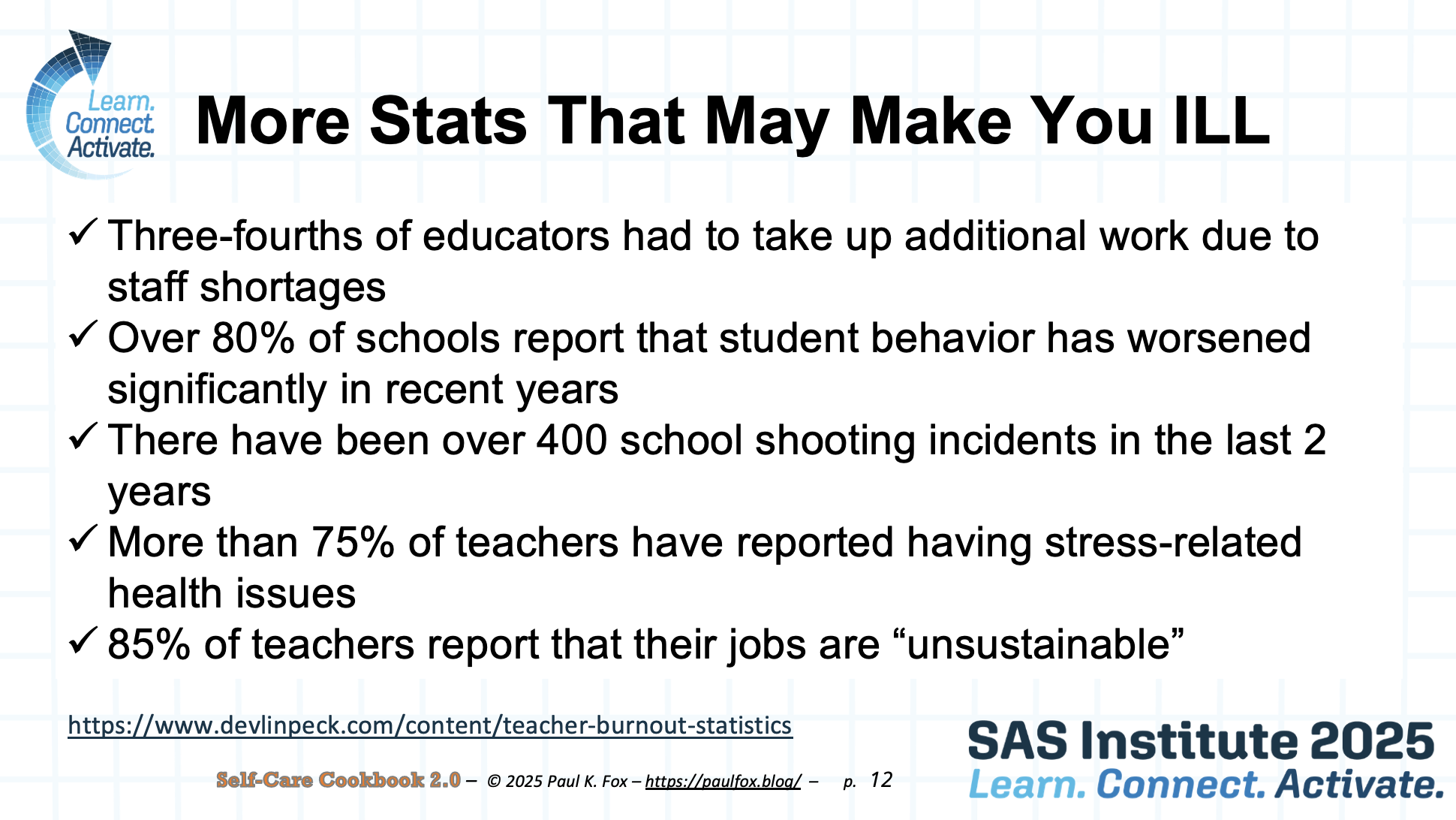

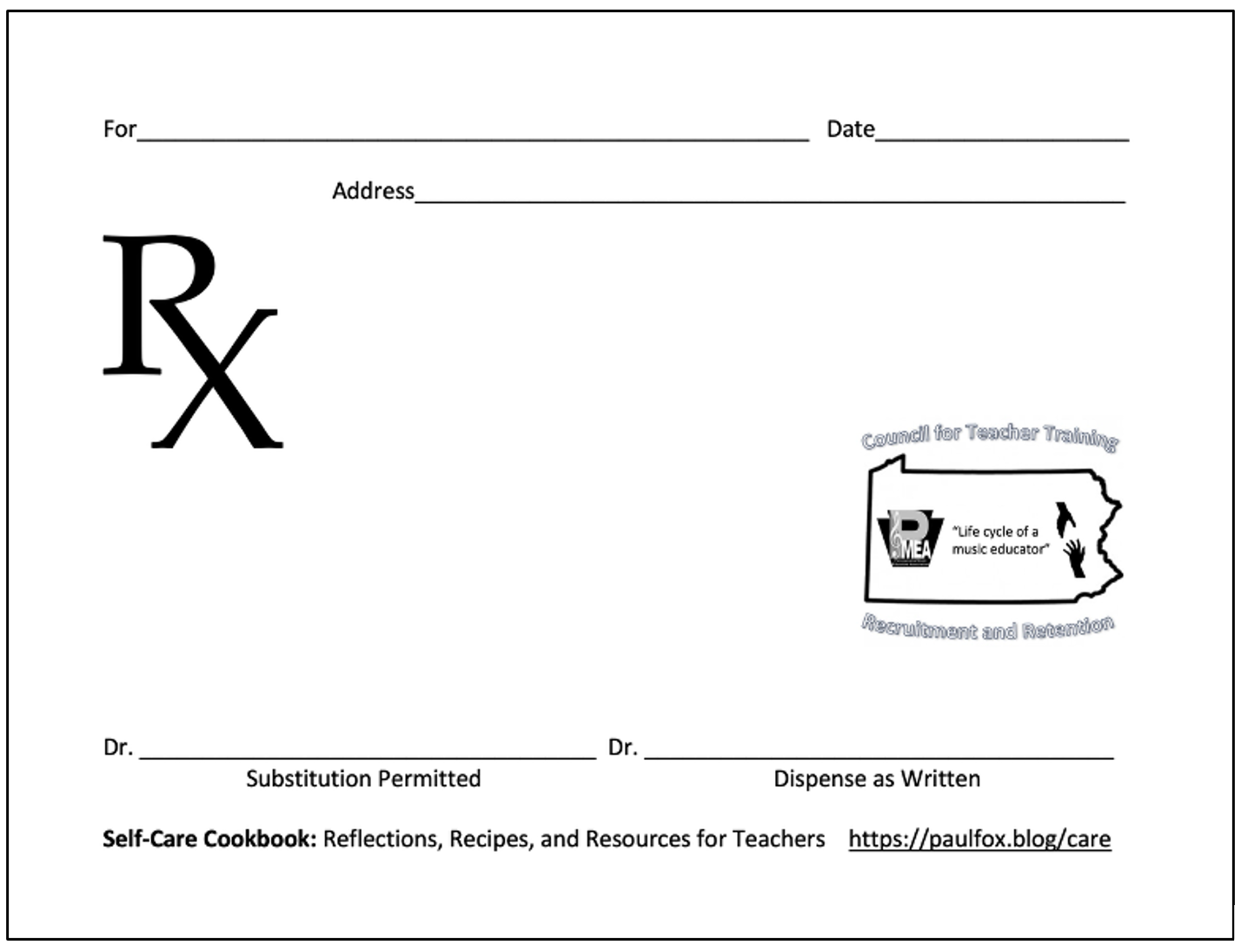
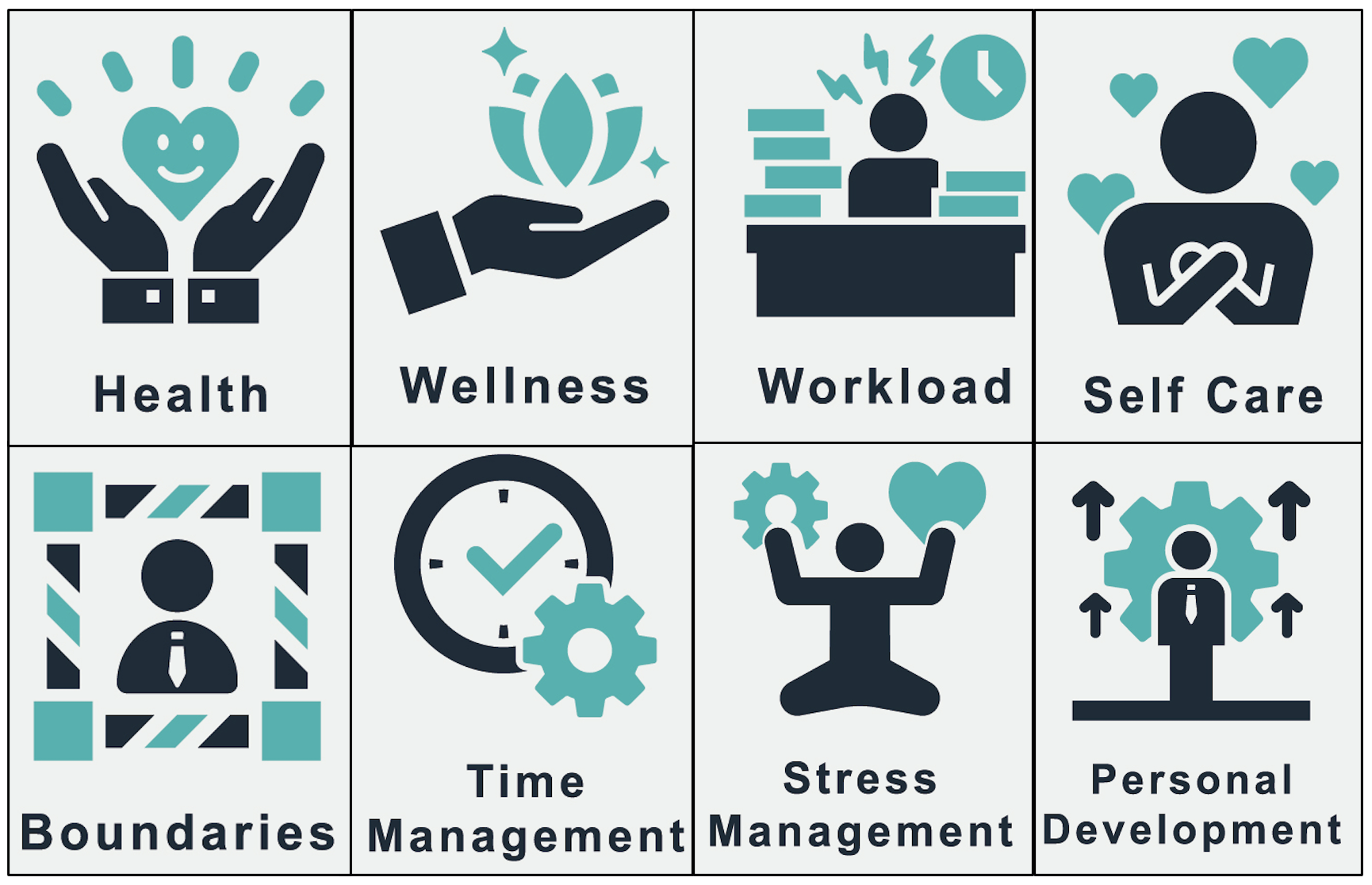



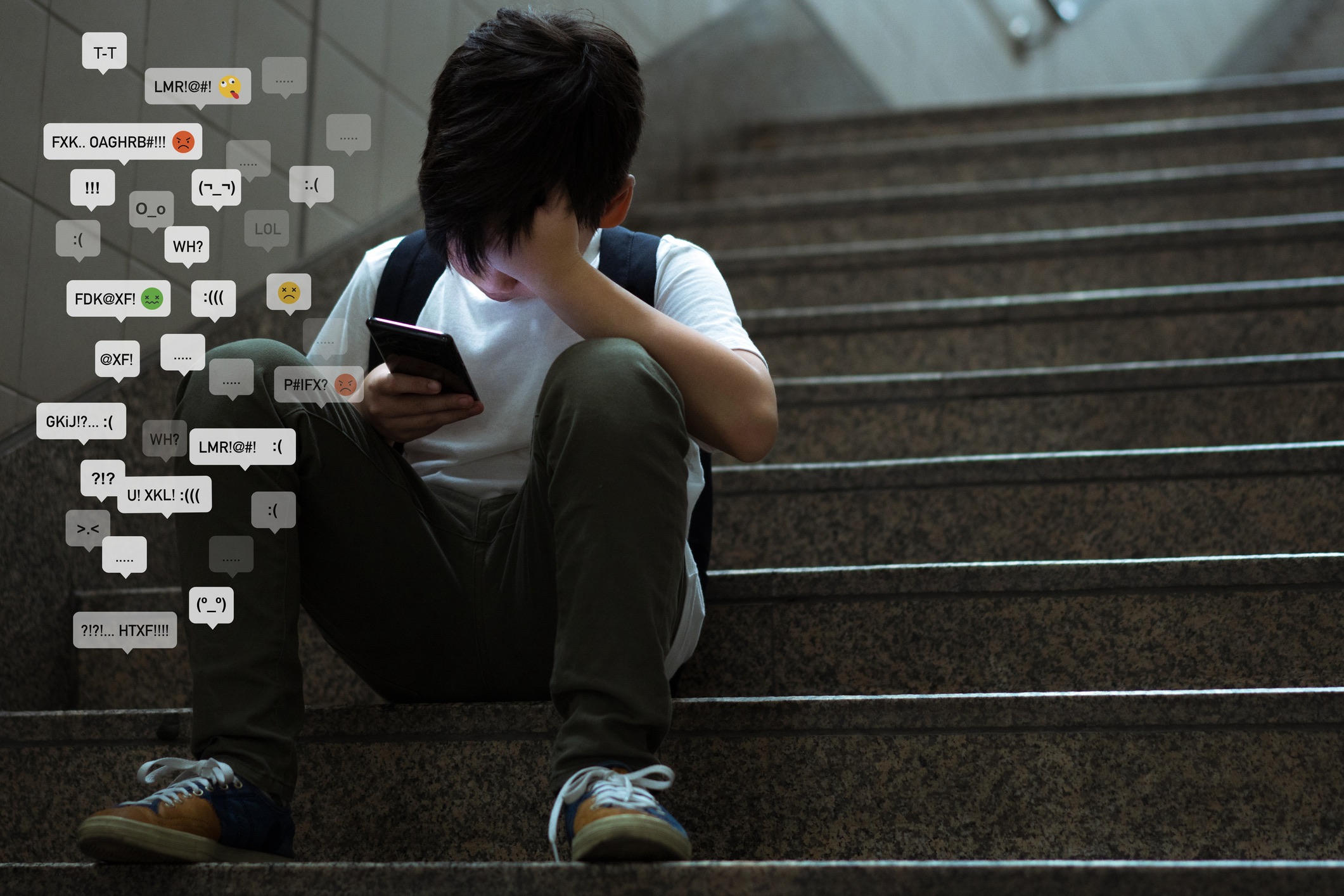
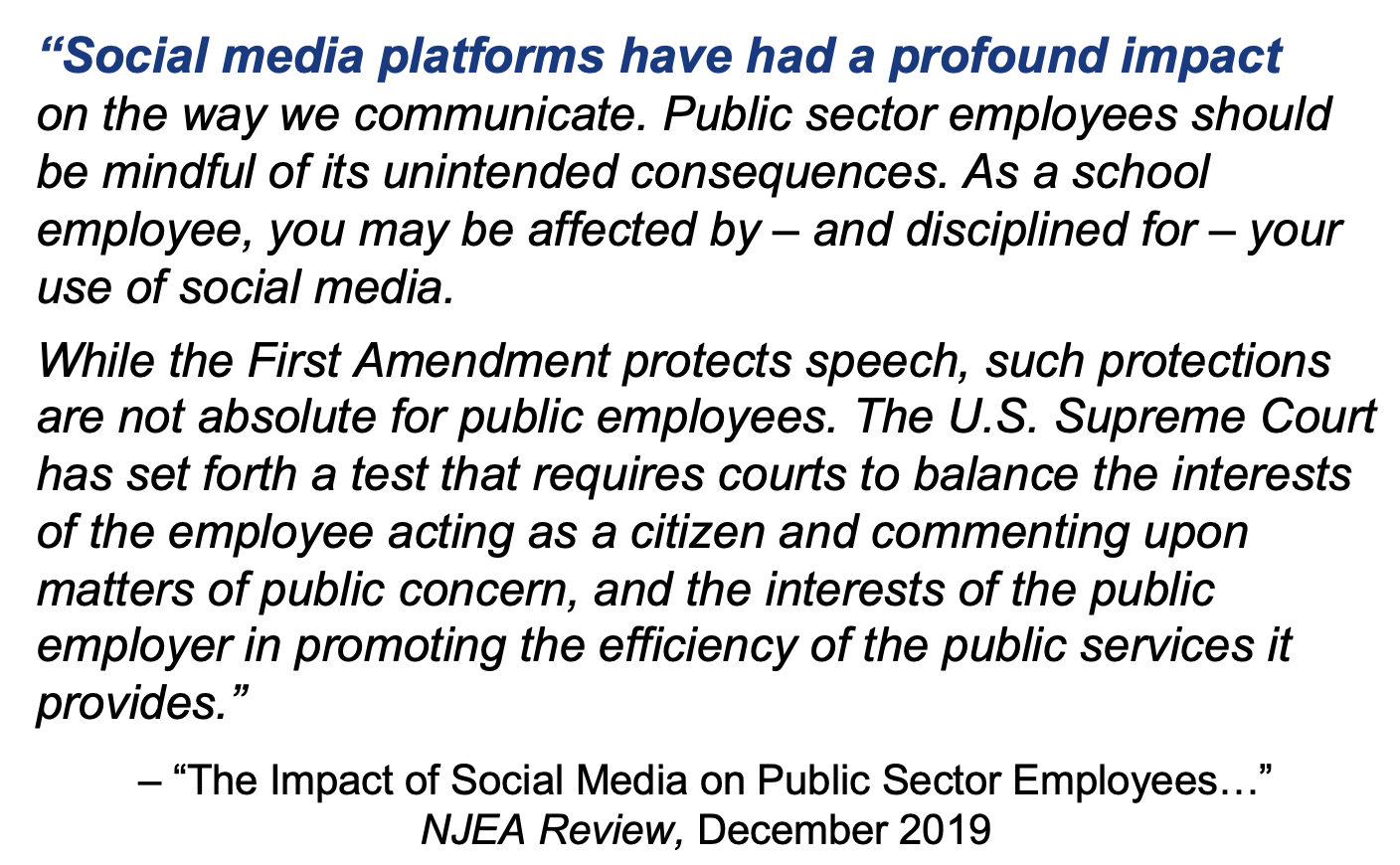
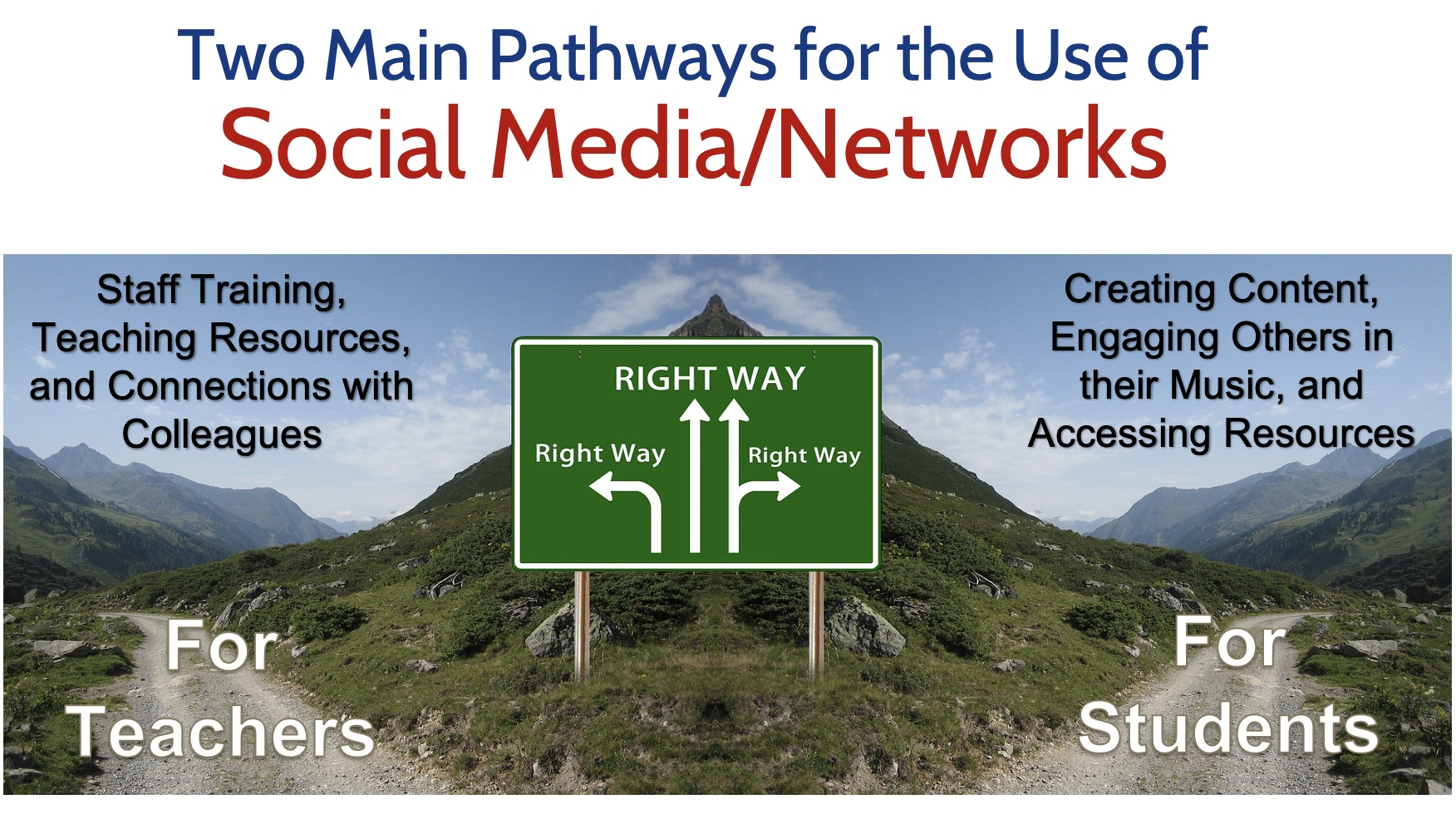
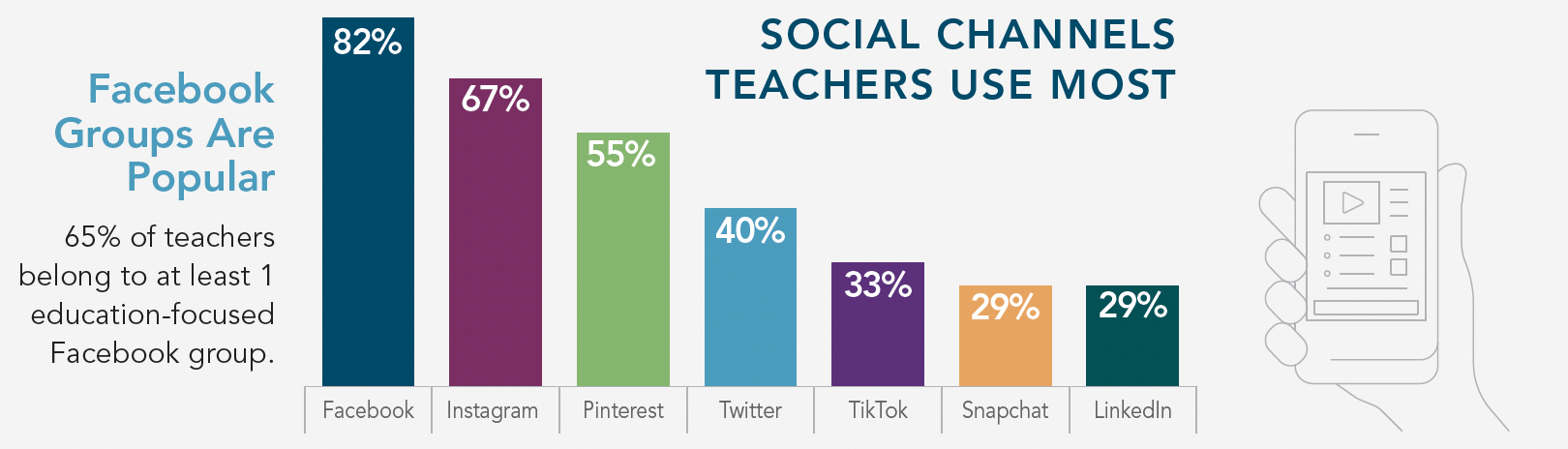
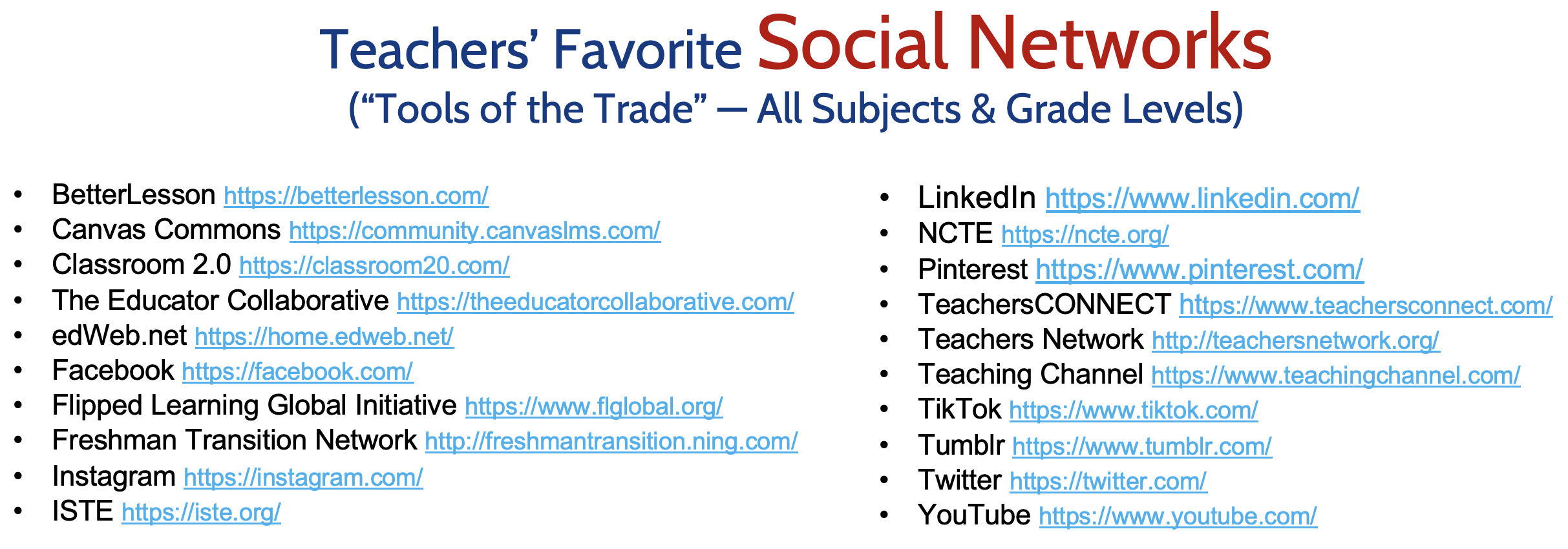


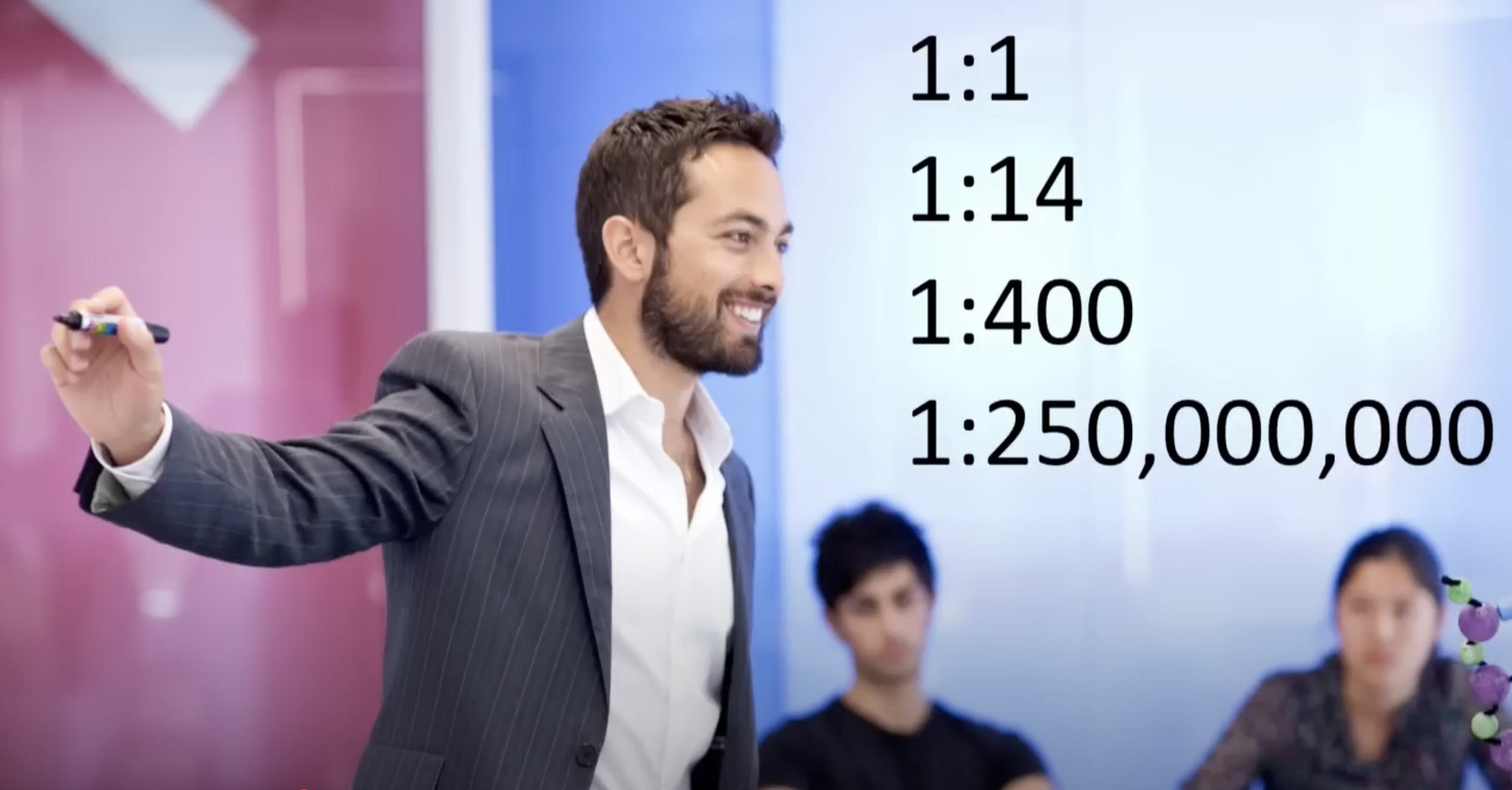
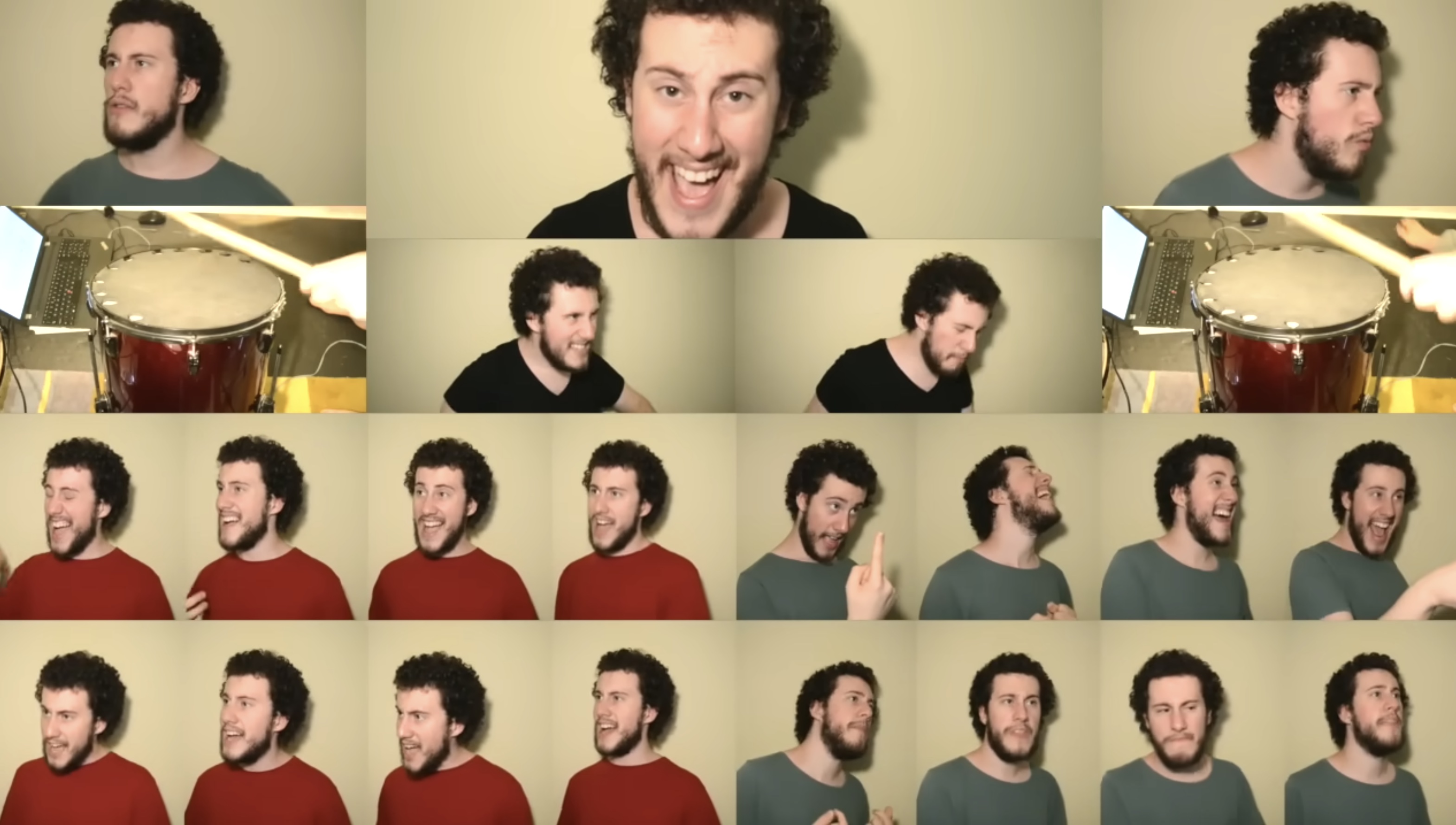
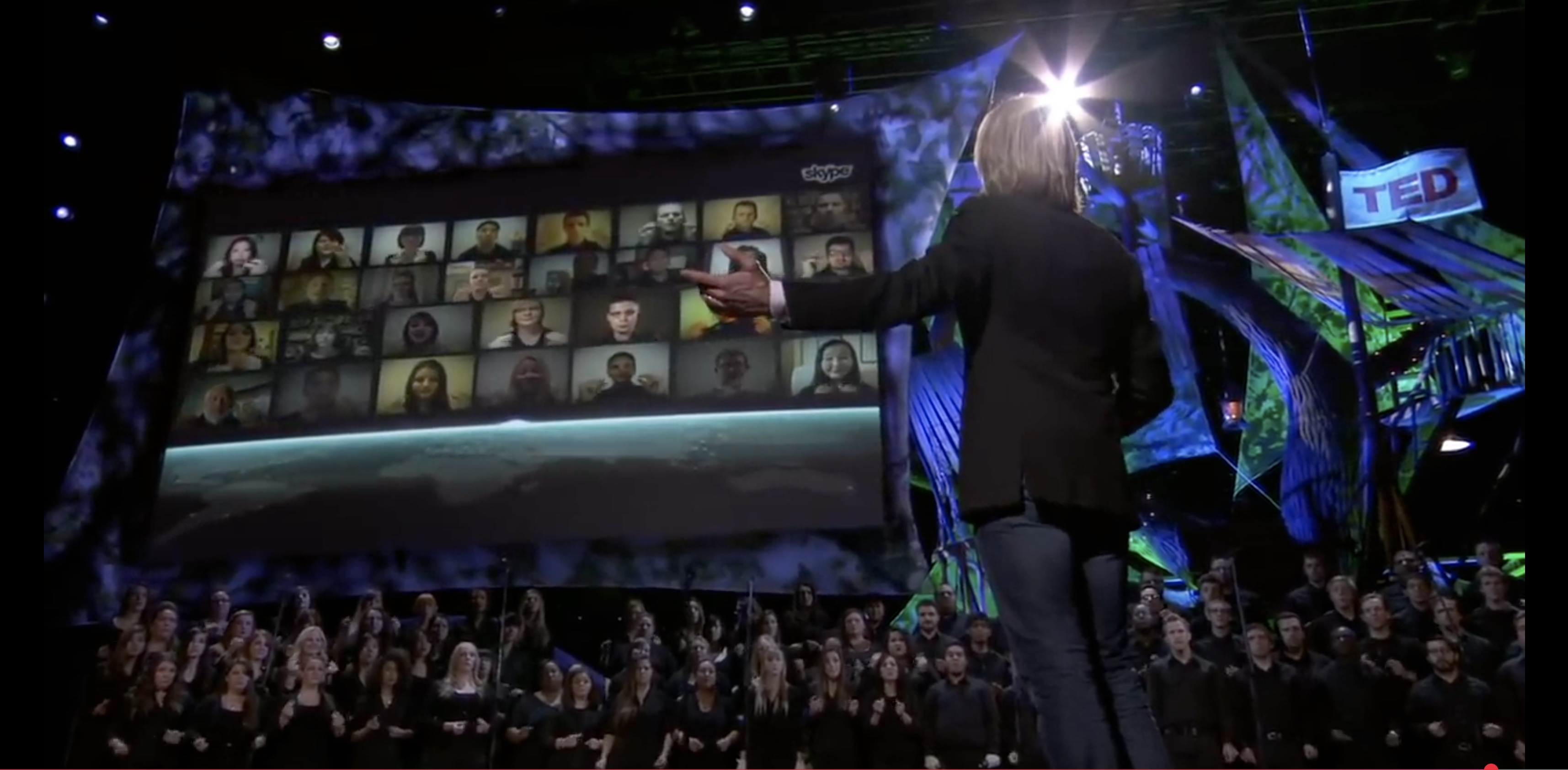


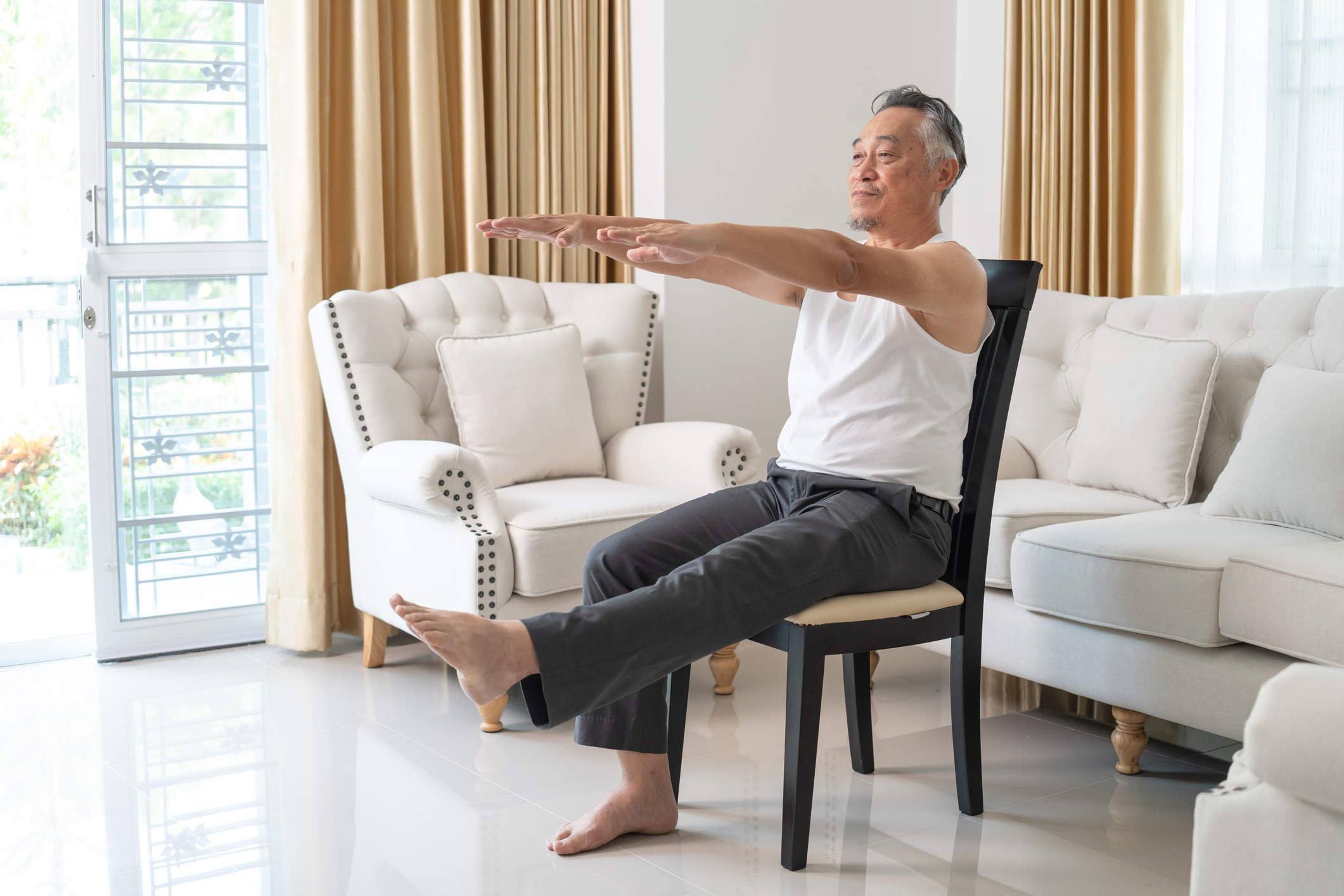
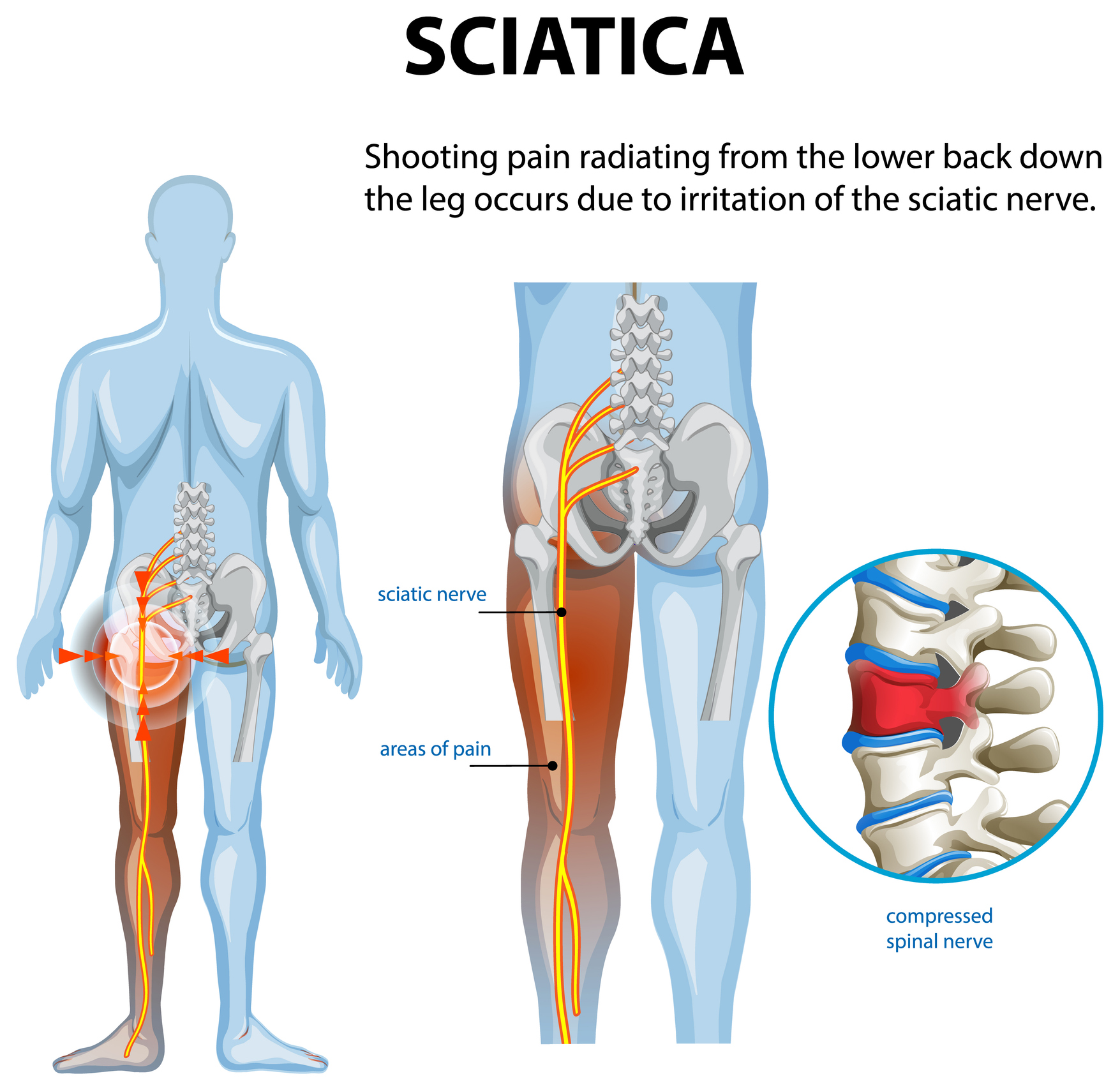

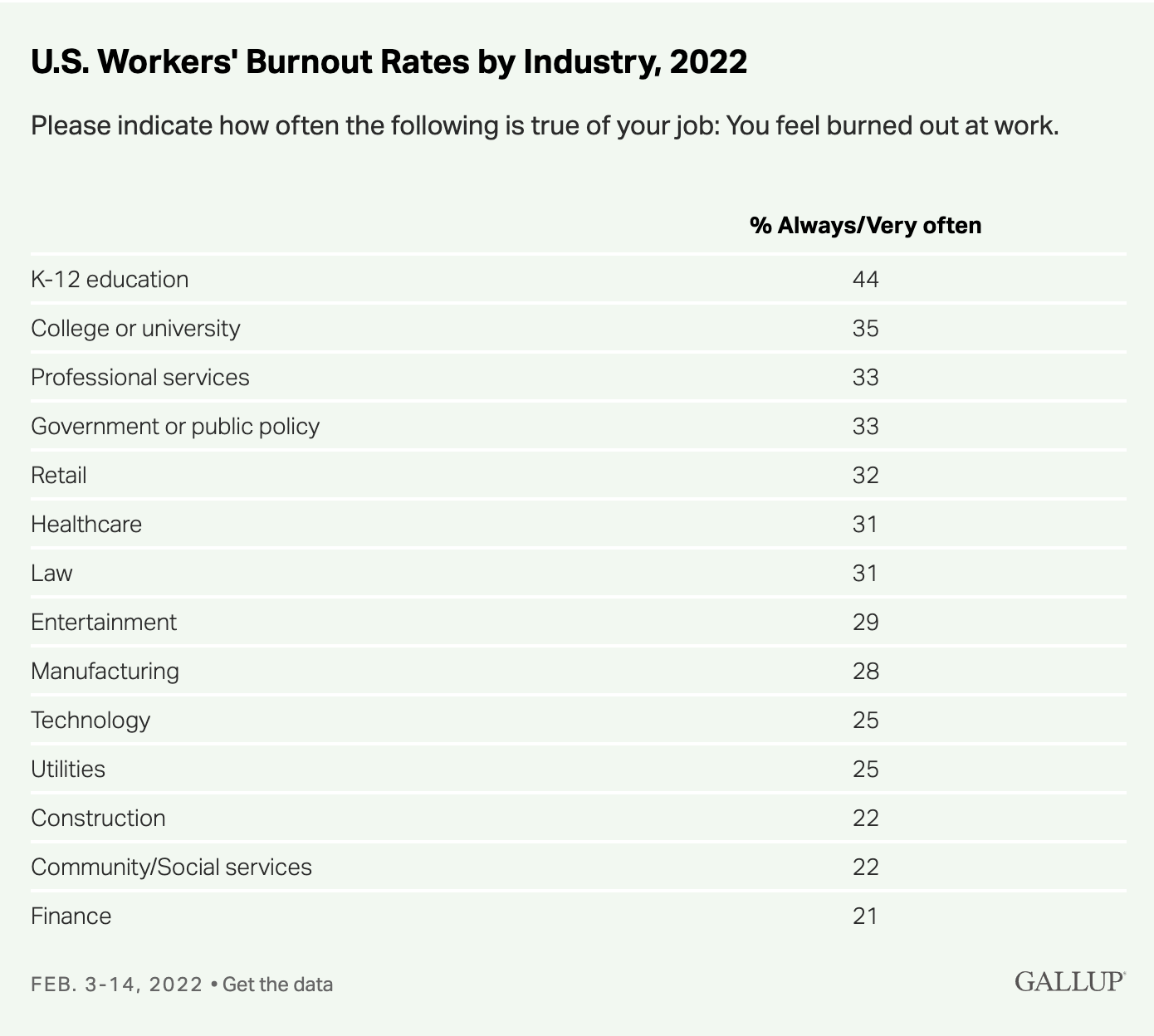


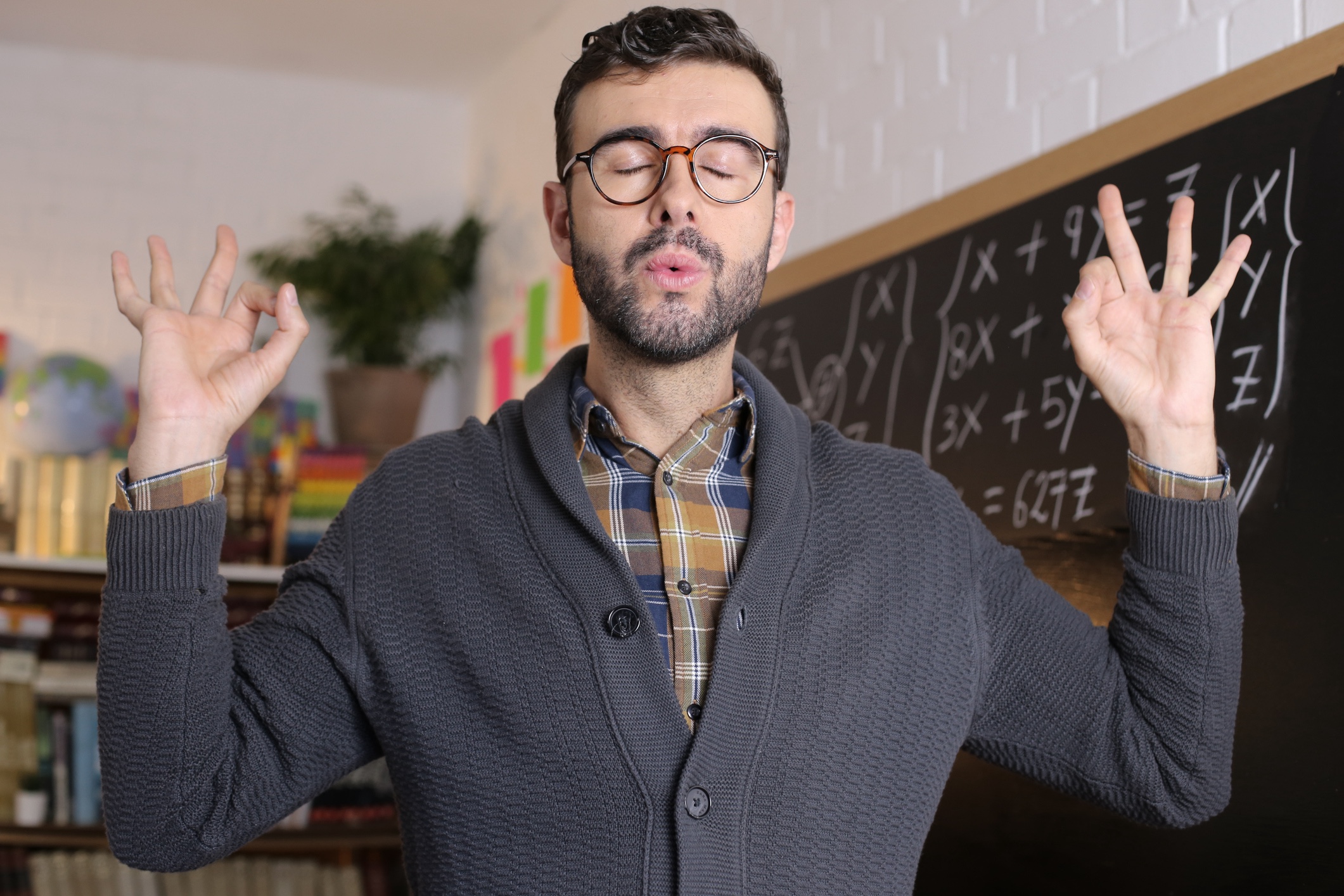
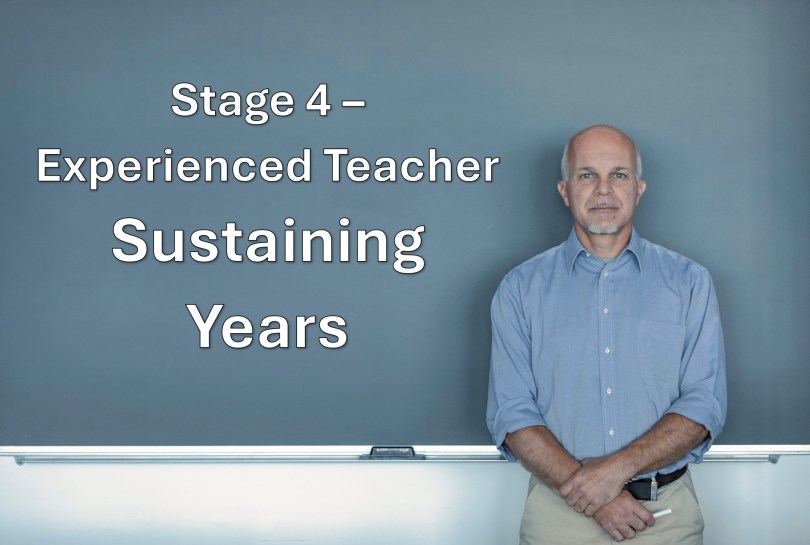

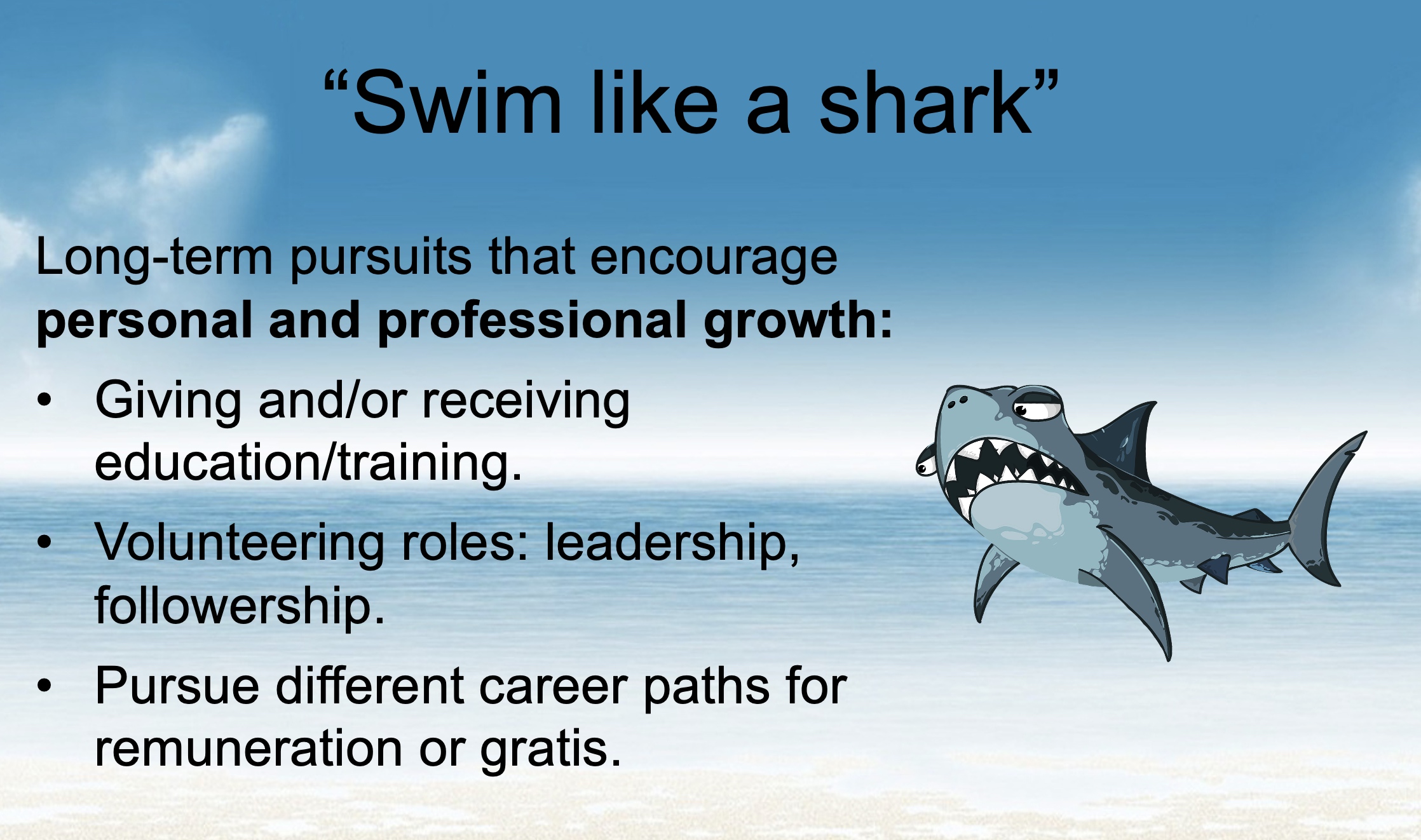

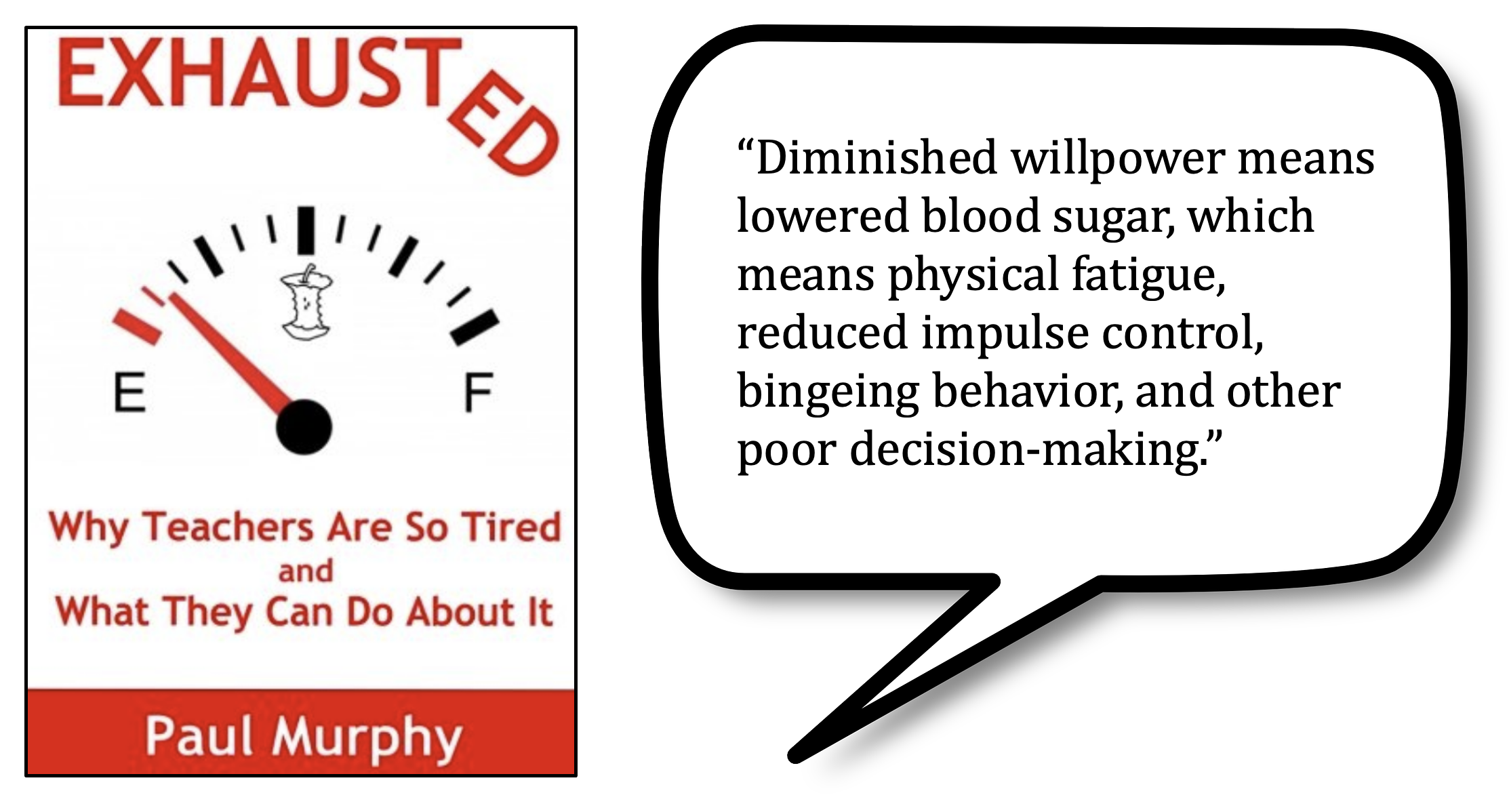
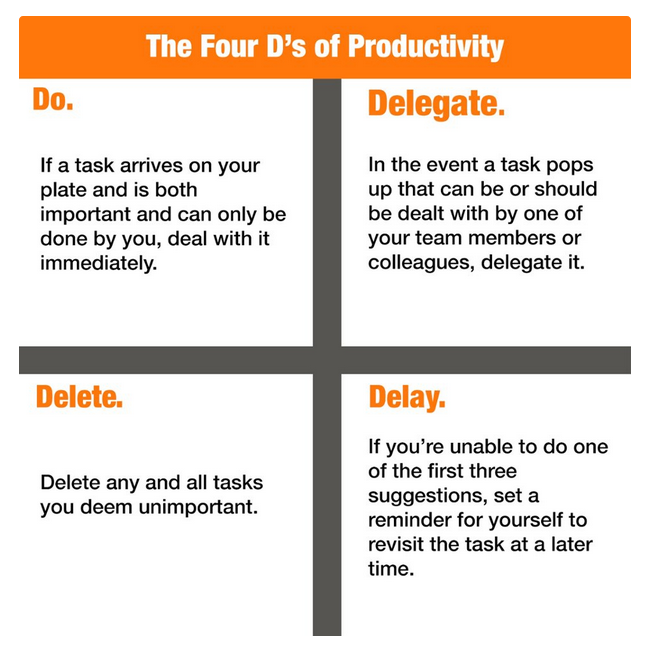

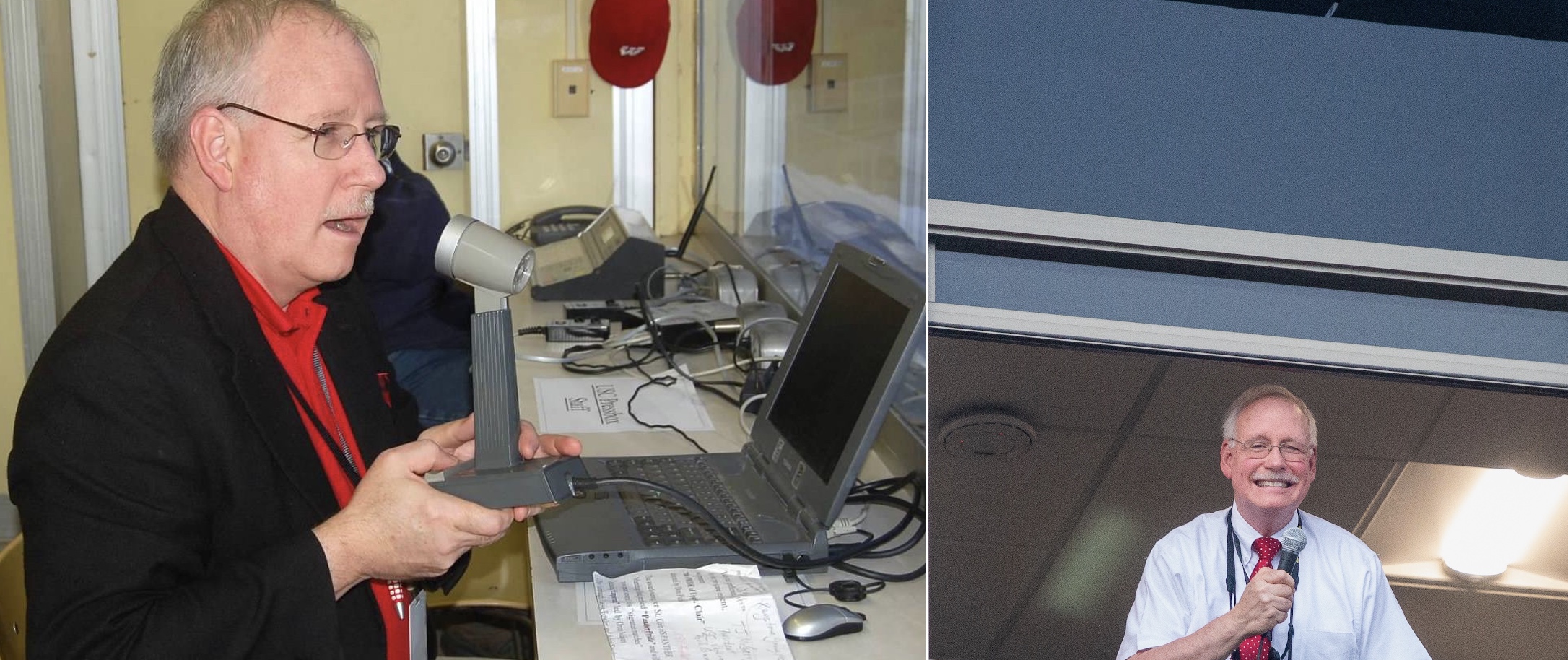
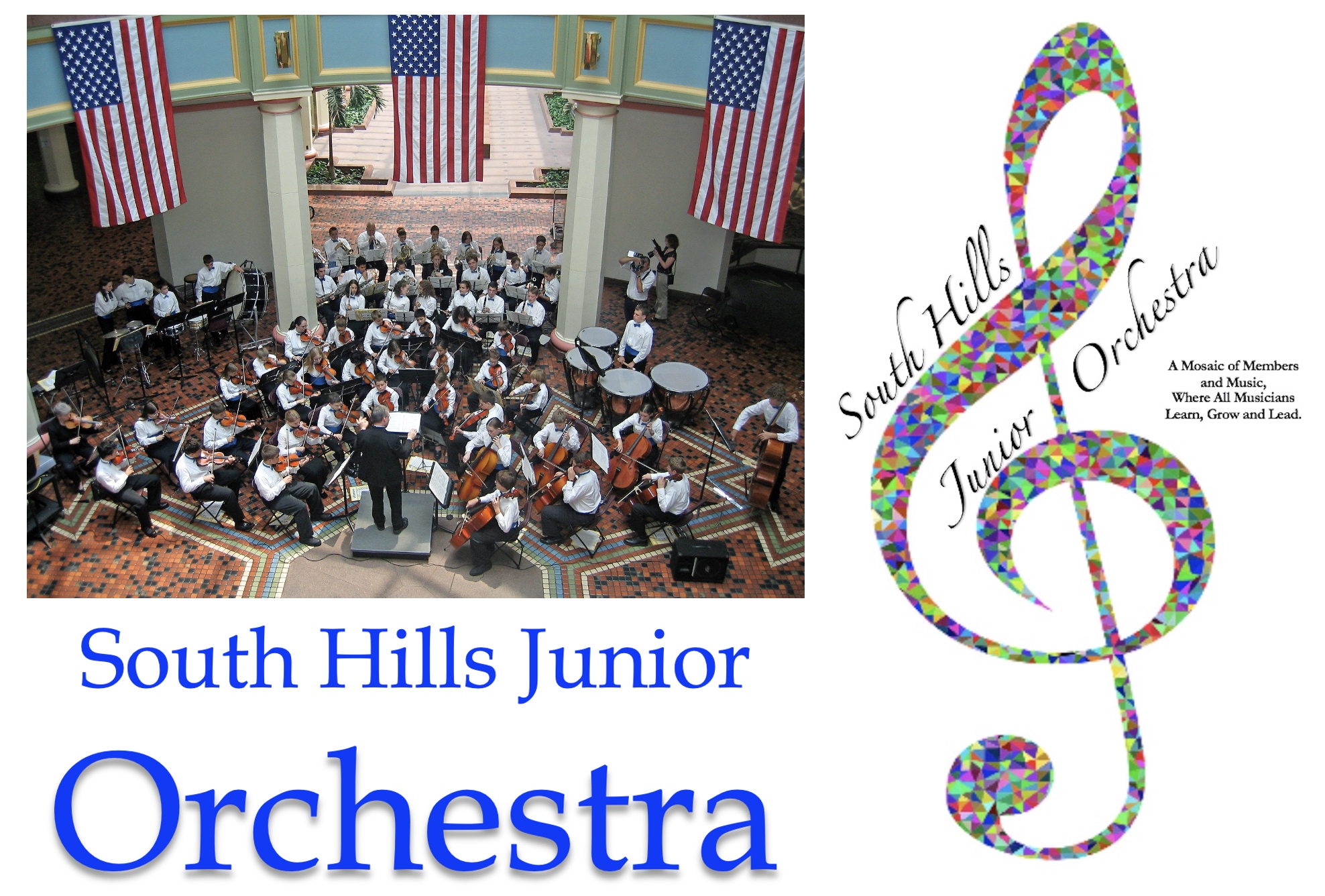



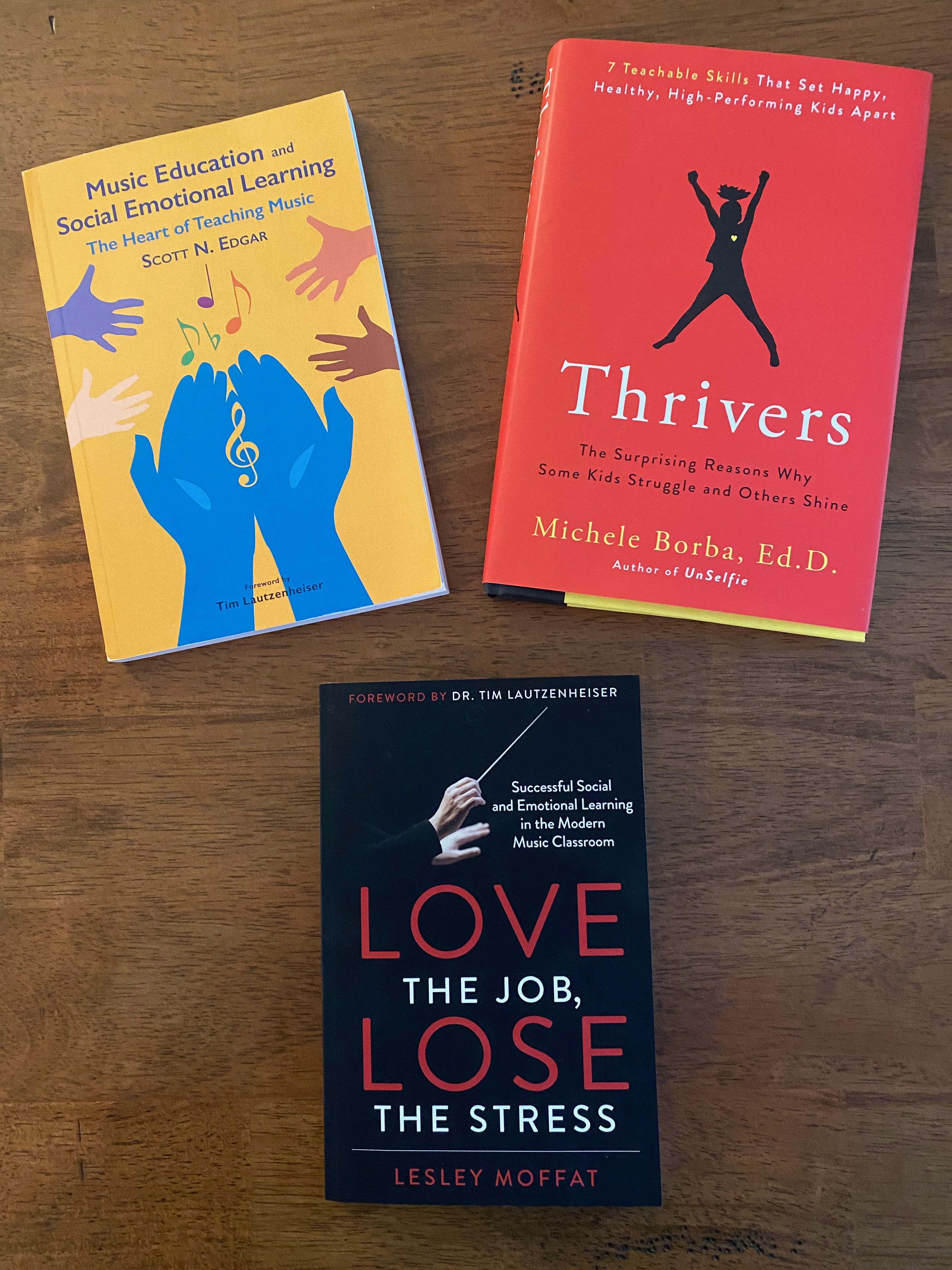

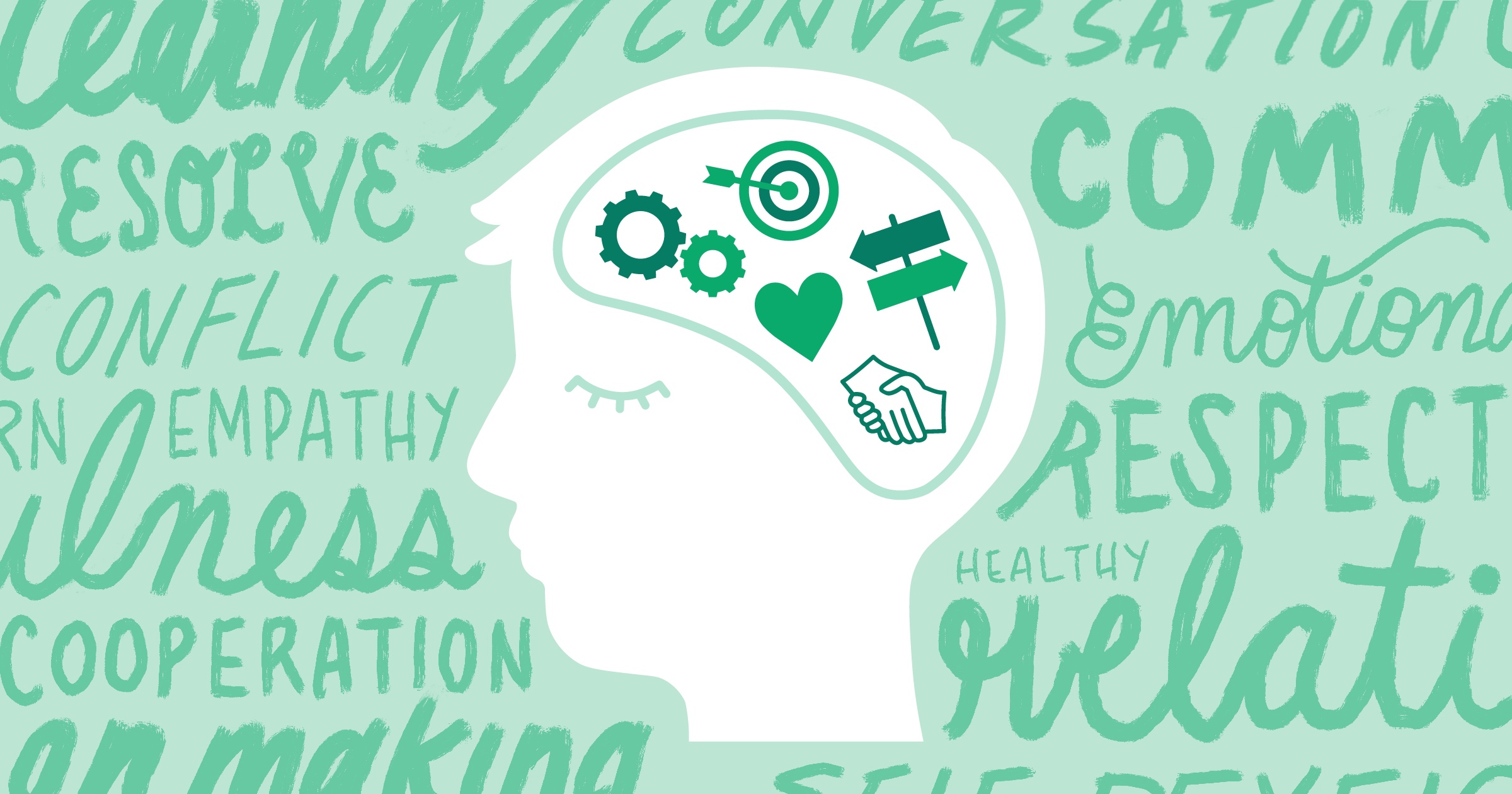
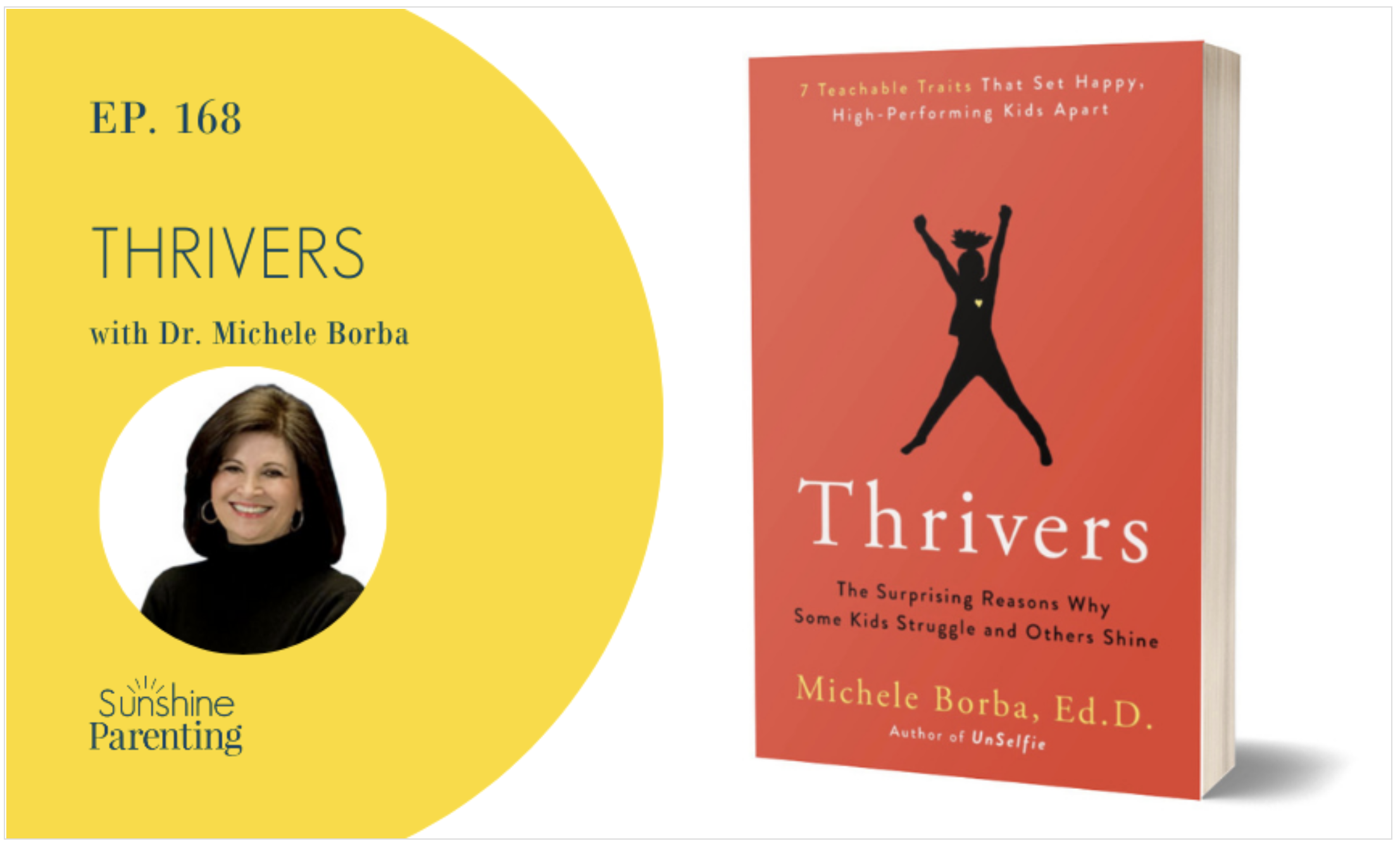
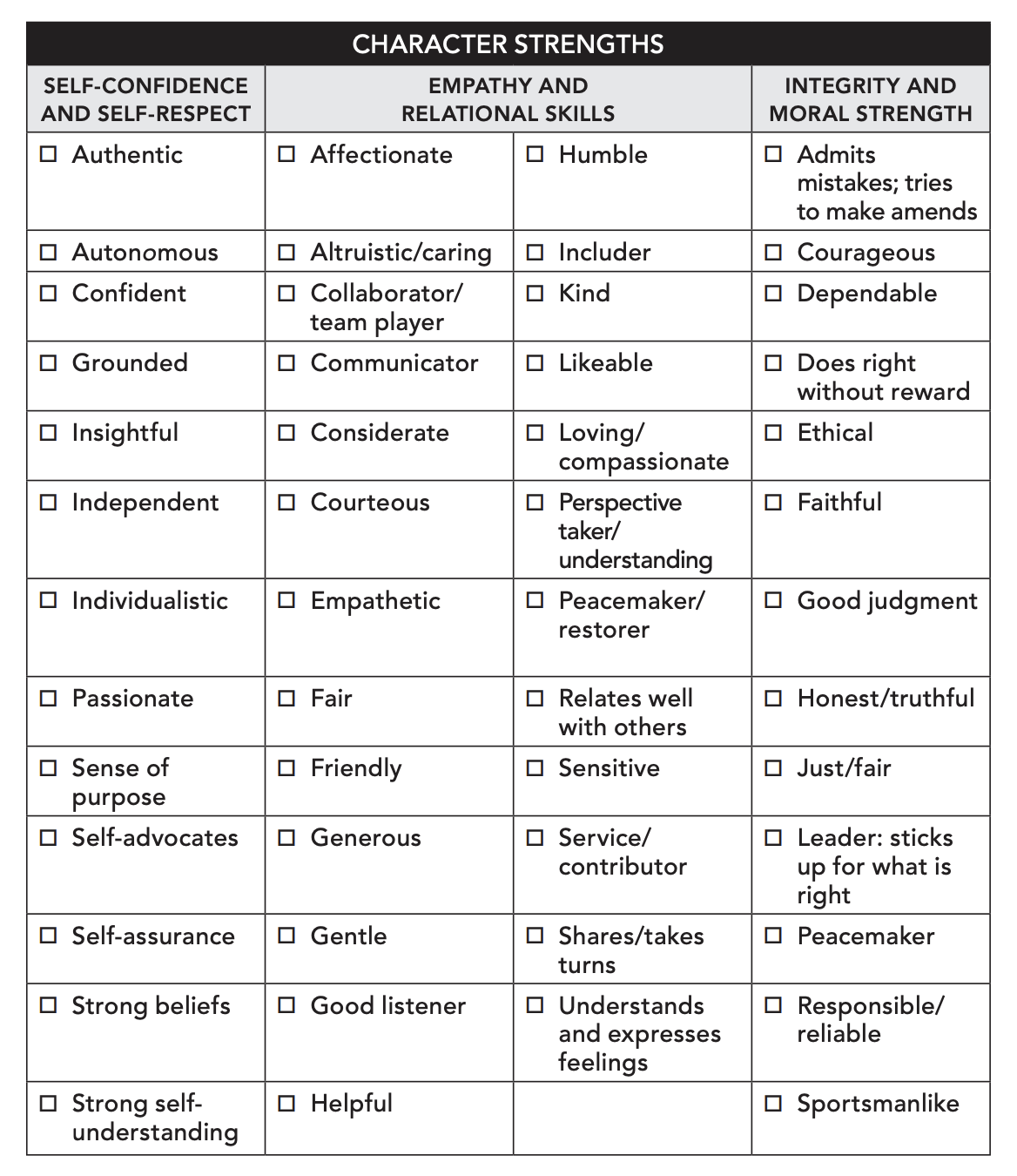
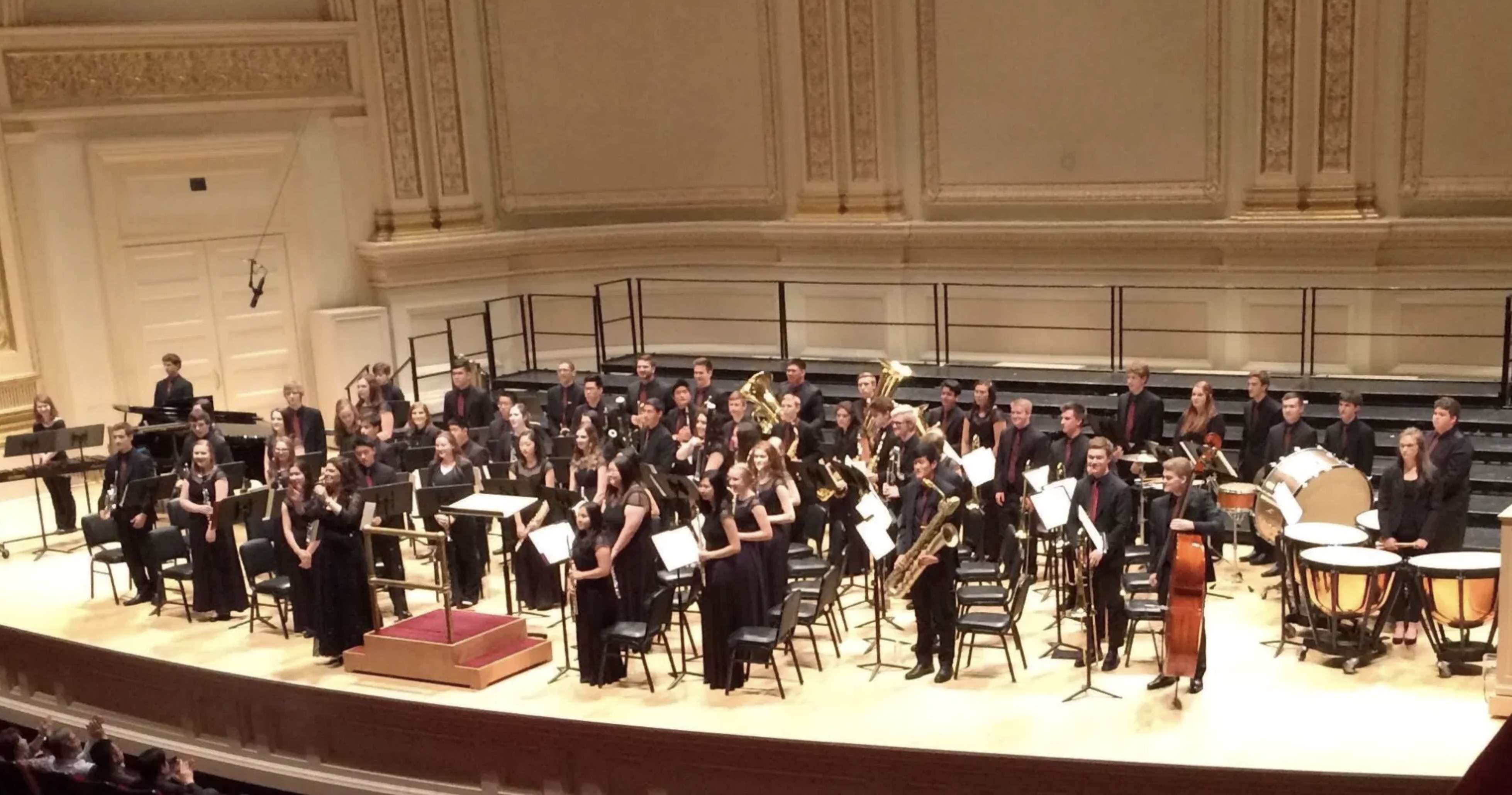
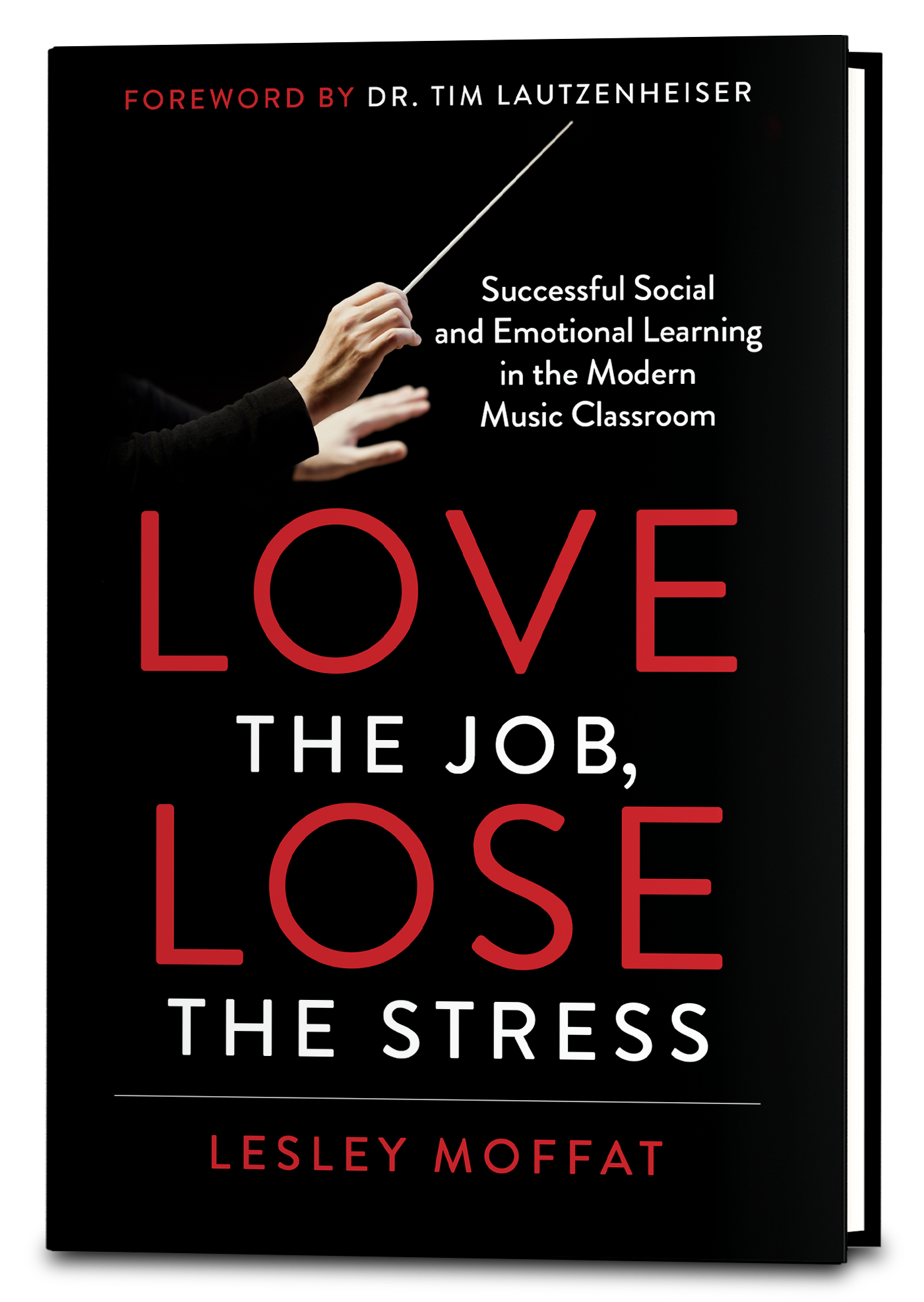

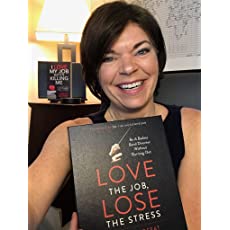
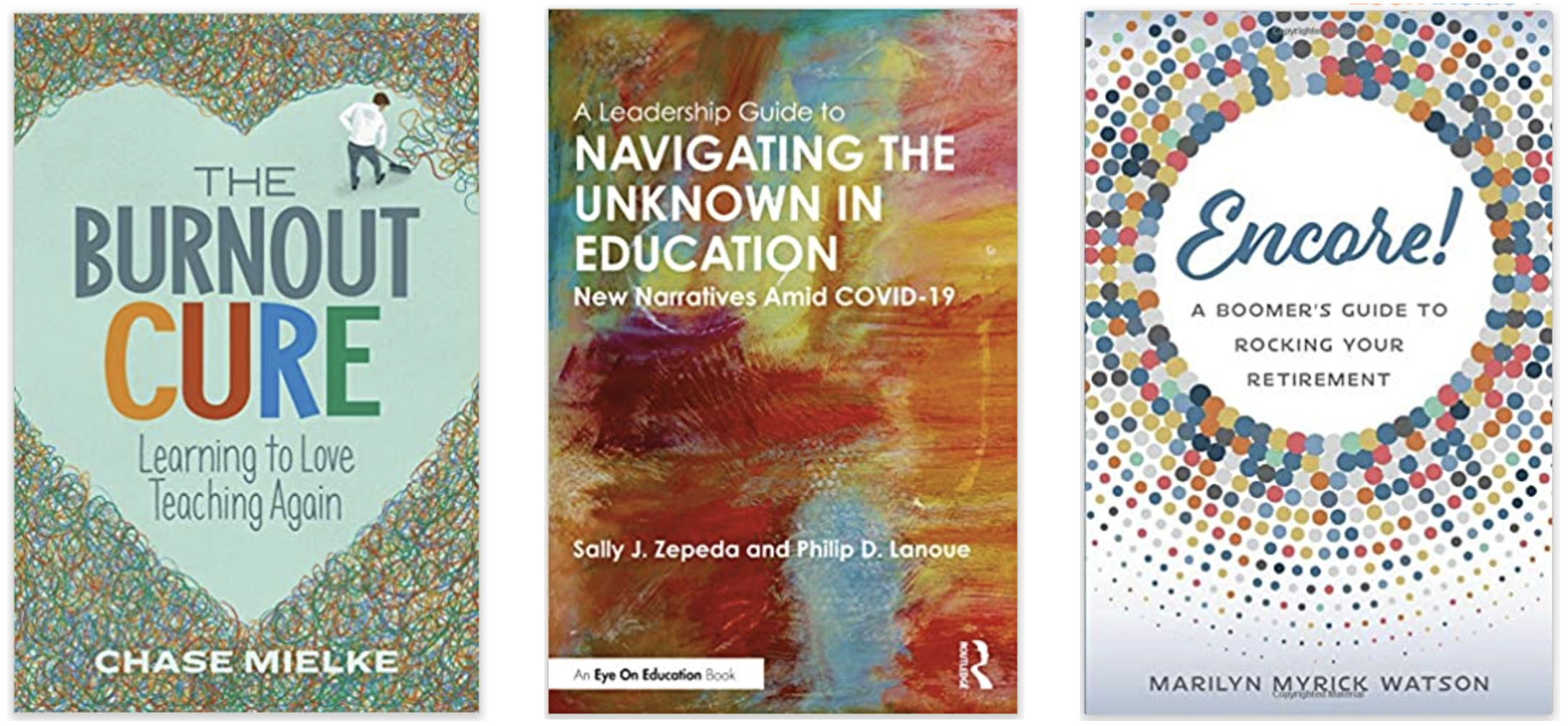

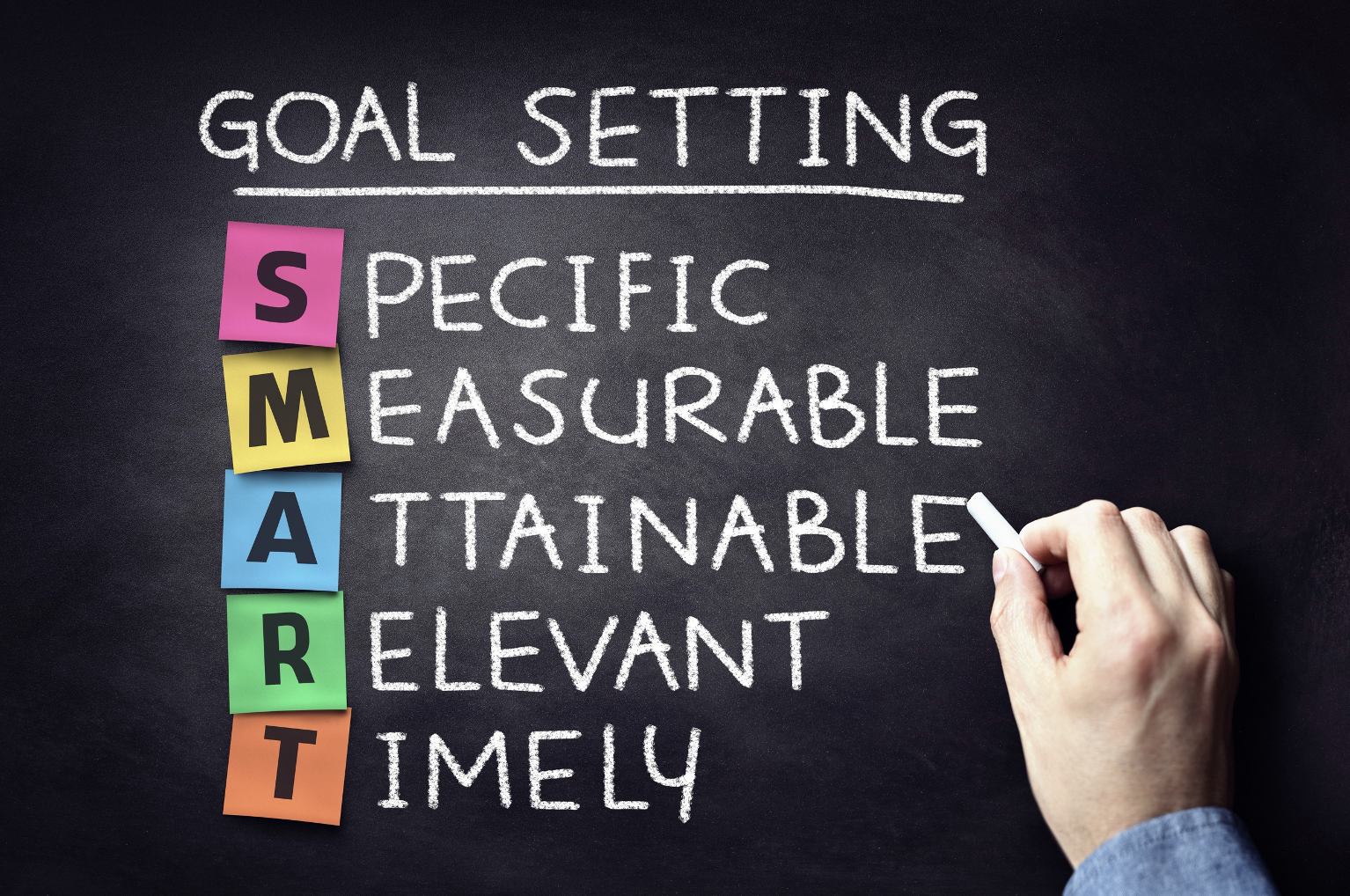

 paulfox.blog