Wander with Whiskers

How to Become a Digital Nomad With a Pet in Tow

Written by Ed Carter – Featured “black cat” photo by Ruca Souza (Pexels)

Editor’s Note: We welcome yet another blog by guest author Ed Carter on a subject near and dear to my heart. It was not until I retired before I discovered the joy, responsibilities (and challenges) of pet ownership. I have two little doggies (one bichon frise named “Gracie” and a yorkie-poo named “Brewster”) who keep me engaged and occupied throughout the day. “Daddy, I’m hungry.” “Can I have a bone?” “It’s time to go out…” Those frequent walks are good for me and part of this retiree’s long term wellness plan! But, pets may also restrict the flexibility of your schedule and limit travel. You cannot necessarily “drop everything” at the last minute and take a cruise or long car trip. (I’m not putting my “kids” in a pet jail, aka a kennel!) Planning is essential. Ed shares new perspectives on merging the demands of your digital job (encore career, business or retirement pursuit) with the needs of your sometimes fussy furry family members. PKF

Deciding to pack up and chase the digital nomad dream isn’t as easy when you have a pet depending on you. But it’s not impossible. You’ll just need a different kind of strategy—one that balances your professional goals with your animal companion’s comfort and safety. If you’re ready to take your work on the road without leaving your dog, cat, or other furry friend behind, here’s how to make it happen and thrive.

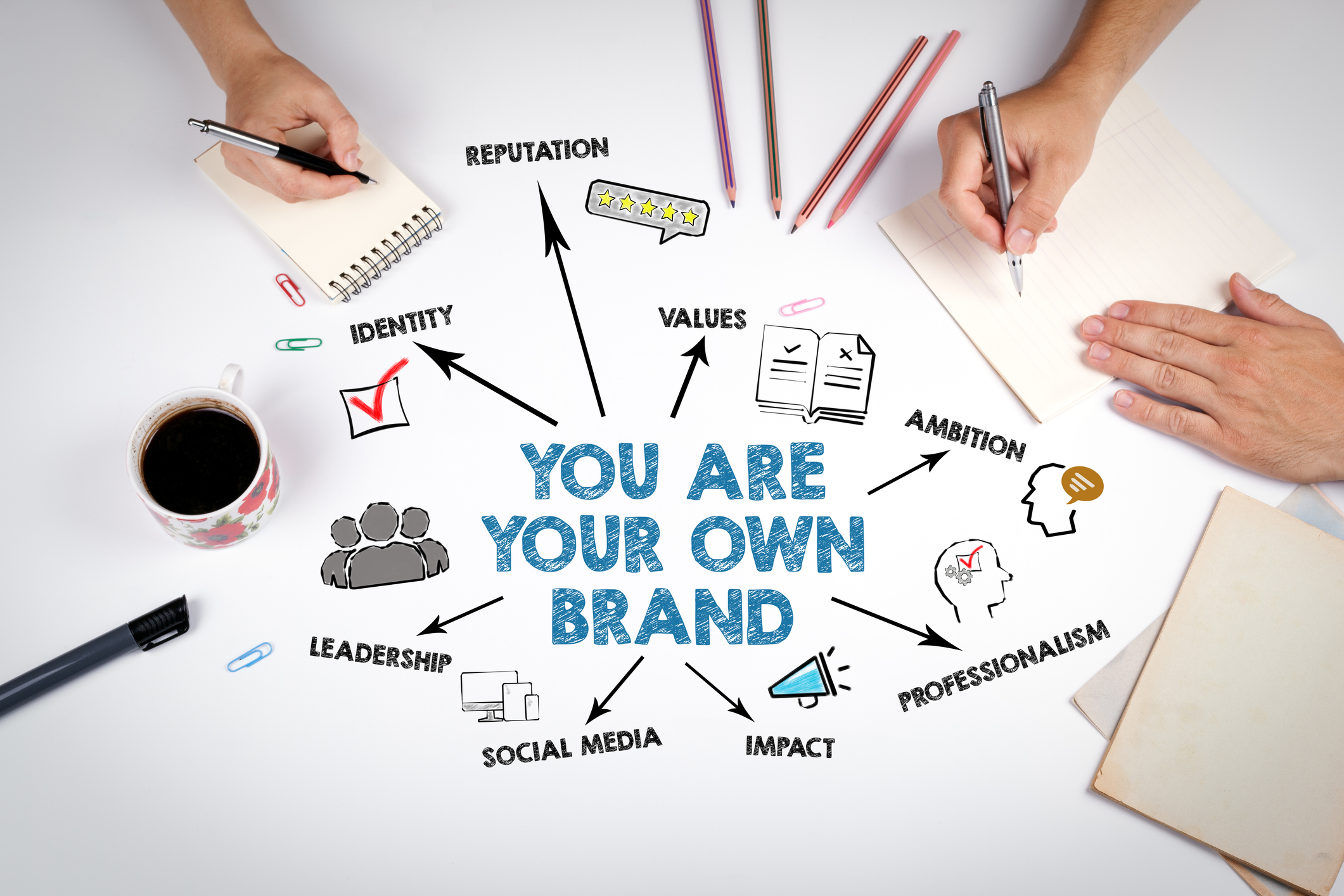
You Are the Brand—Market Like It

You’ve probably heard this before, but now it’s even more true: your personal brand matters. When your lifestyle is non-traditional, clients and employers want reassurance that you’re still professional and reliable. Build an online presence that highlights your experience, your skills, and the unique flavor you bring to the table. Whether it’s a clean portfolio website, a LinkedIn page with testimonials, or social proof via Twitter threads or TikToks, you’ll want your digital footprint to reflect someone who gets the job done—dog barking in the background or not.

How Education Can Reboot Your Career Path

If you’re feeling stuck in your current role or ready to transition into something more dynamic, going back to school can be the smartest move you make. For instance, by exploring a Bachelor of Science in Computer Science, you’ll open the door to new opportunities in tech, where the demand for problem-solvers and creative thinkers never slows down. Also, learning online means you’ll have the flexibility to pursue your degree at your own pace, so you can continue working while you build your future.

Pick a Job That Gives You Breathing Room

Not all remote jobs are built equally, especially when you’ve got a pup tugging at your sleeve or a cat trying to walk across your laptop. Jobs with flexible hours or asynchronous communication are a goldmine here. Think virtual assistance, freelance writing, UI/UX design, social media management, or coding—anything that lets you pause when you need to and doesn’t expect you to be online at 9:00 a.m. sharp in someone else’s time zone. It’s also worth considering pet-focused work like blogging about your travels together or offering online pet training consultations if you’ve got the skillset.

Stretching the Budget Is an Art

Moving around with a pet in tow doesn’t just cost more—it requires creative budgeting. Flights often come with extra fees for animals, and not every country has affordable vet care. To save, consider slow travel, staying in each spot for at least a month to cut down on housing costs. Sign up for loyalty programs, travel with collapsible gear to avoid bulky luggage fees, and always build an emergency buffer for unexpected pet expenses.

Downtime for You, Uptime for Them

You’ve got Zoom calls and deadlines, but your pet doesn’t care. Their boredom can quickly become your stress. To keep them occupied, build routines they can count on—morning walks, midday playtime, and evening snuggles. Fun pet toys, lick mats, and interactive feeders are your new best friends. If you’re in a location for a while, look into local pet daycare options or even trusted pet-sitters who can help when your calendar’s packed.

Communication Is Still the Currency

When your lifestyle is flexible, your communication needs to be rock solid. Clients shouldn’t have to guess if you’re off-grid or just ignoring their messages. Use tools like Slack, Notion, or Trello to keep everyone aligned. Set expectations upfront about your availability, stick to response time windows, and always double-check your time zone math before scheduling meetings. Transparency builds trust, and it’s the one thing you can’t afford to fumble when you’re juggling time zones, Wi-Fi hiccups, and a restless Labrador.

Get Paid Without the Headache

No matter where you’re working from, you still need to get paid like a pro. Skip the international wire transfer chaos and set yourself up with services like Wise, Payoneer, or Deel that cater to global freelancers. These platforms help cut down on currency conversion fees, and many now offer debit cards linked to your earnings. Just make sure you’re still handling taxes back home—yes, even if you’re on a beach in Bali.

Plug Into the Right Tools

Your tech stack can make or break your setup, especially when your “office” might be a hammock or a hostel lounge. A reliable VPN keeps your data secure on public Wi-Fi, while apps like Clockify help you track billable hours. Backup power banks and a universal adapter are non-negotiables, and a noise-canceling headset can turn a chaotic café into a client-ready zone. For pet tracking, consider a GPS collar if your dog has wanderlust, or a camera you can check from your phone to ease any separation anxiety.

Taking your life and career on the road with a pet isn’t going to be flawless. There’ll be missed trains, barking during meetings, and that one time your cat jumped on your keyboard mid-presentation. But with some intentional planning, the right tools, and a healthy dose of flexibility, the rewards far outweigh the bumps. You’re not just choosing freedom for yourself—you’re creating a life where your companion gets to come along for the adventure.

Check out other articles by Guest Author Ed Carter at this blog site:

© 2025 by Paul K. Fox and Ed Carter

Bookends – Part One

The Life Cycle of a Successful & Happy Music Educator

“There are no secrets to success. It is the result of preparation, hard work, and learning from failure.”

Colin Powell

I feel blessed to have spent five decades in the field of music education. No other career has offered so much personal satisfaction, discoveries and growth of hidden potentials and skills I never knew I had, sharing my love of creative self-expression, and facilitating others to seek their own connections to music. I am trying to follow my own “retirement” advice, remaining active in the profession in ways that matter, helping others find their own success, and embracing author Ernie Zelinski’s mantra to “find purpose, structure, and community” throughout my years as a retiree.

Parallel to the mission of the Pennsylvania Music Educators Association Council for Teacher Training, Recruitment, and Retention, serving “the life cycle of a music educator,” this blog site is my “gift” to future and current music educators and those contemplating retirement. Recently, I presented a workshop on this topic for student teachers in music education at Seton Hill University (Westmoreland County, Greensburg, PA), summarizing a framework for “professional development for life” in order to foster these goals and nurture meaningful successes of pre-service music educators. No “road map” (or to retain the analogy in my title, “library” of resources) is applicable to everyone nor will the journeys/readings be the same… but since my collections of past blogs over ten years are now vast, I offer this simplified checklist for any “newbie” interested to seek their own pathway. Happy travels!

  1. Preservice/Training Years: Marketing, Interviewing, & Networking
  2. Rookie/Practicing Years: Ethics & Professionalism 101
  3. Inservice/Growing Years: Career Development (next blog post)
  4. Veteran/Sustaining Years: Time Management & Self-Care (next blog post)
  5. Next Chapter/Living the Dream Years: Retirement Prep & Mastery (next blog post)

The slides to the entire presentation are open to anyone to view below.

However, here’s a shamelessly offered advertisement. It would make more sense to see this “in-person” or online with my moderation. I would be happy to present this session (giving me at least an hour to allow for more interactive discussion) to collegiate members, a music education methods class, a regional workshop, or festival meeting via Zoom or in-person (in PA). If interested or to inquire, please send me an email here.

Now… the checklists. Depending on your current status and interests, peruse the following resources. It is possible a few of the links contained within these blogs have gone inactive, but I believe enough is there for you to gain the insight, tools and motivation to achieve “professional development for life.”

Stage 1 – Preservice/Training Years

The focus during our early years in any profession is learning the “shtick” and getting ready for the job search and interviewing. Probably before anything, we revisit our inspiration and what Simon Sinek directs us to “the why” of any organization… in this case, “the why” of becoming a music educator – our philosophy, mission, vision, and understanding of the purpose/role of music education n the schools.

[ ] 1. The Meaning of Pro: Are you a professional? Do you have the skills, habits, and attitudes of a professional in the field of education?

[ ] 2. Marketing Yourself and Your Pre-K to 12 Music Certification: What is your professional “brand?” Do you plan to “sell” yourself as a specialist, e.g., “band director” or “elementary general music teacher, etc.? To those potential job candidate screeners, promote the image of being proficient – “a total music educator” – and don’t emphasize your major/emphasis or perceived skill or experience limitations. The only thing that really matters is whether you are the “right fit” for a particular opening, and of course, deciding whether or not to accept the offer. Your license (certification) implies that you do indeed have the necessary training to teach all K-12 music classes. Don’t sell yourself short!

[ ] 3. Criteria for Selection of the “Ideal” Teacher Candidate: The best way to prepare for a job interview is to become aware of how you will be judged in comparison with your peers. What are the standards (or behaviors or criteria) of outstanding teachers? For what are administrators looking to fill the vacancies and build/maintain a quality staff?

[ ] 4. “S” is for Successful Storytelling: The number one method to land a job is “SHOW, don’t TELL!” Stories are up to 22 times more effective than facts alone. Identify the key impressions you want to convey. Pick interview stories that will “sell” the right message. Learn how to share unique personal examples of your interactions with children, colleagues, and music programs. These additional resources can be shared about “strategic storytelling” and how to prepare (a.k. practice) telling your anecdotes:

[ ] 5. The Ultimate Interview Primer for Pre-Service Music Teachers: This super-packet has a collection of more tips on marketing yourself and mastering the “science” of finding a job, interview strategies and sample questions, evaluative rubrics, follow-ups, “bad habits” to avoid, etc. Take the time to download and explore these excellent tools!

Homework for Stage 1 – Developing a Marketing Plan

  • Standards: Define your personal mission, goals, and philosophy for teaching music, modeling the highest ideals of professionalism, and becoming the “total music educator.”
  • Marketing: Design and distribute a “state-of-the-art” résumé, e-portfolio, website, and business card.
  • Skills: Compile a list of anecdotes and true stories of you overcoming challenges, solving problems, and demonstrating  “best practices” of professionalism and self-improvement.
  • Assessment: Practice, record, and evaluate yourself answering job interview questions.

Stage 2 – Rookie/Practicing Years

[ ] 6. Ethics for Music Educators – Part I, Part II, and Part III: You may think that the primary focus for our early years as a novice teacher would be the reinforcement of what we learned about education – curriculum, content, methods, classroom management, and assessment, but something else trumps all! Before we ever step foot in a classroom, rehearsal room, or stage, it is essential we first review those ethical standards in education, terminology, philosophy, and “the codes” that bind us. We should be able to show in depth understanding of these concepts:

  • Fiduciary
  • Moral Standard
  • Ethical Standard
  • Ethical Equilibrium
  • Moral Professionalism
  • Differences Between a Code of Conduct and a Code of Ethics
  • Student-Teacher Boundaries and the Slippery Slope of Ambiguous Relationships
  • Function/Relevance of “The Codes” to Daily Teacher Decision-Making

For nearly every presentation I do on “ethics for pre-service music educators,” I hold up a fifty dollar bill and ask, “Who wants this? Can you name the exact title of your state’s code of conduct for educators and the government agency that enforces it?” So far, no one has made me $50 poorer. Indeed, few active teachers “in the trenches” have read their “codes,” and frankly, that is surprising. Violation of any major provision in our code of conduct will result in a serious reprimand, being fired, losing one’s certificate to teach anywhere, and/or criminal/civil prosecutions. Wouldn’t you think all of us would be intimately familiar with the “rules” of our professional?

For my Pennsylvania colleagues, please download and READ these:

[ ] 7. Ethical Scenarios (and More): The study of morality in professional decision-making is essential to pre- and in-service training of music teachers. Our goal should be to reinforce recommendations for the avoidance of inappropriate behavior (or even the appearance of impropriety), and defining and modeling the “best practices” of a serving as a “fiduciary” by promoting trust, fostering a safe environment for learning, acting in the best interests of our students, and upholding the overall integrity of the profession.

One of the best ways to accomplish this is to discuss ethical scenarios in small peer groups, an interactive exchange of opinions – “what would you do?” – in analyzing hypothetical case studies. Perhaps in a college methods class, student teaching seminar, department meeting, faculty committee, or PLC (Professional Learning Community), the following thought-provoking questions from the Facilitator Guide for Professional Responsibilities – Module 5, written by the Connecticut State Department of Education T.E.A.M. (Teacher Education & Mentoring) manual should be discussed in an open, reflective, nonthreatening setting:

  1. What possible issues/concerns might this scenario raise?
  2. How could this situation become a violation of the law, the “Code” or other school/district policies?
  3. In this situation, what are some potential negative consequences for the teacher, students, parents, and/or school staff?
  4. How would this episode affect a teacher’s efficacy in his/her classroom, demean the employing school entity, or damage her position as a moral exemplar in the community?

Please visit link #7 (above) for sources of ethical scenarios to study, including my “conundrum series.”

Homework for Stage 2 – Are you an Ethical Educator?

  1. Self-assess your own habits of professionalism, and identify goals for at least two “personal improvement projects.”
  2. Read “cover-to-cover” any documents relating to your own state’s code of conduct and the NASDTEC Model Code of Ethics for Educators.
  3. Discuss the ramifications of “choices” and teacher decision-making in context by reading a few of the fictitious scenarios highlighting ethical precautions, disputes, and “conundrums.”

Coming Soon…

Bookends Part Two

PKF

© 2023 Paul K. Fox

More on Teacher Interviews

Coaching Advice for Acing Those Employment Interview Questions

There is a huge body of information on preparing for the job search process, interviews, and marketing yourself previously posted at this site. Where should you go first? Be sure to survey the following blogs:

What else do you think we should cover on this topic? How about some specific “coaching” in recommended answers to commonly asked interview questions… tips from the experts, HR staff, interviewers, supervisors, and the like. We give each resource “the baton” and “the podium” to offer a glimpse in the triumphs, pitfalls, and pratfalls of frequently observed interviewee responses. For grasping the full comprehension and context, follow-up by reading the entire article posted at each link.

Many of these suggestions are geared to “general education” teacher interviews, but you can apply them to whatever specialty or grade level to which you are applying. After all, the person sitting at the other side of the desk is probably an administrator or director of curriculum, not a current/former music educator.

Again, be sure to visit each website. All told, there are more than 108 sample questions and responses in these collections below!

woman-613309_1920_Jared_Soto

What is your teaching philosophy?

Teacher interview questions like this ask, “Are you a good fit for our school?” It’s the teaching equivalent of “tell me about yourself.” But —

Don’t answer elementary teacher interview questions for an unstructured school with, “I believe in structured learning.”

Take the time to learn the school’s philosophy before the interview.

Example answer: “I believe in teaching to each student’s passion. For instance, in one kindergarten class, my students had trouble with punctuation. I observed that one student, Mary, suddenly got excited about apostrophes. I fueled her passion with a big book on punctuation. Her enthusiasm was contagious, and soon the entire class was asking bright and animated questions. Whenever possible, I try to deliver structured lessons in an unstructured way like this.”

That answer uses the S.T.A.R. approach to teaching interview questions. It shows a Situation, a Task, an Action, and a Result.

“25 Teacher Interview Questions and Answers” by Tom Gerencer

This is from a Zety “career toolbox” website. They also offer an outstanding app to “build” a resume, CV, and cover letter, all with excellent examples.


Why do you want to be a teacher/work with children?

You have to know who you are as an individual and as an educator, and you have to know what you can bring to the school… This question gets to the heart of that self-awareness and passion. The interviewer wants to know: What drew you to this field, specifically?

How to answer it: It’s obvious of course, but you don’t want to say, “Summer vacations!” This should be easy to answer simply because there’s probably something you can think of that made you want to get into education. Maybe you love teaching your friends new things, or are a facts wizard bursting with knowledge, or love connecting with children. Focus not just on what you like about teaching but also on what you can… bring to the table.

For example, you might say: “I really admired my third grade teacher, Mrs. Kim, when I was younger, and even after I left her class I still felt myself drawn to her for advice and guidance over the years. It’s that sense of warmth and acceptance she provided me that inspired me to become a teacher. I want to be that person others can lean on as they navigate the oftentimes tough waters of growing up.”

“15 Common Questions Asked in a Teacher Interview (and How to Answer Them With Ease)” by Alyse Kalish

In addition, the site above shares several important pointers from Calvin Brown, Senior Recruiter at Alignstaffing, an education staffing firm, and Dan Swartz, Managing Director at Resolve Talent Consulting, LLC, a firm that specializes in education recruitment.

Reaffirming the blog S is for storytelling at interviews: “If you have a situation or a story with a great outcome, absolutely share [it],” says Brown. “Stories are also a great ways to highlight your expertise and skill set if you don’t come with a traditional background in education.” Swartz adds, “Even if you’re not a teacher with experience, you can still highlight how you go about your work by giving past examples and scenarios of engaging others.”

job-interview-437026_1920_connectadabara

How would you handle a difficult student?

Mary Findley, Senior Teacher Success Manager at Skillshare, former Teach for America Core Member and elementary school teacher, suggests this scenario and answer:

“When students are disengaged, it’s either because the content’s too challenging, it’s too easy, or there could be some outside-of-school factors,” explains Findley. A good answer delves into figuring out the cause, as that’s often the most important step.

Then, your response should show that “you’re meeting the student where they’re at and building on their strengths,” she says. It should also emphasize that you’re “collaboratively discussing” solutions with the student rather than ordering them around. If you have an example story to tell, that’s a great way to state your case.

You could say: “For me, the first step would be to pull them aside and address the issue privately. My biggest questions would be about deciphering what might be the root cause of this student’s bad behavior. Once I know what may be contributing to their difficulty, I really try to work with them to come up with a solution. I used this strategy in my last classroom, where I had a student who couldn’t seem to stay in his seat during lessons. We talked about how his behavior affected the rest of the class and why he kept moving around, and we agreed that when he was feeling really anxious he could raise his hand and I’d let him take a lap around the classroom, but only when it was appropriate. I also decided to make some of my lessons more active and hands-on so that other students could benefit from getting out of their seats every once in a while.”

“15 Common Questions Asked in a Teacher Interview (and How to Answer Them With Ease)” by Alyse Kalish

child-1439468_1920_Counselling

How do you incorporate social-emotional learning in your lessons?

Many states and districts have added requirements for social-emotional learning into their standards. Explain how you will not only tend to the academic needs of your students but tie in lessons that satisfy the core SEL competencies. Describe how you will help students build their self- and social-awareness skills, how you will support them in building relationships, and how you will give them the skills to make responsible decisions. 

“18 Interview Questions Every Teacher Must Be Able to Answer” by Brandie Freeman

If you have never heard the term “core SEL competencies” in your methods classes, peruse the online article “Building SEL Competency in the Elementary School Music Classroom” by Lindsey Jackson, posted on the NAfME Music in a Minuet website.

How will you meet the needs of the students in your class who are advanced or say they’re bored?

and

How will you engage reluctant learners?

School leaders don’t want to hear canned responses about how you can differentiate; they want you to give some concrete answers and support your ideas. Perhaps you help get kids prepared for scholastic competitions once they’ve mastered the standard (spelling bee or chemistry olympiad, anyone?). Maybe you offer more advanced poetry schemes for your English classes or alternate problem-solving methods for your math students. Whatever it is, make sure that you express the importance that all students are engaged, even the ones that are already sure to pass the state standardized test.

Teaching in an age when we must compete with Fortnite, Snapchat, and other forms of instant entertainment makes this question valid and necessary. How will you keep students’ heads off their desks, their pencils in their hands, and their phones in their pockets? Share specific incentive policies, engaging lessons you’ve used, or ways you’ve built relationships to keep students on task. An anecdote of how a past student (remember to protect privacy) that you taught was turned on to your subject because of your influence would also help your credibility here.

“18 Interview Questions Every Teacher Must Be Able to Answer” by Brandie Freeman

women-1687852_1920_melysernaWhat are your greatest weaknesses?

Considered one of the “trick” or unfair questions by many, you should still be ready for it. One of the keys to sounding sincere is to personalize your response, and provide specific examples of the “problem,” self-improvement goals, and positive growth and progress.

At some point during the interview process, you may be asked to describe your personal strengths and weaknesses. Many job candidates are unsure about how to approach this question. However, by establishing the appropriate context, you can give hiring managers an honest, thoughtful answer that highlights both your self-awareness and professionalism.

Preparing ahead of time for this question is a valuable use of your time before the interview. Even if you aren’t asked about your strengths and weaknesses specifically, scripting out your response to this common question will give you a candid yet compelling description of what you bring to the table and how you wish to grow in the future.

job-interview-2552411_1920_shaukingBecause we all have weaknesses but rarely want to admit to them, it’s best to begin with a truthful answer and build your script from there. Select an answer that a hiring manager would not consider to be essential qualities or skills for the position as well as qualities that you are actively improving.

Some examples of weaknesses include:

  • Disorganized
  • Self-Critical/Sensitive
  • Perfectionism (Note: this can be a strength in many roles, so be sure you have an example of how perfectionism can be a problem to demonstrate that you’ve thought deeply about this trait)
  • Shy/Not adept at public speaking
  • Competitive (Note: Similarly to perfectionism, this can be a strength)
  • Limited experience in a non-essential skill (especially if obvious on your resume)
  • Not skilled at delegating tasks
  • Take on too much responsibility
  • Not detail-oriented/Too detail-oriented
  • Not comfortable taking risks
  • Too focused/Lack of focus

Example weakness: Perfectionism

“I tend to be a perfectionist and can linger on the details of a project which can threaten deadlines. Early on in my career, when I worked for ABC Inc., that very thing happened. I was laboring over the details and in turn, caused my manager to be stressed when I almost missed the deadline on my deliverables. I learned the hard way back then, but I did learn. Today I’m always aware of how what I’m doing affects my team and management. I’ve learned how to find the balance between perfect and very good and being timely.”

target-1414775_1920_DeedsterExample weakness: Difficulty with an area of expertise

“Math wasn’t my strongest subject in school. To be honest, as a student, I didn’t understand how it would be applicable in my adult life. Within a few years of being in the working world, though, I realized that I wanted to take my career in a more analytical direction. At first, I wasn’t sure where to begin, but I found some free online courses that refreshed the important basics for me. In my most recent job, this new foundation has enabled me to do my own goal setting and tracking. Actually, getting over the math anxiety I had when I was younger has been incredibly empowering.”

“50 Teacher Interview Questions and Answers to Help You Prepare” from Indeed.com

One final resource, perhaps more focused on business or company interviews, but still applicable to education positions, is the work of author, career counselor and interview coach Robin Ryan. Knowing that college students are by necessity drawn to “free stuff,” I would first view one of her YouTube videos such as https://www.youtube.com/watch?v=J_lgyK37JJM or venture into reading her “how-to” articles at http://www.robinryan.com/index.php/articles. There are some excellent gems perfect for “collegiates” here:

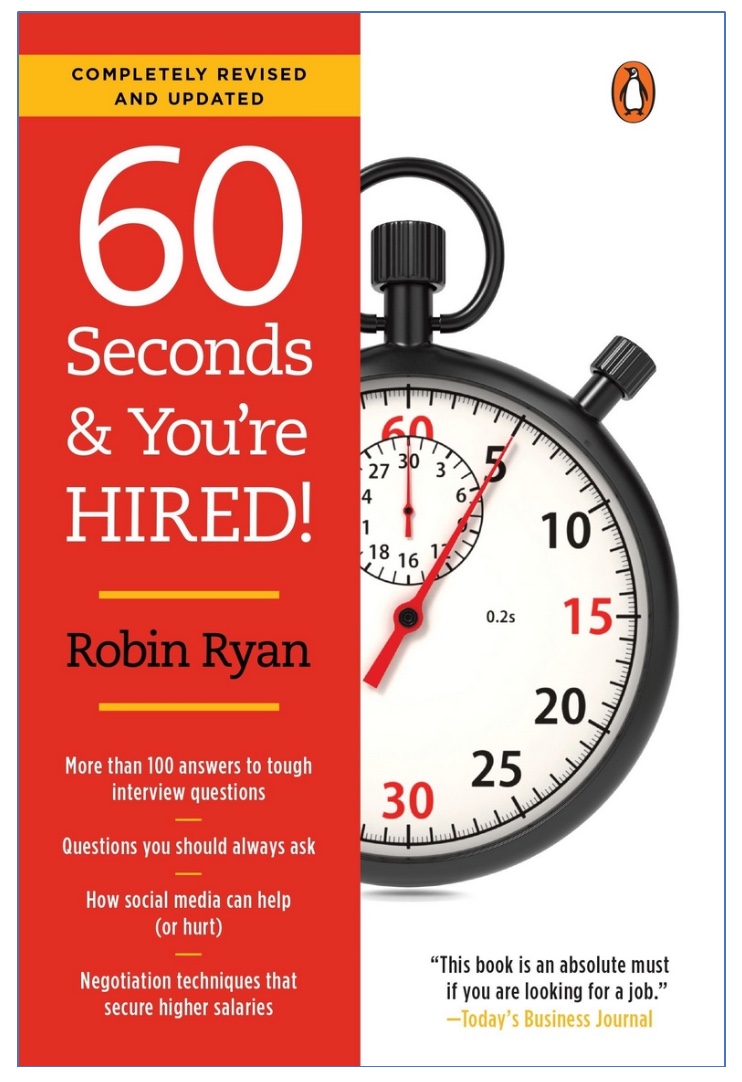
60 seconds and youre hiredFocusing on Robin Ryan’s “interview tools” such as “the five-point agenda” and “60-second sell,” her book 60 Seconds and You’re Hired ” is inspiring and provides much greater depth (76 pages!) on answering those “thorny” interview questions. Nearly all of the sample questions above are also analyzed, offering easy-to-understand comments and recommendations for specific career paths. For example, Robin Ryan also weighs in on that inquiry “What is your greatest weakness?” – first offering to joke about it “I cannot resist chocolate!” and then, if it is reiterated, endorsing a strategy to share a work habit problem (like being a “Type-A” person) on which you are currently improving but is not critical for the position they are seeking to fill.

To sum up the book, these are my favorite sections:

  • Chapter 2: The Five Point Agenda
  • Chapter 3: The 60-Second Sell
  • Chapter 5: Interview Etiquette (including tips on proper dress, good manners, nonverbal and verbal communication, the hand shake, and eye contact)
  • Chapter 7: 60-Second Answers to Tough, Tricky Answers
  • Chapter 12: 12 Pitfalls to Avoid

In conclusion, as stated throughout all of this literature on interview techniques, the keys to success are preparation and practice… just like getting ready for your semester jury or senior recital. After studying these materials, collaborate with your peers to hold “mock interviews,” video-record yourself answering the questions, and take time to review and self-assess. Yes, you CAN and WILL do well at future employment screenings!

PKF

men-1979261_1920_Werner_Heiber

Photo credits (in order) from Pixabay.com:

© 2020 Paul K. Fox


Collegiates – Clean Up Your Social Media

banner-935469_1920_geralt

Getting Ready to Apply for a Job? It’s Time to Curate Your Social Media!

[Portions of this blog-post were first published in the January 31, 2019 issue of the Collegiate Communique sponsored by the PMEA State Council for Teacher Training, Recruitment, and Retention.]


Have you ever gone on the Internet and searched for your name? Have you assessed tree-1148032_1920_geraltwhat your image (and “personal brand”) say about you on all the social media platforms?

According to a McAfee family safety blog, in anticipation of future employers researching you and everything with your name on it, you should make a concerted effort to “launder” your online presence.

People are watching you right now. Like it or not — agree with the intrusion or not — you are being Googled, judged, and analyzed by the body of content you’ve posted online. Whether you are applying to a college, for a summer job, or even currently employed, you can bet someone who matters to your future is on your digital trail.

 “10 Easy Ways to Clean Up & Curate Your Social Media” by Toni Birdsong


laptop-3087585_1920_jeshoots-com_

Also recommended by Birdsong, the new “best practice” is to A) clean up any questionable content from all social profiles and B) design your social content in a way that “reflects your best self.” This means you should delete permanently from Facebook and other platforms:

  • Provocative or inappropriate photographs, videos, or posts
  • Posts or photos that include drinking or using drugs
  • Discriminatory comments related to race, religion, gender, etc.
  • Content that complains about a previous employer or colleague
  • Posts that are overly cynical, grumpy, or mean

notebook-614213_1920_firmbeeInstead, your profile information should reflect integrity and responsibility, so you should expand or add content that:

  • Projects a professional image
  • Shows a friendly, positive personality
  • Demonstrates that you are well-rounded, with wide range of interests
  • Models that you have great communication skills

Think the whole “future employers checking your social media accounts” thing is just an annoying urban legend? Think again.

It turns out that one in three employers have rejected candidates based on something they found out about them online.

“How to Clean Up Your Social Media During the Job Search” by Lily Herman

personal-3139194_1920_geralt

The McAfee blog really does a good job summing up ten steps to a better online presence:

  1. Make a hit list
  2. Think like the decision maker.
  3. career-3478983_1920_mohamed_hassanStreamline your selfies.
  4. Review past blogs.
  5. Google yourself.
  6. Inventory all social profiles.
  7. Edit your Twitter feed.
  8. Secure names and URLs.
  9. Change your online persona – for good.
  10. Start a career-focused Blog.

There are many samples for that last tip, my favorite from a former student of mine freely sharing his professional website at daviddockan.com. (Use “Music” for the password.) David included his resume, philosophy of music education, employment history, and photo/video samples of his teaching… a very powerful digital portfolio and marketing/branding technique… and of course, he landed his first music teacher job immediately after graduating from West Virginia University!

online-3412473_1920_kreatikarIf you need more than ten suggestions or a lot more detailed instructions based on the specific social media platforms, check out 30 Quick Tips to Spring Clean Your Social Media Presence” by Yvonne Dutchover.

Related articles previously posted at this site:


Employers can learn a lot about you from your resume and interview, but sometimes it takes a little bit more to sell yourself (although there’s a delicate balance between selling yourself and being transparent in the hiring process). Take advantage of the benefits of social media – it’s an often-needed extra step to show what you bring to the table, a way to add flair to your application, and make a lasting impression on your potential employers.

– “How to Clean Up Your Social Media Presence Before the Job-Search” by Lauren McAdams

job-3790033_1920_tumisu

In short, keep it clean and professional! “Police” your social media image and brand. And, as they say, “break a leg” at your interviews! Good luck in job hunting!

PKF

© 2019 Paul K. Fox


Photo credits in order from Pixabay.com: “social media” by Alexas_Fotos, “banner” and “tree” by geralt, “laptop” by JESHOOTS-com, “notebook” by FirmBee, “personal” by geralt, “career” by mohamed_hassan, “online” by kreatikar, and “job” by Tumisu.

Summertime Prep for Music Ed Majors

Collegiates: You snooze, you lose!

After a well-deserved break from your academics and other college or work deadlines, music-2674872_1920_kevinbismnow would be the perfect time to explore supplemental resources and get a “head-start” on additional pre-service training for next fall. These tips are especially valuable to anyone entering his/her senior or final year as a music education major, finely honing in and marketing your skills as a professional in order to be prepared for finding and succeeding at your first job.

Actually I hate to admit it, I enjoy assigning college students a little “homework!” But, most of this you can do from the comfort of your patio, beach blanket, swimming pool lounge chair, or couch in the game room. With the exception of “getting your feet wet” and diving into enriching music teaching field experiences and a summer workshop or two, all you need is a pencil to take notes and a device with access to the Internet.

There’s a lot to-do right now, and you only have the rest of July and August. Please try to “keep your eyes on the target” and squeeze in a few of these self-improvement plans around your vacation trips (seven lessons – see sections below) :

  1. Summer practicum
  2. Conferences
  3. Online research
  4. Skill gap-filling
  5. Ethics training
  6. Digital archiving
  7. Interview prep


orchestra-2496505_1920_HeungSoon


1. Are you really ever “on vacation” from music education?

Most veteran music educators would respond with “NEVER!” We maintain our professionalism by participating in workshops, reading teacher journals and online articles, perusing lesson materials and new music, practicing and advancing our personal musicianship, undergoing technology “tune-ups,” and focusing on other career development. This is a 12-month, even 7-day process, and academic breaks when they appear on our calendar allow us to “double-down” in areas we need the most help.

“Hands-on” training not only “fills-up your resume” with primary employment/volunteer sources, but more importantly, exposes you to realistic opportunities to expand your skills and knowledge of the “best practices” in music education and leadership training, while building techniques for handling student motivation and discipline best learned from “the school of hard knocks.”music-3090204_1920_brendageisse

These placements don’t always come “knocking at your door.” Go out and seek a little adventure! For leads, talk to your high school band, string, or choir director. Your purpose is to find something that allows you some contact with children… free (usually) or paid, in or outside the field of music and the arts. Here are a few ideas:

  • Coach summer band sectionals, field rehearsals, marching or dance practices, etc.
  • “Put up your shingle” and teach private or small class music lessons.
  • Offer to arrange music or or provide choreography for local school drum-lines, marching bands and/or auxiliary units, or theater groups.
  • Sing in a community or church choir, and offer to help accompany, vocal coach, or conduct.
  • Sign-up to assist in local youth ballet, modern dance, or drama programs.
  • Sing, play, or teach solo or chamber music for summer religion or music camps, childcare facilities, hospitals, or senior citizen centers.
  • Volunteer (in almost any capacity) at a preschool or daycare center.


kids-1093758_1920_klimkin


2. The tools of the trade – CONFERENCES!

Summer is a GREAT time to grow your network of valuable opportunities for future collaboration, do a little goal setting, and “push the envelope” with professional development of the “latest and greatest” and “state of the art” music and methods.  The primary source for professional development is the education conference. There still may be time for you to find one close to you, perhaps in conjunction with a little sightseeing or visits with friends and relatives in the same city, like the following:

Thanks to www.takeflyte.com/reasons-to-attend-conferences, we know that attending workshop sessions are “good for you!” Participating in a conference helps you to…

  • Sharpen the saw (sharpen your skills – Stephen Covey’s seventh habit of highly effective people)
  • Meet experts and influencers face-to-face
  • pmeaMix and mingle to improve your networking opportunities
  • Find new tools and innovations
  • Learn in a New Space
  • Break out of your comfort zone
  • Be exposed to new tips and tactics
  • Relearn classic techniques with greater focus
  • Share experiences with like-minded individuals
  • Discover the value of the serendipity in a random workshop
  • Invest in yourself
  • Have fun!

If you really need any additional rationale for spending the money, click on the blog-post “Getting the Most Out of Music Conferences” at https://majoringinmusic.com/music-conferences/.

Finally, believe-it-or-not, you can bring the conferences to YOU! For the annual $20 subscription fee, you can view NAfME Academy professional development videos on almost any topic you can imagine. Check out the NAfME library of webinars: https://nafme.org/community/elearning/.


marching-band-1404489_1920_sam99929


3a. A winning website

The aforementioned Majoring in Music website is an excellent place to visit. It is amazingly extensive. You should read these articles for your “final year of prep.”


3b. These “awesome” resources are brought to you by NAfME

Besides the broad-based music subject matter and specific teaching skills, here’s some valuable advice, including how to “run a music program” (first link). I hope I am not stating the obvious: You should become a member of this national association for the advancement of music education.


Amplify

I also want to point you to the community discussion social media platform called Amplify, a benefit of NAfME membership. We are stockpiling a lot articles for college music education students, as well as sharing dialogue on everything from pedagogical issues to music equipment purchasing recommendations in both the collegiate member group and “music education central.” Go to https://nafme.org/introducing-amplify-largest-community-music-educators-country/.


guitar-2922536_1920_sunawang


4. “Filling in the gaps”

Your music education methods courses and other college classes were never expected to provide 100% of the necessary tools to become a competent teacher in every setting. This spotlights the need for professionalism. Once you land a job, you will have to “catch-up” and seek additional training to improve those areas in which you feel inadequate or unfamiliar. You can begin NOW to explore a few of these areas while enjoying your less stressful off-campus schedule:

  • child-621915_1920_skeezeUnderstanding specific educational jargon and the latest approaches, applications, and technologies in the profession (e.g. Backwards Design, The Common Core, Whole Child Initiatives, Multiple Intelligences, Depth of Knowledge and Higher Order of Thinking Skills, Formative, Summative, Diagnostic, and Authentic Assessment, etc. – Do you know the meaning of these terms?)
  • Teaching outside your “major” area or specialty (e.g. instrumental music for voice students, etc.)
  • Comprehending behavior management techniques and suggestive preventive disciplinary procedures
  • Mastering the use of valid assessments (e.g. can you give specific examples of diagnostic, authentic, formative, and summative assessments?) as well as a variety of music rubrics and evaluative criteria
  • Knowing the provisions of the Family Educational Rights and Privacy Act and other confidentiality statutes, Individual Education Plans and service agreements, and accommodating students with disabilities

flute-2245032_1920_congerdesignYou need to ask yourself the question, “What are my greatest weaknesses in music education?” Or, to put it another way, “What school assignments would I feel the least confident to teach? After earning your state’s all-essential credential, your certificate will likely be general and only say “music Pre-K to Grade 12.” Administrators will expect you can “do it all” – introducing jazz improvisation at the middle school, accompany on the piano or guitar all of the songs in the grades 1-6 music textbook series, directing the marching band at the high school or the musical at the middle school, starting an elementary string program, etc.

Figure out and face your greatest fears or worse skill areas. Work on them now! Take a few lessons, join a new ensemble of the “uncomfortable specialty,” ask help from your peers, etc.

More about this was printed in a previous post: https://paulkfoxusc.wordpress.com/2018/03/11/transitioning-from-collegiate-to-professional-part-ii/.


microphone-1804148_1920_klimkin2


5. The ABC’s of professional ethics

So far, have you been given any ethics training in college? Most pre-service educators only receive a cursory introduction to such things as codes of conduct, moral professionalism, guidelines to avoid conflicts in relationships with students, use of social media, confidentiality regulations, copyright infringement, pedagogical and economic decision-making, etc.

Now in my 46th year working in the field of music education (although retired from the public schools in 2013), I unblushingly admit I never had a full-blown course in ethics. Music colleagues have confirmed to me that it was barely (or not at all) touched-on in music methods classes, introduction to student teaching, school district orientation or induction sessions, or back-to-school in-service programs. choir-458173_1920-intmurrSince music teachers are all “fiduciaries” (do you know the meaning of the word?) and legally responsible for our “charges,” wouldn’t it be a good idea to review our state’s regulations and code of conduct, and hear about the challenges and pitfalls of ethical decision-making before we jump in and get “over our heads,” so-to-speak?

I can offer you two ways to immerse yourself into music education ethics. If you are a PCMEA or PMEA member and an “auditory learner,” you might prefer the FREE PMEA online webinar video (two-part) plus handouts at https://www.pmea.net/webinars/. Otherwise, visual learners and others may like this five-part blog series:


band-1850616_1920_Pexels


6. “A picture says a thousand words” in marketing yourself

Have you been archiving your last several year’s of field assignments? Have you recorded numerous moments of teaching, music directing, performing, and working with students? Are you prepared for the coming year’s student teaching, getting ready to take still photos, audio samples, and video excerpts?

“We cannot emphasize the power of pictures enough when it comes to portfolios. During interviews, committee members are trying to get to know you and trying to envision you teaching. Don’t trust their imaginations to do so, give them pictures… photos or newspaper articles of you teaching students in the classroom, with students on field trips, learning excursions or outside class activities, with children while you are serving in adviser roles, with your students at musical or athletic events, coaching or working with children in a coaching capacity, as a leader and role model.” – http://www.theeduedge.com/top-five-must-haves-top-five-could-haves-your-teacher-interview-portfolio/

As I mentioned in a previous blog, be careful to obtain permission in advance to video record students for your e-portfolio. During your field experiences or student teaching, little-girl-3043324_1920_Atlantiosask your cooperating teacher (or his/her supervisor’s) permission. Some school districts have “do not photo” rosters. (However, in my district, only a few elementary students were “on the list” and most defaulted to a “permissible” status unless the parent opted out. The principal’s secretary had a record of all exceptions.) It is also suggested that you focus your camera mostly on YOU and not the students, from the back of the classroom or rehearsal facility (possibly from afar), so that the student faces are not clearly discernible. To respect their privacy, in the recorded excerpts, do not use any segment announcing the names of your students.

What would be ideal to place on/in your website/e-portfolio? Show a wide spectrum of experience and training: elementary and/or middle school general music, band, choral and string ensembles (all grades), marching band, musicals, dance, music technology, piano and guitar accompanying, Dalcroze eurhythmics, Orff instruments, etc. Competency, versatility, and being well-rounded are the keys here.


boy-273279_1920_Silberfuchs


7. Teacher interviews – “practice makes perfect”

I have written a lot on the subjects of assembling a collection of your teaching anecdotes and stories, marketing your “personal brand,” and preparing for the employment screening process. (Have you wandered through the comprehensive listing at https://paulkfoxusc.wordpress.com/becoming-a-music-educator/?)

However, I recently came upon several new-to-me online articles that summarize the basics. Please take a look at these:

After reading all of these (and compile your own list of interview questions), you should get together informally with your fellow juniors and seniors and hold mock interviews, record them, and jointly assess the “try out” of your interviewing skills to land a job.

Finally, have you recently updated your resume, and created (or revised) your professional business card, website, and e-portfolio?

children-2685070_1920_mochilazocultural


Okay, I admit it. I got a little carried away. You would need TEN SUMMERS to cover everything above. What’s that saying? “There’s never enough hours in a day…”

Hopefully these resources  and recommendations are helpful “food for thought!” You cannot accomplish anything by procrastination… or just “sleeping in!”


Many have said that aspiring to be a music educator is a lot like a “calling.” Using your summer “free time” is all about “professional engagement.” One of my superintendents said he expected prospective new music teacher recruits to show high energy, enthusiasm, sense of purpose, and dedication during the interview… even a supposed willingness to “lay down in front of a school bus” or “do whatever it takes” to make the students (and the educational program) successful. Regardless of the hyperbole, that’s engagement!

So, what are you waiting for? Pass the sunscreen and the ice tea. Then, after a quick swim, jog, round of golf, or game of tennis, get started on your summer assignments!

PKF


piano-78492_1920_nightowl


© 2018 Paul K. Fox


Photo credits (in order) from Pixabay.com: “music” by ArtsyBee, “music” by KevinBism, “orchestra” by HeungSoon, “music” by brendageisse, “kids” by klimkin, “marching band” by sam99929, “guitar” by sunawang, “child” by skeeze, “flute” by congerdesign, “microphone” by klimkin, “choir” by intmurr, “band” by Pexels, “little girl” by Atlantios, “boy” by Silberfuchs, “children” by mochilazocultural, and “piano” by nightowl.

Ethics Follow-up


Part IV: More Perspectives and Resolving a Few “Loose Ends”

Prior to this article, I recommend reading the following:


ethics-cropped-2110605_1920-edman_eu

Just when you thought it was safe to read another of my blog-posts… you bump into another one on ethics and music education!

When my colleague and friend James Kimmel, PMEA District 7 Professional Development Chair, approached me to consider doing an “ethics workshop” for his annual in-service conference (October 9, 2017 at Ephrata Middle School), two questions immediately popped into my mind: “Why is this necessary?” and “Who would want to attend a session on ethics?”

Of course, being retired and having a little more unassigned time on my hands, I took it as a challenge and began some preliminary research.

The first thing I discovered is that almost no one in the public-school music education sector has had formal ethics training (myself included), unless you count a couple thirty-minute segments at a teacher induction or staff in-service program on sensitivity training, nondiscrimination and diversity awareness, anti-bullying or workplace sexual harassment policies, or a review of FERPA (family educational rights and privacy act) and HIPAA (health insurance portability and accountability act) as “ethics!”

Okay all you Pennsylvania music teachers: Before this blog series, did any of you ever see a copy of the Pennsylvania Code of Professional Practices and Conduct for Educators? Prior to working on this project, neither did I, nor did a single band director to whom I spoke at two large fall marching band festivals and several football games! Do you know that earning a teaching certificate from your state and becoming eligible to be hired as an educator means you automatically agree to be legally bound by the prevailing government’s “Code?” The ethical or discipline code of your state will define the proper interactions between the individual teacher, students, schools, and other professionals, and make explicit the values of the education profession as well as regional standards and expectations. Wouldn’t you agree that NOW would be a good time to learn the details of these inherent responsibilities?


What is a Fiduciary?

club-2492011_1920-qimonoEducators are among the singular professions which have a “fiduciary” responsibility. The term “fiduciary” can be defined as “a person or organization that owes to another the duties of good faith and trust, the highest legal duty of one party to another, and being bound ethically to act in the other’s best interests.” Joining doctors, lawyers, clergy, and mental health therapists, educators ascribe to the highest standards of training, moral decision-making (“code of ethics”), behavior (“code of conduct”), and self-regulation and assessment of the “best practices” regarding the mastery of skills and subject areas necessary to their field. However, unlike these other professionals, teachers do not receive regular and systematic pre- and in-service training on ethics, and our “clients” are a “captive audience.”  Regardless, the duty of all teachers is to act as a fiduciary in their students’ best interest and to create and maintain a safe environment for them at all times.


Ethics Violations in the News

You must have seen the news stories! In a word, the trending statistics of state and USA teacher ethics violations and misconducts are abominable! For example, according to the Pennsylvania Department of Education (PDE) where I taught and currently live, in the year 2015, there was a 200 percent increase in PA educator misconduct investigations (768 reports) compared to the number of complaints filed in 2011 (256). Within PDE disciplinary case resolutions in 2015, 41% resulted in job loss and a permanent revocation or surrender of the teaching certificate.

If your curiosity is a little on the morbid side, you can look up on the PDE website and find the names of more than 1740 educators (“offenders” and their “offenses”) who have violated their ethics and received discipline and/or criminal prosecutions or civil proceedings from March 2004 to June 2017.

Well, we don’t have to just pick on Pennsylvania “bad-boys” (and girls). According to https://www.washingtonpost.com/posteverything/wp/2015/01/20/more-teachers-are-having-sex-with-their-students-heres-how-schools-can-stop-them/?utm_term=.6ee23703b040, the following statistics give teachers everywhere a black eye from shore to shore!

  • Texas had a 27% increase over 2015-17 of alleged inappropriate teacher-student relationships
  • Kentucky schools reported more than 45 sexual relationships between teachers and students in 2011, up from 25 just a year earlier.
  • Alabama investigated 31 cases during the year ending July 2013, nearly triple the number it had investigated just four years earlier.

cube-cropped-2110612_1920-3dman_eu

Eric Simpson shared more bad news in the Journal of Music Teacher Education. His study, “An examination of the relationship of teacher certification area to sexual misconduct: Florida as a case study,” analyzed 383 samples of FL teacher discipline cases in 2007-2010 and their area(s) of certification, with these results:

  • Teachers with multiple-certifications = 35.51%
  • Music teachers ~5%
  • Most frequent offense = sexual misconduct 25.77%

But, 60% of the offending music teachers in the sample were disciplined for sexual misconduct!

Can the data get any worse? In 2004, the U.S. Department of Education released the results of the Shakeshaft national study by the American Association of University Women, with 9.6 percent of students reporting that they had suffered some form of sexual abuse during their school careers. According to http://www.slate.com/articles/news_and_politics/explainer/2012/02/is_sexual_abuse_in_schools_very_common_.html “the list of such conduct included lewd comments, exposure to pornography, peeping in the locker room, and sexual touching or grabbing. Around one in 10 students said they had been the victim of one or more such things from a teacher or other school employee, and two-thirds of those reported the incident involved physical contact.”

If these numbers are accurate and truly representative of the student population nationwide, 4.5 million students currently in grades K-12 have suffered some form of sexual abuse by an educator or school staff member.


Mandatory Reporting

Another area I did not dive into during the last three articles is our legal mandate to report colleagues who violate “The Code,” especially for sexual misconduct. My own state’s regulations (similar to most) are as follows:

“All educators who know of any action, inaction or conduct which may constitute sexual abuse or exploitation or sexual misconduct are now required to file a mandatory report with the Department and shall report such misconduct to his or her chief school administrator and immediate supervisor.”

― Pennsylvania Department of Education: http://www.pspc.education.pa.gov/Educator-Discipline-System-and-Reporting/Mandatory-Reporting/Pages/default.aspx


If you are an administrator, the statute is more wide-ranging:

“Specifically, whenever you believe that an educator is involved in misconduct that implicates his or her fitness to serve children in the schools of Pennsylvania, you should report the misconduct to the Department…”

“Reporting to PDE does not relieve [the administrator] of any other duty to report to either law enforcement and/or child protective services.”

― Pennsylvania Department of Education: http://www.pspc.education.pa.gov/Educator-Discipline-System-and-Reporting/Mandatory-Reporting/Pages/default.aspx

Another moral obligation is to simply look out for our student’s welfare and keep our eyes open for any unusual behavior, conflicts, or inconsistencies.

questions-2212771_1920-geralt_euAlways looking for the signs of…

  • Physical abuse
  • Self-abuse or thoughts of suicide
  • Sexual abuse
  • Signs of neglect
  • Patterns of abuse

Teachers are required to report any suspicions of child abuse, neglect, drug or alcohol use, and mental health problems.

Most school districts have an internal mechanism of reporting to school counselors or administrators any observations (or suspicions) of these issues… everything from falling asleep in class, being “accident-prone” (lots of unexplained injuries), confirming a high absentee rate, exhibiting mood swings (up and down), and coming to school with blurry or blood-shot eyes, etc. No accusations! You just handover your comments to the authorities, and report on what you see, not necessarily what your interpretations are for the causes of the problems.

Music teachers often work with students in close proximity before or after-school hours, and sometimes on weekends. As a marching band assistant, musical producer, festival chaperone, or trip sponsor, I always had the personal or cell phone number of my building principal in case I needed to reach out for help.


Confidentiality

These are the regulations on protecting student privacy rights, and violations of which (even unintentionally) are “breaking the law.” (Sources: www.pc3connect.org/otherdocs/confidentiality%20and%20the%20law.pdf and http://searchhealthit.techtarget.com/definition/HIPAA.)

  • Family Educational Rights and Privacy Act (FERPA) of 1974 sets parameters on accessibility and disclosure of students records.
  • Grassley Amendment (1994) details privacy of student participation in surveys, analysis, and evaluation.
  • confidential-cropped-1726367_1920-HypnoArtHealth Insurance Portability and Accountability Act (HIPAA) of 1996 provides data privacy and security provisions for safeguarding medical information.
  • Drug and alcohol treatment records of students kept by any institution receiving federal assistance are protected under Drug Abuse Office and Treatment Act (1976).
  • Records of students in special education are affected by the above laws plus Individuals with Disabilities Education Act (IDEA, 1997).

Here are few additional ethical “conundrums” on which to reflect:

  • Discussing student information in open or common areas
    • How many times have you walked through a busy hallway discussing news or concerns about a student with another colleague or family member?
    • Avoid inadvertently disclosing any personal information about students and staff members “in public.”
    • Also, one should resist speaking to students in these areas as it could become violation of student confidentiality if overheard.
  • Sharing information with other colleagues who are not directly related to the student’s situation.
    • You might be tempted to reveal interesting cases or anecdotes to colleagues… DON’T!
    • FERPA regulations state that school officials must have a “legitimate educational interest” when sharing information.
    • Just because someone is employed in the district with you does not mean they have lawful access to student info.
    • There is a great risk of others passing on this information… like gossip!
    • Rules of thumb: Ask yourself, “Why am I sharing this information?” and “How will it benefit the student?”
  • However, you should be aware of exceptions to student privacy concerns.
    • Reporting of physical abuse, sexual assault, sexual harassment, or sexual violence.
    • Suspicion of serious mental health issues that may result in danger to the student (such as suicide)
    • On the occasion when a staff member working with a student is unsure how to proceed (e.g. seeking advice on disability)

 

woman-441415_1920-geralt

The “Grandma Litmus Test”

We have talked about many principles in this series on “Ethics for Music Educators.” Here is something about the “process,” an “ethical decision-making model” based on…

  • “What would grandma think about my action, behavior, or decision” and
  • “How would I feel if my actions are tomorrow’s breaking news?”

Answer the following questions about the contemplated activity or decision:

  1. Is it legal?
  2. Is it consistent with the profession’s values?
  3. Is it consistent with the teacher’s code of conduct?
  4. Is it consistent with your district’s policies?
  5. Would you be comfortable if this decision was published online or in the newspaper (or made known to your “grandma”)?
  6. Does it feel right? (Is it the right thing to do?)

If you answered “NO” to any one of the questions (1, 3, and 5), do not engage in the contemplated activity and seek additional guidance.

If you answered “YES” to all of the questions (2, 4, and 6), then you may proceed with the contemplated activity. However, if you have any lingering doubts, do not hesitate to seek additional guidance.

http://www.royceassociates.com/the-grandma-litmus-test-for-ethical-behaviour/


Final Thoughts

“It’s easier to ask forgiveness than it is to get permission.”

– Rear Admiral Mary Brace Hopper, an early computer programmer

board-1848717_1920-geraltProponents of this belief will tell you to go ahead and stick your neck out, feel free to do something “for the good of the order,” and later “beg for forgiveness” if/when it goes south and your administrators say they do not approve.

This may or may not work, and I cannot label this orientation as “ethical!”

Music teachers are usually the “lone rider” in their building when it comes to doing their job. Music directors, especially those who are involved in extra-curricular activities, are deluged with making many decisions every day… sometimes even on the hour. Few people (models or mentors) will be there to help guide you in your content area.

My advice: Less experienced teachers, run everything through your fellow colleagues (informally) and principal (formally). Don’t fall back on the lame “oops” and “beg for forgiveness.” I may have felt differently when I had twice as many years of experience than the building administrators who were assigned to “supervise” me… but, even then, “venturing out without a paddle” usually did not serve the best interests of the students… There’s no reason to place “the teacher’s convenience” over the safety/welfare of the students, without first obtaining the legal and political “backup” of your bosses. “Better safe than sorry!” (I am running out of cliches!)

“Perception is reality.”

– Lee Atwater

Perceptions/appearances vs. motivation and reality: It means that your behavior and its results matter infinitely more than your intentions.

It is the responsibility of the teacher to control his or her “public brand” – how he or she wants to be perceived by students, parents, colleagues, and the public. One’s public brand can and does impact perceptions, which in turn can impinge upon effectiveness.

males-2110573_1920-3dman_euMy advice: “Forget your rights” and be more aware of your image and how your actions will look to the public. Reputations are hard to restore. Being an effective teacher is all about trust and integrity, and (sorry, one more cliche) “your actions speak louder than words!”


Teaching is the most honorable and rewarding career on this planet. The rewards far outweigh the challenges and additional responsibilities. “Making a difference” in the lives of our music students has always inspired me, and the fact we have to uphold the highest standards in moral professionalism and behavior does not phase me in the least.


The purpose of these blog-posts on ethics, sort of a “refresher” course to reflect on our internal decision-making compass, was to reinforce Lawrence Kohlman’s sixth stage of moral development – principles of conscience – and the “best practices” of professional attitudes, values, and beliefs that guide the problem-solving we face in their daily work. Hopefully this content will promote thought-provoking discussion about doing what’s right when no one is looking… because, your mother would say, “You know better!”

Please feel free to comment… I would appreciate hearing from you!

business-1753098_1280-Maialisa

PKF

© 2017 Paul K. Fox


Photo credits (in order): from FreeImages.com: “Ethics” by Olivier Le Moal; from pixabay.com “Ethics” by 3dman_eu, “Club” by qimono_eu, “Cube” by 3dman_eu, “Questions” by geralt_eu, “Confidential” by HypoArt, “Woman” by geralt_eu, “Board” by geralt_eu, “Males” by 3dman_eu, “Business” by Maialisa.

inteREVIEWING the situation… and jobs

Senior Music Education Majors’ Employment Prep

Did you miss your state MEA conference?

Three of the most important recommendations for PCMEA members and other new or prospective music teachers wanting to develop a “personal brand” and presence on the job market are:

  1. Being an active member of your national (NAfME), state (PMEA), and local (college chapter) professional music teacher associations,
  2. Attending every possible music education meeting, workshop and conference, and
  3. Reading everything you can get your hands on from the first two resources above, modeling well-practiced habits of professionalism and networking skills, and getting yourself focused, organized, and prepared for the upcoming interviews.

That’s how you will get land your first employment as a full-time music educator.

pmea

If you live or go to school in PA, you should have attended the PMEA Spring Conference in Erie, PA last week. Just to “rub it in” a little, here are a few of the excellent sessions you missed that were especially geared for collegiate pre-service music teachers:

  • Getting the Most Out of Your Student Teaching Experience
  • Cracking the Graduate School Code: When, Where, Why, How, & How Much
  • Starting with the End in Mind – or – You’ve Got 4 Years, Use Them Wisely
  • Music Education & Gaming: Interdisciplinary Connections for the Classroom
  • Ready for Hire! Interview Strategies to Land a Job
  • Planning Strategies to Develop a Responsive Teaching Mindset

More importantly, if you are in your 4th year and were a no-show to your state conference this year, you missed out the chance to do a little networking, to “put your ear to the ground” listening for market trends and possible position openings for next year. You could have rubbed elbows at a bar (drinking a diet coke) or clinic or concert with a music supervisor, department chair, administrator, or high school band/choir director who knows who is taking a sabbatical or retiring from his/her school upon completion of the current semester.

Successful professionals stay up-to-date with their journals

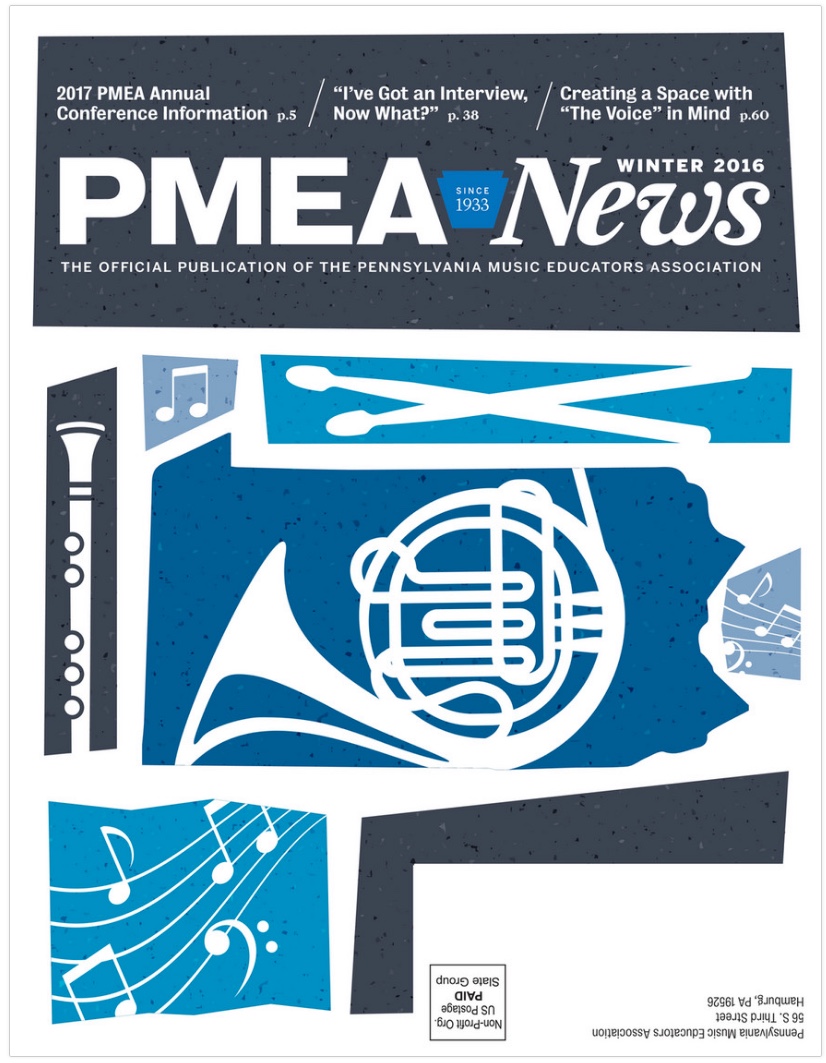
PMEA NewsAs a “professional,” you have an open, inquisitive mind, constantly strive for self-improvement, continuing education, and retooling, embrace change and better ways of doing something, and “practice” your craft. This means you read your educational publications from cover to cover. For example, these were a few of the tips in a recent PMEA News article, “I’ve Got an Interview, Now What?” shared by Dr. Kathleen Melago, PCMEA State Advisor and Associate Professor of Music Education at Slippery Rock University, and Doug Bolasky, retired band and orchestra teacher and former Department Chair of the Southern Lehigh School District:


  1. “The interview process at each school district is likely as unique as the district itself, and while there is no foolproof way to know in advance what questions will be asked of you, it helps to give some thought to what questions may come your way.”
  2. “It’s easy to tell someone what you would like to do; more valuable to the interviewers is what you DID do. Be ready to cite instances from your student teaching and even field experiences.”
  3. “Think about items you could place into your portfolio that would help you answer the questions. For example, if you are answering a question about an idea you implemented that was creative, consider including an artifact in your portfolio that provides credibility to your answer. Avoid simply passing around your portfolio during the interview. Instead, use it as a visual aid…”
  4. “Enlist the aid of a friend and use a webcam to record yourself answering the questions as in a mock interview. Look for distracting mannerisms like playing with your hair, saying ‘um’ or ‘like,’ and so forth.

Are you ready? Assess yourself! Then, DO YOUR HOMEWORK NOW!

For those who are nearing completion of their coursework for a teaching certificate, the season of professional school interviews is coming… At this point, you should be familiar with assessment rubrics and other evaluative tools used in education. Right NOW how well do you stack up in prepping for employment screenings? Complete this checklist as honestly as possible. I am citing and “reviewing” past articles I have written at this blog-site… a perfect opportunity for you to “fill in the missing gaps” and get started on this process of finding the perfect job!

quiz-1-1189422

  1. [   ] I am familiar with numerous criteria for assessing teacher candidates (for what the employment screening committee may be looking), including specific instructional, professional, and personal skills, experiences, behaviors, or ”core teaching standards” of “Unsatisfactory,” “Satisfactory,” “Good,” or “Superior.” I know the Charlotte Danielson Framework (one evaluative model for professional development used by the PA Dept. of Education – (https://www.danielsongroup.org/) or sample school district assessment forms. DO YOUR HOMEWORK NOW: https://paulkfoxusc.wordpress.com/2015/08/09/criteria-for-selection-of-the-ideal-teacher-candidate/ and https://paulkfoxusc.wordpress.com/2015/09/01/a-blueprint-for-success-preparing-for-the-job-interview/.
  2. [   ] I have developed a comprehensive unified philosophy of music education that spotlights my abilities from the perspective of a generalist not a specialist. I can model competency and experience in general music, piano playing, vocal and instrumental (band, strings, and guitar) music, Classical, jazz, pop, and folk music styles, improvisation, composition and music theory, and technology teaching grades Pre-K to 12. DO YOUR HOMEWORK NOW: https://paulkfoxusc.wordpress.com/2015/07/04/marketing-yourself-and-your-k-12-music-certification/.
  3. [   ] I am comfortable with today’s jargon, current trends, and key “buzz words” in general education. This includes everything from “The Common Core” to “The Four C’s” of 21st Century learning, and all of those constantly changing acronyms like HOTS, DOK, RTI, and UBD. These terms may come up at interviews, so I have at least a precursory understanding about them, and if I am “stumped” with a particular question, I will admit needing clarification (and I will look it up when I get home). DO YOUR HOMEWORK NOW: https://paulkfoxusc.wordpress.com/2015/07/18/the-alphabet-soup-of-educational-acronyms/.
  4. [   ] I am becoming a proficient storyteller and have prepared a set of personal anecdotes to potential questions that may be asked at the interviews. I have practiced responding with specific examples of my past experience and accomplishments, not just “telling” my strengths but allowing the listener(s) to make his/her(their) own deductions about me from my stories. DO YOUR HOMEWORK NOW: https://paulkfoxusc.wordpress.com/2015/08/02/when-it-comes-to-getting-a-job-s-is-for-successful-storytelling/.
  5. [   ] I have practiced taking “mock interviews” in front of my peers and recorded myself for self-assessment of my ability to answer employment screening questions. DO YOUR HOMEWORK NOW: https://paulkfoxusc.wordpress.com/2015/10/11/the-dos-and-donts-of-interviewing/, https://paulkfoxusc.wordpress.com/2016/02/27/interview-questions-revisited/, https://paulkfoxusc.wordpress.com/2016/06/04/those-tricky-interview-questions/, and https://paulkfoxusc.wordpress.com/2017/01/27/body-language-interviewing-for-a-job/.
  6. I understand the concepts of…
  7. I have a high-quality…

What was YOUR score… out of 11?

Get to work… so you can get work!

job-concept-2-1140644-1

PKF

Photo credits: FreeImages.com, photographers hvaldez1 (studying for a test), Tory Byrne (quiz), and Svilen Milev (hire).

© 2017 Paul K. Fox