Engaging Retiring/Retired Educators

Ask not what NAfME or your state MEA can do for you, but what YOU, a retiree, can do for your professional association and music education.
An adaptation of the famous excerpt from the 35th U.S. President John F. Kennedy’s inaugural address of January 20, 1961.
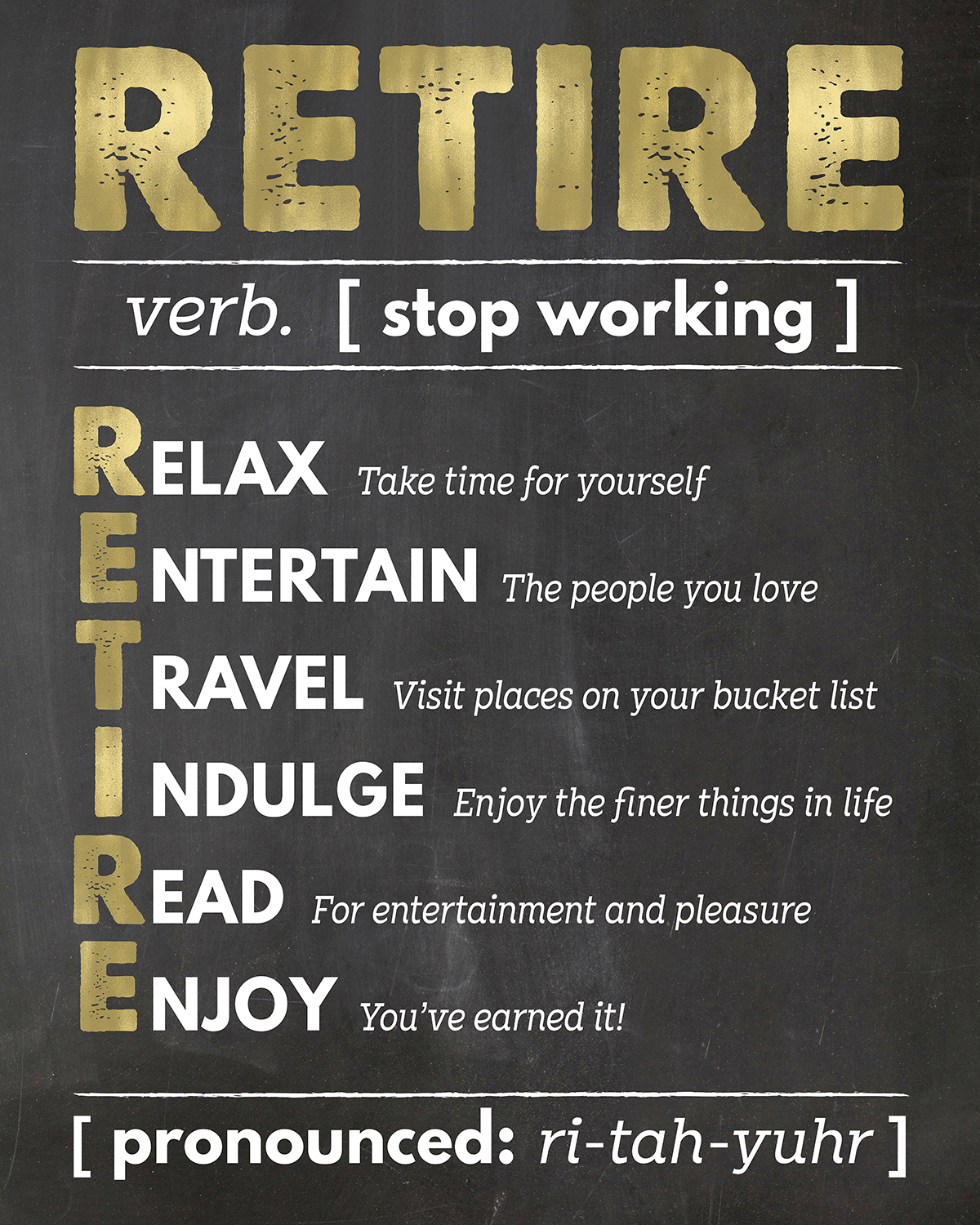
Surfing the ‘Net, I found an appropriate acronym for R.E.T.I.R.E. by Tangled Tulip Designs in pinterestRelax, Entertain, Travel, Indulge, Read and Enjoy! Most retirees would probably agree! The cessation of full-time employment may offer a great release from the day-to-day stress and drudgery of the job and the freedom to venture out, self-reinvent, make future goals, nurture relationships, and explore new personal growth opportunities.

Many attribute embracing a career in music education as “a calling” as opposed to just a form of employment or livelihood. From my experience, I have witnessed that most music educators are passionate for the cause of fostering creative self-expression in their students, more of a 24/7 mission, bringing intense focus and dedication to their lifework.

More to the point: Do we ever truly retire from making music ourselves and fostering this love in others?

THE “WHY!” Retirees matter and are critically needed!

One of my favorite inspirational speakers (Simon Sinek) would say, “start with the WHY!” WHY is this discussion on professional engagement of retired educators so important today?

  1. Their need: An informal poll of my former local educators and administrators revealed that half of them “hate retirement!” According to Dr. Robert P. Delamontagne in his book Retiring Mind (Fairview Imprints), “50% of retirees will suffer some form of acute emotional distress. This is potentially a very large problem given the fact that 10,000 people are becoming eligible for Social Security every day for the next 20 years in the US alone.” Remember this statistic the next time a senior citizen cuts you off on the road or bangs a shopping cart into your leg at the checkout!
  2. Our need: We are facing shortages of qualified teaching candidates across the country with unfilled openings in public school music positions and the critical need of training/mentoring the new hires.
  3. Society’s need: All of our voices should be combined to support the advocacy of music education, actively promoting access to school music by sharing its academic and social benefits with decision-makers, building relationships with administrators and policymakers, and utilizing resources from organizations like NAfME and the NAMM Foundation.

Despite its proven benefits, music education is often the first program to face budget cuts in schools. This is especially concerning in underserved communities, where access to music programs can be life-changing. Now more than ever, we must advocate for music education to ensure that every child has the opportunity to experience its benefits. Investing in music education is an investment in the future of our communities — helping to cultivate the next generation of creative, resilient, and innovative leaders. 
“Why Music Education Matters More Now Than Ever” by Music Will, February 2025

For eleven years (and counting), I serve as the Pennsylvania Music Educators Association (PMEA) Retired Member State Coordinator, as well as the Past State Chair (current member) of the PMEA Council for Teacher Training, Recruitment and Retention. I believe my responsibility to the state association is two-fold:

  • Assist soon-to-retire professionals in achieving a smooth transition to a happy and satisfying retirement; to help them cope with the commonly-experienced emotional ups-and-downs of this life passage, wrestling with the question “what do you want to be or do when you grow up?” and making new life lesson plans and personal goals.
  • Reach out to and build meaningful connections with retirees in order to fully engage them towards becoming active in their professional association; to recount, represent, and revitalize the activities of our post full-time employed music educators.

This article proposes a roadmap of crucial pathways to help music teachers approach “retirement bliss” while tapping into their hard-earned knowledge, strengths, and experiences by cultivating the benefits of their renewed participation in our professional associations.

What can NAfME and State MEAs offer retirees?

You have devoted your entire life to inspiring the development of personal artistry and “ah-ha” musical moments in others. Now it is your turn to reap the benefits (and privileges) of this commitment to the profession. NAfME and your MEAs can provide the resources and motivation of “sharing and caring,” directing retirees “places to go, people to meet, and things to do” for fulfilling that “next chapter” or (perhaps better terms) the “refirement” or “rewirement” of senior living.

Do you feel “needed” and know you “make a difference?” Research has shown that the one of the most important motivators for involvement in a professional association is that its members recognize that they are essential to its success. This quote is from Revitalizing Retirement: Reshaping Your Identity, Relationships, and Purpose by Nancy Schlossberg, attributed to Rosenberg/McCullough:

 “It has been suggested that one problem of retirement is that one no longer matters; others no longer depend on us… The reward of retirement, involving a surcease from labor, can be the punishment of not mattering. Existence loses its point and savor when one no longer makes a difference.”

Most people who are one to five years away from “pulling their pin” and putting in their walking papers “do not know what they do not know.” Experts agree: “Retirement preparation is not only about the money!” Our silver-haired colleagues who have already Crossed the Rubicon and are now “living the dream” in retirement can share their trials, tribulations, and (more importantly) numerous success stories about coping with this transition!
NAfME, PMEA and this paulfox.blog/for-retirees site have archived an exhaustive number of self-help articles. Check out this omnibus NAfME blog “Retirement Prep Top-Ten Treasures.”

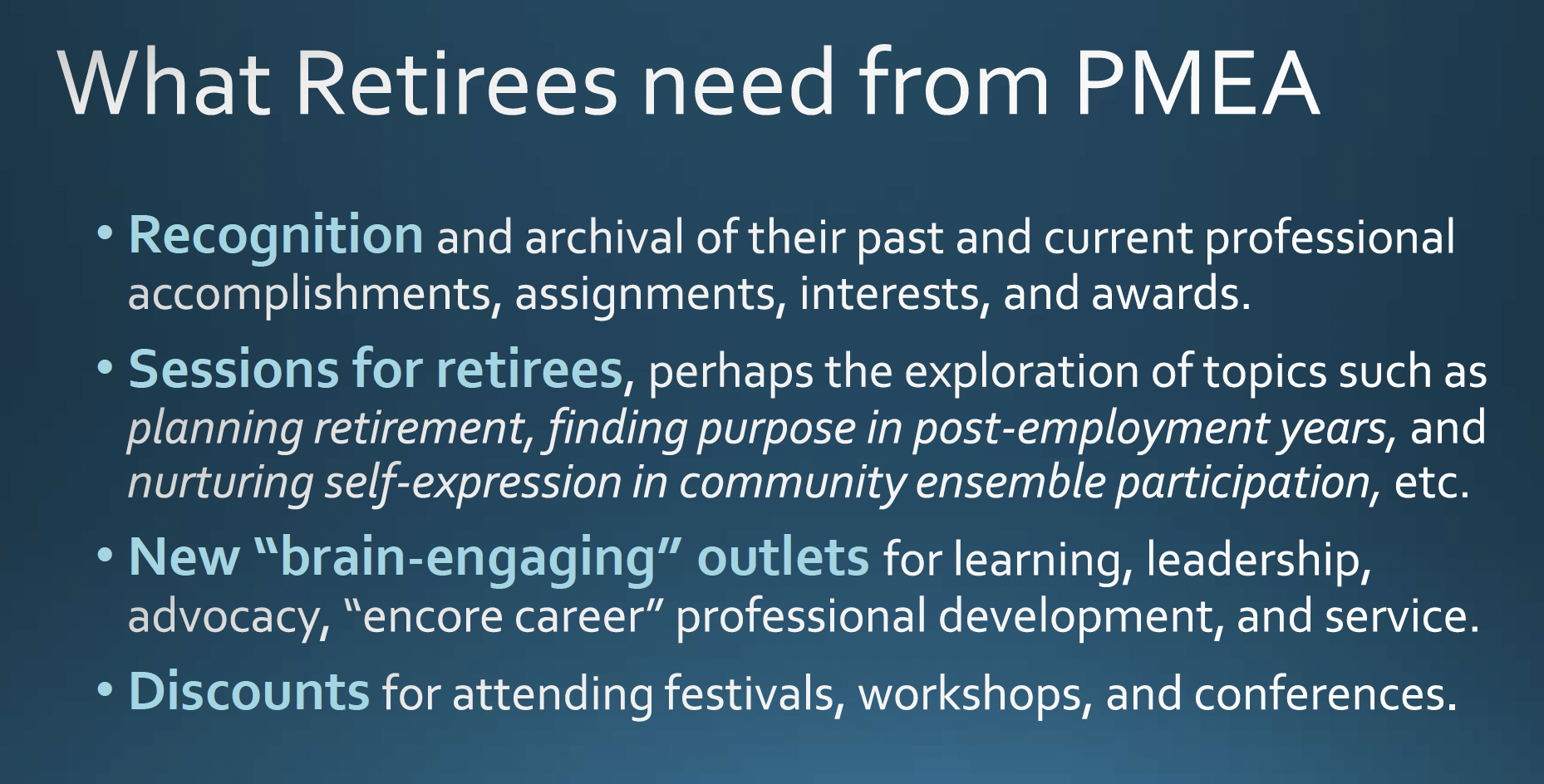
The benefits of retired MEA membership are numerous. Besides providing helpful transitioning advice, these advantages also come to mind:

  1. Answers to questions like “What have you always wanted to sing, compose, play, record, conduct, write, publish or present?” and “Where can I share my hard-won expertise and help others in the field?”
  2. Networks and contacts to help you develop “encore careers” in other musical or educational arenas (e.g., higher education, music industry, festival organization, travel/tour planning, composition, guest conducting, private studio teaching, church music, etc.)
  3. Opportunities to “rekindle your expressiveness” by participation in adult community or full/part time performance groups (playing “gigs”)
  4. Places to go/things to see/hear: NAfME/MEA conferences, workshops, and concerts
  5. Exclusive discounts and other benefits (reduced dues and registration fees)
What can retirees offer NAfME and their state MEA?

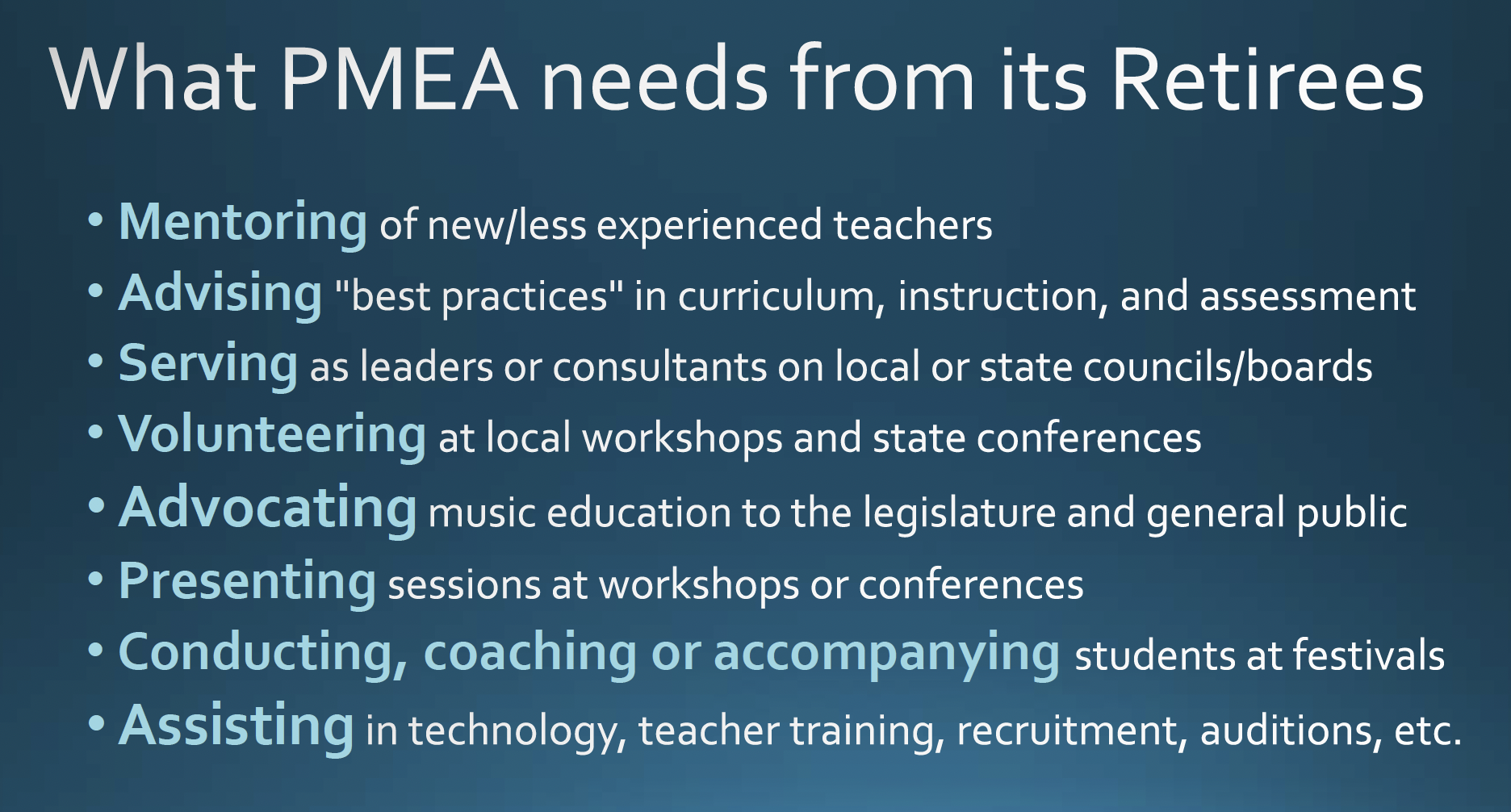
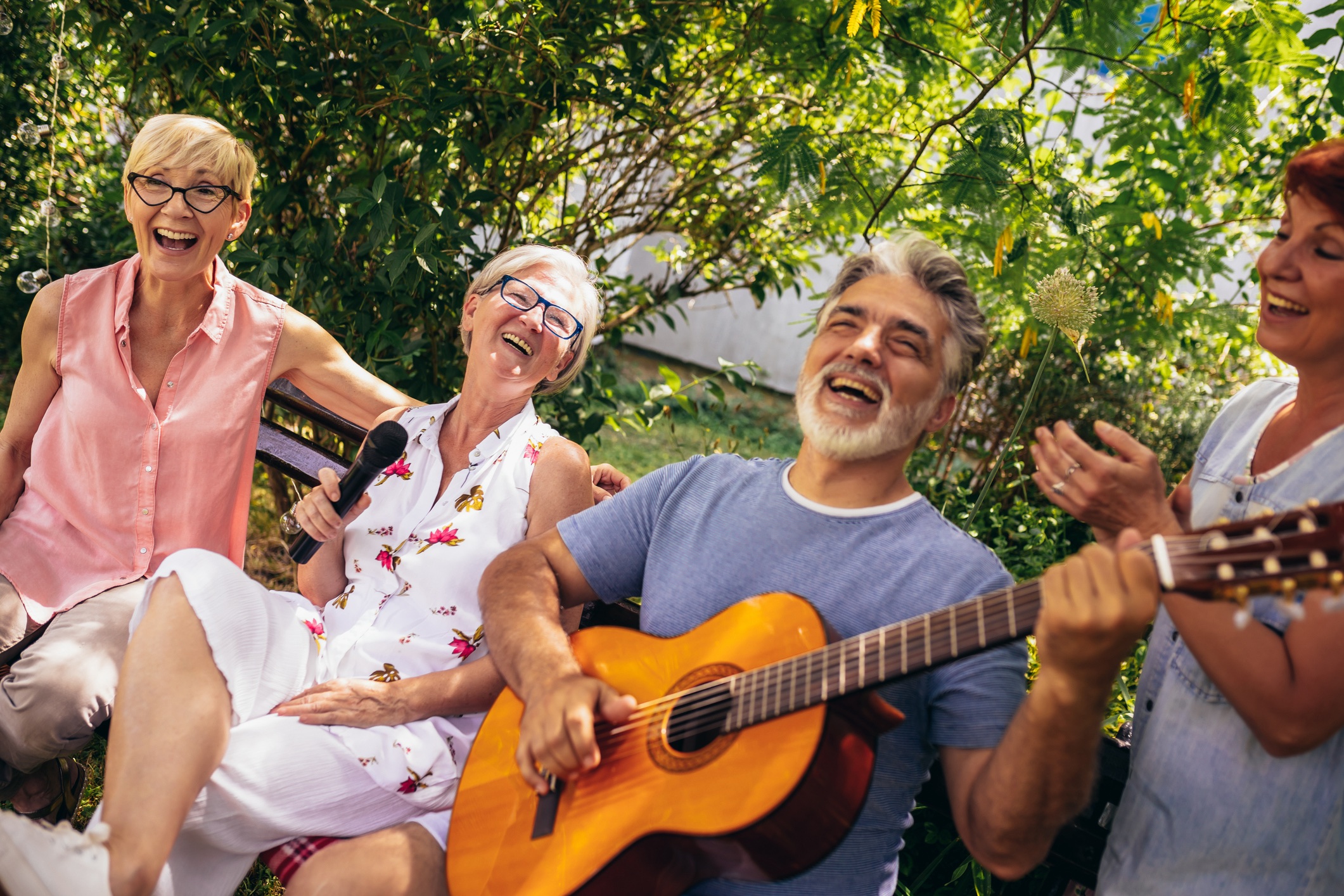
The relationship of active and retired membership in our MEAs is symbiotic. We know from the history of our associations, “giving back to the profession” remains a high priority with most retirees. This may come in many forms and settings:

  • Leadership or membership in local, state, or national MEA/NAfME office, staff, advisor, or council/committee position
  • Advocates for the promotion of music education to local and state government officials
  • Service as presiding chair or member of the conference or workshop planning committee
  • Service as evaluator of performance groups, conference sessions, or articles for publication
  • Judges of local/state MEA adjudication or commercial festival
  • Accompanists, coaches, arrangers, or guest conductors for festivals or school/community groups
  • Services to the local music teacher in private teaching, piano playing, marching band charting, sectional coaching, choreography, music technology, instrumental repair, stage tech, etc.
  • Writers for state MEA and NAfME publications and blog sites
  • Contributors to online music education forums or the NAfME Connections
  • Donors to and/or fund-raisers of music education charitable projects, scholarship initiatives, etc.
The PMEA Model of Retired Member Participation
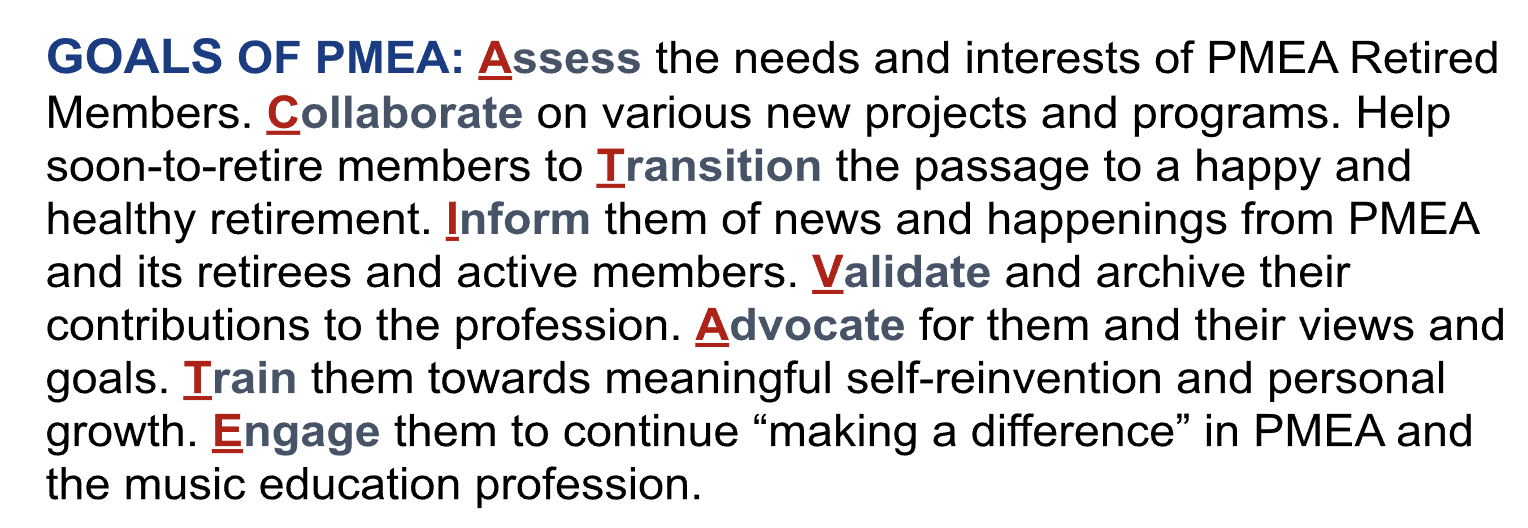
PMEA values the vast wealth of experience and contributions of our retired members. We’re proud of the many programs we offer to retirees and invite you to visit our website to peruse additional information and sample digital newsletters and articles.

Retired members in Pennsylvania are involved in:

  • PMEA elected and appointed offices, staff, committee chairs, and membership on councils
  • PMEA Strategic Plan and Bylaws, Conference Planning, and other state/regional committees
  • Retired Resource Registry* (informal mentoring for new teachers and transfers)
  • How-to-Retire Webinar, Prepping for Retirement, and the Ultimate Retiree Resource Guide
  • Retired Member Breakfast at PMEA Annual Conference
  • Retirement 101 (The Who, What, When, Where, Why, and How) session at PMEA Annual Conference (training for all members retiring or soon-to-retire)
  • Maintenance of PA Community Band, Chorus, Orchestra, and Theater group catalogs
  • Maintenance of PMEA member compositions library
  • Mock Job Interview Committee for music education majors
  • Coffee & Conversations informal “ask an expert” lounge at PMEA Annual Conference
  • Volunteering as presiding chairs for sessions and registration aides at conferences/workshops
  • Pool of conference clinicians, guest lecturers, and members on discussion panels
  • Participation in “Sponsor a Collegiate to Attend the Conference” campaigns
  • All-State Program Patron, or contributor to the annual Irene Christman Scholarship or Margaret Bauer Grant programs.
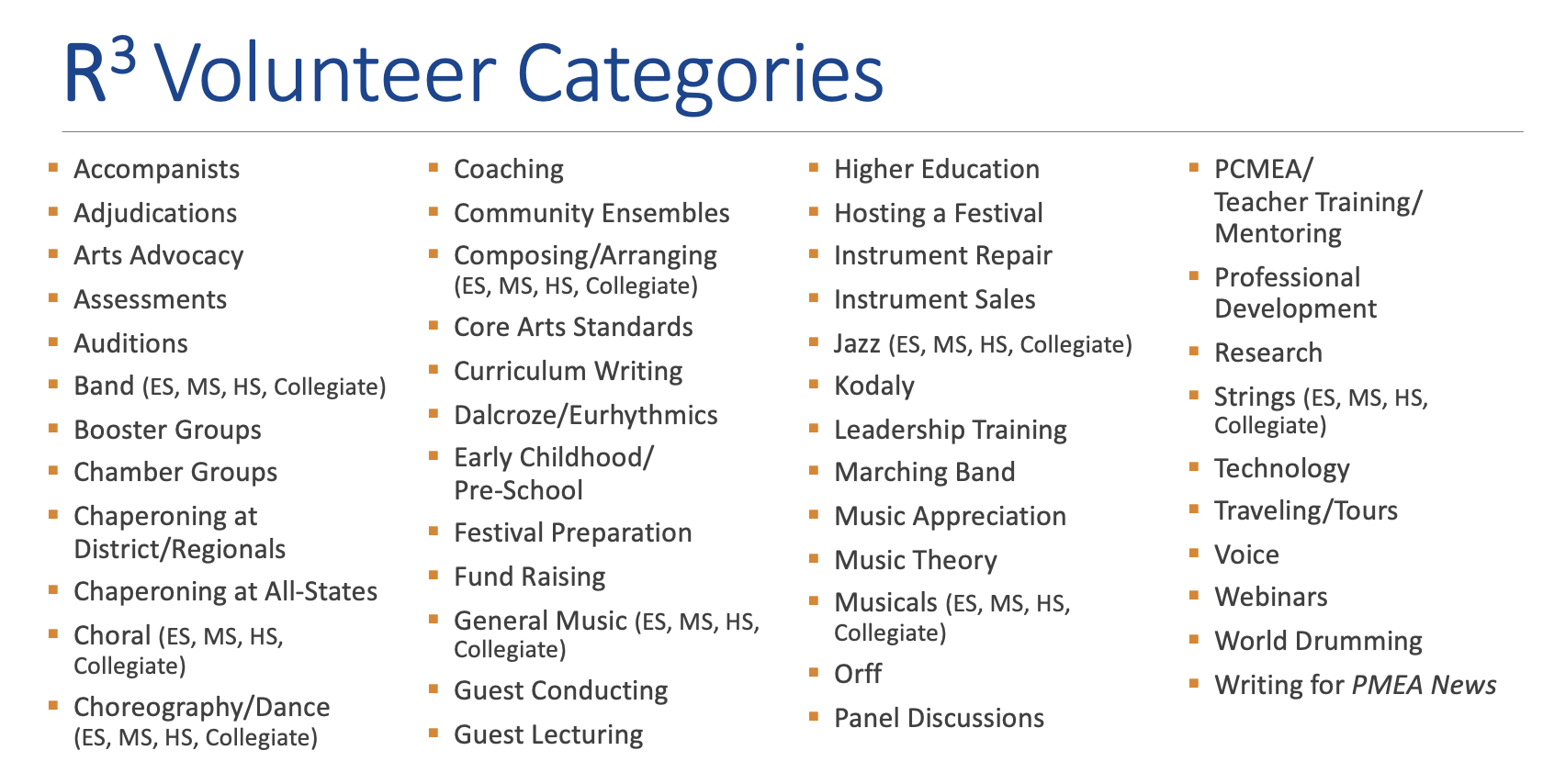
As of October 1, 2025, there are 61 advisors in the PMEA Retired Resource Registry.

*During their annual membership registration, PMEA Retired Members may choose to sign-up for the R3 Retired Member Registry (above volunteer categories) to become available to informally offer advice to college music education majors, new hires, transfers, and newcomers to any music specialty. R3 members may handle inquiries like “What warm-up would you recommend for my middle school choir?” OR “Do you have an idea for an elementary string ensemble concert opener?” OR “How do you teach improvisation… steady beat… breath support?”

The other option with more time commitment is that Retired Members can be officially “trained” as a PMEA Mentor and be assigned to specific individuals who request assistance in their early career assignments.
Coda

How can we help?

What is the future of retired music educator professional engagement? In a word: connections!

Last month, I reached out to Elizabeth Welsh Lasko, NAfME Assistant Executive Director for Membership, Organizational Development, and Marketing Communications and “volunteered” OUR assistance. I suggested that, in keeping with the NAfME 2022 Vision Statement “…an association where all people are heard, seen, and feel they belong throughout their lifelong experiences in music” we should all intentionally recruit more hands-on involvement of our retirees. I pointed out that in the late 1980s, we had a Music Educators National Conference (MENC) Committee for Retired Members led by a National Chairman who served on the NAfME National Assembly. (An excellent booklet, TIPS: Retirement for Music Educators, Copyright © 1989 MENC, was compiled by A. Verne Wilson, then the Past National Chairman of the MENC Committee for Retired Music Educators.)

Ms. Lasko encouraged me to “reach out to retirees” beginning with this article. At the next NAfME Eastern Division Conference, I plan to hold a meeting of retired members, and also connect with all state MEA retired member coordinators (those states who have them). We’re available and on the move! Let’s collaborate and share our resources!
Finally, just for fun, I recently posted the blog “For Book Lovers – Retired or Not” on NAfME Connections (formerly called Amplify). There are already 1,810 members in the NAfME “Retired Members Community.” Please JOIN US! Using this forum, get in touch with me, and respond with YOUR OWN retirement stories, strategies, perspectives on this “life passage,” and more ideas to grow the professional engagement of our music teacher retirees.

Happy trails!

© 2025 Paul K. Fox
Volunteering is Vital

Stories from a Wheelchair Jockey

“Wherever you turn, you can find someone who needs you. Even if it is a little thing, do something for which there is no pay but the privilege of doing it. Remember, you don’t live in the world all of your own.”

— Albert Schweitzer

“You make a living by what you get. You make a life by what you give.”

— Winston Churchill

“Volunteers are the only human beings on the face of the earth who reflect this nation’s compassion, unselfish caring, patience, and just plain loving one another.”

— Erma Bombeck

Besides spending more time with family and friends, the most precious benefit of the freedom afforded to you “living the dream” in retirement is… (drum roll, please)… becoming eleemosynary! (Look it up!) It’s crucial to make it a priority to give back to your community!

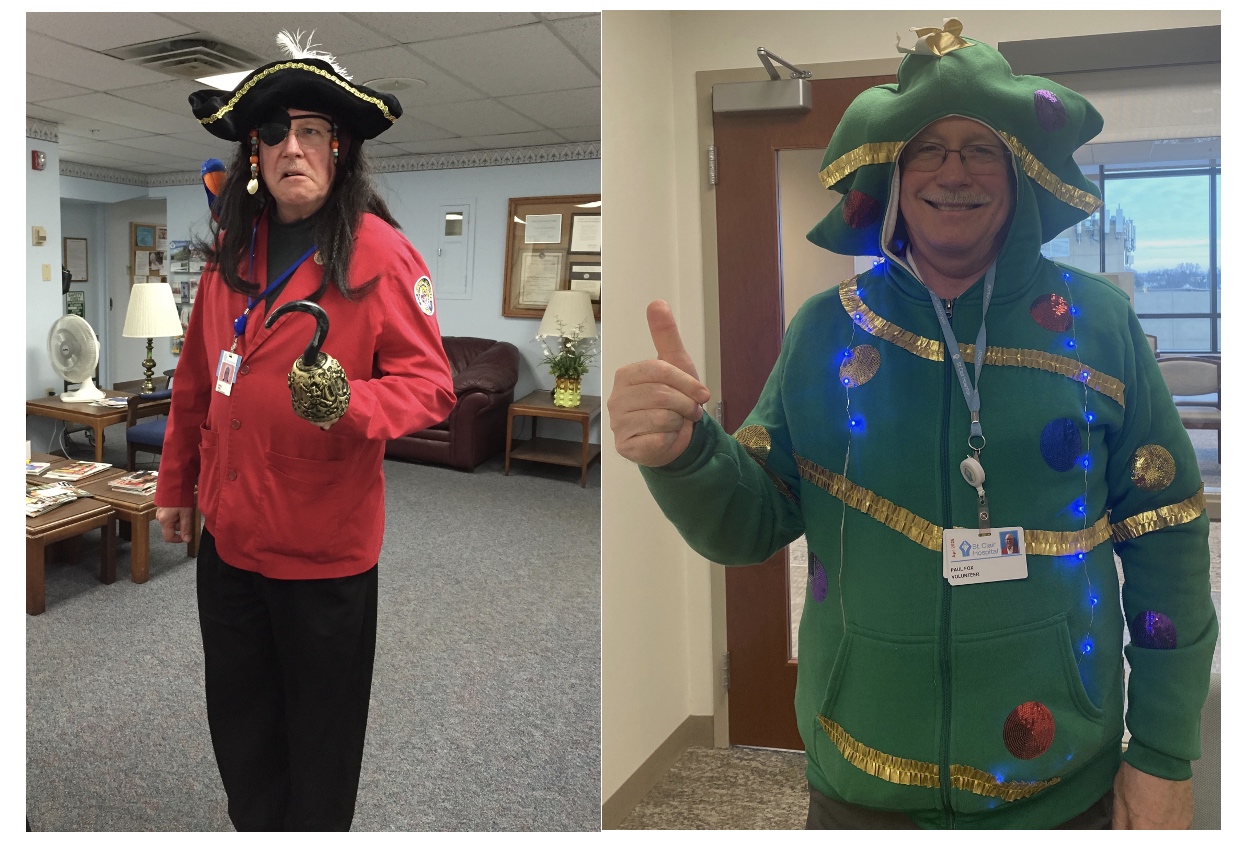
I wrote an article in our local community magazine UPPER ST. CLAIR TODAY. (Yes, I guess I’m bragging a bit – find it here on page 20 and you’ll see pictures of my Pirate costume for escorting at the hospital and holding my doggies!) I cite many reasons for becoming a volunteer. (Disclaimer: Some of the statistics below are a few years old, but you get the idea… The trend is ever-growing!)

The Surge of Volunteerism

Did you know?

My home state Pennsylvania does its fair share, too. These figures are from AmeriCorp:

  • 3,506,834 PA volunteers contribute 341.0 million hours of service
  • 34.2% of PA residents volunteer, ranking them 21st among states
  • Volunteer service worth an estimated $8.2 billion
  • 98.8% of PA residents regularly talk or spend time with friends and family
  • 58.9% of PA residents do favors for neighbors
  • 22.1% of PA residents do something positive for the neighborhood
  • 33.4% participate in local groups or organizations
  • 59.8% of PA residents donate $25 or more to charity

Volunteering and Wellness

Volunteering has been documented to be good for your physical and mental wellness. Do you need any convincing? According to Track-It-Forward at https://www.trackitforward.com/content/use-these-volunteer-stats-boost-your-volunteer-program:

  1. Volunteering connects you with your community, which can lower the morality rate by 2.7%.
  2. Volunteering helps physical health – including decreasing the likelihood of high blood pressure development by 40%.
  3. Volunteering can help decrease high-stress levels, anxiety, or depression.
  4. Volunteering increases self-confidence and self-esteem by 6%.
  5. 96% of volunteers claim they feel a sense of purpose, therefore happier and healthier!

I recently found this website with more detailed rationale offered by Volgistics – Volunteer Logistics at https://www.volgistics.com/blog/volunteering-good-for-health:

Mental and Emotional Benefits of Volunteering

  1. Connects you with other people
  2. Allows you to contribute to a cause
  3. Gets you out of the house
  4. Connects you to the community
  5. Reduces depression and stress
  6. Improves self confidence
  7. Boosts happiness
  8. Encourages learning

Physical and Health Benefits of Volunteering

  1. Encourages physical activity
  2. Lowers your blood pressure
  3. Promotes heart health
  4. Extends your life

If you have any doubts about WHY you should volunteer, revisit my August 2021 blog “Those Were the Good ‘Ol Days – The E in RETIREMENT is for Energy, Engagement, Excitement, and Endurance” here. For retirees everywhere, this is worth repeating.

“It has been suggested that one problem of retirement is that one no longer matters; others no longer depend on us… The reward of retirement, involving a surcease from labor, can be the punishment of not mattering. Existence loses its point and savor when one no longer makes a difference.” 

– Rosenberg and McCullough

We learn from Revitalizing Retirement: Reshaping Your Identity, Relationships, and Purpose by Nancy Schlossberg that for retirees, it is important to feel “needed” and that pursuits that foster “mattering” are crucial to a positive self-esteem, good mental health, and stable life balance.

What to Do with Your Free Time?

This, too, has been covered in past blog-posts, conference sessions, webinars, and articles in PMEA News. A quick recap:

  • Walk dogs at animal shelter
  • Assist food banks and meals-on-wheels agencies
  • Enlist as special advocate for abused or neglected children
  • Work as a hospice volunteer
  • Maintain parks, trails, nature habitats, or recreation centers
  • Host an international student
  • Assist at local hospital, senior center, or nursing home
  • Serve in charity fund-raising projects
  • Become a youth director, mentor, or scout leader
  • Share your hobby or experiences in a specialty and teach night classes or summer school
  • Give guided tours or lectures as a docent at a local museum
  • Apply office management and clerical skills to benefit libraries and other nonprofit associations
  • Run a school club or coach a sport

A quick scan of the website https://www.volunteermatch.org/ would fetch many specific volunteer job openings (these for the Pittsburgh, PA area where I live):

  • Provide hospitality at Pittsburgh sporting events
  • Serve coffee and snacks at winter warming stations
  • Write articles or submit photographs to local publications and e-media
  • Visit hospice patients and provide other free-care services
  • Crochet, knit, or sew blankets for needy families
  • Connect with local veterans
  • Manage nonprofit events and organizations
  • Ring the Salvation Army kettle bells all year long
  • Mentor an underserved child (everything from athletics to computer skills)
  • Make weekly reassurance calls or personal welfare checks of senior citizens
  • Become a delivery driver of “care packages” of food, baby items, pet necessities, household items, and more

Retired music educators have an advantage, a valued skill which also represents their “calling” and “life’s work” – fostering creative self-expression. There’s so much “we” can do to “bring on more music” in our community, and if you wish, several of these may provide supplemental income:

  • Performing gigs locally
  • Directing community or church ensembles
  • Accompanying community or church ensembles
  • Coaching/assisting local music programs
  • Teaching college music education methods or supervising student teachers
  • Composing/arranging music
  • Adjudicating or guest conducting music festivals
  • Serving in the music industry

The best part of retirement is you can say “NO” anytime you want. You can cut out any perceived drudgery, routine “chores,” and excessive paperwork that “the institution” may demand, but still assist in collaborating and sharing your experience, expertise, vision in working with “the kids.” You can continue to develop your own personal artistry (now with more time to practice) and leave your “musical stamp” on other programs and projects whenever and wherever you please.

Adventures in Volunteer Escorting

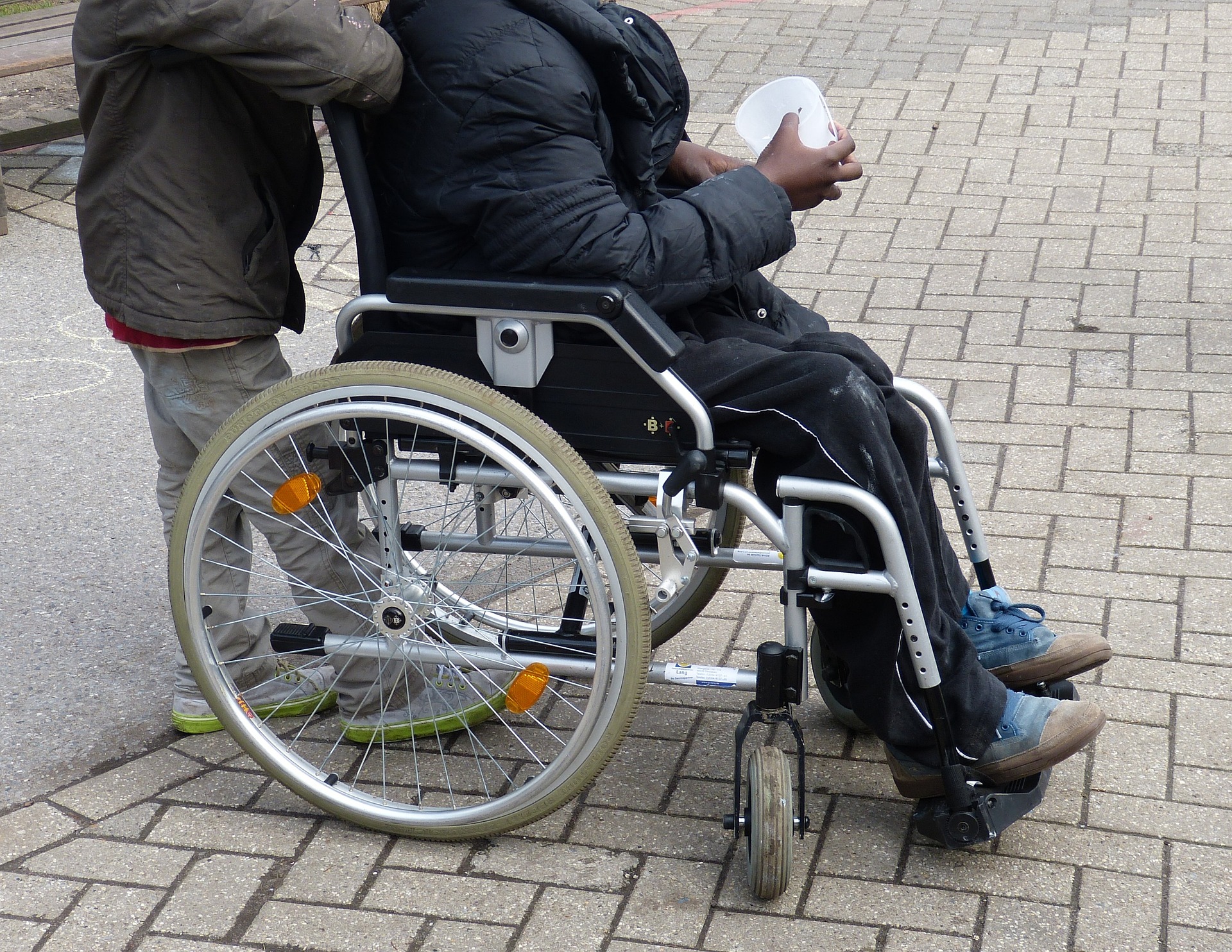
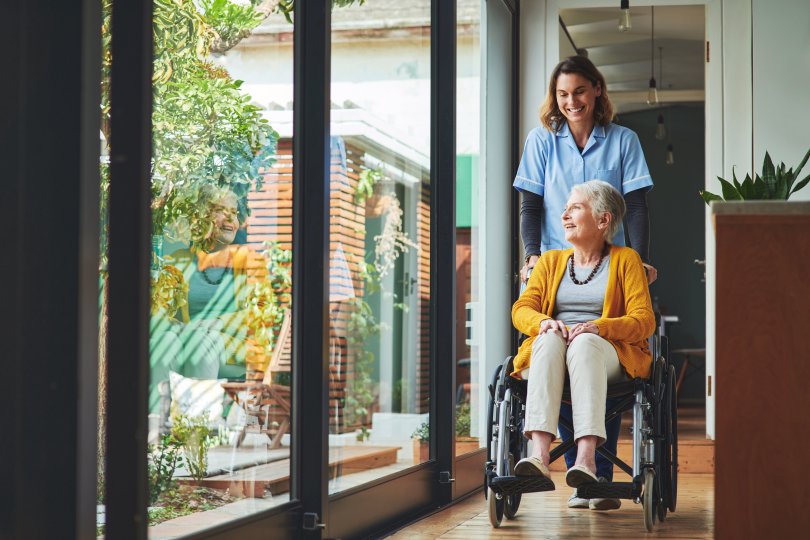
Every hospital, outpatient facility, and senior nursing/assisted living center I know needs volunteers… a lot of able-body helpers. Have you considered lending a hand in pushing patients to/from their procedures, discharges, etc. in your community? I have, and it is truly a joyful experience.

For two days a week, I spend the better part of my day at St. Clair Health in Mt. Lebanon/Scott Township in the South Hills area of Western PA. (If you live in the area, visit their website here.) Although on occasion, I get to visit the Family Birth Center (my favorite) and hospital rooms to help check out patients, most of my shift is assigned to the Dunlap Family Outpatient Center, a new state-of-the-art facility (opened in May 2021 – still has that “new car” smell) for “in and out” procedures. It would not be an exaggeration that I escort as many as 50 individuals per day undergoing outpatient surgeries, endoscopies, colonoscopies, or other diagnostic testing, along with an equal number of family members to/from the treatment rooms. On a given Thursday or Friday, I can check my Apple Watch and iPhone digital health monitors and find I take as many 17,000 steps!

The best part? Do I have to tell you that since I retired to the same basic geographic area in which I spent my entire career, how many of my school colleagues, former students, and their parents I have discharged? One thing you realize helping out in your hometown (the place you taught all those years)… you will run into many of your former “charges” now grown up with kids of their own. It is a real joy to see them again (albeit due to the need for a colonoscopy or surgical procedure), and catch up with all those shared memories, their life’s happenings and successes, and future dreams.

So many stories…

Several weeks ago, I brought down to the main floor a delightful lady from our pre-post anesthesia unit to connect with her ride home, and I saw her driver was in a Uber-lit-up car. I remarked to the patient, “Wow, the only Uber driver I ever knew was one of my former choral students named Lisa…” and sure enough, that’s who came to pick up her mother-in-law. Even though we always wear masks in the hospital, I guess my Upper St. Clair HS marching band “broadcaster’s voice” is recognizable, and countless people in the lobby (usually accompanying family members) stop me, “Hey, is that you Mr. Fox?” Of course, HIPPA dictates we never repeat their identities or any confidential information…

Being a music teacher, I cannot help myself. My mission is to be “the distracter” – divert their attention from the inevitable? – and to help calm, reassure, and perhaps even entertain the patients for a few moments transitioning through those awkward (and sometimes fearful) medical procedures. They need a bright, cheerful, and funny if not somewhat crazy escort. I provide the jokes and the songs!

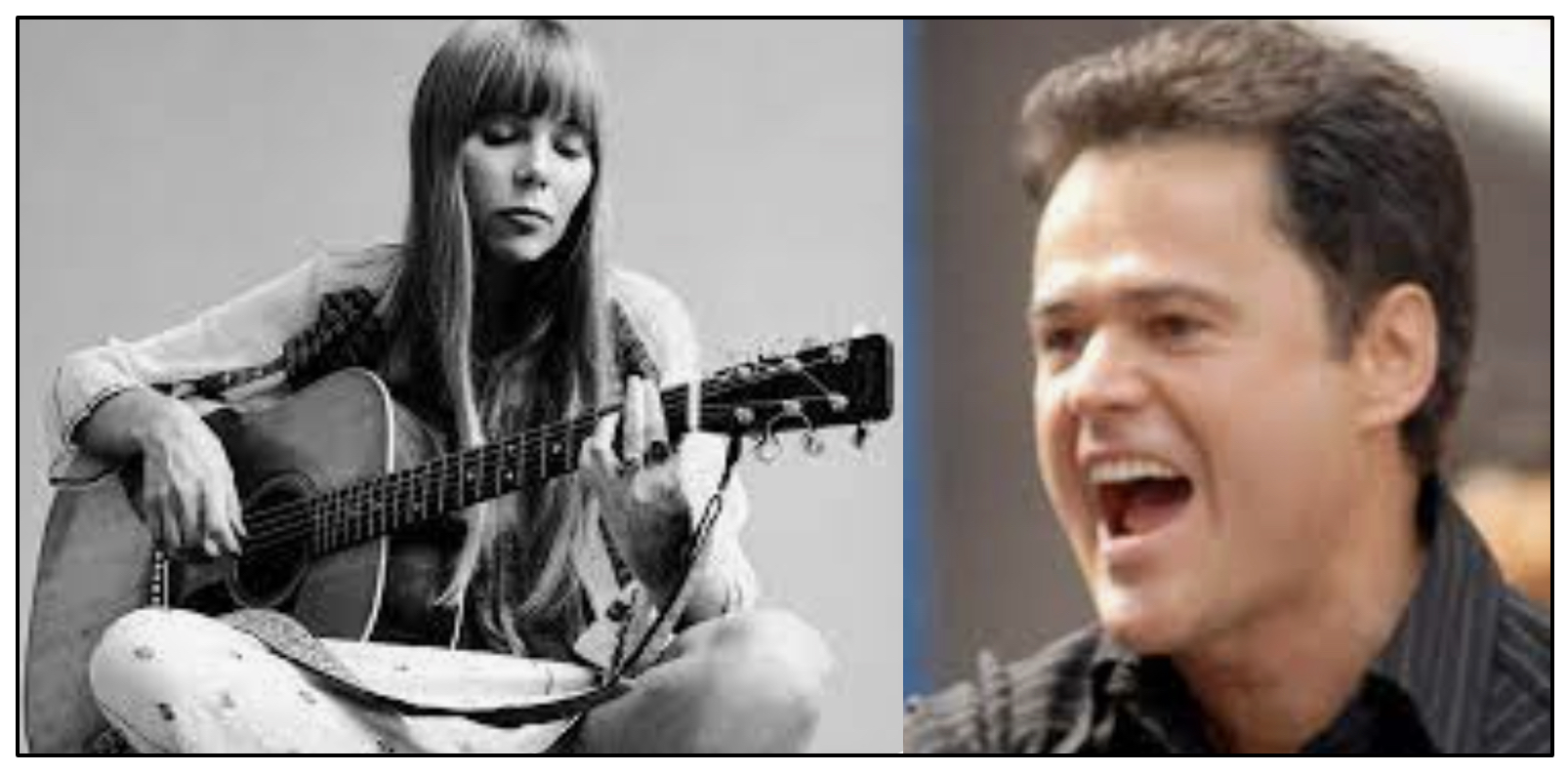
One day, I was literally singing Maria from West Side Story while pushing Maria-the-patient to her endoscopy, and another person walking with us for her own test said, “Well, it’s nice you are singing to us. But, my name is Sharon, and they don’t have a song for my name. No, Sharona is NOT my name,” she added with emphasis! After I took both ladies to their respective rooms, I had to do some research, but came back after Sharon was prepped and received her IV waiting for the doctor. “You forgot about The Song for Sharon composed and sung by Joni Mitchell,” I said (perhaps not my favorite example from the artist’s albums).

The hallway from the waiting room to the procedure suites is long and offers time for my style of “interaction and distraction.” Another funny episode, I was escorting two men to their appointments in the outpatient surgery unit. To the first, I said, “Did you know they wrote an entire musical featuring your name? Joseph and the Amazing Technicolor Dreamcoat. He replied he had never heard of it. I sang a few bars of several theme songs, and told him to look up Donny Osmond’s Close Evr’y Door and other tunes from the show. We were almost at the nurse’s station when the second gentleman turned to me and said, “Don’t you dare!” I looked down at my call slip and saw his name was George, and searched my mind. What song could was he concerned about? “Oh, oh, not that cartoon theme George of the Jungle? ending with the lyrics “…watch out for that tree?” He told me he was tormented mercilessly by his brothers, sisters, son, daughter, and now the grandchildren re-enacting painful renditions of “his song!” In this quiet, pristine, antiseptically-clean environment, we all took a moment and enjoyed a good horse laugh together (even the head nurse)!

The male volunteers usually dress up in an all-red jacket (one giant candy stripe), but on occasion, I have been known to bring a costume… for Halloween or Christmas, to try to bring a little joy and good humor to the patients.

I feel blessed to have the good health and mobility to serve as a volunteer escort, and the opportunity to meet with on a daily basis so many wonderful people. Many of my retired colleagues (even those from where I last taught) have joined the force. To say the least, we appreciate the comradeship, gratitude, and feelings of being eleemosynary for what we can share with others!

Anyone from my neck of the woods? Visit this website and sign-up! WE NEED YOU!

As if you need any additional urging, for the young and young-at-heart alike, Joi Henry of the 2013-2014 Youth Leadership Council (21st Century Leaders) probably said it best commenting on why community service is essential:

Community service involvement is important because volunteering teaches people of all ages and backgrounds compassion and understanding. One thing I like about community service is that there are opportunities to improve and leave your mark on your global and local community. Volunteering and putting on service events can be used as a way to advocate for causes that you are personally passionate about. Community service… can also be the avenue to explore areas that you express interest. Volunteering is something that has no time limit; you can volunteer as much or as little as you’d like or have time for and still feel some type of fulfillment from it.

https://www.21stcenturyleaders.org/why-is-community-service-important/

So what are YOU waiting for?

PKF

© 2022 Paul K. Fox

Unconditional Love (Dogs!)

Pets + Retirees… They Go Together!

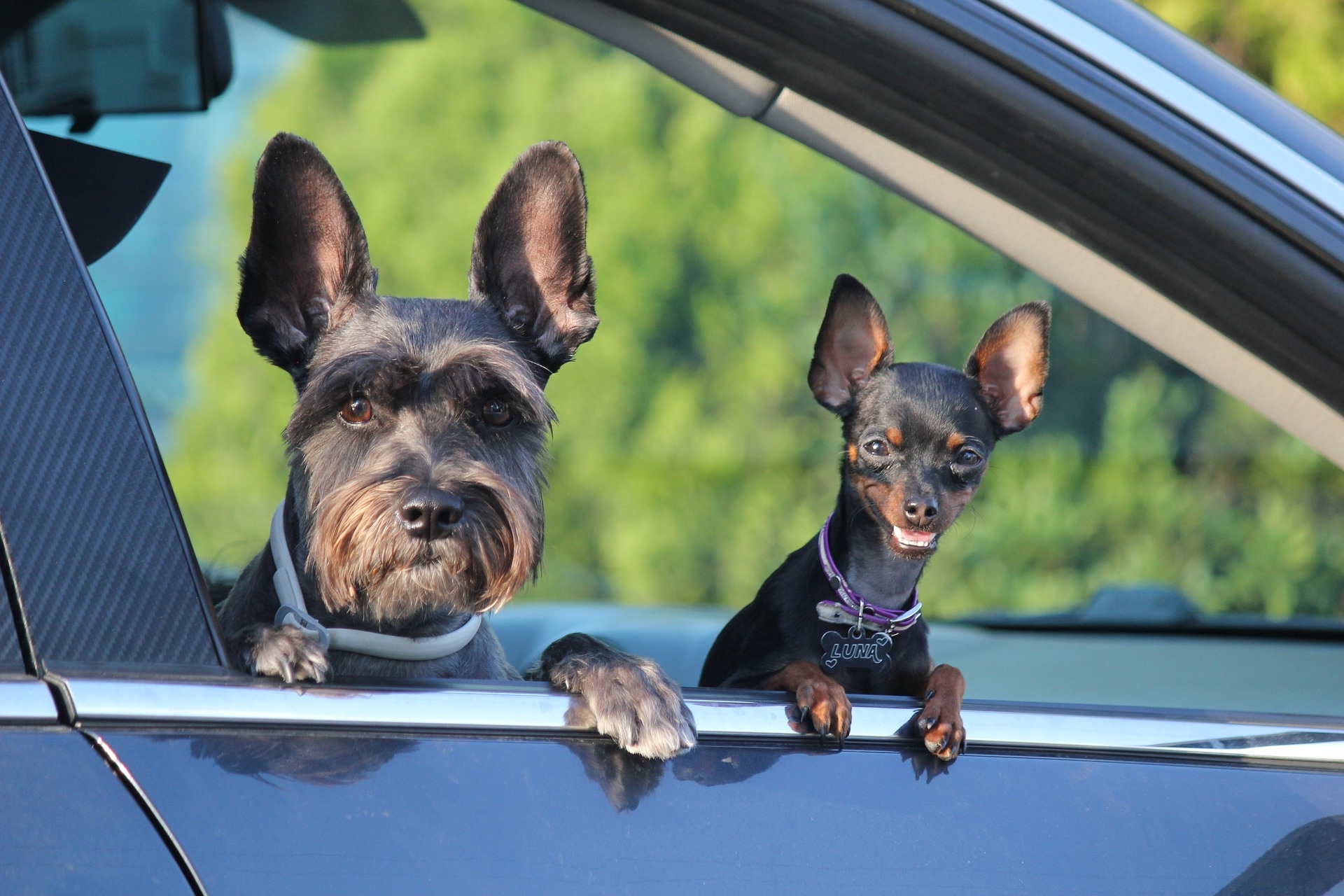
dog-2729805_1280_gdjHappy Valentine’s Day to all of my readers. I could not think of a better way to “celebrate” our appreciation of “heart-day” with reflections on what our pets bring us… adulation, affection, attachment, companionship, devotion, enjoyment, good will, involvement, passion, stimulation, tenderness, understanding…

“The power of love!” They say that all you have to do is look at the face of a sleeping baby, or cuddle up next to a puppy or kitten, and it will slow down your respiration rate, lower your blood pressure, reduce cholesterol and triglycerides in your blood, and increase in your body the levels of serotonin and dopamine, two neurochemicals that play big roles in the promoting feelings of calm and well-being.

people-1749382_1920_herney

From personal experience, having two of the most adorable and loving dogs… If you’re contemplating retirement and you have never owned a pet, let me be the first to tell you:

“Pets can change your life.”

I invite you to peruse several other blogs I’ve written on this subject:

If you are almost ready to retire, or you’re going through your first couple years of your post-employment “internship,” there’s a good chance that psychologically it would be good for you to “get out of Dodge” as you adjust to your new status. This might be a good time for you to take a cruise, tour Europe, go ice fishing up north, or plan a long road trip out west. Pack up everything and takeoff. Celebrate all those years that you put your nose to the grind stone.

But eventually, you may want to come back “to nest,” and “taste” a little transitioning into things that seem to go well together, e.g. small doses of (human) babysitting, grandparent/child interaction, and/or rescuing a pet. Becoming a homebody may also suggest the consideration of planning small or large renovation projects: fix up your garden or backyard, design your ideal kitchen, remodel the bathrooms, do a garage remake, downsize and de-clutter, etc. After the first several years of simply resting and exploring the options of your self-reinvention, NOW might be the perfect moment to add a furry friend to your family!

animals-2198994_1920_gellinger

Why get a pet?

Goodnet (“Gateway to Doing Good”) summarizes nine reasons you should adopt a pet:

  1. Pets have their perks when it comes to your health. (More on that later.)
  2. A pet will love you unconditionally. (Thus the title of this blog!)
  3. Adopting a pet is easy on your wallet. (Pet rescue from a shelter is less expensive.)
  4. Adopting a pet means saving a life. (Millions of animals are euthanized per year.)
  5. By adopting a pet, you’re giving an animal a second chance. (Another go at life!)
  6. Pets keep you active. (Dog walking provides owner aerobic exercise.)
  7. Pets bring joy and fulfillment. (Pet care enhances a sense of purpose for retirees.)
  8. dog-3243734_1920_kandykandooPets boost your social life. (Research indicates pets decrease social isolation.)

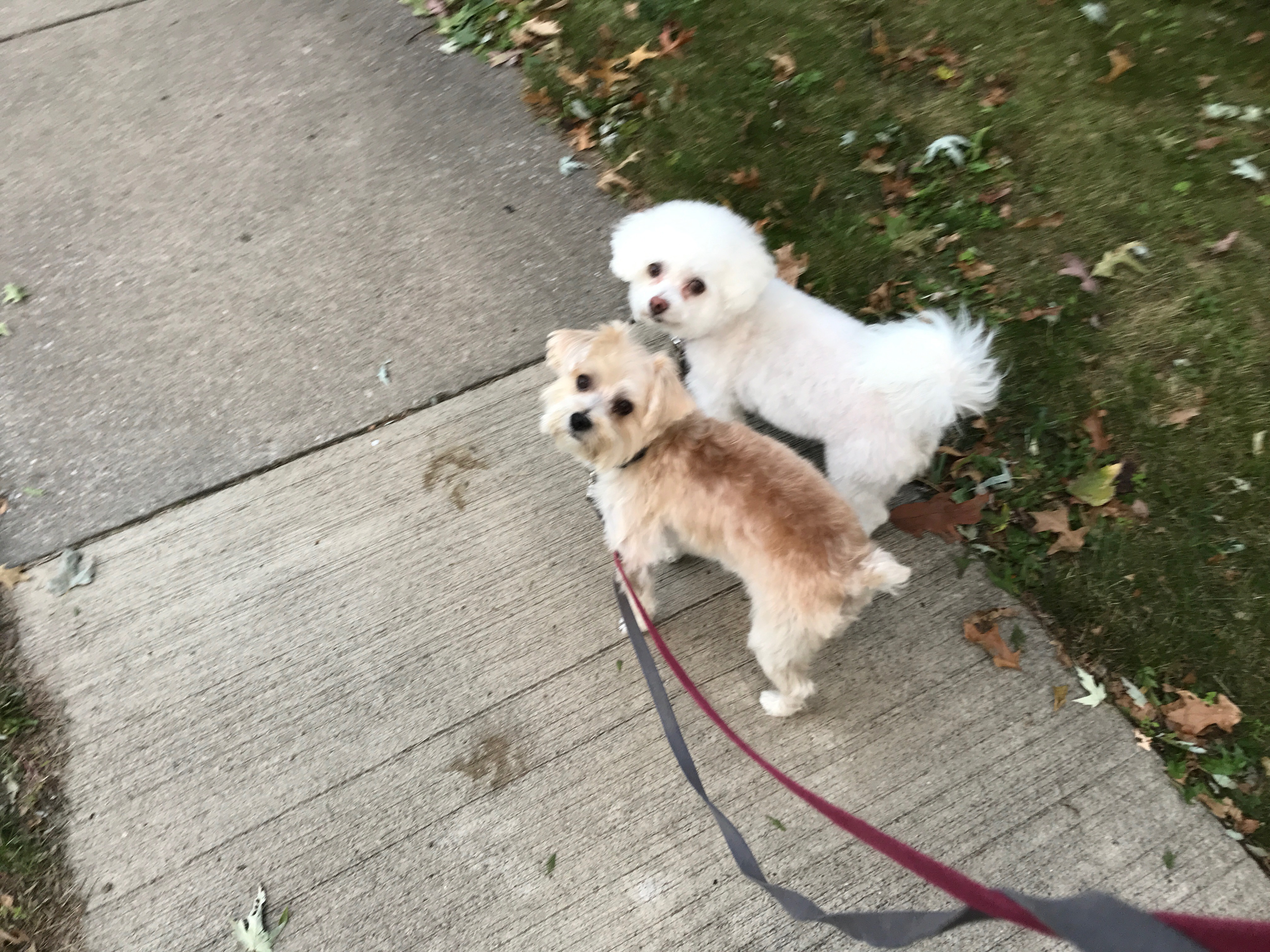
  9. Besides, how could you possibly resist this face?


Medical benefits including psychological health

There’s an avalanche of online research that backs up claims that pet ownership is actually “good for you!”

Pet owners know how much their furry friend improves their quality of life. But it’s not all about unconditional love—although that actually provides a wellness boost, too. On an emotional level, owning a pet can decrease depression, stress and anxiety; health-wise, it can lower your blood pressure, improve your immunity, and even decrease your risk of heart attack and stroke.

— Alexandra Gekas


dog-3128192_1920_maja7777

Here are my “top dozen” reasons and resources to peruse:

  1. Having a pet decreases stress: Promises Treatment Centers
  2. Caring for a pet lowers your blood pressure: WebMD
  3. Owning a dog reduces cholesterol and triglyceride levels: Harvard
  4. Pets keep you fit and active: Gerontologist
  5. Daily dog walking helps you to lose weight: Healthy People
  6. Owning a dog can help detect, treat, and manage disease and injuries: HuffPost
  7. Pet therapy eases pain management and reduces anxiety: Loyola University
  8. Pets may reduce doctor’s visits: American Psychological Association PsycNet
  9. Having a dog may make you (at least feel) safer: LifeHack
  10. Pets help you build friendships and find social support: Harvard
  11. Dog owners are less prone to depression: GrandParents.com
  12. Pet ownership adds meaning and purpose: BestFriends


Believe it or not, pets can be the best medicine, especially when a person is dealing with chronic pain such as migraines or arthritis. Just like Valium, it reduces anxiety. The less anxiety, the less pain…

People who have pets are less harried; there’s more laughter in their life. When you come home, it’s like you’re George Clooney. You’re a star. This is a primary reason pets are used in various forms of therapy.

If you have a dog around, your blood pressure is lower. A lot of it goes back to reducing stress: You might lose your job, your house, your 401(k)—but you’ll never lose the unconditional love of your pet.

— Dr. Marty Becker, DVM, veterinary consultant for Good Morning America and author of the book Your Dog: The Owner’s Manual.


doggies 2017 to 2018 - 3

Increasing your regular habits of exercise

The experts say that physical activity promotes flexibility, muscle strength, stamina, and balance, and helps us to remain mobile into our 70s and 80s. Caring for a pet may help! For example, studies from the National Center for Biotechnology of the U.S. National Library of Medicine (like this one) indicate that older adults who walked dogs with frequent moderate to vigorous exercise are associated with lower body mass index and faced fewer limitations to their daily living activities.

Having trouble sticking to an exercise program? Research shows that dogs are actually Nature’s perfect personal trainers—loyal, hardworking, energetic and enthusiastic. And, unlike your friends, who may skip an exercise session because of appointments, extra chores or bad weather, dogs never give you an excuse to forego exercising.

In 2008, the U.S. Department of Labor reported that only 16 percent of Americans ages 15 and older exercised at all on an average day! This is where your canine personal trainer can help.

—Dawn Marcus

walking-2797219_1280_mohamed_hassanHow much exercise is enough? Well, according to the World Health Organization, the “best practices” of a good health and wellness program includes:

  • 60 minutes of moderate to vigorous activity daily for children 5 to 17 years old
  • 30 minutes of moderate-intensity exercise five days per week for adults 18 to 65 years old, plus strengthening exercises two days per week
  • 30 minutes of moderate-intensity exercise five days per week, with modifications as needed in seniors over 65 years old, plus flexibility and balance exercises.

The good news? From Bark, “Researchers at the University of Western Australia found that seven in every 10 adult dog owners achieved 150 minutes of physical exercise per week, compared with only four in every 10 non-owners.” We already know that grabbing that leash, whistling for the pup, going for a brisk walk, and getting out to see what’s going on in your neighborhood, may help to reduce stress, depression, lethargy, the risks of obesity, and many other medical problems.


dog-1027549_1920_haidi2002

The all-essential quest for “mattering” and “feeling needed”

In the past blog “Retiree Concepts,” I mentioned the book, Revitalizing Retirement: Reshaping Your Identity, Relationships, and Purpose by Nancy Schlossberg (definitely an excellent buy), and reviewed the issues of “marginality” (bad) and “mattering” (good). The essential question is worth repeating here: “Do you feel “needed” and that you “make a difference” to others?”

Caring for a pet does a great job of fulfilling our need to find in our retired lives the “purpose, community, and structure” referred to Ernie Zelinski in his book, How to Retire Happy, Wild and Free.

As we grow older—especially after we retire—it can be difficult to find structure and meaning day in and day out. Dogs take care of that.

— Kristen Sturt

They force people to continue to do things. So, even if you’re not feeling well emotionally or physically, the dog doesn’t care. I mean, they care, but they still want you to feed them and take them for a walk.”

— Kristi Littrell, Adoption Manager at Best Friends Animal Society in Utah

At Walter Reed Army Medical Center, they’re using dogs to help soldiers dealing with post-traumatic stress disorder. They’re finding the guys who have a pet are able to re-enter society a little bit easier. They’re showing a decreased suicide rate, one of the biggest health threats [veterans] face. These guys who have a pet have someone they’re responsible for, someone who cares about them. And they don’t have to explain what they’ve been through.

— Dr. Katy Nelson, associate emergency veterinarian at the VCA Alexandria Animal Hospital in Alexandria, Virginia


It’s not only about the tangibles – physical, medical, mental

It’s simple… every day, my pooches make me feel good!

Oh, we have all witnessed the “life-changing power of pets” (Psychology Today) and the tremendous social bond partnering a dog (or cat) with a human. We agree, “Pet owners have big hearts and bestow good feelings on both animals and people. Having a pet does not replace a human social network, but rather enhances and enlarges it. Cats, dogs, birds—and pets of all species, shapes, and sizes—bring wellness.”

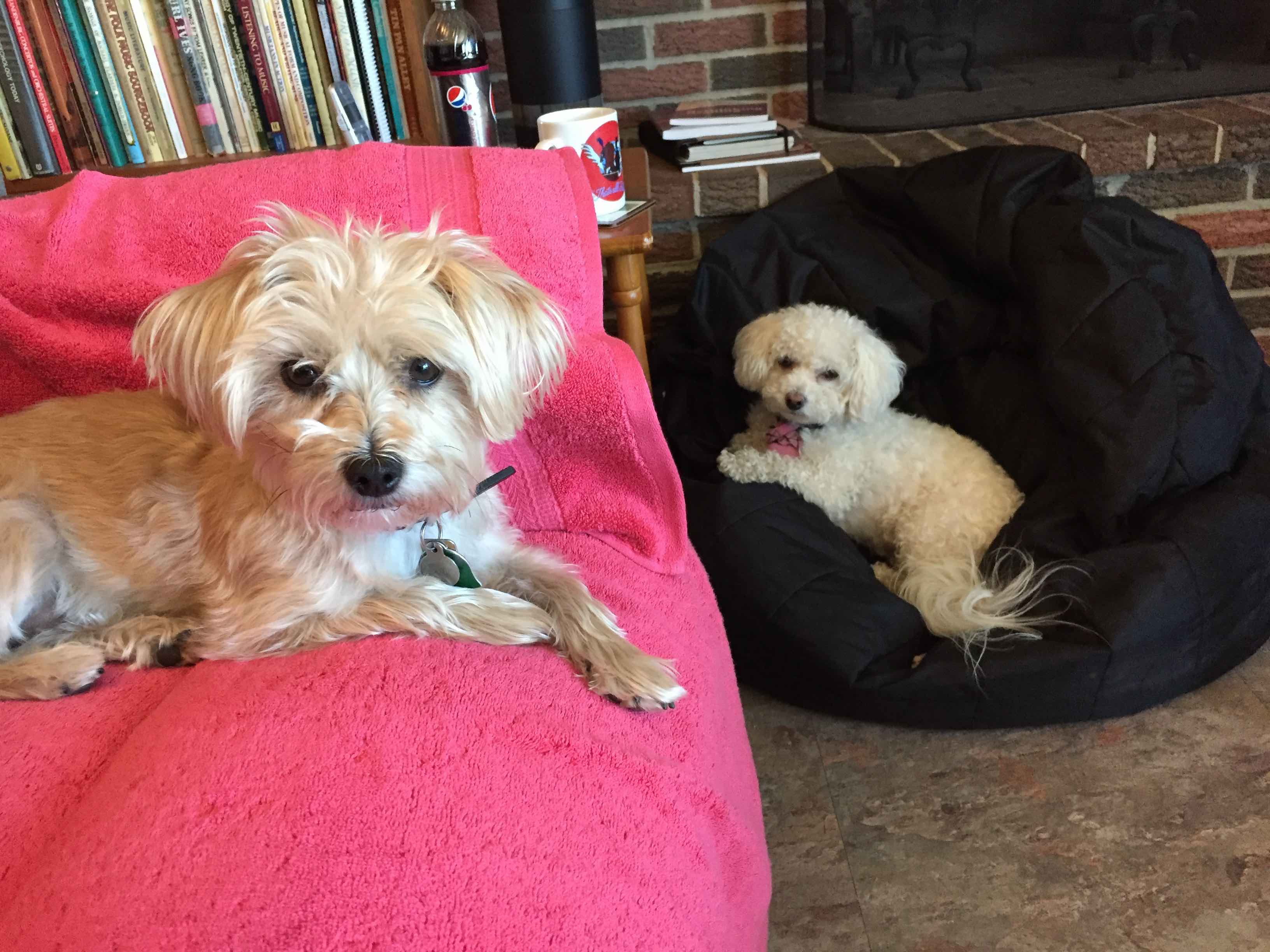
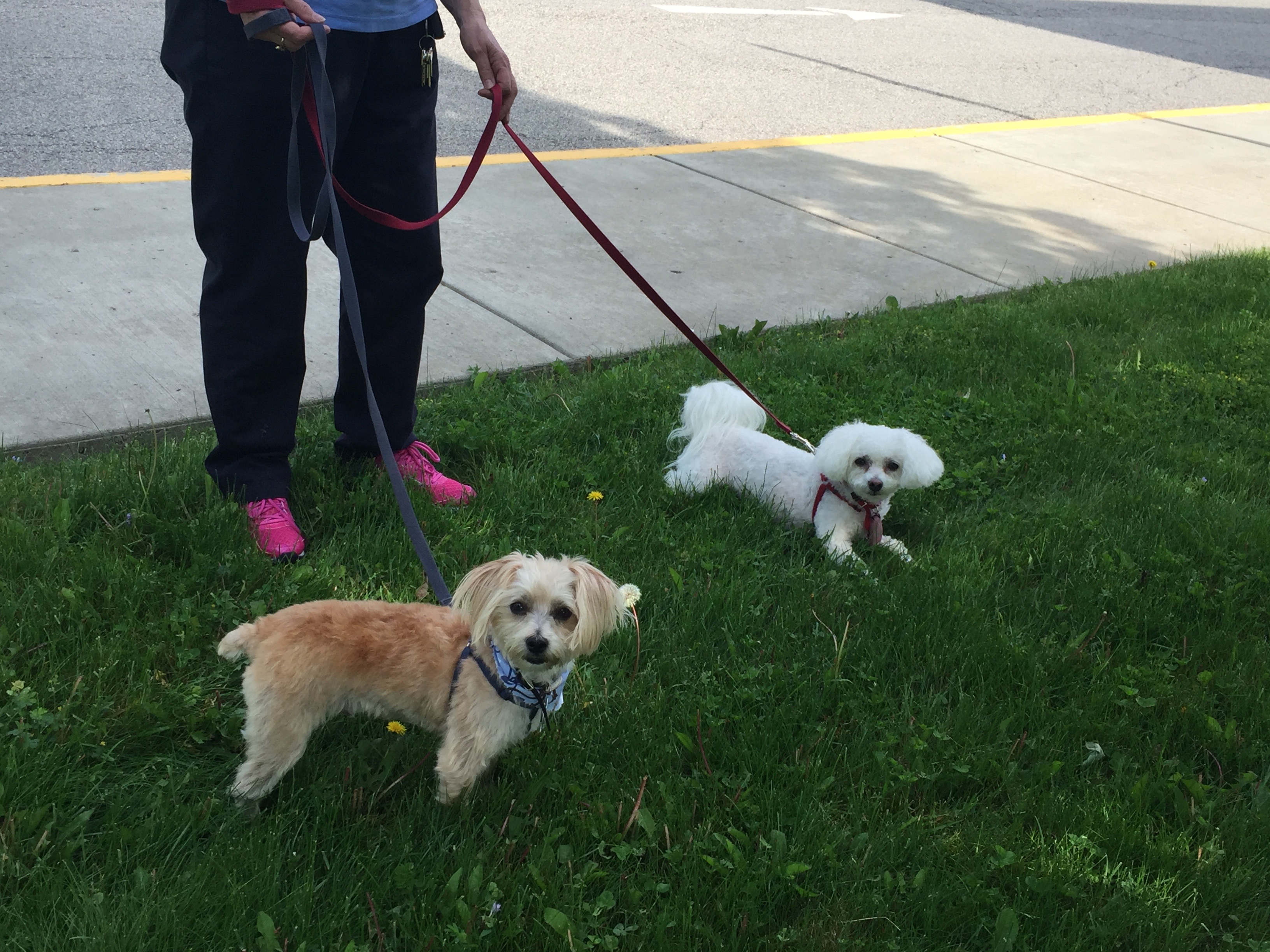
our two pups 051216 - 1On personal observation, I can attest that walking my dogs in the neighborhood can be one of the most contemplative (almost meditative) experiences of the day. I commune with nature, let my imagination wander (dream “wide-awake”), notice things I have never before stopped to see, hear, or smell, and reflect on my life goals. I find the “pause” in my daily routine (or should I say “paws”) makes me feel refreshed, thoughtful, more calm, tolerant, and patient while at the same time more alert and focused, and always leaves me in a better mood.

Dr. John V. DiAscenzo, my talented friend and PMEA music education colleague with great background in research, would now demand of me, “Show me the specific studies that support your claim that walking dogs make people feel happy!” Got it! I found numerous references, including this article from the National Institutes of Health.


You can’t buy this kind of shared love… a snapshot

  • No matter how good or bad my day is, the moment of my return to home, stepping into “puppy heaven,” Gracie and Brewster rushing up in full gallop to lick (kiss) and welcome me, jumping up as if to say, “Oh, we’re so glad he’s back!”
  • The vigorous wagging of her tail and the “happy dance” Gracie does when I reach for her favorite bone
  • The “nesting” impulse of Brewster as he paws his towel on top of our bed, just before he curls up in a small ball, leaning into the small of my back (giving me great lumbar support) and falling asleep
  • Gracie pushing Brewster out of the way when jockeying position to receive pats on the head from a visitor
  • canine club 2Expert cuddlier Brewster flipping on his back so you rub his tummy, and when you are distracted, gently pawing at you begging you not to stop
  • Gracie’s “happy barks” and squeals of excitement when mommy brings in the supper dish
  • Gracie jumping up onto the extra desk chair to watch daddy type on his computer (we even had to buy her own chair)
  • Brewster winning a contest for the most puppy-pushups (up/sit/down) in dog (people) training classes
  • Having totally original “dog-o-nalities” and never failing to amaze me every day, being awakened by them at 6 a.m.
  • But, after going out, all three of us climbing into the La-Z-Boy® combo recliners and falling back to sleep, Gracie between my legs with her chin on my ankle, and Brewster on my left shoulder like a violin shoulder pad


Lowering the numbers of neglected pets in overcrowded sanctuaries

Finally, although perhaps not the most significant rationale for a retiree to go rescue a pet, these are estimated animal shelter statistics from the ASPCA and the American Pet Products Association (source):

  • Approximately 6.5 million companion animals enter U.S. animal shelters nationwide every year. Of those, approximately 3.3 million are dogs and 3.2 million are cats.
  • Each year, approximately 1.5 million shelter animals are euthanized (670,000 dogs and 860,000 cats).
  • pit-bull-2047469_1920_rescuewarriorApproximately 3.2 million shelter animals are adopted each year (1.6 million dogs and 1.6 million cats).

  • About 710,000 animals who enter shelters as strays are returned to their owners. Of those, 620,000 are dogs and only 90,000 are cats.
  • It’s estimated that 78 million dogs and 85.8 million cats are owned in the United States. Approximately 44% of all households in the United States have a dog, and 35% have a cat.
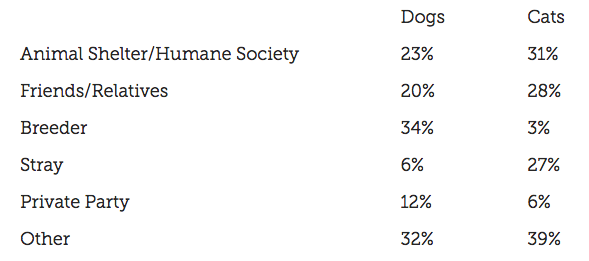
  • According to the APPA, these are the most common sources from which primary methods cats and dogs are obtained as pets:

appa stats

LiveScience posted “A Blueprint for Ending the Euthanasia of Healthy Animals.”

Do you have Kleenex handy? Read “10 Shelter Stories That Will Make you Smile.”

Simply put, if you have it in you to consider pet adoption, your action will probably save the life of a sheltered animal and give it (and you) a second chance!


dog-3108509_1920_groesswang

Additional resources

Do you need more research? Be sure to visit the final link in the bulleted list below, which also has an exhaustive bibliography worth viewing.


CODA: The “‘last words” as a recap and a final website for you to check out:

Studies have shown that owning a pet can be physically and mentally beneficial for people of all ages. In the case of senior citizens, just 15 minutes bonding with an animal sets off a chemical chain reaction in the brain, lowering levels of the fight-or-flight hormone, cortisol, and increasing production of the feel-good hormone serotonin. The result: heart rate, blood pressure and stress levels immediately drop. Over the long term, pet and human interactions can lower cholesterol levels, fight depression and may even help protect against heart disease and stroke.

— Seniors and Pets

But, you knew all about this, right? So, what are you waiting for?

For me, I gotta go… and take Gracie and Brewster out for another walk!

Have a Happy PET Valentine’s Day!

PKF

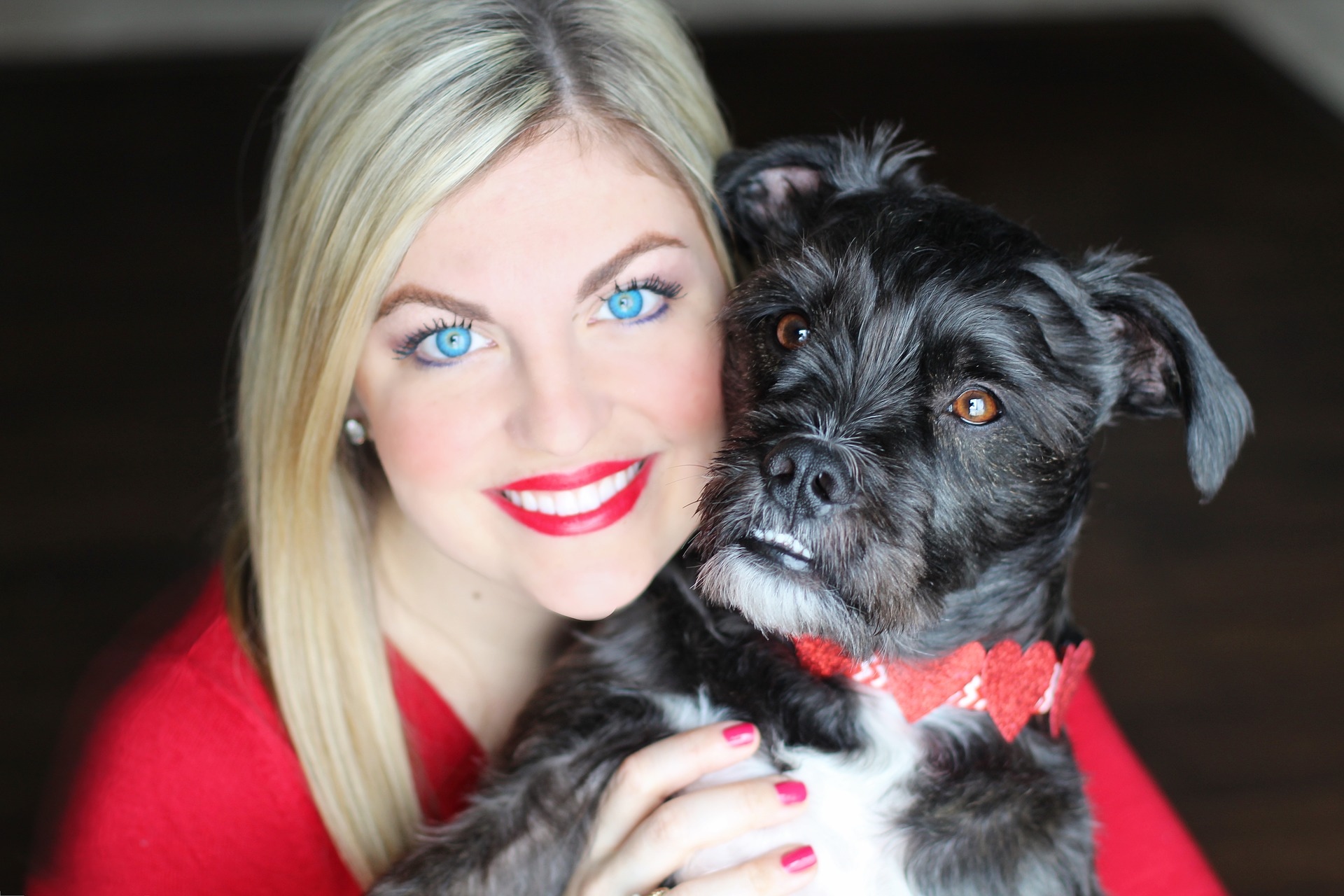
pretty-girl-2039181_1920_terric

© 2019 Paul K. Fox


dog-1517090_1280_leunert

Besides the numerous pictures of Gracie and Brewster, photo credits in order from Pixabay.com: “puppies” by kko699, “dog” by GDJ, “people” by Herney, “animals” by Gellinger, “dog” by kandykandoo, “dog” by maja7777, “walking” by mohamed_hassan, “dog” by haidi2002, “pit-bull” by RescueWarrior, “dog” by groesswang, “kitten” by creades, “pretty-girl” by TerriC, and “dog” by Leunert,