
by Katherine Langford
We welcome this month’s guest blogger, Katherine Langford, who describes herself as “a digital marketing consultant, writer, freelancer, WordPress enthusiast, and coffee lover.” Thank you, Katherine! PKF
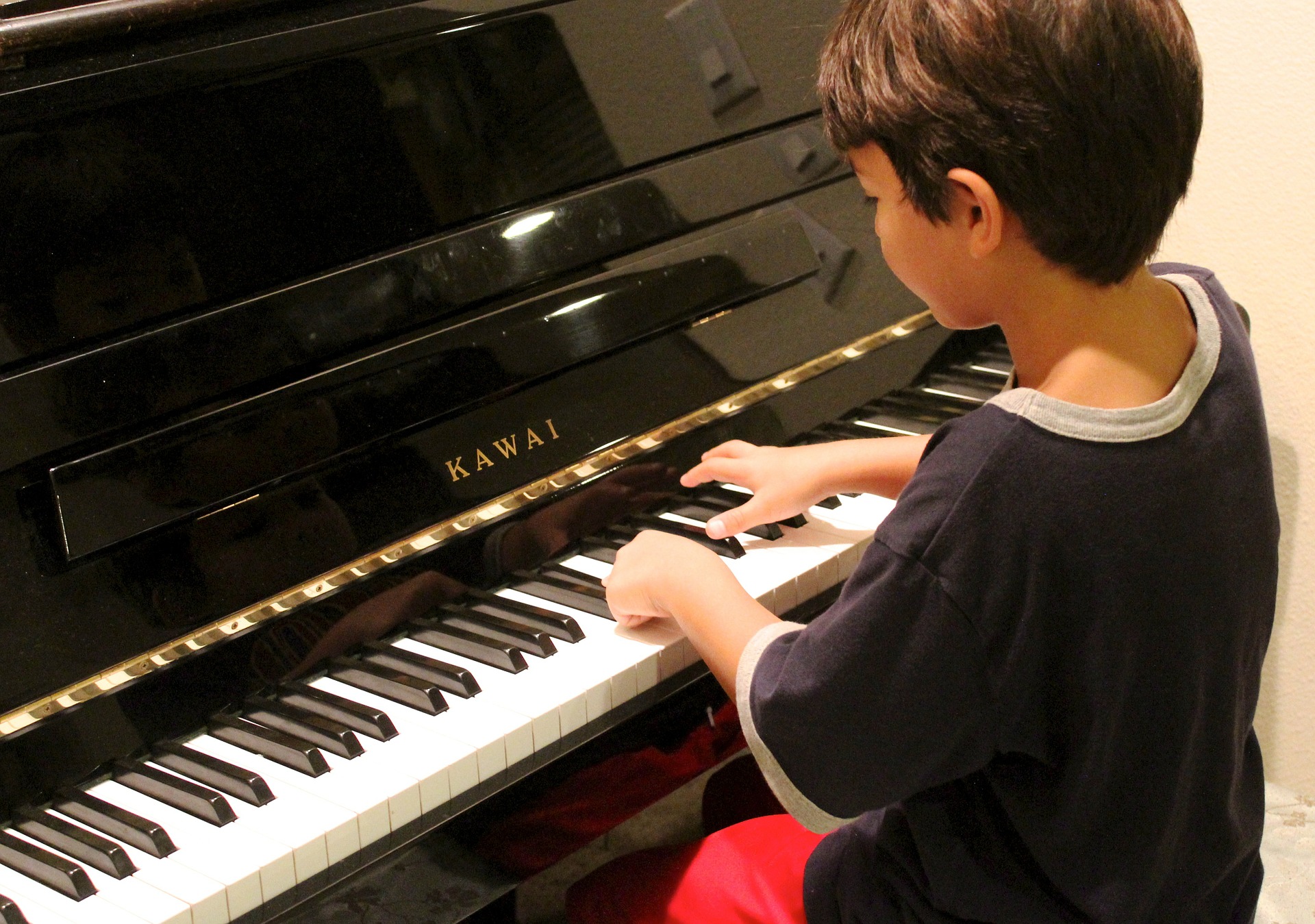
Music education has transformed dramatically in recent years. Traditional classrooms and rigid lessons are giving way to creative, flexible learning models that blend technology, collaboration, and real-world experience. The new model for modern music education isn’t just about mastering an instrument anymore—it’s about nurturing creativity, adaptability, and digital fluency.
Whether you’re a teacher, a student, or a parent trying to understand this shift, this guide will walk you through everything you need to know about the new model for modern music education and how it’s reshaping the way we learn, teach, and perform music.
What Defines the “New” Model for Modern Music Education?
The new model for modern music education is built on accessibility, inclusivity, and innovation. In the past, learning music often required private lessons, expensive instruments, and long practice hours under strict instruction. Now, technology has made learning more interactive, affordable, and engaging.
This model integrates online platforms, digital tools, and peer learning to create a dynamic environment. Students can watch video tutorials, join virtual ensembles, or even receive online class help from experienced musicians. It allows learners to progress at their own pace while receiving instant feedback and guidance.
Another major shift is the focus on creativity over perfection. Instead of emphasizing technical mastery alone, educators now encourage improvisation, digital composition, and personal expression. This approach builds confidence and helps students connect emotionally with their craft.

The Rise of Online Learning in Music Education
Online learning has become a cornerstone of modern music education. With platforms like YouTube, MasterClass, and specialized e-learning sites, anyone can access lessons from world-class musicians. Students can now learn piano, guitar, singing, or music production without leaving home.
These online classes are highly interactive, offering personalized feedback and practice tools. Some programs include live sessions, enabling real-time interaction with instructors and classmates. The flexibility to study from anywhere attracts learners of all ages and skill levels.
Online music education also supports busy professionals and students balancing multiple commitments. Many ask, Can I take my online class for music while working full-time? The answer is yes. With self-paced modules, recorded lessons, and flexible scheduling, anyone can continue learning without disrupting daily life.
Key Features of Modern Music Education
The new model for music learning focuses on a few core features that make it different from traditional instruction.
1. Technology Integration
Modern classrooms use music software, apps, and digital instruments. Tools like GarageBand, Ableton Live, and Sibelius help students compose, record, and edit their music. This hands-on digital experience prepares them for real-world music careers.
2. Collaboration and Global Access
Students can collaborate with others worldwide through online jam sessions or group projects. This exposure broadens cultural understanding and inspires new creative styles.
3. Personalized Learning Paths
AI-driven platforms now assess student progress and customize lesson plans. Learners receive targeted exercises that focus on areas needing improvement. This keeps motivation high and ensures steady progress.
4. Performance and Portfolio Building
Instead of graded recitals, students can build online portfolios, showcasing their songs or performances. This practical experience helps them prepare for music schools or careers in the industry.

Why Modern Music Education Matters Today
Music education today goes beyond traditional training. It prepares students for an evolving creative economy where adaptability and digital literacy matter.
The new model equips students with real-world skills such as sound design, audio editing, and digital marketing for music. These are essential for anyone pursuing a career in the modern music industry.
Additionally, it nurtures emotional intelligence. Creating and performing music helps students manage stress, improve focus, and build resilience. These soft skills translate into better academic and personal outcomes.
Another reason this new approach matters is its inclusivity. Learners who once couldn’t access quality lessons due to location or cost can now participate through online classes. Music education is no longer limited to elite institutions—it’s open to everyone.
The Role of Teachers in Modern Music Education
Teachers remain at the heart of music education, but their role has evolved. Instead of being strict evaluators, they now act as mentors, facilitators, and collaborators.
Educators guide students through self-directed learning, helping them explore interests while mastering key concepts. They encourage experimentation and critical thinking rather than rote memorization.
Teachers also integrate multimedia tools into lessons, using interactive notation software, metronome apps, and virtual instruments. This keeps learning engaging and relevant.
Modern instructors understand that today’s learners consume music differently. They balance traditional techniques with contemporary styles, helping students connect classical foundations to genres like pop, jazz, or digital soundscapes.
The Impact of Technology on Music Learning
Technology has completely reshaped how music is created and taught. From recording studios to smartphone apps, innovation drives engagement and creativity.
Students can record, mix, and share their music instantly. They can join online communities, collaborate virtually, or receive detailed feedback through smart analysis tools.
Some schools use virtual reality to simulate live performance environments. This helps students overcome stage anxiety and refine their skills before performing in real-life situations.
Moreover, digital sheet music platforms make learning more interactive. Instead of flipping pages, learners can annotate, loop sections, and practice efficiently.
Technology also enables inclusive learning. Students with disabilities can use adaptive devices or apps that make instruments more accessible. This reinforces the principle that music truly belongs to everyone.
How Online Class Help Supports Music Learners
Many students struggle with consistency or technical challenges while learning online. That’s where online class help becomes valuable. Expert tutors assist learners in managing lessons, assignments, and projects.
They provide feedback, correct mistakes, and ensure students stay on track. This type of support bridges the gap between traditional mentoring and independent study.
For example, if a student is learning music theory but struggles with notation, they can seek online class help for one-on-one guidance. This approach ensures understanding without the stress of falling behind.
It’s especially useful for those pursuing formal music degrees remotely. Expert assistance ensures academic integrity while keeping the learning experience enriching.
Common Question: Is Online Music Education as Effective as In-Person Lessons?
Many learners wonder if virtual learning can match the impact of face-to-face instruction. The short answer is yes, it can be just as effective—sometimes even more.
Online music education offers flexibility and access to diverse expertise that local lessons may lack. You can study jazz composition with a teacher from New York or classical violin from a maestro in Vienna.
Additionally, digital lessons allow unlimited practice and playback. Students can review recorded sessions anytime, reinforcing understanding and mastery.
However, success depends on commitment and quality instruction. Active participation, consistent practice, and seeking feedback are key to thriving in online music education.
Challenges Facing the New Model for Modern Music Education
While modern approaches have many benefits, challenges still exist. Internet connectivity, lack of physical interaction, and screen fatigue can affect engagement.
Students may also struggle with motivation when learning alone. This is where teacher support and community involvement become crucial. Encouraging virtual collaborations and online performances helps maintain enthusiasm.
Another concern is access to instruments. Not every learner can afford quality equipment or digital tools. Schools and institutions need to bridge this gap by providing resources or scholarships for talented students.
Despite these obstacles, the benefits of digital and hybrid learning far outweigh the drawbacks. With ongoing innovation, these challenges are gradually being addressed.
The Future of Modern Music Education
The future of music education looks bright and interconnected. We’ll see more hybrid classrooms combining online and offline experiences. Students might attend physical rehearsals while collaborating digitally with international peers.
Artificial intelligence will continue shaping learning paths, analyzing performances, and suggesting improvements. Virtual and augmented reality will simulate live concerts and recording studios for immersive training.
Most importantly, inclusivity and creativity will remain the foundation of this evolving system. Every learner, regardless of background, will have the opportunity to express themselves musically.
The new model is creating musicians who not only play instruments but also understand technology, production, and storytelling. They’ll be ready to thrive in an industry that values both art and innovation.

How Students Can Get the Most Out of Modern Music Education
If you’re a student exploring the new world of music learning, here are some helpful tips:
- Set clear goals. Decide what you want to achieve before starting lessons.
- Stay consistent. Practice regularly, even if only for short sessions.
- Use technology wisely. Try apps, online lessons, and recording tools to track progress.
- Engage with others. Join online groups, perform live sessions, and exchange feedback.
- Seek guidance. Don’t hesitate to reach out for online class help when needed.
These small steps ensure that your learning remains enjoyable and productive.
The Cultural Shift in How We Value Music Education
In the past, music education was often viewed as a luxury. Today, it’s recognized as a vital part of cognitive and emotional development. Studies show that learning music improves memory, discipline, and communication skills.
The modern model has made music more inclusive, integrating it into mainstream education and digital life. Whether through school programs, online platforms, or personal study, students now see music as both an art and a skill for life.
Cultural acceptance has grown too. Parents now appreciate the value of creative subjects, realizing they develop critical thinking and empathy. This shift has expanded the reach of music education across age groups and professions.
Conclusion: Embracing the New Model for Modern Music Education
The new model for modern music education is more than just a trend, it’s a necessary evolution. It reflects how we live, learn, and connect in the digital age.
By combining technology, collaboration, and creativity, this approach empowers learners to explore their potential fully. Whether you’re learning to produce music, master an instrument, or compose original songs, the tools and opportunities are at your fingertips.
PKF
© 2025 Katherine Langford and Paul K. Fox


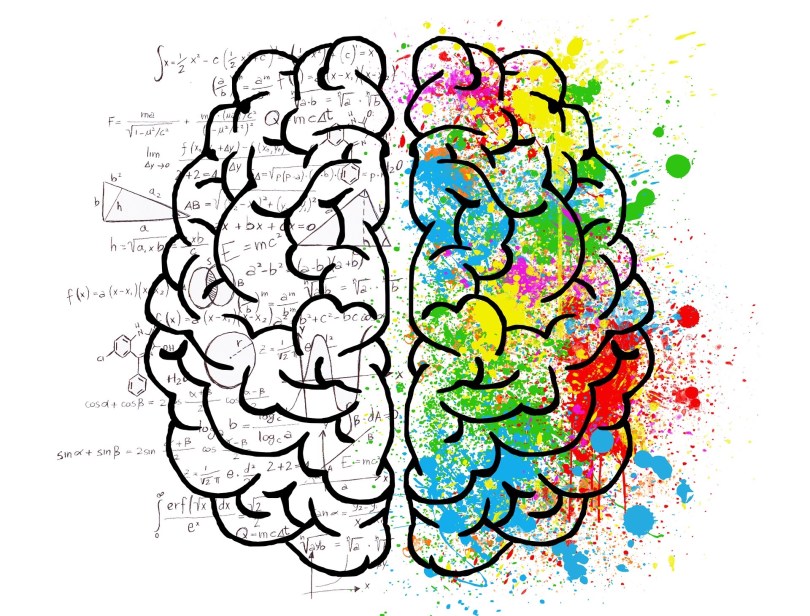
 Over the years, I have been a strong advocate of equal-access to music and the arts as an essential part the education of all children. This blog will give me an opportunity to put a lot of my thoughts in one place. I am aware that there are many people “out there” who offer the premise that studying music makes you successful in other areas, and you will see that this assumption is well-supported. However, I am not a brain scientist. I cannot confirm research that seems to point to a direct correlation that “the music itself makes us smarter.” It could be that students who are attracted to and become proficient in the arts are somehow uniquely “wired,” have a greater work ethic, or are better intellectually “equipped” to become successful engineers, doctors, lawyers, educators, scientists – you name the career – and enjoy life-long happiness and self-realization. So many of those music-in-our-schools-month fliers say “music is basic,” “music is math,” “music is reading,” “music is science,” etc. and they are right! So, it’s not wrong to bring it up. But we should be fully aware that the primary goal of an education in the arts is for the development of creative self-expression.
 the one who had the greatest influence on my going into a career of music teaching was Eugene Reichenfeld, who I saw the last period of every day in Orchestra at Penn Hills HS, at least once a week in a private lesson and rehearsals of the Wilkinsburg Civic Symphony on Thursday nights, and over the three summers at the Kennerdell Music and Arts Festival in Venango County. What a role model! Partially blind and losing his hearing, Mr. Reichenfeld played violin, cello, and guitar, and taught uninterrupted until three weeks before he died at the ripe old age of 103!
 Did your father ever realize why you chose music? In December 1986, Dad came to my choral/orchestra department production of Scrooge, involving over 250 students at my second career assignment, Upper St. Clair High School. After the closing curtain, he came up to me and asked, “Did you do all of this yourself? I answered, “Well, I had a lot of help. I did prepare the students on the dialogue parts in the script, the leads’ solos, chorus harmonies, and orchestra accompaniment, but I needed a drama specialist for coaching the actors and a choreographer for the dances. And yes, I am also the show’s producer, responsible for the printing of the program and tickets, finding people to assist in sewing the costumes, building the sets, running the stage tech, and applying the make-up.” After a short pause, he said something I will never forget: “Wow! This was incredible! You really made a difference to so many of your students’ lives.” He was proud of me, and finally expressed it! (It was a good thing too… he died suddenly of a heart attack exactly two years later when I was in the middle of staging USCHS’s Joseph and the Amazing Technicolor Dreamcoat.)


 Musical (sound smart)
 Transforming the way schools should be run, the multiple intelligences theory suggests that teachers be trained to present their lessons in a wide variety of ways using music, cooperative learning, art activities, role play, multimedia, field trips, inner reflection, and much more. This approach truly “customizes the learning” and provides eight or more potential pathways to learning.
 Innovation
 The
The 




 Introduction: Striving for the New
 Drone Improvisation
 In a more recent release of EdNote (July 2018),
 inventors vs. imitators
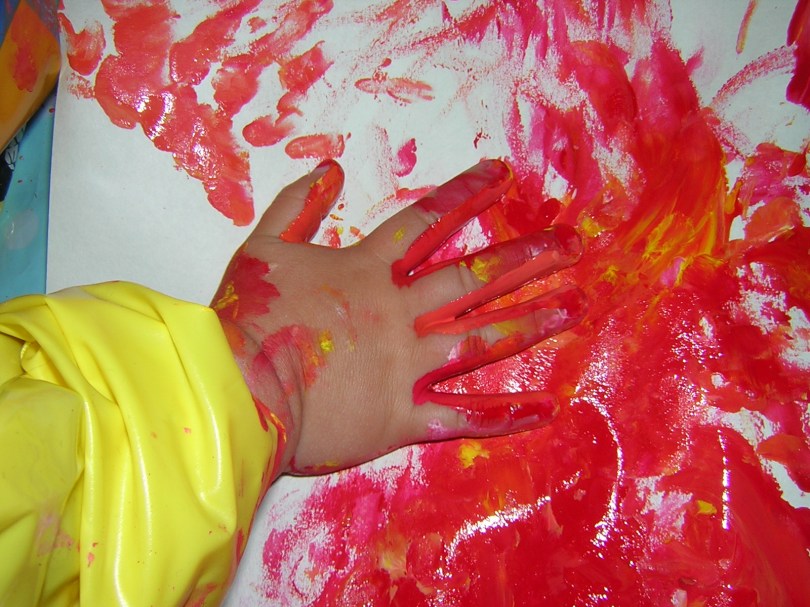
 My “soapbox” in this forum has always been that we need to do things in education intentionally – in the classrooms, written/posted weekly lesson targets, and curriculum. In school, we have spent an inordinate amount of time developing convergent thinking, a.k.a. one-answer-only principles/laws/inarguable facts.What is needed is MORE divergent thinking – multiple solutions or pathways to the resolution of a problem, open-ended “out-of-the-box” proposals – generating fresh views and novel solutions. Best practices in education would be a combination of both convergent and divergent thinking techniques – the ultimate role of our profession – mastery of the essential 21st century learning skill of critical thinking.
 I stumbled on a free ASCD webinar for July 28, 2016 that will “detail ways to foster student curiosity through novelty and play; questioning and critical thinking; and experimenting and problem solving.” Based on Dr. Wendy Ostroff’s book,
 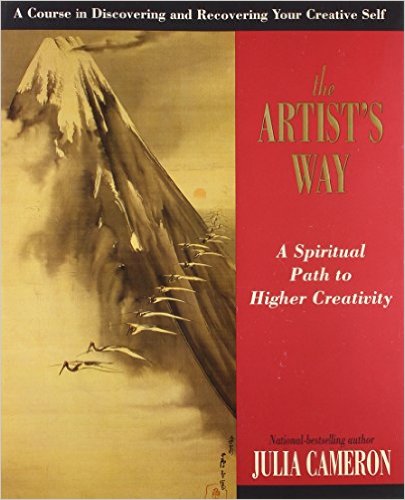 The “power” of journal writing and brainstorming is so essential to the creative process. Author and educator Julia Cameron has written a series of books on the subject of “unblocking your inner artist.” The Artist’s Way, the title of one of her international best-sellers, has been transformed into a movement of artists helping other artists, a program she says is “used in hospitals, prisons, universities, human potential centers, and often among therapist doctors aids groups in battered woman’s programs, not to mention fine art studios, theological programs, and music conservatories.”
 One of my “heroes” on the subject of instructional strategies in creativity, critical thinking, motivation, and collaboration is Professor Curtis J. Bonk, Indiana University (Bloomington) School of Education and author of
 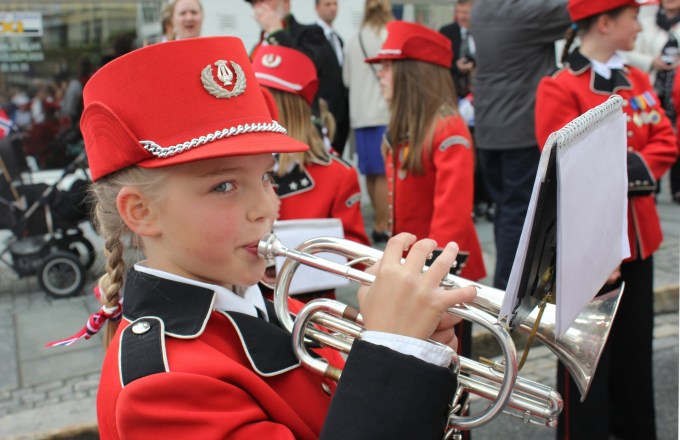 For school music directors, I would suggest to offer a weekly “create a warm-up” opportunity run by student conductors. Many well-intentioned “school maestros” are guilty of setting up the rigid format of a “benevolent dictatorship” (“my way or the highway”) and not allowing the individual participants to share any input in running practices or interpreting the music. For the first five minutes of the rehearsal, ask student volunteers to choose the articulation or key of a scale, and even create a drill from the challenging rhythmic motives introduced by the music in the folder. Variations on tempo and dynamics can be lead by the student leaders.
 As quoted on the back cover of the Cultivating Curiosity in K-12 Classrooms, “We learn by engaging and exploring, asking questions and testing out answers. Yet our classrooms are not always places where such curiosity is encouraged and supported.” As important as literacy and logic, how can we nurture creativity in the schools? For this forum, can you share your thoughts on additional lessons in creativity?


 Randomly check out what’s happening in the arts’ scene on the World Wide Web:

 Curiosity
 Creativity is about getting curious.
 They take risks.
 As soon as I posted these wonderful resources, several new ones popped up. Also, please look up the following:



 unified county or state system. “Big Brother” does not dictate all aspects of what is taught.
 needs of a very diversified clientele.
 My first act as superintendent would be the planning and institution of several new teacher in-service programs.
 Meaning – the purpose is the journey, giving more meaning to life from inside yourself.
 Taking a page from the leadership philosophy of the current superintendent (Dr. Patrick O’Toole) for the Upper St. Clair School District, my former employer, I would install new administrative positions that foster creative self-expression and educational innovation. Our “customization” tagline (logo to the right) is ambitious, unique for most public schools, and articulates the USC organization’s core functions, culture and mission. However, I believe it needed the intentional assignment of extra managerial manpower and flexible foresight in staffing in order to fulfill the school district mission statement: “Developing lifelong learners and responsible citizens for a global society is the mission of the Upper St. Clair School District, served by a responsive and innovative staff who in partnership with the community provides learning experiences that nurture the uniqueness of each child and promotes happiness and success.”
 Sir Ken Robinson says the studies show the longer students stay in school the less creative they become. It is all about the willingness to accept risk, instead of seeking conformity or the “one right answer.” We need to venture out from our “comfort zone,” be different, try new ideas or angles, and even fail miserably once in awhile along the way.
 In our society, at times we do value risk taking. Steven E. Landsburg, author of Armchair Economist: Economics and Everyday Life says that the reason we pay CEOs so much money (in the millions plus stock options and golden parachutes) is to provide enough security for the company executive to take more chances and find new ways to make even more money. Quoted from his book:
 Speaking of balancing “risk and rules,” just how creative are YOU? Have you heard about Chindogu, the Japanese concept that combines ingenuity and inventiveness with the absurb?
  To improve the instruction, both in learning creativity and more creative teaching, let’s move towards practicing more divergent thinking. Teachers would be asked to post in front of their class the “innovative idea of the week” or “creative target for the day.”
 assessments, often called authentic, comprehensive, or performance assessments, are usually designed by the teacher to gauge students’ understanding of material. Examples of these measurements are open-ended questions, written compositions, oral presentations, projects, experiments, and portfolios of student work.
 Day one, there would be more rigorous high school graduation requirements of four years of music or art courses for every student enrolled at the high school. Yes, that would mean hiring a few more teachers… but the payoffs would be instantly evident and promote exponential growth in the creative quotient of every student!
 According to CETA, “This approach to teaching is grounded in the belief that learning is actively built, experiential, evolving, collaborative, problem-solving, and reflective. These beliefs are aligned with current research about the nature of learning and with the Constructivist learning theory.” CETA outlined the following “best practices” of this theory that align with arts integration:
 A lot more (ahem) innovative research is needed to merge both creativity and the Common Core (and other so-called “new” educational initiatives when they inevitably come down the pike). Below are a few additional resources. In my “administration,” it would be common practice to share these at faculty and staff meetings… and look for more ways to intentional bring creativity skill instruction to the forefront.
 for NCASS on connections between the CCSS and the Next Generation Arts Standards.
 paulfox.blog