
Are you getting enough (or too much) rest?
Saying goodbye to work life can mean a change in your sleep schedule. Learn how to sleep well during this new stage of life.
— “Sleep, and the Workplace” at Sleep.org
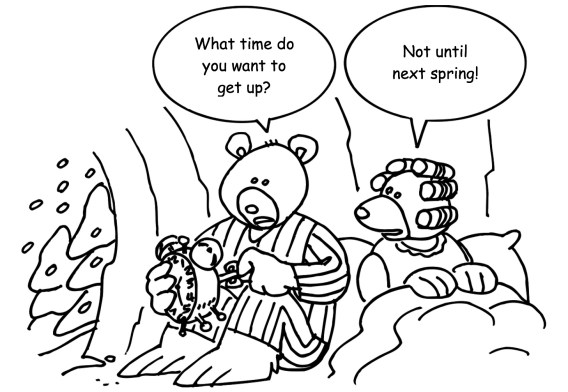
Did you know there really exists a National Sleep Foundation? Now that we are retired from full-time music teaching and the day-to-day stress of managing classes and a busy music program, do you think we need it? Can’t we sit back and enjoy “living the life of Riley” without experiencing any work-related tension or fears for the future?
Maybe not! What is that old Chinese proverb? “The gem cannot be polished without friction, nor man perfected without trials.” After all, as humans, we all seek new and unique challenges to grow (and that brings on stress), and sleep is a complicated issue!
But, no worries! Several someones have “our back” (or should I say “our pillow!”). Here is a collection of insightful resources on promoting better sleep habits and relaxation techniques from a variety of research-based and/or medical authorities.
I didn’t set an alarm for four months. I quickly learned that one of my favorite times of the day was 30 minutes after I first woke up. For the first time in decades, there wasn’t a rush to get out of bed. I’d let myself fade in and out of sleep several times, savoring the fact that I could let myself fall back into the hazy sleep rather – into the shower to wake myself for the morning drive. I’d gotten up at 5:30 AM for years the found that about 7:15 AM was a natural time for my body to wake up. The dogs seem to enjoy this new routine as well. We have four dogs, all of whom compete for space on the bed. Which ever one happen to be near my hand would nozzle under my fingers when they felt me start to wake up, being content to enjoy our laziness together as a new way to start our new days.
— The Keys to a Successful Retirement by Fritz Gilbert
The perks of retirement are many, including the “freedom” to do new things and spend more time with family and friends as well as on travel, personal music-making, hobbies, babysitting loved-ones (or care-giving our elderly relatives), volunteering, and other projects or pursuits of “self-reinvention” suggested by “retiree gurus” like Dave Hughes, Robin Ryan, Kenneth Schultz, Hyrum Smith, and Ernie Zelinski.
Another benefit of post-employment? MORE sleep! According to Sleep.org, “people sleep approximately 20 minutes longer at night after retirement. Those who skimped on sleep the most during their working years see the biggest gains, increasing their nightly sessions by around 45 minutes compared to pre-retirement.”
The National Sleep Foundation website also offers articles on the “science of sleep.”
- Sleep Cycles – Stages of Sleep
- Circadian Rhythms
- What Is Microsleep?
- How to Fall Asleep Fast
- What is the Sleep-Wake Cycle?
as well as mattress reviews and life style choices that may affect our sleep.

The “serious stuff” for serious sleep issues
Experts do believe that “normal aging” brings on some changes to sleep… Basically, older adults tend to get sleepy earlier in the evening, and tend to sleep less deeply than when they were younger.
So it’s probably not realistic to expect that as you get older, you’ll sleep as long or as soundly as when you were younger.
That said, although aging by itself does change sleep, it’s also quite common for older adults to develop health problems that can cause sleep disturbances. So when your older relatives say they aren’t sleeping well, you’ll want to help them check for these. Figuring out what’s going on is always the first step in being able to improve things.
— Better Health While Aging blogs by Dr. Leslie Kernisan here and here
The definitions, causes, and treatments of sleep disruption are described in great detail by Leslie Kernisan, M.D., authoring “5 Top Causes of Sleep Problems in Aging and Proven Ways to Treat Insomnia” outlined here:
- Underlying medical problems
- Sleep-related breathing disorders (snoring, sleep apnea, etc.)
- Restless leg syndrome (RLS)
- Periodic limb movements (PLM)
- Insomnia
Painful nighttime leg cramps may also interrupt sleep, as referenced by the American Family Physician, Mayo Clinic and WebMD.
Dr. Kernisan advises us against using sleeping pills or other sedatives. She prefers the following remedies which have shown great promise, backed up by published research:
- Cognitive behavioral therapy: New York Times and Mayo Clinic
- Brief behavioral treatment: Journal of Clinical Sleep Medicine and National Institute of Health
- Mindfulness meditation: Journal of the American Medical Association and Mindfulness Awareness Research Center at UCLA
- Exercise: Science Direct, National Institute of Health, and New York Times
The Division of Sleep Medicine at the Harvard Medical School also offers these “Twelve Simple Tips to Improve Your Sleep.”
- Avoid caffeine, alcohol, nicotine, and other chemicals that interfere with sleep.
- Turn your bedroom into a sleep-inducing environment.
- Establish a soothing pre-sleep routine.
- Go to sleep when you are truly tired.
- Don’t be a night-time clock-watcher.
- Use light to your advantage.
- Keep your internal clock set with a consistent sleep schedule.
- Nap early, or not at all.
- Lighten up on evening meals.
- Balance fluid intake.
- Exercise early.
- Follow-through.
Another “sleep checklist” worth a quick examination is available from WebMD.
Should we take cat naps? The jury is out.
At first glance, the National Sleep Foundation basically says NO! Napping during the day may “throw your body clock off and keep you awake at night.”
However, the truth may be more about how long to doze off during the daylight hours…
You may think that taking a catnap will make you feel more tired than skipping it altogether, but that’s not necessarily true.
The key to waking up refreshed from a nap is all about timing. Just 20 minutes is all you need to get the benefits of napping, such as improved alertness, enhanced performance, and a better mood. Naps of that length keep you in the lightest stage of non-REM sleep, making it easier for you to get up and go after your snooze session. Be sure to set an alarm so you don’t snooze for too long and wake up all groggy.
Nap for 30 to 60 minutes and you’ll hit the deeper stages of sleep, where your brain waves slow down, making you feel groggy (as if you have a sleep hangover) when you wake up…
It might not be worth it to nap at all if you’re going to nap for this amount of time because you’ll likely come out of your shuteye feeling less alert than before.
— “How Long Is an Ideal Nap” at Sleep.org
The benefits and drawbacks of napping are further examined by the Mayo Clinic and even TIME magazine.
Can too much sleep be bad for you?
According to new research carried out by Online Opinions, over-60s need to make sure that they are not in fact getting too much sleep once they are retired, as this can actually have an adverse effect on health.
According to the National Sleep Federation, the optimum amount of sleep for adults aged up to 64 to get each night is between seven and nine hours, while for over-64s, between eight and nine hours is deemed to be best.
You need to remember that your body isn’t as young as it once was and needs a decent amount of rest, but not too much, but the organization warns that more than ten hours’ sleep a night could be stopping people from using their bodies and brains as much as they need to in order to keep them active and hold on to their cognitive functions. In other words, too much sleep could carry a small extra risk of dementia development.
But there’s no need to worry too much; as long as you get plenty of exercise, keep your brain ticking, and lead a healthy lifestyle during the hours that you’re awake, there shouldn’t be too much cause for concern.
WebMD warns that oversleeping has been linked to a host of medical problems, including diabetes, heart disease, depression, and increased risk of death.” The article “Physical Side Effects of Oversleeping” delineates the causes and effects of too much sleep, and points to an online “sleep habits assessment” to help you evaluate your needs.
This research seems to be supported by several other sources:
- “Why Seven Hours of Sleep Might Be Better Than Eight” in The Wall Street Journal
- “Long Sleeping” by the American Sleep Association
- “Study Ties 6-7 Hours of Sleep to Longer Life” in The New York Times
- “Oversleeping: The Effects and Health Risks of Sleeping Too Much” by Rosie Osmun
The amount of sleep you need varies significantly over the course of your lifetime. It depends on your age and activity level as well as your general health and lifestyle habits. For instance, during periods of stress or illness, you may feel an increased need for sleep. But although sleep needs differ over time and from person to person, experts typically recommend that adults should sleep between 7 and 9 hours each night.
More on retirement and “mindfulness”
From the author of one of my favorite “teacher self-care books,” I Love My Job But It’s Killing Me by Lesley Moffat, I personally recommend trying the “M-Power Method” of mindfulness practice during meals, movement, music, and what Lesley describes as the “5 S’s of clearing,” cited by the website dailyom.com:
- Slowing Down
- Simplifying
- Sensing
- Surrendering
- Self-care
Jason Ong, a sleep psychologist at the Rush University Medical Center, offers these reminders of “Seven Tips for Falling Asleep” based on mindful practices of health and wellness (visit his site here to study these more in depth):
- Beginner’s mind
- Non-striving
- Letting go
- Non-judging
- Acceptance
- Trust
- Patience
Finally, if you want to immerse yourself in a comprehensive “mindfulness journey,” visit the blogs of Cindy’s Mindful Retirement to peruse “Mindfulness After Sixty: 21 Practices.”
Can you “trick” your brain into going to sleep?
One last interesting resource I stumbled on… how to “drum yourself to sleep” if you are having difficulty in calming the thoughts swirling around in your mind at night. This technique intrigued me enough to include it as one of the digital SHJO.clips for my community orchestra musicians sent out as a remote learning opportunity:
CLIP #22C: View and try the techniques in this YouTube “How to Trick Your Brain into Falling Asleep” by Jim Donovan (TEDtalk) using a simple 2 to 3-minute rhythm tapping and breathing “cool-down.”
Now, although anticipated, I am not necessarily looking forward to website comments or emailed responses from mattress and sleep accessory manufacturers, sending me their advertisements, recommendations, and industry reviews. Regardless, one thing is true: “What you sleep on has a major effect on achieving a quality rest!” I can confirm this fact “living it” with a recent replacement upgrade to our master bedroom. If you are in this situation, you need to take ample time to explore all of your options in any new purchase of beds, adjustable or nonadjustable bases, mattresses, bedding, and pillows. Essential in education; here, too: you need to personalize and customize everything to meet your needs!
Just to stave off a few of these companies, here are a few websites to visit if you are in the market to buy a new bed, mattress, pillow, or other bedding:
- Amerisleep
- The Best Online Mattress (SleepFoundation.org)
- The Sleep Judge
- Top Ten Mattresses Ranked 2020
The final word? If you prefer a few “more heady” academic studies and statistics on retirement + sleep, look up “Sleep Before and After Retirement” from the National Institute of Health, the “Reduction in Sleep Disturbances at Retirement” dissertation from Cambridge University Press, or review the case studies discussed by Health.Talk.org in “Sleep Problems Later in Life.”
Have a good night!
PKF
© 2020 Paul K. Fox









 Anyone contemplating retiring over the next three years should visit their state’s retired member section and Retired Member focus area on the PMEA website:





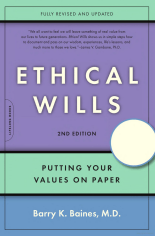 13 years ago, I first learned about an ancient tradition for passing on personal values, beliefs, blessings, and advice to future generations called an “ethical will.” At a subconscious level, I must remember the custom, because when my father was diagnosed with lung cancer in 1990, I asked him to write a letter about the things that he valued. About a month before he died, my dad gave me two hand-written pages in which he spoke about the importance of being honest, getting a good education, helping people in need, and always remaining loyal to family. That letter – his ethical will – meant more to me than any material possession he could have bequeathed.
 Support the people and causes that are important to you.
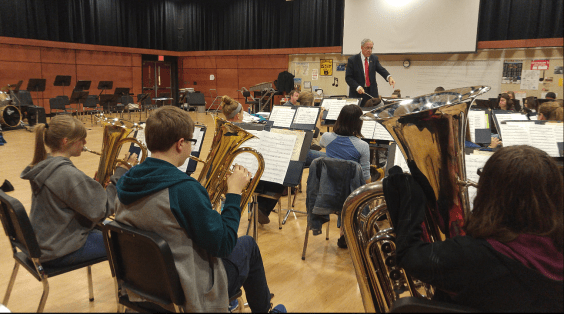
 Directing the South Hills Junior Orchestra (non-salaried sharing of my teaching)










 In my case, I had over 37 years where I had established an identity as a music director and as a soldier. Prior to retirement from the army, I was the senior music director in the U.S. Armed Forces and was on speed dial of many officials in the department of defense, the Congress, and of course, the media. I received 500 to 600 emails daily from all over the world. By the way, I also was leader and commander of the US Army Band “Pershing‘s Own,” one of the largest (and busiest) military music units in the world. Then, one day I was no longer in the army, my phone wasn’t ringing constantly, the email stopped, and my schedule was mostly free. Sounds great, right? As a band or orchestra director, you were probably the most well-known and well liked person in your community. You have students, parents, and administrators who rely on you. And then suddenly, you are not that person any longer. For each of us there are emotional/psychological, social/family, and financial impacts of this transition.
 depression is related to spending time with their spouse.




 Okay, since retirement, for the first time in my life, I may call myself a “good neighbor!”
 Well, now I have two dogs (Gracie and Brewster) that I walk religiously several times a day. This means that, unless it is raining hard, I am “out and about” in my neighborhood, a wonderful “bedroom-community” with sidewalks and neatly manicured lawns, flower beds, and trees. One could say I have become a “watch dog” on things “coming and going.” Strangers should beware! We serve as an informal “fox and hounds” security service! The three of us know if you don’t belong on our block (although the pups love the mailman, and would probably bark first and then strain the leash to run over and kiss any other newcomer).
 Gracie, Brewster, and I don’t trespass. We try to model “good citizenship.” We do our best to honor the wishes of our neighbors, respecting any of their issues for privacy, restricted access, fears, or phobias. For the six years I have become a pet owner, only two people have told us, “Don’t let your dogs pee in my yard.”













 been discussed about the “what,” “how,” and most recently, “where” of retirement, even issues of “privacy” regarding your decision. For a review of these areas and a bibliography of resources, please visit:



 paulfox.blog
