

“Doing My Thing…” — Professional Development Conferences for Music Educators
It’s been awhile since I posted here… arguably the longest editorial break I have taken since retirement and starting this blog-site. What’s that line retirees often say? “It’s a good thing I am retired from my job; otherwise I would not have enough time to do everything!”
This has been an extremely busy couple months of renovating three bathrooms, promoting the 30th Anniversary Gala Celebration of the Community Foundation of Upper St. Clair featuring a CASINO NIGHT & the local band NO BAD JUJU (to which I can’t even go because it is on the same day as PMEA), staffing a transition of new editors and an office manager for the UPPER ST. CLAIR TODAY community magazine, “keeping my hand in” by conducting a small nonprofit community ensemble (now in our 40th season of the South Hills Junior Orchestra), volunteering at the hospital (see my Tales from a Wheelchair Jockey article), developing new PDE Act 45 and 48 programs on ethics (school system leaders and educators respectively), and… (deep breath): preparing four PowerPoint presentations for two music conferences in April. Yes, and loving every minute of this frenzied activity!
Pennsylvania and Eastern Division music education colleagues: Hopefully by now, you have registered for the coming conferences on the horizon:
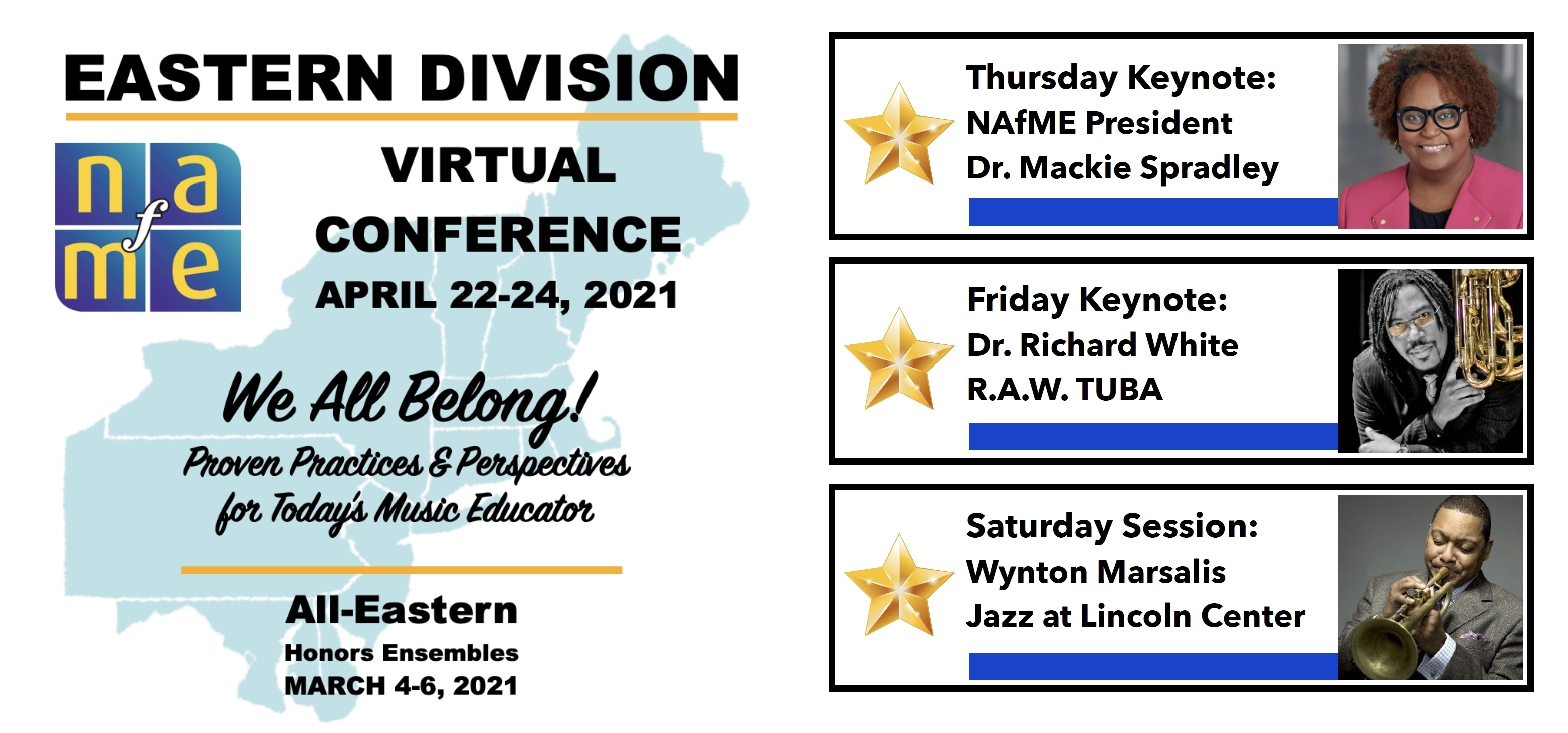
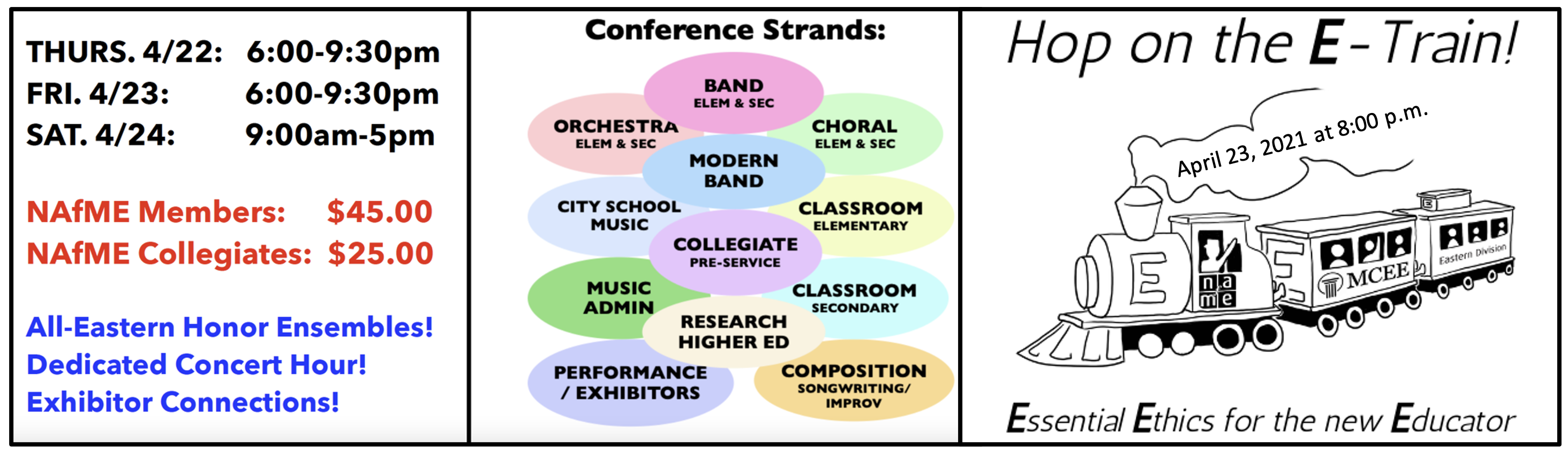
NAfME Eastern Division Conference, April 13-16, 2023, Rochester, NY
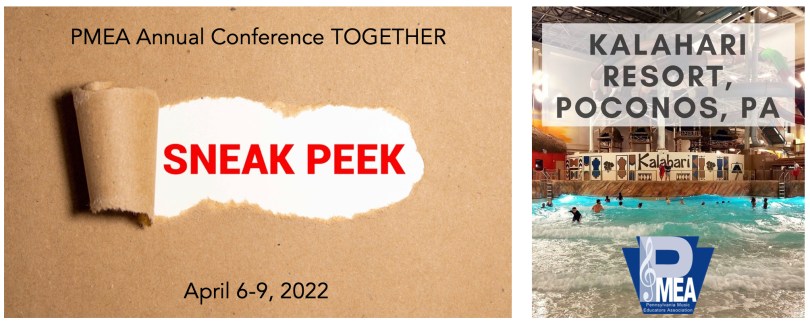
PMEA Annual Conference, April 19-22, 2023, in the Poconos
Now to quote the inspiration of Simon Sinek — his theory of value proposition to ‘start with why’ — how leaders can inspire cooperation, trust, and change based on research into how the most successful organizations think, act, and communicate if they start with why. Check out his rationale with The Golden Circle:
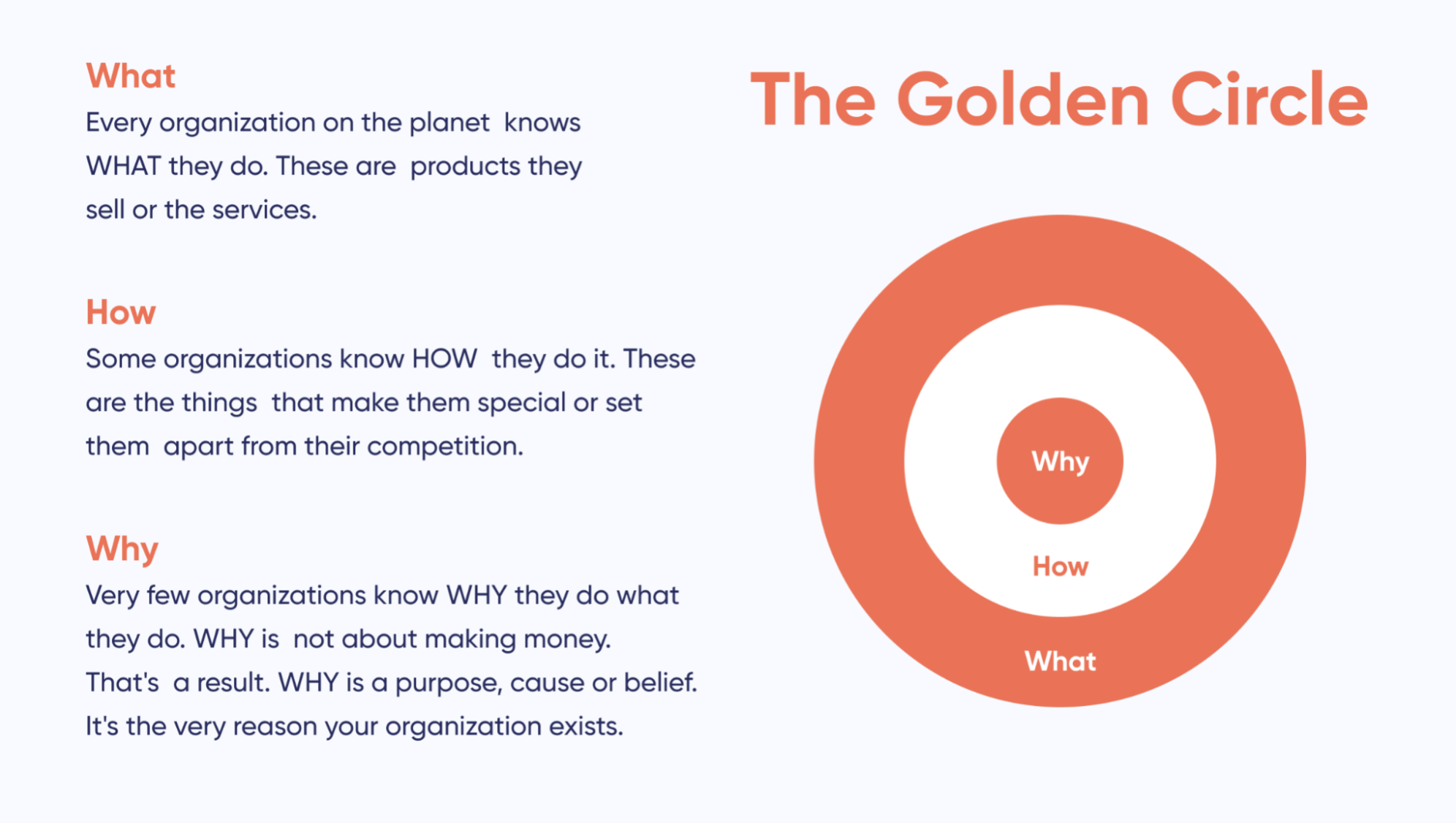
The “why” of attending your professional development conferences, “sharpening your saw” (self-renewal by Stephen Covey) aka “recharging your batteries,” learning what’s new and innovative on the forefront of “the state of the art,” and networking with colleagues, and has been addressed often in past blogs:
- It’s Time for… the PMEA Summer Conference: BLOG 164,
- PMEA’s Unique “Together” Conference: BLOG 159,
- Spring is for… Music Conferences! BLOG 151,
- and especially The PMEA State Conference Primer: BLOG 55.
- Also check out this article in Majoring in Music website..
Simply put — to maintain your mastery of music and methods and build on your “best practices” and professionalism, you MUST attend as many educational conferences and workshops as possible!
Now to my “bags of tricks” for April 2023
Mark your calendars:
April 15, 2023 at 10:45 a.m. in Hyatt Susan B. Anthony (NAfME) – OR –
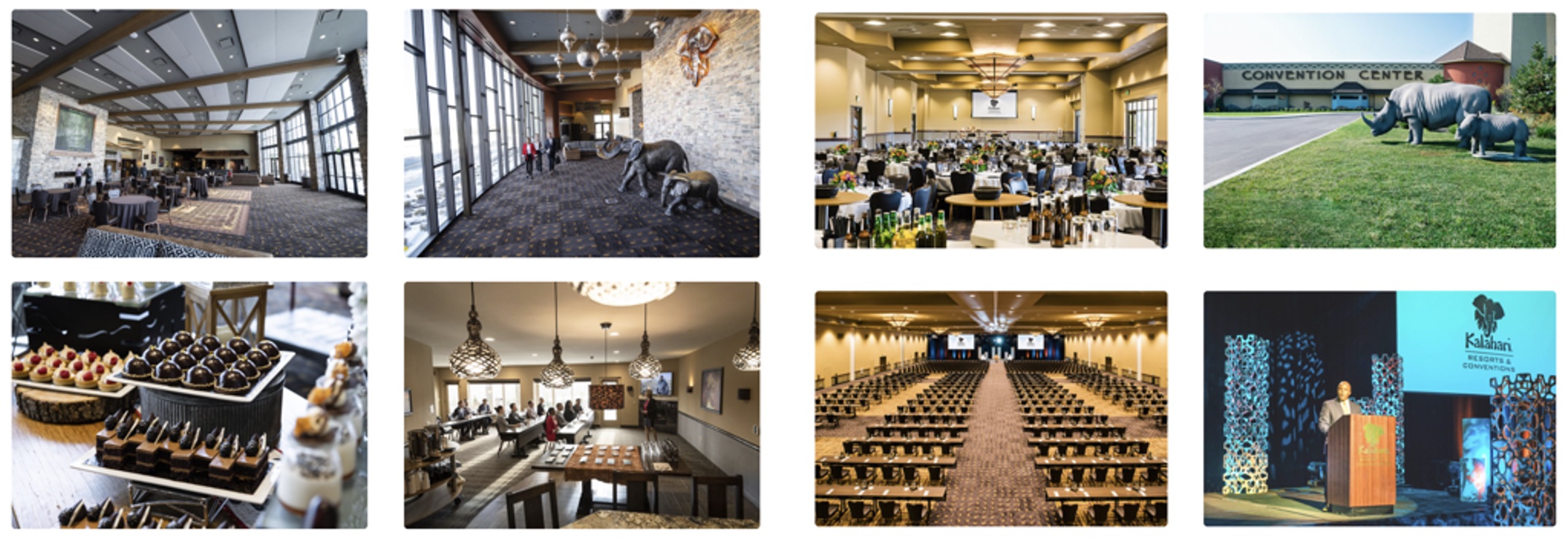
April 21, 2023 at 11:30 p.m. in Kalahari Suite 40/50 (PMEA)
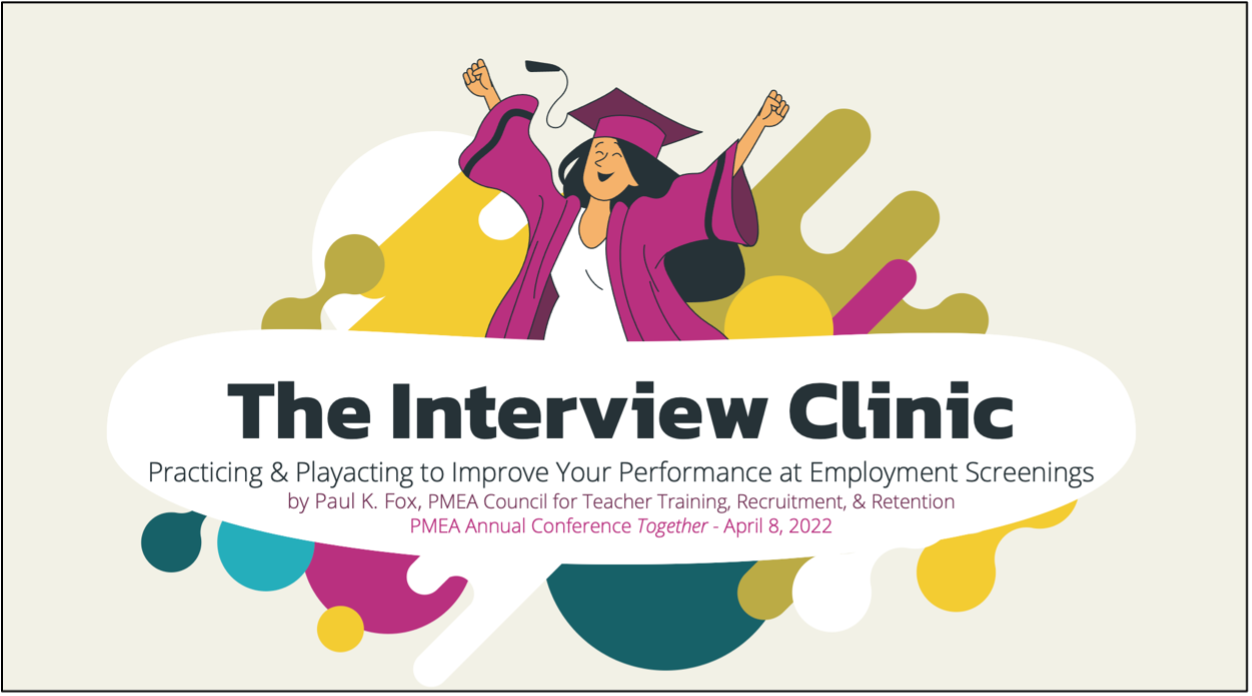
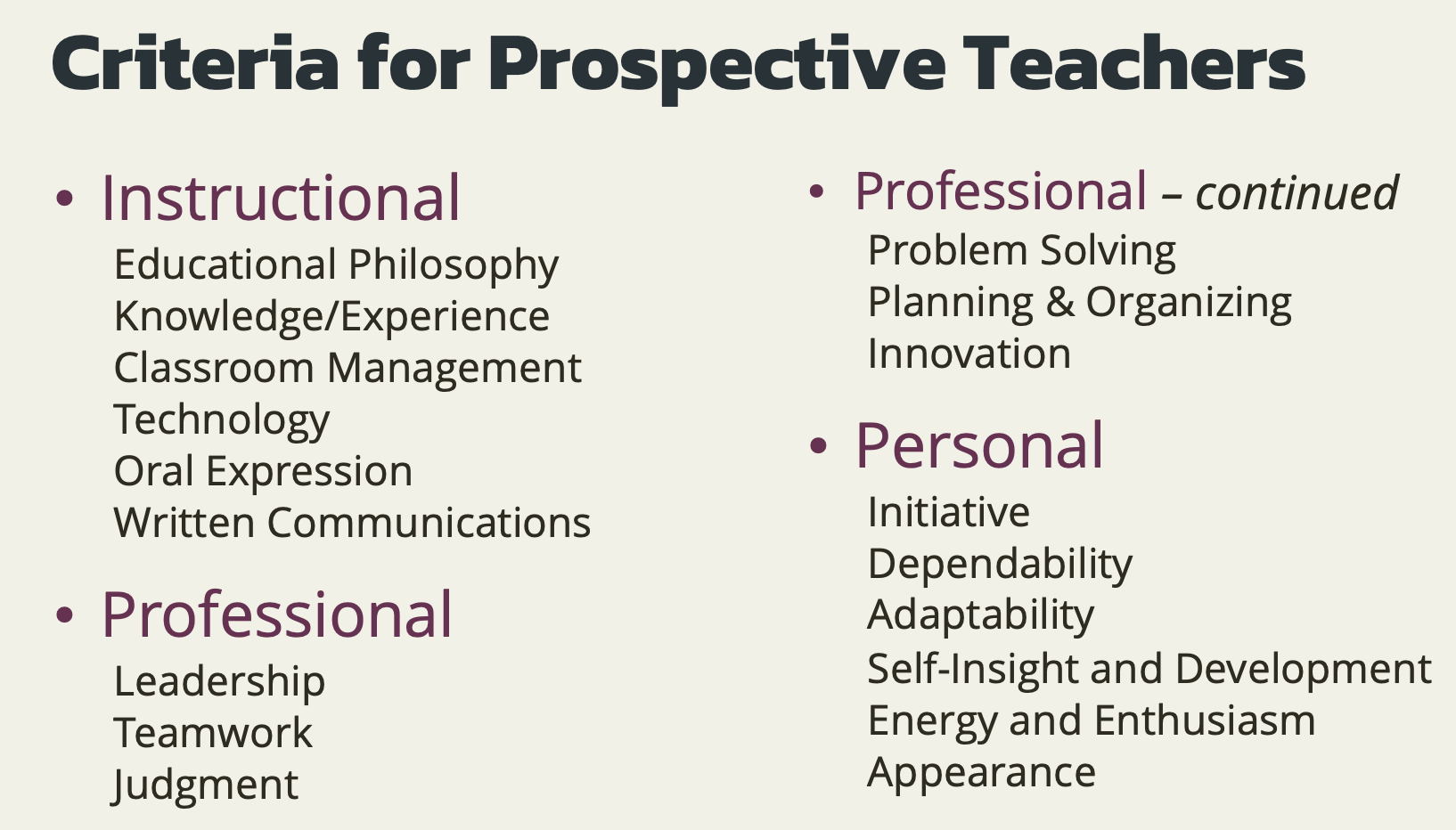
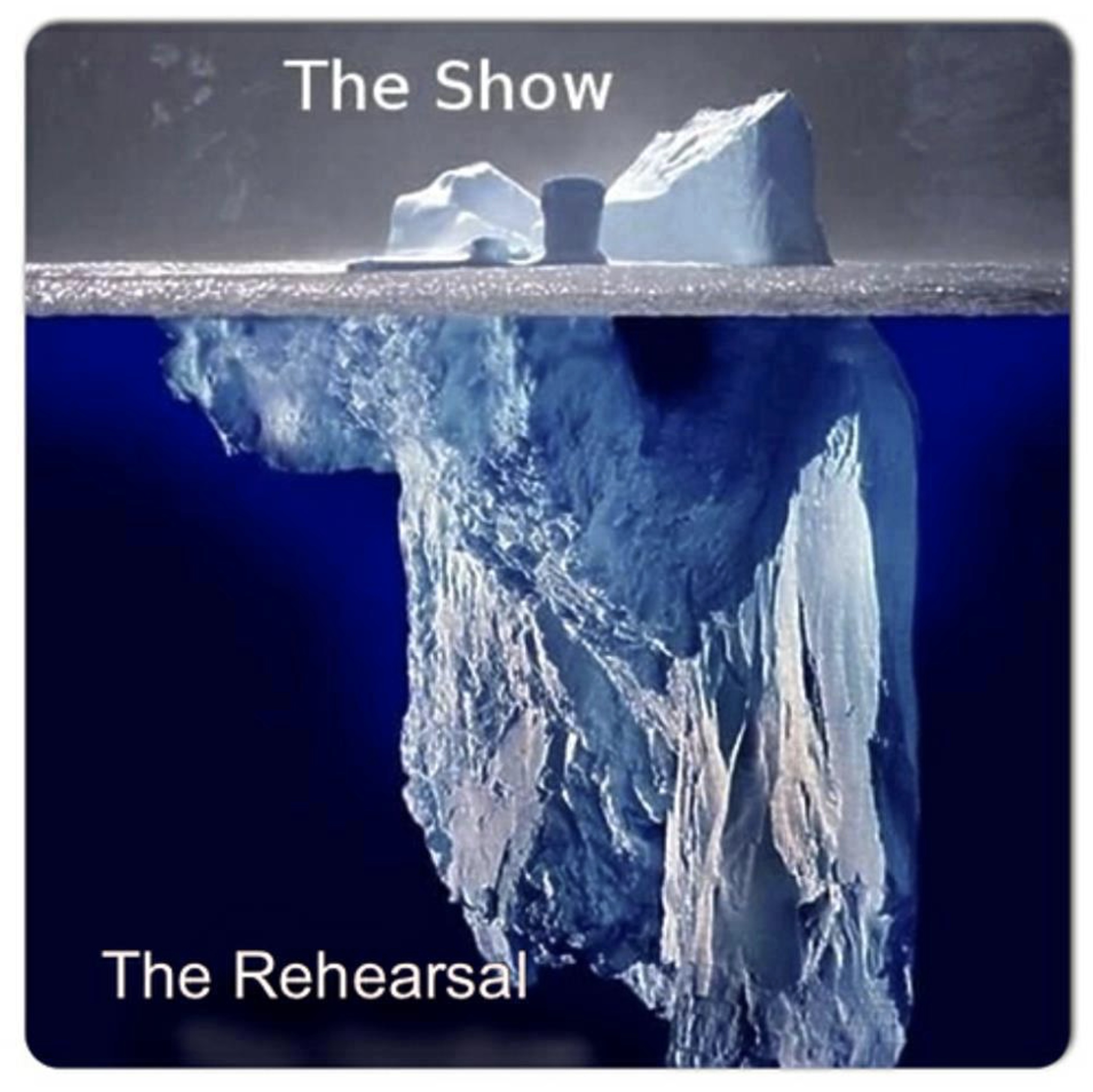
I was blessed to have been asked to present THE INTERVIEW CLINIC — Practicing & Playacting to Improve Your Performance at Employment Screenings at both the NAfME and PMEA conferences. This will be FUN! Perfect for college music education majors, soon-to-be or recent graduates, new transfers to the profession, teachers seeking to change positions while openings seem to be “heating up,” or first-timers looking for employment, the session targets will provide interactive exercises to build self-confidence and develop better insights, practices, and strategies to successfully land a job. “The key is in the preparation” of:
- Standards—Defining/modeling professionalism, versatility, and ethics
- Marketing—Branding, networking, and selling yourself
- Skills—Interviewing, storytelling, and organizing
- Assessment—Observing, reviewing, diagnosing, and improving
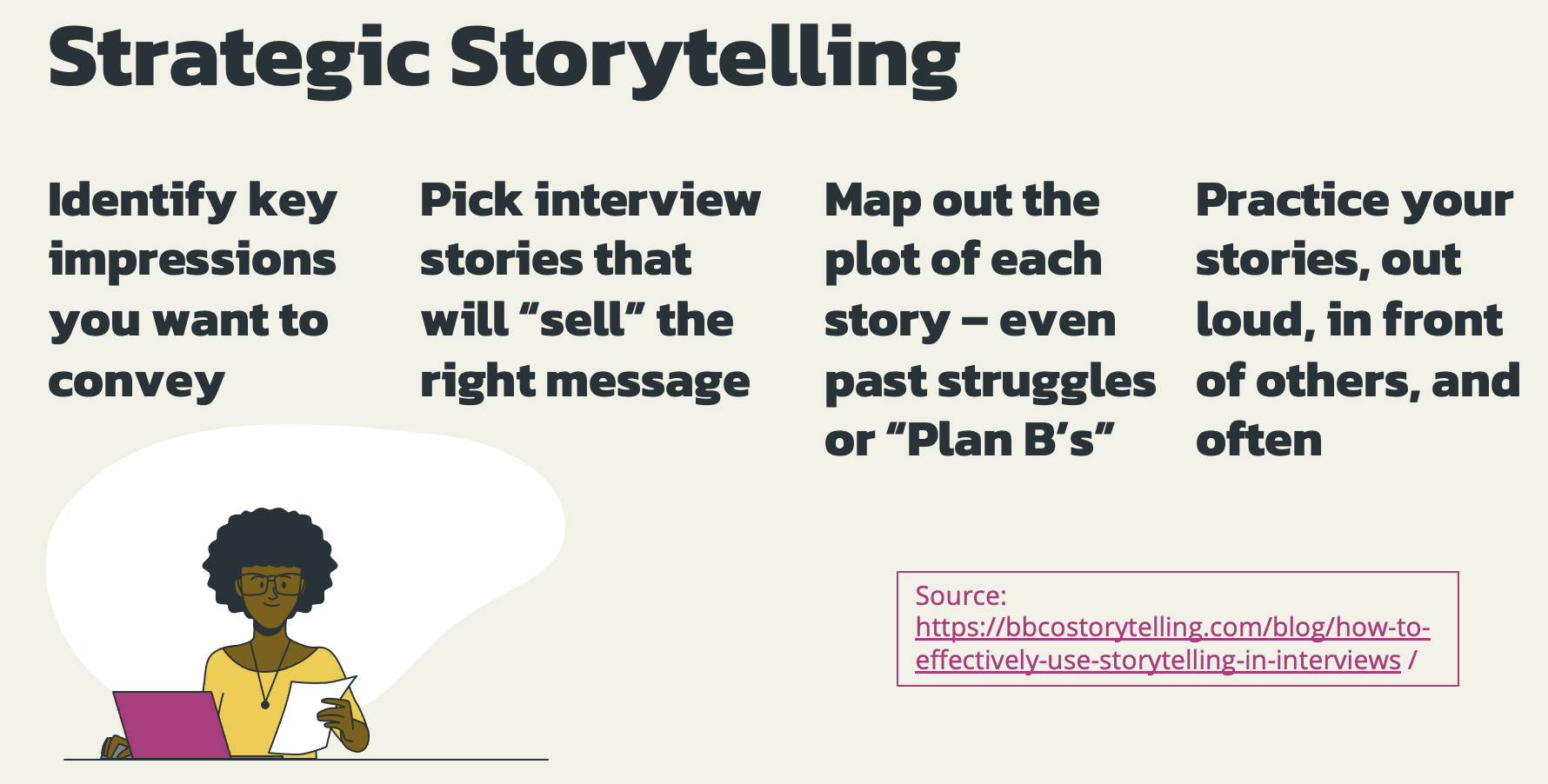
Interactive exercises, you say? Yes! Get ready to meet new people and perhaps dive into a few activities slightly outside your “comfort zone!” (We promise NOT to embarrass anyone!) We will break up into small groups or “duet partners,” and explore defining our professional “essence,” telling anecdotes about our strengths and past problems we have “crushed,” and focusing on learning “the golden gift of gab” — storytelling.
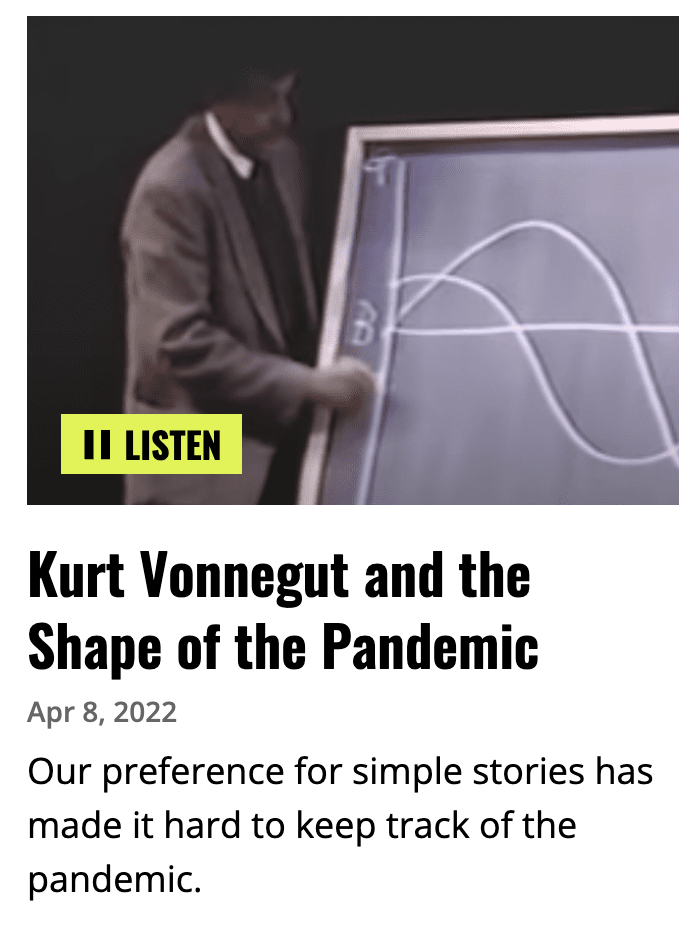
Portions of this workshop will come from material in the past posts Storytelling, etc. Part 2 and When it Comes to Getting-a-Job, S Is for Successful Storytelling. (Your homework? Peruse these before coming to either session at NAfME or PMEA!)
As always, articles, resources, and slide summaries will be posted under the “Training/Jobs” menu tab (above).

Mark your calendars:
April 20, 2023 at 3:00 p.m. in Kalahari Suite 30 (PMEA)
How many of you feel at times a little overwhelmed, exhausted, stressed out, disorganized, demoralized, or disenfranchised?
Are you at the end of your rope and wondering how you’re going to “keep it all together” over the next week, month, year?
Is your health is interfering with your ability to do your job and find success, balance, and meaning in your personal life and relationships? Then… it is time for a change.
We are still dealing with the effects of the pandemic which has brought on a “gap year” to most of our music programs, the stress of “working harder not smarter,” more teacher burnouts, and the resulting bail outs, staff shortages, and/or job cuts. We need to embrace NEW strategies for personal self-care and SEL (social and emotional learning). Do you still enjoy teaching? How have you coped with all of the changes? How will you achieve a better work/life balance and skills in time/priority management and personal health and wellness?
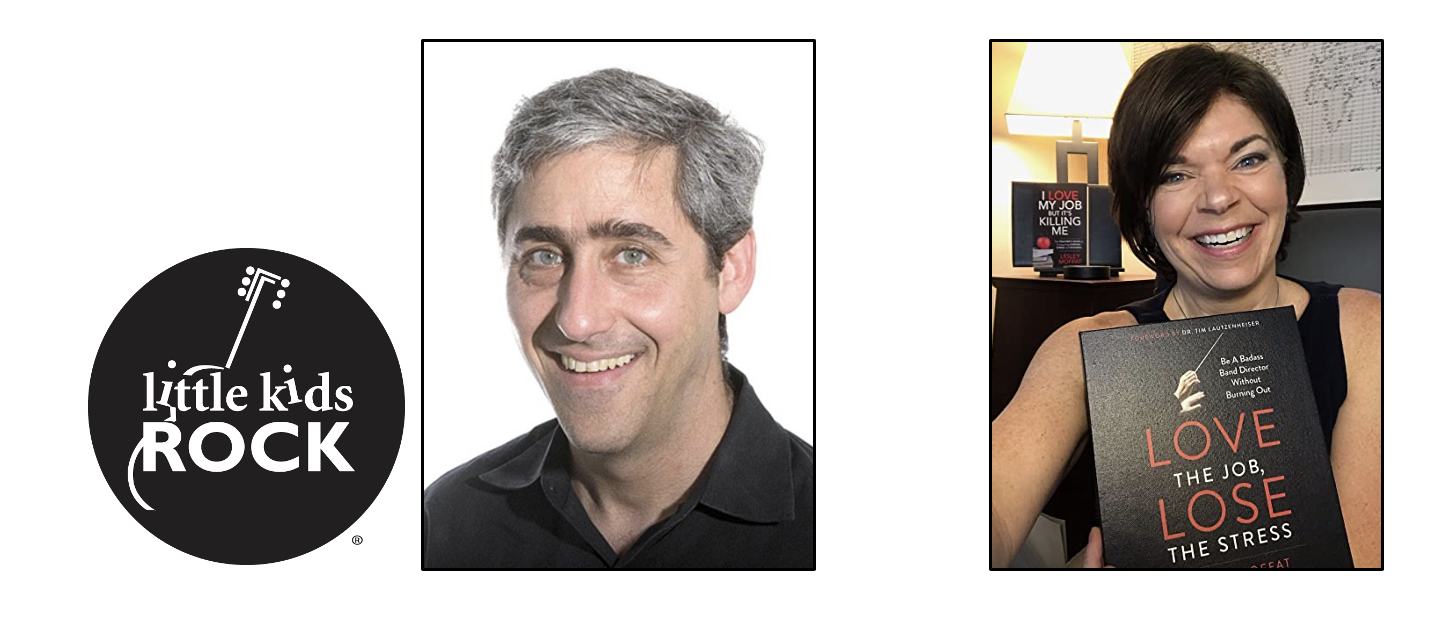
The prescriptions and RECIPES towards stress reduction and developing a self-care plan are here! Doug Sands, a consulting hypnotist and founder of AnywhereHypnosis.com, joins me to “throw in everything and the kitchen sink” to alleviate these problems, with NO cookie-cutter, “one-size-fits-all” solutions from the chefs:
- What has COVID done to all of us?
- Instant personal online stress assessment
- Taking an inventory of the ingredients towards a healthier lifestyle
- Definitions, symptoms, and remediations for teacher stress and burnout
- Why teachers are so exhausted and what to do about it
- Time management tips
- Breathe like a Navy SEAL
- Coping and learning “acceptance”
- How to “coach overwhelm!”
- The role of meals, movement, music, and mindfulness (thank you, Lesley Moffat!)
- From MEJ: A suggested self-care plan and “cognitive distortions” to avoid
- Focusing on ONE self-care strategy from a “sea of solutions”
We’re in this together… so we need to join forces and SHARE the secret recipes for a happier life! Add your own “baking tips,” and I promise, you’ll leave with a better understanding of how we all can celebrate the coming year or decades in music education!

By the way, my “mindfulness partner” for this workshop, Doug Sands, promises us he will not hypnotize any of us during this session (although he could!).
For more about his work, including “15 Rapid Tools (and Counting) to Wipe Out Anxiety, Stress, and Panic,” please go to his website here.
You are invited to stop in to see him at his PMEA booth in the Kalahari exhibit hall.
POST-CONFERENCE NOTE: Doug sent us his Anti-Panic Toolkit entitled, 15 Rapid Tools (and Counting) to Wipe out Anxiety, Stress, and Panic – Wherever They Strike! Click here.
If you would like a sneak preview of the revised handout for the Self-Care workshop, go to the Care menu section at the top menu bar.
Taking a peek at our recent past…
Workshop for Orchestra & String Teachers

In case you missed the PMEA District 5 Professional Development Day, my wife Donna and I presented “Plucking Our Minds” at Grove City College on February 20, 2023.
We were privileged to “share some of our secret sauces” gleaned from over 80 combined years of experience on a variety of topics:
- CommUNITY Music-Making
- Online Academy
- Summer String Camp
- Assessment Projects
- Collaborative/Creativity Projects
- Library of “Fox Firesides”
If would be a shame to waste these resources… and reading them could inspire new adaptations to your instrumental program.
Click here for a copy of the slide handouts. Feel free to comment (above) or send an email to me (paulkfox.usc@gmail.com) if you have any questions.
Our Crystal Ball
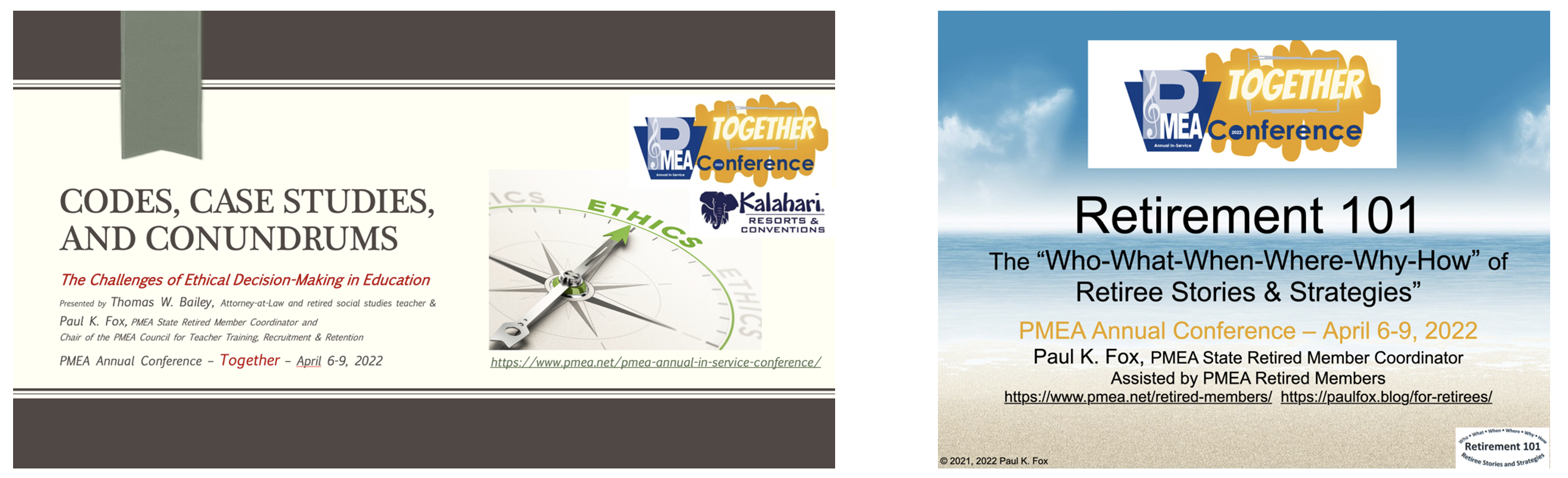
Future Accredited Workshops on Ethics in Education
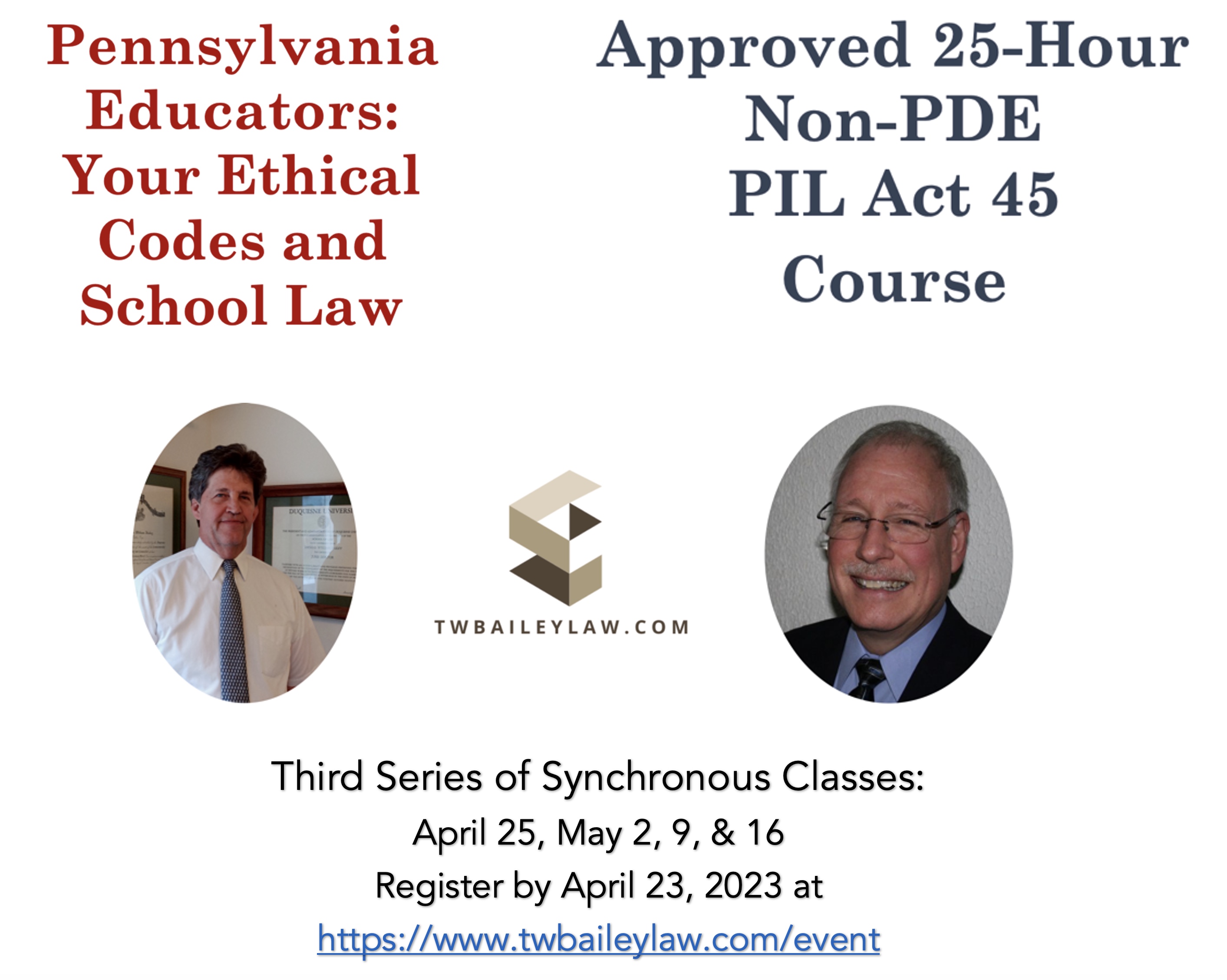
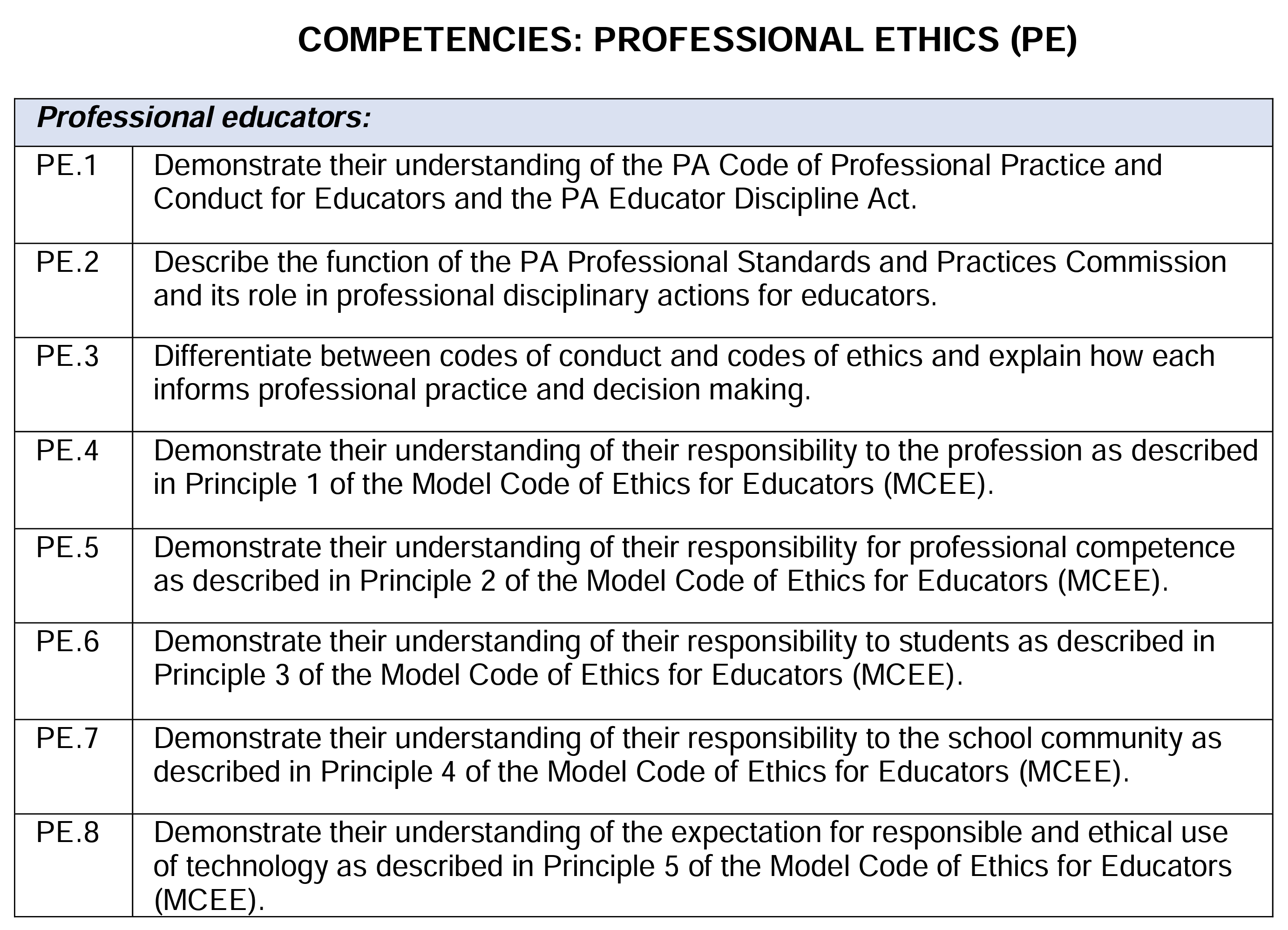
Are you aware that the Pennsylvania Department of Education (PDE) has recently revised the PA educators’ Code of Professional Practice and Conduct AND adopted the Model Code of Ethics for Educators developed by the National Association of State Directors for Teacher Education and Certification? Have you seen the new Professional Ethics Program Framework Guidelines? PA Chapter 49 requires instruction in professional ethics to be integrated in educator preparation, induction, and continuing professional development programs as follows:
- Continuing professional development programs must integrate the professional ethics competencies no later than the 2023-24 academic year.
- Educator preparation and induction programs must integrate the professional ethics competencies no later than the 2024-25 academic year.
Not one to let grass grow (or mud sink) under his feet, retired social studies teacher, current attorney-at-law, and past PMEA conference presenter Thomas Bailey has partnered with me to design new ethics training classes for school system leaders (25-hour Act 45 PIL course) and educators (four-hour Act 48 continuing education course). In addition, we are introducing a new “hybrid” program for school administrators involving four-hour pre-recorded asynchronous webcasts (site license), along with a three-hour synchronous webinar using the webcast videos and adding facilitated interactive discussions of three ethical case studies either via Zoom OR in-person follow-up workshops led by both clinicians.

In Depth Ethics Training for PA Educators:
- PA Model Code of Ethics for Educators
- PA Code of Professional Practice and Conduct
- Professional Standards and Practices Commission
- PA Educator Discipline Act
Click here for to register for Act 45 PIL Course.
Next series: April 25, May 2, 9, & 16, 2023
Click here for more information on the Ethics Webcast/Webinar and general information/landing page for the TWBaileyLaw website.
Click here for timeline of educator ethics presentations and clinicians’ bios.
Also review the Educators Court Case Blog and William Penn SD vs. PDE Blog.
Numerous articles have already been published on the subject of educator ethics, professionalism, and decision-making:
- All blogs in reverse chronological order: https://paulfox.blog/category/ethics/
- Ethics for Music Educators — Part I: BLOG 64
- Ethics for Music Educators — Part II: BLOG 65
- Ethics for Music Educators — Part III: BLOG 66
- Ethics Follow-up: BLOG 69
- Social Media — Boon or Nemesis: BLOG 81
- Ethical Conundrums Revisited — Part I: BLOG 87
- Ethical Conundrums Revisited — Part II: BLOG 91
- Collegiates — Clean Up Your Social Media: BLOG 104
- Ethical Scenarios: BLOG 114
- Model Code of Ethics for Educators: BLOG 149
- Studies in Educator Ethics Case Law: BLOG 153
- PA Educator Ethics Update: BLOG 156
Hope to see you at one of these conferences or workshop sessions! Yes, it means a lot more to attend these IN PERSON!
PKF
© 2023 Paul K. Fox













 Once the WHY has been determined, then the district must determine the WHAT. WHAT learning activities need to be offered to the students in the district in order to help them achieve the desired outcomes stated in the mission? The answer to that question should help determine the curriculum for music.
 those hours would be scheduled, then the district must figure out exactly how many teachers will be needed to deliver that instruction and what qualifications those teachers should possess. The “WHO” part of the process – the staffing piece of the puzzle – should still be driven by the needs of the curriculum and should not change.
 of the K-12 music program using the WHEN, WHO, HOW and WHERE pieces that we will have to work with.
 Richard Victor is currently Adjunct Instructor for the University at Buffalo Graduate School Online.

 How many class periods (not counting lunch) are structured for the academic day? Are specific grade levels or buildings organized in block scheduling, “period 0” and/or before/after-school curricular or co-curricular classes, lesson pullouts, period rotations or A/B weeks, etc.?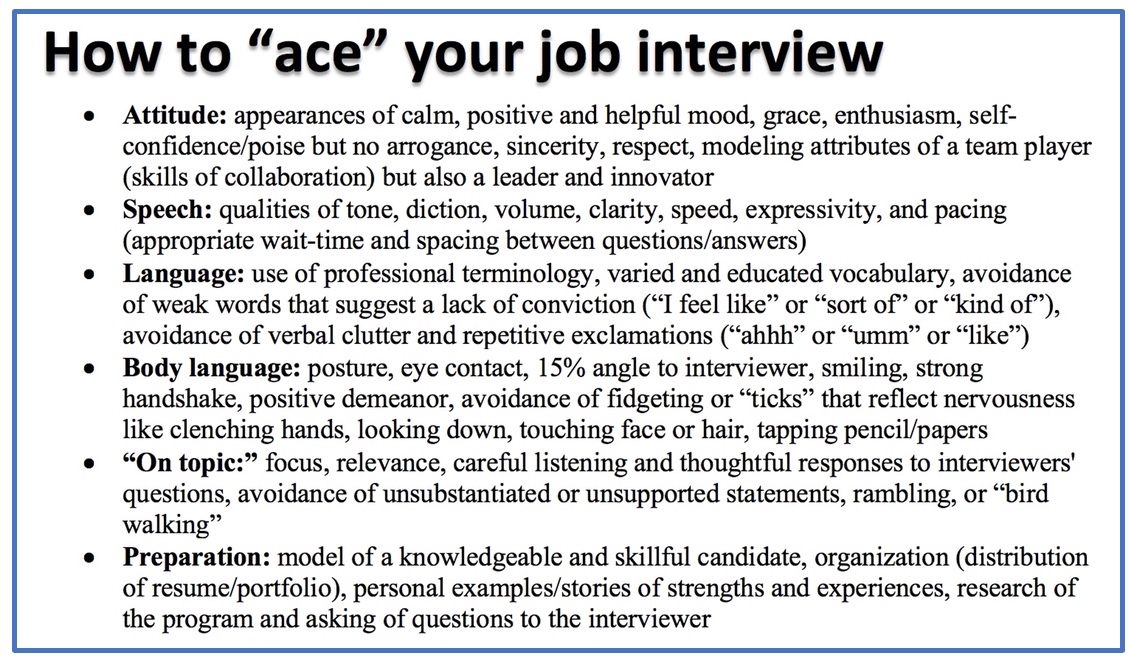
 Describe your approach to introducing a musical concept: singing matching pitches, keeping a steady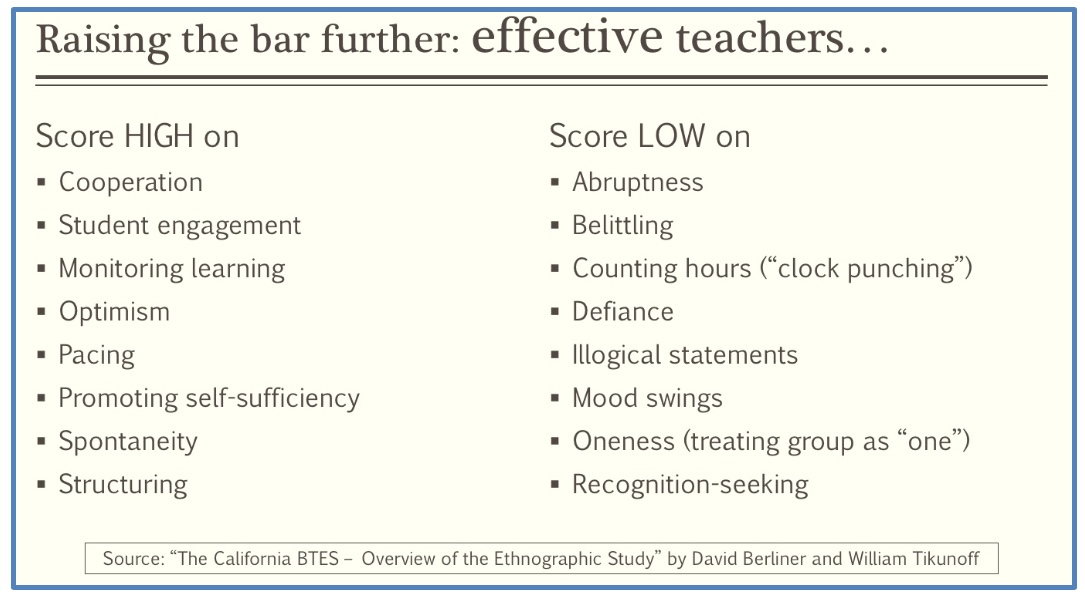
 Are you telling me it’s time to bring up more questions? Yep, to finalize your interview’s “postmortem,” reflect on these queries, which will become your focal points in preparation of your next job screening.
 IEPs – Individualized Education Program, including IDEA (disabilities), 504 plans, accommodations for special needs, differentiated and customized learning, etc.
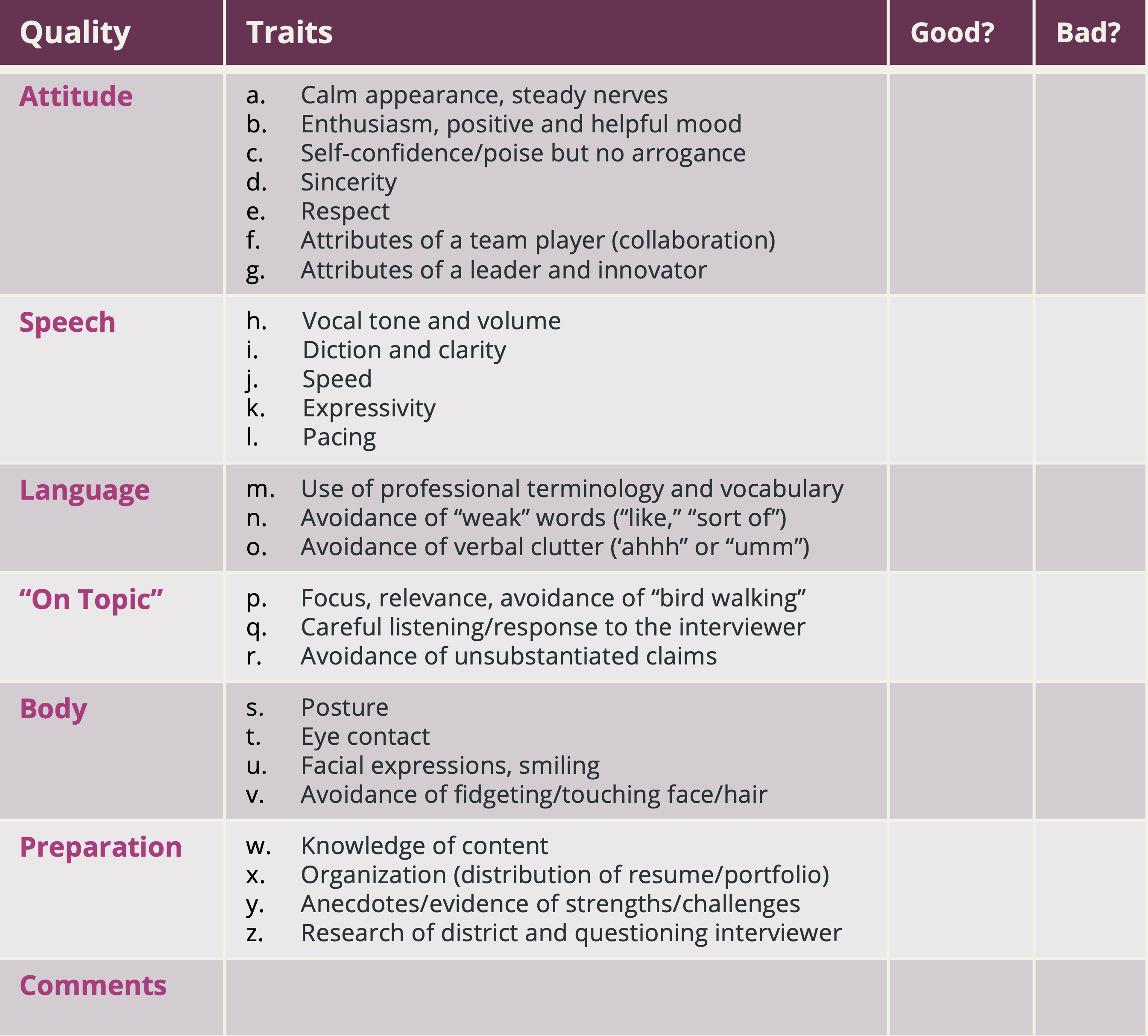
 Did you respond to the interviewer’s questions “on topic” with clear, concise, and substantiated statements, supported by specific anecdotes/stories or examples of your skills or experiences?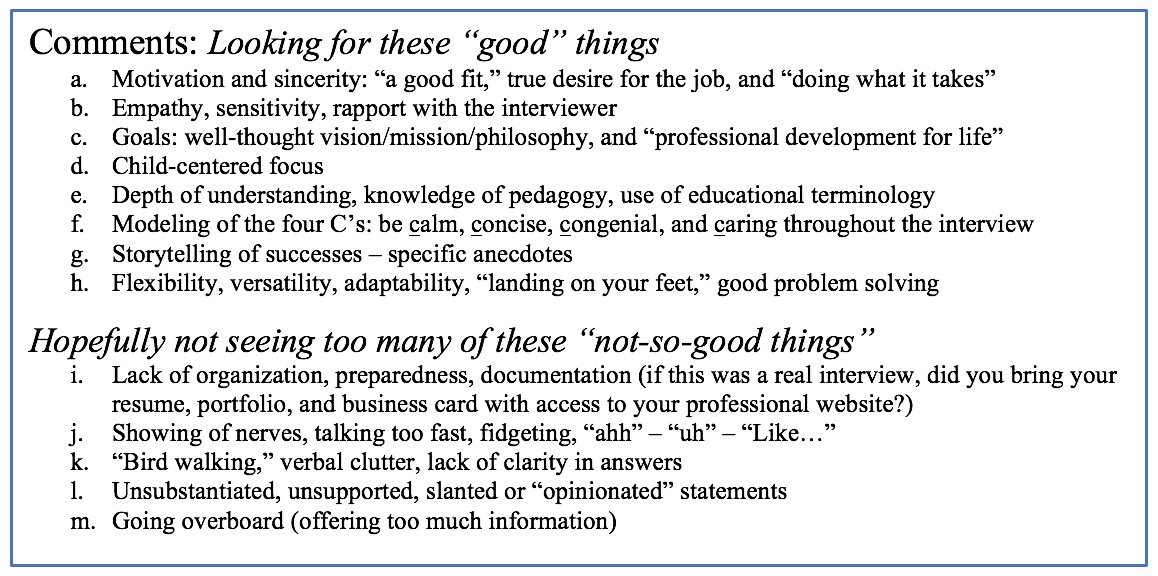

 Once the COVID-19 emergency was declared and universally all schools and outside activities were cancelled (for who knows how long?), the 37th spring season of my community youth (of all ages) orchestra was also “clobbered!” Up to this time, the Western PA-based South Hills Junior Orchestra (SHJO) regularly met on Saturdays from 10:30 a.m. to 12:30 p.m. at the school from where I retired: Upper St. Clair High School.












 What are your greatest weaknesses?
 Because we all have weaknesses but rarely want to admit to them, it’s best to begin with a truthful answer and build your script from there. Select an answer that a hiring manager would not consider to be essential qualities or skills for the position as well as qualities that you are actively improving.
 Example weakness: Difficulty with an area of expertise
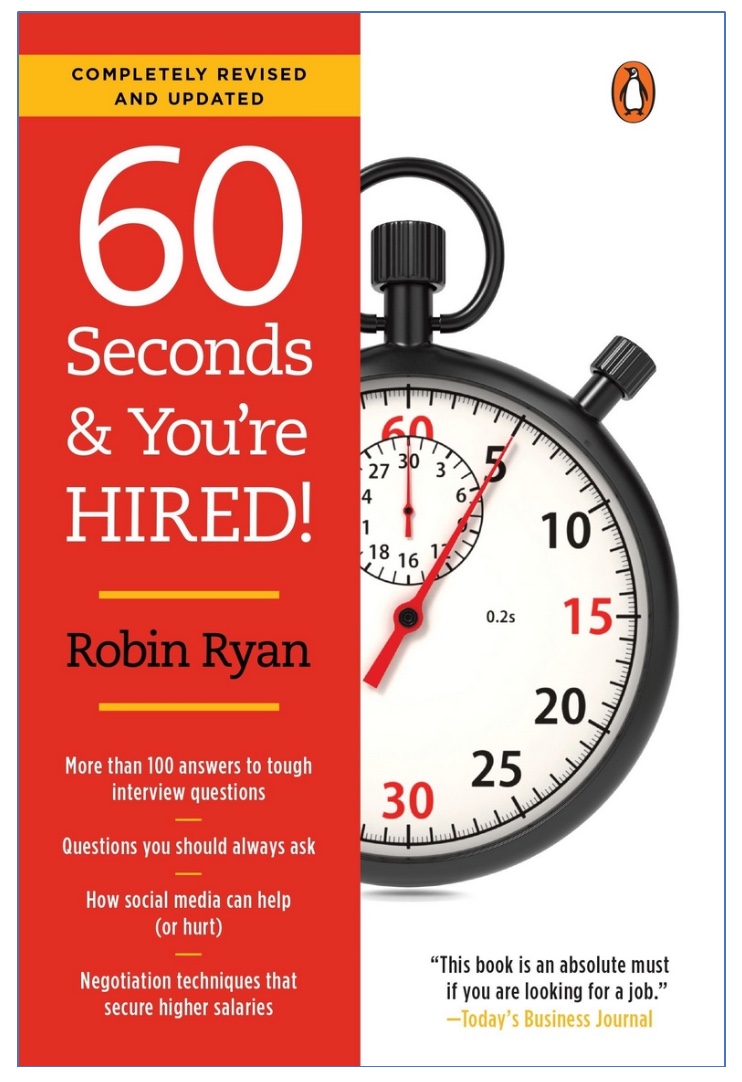 Focusing on Robin Ryan’s “interview tools” such as “the five-point agenda” and “60-second sell,” her book 60 Seconds and You’re Hired ” is inspiring and provides much greater depth (76 pages!) on answering those “thorny” interview questions. Nearly all of the sample questions above are also analyzed, offering easy-to-understand comments and recommendations for specific career paths. For example, Robin Ryan also weighs in on that inquiry “What is your greatest weakness?” – first offering to joke about it “I cannot resist chocolate!” and then, if it is reiterated, endorsing a strategy to share a work habit problem (like being a “Type-A” person) on which you are currently improving but is not critical for the position they are seeking to fill.
 paulfox.blog