Did You Take the Summer Off?

Rebuilding instrumental technique after a long break

Director’s Note: This is the week to get ready for the return of the South Hills Junior Orchestra after all our vacations! If you live in the Southwestern PA area, we hope you will consider this a personal invitation to “TRY SHJO” and participate in several free and open rehearsals of our community orchestra – a totally “judgment-free” place for creative self-expression of all ages and ability levels. Practices are held in the Upper St. Clair High School Band (1825 McLaughlin Run Road, Pittsburgh, PA 15241) on Saturdays from 10:30 a.m. to 12:30 p.m.

A Google search on my computer fetched the following “AI Overview,” a nearly perfect summary for wind players to recover their “chops” and bring back good tone, intonation, breath support, flexibility of the embouchure, key literacy, and practice habits. For players of all orchestral instrumental sections, I recommend revisiting other articles in the Fox’s Fireside Library to develop a “practice plan” and adopt new musical goals. PKF

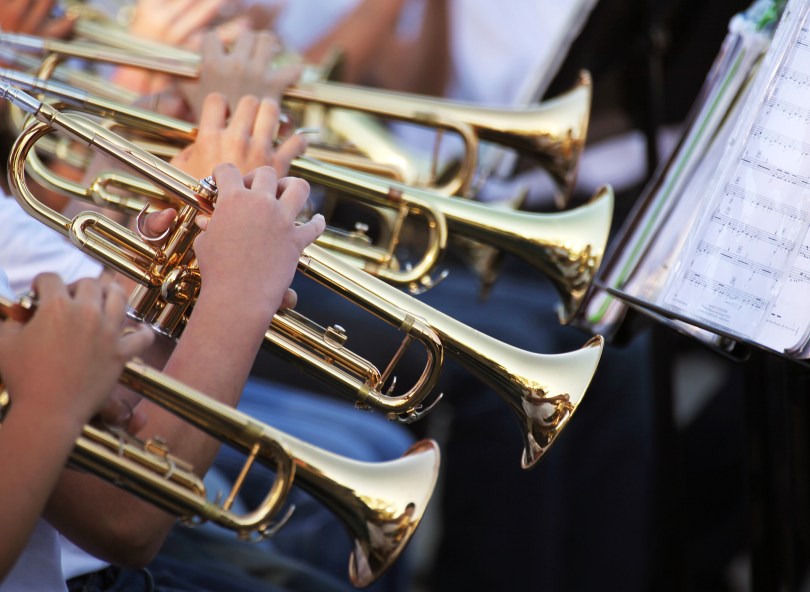
To rebuild your brass and woodwind instrumental technique after a long break, focus on the following gradual, three-stage process: first, restore your tone and response, then regain flexibility and dexterity, and finally, rebuild range and endurance. Prioritize short, consistent practice sessions, and avoid pushing too hard too early to prevent injury and bad habits.
Stage 1: Restore tone and response

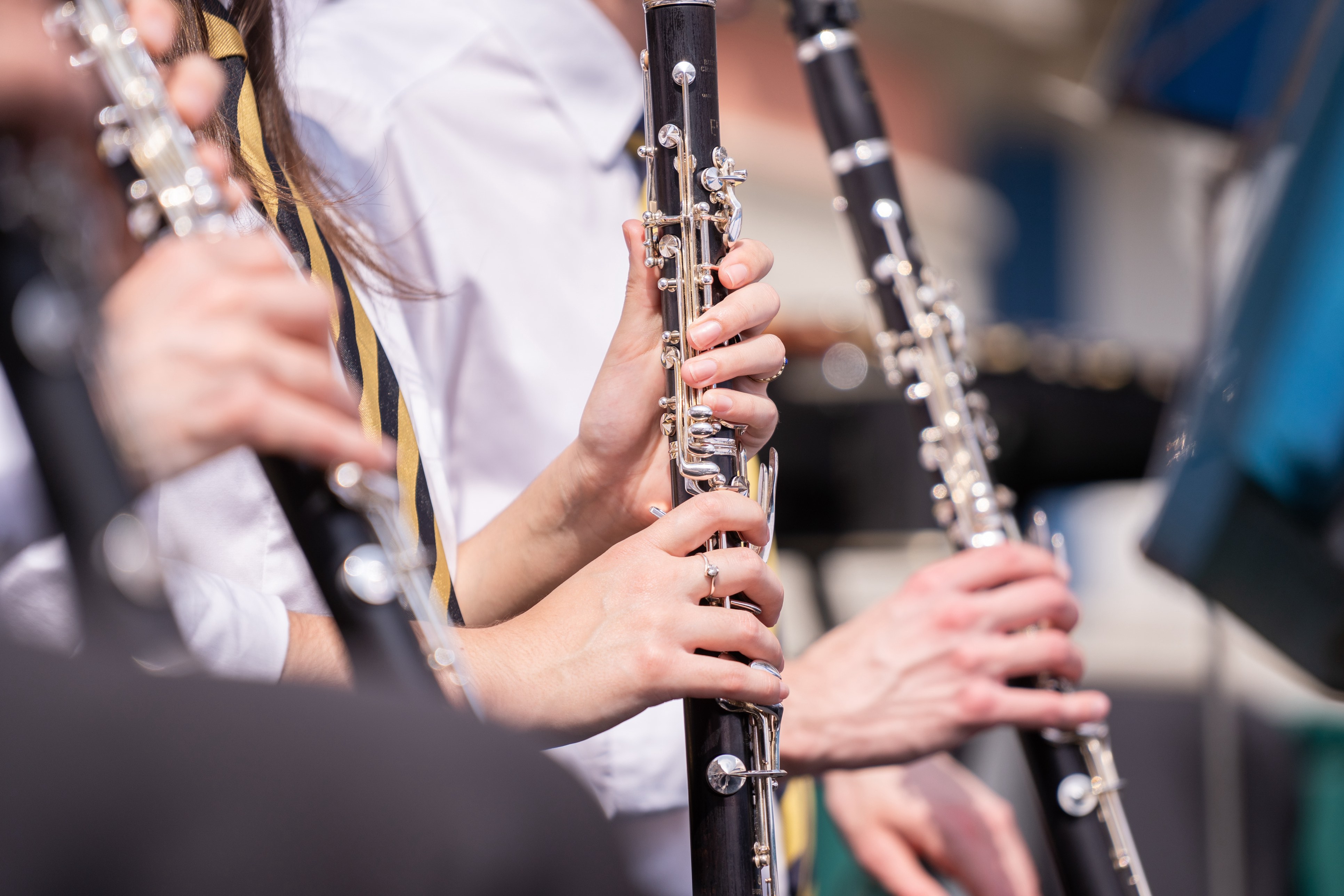
Your primary goal is to reacquaint your body with the fundamentals of playing by focusing on soft dynamics and your lowest register.

  • Breathing exercises: Start without your instrument. Practice deep, diaphragmatic breathing to re-engage your respiratory system and expand your lung capacity. You can use simple routines like inhaling for four counts and exhaling for eight, or try the “pinwheel” exercise to visualize steady airflow.
  • Buzzing: Brass players should spend time buzzing with just their mouthpiece to get their lips vibrating efficiently again.
  • Long tones: On your instrument, play sustained, steady notes at a soft volume in your lower-to-middle range. Focus on producing a clear, characteristic tone. Use a tuner to monitor your pitch stability.
  • Short practice sessions: Limit your initial sessions to 5–20 minutes, with plenty of rest in between. This prevents over-straining your facial muscles and embouchure.
Stage 2: Regain flexibility and dexterity

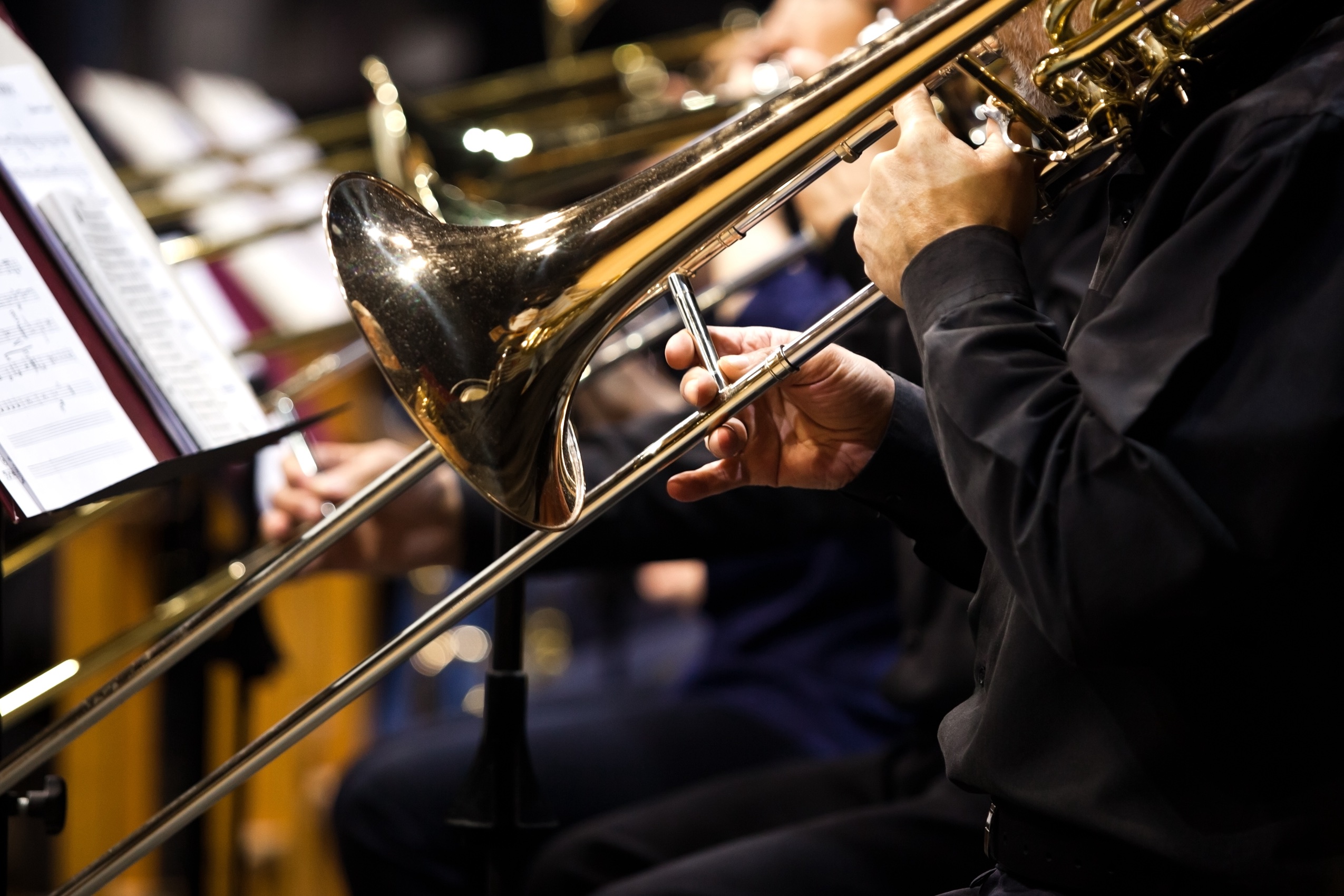
Once your tone and response feel stable, you can begin to expand your comfortable playing range and improve finger speed.

  • Scales and arpeggios: Practice basic scales and arpeggios at a slow, controlled tempo. This helps rebuild muscle memory for your fingers while keeping the focus on even, beautiful tone.
  • Slurred partials (brass) and lip slurs (woodwind): Practice smoothly transitioning between notes without using your tongue. This strengthens your embouchure and improves air control.
  • Simple music: Play easy, melodic pieces you know well. This helps you focus on phrasing and musicality without the pressure of a difficult score.
  • Increase session length gradually: Slowly add time to your practice sessions, perhaps moving to 15–30 minutes at a time. Continue to take frequent breaks.
Stage 3: Rebuild range and endurance

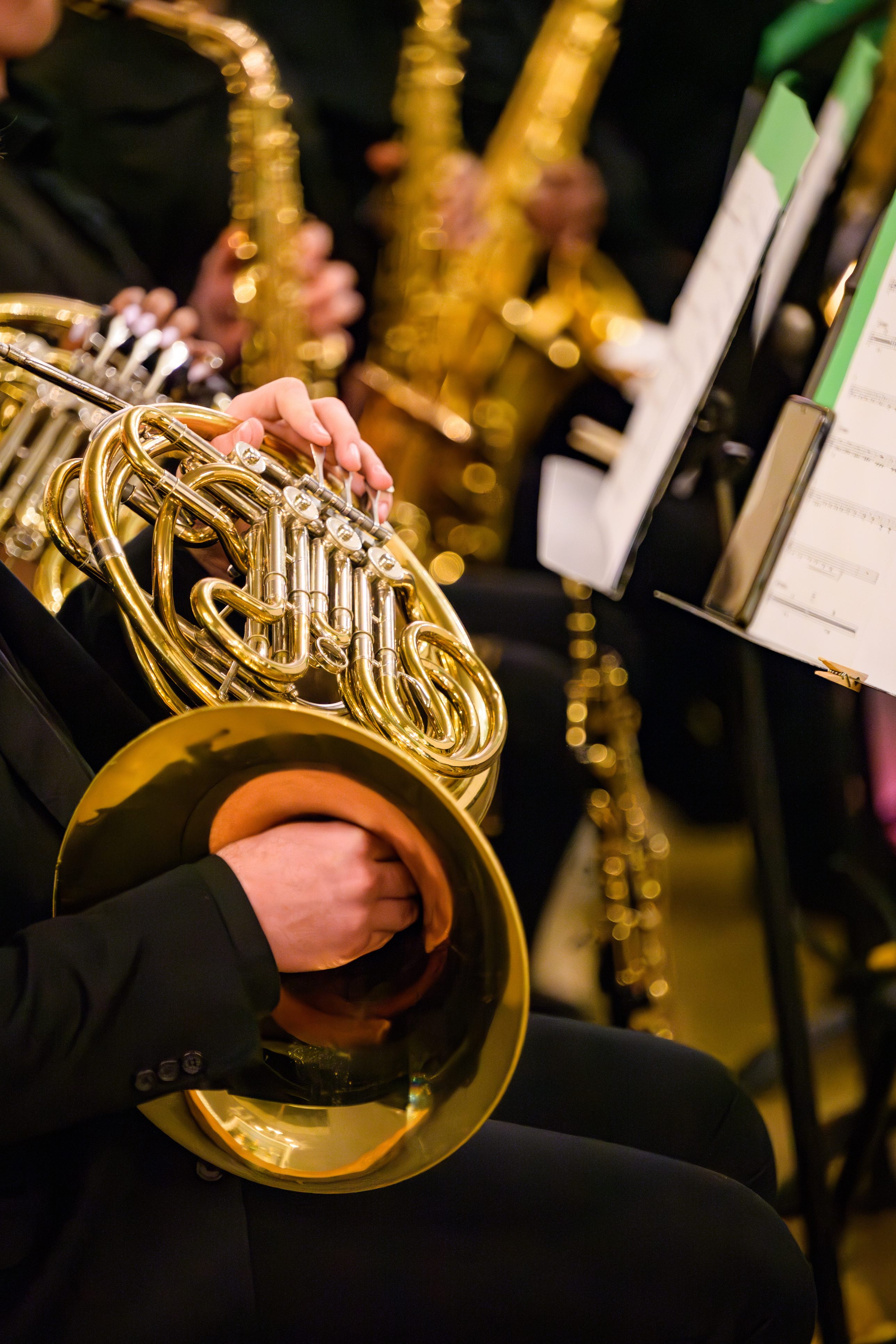
After re-establishing your fundamentals, you can begin to increase the intensity and duration of your playing to return to your previous level.

  • Expand your range: Gently start working your way into your upper and lower registers, but maintain a soft dynamic level. Only increase volume once you can play a note softly with a good tone.
  • Louder dynamics: Once your full range is accessible, begin practicing with louder dynamics. This is physically demanding, so continue to take frequent rests.
  • Articulation: Incorporate tonguing exercises. Start with basic single tonguing before adding more complex techniques like double and triple tonguing.
  • Listen to your body: Your body will be the ultimate guide. If you feel any pain or unusual fatigue, ease up and incorporate more rest into your routine.
  • Mental preparation and practical tips
  • Listen to music: Remind yourself of what inspires you and listen to your favorite players to reconnect with the joy of playing.
  • Record yourself: Objectively evaluate your progress by listening back to recordings. This helps you identify areas that need work and celebrate your improvements.
  • Revisit old notebooks: Look back at any old lesson journals for useful reminders and insight into your past tendencies.
  • Service your instrument: A leaky pad or sticky valve can make returning to your instrument unnecessarily difficult. Have a technician give your instrument a “clean, oil, and adjust” to ensure it’s in prime playing condition.
  • Be patient: You are not expected to be at your former playing level immediately. Trust that your muscle memory will return with consistent, smart practice.

Click here to download a printer-friendly copy of this article.

 Here are additional resources shared in the SHJO eUPDATE newsletter (August 30, 2025):

PKF

© 2025 Paul K. Fox

Care of Music Teachers

Something New is a-Coming

You cry and you scream and you stomp your feet and you shout. You say, “You know what? I’m giving up, I don’t care.” And then you go to bed and you wake up and it’s a brand new day, and you pick yourself back up again.Nicole Scherzinger

Wellness seeks more than the absence of illness; it searches for new levels of excellence. Beyond any disease-free neutral point, wellness dedicates its efforts to our total well-being – in body, mind, and spirit. Greg Anderson


key-2114313_1920

What is that saying? “When you point at someone, there are three fingers pointing back at you.” Or if you prefer the biblical reference (Jesus), “Don’t focus on the speck in your brother’s eye while ignoring the log in your own eye.”

Increasingly common, I find that our colleagues in music education do not model habits of good health and work/personal life balance. All fingers point at both my wife and I, as when we were at the pinnacle of our full-time careers (prior to retiring in 2013), teaching strings grades 3-12 in multiple buildings, preparing for concerts and festivals, designing curriculum, producing musicals, running marching bands, etc. often felt like a “runaway train ride” — a stressful 24/7 schedule with the two of us squeezing in time to meet for dinner in between our after-school rehearsals, and later “falling into bed” to snatch 5-6 hours of sleep, three to four days per week, ten months a year.

That said, I “see” little research, pre-service, in-service, post-service training, or even online dialogue about the wellness problems associated with our profession:

  • Overwhelming workload, long hours, and challenging classroom situations
  • Inconsistent hydration and consumption of a balanced diet
  • Irregular amounts of daily aerobic physical exercise
  • Insufficient quantities (length, depth, and frequency) of rest and sleep
  • Infrequent use of sick days or vacations as needed for restorative health
  • Misuse of the voice at work
  • Inadequate hearing conservation and protection from over-exposure to sound
  • Deficient scheduling of opportunities for mindfulness, meditation, and/or reflection
  • Deprivation of personal outlets for creative self-expression (not related to the job)
  • Lack of time to explore hobbies, interests, and socialization with family, friends, and loved ones

With the simplistic title of “Care,” blogs archived within the new section of this blog-site here will dive into these issues, remedies towards fostering a better “life balance,” and suggestions for the development of a self-care plan. Quoting from the timely article in the June 2019 issue of NAfME Music Educators Journal, “Health and Wellness for In-Service and Future Music Teachers” by Christa Kuebel, “Those in our profession need to increase awareness of the prevalence of stress and mental health concerns in music education.” We need to address methods for reducing job-related depression, anxiety, stress, loneliness, feelings of impotency, and “burnout,” which can lead to negative student outcomes, lowered professional standards, absenteeism, illness, and teacher attrition.


model-pillow-sleep-sleepwalking_2373534_1920_Engin_Akyurt

Definitions of Wellness

A state of complete physical, mental, and social well-being, and not merely the absence of disease or infirmity. — The World Health Organization

A conscious, self-directed and evolving process of achieving full potential. — The National Wellness Institute

According to the Student Health and Counseling Services of the University of California, Davis Campus, “wellness” is an active process of becoming aware of and making choices toward a healthy and fulfilling life. Wellness is more than being free from illness; it is a dynamic process of change and growth.”

8 dimensions of wellness

Further elaboration of their eight dimensions of wellness is provided here:

  • Occupational
  • Emotional
  • Spiritual
  • Environmental
  • Financial
  • Physical
  • Social
  • Intellectual

They conclude: “Each dimension of wellness is interrelated with another. Each dimension is equally vital in the pursuit of optimum health. One can reach an optimal level of wellness by understanding how to maintain and optimize each of the dimensions of wellness.”


runner-1814460_1920_skeeze

It’s Time to Bring on the “Experts”

Even though I would have told you “I am loving every moment of it” during my 35+-year career in music education, I would be the last person anyone should turn to for helpful advice on self-care. I cannot say I ever “practiced what I preached” lectured to my music students on taking care of themselves physically, mentally, emotionally, and socially. So, for this forum, we will bring in leading authorities and even a few “frontier blazers” who have agreed to share new ideas in alleviating “the problem,” so well defined in the MEJ article by Christa Kuebel:

Music education has been shown to be a field in which stress and burnout are common. We must address this difficult realization in order to make changes for the health and success of our current and future teachers. Our concert seasons will continue to come and go, and our responsibilities will not decrease in number, but taking time to consider how to take care of ourselves may allow us to fulfill our responsibilities in safe and effective ways throughout our entire careers.

“Health and Wellness for In-Service and Future Music Teachers” by Christa Kuebel


breakfast-1804457_1920_Einladung_zum_Essen

Coming Soon…

Already, we have found a wealth of people who have perspectives and “prescriptions” that may help. We are anticipating future submissions from (or reviews of) the following self-care advisors:

  • Aforementioned MEJ article, teacher self-care assessment, and excellent bibliography by Christa Kuebel
  • Contributions by Lesley Moffat including her book I Love My Job, But It’s Killing Me and details about her Band Directors Boot Camp, “Music Teacher Mojo Meter,” and her website “Building Better Band Programs Without Burning Out”
  • Recommended by NAfME member Jennifer Dennett, the book Exhausted – Why Teachers Are So Tired and What They Can Do About It by Paul Murphy, who also has an extensive website and other books on “teacher habits”
  • Future wellness research and writings by Theresa Ducassoux, who has been accepted into the Google Innovator Academy, a program for teachers to work on tackling challenges in education
  • Survey of “prioritizing teacher self-care” articles posted by Edutopia
  • Other online sources


zumba-4333580_1920_arembowski

This is Where YOU Can Help!

If you find something interesting, please comment on it at this forum, or send an email to paulkfox.usc@gmail.com.

PKF


Photo credits (in order) from Pixabay.com


© 2019 Paul K. Fox