Teachers – Take Charge of Your Wellness

The Five C’s of Self-Care

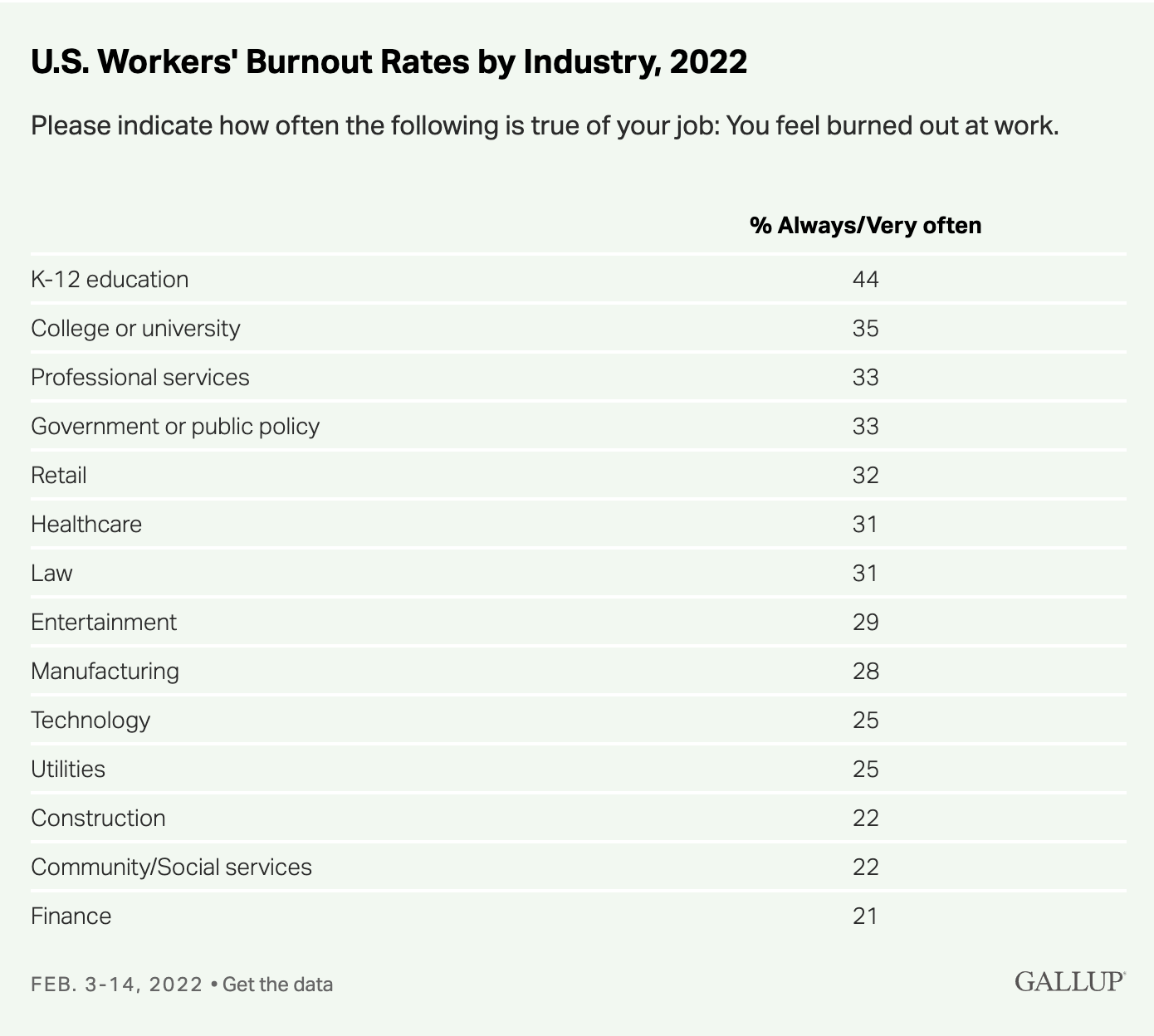
What profession has the highest rates of stress and burnout?

The answer is… educators of grades K to 12. NO FOOLIN’ ⏤ yes, even though today is April Fool’s Day!
The Crisis

Citing a 2022 Gallup Poll at Purdue Global’s website here, “K-12 teachers are the most burned out profession in the U.S.” They go on to say:

In fact, teachers have higher-than-average stress levels compared to other client-facing professionals. This kind of stress can lead to physical and mental health concerns for teachers and negatively affect students’ well-being and achievement.

“Being an educator requires so much of us,” says Carol Laman, faculty member at Purdue Global. “It is emotionally, physically, and mentally demanding.”

Self-care practices can help. According to the National Comprehensive Center, self-care can aid educators in both improving their overall wellness and being more effective for their students. ⏤ https://www.purdueglobal.edu/blog/education/self-care-for-educators-guide/

According to the National Education Association, we have a MAJOR problem!

A study by the advocacy group, Alliance for Excellent Education, reports that 40-50% of new teachers leave within their first five years on the job. Many factors contribute to the high dropout rate, a severe lack of work-life balance and the inevitable high stress levels teachers feel on the job, to name a few. Because of this, self-care is extremely important for teachers. However, it’s hard for teachers to take care of themselves when their career is taking care of students. ⏤ https://www.nea.org/professional-excellence/student-engagement/tools-tips/importance-self-care-teacher

This statistics are overwhelming, as documented in the Teacher Wellbeing Survey by Panorama Education.

Teacher wellness has a significant impact on school climate and student learning. Yet teacher stress and burnout continue to present retention and turnover challenges in districts: 85 percent of teachers have reported that work-life imbalance affects their ability to teach. More than one in five new teachers leave the profession within their first five years of teaching—and this attrition is substantially worse in high-poverty schools. ⏤ https://www.panoramaed.com/products/surveys/teacher-well-being-survey
The Concern – What is “Self-Care?”

The online Oxford dictionary defines “self-care” as “the practice of taking action to preserve or improve one’s own health,” or “the practice of taking an active role in protecting one’s own well-being and happiness, in particular during periods of stress.”

The National Institute of Mental Health (NIMH) provides even more clarification:

Self-care means taking the time to do things that help you live well and improve both your physical health and mental health. This can help you manage stress, lower your risk of illness, and increase your energy. Even small acts of self-care in your daily life can have a big impact.
https://www.nimh.nih.gov/health/topics/caring-for-your-mental-health.

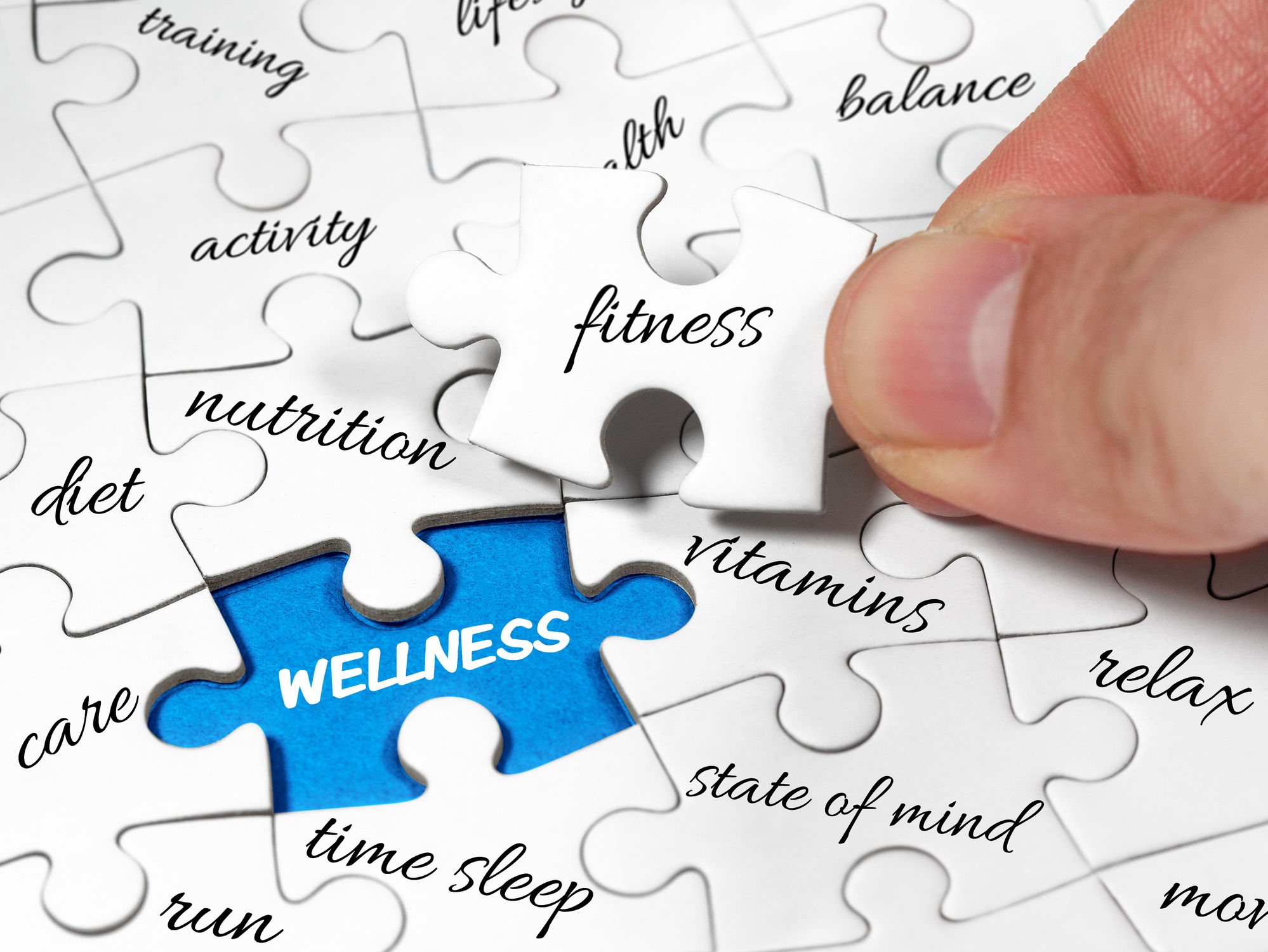
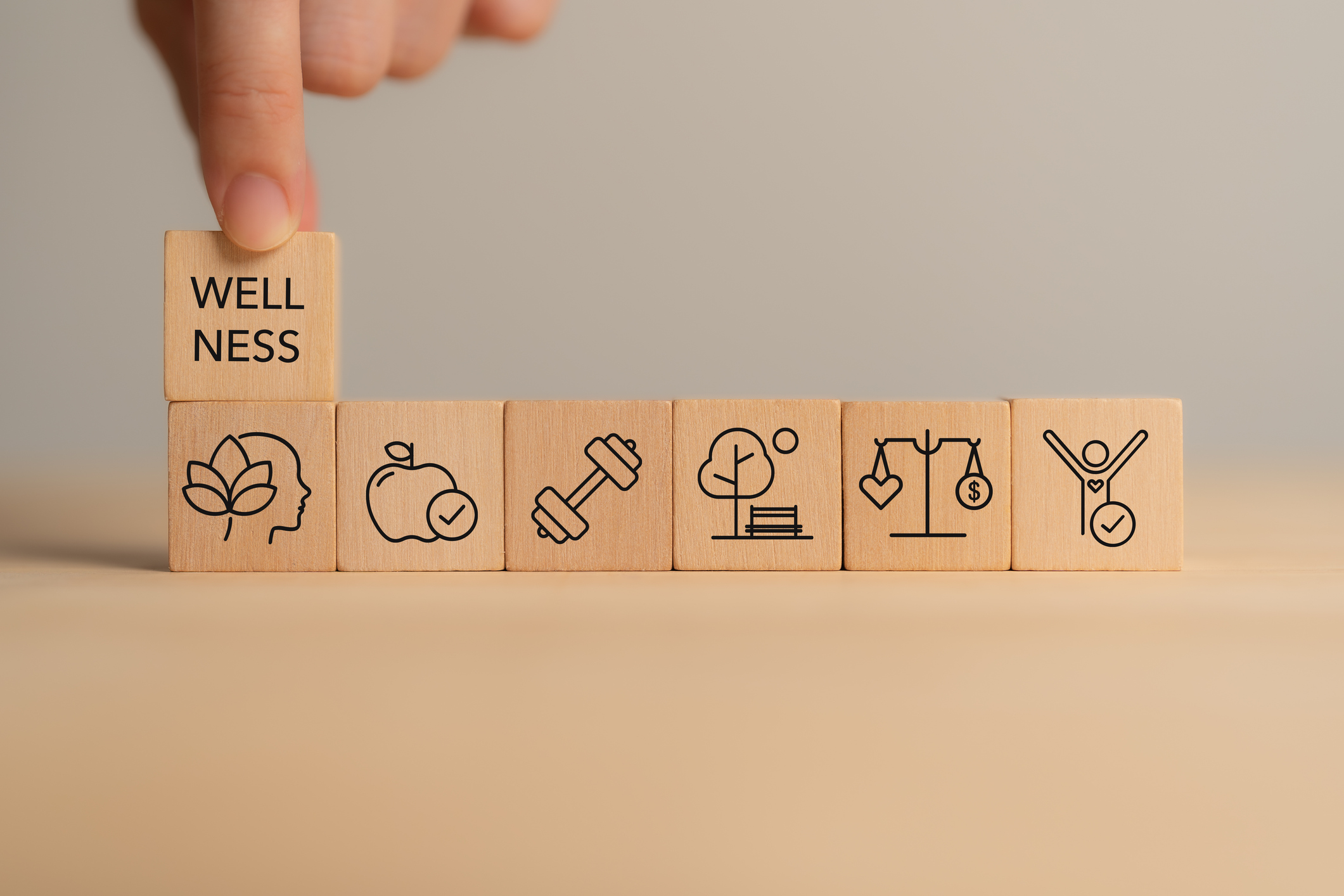
The National Wellness Institute (NWI) further defines wellness as a “conscious, self-directed, and evolving process of achieving one’s full potential… [It] is positive, affirming, and contributes to living a long and healthy life.” NWI addresses six dimensions of wellness, the combination of which “enables us to thrive amidst [life’s] challenges.”

  • Emotional
  • Physical
  • Intellectual
  • Occupational
  • Spiritual
  • Social

In our profession, the defining concerns also involve other major “C’s” within the school workplace – climate and culture – and that “actions speak louder than words!” Edutopia dove into this topic in their blog, “Leaders Must Address Teacher Well-Being With Action, Not Just Self-Care Talk” here.

By listening to educators and building supports that reflect their genuine needs and concerns, these leaders are shifting school cultures in ways that go beyond lip service.
https://www.edutopia.org/article/leaders-teacher-wellbeing-action
The Causes

That leads us to THE WHY – why is this such a crisis?

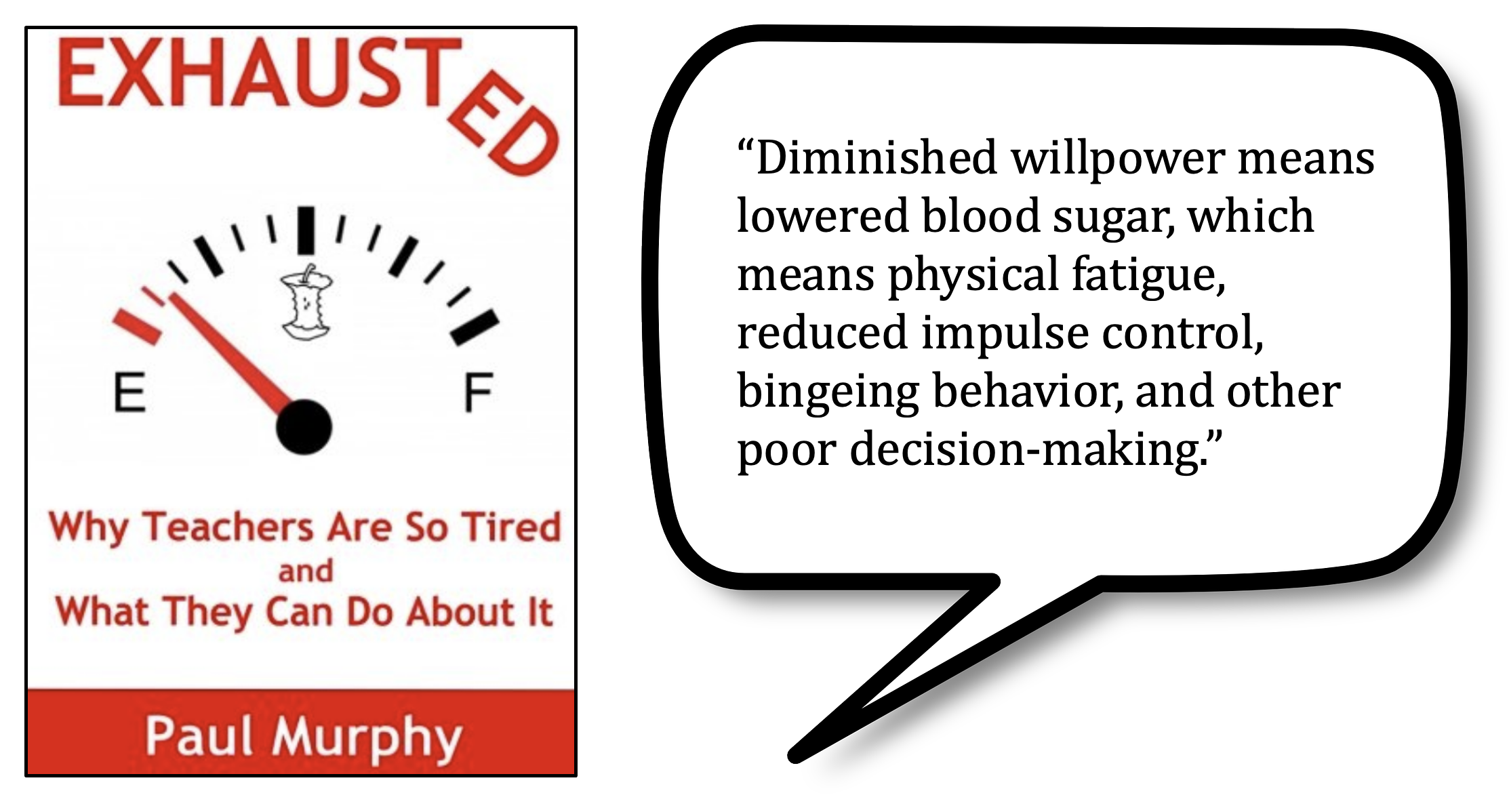
In my educator self-care workshops (e.g., this example), I bring up the research of Paul Murphy from his book Exhausted – Why Teachers Are So Tired and What They Can Do About It. Consider his litany of possible culprits that may cause burnout in some teachers:

  • Lack of autonomy
  • Dysfunctional work environment
  • Inadequate social support
  • Extremes of activity
  • Poor work/life balance

Another excellent read on the subject is Demoralized – Why Teachers Leave the Profession They Love and How They Can Stay. Author Doris Santoro takes a closer look at these issues:

  • Teachers feel frustrated from accomplishing good work that benefits students, communities, and the profession.
  • Problem is external and does not indicate a “weakness” or lie within the individual teachers themselves.
  • Dissatisfaction in education is due to moral and ethical conflicts.

Only by addressing the moral sources of teacher’s anguish might we stem the tide of teacher exodus. ⏤ “The Problem with Stories About Teacher Burnout” by Doris Santoro in Kappan December 2019/January 2020

What are the symptoms of “burnout?” From the Mayo Clinic and other sources, we learn the following. Do you display any of these on a regular basis?

  • Disillusionment over the job
  • Cynicism at work
  • Impatience with co-workers, administrators, and students
  • Lack of satisfaction in accomplishments
  • Dragging themselves to work and trouble getting started once they’re there
  • Lack of energy
  • Unexplained aches/pains 
  • Self-medicating with food, drugs, or alcohol
  • Changes in sleep/eating patterns

Are these striking close to home? If you said, “Yes, that’s me!” more than a couple times, it is time to seek help. Please consider this a “wake-up call” to visit your health care professional.
The Courses-of-Action

If you Google search “teacher self-care” in your browser, the following comes up from the (experimental?) Google-generative AI Overview, otherwise a good starting point summarizing possible solutions for stress remediation and improving over teacher mental health.

Key Self-Care Strategies for Teachers

Paul Murphy added these “remedies” for improving teacher time management, promoting better work/personal life balance, and de-stressing:

  • Work less/fewer hours
  • Realize that time before school is worth more than twice as much as time after school (so plan accordingly)
  • Use class time to check work
  • Leverage technology
  • Don’t grade everything
  • Stop assigning things

The Courage to Change!

The bottom line – We are our own worst enemies!

Our negative thoughts, self-doubt, and destructive behaviors often hinder our own progress and happiness, making us our own biggest obstacles. ⏤ Google Generative AI and other sources including https://lorimilner.medium.com/the-art-of-being-your-own-worst-enemy-c393e9032d27, https://markmanson.net/when-you-are-your-own-worst-enemy, and https://letherspeakusa.org/why-are-we-our-own-worst-enemies/.

The research suggests that many “bad habits” may disrupt our ability to take care of ourselves and seek change, such as these:

  • Self-Sabotage
  • Negative Self-Talk
  • Lack of Self-Compassion

My insightful Washington-state music teaching colleague Lesley Moffat has written an excellent book, I Love My Job But It’s Killing Me – The Teacher’s Guide to Conquering Chronic Stress and Sickness, and in my opinion, she hits the nail squarely on the head embracing Shakespeare’s “to thine own self be true” in a renewed motivation on self-help:

You must take care of yourself first. This is the hardest lesson of all, yet it is so important. Chances are you got where you are because you ran yourself ragged taking care of other people’s needs. I bet you never said no to requests to be on one more committee, drive carpool, watch a friend’s kids, and every other favor someone made of you, yet I’d also bet there’s a good chance you never take the time to take care of your own needs. When was the last time you read a book for fun? Or went to a movie you wanted to see? Or pursued a creative endeavor that made you happy? Or any one of a million things you want to do? I bet it’s been a long time. ⏤ Lesley Moffat   

It is time to take the plunge towards better personal health, wellness, and balance in your life. There are plenty of resources out there for you to peruse, but don’t just sit there and read them! DO THEM!

Get started today!

PKF

© 2025 Paul K. Fox
Bookends – Part 3

As summer draws to a close and schools begin to reopen, we look forward to the coming autumn season (and hopefully some relief from the scorching weather). After all, tomorrow will be the first day of classes at my former place of employment (and the dress rehearsal for Friday’s marching band senior show). Soon we’ll enjoy one of my favorite transitions of the year! In Western Pennsylvania, deciduous trees will gradually change color (some bright red, orange and yellow) and then shed their leaves… the perfect metaphor for the final sections of my “Bookends” series.

(Yes, fall is a month away… but, as you can see, the stores are way ahead in anticipation of the changing seasons!)

Autumn is a season of harvest, a time to reap the rewards of our hard work and reflect on the blessings in our lives. The Fall Equinox is a reminder for us to assess our accomplishments instead of our shortcomings.

www.inspiringactions.com

We return to a discussion first introduced last October in Bookends – Part One – The Life Cycle of a Successful and Happy Music Educator, exploring:

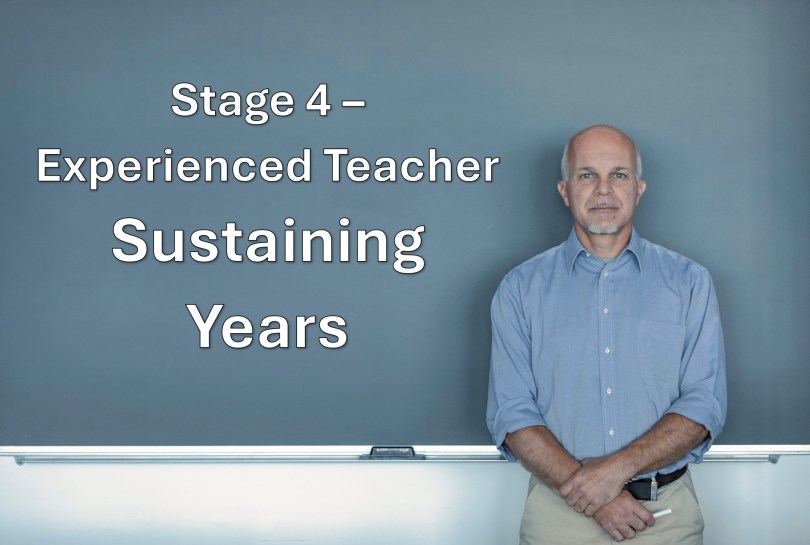
  • Stage 4: Veteran/Sustaining Years (this blog)
  • Stage 5: Next Chapter/Living the Dream (future blog)

When do we become “experts” in our field? When are we “master teachers?” Do we ever reach the apex of our achievements, the crowning glory of our career, or the pinnacle of our profession?

Never! You snooze, you lose. If you stop expanding on your knowledge and skills, forgo exploring new ideas, methods, and media, or become stagnant and settling into a rut at work, you might as well RETIRE (“Stage 5”). Instead, I direct you to revisit “Stage 3” in Bookends II here. As dedicated educators, the focus must be on constant retooling… reviewing/revising “best practices,” setting new goals, and building on the existing networks and engagement in the profession. These have always been the essential elements of a true professional.

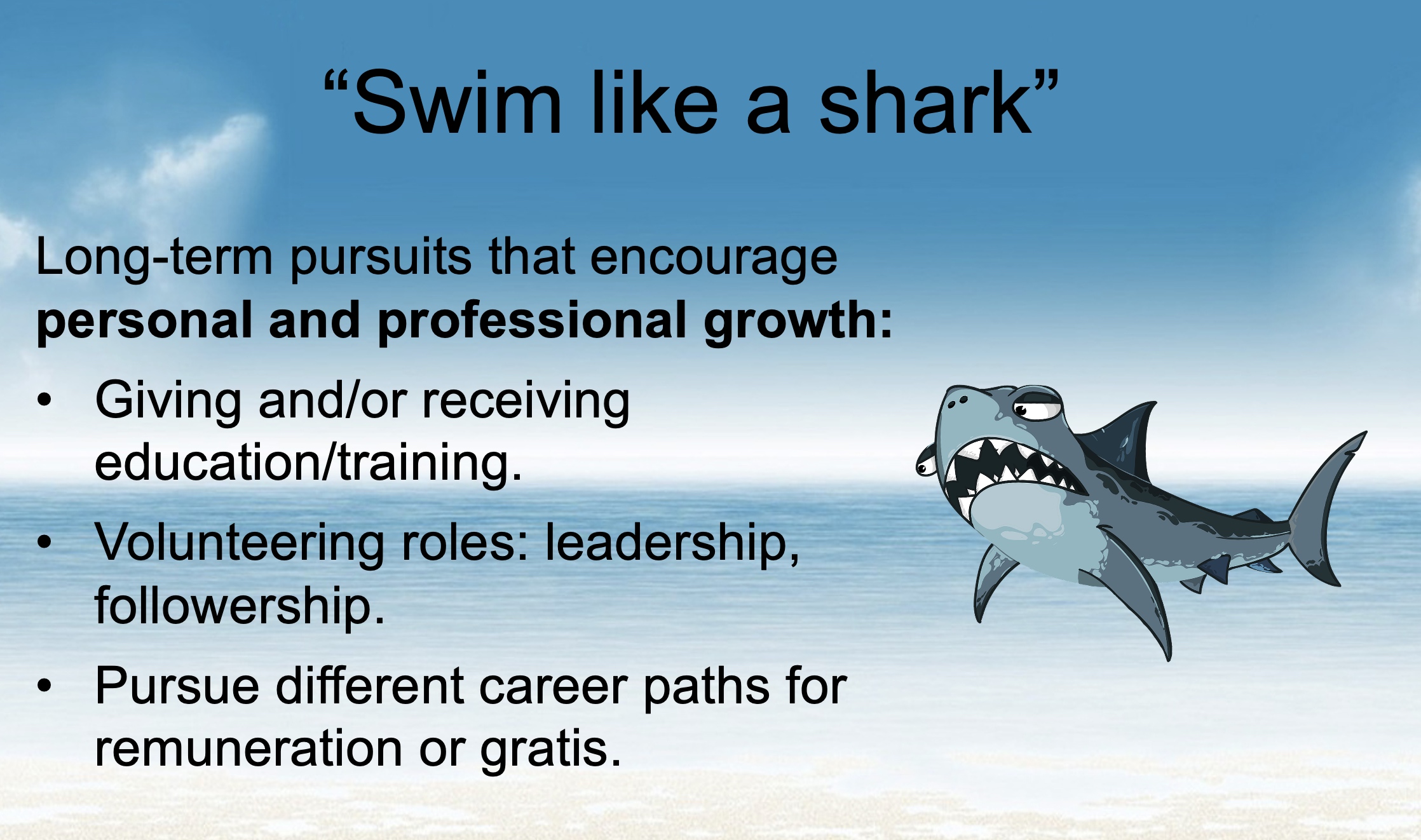
Now I should mention that during our middle-years, we sometimes return to education, get advanced degrees, new certifications or teaching specialties, apply for new job assignments, etc. When my PMEA colleague and fellow music teacher retiree John D’Ascenzo left full-time teaching, he went on to pursue a doctorate degree. Also appropriate for our next Bookends section, I have often quoted his analogy for all career stages to “swim like a shark” (since a shark never stops moving, even when it is sleeping). Sage advice for us all!

During my whirlwind of more than five decades in the field of music education, I went through several “first-year-of-teaching” passages, such as accepting my first job in general music at Edgewood School District (1978-1980), then being hired to direct strings (grades 6-12) at Upper St. Clair School District in 1979 followed by a 16-year appointment to the USCHS choral program of over 200 singers in 1980 on… transitions requiring massive job retraining and revitalized professional development. I may have not appreciated the stress of these “hurry up and relearn” periods at the time, but these periodic challenges made me GROW. In the end, I “lived” and embraced Robert Frost’s poem, “The Road Not Taken.” It may have not been the initial pathway I imagined for myself when I started in music education, but “I took the one less traveled by, And that has made all the difference.”

To this day, this violist and orchestra director has NO REGRETS teaching so many years outside of his so-called “specialty” or emphasis! It comes back to me every time I run into former choral or musical students, those I taught in those early years of being a vocal novice (at times when I felt less prepared). My past instrumentalists/singers/actors reminisce a little and literally rave about their musical experiences and what they meant to them.

My emphasis to foster success in our “veteran years” is also on teacher self-care: health and wellness, burnout prevention or remediation, stress and time management, and personal life and work balance.

Let’s start with examining the probable causes of STRESS in TEACHERS:

  • Overwhelming workload, long hours, and/or challenging classroom situations
  • Lack of administrative or social supports
  • Feeling a lack of respect, loss of job autonomy, or not being valued or appreciated in the organization or assignment
  • Dysfunctional or hostile work environment
  • Inconsistent hydration and consumption of a balanced diet and healthy quantities (length, depth, and frequency) of rest and sleep
  • Irregular amounts of daily aerobic physical exercise
  • Misuse of the voice at work and inadequate hearing conservation and protection from over-exposure to sound
  • Deficient scheduling of opportunities for mindfulness, meditation, and/or reflection
  • Deprivation of personal outlets for creative self-expression (not related to job) and the lack of time to explore hobbies, interests, and socialization with family and friends
  • Infrequent use of sick days or vacations even when they are needed for restorative health

We all have experienced at least a few of these “bumps along the road” (but hopefully NOT most of them). Although I generally had very supportive administrators throughout my years in the public schools (and no one would claim I exhibited any symptoms of “burnout”), I did model a few of the inconsistent habits of personal health (diet, sleep, etc.) and an unbalanced work/personal life schedule. And, perhaps it could be said that I did some of my best work totally exhausted!

As I have written in past blogs (especially here in “Burned Out or Bummed Out”), the best book I know on “teacher exhaustion” is by Paul Murphy (2017), and subtitled Why Teachers Are Do Tired and What They Can Do About It. I strongly recommend it as “a required read” for all new AND veteran teachers.

Besides being aware of your “body chemistry” (especially what the challenges of constant willpower, deferred gratification, and relentless scheduling can do to lower your blood glucose levels later in the day), to quote Murphy, some of his suggestions for remediation are NOT so easy to follow:

  • Work less/fewer hours
  • Time before school is worth more than twice as much as time after school
  • Use class time to check work
  • Leverage technology
  • Don’t grade everything
  • Stop assigning things

Sorry! My wife and I modeled the behavior of “more-than-full-time” music teachers with after-school rehearsals of marching bands, musicals, community orchestras, chamber ensembles, private lessons, music festival preparation, etc. How in the world do you work fewer hours? Also, since most music teachers do not assign “paper” homework requiring teacher correction, “checking for understanding” and in-class formative assessment could improve efficiency. Sometimes we are own worst enemies… We should “keep it simple” and focus on the priorities. That brings us to time management.

My favorite strategies for organizing our time and fostering a better work/life balance involve these resources (click on links below to past blogs at this site). PLEASE STUDY THESE!

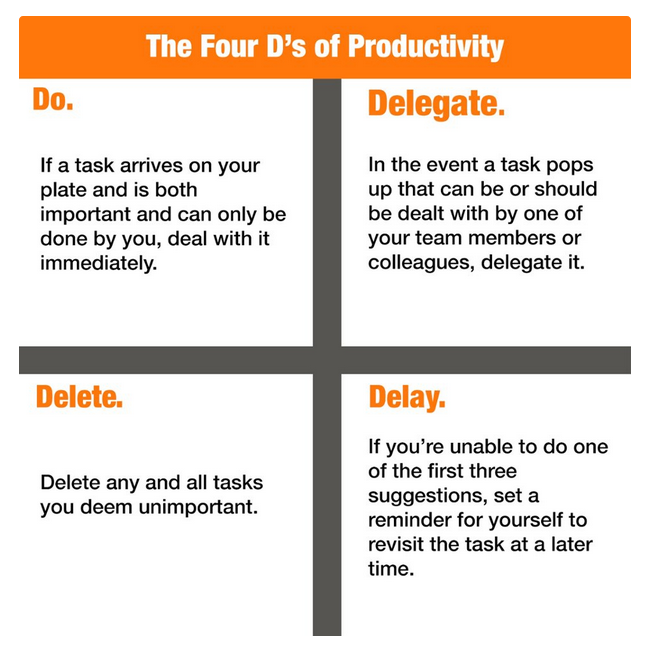
I return to the “Four D’s” concepts several times in past writings, and the “system” can be applied digitally as well… as long as you make a concerted effort to take the necessary time (10-20 minutes) every day to manage the up-front decision-making to “do immediately,” file, or weed out most of the “voluminous noise” (distractions) you get in email, texts, voicemail, snail-mail, etc. Get ready to push the “delete” button… over and over again!

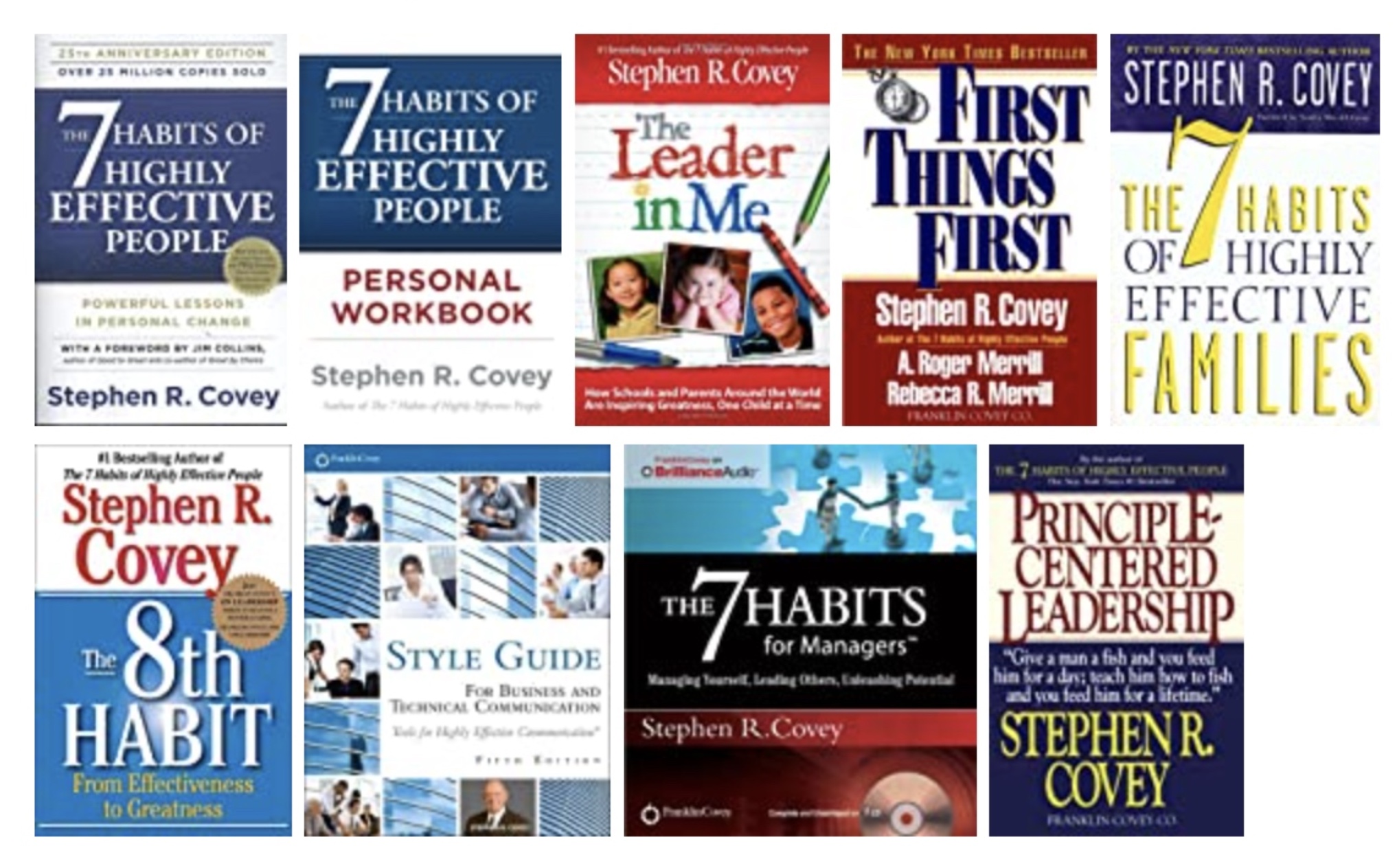
Then there are a few more ideas in “Top Ten Organizing Tips…” and any of the books by Stephen Covey (below). I particularly like the philosophy/demonstration attributed to him re: “start with the big rocks!”

Also, if you are a member of NAfME (National Association for Music Education), search their vast library of related blogs here, several articles to which I was fortunate to have contributed.

Final thoughts for the “sustaining years” of your profession and to avoid any touches of BURNOUT is to develop a self-care plan. My first go-to for building meaningful wellness habits comes from “What Self-Care Is and What it Isn’t.” In past health and wellness workshops, I echo these “basics.”

  • Promote a nutritious, healthy diet, and hydrate often.
  • Get enough sleep.
  • Exercise.
  • Follow-up with medical care.
  • Use relaxation exercises and/or practice meditation.
  • Spend enough time with loved ones.
  • Do at least one relaxing activity every day, whether it’s taking a walk or spending 30 minutes unwinding.
  • Do at least one pleasurable activity every day, from going to the cinema, cooking, or meeting with friends.
  • Find opportunities to laugh.

Self-care can take many forms, such as physical, spiritual, and emotional self-care. It’s an important factor in maintaining health and well-being.

Self-care might range from a hot soak and yoga to everyday activities like preparing meals you want to eat or dressing in your choice of style.

Self-care is not an indulgence. The WHO recognizes it as a crucial aspect of health maintenance.

Tailoring self-care for your budget, season in life, and personal needs for whole body wellness, inside and out, can be energizing and exciting in itself.

https://psychcentral.com/blog/what-self-care-is-and-what-it-isnt

Veteran full-time educators: To sustain and nurture success in the middle to twilight years of your career (Stage 4), seek to understand and practice personal wellness and work/life balance while continuing your pursuits in self-motivation, self-assessment, self-energizing, self-(re)invention, and “growing” personally and professionally, and if it becomes necessary, promote the diagnosis, prevention and self-remediation of debilitating stress and burnout.

PKF

© 2024 Paul K. Fox

Sleep and Retirement

Are you getting enough (or too much) rest?

Saying goodbye to work life can mean a change in your sleep schedule. Learn how to sleep well during this new stage of life.

“Sleep, and the Workplace” at Sleep.org

cartoon what time do you want to get up

Did you know there really exists a National Sleep Foundation? Now that we are retired from full-time music teaching and the day-to-day stress of managing classes and a busy music program, do you think we need it? Can’t we sit back and enjoy “living the life of Riley” without experiencing any work-related tension or fears for the future?

Maybe not! What is that old Chinese proverb? “The gem cannot be polished without friction, nor man perfected without trials.” After all, as humans, we all seek new and unique challenges to grow (and that brings on stress), and sleep is a complicated issue!

But, no worries! Several someones have “our back” (or should I say “our pillow!”). Here is a collection of insightful resources on promoting better sleep habits and relaxation techniques from a variety of research-based and/or medical authorities.

bed-2932284_1280_naobim

I didn’t set an alarm for four months. I quickly learned that one of my favorite times of the day was 30 minutes after I first woke up. For the first time in decades, there wasn’t a rush to get out of bed. I’d let myself fade in and out of sleep several times, savoring the fact that I could let myself fall back into the hazy sleep rather – into the shower to wake myself for the morning drive. I’d gotten up at 5:30 AM for years the found that about 7:15 AM was a natural time for my body to wake up. The dogs seem to enjoy this new routine as well. We have four dogs, all of whom compete for space on the bed. Which ever one happen to be near my hand would nozzle under my fingers when they felt me start to wake up, being content to enjoy our laziness together as a new way to start our new days.

The Keys to a Successful Retirement by Fritz Gilbert

The perks of retirement are many, including the “freedom” to do new things and spend more time with family and friends as well as on travel, personal music-making, hobbies, babysitting loved-ones (or care-giving our elderly relatives), volunteering, and other projects or pursuits of “self-reinvention” suggested by “retiree gurus” like Dave Hughes, Robin Ryan, Kenneth Schultz, Hyrum Smith, and Ernie Zelinski.

Another benefit of post-employment? MORE sleep! According to Sleep.org, “people sleep approximately 20 minutes longer at night after retirement. Those who skimped on sleep the most during their working years see the biggest gains, increasing their nightly sessions by around 45 minutes compared to pre-retirement.”

The National Sleep Foundation website also offers articles on the “science of sleep.”

  • Sleep Cycles – Stages of Sleep
  • Circadian Rhythms
  • What Is Microsleep?
  • How to Fall Asleep Fast
  • What is the Sleep-Wake Cycle?

as well as mattress reviews and life style choices that may affect our sleep.

newspaper-149623_1280


The “serious stuff” for serious sleep issues

Experts do believe that “normal aging” brings on some changes to sleep… Basically, older adults tend to get sleepy earlier in the evening, and tend to sleep less deeply than when they were younger.

So it’s probably not realistic to expect that as you get older, you’ll sleep as long or as soundly as when you were younger.

That said, although aging by itself does change sleep, it’s also quite common for older adults to develop health problems that can cause sleep disturbances. So when your older relatives say they aren’t sleeping well, you’ll want to help them check for these. Figuring out what’s going on is always the first step in being able to improve things.

Better Health While Aging blogs by Dr. Leslie Kernisan here and here

The definitions, causes, and treatments of sleep disruption are described in great detail by Leslie Kernisan, M.D., authoring “5 Top Causes of Sleep Problems in Aging and Proven Ways to Treat Insomnia” outlined here:

  1. Underlying medical problems
  2. Sleep-related breathing disorders (snoring, sleep apnea, etc.)
  3. Restless leg syndrome (RLS)
  4. Periodic limb movements (PLM)
  5. Insomnia

Painful nighttime leg cramps may also interrupt sleep, as referenced by the American Family Physician, Mayo Clinic and WebMD.

Dr. Kernisan advises us against using sleeping pills or other sedatives. She prefers the following remedies which have shown great promise, backed up by published research:

  1. Cognitive behavioral therapy: New York Times and Mayo Clinic
  2. Brief behavioral treatment: Journal of Clinical Sleep Medicine and National Institute of Health
  3. Mindfulness meditation: Journal of the American Medical Association and Mindfulness Awareness Research Center at UCLA
  4. Exercise: Science Direct, National Institute of Health, and New York Times

The Division of Sleep Medicine at the Harvard Medical School also offers these “Twelve Simple Tips to Improve Your Sleep.”

  1. Avoid caffeine, alcohol, nicotine, and other chemicals that interfere with sleep.
  2. Turn your bedroom into a sleep-inducing environment.
  3. Establish a soothing pre-sleep routine.
  4. Go to sleep when you are truly tired.
  5. Don’t be a night-time clock-watcher.
  6. Use light to your advantage.
  7. Keep your internal clock set with a consistent sleep schedule.
  8. Nap early, or not at all.
  9. Lighten up on evening meals.
  10. Balance fluid intake.
  11. Exercise early.
  12. Follow-through.

Another “sleep checklist” worth a quick examination is available from WebMD.

cat-30689_1280


Should we take cat naps? The jury is out.

At first glance, the National Sleep Foundation basically says NO! Napping during the day may “throw your body clock off and keep you awake at night.”

However, the truth may be more about how long to doze off during the daylight hours…

You may think that taking a catnap will make you feel more tired than skipping it altogether, but that’s not necessarily true.

The key to waking up refreshed from a nap is all about timing. Just 20 minutes is all you need to get the benefits of napping, such as improved alertness, enhanced performance, and a better mood. Naps of that length keep you in the lightest stage of non-REM sleep, making it easier for you to get up and go after your snooze session. Be sure to set an alarm so you don’t snooze for too long and wake up all groggy.

Nap for 30 to 60 minutes and you’ll hit the deeper stages of sleep, where your brain waves slow down, making you feel groggy (as if you have a sleep hangover) when you wake up…

It might not be worth it to nap at all if you’re going to nap for this amount of time because you’ll likely come out of your shuteye feeling less alert than before.

“How Long Is an Ideal Nap” at Sleep.org

The benefits and drawbacks of napping are further examined by the Mayo Clinic and even TIME magazine.

camping-32112_1280

Can too much sleep be bad for you?

According to new research carried out by Online Opinions, over-60s need to make sure that they are not in fact getting too much sleep once they are retired, as this can actually have an adverse effect on health.

According to the National Sleep Federation, the optimum amount of sleep for adults aged up to 64 to get each night is between seven and nine hours, while for over-64s, between eight and nine hours is deemed to be best.

You need to remember that your body isn’t as young as it once was and needs a decent amount of rest, but not too much, but the organization warns that more than ten hours’ sleep a night could be stopping people from using their bodies and brains as much as they need to in order to keep them active and hold on to their cognitive functions. In other words, too much sleep could carry a small extra risk of dementia development.

But there’s no need to worry too much; as long as you get plenty of exercise, keep your brain ticking, and lead a healthy lifestyle during the hours that you’re awake, there shouldn’t be too much cause for concern.

Just Group

WebMD warns that oversleeping has been linked to a host of medical problems, including diabetes, heart disease, depression, and increased risk of death.” The article “Physical Side Effects of Oversleeping” delineates the causes and effects of too much sleep, and points to an online “sleep habits assessment” to help you evaluate your needs.

This research seems to be supported by several other sources:

The amount of sleep you need varies significantly over the course of your lifetime. It depends on your age and activity level as well as your general health and lifestyle habits. For instance, during periods of stress or illness, you may feel an increased need for sleep. But although sleep needs differ over time and from person to person, experts typically recommend that adults should sleep between 7 and 9 hours each night.

WebMD

meditation-4674442_1280

More on retirement and “mindfulness”

From the author of one of my favorite “teacher self-care books,” I Love My Job But It’s Killing Me by Lesley Moffat, I personally recommend trying the “M-Power Method” of mindfulness practice during meals, movement, music, and what Lesley describes as the “5 S’s of clearing,” cited by the website dailyom.com:

  • Slowing Down
  • Simplifying
  • Sensing
  • Surrendering
  • Self-care

Jason Ong, a sleep psychologist at the Rush University Medical Center, offers these reminders of “Seven Tips for Falling Asleep” based on mindful practices of health and wellness (visit his site here to study these more in depth):

  1. Beginner’s mind
  2. Non-striving
  3. Letting go
  4. Non-judging
  5. Acceptance
  6. Trust
  7. Patience

Finally, if you want to immerse yourself in a comprehensive “mindfulness journey,” visit the blogs of Cindy’s Mindful Retirement to peruse “Mindfulness After Sixty: 21 Practices.”

moon-4546977_1280_ArtsyBee

Can you “trick” your brain into going to sleep?

One last interesting resource I stumbled on… how to “drum yourself to sleep” if you are having difficulty in calming the thoughts swirling around in your mind at night. This technique intrigued me enough to include it as one of the digital SHJO.clips for my community orchestra musicians sent out as a remote learning opportunity:

CLIP #22C: View and try the techniques in this YouTube “How to Trick Your Brain into Falling Asleep” by Jim Donovan (TEDtalk) using a simple 2 to 3-minute rhythm tapping and breathing “cool-down.”

https://www.youtube.com/watch?v=A5dE25ANU0k

Now, although anticipated, I am not necessarily looking forward to website comments or emailed responses from mattress and sleep accessory manufacturers, sending me their advertisements, recommendations, and industry reviews. Regardless, one thing is true: “What you sleep on has a major effect on achieving a quality rest!” I can confirm this fact “living it” with a recent replacement upgrade to our master bedroom. If you are in this situation, you need to take ample time to explore all of your options in any new purchase of beds, adjustable or nonadjustable bases, mattresses, bedding, and pillows. Essential in education; here, too: you need to personalize and customize everything to meet your needs!

Just to stave off a few of these companies, here are a few websites to visit if you are in the market to buy a new bed, mattress, pillow, or other bedding:

asleep-1296292_1280

The final word? If you prefer a few “more heady” academic studies and statistics on retirement + sleep, look up “Sleep Before and After Retirement” from the National Institute of Health, the “Reduction in Sleep Disturbances at Retirement” dissertation from Cambridge University Press, or review the case studies discussed by Health.Talk.org in “Sleep Problems Later in Life.”

Have a good night!

PKF


© 2020 Paul K. Fox


Photo credits (in order)

From Pixabay.com