Bookends – Part One

The Life Cycle of a Successful & Happy Music Educator

“There are no secrets to success. It is the result of preparation, hard work, and learning from failure.”

Colin Powell

I feel blessed to have spent five decades in the field of music education. No other career has offered so much personal satisfaction, discoveries and growth of hidden potentials and skills I never knew I had, sharing my love of creative self-expression, and facilitating others to seek their own connections to music. I am trying to follow my own “retirement” advice, remaining active in the profession in ways that matter, helping others find their own success, and embracing author Ernie Zelinski’s mantra to “find purpose, structure, and community” throughout my years as a retiree.
Parallel to the mission of the Pennsylvania Music Educators Association Council for Teacher Training, Recruitment, and Retention, serving “the life cycle of a music educator,” this blog site is my “gift” to future and current music educators and those contemplating retirement. Recently, I presented a workshop on this topic for student teachers in music education at Seton Hill University (Westmoreland County, Greensburg, PA), summarizing a framework for “professional development for life” in order to foster these goals and nurture meaningful successes of pre-service music educators. No “road map” (or to retain the analogy in my title, “library” of resources) is applicable to everyone nor will the journeys/readings be the same… but since my collections of past blogs over ten years are now vast, I offer this simplified checklist for any “newbie” interested to seek their own pathway. Happy travels!

  1. Preservice/Training Years: Marketing, Interviewing, & Networking
  2. Rookie/Practicing Years: Ethics & Professionalism 101
  3. Inservice/Growing Years: Career Development (next blog post)
  4. Veteran/Sustaining Years: Time Management & Self-Care (next blog post)
  5. Next Chapter/Living the Dream Years: Retirement Prep & Mastery (next blog post)

The slides to the entire presentation are open to anyone to view below.

However, here’s a shamelessly offered advertisement. It would make more sense to see this “in-person” or online with my moderation. I would be happy to present this session (giving me at least an hour to allow for more interactive discussion) to collegiate members, a music education methods class, a regional workshop, or festival meeting via Zoom or in-person (in PA). If interested or to inquire, please send me an email here.

Now… the checklists. Depending on your current status and interests, peruse the following resources. It is possible a few of the links contained within these blogs have gone inactive, but I believe enough is there for you to gain the insight, tools and motivation to achieve “professional development for life.”

Stage 1 – Preservice/Training Years

The focus during our early years in any profession is learning the “shtick” and getting ready for the job search and interviewing. Probably before anything, we revisit our inspiration and what Simon Sinek directs us to “the why” of any organization… in this case, “the why” of becoming a music educator – our philosophy, mission, vision, and understanding of the purpose/role of music education n the schools.

[ ] 1. The Meaning of Pro: Are you a professional? Do you have the skills, habits, and attitudes of a professional in the field of education?

[ ] 2. Marketing Yourself and Your Pre-K to 12 Music Certification: What is your professional “brand?” Do you plan to “sell” yourself as a specialist, e.g., “band director” or “elementary general music teacher, etc.? To those potential job candidate screeners, promote the image of being proficient – “a total music educator” – and don’t emphasize your major/emphasis or perceived skill or experience limitations. The only thing that really matters is whether you are the “right fit” for a particular opening, and of course, deciding whether or not to accept the offer. Your license (certification) implies that you do indeed have the necessary training to teach all K-12 music classes. Don’t sell yourself short!

[ ] 3. Criteria for Selection of the “Ideal” Teacher Candidate: The best way to prepare for a job interview is to become aware of how you will be judged in comparison with your peers. What are the standards (or behaviors or criteria) of outstanding teachers? For what are administrators looking to fill the vacancies and build/maintain a quality staff?

[ ] 4. “S” is for Successful Storytelling: The number one method to land a job is “SHOW, don’t TELL!” Stories are up to 22 times more effective than facts alone. Identify the key impressions you want to convey. Pick interview stories that will “sell” the right message. Learn how to share unique personal examples of your interactions with children, colleagues, and music programs. These additional resources can be shared about “strategic storytelling” and how to prepare (a.k. practice) telling your anecdotes:

[ ] 5. The Ultimate Interview Primer for Pre-Service Music Teachers: This super-packet has a collection of more tips on marketing yourself and mastering the “science” of finding a job, interview strategies and sample questions, evaluative rubrics, follow-ups, “bad habits” to avoid, etc. Take the time to download and explore these excellent tools!

Homework for Stage 1 – Developing a Marketing Plan

  • Standards: Define your personal mission, goals, and philosophy for teaching music, modeling the highest ideals of professionalism, and becoming the “total music educator.”
  • Marketing: Design and distribute a “state-of-the-art” résumé, e-portfolio, website, and business card.
  • Skills: Compile a list of anecdotes and true stories of you overcoming challenges, solving problems, and demonstrating  “best practices” of professionalism and self-improvement.
  • Assessment: Practice, record, and evaluate yourself answering job interview questions.
Stage 2 – Rookie/Practicing Years

[ ] 6. Ethics for Music Educators – Part I, Part II, and Part III: You may think that the primary focus for our early years as a novice teacher would be the reinforcement of what we learned about education – curriculum, content, methods, classroom management, and assessment, but something else trumps all! Before we ever step foot in a classroom, rehearsal room, or stage, it is essential we first review those ethical standards in education, terminology, philosophy, and “the codes” that bind us. We should be able to show in depth understanding of these concepts:

  • Fiduciary
  • Moral Standard
  • Ethical Standard
  • Ethical Equilibrium
  • Moral Professionalism
  • Differences Between a Code of Conduct and a Code of Ethics
  • Student-Teacher Boundaries and the Slippery Slope of Ambiguous Relationships
  • Function/Relevance of “The Codes” to Daily Teacher Decision-Making

For nearly every presentation I do on “ethics for pre-service music educators,” I hold up a fifty dollar bill and ask, “Who wants this? Can you name the exact title of your state’s code of conduct for educators and the government agency that enforces it?” So far, no one has made me $50 poorer. Indeed, few active teachers “in the trenches” have read their “codes,” and frankly, that is surprising. Violation of any major provision in our code of conduct will result in a serious reprimand, being fired, losing one’s certificate to teach anywhere, and/or criminal/civil prosecutions. Wouldn’t you think all of us would be intimately familiar with the “rules” of our professional?

For my Pennsylvania colleagues, please download and READ these:

[ ] 7. Ethical Scenarios (and More): The study of morality in professional decision-making is essential to pre- and in-service training of music teachers. Our goal should be to reinforce recommendations for the avoidance of inappropriate behavior (or even the appearance of impropriety), and defining and modeling the “best practices” of a serving as a “fiduciary” by promoting trust, fostering a safe environment for learning, acting in the best interests of our students, and upholding the overall integrity of the profession.

One of the best ways to accomplish this is to discuss ethical scenarios in small peer groups, an interactive exchange of opinions – “what would you do?” – in analyzing hypothetical case studies. Perhaps in a college methods class, student teaching seminar, department meeting, faculty committee, or PLC (Professional Learning Community), the following thought-provoking questions from the Facilitator Guide for Professional Responsibilities – Module 5, written by the Connecticut State Department of Education T.E.A.M. (Teacher Education & Mentoring) manual should be discussed in an open, reflective, nonthreatening setting:

  1. What possible issues/concerns might this scenario raise?
  2. How could this situation become a violation of the law, the “Code” or other school/district policies?
  3. In this situation, what are some potential negative consequences for the teacher, students, parents, and/or school staff?
  4. How would this episode affect a teacher’s efficacy in his/her classroom, demean the employing school entity, or damage her position as a moral exemplar in the community?

Please visit link #7 (above) for sources of ethical scenarios to study, including my “conundrum series.”

Homework for Stage 2 – Are you an Ethical Educator?

  1. Self-assess your own habits of professionalism, and identify goals for at least two “personal improvement projects.”
  2. Read “cover-to-cover” any documents relating to your own state’s code of conduct and the NASDTEC Model Code of Ethics for Educators.
  3. Discuss the ramifications of “choices” and teacher decision-making in context by reading a few of the fictitious scenarios highlighting ethical precautions, disputes, and “conundrums.”

Coming Soon…

Bookends Part Two

PKF

© 2023 Paul K. Fox
52 Creative Tips to “Supercharge” the School Musical

Building Student and Community Support and Appreciation of Theater

Several “Tricks of the Trade” that Have Worked for the Upper St. Clair High School Spring Musical in Pittsburgh, PA. Adaptation of my 1992 article published in PMEA News, the state journal of the Pennsylvania Music Educators Association.

GOALS OF THE BLOG: Food for Thought!
  1. Brainstorm “tried and true” techniques that build support for the school musical.
  2. Share shortcuts for adding pizzazz to your PR – better ways to market your show.
  3. Generate discussion and collaborate on ideas… everything from student recruitment to ticket sales.
INTRODUCTION: Let’s examine “WHO and WHY” before “HOW and WHAT”

Multiple-choice question (choose your best guess):

Primarily, for what group of people do you sponsor a musical production?

A) Music students already enrolled in the choral and instrumental classes (and if you have them, drama/dance courses), who are more qualified and deserve the musical as a “reward” for their hard work and loyalty to the Fine Arts program.

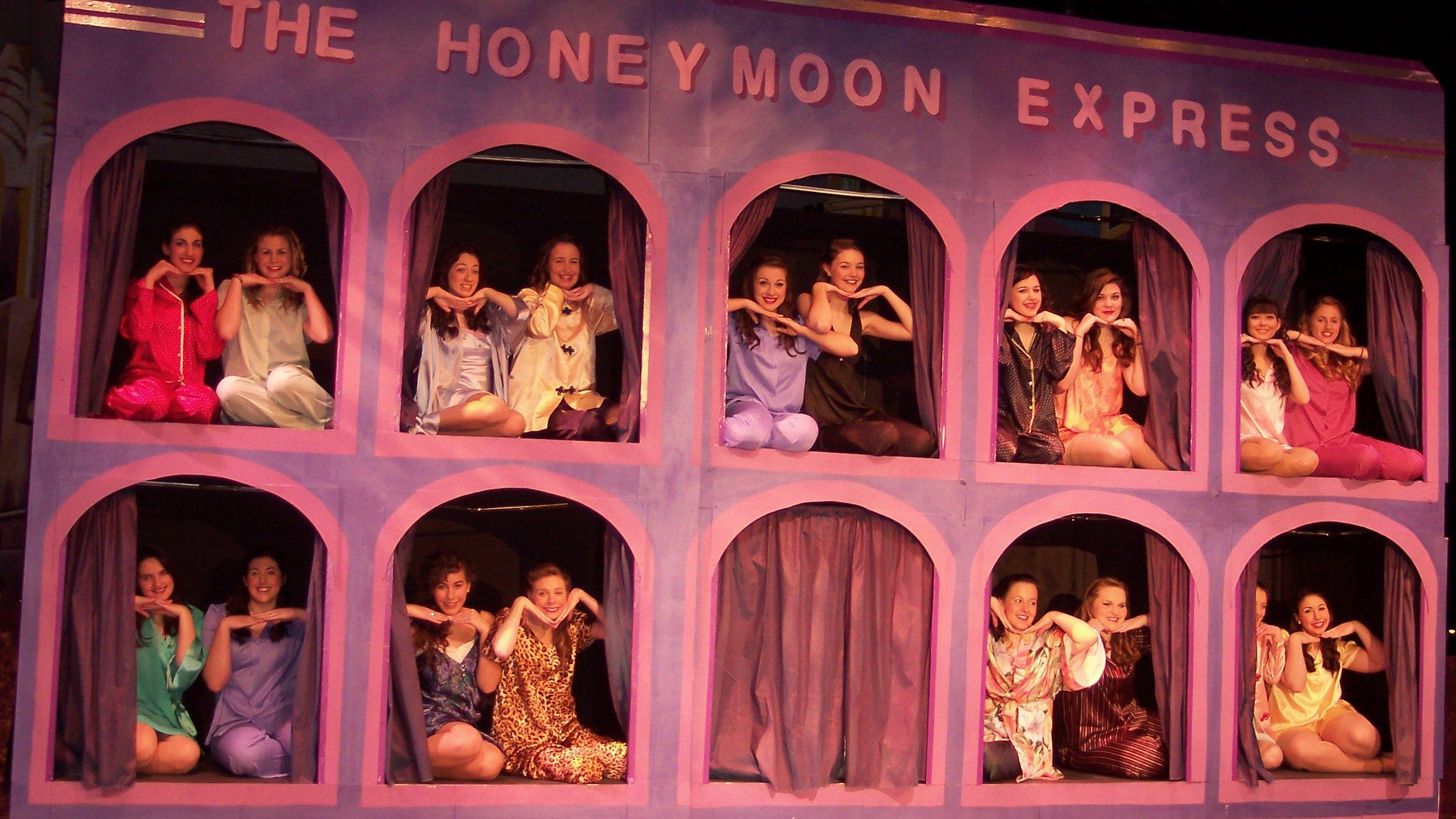
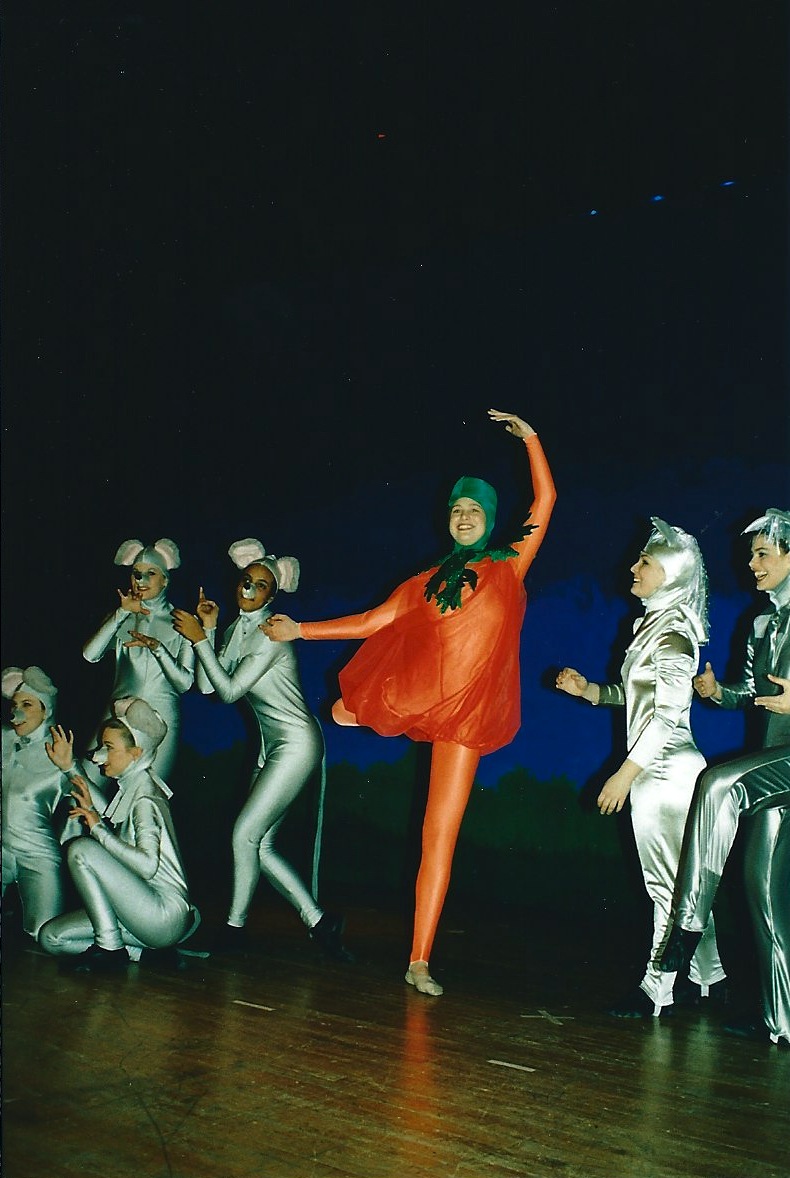
Supercharge 1 dancers2B) A small core of the most talented students from the music program, probably those who have studied voice, drama, instruments and/or movement privately outside the school, participated in Pittsburgh Civic Light Opera (CLO) Mini Stars, CLO Academy, or other local professional-caliber performing arts school, amateur theater, dance studios, etc. – the “cream of the crop” – many of whom will continue in theater or music as a career, but will achieve a higher degree of professionalism in performance, and thereby help the musical gain prestige and respect – not a “typical high school show!”

C) The general student body of non-music majors, e.g. a “class play,” which may help to draw some of them into the music program in the future (recruitment), while placing no emphasis on it for the students currently enrolled in music classes since they already have public venues for their self-expression.

D) Members of the community (parents, past drama alumni, amateur performers) alongside the students to share their more advanced skills and provide a higher level of performance and “taste” of realism, while filling the more difficult parts on stage, in the pit, and backstage – in short, building a support base community members by direct participation

E) All of the above with some limitation in using adults as actors

PHILOSOPHY: Sharing a Few Ground Rules for Improving Your Productions
  • Nonlinear problem solving – There are no “right” answers in this business, only ideas.
  • “One size does not fit all!”
  • No one uses “all of this” at one time.
  • Supercharge 1 levels1Focus on your needs and prioritize.
  • Take slow “baby-steps” towards trying a few new things every year, and discard any that do not work!
  • Maintain (and share) YOUR secrets.

Two approaches that drive Upper St. Clair musicals: “bigger is better” and “throw out the rule book!”

SUPER TIPS: Creativity, Marketing, and Professionalism

The following 52 ideas are submitted for your consideration (and adaptation), under the categories of:

  • Encouragement of Larger Numbers of Student Participants (#1-11)
  • Student Leadership and Enrichment Activities (#12-20)
  • Involvement of the Parents and Community (#21-28)
  • Professionalism and Quality Productions (#29-34)
  • Real Promotion of the Show (#35-52)
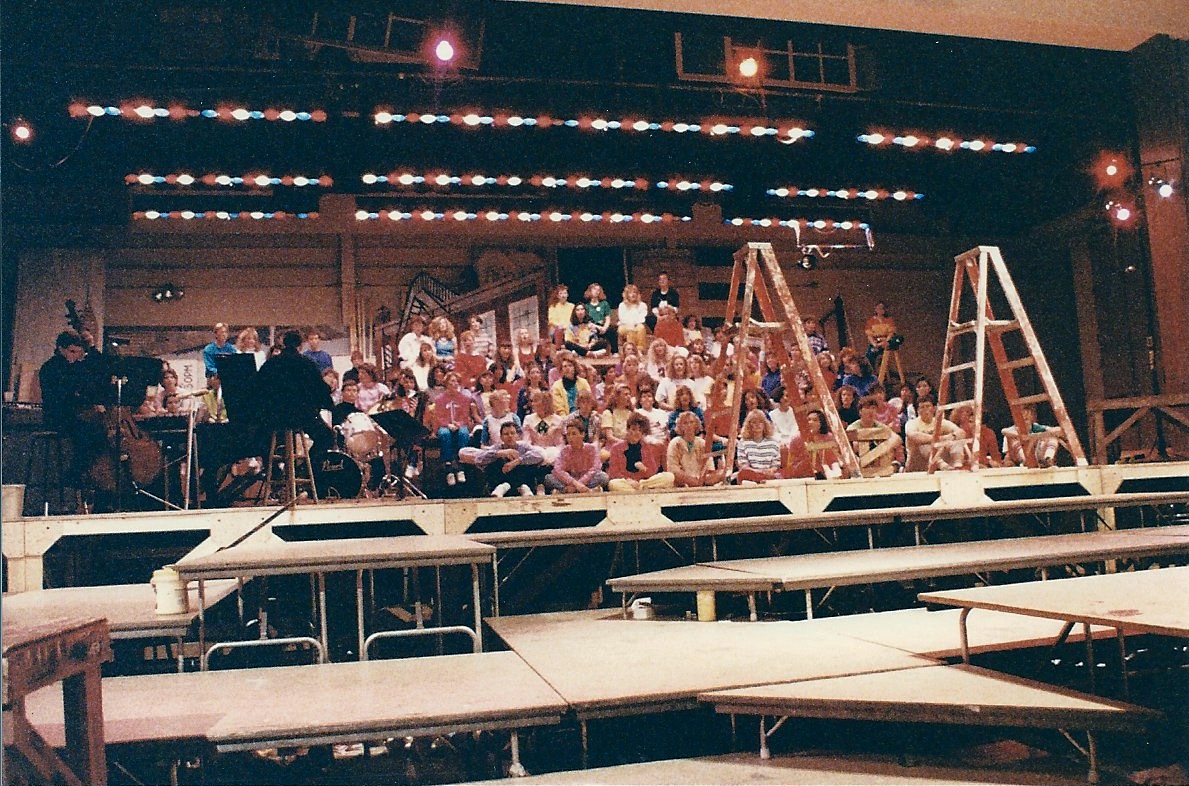
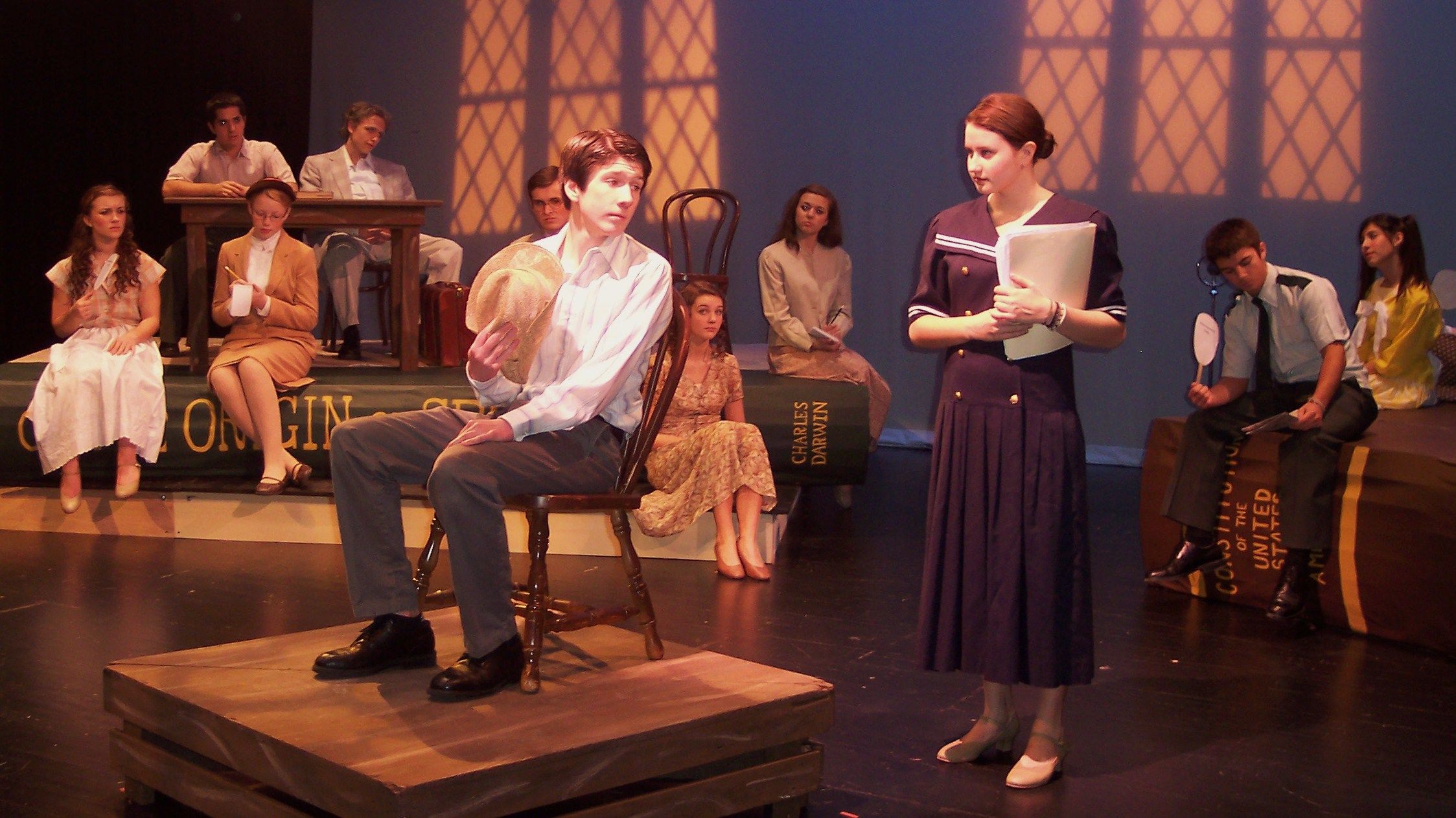
  1. Supercharge 1 levels3Select a show that allows for large numbers in the cast (e.g. Music Man, Fiddler on the Roof, etc.). Many schools select a maximum of 30-40 cast members, which can severely limit the size and scope of the production as well as the audience. In a few scenes, try to stage bigger groups (up to 100-150).
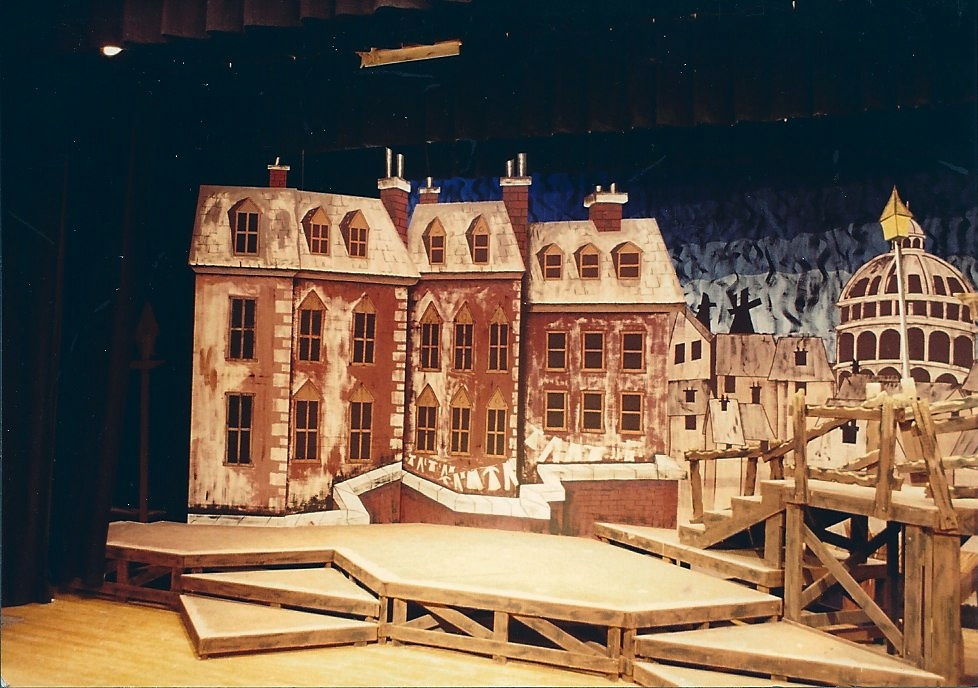
  2. Larger casts place greater demands on the staging director. Be creative in your blocking. Use the middle and side aisles, and build multi-level sets. (A two story set can support upwards of 150 singers for the “Iowa Stubborn” selection in Music Man! A second floor loft would be perfect for Oklahoma!)
  3. Bring the dramatic action on stage closer to the audience by constructing runways, pit ramps or other stage extensions. This also allows for staging a larger cast.
  4. A simpler solution to open up the space and add levels might be to construct a dozen large crates or benches. A low budget production could camouflage band risers.
  5. Supercharge 4 set projection31Adapt several of the song lyrics in the show for adding large choruses. (“Eloquence” from Hello Dolly, for example, can be expanded to have the entire cast enter and interact with the leads.)
  6. For even more color, choreograph these “encores” with a small ensemble of skilled dancers.
  7. Feel free to have the chorus sing several of the leads’ solo selections during the curtain calls.
  8. Be daring! Display your school’s (full size) marching band parading down the aisles for one scene in Music Man! Or use students in the 6th-8th Grade Chorus to sing “Food Glorious Food” in the opening scene of Oliver!
  9. Actively recruit students to try-out for the musical. Secure help from other school staff. For example, ask the football coach to mention the auditions to his players. Nothing will be more flashy (as well as hysterical) than a chorus line of football stars on the front thrust in Hello Dolly!
  10. Do not place limitations on student participation in the spring musical. Some school programs require the prerequisite of enrollment in choral or instrumental classes. The best recruitment of “outside” students to the Music Department may be their involvement and brief “taste” of a musical.
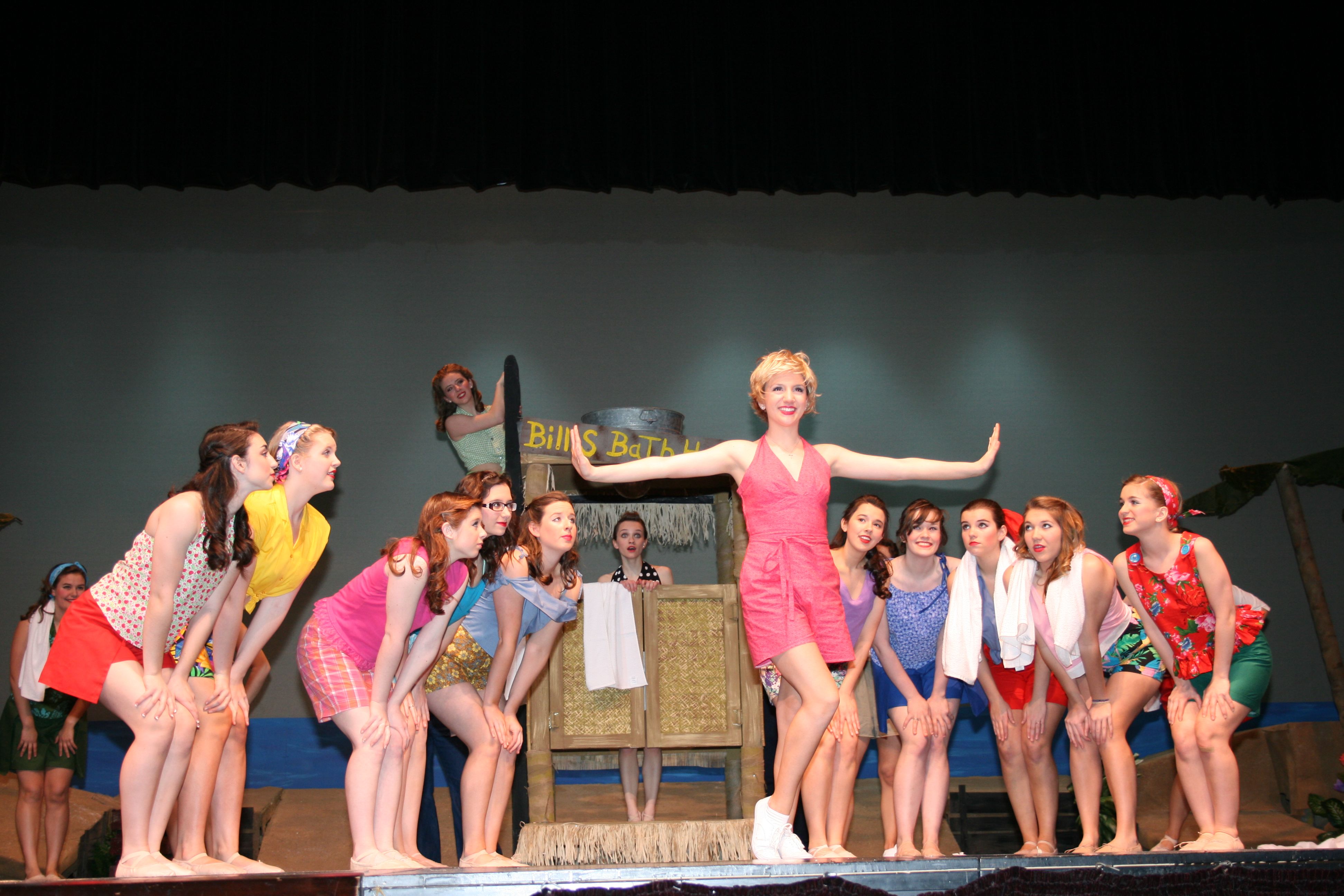
  11. Supercharge 4 south pacific scene1Offer pre-audition rehearsals on the required music, and/or simplify the try-out procedure as much as possible as to not “scare away” less confident students. Since the musical is geared for the entire student body (some of whom do not sing or act on a regular basis), make the try-outs a positive experience for all! Give the students a choice of songs and/or readings, as well as specifics on how to take an audition.
  12. Adopt an active and expanded Student Staff. The goal of quality education is to encourage students towards self-realization. In other words, the show should be “student run” – although selected, taught, and guided by adults. For example, once the scene changes have been rehearsed, the Student Stage Manager should actually call the cues.
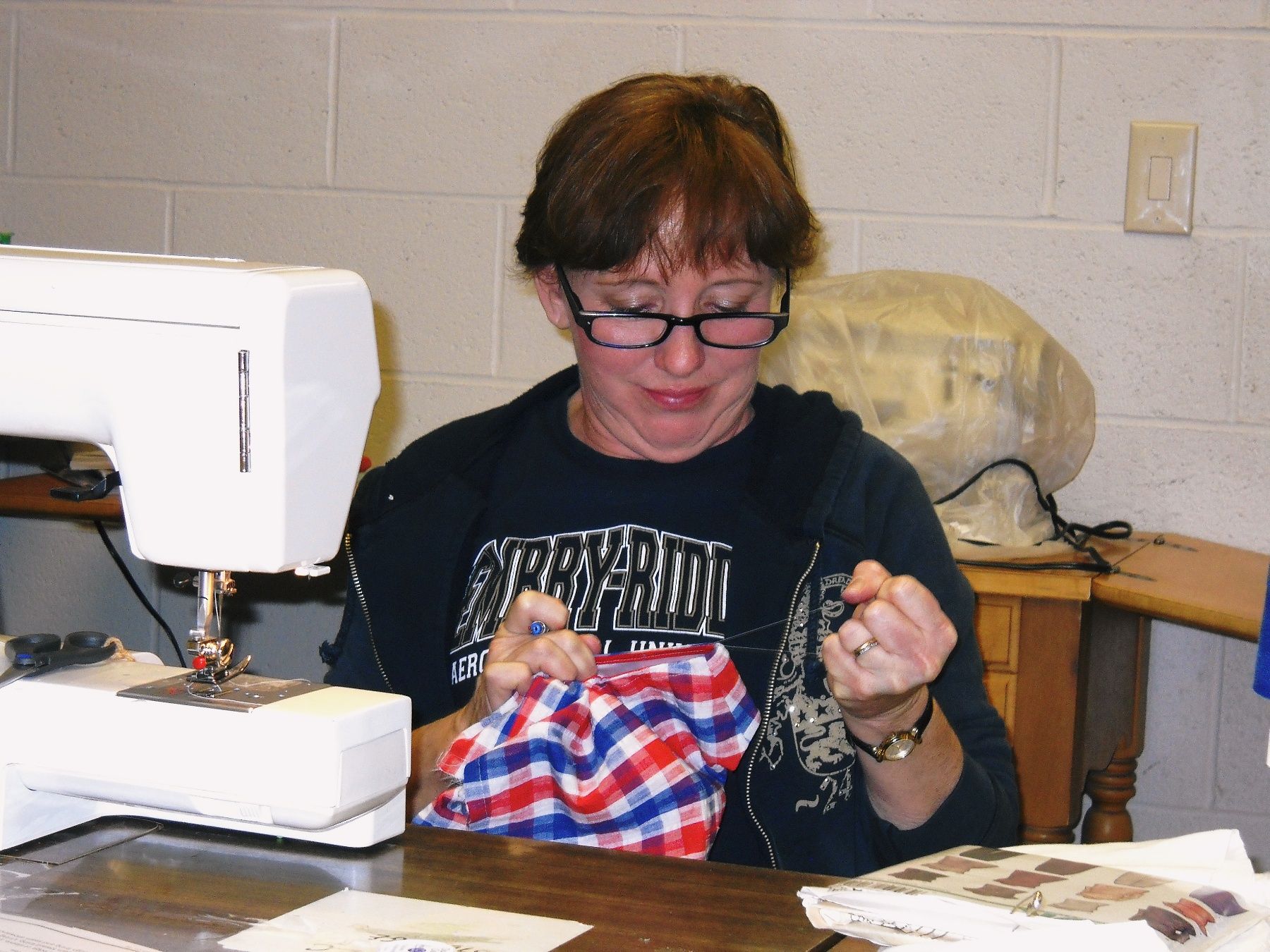
  13. Persuade students who plan to major in communications, TV/radio, or theatre to join the student staff. Also, “get the word out” to other students who are not singers or instrumentalists that you have openings for carpenters (set construction), artists (painting), writers (publicity), seamstresses (costumes), etc.
  14. Develop comprehensive job descriptions for each student leadership position: Student Director, Producer, Rehearsal Assistant, Stage Manager, Crew Head, etc. Assign an adult sponsor for overall supervision of each area.
  15. Hold weekly student staff meetings, with student department reports, idea brainstorming, problem solving, and discussions on group morale. Get the students actively involved in the day-to-day operations of publicity, ticket sales, production schedules, etc.
  16. Supercharge 1 dancers3At all practices, Rehearsal Assistants should be placed at every exit (stage left, stage right, pit left, pit right, etc.), and should maintain script cues and warnings in order to call the actors and direct placement of props and sets.
  17. Present a leadership or motivational workshop for the entire company or the student staff alone. Two to three hour sessions are available on time management, teamwork, communications, personal initiative and leadership. Excellent clinicians in this area include Bill Galvin, Michael Kumer, Tim Lautzenheiser, etc.
  18. Announce a weekly S.M.I.L.E. award (“students most interested in leading effectively”) or other special recognition to spotlight extra achievement of individuals in the musical company. Display the winners (photograph and biographical information) on a public bulletin board.
  19. Reward the student cast and crews by sponsoring an all-night (“lock-in”) company party at the school or local restaurant after the final performance. This could turn out to be real incentive for future participation in the shows – a dance, late-night banquet, awards ceremony, swim party, bowling tournament, or a combination of all of these activities. Parents also appreciate a well chaperoned final celebration, instead of (in some cases) totally unsupervised house-to-house parties sponsored by individual students.
  20. Provide other perks for students. Plan field-trips around the community. Advertise the show by singing several selections at a local Women’s Club meeting or Rotary Club breakfast. Take the leads to the local TV/radio talk show, providing an audience for that thirty second “plug” of your show on the airwaves. Or sponsor an in-school theater production clinic (e.g. a make-up application session, underwritten by a local cosmetic firm).
  21. Try to fill your adult staff positions with school staff: shop, art, and English teachers, etc. Who is more knowledgeable and supportive of the students? You can encourage the integration of drama subjects in their curricula: scenery painting (art), costume design (home economics), set construction (wood shop), publicity (journalism/English), etc.
  22. Supercharge 3 costume angels1Establish a parent volunteer grouptheatre angels—to support the students in working on the production crews (costumes, painting, set construction, etc.). Grant the Angels special privileges (early ticket pre-sale) and “Honorary Thespian” status.
  23. Have the Angels man your box office to offer the public regular and varied hours for ticket sales.
  24. Utilize parents to set-up and supervise study halls for those long staging rehearsals. Set aside one room for absolute quiet and a separate waiting area for group study and socialization.
  25. Because of the large cast size, post hall monitors (parents) to assist during the night performances of the show (first aid, distribution of props, overall supervision, etc.).
  26. Hold sign-ups for the Angels during Open House or work through local PTA.
  27. On Saturdays, sponsor staff “cover dish” luncheons to give everyone the chance to interact socially.
  28. Invite a popular school administrator, public official, local actor, or other celebrity to narrate or assist in the show (e.g. the voice in How To Succeed in Business Without Really Trying).
  29. Set out to achieve the illusion of realism in the scenery. Utilize a large student and adult crew of carpenters and build substantial backdrops, wagons, and book pieces to support your larger cast.
  30. Supercharge 1 levels5Rent professional set drawings from theatrical houses (e.g. New Wilmington, PA firm Sceno Graphics).
  31. Ask for help from local professional theater companies (hand-me-down sets, props, or just advice).
  32. Always seek professionalism from the students on the stage. Are all of the actors consistently in character? Adolescents have short attention spans, and as a large chorus, must be coached in displaying real enthusiasm, self-discipline, and accurate characterizations one hundred percent of the time! Nothing is worse than an inanimate or lackluster chorus, talking on or backstage, or other noises that detract from the dramatic action portrayed by the leads.
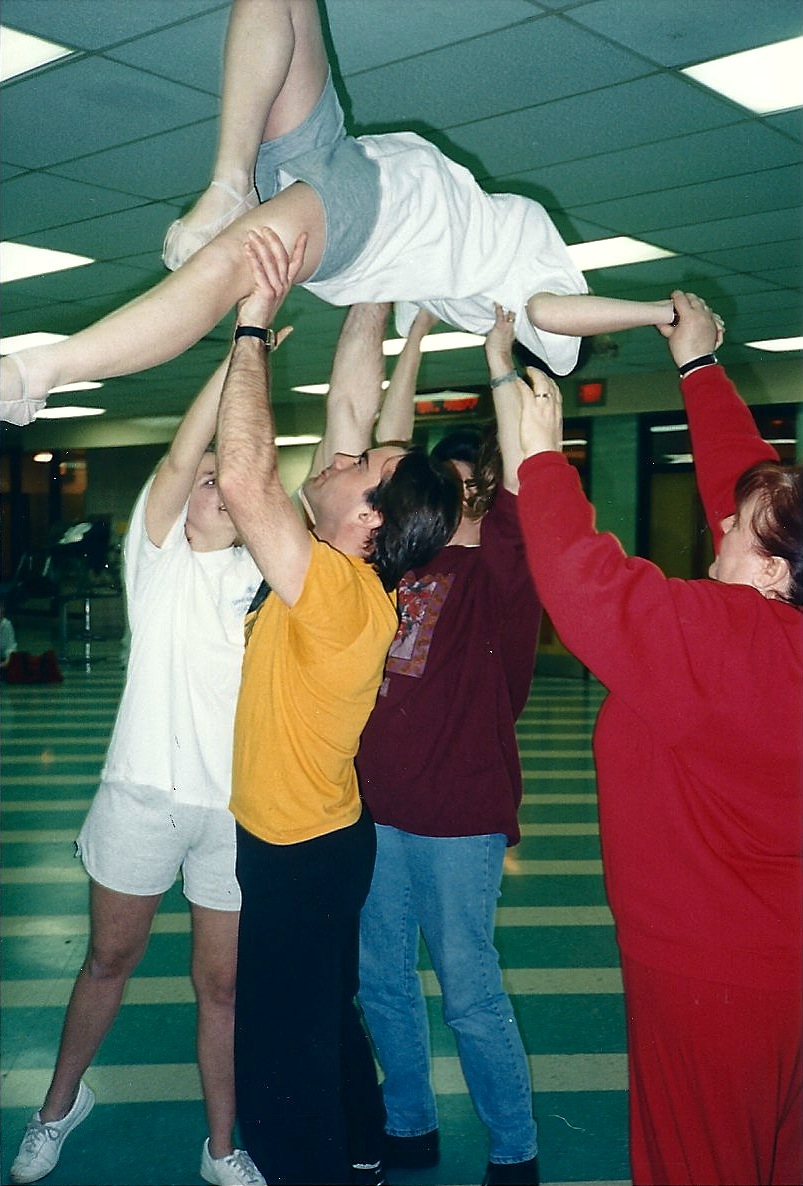
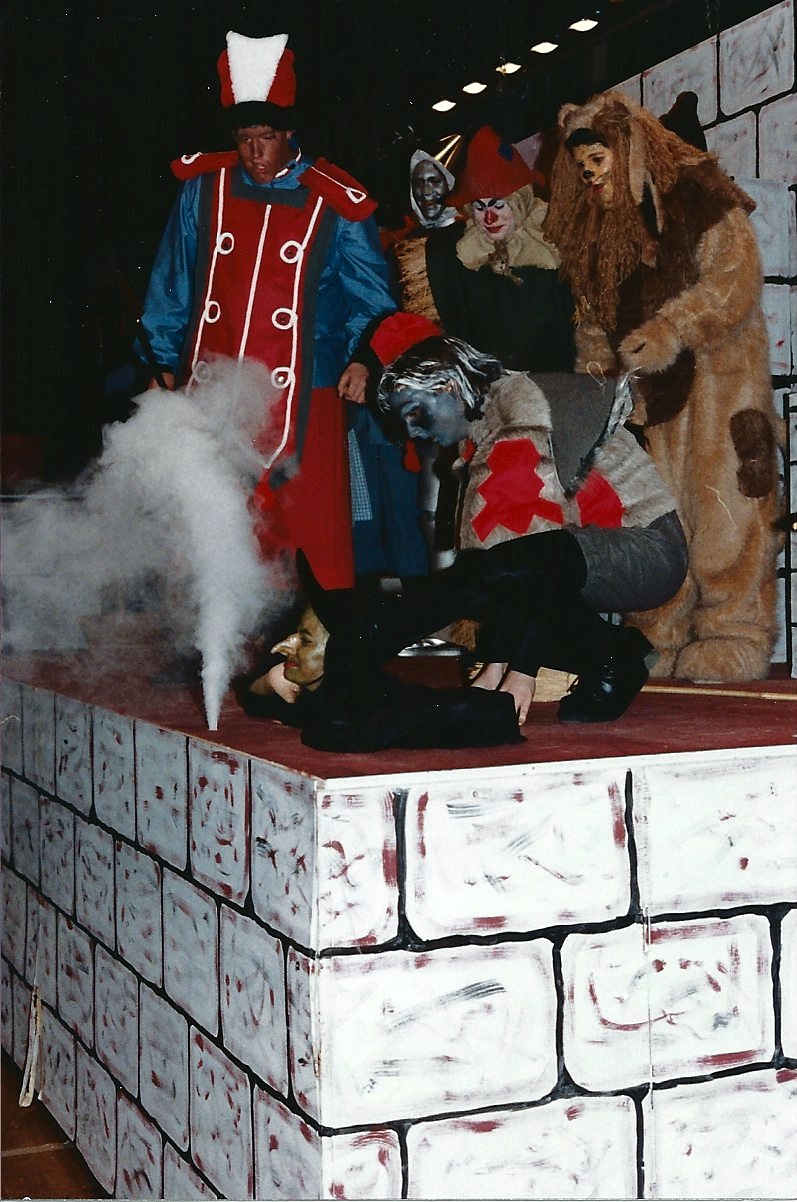
  33. Be imaginative with special effects! Melt a witch (Wizard of Oz) using a trap door and smoke effects. Exaggerate their sizes—a ten foot Fruma Sarah in Fiddler on the Roof can be created by putting your lightest girl on the shoulders of an athletic boy; use a ladder on wheels to present a 14 foot giant (Ghost of Xmas Present) in Scrooge—all hidden by the costume.
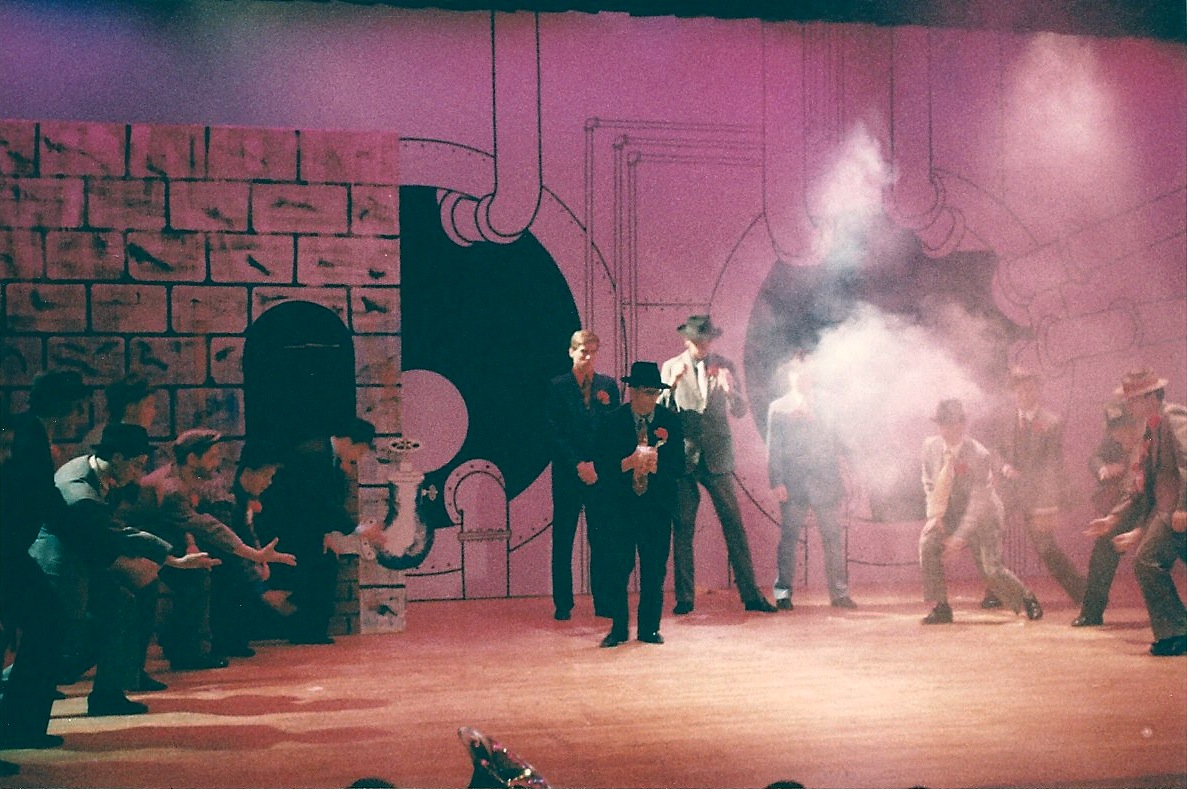
  34. Supercharge 4 melting witchSet a fast pace for the show. Avoid those periods of inertia, especially the Act II “doldrums!” Always execute smooth set changes and transitions. Never give the audience time to talk or lose their concentration.
  35. Use theater P.R. firms (e.g. Pioneer Drama Service) to buy official logos, posters, buttons and publicity packets.
  36. Design an official show t-shirt and button. Announce musical t-shirt days and give out random cash prizes to students who remember to wear their t-shirt and serve as a walking billboard!
  37. Sponsor a musical trivia contest. Create a crossword puzzle and publish it in the PTA newsletter.
  38. Type-set and distribute a special musical issue of the school newspaper (e.g. an “Anatevka Times” for Fiddler on the Roof) in order to devote space on the background of the play, local historical “splash-backs” in the time period of the musical, and a picture album of the cast and crews.
  39. Insert a theater flyer in the school district or PTA newsletter mailed home to residents. Print informative articles about the play (Hammerstein anecdotes for South Pacific or Oklahoma, etc.)
  40. Sponsor an elementary school art contest (e.g. draw your Little Orphan Annie).
  41. Supercharge 4 special effect smokeDevelop a partnership with your local merchants. Print pizza box advertisements, restaurant place mats, etc. Place messages on mall marquees, store magnetic signs, and in employee newsletters. In exchange for local business help in promoting your show, sponsor a special “employee discount” on tickets.
  42. Make clever P.A. announcements using the leads and adaptations of the script.
  43. Plan a pre-sale ticket lottery to determine the order students in the cast and crews can go to the box office to purchase their reserve seat admissions. This generates excitement and actually helps to sell additional tickets!
  44. Sponsor a school staff appreciation breakfast (donuts and coffee) thanking everyone for their support of the musical. At the breakfast, pass out ticket vouchers (two complimentary tickets) to the teachers.
  45. Help formulate creative school cafeteria menus using musical themes (e.g. “Wicked Witch” stew, “Jiggerbug Juice,” and “Toto’s Favorite Burgers”).
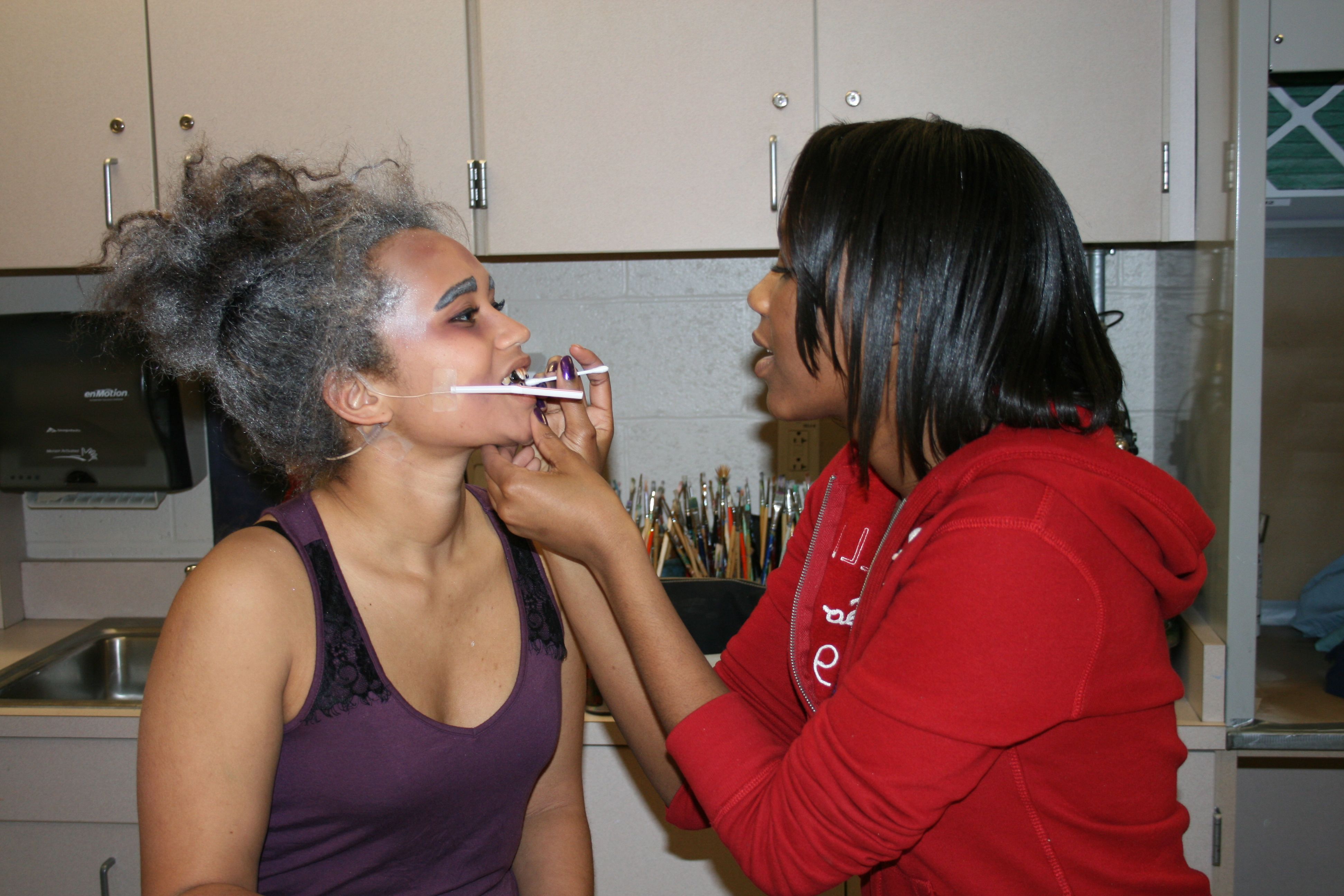
  46. Supercharge 4 makeup bloody mary1Schedule an in-school theatre education assembly for younger students. Give a short synopsis of the musical and demonstrate several scene changes, technical effects and lighting, application of character make-up, and several dances or songs from the current show (make sure you retain the rights to do a segment of the musical!).
  47. After the final dress rehearsal, sponsor a picture taking session for the parents. Actors can pose in costume and in front of the finished sets. The taking of photographs or audio/visual recording during the show is illegal!
  48. Construct an attractive hall display of cast and crew photographs, “Music In Our Schools Month” materials, etc. Always include a photographic history of the evolution of sets in construction, and the student names in the company.
  49. Designate one performance as children’s night. Offer it one hour earlier (on a school night), and provide a special discount for children ages 12 and under, as well as backstage tours of the scenery, spotlights, soundboard, costume room, autographs from the leads, etc.
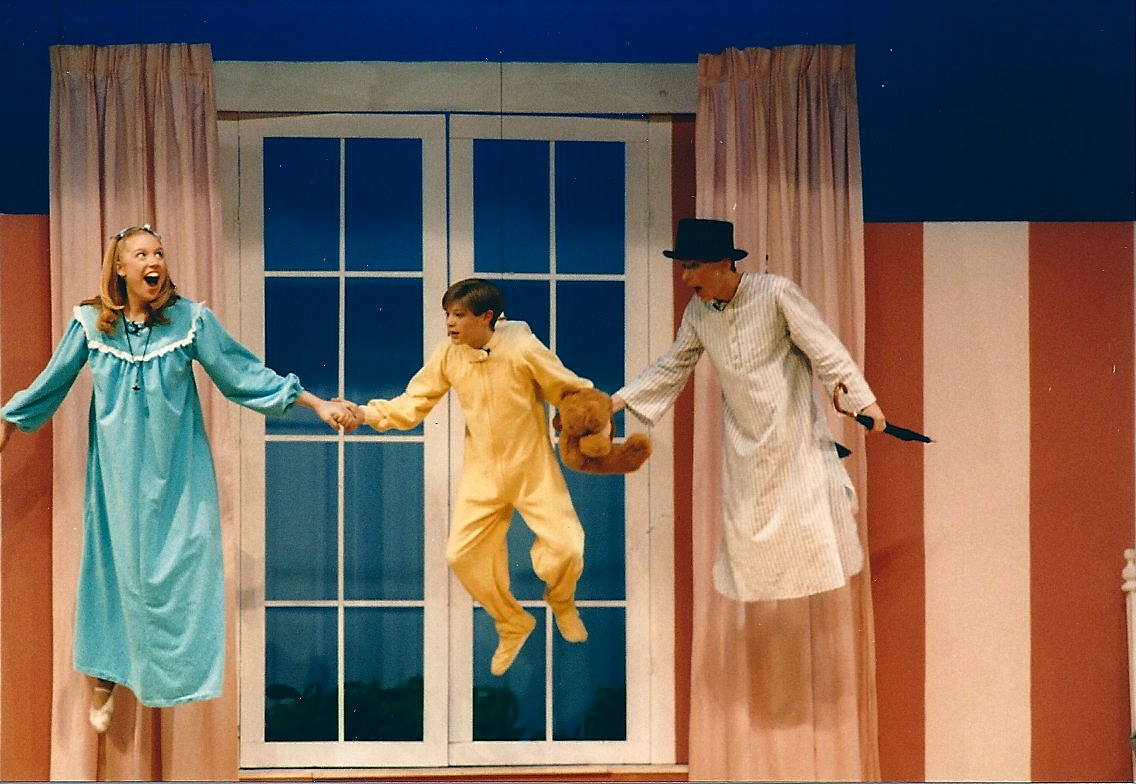
  50. Dedicate each performance of the show to a special adult contributor to the school music and theatre program. Invite the Supercharge 4 special effect flyinghonored guest to the pre-show cast meeting, and send him/her several free tickets. Announce the dedication on the P.A. before the Overture, and post it on the hall display in the auditorium lobby.
  51. Find a P.R. “hook” – something that might interest the media – such as sponsoring Annie “dog auditions” or twins casted in dual roles. Send a new press release to the media every two weeks.
  52. Print the musical performance dates on the computerized student report cards and school district payroll checks. Use inter-office mail to send personal invitations to all of the teachers. Be sure to list the names of the cast – teachers will be interested in coming up to see their former students.
SUMMARY: Concepts to Consider—BUILD is the Operative Word!
  • Involvement of greater numbers of students and parents will build audiences and community support.
  • Presentation of a quality production with student leadership and supplemental activities will build student enthusiasm and appreciation of the inherent “value” of theatre in school.
  • Finding the confidence to take risks and build on your own creativity—go ahead and adapt the score, script, set designs and staging to utilize your schools’ resources.
  • The allocation of ample time to publicity and promotional activities will build community awareness, attendance and EXCITEMENT in support of the show!
SAMPLE RESOURCES: Companies, Books, Sites

PKF

© 2015 and 2020 Paul K. Fox