Bigger Dreams, Bigger Home

How Retirees Can Upsize for Homesteading and Hosting

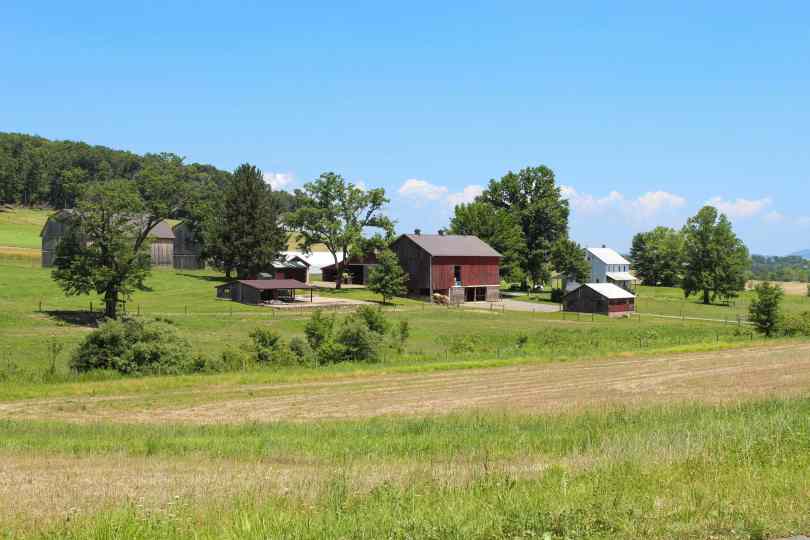
Featured image via Pexels

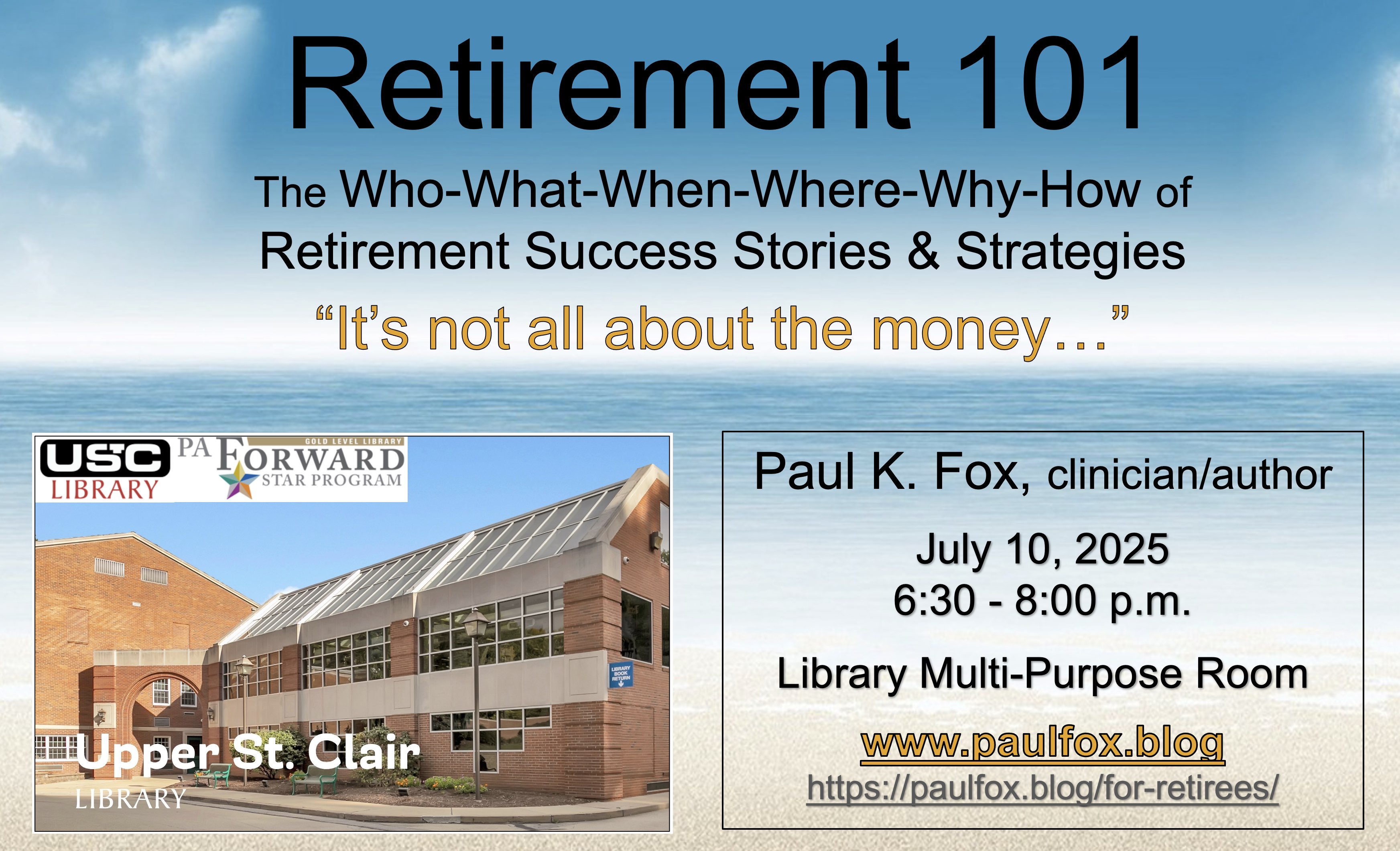
[Editor’s Note: My favorite and most prolific “guest blogger” Ed Carter has returned with a piece on upsizing NOT downsizing in retirement. Please enjoy (below) “Bigger Dreams, Bigger Home.” Thanks, Ed!

In addition, for attendees to my “Retirement 101 – It’s Not All About the Money” session at the Upper St. Clair Township Library on July 10, 2025 (and any other interested retired or soon-to-retire individuals), please click on the following links to printer-friendly copies of my slide handouts and the updated “Ultimate Retiree Resource Guide.”]

Article by Ed Carter
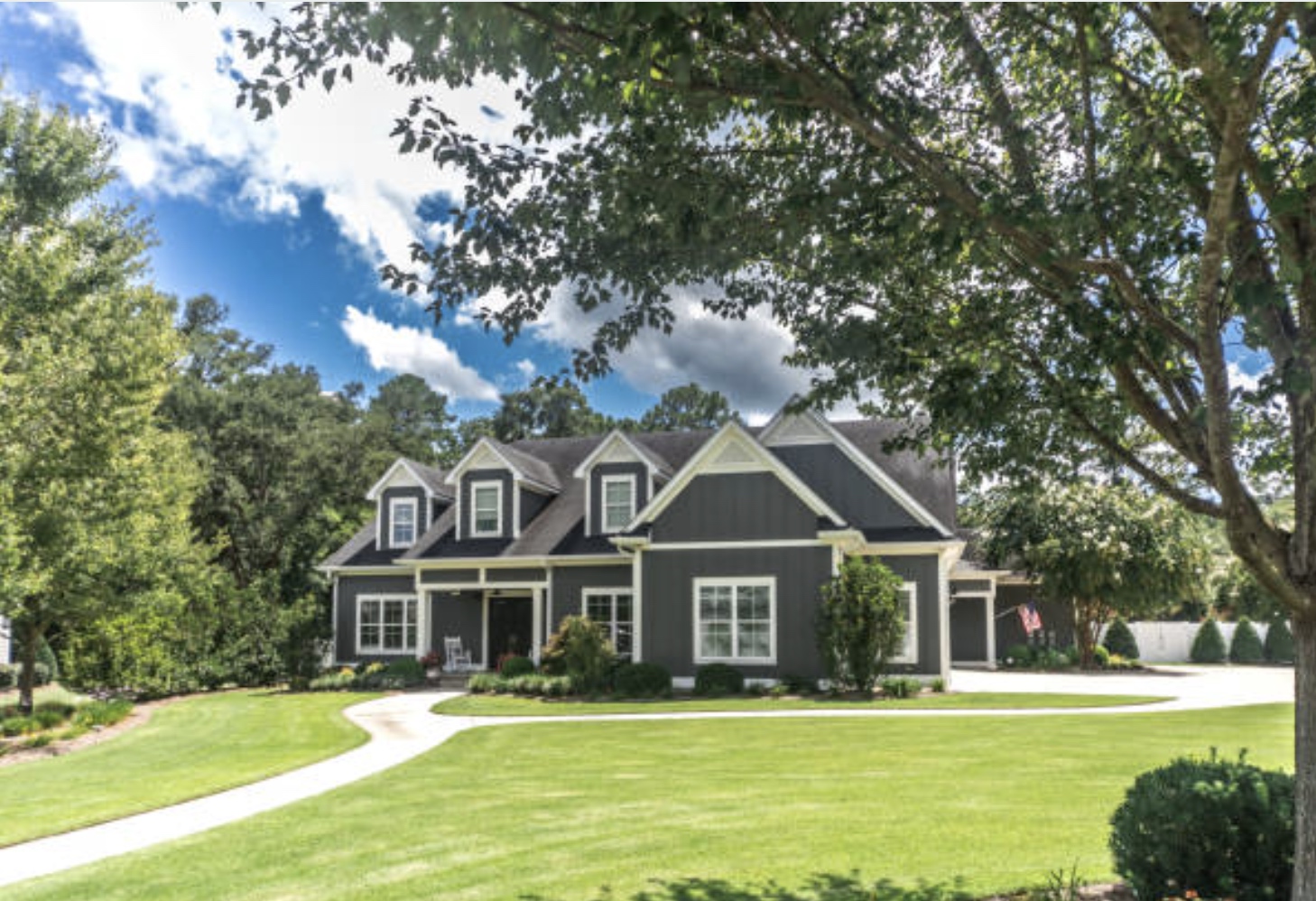
Retirement doesn’t always mean downsizing. For many retirees, it’s the perfect time to invest in a larger home—one with room to explore new hobbies, welcome visiting family, and enjoy the lifestyle they’ve spent years working toward. If you’re dreaming about homesteading or want to transform your home into a hub of activity and connection, buying a bigger property may be more practical than it sounds. With the right planning, you can find a home that fits your vision and your budget.

Know What You Really Want

Before you start searching, take the time to clarify what matters most to you in this “next chapter.” Are you dreaming of cultivating your own garden, raising chickens, or simply having more space to host grandkids and holiday gatherings? Think about square footage, land size, and features that support your lifestyle, like a home office, workshop, or playroom. Visualizing your daily routines in your new home can help you prioritize what’s essential versus what’s just nice to have.
Focus on Land and Layout

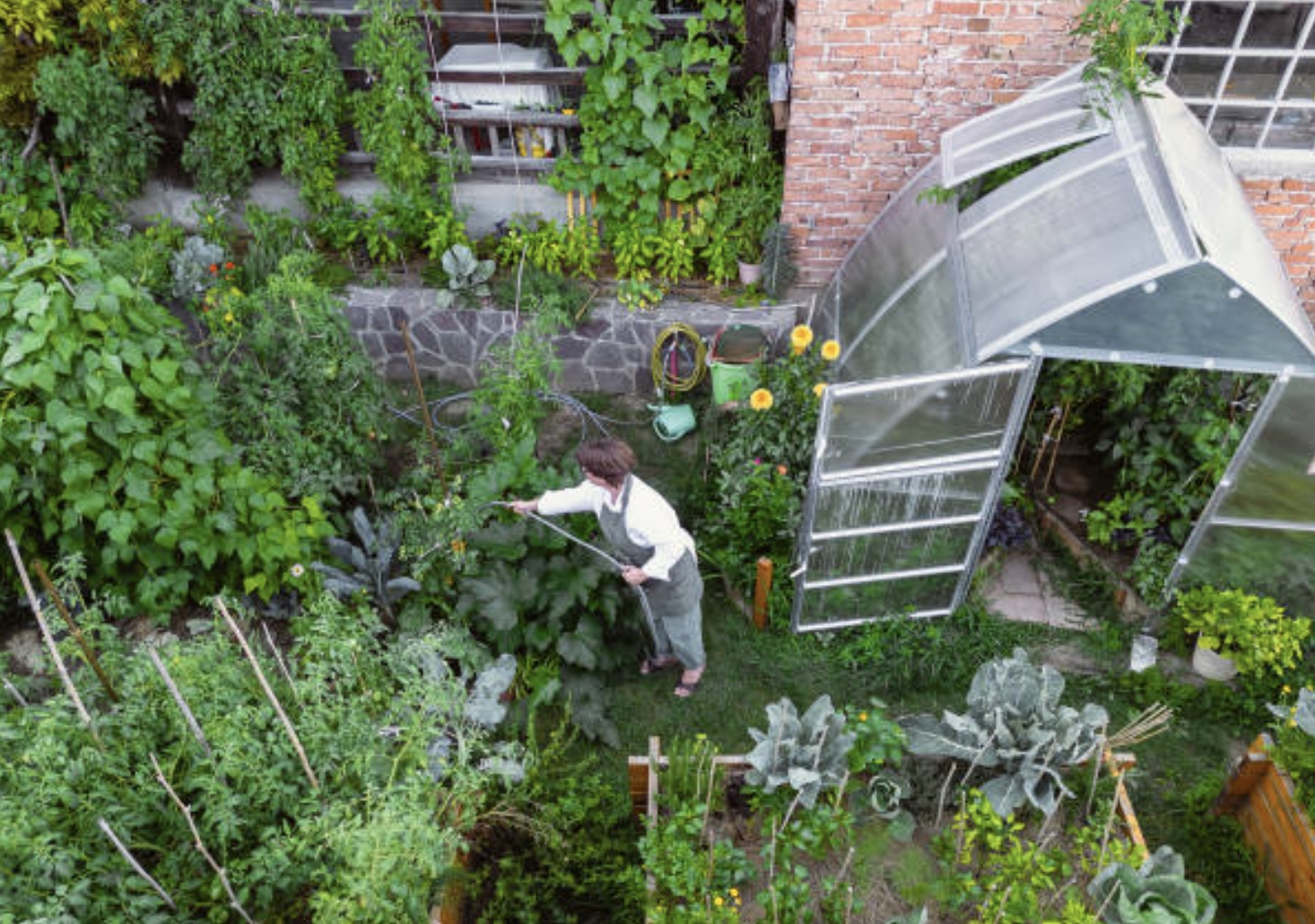
Homesteading takes space—and not just any kind of space. You’ll want to look for properties with usable land that’s suitable for gardening, small livestock, or even fruit trees. Check for sun exposure, drainage, fencing, and access to water. A good layout indoors is just as important; think open kitchens for canning or entertaining, extra rooms for hobbies or guests, and easy access from the house to outdoor areas. A few extra acres can go a long way when your goal is to live more sustainably and independently.
Transform Your Homesteading Hobby Into Income

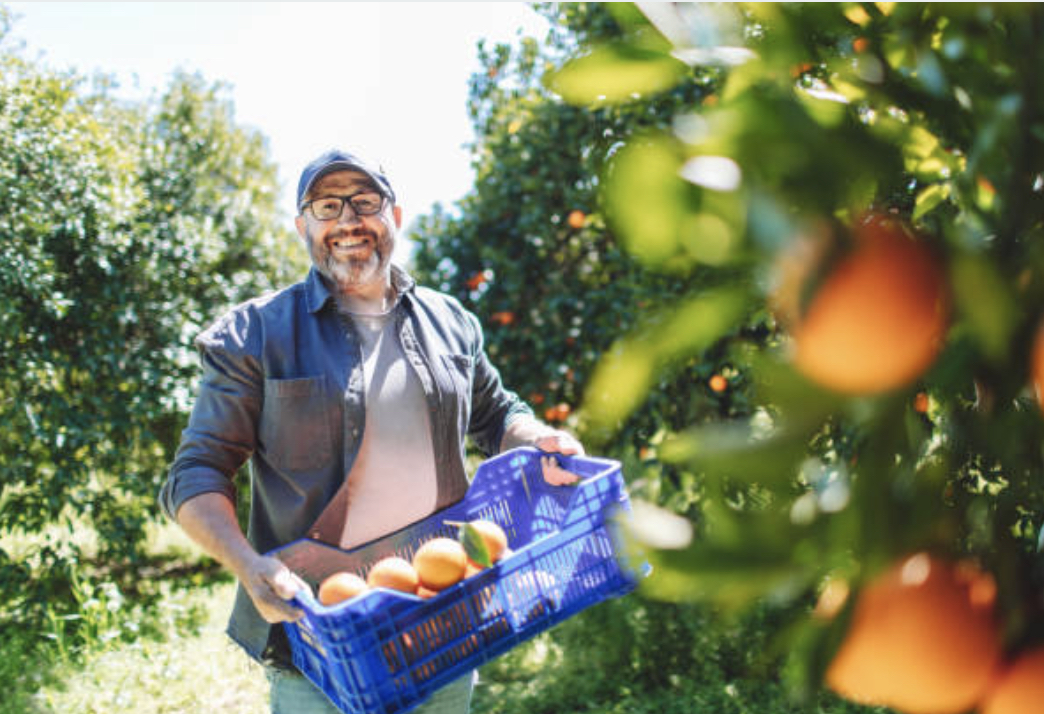
Many retirees find that homesteading isn’t just fulfilling—it’s also a gateway to a small business. Whether you’re selling fresh eggs, handmade soaps, canned goods, or seasonal vegetables, turning your passion into profit can be deeply rewarding. Going back to school for a business degree can sharpen your skills in marketing, operations, and financial planning—key tools for running your homestead as a business. Online degrees make it easier to balance learning with daily responsibilities, and there are many inspiring online business degree success stories that prove it’s never too late to invest in yourself.

Set a Budget That Reflects Your Goals

Buying a bigger home doesn’t mean blowing through your retirement savings. Start with a clear picture of what you can comfortably spend, keeping in mind property taxes, insurance, maintenance, and any future upgrades. Talk to a financial advisor about how to structure your budget based on your income sources, and consider using proceeds from the sale of a current home if you’re upsizing. You may even find that relocating to a rural or semi-rural area gives you more for your money than staying in a high-cost urban zone.

Explore All the Financing Options

Just because you’re retired doesn’t mean you’re out of options when it comes to financing. Many retirees use a mix of cash, retirement funds, or home equity to buy a new property. Others explore mortgage options like a reverse mortgage (with careful consideration) or traditional loans with manageable terms. It’s essential to speak with a lender who understands your unique income structure post-retirement. The right financing plan ensures you get the home you want without financial stress down the line.

Use a Realtor Who Understands Your Vision

A real estate agent who knows the homesteading lifestyle can help you find properties that truly fit. They’ll understand the value of extra land, zoning laws for small-scale farming, and the features that can make your homestead thrive. Share your vision early in the process—whether it’s selling homegrown produce, raising bees, or hosting family reunions—so they can narrow your options to homes that support both functionality and comfort.
Turn Space Into Opportunity

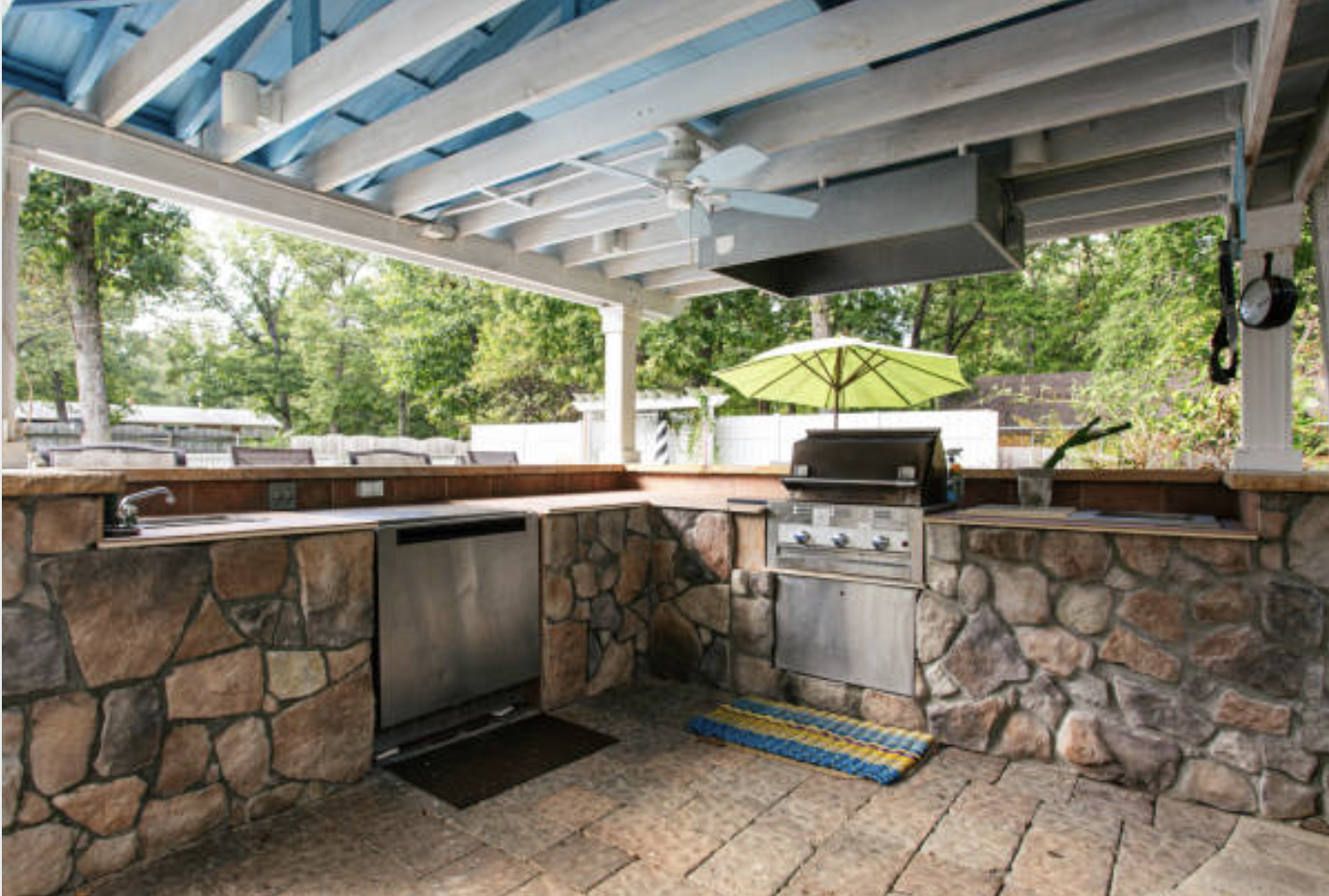
Once you find your home, think about all the ways to make the most of it. Spare bedrooms can become artist studios or guest rooms for visiting grandchildren. Garages can be converted into workshops or woodworking spaces. Basements can turn into cozy family rooms or even a small business headquarters. Outdoor space can serve multiple purposes: vegetable gardens, orchards, outdoor kitchens, or shaded play areas. With a little imagination, your home becomes a full-time lifestyle—one that supports both your hobbies and your relationships.

Buying a bigger home as a retiree isn’t about having more—it’s about doing more. It’s about designing a life that reflects your passions, supports your independence, and brings your family closer. Whether you want to dig into the soil, start a new business, or simply have space to live fully and comfortably, this move can be the start of something deeply fulfilling. With the right property, the right plan, and the right support, your next chapter can be your most exciting yet.

Peruse more insightful articles and resources here at paulfox.blog, where every post is a step towards a more fulfilling and informed life journey!

PKF

© 2025 Paul K. Fox and Ed Carter
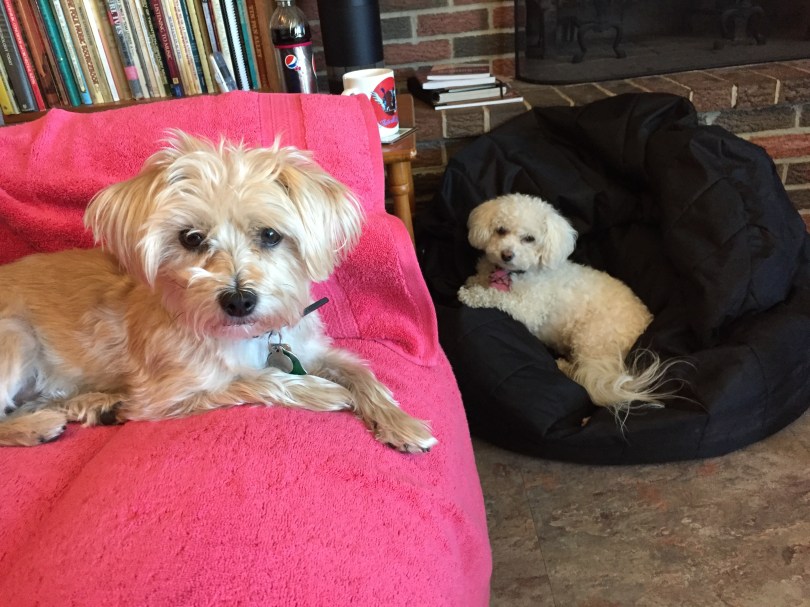
Pets and Citizenship

Definitions of Neighborly?

The farmer and the cowman should be friends.
Oh, the farmer and the cowman should be friends.
One man likes to push a plough, the other likes to chase a cow,
But that’s no reason why they cain’t be friends.
 
Territory folks should stick together,
Territory folks should all be pals.
Cowboys dance with farmer’s daughters,
Farmers dance with the ranchers’ gals.
 
I’d like to say a word for the farmer,
He come out west and made a lot of changes
 
He come out west and built a lot of fences,
 
And built ’em right acrost our cattle ranges.

— Lyrics of “The Farmer and Cowman” from Oklahoma by Richard Rodgers

In 1906, when events in the show Oklahoma are taking place, there were plenty of reasons farmers and cowboys didn’t want to be friends…

Disputes over land and water rights were the most common reason for fights. Cowboys were used to having the whole territory available for them to drive huge herds of cattle, so when farmers settled near water sources and claimed areas for their own herds of cattle or sheep, there was an understandable amount of hostility. The farmers, on the other hand, would fence in territory and then have all their efforts trampled by cowboys and their droves of cattle, which was also frustrating.

“OKLAHOMA – The Farmer, the Cowman, and Why They Couldn’t Get Along”

What an unusual opening citation for an odd topic to share on this blog-site! Did I get your attention? Admittedly, I have few answers… just the ramblings of this senior citizen. (So, agree or disagree, we would appreciate hearing your views by posting a comment!)

fox_pups

This article was born from reading a resident’s rant about dog walking on social media:

“It has become apparent, especially in my neighborhood, some of you dog walkers have no respect for other people’s property. Some of us take pride in keeping our yards looking nice. Some also take time to add fertilizer. By letting the dog you are walking pee and or poop in another’s yard, the scent attracts other animals who also want to do the same. Also, urine can kill grass. Being a pet owner myself, I can state when my dogs see another dog peeing or pooping in my yard, they become territorial. The best part is when I politely state please don’t let your dog in my yard, I have actually been asked, “Why not?” The ones who are doing this are the same to whine, complain, and/or call the police when someone offends them.”

— Jason D. on Next Door app, June 17, 2019

My first reaction to this homeowner’s “beef?” He was not being very “neighborly!” But, there’s a lot more to this issue, and I may be on the lower moral ground of the argument.

neighborly
Adjective: Characteristic of being a good neighbor, especially helpful, friendly, or kind.

dogs at Christmas 2015 - 3Okay, since retirement, for the first time in my life, I may call myself a “good neighbor!”
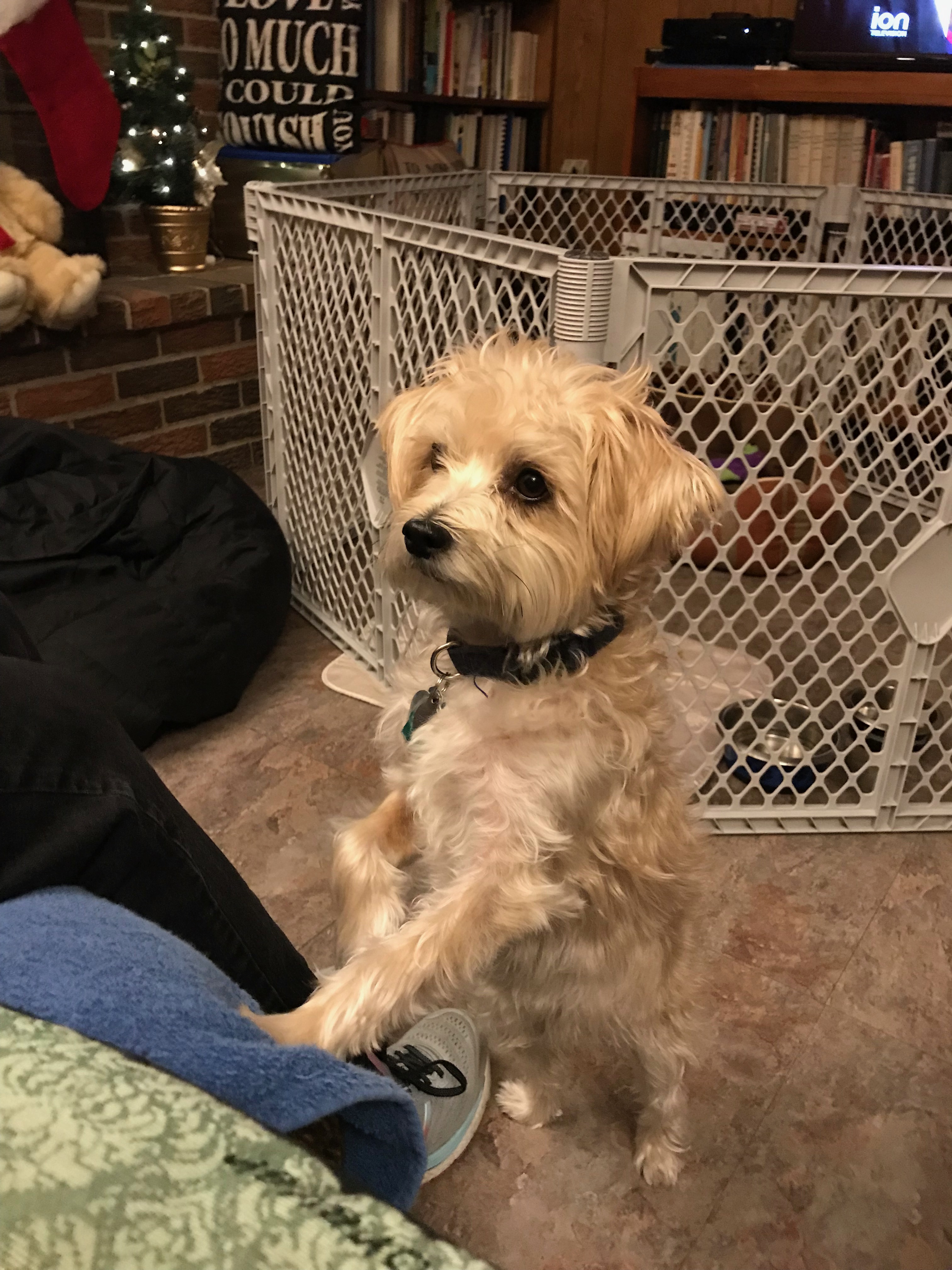
Since becoming a “stay-at-home” retiree, I can now tell you the names of my neighbors, many previously unknown to me when I was a full-time, 24/7 music teacher constantly returning back to school for extra-curricular activities like marching band, plays, chamber choir practices, festivals, musicals, adjudication trips, and meetings. Until 2013 when we entered our post-employment “bliss,” my wife and I (both retiring from similar all-consuming music programs) were never home. Do you need proof? When we first moved here, my next-door neighbor accidentally “turfed” my front yard in the middle of a snow storm (and I did not notice it until the spring thaw). I was told their lack of notification was due to the fact they never saw us. “We were planning to tell you and promise to fix the damage, but you’re never around and seldom answer your phone.”

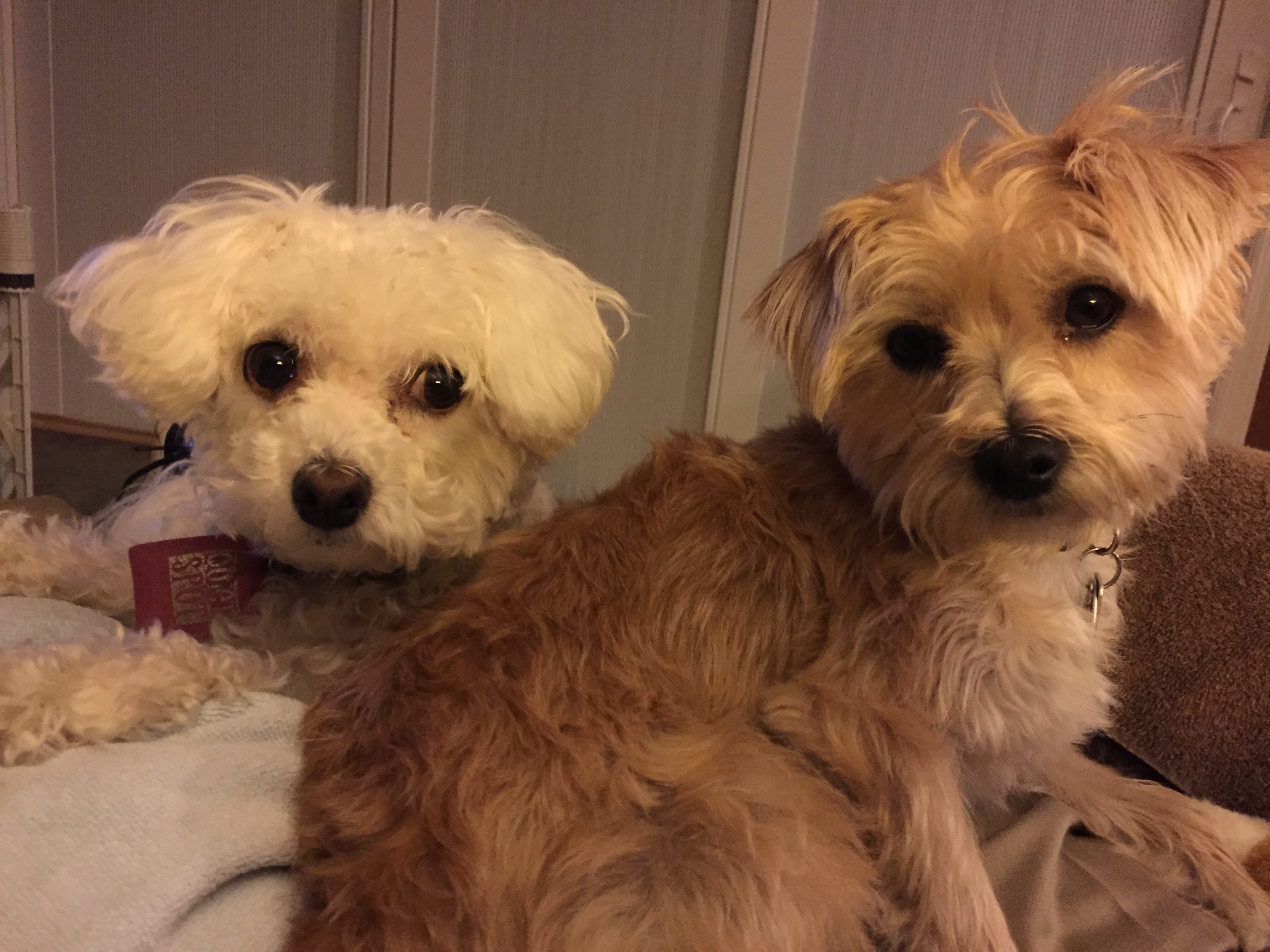
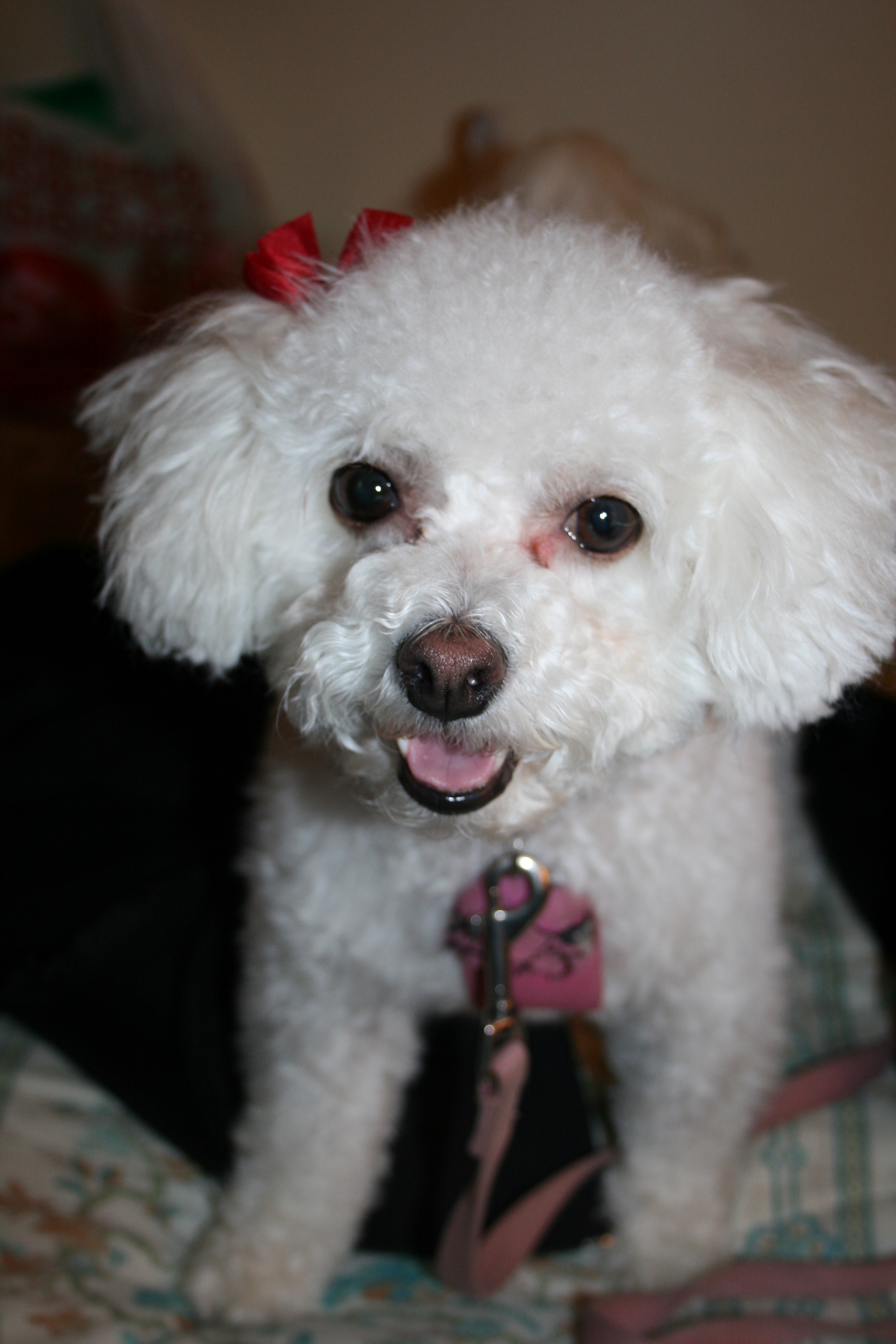
twodoggies4u - - 2Well, now I have two dogs (Gracie and Brewster) that I walk religiously several times a day. This means that, unless it is raining hard, I am “out and about” in my neighborhood, a wonderful “bedroom-community” with sidewalks and neatly manicured lawns, flower beds, and trees. One could say I have become a “watch dog” on things “coming and going.” Strangers should beware! We serve as an informal “fox and hounds” security service! The three of us know if you don’t belong on our block (although the pups love the mailman, and would probably bark first and then strain the leash to run over and kiss any other newcomer).
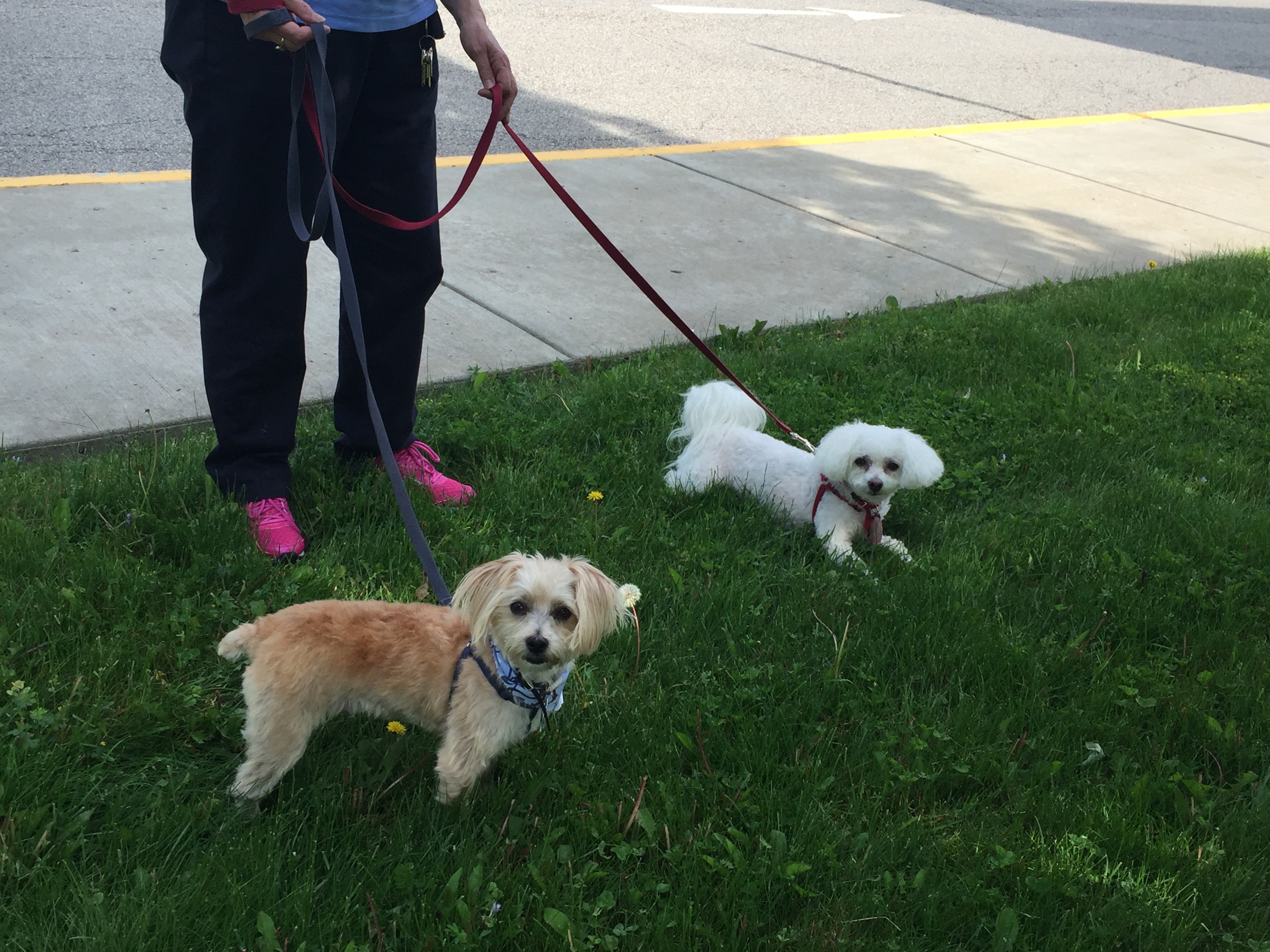
With several small “poop bags” in hand, I clean up our messes. Brewster and Gracie are about 12 pounds each… their impact on the environment is minimal! However, I have noticed a lack of citizenship from other pet owners. One dog walker (large breeds) leaves unsolicited “presents” on the grass near the sidewalk…. sometimes even “gift wraps” them in a plastic bag and drops them by the curb! Shame! It gives the rest of us a bad name! With gloves on my hands, I have taken up bringing a large trash bag with me, cleaning up any of these “rude” donations of doggie pollution, or even stray junk thrown from passing cars on our street.

our two pups 051216 - 1

On occasion, when we expand our territory and walk around the entire block, the dogs and I run into two types residents – opposites – those who love dogs and those who want nothing to do with them. I know there are some who are afraid of pets, so we give them a wide berth. We also avoid the ones who, when I was a kid, we labeled “crab grass kings,” homeowners with not single blade of grass or foliage “out of place.” If your ball accidentally rolled into their yard, you were admonished, “Don’t leave a mark on my turf!” (I remember an incident about a hyper-neighbor with “perfect landscaping” who called the police to “bust up a graduation party” when several teenagers legally parked their cars in his circle. The problem? Several of their tires “touched his grass” (by inches). If memory serves me right, “the rest of the story” was that the angry “lawn-master” would no longer be able to maintain a “perfect landscape” again… the vengeful adolescents retaliated and dug up his scrubs, turfed his grass, defaced his trees, and threw mud on his house and driveway – not once but every time he cleaned up the place.

IMG_1477Gracie, Brewster, and I don’t trespass. We try to model “good citizenship.” We do our best to honor the wishes of our neighbors, respecting any of their issues for privacy, restricted access, fears, or phobias. For the six years I have become a pet owner, only two people have told us, “Don’t let your dogs pee in my yard.”

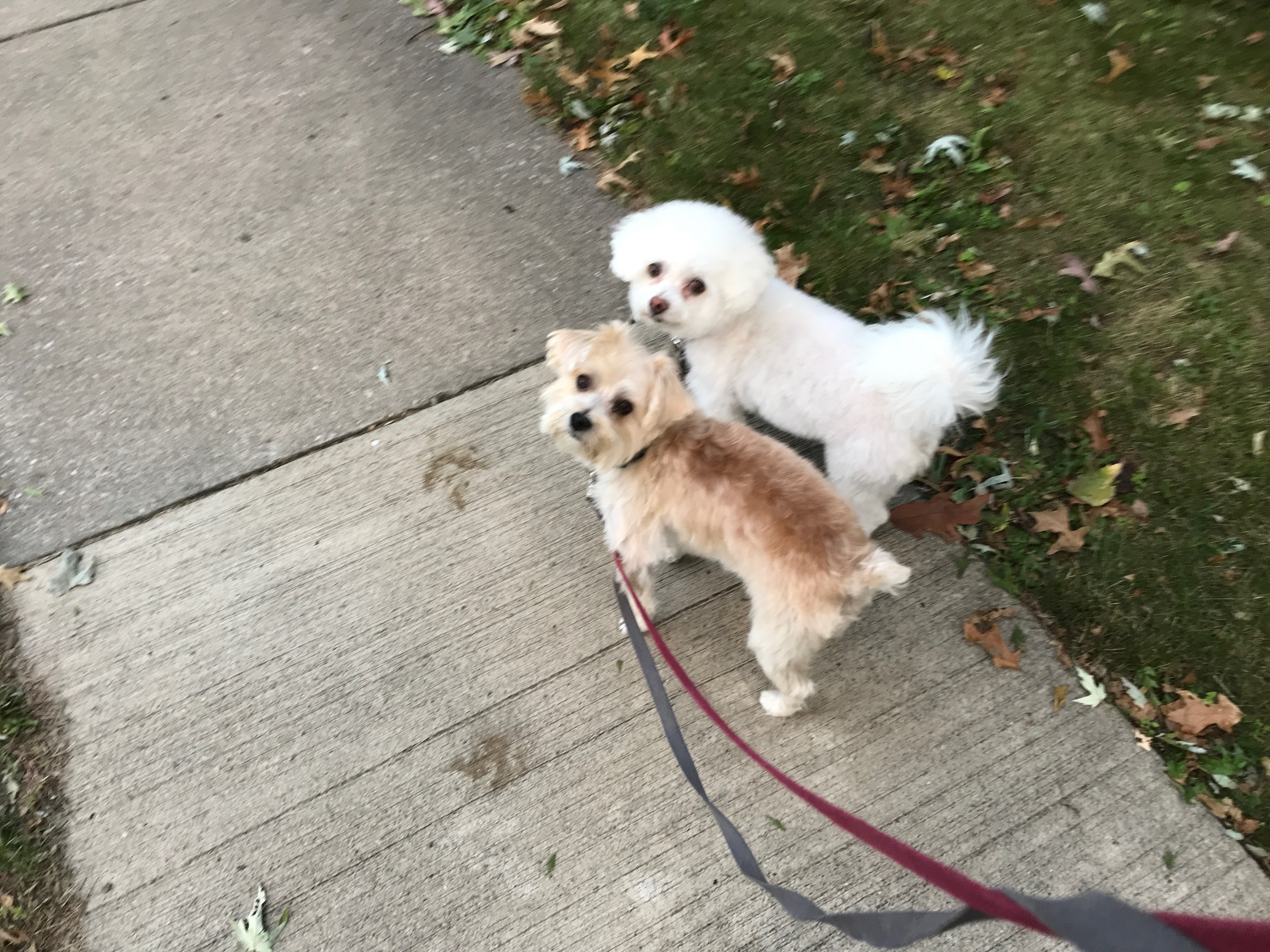
But, dogs are dogs. Mine seek to “water” every mailbox post and tree trunk on our route. The ten-inch strip of grass between the curb and the sidewalk, a township “right-of-way,” also gets a lot of attention. And, yes, the grass in these areas often fares the worst with numerous brown or yellow patches (although road salt is probably more to blame!)

Am I the cowman whose feels he has the right to let his “doggies roam the pastures?”

No, I will NOT feed my dogs a supplement, like an amino acid-based oral product that claims to eliminate urine spots by changing the pH of your dog’s urine!

Contrary to popular belief, urine spots are not caused exclusively by female dogs or by certain breeds. Rather, it’s the result of urine being deposited in a small concentrated area. Since female dogs tend to squat and stay in one spot to urinate, it will be more likely to damage the grass in that spot. In general, any dog (male or female) that squats or sprays in one spot will deposit urine into a concentrated area. Dog urine spots may also be more noticeable with larger dogs, due to the higher volume of urine produced.

“Green Grass, Happy Dogs: Preventing Dog Urine Spots on Lawns”

If the trouble is in your own yard, there are plenty of sites recommending a solution:


But, first make sure your dog is really to blame! The are a lot of conditions that may cause discolored areas on your lawn! Other potential culprits are fungus and other grass disease, insect pests, lack of nitrogen or iron, over-fertilizing, or under-watering.

Believe it or not, dog urine is not as damaging as many people believe it is. Sometimes you may blame the dog for brown or yellow spots in the lawn when in fact it is a grass fungus causing the problem.

To determine if dog urine is killing the lawn or a grass fungus, simply pull up on the affected grass. If the grass in the spot comes up easily, it is a fungus. If it stays firm, it is dog urine damage.

Another indicator that it is dog urine killing the lawn is that the spot will be a bright green on the edges while a fungus spot will not.

“Dog Urine and Your Grass”

doggies 2017 to 2018 - 3

The bottom line? Walking your dog away from your property is important to your pet’s health. Besides elimination, walks are essential for exercise and mental stimulation. Someone once told me, taking your pooch out in the neighborhood on a daily basis is the dog’s equivalent of “checking email” and “posting updates on social media.”

Dogs like to go for walks to get outdoors, sniff and engage with their environment, exercise, and perhaps socialize with people and dogs outside the home. There is no reason that a walk cannot encompass and meet all the needs of both humans and dogs. Because time is often at a premium, it is useful to help owners understand and find creative ways to meet these needs.

“How to Walk Your Dog – How to Do It Well, and Why It Is So Important”

Retirees, read more about the essentials of dog walking here:


Other elements regarding pet ownership and citizenship (perhaps the perfect subject for a future blog):

  • Dogs jumping up to greet visitors
  • A large dog “saying hello“ to your guests by placing its paws on their shoulders
  • Dogs who like to play in the mud or wet grass and then leave their calling card with dirty paw prints (on floors, furniture, and people!)
  • Leaving unplanned (solid and smelly) “presents” at the most awkward times
  • Excessive barking, even in your yard, especially when it disturbs your next-door neighbor who likes spending time outdoors gardening

Remember, it usually isn’t the dog’s fault. You don’t actually train animals, you train their handlers! Citizenship is all about the pet owners!

I feel like telling “Jason D” (above) to CHILL OUT! GET A LIFE! There are so many more important things in life about which to worry! One might consider caring a little more about the people (and their children and pets) in his community. His attitude fosters animosity, and besides, “You can catch more flies with honey than with vinegar.”

But… Jason has rights! It is his yard!

What are your thoughts on this subject?

Now, I have to go walk the dogs…

PKF

gracie and brewster musical dogs1

© 2019 Paul K. Fox