The “New” Model for Modern Music Education

by Katherine Langford

We welcome this month’s guest blogger, Katherine Langford, who describes herself as “a digital marketing consultant, writer, freelancer, WordPress enthusiast, and coffee lover.” Thank you, Katherine! PKF

Music education has transformed dramatically in recent years. Traditional classrooms and rigid lessons are giving way to creative, flexible learning models that blend technology, collaboration, and real-world experience. The new model for modern music education isn’t just about mastering an instrument anymore—it’s about nurturing creativity, adaptability, and digital fluency.

Whether you’re a teacher, a student, or a parent trying to understand this shift, this guide will walk you through everything you need to know about the new model for modern music education and how it’s reshaping the way we learn, teach, and perform music.

What Defines the “New” Model for Modern Music Education?

The new model for modern music education is built on accessibility, inclusivity, and innovation. In the past, learning music often required private lessons, expensive instruments, and long practice hours under strict instruction. Now, technology has made learning more interactive, affordable, and engaging.

This model integrates online platforms, digital tools, and peer learning to create a dynamic environment. Students can watch video tutorials, join virtual ensembles, or even receive online class help from experienced musicians. It allows learners to progress at their own pace while receiving instant feedback and guidance.

Another major shift is the focus on creativity over perfection. Instead of emphasizing technical mastery alone, educators now encourage improvisation, digital composition, and personal expression. This approach builds confidence and helps students connect emotionally with their craft.

The Rise of Online Learning in Music Education

Online learning has become a cornerstone of modern music education. With platforms like YouTube, MasterClass, and specialized e-learning sites, anyone can access lessons from world-class musicians. Students can now learn piano, guitar, singing, or music production without leaving home.

These online classes are highly interactive, offering personalized feedback and practice tools. Some programs include live sessions, enabling real-time interaction with instructors and classmates. The flexibility to study from anywhere attracts learners of all ages and skill levels.

Online music education also supports busy professionals and students balancing multiple commitments. Many ask, Can I take my online class for music while working full-time? The answer is yes. With self-paced modules, recorded lessons, and flexible scheduling, anyone can continue learning without disrupting daily life.

Key Features of Modern Music Education

The new model for music learning focuses on a few core features that make it different from traditional instruction.

1. Technology Integration
Modern classrooms use music software, apps, and digital instruments. Tools like GarageBand, Ableton Live, and Sibelius help students compose, record, and edit their music. This hands-on digital experience prepares them for real-world music careers.

2. Collaboration and Global Access
Students can collaborate with others worldwide through online jam sessions or group projects. This exposure broadens cultural understanding and inspires new creative styles.

3. Personalized Learning Paths
AI-driven platforms now assess student progress and customize lesson plans. Learners receive targeted exercises that focus on areas needing improvement. This keeps motivation high and ensures steady progress.

4. Performance and Portfolio Building
Instead of graded recitals, students can build online portfolios, showcasing their songs or performances. This practical experience helps them prepare for music schools or careers in the industry.

Why Modern Music Education Matters Today

Music education today goes beyond traditional training. It prepares students for an evolving creative economy where adaptability and digital literacy matter.

The new model equips students with real-world skills such as sound design, audio editing, and digital marketing for music. These are essential for anyone pursuing a career in the modern music industry.

Additionally, it nurtures emotional intelligence. Creating and performing music helps students manage stress, improve focus, and build resilience. These soft skills translate into better academic and personal outcomes.

Another reason this new approach matters is its inclusivity. Learners who once couldn’t access quality lessons due to location or cost can now participate through online classes. Music education is no longer limited to elite institutions—it’s open to everyone.

The Role of Teachers in Modern Music Education

Teachers remain at the heart of music education, but their role has evolved. Instead of being strict evaluators, they now act as mentors, facilitators, and collaborators.

Educators guide students through self-directed learning, helping them explore interests while mastering key concepts. They encourage experimentation and critical thinking rather than rote memorization.

Teachers also integrate multimedia tools into lessons, using interactive notation software, metronome apps, and virtual instruments. This keeps learning engaging and relevant.

Modern instructors understand that today’s learners consume music differently. They balance traditional techniques with contemporary styles, helping students connect classical foundations to genres like pop, jazz, or digital soundscapes.
The Impact of Technology on Music Learning

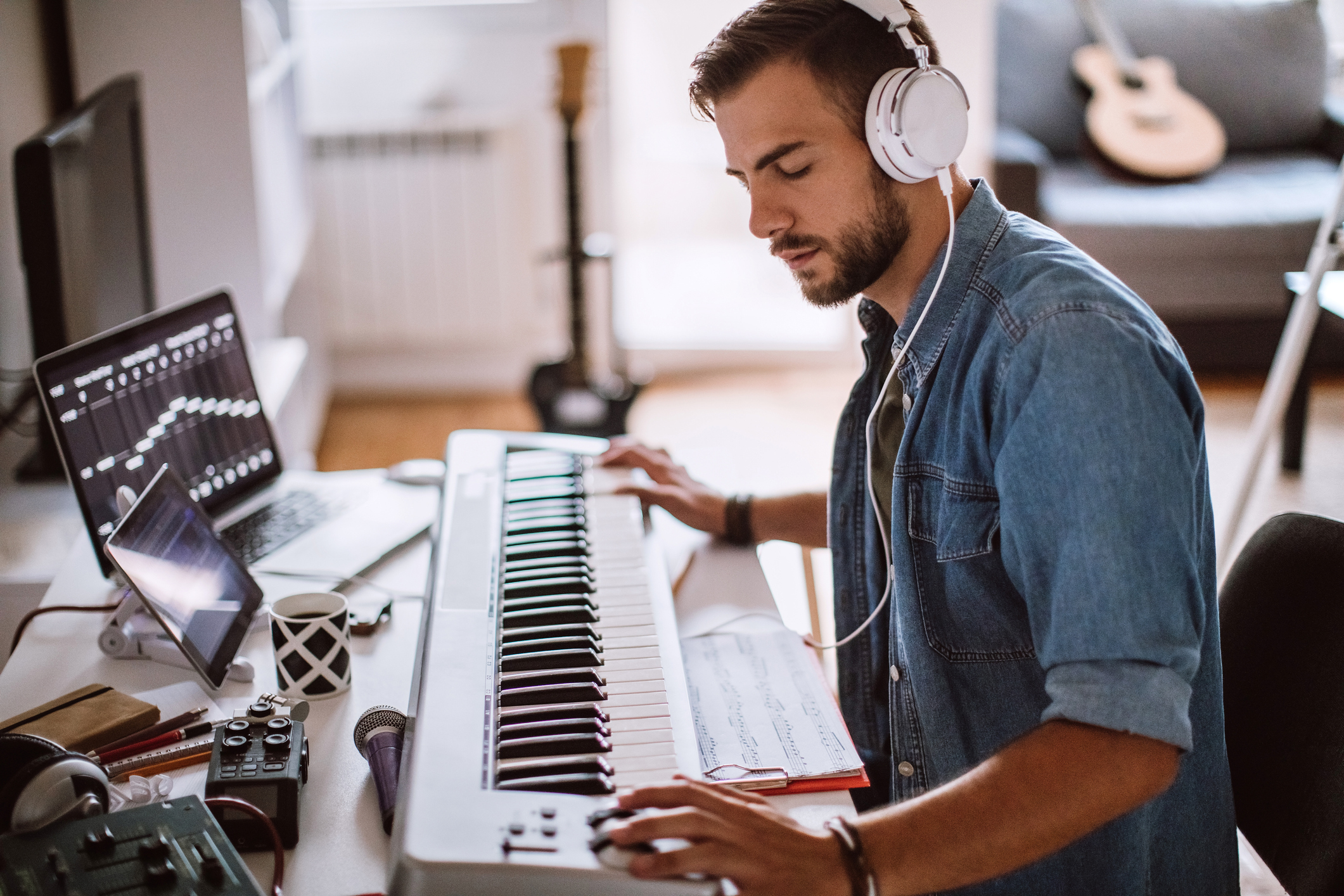
Technology has completely reshaped how music is created and taught. From recording studios to smartphone apps, innovation drives engagement and creativity.

Students can record, mix, and share their music instantly. They can join online communities, collaborate virtually, or receive detailed feedback through smart analysis tools.

Some schools use virtual reality to simulate live performance environments. This helps students overcome stage anxiety and refine their skills before performing in real-life situations.

Moreover, digital sheet music platforms make learning more interactive. Instead of flipping pages, learners can annotate, loop sections, and practice efficiently.

Technology also enables inclusive learning. Students with disabilities can use adaptive devices or apps that make instruments more accessible. This reinforces the principle that music truly belongs to everyone.

How Online Class Help Supports Music Learners

Many students struggle with consistency or technical challenges while learning online. That’s where online class help becomes valuable. Expert tutors assist learners in managing lessons, assignments, and projects.

They provide feedback, correct mistakes, and ensure students stay on track. This type of support bridges the gap between traditional mentoring and independent study.

For example, if a student is learning music theory but struggles with notation, they can seek online class help for one-on-one guidance. This approach ensures understanding without the stress of falling behind.

It’s especially useful for those pursuing formal music degrees remotely. Expert assistance ensures academic integrity while keeping the learning experience enriching.
Common Question: Is Online Music Education as Effective as In-Person Lessons?

Many learners wonder if virtual learning can match the impact of face-to-face instruction. The short answer is yes, it can be just as effective—sometimes even more.

Online music education offers flexibility and access to diverse expertise that local lessons may lack. You can study jazz composition with a teacher from New York or classical violin from a maestro in Vienna.

Additionally, digital lessons allow unlimited practice and playback. Students can review recorded sessions anytime, reinforcing understanding and mastery.

However, success depends on commitment and quality instruction. Active participation, consistent practice, and seeking feedback are key to thriving in online music education.

Challenges Facing the New Model for Modern Music Education

While modern approaches have many benefits, challenges still exist. Internet connectivity, lack of physical interaction, and screen fatigue can affect engagement.

Students may also struggle with motivation when learning alone. This is where teacher support and community involvement become crucial. Encouraging virtual collaborations and online performances helps maintain enthusiasm.

Another concern is access to instruments. Not every learner can afford quality equipment or digital tools. Schools and institutions need to bridge this gap by providing resources or scholarships for talented students.

Despite these obstacles, the benefits of digital and hybrid learning far outweigh the drawbacks. With ongoing innovation, these challenges are gradually being addressed.

The Future of Modern Music Education

The future of music education looks bright and interconnected. We’ll see more hybrid classrooms combining online and offline experiences. Students might attend physical rehearsals while collaborating digitally with international peers.

Artificial intelligence will continue shaping learning paths, analyzing performances, and suggesting improvements. Virtual and augmented reality will simulate live concerts and recording studios for immersive training.

Most importantly, inclusivity and creativity will remain the foundation of this evolving system. Every learner, regardless of background, will have the opportunity to express themselves musically.

The new model is creating musicians who not only play instruments but also understand technology, production, and storytelling. They’ll be ready to thrive in an industry that values both art and innovation.

How Students Can Get the Most Out of Modern Music Education

If you’re a student exploring the new world of music learning, here are some helpful tips:

  1. Set clear goals. Decide what you want to achieve before starting lessons.
  2. Stay consistent. Practice regularly, even if only for short sessions.
  3. Use technology wisely. Try apps, online lessons, and recording tools to track progress.
  4. Engage with others. Join online groups, perform live sessions, and exchange feedback.
  5. Seek guidance. Don’t hesitate to reach out for online class help when needed.

These small steps ensure that your learning remains enjoyable and productive.

The Cultural Shift in How We Value Music Education

In the past, music education was often viewed as a luxury. Today, it’s recognized as a vital part of cognitive and emotional development. Studies show that learning music improves memory, discipline, and communication skills.

The modern model has made music more inclusive, integrating it into mainstream education and digital life. Whether through school programs, online platforms, or personal study, students now see music as both an art and a skill for life.

Cultural acceptance has grown too. Parents now appreciate the value of creative subjects, realizing they develop critical thinking and empathy. This shift has expanded the reach of music education across age groups and professions.

Conclusion: Embracing the New Model for Modern Music Education

The new model for modern music education is more than just a trend, it’s a necessary evolution. It reflects how we live, learn, and connect in the digital age.

By combining technology, collaboration, and creativity, this approach empowers learners to explore their potential fully. Whether you’re learning to produce music, master an instrument, or compose original songs, the tools and opportunities are at your fingertips.

PKF

© 2025 Katherine Langford and Paul K. Fox
Model Code of Ethics for Educators

Don’t you love this quote from TeachThought?

“Teaching isn’t rocket science; it’s harder!”

Teachers make as many as 1,500 decisions a day for their classes and students… that’s as many as four educational choices per minute for the average teacher given six hours of class time. Surprised? (Not if you are an educator!) Check out this corroborating research:

Of course it can be exhausting… and as fast as “things” happen, even mind-numbing at times!

What do educators rely on for guidance, a sort of internal “ethical compass” for making these decisions, many of which are snap judgments?

  • Educational background
  • Teacher “chops” (professional experience)
  • Peer and administrative support
  • Personal moral code (derived from one’s life experiences and upbringing)
  • Aspirations, values, and beliefs generally agreed upon by educational practitioners
  • State’s code of conduct and other regulations, statutes, policies, and case law
  • Professional ethics

Or all of the above?

At this juncture during my workshops on ethics, I usually quote Dr. Oliver Dreon, Assistant Professor and Coordinator of the Digital Learning Studio at Millersville University of Pennsylvania and one of the authors of the Educator Ethics and Conduct Tool Kit of the Pennsylvania Professional Standards and Practices Commission:

“From a decision-making standpoint, I tend to look at it from the perspective of Ethical Equilibrium (work by Troy Hutchings). Teachers weigh the moral (personal) dimensions with regulatory ones (the law) with the ethics of the profession…  While focusing on consequences is important, I worry that teachers may interpret this to mean that as long as they don’t break the law, they can still be unprofessional and immoral.”   

– Dr. Oliver Dreon

From college students participating in their first field observations to rookie teachers (and even veterans in the field), I recommend searching the term “ethics” on the website of your State Board of Education. In Pennsylvania, checkout the following:

Now enters probably the single most valuable document of our time, an all-encompassing philosophy for embracing the highest standards of what it means to be an ethical educator: the Model Code of Ethics for Educators (MCEE), developed under the leadership of the National Association of State Directors of Teacher Education and Certification (NASDTEC). With the collaboration of numerous development partners including the American Federation of Teachers, National Education Association, National Association of Elementary School Principals, National Association of Secondary School Principals, Council of Chief State School Officers, and American Association of Colleges of Teacher Education – to name a few – MCEE is comprised of five core principles (like spokes in a wheel – all with equal emphasis), 18 sections, and 86 standards.

“The purpose of the Model Code of Ethics for Educators (MCEE) is to serve as a shared ethical guide for future and current educators faced with the complexities of P-12 education.  The code establishes principles for ethical best practice, mindfulness, self-reflection and decision-making, setting the groundwork for self-regulation and self-accountability.  The establishment of this professional code of ethics by educators for educators honors the public trust and upholds the dignity of the profession.”

MCEE Framing Document

Although pre- and in-service training on both are essential, the differences between a “code of conduct” and a “code of ethics” are vast. Codes of conduct like the Code of Professional Practice and Conduct for Pennsylvania teachers are specific mandates and prohibitions that govern educator actions. A code of ethics is a set of principles that guide professional decision making, not necessarily issues of “right or wrong” (more shades of grey) nor defined in exact terms of law or policies. Codes of ethics are more open-ended, a selection of possible choices, usually depended on the context or circumstances of the situation.

“The interpretability of The Model Code of Ethics for Educators allows for robust professional discussions and targeted applications that are unique to every schooling community.”

Troy Hutchings, Senior Policy Advisor, NASDTEC

The music teacher and administrator colleagues with whom I have been privileged to work for more than 40 years are highly dedicated and competent visionaries who focus on “making a difference” in the lives of their students, modeling “moral professionalism” and the highest ethical standards for their classes, schools, and communities, in support of maintaining the overall integrity of the profession.

However, let’s unpack some of “the wisdom” of MCEE as it addresses the rare “nay-sayers” and entrenched teacher attitudes, failing to understand “the difference between what you have a right to do and what is right to do…” (Potter Stewart) or “doing the right thing when no one else is watching – even when doing the wrong thing is legal” (Aldo Leopold).

Here are sample negative responses, MCEE “exemplars,” and proposed assimilations for thoughtful and interactive peer discussion. Bring these to your next staff meeting or workshop, and apply them to a few mock scenarios (like these from my past blog ).

Principle I: Responsibility to the Profession

The professional educator is aware that trust in the profession depends upon a level of professional conduct and responsibility that may be higher than required by law. This entails holding one and other educators to the same ethical standards.

“I didn’t know it was wrong…”

Section I, A, 1: Acknowledging that lack of awareness, knowledge, or understanding of the Code is not, in itself, a defense to a charge of unethical conduct;

My comment: The old adage, “ignorance of the law is no excuse for breaking it.” – Oliver Wendell Holmes

“What’s the problem? I didn’t break the law!

MCEE Section I, A, 5: Refraining from professional or personal activity that may lead to reducing one’s effectiveness within the school community;

My comment: Any on or off-duty conduct or inappropriate language that undermines a teacher’s efficacy in the classroom, damages his/her position as a “moral exemplar” in the community, or demeans the employing school entity may result in loss of job, suspension or revocation of license, and/or other disciplinary sanctions.

http://pimaregionalsupport.org/event-2610673

“I’m not a rat fink…”

MCEE Section I, B, 2: Maintaining fidelity to the Code by taking proactive steps when having reason to believe that another educator may be approaching or involved in an unethical compromising situation;

My comment: As a professional with “fiduciary” responsibilities, we must look out for the welfare of our students, proactively protecting them from harm by embracing all provisions of “mandatory reporting.”

“What’s in it for me?”

MCEE Section I, C, 3: Enhancing one’s professional effectiveness by staying current with ethical principles and decisions from relevant sources including professional organizations;

MCEE Section I, C, 4: Actively participating in educational and professional organizations and associations;

My comment: Keeping up-to-date and current, we are fortunate to avail ourselves with the exhaustive tools and resources of media, music, and methods provided by groups like the Pennsylvania Music Educators Association and National Association for Music Education.

Principle II: Responsibility for Professional Competence

The professional educator is committed to the highest levels of professional and ethical practice, including demonstration of the knowledge, skills, and dispositions required for professional competence.

“What’s the big deal about standards?”

Section II, A, 1: Incorporating into one’s practice state and national standards, including those specific to one’s discipline;

My comment: As professionals, we should volunteer to help write our school’s courses of study, content units, and learning goals for the subjects we teach, and take advantage of the National Core Arts Standards, the PMEA Model Curriculum Framework, and the state’s standards.

“Not another ‘flavor-of-the-month’ in-service program!”

Section II, A, 5: Reflecting upon and assessing one’s professional skills, content knowledge, and competency on an ongoing basis;

Section II, A, 6: Committing to ongoing professional development

My comment: Always “raising the bar,” being a member of a “profession” (like medical personnel, counselors, attorneys, etc.) requires the loftiest benchmarks of self-regulation and assessment, ongoing training, retooling, and self-improvement plans, revision and enforcement of “best practices,” and application of 21st Century learning skills.

“I needed to give him credit?”

MCEE Section II, B, 1: Appropriately recognizing others’ work by citing data or materials from published, unpublished, or electronic sources when disseminating information;

My comment: Especially during this period of online/virtual/remote education brought on by COVID-19, we must reference the owners of intellectual property (including sheet music) that we use and abide by all copyright regulations. In general, it is always “best practice” to cite research or authorship “giving credit where credit is due!”

“I’m just a music teacher! Don’t ask me to do anything else!”

MCEE Section II, C, 2: Working to engage the school community to close achievement, opportunity, and attainment gaps;

My comment: We teach “the whole child,” not a specialty or specific content area! I believe our ultimate mission is to facilitate our students’ capacity and desire to learn, inspire self-direction and self-confidence, and foster future success in life.

Principle III: Responsibility to Students

The professional educator has a primary obligation to treat students with dignity and respect. The professional educator promotes the health, safety, and well being of students by establishing and maintaining appropriate verbal, physical, emotional, and social boundaries.

“It’s just a gift…”

MCEE Section III, A, 5: Considering the implication of accepting gifts from or giving gifts to students;

My comment: It is not appropriate to give a gift to a student lacking an educational purpose. In some cases, this may be defined as a “sexual misconduct.” It begs the larger question: “Do you ensure that all of your interactions with students serve an educational purpose and occur in a setting consistent with that purpose?” Also from the PA Professional Standards and Practices Commission: “Teachers should refrain from accepting gifts or favors that might impair or appear to impair professional judgment.”

“You should never touch a student!”

MCEE Section III, A, 6: Engaging in physical contact with students only when there is a clearly defined purpose that benefits the student and continually keeps the safety and well-being of the student in mind;

My comment: We were told this warning in methods classes. However, as I mentioned in a previous blog here, this “rule” has little support in research or common “best practices.” It has been my experience that on occasion, most elementary instrumental teachers assist their students in acquiring the correct playing posture and hand positions by using some (limited) physical contact. Consoling an upset student with a pat on the shoulder is not out-of-line either. The factors that may contribute to the moment being judged “okay” vs. “inappropriate” boil down to:

  • Intent
  • Setting
  • Length of time
  • Frequency or patterns of repetition
  • Comfort level of the student
  • Age level of the student
  • Happening in public
  • Who started it?
busyteacher.org

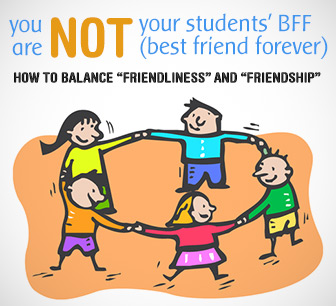
“My students are my friends!”

MCEE Section III, A, 7: Avoiding multiple relationships with students which might impair objectivity and increase the risk of harm to student learning or well-being or decrease educator effectiveness;

My comment: You cannot be their “friend.” You are their teacher, an authority figure that is looking out for them and doing what is necessary (“fiduciary” responsibilities) for their health and welfare… perhaps at times things they do not want you to do. Crossing the teacher/student boundary with familiarity, informality, and being their “confidant” or “friend” are more than just unprofessional acts – they can foster a dual relationship where roles are less defined, an ambiguity that may lead to additional inappropriate actions and educator misconduct.

“He’s weird…” or “He’s not one of us!”

MCEE Section III, B, 2: Respecting the dignity, worth, and uniqueness of each individual student including, but not limited to, actual and perceived gender, gender expression, gender identity, civil status, family status, sexual orientation, religion, age, disability, race, ethnicity, socio-economic status, and culture;

My comment: Check your prejudices and personal biases at the door. Being a teacher is all about sensitivity and caring of all individuals – students, parents, staff, etc. Embracing today’s focus on reprogramming community attitudes on “diversity,” an educator daily models the values of empathy, compassion, acceptance, and appreciation, not just settling with the “lower bar” of tolerance, allowance, and compliance!

“Wait ’til you hear what happened in class today!”

MCEE Section III, C, 1: Respecting the privacy of students and the need to hold in confidence certain forms of student communications, documents, or information obtained in the course of practice;

My comments: Gossiping about and “carrying tales” home or in the teachers’ room are serious breaches of the care and trust as well as your fiduciary responsibilities assigned to you on behalf of your students. As for “regulations,” your indiscretion may be a violation of your students’ confidentiality rights (“a federal crime” according to Family Educational Rights and Privacy Act, Grassley Amendment, Health Insurance Portability and Accountability Act, and Individuals with Disabilities Education Act). You are only permitted to share information about a student with another teacher, counselor, or administrator who is on a “needs-to-know” basis or is actively engaged in helping this student.

Principle IV: Responsibility to the School Community

The professional educator promotes positive relationships and effective interactions with members of the school community while maintaining professional boundaries.

“Don’t tell my parents!”

MCEE Section IV, A, 1: Communicating with parents/guardians in a timely and respectful manner that represents the students’ best interests;

My comment: I wish I had a nickel every time a student plead with me, “Don’t call my mom!” It is part of “moral professionalism,” your “code,” and good ethical standards to originate meaningful two-way dialogue, and if necessary, confront the parents of underachieving children. I also believe it goes on long way to nurture your relationships in the community if you notify parents when their kid has done something remarkable… “I caught him being good” or “The improvement has been extraordinary!”

“Did you hear what a staff member said about you… in front of the kids?”

MCEE Section IV, B, 1: Respecting colleagues as fellow professionals and maintaining civility when differences arise;

MCEE Section IV, B, 2: Resolving conflicts, whenever possible, privately and respectfully, and in accordance with district policy;

My comment: Before you bring up the matter with your supervisor or building administrator (which you have the right and even responsibility to do, especially if the students hear any improper speech first-hand or that the incidents rise to the level of bullying or aggressive behavior), first confirm the story. Talk to the unhappy team member one-on-one. Be calm and sensitive, but hold your ground: you must assert that his/her behavior/language is unacceptable and will not be tolerated in the future.

“Not another TEAM meeting?”

MCEE Section IV, B, 4: Collaborating with colleagues in a manner that supports academic achievement and related goals that promote the best interests of students;

My comment: We work together to insure that all educational goals are met. Open and interactive peer partnerships are helpful in the review, design, and application of new lessons, methods, media, and music.

“I was just teasing her…”

MCEE Section IV, B, 8: Working to ensure a workplace environment that is free from harassment.

My comment: Be extremely careful in the practice of any behavior or language of a kidding, sarcastic, cynical, or joking manner. It can be misinterpreted regardless of your intentions… and it can hurt someone’s feelings. And it is never appropriate or “professional” to “put down” another person.

“Don’t ask for permission… beg for forgiveness.”

MCEE Section IV, C, 3: Maintaining the highest professional standards of accuracy, honesty, and appropriate disclosure of information when representing the school or district within the community and in public communications;

My comment: Yes, I have heard this “view” a lot, advocates of whom will tell you to go ahead and stick your neck out to do something “for the good of the order,” and if needed later, “beg for forgiveness” if you decision is met with disapproval from administration. My advice? Less experienced teachers, run everything through your fellow colleagues (informally) and principal (formally). Don’t fall back on the lame “oops” and “beg for forgiveness.” I may have felt differently when I had three times as many years of experience under my belt than the supervisors who were assigned to “manage” me… but, even then, “venturing out without a paddle” usually did not serve the best interests of the students. There’s no reason to place “the teacher’s convenience” over the safety/welfare of the students. Besides, why not take advantage of the legal and political backup of your bosses if they are kept “in the loop?”

“He’s our preferred dealer and always takes care of us.”

MCEE Section IV, D, 4: Considering the implications of offering or accepting gifts and/or preferential treatment by vendors or an individual in a position of professional influence or power;

My comment: Formerly called “sweetheart deals” with music companies, you are on “shaky” ethical ground (and may also have “crossed the line” violating state laws/statutes) if you negotiate the rights of exclusive access to your school’s or booster’s purchasing. If you have any questions about your school’s policy on outside vendors, seek advice from your district’s business manager.

Principle V: Responsible and Ethical Use of Technology

The professional educator considers the impact of consuming, creating, distributing, and communicating information through all technologies. The ethical educator is vigilant to ensure appropriate boundaries of time, place, and role are maintained when using electronic communication.

“Isn’t use of social media forbidden?”

MCEE Section V, A, 1: Using social media responsibly, transparently, and primarily for purposes of teaching and learning per school and district policy. The professional educator considers the ramifications pf using social media and direct communications via technology on one’s interactions with students, colleagues, and the general public.

My comment: Professional educators’ use of a dedicated website or other social network application enables users to communicate with each other by posting information, comments, messages, images, etc. and “learn” together. However, using social media for sharing social interactions and personal relationships with your students, parents, and staff is unethical and dangerous. As they say, “a post (or snap) is forever.” Communicating digitally or electronically with students may lead to the blurring of appropriate teacher-student boundaries and create additional challenges to maintaining and protecting confidentiality.

The Final Word

In Pennsylvania (as well as the rest of the country), the statistics on school staff misconduct reports are rising alarmingly. Your own state’s “code of conduct” and the MCEE should help to clarify misunderstandings, but it has been my experience that the majority of educators do not receive regular collegiate, induction, or in-service training on educator ethics or moral professionalism. Luckily, we are fortunate to have access to many mock scenarios (see below) from state departments of education to review/discuss among ourselves common ethical conflicts and “conundrums” dealing with pedagogy, enforcement, resource allocation, relationships, and diversity. We all need to “refresh” our understanding of these issues from time to time and revisit “our codes” frequently to help “demagnetize” (and re-adjust) our decision-making compass.

Please peruse the ethics category of this blog-site for other articles and sample references below.

PKF

Resources

PIXABAY.COM GRAPHICS:

© 2021 Paul K. Fox

Burned Out or Bummed Out?

More on Teacher Self-Care: Diagnosis and Remediation

This is Part VI in a series of articles on educator health and wellness, following “Stressed Out!” and “Teacher Self-Care During the Pandemic.”

burnout-90345_1920_geralt

Do you recognize these signs of burnout experienced  by yourself, a coworker, neighbor, or someone you love?

  • Physical: tired, lowered immunity, illnesses, aches and pains, loss of appetite or sleep
  • Emotional: sense of self-doubt, failure, helplessness, loneliness, cynicism, loss of satisfaction/motivation
  • Behavioral: withdrawal, isolation, skipping work, procrastination, frustration, overuse of food, drugs, alcohol

By the time it gets to that third bullet, probably everyone would be aware of the trouble.

You may be on the road to burnout if:

  • Every day is a bad day.
  • Caring about your work or home life seems like a total waste of energy.
  • You’re exhausted all the time.
  • The majority of your day is spent on tasks you find either mind-numbingly dull or overwhelming.
  • You feel like nothing you do makes a difference or is appreciated.

Burnout Prevention and Recovery by Melinda Smith, M.A., Jeanne Segal, Ph.D., and Lawrence Robinson


star-5031540_1920_geralt

Gregory S. Perkins and Angela M. Guerriero, licensed Music Therapists from the Tempo! Music Therapy Services, provided much more detailed definitions of self-care in a session at the PMEA 2020 Virtual Summer Conference. (PMEA members may continue to register and view a video of this workshop until mid-September 2020.) You should know and be on the lookout for these terms:

The United Nations defines self-care as the actions that individuals take in order to develop, protect, maintain, and improve their own health and well being. Self-care involves a personal investment in maintaining physical, psychological and spiritual health, and pursuing a fulfilling, well-rounded life.

Brownout: “A practitioner essentially gives up or performs in a perfunctory manner when confronted with too much stress and too little gratification.” Guy, J. & Norcross, J. (2007). Leaving it at the office: a guide to psychotherapist self-care. New York, NY: Guilford Publications, Inc.

Burnout: “A syndrome of physical exhaustion including a negative self-concept, negative job attitude, and loss of concern and feelings.” Keidel, G. (2002). Burnout and compassion fatigue among hospice caregivers. American Journal of Hospice and Palliative Care, 19(3), 200-205

Recognizing the Need: Self-Care for Music Educators by Gregory S. Perkins, MT-BC, and Angela M. Guerriero, PhD, MT-BC

The Mayo Clinic offers numerous symptoms of “burnout.” How many of these have you “felt” too or noticed in someone else’s demeanor or behavior?

  1. Disillusionment over the job
  2. Cynicism at work
  3. Impatience with co-workers, administrators, and students
  4. Lack of satisfaction in accomplishments
  5. Dragging yourself to work and trouble getting started once you’re there
  6. Lack of energy
  7. Unexplained aches/pains
  8. Self-medicating with food, drugs, or alcohol
  9. Changes in sleep/eating patterns


despair-1235582_1920_geralt

Education Week adds many more danger signs. Are any of these striking close to home?

Exhaustion. This is a fatigue so deep that there’s no way to “turn it off,” no matter how badly you want to. It’s deep in your bones. The kind of tired where you just want to ooze into your bed and disconnect from life.

Extreme graveness. Realizing you go hours without smiling or laughing, or days without a belly laugh.

Anxiety. The constant, nagging feeling that you can and should do more, while simultaneously realizing you need to unplug and spend more time with your family. But there are so many things to do.

Being overwhelmed. Questioning how they can possibly add one more task, expectation, or mandate to your plate. Compromising your values of excellence just so you can check-off 15 more boxes to stay in compliance. All the while knowing it still won’t be enough.

Seeking. Losing your creativity, imagination, patience, and enthusiasm for daily challenges. Craving reflection time and productive collaboration rather than group complaining.

Isolation. Wanting to head for the deepest, darkest cave where no one will see your vulnerability. A place where your limits are unseen and unquestioned and all is quiet.

— Six Signs of and Solutions for Teacher Burnout by Wendi Pillars 


autonomy-298474_1920_geralt

What about the causes of burnout or brownout? Where should we place the blame?

According to Paul Murphy in his book, Exhausted – Why Teachers Are So Tired and What They Can Do About It, the stress of a few problems may stand out as leading culprits at your place of employment:

  1. Lack of autonomy
  2. Dysfunctional work environment
  3. Inadequate social support
  4. Extremes of activity
  5. Poor work/life balance

But, you have no one else but yourself to blame! You must take responsibility for your own health and welfare. Most of the sources in this blog-post (including a few mentioned in past articles from this “care” category) suggest solutions to better self-care, many of which offer answers to address the issue and CAN BE DONE RIGHT NOW.

Here are a few more self-care tips from PsychCentral:

  • Create a “no” list, with things you know you don’t like or you no longer want to do. Examples might include: Not checking emails at night, not attending gatherings you don’t like, not answering your phone during lunch/dinner.
  • Promote a nutritious, healthy diet.
  • Get enough sleep. Adults usually need 7-8 hours of sleep each night.
  • Exercise. In contrast to what many people think, exercise is as good for our emotional health as it is for our physical health. It increases serotonin levels, leading to improved mood and energy. In line with the self-care conditions, what’s important is that you choose a form of exercise that you like!
  • Follow-up with medical care. It is not unusual to put off checkups or visits to the doctor.
  • Use relaxation exercises and/or practice meditation. You can do these exercises at any time of the day.
  • Spend enough time with your loved ones.
  • Do at least one relaxing activity every day, whether it’s taking a walk or spending 30 minutes unwinding.
  • Do at least one pleasurable activity every day; from going to the cinema, to cooking or meeting with friends.
  • Look for opportunities to laugh!

What Self-Care Is and What It Isn’t by Raphailia Michael, MA


successful-2668386_1920_geralt

We should also review “Five Tips for Avoiding Teacher Burnout” by Mary Beth Hertz, an Edutopia blog (read the entire article for greater depth and clarity):

  1. Maintain your “other” life.
  2. Be a stakeholder when changes are made.
  3. Find lessons and opportunities in everything.
  4. Nurture peer connections.
  5. Keep it light.

Edutopia, from the George Lucas Educational Foundation, is a wonderful resource. Most recently, three valuable “streams” of articles have been released on coping with the preparations and stress in the reopening of schools for the 2020-2021 year:

I also recommend this blog-post of the Regional Education Laboratory Program which describes “teacher well being” as “the reaction to the individual and collective physical, environmental, and social events that shape how educators respond to their students and colleagues.” They discuss how three prominent human behavior frameworks— Maslow’s Hierarchy of Needs, the Five Stages of Grief and Loss, and the Concerns-Based Adoption Model (CBAM)— can be used to address the challenges that teachers face when adapting to change and identify approaches to support teacher well being.


help-4955863_1920_geralt

In addition, the following perspectives come from a variety of self-proclaimed practitioners:

“One of Leonardo da Vinci’s seven essential elements of genius is known as Sfumato, Italian for ‘smoked,’ or ‘going up in smoke.’ This principle is the ability to embrace uncertainty, the unknown, and the unknowable. In my interpretation, it’s also an ability to ‘let go’ of everything that’s left undone when you know you’ve done your best. Embrace Sfumato.”  — Wendy Pillars

“Self-care needs to be something you actively plan, rather than something that just happens. It is an active choice and you must treat it as such.” — Raphailia Michael

“Remember that example about putting on your own oxygen mask before helping others? This is where that analogy really comes in to play. It’s time for you to take a good hard look at your self-care versus your care for others and decide if you are in a place where you have a good balance or if you need to make this a priority… Why is self-care… such a critical component of your physical and mental health? Because in order for you to function at your peak, you need to meet the needs your body and mind have for rejuvenation, relaxation, and rebirth. If you are constantly putting out efforts toward other people and events but never taking time to refuel yourself, then you will run out of steam and it will manifest in your body as an illness, weight gain, acne, joint pain – you know the drill – again.” — Lesley Moffat in I Love My Job But It’s Killing Me

“It’s estimated that teachers make about 1,500 decisions every school day. When you combine those decisions with all the necessary self-regulation involved with teaching kids, it’s no wonder our willpower is gone by five o’clock. We are exhausted.” — Paul Murphy

The term “unprecedented times” has become a hallmark for describing the context in which leaders must respond to changing needs during the COVID-19 pandemic. Effective responses in education are dependent upon teachers as the front-line workers in classrooms, so it’s essential that administrators take care of teachers. When they do so, they also take care of students.

When teachers don’t have the resources they need, and especially when sustained job demands are high, teachers experience chronic stress — and eventually burnout.

Teachers who are burned out are less effective as teachers, have less supportive relationships with students and, in turn, the students they teach have lower academic and social outcomes.

How to Prevent Teacher Burnout During the Coronavirus Pandemic by Laura Sokal, Jeff Babb, and Leslie Eblie Trudel


man-4957154_1920_geralt

We should all read the above blog-post from The Conversation, which offers these conclusions based on a national Canadian education survey conducted in May 2020:

  1. Teachers’ concern for vulnerable students is one of the most stressful aspects of their jobs right now.
  2. Teachers are seeing magnified inequities.
  3. When giving teachers initial resources, less is more.
  4. Perceived support matters to teachers’ resiliency.
  5. Teachers are concerned about effectively engaging students through remote learning, and professional collaboration can help.

Finally, we’ll end this epistle on “things to do to avoid burnout” with a timely and practical article from Carlee Adams found on the We Are Teachers site: 15 Smart Ways to Prevent Teacher Burnout That Really Work. Repeating many of the suggestions above, these “find these” remedies resonated with me:

  • “Find someone you can be vulnerable with…”
  • “When you feel hopeless, find perspective…”
  • “Find your own voice and allow it to change over time…”
  • “Find your people; they get you!”

The bottom line? If you “feel” consistent periods of burnout, brownout, or being bummed out in your career as negative influences to your “calling” as a teacher, you cannot sit back and let things continue “as is!” Most professionals cannot self-diagnose this problem (but, perhaps a family member may clue you in!). If you notice that you are continually having trouble sleeping, difficulty with relationships or communicating your thoughts to others, or find yourself feeling significantly depressed or lethargic, it may be time to visit your health care professional.

PKF


Photo credits (in order) from Pixabay.com by Gerd Altmann


© 2020 Paul K. Fox