Music and Literacy Skills

How to Use One to Improve the Other

Editor’s Note: For this month’s blog, we bring back guest writer Ed Carter, a retired financial planner. (See his website here.) His piece, perfect for new music parents, summarizes many of the “intangibles” that music education provides to foster child development, especially the enhancement of language skills. In 2019, I wrote the blog “The Importance of Music Education” (click here) based on an interview I did for a local community news program on the essentiality of teaching music that covered many of these concepts. Special thanks go to Ed Carter for sharing his research and perspective. 

Parents and educators are always looking for ways to improve their children’s learning –
especially when it comes to reading. Sometimes, though, unconventional approaches can work wonders. Experts believe the best way to boost a student’s reading is actually to expand their knowledge and vocabulary by teaching them history, science, literature and the arts.
Understanding the Connection

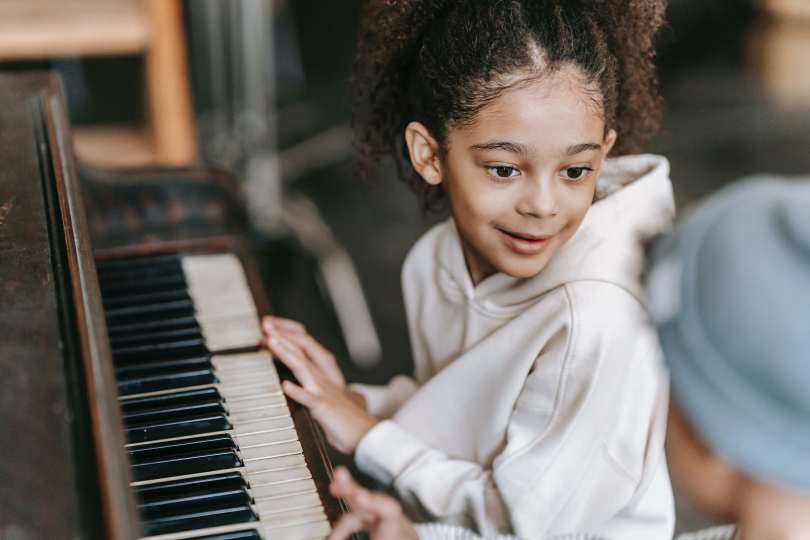
Children who learn to play an instrument or who join a choir have a longer attention span and better listening skills. Music stimulates the brain in so many ways. In fact, playing music may help the human brain more than any other activity. Some researchers even suggest that musical training can alter the nervous system in a way that improves learning in a way that offsets the academic gap between affluent students and students from lower income backgrounds.

Music improves language skills in particular because there is a neurological connection between maintaining rhythm and reading. Scientific American notes that when children learn how to keep a beat, they are better able to concentrate on a passage and decipher the meanings behind the words. A child’s reading ability relies on making a connection between the symbols they see on the page and the sounds of letters.

The Best Age for Music Lessons?

There is no such thing as a kid being too young for music. Many parents even expose their child to melody and rhythm before they are even born in an attempt to stimulate brain activity. Drumming is a great place to start. It is more important they gain experience with music and learn to develop a meaningful relationship with it at a young age. Children as young as 3 can develop skills like identifying a beat, melody and instruments in music.

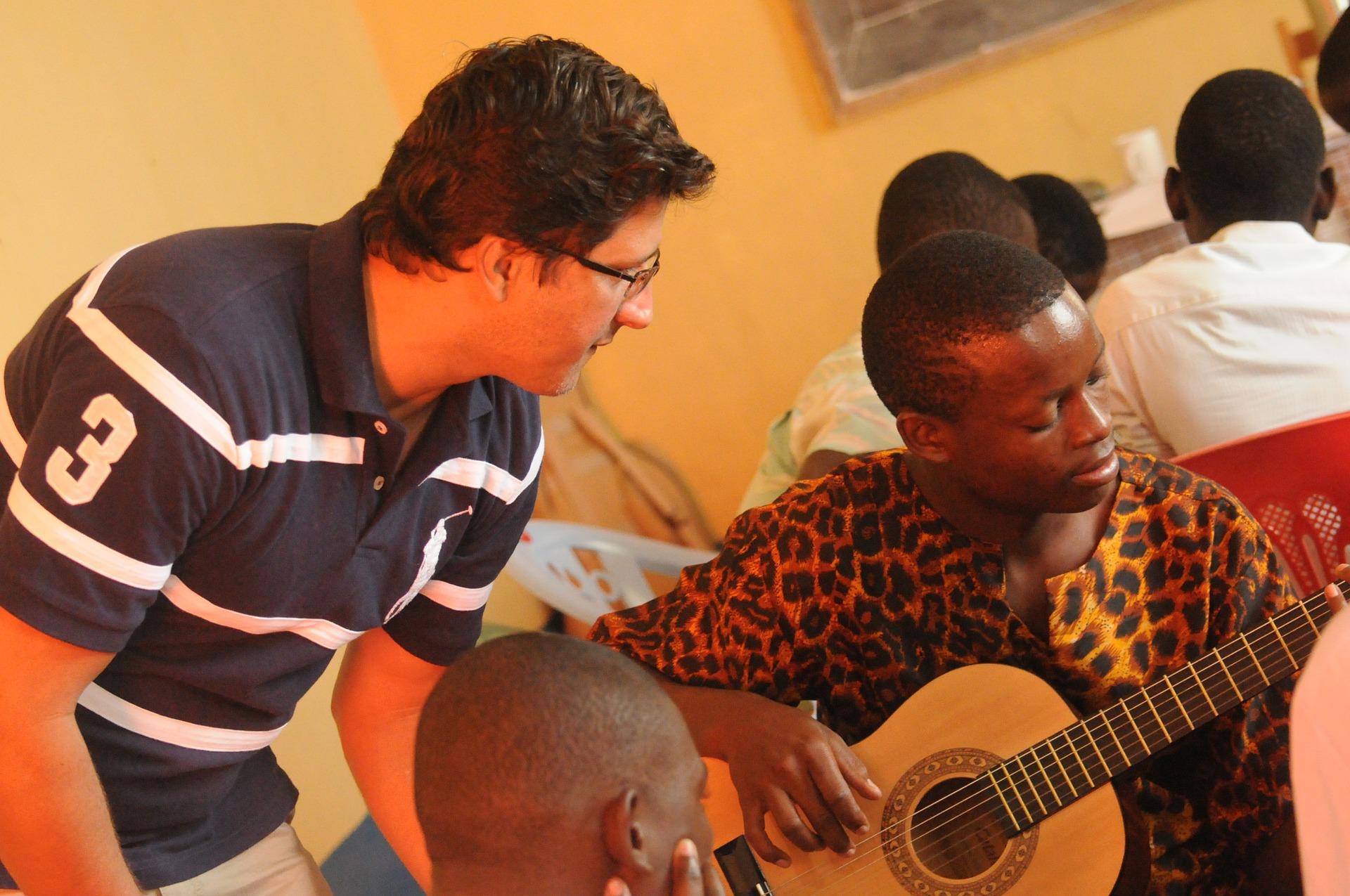
By the age of 5, your child may be ready for formal lessons with beginner instruments such as drums, the piano, violin, recorder, guitar or ukulele. If your 5-year-old is not ready to start formal lessons with an instrument, they can still develop their musical skills online. Invest in a kid-friendly laptop and some durable headphones that allow them to interact with online music programs and apps that develop skills that can translate to playing an instrument in time.

To exhibit your genuine interest in your kid’s growing skills, consider creating a music room for them to be able to learn and hone their craft. This dedicated space is a perfect place for distraction-free lessons. It’s a good idea to soundproof the room, too, so others in the home aren’t disturbed. Having a bonus room that can act as a multipurpose room can increase your home’s appraisal value should you decide to sell anytime soon, as such upgrades are what many buyers look for.
Music Mistakes to Avoid

While some children pick up an instrument like a fish to water, all children develop differently. If you push your child into music lessons too early, they can become overwhelmed. Not progressing in their skill can hurt their self-esteem and discourage their progress. Let your child ease into their musical lessons gradually with time.

You can’t just throw money at a music tutor and expect that to be enough. If you want your child to grow in their skills, sit with them as they practice each day. Consistent practice is more effective than long lessons and your presence provides discipline and encouragement.

There is going to be a moment where your child expresses a desire to quit their instrument. Instead of letting them give everything up too soon, always talk with your child about why they feel like quitting and adjust their lesson goals to make playing music fun again rather than a chore. Encouraging your child to stick with it rather than quit teaches your child how important perseverance is in life.

Children all over the country struggle with reading. Adding music lessons to your child’s schooling can help improve their language skills and reading comprehension. There’s no exact age for starting music lessons, but incorporating music into other activities is a great way to start introducing them to rhythm and melody. As they grow up, involve yourself in your child’s learning and measure progress by the goals they reach and the amount of fun they have.

PKF

© 2022 Paul K. Fox

Photo credits:

Dear Music Parents…

We Need Your Help to Support Your “Kids” and Make Music Education More Effective

This message was sent to the parents and partners of the nonprofit community ensemble “for instrumentalists of all ages” – The South Hills Junior Orchestra – and participants in the SHJO Online Academy (SHJOOLA), but is applicable to all music families. School music directors everywhere need your assistance!

[http://www.shjo.org/]

Another first! A special “reach-out” via Fox’s Fireside geared exclusively to music parents.

Before we start with the nitty-gritty, on behalf of music educators everywhere, let us thank you in advance for all of your commitment and collaborative efforts in support of your child’s music program!

We hope this finds “you and yours” healthy, safe, productive, and happily engaged. Since many of the schools are within a month to the end of their fall semester and second nine-week grading periods, we thought now would be a good time to step back a little and offer our assessment of how things are going.

“When life hands you lemons, you make lemonade.” In spite of the limitations brought on by the pandemic, the directors are doing everything in their power to connect with, stimulate, and enlighten the players and singers. In general, we are satisfied with the musical progress of everyone – the students are showing technical growth, mastery of the music, and even more importantly, great resiliency in dealing with these challenging times. SHJOOLA and other remote teaching or alternative music learning serve only as a temporary stopgap measures until all of us can return to our the normal “live and in-person” rehearsals. However, it looks like this may not be until Spring 2021 or later.

[Feel free to share this blogpost or this PDF link.]

We would like to elicit the help of our music parents to check in and observe the online activities of your son or daughter, and if necessary, intervene on behalf of them. This would help us improve the quality of the virtual music programs run smoothly. We have all found that online teaching is very hard. The limitations of this technology (latency and inability to sync the visual and audio portions of zoom meetings) will not allow the chance to hear in real-time performances of individual players or the group altogether. The most important “takeaway” from this message is the camera on your household device needs to be operative and used every time we sponsor a class. In addition, it is not satisfactory for anyone to position their device so that we cannot see them, leave the meeting early, mute or disengage from the virtual lesson discussions, or turn off their camera at any time. Video feedback is the only avenue available to “monitor and adjust” our instruction during any “synchronous sessions.” We have found that Zoom runs quite well on smartphones and tablets, and the cameras on these devices will suffice if the computer hardware is not up to the task.

So, effective immediately, if your SHJOOLA child seems to be having trouble with his camera, we will notify you.

(Please let us know if you need any technical assistance. The cost of purchasing a new “web cam,” is as low as $16 at WalMart. If we cannot help you, we’ll find someone who can!)

As the character Jean-Luc Picard says in the Star Trek Next Generation series: ENGAGE! What are the number one concerns of all educators during this disruption to education caused by COVID-19, shared even by the “Plan B” strategies for music? – Loss of individual attention, sensitivity, communications, connectivity, empathy, and self-empowerment towards the pursuit of the students’ own inspired initiatives in learning!

In other words, “distance learning should not be distant.” To be effective, it needs to promote an exchange of dialogue, responsible online citizenship, and goals to reach-out and engage within this unique “music community!” (For those of you who enjoy reading about learning theory, feel free to peruse Mr. Fox’s recent educator blogpost about social emotional learning, “teacher presence,” emotional intelligence, “character” curriculum, and habits of empathy: https://paulfox.blog/2020/11/03/embracing-the-intangibles/.)  

[New players may join SHJOOLA at any time. We accept out-of-town musicians, too!]

Following the advice of several members and to keep the team more “connected,” our initial SHJOOLA Zoom meetings will open 10 minutes early to allow for a little informal chit-chat! How are you doing?

REMINDER: Whether hybrid or online, attendance is mandatory. Music directors understand that, on occasion, there will be illness, family, business, or other educational conflicts necessitating the missing of a Zoom meeting. For SHJOOLA, our attendance policy is flexible, but notification of the SHJO Managing Director in advance is mandated: mdirector@shjo.org. (Please include your name and the reason for missing the session.) Considering all of the prep time your music directors are devoting to the lessons, it would only be “common courtesy” for the absentees to keep themselves up to date on what was presented, view any available archived rehearsal videos or slides posted (for SHJOOLA posted weekly at http://www.shjo.org/online-academy), and make-up all missed work within a few days of the absence. Ensembles are teams and rely on camaraderie and responsibility: “the whole is greater than the sum of the parts!”

FYI, the software embedded in our SHJOOLA MusicFirst Classroom provides access to a valuable subscription that will last through June 2021. There are a lot of great applications for members to freely explore asynchronously (on-their-own at their convenience) in order to foster self-improvements in ear training, music theory, performance assessment, sight reading, and writing/analyzing music.

In conclusion, parents, we need you to “stop on by” and observe what’s happening!   For SHJOOLA, our goal is to continue offering our free professional services in making meaningful music, playing duets, performing with online soundtracks, learning new (and in greater detail) musical concepts to “grow” our musicianship and comprehension of orchestral literature, and to just have fun being successful. PKF

These things are “NOT COOL” during online music classes…

  • Arriving late to scheduled meetings (“early is on-time!”)
  • Missing sessions and not “catching up” on the missed work
  • Failing to download and print the music in advance
  • Not having instrument and music (in order) ahead of the start of the meeting
  • Turning off or re-positioning your camera so we cannot see you
  • Failing to respond to questions or participate in the discussions
  • Texting, emailing, or using any other device that distracts your attention
  • Allowing interruptions or loud noises during the class
  • Eating or drinking during rehearsals

Other “Fox Firesides” are available at https://paulfox.blog/foxs-firesides/.

© 2020 Paul K. Fox

Photo credit from Pixabay.com:
“Blaze-Fireplace-Campfire-Bonfire” by Pexels
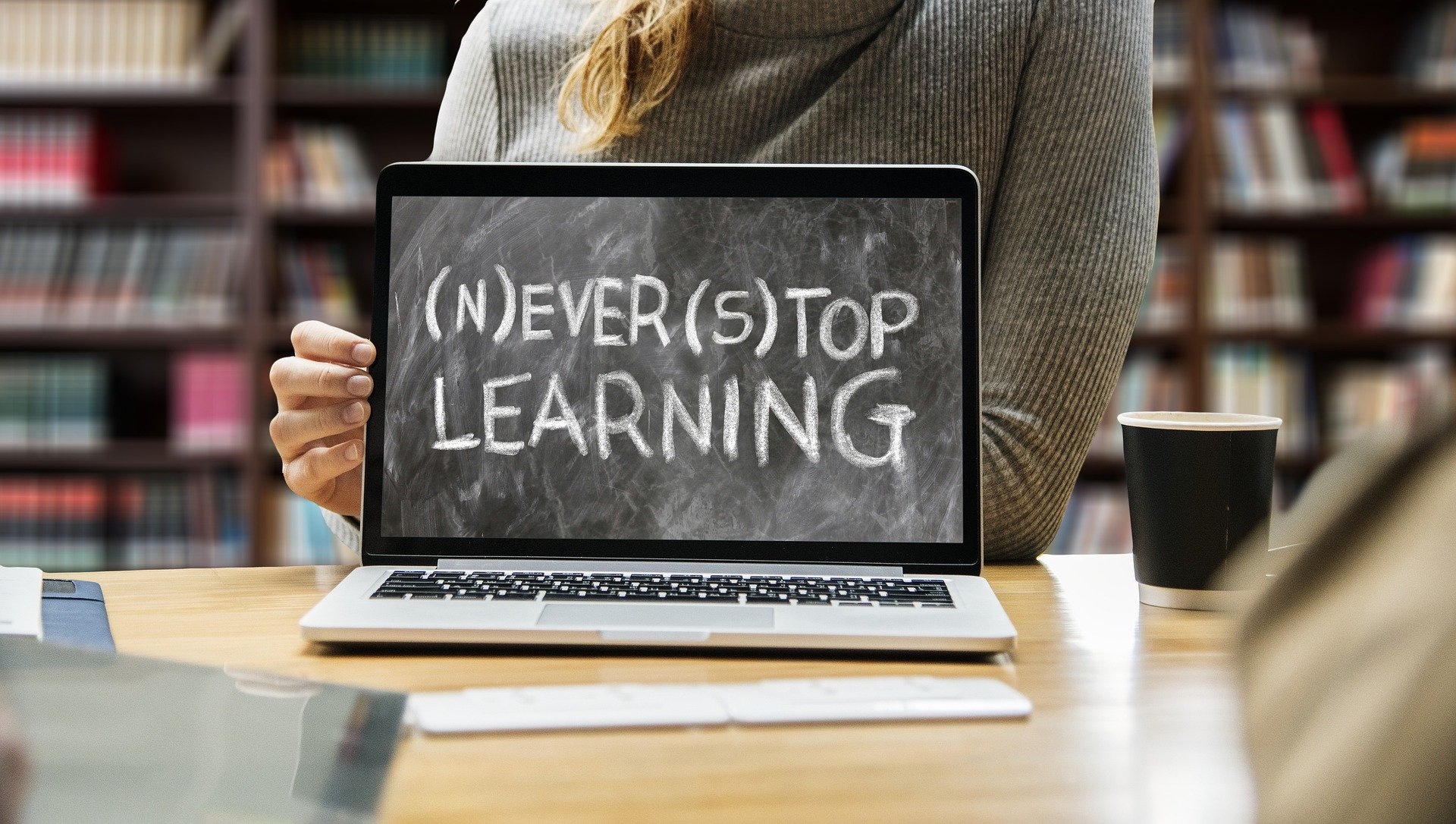
“Learn Student Laptop Internet” by geralt