
Bookends – Part 3

As summer draws to a close and schools begin to reopen, we look forward to the coming autumn season (and hopefully some relief from the scorching weather). After all, tomorrow will be the first day of classes at my former place of employment (and the dress rehearsal for Friday’s marching band senior show). Soon we’ll enjoy one of my favorite transitions of the year! In Western Pennsylvania, deciduous trees will gradually change color (some bright red, orange and yellow) and then shed their leaves… the perfect metaphor for the final sections of my “Bookends” series.

(Yes, fall is a month away… but, as you can see, the stores are way ahead in anticipation of the changing seasons!)

Autumn is a season of harvest, a time to reap the rewards of our hard work and reflect on the blessings in our lives. The Fall Equinox is a reminder for us to assess our accomplishments instead of our shortcomings.
www.inspiringactions.com

We return to a discussion first introduced last October in Bookends – Part One – The Life Cycle of a Successful and Happy Music Educator, exploring:

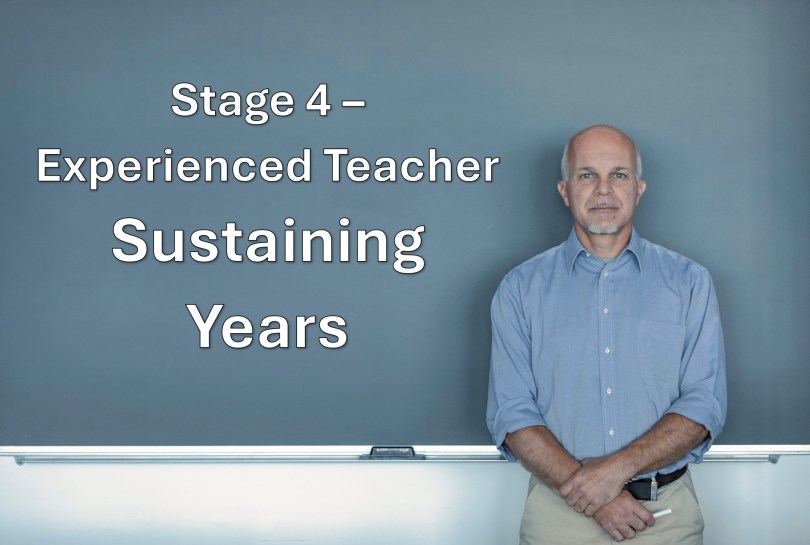
  • Stage 4: Veteran/Sustaining Years (this blog)
  • Stage 5: Next Chapter/Living the Dream (future blog)

When do we become “experts” in our field? When are we “master teachers?” Do we ever reach the apex of our achievements, the crowning glory of our career, or the pinnacle of our profession?

Never! You snooze, you lose. If you stop expanding on your knowledge and skills, forgo exploring new ideas, methods, and media, or become stagnant and settling into a rut at work, you might as well RETIRE (“Stage 5”). Instead, I direct you to revisit “Stage 3” in Bookends II here. As dedicated educators, the focus must be on constant retooling… reviewing/revising “best practices,” setting new goals, and building on the existing networks and engagement in the profession. These have always been the essential elements of a true professional.

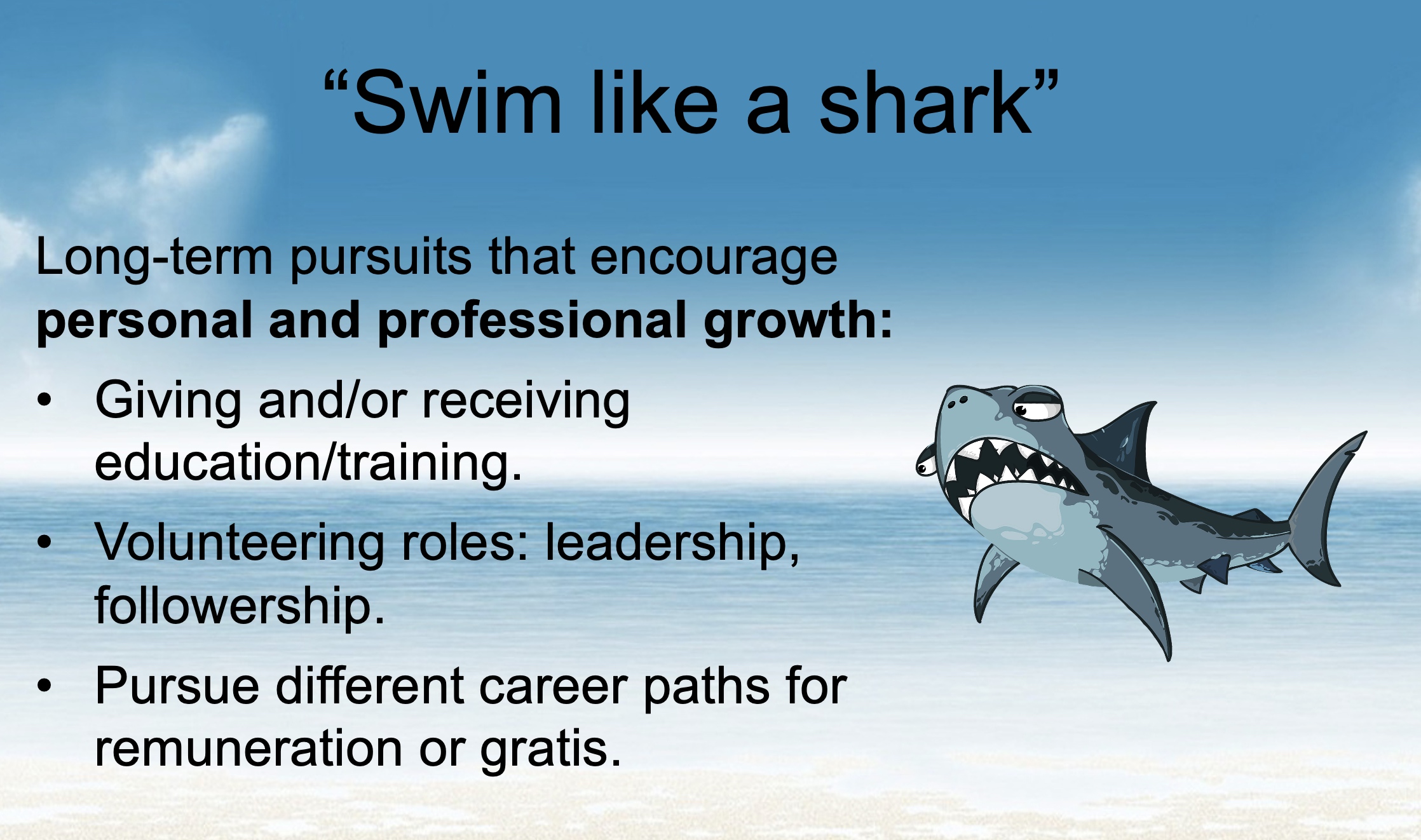
Now I should mention that during our middle-years, we sometimes return to education, get advanced degrees, new certifications or teaching specialties, apply for new job assignments, etc. When my PMEA colleague and fellow music teacher retiree John D’Ascenzo left full-time teaching, he went on to pursue a doctorate degree. Also appropriate for our next Bookends section, I have often quoted his analogy for all career stages to “swim like a shark” (since a shark never stops moving, even when it is sleeping). Sage advice for us all!
During my whirlwind of more than five decades in the field of music education, I went through several “first-year-of-teaching” passages, such as accepting my first job in general music at Edgewood School District (1978-1980), then being hired to direct strings (grades 6-12) at Upper St. Clair School District in 1979 followed by a 16-year appointment to the USCHS choral program of over 200 singers in 1980 on… transitions requiring massive job retraining and revitalized professional development. I may have not appreciated the stress of these “hurry up and relearn” periods at the time, but these periodic challenges made me GROW. In the end, I “lived” and embraced Robert Frost’s poem, “The Road Not Taken.” It may have not been the initial pathway I imagined for myself when I started in music education, but “I took the one less traveled by, And that has made all the difference.”

To this day, this violist and orchestra director has NO REGRETS teaching so many years outside of his so-called “specialty” or emphasis! It comes back to me every time I run into former choral or musical students, those I taught in those early years of being a vocal novice (at times when I felt less prepared). My past instrumentalists/singers/actors reminisce a little and literally rave about their musical experiences and what they meant to them.
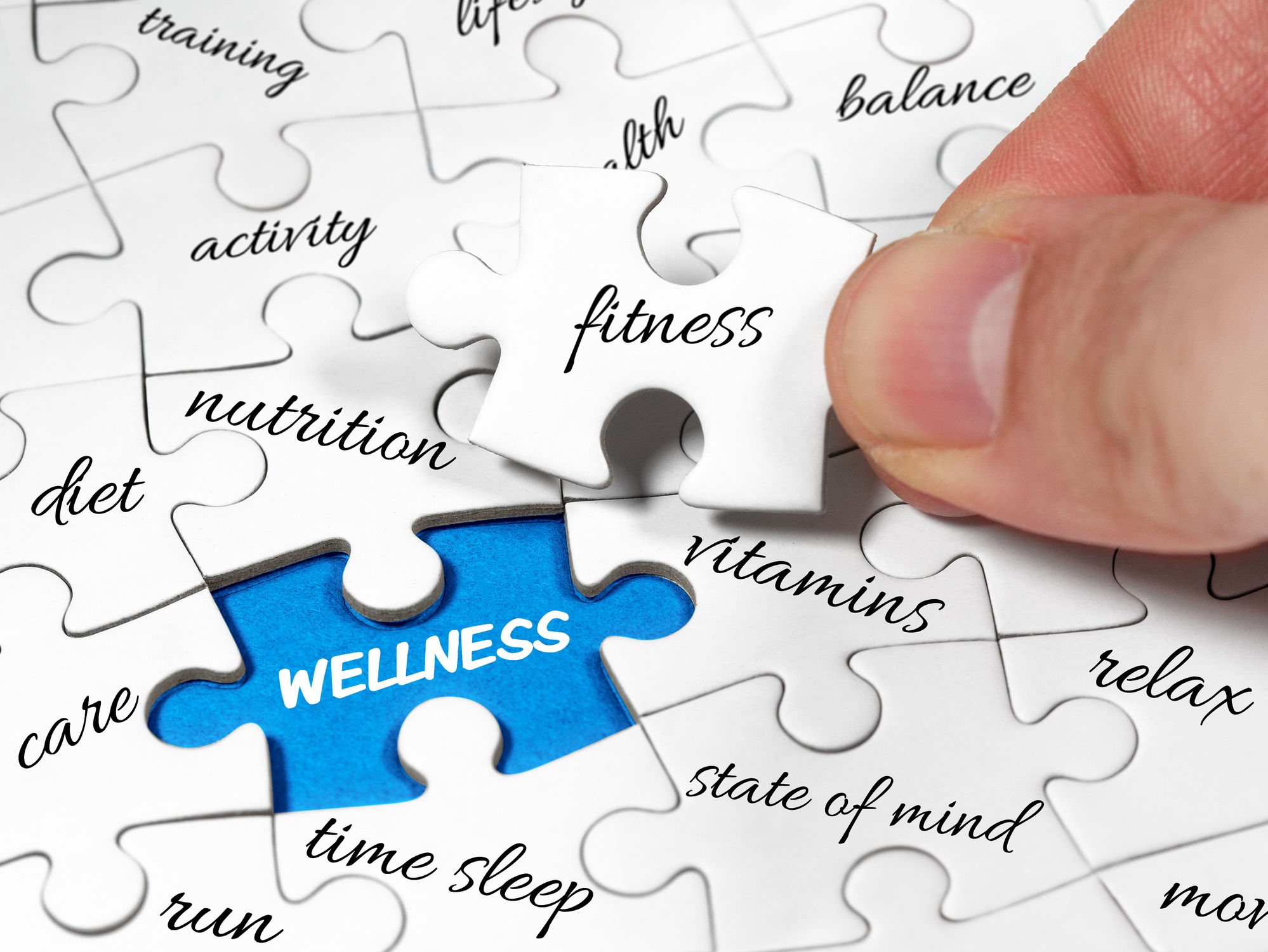
My emphasis to foster success in our “veteran years” is also on teacher self-care: health and wellness, burnout prevention or remediation, stress and time management, and personal life and work balance.

Let’s start with examining the probable causes of STRESS in TEACHERS:

  • Overwhelming workload, long hours, and/or challenging classroom situations
  • Lack of administrative or social supports
  • Feeling a lack of respect, loss of job autonomy, or not being valued or appreciated in the organization or assignment
  • Dysfunctional or hostile work environment
  • Inconsistent hydration and consumption of a balanced diet and healthy quantities (length, depth, and frequency) of rest and sleep
  • Irregular amounts of daily aerobic physical exercise
  • Misuse of the voice at work and inadequate hearing conservation and protection from over-exposure to sound
  • Deficient scheduling of opportunities for mindfulness, meditation, and/or reflection
  • Deprivation of personal outlets for creative self-expression (not related to job) and the lack of time to explore hobbies, interests, and socialization with family and friends
  • Infrequent use of sick days or vacations even when they are needed for restorative health

We all have experienced at least a few of these “bumps along the road” (but hopefully NOT most of them). Although I generally had very supportive administrators throughout my years in the public schools (and no one would claim I exhibited any symptoms of “burnout”), I did model a few of the inconsistent habits of personal health (diet, sleep, etc.) and an unbalanced work/personal life schedule. And, perhaps it could be said that I did some of my best work totally exhausted!
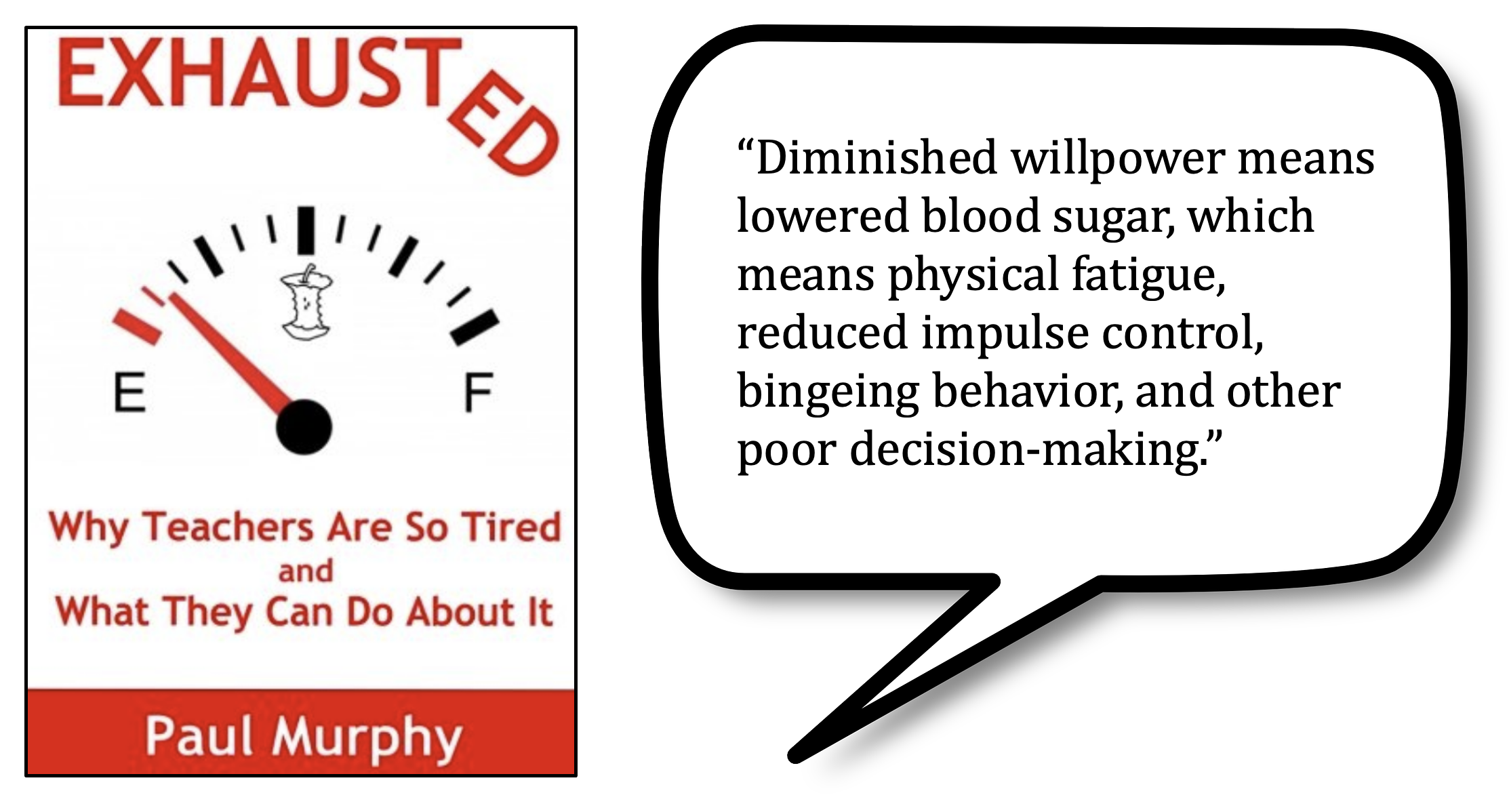
As I have written in past blogs (especially here in “Burned Out or Bummed Out”), the best book I know on “teacher exhaustion” is by Paul Murphy (2017), and subtitled Why Teachers Are Do Tired and What They Can Do About It. I strongly recommend it as “a required read” for all new AND veteran teachers.

Besides being aware of your “body chemistry” (especially what the challenges of constant willpower, deferred gratification, and relentless scheduling can do to lower your blood glucose levels later in the day), to quote Murphy, some of his suggestions for remediation are NOT so easy to follow:

  • Work less/fewer hours
  • Time before school is worth more than twice as much as time after school
  • Use class time to check work
  • Leverage technology
  • Don’t grade everything
  • Stop assigning things

Sorry! My wife and I modeled the behavior of “more-than-full-time” music teachers with after-school rehearsals of marching bands, musicals, community orchestras, chamber ensembles, private lessons, music festival preparation, etc. How in the world do you work fewer hours? Also, since most music teachers do not assign “paper” homework requiring teacher correction, “checking for understanding” and in-class formative assessment could improve efficiency. Sometimes we are own worst enemies… We should “keep it simple” and focus on the priorities. That brings us to time management.
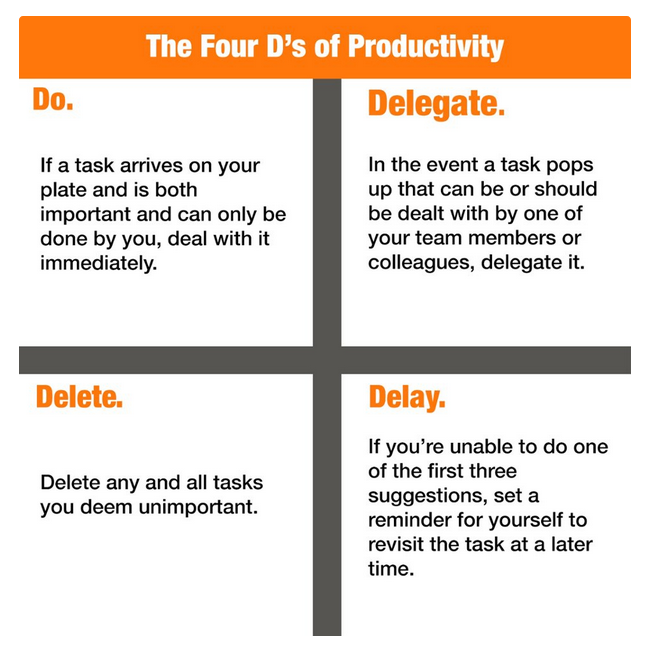
My favorite strategies for organizing our time and fostering a better work/life balance involve these resources (click on links below to past blogs at this site). PLEASE STUDY THESE!

I return to the “Four D’s” concepts several times in past writings, and the “system” can be applied digitally as well… as long as you make a concerted effort to take the necessary time (10-20 minutes) every day to manage the up-front decision-making to “do immediately,” file, or weed out most of the “voluminous noise” (distractions) you get in email, texts, voicemail, snail-mail, etc. Get ready to push the “delete” button… over and over again!

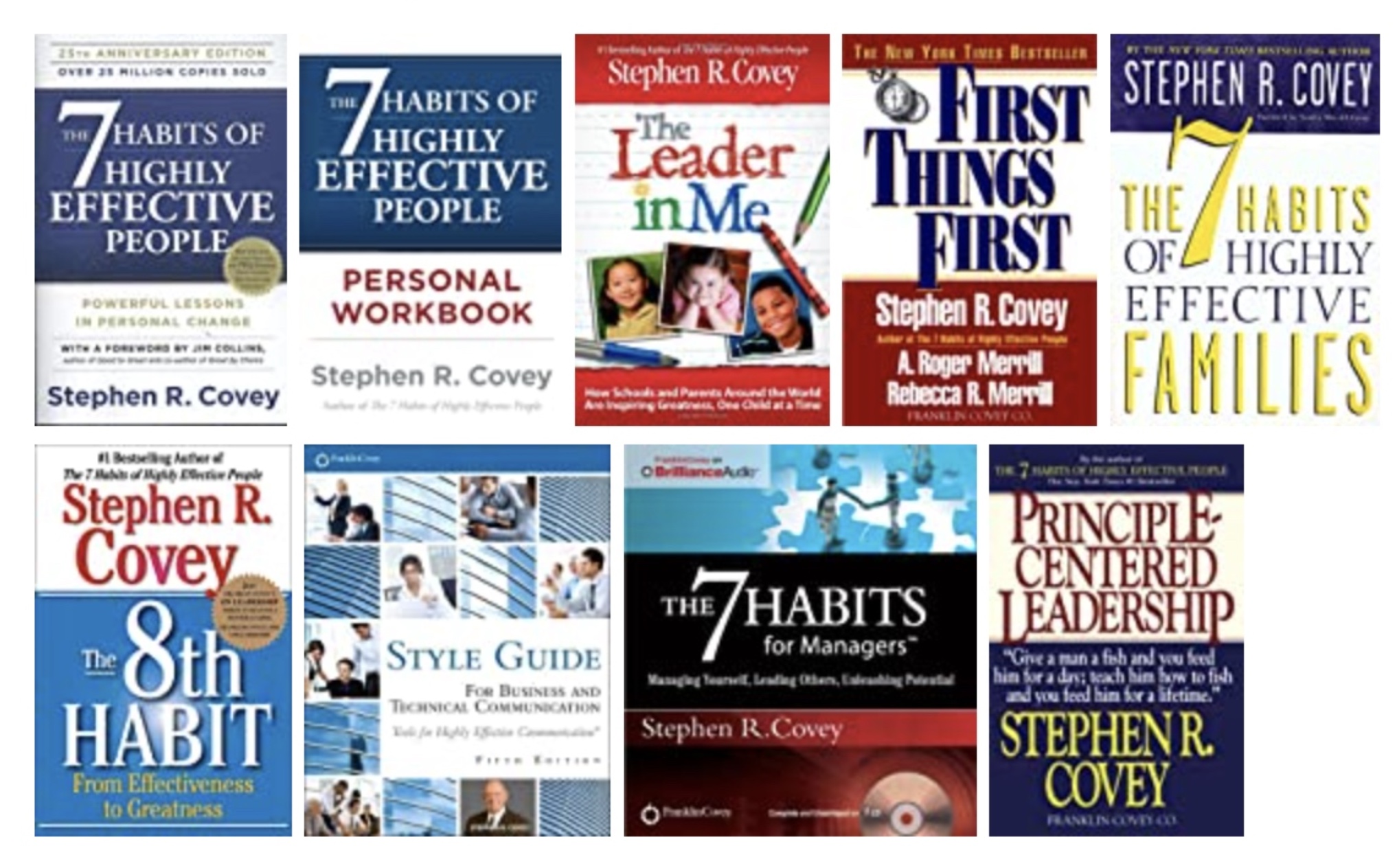
Then there are a few more ideas in “Top Ten Organizing Tips…” and any of the books by Stephen Covey (below). I particularly like the philosophy/demonstration attributed to him re: “start with the big rocks!”
Also, if you are a member of NAfME (National Association for Music Education), search their vast library of related blogs here, several articles to which I was fortunate to have contributed.

Final thoughts for the “sustaining years” of your profession and to avoid any touches of BURNOUT is to develop a self-care plan. My first go-to for building meaningful wellness habits comes from “What Self-Care Is and What it Isn’t.” In past health and wellness workshops, I echo these “basics.”

  • Promote a nutritious, healthy diet, and hydrate often.
  • Get enough sleep.
  • Exercise.
  • Follow-up with medical care.
  • Use relaxation exercises and/or practice meditation.
  • Spend enough time with loved ones.
  • Do at least one relaxing activity every day, whether it’s taking a walk or spending 30 minutes unwinding.
  • Do at least one pleasurable activity every day, from going to the cinema, cooking, or meeting with friends.
  • Find opportunities to laugh.

Self-care can take many forms, such as physical, spiritual, and emotional self-care. It’s an important factor in maintaining health and well-being.

Self-care might range from a hot soak and yoga to everyday activities like preparing meals you want to eat or dressing in your choice of style.

Self-care is not an indulgence. The WHO recognizes it as a crucial aspect of health maintenance.

Tailoring self-care for your budget, season in life, and personal needs for whole body wellness, inside and out, can be energizing and exciting in itself.

https://psychcentral.com/blog/what-self-care-is-and-what-it-isnt

Veteran full-time educators: To sustain and nurture success in the middle to twilight years of your career (Stage 4), seek to understand and practice personal wellness and work/life balance while continuing your pursuits in self-motivation, self-assessment, self-energizing, self-(re)invention, and “growing” personally and professionally, and if it becomes necessary, promote the diagnosis, prevention and self-remediation of debilitating stress and burnout.

PKF

© 2024 Paul K. Fox
On the Road Again (2023)

“Doing My Thing…” — Professional Development Conferences for Music Educators

It’s been awhile since I posted here… arguably the longest editorial break I have taken since retirement and starting this blog-site. What’s that line retirees often say? “It’s a good thing I am retired from my job; otherwise I would not have enough time to do everything!”

This has been an extremely busy couple months of renovating three bathrooms, promoting the 30th Anniversary Gala Celebration of the Community Foundation of Upper St. Clair featuring a CASINO NIGHT & the local band NO BAD JUJU (to which I can’t even go because it is on the same day as PMEA), staffing a transition of new editors and an office manager for the UPPER ST. CLAIR TODAY community magazine, “keeping my hand in” by conducting a small nonprofit community ensemble (now in our 40th season of the South Hills Junior Orchestra), volunteering at the hospital (see my Tales from a Wheelchair Jockey article), developing new PDE Act 45 and 48 programs on ethics (school system leaders and educators respectively), and… (deep breath): preparing four PowerPoint presentations for two music conferences in April. Yes, and loving every minute of this frenzied activity!

Pennsylvania and Eastern Division music education colleagues: Hopefully by now, you have registered for the coming conferences on the horizon:

NAfME Eastern Division Conference, April 13-16, 2023, Rochester, NY

PMEA Annual Conference, April 19-22, 2023, in the Poconos

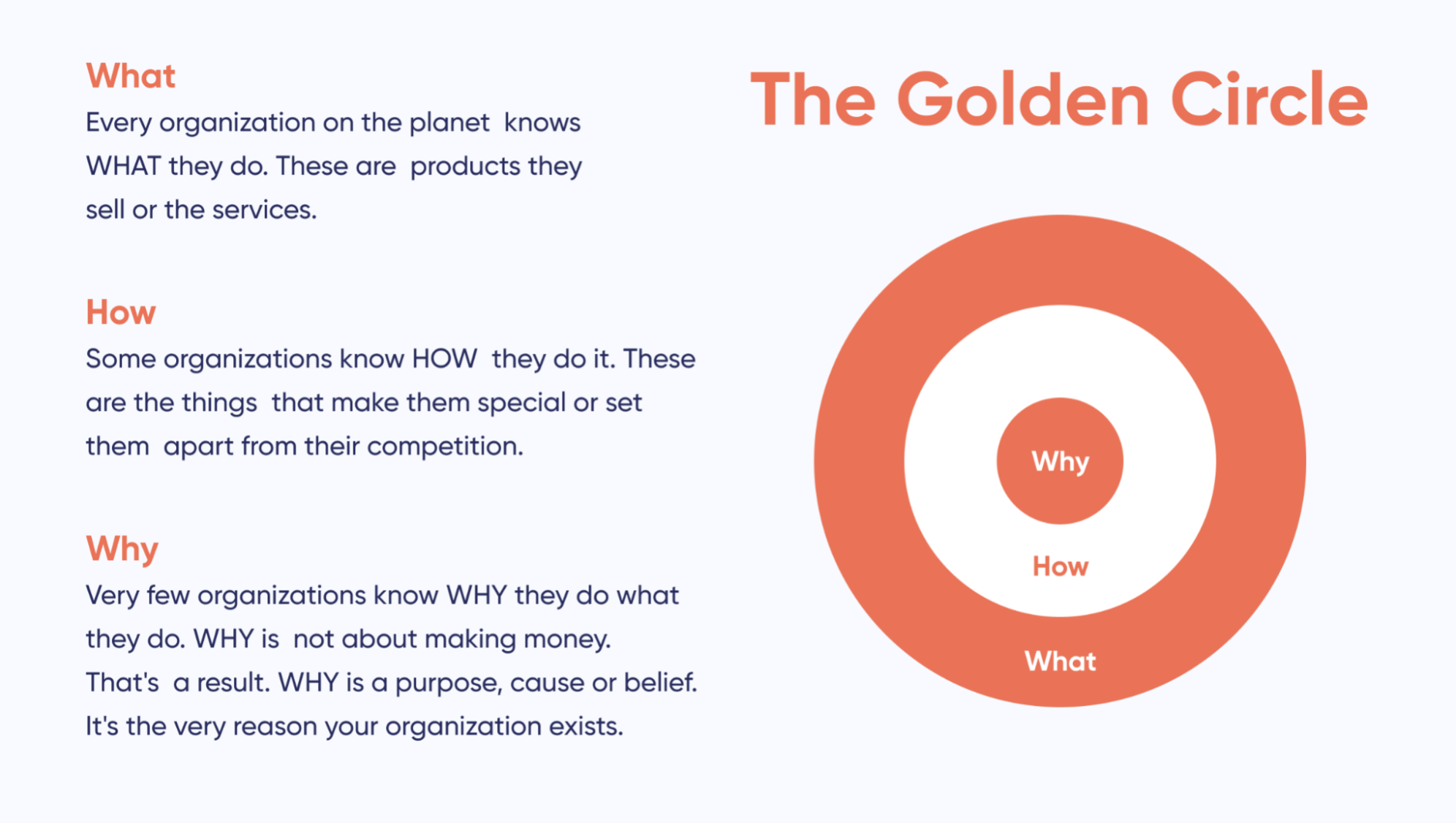
Now to quote the inspiration of Simon Sinek — his theory of value proposition to ‘start with why’ — how leaders can inspire cooperation, trust, and change based on research into how the most successful organizations think, act, and communicate if they start with why. Check out his rationale with The Golden Circle:

The “why” of attending your professional development conferences, “sharpening your saw” (self-renewal by Stephen Covey) aka “recharging your batteries,” learning what’s new and innovative on the forefront of “the state of the art,” and networking with colleagues, and has been addressed often in past blogs:

Simply put — to maintain your mastery of music and methods and build on your “best practices” and professionalism, you MUST attend as many educational conferences and workshops as possible!

Now to my “bags of tricks” for April 2023

Mark your calendars:

April 15, 2023 at 10:45 a.m. in Hyatt Susan B. Anthony (NAfME) – OR –
April 21, 2023 at 11:30 p.m. in Kalahari Suite 40/50 (PMEA)

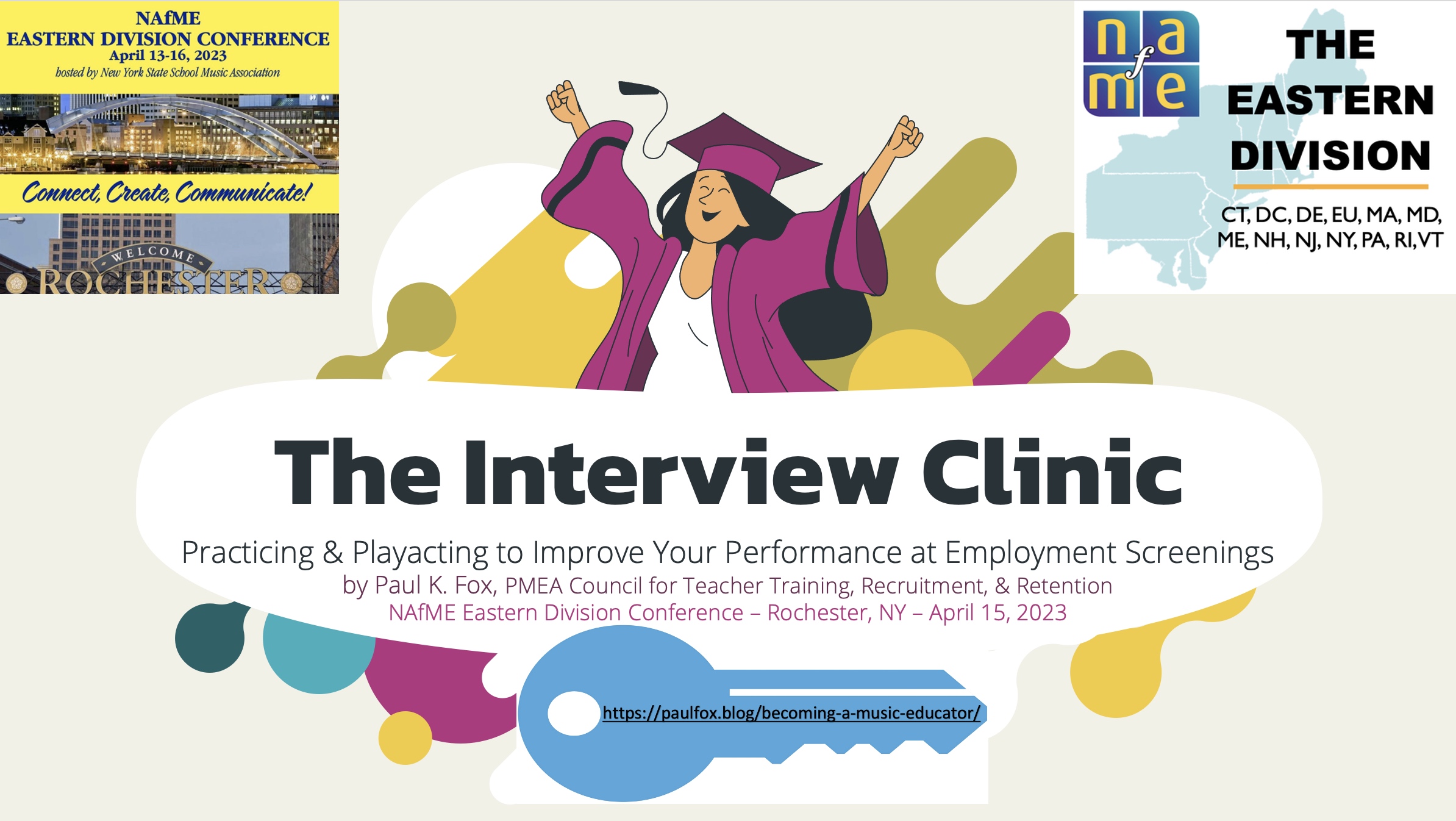
I was blessed to have been asked to present THE INTERVIEW CLINIC — Practicing & Playacting to Improve Your Performance at Employment Screenings at both the NAfME and PMEA conferences. This will be FUN! Perfect for college music education majors, soon-to-be or recent graduates, new transfers to the profession, teachers seeking to change positions while openings seem to be “heating up,” or first-timers looking for employment, the session targets will provide interactive exercises to build self-confidence and develop better insights, practices, and strategies to successfully land a job. “The key is in the preparation” of:

  • Standards—Defining/modeling professionalism, versatility, and ethics
  • Marketing—Branding, networking, and selling yourself
  • Skills—Interviewing, storytelling, and organizing
  • Assessment—Observing, reviewing, diagnosing, and improving

Interactive exercises, you say? Yes! Get ready to meet new people and perhaps dive into a few activities slightly outside your “comfort zone!” (We promise NOT to embarrass anyone!) We will break up into small groups or “duet partners,” and explore defining our professional “essence,” telling anecdotes about our strengths and past problems we have “crushed,” and focusing on learning “the golden gift of gab” — storytelling.

Portions of this workshop will come from material in the past posts Storytelling, etc. Part 2 and When it Comes to Getting-a-Job, S Is for Successful Storytelling. (Your homework? Peruse these before coming to either session at NAfME or PMEA!)

As always, articles, resources, and slide summaries will be posted under the “Training/Jobs” menu tab (above).

Mark your calendars:

April 20, 2023 at 3:00 p.m. in Kalahari Suite 30 (PMEA)

How many of you feel at times a little overwhelmed, exhausted, stressed out, disorganized, demoralized, or disenfranchised?

Are you at the end of your rope and wondering how you’re going to “keep it all together” over the next week, month, year?

Is your health is interfering with your ability to do your job and find success, balance, and meaning in your personal life and relationships? Then… it is time for a change.

We are still dealing with the effects of the pandemic which has brought on a “gap year” to most of our music programs, the stress of “working harder not smarter,” more teacher burnouts, and the resulting bail outs, staff shortages, and/or job cuts. We need to embrace NEW strategies for personal self-care and SEL (social and emotional learning). Do you still enjoy teaching? How have you coped with all of the changes? How will you achieve a better work/life balance and skills in time/priority management and personal health and wellness?

The prescriptions and RECIPES towards stress reduction and developing a self-care plan are here! Doug Sands, a consulting hypnotist and founder of AnywhereHypnosis.com, joins me to “throw in everything and the kitchen sink” to alleviate these problems, with NO cookie-cutter, “one-size-fits-all” solutions from the chefs:

  • What has COVID done to all of us?
  • Instant personal online stress assessment
  • Taking an inventory of the ingredients towards a healthier lifestyle
  • Definitions, symptoms, and remediations for teacher stress and burnout
  • Why teachers are so exhausted and what to do about it
  • Time management tips
  • Breathe like a Navy SEAL
  • Coping and learning “acceptance”
  • How to “coach overwhelm!”
  • The role of meals, movement, music, and mindfulness (thank you, Lesley Moffat!)
  • From MEJ: A suggested self-care plan and “cognitive distortions” to avoid
  • Focusing on ONE self-care strategy from a “sea of solutions”

We’re in this together… so we need to join forces and SHARE the secret recipes for a happier life! Add your own “baking tips,” and I promise, you’ll leave with a better understanding of how we all can celebrate the coming year or decades in music education!

By the way, my “mindfulness partner” for this workshop, Doug Sands, promises us he will not hypnotize any of us during this session (although he could!).

For more about his work, including “15 Rapid Tools (and Counting) to Wipe Out Anxiety, Stress, and Panic,” please go to his website here.

You are invited to stop in to see him at his PMEA booth in the Kalahari exhibit hall.

POST-CONFERENCE NOTE: Doug sent us his Anti-Panic Toolkit entitled, 15 Rapid Tools (and Counting) to Wipe out Anxiety, Stress, and Panic – Wherever They Strike! Click here.

If you would like a sneak preview of the revised handout for the Self-Care workshop, go to the Care menu section at the top menu bar.

Taking a peek at our recent past…

Workshop for Orchestra & String Teachers

In case you missed the PMEA District 5 Professional Development Day, my wife Donna and I presented “Plucking Our Minds” at Grove City College on February 20, 2023.

We were privileged to “share some of our secret sauces” gleaned from over 80 combined years of experience on a variety of topics:

  • CommUNITY Music-Making
  • Online Academy
  • Summer String Camp
  • Assessment Projects
  • Collaborative/Creativity Projects
  • Library of “Fox Firesides”

If would be a shame to waste these resources… and reading them could inspire new adaptations to your instrumental program.

Click here for a copy of the slide handouts. Feel free to comment (above) or send an email to me (paulkfox.usc@gmail.com) if you have any questions.

Our Crystal Ball

Future Accredited Workshops on Ethics in Education

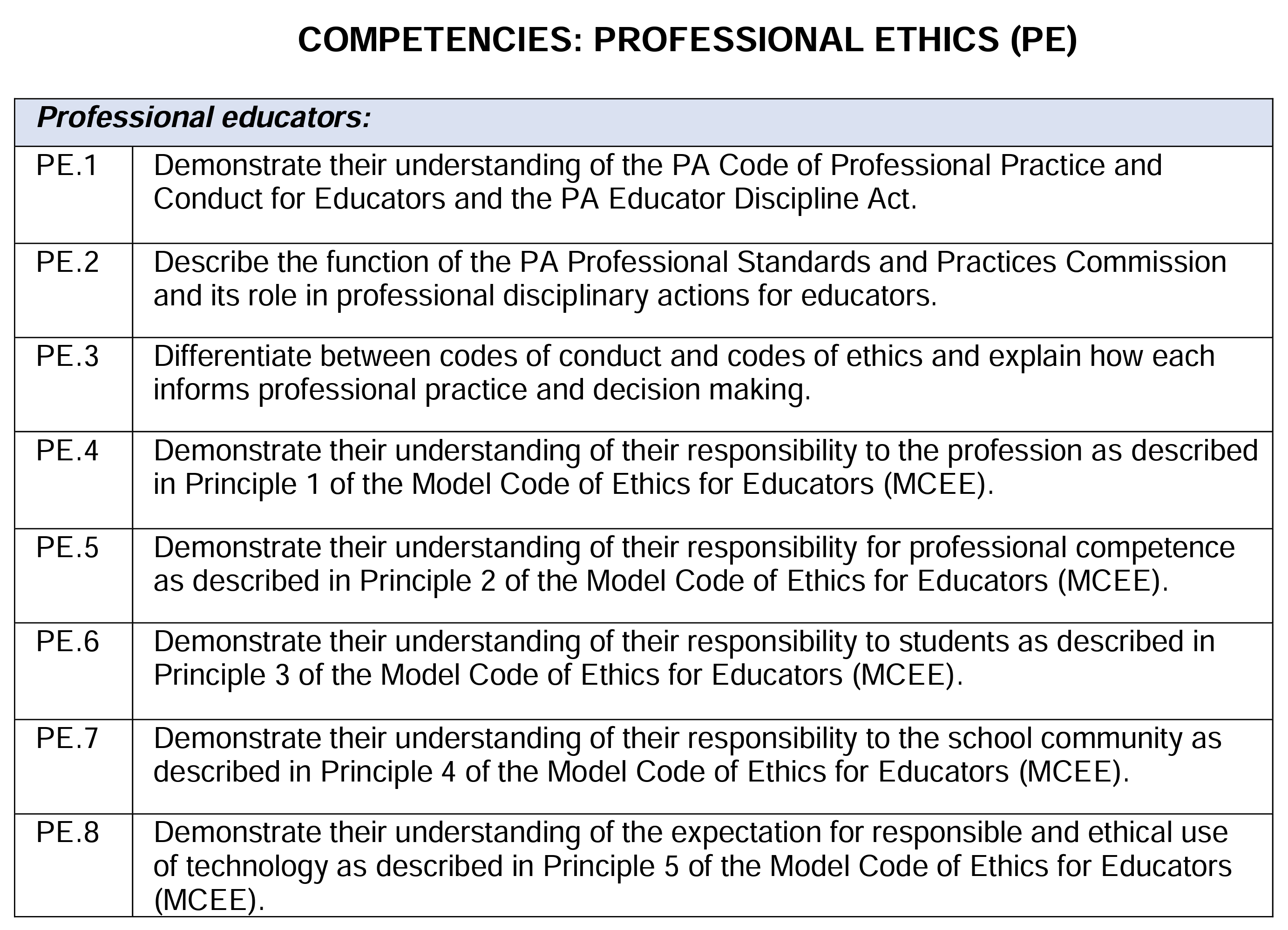
Are you aware that the Pennsylvania Department of Education (PDE) has recently revised the PA educators’ Code of Professional Practice and Conduct AND adopted the Model Code of Ethics for Educators developed by the National Association of State Directors for Teacher Education and Certification? Have you seen the new Professional Ethics Program Framework Guidelines? PA Chapter 49 requires instruction in professional ethics to be integrated in educator preparation, induction, and continuing professional development programs as follows:

  • Continuing professional development programs must integrate the professional ethics competencies no later than the 2023-24 academic year.
  • Educator preparation and induction programs must integrate the professional ethics competencies no later than the 2024-25 academic year.

Not one to let grass grow (or mud sink) under his feet, retired social studies teacher, current attorney-at-law, and past PMEA conference presenter Thomas Bailey has partnered with me to design new ethics training classes for school system leaders (25-hour Act 45 PIL course) and educators (four-hour Act 48 continuing education course). In addition, we are introducing a new “hybrid” program for school administrators involving four-hour pre-recorded asynchronous webcasts (site license), along with a three-hour synchronous webinar using the webcast videos and adding facilitated interactive discussions of three ethical case studies either via Zoom OR in-person follow-up workshops led by both clinicians.

In Depth Ethics Training for PA Educators:

  • PA Model Code of Ethics for Educators
  • PA Code of Professional Practice and Conduct
  • Professional Standards and Practices Commission
  • PA Educator Discipline Act

Click here for to register for Act 45 PIL Course.
Next series: April 25, May 2, 9, & 16, 2023

Click here for more information on the Ethics Webcast/Webinar and general information/landing page for the TWBaileyLaw website.

Click here for timeline of educator ethics presentations and clinicians’ bios.

Also review the Educators Court Case Blog and William Penn SD vs. PDE Blog.

Numerous articles have already been published on the subject of educator ethics, professionalism, and decision-making:

Hope to see you at one of these conferences or workshop sessions! Yes, it means a lot more to attend these IN PERSON!

PKF

© 2023 Paul K. Fox

Teacher Self-Care During the Pandemic

We thought our next article in this series on music teacher health and wellness was going to center around burn-out. But then… COVID-19 struck (was this really only 3-4 months ago?), we were forced into self-isolation, and all “brick and mortar” schools closed. In the ensuing panic, we all scurried about seeking solutions to reconnect and engage our students from afar in compliance with strict shelter-in-place restrictions.

“Seemingly overnight, the world changed. Teachers and school leaders have had to revamp their entire instructional systems with, in many instances, only a day’s notice. To say many of us are experiencing whiplash, disorientation, and anxiety is an understatement.”

virus-4928021_1920_HoagyPeterma“Our students are feeling it too. Typically, nationwide, one in three teenagers has experienced clinically significant anxiety in their lifetime (Merikangas et al., 2010). It’s probable that during a pandemic that heavily impacts everyday life, levels of anxiety in children and teens are even higher, and the possibility of subsequent trauma greater.”

“In these unprecedented times, teachers are rising to the occasion creatively and quickly to shift to remote learning amidst school closures. Even in a traditional classroom, it can be a challenge to support students with anxiety and trauma histories to stay calm and learn. With distance learning, this difficulty is magnified. However, there is much teachers can do to reduce anxiety in students even while teaching remotely. During this crisis, we need to prioritize students’ mental health over academics. The impact of trauma can be lifelong, so what students learn during this time ultimately won’t be as important as whether they feel safe.”

“Maintaining Connections, Reducing Anxiety While School Is Closed” by Jessica Minahan in ASCD Educational Leadership, Summer 2020

My opinion? The Internet and other forms of media can be a godsend or a contributing factor to our feelings of malaise. The 24/7 nature and immediacy of news programs and web posts updating the statistics of new coronavirus cases, hospital admissions, deaths, shortages of personal protection equipment and respirators, unemployment numbers, and the stock market’s roller-coaster ride, have added fear, stress, and “noise” to the real problem… our ability to cope with the ramifications of this pandemic!

Well, at least a lot of dialogue has been generated “out there” about recommended remediation and “success stories.” The purpose of this blog-post is to share some of this “advice from the experts.” Many of you (I hope) may say, “This is just common sense.” True, but however “common” it is, more people than you think are not applying these principles to their own personal lives. And like the one online post that caught my eye the other day, “Teachers Are Breaking” by Jessica Lifshitz, all of us should share our anecdotes… the trials, internal struggles, and tribulations… to make it through this emergency.

Together, we are stronger!

books-4843726_1920_Myriams-Fotos

I have been accused of being a little too emotional and I should not “feed into the negativity,” as one reader complained in reaction to one of my blogs. However, according to this article by Christina Cipriano and Marc Brackett, “emotions drive effective teaching and learning, the decisions educators make, classroom and school climate, and educator well-being.”

“At the end of March, our team at the Yale Center for Emotional Intelligence, along with our colleagues at the Collaborative for Social Emotional and Academic Learning, known as CASEL, launched a survey to unpack the emotional lives of teachers during the COVID-19 crisis.”

“In the span of just three days, over 5,000 U.S. teachers responded to the survey. We asked them to describe, in their own words, the three most frequent emotions they felt each day.”

“The five most-mentioned feelings among all teachers were: anxious, fearful, worried, overwhelmed and sad. Anxiety, by far, was the most frequently mentioned emotion.”

Navigating Uncertain Times: How Schools Can Cope With Coronavirus

Almost in unison, the strategies that seem to be echoed most often by medical and mental health professionals, educators on the front line, and even technology specialists, are outlined by this “wellness map of to-do’s!”

  1. Don’t obsess. Calm yourself. Set priorities.
  2. Connect and communicate often with your family members and your students.
  3. Set and maintain boundaries.
  4. Practice mindfulness.
  5. Take the necessary steps to maintain your own physical and mental health!

burnout-4778253_1920_Tumisu

Avoiding Becoming Overwhelmed

As a retiree, I “only” lost the spring season of my community youth orchestra to this crisis. In my position as state chair of the PMEA Council Teacher Training, Recruitment, and Retention (PMEA Council TTRR), I tried to soothe the “hysteria” of many of my still-working friends and colleagues who were grappling with the instantaneous roll-out of distance learning. After researching online music education resources, we were able to place countless links on the PMEA Council TTRR website (here). After 7+ weeks, one of our “omnibus Google Docs” has grown to 15+ pages and more than 225 separate sources of virtual, remote, and alternative music learning media and methods.

computer-768608_1920_free-photosFor some, this has made matters worse… an “overload of abundance!” The multitude of venues and opportunities (too many unexplored “new technologies” for many of us baby-boomers!) included information about virtual ensembles, YouTube libraries, music games, lessons plans and platforms for synchronous and asynchronous e-learning, video-conferencing techniques, hardware and software reviews, etc.

Take a deep breath! Focus! Prioritize your goals. What are you trying to accomplish? Don’t try to consume all of the available resources “out there,” nor use every application or online lesson that you find on Facebook groups like https://www.facebook.com/groups/mecol/. What was it my mother used to say at the dinner table? “Sip and chew slowly… don’t gulp!” Take away what might help your situation, but approach anything brand new in moderation!

online-5059831_1920_TumisuGo ahead and sign-up for a webinar or planned learning community meeting or two. Many professional development workshops are provided with “no extra fees” right now, like the NAfME library here, the aforementioned Facebook group and others, and if you already have a membership in PMEA, this website.

BUT… plan to take away ONLY one or two new “teaching tools” from each session… maybe consider trying-out one new app or lesson idea every other week?

As if to anticipate our needs, more than a year ago, Elena Aguilar published the in-depth piece “How to Coach the Overwhelmed Teacher” in Education Week blog, summarizing excellent stress-reduction treatments. (Share these if you think they will help you or some else! Read the entire article for more detail!)

desperate-5011953_1920_Peggy_MarcoFive tips for coaching overwhelm:

  1. Describe it.
  2. Recall previous experiences.
  3. Identify one tiny next step.
  4. Listen.
  5. Plan for action.

“When coaching someone experiencing strong emotions, it’s important to know the signs and indicators of depression and anxiety disorders. Emotions can turn into moods, and if moods hang around long enough, they may become depression or an anxiety disorder. People who feel overwhelmed a great deal may be experiencing depression, whereas those who are ‘stressed’ a lot may be experiencing anxiety. This resource, AppD Depression_Anxiety.pdf, can be offered to your coachees or used to consider whether someone may need professional help.”

“When coaching any strong emotion, it’s useful to remember that emotions can be guides to self-understanding. They are a normal part of being a human being, and strong emotions show up to get us to pay attention to what’s going on. We can welcome strong emotions—in ourselves and in our coachees—and explore them to gain insight into ourselves and humans and educators.” — Elena Aguilar

coronavirus-4991979_1920_enriquelopezgarre

Making Connections

Your loved-ones and friends probably need you now more than ever!

And, a myriad of research supports the assertion that social connections significantly improve our own physical and mental health and emotional well-being, such as published by the “Center of Compassion & Altruism Research & Education” of the Stanford Medical School:

“Strong social connection leads to a 50% increased chance of longevity, strengthens your immune system (research by Steve Cole shows that genes impacted by loneliness also code for immune function and inflammation), helps you recover from disease faster, [and] may even lengthen your life!”

“People who feel more connected to others have lower levels of anxiety and depression. Moreover, studies show they also have higher self-esteem, greater empathy for others, are more trusting and cooperative and, as a consequence, others are more open to trusting and cooperating with them. In other words, social connectedness generates a positive feedback loop of social, emotional and physical well-being.” — Dr. Emma Seppala

There’s even evidence that “human touch” and close connections with other people increase our body’s levels of the beneficial hormones serotonin and cortisol.

Just more common sense? Right? Probably!

human-2944064_1920_geralt

The first thing I did during that initial announcement of school/activity closures was to reach-out to my “musical kids.” Many music directors told me they quickly sponsored a Zoom/Google Hangout meeting of their ensemble members, mostly just to check-in with their players or singers and get everyone “on board” for future online interactions.

Perhaps COVID-19 has made me a better “citizen,” too. Much more frequently, I now call or text a friend, colleague, volunteer co-worker, or neighbor to see how they are doing. It’s terrible to admit that it took a world disaster to improve my interpersonal communications skills!

Finally, here’s a good “recap.” In spite of the need for social distancing, these examples of “safe connections” are suggested by Jennifer Wickham from The Mayo Clinic:

  • Use electronics to stay in contact with friends, neighbors and loved ones. This could include using video-conference programs, making voice calls instead of sending texts, or talking with a neighbor through windows while maintaining a safe distance.
  • Spend quality time with the people you live with, such as playing board games or completing an indoor project.
  • Make a family meal or dessert recipe that reminds you of friends or family you are unable to visit, and then call them to tell them about it. This way, you get an experience of internal and external connection.
  • Write in a journal about your experiences during this time of social distancing. Not only will this help you sort out what you are thinking and feeling, but also it can be shared going forward as a way for future generations to connect with the past.

timetable-2467247_1920_Comfreak

Setting Boundaries

Something else I admit to NOT doing!

“Going Google,” “exploring e-learning,” or “doing digital” –  it is easy to get carried away and not notice you just spent 12 hours in-a-row of “screen time” participating in online meetings or creating new remote learning opportunities for your music students. Exactly when are your classroom and office hours? You are likely pushing yourself too hard, even in your pajamas! This insane pace will only promote other health concerns!

The foresight of Elisa Janson Jones was evident for writing this in her blog “7 Self-Care Strategies to Prevent Burnout” back in September 2018 before the pandemic:

bulletin-board-3233653_1920_geralt“It’s hard to create a work-life balance when life is filled with work. Teachers are known for working long hours off-the-clock for no additional compensation. This is even more prevalent in music education. We add performances, competitions, musicals, individual lessons, fundraising, data entry, and even music composition and arranging to our task list.”

“We may find pride in saying we worked 60 hours this week, flaunting to our friends that we got to school in the dark and left in the dark. Perhaps we find self-importance in their pity and admiration.”

“However, to thrive in our profession, we must remember that teaching music is our career, not our entire life. Hobbies, families, volunteering, and other ways we contribute to our communities and our homes are also aspects of who we are.”

“Setting clear boundaries between when we are working for our paycheck and when we are working for ourselves helps us carve out space where we offer ourselves time to be free of obligations and burdens of our career. Whether it’s a few hours per day, a full day per week, or both, setting strict boundaries for when you’re on-the-clock and when you’re off is essential.” — Elisa Janson Jones

yoga-4595164_1920_laurajuarez

Mindfulness and “Living” in the Present

Another concept that Elisa Janson Jones covered in her Smartmusic blog: mindfulness.

Now is the time for a little nonjudgmental “free reflection,” or what the psychologists call the best practice of “mindfulness” – a focus with full attention on your thoughts, feelings, and sensations “in the moment.” I think the “Teaching with Orff” website really nailed it in the article “7 Self Care Tips for Quarantined Music Teachers.”  Read co-author Zoe Kumagai’s examples of affirmations: “How do I want to feel today?”

  • I allow myself time and space to reflect.
  • My mind is aware of the present.
  • My heart feels compassionate and is full of love.
  • My mind is stimulated by books, stories, art, scholarly articles, music that inspire me to be my best self.
  • I maintain boundaries with technology and intake of the news.
  • My body is free to dance.
  • My voice is clear to sing, laugh and converse authentically.

According to this Harvard Medical HelpGuide, the habits and techniques of mindfulness can improve well-being, physical health, and mental health:

“There is more than one way to practice mindfulness, but the goal of any mindfulness technique is to achieve a state of alert, focused relaxation by deliberately paying attention to thoughts and sensations without judgment… Allow thoughts to come and go without judgment and return to your focus on breath or mantra.” — HelpGuide

Band director, best-selling author, and acclaimed clinician Lesley Moffat devoted an entire chapter to mindfulness in her book I Love My Job But It’s Killing Me. You know what they say, “What’s good for the goose is good for the gander.” After learning the techniques for herself, she adopted mindfulness practice at the beginning of each band rehearsal for her students, a 4-5 minute routine of guided breathing and relaxation exercises leading up to the daily warmup chorale.


snowglobes-437383_1920_jojokejohn

I love the symbolism in her “snow globe” analogy:

“Just like a snow globe that’s been shaken up, it takes time for your mind and body to settle down. If you try to get the snow globe to settle down while you’re still holding it and carrying on with your regular activities, the snow may fall slower, but it won’t completely stop and allow you to see the objects in the snow globe. You must allow it to be completely still long enough for the water to stop swirling and the glitter to follow the pull of gravity and settle on the bottom. It only takes a matter of minutes until it settles, revealing the magical scene inside, and the very glitter that was covering up the view when it was moving around has become a lovely blanket of snow that grounds the scene in the snow globe. But without a few minutes of stillness, it is impossible for it to become completely settled. So it goes with a mindfulness practice. Your mind and body needs time to go from hyper-speed to a pace that serves you well, a place where you have space to think – and space to not think. That begins by bringing stillness to your body and to your mind. Easy to say – hard to do… until you practice it every day and it becomes habit.” Lesley Moffat

Love the Job, Loss the StressHer book should be required reading for all music teachers, even retirees who want to remain active in the profession. (Read my previous review here.) It serves as a true treasure-house of practical applications for de-stressing and re-centering your life. Her “mPower Method of Meals, Movement, Music, and Mindfulness” may be the solution to improving your situation.

FYI, her next book, Love the Job, Lose the Stress, is on the way. You can request an advance e-copy here.


“Do as I Say… Don’t Do as I Do!”

The worst part of this? We seldom take our own advice. Hey teacher, “heal thyself,” and “practice what you preach.” Taking care of our children or elderly relatives, we are probably the last to comply with the tenets of our own sermons on health and wellness.

Lesley Moffat also devoted a chapter in her book to the airline safety bulletin “Put On Your Own Oxygen Mask First.” You cannot take care of someone else (your family members or your music students) unless you first take care of yourself!

salad-374173_1920_stevepbMake self-care PRIORITY ONE for YOU! I know, you have heard all of these before:
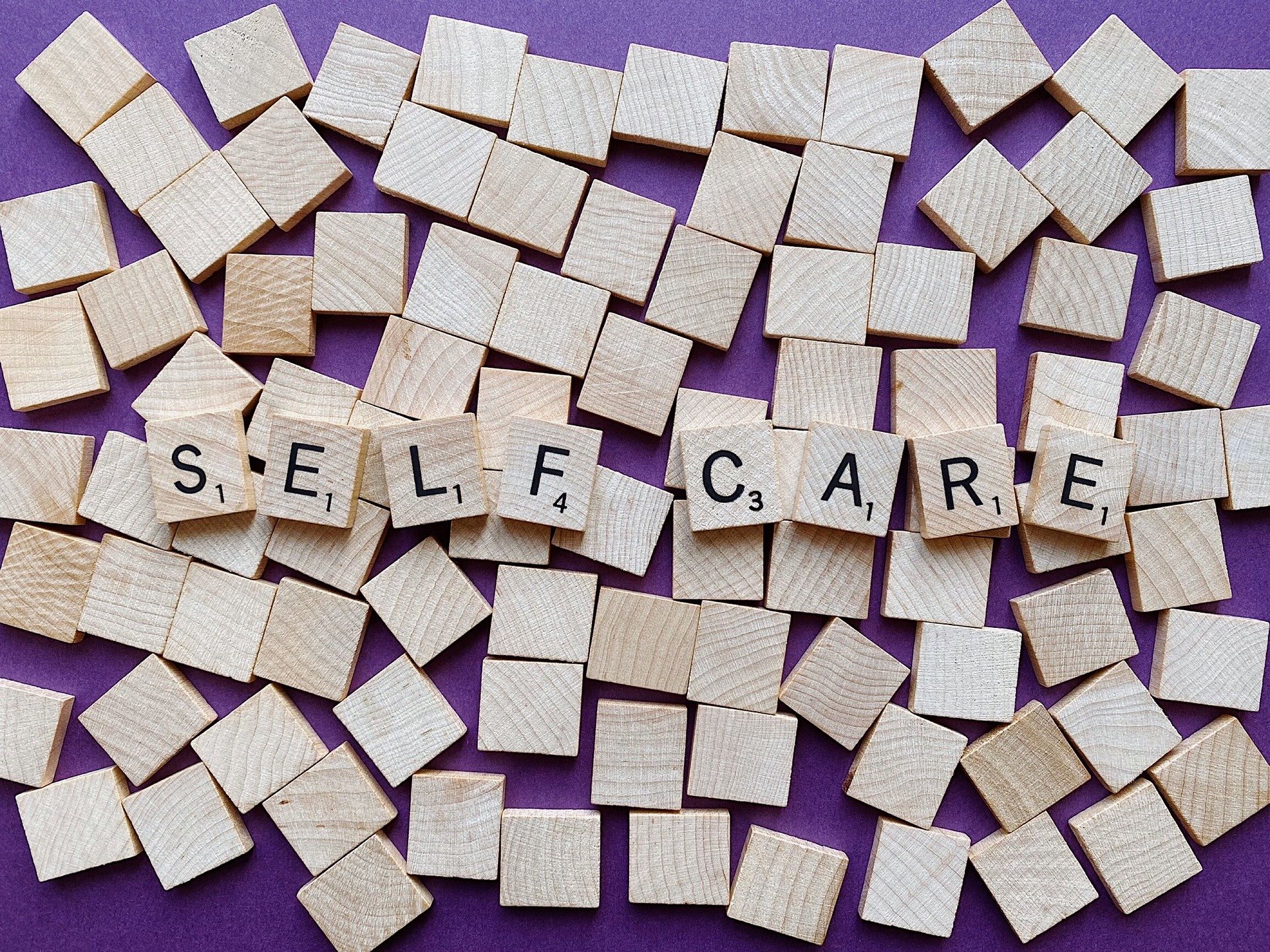
  • Eat a balanced diet.
  • Hydrate.
  • Get enough sleep.
  • Exercise daily.
  • “Flex your brain.”

The latter “exercising your mind” is referenced in the Teaching with Orff website, and is a frequent emphasis on my blog-site (with examples here, here, and here). Pursue your own avenues of creative self-expression, and grow and learn something new every day!

According to charitable organization Waterford.org, the definition of “self-care” is “any action that you use to improve your health and well-being.” They cite extensive research from the National Institute of Mental Illness (NAMI), corroborating the statement that there are six elements to self-care:

  • Physical
  • Psychological
  • Emotional
  • Spiritual
  • Social
  • Professional

self-care-4899284_1920_Wokandapix

And, as explained in the article “Why Teacher Self-Care Matters, and How to Practice Self-Care in Your School,” self-care is not about selfishness.

“Self-care is an important component of a teacher’s mental health, but there are misconceptions about what it is. It’s common for educators to dismiss the self-care movement as ‘selfish’ or ‘superficial.’ But for teachers, self-care is so much more than breakfast in bed or treating yourself to a spa day. It’s about taking care of your health so that you’re prepared to be the best teacher you can be for yourself and your students.”

Waterford.org

These endorsements probably represent just “the tip of the iceberg!” Peruse all of the resources listed below. In addition, perhaps we should take a close look at Alex Wiggin’s ASCD article,  “A Brave New World: A Teacher’s Take on Surviving Distance Learning” (Educational Leadership, Summer 2020), considering the adoption of these four lessons learned from the past four months:

  1. Relying on a team reduces work and stress.
  2. Connecting with students boosts morale.
  3. Learning new technology isn’t so bad.
  4. Model being a life-long learner

I predict that the hardest part, coming to the end of May and the completion of our first-ever “virtual spring semester,” is coming to grips with our “fear of the unknown!” At the date of this writing, no one really knows when “we” are going back to “in person” schools, how we will resume large group music instruction like band, choir, or orchestra rehearsals, and what will the “new normal” look like to successfully “move on!”

Summer break is just around the corner… a good time to stop and reflect! And yes, we will make it through this.

Please stay safe! PKF

park-5040260_1920_Queven


References


© 2020 Paul K. Fox


Photo credits (in order)

From Pixabay.com