
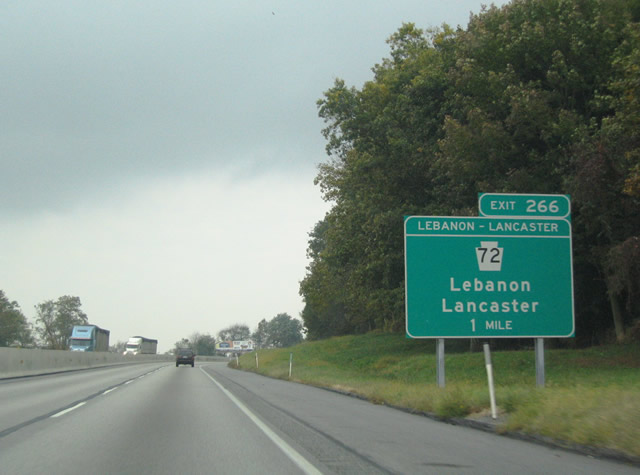
 I hate the Pennsylvania Turnpike… but I’ll get over it!
Over the 43+ years that I’ve been involved in music education conferences starting in college and attending our annual events in Lancaster, Hershey, Valley Forge, and everywhere else, I have used this “blessed” road.
Oh, it’s much better now. There are more stretches of 70 mph speed limits, and even the rest stops and restaurants are improved than they were 10 and 20 years ago. However, the twisting-twining roads, usual “bad weather” (why does it always rain or snow during the state conference?), need to jockey for position with all those large tractor-trailer trucks, etc. always challenge my nerves and patience.
Hey, it’s what we do. And I’ll never give it up.
The annual trek for acquisition of professional development remain such a critical element for self-improvement, program assessment, and personal enrichment. The annual spring and summer conferences of the Pennsylvania Music Educators Association offer an incredible depth of new materials, methods, and perspective, not to mention the all-so-essential networking, “catch-up with colleagues,” and collaboration of ideas.
As they say in the movie Shawshank Redemption (1994), “get busy living or get busy dying.” In this business, we have to look forward, seek innovation and reinvention, “build a better mouse trap,“ and absorb advice from “the latest and greatest” clinicians and “people on the move.” That’s how you GROW!
For more than four decades, I have never attended a day of professional development or a conference that I didn’t learn a myriad of new things, feel refreshed and recharged, and return to “make a difference” in my classroom, my school, and my program.
 Soon I will be attending my 51st PMEA conference (counting springs and summers). I always feel a little nostalgic this time a year when I recollect all of those PMEA District, Region State, and All-State festivals, the latter held in conjunction with the music educators conference. I’m also remembering all the times I took my students to these events, capturing memories of specific individuals, singing in their choral parts in the car, swapping old stories about previous orchestras, choirs, and conductors, and providing a few last-minute tips on how to take auditions.
Now that I’m retired, my time is more devoted in making presentations and sharing a portion of what is now a vast vault of hard-won knowledge, skills, and experiences in order to help my colleagues with their unique situations and problems. They say that “work” provides us with the three essential elements of purpose, structure, and community. Even in retirement, participating in PMEA provides me all these things and the chance to continue to interact with like-minded and committed music educators, literally for the good of the profession.
In my capacity as PMEA state retired member coordinator, I sponsor a breakfast meeting prior to the Friday morning sessions at the annual spring conference, and I have the  privilege of keeping “in tune” with fellow retirees, active practitioners, and even members of our PCMEA pre-service music teachers. This has stimulated my mind, kept me current, made me a better listener, and fostered a lot of moments of satisfaction knowing that I can still help dedicated professionals in the career that I devoted most of my life.
For those of you who have never attended a PMEA spring conference, shame on you. The annual state-of-the-art music teacher clinics, music industry exhibits, keynote presenters, and “best in the state” performances are provided to inspire you and “recharge your batteries.” Take a few personal days and see what’s up. For Pennsylvania music educators during April 19-21, 2018, we are at Lancaster, Pennsylvania. (For a schedule of sessions, concerts, and meetings, go to https://www.pmea.net/wp-content/uploads/2014/12/2018-Conf-Schedule-from-Spring-News-edit-3.26.pdf.) Next year, we will convene in my hometown, Pittsburgh, a combined in-service conference with the biennial NAfME Eastern Division.
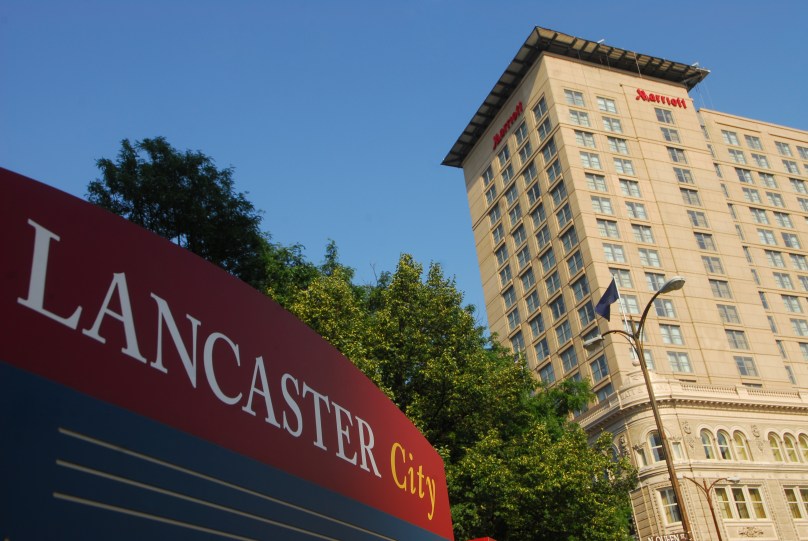
Finally, for those of you who have retired from day-to -day teaching of music classes, going to PMEA spring and summer conferences also offers you the opportunity to explore our fine state, visit historical sites, taste the cuisine, soak up the landscapes, and see the unique attractions in each city. Lancaster is a great place to take excursions. Did anyone suggest “road trip” for the grandchildren? Here are a few of the local (family-friendly) attractions you could “squeeze around” the official PMEA-scheduled events:
- Amish Farm and House Tour: http://www.discoverlancaster.com/members/amish_farm_and_house.asp
- Dutch Country Roads: http://visitpa.com/regions/dutch-country-roads
- Historic Downtown Lancaster: http://www.discoverlancaster.com/vacation-ideas/city.asp
- Historic Lancaster Walking Tour: http://www.discoverlancaster.com/members/historic_lancaster_walking_tour.asp
- Kitchen Kettle Village: http://www.discoverlancaster.com/members/kitchen-kettle-village.asp
- Lancaster Central Market: http://www.discoverlancaster.com/members/lancaster_central_market.asp
- Lancaster County Shopping: http://www.discoverlancaster.com/shopping/index.asp
- Lancaster’s Wolf Sanctuary: http://www.discoverlancaster.com/seasons/visiting-lancaster-in-spring.asp?story=lancasters-wolf-sanctuary
- More Historic Sites: http://www.discoverlancaster.com/vacation-ideas/towns-villages-trips.asp
- More Things-to-Do: http://www.discoverlancaster.com/activities/index.asp
- Places to Eat: http://www.discoverlancaster.com/dining/pennsylvania-dutch-dining.asp
- Riverlands (the great outdoors): http://www.discoverlancaster.com/towns-and-heritage/riverlands.asp
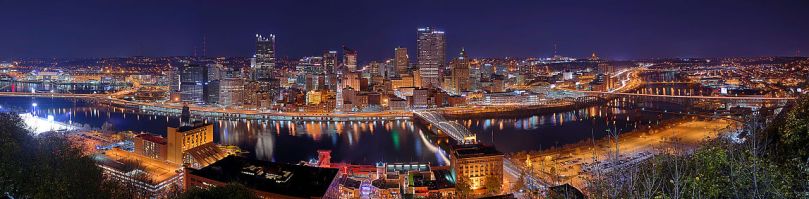
When you plan to come to Pittsburgh during the first week of April 2019, I want you to take an extra day if you can and enjoy our cultural attractions, sports events in one of the three stadiums, landmarks like the Blockhouse, Fort Duquesne, Point State Park, and the three rivers themselves, and go to places like the Carnegie Science Center, Andy Warhol Museum, Phipps Conservatory and Botanical Gardens, Pittsburgh Zoo and PPG Aquarium, etc.
So much to do and so little time…
PKF
You are cordially invited to…
…a PMEA session for soon-to-retire and retired music teachers
© 2018 Paul K. Fox




 PSERS (PA pension fund) Planning: 12 months or more away from your projected retirement date, attend a “Foundations for Your Future” program (even attend it more than once), and request a retirement estimate (form PSRS-151), after which you will need to schedule the all-important “Exit Counseling Session.”

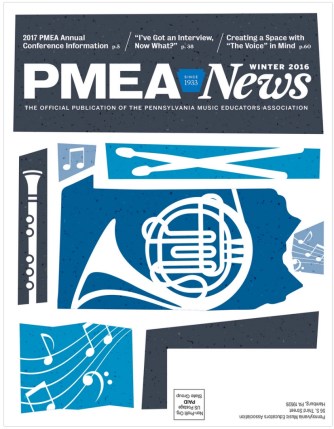 As a “professional,” you have an open, inquisitive mind, constantly strive for self-improvement, continuing education, and retooling, embrace change and better ways of doing something, and “practice” your craft. This means you read your educational publications from cover to cover. For example, these were a few of the tips in a recent PMEA News article, “I’ve Got an Interview, Now What?” shared by Dr. Kathleen Melago, PCMEA State Advisor and Associate Professor of Music Education at Slippery Rock University, and Doug Bolasky, retired band and orchestra teacher and former Department Chair of the Southern Lehigh School District:


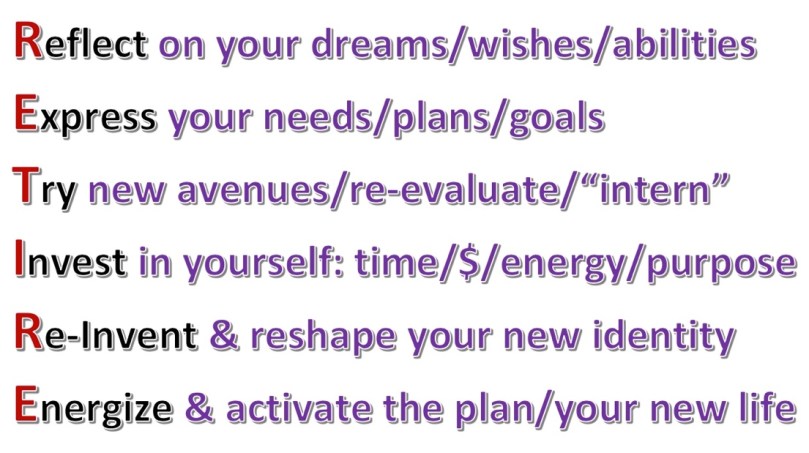
 Nope. I cannot accept these archaic definitions! My translation for what it means to face this life-style shift of changing perspectives and expectations, “Crossing the Rubicon” into retirement, is finding alternative but purposeful pursuits, fulfilling “bucket lists,” and reshaping fresh new goals leading to creative ways to self-reinvent and thrive.
 five stages of retirement that he predicts most people go through after leaving their full-time job.
  “The Five Top Stressors in Retirement and How to Cope” by Nanci Hellmich (2014) at USA TODAY

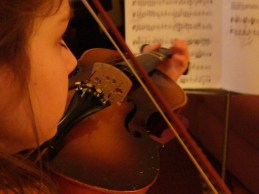 y engaged man. One example, he transformed his backyard by moving a truckload of large rocks around his garden when he was 80 years old. I attended his 100th birthday party where he played an hour-plus recital with three generations of the Reichenfelds. He always told prospective teachers, “Surround yourself with young people and you’ll never grow old.” The comment I wrote in memory of Eugene Reichenfeld in the online guest book (legacy.com) came from the heart: “With our mentor’s passing, orchestra music and education in our area will never be the same. However, thankfully, Maestro Reichenfeld’s legacy is that he ‘passed on the baton’ and inspired so many future teachers to follow in his footsteps… sharing his love of and skill in strings for eternity! The music lives on!”
 paulfox.blog