
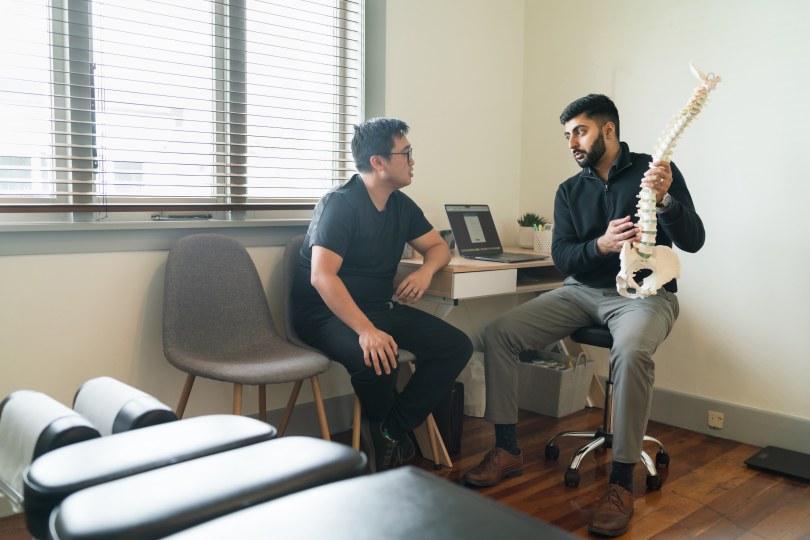
Myths of Chiropractic Care
Those of you who follow these periodic blog-posts may remember my April 18, 2025 “rant” entitled “70 and Out? – Mobility!” If you have ever experienced severe back or neck pain, I recommend revisiting this piece and skeptics, also read the article below. My chiropractors literally “saved me!” In my opinion, better than any MRI/x-ray, weeks of standard physical therapy, or MD intervention (pills, shots or surgeries), the chiropractic care of George and his son Benjamin Fraudin offered me the fastest progressive recovery while guiding me to take “baby steps” towards less pain, better mobility and flexibility! They diagnosed the exact location of my compressed discs, manually adjusted my spine, and provided exercises to help me transition out of the acute phase of my sciatica. I’m coming up to my one-year anniversary of needing a cane, TENS machine, and the rental of an electric wheelchairs during the four-day PMEA Annual Conference at Kalahari Resort in the Poconos. THANK YOU, Fraudin Advanced Chiropractic and Rehab in Pittsburgh, PA.
The following guest post authored by Jeanett Tapia was shared by Intouch Chiropractic. Intouch Chiropractic is a boutique chiropractic practice in San Diego, CA, specializing in NUCCA upper cervical care, spinal decompression, and advanced therapeutic treatments.
If you’ve spent any time researching ways to manage pain, improve your balance, or simply stay mobile as you get older, you’ve probably come across chiropractic care. And if you’re like many of us who’ve reached our retirement years, you may have also come across a reason not to try it, whether from a well-meaning friend, an outdated article, or simply an image stuck in your head of someone’s spine being violently “cracked” into submission.
Here’s the truth: many of the most persistent beliefs about chiropractic care are simply wrong. And those misconceptions may be quietly standing between you and a better quality of life.
Let’s clear the air.
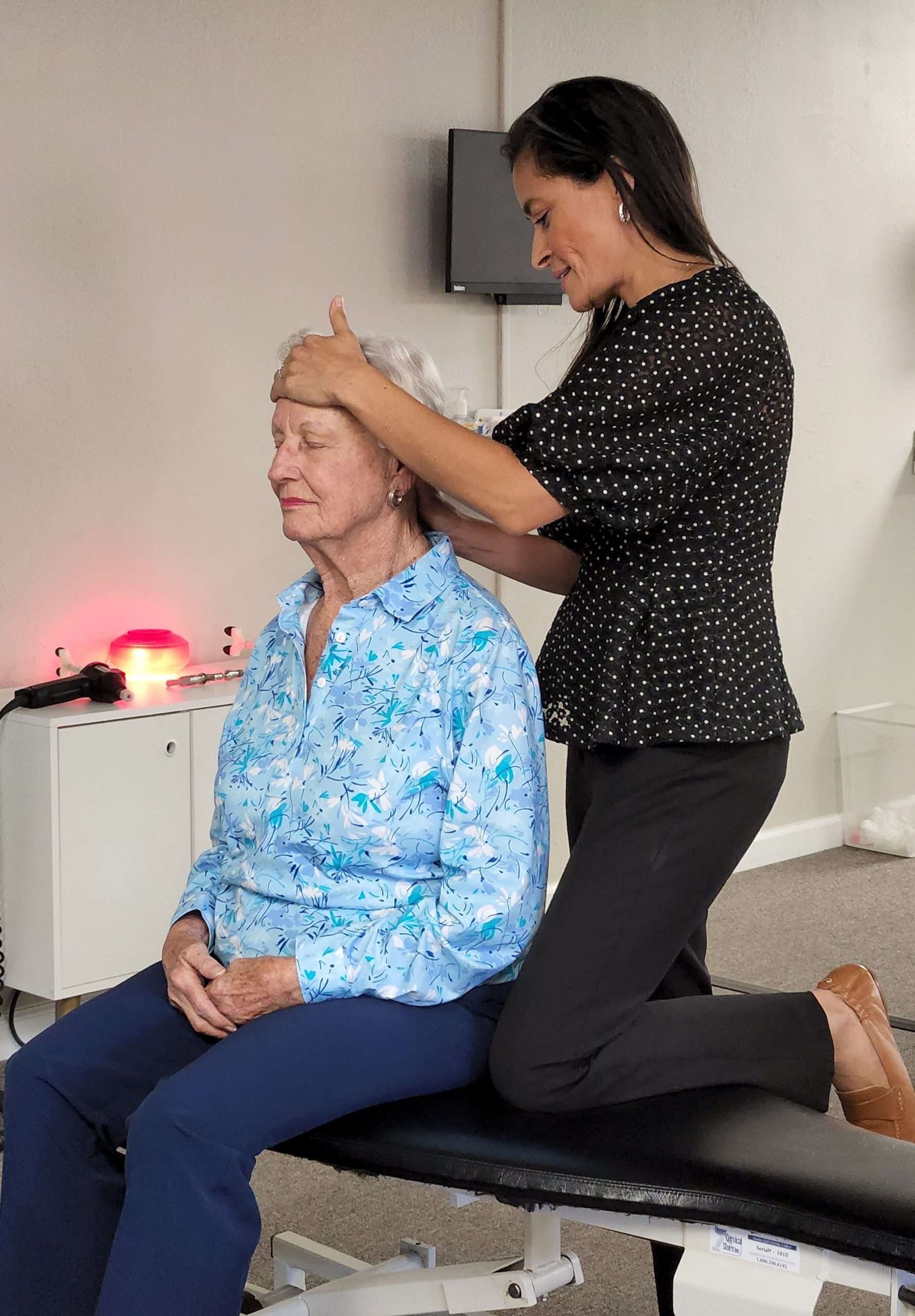
Misconception #1: “Chiropractic care means painful cracking and twisting”
This is, by far, the most common reason seniors avoid exploring chiropractic care. The dramatic neck-snap you’ve seen on TV or heard about secondhand bears little resemblance to what many modern chiropractic practices actually do.
In fact, there are even highly specialized approaches, like NUCCA (National Upper Cervical Chiropractic Association), that involve zero popping, cracking, or twisting of the spine whatsoever. NUCCA chiropractic care focuses on a precise, gentle correction of the atlas vertebra (the top bone of the spine), using only a light, calculated touch near the base of the skull. Most patients are surprised by how mild the treatment feels.
For seniors, retirees, or anyone with concerns about bone density or joint sensitivity, this kind of approach can be a genuine game-changer.
Misconception #2: “It’s too risky for older adults”
Many seniors assume chiropractic care is designed for younger, healthier bodies and that it carries real danger for those with osteoporosis, arthritis, or other age-related conditions. This concern is understandable, but largely unfounded when care is delivered by a qualified, experienced practitioner.
Trained chiropractors assess every patient individually, reviewing medical history, imaging, and physical condition before determining an approach. Techniques are adapted specifically for older adults, emphasizing comfort and safety at every step. Research consistently shows that when performed by a qualified professional, chiropractic care can improve mobility and decrease pain without serious risk, even in elderly patients.
Are there chiropractors that should be avoided? Absolutely. But that’s true with any profession or expertise. For seniors looking for things like treatment for chronic back pain, a good chiropractor can go a long way.
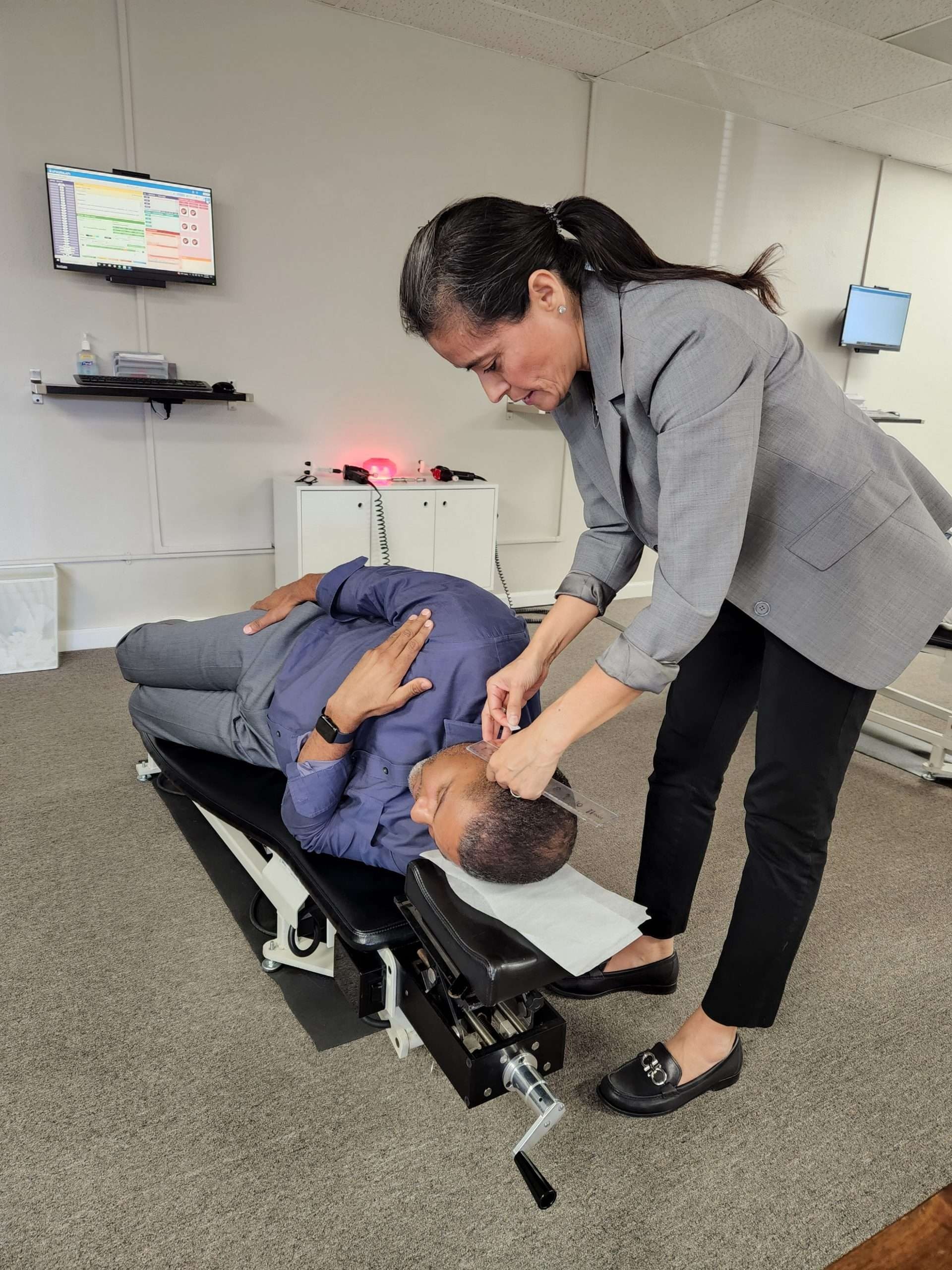
Misconception #3: “Chiropractors only treat back pain”
It’s true that most people walk into a chiropractor’s office with back pain. But limiting chiropractic care to a single symptom is like saying a cardiologist only treats chest pain.
Spinal misalignment, particularly at the top of the cervical spine, can affect far more than your back. Common conditions that respond well to chiropractic care, especially for older adults, include:
- Chronic neck pain and stiffness
- Headaches and migraines
- Balance and coordination problems (a major fall-risk factor for seniors)
- Joint pain and reduced range of motion
- Sleep disturbances and fatigue
- Brain fog and reduced mental clarity
For retirees trying to stay active, whether that means walking the golf course, playing with grandchildren, or simply navigating daily life with confidence, these benefits matter enormously.
Misconception #4: “You’ll need to go forever once you start”
This misconception often comes from a misunderstanding of how chiropractic care works. While some patients choose to make regular maintenance visits a part of their long-term wellness routine (similar to dental checkups), you are never “locked in.”
Many patients come in with a specific concern, receive a course of treatment, and achieve lasting relief, particularly with upper cervical approaches like NUCCA, which aim to deliver corrections that hold over time rather than requiring constant repeat adjustments. The goal is always to restore your body’s natural alignment so that it can maintain itself more effectively.
Your treatment plan is yours. A good chiropractor will communicate clearly, set realistic expectations, and respect your pace and goals.

Misconception #5: “It’s not real medicine, my doctor won’t approve”
Chiropractic care has long suffered from an image problem as being “fringe” or unscientific. That reputation is increasingly outdated. Numerous peer-reviewed studies demonstrate the efficacy of chiropractic adjustments for pain management, mobility improvement, and quality of life, and many primary care physicians now actively refer patients to chiropractors as part of a complementary care plan.
For seniors especially, the appeal of a drug-free, non-surgical approach to managing chronic pain and maintaining mobility is hard to overstate.
It’s not about replacing your doctor, it’s about giving your body more tools to work with.
Why This Matters for Retirees and Seniors
Mobility is independence. The ability to move freely, stay balanced, and live without chronic pain directly shapes the quality of your retirement years. Chiropractic care, particularly the gentle, precision-based approaches now available, offers a compelling, low-risk option for seniors who want to stay active and avoid the side effects of long-term medication use.
If you’ve dismissed chiropractic care based on any of the myths above, it may be worth taking a second look, especially at upper cervical approaches designed with your comfort and safety in mind.
PKF
© 2026 Paul K. Fox and Eric White
.
 paulfox.blog